

 Italiano
 Deutsch










There are no more items in your cart
SKU:
15909
Brand:
Tiezzi
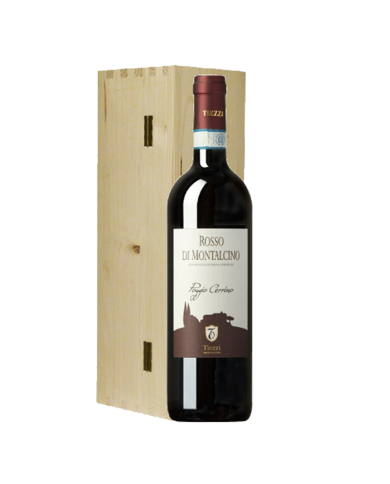
Wine obtained from Sangiovese grapes, exclusively from the vineyards of the "Soccorso" farm unit near the church of the Madonna del Soccorso, patroness of the inhabitants of Montalcino.
€110.12
SKU:
15908
Brand:
Tiezzi
Wine obtained from Sangiovese grapes, exclusively from the vineyards of the "Soccorso" farm unit near the church of the Madonna del Soccorso, patroness of the inhabitants of Montalcino.
SKU:
15907
Brand:
Tiezzi
Wine obtained from Sangiovese grapes, exclusively from the vineyards of the "Soccorso" farm unit near the church of the Madonna del Soccorso, patroness of the inhabitants of Montalcino.
€110.12
SKU:
15906
Brand:
Tiezzi
Wine obtained from Sangiovese grapes, exclusively from the vineyards of the "Soccorso" farm unit near the church of the Madonna del Soccorso, patroness of the inhabitants of Montalcino.
SKU:
15892
Brand:
Tiezzi
€105.16
The Brunello di Montalcino wine is produced with traditional methods; naturally stabilized; upon bottling it is not filtered
SKU:
15780
Brand:
San Giusto a Rentennano
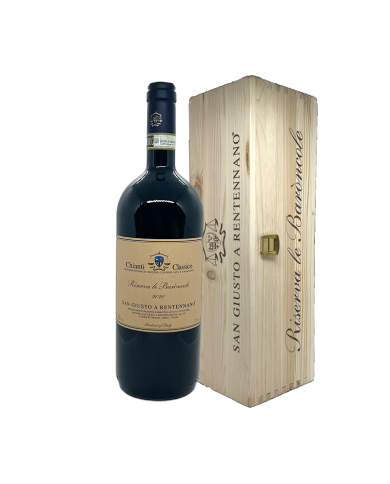
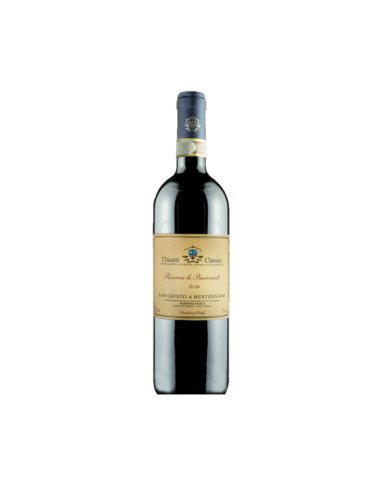
The Chianti Classico Riserva "Le Baroncole" expresses the richness and beauty of the Tuscan land. Refines for 16-20 months in oak barrels and casks and is enriched with vanilla nuances, in addition to the already present fruity and spicy aromas typical of the type. The taste is balanced, complex and deep, supported by a nice tannic texture and a pleasant savory tip
€85.00
SKU:
15757
Brand:
Roxan
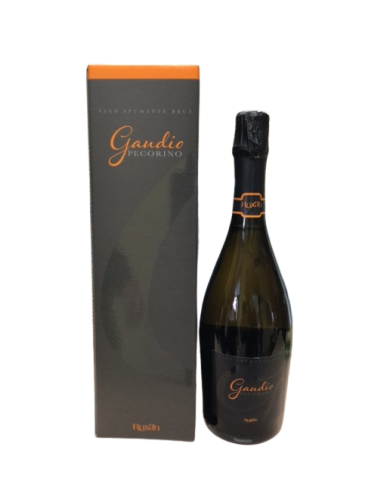
It is a brut sparkling wine with a wide and persistent froth, fine and continuous perlage, a light straw color. The aroma is intense and balanced finesse. The full flavor expresses the typicality of the production area.
€18.12
SKU:
15725
Brand:
Cantina Fratelli Pardi
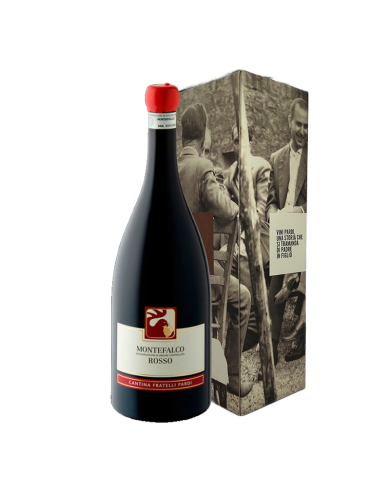
It dresses the glass in a beautiful deep ruby red. The nose is first set on dark fruit in jam and in alcohol, such as currants, black cherries and plums, then followed by intense references to green pepper, cocoa, rhubarb, licorice and chinotto. The mouth is extremely consistent with the nose, and is powerful but well managed in the tannic texture, warm, with excellent body and long persistence.
€22.61
SKU:
15716
Brand:
Fattoria La Rivolta
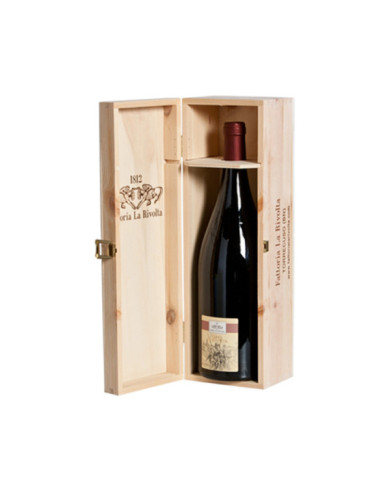
The magic of Taburno lives on in the wines from Fattoria La Rivolta, a production reality strongly linked to the territory, which with this Riserva DOCG expresses all the beauty of the Benevento area. An Aglianico with an important sip, endowed with a linear structure where each element is in perfect harmony. The grapes ferment in steel for 20-25 days at a controlled temperature of 27 °C, and then refine first in barriques for 18 months and then, after bottling, for another 18 months in glass. “Terre di Rivolta”: to be appreciated down to the last drop!
€94.43
SKU:
15700
Brand:
4 Quattro Valli
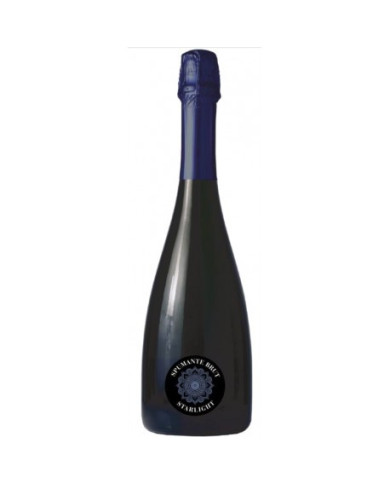
Spumante Brut Starlight 4 Valli Love for the land and passion for wine is the constant that has always accompanied the generations of the Ferrari & Perini families. A sensitivity that comes from afar, which brings with it ancient and immutable values, such as respect for nature, constancy, the hard work that our predecessors employed to allow us to carry on the beautiful profession of the winemaker up to the present day. The most important moment of the company's development is the birth of Cantine 4 Valli, in 1952. The choice placed at the base of our philosophy, also referred to in the name, consists in the ability to best represent the typicality of the Colli Piacentini wines. In fact, the Cantine 4 Valli transform their own grapes and grapes purchased only and exclusively in the vineyards of the Piacenza hills. It is a real service center to which a series of companies distributed throughout the Piacenza area belong.
€21.90
SKU:
15684
Brand:
Dei Principi di Spadafora
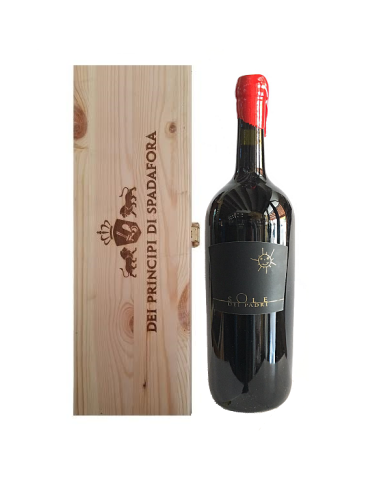
Il Sole dei Padri "Dei Principi di Spadafora" is a pure Syrah perhaps something more than 100%, an organic red wine that comes from a single vineyard, 400 meters above sea level. Production 7,000 bottles. This Syrah is the offspring of the previous one, even if it has now surpassed it in importance.
€154.82
SKU:
15660
Brand:
Ploner
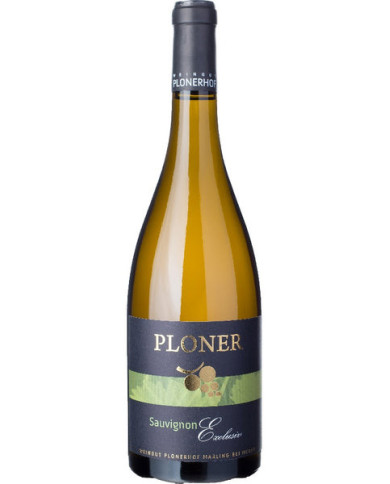
Grape variety Trebbiano Vinification White fermentation in steel. Fermentation takes place spontaneously without the addition of selected yeasts. it is decanted. The decanted must is ready for the alcoholic fermentation which is carried out at 16°C for 10/12 days. Colour: Intense yellow. Bouquet: very persistent with marked hints of yellow-fleshed fruit, mainly Williams pears. Taste: In the mouth it is intense and persistent. Strong minerality and important sapidity, given above all by the proximity of the vineyards to the sea.
€81.29
SKU:
15659
Brand:
Ploner
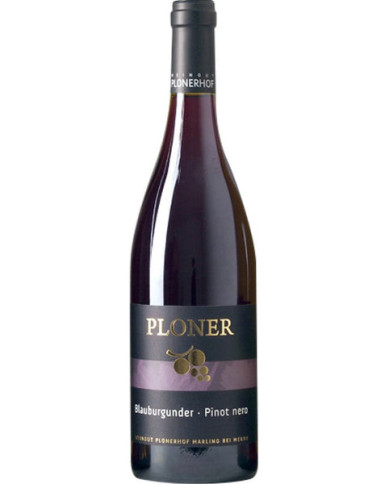
Fascinating red wine with delicate, soft fruitiness, fine aromas of wild berries, red cherries and strawberry nuances, supported by sweet tannins. Pleasant aftertaste and end of long persistence. Each glass leaves a convincing and unforgettable impression.
€50.63
SKU:
15633
Brand:
Oasi degli Angeli
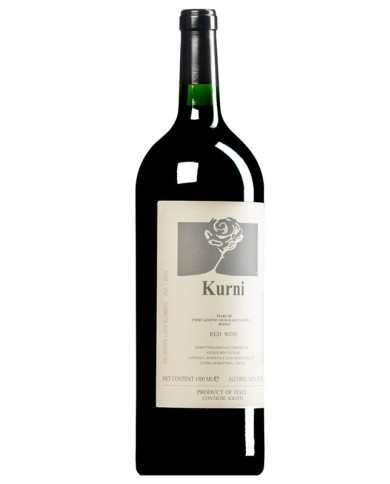
The Kurni wine of Oasi degli Angeli is born in vineyards located in the valley of the Sant'Egidio stream, in the municipality of Cupra Marittima, the winery's flagship wine, where everything has been focused on a management of the vineyards compatible with the pure needs of a territory poor in soil characteristics.
€311.01
SKU:
15603
Brand:
Moretti Omero
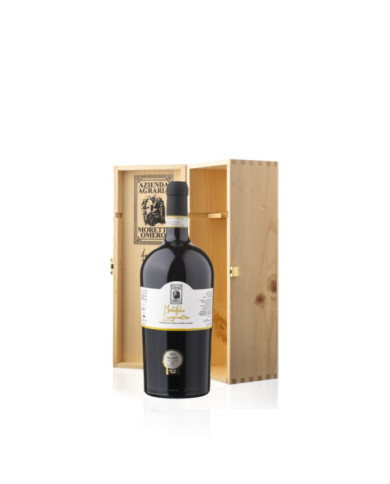
Vibrant ruby red. Small red fruits on the nose, including the typical hint of blackberries. Balsamic hints. Elegant and powerful. Persistent finish with returns of berries and spices. Fermentation 15 days. Maceration 20 days on the skins. Contact with fine lees for 6 months. Batonnage.
€114.90
SKU:
15579
Brand:
Castellare di Castellina
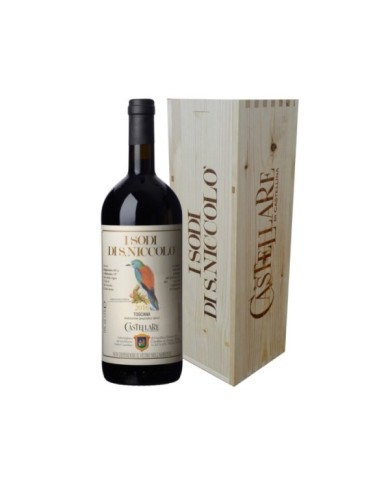
Intense ruby red with garnet reflections. The nose expresses richness and intensity thanks to beautiful fruity and slightly spicy, balsamic and floral notes. On the palate it is centered, juicy, fine and complete. It closes with a vibrant and persistent finish. Throughout the meal, it goes well with salami and meats rich in flavor, tasty and aromatic cheeses.
€222.35
SKU:
15535
Brand:
Stefano Amerighi
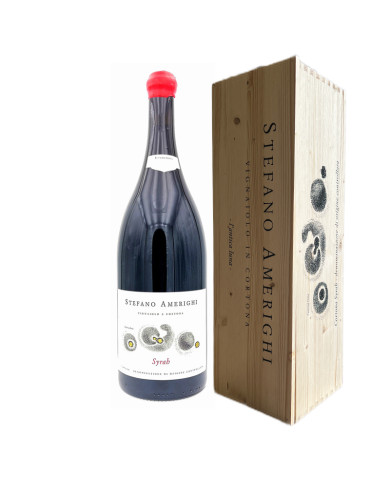
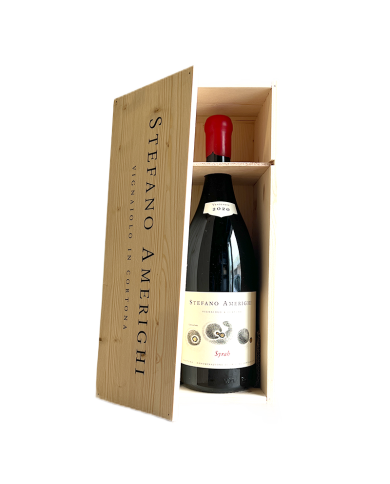
This Syrah is Stefano Amerighi 's representative wine, the result of his work and his idea. A broad idea that goes from the soil to the plant to the balance of nature.
€179.90
SKU:
15534
Brand:
Stefano Amerighi
This Syrah is Stefano Amerighi 's representative wine, the result of his work and his idea. A broad idea that goes from the soil to the plant to the balance of nature.
€84.90
SKU:
15527
Brand:
Avignonesi
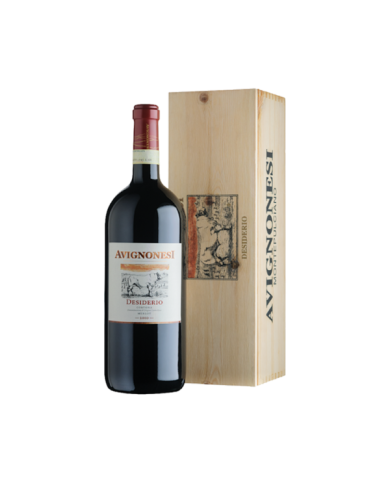
With a warm and sensual character, full of fruity notes and sweet spices, Desiderio 2016 goes perfectly with savory dishes, such as roast lamb, aged cheeses and game. Intense ruby red in color, this wine reveals an inviting bouquet of black cherries and blackberries with notes of eucalyptus and fresh mint, underlined by elegant sensors of roses and sandalwood. Well structured and very persistent, in the mouth it is enveloping and caressing, characterized by fruity notes and fine-grained tannins.
€125.00
SKU:
15509
Brand:
Francesco Massetti
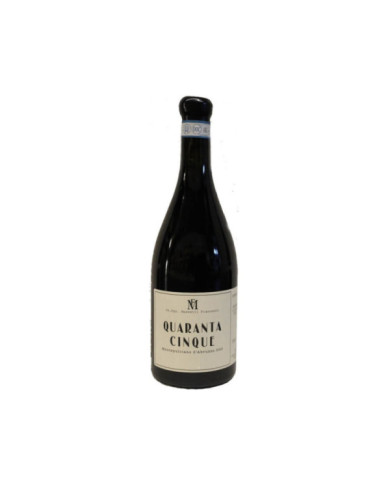
Francesco Massetti's Montepulciano d'Abruzzo Quarantacinque 2019 is a representative wine of the new generation of good winemakers, on the nose ripe aromas, red fruit, Mediterranean herbs, in the mouth Francesco's decisive hand refers to the power of the vine which is balanced with a good drink that still recalls the food.
€159.21
SKU:
15508
Brand:
Francesco Massetti
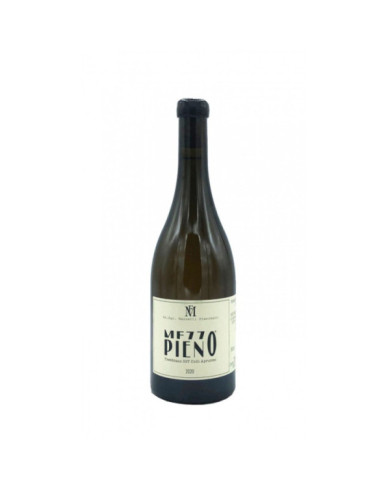
Francesco Massetti's Trebbiano offers the nose aromas of apple, white peach and puffs of hay as well as Mediterranean herbs, in the mouth it has a beautiful structure, freshness and saltiness with a good persistence, time will make this wine more complex, which is already very popular today .
€103.46
SKU:
15507
Brand:
Francesco Massetti
Francesco Massetti's Montepulciano d'Abruzzo Quarantacinque 2019 is a representative wine of the new generation of good winemakers, on the nose ripe aromas, red fruit, Mediterranean herbs, in the mouth Francesco's decisive hand refers to the power of the vine which is balanced with a good drink that still recalls the food.
€86.62
SKU:
15506
Brand:
Francesco Massetti
Francesco Massetti's Trebbiano offers the nose aromas of apple, white peach and puffs of hay as well as Mediterranean herbs, in the mouth it has a beautiful structure, freshness and saltiness with a good persistence, time will make this wine more complex, which is already very popular today .
€61.49
SKU:
15488
Brand:
Valle Martello
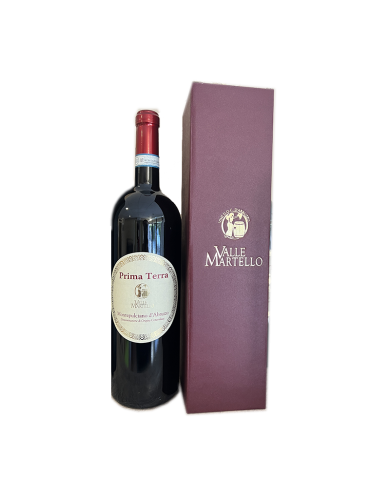
Prima Terra is a wine obtained from Montepulciano grapes grown in an ancient vineyard of the Masci family, the former, as anticipated by its name. Aged first in large wooden barrels, it then rests in the bottle for at least a year. It has an intense ruby red color. On the nose it expresses strong jam aromas and on the palate a pleasant softness obtained from a delicate aging.
€45.98
SKU:
15487
Brand:
Valle Martello
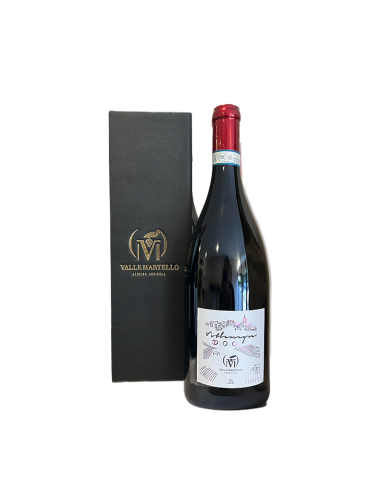
Villamagna DOC is the result of the project to enhance our wine area. It comes from a late harvest with manual harvesting of the selected grapes. Ruby red in color with purple reflections, the nose expresses intense aromas of red fruit, especially black cherry. In the mouth it fills the palate with its soft and velvety taste. Balanced and harmonious, it is a wine that goes well with Mediterranean cuisine, main courses of meats, salami, aged cheeses.
€33.18
SKU:
15486
Brand:
Piandimare
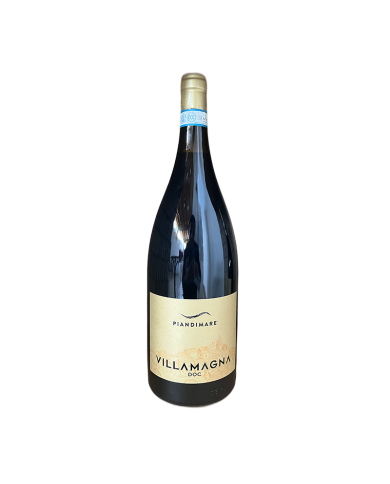
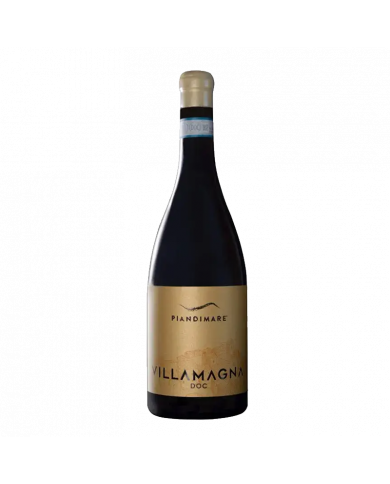
It is with the arrival of the new Villamagna Doc that Cantina Piandimare expands the line of its Montepulciano d'Abruzzo from the Piandimare massale selection with a further red that wants to be the umpteenth praise to the territory and the demonstration of the potential in terms of structure and aging. through the work done by the winery with only the grapes coming from the Val di Foro, in particular from those of the territory limited to the small, but growing interest, Doc Abruzzo Villamagna.
€33.65
SKU:
15309
Brand:
Nativ
Important red wine whose vines are grown on volcanic soil on the hills of Taurasi. The name of our wine derives from the place where horses were once said to graze in the wild, and where the remains of the ancient hermitage of S. Quirico can still be found. A wine so precious as to dress it with a work of art by the contemporary painter Moreno Bondi.
€48.99
SKU:
15211
Brand:
Gianni Doglia
Moscato d'Asti is an excellent dessert wine that goes well with dry pastries and fruit cakes; moreover, thanks to the moderate alcohol content, it is a pleasant thirst-quenching drink in the summer. The combination with cured meats and cheeses is more provocative; a provocation that will amaze you! To preserve all the fragrance of the fruit in the wine, it is necessary to adopt a particular harvesting and vinification technique. In fact the grapes, coming from the company's own vineyards, are harvested manually in the vineyard and carefully placed in boxes for transport to the cellar; here they are delicately pressed and the must obtained is kept in cooling vats (-1.5° C) until the moment of vinification in an autoclave. Fermentation takes place at a controlled temperature and with the help of selected yeasts until 5% alcohol is reached. Subsequently the wine will be filtered and bottled. The result is a lively wine with strong and intense varietal characters.
€33.92
SKU:
15207
Brand:
Enrico Gatti
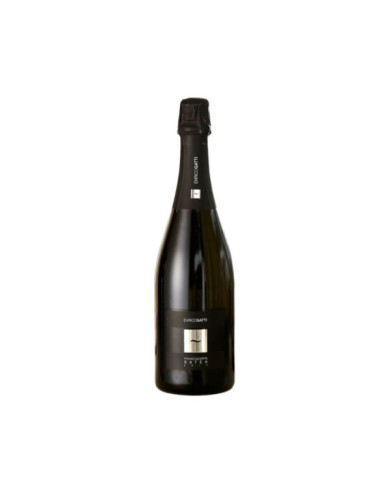
Obtained from the soft pressing of grapes
Chardonnay and a Pinot Noir from
vineyards located in the foothills area.
The vinification takes place in steel tanks.
Permanence on the lees for a minimum of 24 months.
Contains notes of tropical fruit, nuts and
hazelnuts. Harmonious olfactory perceptions e
engaging.
€56.00
SKU:
15204
Brand:
Enrico Gatti
Obtained from the soft pressing of grapes
Chardonnay from vineyards located in the area
hilly.
Part of the must is fermented in oak barrels
French and matured on the fermentation lees e
part is vinified in steel.
Permanence on the lees for a minimum of 32 months.
Essentially creamy with fragrant tones of
fresh almond and delicate aromas of butter.
Delighted with a subtle minerality.
€72.47
SKU:
15203
Brand:
Enrico Gatti
Obtained from the soft pressing of grapes
Chardonnay from vineyards located in the area
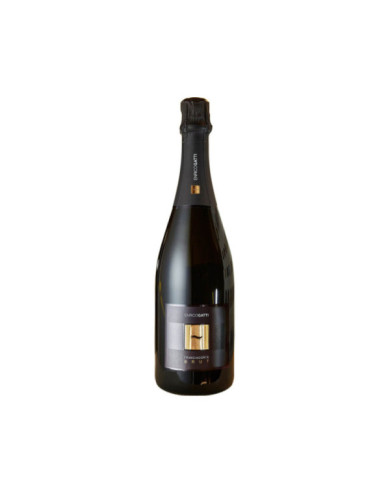
foothills.
Vinification takes place in steel tanks.
Permanence on the lees for a minimum of 24 months.
Franciacorta Brut expresses personality
of the company.
Fresh, played on a balanced persistence
which refers to dried fruit and citrus fruits.
€55.27
SKU:
15156
Brand:
Follador
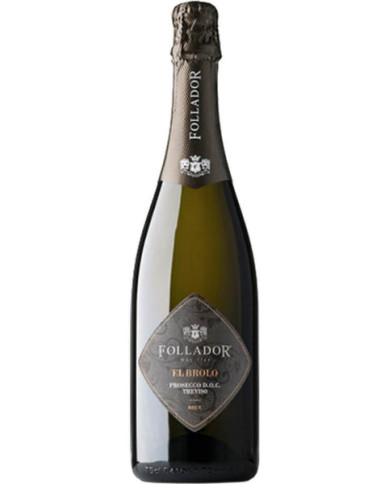
Hints of flowers, apple, pear and citrus fruits, which are found in the mouth giving sensations of flavor and freshness. Fine and persistent bubble. Pale straw yellow color with greenish reflections. Ideal for a refreshing aperitif or with appetizers, first courses and dishes based on fish, vegetables and white meats.
€33.55
€44.24
SKU:
15069
Brand:
Carpineto
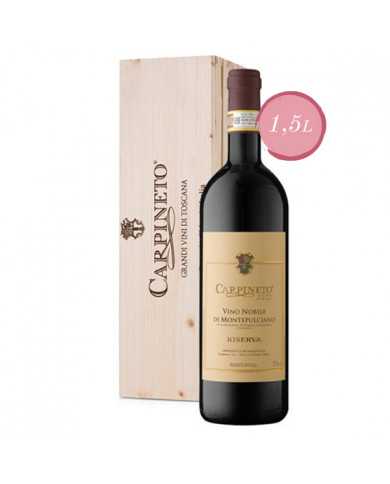
A great red wine, it takes its name from Montepulciano, a Renaissance city in the province of Siena, which dominates the wide and verdant Valdichiana from the top of a hill. The appellation of "Nobile" seems to derive not only from its intrinsic qualities of finesse and elegance, but also from the fact that in the past the production of this wine was particularly cared for by the noble families of the city.
€110.40
SKU:
14900
Brand:
PODERE MATTIOLI
Around the 12th century, an ancient villa known as “il castellare de Ylice” stood near our cellar. The name was probably due to the Latin term ilex (holm oak), a particular variety of oak very common in our area. To date, no trace has remained of this historic villa, but the passion and respect we have for our territory has prompted us to pass on the name of that ancient presence.
€33.86
Large format wines are a popular choice for special occasions and among wine collectors. They come in a variety of sizes and offer a variety of advantages over standard bottles. In this article, we'll explore everything you need to know about large format wines, from their benefits to storage and purchasing.
The advantages of large format wines
Large format wines offer numerous advantages over standard bottles. First, most wines in large formats age better than standard bottles. This is because the amount of oxygen entering the bottle is lower than in standard bottles. Furthermore, the larger capacity of wine in a single container means that temperature fluctuations are less significant, reducing the risk of damage to the wine.
Secondly, large format wines are an ideal choice for special occasions. A large bottle quickly becomes the center of attention and impresses guests. Furthermore, a single large bottle is much easier to manage than many smaller ones. For example, if you're hosting a dinner for a large group, you can use several large bottles to facilitate service.
Large format wine sizes
Large format wines are available in different sizes, each with a specific name:
Magnum : 1.5 litres, equal to two standard bottles
Jeroboam : 3 liters, equal to four standard bottles
Rehoboam : 4.5 liters, equal to six standard bottles
Methuselah : 6 liters, equal to eight standard bottles
Salmanazar : 9 liters, equal to twelve standard bottles
Balthazar : 12 liters, equal to sixteen standard bottles
Nebuchadnezzar : 15 litres, equal to twenty standard bottles
Storage of large format wines
Storing large-format wines is an important aspect to consider. Because these bottles are larger than standard bottles, storage can be more complicated. Most cellars don't have shelves or space suitable for large bottles, so planning ahead is essential.
Additionally, large bottles may take longer to adjust to the ambient temperature in which they are stored. To avoid temperature fluctuations, it's important to store large bottles in a cool, dry place.
Purchase of large format wines
Buying large format wines can be an excellent choice for wine collectors and for special occasions. However, it's important to pay attention to the bottles' origin. Large bottles can be more susceptible to counterfeiting than standard bottles, so it's important to buy from reputable and trustworthy sellers.
What are large format wines?
Large format wine bottles are larger than the standard 750ml bottle. There are numerous larger wine bottle sizes, including the Magnum (1.5 liters), the Double Magnum (3 liters), the Jeroboam (4.5 liters), the Rehoboam (4.5 liters), the Methuselah (6 liters), the Salmanazar (9 liters), the Balthazar (12 liters), and the Nebuchadnezzar (15 liters).
Why choose large-format wines?
There are many reasons to choose a larger bottle of wine over the traditional 750 ml bottles. First, wine in larger formats is more stable than standard bottles, thanks to the greater volume of wine in the bottle and the smaller amount of air coming into contact with the wine.
Secondly, wines in large formats develop more slowly, meaning they can be stored for a longer period without undergoing any alteration. Furthermore, these wines have greater harmony and balance than standard bottles, thanks to the greater contact surface between the wine and the cork.
Finally, wines in large formats are ideal for special occasions, such as weddings, anniversaries, birthdays, or corporate events, because they have a greater visual impact and can satisfy the palates of a greater number of people.
How to choose a large format wine?
Choosing a large-format wine depends on the type of wine and your personal needs. Generally, the wines best suited to larger formats are those that require a longer aging period, such as structured red wines, complex white wines, or sweet dessert wines.
Furthermore, it's important to choose a high-quality wine, because the larger the quantity of wine in the bottle, the greater the chance of defects appearing. It's therefore important to purchase wines in large formats from reputable retailers who offer guarantees regarding the wine's quality and shelf life.
Finally, it's important to consider the number of people attending the event to choose the right bottle size. For example, a Magnum bottle (1.5 liters) is enough for about 10 people, while a Balthazar bottle (12 liters) can satisfy up to 100 people.
In conclusion, large format wines are an excellent choice for special occasions and for wine collectors, thanks to their greater stability, their ability to evolve more slowly, and their ability to please the palates of a larger number of people.