Italiano
 Deutsch








There are no more items in your cart
SKU:
16027
Brand:
Sutto
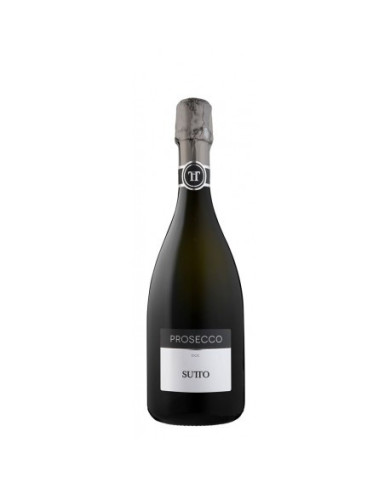
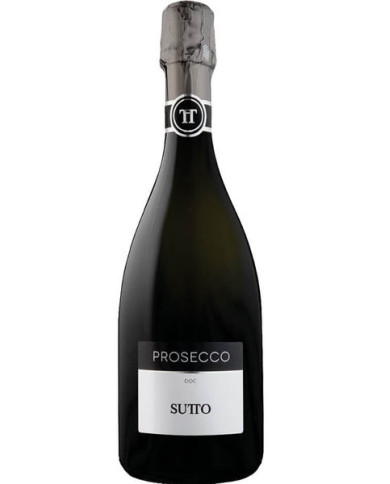
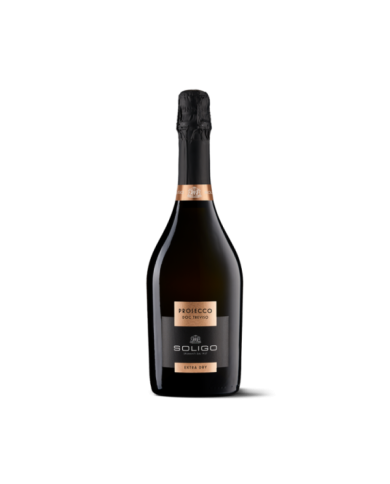
Our Prosecco DOC extra dry Sutto comes from the territories of the province of Treviso and is the result of the search for a harmonious and versatile drink that has now become the image of our way of "making wine".
€11.71
SKU:
16026
Brand:
Sutto
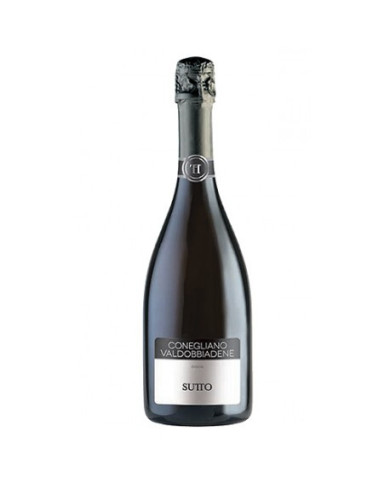
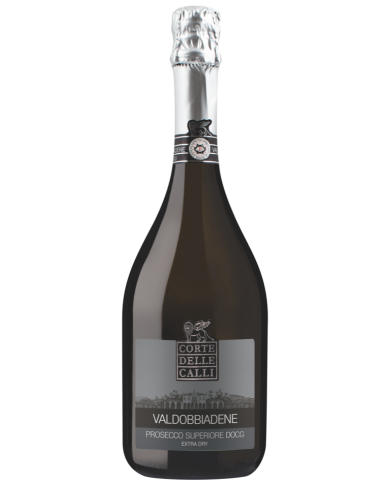
The Valdobbiadene Prosecco Superiore Extra Dry Sutto comes from prestigious lands of morainic origin. The example of an exclusively manual agriculture in steep and insidious terrain, combined with a process designed to keep the wine on its noble lees for a period sufficient to give the pleasure of drinking well in all circumstances.
€17.54
SKU:
16025
Brand:
Sutto
The territory from which our Prosecco DOC comes extends in the hills of the province of Treviso, in the DOC production area and covers a set of territories that follow one another from the plain up to the Venetian heights. From here comes a fragile and generous vine: the Glera, delicately tended by hand, due to the nature of the steep, steep and difficult terrains in which it lives. This grape transformed into wine takes the famous name of Prosecco, one of the most drunk wines in the world. Delicate aromas and refined flavors that arise from the perfect symbiosis between a mild microclimate, strengthened by a remarkable temperature range and an ancient soil, rich in limestone and clay, originating from the lifting of the seabed.
€14.31
SKU:
16024
Brand:
Sutto
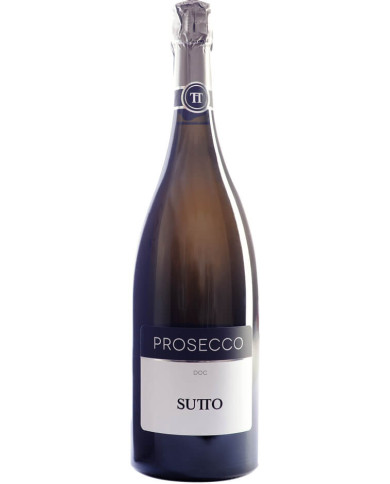
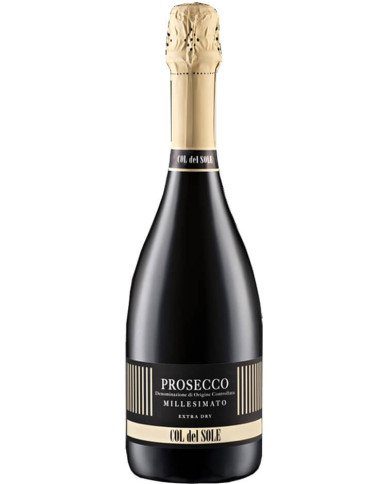
The Magnum size of Prosecco Millesimato Extra Dry from the Sutto winery is the right choice for an informal toast or to celebrate an important event.
Straw yellow color with slight greenish reflections. The nose is inebriated by floral aromas and nuances of fresh fruit. On the palate it is full, fresh and very soft.
A bubble with a fine and persistent perlage, the ideal companion for aperitifs or in combination with fish-based dishes and first courses with delicate sauces. A glass that is not excessively dry, with the right effervescence and a finish supported by a stimulating acid vein that make it a must for convivial meetings.
€29.40
SKU:
15998
Brand:
Kandèa F.lli Tullio Cataldo
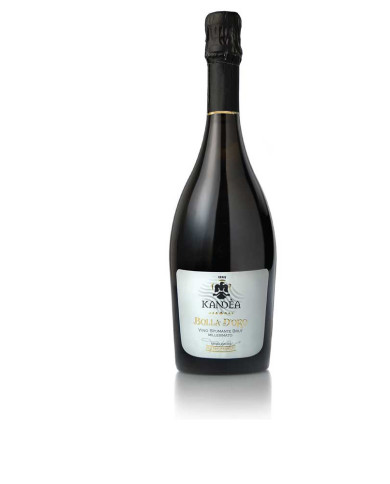
The grape variety chosen for the spumante base of Bolla d'Oro is the "Bombino Bianco". Its ancient origins probably date back to the challenge of Barletta and the Spaniards. It prefers deep, draining soils and is certainly one of the most interesting grapes for sparkling wine. Bolla D'oro is born from the application of the long charmat method, with a fermentation period of no less than 40 days sur lie which gives an absolutely unique and original roundness and fullness to the tasting (texture), enhanced by a fine and persistent perlage. Vin de fete, with a great personality and an intriguing bouquet in which notes of apricot and white peach predominate with white flowers (blossom) and dried fruit intruding on the finish.
€12.03
SKU:
15984
Brand:
Terra dei Re
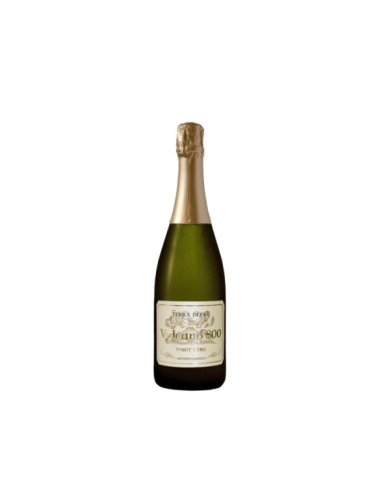
Its aromatic richness is closely linked to the complexity of the volcanic soil. The evident mineral notes and the olfactory freshness are the synthesis of the extreme altitude of the vineyard. The pleasant aromatic presence of small fruits that give it a unique character. Crunchy and savory, a pleasant tingling envelops the palate and the fine creaminess gives a sublime pleasure
€21.81
SKU:
15983
Brand:
Terra dei Re
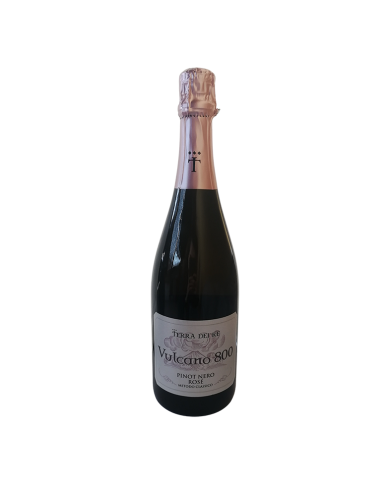
First flower, from soft pressing and short maceration
on the skins. Light, delicate and sharp to the taste. Seducer
of senses, intense and fresh like the early morning rose.
The sense of smell surrenders to the hollyhock while the rose sparkles
canine, slight scent of hibiscus. Fragrant and lively taste,
intense reference to the pulp of strawberry and red currant.
The Pinot Noir grapes are harvested at the first sign of ripening, when acidity and sugar content are in balance. Our sparkling wine has a good acid component and a low alcohol content.
To obtain a very light rosé colour, we reduce contact with the skins to a very short duration.
The processes of the classic method are articulated, the long times of maturation of the wine favor elegance and complexity.
€70.15
SKU:
15982
Brand:
Terra dei Re
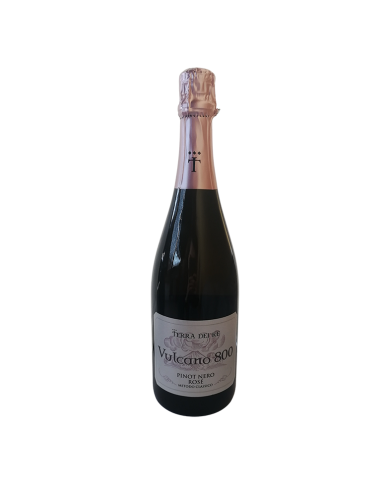
First flower, from soft pressing and short maceration
on the skins. Light, delicate and sharp to the taste. Seducer
of senses, intense and fresh like the early morning rose.
The sense of smell surrenders to the hollyhock while the rose sparkles
canine, slight scent of hibiscus. Fragrant and lively taste,
intense reference to the pulp of strawberry and red currant.
The Pinot Noir grapes are harvested at the first sign of ripening, when acidity and sugar content are in balance. Our sparkling wine has a good acid component and a low alcohol content.
To obtain a very light rosé colour, we reduce contact with the skins to a very short duration.
The processes of the classic method are articulated, the long times of maturation of the wine favor elegance and complexity.
€23.25
€10.31
SKU:
15936
Brand:
Tenuta La Chiusa
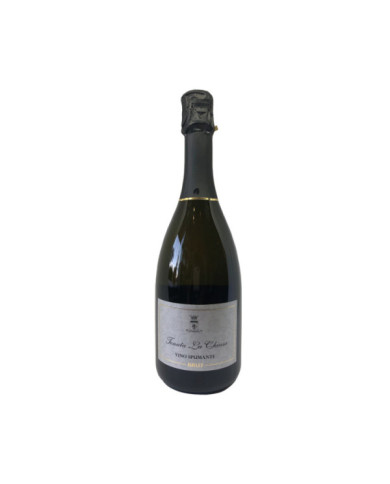
Tenuta La Chiusa's Brut sparkling wine is made only from Vermentino grapes, harvested in advance of those destined for still wine. The harvest at the end of August is followed by a soft pressing of the grapes and finally a slow fermentation at a controlled temperature. The sparkling process takes place with the Charmat method.
€18.20
SKU:
15883
Brand:
Colli del Soligo
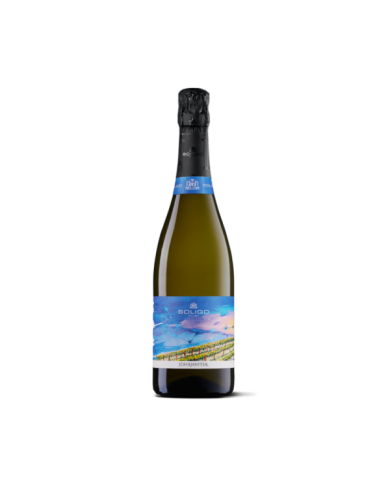
Johanniter is a white grape variety resistant to fungal diseases created from the cross between Riesling and Freiburg 589-54 several decades ago, in 1968 in Germany. The grapes are harvested towards the end of August. As soon as they arrive in the cellar, the bunches are softly pressed and the must is fermented in steel tanks. Once the base wine has been obtained, the second fermentation takes place, i.e. the sparkling process according to the Charmat Method. * resistant vine: it is a vine obtained from interspecific crossings aimed at lowering the susceptibility of the plant towards cryptogamic diseases (such as downy mildew and powdery mildew) and low temperatures. In this way a stronger plant is obtained and consequently viticulture becomes ethically and ecologically more sustainable both for man and for the environment. The resulting wines are healthier and qualitatively not inferior to the conventional ones we usually consume. In Italy, the cultivation of 10 resistant grape varieties is currently permitted. Colli del Soligo offers two, Souvignier Gris in the still wine version and Johanniter in the sparkling version. Taste to know. Don't miss the opportunity, taste it!
€10.53
SKU:
15877
Brand:
Colli del Soligo
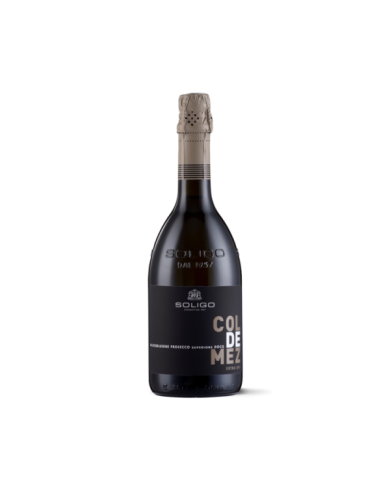
Prosecco Valdobbiadene Superiore DOCG Col De Mez is produced with Glera grapes ripened on the vineyards of the historic hill called Col de Mez.
The harvest takes place in September and is strictly manual. It is also called the "heroic harvest" precisely because picking the grapes in these rows is not easy at all. The slopes are steep, the hills craggy, each operation requires attention and experience.
In the Extra Dry version, it goes perfectly with dishes with a delicate flavor and with any fish-based dish.
€13.64
SKU:
15853
Brand:
Colli del Soligo
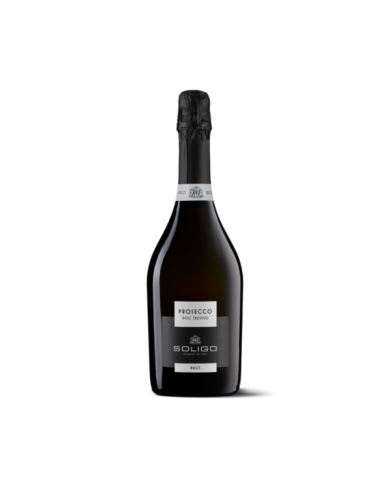
The Glera grapes used for the production of this sparkling wine come from vineyards located in the plains, on the outskirts of Treviso. The bunches are generally harvested in September at medium ripeness in order to preserve the acid component, which is important in the production of Prosecco Spumante. After the harvest, the grapes are subjected to a light pressing and a slow fermentation in steel tanks. Finally, the refermentation in autoclave (sparkling) follows the Charmat method.
€10.78
SKU:
15852
Brand:
Colli del Soligo
In the vineyards located in the plains, at the gates of Treviso, the golden bunches of Glera ripen and are harvested during the month of September.
After the harvest, the grapes are pressed and the must is fermented in steel tanks.
At the end of this process we obtain the base wine.
This is followed by the sparkling process in an autoclave according to the Charmat method, as per tradition.
€10.78
SKU:
15848
Brand:
Colli del Soligo
€14.12
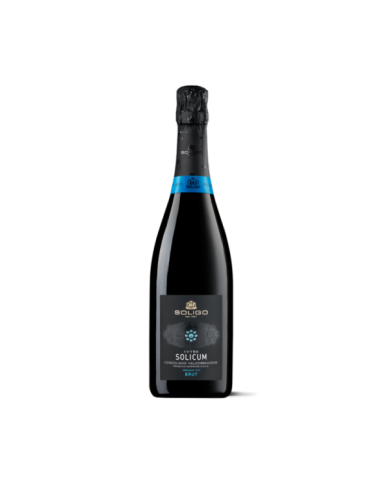
Cuvée Solicum, result of the selection of the best grapes grown in the municipalities of San Pietro di Feletto, Refrontolo, Col San Martino and Miane. Areas that have always been suited to viticulture.
The bunches are harvested by hand from the vineyards located on the hills and once they arrive in the cellar they are processed as per tradition.
First the vinification in white then the sparkling in autoclave following the Charmat method.
This is how this refined and elegant sparkling wine was born, perfect as a gift idea or to be uncorked during a dinner with friends.
€14.12
SKU:
15847
Brand:
Colli del Soligo
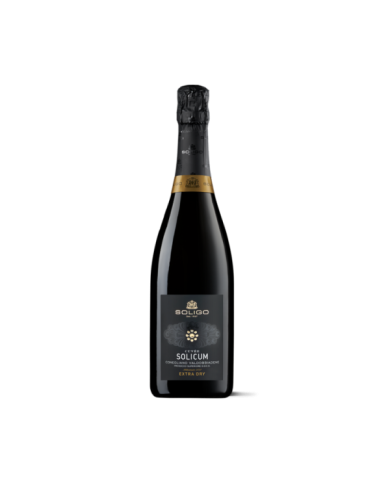
Solicum Cuvée Extra Dry is produced with grapes ripened in the vineyards located in San Pietro di Feletto, Refrontolo, Col San Martino and Miane. Hilly area, always suited to viticulture, exposed to the sun.
Here the soil, the climate and the skilful tradition come together and give the grapes a high quality level.
The result is a precious nectar capable of seducing the most refined palates.
Taste it combining it with delicate fish-based dishes or first courses with vegetables.
Also perfect for a cheerful toast with friends.
€14.12
SKU:
15843
Brand:
Colli del Soligo
Grapes harvested by hand in September. This is followed by gentle pressing and slow fermentation in steel tanks. Second fermentation in autoclave.
With a classic straw yellow color, it shows itself with beautiful multiple fruity scents, from pear to plum and peach. With balsamic hints on the finish and an unexpected softness to the taste, with a delicate freshness.
It goes nicely with fish-based dishes and aperitifs.
€8.30
SKU:
15842
Brand:
Colli del Soligo
100% Glera grapes with a straw yellow color and greenish reflections and crossed by a minute and continuous perlage.
The vinification takes place in the most traditional way but with great care: the grapes are harvested by hand in the month of September; in the cellar, the bunches are softly pressed and a slow fermentation then begins in steel tanks using selected yeasts. Second fermentation in autoclave.
The nose smells of fresh fruit, with hints of mandarin, pineapple and pear, but also of floral hints of wisteria and hawthorn with hints of aromatic herbs. In the mouth it stretches exuberantly and is immediately pleasant: it bewitches the palate with fruity sensations and the unmistakable softness. It makes it perfect for pairing your aperitifs and fish and sushi courses.
€14.15
SKU:
15841
Brand:
Colli del Soligo
100% Glera grapes with a straw yellow color and greenish reflections and crossed by a minute and continuous perlage.
The nose smells of fresh fruit, with hints of mandarin, pineapple and pear, but also of floral hints of wisteria and hawthorn with hints of aromatic herbs. In the mouth it stretches exuberantly and is immediately pleasant: it bewitches the palate with fruity sensations and the unmistakable softness. It makes it perfect for pairing your aperitifs and fish and sushi courses.
€12.32
€24.00
SKU:
15826
Brand:
Spinelli
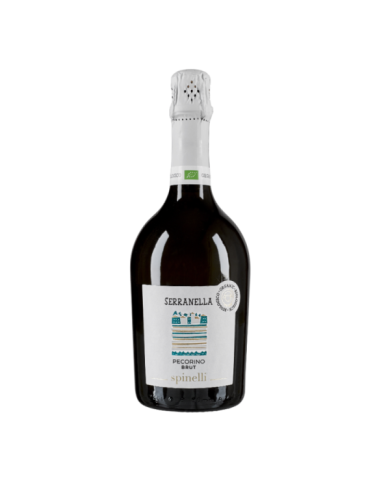
Straw yellow colour. Fine-grained and persistent perlage. Finely fruity bouquet, delicate, aromatic, balanced and very elegant bouquet. Clean, soft flavour, reminiscent of exotic fruit.
Excellent as an aperitif and with appetizers, it is perfect with all seafood cuisine, especially raw fish and seafood. Also perfect with delicate meat-based dishes and vegetables.
€12.57
SKU:
15812
Brand:
Corte delle Calli
There are moments that represent something magical, that ignite joy. Moments where the heart and the palate open up to welcome sparkling sensations. With Gran Cuvée you feel the taste, you savor the aromas, the scents envelop you in a magical atmosphere, where everything flows together to create unique and unprecedented emotions. Wine with a pale straw yellow color and a lively perlage. The aromas are pleasantly fresh with fruity nuances of yellow fruit, peach and apricot. In the mouth it is clean with a pleasant gustatory harmony.
€8.04
SKU:
15808
Brand:
Corte delle Calli
€11.36
€10.22
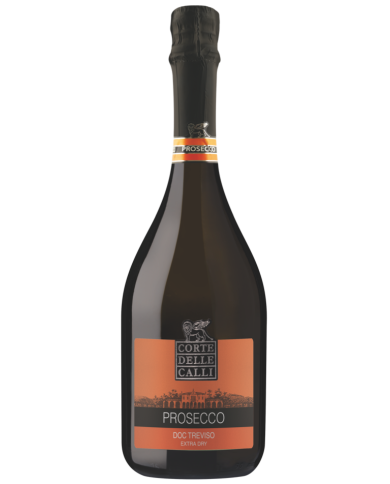
The sparkling process takes place according to the Charmat method in steel autoclaves according to the rules dictated by the production disciplinary. The result is a young and exciting extra dry wine suitable for all occasions. Brilliant straw yellow color with some greenish reflections. With a lively perlage, it has aromas of good intensity with hints of white flowers and fruity golden apples. Good intensity. The taste is fresh and on the palate it is elegant and soft, with a pleasantly sugary vein.
€11.36
€10.22
SKU:
15806
Brand:
Corte delle Calli
Prosecco, in the sparkling version, is a wine capable of teasing and satisfying even the most demanding palates. It has a brilliant straw yellow color with a fine and persistent perlage. The bouquet is complex with hints of rose, jasmine, wisteria and acacia flowers. The fruity notes are of banana apple and pineapple, with mineral nuances. Good freshness, particularly sapid and excellent persistence.
€14.53
€13.08
Sparkling Wine Sales: How to Choose the Best and Pair It with Food
Sparkling wine is a festive and lively wine, ideal for accompanying celebrations and convivial gatherings. In Italy, sparkling wine production is highly diverse and includes a wide range of varieties, from Prosecco to Champagne, including Franciacorta and Trento DOC .
In this article, we'll guide you through the world of sparkling wines, with tips for choosing the right wine for your preferences and occasions, food pairings, and tasting suggestions.
How are sparkling wines produced?
Sparkling wines are produced through a fermentation process that allows the wine to produce bubbles. There are two main methods for producing sparkling wines: the Classic Method and the Charmat Method.
Each sparkling wine has its own production method, which influences both its flavor and final price. The main production methods are the Classic Method, the Charmat Method, and the Martinotti Method.
The Classic Method is the most expensive and artisanal method used to produce high-quality sparkling wines such as Champagne. In this method, the second fermentation takes place in the bottle, with the yeast settling at the bottom of the bottle and being removed through the disgorging process. This process requires considerable time and attention, which is reflected in the final price of the product.
The Charmat Method is used to produce lighter, fruitier sparkling wines. In this method, the secondary fermentation takes place in large stainless steel tanks, where the wine is kept under pressure to create carbonation. After fermentation, the wine is filtered and bottled.
The Martinotti Method , also known as the Italian Method or the Tank Method, is a modern method used to produce high-quality sparkling wines such as Prosecco. In this method, the secondary fermentation takes place in large stainless steel tanks, where the wine is kept under pressure to create carbonation. After fermentation, the wine is filtered and bottled.
In addition to the production method, the type of grape used also influences the flavor and final price of the sparkling wine. The main grape varieties used to produce sparkling wines are Chardonnay, Pinot Noir, and Glera.
Chardonnay is a white grape used to produce high-quality sparkling wines like Champagne. It has a fruity flavor and a buttery note.
Pinot Noir is a black grape used to produce high-quality sparkling wines such as rosé Champagne. It has an intense and complex flavor, with notes of berries and spices.
Glera is a white grape used to make Prosecco. It has a fresh and fruity flavor, with notes of green apple and pear.
Ultimately, choosing a sparkling wine depends on your personal taste and the occasion for which you're drinking it. Sparkling wines are an excellent choice for parties and celebrations, but they can also be enjoyed as an aperitif or with a light meal. With the wide range of sparkling wines available on the market, there's sure to be one to suit every taste and budget.
Related posts