

 Italiano
 Deutsch









There are no more items in your cart
SKU:
17657
Brand:
Velenosi
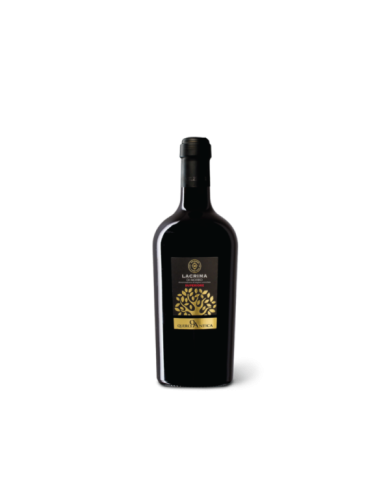
Zona di produzione Vigneti di proprietà situati nel comune di San Marcello – Ancona Uvaggio Lacrima di Morro d’Alba 100% Grado alcolico 13% VOL
€15.68
SKU:
17656
Brand:
Velenosi
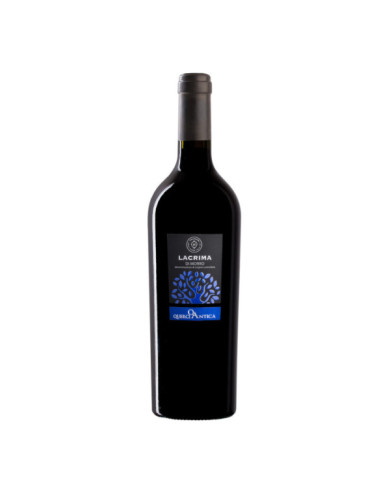
Il "Querciantica" è una Lacrima di Morro d'Alba di grande freschezza e semplicità che, con il solo affinamento in acciaio, svela tutta la fragranza fruttata e floreale di questa antica varietà marchigiana. Profumi di ciliegia e fragola fanno da cornice a sensazioni di rosa e sfumature vegetali. Il sorso mostra una trama sottile e leggera, attraversata da un giovane tannino e scandita da leggere sensazioni aromatiche
€14.00
SKU:
17655
Brand:
Velenosi
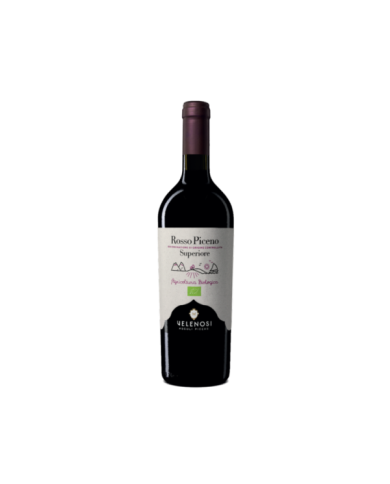
Rubino con riflessi rosso granato.
Intenso, con spiccate note di polposi frutti rossi. Alle note floreali di viole freschissime si aggiungono quelle speziate di pepe nero. Eleganti sentori vanigliati chiudono un ampio e complesso bouquet.
Persistente, caldo, corposo e armonico. Confermate le note fruttate, floreali e speziate. Grande struttura, buona persistenza con finale lungo e appagante.
€8.05
SKU:
17654
Brand:
Velenosi
Rosa quarzo brillante. Intenso, il primo impatto è floreale con sentori di rosa e viola, con note di piccoli frutti rossi. Buona la struttura tipica del vitigno di origine, spicca di piacevole freschezza e intensa mineralità.
€11.47
SKU:
17653
Brand:
Velenosi
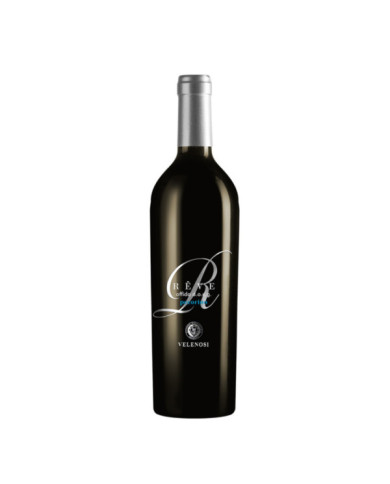
Il Pecorino "Réve di Villa Angela" è un vino bianco dal sorso avvolgente, fresco e sapido che nasce sui suoli sabbiosi di Offida. Il ventaglio olfattivo verte su toni erbacei, fruttati e floreali con leggere sensazioni vaniglia. Il sapore è avvolgente e rotondo, dotato di una intensa e pregevole freschezza marina
€21.23
SKU:
17652
Brand:
Velenosi
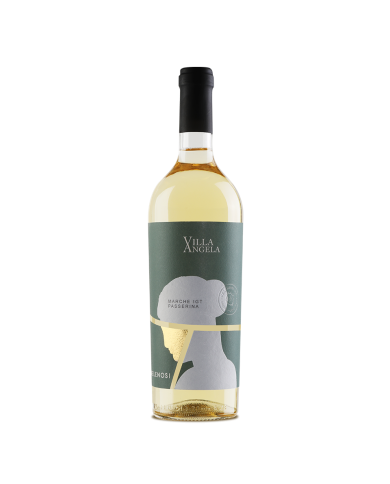
Zona di produzione Vigneto di proprietà situato a Monteprandone
Uvaggio Passerina 100%
Grado alcolico 12,5% VOL
€13.91
SKU:
17651
Brand:
Velenosi
€15.49
€13.94
Zona di produzione Uve selezionate nei vigneti di Ascoli Piceno e Offida Uvaggio Pecorino 100% Grado alcolico 13% VOL
€15.49
€13.94
SKU:
17650
Brand:
Velenosi
Giallo paglierino intenso e lucente.
Bouquet complesso, elegante e armonico, con sentori di frutta esotica e agrumi. Floreale di biancospino, fiori d’acacia, gelsomino e sentori di erbe aromatiche. Una grande freschezza esalta le caratteristiche degli aromi varietali.
Acidità, freschezza e morbidezza convivono in un sorso appagante lungo ed elegante.
€11.59
SKU:
17649
Brand:
Velenosi
Zona di produzione Unico appezzamento situato ad Ascoli Piceno con buona esposizione al sole
Vitigno Trebbiano 50%, Passerina 30%, Pecorino 20%
Grado alcolico 12.5% VOL
€11.96
SKU:
17648
Brand:
Velenosi
Zona di produzione Vigneti di proprietà situati ad Ascoli Piceno
Vitigno Passerina 100%
Grado alcolico 13,5% VOL
€10.98
SKU:
17647
Brand:
Velenosi
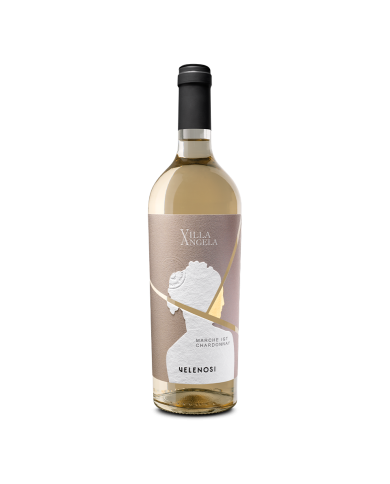
Zona di produzione Vigneti di proprietà situati ad Ascoli Piceno Vitigno Chardonnay 100% Grado alcolico 13% VOL
€10.74
SKU:
17646
Brand:
Velenosi
Zona di produzione Vigneti nella zona originaria e più antica dei Castelli di Jesi
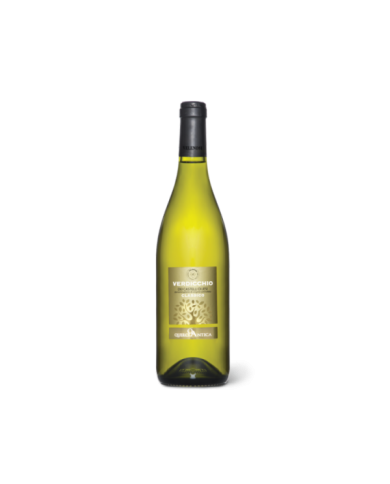
Uvaggio Verdicchio 100%
Grado alcolico 13% VOL
€10.61
SKU:
17645
Brand:
Velenosi
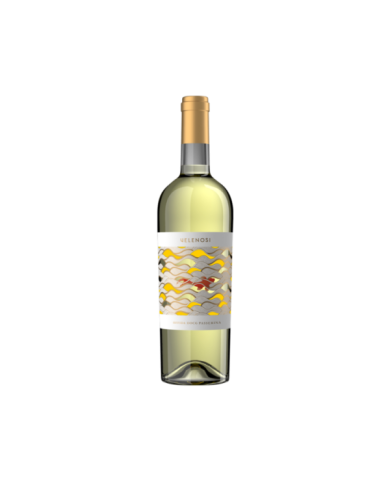
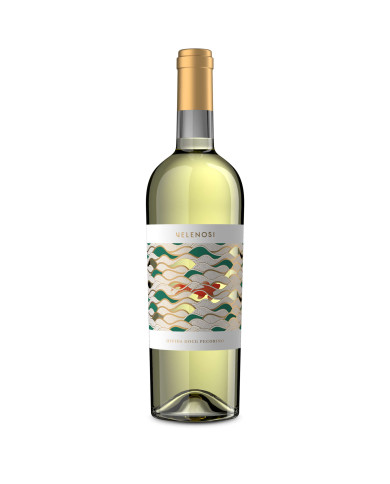
Velenosi si presenta nella sua forma base, con un bianco fermo semplicemente adatto alla giornata.
€7.93
SKU:
17340
Brand:
Fontezoppa
€12.43
€10.57
This wine has a straw yellow colour, brilliant and inviting. On the nose, it offers a refined fragrance characterized by delicate floral notes, which blend harmoniously with a complex fruity profile of pineapple, grapefruit and peach.
€12.43
€10.57
SKU:
17107
Brand:
Boccafornace
€8.20
€7.38
a white that benefits from the homonymous native variety, son of an ancient tradition that aims to create an authentic and genuine product. Vinified in purity, Pecorino Boccafornace
SKU:
17038
Brand:
Fontezoppa
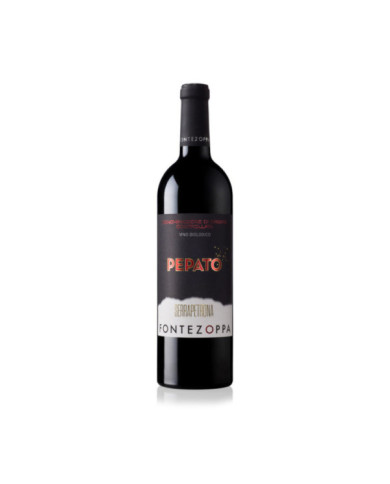
Obtained from Vernaccia Nera grapes, with the production area at an altitude comparable to mountain wines where drying with hanging bunches is expected, at the end of which the must is left to ferment and refine in barriques for at least three years.
€39.41
SKU:
17037
Brand:
Fontezoppa
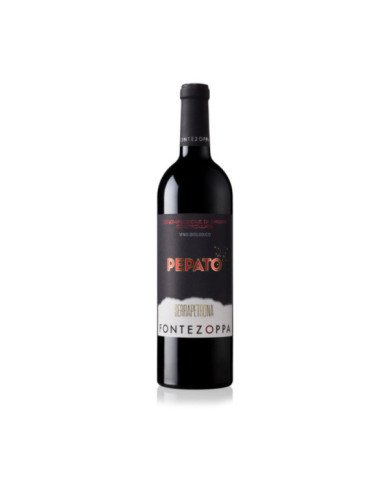
The wine, obtained from Vernaccia Nera grapes and aged for 18 months in barrique, has an intense ruby colour, very consistent.
€93.94
€29.89
SKU:
17035
Brand:
Fontezoppa
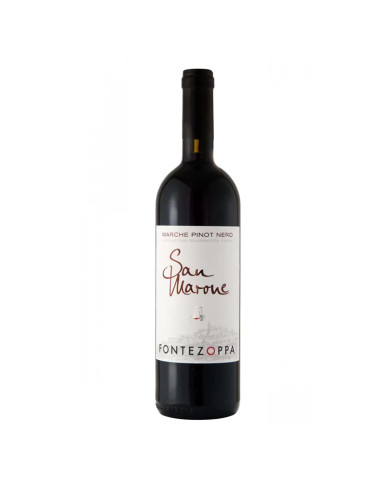
Obtained from hand-picked Pinot Noir grapes and aged for 18 months in barriques, the wine has a beautiful, lively and consistent ruby colour.
€27.32
SKU:
17034
Brand:
Fontezoppa
Obtained from 100% hand-picked Sangiovese grapes, this wine, aged for 12 months in barrique, has a ruby color with purplish hues.
€11.70
SKU:
17033
Brand:
Fontezoppa
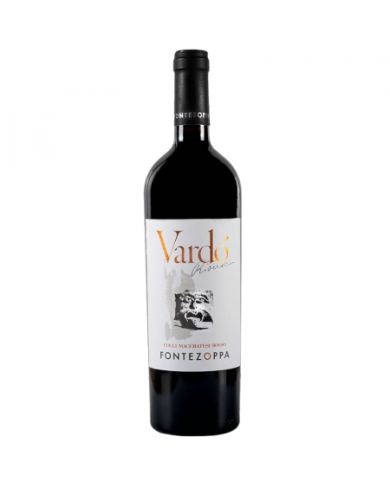
Obtained from hand-picked Vernaccia Nera grapes, it has a beautiful intense and lively ruby red colour.
€18.19
SKU:
17032
Brand:
Fontezoppa
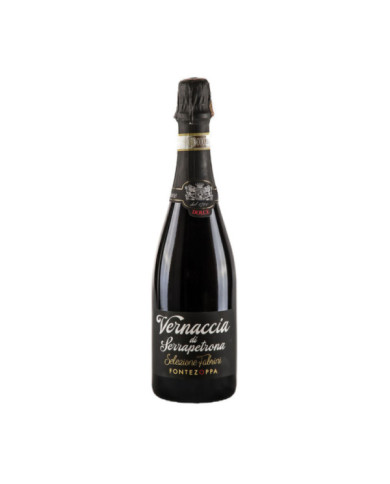
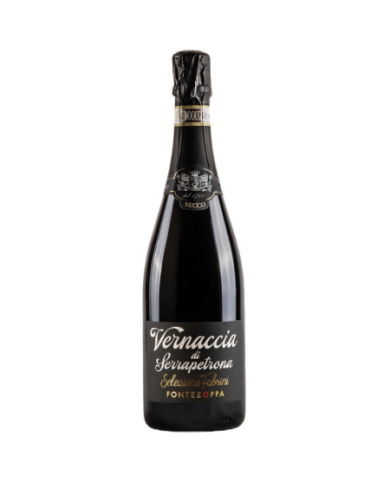
From hand-picked Vernaccia Nera grapes. 60% is immediately put into fermentation while the remaining 40% ferments after being in natural drying for about 60 days. The two wines are brought together and in the spring refermentation is made with the Martinotti method in an autoclave. The wine is ruby red with violet reflections, the foam is fine and soft.
€18.19
SKU:
17031
Brand:
Fontezoppa
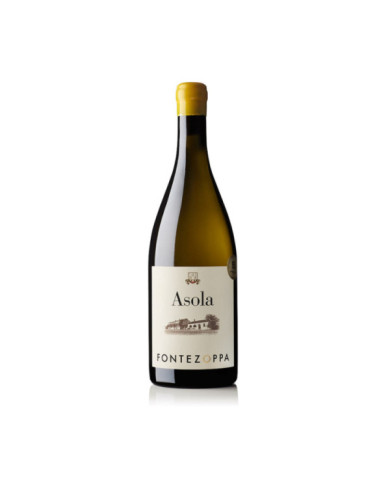
Obtained from hand-picked Maceratino (or Ribona) grapes, aged for 6 months in the bottle.
€93.94
SKU:
17030
Brand:
Fontezoppa
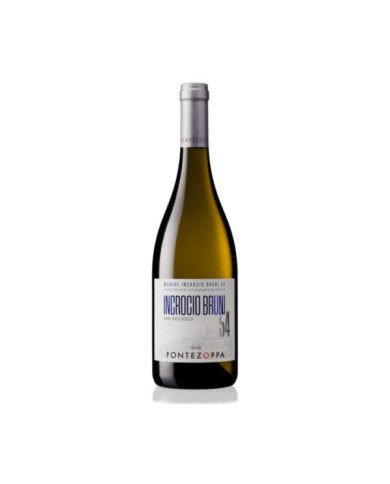
Obtained mainly from Incrocio Bruni 54 grapes, it is straw yellow, bright.
€19.64
SKU:
17029
Brand:
Fontezoppa
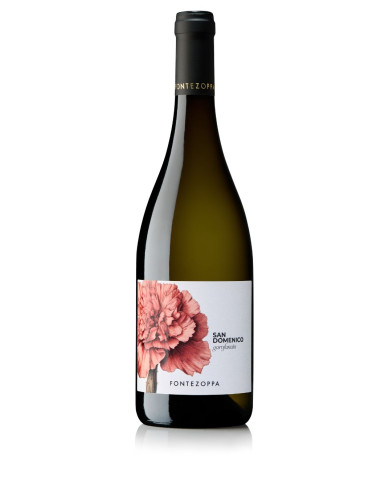
Do you know that you are about to drink a cup that you risked never being able to drink again? Very rare grapes, autochthonous and yet to be discovered. We really like this Garofanata a lot and we strictly uncork it when we are in excellent company.
€16.32
SKU:
17028
Brand:
Fontezoppa
A white Marche IGT is obtained from white grapes, aged in steel for at least 6 months.
€15.49
SKU:
17027
Brand:
Fontezoppa
From hand-picked black Vernaccia grapes, vinified in white and refermented in the bottle, it has a very delicate pale pink colour, fine and creamy foam.
€31.11
SKU:
17026
Brand:
Fontezoppa
Maceratino is an ancient vine, brought by the Piceni princes, which has acclimatised in a small area of the Macerata hills caressed by the brackish winds of the Adriatic.
€31.11
SKU:
17025
Brand:
Fontezoppa
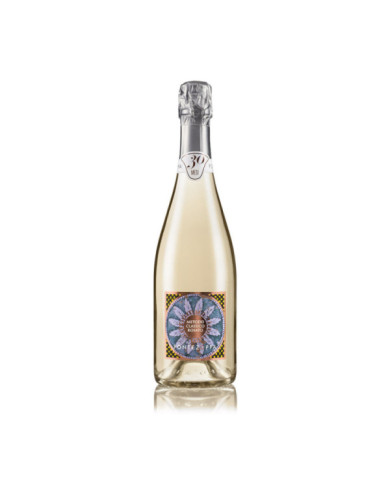
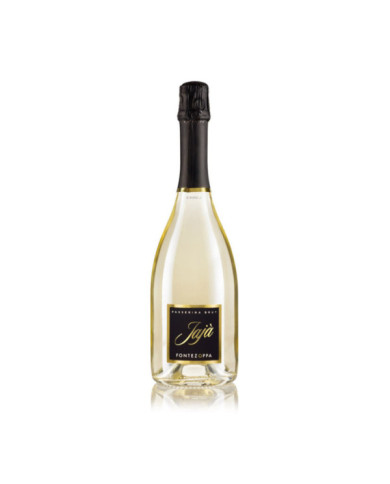
From Passerina grapes harvested by hand and refermented with the Martinotti method, it is straw yellow with greenish reflections, with fine and persistent bubbles.
€17.08
SKU:
17023
Brand:
Fontezoppa
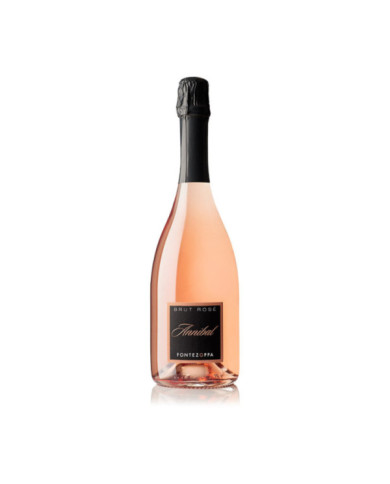
From hand-picked red grapes grown in the Marches, vinified in white and refermented with the Martinotti method, it has a very delicate pale pink with coppery reflections and a fine and creamy mousse.
€26.35
SKU:
17022
Brand:
Fontezoppa
Vernaccia di Serrapetrona in the dry version is a peppery and drinkable red sparkling wine, pleasantly rustic, obtained from Vernaccia Nera with two alcoholic fermentations and second fermentation in steel with the Martinotti method.
€18.19
SKU:
17021
Brand:
Fontezoppa
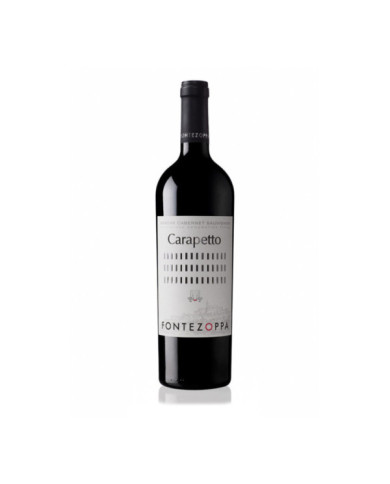
Obtained mainly from hand-picked Sangiovese and Cabernet grapes. This wine, aged for 12 months in barrique, has a deep ruby color with violet reflections, good consistency. The nose is clear and intense in fruity and spicy notes, from black cherries to licorice to pepper. Enveloping to the taste, rich, with soft tannins, with a long and fruity finish. Excellent with meat first courses, with vincisgrassi and with red meat dishes.
€25.82
SKU:
17020
Brand:
Fontezoppa
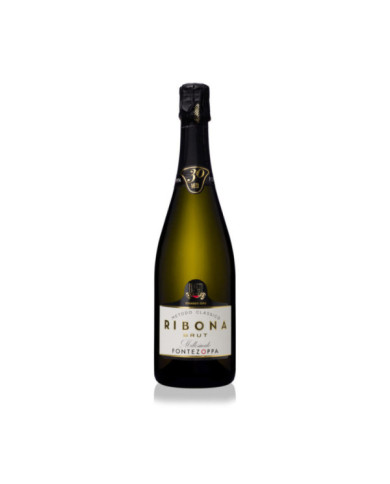
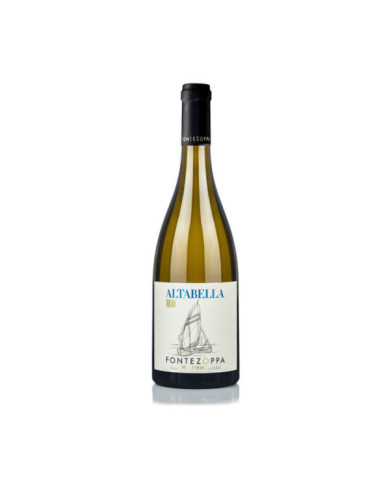
Altabella, obtained from Maceratino (or Ribona) grapes, a typical vine of our area, harvested by hand, aged in steel and bottle.
€19.76
SKU:
17019
Brand:
Fontezoppa
Obtained from hand-picked Vernaccia Nera grapes, it has a beautiful intense and lively ruby red colour.
€14.88
SKU:
17018
Brand:
Fontezoppa
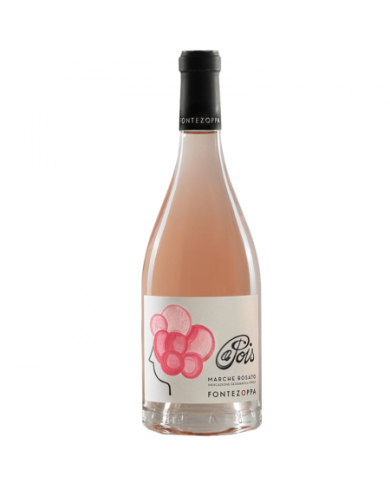
Obtained from hand-picked red grapes grown in the Marches and vinified in white, it has a delicate, lively, pale pink color with good consistency. Pleasantly fruity nose of wild strawberries, a subtle nuance of pink grapefruit and pomegranate. In the mouth fresh, fruity, with a delicate tannin and an intense flavor that creates an excellent balance for a pleasant finish. Excellent with hors d'oeuvres, including raw fish and with delicate seafood and meat first courses, to be tried with pizza.
€14.88
SKU:
17017
Brand:
Fontezoppa
This wine has a straw yellow colour, brilliant and inviting. On the nose, it offers a refined fragrance characterized by delicate floral notes, which blend harmoniously with a complex fruity profile of pineapple, grapefruit and peach.
€11.59
Marche Wine Denominations: A Complete Guide
If you're a wine lover and enjoy discovering new flavors and products, you can't miss the Marche wine appellation . This region, located in central Italy, is famous for its production of fine wines, characterized by intense flavors and typical Italian tradition.
In this article, we'll explore the various denominations of Marche wines, their characteristics, and how to best taste them. You'll also discover the secrets behind their production and the best places to find them.
Introduction to the wine denominations of the Marche region
Marche is a highly productive wine region, thanks to its geographical location and favorable climate. The region's typical grape varieties are Verdicchio, Montepulciano, and Vernaccia Nera, but the region also produces other grape varieties.
The denomination of the wines of the Marche is divided into four main categories:
DOC
The Controlled Designation of Origin (DOC) designation refers to a specific type of wine production, which must follow precise rules to obtain recognition. In the Marche region, there are eight DOC designations:
- Verdicchio dei Castelli di Jesi : one of the most famous white wines of the Marche region, made from Verdicchio grapes. It has a straw yellow color and a fresh, fruity flavor.
- Verdicchio di Matelica : Another white wine made from Verdicchio grapes, but produced in the Matelica area. It has a drier flavor and higher acidity than Verdicchio dei Castelli di Jesi.
- Bianchello del Metauro : a white wine made from Biancame and Trebbiano grapes. It has a dry taste and a delicate aroma.
- Lacrima di Morro d'Alba : a red wine made from Lacrima grapes. It has a smooth taste and an intense aroma.
- Rosso Piceno : A red wine made from Montepulciano and Sangiovese grapes. It has a fruity, tannic flavor.
- Rosso Piceno Superiore : a more refined version of Rosso Piceno, which must be aged for at least two years before being sold.
- Conero : A red wine made from Montepulciano grapes, produced in the Monte Conero area. It has a full-bodied, tannic flavor.
- Offida : a DOCG designation for Rosso Piceno Superiore and Pecorino, a white wine made from the grapes of the same name.
DOCG
The Controlled and Guaranteed Designation of Origin (DOCG) is the highest expression of quality for Italian wines. In the Marche region, there are two DOCG designations:
- Verdicchio di Matelica Riserva : An aged version of Verdicchio di Matelica, it must be aged for at least two years before being released. It has an intense flavor and greater complexity than Verdicchio di Matelica.
- Rosso Conero Riserva : an aged version of Conero, which must be aged for at least three years before being released. It has an intense and complex flavor, with notes of berries and spices.
IGT
Typical geographical indications (IGT) refer to wines produced in a specific geographical area, but do not follow the precise rules of the DOC or DOCG designations. In the Marche region, there are two IGTs:
- Marche : an IGT that covers the entire Marche region, used for wines produced outside the DOC or DOCG designations.
- Rubicone : an IGT covering an area near the Rubicone River, used for wines produced with non-traditional grapes.
The secrets behind the production of Marche wines
The production of wines in the Marche region is characterized by a strong focus on quality and tradition. Local farmers use sustainable cultivation techniques and comply with environmental regulations.
Furthermore, the production of Marche wines uses innovative techniques, such as the use of modern machinery for winemaking and temperature control during fermentation.
How to best taste Marche wines
To fully appreciate the wines of the Marche region, it's important to follow the tasting process. First, you should observe the wine's color, aroma, and taste. Next, you can appreciate its flavor and texture.
It's important to taste the wines of the Marche region accompanied by traditional local foods, such as cheeses, cured meats, and fish.
The best places to find Marche wines
Marche wines can be found in Italy's finest restaurants and fine wine shops. However, to fully appreciate the local produce, it's recommended to visit the region's wineries and participate in tastings organized by local producers.
There are many famous wineries in Le Marche, each with its own history and unique wine production. Some of the most famous wineries in Le Marche include:
Umani Ronchi: Founded in 1957, this winery produces some of the most famous wines in the Marche region, including Verdicchio dei Castelli di Jesi and Rosso Conero.
- Velenosi Vini – Ascoli Piceno Winery: Wine is an art capable of inspiring dreams. Inspired by the desire to create harmony between flavor and color, the Velenosi Winery was founded in 1984. Ercole and Angela Velenosi,
Fazi Battaglia: Located in the Matelica area, this winery produces fine wines such as Verdicchio di Matelica and Pecorino.
La Monacesca: This winery specializes in the production of Verdicchio di Matelica Riserva, one of the most prized white wines in the Marche region.
Moroder: Located in the Jesi area, this winery produces white wines such as Verdicchio dei Castelli di Jesi and Verdicchio di Matelica, as well as red wines such as Rosso Piceno.
Saladini Pilastri: This winery produces high-quality wines such as Rosso Piceno Superiore and Pecorino.
Of course, these aren't the only wineries in the Marche region producing fine wines. There are many other wineries in the region worth discovering and appreciating for their production of fine, high-quality wines.
Map
The Marche wine appellation represents one of the most highly regarded Italian wine regions in the world. Thanks to its focus on quality and tradition, the Marche region offers a wide range of fine wines, characterized by intense flavors and typical Italian tradition.
FAQs
What are the DOC denominations of the Marche region?
There are eight DOC denominations in the Marche region: Verdicchio dei Castelli di Jesi, Verdicchio di Matelica, Bianchello del Metauro, Lacrima di Morro d'Alba, Rosso Piceno, Rosso Piceno Superiore, Conero and Offida.
What are the DOCG denominations of the Marche?
The DOCG denominations of the Marche are Verdicchio di Matelica Riserva and Rosso Conero Riserva.
What are the typical grape varieties of the Marche region?
The typical grape varieties of the Marche are Verdicchio, Montepulciano and Vernaccia Nera.
Where can I find wines from the Marche region?
Marche wines can be found in Italy's finest restaurants and fine wine shops. However, it's recommended to visit the region's wineries to fully appreciate the local production.
What foods go well with Marche wines?
The wines of the Marche region pair well with traditional local foods, such as cheeses, cured meats, and fish.
We hope this comprehensive guide to the Marche wine appellation has provided you with the information you need to discover this region's wine production. Taste the wines of the Marche and be captivated by their intense flavors and distinctive Italian tradition.