

 Italiano
 Deutsch



There are no more items in your cart
SKU:
16371
Brand:
Cantine Barbera
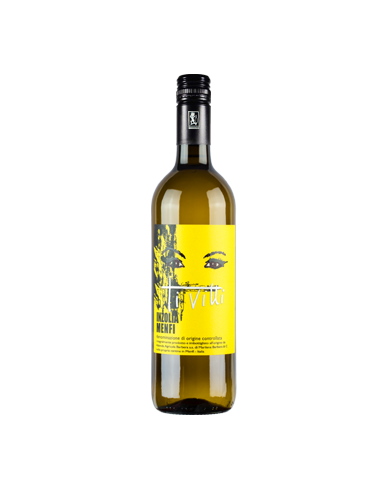
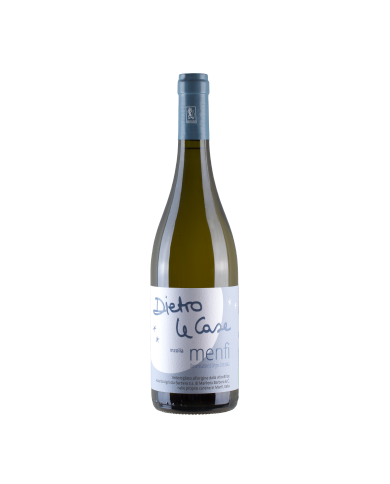
Fresh as the sea breeze, the Inzolia from the young vineyards of Belicello is versatile, pleasant, with a dynamic and satisfying sip.
Since its brilliant straw color, the glass reflects the intense light of the Sicilian mornings; the bouquet opens delicately on hints of citrus and almond blossom, and then evolves into notes of white peach and aromatic herbs.
Its intense sapidity on the palate is made harmonious by a soft and flowing texture and by an acidity that is never too intrusive.
€11.60
SKU:
16370
Brand:
Cantine Barbera
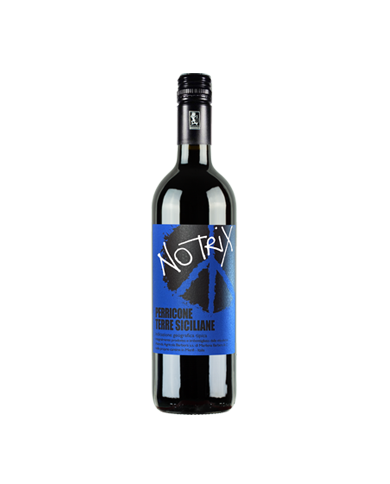
Vibrant and decisive, NoTrix is direct and transparent: it does not want and does not need "embellishments". It is a wine with a brilliant ruby colour, with intense and playful scents of red fruits and geranium flowers. Its solid and well integrated tannins support a palate with an agile and dynamic body, where spicy notes of ginger and star anise accompany the drink towards a saline and very persistent finish. This is how Perricone is, and this is how I like this wine to be: without tricks and without falsehoods, far from oenological models that do not belong to the Menfi winemaking tradition.
SKU:
16369
Brand:
Cantine Barbera
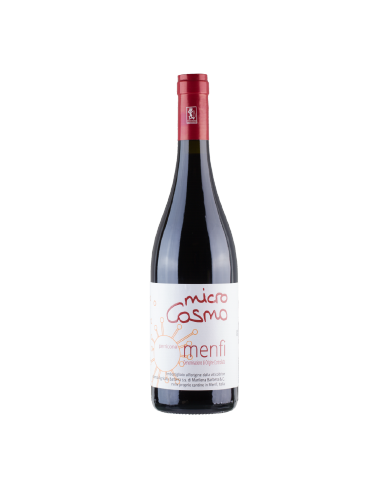
Each vineyard is a complex ecosystem where plants, animals, insects and infinite types of microorganisms live in harmony with each other.
A balance that man's work must not upset but must understand, respect and protect, limiting his interventions to the essential so as not to alter the dynamics of the natural environment of which he himself is a part.
The Microcosm vineyard is an example of how this balance is possible, in a varietal interdependence that is both energy and life.
€13.18
SKU:
16368
Brand:
Cantine Barbera
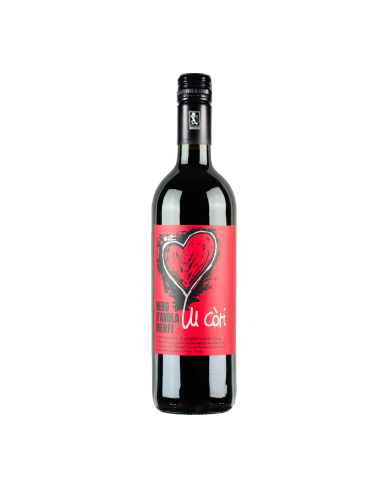
Feminine and sensual, Lu Còri tells of a Sicily kissed by the sun and caressed by sea breezes. Its splendid purple livery, edged with violet reflections in its youth, evolves towards ruby with the passing of the years. Ripe red fruits, especially blackberries and raspberries, characterize the bouquet, made intriguing by notes of brine and a slight spiciness. In the mouth it is fragrant, soft and velvety, with delicate tannins, perfectly integrated in a juicy and persistent finish.
€11.22
SKU:
16367
Brand:
Cantine Barbera
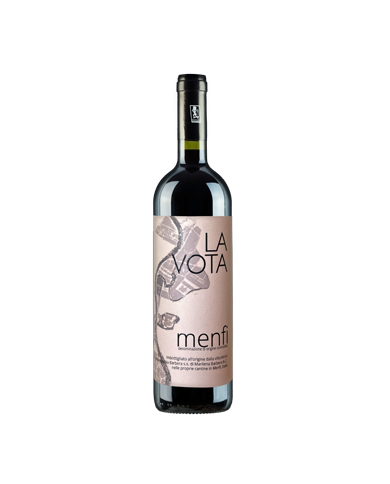
At the western border of the Belicello Estate, the Belìce River flows lazily towards the Mediterranean, drawing large volutes, bordered by brambles and reeds and inhabited by hawks, herons and birds of passage.
The deep sandy soils on the embankment are periodically invaded by the waters of the river which, overflowing, deposit silty sediments and enrich them with a substantial mineral component.
Inside a cove, which we have always called La Vota, lives the Cabernet Sauvignon: son of the River, the sea and the sands, interwoven with the flowers and herbs of the bed, minerals and brackish.
€13.18
SKU:
16366
Brand:
Cantine Barbera
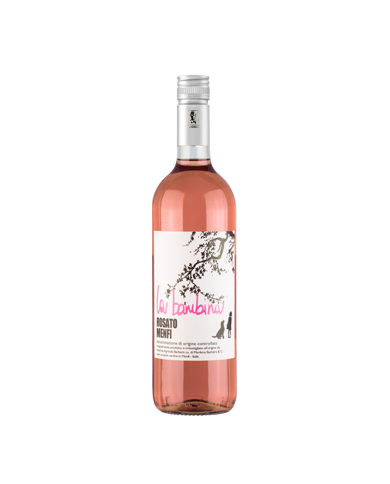
The Little Girl is play, curiosity, discovery. It is the wine that I have dedicated to women, to their strength, to their ability to fight for what they believe in without being frightened by difficulties. Its delicately coppery color is fascinating as a prelude to a fragrant bouquet of wild rose and wild strawberries, pomegranate, watermelon and lemon peel. Savory and crunchy on the palate, it is a very pleasant wine, whose persistence is accentuated by an iodized, almost marine finish.
€11.20
SKU:
16365
Brand:
Cantine Barbera
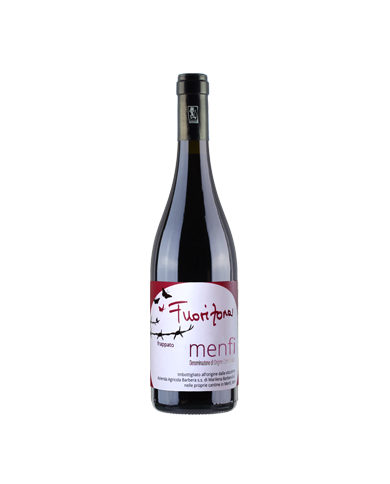
Although originally from Ragusa, most of the Frappato is grown in the province of Trapani, a few kilometers from my vineyards.
Menfi and Vittoria have a lot in common: both exposed to the South and therefore to Africa, kissed by the salty wind of the Mediterranean and rich in sandy-limestone soils lying on compact clays. These affinities convinced me to introduce Frappato to Belìce.
When I created the FuoriZona label, Liliana Segre's story came to mind about the little girl who, during her deportation to Auschwitz, drew a butterfly flying over the barbed wire. I would like the tiny gesture of drawing that butterfly to bear witness to that message: always choose love, peace, solidarity towards every human being who lives, together with us, on this earth.
€13.18
SKU:
16364
Brand:
Cantine Barbera
The old vineyards of Inzolia planted by my father more than fifty years ago are an extraordinary legacy on which to build the future of viticulture in Belicello. The original clones, perfectly adapted to the particular conditions of the environment to which they belong, exuberantly express the personality and wine culture of the Menfi area. The soil, mainly calcareous and pebbly, gives the wine an intense and at the same time delicate sapidity, great depth and aromatic breadth.
€16.10
SKU:
16363
Brand:
Cantine Barbera
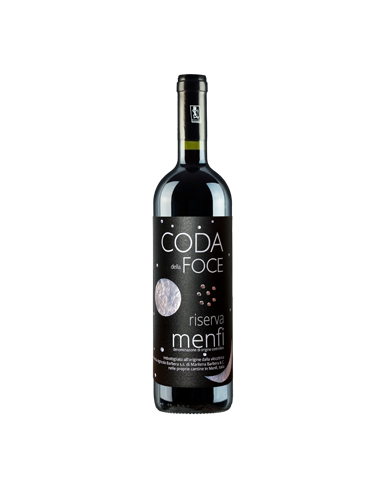
Coda della Foce has been defined as a beautiful wine in a blue dress: elegant, never intrusive, at ease in any situation, persuasive with style and personality.
Blend of Nero d'Avola and Petit Verdot in variable proportions depending on the vintage, it comes from the assembly of the best carats that have shown a particular personality and evolutionary finesse and is produced only when the characteristics of each harvest and the long aging in large casks allow it to express a superior organoleptic quality.
Super Sicilian by birth, citizen of the world by choice of life.
€20.37
SKU:
16362
Brand:
Cantine Barbera
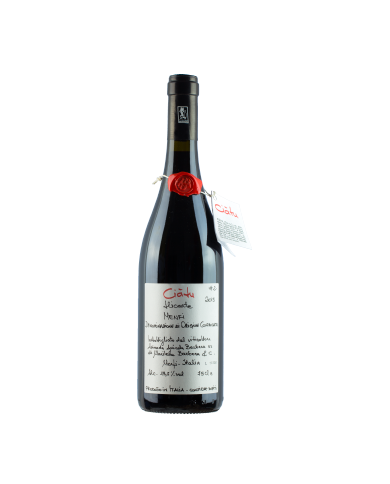
Alicante is a variety of Spanish origin, introduced in Sicily during the dominations of the XV-XVI century and widespread in many regions of the Mediterranean, where it is also known by the name of Garnacha, Grenache and Cannonau. In Menfi its personality is influenced by the marine microclimate which enriches the typical fruity softness of the vine with a particular saline note and makes the wine very expressive and very pleasant. Ciàtu is love, it is breath and breath, it is the energy of the sun, the profound strength of the earth, the very breath of life.
€18.18
SKU:
16361
Brand:
Cantine Barbera
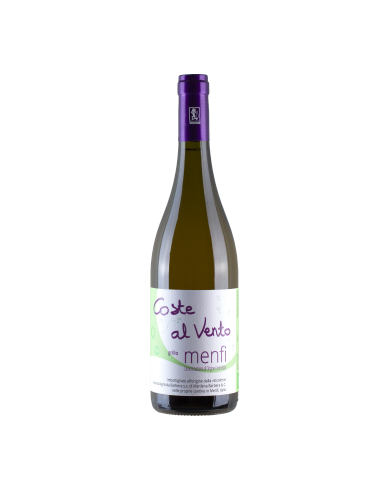
In Sicily, "coast" is the side of the hills that gently slope down to the sea, covered by vineyards as far as the eye can see that bask in the sun, unkempt by the fresh Mediterranean breezes. These are the places of Grillo, a fascinating native variety that interprets the beauty of the Menfi terroir with great personality. Son of generous lands, Coste al Vento gives us a full and ripe fruit that blends with the brackish notes brought by the sea winds, in a harmonious crescendo made original by maceration on the skins and fermentation with indigenous yeasts.
€16.10
SKU:
16360
Brand:
Cantine Barbera
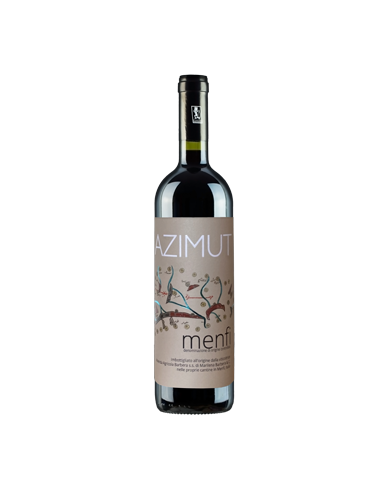
Azimut, our first wine.
Expected and cherished like a dream that takes shape, which then becomes possible and finally becomes concrete with the passion and work of every day.
Azimut, from the Arabic as-sumuth which means direction: because being a winemaker is not just a job, but implies a profound and conscious choice of life.
Our experimentation with wild yeasts began with Azimut, of which very little was said in Sicily at the time, and this is why it was considered an extreme wine from the outset, with a little international personality.
€13.18
SKU:
16359
Brand:
Cantine Barbera
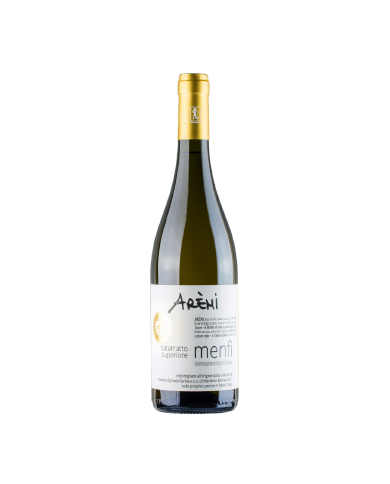
Arèmi, one of the four suits with which the gambling cards are painted, as well as the community cards. The coin suit, which has the color of gold and like gold is precious in the game of broom and seven and a half. Catarratto is liquid gold, culuri d'arèmi: intense and brilliant gold that lights up from the sun and the sea of Sicily, full of the millenary history that skilled hands have handed down to us, from generation to generation, from the Greek motherland to the fertile countryside of Memphis. Arèmi is love for the land, respect for knowledge, conscious acceptance of a heritage to be preserved.
€18.50
SKU:
16358
Brand:
Cantine Barbera
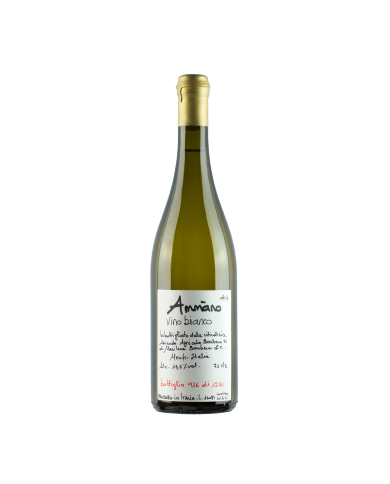
By hand, to recover the value of manual work, the care and joy in doing it. By hand, to underline the absolute craftsmanship of the production of a wine made without the aid of machinery, without additives or synthetic oenological products, in which the human component is at least as important as the natural one. Only grapes and hands: in a world where machines and homologation increasingly replace man and his creativity, hands are, perhaps, the thing to which we must return.
€27.00
SKU:
16357
Brand:
Cantine Barbera
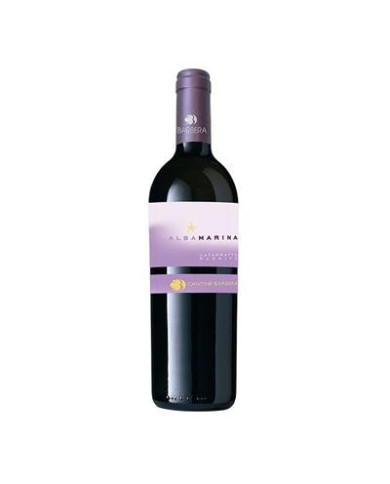
That is, as many would say that you should NOT write a wine technical sheet.
But that's how I wrote it, straight off, drinking Albamarina side B, telling what is really important in wine: emotion.
Have you tried Albamarina 2012 yet?
Well done, it's a good wine, I'm sure you liked it.
Now the "B side" comes out. Side B are 10 hectoliters of Catarratto passito 2012 that I had decided to throw away.
As I always do when I do something new and my mom disagrees (basically ALL of the time), I said to her: Mom, what do you care? If it doesn't turn out good, we throw it away – or sell it in bulk. She is not very convinced, but after a few days of discussions she finally lets me do it (thanks mom).
So: I left 15 hectoliters (yes, 15, then I'll explain) of passito in overfilled barrels, hoping for the fioretta to come, for another 18 months. INCREDIBLY, this wine, despite having been sulphited (and don't ask me how it's possible, because I don't know either) continued to ferment very slowly for another 18 months, until from the initial 13.5 it reached an alcohol content of 15% vol – a little more actually, but we don't tell anyone, okay?
At some point it FINALLY came out good.
But no normal good, just good.
So: the B side. I took 10 hectoliters and bottled it (which is what you can now find on #vgm) and kept the other 5 in strictly full barrels to make a perpetual one. Which, when it's good, is the best thing in the world of wine.
PERPETUAL IS WINE - if you don't believe it, call De Bartoli. But the perpetual, if it turns out good, we'll talk about it in 5/6 years.
For the moment there is the B side.
€16.47
SKU:
16356
Brand:
Cantine Barbera
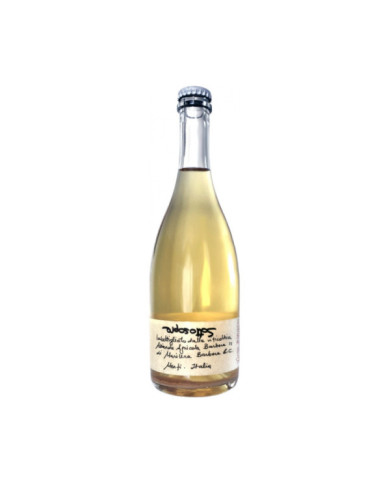
Sottosopra is a sparkling wine obtained with the ancestral method and is bottled without prior disgorgement. If you love strong flavours, drink it as it is, with all its yeasts, or keep it upside down in the fridge for 24 hours if you want to disgorge it before tasting it. Intense golden yellow, very veiled because still on its lees. ...
€17.81
SKU:
16017
Brand:
Masseria del Feudo
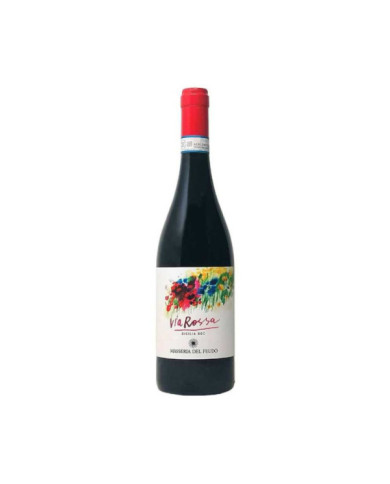
Nero d'Avola by Masseria del Feudo has an intense ruby red color. Pleasant menthol notes on the nose, combined with sweeter hints of small ripe red fruits and hints of pepper that make it intriguing and complex.
On the palate the wine is velvety, sapid, with a vibrant finish, supported by an acidity typical of the grape variety which allows you to appreciate its typical aftertaste.
To be combined with aged cheeses, grilled meats, roast meats, stuffed mushrooms
€14.69
SKU:
16016
Brand:
Abbazia Santa Anastasia
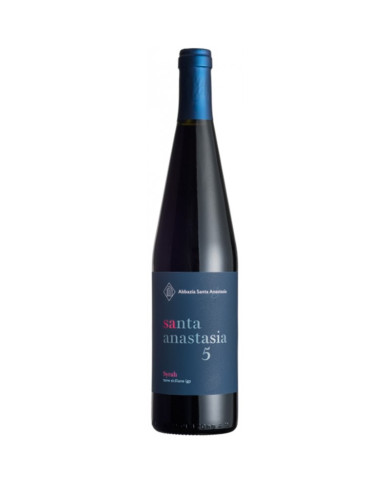
Intense ruby colour. Ample, rich bouquet with intense notes of small wild red fruits, delicate spicy note with a predominance of white pepper. Soft, enveloping taste with warm and long scents, great persistence, delicate sweet tannins with prominent ripe fruit and great minerality.
€14.01
SKU:
16015
Brand:
Milazzo
€18.21
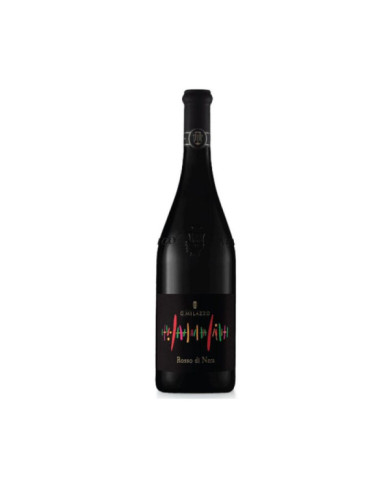
Produced from Nero d'Avola grapes with the short Charmat method, Rosso di Nera di Milazzo is a young and fruity sparkling Sicilian wine, whose sweetness blends with the fresh and acidic profile.
SKU:
16014
Brand:
Morgante
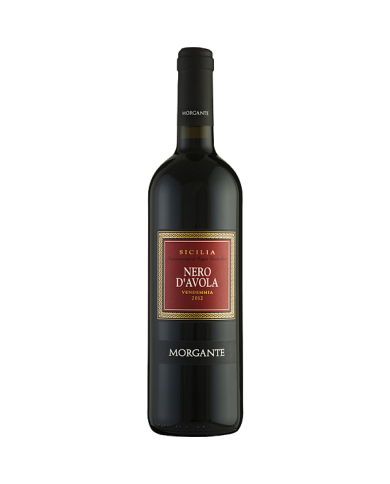
A wine with velvety tannins, but of extreme intensity balanced with a pleasant persistence.
It has a dark purple red color, given by the grapes grown mainly in the absence of water given the arid land of Sicily.
On the nose it has a very remarkable and rich fruity vein reminiscent of blackcurrant and blueberry. Delicious with grilled meat and aged or fresh cheeses.
€13.32
SKU:
16013
Brand:
Rapitalà
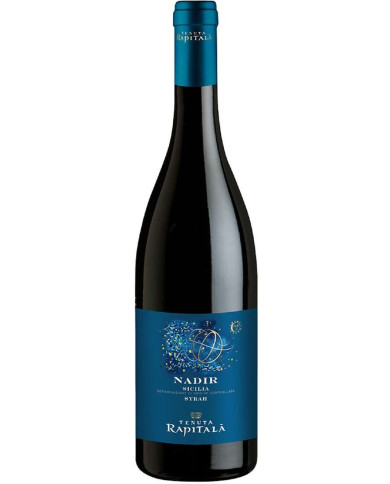
Nadir Syrah is a still red wine from the Rapitalà di Sicilia winery, a label capable of boasting the Denomination of Controlled Origin wine. The vinification involves the use of 100% pure Syrah grapes. The still red wine is completely bred and vinified within the Rapitalà estate. The production soil is characterized by the presence of dark clays and tuffaceous sands which alternate with each other at about 300 – 400 meters above sea level. It is here that the unmistakable character of Syrah is cultivated, from whose bunches the Nadir is born, the antipode of Zenit. A wine that takes its name from the Arabic Nazir, which means deep, rare, precious.
SKU:
16012
Brand:
Duca di Castelmonte
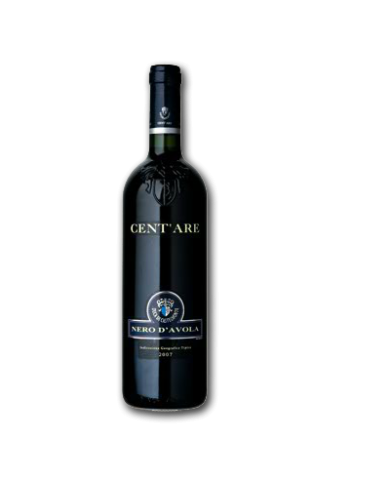
Cent'Are Nero D'Avola Duca di CastelMonte is a Sicilian red wine with a ruby red color with sensations of red fruit and a slight spicy note. Quite soft dry taste, medium structure.
€11.96
SKU:
16011
Brand:
Tenuta di Serramarrocco
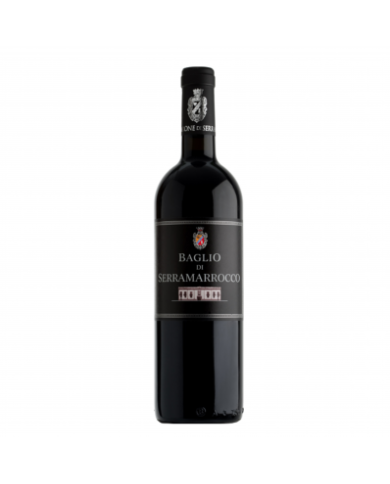
Baglio di Serramarrocco is a Sicilian red wine from Nero d'Avola grapes vinified in steel tanks. It stands out for its intense fruity bouquet and an uncommon softness and elegance. This wine is produced from a careful selection of only bunches of Nero D'avola and is characterized by complex aromas and an elegant structure.
€13.68
SKU:
16010
Brand:
Firriato
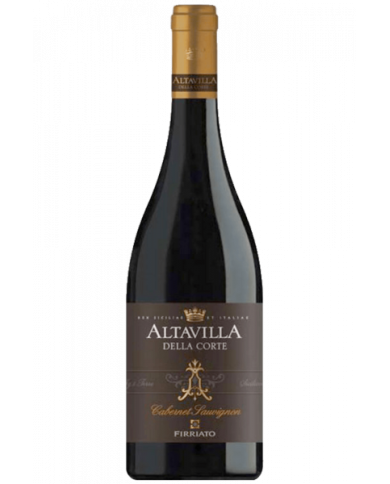
Millions of bottles every year and, despite everything, an always constant quality; a wine production, that of Firriato, perfectly diversified between native and international vines that aims, only and exclusively, at the enhancement of the Sicilian territory. Convincing products for all tastes which, once tasted, bring back, in the glass, the charm of their land and the skill of an unconventional style, rich in olfactory and gustatory facets. Altavilla della Corte Rosso is the typical example of how Cabernet Sauvignon, the international vine par excellence, manages to adapt perfectly to the Trapani terroir of Borgo Guarini, drawing all the best from it and giving us a complex and unique wine. Deep almost impenetrable ruby red, it has a powerful and elegant nose of berries and walnut hull, vanilla and coffee. Structured and full on the palate, with nice tannic extraction and a long spicy finish. With pasta and beans, with stewed pork chops and with Sicilian Falsomagro.
€14.35
Discover the Secrets of Sicilian Wines: A Journey Through Southern Italy's Winemaking Tradition
Sicily is one of Italy's richest regions, both for its history and its winemaking tradition. Sicilian wines are among the most appreciated in the world and are renowned for their quality. In this article, we'll discover the secrets of these delicacies and how to best enjoy them.
Sicilian Wines: An Ancient and Rich History
The tradition of winemaking in Sicily dates back to the Greco-Roman period, when the island was rich in native grape varieties. Over the centuries, Sicilian wine production has remained central to the region's culture and economy. Today, Sicilian wines are renowned worldwide for their unique quality.
Sicilian Wines: Varieties and Characteristics
Sicilian wines come in numerous varieties. The most famous are Nero d'Avola, Nerello Mascalese, Frappato, and Grecanico. These wines are characterized by a great aromatic complexity: hints of red fruits, spices, flowers, and vanilla. Nero d'Avola is an intense, full-bodied red wine, while Nerello Mascalese is lighter and fruitier. Frappato is a light, aromatic rosé, while Grecanico is a fresh, fruity white wine.
How to choose the right wine
Choosing the right wine depends on personal preference and the occasion. For example, if you want to drink a high-quality red wine, then you should opt for a Nero d'Avola. If you want a lighter, fruitier wine, you can choose a Nerello Mascalese. For a white wine, Grecanico is an excellent choice.
How to serve a Sicilian wine
To fully enjoy a Sicilian wine, serve it at a temperature of 18-20°C. Red wines are best served in fairly large glasses with a wider base and a narrower top. White wines, on the other hand, are best served in smaller glasses with a narrower base and a wider top.
The right match
Each wine has its own ideal pairing. For example, Nero d'Avola is a very versatile wine and pairs well with meat dishes, such as grilled steak. Nerello Mascalese, on the other hand, pairs better with fish or vegetable dishes. Frappato is a wine that pairs well with lighter dishes, such as a mixed salad. Grecanico is a wine that pairs well with fish or vegetable dishes.
5 tips for Sicilian wines
1. Choose a quality wine. Sicily is rich in excellent wines, so choose a product from a reliable producer.
2. Taste more wines. Taste several Sicilian wines to find out which one you like best.
3. Store your wine well. Store Sicilian wines in a cool, dry place away from heat sources.
4. Choose the right pairing. Pair Sicilian wines with the right dishes for a unique tasting experience.
5. Don't be shy. Don't hesitate to drink Sicilian wine and experiment with new varieties.
Discovering the secrets of Sicilian wines is a unique experience. Sicily is one of Italy's richest regions, and Sicilian wines are among the finest in the world. In this article, we've explored the history of these wines, their characteristics, how to choose and serve a Sicilian wine, and how to pair it with the right dishes. By following these tips, you'll be able to fully enjoy these delicacies and discover the secrets of Sicilian wines.
Sicilian Wine Denomination
Sicily is a region renowned worldwide for its wine production. Thanks to its Mediterranean climate, volcanic activity, and rich soil, the island produces some of the world's most prized wines. In this article, we'll explore Sicily's main wine appellations, their grape varieties, and their sensory characteristics, to discover the excellence of Sicilian winemaking.
Introduction to wine production in Sicily
Wine production in Sicily has ancient roots, dating back to the times of the Greeks and Romans. The region boasts a wide variety of terrain, from the volcanoes of Mount Etna and the Aeolian Islands to the inland hills, which allow for the cultivation of numerous native and international grape varieties. Thanks to the use of innovative techniques and a focus on quality, Sicilian wine production is constantly growing, offering the market high-quality wines capable of satisfying every palate.
The main denominations of Sicilian wines
Sicilian wine designations are divided into four main categories: Controlled Designation of Origin (DOC), Controlled and Guaranteed Designation of Origin (DOCG), Typical Geographical Indication (IGT), and Table Wines. Let's look at the characteristics of each in detail.
Controlled Designation of Origin (DOC)
The Controlled Designation of Origin (DOC) is a quality label awarded to wines that meet specific production criteria. Sicily has 23 DOCs, including Cerasuolo di Vittoria, Moscato di Pantelleria, and Etna Rosso.
Vittoria Cherry
Cerasuolo di Vittoria is a red wine produced in the southeastern part of the island, in the province of Ragusa. It is made with Nero d'Avola and Frappato grapes, in varying percentages, and has a deep ruby red color, a fruity aroma, and a dry, smooth flavor. It pairs perfectly with red meats, cured meats, and aged cheeses.
Moscato di Pantelleria
Moscato di Pantelleria is a sweet wine produced on the island of Pantelleria, located southwest of Sicily. The wine is made from the Moscato di Alessandria grape, locally known as Zibibbo, and has a deep golden yellow color, a rich, aromatic aroma, and a sweet, mellow flavor. It pairs perfectly with sweets and desserts.
Etna Red
Etna Rosso is a red wine produced on the slopes of Mount Etna, Europe's highest active volcano. This wine is made primarily from the native Nerello Mascalese grape, which grows on volcanic soils at high altitudes.
What is the most famous wine in Sicily?
A: Sicily's most famous wine is Etna Rosso, a red wine produced on the slopes of Mount Etna.
Controlled and Guaranteed Designation of Origin (DOCG)
The Controlled and Guaranteed Designation of Origin (DOCG) is the highest expression of Italian wine quality. Sicily has only one DOCG, Cerasuolo di Vittoria. This dry red wine is produced in the Vittoria area, in the province of Ragusa, with varying percentages of Nero d'Avola and Frappato grapes. The wine has a ruby red color, a fruity aroma, and a smooth, persistent flavor. It pairs perfectly with red meats, cured meats, and aged cheeses.
Typical Geographical Indication (IGT)
The Indicazione Geografica Tipica (IGT) designates wines produced in a specific geographical area and possessing certain distinctive characteristics. In Sicily, there are four IGTs: Terre Siciliane, Salina, Val di Mazara, and Alcamo. IGT wines can be made with international grape varieties, such as Chardonnay, Cabernet Sauvignon, and Merlot, as well as native varieties.
Table Wines
Table wines are wines produced in Sicily that do not fall into the DOC, DOCG, or IGT categories. Despite this, many of them are of the highest quality, produced with native grapes and using artisanal methods. Among the best-known are Nero d'Avola and Grillo.
Sicily is a region with a long winemaking tradition, renowned worldwide for the quality of its wines. Thanks to its volcanoes, Mediterranean climate, and diverse soils, the island produces exceptionally high-quality wines, capable of satisfying every palate. From DOC to IGT, from white to red, Sicilian wine production is a true oenological excellence.
FAQ
What are the native grape varieties of Sicily?
Among the main native grape varieties of Sicily are Nero d'Avola, Frappato, Inzolia, Grillo and Zibibbo.
How many DOC wines are there in Sicily?
In Sicily there are 23 DOC wines.
What are the main pairings for Sicilian wines?
Sicilian red wines pair perfectly with red meats, cured meats, and mature cheeses, while white wines are ideal with fish dishes, seafood, and fresh cheeses.
What is the difference between DOC and DOCG?
The main difference between DOC and DOCG is that the DOCG guarantees a higher quality of wine, with even more stringent production criteria and more frequent inspections.
What are the best-known wines of Sicily?
Among the best-known wines of Sicily are Etna Rosso, Cerasuolo di Vittoria, Nero d'Avola, and Grillo.