

 Italiano
 Deutsch










There are no more items in your cart
SKU:
10575
Brand:
Cantina Marchesi Antinori
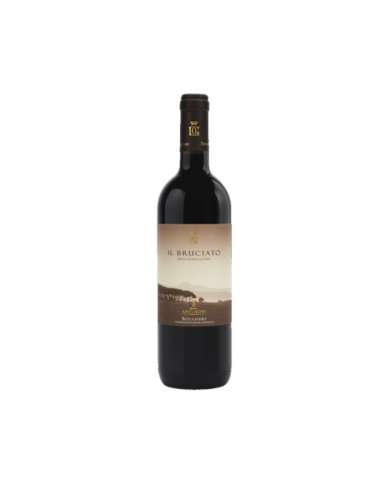
Guado al Tasso is the Bolgheri estate of Antinori , inherited in the 1930s by Carlotta della Gherardesca Antinori , mother of Piero Antinori . In this Bordeaux enclave, with its mild climate thanks to the sea breeze that comes from the sea in front, wines of international scope are produced such as Il Bruciato, a didactic blend of Cabernet Sauvignon, Merlot and Syrah. Dynamic and modern, pleasant and enveloping , it is a wine with character, harmonious and balanced .
SKU:
10552
Brand:
Castellare di Castellina
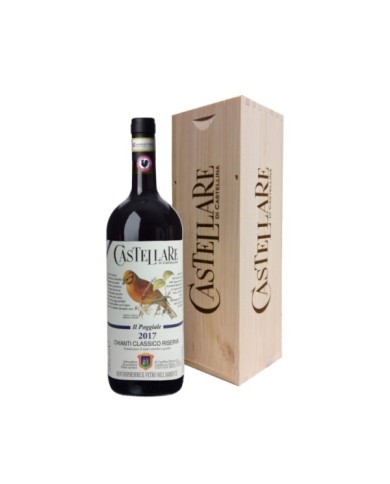
Intense and bright ruby red color to the eye. The nose is opened by the classic floral hints of violet, then followed by the fruity notes of plum, morello cherry and cherry, finally completed by a pleasant mineral nuance. The mouth continues on the path traced by the sense of smell, revealing itself to be typical, punctual and of excellent length.
Perfect to accompany red meat, it is ideal to be paired with the cut of Chianina.
€95.16
SKU:
10550
Brand:
Castellare di Castellina
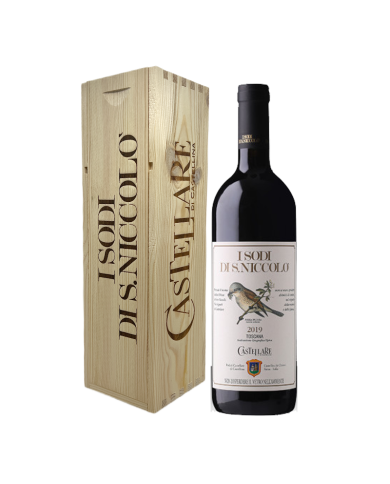
Intense ruby red with garnet reflections. The nose expresses richness and intensity thanks to beautiful fruity and slightly spicy, balsamic and floral notes. On the palate it is centered, juicy, fine and complete. It closes with a vibrant and persistent finish. Throughout the meal, it goes well with salami and meats rich in flavor, tasty and aromatic cheeses.
€93.94
SKU:
10547
Brand:
Castellare di Castellina
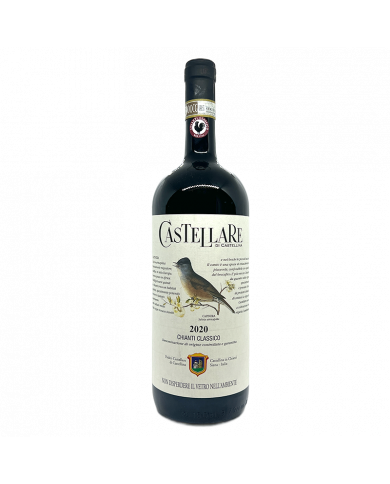
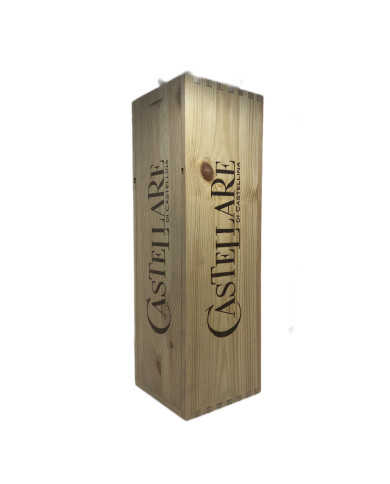
The Chianti Classico of Castellare di Castellina is born in vineyards located in the municipality of Castellina in Chianti. It is produced with 95% Sangiovese grapes and 5% Canaiolo grapes, harvested in October. Fermentation takes place in stainless steel tanks at a controlled temperature of 28 ° C for 15-20 days. Subsequently the wine is aged in barrique for 7 months, and for a further 7 months in the bottle. This Chianti Classico is characterized by a brilliant ruby red color with purple reflections. The nose opens with hints of cherries and violets, enriched by pleasant spicy notes of licorice and vanilla. On the palate it is balanced, with harmonious and delicate tannins. The wine has a finish that gives pleasant sweet sensations. Perfect to accompany cold cuts, first courses with meat sauce and roasts, it is ideal in combination with stews, game and aged cheeses.
€56.00
SKU:
10311
Brand:
Banfi
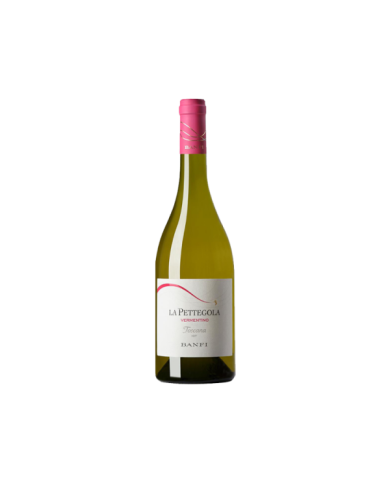
Vermentino "La Pettegola" is a fresh expression of the Tuscan coast that ferments and refines in steel tanks. Notes of citrus and yellow fruit mix with hints of aromatic herbs and white flowers in a pleasant and rich, delicate and aromatic taste, which perfectly accompanies fish and vegetable dishes.
SKU:
10310
Brand:
Frescobaldi
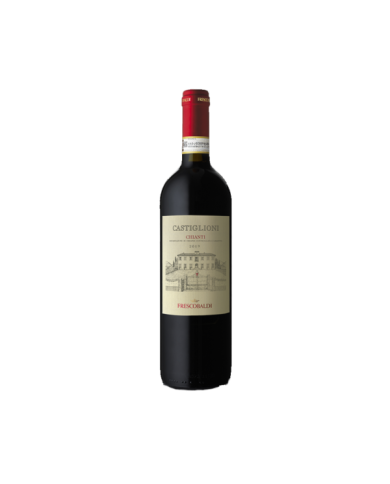
Chianti "Castiglioni" is a young and delicate red wine from Tuscany, born in the homonymous estate of the Frescobaldi family, produced with vinification and aging only in steel. It is expressed with sensations of fresh cherries, red flowers and Mediterranean herbs. The taste is fresh, clear, dynamic and fruity
€7.17
SKU:
10294
Brand:
San Felice
La Vigna Del Lago It can happen to come across unexpected places, the Vigna del Lago, as in this 100% Chardonnay, unexpected white single-vineyard and newcomer in the San Felice house of particular aromatic freshness and flavor, carefully selected grapes and soil with unique characteristics, on which traces of the ancient Etruscan presence remain.
€22.90
€15.54
€33.60
SKU:
9906
Brand:
Le Ragnaie
It is a pure organic Sangiovese produced in Montalcino: aged for 12 months in Slavonian oak barrels, this Tuscan red is soft and full with marked aromas of small red berried fruits. Great for grilling.
€23.42
SKU:
9692
Brand:
TENUTA DELLE RIPALTE
The stony nature, the volcanic origin of the soil and the hot and arid climate unite Elba with many Mediterranean regions. The vineyards from which our grapes come are located between two ancient iron mines; this circumstance makes Vermentino even more characteristic for its marked minerality, while the extreme proximity to the sea gives these vineyards a particular energy. Freshness and good acidity are guaranteed by the high altitudes.
€31.45
€42.82
SKU:
9669
Brand:
TENUTA DELLE RIPALTE
follows the Elban winemaking tradition by trying to bring innovative elements. The main grape variety of this wine, Grenache, common to the entire Mediterranean basin and also called alicante, cannonau and garnacha, adapts perfectly to the arid and dry climate of the island. Wine of great character, harmonious, with a surprisingly elegant finish.
€16.74
SKU:
9606
Brand:
Boscarelli
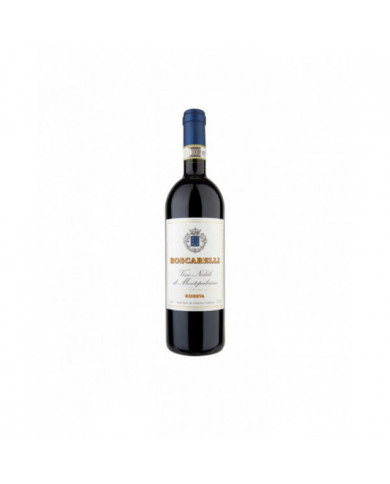
This Riserva was revived from the 2010 vintage almost 20 years after its last edition in 1992. We took that break because over the past 26 years we have progressively reselected and replanted our historic vineyards; we had concentrated on clonal selections, on the different expressiveness of Sangiovese in relation to soil and climatic variations and on the possibility of combining the characteristics of Sangiovese with other international vines. In 2010, however, we found an increased complexity and structure in the grapes from the first replantings of native vines, which convinced us to re-propose the Riserva di Vino Nobile only from native grapes, just like in the 70s and 80s.
€36.48
SKU:
9506
Brand:
Ciacci Piccolomini d'Aragona
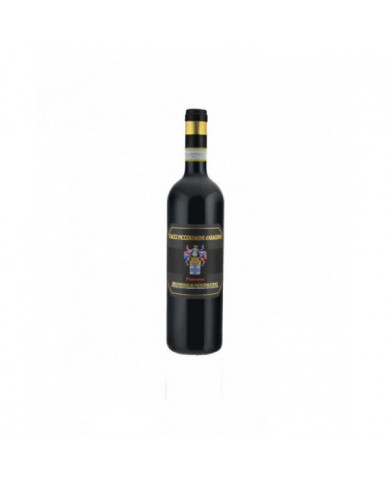
Brunello di Montalcino DOCG Pianrosso di Ciacci Piccolomini d'Aragona is produced only in the best years and exclusively with grapes from the Pianrosso vineyards. It is the wine that has always authoritatively represented the terroir and the name of the company. The grapes to be used for the Riserva type are also selected from these vineyards.
€65.90
SKU:
9044
Brand:
Badia a Coltibuono
- Type White wine
- Vintage 2021
- Capacity 0.75 l
- Country Italy
- Gradation 13 °
- Tuscany Region
- IGT classification
- Vermentino grape
€10.15
€8.12
SKU:
9027
Brand:
Badia a Coltibuono
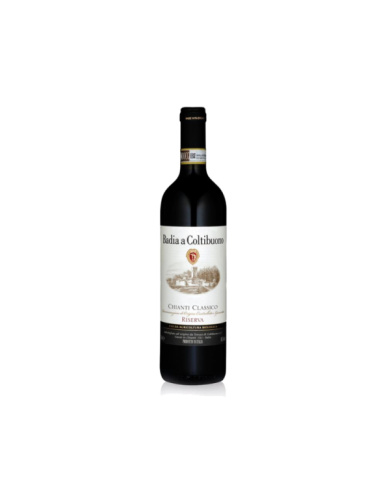
The Badia a Coltibuono Decennial Reserve, produced exclusively with native grapes, is a wine loved by enthusiasts as the emblem of the territory of origin. Wine of ancient tradition, as evidenced by the historic collection preserved in the cellars of the abbey, the Decenalle Reserve is produced to celebrate the anniversary. Aging for 24 months in barrels of various sizes and French oak barriques.
€41.08
SKU:
9022
Brand:
Badia a Coltibuono
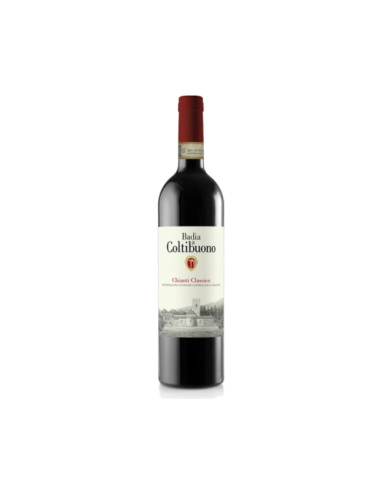
- \ n
- Type Red Wine \ n
- Vintage 2019 \ n
- Capacity 0.75 l \ n
- Country Italy \ n
- Alcohol 13.5 ° \ n
- Tuscany Region \ n
- DOCG classification \ n
- Sangiovese grape \ n
€16.91
SKU:
8998
Brand:
San Felice
€11.71
€10.54
This red wine is produced with mainly Merlot, Ciliegiolo, Cabernet Sauvignon and Sangiovese grapes to a lesser extent. It ferments in steel tanks, with short macerations and is bottled in the spring following the harvest. Young wine, with a good aromatic freshness and pleasant drinking.
€11.71
€10.54
SKU:
8851
Brand:
Le Ragnaie
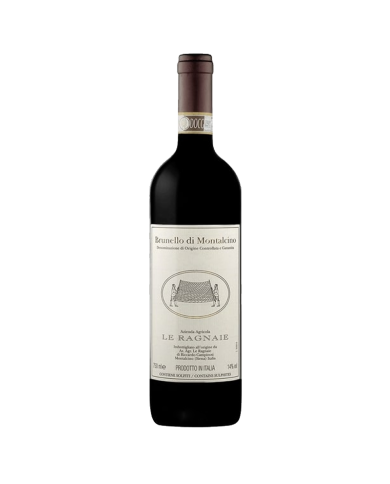
The 5 hectares used for the production of Brunello, facing south-west towards the sea and surrounded by uncultivated woods, boast over 40-year-old vines and are cultivated according to the dictates of organic agriculture.
€66.61
SKU:
8558
Brand:
Castello del Terriccio
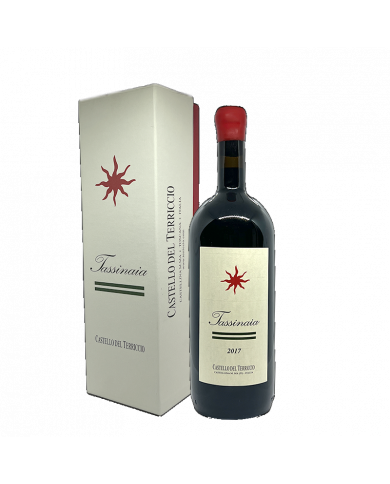
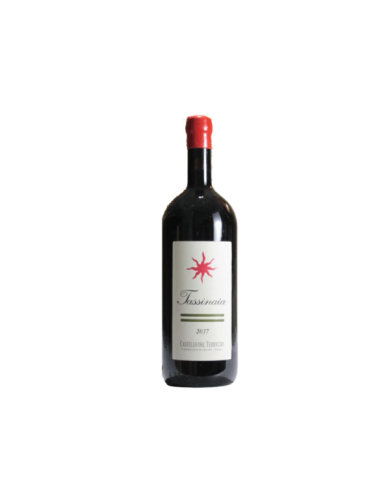
The Tassinaia is a full-bodied and complex red wine, produced with a Bordeaux blend, that is, starting from Merlot and Cabernet Sauvignon grapes and aged in cask for about 20 months. Hints of wild berries, spices and balsamic herbs stand out on the nose. The taste is deep and full-bodied, with great balance and elegant tannins
€80.11
SKU:
8556
Brand:
Castello del Terriccio
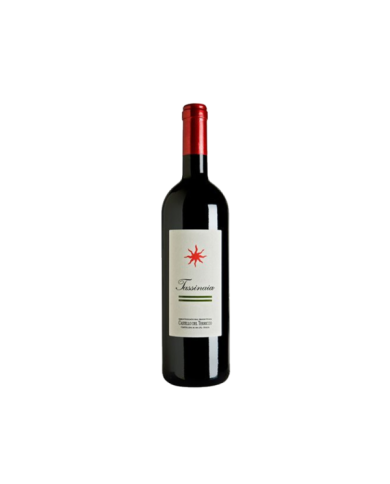
The Tassinaia is a full-bodied and complex red wine, produced with a Bordeaux blend, that is, starting from Merlot and Cabernet Sauvignon grapes and aged in cask for about 20 months. Hints of wild berries, spices and balsamic herbs stand out on the nose. The taste is deep and full-bodied, with great balance and elegant tannins
€29.98
SKU:
8554
Brand:
Castello del Terriccio
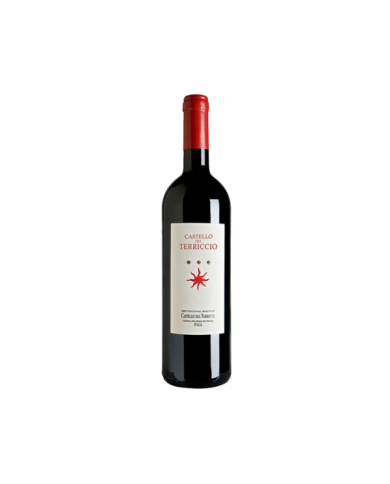
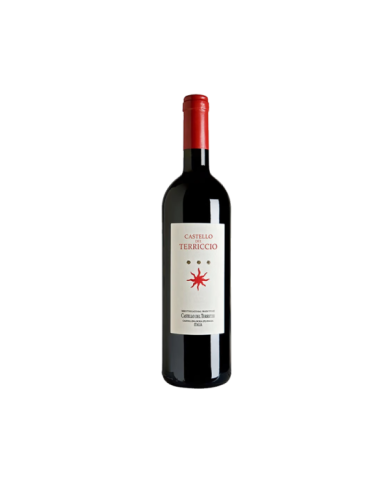
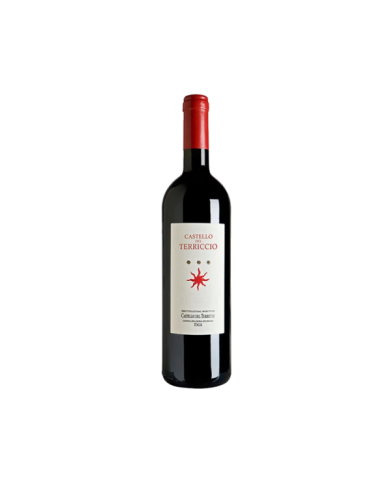
The Castello del Terriccio Toscana Rosso IGT is a red wine produced by Castello del Terriccio company. The style with which this wine is made makes it particularly interesting. It is obtained from a blend of: Syrah for 50%, Petit Verdot for 25% and for the remaining 25% from an original mix of native red berried grapes. All the grapes are rigorously vinified separately, after being carefully selected and harvested by hand.
€80.73
SKU:
8550
Brand:
Castello del Terriccio
The Castello del Terriccio Toscana Rosso IGT is a red wine produced by Castello del Terriccio company. The style with which this wine is made makes it particularly interesting. It is obtained from a blend of: Syrah for 50%, Petit Verdot for 25% and for the remaining 25% from an original mix of native red berried grapes. All the grapes are rigorously vinified separately, after being carefully selected and harvested by hand.
€74.38
SKU:
8524
Brand:
Frescobaldi
€315.00
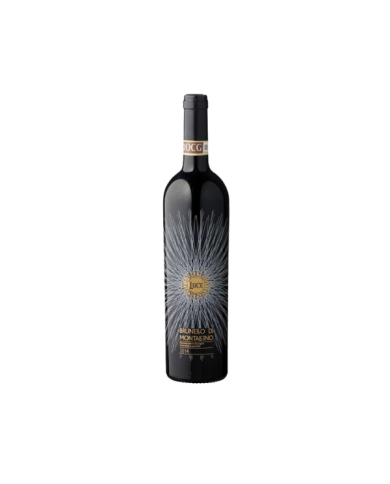
| COUNTRY | Italy |
| REGION / AREA | Tuscany |
| VINTAGE | 2015 |
| NAME AND VARIETY | Brunello di Montalcino |
€7.47
€8.69
SKU:
8517
Brand:
Frescobaldi
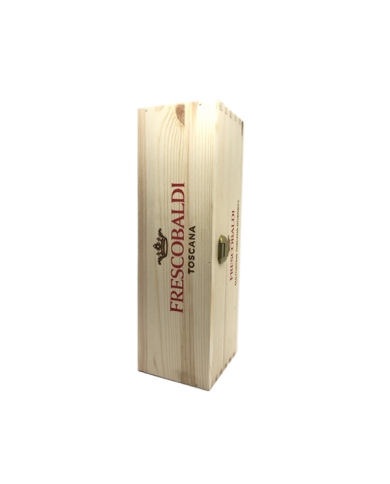
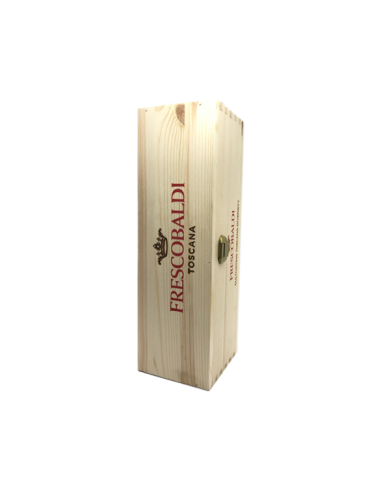
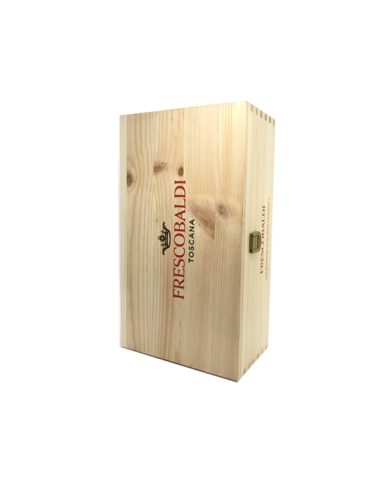
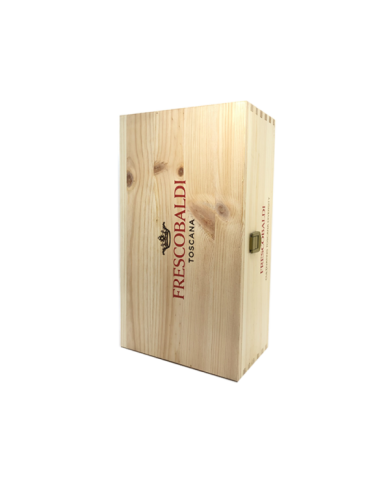
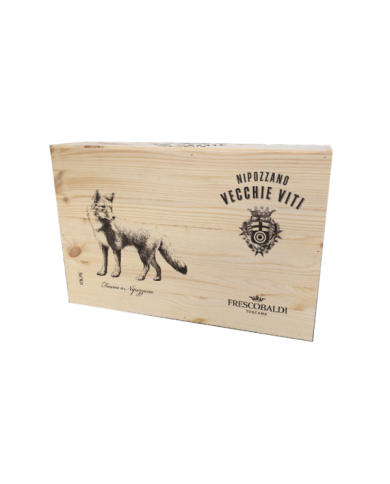
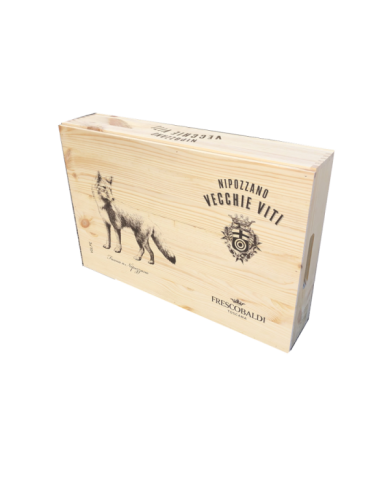
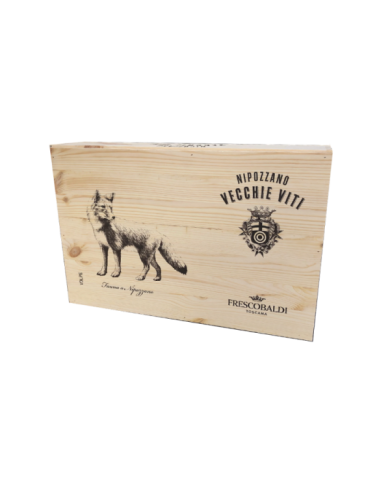
Empty box of Nipozzano OLD VINES Chianti Rùfina Riserva 2016 (without bottles)
SKU:
8423
Brand:
Cantina Marchesi Antinori
THE RED OF CASA ANTINORI IN THE LARGE FORMAT Villa Antinori , one of the best known and appreciated labels by the general public, is also offered in the Magnum version, more suited to aging and to make a good impression on the table. Sangiovese stands out in its blend with 55% followed by Cabernet Sauvignon with 25%, Merlot with 15% and Syrah with 5%. With the appropriate winemaking techniques all the aromatic and coloring substances have been extracted from these grapes. The consequent assembly and aging in barriques of various origins has given the wine international references and at the same time a strong territorial link that expresses all its "Tuscan character".
€31.50
SKU:
8373
Brand:
San Giusto a Rentennano
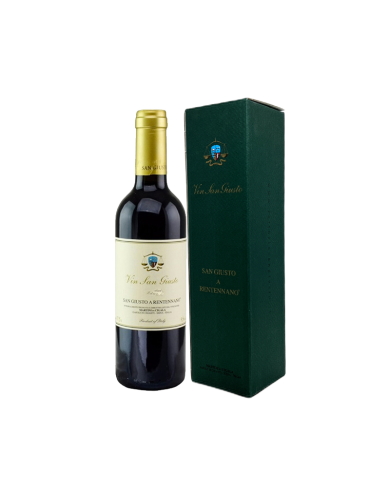
Very concentrated with high residual sugars but well balanced by acidity, a wine with a very long aging to be served at a temperature of 7-8 ° c.
€51.12
SKU:
8370
Brand:
San Giusto a Rentennano
Produced from 100% Merlot grapes, coming from areas of our vineyards particularly suited to the characteristics of the vine, hand-picked when perfectly ripe in a late period compared to local customs. Fermentation takes place in stainless steel tanks for about 18 days, followed by racking and pressing. The malolactic fermentation occurs spontaneously as for all our wines. After a first racking, the wine is placed in French oak barriques for 20-22 months. Once bottled, it ages a further 6 months in glass.
€298.90
SKU:
8152
Brand:
San Giusto a Rentennano
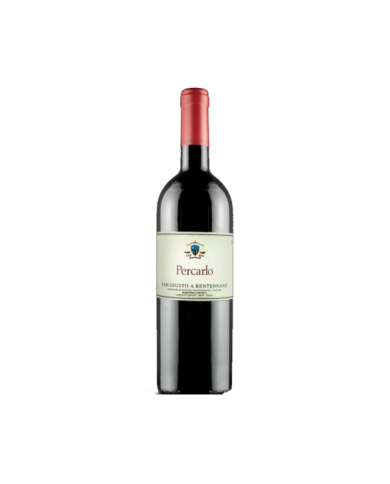
Percarlo is a robust and structured Tuscan red wine made from Sangiovese grapes, aged in barrique for 22 months. It has a broad and very intense aromatic profile, with notes of very ripe red fruit, spices and Mediterranean scrub in evidence. The sip is powerful, elegant and deep, with a very long persistence
€98.90
Discover the best wines of Tuscany: an unforgettable experience!
Tuscany is one of Italy's most renowned wine regions, and for decades its excellent wines have been appreciated worldwide. Tuscan wines offer a range of flavors, from sweet and fruity to robust and intense. Furthermore, this region also boasts a rich traditional culture and a long history of winemaking, making it an ideal destination for tourists seeking an unforgettable food and wine experience.
Why is Tuscany famous for its wine?
Tuscany has a mild climate and rich, fertile soil, making it one of Italy's most suitable regions for wine production. The region is particularly known for its red wines, such as Chianti, Brunello di Montalcino, and Vino Nobile di Montepulciano. These wines are made from Sangiovese grapes, the most widely grown grape in Tuscany. The region also has a rich tradition of white wines, such as Vernaccia di San Gimignano, Vermentino, and Trebbiano.
How to choose the right Tuscan wine?
When choosing a Tuscan wine, the first thing to consider is your personal taste. If you prefer sweet, fruity wines, a white wine like Vernaccia di San Gimignano or Vermentino is the right choice. If you prefer more robust, structured wines, then a red wine like Chianti or Vino Nobile di Montepulciano is better.
Furthermore, it's also important to consider the vintage of the wine you're purchasing. Wine quality depends on the climatic conditions during the period in which the grapes were grown, so before purchasing a bottle, it's a good idea to ask the producer about the vintage.
Where to find Tuscan wines?
Tuscan wines are readily available in supermarkets and specialty shops, but to savor the finest, highest-quality wines, you can also visit a winery. Tuscany boasts numerous wineries that organize guided tours and tastings to showcase their wines. Visiting one is a truly unique experience, as you have the opportunity to learn firsthand how wine is made and taste the different varietals.
What are the most famous wines of Tuscany?
Tuscany's most famous wines are Chianti, Brunello di Montalcino, Vino Nobile di Montepulciano, and Vernaccia di San Gimignano. Chianti is a light and fruity red wine, while Brunello di Montalcino is a red wine with great intensity and structure. Vino Nobile di Montepulciano is a full-bodied and complex red wine, while Vernaccia di San Gimignano is a dry white wine with fruity and floral notes.
How to pair Tuscan wines?
Tuscan wines are ideal paired with meat, fish, vegetable, or cheese dishes. For example, Chianti pairs excellently with meat dishes such as roasts or braised meats, while Vino Nobile di Montepulciano is perfect with fish dishes such as cod or salmon. Brunello di Montalcino pairs well with vegetable dishes such as soups and broths, while Vernaccia di San Gimignano is ideal with aged cheeses.
How to store Tuscan wines?
Tuscan wines should be stored in a cool, dry place, away from heat and direct light. The ideal storage temperature is between 10 and 14°C. Red wines can be stored for up to 5 years, while white wines should not be stored for more than 2 years. Furthermore, it's important to remember that wines should be stored horizontally, so that the cork is always in contact with the wine.
Tuscan Wine Denomination
Tuscany is one of the most important wine regions in Italy and the world. The region is famous for its fine wines such as Chianti , Brunello di Montalcino , and Vino Nobile di Montepulciano. These wines have either a controlled designation of origin (DOC) or a controlled and guaranteed designation of origin (DOCG). In this article, we'll explore the appellations of Tuscan wines and how they're produced.
Introduction to the Wine Denominations of Tuscany
Wine appellations are a classification system that guarantees the quality and geographical origin of Italian wines. There are three levels of appellation: Vino da Tavola, DOC, and DOCG. Table wines have no geographical or grape variety restrictions, while DOC and DOCG wines are produced in specific geographical areas and with specific grapes.
DOC wines of Tuscany
Tuscan DOC (Denominazione di Origine Controllata) wines are produced in specific areas of the region and are made with specific grapes. These wines have strict production requirements, such as grape yield, alcohol content, and minimum aging time.
Chianti DOCG
Chianti is one of the best-known and most popular Italian wines, produced primarily in the Chianti region, between the cities of Florence, Siena, and Arezzo. The wine is made primarily from Sangiovese grapes and may also contain other red grapes such as Canaiolo, Colorino, and Merlot. Chianti DOCG is a dry red wine that can be classified by its aging period: Chianti, Chianti Riserva, and Chianti Classico .
Brunello di Montalcino DOCG
Brunello di Montalcino is a DOCG wine produced in the Montalcino area, in the province of Siena. It is made with Sangiovese grapes, known locally as Brunello. The wine is aged for at least five years and must be produced exclusively with grapes from the Montalcino area.
Vino Nobile di Montepulciano DOCG
Vino Nobile di Montepulciano is a DOCG wine produced in the Montepulciano area, in the province of Siena. It is made primarily from Sangiovese grapes and must be aged for at least two years. The name "Nobile" derives from this wine's reputation during the Renaissance.
IGT wines from Tuscany
IGT (Indicazione Geografica Tipica) is an Italian wine designation that indicates a broader geographical area than DOC and DOCG wines. These wines can be made with grape varieties other than those specified by the DOC and DOCG designations.
Super Tuscan
Super Tuscans are IGT wines produced in Tuscany that do not comply with the DOC and DOCG designations. These wines are often made with international grapes such as Cabernet Sauvignon, Merlot, and Syrah, and are aged in French oak barrels. Super Tuscans are generally full-bodied and intense red wines, with a high concentration of fruit.
Tuscany is a world-renowned wine region, and its controlled and guaranteed designations of origin guarantee the quality of its wines. Tuscan DOC and DOCG wines are produced in specific geographical areas and with specific grapes, while Tuscan IGT wines have fewer restrictions in terms of geographical area and grape variety. Each appellation has its own unique characteristics and offers a different tasting experience. Regardless of which wine you choose, Tuscan wines are definitely a winning choice.
Frequently Asked Questions
What are the main Tuscan wine denominations?
The main Tuscan wine denominations are Chianti DOCG, Brunello di Montalcino DOCG, Vino Nobile di Montepulciano DOCG and IGT.
What do DOC and DOCG mean?
DOC stands for Controlled Designation of Origin, while DOCG stands for Controlled and Guaranteed Designation of Origin. These designations guarantee the quality and geographical origin of Italian wines.
What are the production requirements for DOC and DOCG wines from Tuscany?
Tuscan DOC and DOCG wines have strict production requirements, such as grape yield, alcoholic strength, and minimum aging time.
What are Super Tuscans?
Super Tuscans are IGT wines produced in Tuscany that do not comply with the DOC and DOCG designations. These wines are often made with international grapes such as Cabernet Sauvignon, Merlot, and Syrah.
What are the most famous DOCG wines from Tuscany?
The most famous DOCG wines of Tuscany are Chianti DOCG, Brunello di Montalcino DOCG and Vino Nobile di Montepulciano DOCG .