

 Italiano
 Deutsch











There are no more items in your cart
SKU:
19526
Brand:
Montevertine
Un vino elegante e allo stesso tempo strutturato, armonico, persistente e destinato a lunghissima vita.
€890.00
SKU:
19517
Brand:
Le Macchiole
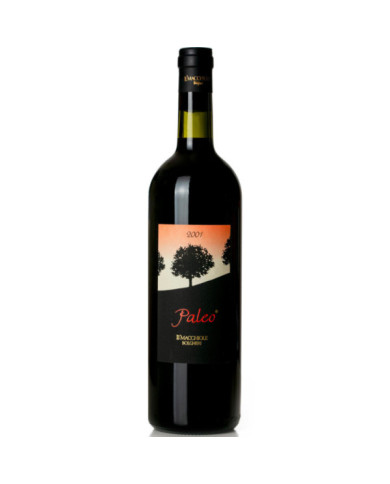
Realizzato nel 1989, questo grande vino è il simbolo della cantina e una delle etichette più rappresentative del bolgherese.
€165.01
SKU:
19516
Brand:
Cennatoio Emiliano Alessi
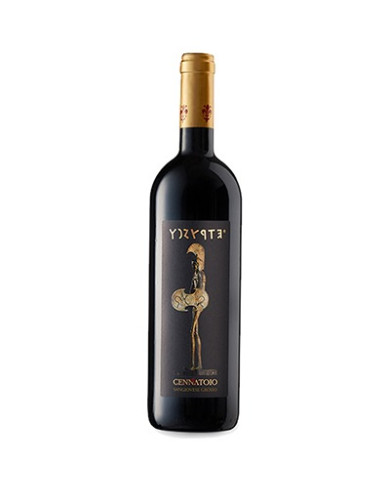
biologico invecchiamento minimo in barriques nuove 40% e 60% al secondo passaggio per un minimo di 18 mesi
€64.00
SKU:
19504
Brand:
Avignonesi
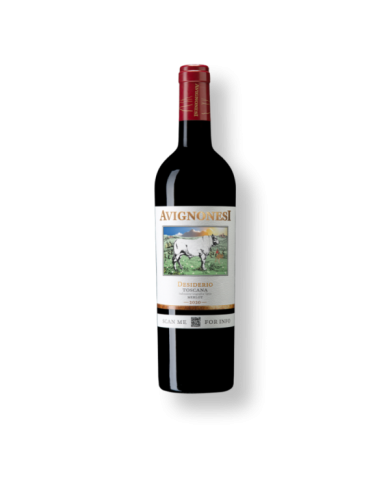
Desiderio era un toro che viveva sulla fattoria Le Capezzine di Avignonesi più di cento anni fa. Il più grande toro in Toscana a quel tempo, questo maestoso animale contribuì a definire la razza bovina Chianina, specifica della Bistecca Fiorentina. È stata una scelta naturale dedicare questo Merlot all’amato toro come testimonianza dell’origine dei vini. Questo è Merlot dalla Toscana al suo meglio.
L’iconico toro bianco è oggi un’illustrazione dell’annata che nasconde più di quanto mostra alla prima occhiata. Confrontate le etichette tra loro e noterete alcuni indizi sul clima. Guardate il cielo e capirete se era freddo, caldo o equilibrato e potrete decifrare molti altri indizi.
€88.11
SKU:
19501
Brand:
Cennatoio Emiliano Alessi
Denso e potente si presenta in bocca un tannino vigoroso che si fa via via più morbido susseguentemente per dare spazio ad un frutto come la ciliegia, e altri frutti a bacca rossa
€49.90
SKU:
18874
Brand:
Stefano Amerighi
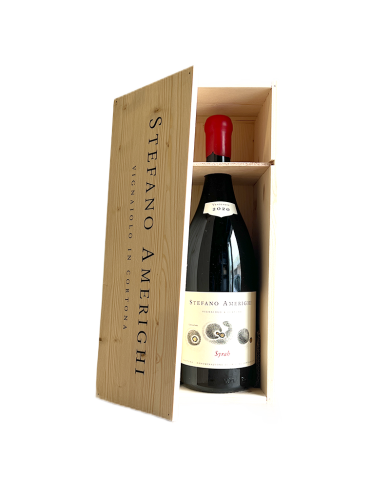
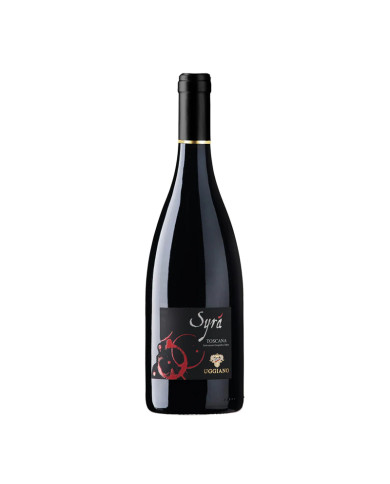
This Syrah is Stefano Amerighi 's representative wine, the result of his work and his idea. A broad idea that goes from the soil to the plant to the balance of nature.
€89.90
SKU:
18707
Brand:
Carpineto
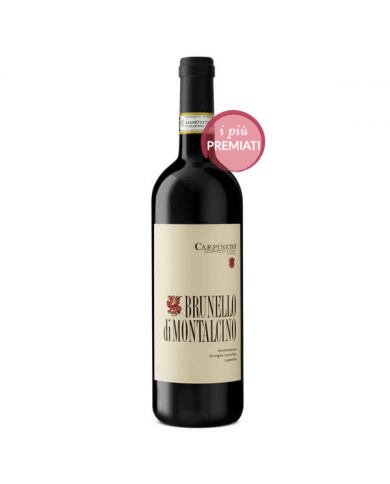
The Carpineto Estate, in Montalcino, rises at an altitude that reaches over 500 meters slm , one of the highest points within the denomination. The structure of the soil is made up of marl and accumulations of clay dating back to the Eocene (15 million years ago). The vineyards are surrounded by thick Mediterranean scrub which protects them from the humid western currents coming from the Maremma; it is also thanks to their exposure that the wine reveals hints of berries and Mediterranean herbs. A truly unique microclimate, which gives the wines aromatic intensity, lively acidity and marked elegance, as well as incredible longevity.
€72.65
SKU:
18706
Brand:
Carpineto
The Carpineto Estate, in Montalcino, rises at an altitude that reaches over 500 meters slm , one of the highest points within the denomination. The structure of the soil is made up of marl and accumulations of clay dating back to the Eocene (15 million years ago). The vineyards are surrounded by thick Mediterranean scrub which protects them from the humid western currents coming from the Maremma; it is also thanks to their exposure that the wine reveals hints of berries and Mediterranean herbs. A truly unique microclimate, which gives the wines aromatic intensity, lively acidity and marked elegance, as well as incredible longevity.
€43.46
SKU:
18701
Brand:
Carpineto
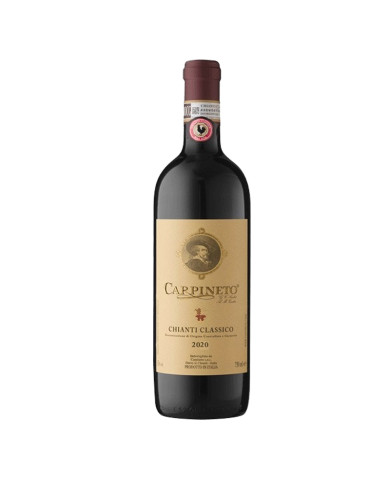
Produced in the oldest production area, as stated in the disciplinary that regulates it, this area gave its name to the wine and is the only one where Chianti Classico is produced. It extends between Florence and Siena in a territory of breathtaking beauty, made up of villages perched on the top of the hills, of olive trees cultivated in steep fields with an irregular outline and of cypresses lined up to delimit the innumerable dirt roads.
SKU:
18700
Brand:
Carpineto
Produced in the oldest production area, as stated in the disciplinary that regulates it, this area gave its name to the wine and is the only one where Chianti Classico is produced. It extends between Florence and Siena in a territory of breathtaking beauty, made up of villages perched on the top of the hills, of olive trees cultivated in steep fields with an irregular outline and of cypresses lined up to delimit the innumerable dirt roads.
€111.18
SKU:
18699
Brand:
Carpineto
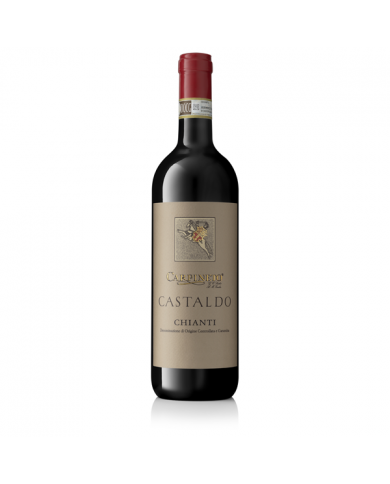
This is certainly the best known Italian wine in the world and is produced in Central Tuscany.
€8.82
€10.39
SKU:
18628
Brand:
Tenuta Lenzini
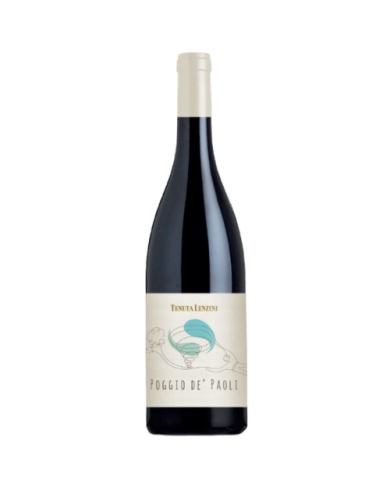
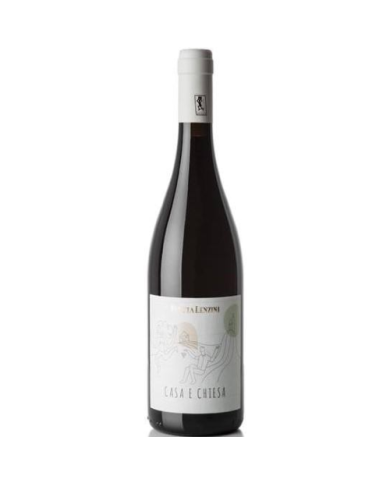
"Poggio de Paoli" vino rosso strutturato dall’ottima piacevolezza di beva, finezza ed eleganza. - Molto lunga la persistenza gusto-olfattivadi questo blend di uve "internazionali" cresciute "biodinamicamente" sulle Colline Lucchesi
€16.23
SKU:
18627
Brand:
Tenuta Lenzini
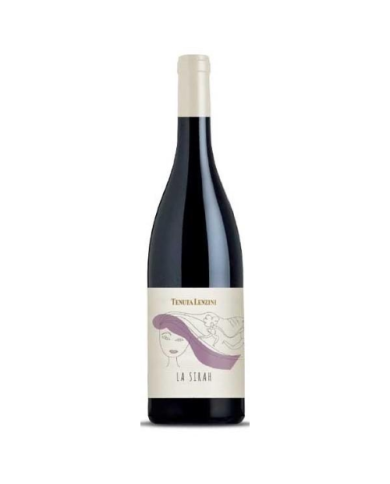
Colore Rosso rubino denso - Profumo Inchiostro, fungo e macchia mediterranea, pepe nero e cardamomo, marasca e sottobosco - Gusto Corposo, di bella dinamicità e freschezza, tannino misurato, lungo finale speziato
€31.09
SKU:
18626
Brand:
Tenuta Lenzini
Color rosso rubino piuttosto scuro, profumi intensi e dominio di una stuzzicante componente speziata, a cui si aggiungono sentori di prugna e ciliegia sotto spirito. In bocca l’ingresso è intenso e caldo , con un tannino ancora piuttosto vivo. Nel finale accarezza il palato una piacevole freschezza assieme a un leggero tocco sapido. Ottime potenzialità evolutive nell’affinamento in bottiglia.
€12.57
SKU:
18592
Brand:
Biondi Santi
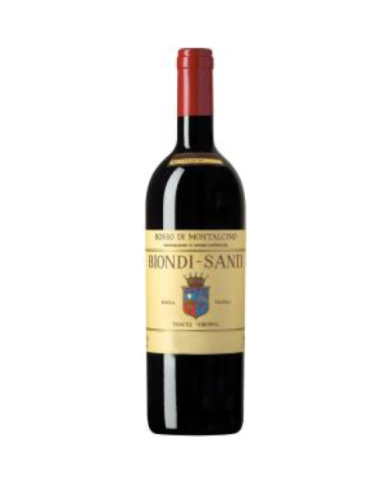
Rosso rubino vivo, al naso esprime un profilo olfattivo di incredibile definizione e di rara finezza. Note di piccoli frutti rossi che si alternano a toni balsamici, floreali, speziati e vegetali aprono ad un assaggio unico, capace di coniugare perfettamente tutta la freschezza della tipologia ad una profondità tutt’altro che scontata. Lunghissimo e vibrante, chiude con un finale di grande persistenza.
€76.74
SKU:
18591
Brand:
Biondi Santi
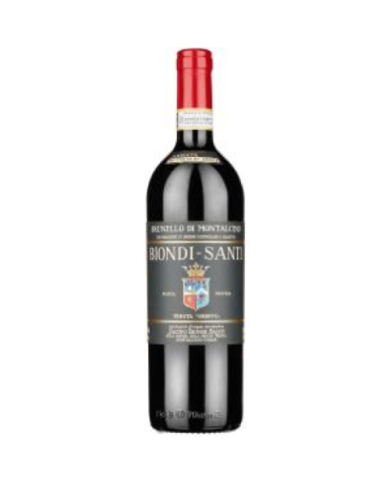
Il Brunello di Montalcino 2011, rigorosamente maturato in legno grande per tre anni, al naso piccoli frutti rossi maturi, rosa appassita, tocchi tostati, cenni di sottobosco, ricordi agrumati e note di pietra focaia. In bocca, attacca caldo fino ad un finale ancora su note sapide e agrumate.
€227.53
SKU:
18590
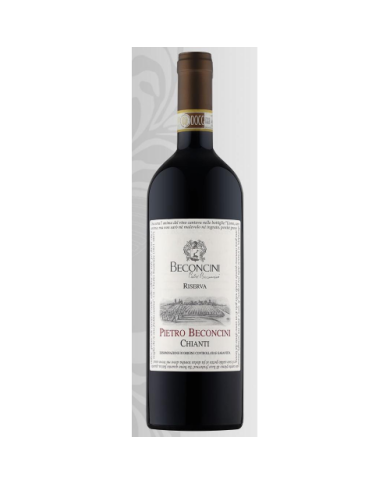
Brand:
Pietro Beconcini
San Miniato (Toscana) - Uvaggio Sangiovese 85% Canaiolo 15% - Alcool 14%
Vinificazione in cemento con lieviti indigeni e macerazione sulle vinacce di 28 giorni. maturazione in botti di rovere Slavonia per 18 mesi, Affinamento 8 mesi in bottiglia.
ABBINAMENTI: Primi piatti anche molto elaborati, carni di animali da cortile, formaggi stagionati e salumi, zuppe e cucina tipica Toscana, bistecca.
€16.96
SKU:
18589
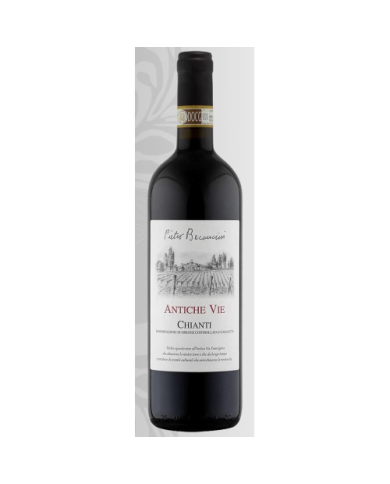
Brand:
Pietro Beconcini
San Miniato (Toscana) - Uvaggio: Sangiovese 70% malvasia nera e Trebbiano 30% - Alcool 12,5%
Vinificazione in cemento con lieviti indigeni e macerazione sulle vinacce di 20 giorni. Maturazione in cemento per 6 mesi e Affinamento in bottiglia per 4 mesi.
ABBINAMENTI: Primi piatti anche molto elaborati, carni bianche, formaggi freschi, salumi, pesce cucinato in rosso.
€9.03
SKU:
18578
Brand:
Fattoria le Pupille
Poggio Argentato embodies the essence of Maremma: its land, its unique light, the breeze from the nearby sea, all narrated by a fragrant and fresh white wine, through the language of Northern vines. The singular blend of Sauvignon Blanc, Petit Manseng, Semillon and Traminer make Poggio Argentato a refined, elegant and versatile wine, perfect for the summer but also throughout the year.
€13.40
SKU:
18533
Brand:
Tenuta i Fauri
Colore giallo paglierino, note di pera e agrumi. Ha un piacevole sentore di burro
Abbinamento consigliato Pasta, Vegetariano, Antipasti e spuntini, Pesce magro, Salumi
€15.86
SKU:
18494
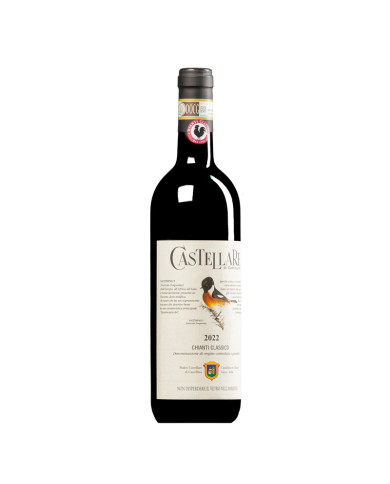
Brand:
Castellare di Castellina
Brilliant ruby red color with violet reflections. Thanks to the harmony of the tannins, combined with the delicate complexity of the aromas and the final note of sweetness, the wine is characterized by an excellent balance in the mouth.
Chianti Classico Castellare di Castellina
€20.67
SKU:
18489
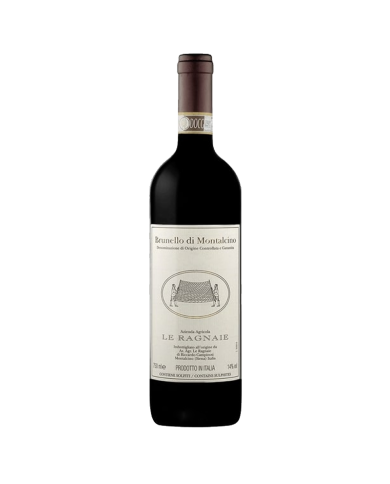
Brand:
Le Ragnaie
The 5 hectares used for the production of Brunello, facing south-west towards the sea and surrounded by uncultivated woods, boast over 40-year-old vines and are cultivated according to the dictates of organic agriculture.
€61.85
SKU:
18486
Brand:
Cantina Marchesi Antinori
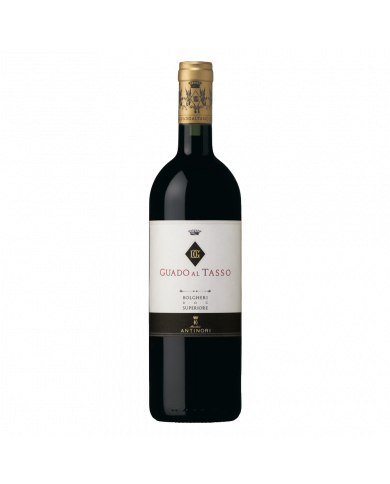
Guado al Tasso Bolgheri Superiore is the symbolic wine of the Estate and one of the best wines produced by Antinori , it is a powerful red wine, extremely elegant and rich in exceptional balsamic notes and ripe fruit. It is composed of 5% Cabernet Franc, 50% Cabernet Sauvignon, 45% Merlot grown in the best vineyards of the estate.
€118.95
SKU:
18483
Brand:
Cantina Marchesi Antinori
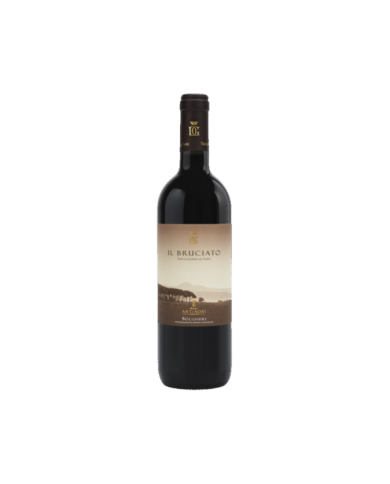
Guado al Tasso is the Bolgheri estate of Antinori , inherited in the 1930s by Carlotta della Gherardesca Antinori , mother of Piero Antinori . In this Bordeaux enclave, with its mild climate thanks to the sea breeze that comes from the sea in front of it, wines of international scope are produced such as Il Bruciato, a didactic blend of Cabernet Sauvignon, Merlot and Syrah. Dynamic and modern, pleasant and enveloping , it is a wine with character, harmonious and balanced .
€26.64
SKU:
18482
Brand:
San Felice
Produced exclusively in exceptional vintages, this Riserva represents for San Felice the maximum expression of the 'terroir' of Campogiovanni. Coming from the careful selection of Sangiovese grosso from the 'Il Quercione' vineyard of about 2.5 hectares, it is a wine that combines rigor, concentration, elegance as well as an extraordinary capacity for aging. Refine for 24 months in 500-liter French oak barrels. (tonneaux) and 36 months in the bottle.
€114.19
SKU:
18477
Brand:
Tenuta Valdipiatta
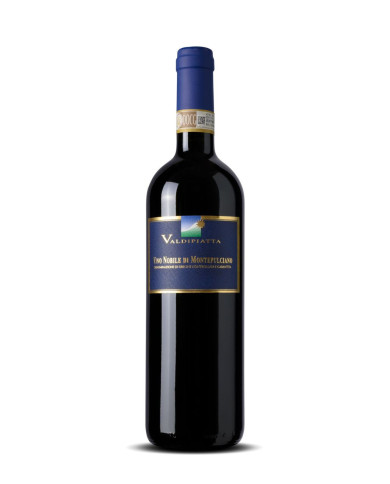
Vino Nobile is the result of a careful selection of the best Sangiovese and Canaiolo Nero grapes from the various company vineyards which are harvested and vinified separately each year and then expertly blended so as to best express all the elegance, complexity and finesse of the Montepulciano terroir.
€33.16
SKU:
18476
Brand:
Tenuta Valdipiatta
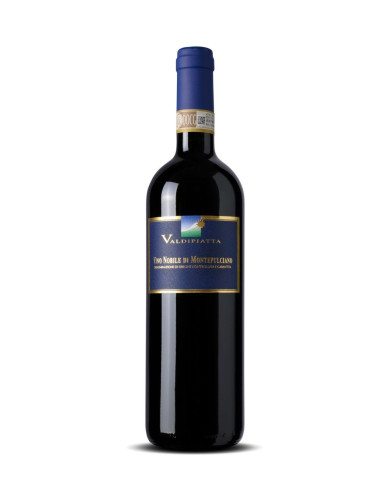
Vino Nobile is the result of a careful selection of the best Sangiovese and Canaiolo Nero grapes from the various company vineyards which are harvested and vinified separately each year and then expertly blended so as to best express all the elegance, complexity and finesse of the Montepulciano terroir.
€33.16
SKU:
18441
Brand:
Beconcini
Non sarò mai un produttore di vini bianchi, ma la ricerca in viticoltura è la mia passione e memore dei ricordi di mio babbo che mi parlava dei vecchi Trebbiano Rosa presenti a San Miniato, ho cercato, trovato e oggi coltivo, antichi cloni di queste uve con cui produco VEA (C.F. di EVA bianco con attributi)
€18.18
€50.75
€33.78
SKU:
18425
Brand:
Tenuta San Guido
Le Difese is a full-bodied red wine with a Bordeaux style but with a Tuscan soul: a combination of Cabernet Sauvignon and Sangiovese, aged in barrique for 12 months. It is soft, round, elegant and velvety, animated by a balanced freshness and hints of cherries, chocolate, aromatic herbs and sweet spices
€64.90
Discover the best wines of Tuscany: an unforgettable experience!
Tuscany is one of Italy's most renowned wine regions, and for decades its excellent wines have been appreciated worldwide. Tuscan wines offer a range of flavors, from sweet and fruity to robust and intense. Furthermore, this region also boasts a rich traditional culture and a long history of winemaking, making it an ideal destination for tourists seeking an unforgettable food and wine experience.
Why is Tuscany famous for its wine?
Tuscany has a mild climate and rich, fertile soil, making it one of Italy's most suitable regions for wine production. The region is particularly known for its red wines, such as Chianti, Brunello di Montalcino, and Vino Nobile di Montepulciano. These wines are made from Sangiovese grapes, the most widely grown grape in Tuscany. The region also has a rich tradition of white wines, such as Vernaccia di San Gimignano, Vermentino, and Trebbiano.
How to choose the right Tuscan wine?
When choosing a Tuscan wine, the first thing to consider is your personal taste. If you prefer sweet, fruity wines, a white wine like Vernaccia di San Gimignano or Vermentino is the right choice. If you prefer more robust, structured wines, then a red wine like Chianti or Vino Nobile di Montepulciano is better.
Furthermore, it's also important to consider the vintage of the wine you're purchasing. Wine quality depends on the climatic conditions during the period in which the grapes were grown, so before purchasing a bottle, it's a good idea to ask the producer about the vintage.
Where to find Tuscan wines?
Tuscan wines are readily available in supermarkets and specialty shops, but to savor the finest, highest-quality wines, you can also visit a winery. Tuscany boasts numerous wineries that organize guided tours and tastings to showcase their wines. Visiting one is a truly unique experience, as you have the opportunity to learn firsthand how wine is made and taste the different varietals.
What are the most famous wines of Tuscany?
Tuscany's most famous wines are Chianti, Brunello di Montalcino, Vino Nobile di Montepulciano, and Vernaccia di San Gimignano. Chianti is a light and fruity red wine, while Brunello di Montalcino is a red wine with great intensity and structure. Vino Nobile di Montepulciano is a full-bodied and complex red wine, while Vernaccia di San Gimignano is a dry white wine with fruity and floral notes.
How to pair Tuscan wines?
Tuscan wines are ideal paired with meat, fish, vegetable, or cheese dishes. For example, Chianti pairs excellently with meat dishes such as roasts or braised meats, while Vino Nobile di Montepulciano is perfect with fish dishes such as cod or salmon. Brunello di Montalcino pairs well with vegetable dishes such as soups and broths, while Vernaccia di San Gimignano is ideal with aged cheeses.
How to store Tuscan wines?
Tuscan wines should be stored in a cool, dry place, away from heat and direct light. The ideal storage temperature is between 10 and 14°C. Red wines can be stored for up to 5 years, while white wines should not be stored for more than 2 years. Furthermore, it's important to remember that wines should be stored horizontally, so that the cork is always in contact with the wine.
Tuscan Wine Denomination
Tuscany is one of the most important wine regions in Italy and the world. The region is famous for its fine wines such as Chianti , Brunello di Montalcino , and Vino Nobile di Montepulciano. These wines have either a controlled designation of origin (DOC) or a controlled and guaranteed designation of origin (DOCG). In this article, we'll explore the appellations of Tuscan wines and how they're produced.
Introduction to the Wine Denominations of Tuscany
Wine appellations are a classification system that guarantees the quality and geographical origin of Italian wines. There are three levels of appellation: Vino da Tavola, DOC, and DOCG. Table wines have no geographical or grape variety restrictions, while DOC and DOCG wines are produced in specific geographical areas and with specific grapes.
DOC wines of Tuscany
Tuscan DOC (Denominazione di Origine Controllata) wines are produced in specific areas of the region and are made with specific grapes. These wines have strict production requirements, such as grape yield, alcohol content, and minimum aging time.
Chianti DOCG
Chianti is one of the best-known and most popular Italian wines, produced primarily in the Chianti region, between the cities of Florence, Siena, and Arezzo. The wine is made primarily from Sangiovese grapes and may also contain other red grapes such as Canaiolo, Colorino, and Merlot. Chianti DOCG is a dry red wine that can be classified by its aging period: Chianti, Chianti Riserva, and Chianti Classico .
Brunello di Montalcino DOCG
Brunello di Montalcino is a DOCG wine produced in the Montalcino area, in the province of Siena. It is made with Sangiovese grapes, known locally as Brunello. The wine is aged for at least five years and must be produced exclusively with grapes from the Montalcino area.
Vino Nobile di Montepulciano DOCG
Vino Nobile di Montepulciano is a DOCG wine produced in the Montepulciano area, in the province of Siena. It is made primarily from Sangiovese grapes and must be aged for at least two years. The name "Nobile" derives from this wine's reputation during the Renaissance.
IGT wines from Tuscany
IGT (Indicazione Geografica Tipica) is an Italian wine designation that indicates a broader geographical area than DOC and DOCG wines. These wines can be made with grape varieties other than those specified by the DOC and DOCG designations.
Super Tuscan
Super Tuscans are IGT wines produced in Tuscany that do not comply with the DOC and DOCG designations. These wines are often made with international grapes such as Cabernet Sauvignon, Merlot, and Syrah, and are aged in French oak barrels. Super Tuscans are generally full-bodied and intense red wines, with a high concentration of fruit.
Tuscany is a world-renowned wine region, and its controlled and guaranteed designations of origin guarantee the quality of its wines. Tuscan DOC and DOCG wines are produced in specific geographical areas and with specific grapes, while Tuscan IGT wines have fewer restrictions in terms of geographical area and grape variety. Each appellation has its own unique characteristics and offers a different tasting experience. Regardless of which wine you choose, Tuscan wines are definitely a winning choice.
Frequently Asked Questions
What are the main Tuscan wine denominations?
The main Tuscan wine denominations are Chianti DOCG, Brunello di Montalcino DOCG, Vino Nobile di Montepulciano DOCG and IGT.
What do DOC and DOCG mean?
DOC stands for Controlled Designation of Origin, while DOCG stands for Controlled and Guaranteed Designation of Origin. These designations guarantee the quality and geographical origin of Italian wines.
What are the production requirements for DOC and DOCG wines from Tuscany?
Tuscan DOC and DOCG wines have strict production requirements, such as grape yield, alcoholic strength, and minimum aging time.
What are Super Tuscans?
Super Tuscans are IGT wines produced in Tuscany that do not comply with the DOC and DOCG designations. These wines are often made with international grapes such as Cabernet Sauvignon, Merlot, and Syrah.
What are the most famous DOCG wines from Tuscany?
The most famous DOCG wines of Tuscany are Chianti DOCG, Brunello di Montalcino DOCG and Vino Nobile di Montepulciano DOCG .