Italiano
 Deutsch







There are no more items in your cart
SKU:
16533
Brand:
Valentino Butussi
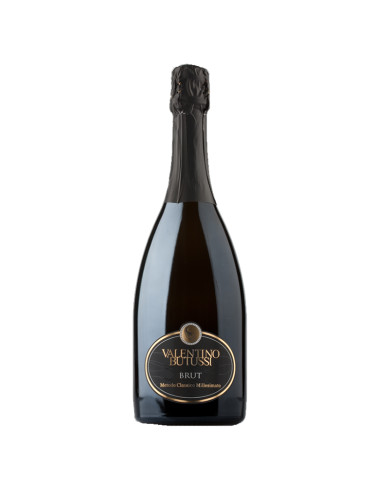
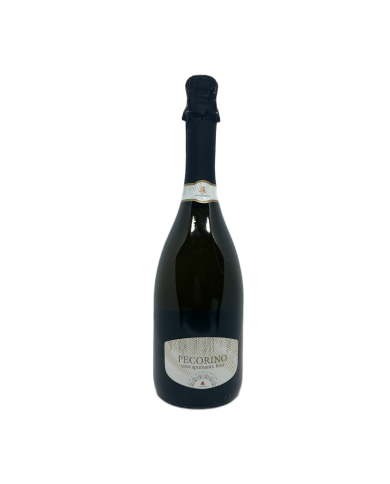
Intense straw yellow, bright with golden reflections. Slightly persistent perlage. Lively nose with fruity notes of ripe pears and apples and candied oranges. Light and enveloping on the palate, final citrus notes that linger.
SKU:
16532
Brand:
Valentino Butussi
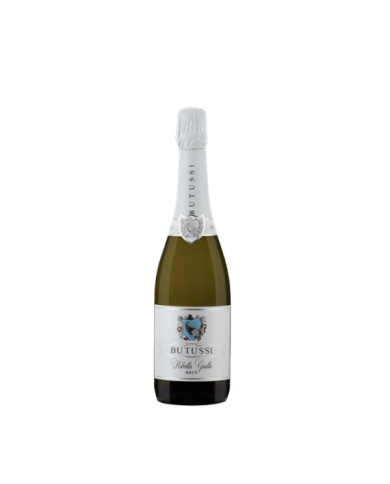
In addition to the great classics of the Friuli area, always declined with skill and refinement, the Valentino Butussi farm also delights in the production of a bubble, creating a Spumante Brut made according to the Martinotti method. Punctual in presenting subtle and light aromas, which open to a well-defined and refreshing sip, this "Ribolla Gialla" is confirmed as an excellent companion for more informal aperitifs.
€15.50
SKU:
16515
Brand:
Masseria L'Astore
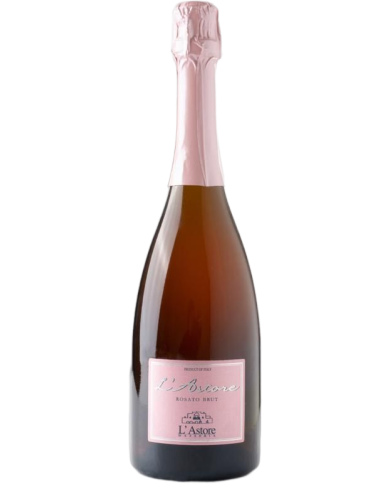
Born from clean and sustainable agriculture, respecting a landscape designed by culture and tradition, since 2010 the wines of L'Astore are certified "produced from organic grapes". Symbol of the Salento area in its rosé vocation and in the old Alberelli di Negroamaro and Primitivo; the production enhances the ancient native vines such as Negroamaro, Malvasia Nera, Malvasia Bianca Antica, Susumaniello and Primitivo.
€12.43
€7.93
SKU:
16493
Brand:
Valter Bera
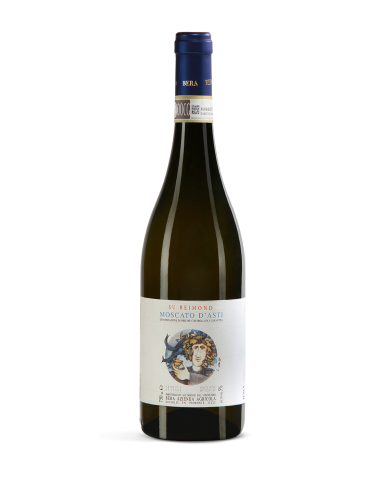
This wine is a Moscato, complex and structured, produced with grapes from suitable vineyards. The intense and fragrant aromas that smell of wisteria and peach, sage and lemon, last a long time and enhance the sweet, fresh and delicate flavour, stimulating for the fine perlage. Meditation wine, it goes well with all types of sweets.
€13.18
SKU:
16492
Brand:
Valter Bera
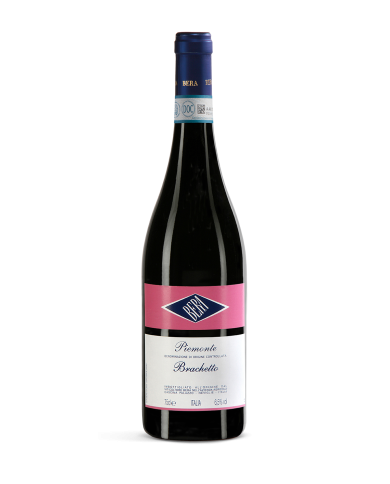
A unique wine, with a bright cherry pink colour, aromatic, typical for the scents of fresh flowers and roses, for a light musky sensation and intense hints of red fruit. Sweet, lively, fresh, pleasantly acidulous, it explodes on the aftertaste with the same fruity notes perceived on the nose which suggest the combination with berries, desserts and strawberry parfait, jam tarts and sweets in general.
€11.59
SKU:
16477
Brand:
Valter Bera
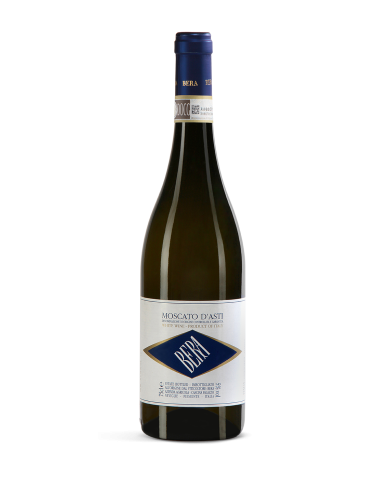
The grapes for this aromatic wine, of a delicate straw yellow color and with a complex, elegant and musky bouquet, ripen in vineyards well exposed to the sun, from south to south-west and bring sweetness, sapidity and a very long aromatic persistence into the glass which recalls the flavors and the aromas of ripe grapes.
It goes ideally with desserts and in particular with creams, fruit tarts and small pastries.
€11.35
SKU:
16476
Brand:
Valter Bera
The grapes for this aromatic wine, of a delicate straw yellow color and with a complex, elegant and musky bouquet, ripen in vineyards well exposed to the sun, from south to south-west and bring sweetness, sapidity and a very long aromatic persistence into the glass which recalls the flavors and the aromas of ripe grapes.
It goes ideally with desserts and in particular with creams, fruit tarts and small pastries.
€28.30
SKU:
16475
Brand:
Valter Bera
€11.59
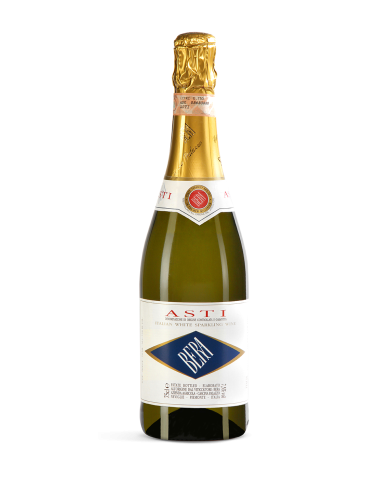
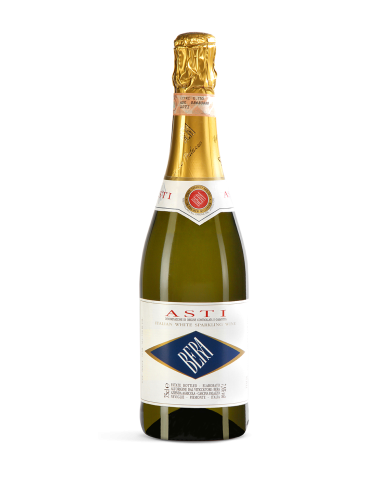
The grapes to produce this Asti sparkling wine with finely aromatic characteristics are obtained from vineyards planted with Moscato bianco, on soil rich in limestone. The continuous "perlage", the persistent foam, prelude to the broad and intense bouquet reminiscent of orange blossom and sage. The sweet and inviting taste is attenuated by a stimulating acidity. Ideal with dessert, party wine, as an aperitif and for any other occasion to remember.
€11.59
SKU:
16474
Brand:
Valter Bera
The grapes to produce this Asti sparkling wine with finely aromatic characteristics are obtained from vineyards planted with Moscato bianco, on soil rich in limestone. The continuous "perlage", the persistent foam, prelude to the broad and intense bouquet reminiscent of orange blossom and sage. The sweet and inviting taste is attenuated by a stimulating acidity. Ideal with dessert, party wine, as an aperitif and for any other occasion to remember.
€28.30
SKU:
16473
Brand:
Valter Bera
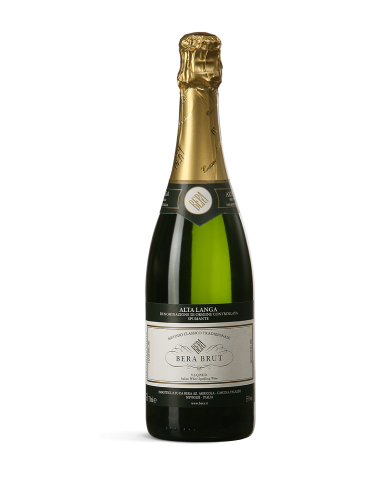
The elegance of a great classic method that remains 4 years on the lees, enhances the Pinot Noir and Chardonnay grapes grown on the Langa hills. The long stay on the lees leaves notes of bread crust in a complex, broad and persistent bouquet. Pleasantly dry, long, savory, it brightens the glass with a very fine and persistent perlage. Wine for aperitifs and throughout the meal.
€23.61
SKU:
16467
Brand:
Maso Martis
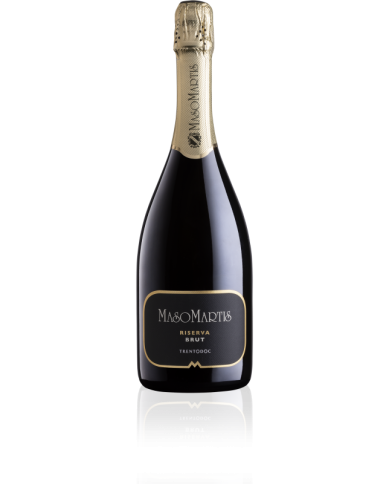
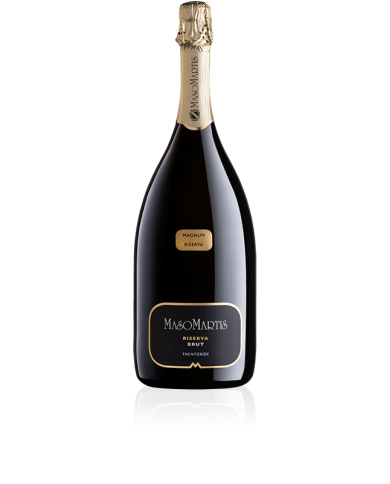
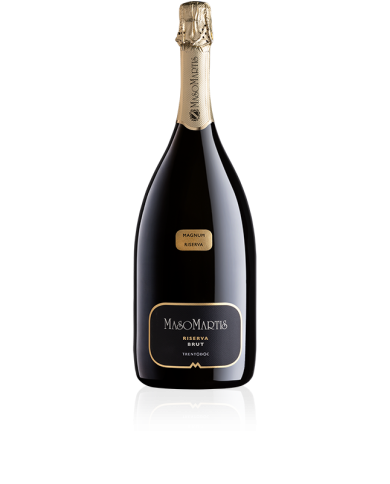
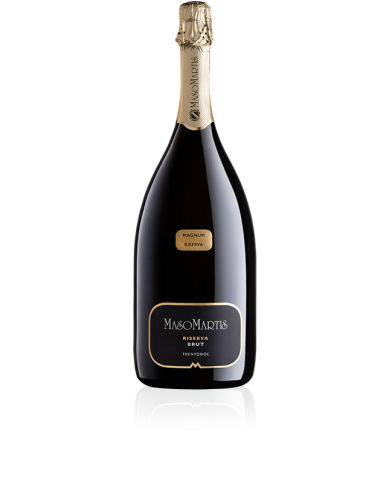
An oenological masterpiece from carefully selected grapes, aged on the lees for at least four years in order to enhance its body, aromas and preciousness.
€41.48
SKU:
16466
Brand:
Maso Martis
An oenological masterpiece from carefully selected grapes, aged on the lees for at least four years in order to enhance its body, aromas and preciousness.
€89.55
SKU:
16465
Brand:
Maso Martis
An oenological masterpiece from carefully selected grapes, aged on the lees for at least four years in order to enhance its body, aromas and preciousness.
€90.89
SKU:
16464
Brand:
Maso Martis
AVAILABLE IN THE SHOP Download the technical sheet in .pdf format A classy product with a delicate pink color, with aromas of small berries, currants, raspberries and strawberries and delicate hints of sweet almond, full-bodied and velvety.
€35.87
SKU:
16463
Brand:
Maso Martis
A classic method with an intense body and aromas, a slight hint of yeast, versatile, elegant, for all meeting occasions.
€25.74
SKU:
16462
Brand:
Maso Martis
A classic method with an intense body and aromas, a slight hint of yeast, versatile, elegant, for all meeting occasions.
€59.29
SKU:
16461
Brand:
Maso Martis
An oenological masterpiece from carefully selected grapes, aged on the lees for at least four years in order to enhance its body, aromas and preciousness.
€258.88
SKU:
16460
Brand:
Maso Martis
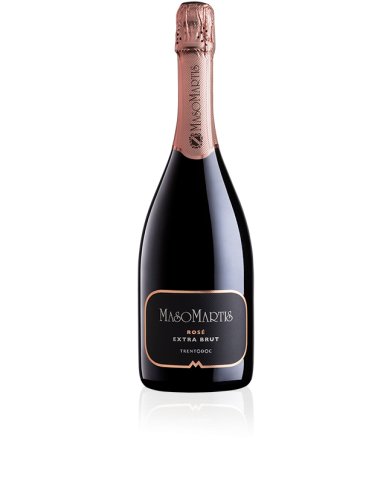
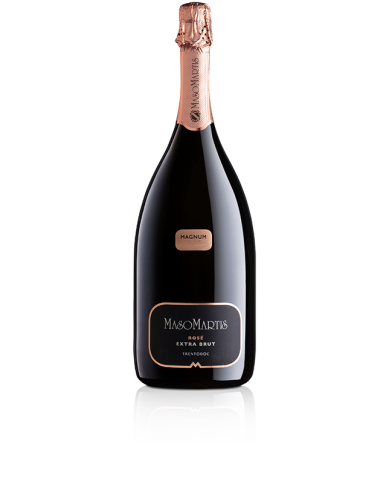
The Trento Spumante Rosé Extra Brut from the Maso Martis family winery is a velvety mountain wine suitable for any convivial occasion. It is made with 100% Pinot Noir grapes and aged for 36 months on its lees. The delicate rosé color and the fine and persistent perlage recall the aromas of small red berried fruit, raspberries, wild strawberries, currants and wild flowers such as violets, with hints of yeast emerging on the finish. The sip is fresh, mineral, refined, elegant, with a long and balanced finish.
€79.67
SKU:
16459
Brand:
Maso Martis
The Trento Spumante Rosé Extra Brut from the Maso Martis family winery is a velvety mountain wine suitable for any convivial occasion. It is made with 100% Pinot Noir grapes and aged for 36 months on its lees. The delicate rosé color and the fine and persistent perlage recall the aromas of small red berried fruit, raspberries, wild strawberries, currants and wild flowers such as violets, with hints of yeast emerging on the finish. The sip is fresh, mineral, refined, elegant, with a long and balanced finish.
€42.58
SKU:
16458
Brand:
Maso Martis
Since the 1980s, Maso Martis has been cultivating Meunier, a vine belonging to the Pinot family, in its 12 hectares of vineyards.
The origin of the name Meunier, in French "miller", derives from the characteristic lower part of its leaf, very downy and apparently whitened with flour.
A much loved vine in France, in Trentino the Meunier is required by the Trentodoc disciplinary but still not widespread in the region. Maso Martis began making full use of this vine with the 1999 harvest, inserting it as a distinctive element of Madame Martis, its most prestigious cuvèe Riserva. In 2020, thirty years after its foundation, the Stelzer family decided to celebrate the anniversary by presenting Monsieur Martis, its Meunier in pure rosé version.
€86.99
SKU:
16457
Brand:
Maso Martis
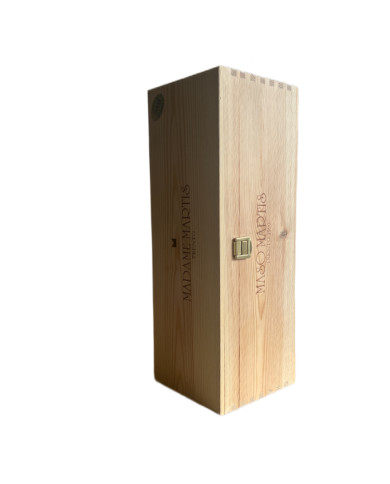
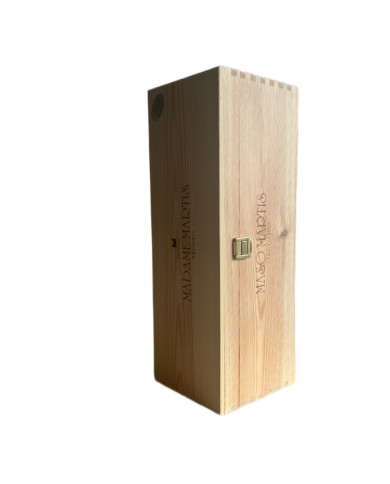
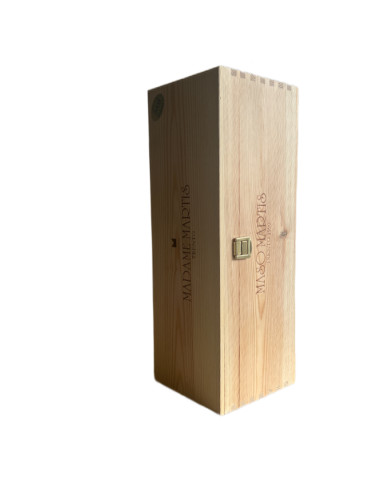
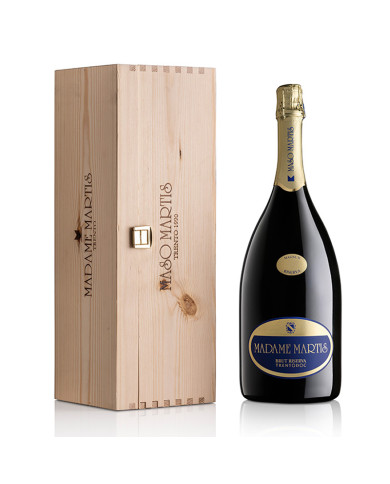
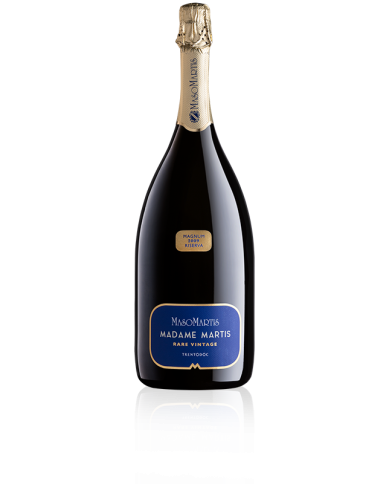
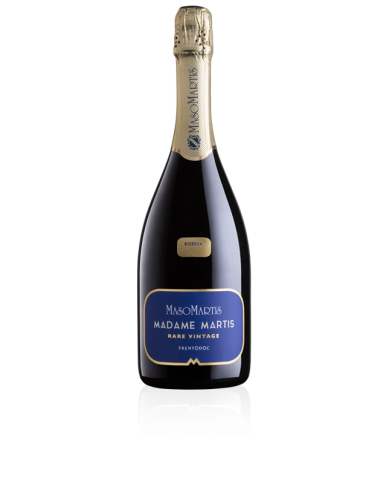
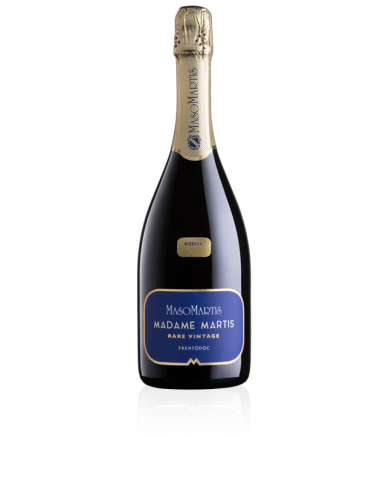
There are only 100 bottles of this exceptional 2009 vintage classic method, which the company wanted to produce with its own best grapes, combining the elegance of Pinot Noir with the fragrance of Chardonnay and the softness of Meunier. "Madame Martis" is the successful synthesis of the precious elements that have always characterized the harmonious and decisive style of Maso Martis sparkling wines.
SKU:
16456
Brand:
Maso Martis
This bottle of the 2011 vintage is one of the very few produced by Maso Martis with a careful selection of its grapes, combining the elegance of Pinot Noir with the fragrance of Chardonnay and the softness of Meunier. 9 years of very long aging in the bottle are his style signature.
€119.93
SKU:
16455
Brand:
Maso Martis
This bottle of the 2011 vintage is one of the very few produced by Maso Martis with a careful selection of its grapes, combining the elegance of Pinot Noir with the fragrance of Chardonnay and the softness of Meunier. 9 years of very long aging in the bottle are his style signature.
Sparkling Wine Sales: How to Choose the Best and Pair It with Food
Sparkling wine is a festive and lively wine, ideal for accompanying celebrations and convivial gatherings. In Italy, sparkling wine production is highly diverse and includes a wide range of varieties, from Prosecco to Champagne, including Franciacorta and Trento DOC .
In this article, we'll guide you through the world of sparkling wines, with tips for choosing the right wine for your preferences and occasions, food pairings, and tasting suggestions.
How are sparkling wines produced?
Sparkling wines are produced through a fermentation process that allows the wine to produce bubbles. There are two main methods for producing sparkling wines: the Classic Method and the Charmat Method.
Each sparkling wine has its own production method, which influences both its flavor and final price. The main production methods are the Classic Method, the Charmat Method, and the Martinotti Method.
The Classic Method is the most expensive and artisanal method used to produce high-quality sparkling wines such as Champagne. In this method, the second fermentation takes place in the bottle, with the yeast settling at the bottom of the bottle and being removed through the disgorging process. This process requires considerable time and attention, which is reflected in the final price of the product.
The Charmat Method is used to produce lighter, fruitier sparkling wines. In this method, the secondary fermentation takes place in large stainless steel tanks, where the wine is kept under pressure to create carbonation. After fermentation, the wine is filtered and bottled.
The Martinotti Method , also known as the Italian Method or the Tank Method, is a modern method used to produce high-quality sparkling wines such as Prosecco. In this method, the secondary fermentation takes place in large stainless steel tanks, where the wine is kept under pressure to create carbonation. After fermentation, the wine is filtered and bottled.
In addition to the production method, the type of grape used also influences the flavor and final price of the sparkling wine. The main grape varieties used to produce sparkling wines are Chardonnay, Pinot Noir, and Glera.
Chardonnay is a white grape used to produce high-quality sparkling wines like Champagne. It has a fruity flavor and a buttery note.
Pinot Noir is a black grape used to produce high-quality sparkling wines such as rosé Champagne. It has an intense and complex flavor, with notes of berries and spices.
Glera is a white grape used to make Prosecco. It has a fresh and fruity flavor, with notes of green apple and pear.
Ultimately, choosing a sparkling wine depends on your personal taste and the occasion for which you're drinking it. Sparkling wines are an excellent choice for parties and celebrations, but they can also be enjoyed as an aperitif or with a light meal. With the wide range of sparkling wines available on the market, there's sure to be one to suit every taste and budget.
Related posts