Italiano
 Deutsch










There are no more items in your cart
SKU:
14513
Brand:
Bellavista
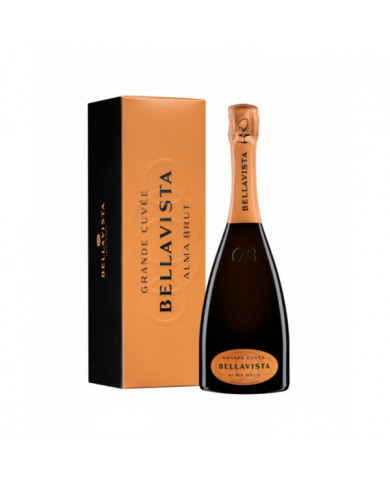
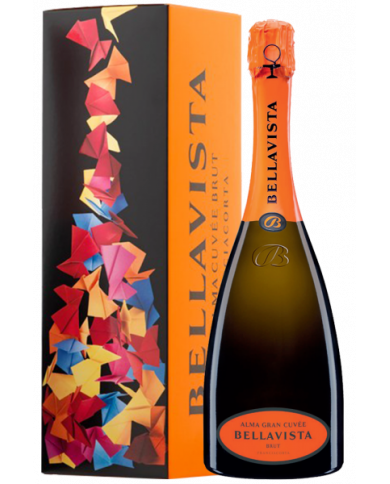
Alma Cuvée is born from the skilful union of about 60 of the 120 harvest selections obtained in the cellar. About 100 selections come from the same harvest and are identified with extreme care in 107 parcels distributed in 10 different municipalities of Franciacorta ("horizontal assembly"). To this vast heritage of olfactory and gustatory variations are added the aromas and flavors of particular "reserve wines" from different vintages ("vertical assembly"). A unique cuvée, which with its elegant complexity represents the most complete and often mysterious soul of Franciacorta.
€39.41
SKU:
14512
Brand:
Bellavista
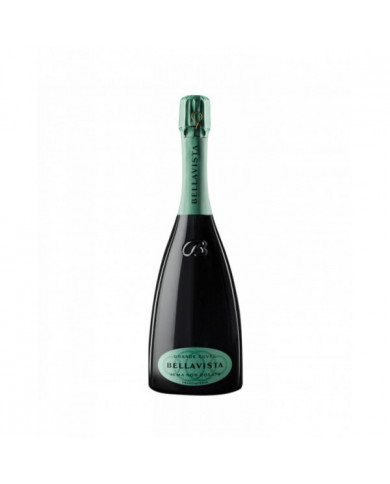
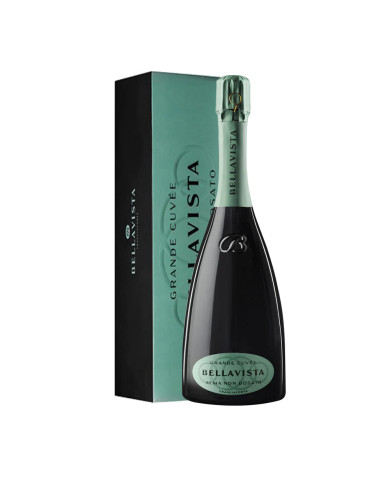
It is told through a sensory profile that evolves giving altogether sapidity, freshness, finesse, elegance and agility: the result is simply superlative, given by the Franciacorta Non Dosato "Alma Grande Cuvée", labeled Bellavista . A bubble that wants to become the symbol of the purest essence of the lands of Franciacorta, proposing a sip with which Bellavista drops its mask, retracing its history in a contemporary key. Here then is that every detail - label included - becomes a reference to the concept of harmony, both external and connected to the precious content. The apparent - and intended - aesthetic minimalism, again, finally connects with a Franciacorta that remains suspended in time, as if to recall the impossibility of finding glasses of a similar caliber.
€39.21
SKU:
14511
Brand:
Bellavista
White foam, exuberant and of excellent persistence. The pearl necklaces are very fine to form a well-present and prolonged crown over time. The effervescence is dynamic and full of youth. Bright and bright yellow color with clear greenish reflections. Perfume characterized by marked minerality. Wide and inviting, it embraces nuances of ripe sweet fruit, meringue, pastry and candied citrus peel. Flavor fully corresponding to the nose, with an almost crunchy creamy sensation and a texture that combines elegance and lightness, thickness and harmony. The vibrant and contemporary character represents its unmistakable identity.
€317.07
SKU:
14510
Brand:
Bellavista
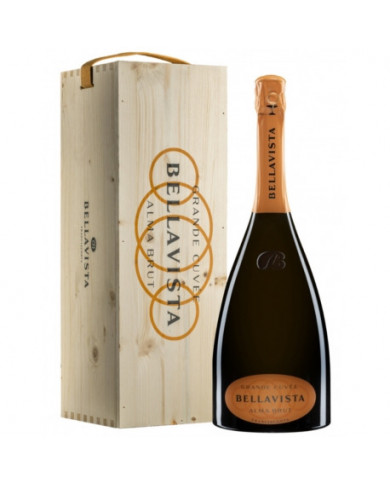
The Franciacorta DOCG Cuvèe Brut "Alma" by Bellavista comes from the skilful union of about 60 of the 120 harvest selections obtained in the cellar. About 100 selections come from the same harvest and are identified with extreme care in 107 parcels distributed in 10 different municipalities of Franciacorta ("horizontal assembly"). To this vast patrimony of olfactory and gustatory variants are then added the aromas and flavors of particular "reserve wines" from different vintages ("vertical assembly"). A unique cuvée, which with its elegant complexity represents the most complete and often mysterious soul of Franciacorta.
€81.45
SKU:
14508
Brand:
Bellavista
It is told through a sensory profile that evolves giving altogether sapidity, freshness, finesse, elegance and agility: the result is simply superlative, given by the Franciacorta Non Dosato "Alma Grande Cuvée", labeled Bellavista . A bubble that wants to become the symbol of the purest essence of the lands of Franciacorta, proposing a sip with which Bellavista drops its mask, retracing its history in a contemporary key. Here then is that every detail - label included - becomes a reference to the concept of harmony, both external and connected to the precious content. The apparent - and intended - aesthetic minimalism, again, finally connects with a Franciacorta that remains suspended in time, as if to recall the impossibility of finding glasses of a similar caliber.
€84.06
SKU:
14505
Brand:
Bellavista
The Franciacorta DOCG Cuvèe Brut "Alma" by Bellavista comes from the skilful union of about 60 of the 120 harvest selections obtained in the cellar. About 100 selections come from the same harvest and are identified with extreme care in 107 parcels distributed in 10 different municipalities of Franciacorta ("horizontal assembly"). To this vast patrimony of olfactory and gustatory variants are then added the aromas and flavors of particular "reserve wines" from different vintages ("vertical assembly"). A unique cuvée, which with its elegant complexity represents the most complete and often mysterious soul of Franciacorta.
€81.50
SKU:
14502
Brand:
Banfi
Sweet sparkling wine obtained from the Brachetto vine, an ancient and complex aromatic grape present only in the Acquese area, characterized by unique and inimitable aromas. The cold maceration of the fruits and the subsequent soft pressing allow the extraction of the intense typical aromas contained in the peel and the characteristic pale ruby red color. A pleasant wine, extraordinarily elegant.
€10.90
SKU:
14441
Brand:
La Guardiense
Brilliant straw yellow colour, characteristic fruity bouquet of good intensity with hints of cedar, citrus, white fruit and yeasts. Pleasant, with a good structure and excellent persistence. Balanced.
€13.96
SKU:
14440
Brand:
La Guardiense
Straw yellow color with green reflections. The nose expresses floral hints of orange blossom completed by nuances of flint and yeasts. The taste is elegant, savoury, soft and very persistent, confirming the olfactory hints of citrus.
€11.47
SKU:
14404
€9.04
SKU:
14403
€9.52
SKU:
14393
Brand:
Cantina Roeno
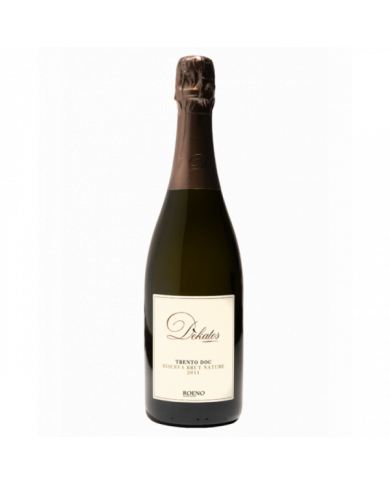
Dekatos is above all a Classic Method of substance and inspiration, transforming it into the identity of the territory. Dekatos is a Classic Method with a long permanence sur lie, over one hundred months to connote and chisel a unique style. Dekatos breathes the art and the wind of the Trentino latitudes, where the vocation for the great Classical Methods has made it possible to write important pages within the history of Italian winemaking.
€52.26
SKU:
14391
Brand:
Cantina Roeno
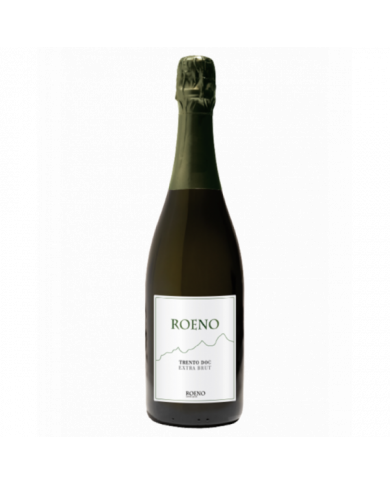
TRENTO DOC EXTRA BRUT. Roeno Trentodoc was born from an ambitious project of the Roeno winery, a vintage, synonymous with style and elegance.
€28.29
SKU:
14382
Brand:
Cantina Roeno
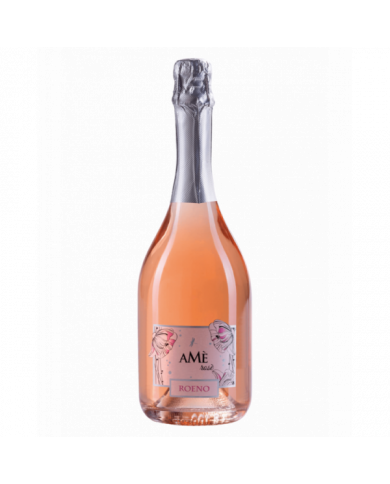
Amè Rosè Spumante Bardolino Chiaretto Doc
Grape varieties: Corvina, Rondinella and Molinara
Production area: Affi, Bardolino (Verona)
Method of collection: manual with selection in
field
Vinification: the grapes are delicately
destemmed and crushed. Fermentation takes place
with short maceration on the skins in
thermo-conditioned stainless steel containers
so as to extract only a part of the substances
dyes. The sparkling process takes place over time
long, with the Martinotti method
Organoleptic characteristics: bright pink, dal
scent reminiscent of raspberry, currant and strawberry.
Harmonious, with a fine and persistent perlage
Food pairings: excellent aperitif, yes
it goes very well with freshwater fish, first courses
fish and vegetable dishes
Serving temperature: 6-8 °C
€13.91
SKU:
14368
Brand:
Borgo Maragliano
Grape variety: CHARDONNAY 100% fermentation in stainless steel tanks Altitude: 410 meters slm Slope: 17% facing East Training system: Low Guyot Soil: 30% tufa - 68% sandstone - 2% calcium Average yield per hectare: 55 hl.
€55.51
SKU:
14365
Brand:
Borgo Maragliano
Grape variety: RIESLING RENANO 100% fermentation in stainless steel tanks Altitude: 540 meters slm Slope: from 30% to 65% facing South - South East Training system: Low Guyot Soil: 60% tuffaceous - 38% sandstone - 2% calcium and gypsum Average yield per hectare: 62 hl.
€25.90
SKU:
14361
Brand:
Borgo Maragliano
Grape variety: CHARDONNAY 100% fermentation in stainless steel tanks Altitude: 410 meters slm Slope: 17% facing East Training system: Low Guyot Soil: 30% tufa - 68% sandstone - 2% calcium Average yield per hectare: 55 hl.
€22.52
€13.48
SKU:
14355
Brand:
Borgo Maragliano
€17.29
€15.56
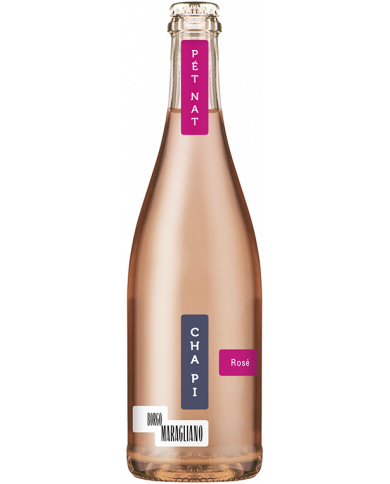
CHA PI is a wine that comes from the union of Chardonnay and Pinot Noir, the two vines from which the synthesis of the name originates. The RITUAL of turning the bottle upside down allows the most noble part of the yeasts adhering to the bottom to mix with each other, enriching the taste of the wine.
€17.29
€15.56
SKU:
14347
Brand:
Merotto
From the chosen area called "Cartizze" where exposure and composition of the soil guarantee superior quality.
€34.10
SKU:
14345
Brand:
Merotto
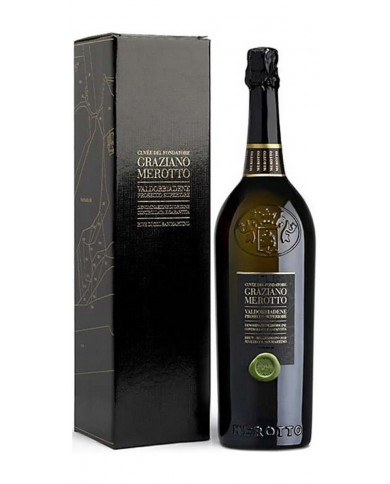
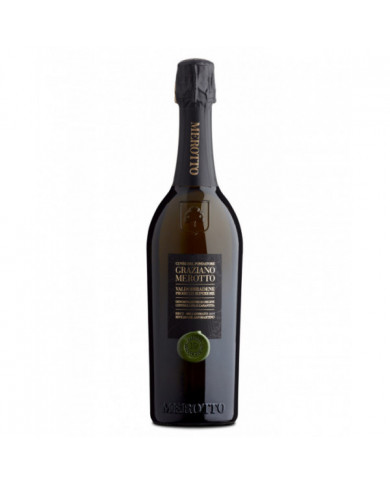
The grapes of the Cuvée del Fondatore come from the Banks of Col San Martino and in particular from cadastral maps 86 - 826 at 230 meters above sea level.
€51.85
SKU:
14344
Brand:
Merotto
€19.52
The grapes of the Cuvée del Fondatore come from the Banks of Col San Martino and in particular from cadastral maps 86 - 826 at 230 meters above sea level.
€19.52
SKU:
14342
Brand:
Merotto
A sincere brut, fresh and very elegant in its perfume, taste and enchanting perlage.
€17.81
SKU:
14340
Brand:
Merotto
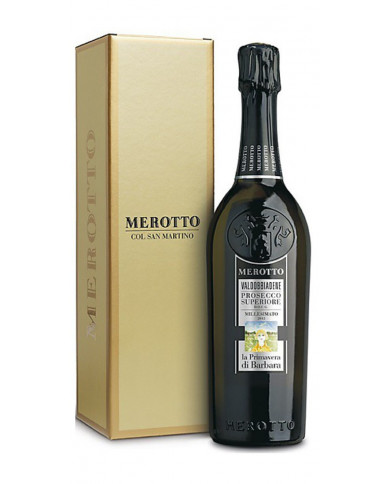
The grapes for this appreciated sparkling wine are harvested in a small and selected vineyard in Col San Martino.
€49.29
Sparkling Wine Sales: How to Choose the Best and Pair It with Food
Sparkling wine is a festive and lively wine, ideal for accompanying celebrations and convivial gatherings. In Italy, sparkling wine production is highly diverse and includes a wide range of varieties, from Prosecco to Champagne, including Franciacorta and Trento DOC .
In this article, we'll guide you through the world of sparkling wines, with tips for choosing the right wine for your preferences and occasions, food pairings, and tasting suggestions.
How are sparkling wines produced?
Sparkling wines are produced through a fermentation process that allows the wine to produce bubbles. There are two main methods for producing sparkling wines: the Classic Method and the Charmat Method.
Each sparkling wine has its own production method, which influences both its flavor and final price. The main production methods are the Classic Method, the Charmat Method, and the Martinotti Method.
The Classic Method is the most expensive and artisanal method used to produce high-quality sparkling wines such as Champagne. In this method, the second fermentation takes place in the bottle, with the yeast settling at the bottom of the bottle and being removed through the disgorging process. This process requires considerable time and attention, which is reflected in the final price of the product.
The Charmat Method is used to produce lighter, fruitier sparkling wines. In this method, the secondary fermentation takes place in large stainless steel tanks, where the wine is kept under pressure to create carbonation. After fermentation, the wine is filtered and bottled.
The Martinotti Method , also known as the Italian Method or the Tank Method, is a modern method used to produce high-quality sparkling wines such as Prosecco. In this method, the secondary fermentation takes place in large stainless steel tanks, where the wine is kept under pressure to create carbonation. After fermentation, the wine is filtered and bottled.
In addition to the production method, the type of grape used also influences the flavor and final price of the sparkling wine. The main grape varieties used to produce sparkling wines are Chardonnay, Pinot Noir, and Glera.
Chardonnay is a white grape used to produce high-quality sparkling wines like Champagne. It has a fruity flavor and a buttery note.
Pinot Noir is a black grape used to produce high-quality sparkling wines such as rosé Champagne. It has an intense and complex flavor, with notes of berries and spices.
Glera is a white grape used to make Prosecco. It has a fresh and fruity flavor, with notes of green apple and pear.
Ultimately, choosing a sparkling wine depends on your personal taste and the occasion for which you're drinking it. Sparkling wines are an excellent choice for parties and celebrations, but they can also be enjoyed as an aperitif or with a light meal. With the wide range of sparkling wines available on the market, there's sure to be one to suit every taste and budget.
Related posts