Italiano
 Deutsch









There are no more items in your cart
€7.77
SKU:
4051
Brand:
Feudo Antico
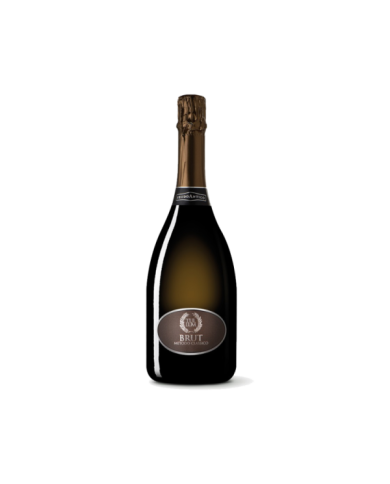
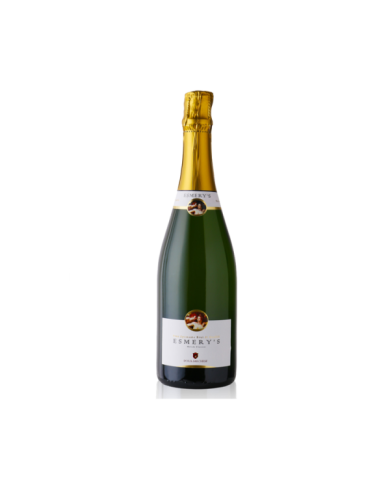
A classic method brut sparkling wine that combines the elegance of a blac de blanc from Chardonnay grapes with the typical consistency of the Abruzzo region.
SKU:
4049
Brand:
Feudo Antico
A classic method brut sparkling wine that combines the elegance of a blac de blanc from Chardonnay grapes with the typical consistency of the Abruzzo region.
€7.94
SKU:
4047
Brand:
Feudo Antico
€49.90
€44.91
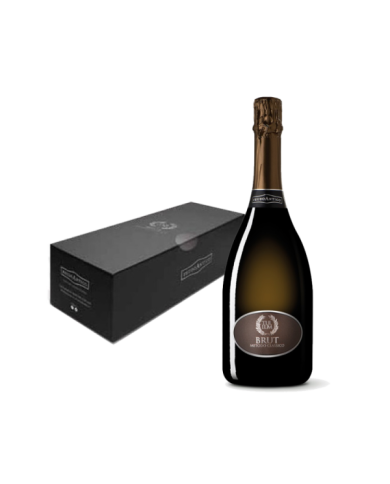
A classic method brut sparkling wine that combines the elegance of a blanc de blanc from Chardonnay grapes with the typical consistency of the Abruzzo region. Magnum format with case
€49.90
€44.91
SKU:
4045
Brand:
Feudo Antico
A classic method brut sparkling wine that combines the elegance of a blanc de blanc from Chardonnay grapes with the typical consistency of the Abruzzo region.
€17.92
SKU:
4026
Brand:
Terre d'Erce
€14.27
€12.85
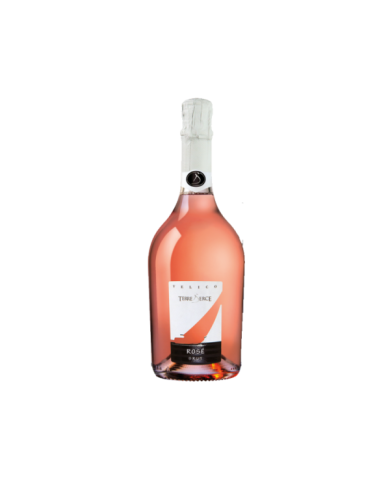
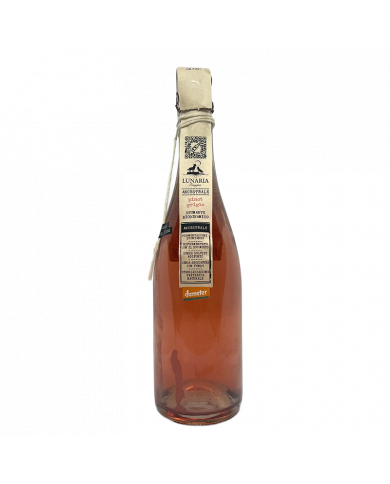
Color : Pink with violet reflections. Bouquet: Finely fruity, delicate, aromatic, balanced and very elegant bouquet. Taste : Clear, soft, reminiscent of cherry. PAIRING · Ideal as an aperitif.
€14.27
€12.85
SKU:
4024
Brand:
Terre d'Erce
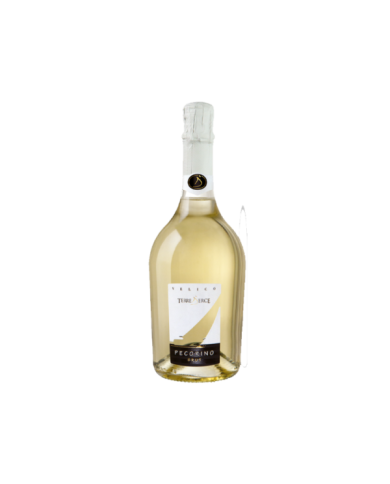
Excellent as an aperitif, an ideal accompaniment to fish-based first courses.
€14.27
SKU:
3999
Brand:
Cantina Orsogna
Opalescent straw yellow in color, the nose opens fragrant with white flowers and apples, with a herbaceous finish of hay. The taste is fresh, savory and leaves the mouth with a delicate hint of bitter almonds.
€13.20
SKU:
3984
Brand:
Cantina Orsogna
Malvasia is a vine with a unique history. Its name derives from the contraction of the name of the Greek city of "Monemvasia" located in the Peloponnese and means "one door", as the port of access to the fortress had only one entrance. The name Monemvasia was Italianized into "Malvasia" by the Venetians who began to import it between 1500 and 1700. Thanks to them, Malvasia spread throughout the Mediterranean area where, following crossbreeding with local vines, it gave birth to different vines named Malvasia (Istriana del Lazio, Bosa delle Lipari and others). In this regard, the ampelographer Di Rovasenda (1824-1913), wrote " […] Malvasie should only be called those fragrant grapes that have the flavor of Moscato […] However, there are too many grapes with a simple flavor called Malvasie […]
SKU:
3980
Brand:
Cantina Orsogna
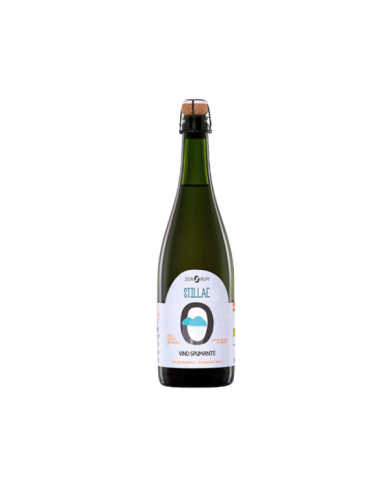
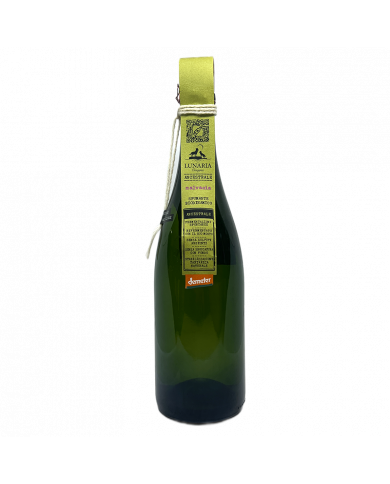
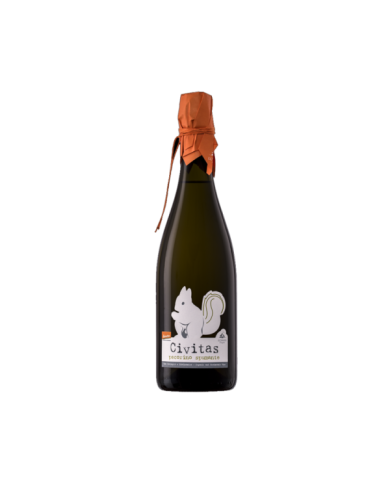
LUNARIA ANCESTRALE Pecorino SPUMANTE BIODYNAMIC and ORGANIC SPARKLING WINE with spontaneous fermentation base Pecorino is a white grape variety native to the Marche and Abruzzo. The first documentary source on the origin of the vine dates back to 1526 and is contained in the Statutes of Norcia (PG) where there is a reference to "vigne de pecurino" (Statutes of Norcia, Liber Tertius, Rubrica CXII). This vine, widespread before the phylloxera, was gradually abandoned during the twentieth century to make room for varieties such as Trebbiano, more productive and responding to a more alimentary than hedonistic value. Origin of the name: also called "grape of the pecorari" because of the grape considered of low value, suitable for humble people such as "pecorari" (derogatory term).
€10.23
€10.23
SKU:
3965
Brand:
Cantina Orsogna
Colour: straw yellow with greenish reflections, very fine and lively perlage. Bouquet: intense, enveloping and balanced, with notes reminiscent of green apple, wisteria, peach and acacia flowers. Taste: rich, intense, soft and fresh on the palate.
€9.85
SKU:
3937
Brand:
Cantina Orsogna
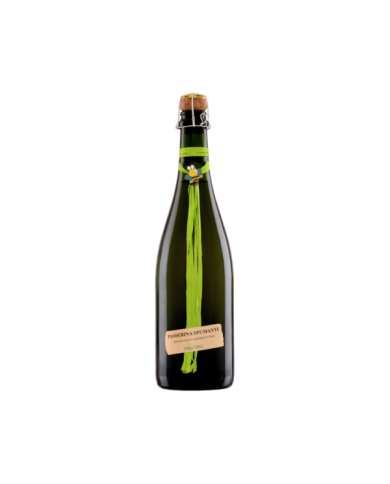
The only organic wine certified for biodiversity in Abruzzo. The winery selects the yeasts on pollen from the local flora. The bee collects the nectar of the flowers and, to preserve it, uses lactic ferments and yeasts, a practice that is a million years old. From this pollen the yeasts are selected for the fermentation of this wine. Ideal with raw and fried fish, risottos and medium-aged cheeses.
€9.85
€8.37
SKU:
3907
Brand:
Collefrisio
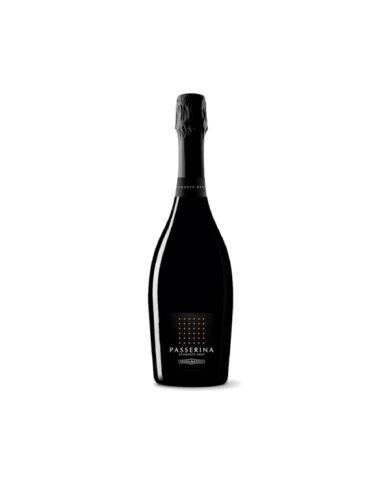
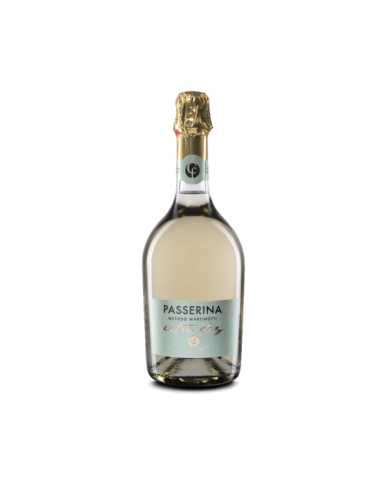
The Spumante Passerina Extra Dry from Collefrisio is produced with the Martinotti method, for moments of pleasant drinking suitable for every break of the day.
€12.37
SKU:
3903
Brand:
Collefrisio
Crystalline straw yellow color with golden reflections, fine and persistent perlage. A strong white fruity note with hints of exotic fruit, bread crust and toasted almonds. Balanced, fresh and long-lasting taste.
€29.89
SKU:
3842
Brand:
Dora Sarchese
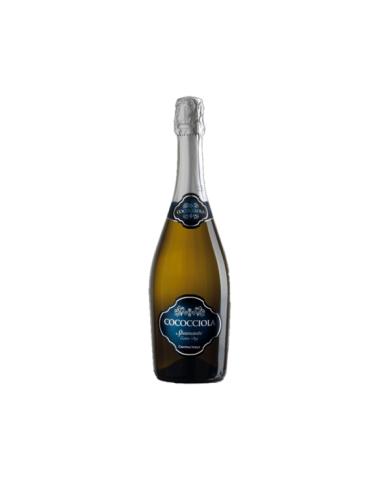
Grapes used: Cococciola 50%, Trebbiano 30, Chardonnay 20%.
Vinification: the harvest takes place manually in boxes, carefully selecting the best bunches. In the cellar the grapes are subjected to soft pressing and the must is fermented in stainless steel tanks at a controlled temperature of 16-18 ° C. Assembled the various fractions to form the cuvèe, the base wine is placed in the bottle with selected yeasts where the second fermentation and subsequent refinement will take place following the Classic Method sparkling process.
€20.25
SKU:
3800
Brand:
Menicucci
€11.14
€10.02
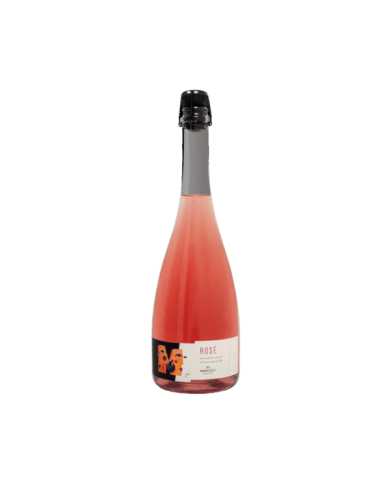
M Rosè, 100% Montepulciano, is a pale pink sparkling wine with a fine and persistent perlage. The smell of violet, wild strawberry and currant are intense. On the palate it is fresh, with good flavor and pleasantly soft. It is the glass of sparkling wine suitable for appetizers, first courses based on fish or white meats. It goes well with raw seafood, sushi and fried seafood. Try it with Parma or San Daniele ham.
€11.14
€10.02
SKU:
3797
Brand:
Menicucci
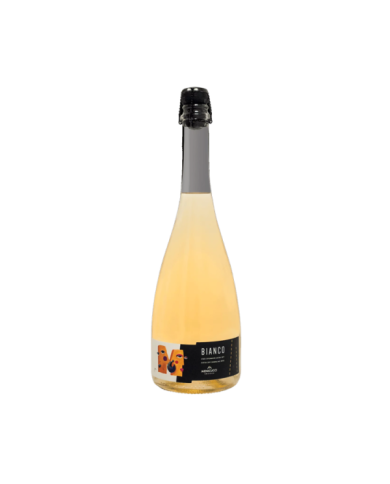
The M Bianco sparkling wine, 100% Trebbiano with a very fine and lively perlage, is the glass of sparkling wine for any moment of the day. Intense, enveloping and balanced bouquet, with notes reminiscent of green apple, white grapefruit and acacia flowers. Rich, intense, soft, fresh on the palate with notes that have complete correspondence with the perfume.
€11.14
SKU:
3636
Brand:
Cantina Tollo
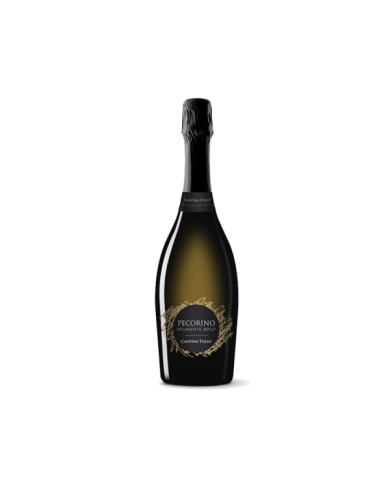
There is excitement in Abruzzo, even in sparkling wines. Research and experimentation are bearing fruit and our bubbles are increasingly confronted with those of lands of great tradition.
Pairings
It is ideal as an aperitif, appetizers and raw fish, shellfish, first and second courses based on fish.
€6.50
SKU:
3634
Brand:
Cantina Tollo
There is excitement in Abruzzo, even in sparkling wines. Research and experimentation are bearing fruit and our bubbles are increasingly confronted with those of lands of great tradition.
Pairings
Ideal as an aperitif, appetizers and raw fish, shellfish, first and second courses based on fish.
SKU:
3632
Brand:
Cantina Tollo
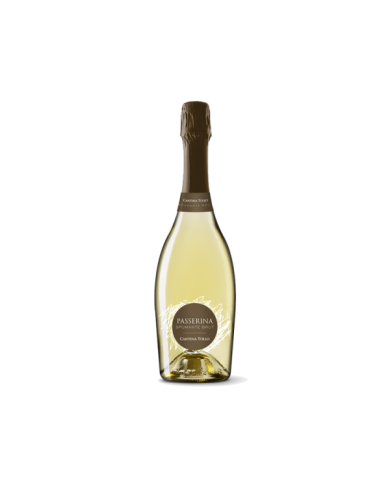
Intriguing interpretation of a historic vine from the Abruzzo region. The fine and persistent perlage heralds a high quality sparkling wine, with a full and balanced flavor. Perfect for a different aperitif, in appetizers and in seafood cuisine.
Pairings
It is an ideal companion for aperitifs, appetizers and fish-based dishes.
€10.39
Sparkling Wine Sales: How to Choose the Best and Pair It with Food
Sparkling wine is a festive and lively wine, ideal for accompanying celebrations and convivial gatherings. In Italy, sparkling wine production is highly diverse and includes a wide range of varieties, from Prosecco to Champagne, including Franciacorta and Trento DOC .
In this article, we'll guide you through the world of sparkling wines, with tips for choosing the right wine for your preferences and occasions, food pairings, and tasting suggestions.
How are sparkling wines produced?
Sparkling wines are produced through a fermentation process that allows the wine to produce bubbles. There are two main methods for producing sparkling wines: the Classic Method and the Charmat Method.
Each sparkling wine has its own production method, which influences both its flavor and final price. The main production methods are the Classic Method, the Charmat Method, and the Martinotti Method.
The Classic Method is the most expensive and artisanal method used to produce high-quality sparkling wines such as Champagne. In this method, the second fermentation takes place in the bottle, with the yeast settling at the bottom of the bottle and being removed through the disgorging process. This process requires considerable time and attention, which is reflected in the final price of the product.
The Charmat Method is used to produce lighter, fruitier sparkling wines. In this method, the secondary fermentation takes place in large stainless steel tanks, where the wine is kept under pressure to create carbonation. After fermentation, the wine is filtered and bottled.
The Martinotti Method , also known as the Italian Method or the Tank Method, is a modern method used to produce high-quality sparkling wines such as Prosecco. In this method, the secondary fermentation takes place in large stainless steel tanks, where the wine is kept under pressure to create carbonation. After fermentation, the wine is filtered and bottled.
In addition to the production method, the type of grape used also influences the flavor and final price of the sparkling wine. The main grape varieties used to produce sparkling wines are Chardonnay, Pinot Noir, and Glera.
Chardonnay is a white grape used to produce high-quality sparkling wines like Champagne. It has a fruity flavor and a buttery note.
Pinot Noir is a black grape used to produce high-quality sparkling wines such as rosé Champagne. It has an intense and complex flavor, with notes of berries and spices.
Glera is a white grape used to make Prosecco. It has a fresh and fruity flavor, with notes of green apple and pear.
Ultimately, choosing a sparkling wine depends on your personal taste and the occasion for which you're drinking it. Sparkling wines are an excellent choice for parties and celebrations, but they can also be enjoyed as an aperitif or with a light meal. With the wide range of sparkling wines available on the market, there's sure to be one to suit every taste and budget.
Related posts