

 Italiano
 Deutsch


















There are no more items in your cart
SKU:
5274
Brand:
Marchesi de Cordano
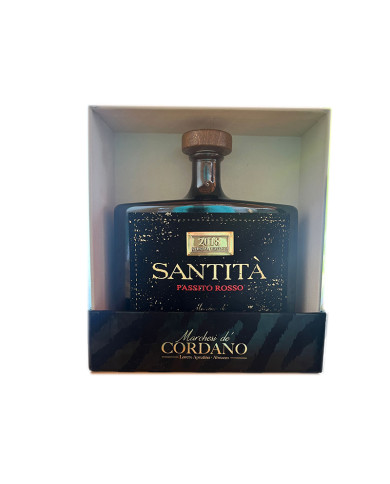
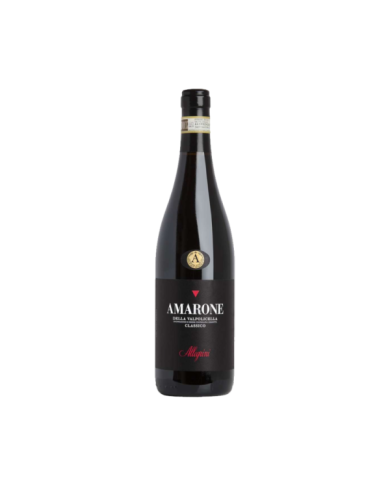
With an intense ruby red color, it is a velvety wine, which contains hints of cherry, raspberry and dried fig. On the palate it reveals slight notes of violet that pamper and caress the end of the meal. Maximum Expression: 8-10 years. Vinification: On the skins for 18 days, followed by static decanting in large barrels. The wine is aged for 9 months in barriques and then rests for 6 months in the bottle.
€12.50
€10.41
€9.37
€19.03
€11.42
SKU:
4353
Brand:
Biagi
Excellent with desserts at the end of a meal, it finds its most original combination with great aged or blue cheeses. Full and enveloping body, with an intense sugary sensation but well balanced by the natural final acidity, rich in fruity aftertaste nuances. The grapes are harvested overripe, put in large perforated crates (binz) and stored in a cold room for 45 days until the natural drying process is completed. When harvested, the best bunches are sorted and brought to the cellar, pressed and softly pressed.
€19.03
€27.16
SKU:
3912
Brand:
Collefrisio
The wine with Amarene is a product of the Abruzzese tradition, and exists in different variants Collefrisio uses exclusively its Montepulciano d'Abruzzo, to which a syrup obtained from the Amarena cherries is added. Ruby red with amaranth reflections, the nose is very intense, with hints of red fruits and cocoa notes, while on the palate it is immediately elegant, soft and fresh, with a nice acidity. Bottle: 50 cl.
€14.52
SKU:
3131
Brand:
San Giusto a Rentennano
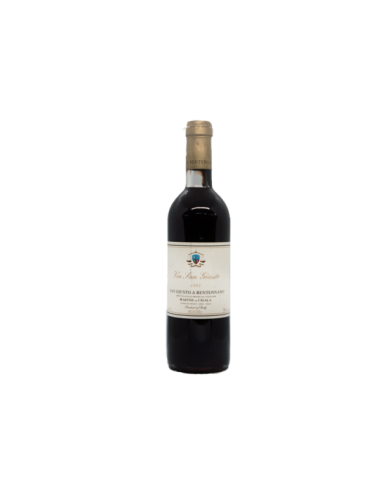
Excellent year, the grapes were harvested perfectly healthy and so they were preserved during the drying. Very dense, with high sugars and extracts that lead to consider the Vin San Giusto 1997 suitable for a long aging.
€195.00
SKU:
3125
Brand:
Santadi
Amber yellow to the eye, with an intense and aromatic nose. On the nose it opens with hints of honey and caramel, candied citrus fruits, dried fruit and cloves, which lead to a warm and satisfying sip, with a full and decisive taste. Closes on beautiful mineral and orange blossom sensations.
Excellent to accompany cream desserts, dry pastries and pies. Try it with blue or aged cheeses paired with honey.
€20.44
SKU:
3098
Brand:
Carboni
Pinotto is the sweet red of the Carboni winery: an IGT Isola dei Nuraghi Rosso Passito , obtained from an atypical vine for Sardinia, typical of central Italy with an aromatic character , which some winegrowers have started a few years to plant in certain areas of the Mandrolisai. It is a wine produced in very small quantities , only in the years deemed most suitable.
€19.50
SKU:
3096
Brand:
Carboni
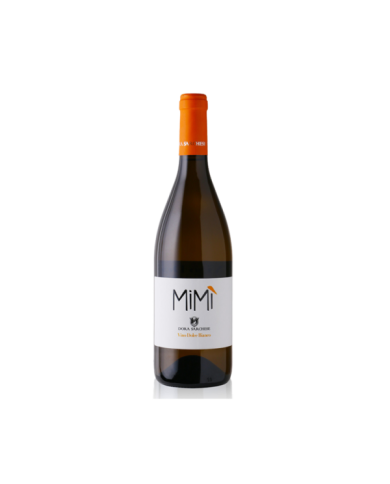
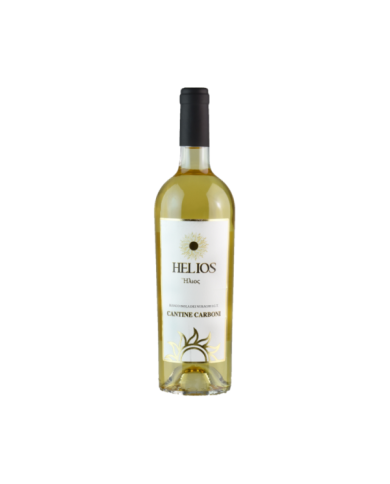
Brilliant straw yellow with golden reflections.
The nose is intense and persistent with fruity notes of peach and tropical fruits, floral notes of mimosa and broom and a finish of aromatic herbs.
Upon tasting, one is pleasantly struck by the gustatory balance, together with intensity and persistence .
SKU:
3093
Brand:
Carboni
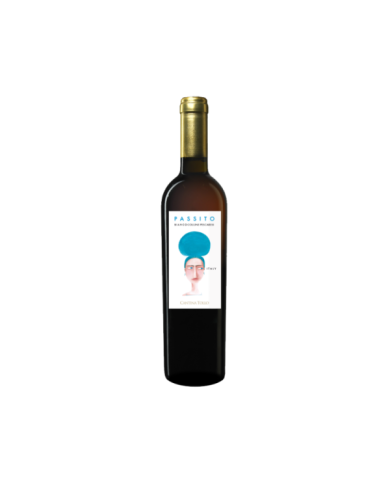
Beautiful deep and bright gold color with amber reflections.
It opens with intense and elegant aromas that recall acacia honey, dehydrated yellow pulp fruit and aromatic herbs.
On tasting the sweetness is well accompanied by a savory and mineral vein that makes the finish pleasant.
€18.48
SKU:
2589
Brand:
Planeta
From one of the oldest vines in the world, Moscato Bianco, our Passito di Noto is born. Passito is an ancient wine that becomes current with a modern drying system. Explosive aromas of exotic fruit, jasmine, candied citrus, it is both complex and easy to love. The ideal companion of the great Sicilian tradition of sweets and ice cream.
€31.07
SKU:
2425
Brand:
Feudo Antico
Obtained from the Montepulciano grape, left to dry for months after the harvest, then vinified with a natural process. A sweet wine to never forget.
€23.22
SKU:
2386
Brand:
Cantina Tollo
Passito bianco di Tollo is produced with Moscatello grapes (Moscato Bianco) from 15-20 year old vines grown on the Pescara hills. The nose has aromas of flowers, jam, ripe fruit with white pulp. In the mouth it is intense, rich in aromas and hints of ripe fruit and raisins. An excellent end of a meal.
€19.83
€45.99
€41.39
SKU:
2271
Brand:
Avignonesi
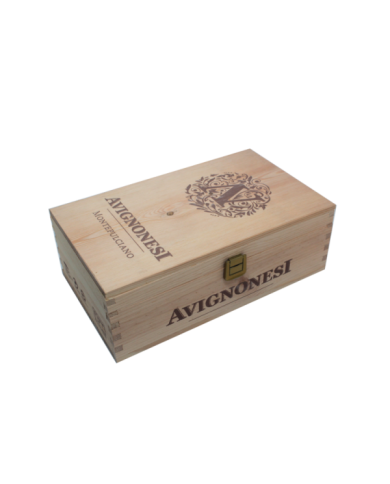
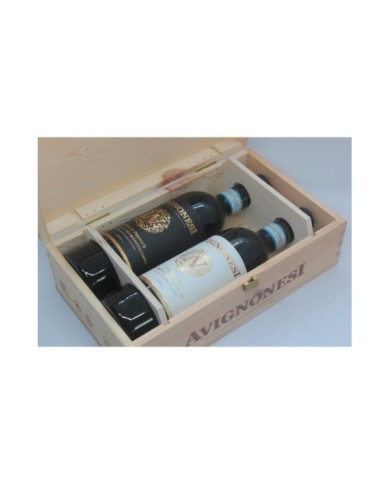
Packaging in wooden box containing 1 "Vin Santo di Montepulciano 2005" + 1 "Vin Santo di Montepulciano" Occhio di Pernice "2005" in 375 ml bottle. A quality sweet wine that reveals new, surprising flavors with every sip: figs, almonds, lemon and coffee beans, while a perfect balance between acidity and sweetness complements the sensual aftertaste.
€469.80
SKU:
2208
Brand:
Avignonesi
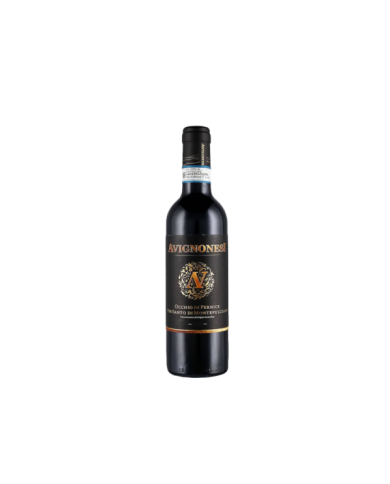
Avignonesi 's Vin Santo Occhio di Pernice is an extraordinarily rich sweet wine, produced from Sangiovese grapes and aged for 10 years in kegs. It exudes aromas of dates, dried fruit, panforte and sweet spices. On the palate it is sweet and sensual, infinite, with notes of cedar, salty candies and freshly baked biscuits
€164.49
SKU:
2205
Brand:
Avignonesi
Avignonesi 's Vin Santo Occhio di Pernice is an extraordinarily rich sweet wine, produced from Sangiovese grapes and aged for 10 years in kegs. It exudes aromas of dates, dried fruit, panforte and sweet spices. On the palate it is sweet and sensual, infinite, with notes of cedar, salty candies and freshly baked biscuits
€237.58
SKU:
2202
Brand:
Avignonesi
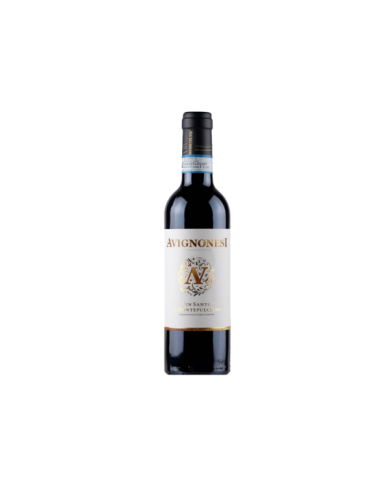
Avignonesi 's Vin Santo di Montepulciano is a sweet wine of great elegance obtained from Malvasia and Trebbiano and aged for 10 years in casks. The nose releases intense aromas of caramel, chocolate, honey, orange peel and Mediterranean herbs. The taste is rich and enveloping with notes of figs, almonds, lemon and coffee
€201.04
SKU:
1980
Brand:
Ornellaia
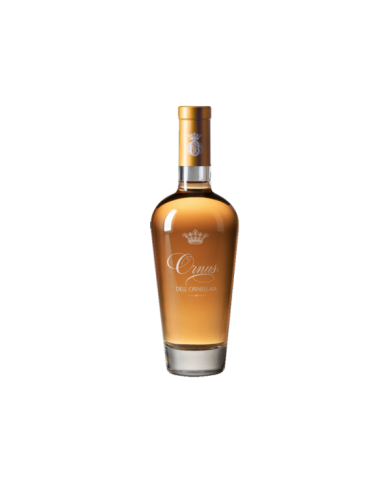
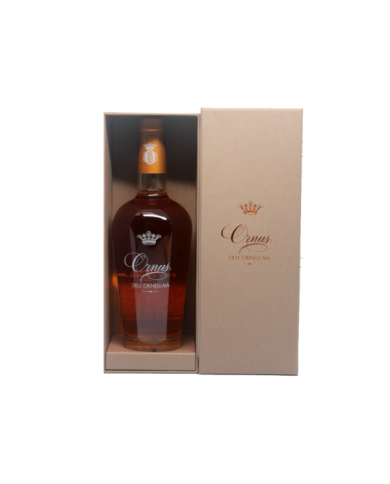
Ornus dell ' Ornellaia , the result of a late harvest of Petit Manseng, is a wine produced in extremely limited quantities, capable of giving a new dimension to the estate. In some vintages the very small “Palmetta” vineyard offers the perfect conditions for the production of this exclusive sweet wine. The name Ornus dell ' Ornellaia is inspired by the' Fraxinus Ornus', the Latin name of the Ornella, the tree to which we owe the name of Ornellaia . Typical plant of the Mediterranean scrub, also known as the 'manna tree' due to its precious biblical lymph used as an ancient sweetener, the Orniello or 'Faxinuns Ornus' alludes with perfect correspondence to the sweetness of Ornus dell' Ornellaia .
SKU:
1945
Brand:
Cantina Marchesi Antinori
The Muffato del Castello della Sala, one of the estates of the Marchesi Antinori , is a bright and persuasive sweet wine. On the nose it is a wine that reveals itself of great aromatic and gustatory intensity, with hints of candied fruit, honey, iodized and almost marine hints on a citrus hint. On the palate it is enveloping and the botrytizing process gives a sweet sensation well integrated into that of freshness that emerges after the sip
€38.00
SKU:
1902
Brand:
Tua Rita
In Pantelleria, a volcanic island located between Sicily and Africa, Stefano and Simona boasts 2 hectares of vineyards and produce only 2000 bottles a year. The vine is the zibibbo, prince among the aromatic varieties, the vines are grown on a very low bush, modeled by the wind, on small terraces bordered by dry lava stone walls.
€41.69
SKU:
1808
Brand:
Cantine del Notaio
Golden yellow, with bright amber reflections. The nose is characterized by a wide range of honey aromas, withered white flowers and dried fruit. On the palate, the sweet notes and the references of candied orange and apricot jam find the right counterpoint in a pleasant acidity that cleans the palate and supports the long persistence.
€27.21
€19.04
SKU:
1786
Brand:
Brunozzi
Dedicated to Donna Plautilla A. ancestor of our family who lived in the second half of the eighteenth century (1759-1809) and dedicated to all the women of Montefalco, the true guardians of the Sagrantino Passito tradition. The women were entrusted with the task of detaching the Sagrantino grapes from the stalks, the “sbacatura” for the subsequent vinification and it was a job that was done by the fire after dinner, in the cold evenings of late autumn. Images of true poetry for a wine that is itself poetry. The harvest of Sagrantino destined for drying takes place in the first days of October and is very meticulous. The clusters are treated with extreme care because they absolutely must not break, they are placed in small boxes whose bottom is covered with a layer of vine leaves (vine leaves). Only suitable bunches are harvested, those with the most sparse berries that can better withstand the long drying period on the “Camorcanne”, racks where the bunches are placed side by side, without overlapping. The drying can last even more than two months, depending on the weather conditions. Once the right sugar content is reached, the vinification is the same as for other wines: temperature control, frequent pumping over, racking, soft pressing and racking. The final wine yield is very low, only 35% of the initial quantity of grapes. Unlike the Rosso and the dry Sagrantino it does not age in wood, but in steel barrels for a period of thirty-six months. Then follows the refinement in the bottle. The bottles produced are all numbered by hand.
€22.19
SKU:
1667
Brand:
Forteto della Luja
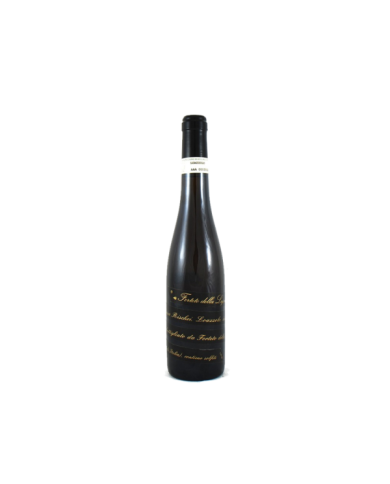
Forteto della Luja Loazzolo is a fragrant and enveloping wine, with a deep yellow color with apricot and gold reflections. The olfactory profile reveals a rich, ripe fruit, with a prevalence of apricot notes. The "muscat" root of the fruit is evident, which a balsamic wood enriches with spicy and roasted notes. Rich and creamy on the palate, to which it unfolds in all its multifaceted sweetness and alcohol, with interesting returns of fruit, chocolate and honey. A very pleasant wine, which ends long, with an echo of vanilla and white chocolate. Constitutionally long-lived, it maintains an enviable gustatory balance for many years. Excellent meditation wine, it goes well with aged cheeses and desserts.
€80.00
SKU:
1280
Brand:
Donnafugata
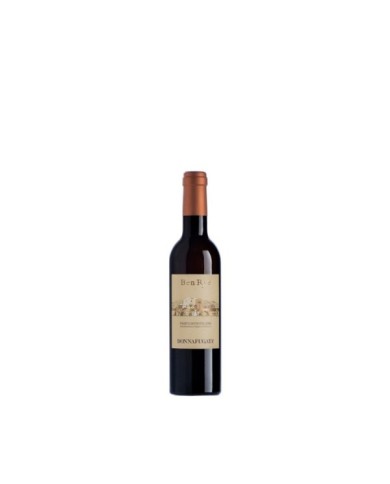
Passito di Pantelleria DOC Ben Ryé + Moscato di Pantelleria DOP Kabir - Sweet Pochette - Donnafugata
€47.40
The Donnafugata Sweet Pochette is an innovative packaging that reproduces a cardboard handbag, perfect for storing and carrying two bottles. The refined accessory contains a prestigious Ben Ryé Passito and Kabir Moscato di Pantelleria Doc. A gift idea with a look at the female world.
€47.40
SKU:
1255
Brand:
Donnafugata
Bright amber yellow, the nose expresses a wonderful olfactory profile composed of notes of apricot and peach, dried figs and honey, aromatic herbs and mineral notes. Intense and bewitching aromas, solar and Mediterranean, which open to an immense taste for complexity, perfect in the fusion of sweetness, flavor and softness. Very long, interminable, poignant. Strictly at the end of a meal, “Ben Ryé” is a perfect accompaniment to blue or very aged cheeses and foie gras. Also excellent on ricotta desserts and dry pastries.
SKU:
1090
Brand:
Colonnara
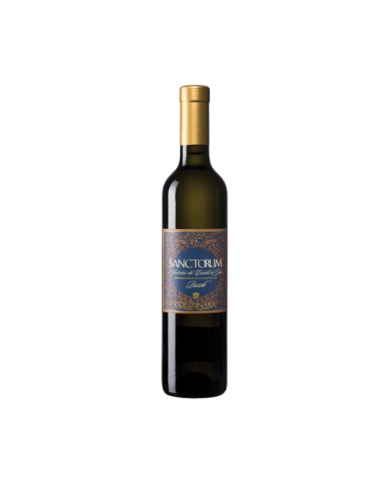
A passito that contains the essence of Verdicchio, what is most holy in the saint: for this reason the derivation of the name from the expression Santa Sanctorum. The Passito Wine is the result of the processing of dried grapes in the vineyard, which retain only the pure soul of the Verdicchio grape, and which then ferment slowly in small oak barrels.
€19.00
SKU:
716
Brand:
Marotti Campi
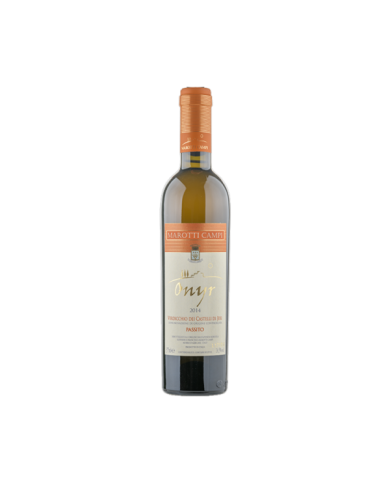
Golden yellow tending towards amber. On the nose yellow flowers, candied fruit, peaches in syrup and pine nuts. Soft on the palate, tending to sweet, allowing apricots and baked pears, notes of vanilla and a slightly almond finish. Serve at 14 ° with dry sweets, almond paste, cheeses or cheesecakes, foi gras or alone as a meditation wine. Alcohol: 14.5% vol.
€12.86
SKU:
327
Brand:
Nestore Bosco
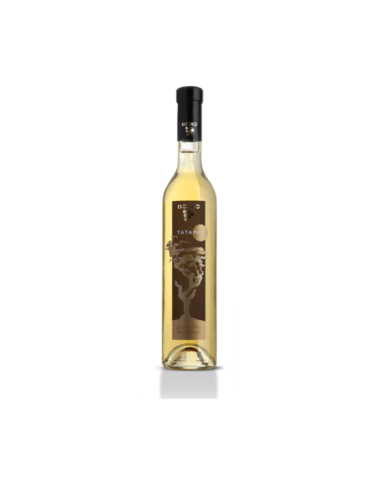
Color : intense golden yellow. Nose : floral aromas and notes of dried fruit. Taste: sweet, warm and enveloping. Serving temperature: 10 ° C. Pairings: medium-aged cheeses, desserts. AWARDS: 4 Grappoli, Bibenda 2014 - Best debut, Gold guide Veronelli wines 2014
Discover the Delight of Sweet Wines: A Journey for Your Senses
Sweet wines can be a true delight for the senses. The way sweet wine touches your taste buds and nostrils with its rich aromas will make you feel like you're in heaven. The magic of sweet wines is unique and is becoming increasingly popular among consumers seeking a unique sensory experience. If you're looking to discover the beauty of sweet wines, then you've come to the right place. This article will explore some of the best sweet wines and how to choose the right one for you.
What is a Sweet Wine?
First, we need to clarify what a sweet wine is. A sweet wine is one that contains a certain amount of sugar. This sugar can be added during fermentation or later. The amount of sugar in sweet wine can range from slightly sweet to very sweet. Sweet wines are often sweeter than dry wines because they contain more sugar.
The Most Popular Sweet Wines
Sweet wines can be divided into three broad categories: dessert wines, sparkling wines, and aromatized wines. Dessert wines are sweeter and more aromatic, such as Port, Sherry, Muscat, and Madeira. Sparkling wines are carbonated wines such as Champagne, Moscato Frizzante, Prosecco , and Cava. Aromatized wines are fruit-forward, such as Riesling, Gewürztraminer, and Grüner Veltliner.
How to Choose a Sweet Wine
If you're interested in trying a sweet wine, there are a few things to consider. First, you need to decide whether you want a dessert wine, a sparkling wine, or an aromatized wine. You'll also need to consider your budget and personal tastes. If you're a beginner, you might want to start with a less expensive and less sweet wine, like a Moscato or Riesling. If you're an expert, you might want to explore rarer and more expensive wines like a Port or Sherry.
How to Serve a Sweet Wine
If you've decided to try a sweet wine, it's important to serve it properly. Dessert wines should be served chilled, while sparkling and aromatized wines should be served at room temperature. The right temperature for a sweet wine varies depending on the type of wine, so be sure to read the labels before serving. Dessert wines should be served in wider dessert glasses, while sparkling and aromatized wines should be served in wine glasses.
How to Pair a Sweet Wine
One of the advantages of sweet wines is that they can be paired with many different dishes. Dessert wines pair well with desserts, cheeses, and meats. Sparkling wines can be paired with all types of dishes, from savory to sweet. Aromatized wines are particularly versatile and can be paired with fish, meat, and vegetable dishes.
Conclusion
Sweet wines are a fun and relaxing way to enjoy a meal or an evening. Whether you're a beginner or an expert, there's a sweet wine to suit your needs. Remember to choose the right wine for your meal, serve it at the right temperature, and pair it properly. If you follow these steps, you're sure to enjoy the delights of sweet wines.