

 Italiano
 Deutsch











There are no more items in your cart
SKU:
10591
Brand:
Rocca di Frassinello
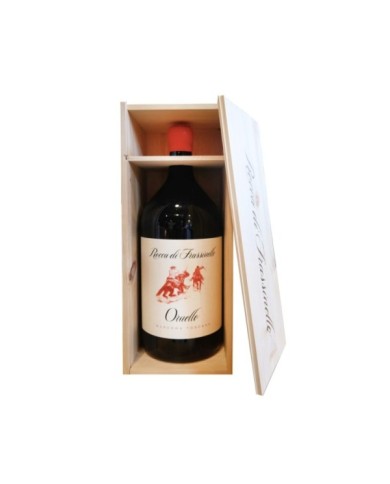
Intense ruby red. The nose expresses balsamic notes, hints of coffee and red fruit. On the palate it is soft and velvety, intense, warm and with excellent persistence.
For the whole meal, it goes well with meat dishes, including important roasts, cured meats and medium-aged cheeses.
€91.68
SKU:
10590
Brand:
Rocca di Frassinello
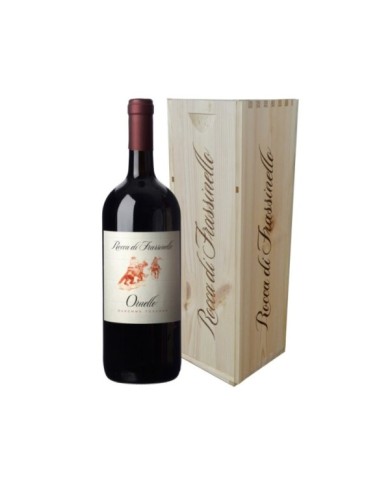
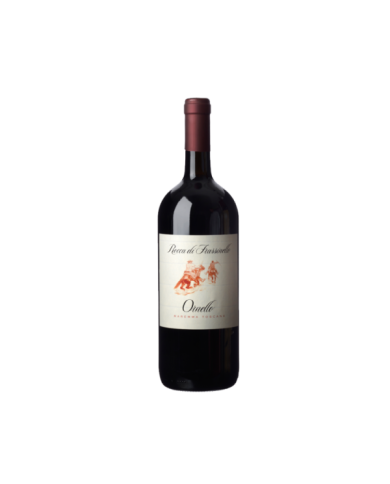
Intense ruby red. The nose expresses balsamic notes, hints of coffee and red fruit. On the palate it is soft and velvety, intense, warm and with excellent persistence. For the whole meal, it goes well with meat dishes, including important roasts, cured meats and medium-aged cheeses.
€47.82
SKU:
10586
Brand:
Rocca di Frassinello
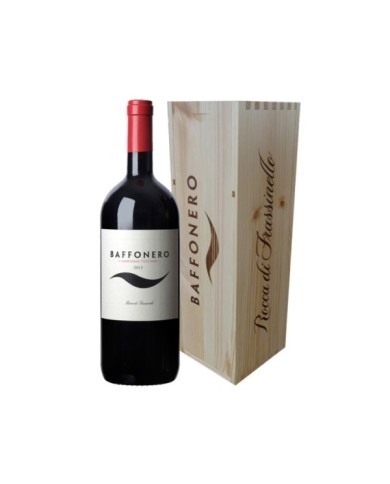
Intense ruby red. The nose reveals notes of red fruit, in particular blackberry and blueberry, tobacco and vanilla. On the palate it is full, robust, outlined by a good freshness, of great persistence. Throughout the meal, it goes well with stewed red meats and game, excellent with spicy cheeses.
€476.53
SKU:
10552
Brand:
Castellare di Castellina
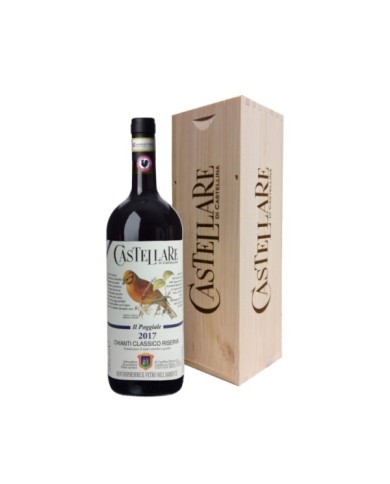
Intense and bright ruby red color to the eye. The nose is opened by the classic floral hints of violet, then followed by the fruity notes of plum, morello cherry and cherry, finally completed by a pleasant mineral nuance. The mouth continues on the path traced by the sense of smell, revealing itself to be typical, punctual and of excellent length.
Perfect to accompany red meat, it is ideal to be paired with the cut of Chianina.
€80.89
SKU:
10547
Brand:
Castellare di Castellina
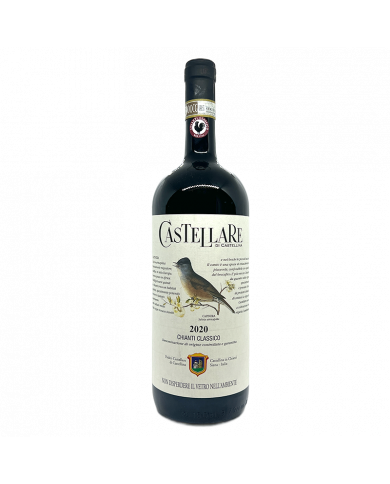
The Chianti Classico of Castellare di Castellina is born in vineyards located in the municipality of Castellina in Chianti. It is produced with 95% Sangiovese grapes and 5% Canaiolo grapes, harvested in October. Fermentation takes place in stainless steel tanks at a controlled temperature of 28 ° C for 15-20 days. Subsequently the wine is aged in barrique for 7 months, and for a further 7 months in the bottle. This Chianti Classico is characterized by a brilliant ruby red color with purple reflections. The nose opens with hints of cherries and violets, enriched by pleasant spicy notes of licorice and vanilla. On the palate it is balanced, with harmonious and delicate tannins. The wine has a finish that gives pleasant sweet sensations. Perfect to accompany cold cuts, first courses with meat sauce and roasts, it is ideal in combination with stews, game and aged cheeses.
€56.00
SKU:
10393
Brand:
Casalbordino
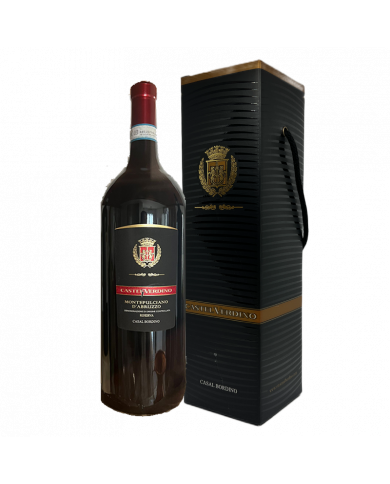
Dishes based on red meats, game and aged cheeses. Also ideal for pleasant meditations.
€26.21
€11.10
€9.44
SKU:
10370
Brand:
Tenuta Ulisse
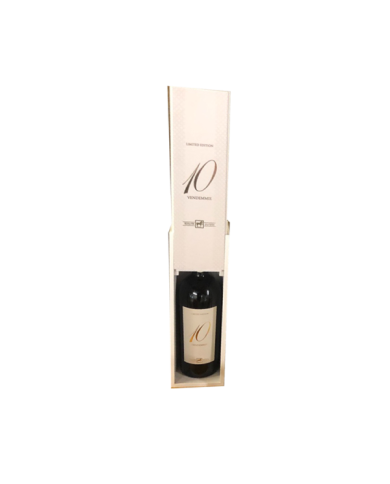
The best of our grapes, our vines and our terroirs to obtain a dream wine… All the passion and love for our land in a great wine that celebrates 10 splendid harvests respecting an ancient past. A wonderful fruit and an inimitable territory that create excellence.
€42.53
SKU:
10312
Brand:
Di Majo Norante
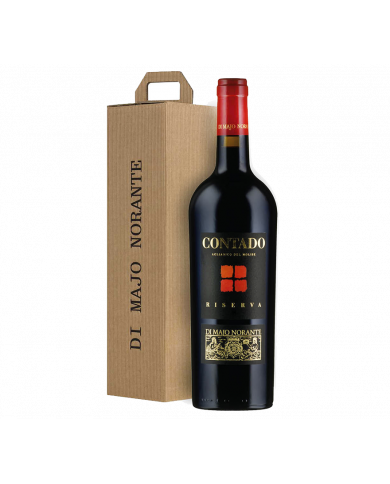
The Contado is obtained from the vinification in purity of Aglianico grapes grown on the hills of Molise in the Camarda vineyard. Vinified in small steel fermenters with long maceration. The wine is aged for about three years, one of which in barriques and tonneaux.
€29.90
SKU:
10305
Brand:
Marotti Campi
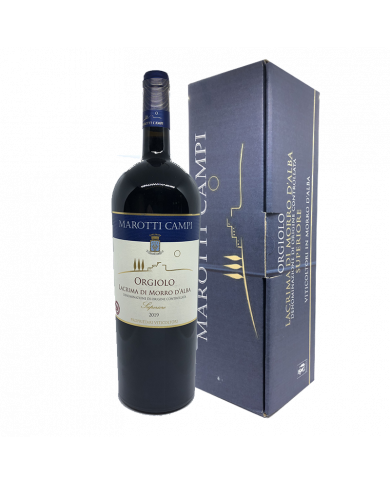
Lacrima is a very particular vine, grown only in the terroir surrounding the municipality of Morro d'Alba. It is said that even Frederick Barbarossa appreciated it in the distant 1167 AD, when he settled in these territories to attack nearby Ancona. A strongly rooted grape, which the Marotti Campi company likes to decline in two versions: in particular this Lacrima Superiore DOC "Orgiolo" stands out for its precious olfactory bouquet, which, combined with an extremely pleasant drink, makes this bottle truly remarkable.
€23.50
€40.48
€32.38
SKU:
10289
Brand:
Conti Zecca
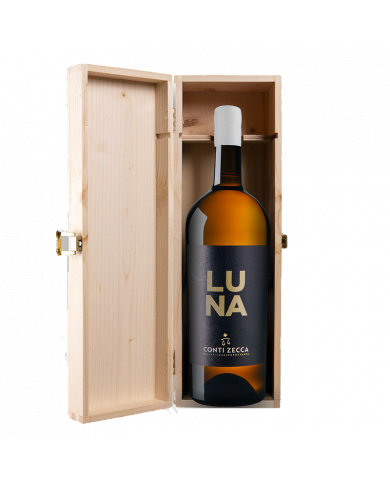
Cantalupi Negroamaro is characterized by an intense ruby red color, tending to take on pleasant garnet reflections with aging. It has an intense fruit aroma with spicy notes. On the palate it releases a velvety, harmonious, rightly tannic flavor. To be served at a temperature of 18 ° C.
€31.35
€30.13
SKU:
9962
Brand:
PODERE MATTIOLI
Around the 12th century, an ancient villa known as “il castellare de Ylice” stood near our cellar. The name was probably due to the Latin term ilex (holm oak), a particular variety of oak very common in our area. To date, no trace has remained of this historic villa, but the passion and respect we have for our territory has prompted us to pass on the name of that ancient presence.
€29.34
€26.64
€42.82
€42.82
SKU:
9655
Brand:
PFITSCHER
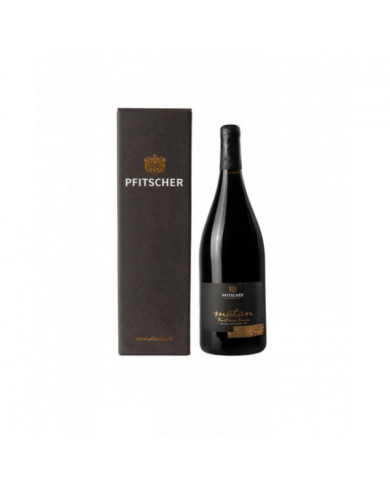
Pinot Noir Matan grows in the most prestigious areas in Montagna for this vine. Thanks to the terroir, this wine is characterized by character, elegance, delicacy and aromatic notes. The considerable temperature range between day and night, which characterizes the ripening phase of the grapes, makes this robust dark red wine, with an aroma of wild berries, particularly structured.
€97.36
€44.20
SKU:
9352
Brand:
Cantina Tollo
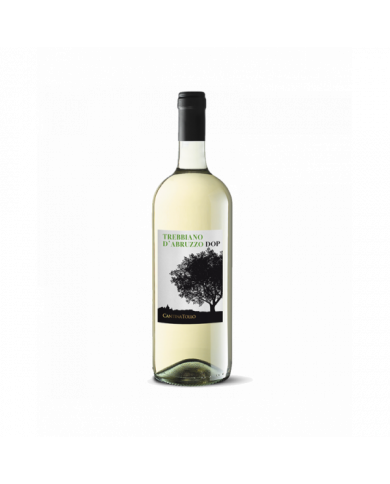
A classic. A well-assorted line that gives a lot, ideal for spicing up moments of healthy conviviality with joy.
Pairings
excellent as an aperitif and with all seafood, white meats and fresh cheeses.
€7.20
SKU:
9351
Brand:
Cantina Tollo
Every occasion is good to toast with sincere taste.
Pairings
appetizers, savory first courses of meat or fish, second courses of fish, roasted white meats, fresh or semi-aged cheeses.
€7.20
SKU:
9350
Brand:
Cantina Tollo
A classic. A well-assorted line that gives a lot, ideal for flavoring moments of healthy conviviality with joy.
Pairings
Excellent with appetizers, savory first courses, meat main courses, fresh and semi-aged cheeses.
€7.70
SKU:
9349
Brand:
Cantina Tollo
Every occasion is good to toast with sincere taste.
Pairings
Fish appetizers, shellfish, fish risotto, spaghetti with clams, chitarrina allo scoglio, roasted fish, salmon, white meats and fresh cheeses.
€7.20
SKU:
9314
Brand:
Agriverde
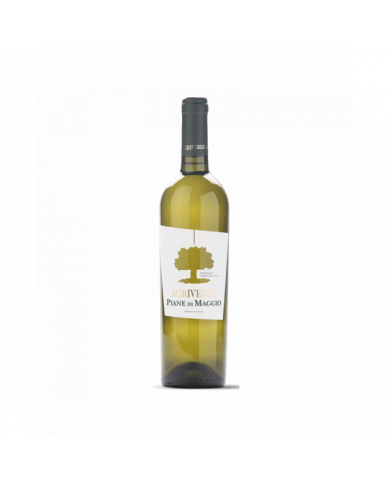
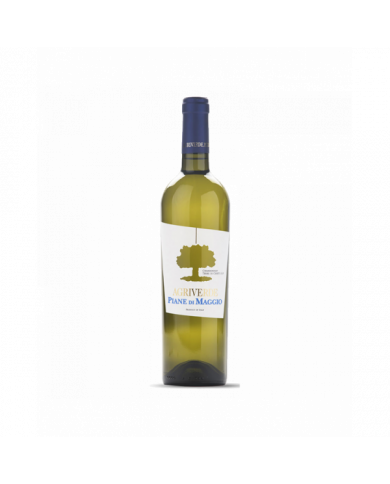
Straw yellow. Herbaceous notes blend with hints of jasmine and broom. On the palate it is fresh and enveloping: taste of white peach and lumps, with good persistence. Food pairings: seafood cuisine and delicate cheeses. Ideal for aperitifs and vegetarian dishes.
€9.89
SKU:
9313
Brand:
Agriverde
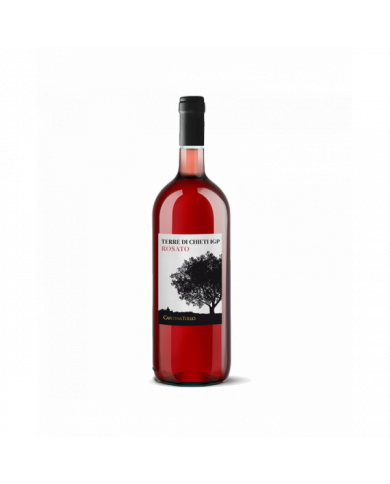
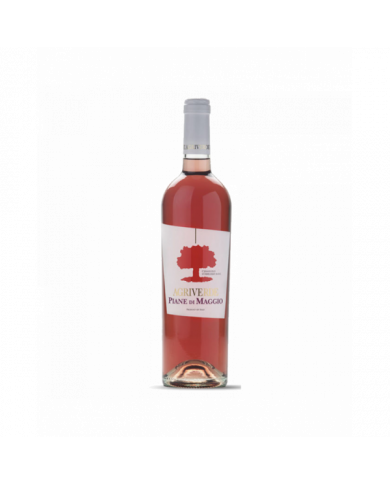
Cherry pink. The nose is expressed with intense aromas of red fruits: cherry, strawberry and a touch of pomegranate. In the mouth it is fresh, fruity and with good persistence. Food matches: perfect as an aperitif, fried food, soups and fish-based dishes, white meat is perfect with pizza.
SKU:
9312
Brand:
Agriverde
Straw yellow with golden reflections. The nose is expressed with intense aromas of ripe apple, pineapple, mango and banana. In the mouth it is fruity, harmonious mineral. Food matches: perfectly accompanies seafood cuisine, soups, delicate first courses, delicate first courses, risottos, white meats and soft cheeses.
€9.89
SKU:
9252
Brand:
La Veneranda
Wine with an intense ruby color with nuances that turn towards garnet. The nose opens with the characteristic hints of wild strawberries and raspberry, strawberry and morello cherries, with a finish of sweet spices: vanilla, sweet pipe tobacco leaf and coffee. In the mouth we find it dry, the typical tannins of Sagrantino are modulated by the freshness and good alcohol content that make it a well-structured wine. Available in different sizes (from 0.75 up to 5 liters) and in special packs (min. Two bottles) or to be packaged for original gift ideas or unforgettable memories.
€263.52
SKU:
9250
Brand:
La Veneranda
Wine with an intense ruby color with nuances that turn towards garnet. The nose opens with the characteristic hints of wild strawberries and raspberry, strawberry and morello cherries, with a finish of sweet spices: vanilla, sweet pipe tobacco leaf and coffee. In the mouth we find it dry, the typical tannins of Sagrantino are modulated by the freshness and good alcohol content that make it a well-structured wine. Available in different sizes (from 0.75 up to 5 liters) and in special packs (min. Two bottles) or to be packaged for original gift ideas or unforgettable memories.
€78.57
SKU:
9248
Brand:
La Veneranda
Wine with an intense ruby color. This wine is the result of a perfect blend of three grape varieties: Sangiovese, Merlot and Sagrantino. The nose opens with a hint of red fruits, harmonized by the presence of Sagrantino which completes the tones with sensations of wild strawberry and raspberry. Wine with good structure and alcoholic strength, good freshness and flavor. Harmonious and well balanced wine.
€39.28
SKU:
9241
Brand:
Cantina Fratelli Pardi
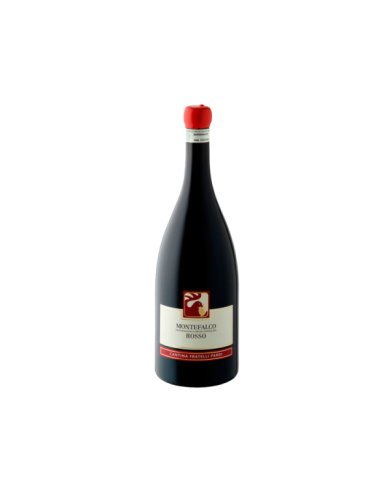
It dresses the glass in a beautiful deep ruby red. The nose is first set on dark fruit in jam and in alcohol, such as currants, black cherries and plums, then followed by intense references to green pepper, cocoa, rhubarb, licorice and chinotto. The mouth is extremely consistent with the nose, and is powerful but well managed in the tannic texture, warm, with excellent body and long persistence.
€22.20
SKU:
9231
Brand:
Maculan
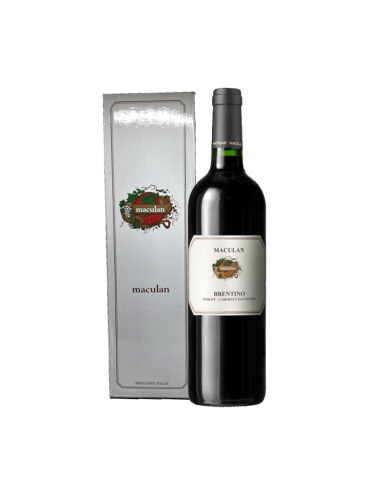
It goes well with first courses with game sauces, roasts and grilled red meat.
€39.58
SKU:
9230
Brand:
Maculan
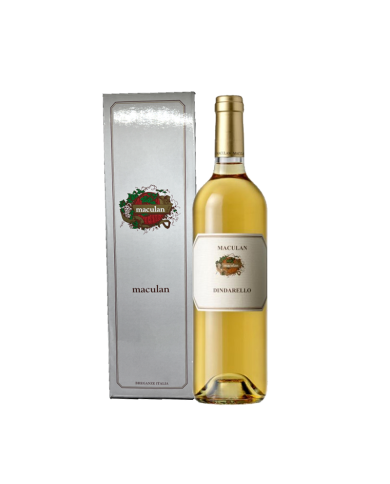
Excellent in combination with pastry desserts, fruit tarts, homemade focaccias and even desserts with creams.
€38.65
SKU:
9226
Brand:
Maculan
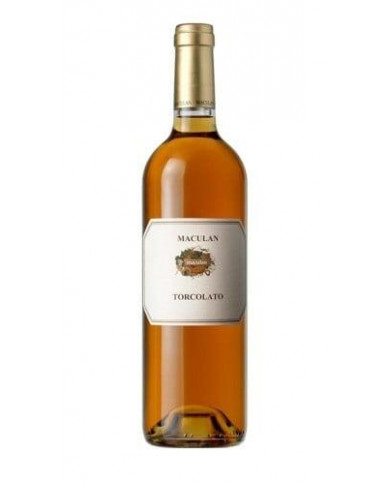
Excellent pairing with small dry pastries or typical sweets such as "fregolota".
€75.19
Large format wines are a popular choice for special occasions and among wine collectors. They come in a variety of sizes and offer a variety of advantages over standard bottles. In this article, we'll explore everything you need to know about large format wines, from their benefits to storage and purchasing.
The advantages of large format wines
Large format wines offer numerous advantages over standard bottles. First, most wines in large formats age better than standard bottles. This is because the amount of oxygen entering the bottle is lower than in standard bottles. Furthermore, the larger capacity of wine in a single container means that temperature fluctuations are less significant, reducing the risk of damage to the wine.
Secondly, large format wines are an ideal choice for special occasions. A large bottle quickly becomes the center of attention and impresses guests. Furthermore, a single large bottle is much easier to manage than many smaller ones. For example, if you're hosting a dinner for a large group, you can use several large bottles to facilitate service.
Large format wine sizes
Large format wines are available in different sizes, each with a specific name:
Magnum : 1.5 litres, equal to two standard bottles
Jeroboam : 3 liters, equal to four standard bottles
Rehoboam : 4.5 liters, equal to six standard bottles
Methuselah : 6 liters, equal to eight standard bottles
Salmanazar : 9 liters, equal to twelve standard bottles
Balthazar : 12 liters, equal to sixteen standard bottles
Nebuchadnezzar : 15 litres, equal to twenty standard bottles
Storage of large format wines
Storing large-format wines is an important aspect to consider. Because these bottles are larger than standard bottles, storage can be more complicated. Most cellars don't have shelves or space suitable for large bottles, so planning ahead is essential.
Additionally, large bottles may take longer to adjust to the ambient temperature in which they are stored. To avoid temperature fluctuations, it's important to store large bottles in a cool, dry place.
Purchase of large format wines
Buying large format wines can be an excellent choice for wine collectors and for special occasions. However, it's important to pay attention to the bottles' origin. Large bottles can be more susceptible to counterfeiting than standard bottles, so it's important to buy from reputable and trustworthy sellers.
What are large format wines?
Large format wine bottles are larger than the standard 750ml bottle. There are numerous larger wine bottle sizes, including the Magnum (1.5 liters), the Double Magnum (3 liters), the Jeroboam (4.5 liters), the Rehoboam (4.5 liters), the Methuselah (6 liters), the Salmanazar (9 liters), the Balthazar (12 liters), and the Nebuchadnezzar (15 liters).
Why choose large-format wines?
There are many reasons to choose a larger bottle of wine over the traditional 750 ml bottles. First, wine in larger formats is more stable than standard bottles, thanks to the greater volume of wine in the bottle and the smaller amount of air coming into contact with the wine.
Secondly, wines in large formats develop more slowly, meaning they can be stored for a longer period without undergoing any alteration. Furthermore, these wines have greater harmony and balance than standard bottles, thanks to the greater contact surface between the wine and the cork.
Finally, wines in large formats are ideal for special occasions, such as weddings, anniversaries, birthdays, or corporate events, because they have a greater visual impact and can satisfy the palates of a greater number of people.
How to choose a large format wine?
Choosing a large-format wine depends on the type of wine and your personal needs. Generally, the wines best suited to larger formats are those that require a longer aging period, such as structured red wines, complex white wines, or sweet dessert wines.
Furthermore, it's important to choose a high-quality wine, because the larger the quantity of wine in the bottle, the greater the chance of defects appearing. It's therefore important to purchase wines in large formats from reputable retailers who offer guarantees regarding the wine's quality and shelf life.
Finally, it's important to consider the number of people attending the event to choose the right bottle size. For example, a Magnum bottle (1.5 liters) is enough for about 10 people, while a Balthazar bottle (12 liters) can satisfy up to 100 people.
In conclusion, large format wines are an excellent choice for special occasions and for wine collectors, thanks to their greater stability, their ability to evolve more slowly, and their ability to please the palates of a larger number of people.