Italiano
 Deutsch





There are no more items in your cart
SKU:
15572
Brand:
Montelvini
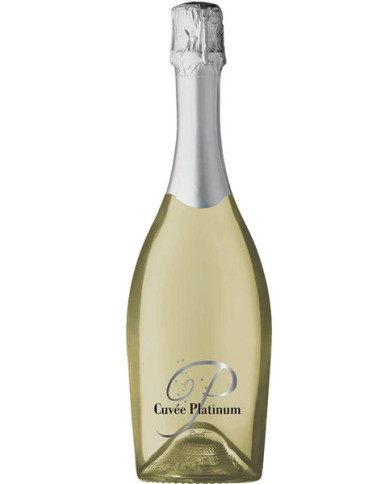
A higher level than the classic Brut sparkling wine. Sparkling wine from selected white berried grapes, for a fabulous and smooth blend.
Excellent fragrant and full-bodied white wine, which does not tire the drink and leaves the palate light with sweet aftertastes. Fantastic notes of white-fleshed fruit and floral hints.
In a light straw yellow, various grapes are mixed for a kaleidoscope of flavors.
€16.10
SKU:
15571
Brand:
Montelvini
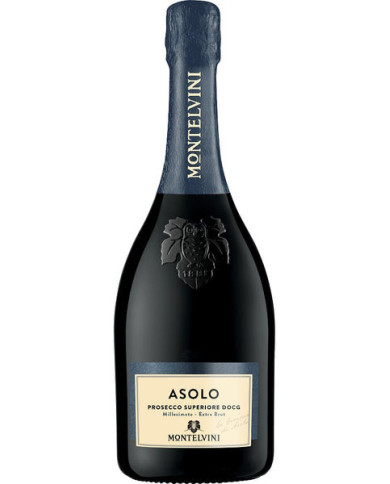
The Extra Dry version has always been the best known and most appreciated interpretation by Prosecco connoisseurs. Montelvini's Asolo Prosecco Superiore DOCG enhances the aroma and fruity scents typical of the precious Glera grapes, which ripen in mid-September.
€15.25
SKU:
15410
Brand:
Alberto Longo
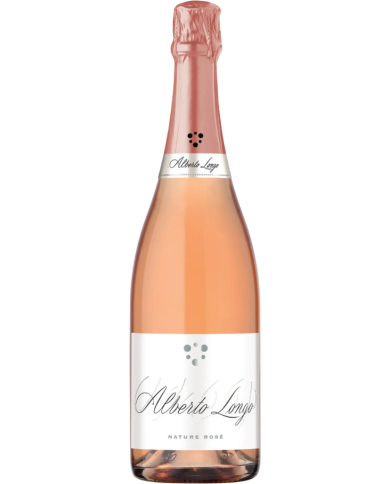
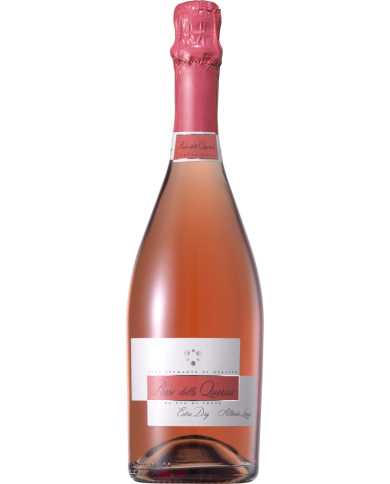
Spumante Brut Rosé with delicate hints of small red fruits and citrus nuances, characters of Mediterranean scrub, tones of bread crust.
€30.99
SKU:
15404
Brand:
Alberto Longo
Sparkling wine with an intense aroma, with hints of bread crust, notes of strawberry and cherry.
€13.79
SKU:
15403
Brand:
Alberto Longo
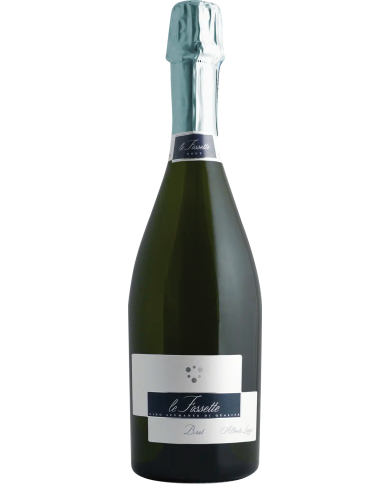
Sparkling wine with an intense aroma, with hints of bread crust and flowers and a delicate taste.
€13.79
SKU:
15393
Brand:
Alberto Longo
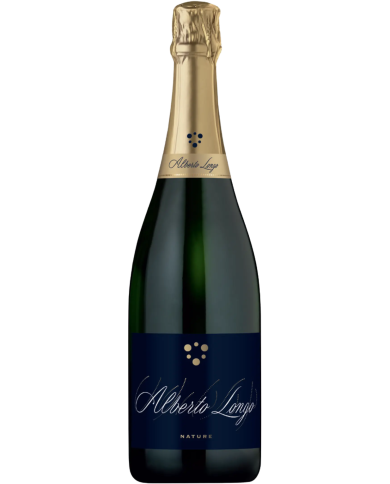
Alberto Longo's Brut Nature is an excellent straw-colored bubble enhanced by golden reflections with a very fine and persistent perlage. Fresh citrus hints of white fruit and salty sensations, a note of anise and slight hints of bread crust. The perlage caresses the palate, enhancing its freshness and complexity.
€30.99
SKU:
15368
Brand:
San Salvatore 1988
Organic wine with residual sugar less than 15 g/l. Only Aglianico: 24 months spent on the lees and 3 months in the bottle after disgorgement.
€34.45
SKU:
15362
Brand:
San Salvatore 1988
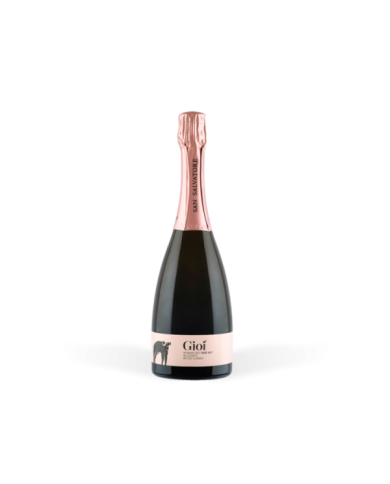
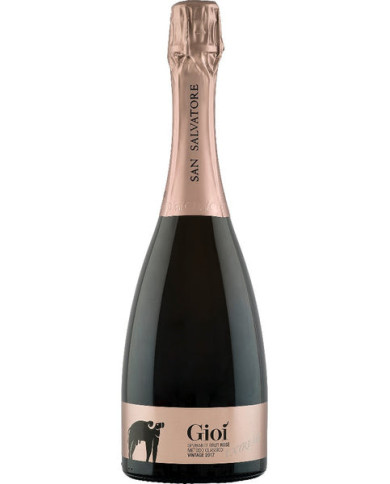
The San Salvatore 1988 farm was born in the shadow of the temples of Paestum in Cannito, in the heart of the Cilento National Park. From the desire to experiment with the classic method on the vine par excellence of the local tradition, Aglianico in purity, "Gioì Extreme" was born, the perfect synthesis between the uniqueness of the Campania region and processing technique. These great grapes grow in a unique and rich terroir, where rolling hills and small promontories overlook the sea, at an altitude of 150/210 m slm sea level in clayey soil rich in skeleton. The characteristic production area with a typically Mediterranean climate positively influences the vegetative cycle of the vineyards, which are trained on the espalier system with guyot pruning. Pruning is done manually as per tradition, and the branches are tied with small willow twigs. This elegant rosé Spumante produced from the most important red berried grapes of the area, has a splendid bright coppery pink color and is fine and elegant to the eye. On the nose, the scent is characterized by aromas of ripe red strawberries and wild strawberries, with hints of melannurca and green apple, with hints of almond and freshly baked croissants.
€35.38
€20.79
SKU:
15325
Brand:
Le Vedute
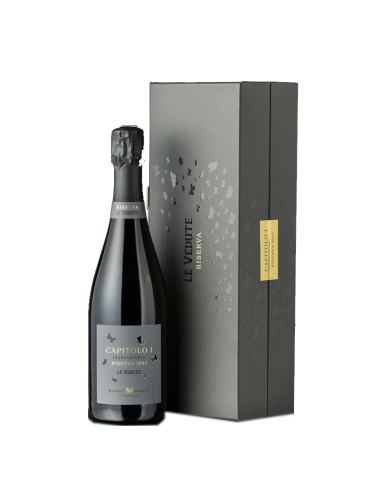
Meticulous selection of the grapes, with subsequent soft pressing and fermentation of the must at a controlled temperature. The sparkling base ages for 7 months in steel on the lees. At the end a long refermentation in the bottle for 30 months which leads the wine to have a more intense and decisive body. Pouring it into the glass, it reveals itself with beautiful straw-colored nuances with marked floral scents and flan bread crust. The excellence of Franciacorta from the Le Vedute house, expression of balance and very long persistence.
€57.10
SKU:
15322
Brand:
Le Vedute
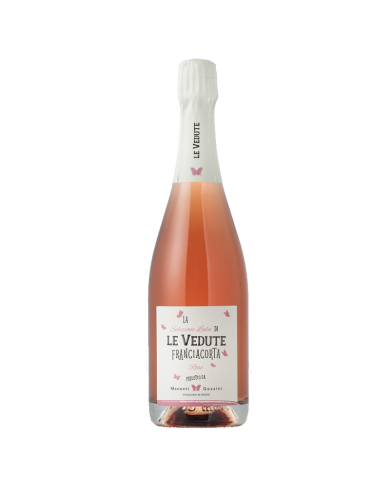
Grape selection. Subsequently they are cold macerated for 12 hours, and pressed. The sparkling base obtained ages for 7 months in steel on the fine lees. To complete the production cycle, another long refinement in the bottle for 26 months. Pouring it into the glass, it reveals itself with beautiful soft pink nuances, and begins to inebriate with hints of red and black fruits, such as blueberry and cherry. On the palate then a wonderful balance between the acidic note and the tannins, which make it an excellent accompanying sparkling wine.
€32.67
SKU:
15321
Brand:
Le Vedute
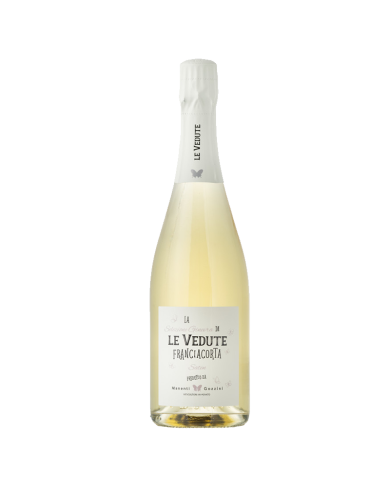
Meticulous selection of the grapes, with subsequent soft pressing and fermentation of the must at a controlled temperature. The sparkling base ages for 7 months in steel on the lees. At the end a long refermentation in the bottle for 30 months which leads the wine to have a more intense and decisive body. Pouring it into the glass, it reveals itself with beautiful straw-colored nuances with marked floral scents and flan bread crust. The excellence of Franciacorta from the Le Vedute house, expression of balance and very long persistence.
€29.50
SKU:
15320
Brand:
Le Vedute
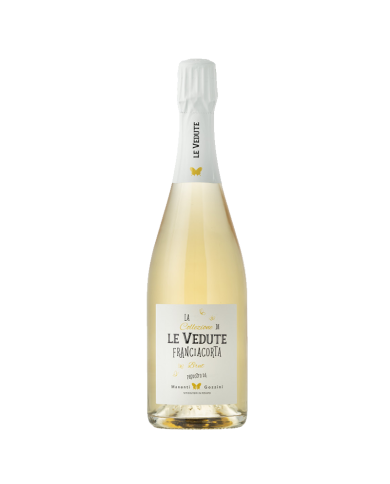
Grape selection. Following a soft and delicate pressing with a fermentation in steel at a controlled temperature, while partly in barriques. The sparkling base is aged on the lees for 7 months. While the aging on the lees lasts another 24 months in the bottle. Beautiful cloudy straw yellow colour. Fine and persistent perlage. On the nose it has floral hints of white flowers which complement the hints of bread crust and yeasts. On the palate it is very persistent due to the part of the wine that is barricaded; with a good persistence given by the acidic content.
€31.72
SKU:
15319
Brand:
Le Vedute
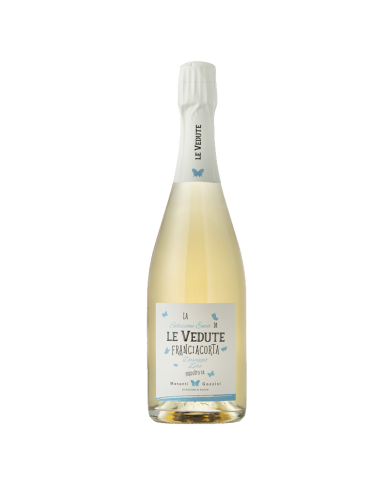
The butterfly as a symbol of elegance. A light and persuasive flight. A moment that wants to be captured as an expression of nature in its most aesthetic form. Grape selection. This is followed by a soft and delicate pressing with fermentation in steel at a controlled temperature. The sparkling base is aged on the lees for 6 months. While the aging on the lees lasts another 18 - 24 months in the bottle. Beautiful bright and luminous straw yellow colour. Fine and persistent perlage. On the nose it has floral hints of white flowers which complement the hints of bread crust. On the palate it is very complex and balanced with good acidity and bubbles that make it drinkable.
€26.40
SKU:
15315
Brand:
La Madonnina
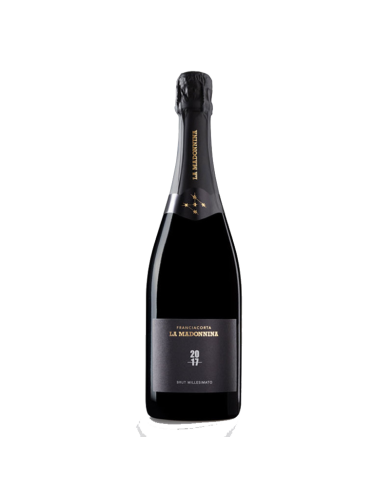
A Franciacorta that comes from selected vineyards, dedicated exclusively to the production for La Madonnina. The best bubbly of the Italian tradition, to be combined with our local excellence.
€28.55
SKU:
15295
Brand:
Nativ
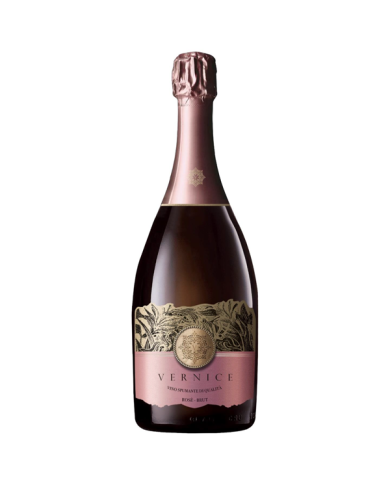
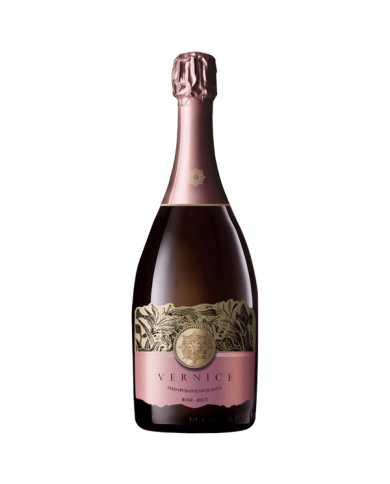
Paint | Rosè Brut sparkling wine of a soft pink color with slight more intense reflections, good foam. The perlage is fine and persistent. The scent is fresh, floral, with notes of red apple, cherry and bread crust. The taste is lively, balanced, with a fresh acidity.
€19.59
€19.58
SKU:
15293
Brand:
Nativ
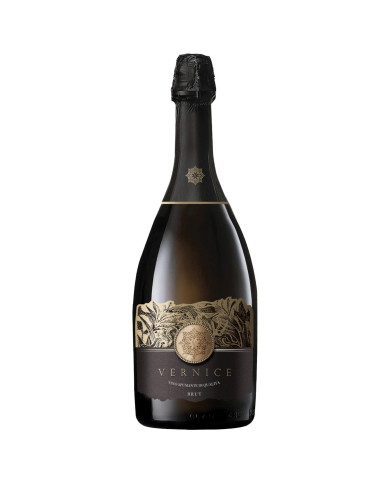
Spumante Brut Varnish is crystalline in colour, yellow with greenish reflections, with a light, fine, rapid perlage. It has a pleasant, fruity, floral, intense, flagrant aroma. On the palate, a development of CO2, lively acidity, good acidity/sugar balance.
SKU:
15260
Brand:
Jasci & Marchesani
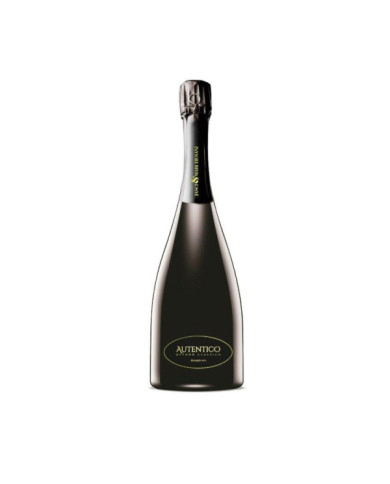
Autentico is a classic method sparkling wine. White vinification at controlled temperature 16 °C. Second fermentation in the bottle at 14 °C. Bottling takes place in the first week of December of the year following the harvest. This is followed by 48 months of permanence on the lees in the bottle.
€34.38
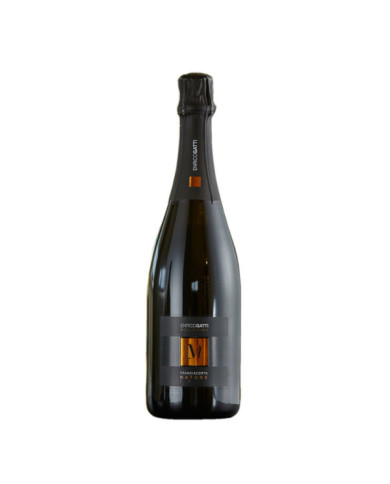
SKU:
15210
Brand:
Enrico Gatti
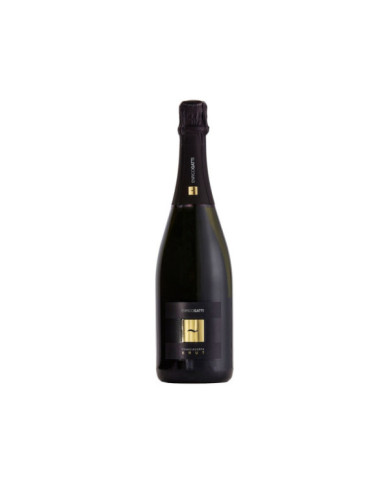
Obtained from the soft pressing of grapes Chardonnay and a Pinot Noir from vineyards located in a hilly area. Part of the must is fermented in oak barrels French and matured on the fermentation lees e part is vinified in steel. Permanence on the lees for a minimum of 48 months. Dry and savory with some rounded notes on the part of the wine that ages in wood. Complex, deep and rich.
€37.90
SKU:
15209
Brand:
Enrico Gatti
Obtained from the soft pressing of grapes
Chardonnay from vineyards located in the area
hilly.
Part of the must is fermented in oak barrels
French and matured on the fermentation lees e
part is vinified in steel.
Permanence on the lees for a minimum of 32 months.
Essentially creamy with fragrant tones of
fresh almond and delicate aromas of butter.
Delighted with a subtle minerality.
€36.23
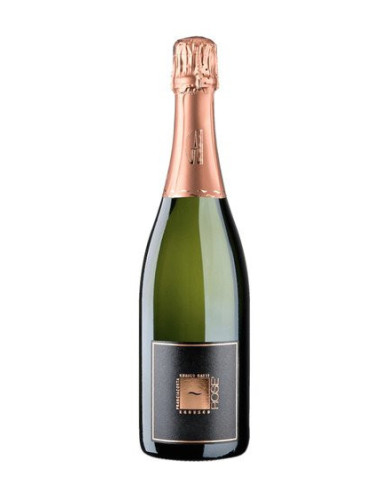
SKU:
15208
Brand:
Enrico Gatti
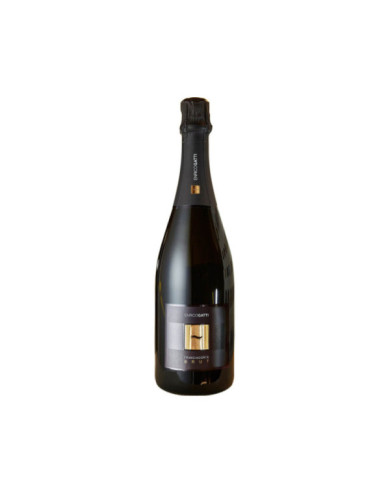
Obtained from the soft pressing of grapes
Pinot Noir from vineyards located in the area
foothills.
The color is obtained through a short
maceration on the skins.
The vinification takes place in steel tanks.
Permanence on the lees for a minimum of 25 months.
Fragrant with hints of pomegranate and currant.
Effervescence softened by the sinuous profile of the
vine.
€33.92
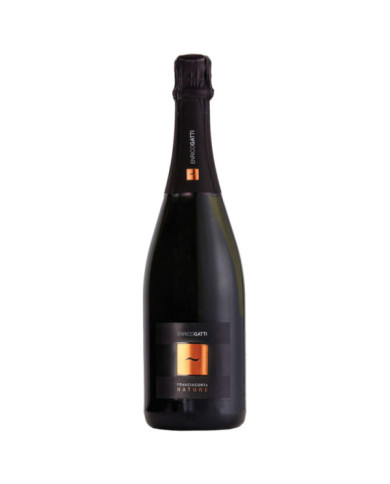
SKU:
15207
Brand:
Enrico Gatti
Obtained from the soft pressing of grapes
Chardonnay and a Pinot Noir from
vineyards located in the foothills area.
The vinification takes place in steel tanks.
Permanence on the lees for a minimum of 24 months.
Contains notes of tropical fruit, nuts and
hazelnuts. Harmonious olfactory perceptions e
engaging.
€56.00
SKU:
15206
Brand:
Enrico Gatti
Obtained from the soft pressing of grapes
Chardonnay and a Pinot Noir from
vineyards located in the foothills area.
The vinification takes place in steel tanks.
Permanence on the lees for a minimum of 24 months.
Contains notes of tropical fruit, nuts and
hazelnuts. Harmonious olfactory perceptions e
engaging.
€30.13
SKU:
15205
Brand:
Enrico Gatti
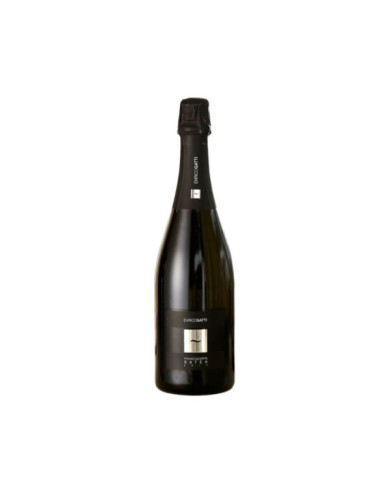
Obtained from the soft pressing of grapes Chardonnay from vineyards located in the area foothills. Vinification takes place in steel tanks. Permanence on the lees for a minimum of 24 months. Franciacorta Brut expresses personality of the company. Fresh, played on a balanced persistence which refers to dried fruit and citrus fruits.
€25.78
SKU:
15204
Brand:
Enrico Gatti
Obtained from the soft pressing of grapes
Chardonnay from vineyards located in the area
hilly.
Part of the must is fermented in oak barrels
French and matured on the fermentation lees e
part is vinified in steel.
Permanence on the lees for a minimum of 32 months.
Essentially creamy with fragrant tones of
fresh almond and delicate aromas of butter.
Delighted with a subtle minerality.
€72.47
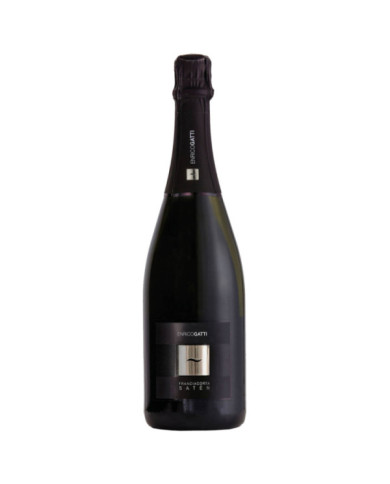
SKU:
15203
Brand:
Enrico Gatti
Obtained from the soft pressing of grapes
Chardonnay from vineyards located in the area
foothills.
Vinification takes place in steel tanks.
Permanence on the lees for a minimum of 24 months.
Franciacorta Brut expresses personality
of the company.
Fresh, played on a balanced persistence
which refers to dried fruit and citrus fruits.
€55.27
SKU:
15191
Brand:
Ca' dei Noni
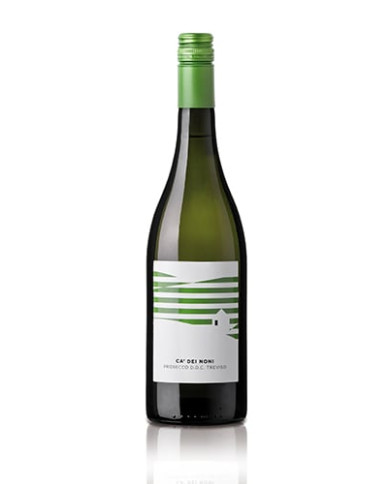
Ideal wine for those who like the typicality of Prosecco, but without bubbles. Straw yellow in color with greenish reflections, it is distinguished by the characteristic bouquet of green apple, acacia flowers and wisteria. Excellent combination of fullness and flavor. Excellent throughout the meal based on light dishes, fresh and medium-aged cheeses.
€7.78
SKU:
15175
Brand:
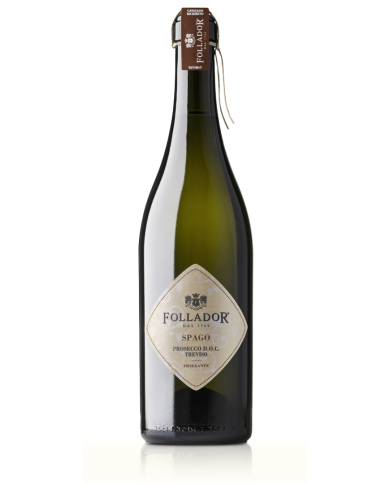
Follador
A Follador milestone, this wine made from carefully selected DOC grapes best expresses the typical tastes and aromas of Prosecco. Intense straw yellow color and lively, fine and elegant perlage. Its bouquet is an explosion of fresh and velvety fragrances. We distinguish the green apple, peach, apricot and finally acacia and rose flowers. Excellent structure on the palate is an extraordinary combination of freshness and flavor. Ideal for aperitifs, it elegantly accompanies light first and second courses, white meats, vegetables, fish and shellfish dishes.
€14.55
SKU:
15169
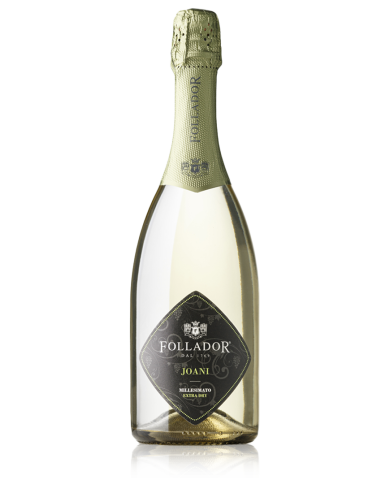
Brand:
Follador
From grapes from the hills of Montello, birthplace of grandfather Giovanni, known by all as "Joani". To him and his land we dedicate this sparkling wine rich in aromas, savory and elegant. Brilliant straw yellow color with very fine and persistent perlage. Elegant, rich and harmonious bouquet with an intense aroma of apricot, wisteria flowers and acacia.
The taste has a balanced acidity, fruity, full, with a dry finish. It goes well with first courses, white meats and fish-based dishes.
€6.66
SKU:
15164
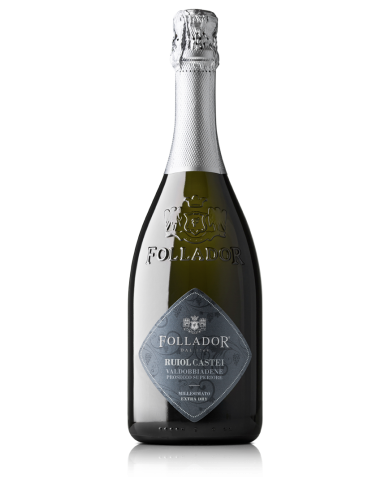
Brand:
Follador
RUIOL CASTEI: a name that evokes the ancient strongholds that dot the Territory, testifying to its long history. Valdobbiadene Prosecco Superiore DOCG Extra Dry 2019 is elected BEST PROSECCO 2020 at The Champagne & Sparkling Wine World Championships 2020, the most prestigious international competition dedicated to champagne and sparkling wines. With a typical bright straw yellow color with greenish reflections, the perlage is fine and persistent. Fruity with a clear perception of golden apple, peach, pear, with a floral hint of wisteria. Full and pleasant fragrance with an elegant balance of flavours. Aperitif par excellence. Excellent for fish and shellfish dishes; at the end of the meal with biscuits.
€17.32
SKU:
15163
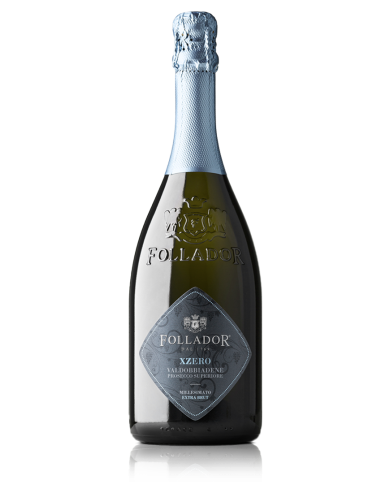
Brand:
Follador
XZERO: 0 g/l of sugar content, 100% of fragrance and aroma. An excellent and very successful superior.
This Prosecco Millesimato Extra Brut is a wine with an important, harmonious structure, in which the mineral notes offered by the high clayey and calcareous component of the soil on which the vineyards are planted stand out. It is appreciated for its delicate, dynamic and pleasantly dry flavour, given the absence of residual sugars which distinguishes this specific category of sparkling wines. It is a wine that represents the excellence of the Territory and will certainly be appreciated by the many connoisseurs of dry wine, conquering even the most extra dry oriented palates.
€23.01
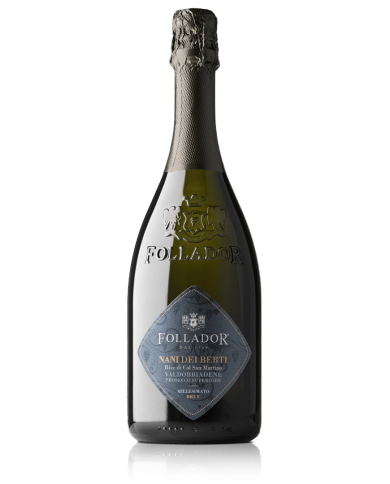
SKU:
15162
Brand:
Follador
NANI DEI BERTI - Banks of Col San Martino: A tribute to the energy and initiative of Giovanni Follador, father of Gianfranco, so nicknamed. Refined sparkling wine of noble quality, very fine perlage in a splendid combination of bouquet and flavours. An excellent Superiore with a pale straw yellow color, with typical greenish reflections. Lively and very fine perlage with an intense bouquet of citrus, almond and acacia flowers. Excellent balance of acidity and fragrance, well structured with a dry finish. Important wine, good aperitif. Its sapidity and balanced structure make it suitable for light first and second courses, excellent with tasty cheeses.
€17.06
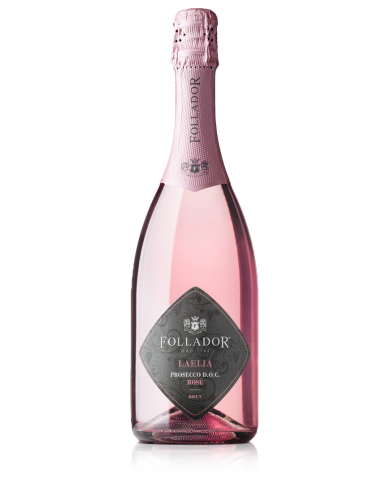
SKU:
15161
Brand:
Follador
Delicious sparkling wine with a fresh and lively taste, a bright pale pink vintage with good structure and persistence, based on Glera grapes with a blend of 10% Pinot Noir. The base wines are obtained from cryomacerated grapes according to the Gianfranco Follador method ®, with fermentation in steel tanks at a controlled temperature. Pinot Noir is vinified in red as per the disciplinary. Second fermentation in autoclave, according to the Martinotti-Charmat method, with regular refermentation with at least two months of rest on the lees. Intense hint of fruit, in particular apple and white-fleshed peach, with pleasant notes of red fruits, blackberry, wild strawberries and currants. An excellent accompaniment to any aperitif, it is interesting to pair with cold cuts, cured meats in general and even aged cheeses.
€16.74
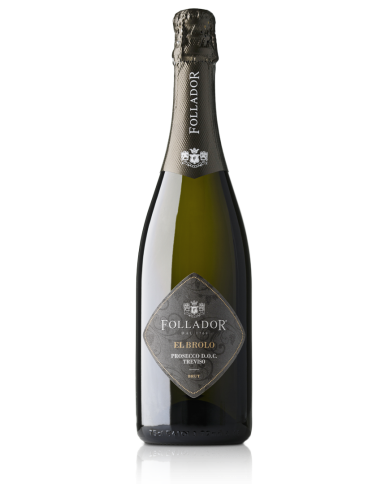
SKU:
15160
Brand:
Follador
EL BROLO: In ancient times, the home garden was called brolo, enclosed by a low wall and shaded
from a pergola vine.
Finesse and excellent structure are the synonyms of this precious sparkling wine, obtained from high quality grapes. Straw yellow color with greenish reflections with fine and persistent perlage. Very pleasant aroma of acacia flowers, golden apple and almond. The taste is sapid, fresh and well structured on the palate. Ideal partner for appetizers, light first courses and medium-long aged cheeses.
€14.03
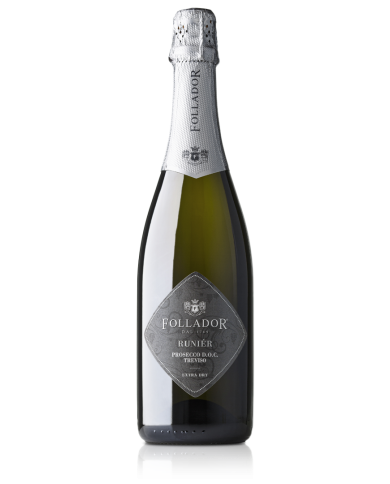
SKU:
15159
Brand:
Follador
RUNIÉR: The typical endings of the Venetian idiom radiate up to the hills of the hinterland, in the heart of the Territory.
This elegant sparkling wine is an expression of genuineness and delicacy. Brilliant straw yellow color and very fine perlage. Fine and delicate foam. Delicious bouquet where fruity and floral fragrances are clearly perceived with a prevalence of green apple and with hints of acacia and jasmine. On the palate it is fresh, well structured and with a pleasant persistence. Excellent as an aperitif and with first courses in general, based on fish and shellfish.
€14.03
Sparkling Wine Sales: How to Choose the Best and Pair It with Food
Sparkling wine is a festive and lively wine, ideal for accompanying celebrations and convivial gatherings. In Italy, sparkling wine production is highly diverse and includes a wide range of varieties, from Prosecco to Champagne, including Franciacorta and Trento DOC .
In this article, we'll guide you through the world of sparkling wines, with tips for choosing the right wine for your preferences and occasions, food pairings, and tasting suggestions.
How are sparkling wines produced?
Sparkling wines are produced through a fermentation process that allows the wine to produce bubbles. There are two main methods for producing sparkling wines: the Classic Method and the Charmat Method.
Each sparkling wine has its own production method, which influences both its flavor and final price. The main production methods are the Classic Method, the Charmat Method, and the Martinotti Method.
The Classic Method is the most expensive and artisanal method used to produce high-quality sparkling wines such as Champagne. In this method, the second fermentation takes place in the bottle, with the yeast settling at the bottom of the bottle and being removed through the disgorging process. This process requires considerable time and attention, which is reflected in the final price of the product.
The Charmat Method is used to produce lighter, fruitier sparkling wines. In this method, the secondary fermentation takes place in large stainless steel tanks, where the wine is kept under pressure to create carbonation. After fermentation, the wine is filtered and bottled.
The Martinotti Method , also known as the Italian Method or the Tank Method, is a modern method used to produce high-quality sparkling wines such as Prosecco. In this method, the secondary fermentation takes place in large stainless steel tanks, where the wine is kept under pressure to create carbonation. After fermentation, the wine is filtered and bottled.
In addition to the production method, the type of grape used also influences the flavor and final price of the sparkling wine. The main grape varieties used to produce sparkling wines are Chardonnay, Pinot Noir, and Glera.
Chardonnay is a white grape used to produce high-quality sparkling wines like Champagne. It has a fruity flavor and a buttery note.
Pinot Noir is a black grape used to produce high-quality sparkling wines such as rosé Champagne. It has an intense and complex flavor, with notes of berries and spices.
Glera is a white grape used to make Prosecco. It has a fresh and fruity flavor, with notes of green apple and pear.
Ultimately, choosing a sparkling wine depends on your personal taste and the occasion for which you're drinking it. Sparkling wines are an excellent choice for parties and celebrations, but they can also be enjoyed as an aperitif or with a light meal. With the wide range of sparkling wines available on the market, there's sure to be one to suit every taste and budget.
Related posts