

 Italiano
 Deutsch














There are no more items in your cart
SKU:
14298
Brand:
Marcalberto
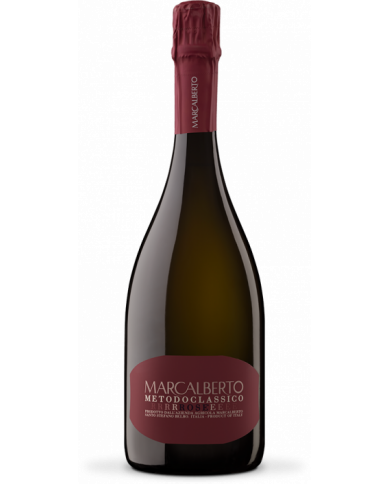
Rosè Marcalberto is the result of a journey of experience and experimentation. Its peculiarity is inherent in the production technique. Vinified according to the most ancient technique used in the production of rosés, very often applied in France and much less in Italy, it is based on the addition of a small amount of red wine to the base of the white wine, so as to make the color more brilliant and lasting in time. Fresh and fruity wine with a light and sharp tannic sensation.
€20.50
SKU:
14297
Brand:
Marcalberto
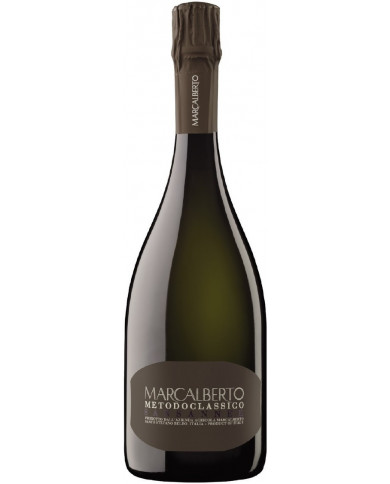
Sansannée, a word that derives from the French and which reminds us that this sparkling wine does not come from a single vintage, but from the mélange of several vintages. Therefore a multi-millesimato Classic Method, conceived through a variable blend of Pinot Noir and Chardonnay which aims, as an essential prerogative, to demonstrate our qualitative constancy through an entry wine that symbolically contains all the stylistic characteristics of our work.
€62.10
SKU:
14296
Brand:
Marcalberto
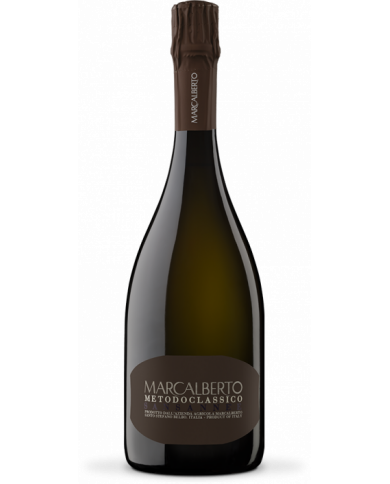
Sansannée, a word that derives from the French and which reminds us that this sparkling wine does not come from a single vintage, but from the mélange of several vintages. Therefore a multi-millesimato Classic Method, conceived through a variable blend of Pinot Noir and Chardonnay which aims, as an essential prerogative, to demonstrate our qualitative constancy through an entry wine that symbolically contains all the stylistic characteristics of our work.
€19.89
€142.89
SKU:
14123
Brand:
Gianfranco Bovio
€21.84
€19.65
One of a Kind Chardonnay. It is dedicated to the owner's grandfather, from whom the adventure of the Bovio family in the world of wine began. Born In 1998 From An Experiment, It Is Appreciated To Such A Point That Since Then It Has Been Considered A "Chicca" Of The Cellar.
€21.84
€19.65
SKU:
14122
Brand:
Gianfranco Bovio
The Dabbene is vibrant and energetic on the palate, with fine, enveloping tannins and a delicate acidity that perfectly frames the crunchy fruit
€11.71
SKU:
14121
Brand:
Gianfranco Bovio
The Barolo Gattera by Gianfranco Bovio vintage 2016 is a wine with a very intense ruby red color with orange reflections. The nose opens immediately a little closed to then feel the spicy and ripe fruit notes slowly emerge. On the palate it is soft, with an olfactory return.
€45.87
SKU:
14120
Brand:
Gianfranco Bovio
Intense red color with violet reflections. The nose perceives hints of dried fruit and balsamic notes. On the palate it is very full-bodied but at the same time elegant with a very long finish thanks to the remarkable acidity.
€24.91
SKU:
14119
Brand:
Gianfranco Bovio
The Barolo of the Bovio Gianfranco farm is an excellent red wine produced with Nebbiolo grapes grown on the hills of La Morra.
€36.09
SKU:
14118
Brand:
Gianfranco Bovio
Langhe Nebbiolo Firagnetti Bovio with a typical garnet colour, it highlights fresh and fragrant aromas on the nose which recall raspberry and cherry, then violet, carob and wet earth, balsamic notes and graphite minerals. On the palate it reveals a fine and balanced body, with silky and well-expressed tannins and a balsamic persistence on the finish.
€16.35
SKU:
14117
Brand:
Gianfranco Bovio
Barbera d'Alba Il Ciotto Bovio of an intense ruby red color with purple reflections when young. The nose releases hints of fresh fruit (black cherry and berries) and freshly picked red flowers; it involves the palate with an acid verve typical of the vine, well balanced by the good alcohol content and the intense fruit.
€12.20
SKU:
14116
Brand:
Gianfranco Bovio
BOVIO ARBORINA BAROLO GIANFRANCO BOVIO Ruby red color with brick reflections. The nose is fresh, with hints of dried fruit and vanilla.
€45.87
SKU:
14021
Brand:
Scrimaglio
Limited production commemorative fiat racing team. A gift idea: wines with automotive design!
€71.24
€49.90
SKU:
13821
Brand:
Forteto della Luja
Piasa Rischei is the wine produced solely with Moscato grapes, left to dry on the vine and harvested at the end of October, a part of the bunches is still left to dry on mats in an orchard. After fermentation, the wine is aged in barriques for 24 months. A passito balanced between freshness and sweetness. Great evolutionary capacity. Perfect to combine with cheeses and fois gras.
€37.06
SKU:
13464
Brand:
Giulia Negri
We are at Morra, Serradenari, on soils from the Messinian period with a sandy loam texture with a strong presence of calcareous marl. At about 480m with a south-west exposure, the pure Nebbiolo grapes are vinified with spontaneous fermentation in truncated cone-shaped vats, macerating for about 40 days. The wine then ages for 30 months in 25-hectolitre Slavonian oak barrels.
€228.38
SKU:
13463
Brand:
Giulia Negri
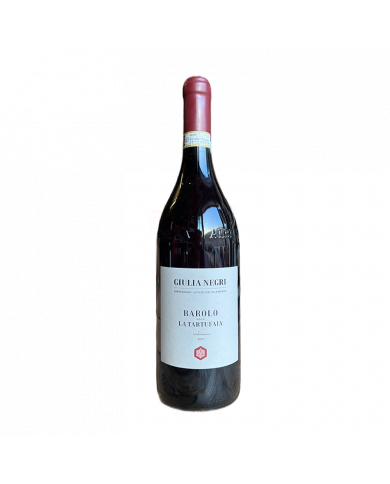
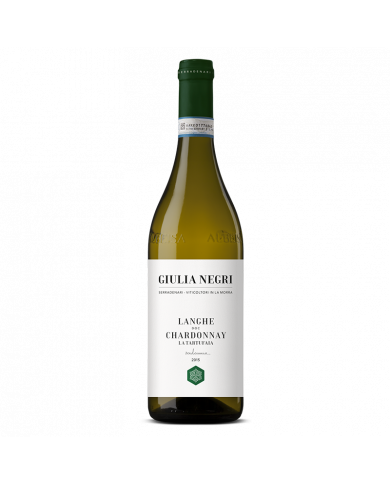
Giulia Negri 's Barolo "La Tartufaia" is the producer's personal vision of the "La Morra" area who skilfully transforms the Nebbiolo grapes into an important and elegant red wine, with a deep and fine taste. On the nose the aromas are of red fruit, berries with notes of tobacco and licorice. On the palate it is full-bodied, enveloping with silky tannins and earthy and bloody sensations that close the sip.
€162.50
SKU:
13347
Brand:
Produttori del Gavi
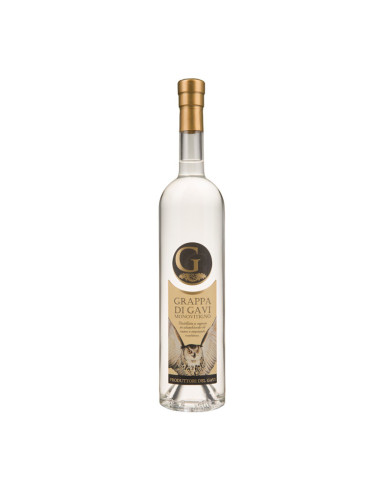
Produced from pomace obtained exclusively from Cortese grapes. Steam distilled in copper stills and continuous system. Alcohol content 40% vol.
€32.39
SKU:
13346
Brand:
Produttori del Gavi
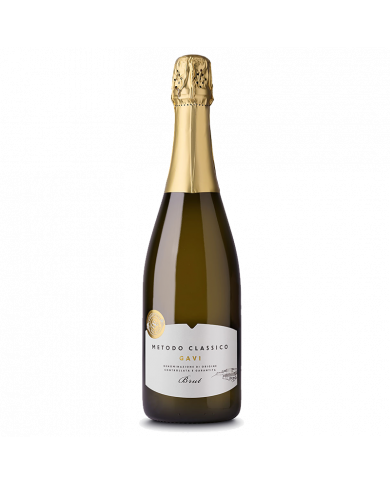
SPARKLING WINE OBTAINED WITH THE CLASSIC METHOD. REFERMENTATION TAKES PLACE IN THE BOTTLE FOR APPROXIMATELY 30 DAYS AT A TEMPERATURE OF 13°C, AFTER WHICH THE WINE AGES FOR 30 TO 40 MONTHS ON LEES OF YEAST. COMPLETELY MANUAL WORKING. STARTERS AND CAKES, BUT IT'S ALSO EXCELLENT FOR ALL MEALS.
€41.98
SKU:
13345
Brand:
Produttori del Gavi
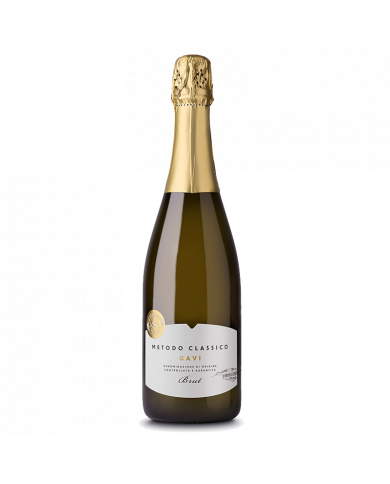
SPARKLING WINE OBTAINED WITH THE CLASSIC METHOD. REFERMENTATION TAKES PLACE IN THE BOTTLE FOR APPROXIMATELY 30 DAYS AT A TEMPERATURE OF 13°C, AFTER WHICH THE WINE AGES FOR 30 TO 40 MONTHS ON LEES OF YEAST. COMPLETELY MANUAL WORKING. STARTERS AND CAKES, BUT IT'S ALSO EXCELLENT FOR ALL MEALS.
€36.75
SKU:
13341
Brand:
Produttori del Gavi
INTENSE RED COLOR WITH GARNET REFLECTIONS. THE NOSE IS FRUITY AND ELEGANT, WITH AROMAS OF RIPE PLUM AND MARASCA MARASCA AND HINTS OF VIOLET. YOUNG ON THE PALATE, RICH IN PULP, EXCELLENT ACID FRESHNESS. EXCELLENT WITH TASTY FIRST COURSES, RED MEAT AND GAME.
€5.37
SKU:
13340
Brand:
Produttori del Gavi
INTENSE RED WINE WITH PURPLE REFLECTIONS, CHARACTERIZED BY A DELICATE BUT INTENSE AROMA, WITH NOTES OF RIPE RED FRUIT. THE FLAVOR IS DRY, WITH A BITTER-ALMOND AFTERTASTE. FULL-BODY, PERSISTENT, WITH ELEGANT STRUCTURE. SUITABLE FOR TASTY FIRST AND SECOND DISHES BASED ON MEAT, MUSHROOMS AND TRUFFLES.
€6.03
SKU:
13336
Brand:
Produttori del Gavi
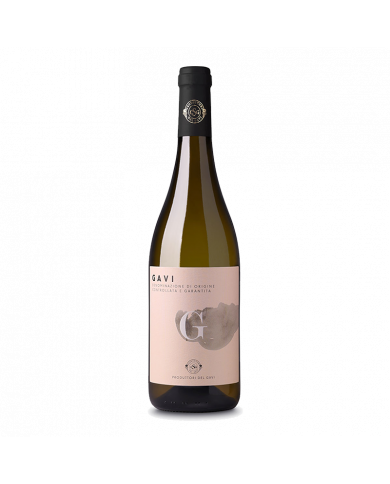
INTENSE STRAW YELLOW COLOUR. NOSE MARKED BY PLEASANTLY BUTTERY NOTES, THEN PEAR, PEACH, MANDARIN AND FLINT. DELICATE BUT AT THE SAME TIME EXTREMELY INTENSE PERFUME. ON THE PALATE IT IS FRESH, POWERFUL, LONG AND PERSISTENT. APPETIZERS, SOUPS AND LIGHT FIRST COURSES, WHITE AND RED MEAT, FISH, FRESH AND MEDIUM-MATURED CHEESES.
€8.00
SKU:
13334
Brand:
Produttori del Gavi
€6.91
€5.87
VERY INTENSE STRAW YELLOW COLOUR. NOSE MARKED BY HINTS OF FLINTSTONE, VANILLA WITH TOASTED AND DELICATELY SPICY HINTS. IN THE MOUTH IT IS ELEGANT, SOFT AND LONG PERSISTENT WITH A GOOD SHOULDER. APPETIZERS AND LIGHT FIRST COURSES, WHITE MEAT AND FISH SECONDS, FRESH AND AGED CHEESES.
€6.91
€5.87
SKU:
13331
Brand:
Produttori del Gavi
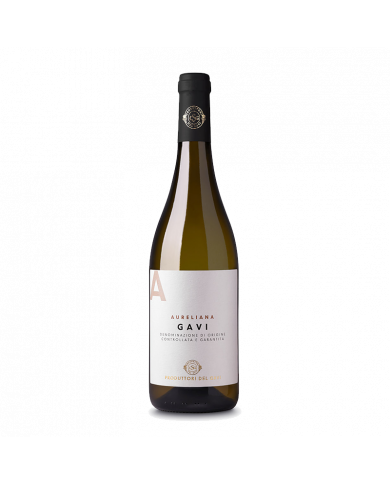
STRAW YELLOW COLOUR. NOTES OF PEAR, PEACH, APRICOT AND YELLOW PLUM STAND OUT ON THE NOSE. TO THE MOUTH IT IS FRESH, SAPID, DRINKABLE, WITH A LIGHT NOTE OF ALMOND IN THE FINISH. HARMONIOUS AND BALANCED. IT CAN BE SERVED AS AN APERITIF, SUITABLE FOR LIGHT FIRST COURSES, FISH, FRESH AND LIGHTLY SPICY CHEESES.
€5.94
€95.16
SKU:
13318
Brand:
Giulia Negri
Giulia Negri 's Barbera D'Alba is a modern interpretation of Barbera, thanks to the mineral-rich soils of the La Morra cru. The grapes are harvested in small boxes and rigorously by hand. The grapes are pressed and left to ferment spontaneously in steel vats, then the wine ages for about 16 months partly in steel and in French oak tonneaux. On the nose the small red fruits and leather are the most present scents, in the mouth the sip is frank and dry.
€24.77
€59.90
SKU:
13316
Brand:
Giulia Negri
Giulia Negri 's "Pian delle Mole" is an intense red wine that gives a bouquet full of aromas ranging from red fruits when young, but which also lends itself to aging, then tending towards more tertiary aromas such as spice and coffee . On the palate it is warm, soft and persistent.
€22.06
€11.83
SKU:
13299
Brand:
Forteto della Luja
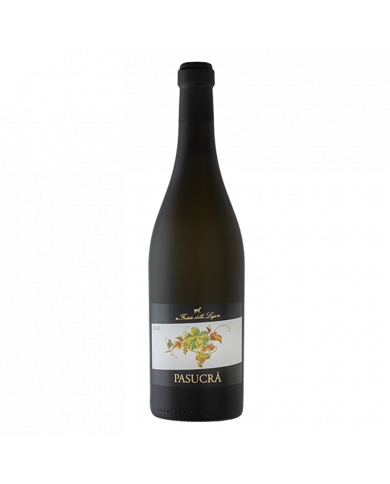
the first Moscato Secco from Piedmont with Denomination of Controlled Origin is called "Pasucrà", a Piedmontese dialect term meaning "not sweet". A new but very ancient wine, son of the peasant tradition of the "filtered sweet" which became dry as the summer months went by.
€14.46
€13.47
SKU:
13296
Brand:
Forteto della Luja
€27.28
€24.55
Forteto Pian dei Sogni Piemonte Brachetto Passito DOC is cherry red in colour. A wine with pleasant garnet reflections. Pian dei Sogni is produced in a hilly area at an altitude of over 400 meters slm It is made with the Guyot system according to traditional methods and by hand. This excellence comes from dried Bracchetto grapes. A Brachetto Passito Doc that stands out in terms of particular aromas and scents. Discover the hints of dried rose, strawberry jam, cherries in syrup and spices. Then savor it with hazelnut, walnut, almond, chocolate or chestnut cakes.
€27.28
€24.55
Discover the magic of Piedmont wines: savor the taste of tradition!
Piedmont is one of Italy's most renowned regions for producing excellent wines. Piedmont's winemaking tradition has developed over the centuries, and the region's wines are appreciated worldwide.
The origins of Piedmont wine
Piedmont wine has ancient origins. The region, located in northwestern Italy, enjoys a temperate climate that lends itself to the production of quality wines. The first documents mentioning Piedmont wines date back to the Middle Ages, when the region's princes invited their guests to taste their wines.
The wine styles of Piedmont
Piedmont's wine styles are highly diverse. The most well-known are the red wines Barolo and Barbaresco, both made from Nebbiolo, a grape native to the region. Piedmont's red wines are generally fuller-bodied, with complex aromas ranging from berries to spices, and have good acidity that makes them suitable for aging.
In addition to red wines, Piedmont is also famous for its white wines, such as Gavi and Arneis . These wines are lighter and have fewer tannins than red wines, but are just as tasty.
What are the most famous Piedmontese wines?
Piedmont wines are appreciated worldwide and are considered among the finest in Italy. Among the best-known are Barolo, Barbaresco, Gavi, Arneis , Dolcetto, and Barbera. These wines have been appreciated by generations of wine lovers and are a must-try for anyone who wants to discover Piedmont's winemaking tradition.
How to best savor Piedmont wines
Piedmont wines are meant to be savored slowly. Tasting should be done in a quiet environment and using glasses suitable for wine tasting. Serving temperature is crucial to getting the most out of the wine: white wines should be served chilled (8-10ºC), while red wines should be served warmer (16-18ºC).
To fully appreciate Piedmont wines, it's important to understand the flavors and aromas of each wine. You should try to identify the aromas and flavors of each wine, such as berries, spices, herbs, and earthy notes. This will help you better understand how wines pair with foods and how to choose the most suitable wines for a given occasion.
Taste tradition with Piedmont wines
Tasting Piedmont wines is a unique experience. It will allow you to discover the flavors and aromas of a thousand-year-old winemaking tradition that has made Piedmont one of the world's most renowned regions for quality wine production.
Choose a Piedmont wine and savor all the magic and flavor of tradition!
Piedmont Wine Denomination: A Journey into the World of Wine
Piedmont is a region located in northwest Italy, stretching from the Alps to the Po River. This region is renowned for its natural beauty, culture, history, and, above all, its high-quality wine production. In this guide, you'll discover everything you need to know about Piedmont's wine appellation, from grape varieties to the main wines produced and their characteristics.
Introduction to the denomination of Piedmont wines
The Piedmont wine denomination is a classification system based on its origin, the grape variety used, and the production methods. There are three levels of Piedmont wine designation: DOCG (Controlled and Guaranteed Designation of Origin), DOC (Controlled Designation of Origin), and IGT (Typical Geographical Indication).
IGT
The IGT (Italian Geographical Indication) is the lowest denomination and covers the entire Piedmont region. This designation allows producers to use grapes from other regions and experiment with new winemaking techniques. IGT wines can have very different characteristics, depending on the grape variety and the techniques used.
DOC
The DOC designation is reserved for wines produced in specific areas of Piedmont and that meet specific production criteria. These wines must be made with a specific grape variety, must be aged for a specific period, and must meet specific production criteria.
DOCG
The DOCG designation is the highest in the Piedmont wine appellation hierarchy. This designation is reserved for wines that represent the best of Piedmont and have an international reputation. DOCG wines are produced in specific areas of Piedmont, using specific grape varieties and following rigorous production criteria.
The grape varieties of Piedmont
Piedmont is famous for its wide variety of native grapes, some of which are used to produce some of the world's finest wines. Here are some of Piedmont's most important grape varieties:
Nebbiolo
Nebbiolo is Piedmont's most important grape variety and is used to produce some of the region's most famous wines, such as Barolo and Barbaresco. This grape variety is known for its fruity flavor and tannic character.
Barbera
Barbera is the second most important grape variety in Piedmont and is used to produce highly regarded red wines, such as Barbera d'Alba and Barbera d'Asti.
The main wines of Piedmont
Piedmont is famous for producing some of the world's finest wines, renowned for their unique flavors and distinctive characteristics. Here are the region's main wines:
Barolo
Barolo is the king of Piedmont wines and is produced with Nebbiolo grapes grown in the hills of the Barolo municipality. This wine is renowned for its complex, fruity flavor, its tannic character, and its intense ruby red color. Barolo is aged in wooden barrels for a minimum of three years and has an alcohol content of approximately 13%.
Barbaresco
Barbaresco is another great Piedmont red wine made from Nebbiolo grapes. This wine has a similar flavor to Barolo, but is a bit softer and lighter. Barbaresco is aged for at least two years and has an alcohol content of approximately 13%.
Barbera d'Alba
Barbera d'Alba is a red wine made from Barbera grapes grown in the Langhe region. This wine has a fruity flavor and an alcohol content of approximately 12.5%. Barbera d'Alba is aged for at least one year in wooden barrels.
Moscato d'Asti
Moscato d'Asti is a sweet white wine made from Moscato Bianco grapes grown in the Langhe area. This wine has a fruity, fresh flavor and is perfect as an aperitif or dessert. Moscato d'Asti has an alcohol content of approximately 5%.
Piedmont is a major winemaking region, producing some of the world's finest wines. The DOCG, DOC, and IGT designations represent a wine classification system that guarantees the quality and provenance of products. Each grape variety has its own distinctive characteristics, giving Piedmont wines their unique flavor and distinctive qualities. If you're a wine enthusiast, a visit to Piedmont's wineries is an experience not to be missed.
Frequently Asked Questions
What are the most important grape varieties of Piedmont?
The most important grape varieties of Piedmont are Nebbiolo, Barbera and Moscato Bianco.
What is the most famous wine from Piedmont?
The most famous wine of Piedmont is Barolo.
What does the DOCG designation mean?
The DOCG designation stands for Controlled and Guaranteed Designation of Origin and is the highest in the hierarchy of Piedmont wine denominations.
What are the main production areas of Piedmont wines?
The main production areas of Piedmont wines are the Langhe