

 Italiano
 Deutsch










There are no more items in your cart
SKU:
7013
Brand:
Donnafugata
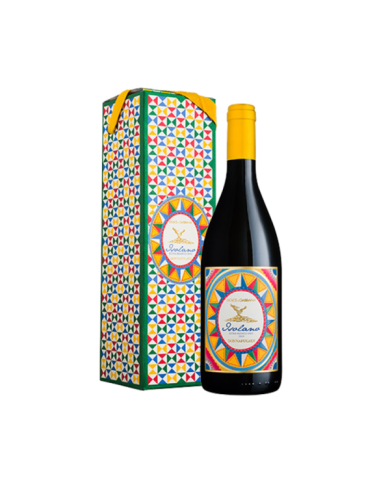
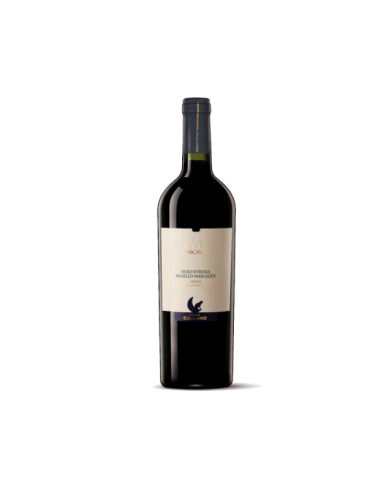
Cuordilava is obtained from the 2017 harvest of Nerello Mascalese grapes: a red of great elegance that after a long period of aging expresses intense notes of small red fruits, spices and undergrowth on the palate is broad and deep, with caressing tannins and a long persistence.
€59.90
SKU:
7008
Brand:
Donnafugata
- _x0001_
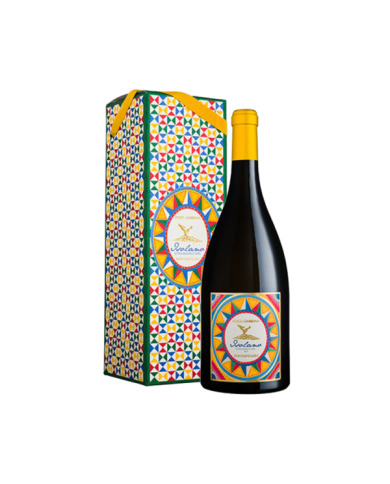
- Isolano comes from a selection of Carricante grapes from the 2019 harvest: a white with a refined bouquet with citrus scents, notes of broom in bloom and volcanic and Mediterranean aromatic herbs, Isolano stands out for its enveloping and magnificent minerality.
SKU:
7006
Brand:
Donnafugata
Donnafugata presents two new prestigious productions grown on the slopes of the Etna volcano, in collaboration with Dolce & Gabbana: the white Isolano and the red Cuordilava , the result of the mountain viticulture of this terroir. After the success of the Rosa rosé and a special limited edition of the 2016 Tancredi red, Donnafugata continues the partnership with Dolce & Gabbana, focusing its commitment on the prestigious Etna Doc wines. The highest active volcano in Europe offers a unique habitat for quality viticulture: the Sicilian sunshine is combined with the high altitude of the vineyards, where the soils of lava origin and native vines are identifying. An interaction of factors that through careful craftsmanship , from the vineyard to the cellar, gives life to wines with an unmistakable personality. Isolano comes from a selection of Carricante grapes from the 2019 harvest: a white with a refined bouquet with citrus scents, notes of broom in bloom and volcanic and Mediterranean aromatic herbs, Isolano stands out for its enveloping and magnificent minerality.
€38.27
SKU:
6830
Brand:
Fantini Farnese
The perfume is intense and persistent, complex, with fruity and herbaceous aromas, notes of vanilla and nutmeg.
€9.22
SKU:
4563
Brand:
Planeta
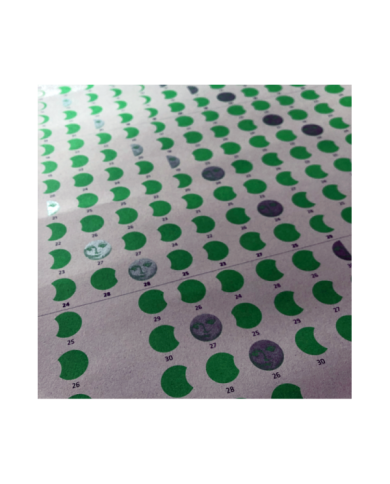
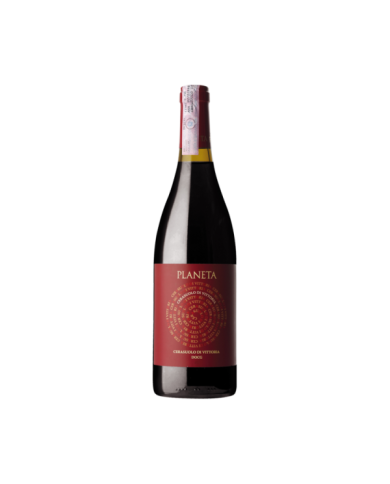
Our Cerasuolo di Vittoria is born from the countryside of Dorilli, between the sea and the Iblei mountains, known as a place of excellence for food in Sicily. The name of the only DOCG in Sicily derives from “cerasa”, the cherry in Sicilian dialect. It is obtained from the native Nero d'Avola and Frappato varieties. A unique wine, recognizable and unforgettable for its youthful flavors and aromas of cherry, strawberry and pomegranate, due to the particularity of the soils and climate in which the grapes are grown. A wine that, like few others, combines tradition and the pleasantness of wine. Paired with a beautiful Lunar Calendar produced by Planeta
- _x0001_
- Annual lunar poster: all year at a glance. _x0001_
- Shows the phases of the moon.
€15.49
SKU:
4561
Brand:
Planeta
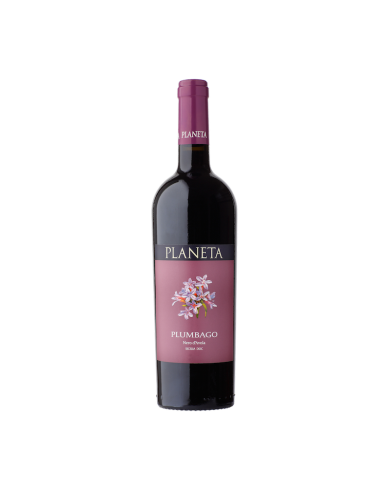
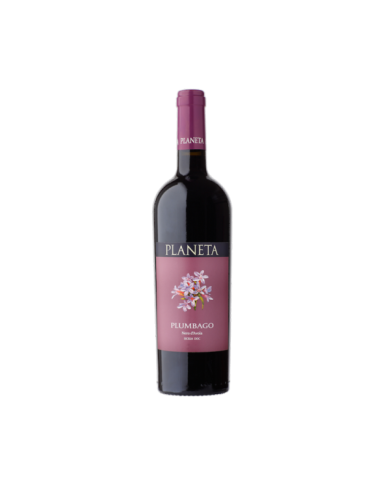
Plumbago - with a spontaneous flower of a beautiful purple color that grows in the woods surrounding the baglio and the Ulmo vineyards - is a pure Nero d'Avola. It comes from the old vineyard around the Orange Lake that gives us this soft and fruity version of this great Sicilian variety. Round tannins and perfectly dosed wood make it a wine of immediate pleasure. Ideal for Mediterranean cuisine based on vegetables and all types of meat. Paired with a beautiful Lunar Calendar produced by Planeta
- _x0001_
- Annual lunar poster: all year at a glance. _x0001_
- Shows the phases of the moon.
Dimensions : 33 × 98 cm
€16.45
SKU:
4233
Brand:
Donnafugata
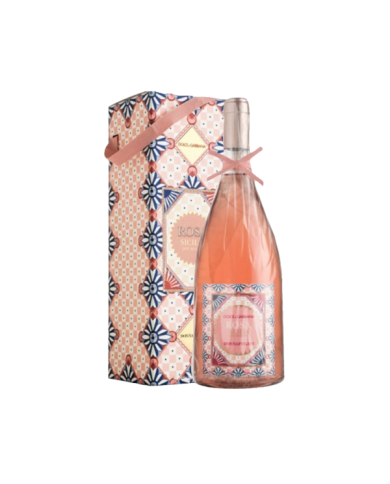
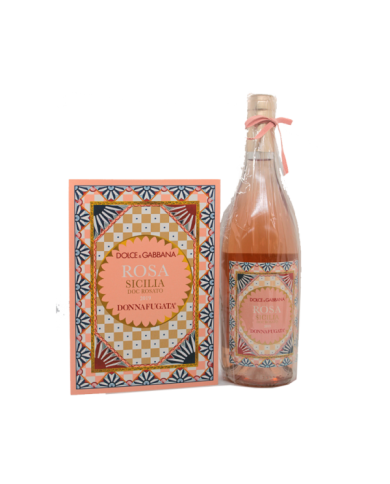
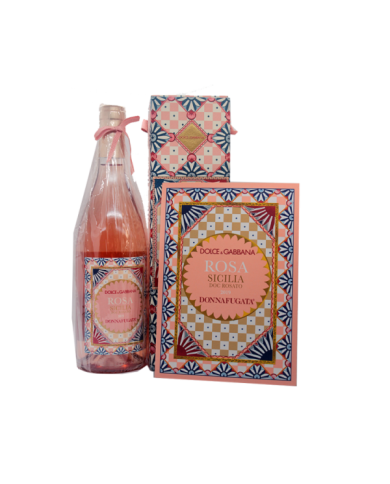
From the collaboration between D & ampG and Donnafugata , Rosa is born, the first Dolce and Gabbana wine, an unpublished Doc rosé wine with a fruity and floral personality, an original blend of two black grape varieties, among the most representative of Sicilian viticulture: Nerello Mascalese and Nocera . Vintage: 2020 . Winery: Donnafugata .
€59.90
SKU:
4225
Brand:
Donnafugata
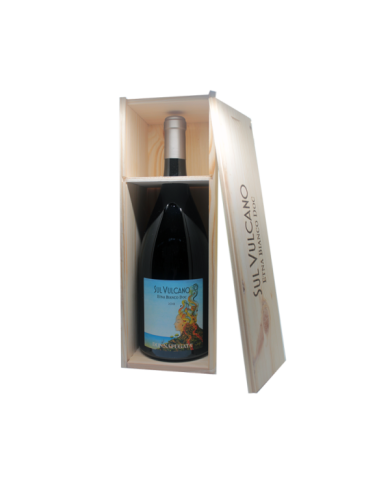
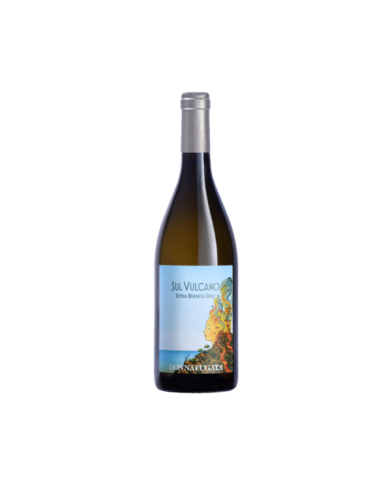
Donnafugata 's Etna Bianco “Sul Vulcano” is a fresh and mineral wine born on the slopes of the great Sicilian volcano, at 750 meters above sea level. It is vinified in steel and aged in French barriques. It smells of white flowers, citrus and flint. The sip is taut, very fresh, savory and mineral, with good persistence
€66.87
€61.70
€55.53
SKU:
3481
Brand:
Fantini Farnese
Production area: Sambuca di Sicilia Grape variety and vinification: Organic Grillo. After a soft pressing, the must is fermented at 12/14 ° C. The low temperatures allow to enhance the aroma of this wine. The refinement then takes place in steel and subsequently the wine is clarified and filtered, ready to be bottled. Color and pairing: Excellent with fish dishes, fresh cheeses, risotto and cous cous or fish soups. Also excellent with smoked fish.
€14.52
SKU:
3478
Brand:
Fantini Farnese
Production area: Sambuca di Sicilia (AG) Grape variety and vinification: Organic Nero d'Avola. The organic grapes are de-stemmed and left to ferment for 15 days at 25 ° C, with frequent and regular pumping over. The malolactic fermentation takes place for 50% in cement tanks and for the remainder in 250L barriques. After 4 months of aging the wine is ready to be clarified, filtered and bottled. Color and combination: Red. All types of pasta with sauces, roast meat and game. Also excellent with aged cheeses.
€14.52
SKU:
3475
Brand:
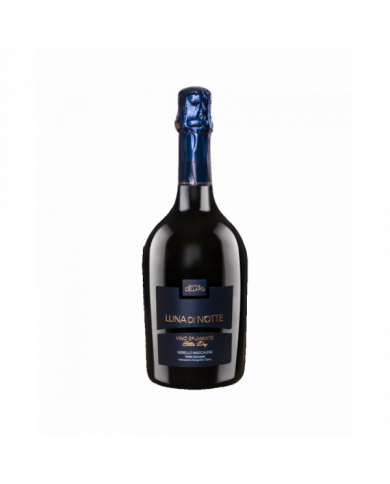
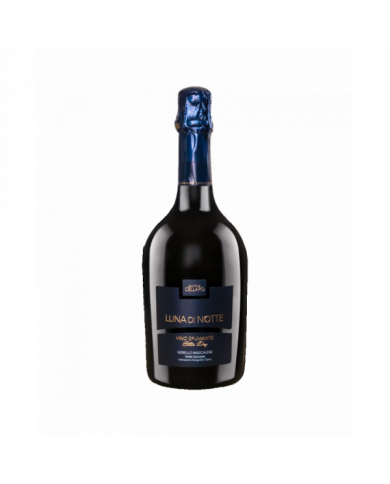
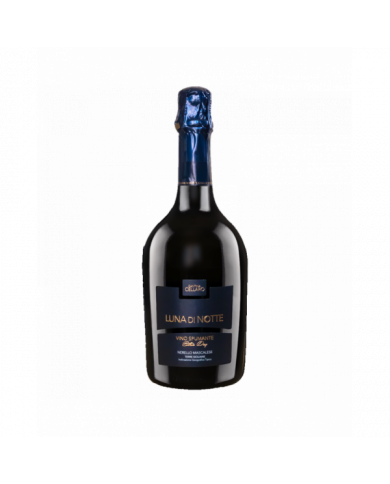
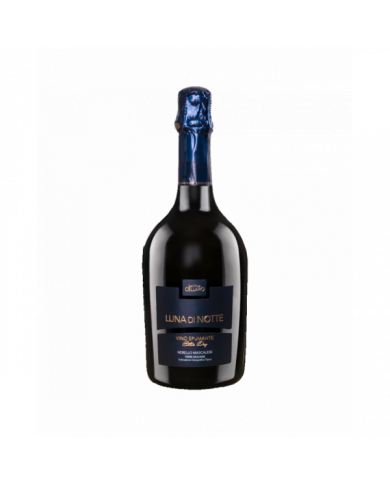
Fantini Farnese
Production area: Sambuca di Sicilia (AG) Grape variety and vinification: Nerello Mascalese. After the selection, the grapes are crushed and de-stemmed. The must goes through a short cold maceration. After static clarification, the must is fermented in stainless steel tanks at about 16-18. After 3 months of aging on the lees, the base wine is fermented in small stainless steel pressure tanks (prize de mousse) following the Charmat method.
Color and combination: Bright white. Excellent as an aperitif, it excels with cheeses, fish dishes, soups, amber fruit, vegetables and desserts.
€12.90
SKU:
3473
Brand:
Fantini Farnese
Production area: Sambuca di Sicilia (AG), Sicily. Grapes and Vinification: Merlot, Terre Siciliane IGT. The Malolactic Fermentation is carried out in stainless steel tanks, where it rests for a few months before being bottled. Color and Pairing : Intense red, excellent with white meats.
€14.52
SKU:
3471
Brand:
Fantini Farnese
Production area: Sambuca di Sicilia (AG), Sicily. Grapes and Vinification: Merlot, Terre Siciliane IGT. The Malolactic Fermentation is carried out in stainless steel tanks, where it rests for a few months before being bottled. Color and Pairing : Intense red, excellent with white meats.
€14.52
SKU:
3469
Brand:
Fantini Farnese
Production area : Sambuca di Sicilia (AG), Sicily. Grapes and Vinification: Grillo. The aging takes place in stainless steel. Color and Pairing: White, excellent as an aperitif and light risotto.
€10.50
€13.60
€13.51
€13.51
€15.49
SKU:
3459
Brand:
Fantini Farnese
Production area: Sambuca di Sicilia (AG), Sicily. Grapes and Vinification: Nerello Mascalese, Nero DAvola. The grapes are harvested, pressed and fermentation begins in contact with the skins. After a very long maceration, the wine is decanted into barrique where it rests for about 6 months. Color and Pairing: Red, excellent with pasta dishes with sauce and game.
€27.90
SKU:
3416
Brand:
Fantini Farnese
Production area: Salaparuta, 300 - 400 masl, Sicily Grape variety and vinification: Nero d'Avola. Harvested at phenolic maturity, it is left to macerate for 12-15 days at 26 ° C with daily pumping over. After racking it is aged in steel for about 4 months. Part of it is aged in barriques. The process is completed with the refinement in the bottle. Color and combination: Red. We recommend it with fish soup, pasta with meatballs or classic spaghetti with pesto.
€16.91
€15.22
SKU:
3414
Brand:
Fantini Farnese
Production area: Salaparuta, Sicily Grape variety and vinification: Grillo. The Grillo is vinified in steel tanks for 20 days at a temperature of 11-12 ° C. This allows a slow fermentation in order to obtain the typical expression of the variety. Color and combination: White. It goes well with risotto, chicken with herbs, savory pies and fish main course.
SKU:
3412
Brand:
Fantini Farnese
Production area: Sambuca di Sicilia, Sicily Grape variety and vinification: 100% Pinot Grigio. The must is not left on the skins to avoid acquiring their rusty red color. After soft pressing, the must is left to ferment for about 15-20 days at a low temperature between 15 and 17 ° C in stainless steel tanks. The wine is then stored at 18-20 ° C in special stainless steel tanks until bottling. Color and pairing: Perfect match with squid ink lasagna and shrimp sauce.
SKU:
3410
Brand:
Fantini Farnese
Production area: Sambuca di Sicilia (AG), Siclia Grape variety and vinification: Nerello Mascalese. Low production yield (about 70 Qli / Ha). When the grapes reach maturity, the shoots are cut and a partial process of withering on the vine begins. When a weight reduction of 15-20% is achieved, the grapes are harvested, pressed and fermentation begins in contact with the skins. After a very long maceration, the wine is decanted into barriques where it rests for about 6 months. Color and combination: Red. Perfect with Mediterranean appetizers and first courses based on eggplant or mushrooms, meat and roast stew.
Discover the Secrets of Sicilian Wines: A Journey Through Southern Italy's Winemaking Tradition
Sicily is one of Italy's richest regions, both for its history and its winemaking tradition. Sicilian wines are among the most appreciated in the world and are renowned for their quality. In this article, we'll discover the secrets of these delicacies and how to best enjoy them.
Sicilian Wines: An Ancient and Rich History
The tradition of winemaking in Sicily dates back to the Greco-Roman period, when the island was rich in native grape varieties. Over the centuries, Sicilian wine production has remained central to the region's culture and economy. Today, Sicilian wines are renowned worldwide for their unique quality.
Sicilian Wines: Varieties and Characteristics
Sicilian wines come in numerous varieties. The most famous are Nero d'Avola, Nerello Mascalese, Frappato, and Grecanico. These wines are characterized by a great aromatic complexity: hints of red fruits, spices, flowers, and vanilla. Nero d'Avola is an intense, full-bodied red wine, while Nerello Mascalese is lighter and fruitier. Frappato is a light, aromatic rosé, while Grecanico is a fresh, fruity white wine.
How to choose the right wine
Choosing the right wine depends on personal preference and the occasion. For example, if you want to drink a high-quality red wine, then you should opt for a Nero d'Avola. If you want a lighter, fruitier wine, you can choose a Nerello Mascalese. For a white wine, Grecanico is an excellent choice.
How to serve a Sicilian wine
To fully enjoy a Sicilian wine, serve it at a temperature of 18-20°C. Red wines are best served in fairly large glasses with a wider base and a narrower top. White wines, on the other hand, are best served in smaller glasses with a narrower base and a wider top.
The right match
Each wine has its own ideal pairing. For example, Nero d'Avola is a very versatile wine and pairs well with meat dishes, such as grilled steak. Nerello Mascalese, on the other hand, pairs better with fish or vegetable dishes. Frappato is a wine that pairs well with lighter dishes, such as a mixed salad. Grecanico is a wine that pairs well with fish or vegetable dishes.
5 tips for Sicilian wines
1. Choose a quality wine. Sicily is rich in excellent wines, so choose a product from a reliable producer.
2. Taste more wines. Taste several Sicilian wines to find out which one you like best.
3. Store your wine well. Store Sicilian wines in a cool, dry place away from heat sources.
4. Choose the right pairing. Pair Sicilian wines with the right dishes for a unique tasting experience.
5. Don't be shy. Don't hesitate to drink Sicilian wine and experiment with new varieties.
Discovering the secrets of Sicilian wines is a unique experience. Sicily is one of Italy's richest regions, and Sicilian wines are among the finest in the world. In this article, we've explored the history of these wines, their characteristics, how to choose and serve a Sicilian wine, and how to pair it with the right dishes. By following these tips, you'll be able to fully enjoy these delicacies and discover the secrets of Sicilian wines.
Sicilian Wine Denomination
Sicily is a region renowned worldwide for its wine production. Thanks to its Mediterranean climate, volcanic activity, and rich soil, the island produces some of the world's most prized wines. In this article, we'll explore Sicily's main wine appellations, their grape varieties, and their sensory characteristics, to discover the excellence of Sicilian winemaking.
Introduction to wine production in Sicily
Wine production in Sicily has ancient roots, dating back to the times of the Greeks and Romans. The region boasts a wide variety of terrain, from the volcanoes of Mount Etna and the Aeolian Islands to the inland hills, which allow for the cultivation of numerous native and international grape varieties. Thanks to the use of innovative techniques and a focus on quality, Sicilian wine production is constantly growing, offering the market high-quality wines capable of satisfying every palate.
The main denominations of Sicilian wines
Sicilian wine designations are divided into four main categories: Controlled Designation of Origin (DOC), Controlled and Guaranteed Designation of Origin (DOCG), Typical Geographical Indication (IGT), and Table Wines. Let's look at the characteristics of each in detail.
Controlled Designation of Origin (DOC)
The Controlled Designation of Origin (DOC) is a quality label awarded to wines that meet specific production criteria. Sicily has 23 DOCs, including Cerasuolo di Vittoria, Moscato di Pantelleria, and Etna Rosso.
Vittoria Cherry
Cerasuolo di Vittoria is a red wine produced in the southeastern part of the island, in the province of Ragusa. It is made with Nero d'Avola and Frappato grapes, in varying percentages, and has a deep ruby red color, a fruity aroma, and a dry, smooth flavor. It pairs perfectly with red meats, cured meats, and aged cheeses.
Moscato di Pantelleria
Moscato di Pantelleria is a sweet wine produced on the island of Pantelleria, located southwest of Sicily. The wine is made from the Moscato di Alessandria grape, locally known as Zibibbo, and has a deep golden yellow color, a rich, aromatic aroma, and a sweet, mellow flavor. It pairs perfectly with sweets and desserts.
Etna Red
Etna Rosso is a red wine produced on the slopes of Mount Etna, Europe's highest active volcano. This wine is made primarily from the native Nerello Mascalese grape, which grows on volcanic soils at high altitudes.
What is the most famous wine in Sicily?
A: Sicily's most famous wine is Etna Rosso, a red wine produced on the slopes of Mount Etna.
Controlled and Guaranteed Designation of Origin (DOCG)
The Controlled and Guaranteed Designation of Origin (DOCG) is the highest expression of Italian wine quality. Sicily has only one DOCG, Cerasuolo di Vittoria. This dry red wine is produced in the Vittoria area, in the province of Ragusa, with varying percentages of Nero d'Avola and Frappato grapes. The wine has a ruby red color, a fruity aroma, and a smooth, persistent flavor. It pairs perfectly with red meats, cured meats, and aged cheeses.
Typical Geographical Indication (IGT)
The Indicazione Geografica Tipica (IGT) designates wines produced in a specific geographical area and possessing certain distinctive characteristics. In Sicily, there are four IGTs: Terre Siciliane, Salina, Val di Mazara, and Alcamo. IGT wines can be made with international grape varieties, such as Chardonnay, Cabernet Sauvignon, and Merlot, as well as native varieties.
Table Wines
Table wines are wines produced in Sicily that do not fall into the DOC, DOCG, or IGT categories. Despite this, many of them are of the highest quality, produced with native grapes and using artisanal methods. Among the best-known are Nero d'Avola and Grillo.
Sicily is a region with a long winemaking tradition, renowned worldwide for the quality of its wines. Thanks to its volcanoes, Mediterranean climate, and diverse soils, the island produces exceptionally high-quality wines, capable of satisfying every palate. From DOC to IGT, from white to red, Sicilian wine production is a true oenological excellence.
FAQ
What are the native grape varieties of Sicily?
Among the main native grape varieties of Sicily are Nero d'Avola, Frappato, Inzolia, Grillo and Zibibbo.
How many DOC wines are there in Sicily?
In Sicily there are 23 DOC wines.
What are the main pairings for Sicilian wines?
Sicilian red wines pair perfectly with red meats, cured meats, and mature cheeses, while white wines are ideal with fish dishes, seafood, and fresh cheeses.
What is the difference between DOC and DOCG?
The main difference between DOC and DOCG is that the DOCG guarantees a higher quality of wine, with even more stringent production criteria and more frequent inspections.
What are the best-known wines of Sicily?
Among the best-known wines of Sicily are Etna Rosso, Cerasuolo di Vittoria, Nero d'Avola, and Grillo.