Italiano
 Deutsch







There are no more items in your cart
SKU:
17588
Brand:
Ciatò
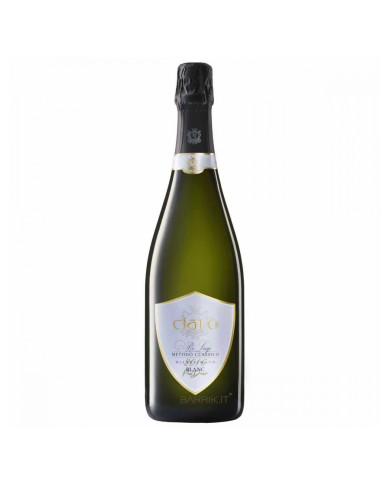
Pur utilizzando solo uve “Nero di Troia”, Luigi Nota realizza un bianco spumante “Metodo Classico” e un rosé, sempre metodo classico, di assoluta eccellenza, il “Regina Lucia”.
€22.45
SKU:
17155
Brand:
Lammidia
€24.52
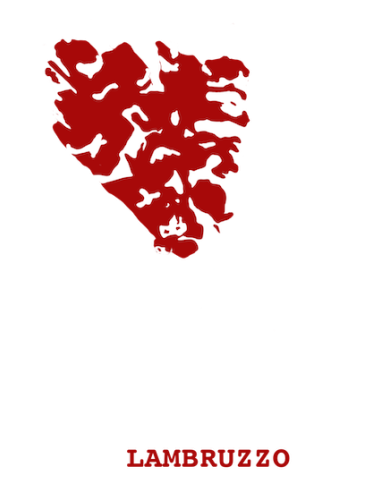
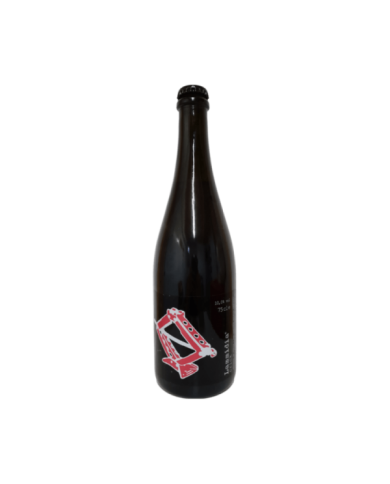
we bottled lu rosh with a small residual sugar to allow the fermentation in the bottle to restart and make it sparkling; a Lambrusco made in Abruzzo!
SKU:
17154
Brand:
Lammidia
€21.84
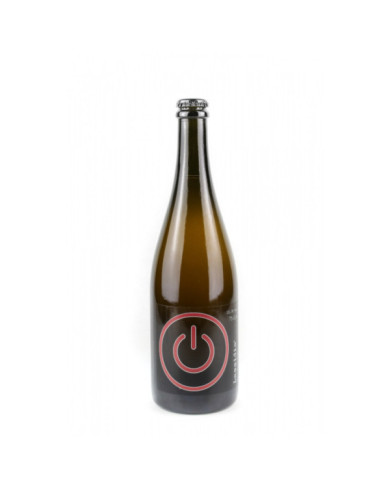
Sparkling wine obtained by refermentation of the biancatto in the bottle to which we have added the fresh must of the white amphora to provide sugars and yeasts so as to reactivate the fermentation process, transforming sugar into alcohol and producing carbon dioxide which gives life to the bubbles...
SKU:
17122
Brand:
Lammidia
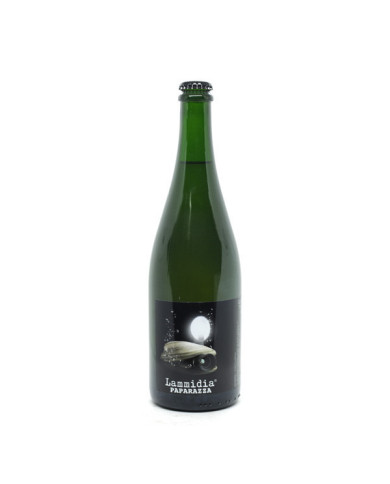
Paparazza di Lammidia is a sparkling white wine obtained from a blend of white grapes, refermented with frozen must of the same vintage. Crisp wine, with notes of peach, citrus and pineapple. Unbeatable drinkability.
€17.45
SKU:
17121
Brand:
Lammidia
€15.37
They say about him: from 100% Montepulciano grapes, a rosé refermented on the yeasts inspired by Lambic Kriek, with a low alcohol content and great drinkability. Amazingly rosé and fantastically good!!!
€15.37
SKU:
17117
Brand:
Alessio Brandolini
€11.10
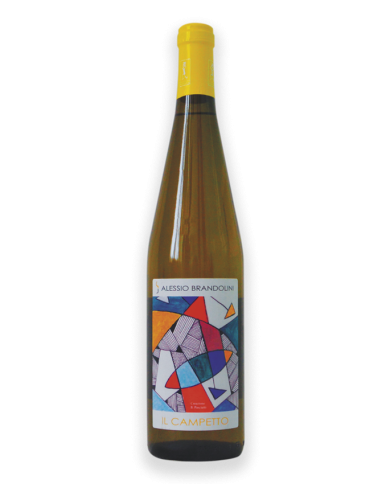
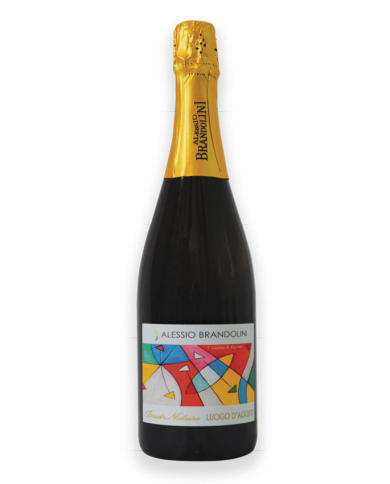
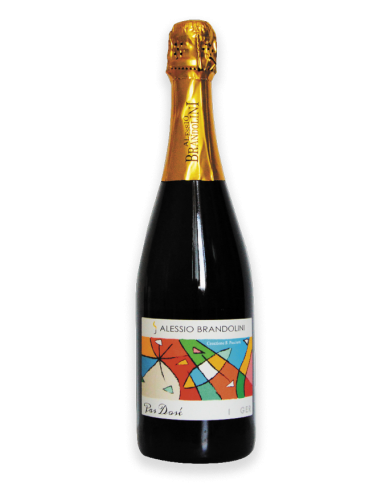
Greenish yellow in color, the nose is floral, with hints of white flowers and white pulp fruit. In the mouth it is quite soft, with good acidity and freshness.
€11.10
SKU:
17110
Brand:
Alessio Brandolini
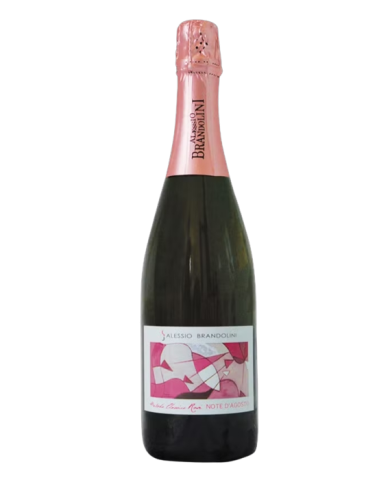
Produced exclusively in favorable years. The grapes, 100% Pinot Noir, are harvested in 18 kg boxes and only the first pressing takes place. A short maceration of 3/4 hours is made on the skins in order to have the typical pink colour. The wine remains on the fine lees until the tirage.
€27.21
SKU:
17109
Brand:
Alessio Brandolini
Produced exclusively in favorable years. The grapes, 100% Pinot Noir, are harvested in 18 kg boxes and only the first pressing takes place. The wine remains on the fine lees until the tirage.
SKU:
17108
Brand:
Alessio Brandolini
Produced exclusively in favorable years.
The grapes are harvested in 18 kg boxes and only the first is kept
squeezing.
The wine remains on the fine lees until the tirage.
€47.82
SKU:
17105
Brand:
Fabrizio Dionisio
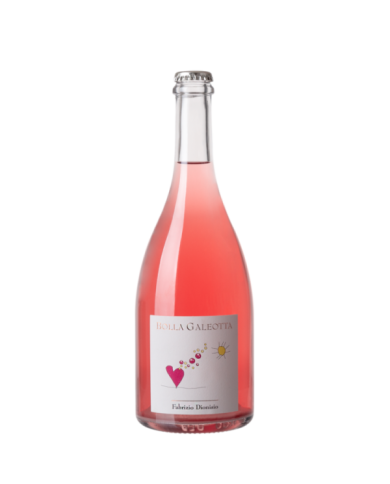
As I also wrote on the back label of this wine, freely inspired by the great poet Dante Alighieri…really…Galeotta fu la Bolla!In fact, after having resisted for some time the insistence of Alessandra, my wife, who was fascinated by the idea of making a sparkling version of our Syrah, in the end I gave in…and I'm really glad I did.
€18.91
SKU:
17027
Brand:
Fontezoppa
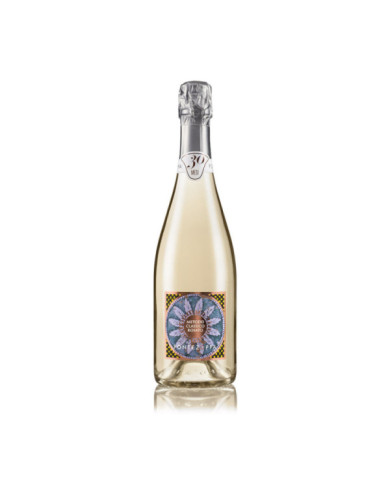
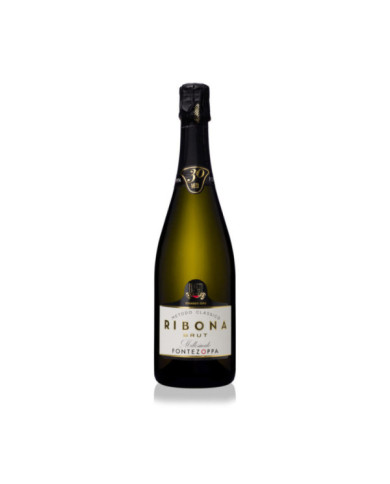
From hand-picked black Vernaccia grapes, vinified in white and refermented in the bottle, it has a very delicate pale pink colour, fine and creamy foam.
€31.11
SKU:
17026
Brand:
Fontezoppa
Maceratino is an ancient vine, brought by the Piceni princes, which has acclimatised in a small area of the Macerata hills caressed by the brackish winds of the Adriatic.
€31.11
SKU:
17025
Brand:
Fontezoppa
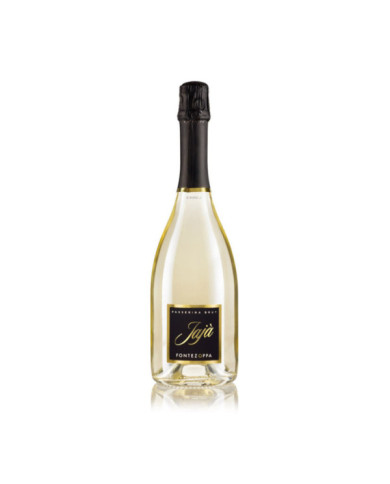
From Passerina grapes harvested by hand and refermented with the Martinotti method, it is straw yellow with greenish reflections, with fine and persistent bubbles.
€17.08
SKU:
17023
Brand:
Fontezoppa
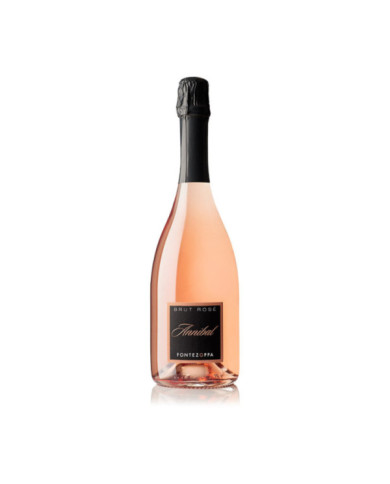
From hand-picked red grapes grown in the Marches, vinified in white and refermented with the Martinotti method, it has a very delicate pale pink with coppery reflections and a fine and creamy mousse.
€26.35
SKU:
16992
Brand:
Codice Citra
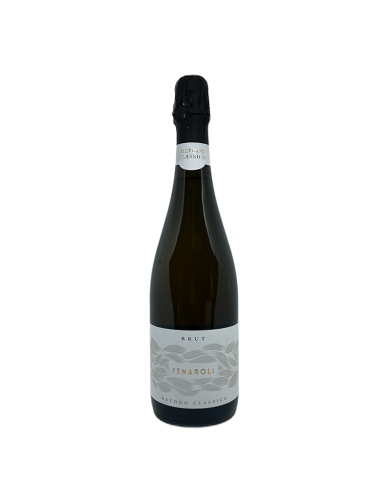
The Metodo Classico Spumante Brut Fenaroli is a sparkling wine made from white berried grapes from the Citra winery. A Classic Method of great style and elegance
€16.65
SKU:
16988
Brand:
Perusini
Ribolla Classic Method is a Brut sparkling wine obtained 100% from Ribolla Gialla grapes refermented in the bottle for 24 months. The Ribolla grapes guarantee this wine a great freshness and a pronounced acidity.
€22.77
SKU:
16981
Brand:
Perusini
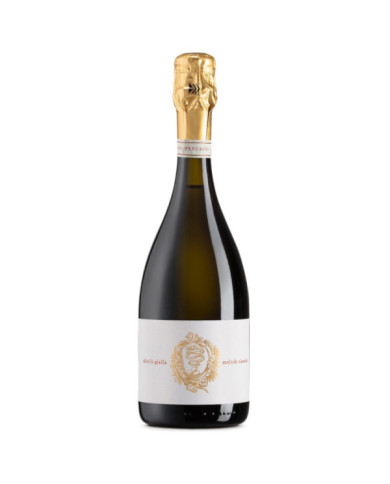
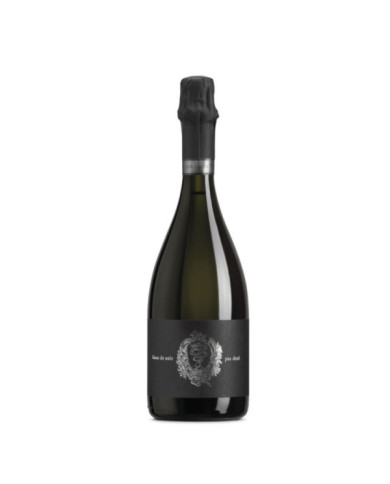
Last born in the Perusini house, this classic method is obtained from the best Pinot Noir grapes. This type of sparkling wine is better known on the market as Blanc de Noir. We have chosen to produce it in the version without added sugar and liqueur, and therefore with a pas dosé dosage…
€27.80
SKU:
16975
Brand:
Serena Wines 1881
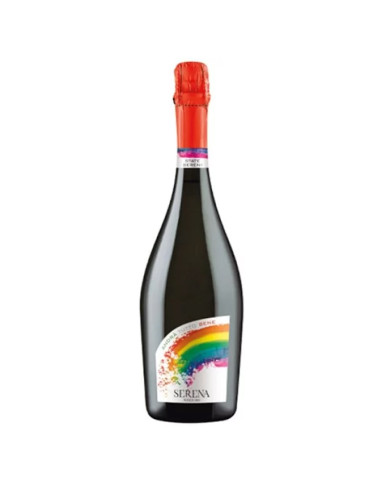
VINES 100% White berried vines VINIFICATION Second fermentation in steel autoclave at controlled temperature Subsequent bottling and storage in thermo-controlled rooms CHARACTERISTICS Pale straw yellow colored wine, with lively perlage The aromas are pleasantly fresh with fruity nuances of yellow fruit, peach and apricot In the mouth it is clean with a pleasant gustatory harmony. Pairings excellent as an aperitif or with first courses and delicate fish main courses
€14.91
SKU:
16925
Brand:
Tenuta Rocca
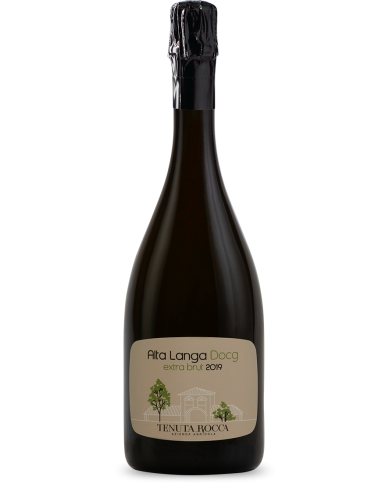
Deep straw yellow colour. The aromas, on the nose, unfold on a carpet composed of dried fruit and lightly toasted bread, wild flowers. In the mouth the entrance is full and rich
€26.17
SKU:
16918
Brand:
Torraccia Del Piantavigna
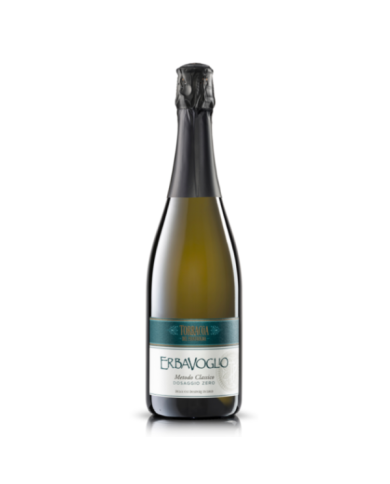
To produce this sparkling wine, Erbaluce is used, grown on about 4 hectares of vineyards in Maretta, in the DOC area of Ghemme.
€34.98
SKU:
16841
Brand:
Barons de Rothschild
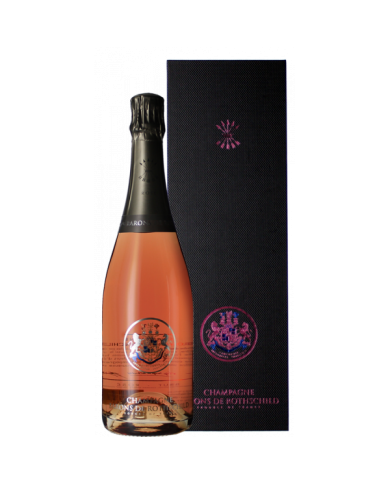
Pure and delicate, this Champagne Rosé translates, in a very elegant way, the bias taken by the Rothschild family in the development of its wines: aiming for perfection and constancy, with refinement and excellence.
€90.65
SKU:
16840
Brand:
Barons de Rothschild
it goes perfectly with fried scallops, shellfish, rock fish, risottos, fine white meats or Brie cheese.
€56.00
SKU:
16839
Brand:
Barons de Rothschild
The Barons de Rothschild Brut half bottle with case is a rich, complex and airy wine, the result of a well-balanced blend, for a champagne of great finesse.
€60.39
SKU:
16838
Brand:
Barons de Rothschild
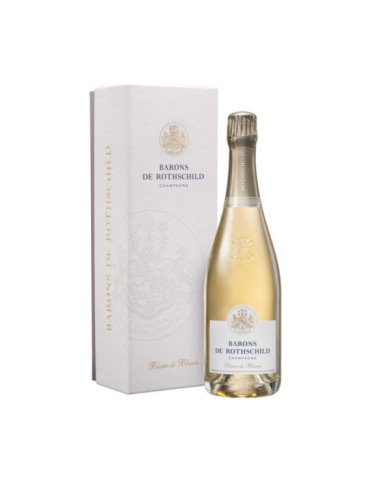
Barons de Rothschild Blanc de Blancs with box affirms its finesse thanks to the assembly of the greatest Chardonnays of Champagne: a model of balance.
€90.65
Sparkling Wine Sales: How to Choose the Best and Pair It with Food
Sparkling wine is a festive and lively wine, ideal for accompanying celebrations and convivial gatherings. In Italy, sparkling wine production is highly diverse and includes a wide range of varieties, from Prosecco to Champagne, including Franciacorta and Trento DOC .
In this article, we'll guide you through the world of sparkling wines, with tips for choosing the right wine for your preferences and occasions, food pairings, and tasting suggestions.
How are sparkling wines produced?
Sparkling wines are produced through a fermentation process that allows the wine to produce bubbles. There are two main methods for producing sparkling wines: the Classic Method and the Charmat Method.
Each sparkling wine has its own production method, which influences both its flavor and final price. The main production methods are the Classic Method, the Charmat Method, and the Martinotti Method.
The Classic Method is the most expensive and artisanal method used to produce high-quality sparkling wines such as Champagne. In this method, the second fermentation takes place in the bottle, with the yeast settling at the bottom of the bottle and being removed through the disgorging process. This process requires considerable time and attention, which is reflected in the final price of the product.
The Charmat Method is used to produce lighter, fruitier sparkling wines. In this method, the secondary fermentation takes place in large stainless steel tanks, where the wine is kept under pressure to create carbonation. After fermentation, the wine is filtered and bottled.
The Martinotti Method , also known as the Italian Method or the Tank Method, is a modern method used to produce high-quality sparkling wines such as Prosecco. In this method, the secondary fermentation takes place in large stainless steel tanks, where the wine is kept under pressure to create carbonation. After fermentation, the wine is filtered and bottled.
In addition to the production method, the type of grape used also influences the flavor and final price of the sparkling wine. The main grape varieties used to produce sparkling wines are Chardonnay, Pinot Noir, and Glera.
Chardonnay is a white grape used to produce high-quality sparkling wines like Champagne. It has a fruity flavor and a buttery note.
Pinot Noir is a black grape used to produce high-quality sparkling wines such as rosé Champagne. It has an intense and complex flavor, with notes of berries and spices.
Glera is a white grape used to make Prosecco. It has a fresh and fruity flavor, with notes of green apple and pear.
Ultimately, choosing a sparkling wine depends on your personal taste and the occasion for which you're drinking it. Sparkling wines are an excellent choice for parties and celebrations, but they can also be enjoyed as an aperitif or with a light meal. With the wide range of sparkling wines available on the market, there's sure to be one to suit every taste and budget.
Related posts