

 Italiano
 Deutsch












There are no more items in your cart
SKU:
8007
Brand:
La Caudrina
After drying, the grapes are pressed and the must obtained, after a first racking, is left to ferment with the use of special selected yeasts . The must ferments at a low temperature, about 15 °, until it has developed about 12 degrees of alcohol. Subsequently, the cleaned and filtered wine is placed in barriques for refinement, during which there is a slight fermentation recovery. Refinement lasts approximately 18 months . After this period the wine was filtered and bottled to be further refined in the bottle for about 6 months .
€13.83
SKU:
7923
Brand:
Quintarelli
Amabile del Cere is a white passito from Veneto made from various white grapes. It is a blend based on chardonnay, garganega, Tuscan trebbiano and sauvignon. The grapes are harvested at the end of September, followed by drying in wooden boxes and pressing in January, when the botritys worked at full capacity on the volume and sugar residue of the bunches. Quintarelli 's passito is then aged for 5 or 6 years in French oak. Exquisite, sublime, delicate. The fifth essence of sweetness. The amber color, the notes of bergamot, candied fruit and spices accompany a vertical, delicate and engaging sip. A passito from the past, with an enormous potential for spectacular evolution. A meditation wine to be savored on rare occasions, excellent with dry or sliced desserts.
€237.90
SKU:
7920
Brand:
Quintarelli
Amabile del Cere is a white passito from Veneto made from various white grapes. It is a blend based on chardonnay, garganega, Tuscan trebbiano and sauvignon. The grapes are harvested at the end of September, followed by drying in wooden boxes and pressing in January, when the botritys worked at full capacity on the volume and sugar residue of the bunches. Quintarelli 's passito is then aged for 5 or 6 years in French oak. Exquisite, sublime, delicate. The fifth essence of sweetness. The amber color, the notes of bergamot, candied fruit and spices accompany a vertical, delicate and engaging sip. A passito from the past, with an enormous potential for spectacular evolution. A meditation wine to be savored on rare occasions, excellent with dry or sliced desserts.
SKU:
7239
Brand:
Cantine De Luca
amber yellow wine, delicate bouquet, full and harmonious taste with hints of honey and tropical fruit.
€21.41
€24.77
€19.37
SKU:
6422
Brand:
Argiolas
AROMATIC AND LAMINATED GRAPES
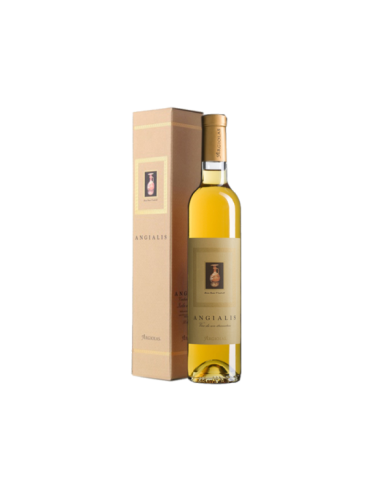
Angialis Isola dei Nuraghi Igt by Argiolas is a wine with an intense straw yellow color. On the nose they result in very intense primary aromas, markedly Mediterranean. Terpenic characters typical of Nasco.
€33.71
SKU:
6388
Brand:
Cantina Dei Colli Ripani
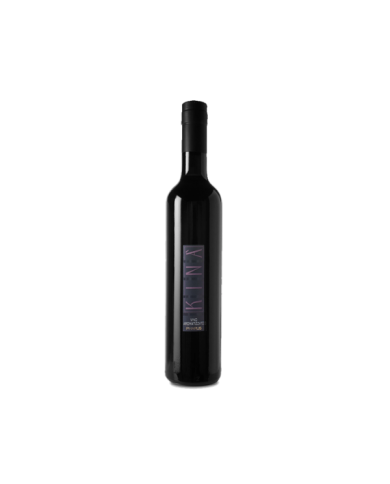
When a pure and precious Sangiovese meets the power of aromatic herbs, Kinà is born. A special wine, the result of a wise and measured aromatic infusion. We like to think of it as a faithful friend in all seasons: in summer, served with ice and an orange or lemon zest, at a temperature of 16 ° / 18 °, it is an excellent digestive. In winter, however, it is made aromatic mulled wine. Perfect to accompany desserts, excellent with chocolate, sought after in fruit-based cocktails.
SKU:
6381
Brand:
Cantina Dei Colli Ripani
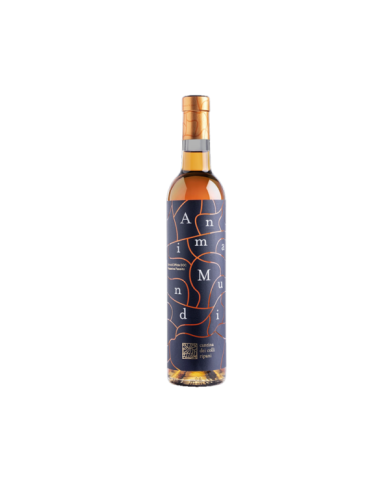
Ancient traditions define the Anima Mundi as the unity of the whole, the universal meaning capable of manifesting itself in every single aspect of nature. This is the spirit and ambition of our passito wine: to represent the beating heart of our Colli Ripani in one gulp. Bright yellow in color tending to amber, intensely fragrant and soft in taste, Anima Mundi is obtained according to the traditional drying method of native passerina grapes, carefully selected following a meticulous process that controls every stage of production: from pruning to collection.
€29.45
SKU:
6317
Brand:
Banfi
Excellent to conclude festive lunches and dinners, it is perfect if combined with the Neapolitan pastiera.
SKU:
5614
Brand:
Agriverde
€20.50
Straw yellow with golden reflections. On the nose the aromas are reminiscent of wisteria, rose petals and lime, peach and apricot with hints of sage, lemons and orange blossoms that blend with elegant brackish and mineral nuances. On the palate it is fruity, enjoys good acidity, and a long finish. Food matches: Desserts with dry and fresh pasta. Excellent with seasoned and spicy cheeses.
€20.50
SKU:
5274
Brand:
Marchesi de Cordano
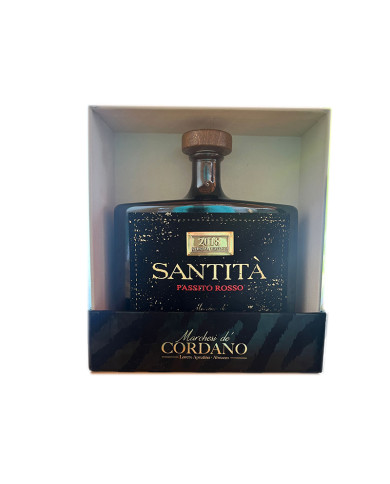
With an intense ruby red color, it is a velvety wine, which contains hints of cherry, raspberry and dried fig. On the palate it reveals slight notes of violet that pamper and caress the end of the meal. Maximum Expression: 8-10 years. Vinification: On the skins for 18 days, followed by static decanting in large barrels. The wine is aged for 9 months in barriques and then rests for 6 months in the bottle.
€10.41
€9.37
€19.03
€11.42
SKU:
4353
Brand:
Biagi
Excellent with desserts at the end of a meal, it finds its most original combination with great aged or blue cheeses. Full and enveloping body, with an intense sugary sensation but well balanced by the natural final acidity, rich in fruity aftertaste nuances. The grapes are harvested overripe, put in large perforated crates (binz) and stored in a cold room for 45 days until the natural drying process is completed. When harvested, the best bunches are sorted and brought to the cellar, pressed and softly pressed.
€19.03
€27.16
SKU:
3912
Brand:
Collefrisio
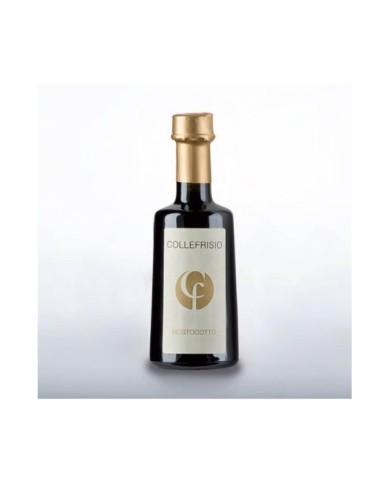
The wine with Amarene is a product of the Abruzzese tradition, and exists in different variants Collefrisio uses exclusively its Montepulciano d'Abruzzo, to which a syrup obtained from the Amarena cherries is added. Ruby red with amaranth reflections, the nose is very intense, with hints of red fruits and cocoa notes, while on the palate it is immediately elegant, soft and fresh, with a nice acidity. Bottle: 50 cl.
€14.52
SKU:
3131
Brand:
San Giusto a Rentennano
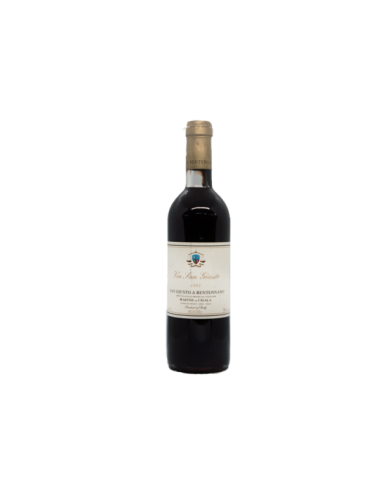
Excellent year, the grapes were harvested perfectly healthy and so they were preserved during the drying. Very dense, with high sugars and extracts that lead to consider the Vin San Giusto 1997 suitable for a long aging.
€195.00
SKU:
3125
Brand:
Santadi
Amber yellow to the eye, with an intense and aromatic nose. On the nose it opens with hints of honey and caramel, candied citrus fruits, dried fruit and cloves, which lead to a warm and satisfying sip, with a full and decisive taste. Closes on beautiful mineral and orange blossom sensations.
Excellent to accompany cream desserts, dry pastries and pies. Try it with blue or aged cheeses paired with honey.
€20.44
SKU:
3098
Brand:
Carboni
Pinotto is the sweet red of the Carboni winery: an IGT Isola dei Nuraghi Rosso Passito , obtained from an atypical vine for Sardinia, typical of central Italy with an aromatic character , which some winegrowers have started a few years to plant in certain areas of the Mandrolisai. It is a wine produced in very small quantities , only in the years deemed most suitable.
€19.50
Discover the Delight of Sweet Wines: A Journey for Your Senses
Sweet wines can be a true delight for the senses. The way sweet wine touches your taste buds and nostrils with its rich aromas will make you feel like you're in heaven. The magic of sweet wines is unique and is becoming increasingly popular among consumers seeking a unique sensory experience. If you're looking to discover the beauty of sweet wines, then you've come to the right place. This article will explore some of the best sweet wines and how to choose the right one for you.
What is a Sweet Wine?
First, we need to clarify what a sweet wine is. A sweet wine is one that contains a certain amount of sugar. This sugar can be added during fermentation or later. The amount of sugar in sweet wine can range from slightly sweet to very sweet. Sweet wines are often sweeter than dry wines because they contain more sugar.
The Most Popular Sweet Wines
Sweet wines can be divided into three broad categories: dessert wines, sparkling wines, and aromatized wines. Dessert wines are sweeter and more aromatic, such as Port, Sherry, Muscat, and Madeira. Sparkling wines are carbonated wines such as Champagne, Moscato Frizzante, Prosecco , and Cava. Aromatized wines are fruit-forward, such as Riesling, Gewürztraminer, and Grüner Veltliner.
How to Choose a Sweet Wine
If you're interested in trying a sweet wine, there are a few things to consider. First, you need to decide whether you want a dessert wine, a sparkling wine, or an aromatized wine. You'll also need to consider your budget and personal tastes. If you're a beginner, you might want to start with a less expensive and less sweet wine, like a Moscato or Riesling. If you're an expert, you might want to explore rarer and more expensive wines like a Port or Sherry.
How to Serve a Sweet Wine
If you've decided to try a sweet wine, it's important to serve it properly. Dessert wines should be served chilled, while sparkling and aromatized wines should be served at room temperature. The right temperature for a sweet wine varies depending on the type of wine, so be sure to read the labels before serving. Dessert wines should be served in wider dessert glasses, while sparkling and aromatized wines should be served in wine glasses.
How to Pair a Sweet Wine
One of the advantages of sweet wines is that they can be paired with many different dishes. Dessert wines pair well with desserts, cheeses, and meats. Sparkling wines can be paired with all types of dishes, from savory to sweet. Aromatized wines are particularly versatile and can be paired with fish, meat, and vegetable dishes.
Conclusion
Sweet wines are a fun and relaxing way to enjoy a meal or an evening. Whether you're a beginner or an expert, there's a sweet wine to suit your needs. Remember to choose the right wine for your meal, serve it at the right temperature, and pair it properly. If you follow these steps, you're sure to enjoy the delights of sweet wines.