

 Italiano
 Deutsch

















































There are no more items in your cart
SKU:
18906
Brand:
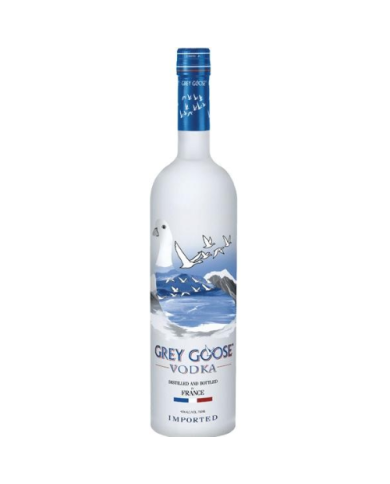
Grey Goose
€268.67
Francia regione del cognac - Volume alcolometrico: 40%
Distillato che racchiude in sé la raffinatezza e lo stile dei grandi distillati francesi. Il suo segreto sta nella qualità delle materie prime: solo puro grano francese ed acqua di sorgente, oltre al metodo di distillazione, ripetuta per ben 5 cicli. Colore trasparente, con riflessi azzurrini di grande luminosità. Al naso regna pace, armonia e raffinatezza aromatica, tra la fusione di fiori di campo, note vegetali, freschezza degli agrumi e leggere sensazioni balsamiche. Il sorso è sorprendentemente facile, liscio ed armonioso, in un perfetto equilibrio tra il dolce a l'amaro che la rende intrigante e ne facilita la beva.
€268.67
SKU:
18905
Brand:
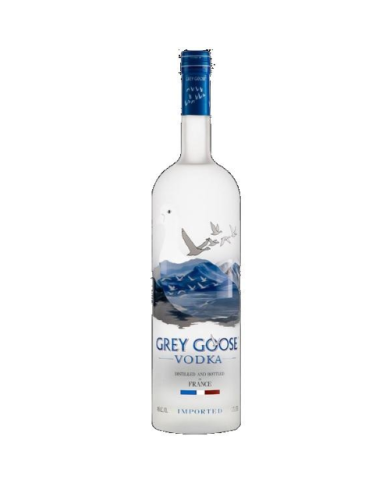
Grey Goose
€621.00
Francia regione del cognac - Volume alcolometrico: 40% Distillato che racchiude in sé la raffinatezza e lo stile dei grandi distillati francesi. Il suo segreto sta nella qualità delle materie prime: solo puro grano francese ed acqua di sorgente, oltre al metodo di distillazione, ripetuta per ben 5 cicli. Colore trasparente, con riflessi azzurrini di grande luminosità. Al naso regna pace, armonia e raffinatezza aromatica, tra la fusione di fiori di campo, note vegetali, freschezza degli agrumi e leggere sensazioni balsamiche. Il sorso è sorprendentemente facile, liscio ed armonioso, in un perfetto equilibrio tra il dolce a l'amaro che la rende intrigante e ne facilita la beva.
€621.00
SKU:
18890
Brand:
Valentino Butussi
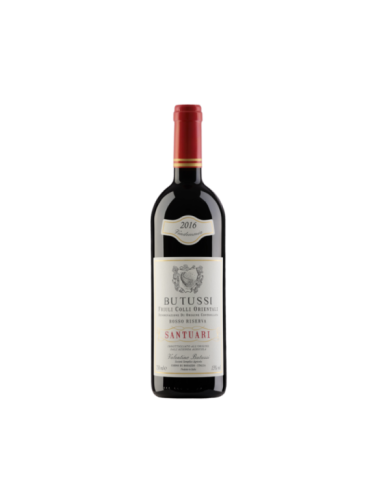
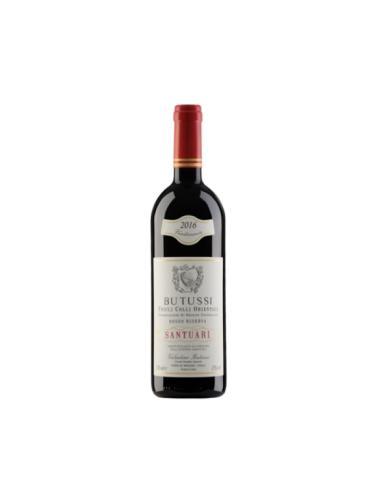
A Riserva with an austere and solemn character, which reaches the qualitative peaks of the entire range created by the Valentino Butussi farm. This "Santuari" is a Cabernet Sauvignon DOC where the balance between taste and aroma makes the sip incisive and expressive, denoting its great evolutionary potential over time. The carefully selected grapes, after harvesting, ferment in oak barrels thanks to the use of indigenous yeasts. Then we move on to the refinement, carried out for two years in oak barrels with a capacity of 300 liters; after bottling, the wine further ages in glass for 12 months. A label that interprets the Colli Orientali del Friuli terroir with a niche production, where excellence and aging capacity go hand in hand, giving us a red wine of great value.
€110.00
SKU:
18888
Brand:
Villa Medoro
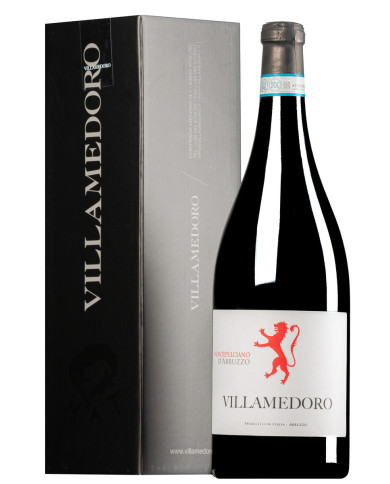
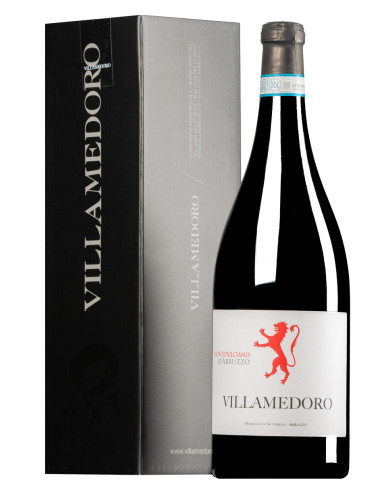
Montepulciano d Abruzzo Villa Medoro presents itself to the eye with a ruby red color with orange reflections, from the glass it releases a wide range of aromas, from wild black cherry to floral nuances of dried violet, aromatic herbs, locust beans and chocolate. In the mouth it glides powerful and warm, rightly tannic, with a pleasantly almondy finish.
€21.00
SKU:
18876
Brand:
Cantina Tollo
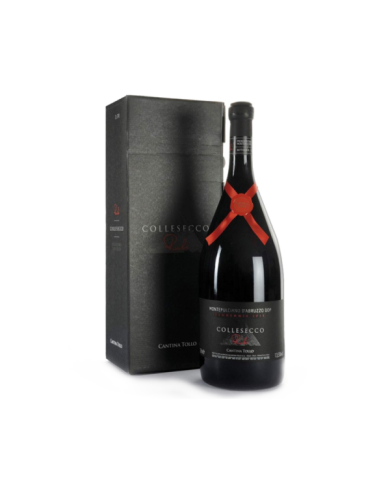
Montepulciano d'Abruzzo Colle Secco Rubino by Cantina Tollo is presented after 24 months in oak barrels in the glass in a dark ruby red color. The nose reveals aromas of dark berries, accompanied by a delicate spicy aroma and a hint of vanilla. On the palate it is full-bodied and well structured with an almost cherry fruit and a fine and harmonious woody note in the finish. A wine that is suitable for dishes that are not too strong, pasta, grilled meats and cheeses that are not seasoned for too long. The photos of the products are purely indicative, the label or vintage may be different from that shown in the photo. NB If the title does not indicate the year of the bottle, the most recent vintage available for sale at the time of purchase will be sent.
€42.02
SKU:
18874
Brand:
Stefano Amerighi
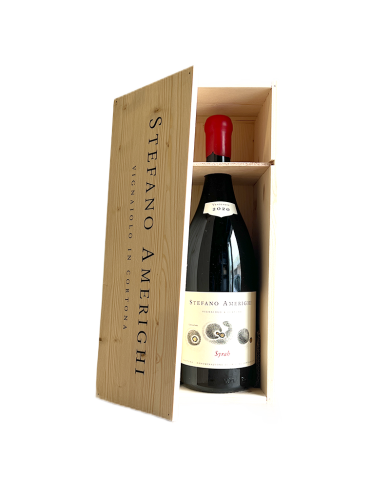
This Syrah is Stefano Amerighi 's representative wine, the result of his work and his idea. A broad idea that goes from the soil to the plant to the balance of nature.
€89.90
SKU:
18869
Brand:
Scacciadiavoli
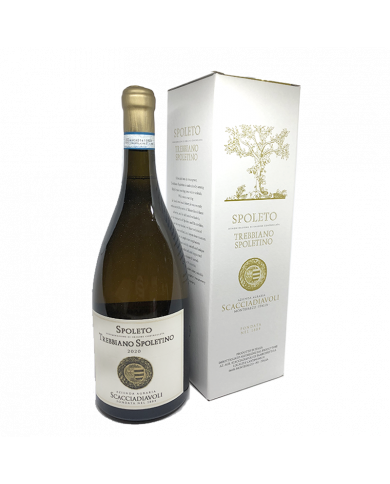
That the Trebbiano Spoletino grape is of high enological interest is now a certain fact. It is an ancient vine that has only recently been rediscovered. It can be grown in the territory of Spoleto and Montefalco. In our cellar we have aimed to capture the finer and at the same time intriguing soul of this grape. We have given space to its changing and original aromas with a vinification in amphora that respects these characteristics and then we have strengthened its expressive character with an aging in untoasted wood and amphora for at least 9 months. In our opinion the result is that of a great white wine for aging, capable of surprising at every sip for its richness of facets.
€33.57
SKU:
18867
Brand:
Scacciadiavoli
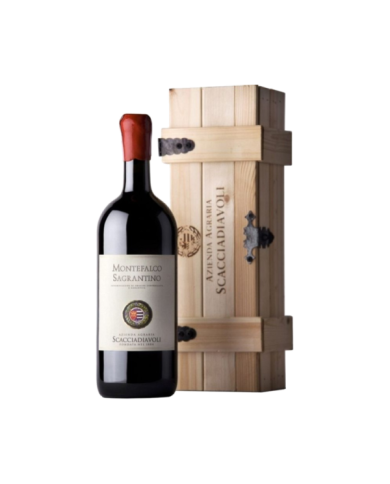
The color is deep, the bouquet is sensual and the body is vigorous. Wine whose refinement is appreciated when young, when fruit and spices blend with the taste of wood, in which Sagrantino has been elevated. But it is after a few years that its success is fully appreciated, when balsamic notes intervene and the tannins soften: thus we discover a wine with a great personality. Montefalco Sagrantino DOCG is suitable for long aging: 20 and more years. Rich in polyphenols which have antioxidant and therefore beneficial properties. The presence of deposits in the bottom of the bottle is natural. Sagrantino Di Montefalco Scacciadiavoli
€69.90
SKU:
18866
Brand:
Scacciadiavoli
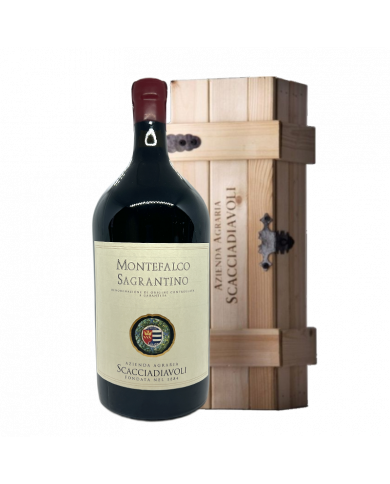
The color is deep, the bouquet is sensual and the body is vigorous. Wine whose refinement is appreciated when young, when fruit and spices blend with the taste of wood, in which Sagrantino has been elevated. But it is after a few years that its success is fully appreciated, when balsamic notes intervene and the tannins soften: thus we discover a wine with a great personality. Montefalco Sagrantino DOCG is suitable for long aging: 20 and more years. Rich in polyphenols which have antioxidant and therefore beneficial properties. The presence of deposits in the bottom of the bottle is natural. Sagrantino Di Montefalco Scacciadiavoli
€129.90
SKU:
18842
Brand:
Masot
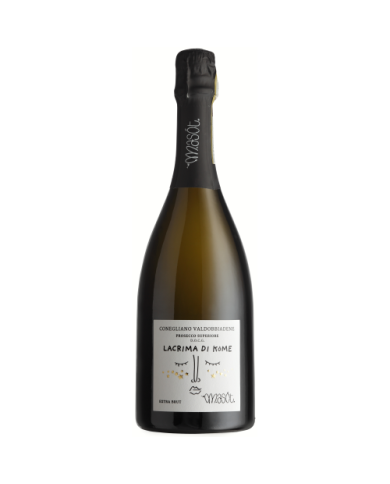
Lacrima di Komè è un vino biologico che nasce innanzitutto in campagna per poi esprimersi nella vendemmia, rigorosamente a mano ed affinarsi in cantina riscoprendo il metodo ancestrale di produzione del prosecco
€34.16
SKU:
18836
Brand:
Foss Marai
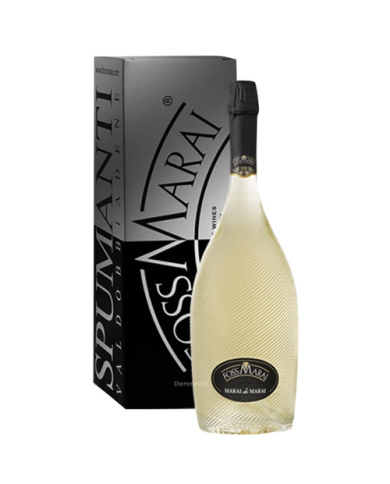
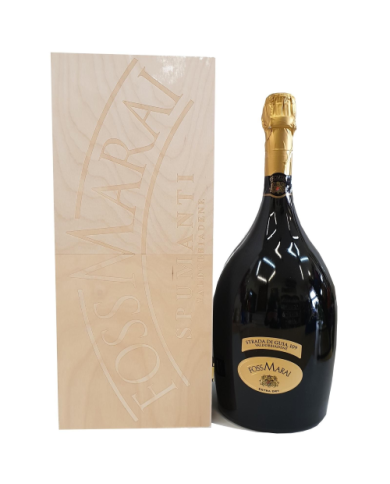
Marai De Marai nasce dall’uvaggio di uve autoctone delle colline Trevigiane. Ottenuto dopo anni di recupero dei vitigni e di sperimentazione in campo viticolo da Foss Marai
€30.62
SKU:
18835
Brand:
Foss Marai
Un Extra Dry morbido e rotondo, fresco ed equilibrato, capace di raccontare la tipologia declinandola in una versione di rara eleganza.
€89.06
SKU:
18829
Brand:
Ferrari
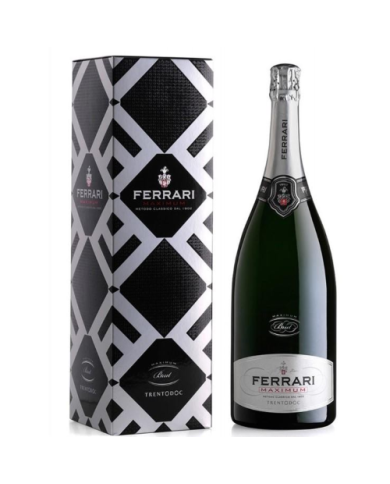
Luminoso giallo paglierino e perlage di notevole persistenza. Sensazioni di mela sostenute da toni di biscotto e cedro. Nelle note di frutta matura si riconoscono piacevoli sentori di crosta di pane conferiti dagli oltre tre anni sui lieviti. Impianto gustativo fresco e vitale, impreziosito dalla morbidezza vellutata delle bollicine. Alle note fruttate tipiche dello Chardonnay si accostano fragranze di lievito.
€56.49
SKU:
18823
Brand:
Contadi Castaldi
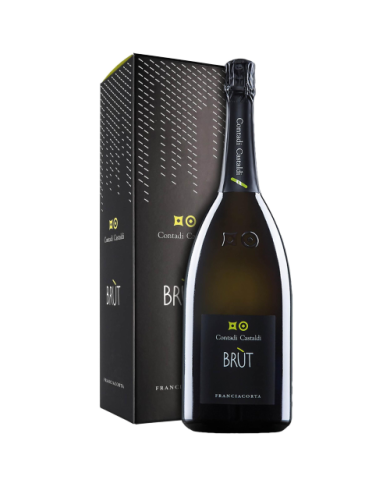
Questo Franciacorta Brut è caratterizzato da un colore giallo paglierino con riflessi verdognoli. Al naso si apre con freschi sentori di fiori di tiglio, arricchiti da piacevoli sfumature di agrumi, pesche e pepe verde. Al palato risulta fresco, con un finale lungo e persistente. Perfetto per accompagnare primi piatti, è ideale in abbinamento a piatti a base di pesce ed affettati.
€51.70
SKU:
18815
Brand:
Legret & Fils
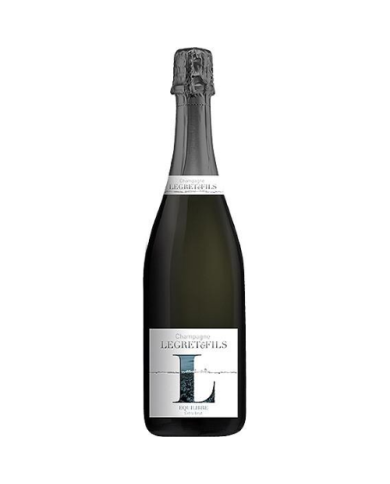
Champagne Mineral di Legret & Fils: Fresco, agrumato e minerale, persistente ed elegante. A tavola saprà sicuramente reggere l’abbinamento con i risotti più bizzarri.
€105.04
SKU:
18805
Brand:
Jacquesson
Lo Champagne Extra Brut di Jacquesson è uno champagne millesimato: non riporta l'annata ma il numero della cuvée utilizzata, nata da un'unica vendemmia. Dopo una maturazione di circa 36 mesi sui lieviti si presenta con un profilo fresco, vivace e complesso, arricchito da intensi sentori di frutta gialla matura e agrumi
€244.37
SKU:
18802
Brand:
Dom Pérignon
€305.00
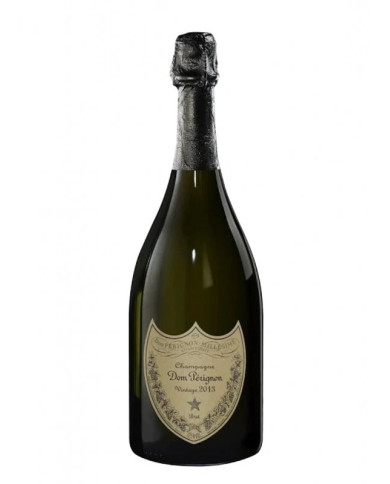
Il Dom Pérignon Vintage 2013 non si smentisce mai e anche in questa annata reinterpreta il carattere unico delle stagioni.
SKU:
18801
Brand:
Bollinger
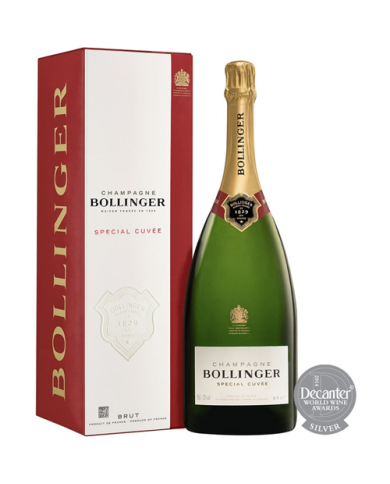
Lo Champagne Brut Special Cuvée di Bollinger ha origine dai vigneti di Ay nella Valle della Marna in Francia. Qui il Pinot Meunier, vitigno a bacca nera dello Champagne, è il protagonista, e nei vigneti esposti a Sud regala agli Champagne un tipico gusto fruttato ed una morbidezza seducente.
€220.94
SKU:
18794
Brand:
Cà del Bosco
L’essenza di un sapere lungo trent’anni. L'amore per la propria terra. La migliore espressione dei suoli della Franciacorta. Esperienze ed intuizioni che, una vendemmia dopo l’altra, consentono di entrare a fondo nell’intima conoscenza della materia prima, l’uva, e del lungo processo di trasformazione che la rende vino.
€92.44
SKU:
18789
Brand:
Bellavista
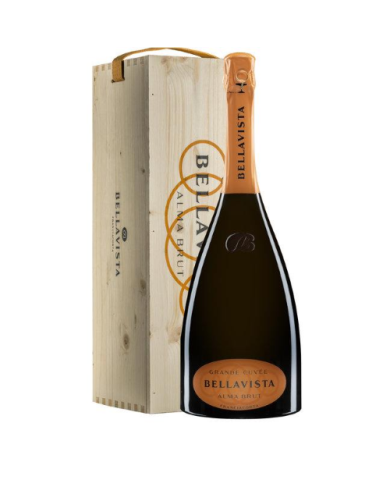
Denominazione: Franciacorta DOCG - Uvaggio: Pinot Nero 11%, Chardonnay 88%, Pinot Bianco 1% - Tipologia: Brut - Volume alcolometrico: 12,5% - Giallo paglierino con riflessi verdognoli. Il perlage è fine e continuo, con abbondante e persistente corona.Al naso il profumo è ampio e abbraccia sfumature di frutta dolce e leggermente matura con sottili accenni di vegetali e vaniglia. In bocca è sapido e completo, fresco e vibrante.
€344.53
SKU:
18788
Brand:
Scrimaglio
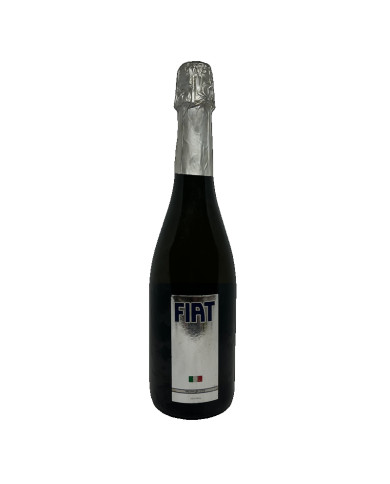
The Fiat Chardonnay bottle can be a great gift idea for car enthusiasts. Wines with an automotive design produced in limited numbers by the eccentric Piedmontese producer Pier Giorgio Scrimaglio. The Scrimaglio family has been in Piedmont since the 17th century and comes from France, where it bore the name Escrimeaux (swordsman). In Monferrato, it gave its name to an area that is still called Region Scrimaglio, where the farm and vineyards are now located. Francesco Scrimaglio, the progenitor of the family, started his wine-growing business in the early 1900s, which was later expanded by his son Pietro and grandsons Franco and Mario.
€14.90
SKU:
18785
Brand:
CVA Canicattì
A Nero d'Avola with intense and persistent aromas that can be discovered for its modernity and charm. A classy wine, which surprises for its harmony and pleasantness, capable of revealing the authentic traits of the prince of Sicilian natives.
€34.16
SKU:
18782
Brand:
CVA Canicattì
A Nero d'Avola, modern with its characteristic fruity notes and black pepper; harmonious, balanced, pleasantly tannic.
€9.90
SKU:
18761
Brand:
Planeta
Our Cerasuolo di Vittoria is born from the countryside of Dorilli, between the sea and the Iblei mountains, known as a place of excellence for food in Sicily. The name of the only DOCG in Sicily derives from “cerasa”, the cherry in Sicilian dialect. It is obtained from the native Nero d'Avola and Frappato varieties. A unique wine, recognizable and unforgettable for its youthful flavors and aromas of cherry, strawberry and pomegranate, due to the particularity of the soils and climate in which the grapes are grown. A wine that, like few others, combines tradition and the pleasantness of wine.
€29.98
SKU:
18735
Brand:
Planeta
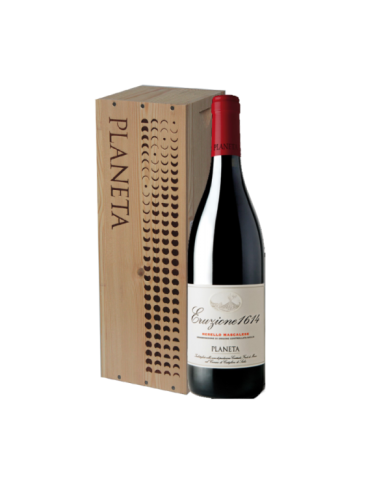
The history of Etna is dotted with historical eruptions that have shaped its shape. Legendary that of 1614, which lasted 10 years, the longest of all time, stopped right on the border of the Sciaranuova vineyards. A strongly evocative name for our Cru dell'Etna based on Nerello Mascalese. Black soils at high altitude give an elegant, fine and balanced style.
€59.78
SKU:
18732
Brand:
Planeta
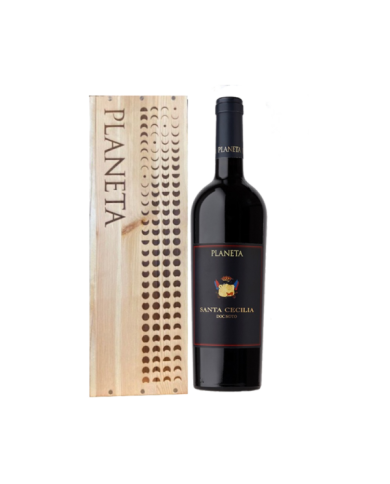
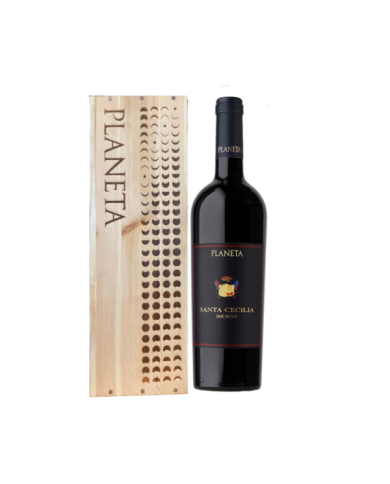
Nero d'Avola Noto DOC Santa Cecilia is the flagship wine of the Planeta winery. A Nero d'Avola vinified in purity, the result of a careful selection of the best vineyards for the production of an excellent wine.
€131.52
SKU:
18730
Brand:
Planeta
Nero d'Avola Noto DOC Santa Cecilia is the flagship wine of the Planeta winery. A Nero d'Avola vinified in purity, the result of a careful selection of the best vineyards for the production of an excellent wine.
€73.44
SKU:
18724
Brand:
Cà del Bosco
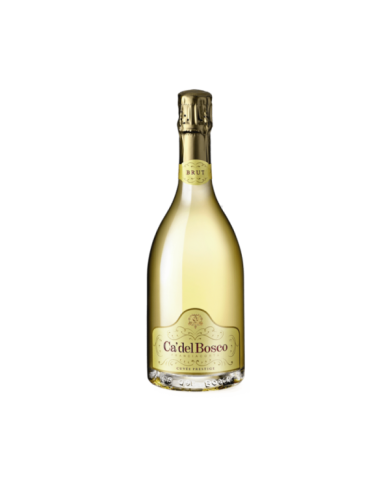
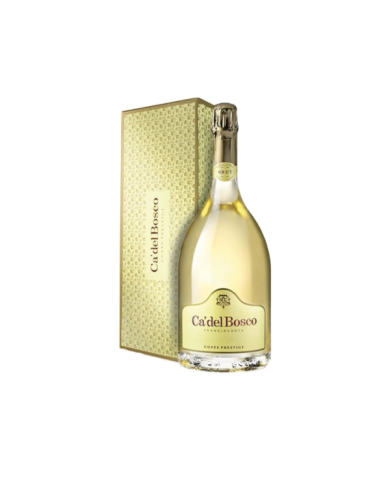
CUVÉE PRESTIGE Identity. A virtue that is found in the etymology of an ancient word: idem, or to be the same. Cuvée Prestige, the essence of Franciacorta, in the Ca 'del Bosco style. A jewel born in 2007 from thirty years of experience. Only the best Chardonnay (75%), Pinot Nero (15%) and Pinot Bianco (10%) grapes from 134 vineyards, vinified separately and wisely blended with reserves of the most beautiful vintages (at least 20%) enter the magical rite of Cuvée Creation . It will take 28 months of aging on the lees before this wine is ready to express all its richness and identity. A classic Franciacorta, balanced, pleasantly fresh and crunchy. Perfect for any occasion.
€88.19
SKU:
18723
Brand:
Cà del Bosco
Identity. Virtue written in the etymology of an ancient term: idem, or being oneself. Cuvée Prestige, the essence of Franciacorta in the Ca 'del Bosco style. A jewel born in 2007 from thirty years of knowledge. Only the best selections of Chardonnay, Pinot nero and Pinot bianco grapes from the best vineyards are vinified separately and wisely assembled to the reserves of the best vintages (at least 20%), in the magical rite of creating the Cuvée. Only after at least 24 months of aging on the lees this wine will be able to express its richness and identity. A classic Franciacorta, balanced, pleasantly fresh and acidulous. Perfect for any occasion.
€88.19
SKU:
18700
Brand:
Carpineto
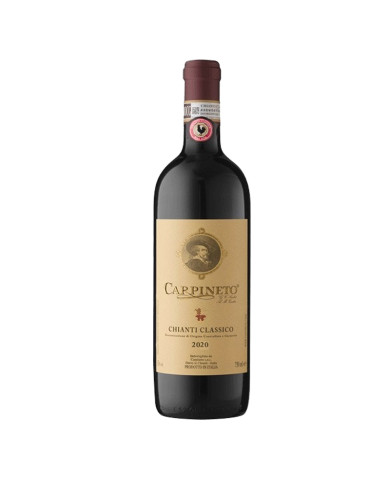
Produced in the oldest production area, as stated in the disciplinary that regulates it, this area gave its name to the wine and is the only one where Chianti Classico is produced. It extends between Florence and Siena in a territory of breathtaking beauty, made up of villages perched on the top of the hills, of olive trees cultivated in steep fields with an irregular outline and of cypresses lined up to delimit the innumerable dirt roads.
€111.18
SKU:
18672
Brand:
Produttori di Manduria
Colore: rosso rubino con nuance granate.
Profumo: naso intenso ed elegante con evidenti sentori di frutta scura matura ciliegia prugna spezie dolci come lo zenzero e l'anice in equilibrata fusione con accennate note tostate di legno.
Sapore: secco e corposo accarezza morbidamente il palato con buona consistenza e tannino elegante accompagnato da una piacevole ed armonica freschezza. Finale speziato piuttosto lungo ed ampio.
€77.64
SKU:
18671
Brand:
Produttori di Manduria
Colore: rosso rubino con nuance granate. Profumo: naso intenso ed elegante con evidenti sentori di frutta scura matura ciliegia prugna spezie dolci come lo zenzero e l'anice in equilibrata fusione con accennate note tostate di legno. Sapore: secco e corposo accarezza morbidamente il palato con buona consistenza e tannino elegante accompagnato da una piacevole ed armonica freschezza. Finale speziato piuttosto lungo ed ampio.
SKU:
18670
Brand:
Produttori di Manduria
Colore: rosso rubino con nuance granate.
Profumo: naso intenso ed elegante con evidenti sentori di frutta scura matura ciliegia prugna spezie dolci come lo zenzero e l'anice in equilibrata fusione con accennate note tostate di legno.
Sapore: secco e corposo accarezza morbidamente il palato con buona consistenza e tannino elegante accompagnato da una piacevole ed armonica freschezza. Finale speziato piuttosto lungo ed ampio.
€42.02
SKU:
18668
Brand:
Produttori di Manduria
Colore: rosso rubino con nuance granate. Profumo: naso intenso ed elegante con evidenti sentori di frutta scura matura ciliegia prugna spezie dolci come lo zenzero e l'anice in equilibrata fusione con accennate note tostate di legno. Sapore: secco e corposo accarezza morbidamente il palato con buona consistenza e tannino elegante accompagnato da una piacevole ed armonica freschezza. Finale speziato piuttosto lungo ed ampio.
€128.38
SKU:
18667
Brand:
Produttori di Manduria
Di colore rosa tenue, presenta una spuma soffice e perlage fine e persistente. Naso elegante, fragrante e fruttato, con sottili sfumature di lievito e crosta di pane. Fine, fresco ed elegante con un'acidità eccezionale, ben bilanciata da un corretto dosaggio.
€36.97
SKU:
18664
Brand:
Produttori di Manduria
Colore giallo tenue con riflessi verdolini. Perlage calibrato, fine e persistente. Al naso colpiscono subito intensi e variegati profumi di melone cantalupo, pesca bianca, mela verde, glicine, fiori d’arancio, fragrante crosta di pane con note delicate di nocciola. Palato fine e vivace, freschissimo, sapido e cremoso. Finale appagante e setoso.
€36.97
SKU:
18663
Brand:
Produttori di Manduria
Colore giallo tenue con riflessi verdolini. Perlage calibrato, fine e persistente. Al naso colpiscono subito intensi e variegati profumi di melone cantalupo, pesca bianca, mela verde, glicine, fiori d’arancio, fragrante crosta di pane con note delicate di nocciola. Palato fine e vivace, freschissimo, sapido e cremoso. Finale appagante e setoso.
€36.97
SKU:
18658
Brand:
Produttori di Manduria
Colore: rosso rubino intenso. Profumo: naso elegante con decisa componente fruttata a base di more selvatiche prugne secche lamponi in confettura e mirtilli. Noce moscata vaniglia e chiodi di garofano anticipano timbri di erbe aromatiche e cuoio. Sbuffi di mandorla tostata e petali di viola appassiti affiancano sentori di sottobosco. Sapore: acidità brillante e tannini asciutti accompagnano fino in fondo donandogli una perfetta chiusura. Persistente.
€62.40
SKU:
18653
Brand:
Produttori di Manduria
Colore: rosa corallo intenso brillante e luminoso anticipa la buona struttura del vino. Profumo: accattivante al naso con note intense di ciliegie fresche melagrana mela rossa fragoline di bosco e lampone arricchite da piacevoli sbuffi minerali. Sapore: succoso e fresco al palato ben strutturato croccante sapido in fondo tanta succosa acidità finale lungo.
SKU:
18609
Brand:
Domini Veneti
Vino rosso secco che si caratterizza per il suo bel colore rosso rubino e il profumo fine e fruttato. Al palato si presenta caldo, corposo, persistente, con tannini vivaci e retrogusto di frutta secca, noci e mandorle tostate.
€62.71
SKU:
18607
Brand:
Domini Veneti
Vino rosso secco dalla straordinaria forza, di colore denso e granato e dal profumo intenso e fruttato.
Il sapore è di grande struttura e morbidezza, con retrogusto di frutta secca e tostatura, ideale abbinamento con la selvaggina, carne alla brace, brasati e formaggi stagionati. Accompagna ottimamente la conversazione a fine pasto.
€90.69
SKU:
18583
Brand:
Villa Medoro
Montepulciano d Abruzzo Villa Medoro presents itself to the eye with a ruby red color with orange reflections, from the glass it releases a wide range of aromas, from wild black cherry to floral nuances of dried violet, aromatic herbs, locust beans and chocolate. In the mouth it glides powerful and warm, rightly tannic, with a pleasantly almondy finish.
€19.51
SKU:
18468
Brand:
Domaine Gautheron
Sotto il suo vestito chiaro, pallido oro o oro verde, questo bianco esprime un naso molto fresco, vivace e minerale insostituibile con terrine di pesce e pollame, nonché pesce alla griglia. Ma anche su asparagi, così difficili da domare, per non parlare della cucina esotica, curry e altri piatti tandoori. Grandioso semplicemente come aperitivo.
€39.90
€50.75
€33.78
SKU:
18425
Brand:
Tenuta San Guido
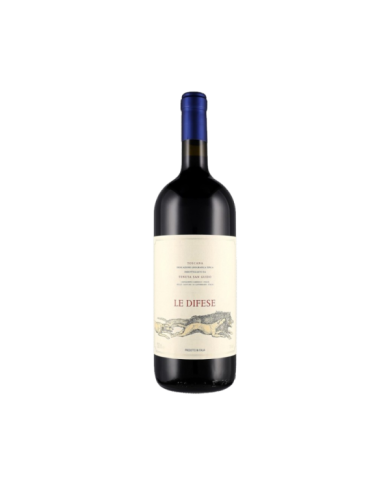
Le Difese is a full-bodied red wine with a Bordeaux style but with a Tuscan soul: a combination of Cabernet Sauvignon and Sangiovese, aged in barrique for 12 months. It is soft, round, elegant and velvety, animated by a balanced freshness and hints of cherries, chocolate, aromatic herbs and sweet spices
€64.90
€53.12
SKU:
18422
Brand:
Campo al Faro
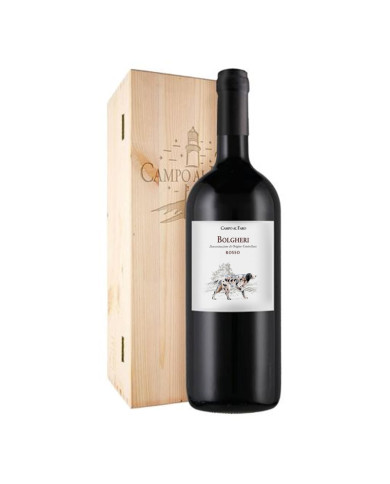
The Bolgheri Superiore di Campo al Faro was born in Castagneto Carducci, in the heart of the magical Bolgheri terroir. The Cabernet Sauvignon and Merlot grapes that make up the blend are hand selected. Fermentation takes place in steel tanks with temperature control and long maceration on the skins.
€59.90
SKU:
18347
Brand:
San Leonardo
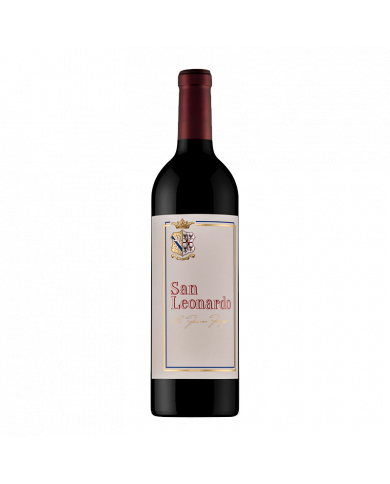
Wine symbol of the estate, it has its roots in its millenary history. A classic Bordeaux cut of aristocratic elegance and extraordinary longevity.
€206.67
SKU:
18302
Brand:
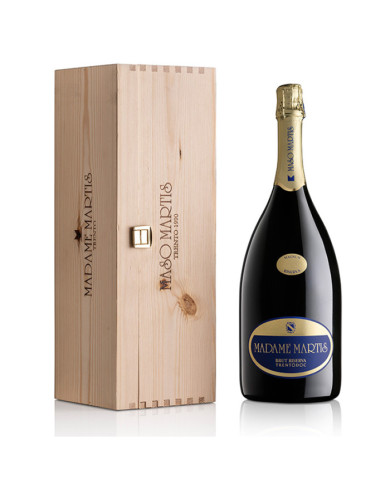
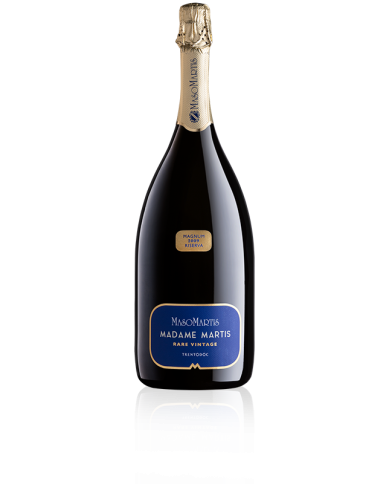
Maso Martis
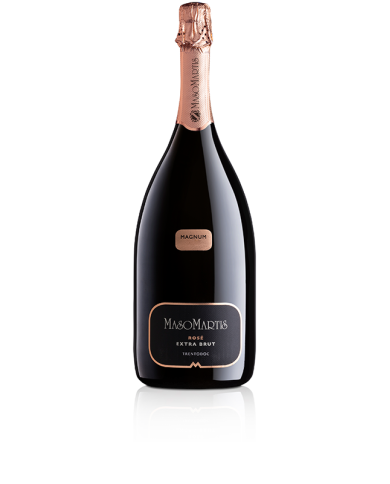
There are only 100 bottles of this exceptional 2009 vintage classic method, which the company wanted to produce with its own best grapes, combining the elegance of Pinot Noir with the fragrance of Chardonnay and the softness of Meunier. "Madame Martis" is the successful synthesis of the precious elements that have always characterized the harmonious and decisive style of Maso Martis sparkling wines.
€290.90
€76.01
SKU:
18291
Brand:
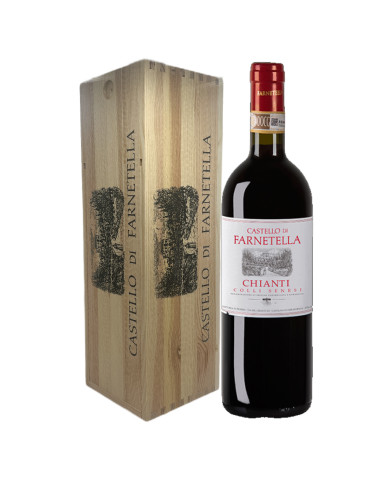
Castello di Farnetella
Da uve in prevalenza Sangiovese, selezionate a Farnetella, nel comune di Sinalunga, a sud-est di Siena e a nord-ovest di Montepulciano. I vigneti, quasi interamente orientati a sud ovest, si trovano su un altopiano ben esposto e ventilato ad altezze diverse comprese tra i 220 e i 560 mt slm. I terreni sono costituiti da sabbie stratificate e limo con modesta presenza di argilla e una più̀ diffusa componente sassosa e calcarea.
€18.18
SKU:
18211
Brand:
Donnachiara
Pigiatura delle uve che vengono subito raffreddate a 10 °C per 4-6 ore. Successiva pressatura soffice con decantazione statica. Fermentazione in tini di acciaio a 14-16°C per 15 gg. Fermentazione malottica non svolta.
Le uve utilizzate per produrre questa falanghina provengono dal cuore del Taburno.
€33.67
SKU:
18210
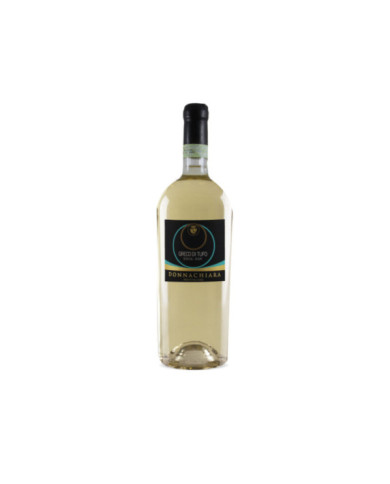
Brand:
Donnachiara
Il Greco di Tufo è un bianco immediato nell’approccio aromatico di frutta gialla matura e succosa, seguito da sensazioni di cedro e una bocca cremosa, dal sapore ben prolungato da sensazioni di anice e menta.
€47.09
SKU:
18209
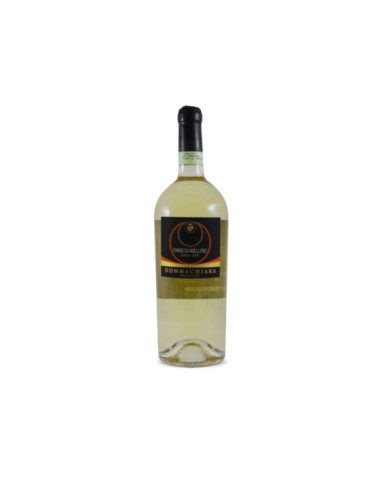
Brand:
Donnachiara
“L’uva della api”: il Fiano di Avellino DOCG è un vino adatto a piatti di mare gustosi che ricordano le sensazioni minerali del mare.
Ottimo con granchi e aragoste rispecchia questa considerazione tanta è la piacevolezza nel riscoprire gli odori che si avvertono nel passeggiare tra i filiari di fiano a Montefalcione, culla di origine di quest’uva.
€47.09
SKU:
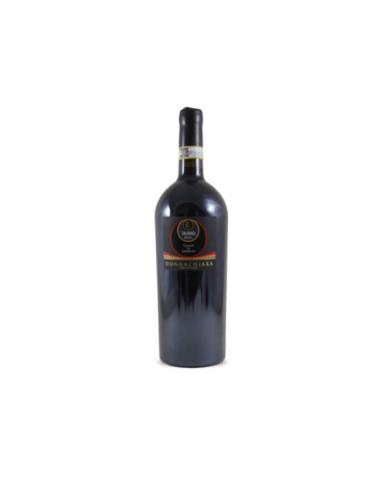
18208
Brand:
Donnachiara
Raccolta manuale di grappoli, dopo spremitura il mosto è subito avviato alla fermentazione alcolica in fermentini di acciaio termocondizionati.
La macerazione post fermentazione sulle bucce per questo importante vino è di 15 gg. Fermentazione malolattica interamente svolta in barriques.
€74.30
€28.02
SKU:
18146
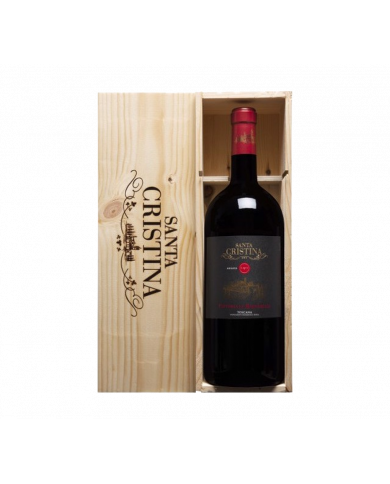
Brand:
Santa Cristina
Fattoria Le Maestrelle has a ruby red color with violet reflections. The nose is intense and complex, the notes of vanilla and coffee stand out well in harmony with the typical aromas of mint and cocoa of Merlot and the sensations of red fruit characteristic of Sangiovese and Syrah. On the palate it is balanced, tasty, soft and with a complex finish that recalls the olfactory notes.
€24.08
SKU:
18145
Brand:
Cantina Marchesi Antinori
Cortona Syrah Achelo La Braccesca dei Marchesi Antinori was born in the homonymous estate, located on the Sienese hills. It is produced exclusively with Syrah grapes, harvested in mid-September. Fermentation takes place in stainless steel tanks at a controlled temperature of 28 ° C for 10 days. Subsequently the wine partially ages in barriques and steel tanks for about 7 months, before being bottled.
€34.04
SKU:
18106
Brand:
Quintarelli
€1,554.28
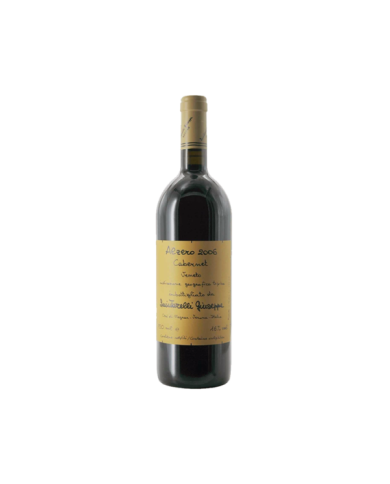
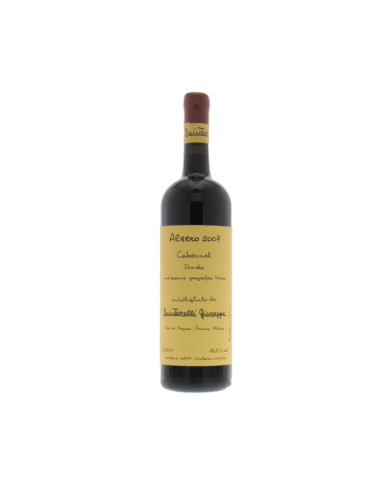
Alzero is an IGT appellation wine produced in Veneto by the renowned Giuseppe Quintarelli farm. The Alzero IGP Veneto red wine is one of the best red wines in Italy and in the world, a Venetian masterpiece that comes from Cabernet Franc, Cabernet Sauvignon and Merlot grapes .
€1,554.28
SKU:
18105
Brand:
Quintarelli
Alzero is an IGT appellation wine produced in Veneto by the renowned Giuseppe Quintarelli farm. The Alzero IGP Veneto red wine is one of the best red wines in Italy and in the world, a Venetian masterpiece that comes from Cabernet Franc, Cabernet Sauvignon and Merlot grapes .
€745.42
SKU:
18103
Brand:
Quintarelli
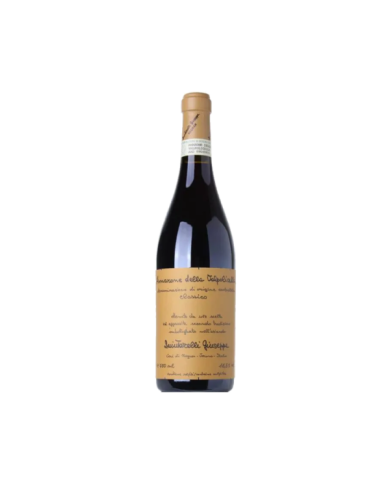
It is certainly one of the best, most interesting, complex, expensive and sought after amaroni of the whole denomination. For this wine the components of time and patience are fundamental.The grapes, which are harvested manually, are placed in wooden boxes and on racks to dry until the end of January. At this point, they can be pressed and fermentation begins, which lasts about forty-five days. The wine ages for about seven years in medium-small Slavonian oak barrels. The perfume is of an incredible aromatic complexity, there are no words to explain the sensations it gives to the palate, it is absolutely necessary to experience them! If you want to taste one of the best wines in the world, buy a bottle of great value that can enrich your cellar for many years, or even make a crazy gift, this is the bottle for you!
€2,537.60
SKU:
18102
Brand:
Quintarelli
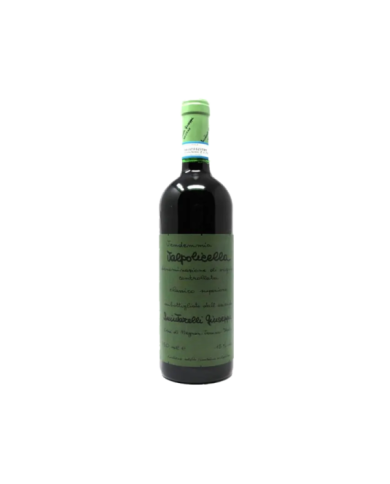
Great Valpolicella wine, produced by one of the most representative companies. Obtained half from grapes dried in boxes for a couple of months and half from "fresh" grapes. It is a wine with great aging potential, which spends six years in large Slavonian oak barrels to reach its complete maturation, before being bottled. If you want to have a red wine of great prestige and rarity in the cellar, you are in front of the right choice!
€247.66
SKU:
18096
Brand:
Quintarelli
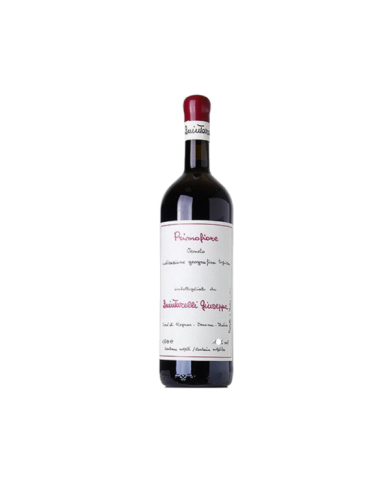
Cabernet Franc and Cabernet Sauvignon, Corvina and Corvinone: international vines and native vines blend harmoniously in the Primofiore Veneto Igt Quintarelli , a complex and elegant red perfumed with violets and red fruits, slightly spicy on the finish, vinified after the ritual drying of the grapes and aged for one year in Slavonian oak barrels. From Quintarelli still an admirable expression of tradition and modernity, which is the essence of this company, one of the most famous and celebrated in the world
€140.00
SKU:
18095
Brand:
Quintarelli
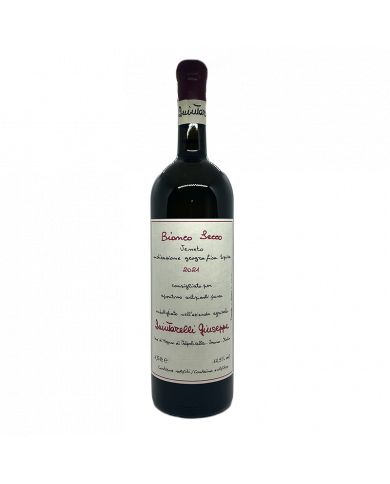
The history and skill that made Amarone and Quintarelli red wines famous throughout the world are also present in the Bianco Secco Igt, a blend obtained from the Garganega, Trebbiano Toscano, Sauvignon Blanc, Chardonnay and Saorin varieties. The vinification and aging take place in glass and steel, where the wine ages on natural yeasts until it reaches a beautiful complexity and a considerable structure. Golden to the eye, scented with summer fruits and spring flowers, fragrant and persistent on the palate, it is the white wine that adds a touch of class to an aperitif and to a menu based on fish, vegetables and white meats.
€87.23
SKU:
18089
Brand:
Fattoria Felsina
The history of Chardonnay di Fèlsina began in the eighties, from grafts of French clones in the vineyards owned by the nearby Tenuta di Farnetella.
€46.12
SKU:
18088
Brand:
Fattoria Felsina
The grapes come from the Rancia Piccola and Poggiolo vineyards, the former also called del Maestro Raro, adjacent and with characteristics similar to that of Rancia.
€128.10
SKU:
18086
Brand:
Fattoria Felsina
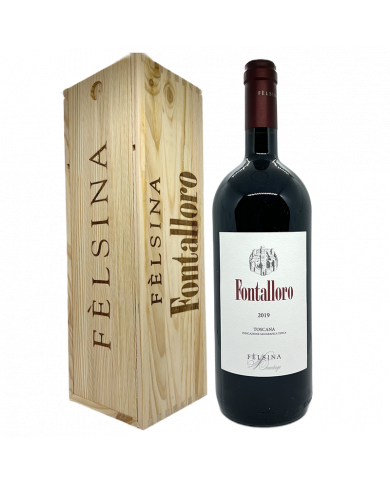
Fontalloro della Fattoria di Felsina is a Tuscan red wine based on Sangiovese, considered an unmistakable territorial brand. The complex aromatic profile is drawn by dark shades of blackberry, licorice and black pepper with light hints of tobacco. The body is powerful and structured, with well integrated tannins and a finish with a pleasant aftertaste.
€143.47
€31.13
€39.20
€39.20
€39.20
SKU:
17935
Brand:
Rosarubra
From an overripe harvest of Montepulciano and Merlot grapes , a wine with a sumptuous fragrance combined with an extraordinary softness is born. The residual sugar resulting from the partial drying of the bunch on vines over 30 years of age, blends with an elegant concentration of extractive elements that recall morello cherry, plum and red fruits, revealing a harmoniously balanced tannin. Its essence fascinates the palate offering sensations of aromatic fullness and fruit integrity. \ n \ nAn important, round, extremely pleasant wine, to combine with complex dishes or to sip in deep meditations.
€65.10
€229.80
SKU:
17897
Brand:
Massolino
Barolo Massolino represents the synthesis of the different characteristics that each terroir offers. The company has always favored the traditional aging in large Slavonian oak barrels to maintain a purer and more pure identity. Wide and variable range of perfumes, surprising expressive evolution over time.
SKU:
17824
Brand:
Di Majo Norante
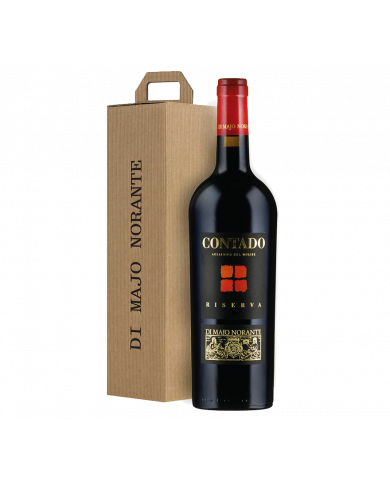
The Contado is obtained from the vinification in purity of Aglianico grapes grown on the hills of Molise in the Camarda vineyard. Vinified in small steel fermenters with long maceration. The wine is aged for about three years, one of which in barriques and tonneaux.
€30.15
SKU:
17814
Brand:
Nestore Bosco
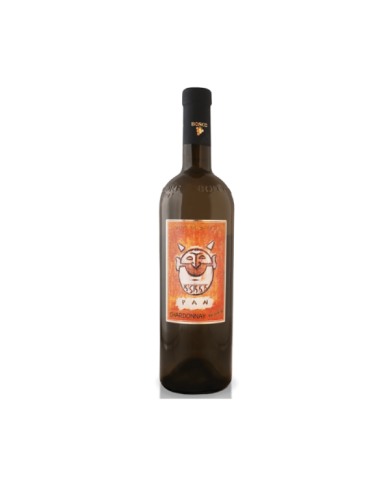
Ranked among the top 10 wines of this region by number of awards won: the 2006 vintage was awarded the gold of Chardonnay-du-Monde. One of the best IGT wines from the Pescaresi Hills that people are looking for. This producer produces a wide range of wines, including those from Trebbiano (Ugni Blanc), Rare White Blend, Montepulciano, Rare Rose Blend, Cabernet - Montepulciano and Pecorino grapes.
SKU:
17813
Brand:
Nestore Bosco
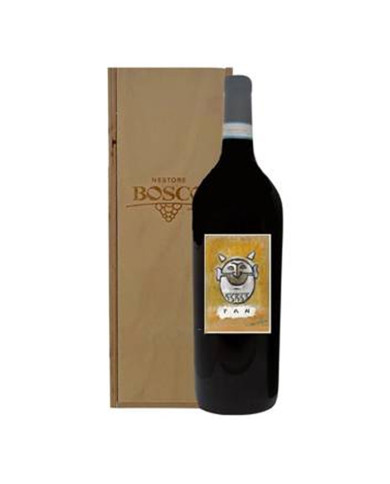
Montepulciano d'Abruzzo 100% This is a Riserva The 2012 vintage was awarded bronze by the International Wine Challenge.
This is above average popularity for Montepulciano d'Abruzzo wines. Interest in this wine has decreased compared to previous years. This is among the most expensive Montepulciano d'Abruzzo wines. The price has remained stable over the past year.
€56.00
SKU:
17755
Brand:
Girolamo Russo
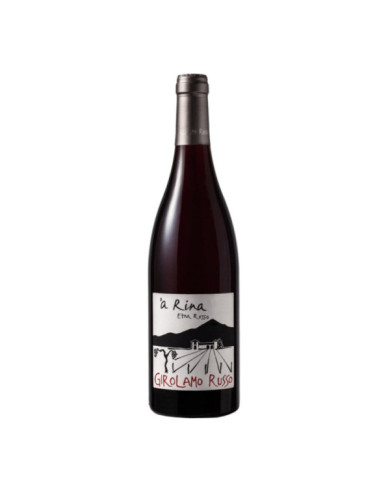
Etna Rosso "A' Rina" is a soft and structured wine, enveloping and complex, aged in second and third passage barriques for 12 months. Elegant notes of ripe red fruit, cherries, leather and tobacco best express the terroir of the great Sicilian mountain
€60.98
SKU:
17752
Brand:
Cantina Marchesi Antinori
THE RED OF CASA ANTINORI IN THE LARGE FORMAT Villa Antinori , one of the best known and appreciated labels by the general public, is also offered in the Magnum version, more suited to aging and to make a good impression on the table. Sangiovese stands out in its blend with 55% followed by Cabernet Sauvignon with 25%, Merlot with 15% and Syrah with 5%. With the appropriate winemaking techniques all the aromatic and coloring substances have been extracted from these grapes. The consequent assembly and aging in barriques of various origins has given the wine international references and at the same time a strong territorial link that expresses all its "Tuscan character".
€46.12
€54.72
€53.12
SKU:
17737
Brand:
Cantina Marchesi Antinori
Ruby red, intense notes of plum, cherry and raspberry are perceived on the nose, combined with notes of undergrowth and spices. Its roundness and thickness stand out on the palate. A wine of great pleasure and depth, characterized by an exuberant fruit aftertaste. For the whole meal, it goes well with rich first courses typical of Tuscan cuisine. Try it with a pasta with sausages.
€102.48
SKU:
17734
Brand:
Cantina Marchesi Antinori
The Chianti Classico Riserva "Villa Antinori " is a bursting expression of Tuscany and is aged for 24 months in wooden barrels. Complex, intense and rich on the nose. Elegant, full-bodied and structured on the palate. Here proposed in an elegant wooden box, ideal for a gift!
€55.02
SKU:
17720
Brand:
Tenuta San Guido
Le Difese is a full-bodied red wine with a Bordeaux style but with a Tuscan soul: a combination of Cabernet Sauvignon and Sangiovese, aged in barrique for 12 months. It is soft, round, elegant and velvety, animated by a balanced freshness and hints of cherries, chocolate, aromatic herbs and sweet spices
€74.90
SKU:
17718
Brand:
Tenuta San Guido
Guidalberto is an elegant and intense red wine, born from the desire to produce a younger wine than Sassicaia, also using Merlot grapes. After 15 months of aging in barrique it is expressed in a bouquet of berries, coffee, spices and Mediterranean scrub. On the palate it is fruity, full, solid and persistent.
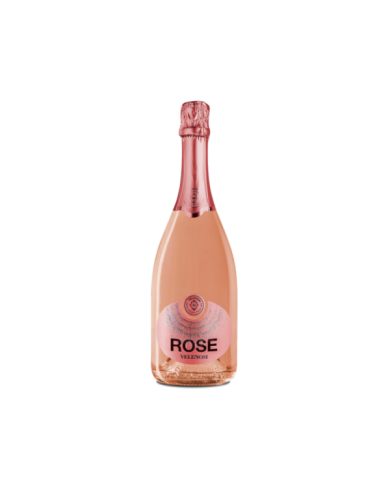
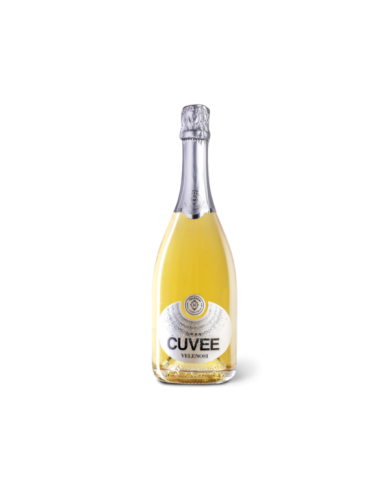
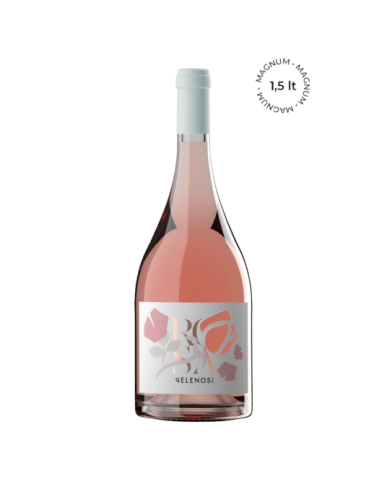
SKU:
17705
Brand:
Velenosi
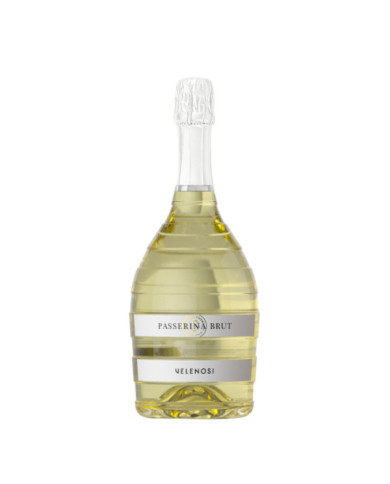
Giallo luminoso con riflessi argentati. Perlage fine e persistente. Intense ed eleganti nuance di frutta bianca e cedro con finissime note floreali e fragranti del fiore d’acacia. Freschezza e sapidità in grande evidenza. Intensi profumi di fiori bianchi, delicate note di pomacee, vivaci sensazioni agrumate, piacevolmente contrastate dalla morbidezza e dallo stuzzicante petillant. Ottima persistenza con gradevole corrispondenza gusto-olfattiva.
€31.35
SKU:
17704
Brand:
Velenosi
Zona di produzione Vigneti di proprietà situati nei Comuni di Ascoli Piceno
Vitigno Pinot Nero 90%; Chardonnay 10%
Grado alcolico 12.5% VOL
€43.07
SKU:
17703
Brand:
Velenosi
Giallo paglierino con evidenti riflessi dorati, brillante, dal pèrlage a grana fine e persistente.
Intenso, fine e complesso, con sentori di crosta di pane, ribes bianco ed uva spina, connubio di freschezza e profondità.
Morbido, dalla spiccata vena sapida. Le note fresche e fruttate, dal gusto ricco e suadente, accompagnate dal fine perlage, contribuiscono a definire il suo carattere di grande complessità e persistenza gusto olfattiva.
€42.21
SKU:
17702
Brand:
Velenosi
Zona di produzione Vigneti di proprietà situati nei Comuni di Offida e Castel di Lama
Uvaggio Montepulciano 85%, Cabernet, Sauvignon 8%, Merlot 7%
Grado alcolico 14.5% VOL
SKU:
17701
Brand:
Velenosi
Rosso rubino vivo e brillante con lievi riflessi granati.
Naso intenso e complesso, con sentori di frutti maturi, prugna e ciliegia che, intensi, si aprono su un bouquet di spezie e fiori dal fascino straordinario.
Di grande carattere ed essenza. Vellutato nella polpa e possente nella trama, giustamente tannico, fruttato e speziato. Il suo sapore è caldo, persistente, corposo ed armonico.
SKU:
17700
Brand:
Velenosi
Rosso rubino vivo e brillante con lievi riflessi granati.
Naso intenso e complesso, con sentori di frutti maturi, prugna e ciliegia che, intensi, si aprono su un bouquet di spezie e fiori dal fascino straordinario.
Di grande carattere ed essenza. Vellutato nella polpa e possente nella trama, giustamente tannico, fruttato e speziato. Il suo sapore è caldo, persistente, corposo ed armonico.
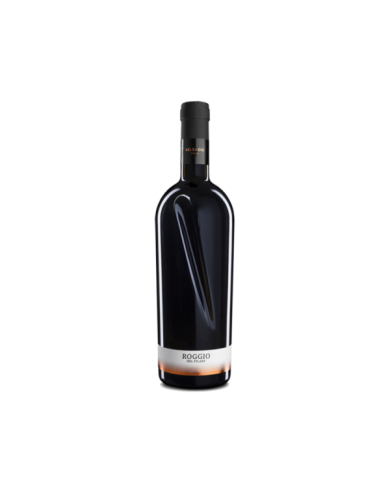
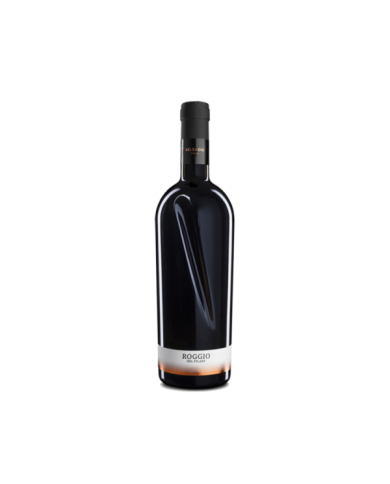
€76.74
SKU:
17699
Brand:
Velenosi
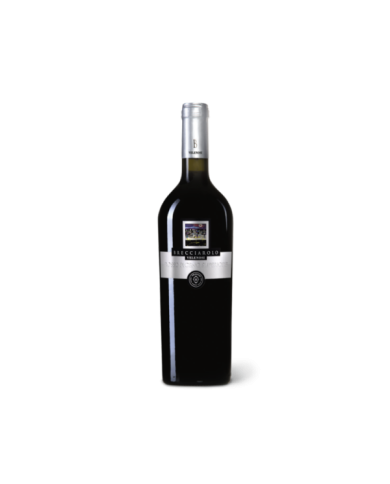
Il“Brecciarolo” Rosso Piceno Superiore viene realizzato dalla cantina Velenosi partendo da un 70% di Montepulciano a cui si aggiunge un 30% di Sangiovese. Le viti di queste due varietà crescono nei vigneti situati nei pressi dei comuni di Offida e Ascoli Piceno, a circa 200-300 metri sul livello del mare.
SKU:
17698
Brand:
Velenosi
Il“Brecciarolo” Rosso Piceno Superiore viene realizzato dalla cantina Velenosi partendo da un 70% di Montepulciano a cui si aggiunge un 30% di Sangiovese. Le viti di queste due varietà crescono nei vigneti situati nei pressi dei comuni di Offida e Ascoli Piceno, a circa 200-300 metri sul livello del mare.
SKU:
17697
Brand:
Velenosi
Il“Brecciarolo” Rosso Piceno Superiore viene realizzato dalla cantina Velenosi partendo da un 70% di Montepulciano a cui si aggiunge un 30% di Sangiovese. Le viti di queste due varietà crescono nei vigneti situati nei pressi dei comuni di Offida e Ascoli Piceno, a circa 200-300 metri sul livello del mare.
SKU:
17696
Brand:
Velenosi
Il“Brecciarolo” Rosso Piceno Superiore viene realizzato dalla cantina Velenosi partendo da un 70% di Montepulciano a cui si aggiunge un 30% di Sangiovese. Le viti di queste due varietà crescono nei vigneti situati nei pressi dei comuni di Offida e Ascoli Piceno, a circa 200-300 metri sul livello del mare.
SKU:
17695
Brand:
Velenosi
Il“Brecciarolo” Rosso Piceno Superiore viene realizzato dalla cantina Velenosi partendo da un 70% di Montepulciano a cui si aggiunge un 30% di Sangiovese. Le viti di queste due varietà crescono nei vigneti situati nei pressi dei comuni di Offida e Ascoli Piceno, a circa 200-300 metri sul livello del mare.
SKU:
17694
Brand:
Velenosi
Zona di produzione Vigneti situati nel Comune di Controguerra
Vitigno Montepulciano d’Abruzzo 100%
Grado alcolico 13,50% VOL
Prima Vendemmia imbottigliata 2005
SKU:
17693
Brand:
Velenosi
Zona di produzione Vigneti situati nel Comune di Controguerra
Vitigno Montepulciano d’Abruzzo 100%
Grado alcolico 13,50% VOL
Prima Vendemmia imbottigliata 2005
SKU:
17692
Brand:
Velenosi
Zona di produzione Vigneti di proprietà siti nel comune di Controguerra
Uvaggio Montepulciano 100%
Grado alcolico 14,5% VOL
€96.99
SKU:
17691
Brand:
Velenosi
Zona di produzione Vigneti di proprietà situati nei Comuni di Offida e Castel di Lama
Uvaggio Montepulciano 85%, Cabernet, Sauvignon 8%, Merlot 7%
Grado alcolico 14.5% VOL
€78.20
SKU:
17690
Brand:
Velenosi
Rosso rubino vivo e brillante con lievi riflessi granati.
Naso intenso e complesso, con sentori di frutti maturi, prugna e ciliegia che, intensi, si aprono su un bouquet di spezie e fiori dal fascino straordinario.
Di grande carattere ed essenza. Vellutato nella polpa e possente nella trama, giustamente tannico, fruttato e speziato. Il suo sapore è caldo, persistente, corposo ed armonico.
€76.62
SKU:
17689
Brand:
Velenosi
Zona di produzione Vigneti di proprietà situati nei comune di Offida, Ascoli Piceno e Castel di Lama
Vitigno Montepulciano 70%, Sangiovese 30%
Grado alcolico 14% VOL
€34.65
SKU:
17688
Brand:
Velenosi
Zona di produzione Vigneti situati nel Comune di Controguerra
Vitigno Montepulciano d’Abruzzo 100%
Grado alcolico 13,50% VOL
€16.47
SKU:
17687
Brand:
Velenosi
Rosa quarzo brillante. Intenso, il primo impatto è floreale con sentori di rosa e viola, con note di piccoli frutti rossi. Buona la struttura tipica del vitigno di origine, spicca di piacevole freschezza e intensa mineralità.
€23.30
SKU:
17686
Brand:
Velenosi
Il Pecorino "Réve di Villa Angela" è un vino bianco dal sorso avvolgente, fresco e sapido che nasce sui suoli sabbiosi di Offida. Il ventaglio olfattivo verte su toni erbacei, fruttati e floreali con leggere sensazioni vaniglia. Il sapore è avvolgente e rotondo, dotato di una intensa e pregevole freschezza marina
€41.48
SKU:
17685
Brand:
Velenosi
Giallo paglierino intenso e lucente.
Bouquet complesso, elegante e armonico, con sentori di frutta esotica e agrumi. Floreale di biancospino, fiori d’acacia, gelsomino e sentori di erbe aromatiche. Una grande freschezza esalta le caratteristiche degli aromi varietali.
Acidità, freschezza e morbidezza convivono in un sorso appagante lungo ed elegante.
€28.91
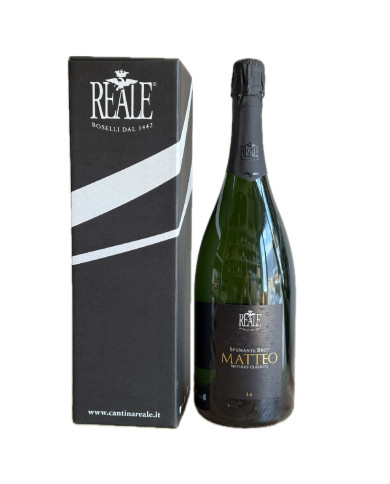
SKU:
17631
Brand:
Cantina Reale
It is an excellent wine obtained from the early harvest of Chardonnay and Pinot Nero grapes.
At the end of the natural fermentation in the bottle (36 months) we obtain an elegant wine with a fine perlage, a yellow color with golden reflections, a delicate, characteristic, fruity aroma, a savory, soft, full flavor.
Recommended with: capunsèi, risotto, pumpkin tortelli, fish and shellfish, white meats and semi-aged cheeses.
€47.48
SKU:
17577
Brand:
Boutique Winery
100% Solaris, attenta scelta dei migliori grappoli vendemmiati in piccole cassette da 10 kg. Pressatura soffice e fermentazione in acciaio inox per 15 giorni, affinamento sulle fecce fini per un periodo di 9 mesi in barrique di rovere francese di secondo passaggio.
Giallo dorato intenso e brillante
€88.94
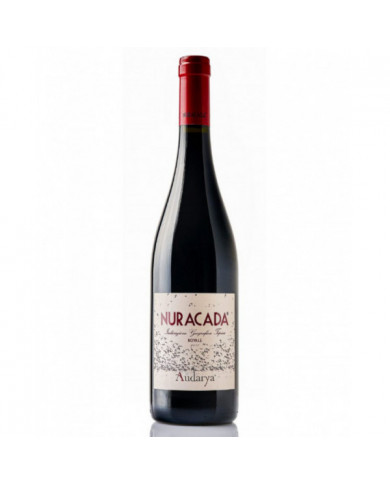
SKU:
17572
Brand:
Audarya
It has a taste of history and centuries, a scent of the peoples who have passed here, with notes of passion, will and respect. - Nuracada IGT Bovale Audarya.
€94.89
SKU:
17571
Brand:
Audarya
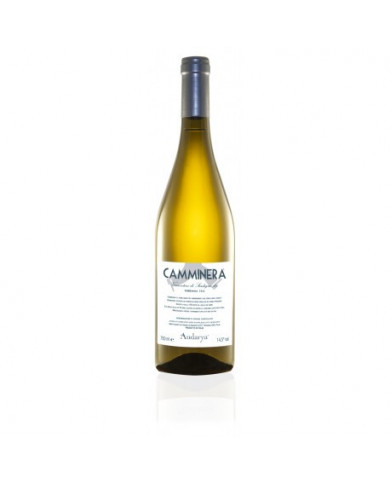
Vermentino di Sardegna Camminera Audarya: “Sa Camminera” is the walkway that runs along the vineyards. For some, certainly for us, it is the gateway to a magical world. Our Vermentino di Sardegna is also called Camminera, obtained from selected grapes from our best vineyards, selected for the characteristics and exposure of the soil.
€58.50
SKU:
17570
Brand:
Audarya
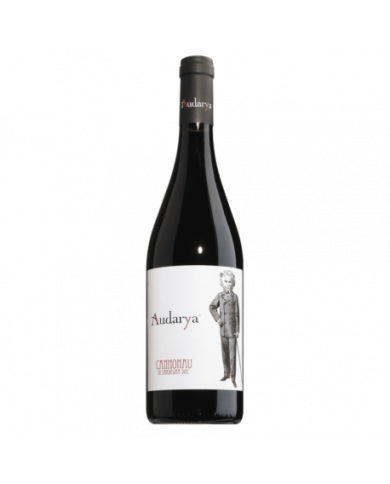
The Cannonau di Sardegna Audarya is a strong and elegant DOC wine, obtained with only Cannonau grapes from the vineyards of Ussana, in the Cagliari area.
€54.60
SKU:
17569
Brand:
Audarya
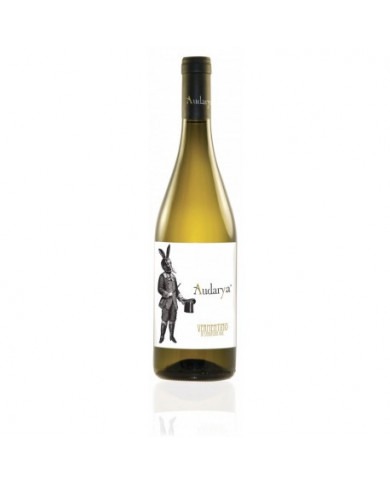
Vermentino di Sardegna Audarya is like reverse magic, in which it is the rabbit who pulls the magician out of the hat and not vice versa
€49.41
SKU:
17469
Brand:
Caccia al Piano
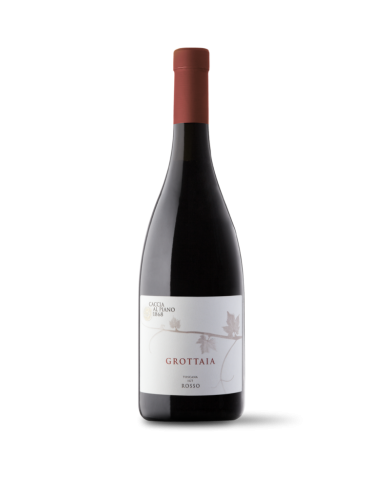
A blend of Cabernet Sauvignon and Merlot from the youngest vineyards located in the flat areas of the company. It is aged exclusively in steel tanks to preserve its fruit, freshness and flavour. The floral motifs and natural colors on the label underline the close link with the Tuscan coast.
€17.56
SKU:
17359
Brand:
Perusini
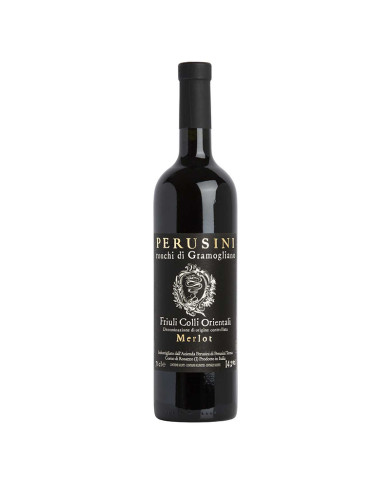
The Merlot Black Label DOC is a Friulian red wine, produced by the Perusini Agricultural Company, located in Corno di Rosazzo in the province of Udine, on the Eastern Friulian hills, it is the symbolic wine of this winery which at its first release obtained the three glasses on the Gambero Rosso guide. The grape that gives rise to this wine is 100% Merlot, obtained with an ancient clone of this vine. The vinification takes place in steel with selected yeasts, followed by 12 months of aging in French oak barriques.
€162.00
SKU:
17358
Brand:
Perusini
The Merlot Black Label DOC is a Friulian red wine, produced by the Perusini Agricultural Company, located in Corno di Rosazzo in the province of Udine, on the Eastern Friulian hills, it is the symbolic wine of this winery which at its first release obtained the three glasses on the Gambero Rosso guide. The grape that gives rise to this wine is 100% Merlot, obtained with an ancient clone of this vine. The vinification takes place in steel with selected yeasts, followed by 12 months of aging in French oak barriques.
€79.06
SKU:
17320
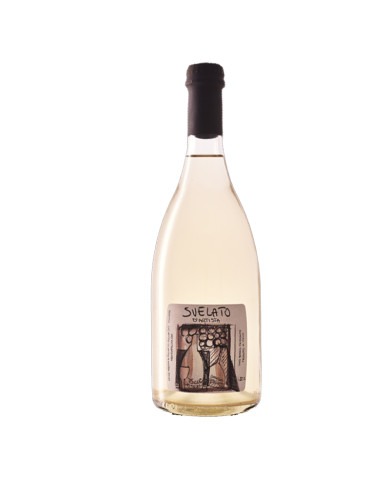
Sparkling wine obtained from a natural refermentation in the bottle according to
local traditional method. Recommended for those seeking the authenticity of the territory of
production
€23.06
SKU:
17138
Brand:
Lammidia
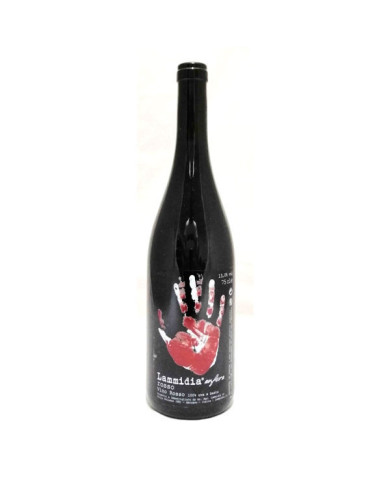
Rosso Anfora di Lammidia is a fresh and compulsively drinkable wine obtained from red grapes. Produced by manually destemming the grapes and pressing them softly with your feet. Fermented spontaneously in amphora in contact with the skins immersed in the must for 10 days. Subsequently the wine refines together with the fine lees for a further 10 months.
€47.09
SKU:
17100
Brand:
Fabrizio Dionisio
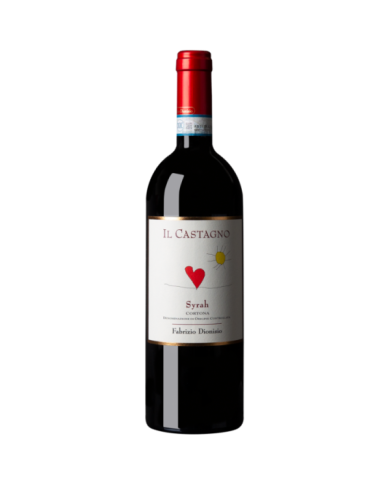
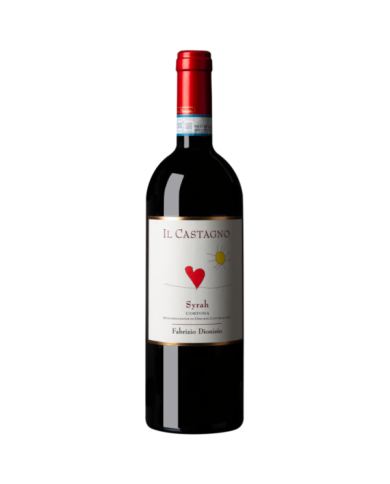
Chestnut is the wine I've always wanted to make, the main wine, in a certain sense the symbol, the icon of our company and, in my heart, of Cortona Syrah. The only wine I made until a few years ago. It is made (like all our wines) only with Syrah grapes grown in our Cortona vineyards, all characterized by very low yields per hectare (maximum 50 quintals from 5,000 plants), rigorously selected, with extreme care, during the entire vintage, in particular before and during the harvest (which for this wine usually takes place in the last ten days of September, in search of perfect phenolic maturity), harvested exclusively by hand in small perforated boxes of 15 kilos each.
€77.84
SKU:
17099
Brand:
Fabrizio Dionisio
Chestnut is the wine I've always wanted to make, the main wine, in a certain sense the symbol, the icon of our company and, in my heart, of Cortona Syrah. The only wine I made until a few years ago. It is made (like all our wines) only with Syrah grapes grown in our Cortona vineyards, all characterized by very low yields per hectare (maximum 50 quintals from 5,000 plants), rigorously selected, with extreme care, during the entire vintage, in particular before and during the harvest (which for this wine usually takes place in the last ten days of September, in search of perfect phenolic maturity), harvested exclusively by hand in small perforated boxes of 15 kilos each.
€67.83
SKU:
16990
Brand:
Perusini
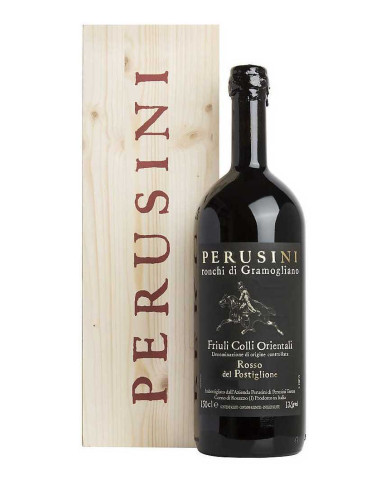
Rosso del Postiglione was produced on a bet in 1962 by Giampaolo Perusini – who already then believed in the possibilities of Friulian reds and blends – immediately won the gold medal at the 1st Corno di Rosazzo Wine Show. Today it is re-proposed in the same blend of merlot and cabernet sauvignon. Passed in French oak barriques and with the same label depicting the Postiglione di Fernet chosen by Giampaolo Perusini - a great horse lover - in 1962.
SKU:
16979
Brand:
Perusini
The Merlot Black Label DOC is a Friulian red wine, produced by the Perusini Agricultural Company, located in Corno di Rosazzo in the province of Udine, on the Eastern Friulian hills, it is the symbolic wine of this winery which at its first release obtained the three glasses on the Gambero Rosso guide. The grape that gives rise to this wine is 100% Merlot, obtained with an ancient clone of this vine. The vinification takes place in steel with selected yeasts, followed by 12 months of aging in French oak barriques.
€44.75
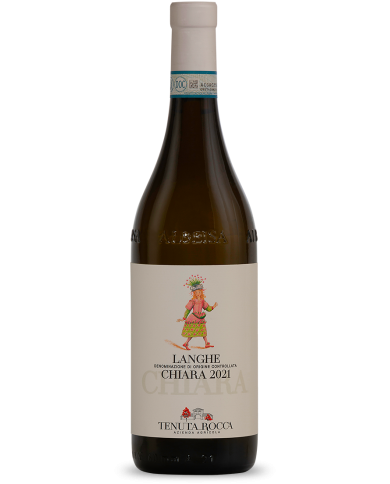
SKU:
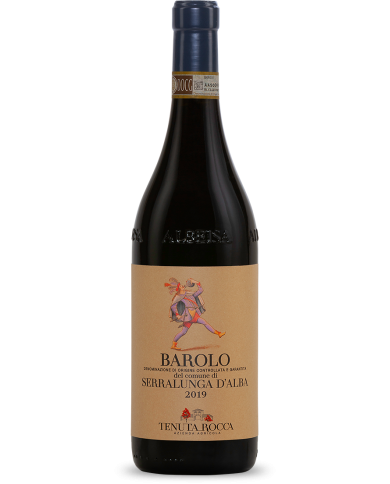
16973
Brand:
Tenuta Rocca
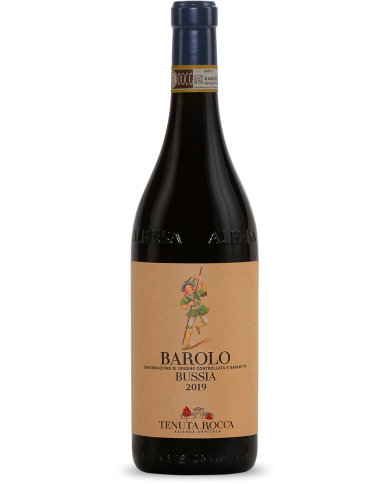
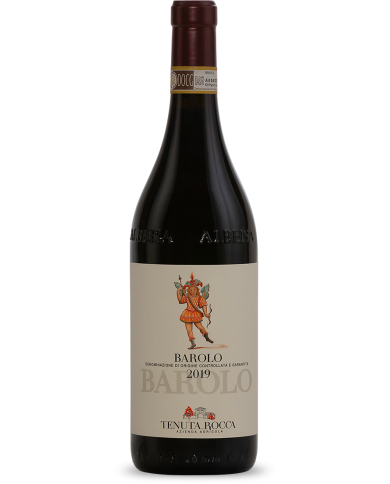
Intense garnet red color with orange reflections. The nose is broad with delicate notes of violet and dog rose, hay and licorice in the background. On the palate the tannin is structured but delicate, tending towards sweet. The intensity of the drink is characterized by the juicy fruit that imprints the memory of the wine.
€391.50
SKU:
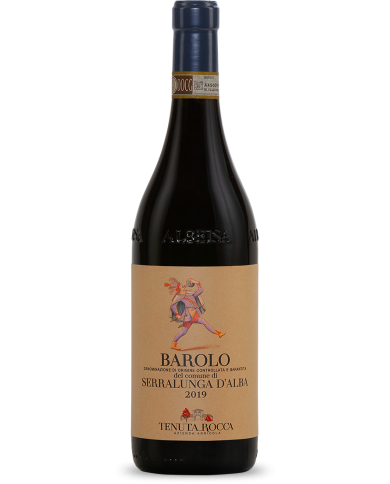
16972
Brand:
Tenuta Rocca
Intense garnet red color with orange reflections. The nose is broad with delicate notes of violet and dog rose, hay and licorice in the background. On the palate the tannin is structured but delicate, tending towards sweet. The intensity of the drink is characterized by the juicy fruit that imprints the memory of the wine.
€175.44
SKU:
16971
Brand:
Tenuta Rocca
Intense garnet red color with orange reflections. The nose is broad with delicate notes of violet and dog rose, hay and licorice in the background. On the palate the tannin is structured but delicate, tending towards sweet. The intensity of the drink is characterized by the juicy fruit that imprints the memory of the wine.
€627.69
SKU:
16970
Brand:
Tenuta Rocca
Intense garnet red color with orange reflections. The nose is broad with delicate notes of violet and dog rose, hay and licorice in the background. On the palate the tannin is structured but delicate, tending towards sweet. The intensity of the drink is characterized by the juicy fruit that imprints the memory of the wine.
€296.95
SKU:
16969
Brand:
Tenuta Rocca
Intense garnet red color with orange reflections. The nose is broad with delicate notes of violet and dog rose, hay and licorice in the background. On the palate the tannin is structured but delicate, tending towards sweet. The intensity of the drink is characterized by the juicy fruit that imprints the memory of the wine.
€573.77
SKU:
16968
Brand:
Tenuta Rocca
Intense garnet red color with orange reflections. The nose is broad with delicate notes of violet and dog rose, hay and licorice in the background. On the palate the tannin is structured but delicate, tending towards sweet. The intensity of the drink is characterized by the juicy fruit that imprints the memory of the wine.
€269.99
SKU:
16967
Brand:
Tenuta Rocca
Intense garnet red color with orange reflections. The nose is broad with delicate notes of violet and dog rose, hay and licorice in the background. On the palate the tannin is structured but delicate, tending towards sweet. The intensity of the drink is characterized by the juicy fruit that imprints the memory of the wine.
€229.48
SKU:
16966
Brand:
Tenuta Rocca
Intense garnet red color with orange reflections. The nose is broad with delicate notes of violet and dog rose, hay and licorice in the background. On the palate the tannin is structured but delicate, tending towards sweet. The intensity of the drink is characterized by the juicy fruit that imprints the memory of the wine.
€432.00
SKU:
16965
Brand:
Tenuta Rocca
Intense garnet red color with orange reflections. The nose is broad with delicate notes of violet and dog rose, hay and licorice in the background. On the palate the tannin is structured but delicate, tending towards sweet. The intensity of the drink is characterized by the juicy fruit that imprints the memory of the wine.
€202.52
SKU:
16964
Brand:
Tenuta Rocca
Intense, lively and brilliant garnet red colour. The nose is ethereal with the typical perceptions of violet, then cherry and spices and leather. In the mouth the embrace is full and warm, the tannic, velvety and enveloping texture is balanced by the right acidity.
€310.49
SKU:
16963
Brand:
Tenuta Rocca
Intense, lively and brilliant garnet red colour. The nose is ethereal with the typical perceptions of violet, then cherry and spices and leather. In the mouth the embrace is full and warm, the tannic, velvety and enveloping texture is balanced by the right acidity.
€594.02
SKU:
16962
Brand:
Tenuta Rocca
Intense, lively and brilliant garnet red colour. The nose is ethereal with the typical perceptions of violet, then cherry and spices and leather. In the mouth the embrace is full and warm, the tannic, velvety and enveloping texture is balanced by the right acidity.
€269.99
SKU:
16961
Brand:
Tenuta Rocca
Intense, lively and brilliant garnet red colour. The nose is ethereal with the typical perceptions of violet, then cherry and spices and leather. In the mouth the embrace is full and warm, the tannic, velvety and enveloping texture is balanced by the right acidity.
€350.99
SKU:
16960
Brand:
Tenuta Rocca
Intense, lively and brilliant garnet red colour. The nose is ethereal with the typical perceptions of violet, then cherry and spices and leather. In the mouth the embrace is full and warm, the tannic, velvety and enveloping texture is balanced by the right acidity.
€162.02
SKU:
16959
Brand:
Tenuta Rocca
Intense, lively and brilliant garnet red colour. The nose is ethereal with the typical perceptions of violet, then cherry and spices and leather. In the mouth the embrace is full and warm, the tannic, velvety and enveloping texture is balanced by the right acidity.
€553.51
SKU:
16958
Brand:
Tenuta Rocca
Intense, lively and brilliant garnet red colour. The nose is ethereal with the typical perceptions of violet, then cherry and spices and leather. In the mouth the embrace is full and warm, the tannic, velvety and enveloping texture is balanced by the right acidity.
€256.44
SKU:
16957
Brand:
Tenuta Rocca
Intense, lively and brilliant garnet red colour. The nose is ethereal with the typical perceptions of violet, then cherry and spices and leather. In the mouth the embrace is full and warm, the tannic, velvety and enveloping texture is balanced by the right acidity.
€519.72
SKU:
16956
Brand:
Tenuta Rocca
Intense, lively and brilliant garnet red colour. The nose is ethereal with the typical perceptions of violet, then cherry and spices and leather. In the mouth the embrace is full and warm, the tannic, velvety and enveloping texture is balanced by the right acidity.
€243.02
SKU:
16955
Brand:
Tenuta Rocca
Intense, lively and brilliant garnet red colour. The nose is ethereal with the typical perceptions of violet, then cherry and spices and leather. In the mouth the embrace is full and warm, the tannic, velvety and enveloping texture is balanced by the right acidity.
€175.44
SKU:
16954
Brand:
Tenuta Rocca
Intense, lively and brilliant garnet red colour. The nose is ethereal with the typical perceptions of violet, then cherry and spices and leather. In the mouth the embrace is full and warm, the tannic, velvety and enveloping texture is balanced by the right acidity.
€162.02
SKU:
16951
Brand:
Tenuta Rocca
Intense purplish ruby red color with violet reflections. Intense nose of red fruits (raspberry and black cherry) and fine spices. In the mouth the marked but sweet acidity makes it round and full; in closing notes of toasted hazelnut.
€74.30
SKU:
16950
Brand:
Tenuta Rocca
Intense purplish ruby red color with violet reflections. Intense nose of red fruits (raspberry and black cherry) and fine spices. In the mouth the marked but sweet acidity makes it round and full; in closing notes of toasted hazelnut.
€81.01
SKU:
16949
Brand:
Tenuta Rocca
On the nose the wine is ethereal and floral with the sweet notes of violet typical of the vine; red fruit, plum and spices in the background. The mouth is pleasantly fresh and balanced and the soft and enveloping tannins make it an elegant but not too austere drinkable wine.
€67.47
SKU:
16948
Brand:
Tenuta Rocca
On the nose the wine is ethereal and floral with the sweet notes of violet typical of the vine; red fruit, plum and spices in the background. The mouth is pleasantly fresh and balanced and the soft and enveloping tannins make it an elegant but not too austere drinkable wine.
€74.30
SKU:
16947
Brand:
Tenuta Rocca
On the nose the wine is ethereal and floral with the sweet notes of violet typical of the vine; red fruit, plum and spices in the background. The mouth is pleasantly fresh and balanced and the soft and enveloping tannins make it an elegant but not too austere drinkable wine.
€81.01
SKU:
16946
Brand:
Tenuta Rocca
Intense garnet red color with orange reflections. The nose is broad with delicate notes of violet and dog rose, hay and licorice in the background. On the palate the tannin is structured but delicate, tending towards sweet. The intensity of the drink is characterized by the juicy fruit that imprints the memory of the wine.
€253.76
SKU:
16945
Brand:
Tenuta Rocca
Intense garnet red color with orange reflections. The nose is broad with delicate notes of violet and dog rose, hay and licorice in the background. On the palate the tannin is structured but delicate, tending towards sweet. The intensity of the drink is characterized by the juicy fruit that imprints the memory of the wine.
€118.95
SKU:
16943
Brand:
Tenuta Rocca
Intense, lively and brilliant garnet red colour. The nose is ethereal with the typical perceptions of violet, then cherry and spices and leather. In the mouth the embrace is full and warm, the tannic, velvety and enveloping texture is balanced by the right acidity.
€222.04
SKU:
16942
Brand:
Tenuta Rocca
Intense, lively and brilliant garnet red colour. The nose is ethereal with the typical perceptions of violet, then cherry and spices and leather. In the mouth the embrace is full and warm, the tannic, velvety and enveloping texture is balanced by the right acidity.
€101.50
SKU:
16940
Brand:
Tenuta Rocca
Garnet red color with orange edge. Pungent sensations of black pepper, leather and cinnamon emerge on the nose, other more delicate ones of violet and Spanish cherries. In the mouth it is rightly tannic and moderately austere. The correspondence with the olfactory sensations is marked and emerges with the phases of the tasting.
€85.40
SKU:
16938
Brand:
Tenuta Rocca
On the nose the wine is ethereal and floral with the sweet notes of violet typical of the vine; red fruit, plum and spices in the background. The mouth is pleasantly fresh and balanced and the soft and enveloping tannins make it an elegant but not too austere drinkable wine.
€55.51
SKU:
16936
Brand:
Tenuta Rocca
Intense purplish ruby red color with violet reflections. Intense nose of red fruits (raspberry and black cherry) and fine spices. In the mouth the marked but sweet acidity makes it round and full; in closing notes of toasted hazelnut.
€107.85
SKU:
16935
Brand:
Tenuta Rocca
Intense purplish ruby red color with violet reflections. Intense nose of red fruits (raspberry and black cherry) and fine spices. In the mouth the marked but sweet acidity makes it round and full; in closing notes of toasted hazelnut.
€52.58
SKU:
16933
Brand:
Tenuta Rocca
Deep straw yellow colour. The nose shows notes of exotic fruit and banana, linked by a pleasant buttery envelopment. In the mouth it is the harmony of the elements that dominates, where the accord between almond, white flowers and honey give an incredible persistence.
€55.51
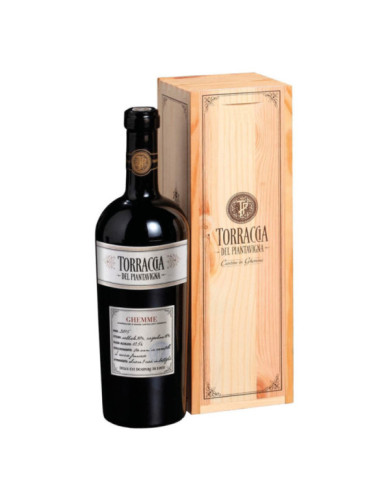
SKU:
16911
Brand:
Torraccia Del Piantavigna
The Ghemme di Torraccia del Piantavigna is produced in the northeastern part of Piedmont with Nebbiolo and Vespolina grapes.
€92.51
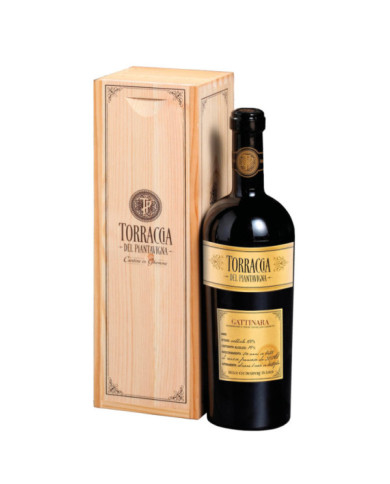
SKU:
16909
Brand:
Torraccia Del Piantavigna
The Gattinara di Torraccia del Piantavigna is produced with 100% Nebbiolo grapes from five hectares of vineyards located in the Municipality of Gattinara.
€151.52
SKU:
16908
Brand:
Torraccia Del Piantavigna
The Gattinara di Torraccia del Piantavigna is produced with 100% Nebbiolo grapes from five hectares of vineyards located in the Municipality of Gattinara.
€80.90
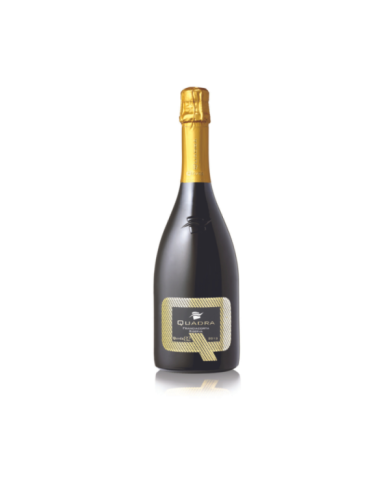
SKU:
16826
Brand:
Quadra Franciacorta
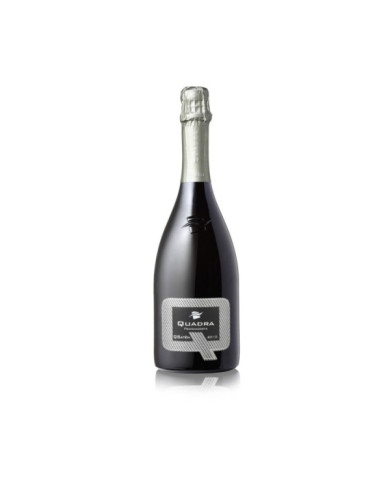
Quvée is an original and evocative neologism, shaped by two essential concepts: the name of the company, summarized by the initial Q which, with strength and character, replaces the C of Cuvée.
€70.21
SKU:
16821
Brand:
Quadra Franciacorta
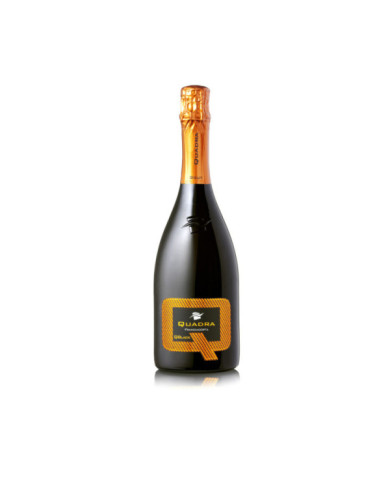
Clear and distinctive essence of Franciacorta. Lower atmospheric pressure will make the mouth smooth and creamy with a sweet nose of fresh flowers and lemon cream.
€64.78
SKU:
16820
Brand:
Quadra Franciacorta
The perfect statement of the Quadra philosophy. A harmonious encounter between the three main grapes of Franciacorta: Chardonnay, Pinot Bianco and Pinot Nero from all the estate vineyards.
€54.61
SKU:
16807
Brand:
Cembra Cantina di Montagna
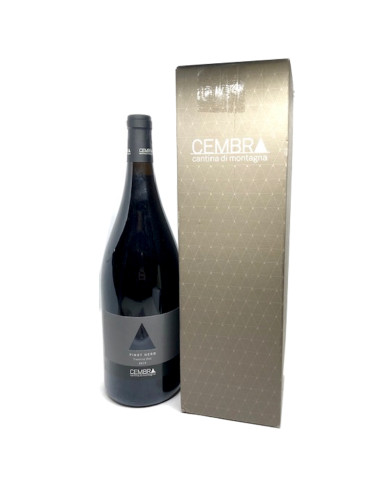
The Cembra Pinot Noir is born in the Valle di Cembra vineyards, in the heart of Trentino Alto Adige, located at an altitude of 500-600 m. slm
€104.19
SKU:
16801
Brand:
Cembra Cantina di Montagna
With a deep straw yellow colour, it has a fine and refined bouquet with notes of ripe fruit and bread crust. On the palate, the taste is full and persistent. Excellent with fish appetizers, shellfish and carpaccio
€92.23
SKU:
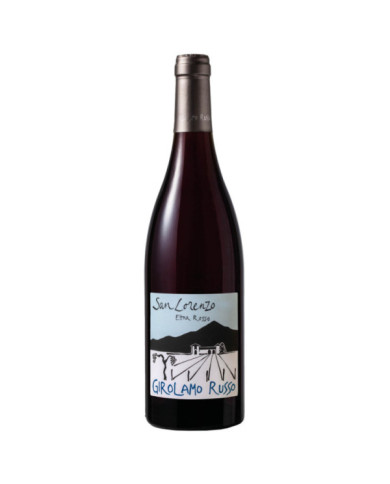
16785
Brand:
Girolamo Russo
Girolamo Russo's Etna Rosso San Lorenzo was born in vineyards located in Contrada San Lorenzo (Randazzo), in the extraordinary wine-growing panorama of Etna, a terroir particularly suited to the production of wines of great value, which benefits from unique temperature ranges.
€126.49
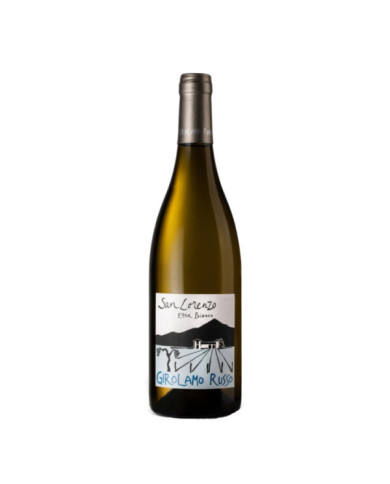
SKU:
16782
Brand:
Girolamo Russo
Etna Bianco "San Lorenzo" is a mineral and delicate white wine, made with Carricante grapes and other local varieties that grow at high altitudes on the sandy soils of the Great Volcano. The nose has a fine and very mineral olfactory profile, with suggestive notes of white pulp fruit, citrus fruits and pleasant floral sensations. It reveals a slender and dynamic body, of great progression and freshness, with a clear mineral trail
€102.72
SKU:
16781
Brand:
Girolamo Russo
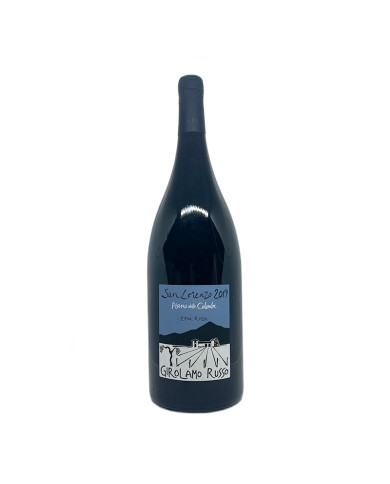
The San Lorenzo Piano delle Colombe magnum Etna Rosso DOC wine is a label signed by Girolamo Russo. With marked organoleptic characteristics, it is the perfect companion for robust first courses, grilled red meats, game, venison and noble poultry. Harmonious and characteristic, the San Lorenzo Piano delle Colombe magnum Etna Rosso DOC wine preserves the richness of the Nerello Mascalese grapes grown in the Randazzo area (CT)
€348.92
SKU:
16778
Brand:
Girolamo Russo
Girolamo Russo's Etna Bianco Nerina was born in vineyards located in the extraordinary wine-growing panorama of Etna, a terroir particularly suited to the production of wines of great value and in which the vines are trained as saplings, in this case at approx. 700 m. slm
€71.15
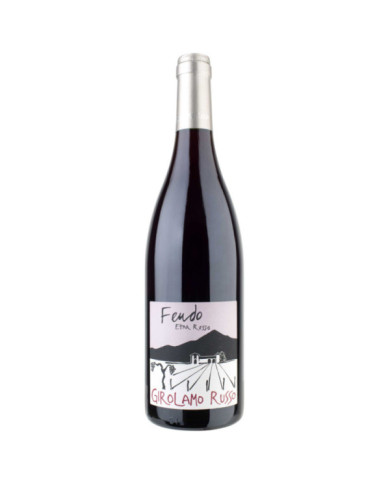
SKU:
16776
Brand:
Girolamo Russo
The Etna Rosso Feudo by Girolamo Russo was born in vineyards located in the Feudo district in Randazzo, in the extraordinary wine-growing panorama of Etna, a terroir particularly suited to the production of wines of great value, thanks to unique temperature ranges.
€126.49
SKU:
16774
Brand:
Girolamo Russo
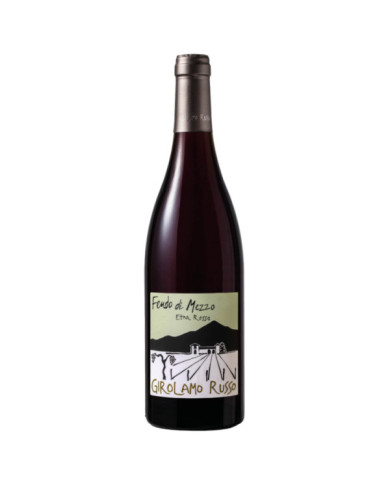
Girolamo Russo's Etna Rosso Feudo di Mezzo has still young and slightly rough tannins. Of an intense ruby red, it offers hints of ripe fruit, cherry, marasca cherry, aromatic herbs, balsamic essences and notes of vanilla and tobacco on the nose. On the palate it is soft, but with tannins still a little rough, with an excellent structure, a complex of great fullness of taste and persistence
€130.00
SKU:
16760
Brand:
Carpineto
Produced in the oldest production area, as stated in the disciplinary that regulates it, this area gave its name to the wine and is the only one where Chianti Classico is produced. It extends between Florence and Siena in a territory of breathtaking beauty, made up of villages perched on the top of the hills, of olive trees cultivated in steep fields with an irregular outline and of cypresses lined up to delimit the innumerable dirt roads.
€111.18
SKU:
16747
Brand:
Peter Zemmer
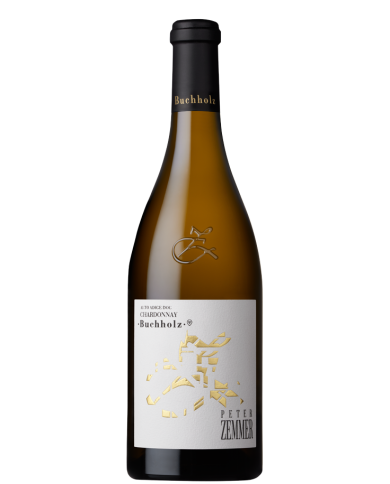
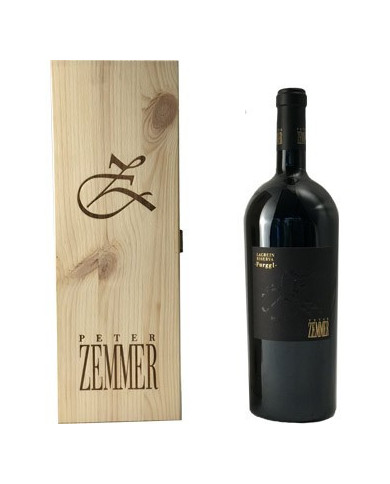
Hence the denomination chosen for this geographical entity
from the historical name "Buchholz" for the slopes of the valley above
Salorno in the Bassa Atesina, already mentioned in the historical cartography of
the land register of 1858 is documented.
€48.56
SKU:
16744
Brand:
Peter Zemmer
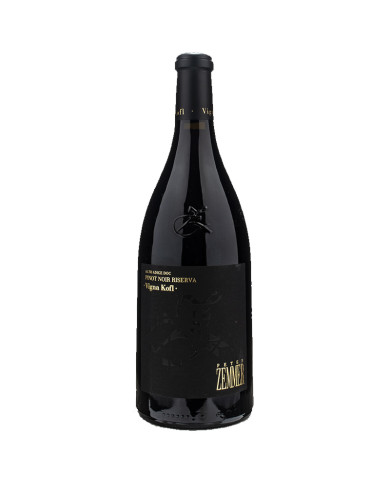
The Pinot Noir Riserva "Vigna Kolf" is a full-bodied and intense red wine with an elegant and refined profile, born at an altitude of 1030 meters from a single vineyard. Aged for one year in barrique, it expresses aromas of wild berries, cherry and strawberry, followed by notes of cocoa, vanilla and noble woods. On the palate, despite the firm and soft structure, it is agile and vibrant, with soft tannins and a gentle freshness
€79.25
SKU:
16739
Brand:
Peter Zemmer
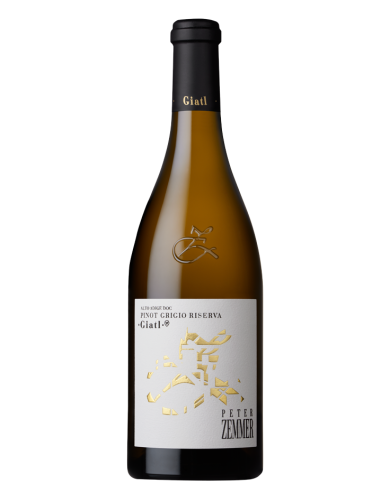
Peter Zemmer's Pinot Grigio Riserva "Giatl" is a full-bodied white wine from a very suitable vineyard located in an area of the same name as the cuvèe. It ferments and ages for 12 months in oak barriques and expresses a rich and varied personality, with aromas full of ripe fruit such as pear and melon, cream and vanilla, with notes of aromatic herbs, while the sip is structured, sapid and very fresh.
€67.59
SKU:
16734
Brand:
Peter Zemmer
Traces of violet, bitter chocolate, berries, licorice and vanilla characterize this great red produced by one of the oldest cellars in South Tyrol
€71.39
SKU:
16732
Brand:
Peter Zemmer
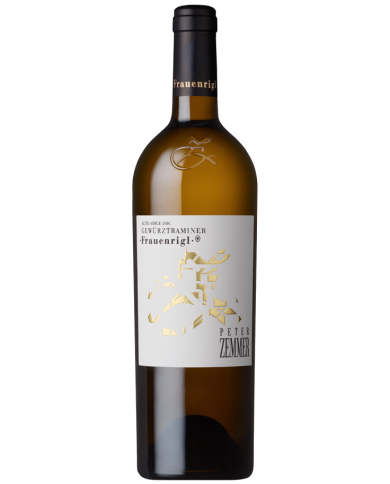
Aromas of peaches and apricots intertwine with exotic scents of lychees, mango and passion fruit, a great white wine produced by one of the oldest cellars in South Tyrol
€38.92
SKU:
16611
Brand:
Fattoria le Pupille
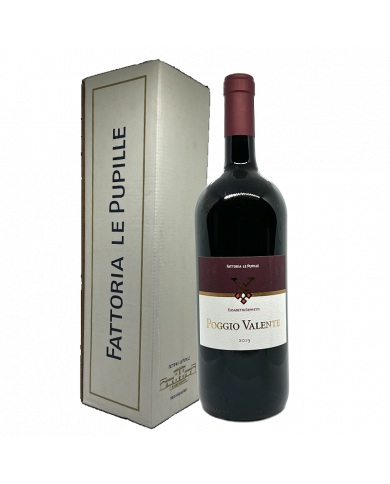
Compact ruby red. The bouquet reveals the fragrance of red roses, black cherry, blood orange and blackberry. Followed by juniper berries, dried flowers, Tuscan cigars and undergrowth. The tannins are dense and silky which develop on a fresh and savory base. Persistent finish on blackcurrant echoes.
€72.59
SKU:
16605
Brand:
Broglia
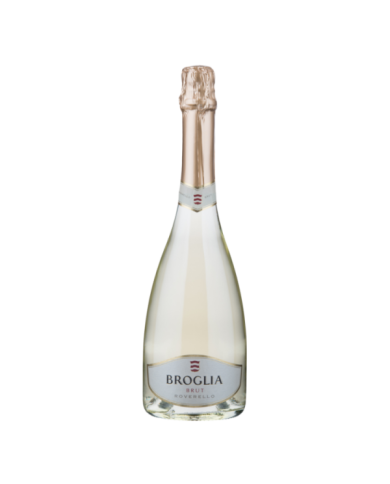
The name Roverello recalls the young oaks of the woods that surround the Meirana vineyards. This Spumante Brut is obtained from our own grapes which are harvested earlier than the others to characterize the youth and freshness that distinguishes it. We have been producing this sparkling wine for over 30 years as required by our denomination of 1974. It is a wine specially prepared for the taste of the modern consumer who likes a young, inviting, high quality sparkling wine. It comes with a gentle petillant, obtained with a refermentation in an autoclave which enhances its aromas, harmony and freshness. In the glass it shows a crystalline clarity, a straw yellow color with greenish reflections, a fruity, characteristic bouquet. The taste is pleasant, clean, harmonious. It goes perfectly with appetizers or cold second courses; also referred to as an aperitif.
€27.33
SKU:
16597
Brand:
Broglia
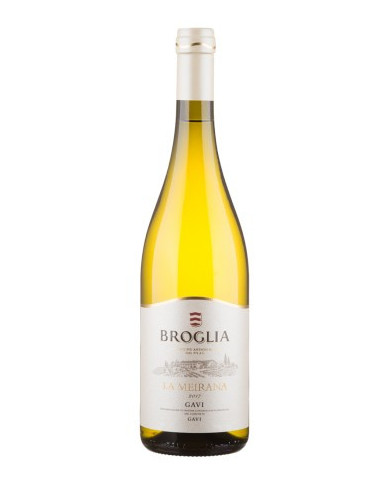
The Meirana di Broglia is the most important and representative product of the company's production, a gavi among the most classic and appreciated in the world. La Meirana is not just the name of a wine, it is the main Estate of the Cellar.
€31.23
SKU:
16565
Brand:
Valentino Butussi
For the vinification of this wine, 30/40% of the grapes are left to dry in wooden boxes for over a month. The remaining grapes are left on the vine and are then harvested when overripe, when the berries begin to brown and dehydrate naturally. The grapes are destemmed and the must is left in contact with the skins for 24-28 hours at a temperature of 12°C to allow the wine to accentuate its varietal characteristics and to acquire the golden yellow-amber color typical of this vine . Aging takes place for 60% for 6 months in steel tanks, 40% for 6 months in 300-litre oak barrels and ends with 2-4 months in the bottle.
€31.00
SKU:
16558
Brand:
Valentino Butussi
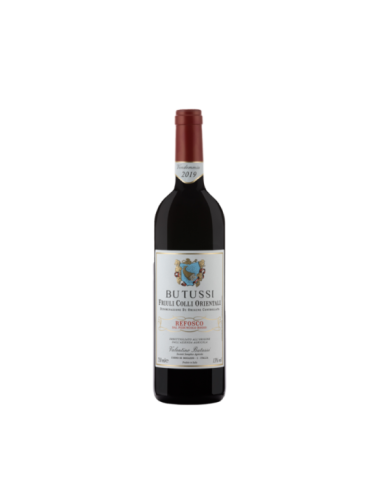
The ruby red color with purplish reflections that fade with ageing. Intense bouquet, which evokes wild blackberries, wild berries with winy and vegetable notes. Strong flavour, the tannins are integrated and the finish is pleasantly bitter.
Refosco dal peduncolo rosso is an ancient Friulian vine, perhaps the best Friulian variety of red berried grapes.
€33.00
SKU:
16555
Brand:
Valentino Butussi
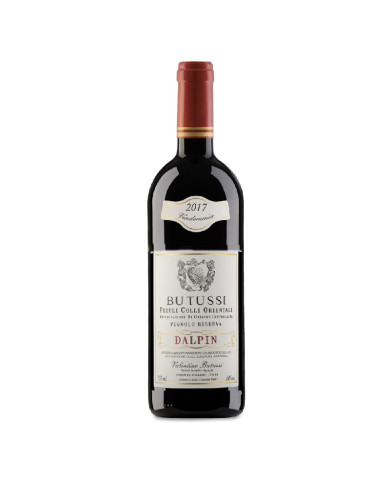
PIGNOLO BUTUSSI FRIULI VENEZIA GIULIA Grape variety: pure Pignolo Winy, tannic taste, reminiscent of raspberry. It is a wine to be discovered. Wine for meat dishes of Friulian cuisine, especially it prefers the ciàr in padiele (beef stew). Serving temperature: 16 – 18° C
SKU:
16546
Brand:
Valentino Butussi
Straw yellow color tending towards greenish. Delicate and pleasant aroma reminiscent of wild flowers; it has a dry taste with a soft and velvety taste and a bitter almond aftertaste. It is excellent as an aperitif, but also goes well with appetizers in general, with eggs and asparagus and is excellent with San Daniele ham.
€31.00
SKU:
16545
Brand:
Valentino Butussi
Intense ruby red in color with aging it develops garnet reflections. Spicy and fruity aroma with nuances of raspberry and blueberry. Body
robust, full-bodied, savory, it is an aging wine and the Prince of red wines. It is a wine for great cooking meats, for roasted red meats, excellent with
poultry, and hard cheeses.
€35.00
SKU:
16543
Brand:
Valentino Butussi
Ruby red wine tending towards purplish. Intense distinctly herbaceous and vinous aroma. Full, tannic flavour. It is a wine for red meats and roasts and also goes well with feathered game and aged cheeses.
€33.00
SKU:
16541
Brand:
Valentino Butussi
White with great structure, with sustained alcohol content and balanced acidity. Fine and elegant with aromas reminiscent of apple and toasted bread. Aged it evolves into a very pleasant bouquet. Aperitif wine, suitable for a wide range of light hors d'oeuvres, soups, egg-based dishes, fish and white poultry meat. Serving temperature: 10-12°C
€29.04
SKU:
16536
Brand:
Valentino Butussi
A Riserva with an austere and solemn character, which reaches the qualitative peaks of the entire range created by the Valentino Butussi farm. This "Santuari" is a Cabernet Sauvignon DOC where the balance between taste and aroma makes the sip incisive and expressive, denoting its great evolutionary potential over time. The carefully selected grapes, after harvesting, ferment in oak barrels thanks to the use of indigenous yeasts. Then we move on to the refinement, carried out for two years in oak barrels with a capacity of 300 liters; after bottling, the wine further ages in glass for 12 months. A label that interprets the Colli Orientali del Friuli terroir with a niche production, where excellence and aging capacity go hand in hand, giving us a red wine of great value.
€110.00
SKU:
16519
Brand:
Masseria L'Astore
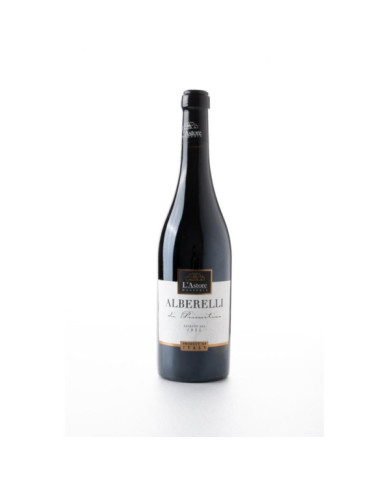
An important Primitive for
simple convivial moments,
of pure and warm feelings
fragrances, of sweet emotions and of
soft words, of shining eyes and of
full goblets that toll the
future."
€87.35
SKU:
16517
Brand:
Masseria L'Astore
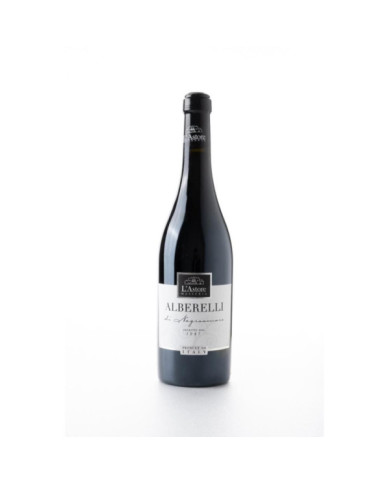
Chiseled by hand like sculptures,
gnarled, twisted and strong enough to survive winds and drought over time
of our land. Not at present
explant convenience.
We rescued, cared for and respected them
for their natural essence, such as the
history of Apulian viticulture ci
it dictated
€74.18
SKU:
16508
Brand:
Nicolis
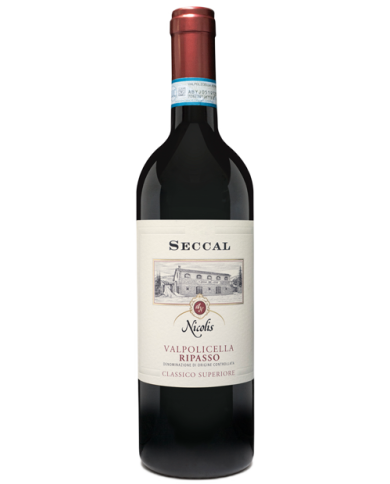
The Seccal Valpolicella Superiore Ripasso DOC by Vini Nicolis is an excellent wine, an expression of the Verona area.
€223.99
SKU:
16506
Brand:
Nicolis
The Seccal Valpolicella Superiore Ripasso DOC by Vini Nicolis is an excellent wine, an expression of the Verona area.
€44.77
Large format wines are a popular choice for special occasions and among wine collectors. They come in a variety of sizes and offer a variety of advantages over standard bottles. In this article, we'll explore everything you need to know about large format wines, from their benefits to storage and purchasing.
The advantages of large format wines
Large format wines offer numerous advantages over standard bottles. First, most wines in large formats age better than standard bottles. This is because the amount of oxygen entering the bottle is lower than in standard bottles. Furthermore, the larger capacity of wine in a single container means that temperature fluctuations are less significant, reducing the risk of damage to the wine.
Secondly, large format wines are an ideal choice for special occasions. A large bottle quickly becomes the center of attention and impresses guests. Furthermore, a single large bottle is much easier to manage than many smaller ones. For example, if you're hosting a dinner for a large group, you can use several large bottles to facilitate service.
Large format wine sizes
Large format wines are available in different sizes, each with a specific name:
Magnum : 1.5 litres, equal to two standard bottles
Jeroboam : 3 liters, equal to four standard bottles
Rehoboam : 4.5 liters, equal to six standard bottles
Methuselah : 6 liters, equal to eight standard bottles
Salmanazar : 9 liters, equal to twelve standard bottles
Balthazar : 12 liters, equal to sixteen standard bottles
Nebuchadnezzar : 15 litres, equal to twenty standard bottles
Storage of large format wines
Storing large-format wines is an important aspect to consider. Because these bottles are larger than standard bottles, storage can be more complicated. Most cellars don't have shelves or space suitable for large bottles, so planning ahead is essential.
Additionally, large bottles may take longer to adjust to the ambient temperature in which they are stored. To avoid temperature fluctuations, it's important to store large bottles in a cool, dry place.
Purchase of large format wines
Buying large format wines can be an excellent choice for wine collectors and for special occasions. However, it's important to pay attention to the bottles' origin. Large bottles can be more susceptible to counterfeiting than standard bottles, so it's important to buy from reputable and trustworthy sellers.
What are large format wines?
Large format wine bottles are larger than the standard 750ml bottle. There are numerous larger wine bottle sizes, including the Magnum (1.5 liters), the Double Magnum (3 liters), the Jeroboam (4.5 liters), the Rehoboam (4.5 liters), the Methuselah (6 liters), the Salmanazar (9 liters), the Balthazar (12 liters), and the Nebuchadnezzar (15 liters).
Why choose large-format wines?
There are many reasons to choose a larger bottle of wine over the traditional 750 ml bottles. First, wine in larger formats is more stable than standard bottles, thanks to the greater volume of wine in the bottle and the smaller amount of air coming into contact with the wine.
Secondly, wines in large formats develop more slowly, meaning they can be stored for a longer period without undergoing any alteration. Furthermore, these wines have greater harmony and balance than standard bottles, thanks to the greater contact surface between the wine and the cork.
Finally, wines in large formats are ideal for special occasions, such as weddings, anniversaries, birthdays, or corporate events, because they have a greater visual impact and can satisfy the palates of a greater number of people.
How to choose a large format wine?
Choosing a large-format wine depends on the type of wine and your personal needs. Generally, the wines best suited to larger formats are those that require a longer aging period, such as structured red wines, complex white wines, or sweet dessert wines.
Furthermore, it's important to choose a high-quality wine, because the larger the quantity of wine in the bottle, the greater the chance of defects appearing. It's therefore important to purchase wines in large formats from reputable retailers who offer guarantees regarding the wine's quality and shelf life.
Finally, it's important to consider the number of people attending the event to choose the right bottle size. For example, a Magnum bottle (1.5 liters) is enough for about 10 people, while a Balthazar bottle (12 liters) can satisfy up to 100 people.
In conclusion, large format wines are an excellent choice for special occasions and for wine collectors, thanks to their greater stability, their ability to evolve more slowly, and their ability to please the palates of a larger number of people.