

 Italiano
 Deutsch


















There are no more items in your cart
Marche Wine Denominations: A Complete Guide
If you're a wine lover and enjoy discovering new flavors and products, you can't miss the Marche wine appellation . This region, located in central Italy, is famous for its production of fine wines, characterized by intense flavors and typical Italian tradition.
In this article, we'll explore the various denominations of Marche wines, their characteristics, and how to best taste them. You'll also discover the secrets behind their production and the best places to find them.
Introduction to the wine denominations of the Marche region
Marche is a highly productive wine region, thanks to its geographical location and favorable climate. The region's typical grape varieties are Verdicchio, Montepulciano, and Vernaccia Nera, but the region also produces other grape varieties.
The denomination of the wines of the Marche is divided into four main categories:
DOC
The Controlled Designation of Origin (DOC) designation refers to a specific type of wine production, which must follow precise rules to obtain recognition. In the Marche region, there are eight DOC designations:
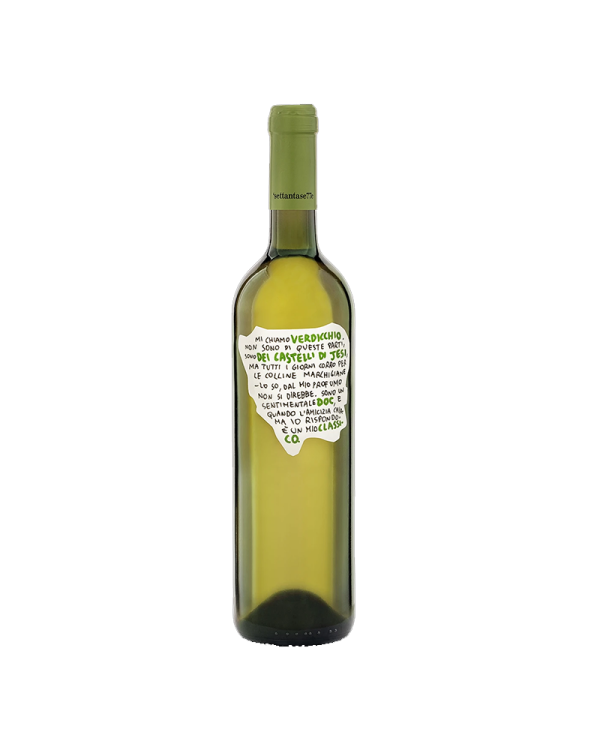
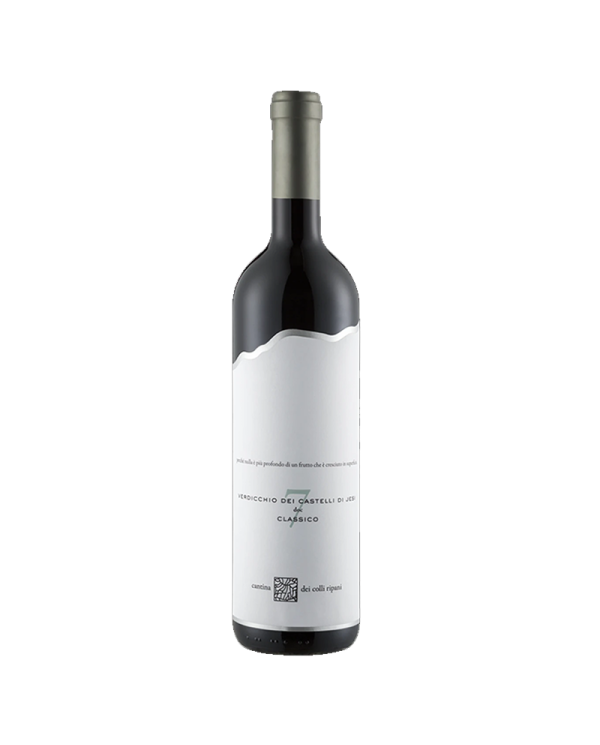
- Verdicchio dei Castelli di Jesi : one of the most famous white wines of the Marche region, made from Verdicchio grapes. It has a straw yellow color and a fresh, fruity flavor.
- Verdicchio di Matelica : Another white wine made from Verdicchio grapes, but produced in the Matelica area. It has a drier flavor and higher acidity than Verdicchio dei Castelli di Jesi.
- Bianchello del Metauro : a white wine made from Biancame and Trebbiano grapes. It has a dry taste and a delicate aroma.
- Lacrima di Morro d'Alba : a red wine made from Lacrima grapes. It has a smooth taste and an intense aroma.
- Rosso Piceno : A red wine made from Montepulciano and Sangiovese grapes. It has a fruity, tannic flavor.
- Rosso Piceno Superiore : a more refined version of Rosso Piceno, which must be aged for at least two years before being sold.
- Conero : A red wine made from Montepulciano grapes, produced in the Monte Conero area. It has a full-bodied, tannic flavor.
- Offida : a DOCG designation for Rosso Piceno Superiore and Pecorino, a white wine made from the grapes of the same name.
DOCG
The Controlled and Guaranteed Designation of Origin (DOCG) is the highest expression of quality for Italian wines. In the Marche region, there are two DOCG designations:
- Verdicchio di Matelica Riserva : An aged version of Verdicchio di Matelica, it must be aged for at least two years before being released. It has an intense flavor and greater complexity than Verdicchio di Matelica.
- Rosso Conero Riserva : an aged version of Conero, which must be aged for at least three years before being released. It has an intense and complex flavor, with notes of berries and spices.
IGT
Typical geographical indications (IGT) refer to wines produced in a specific geographical area, but do not follow the precise rules of the DOC or DOCG designations. In the Marche region, there are two IGTs:
- Marche : an IGT that covers the entire Marche region, used for wines produced outside the DOC or DOCG designations.
- Rubicone : an IGT covering an area near the Rubicone River, used for wines produced with non-traditional grapes.
The secrets behind the production of Marche wines
The production of wines in the Marche region is characterized by a strong focus on quality and tradition. Local farmers use sustainable cultivation techniques and comply with environmental regulations.
Furthermore, the production of Marche wines uses innovative techniques, such as the use of modern machinery for winemaking and temperature control during fermentation.
How to best taste Marche wines
To fully appreciate the wines of the Marche region, it's important to follow the tasting process. First, you should observe the wine's color, aroma, and taste. Next, you can appreciate its flavor and texture.
It's important to taste the wines of the Marche region accompanied by traditional local foods, such as cheeses, cured meats, and fish.
The best places to find Marche wines
Marche wines can be found in Italy's finest restaurants and fine wine shops. However, to fully appreciate the local produce, it's recommended to visit the region's wineries and participate in tastings organized by local producers.
There are many famous wineries in Le Marche, each with its own history and unique wine production. Some of the most famous wineries in Le Marche include:
Umani Ronchi: Founded in 1957, this winery produces some of the most famous wines in the Marche region, including Verdicchio dei Castelli di Jesi and Rosso Conero.
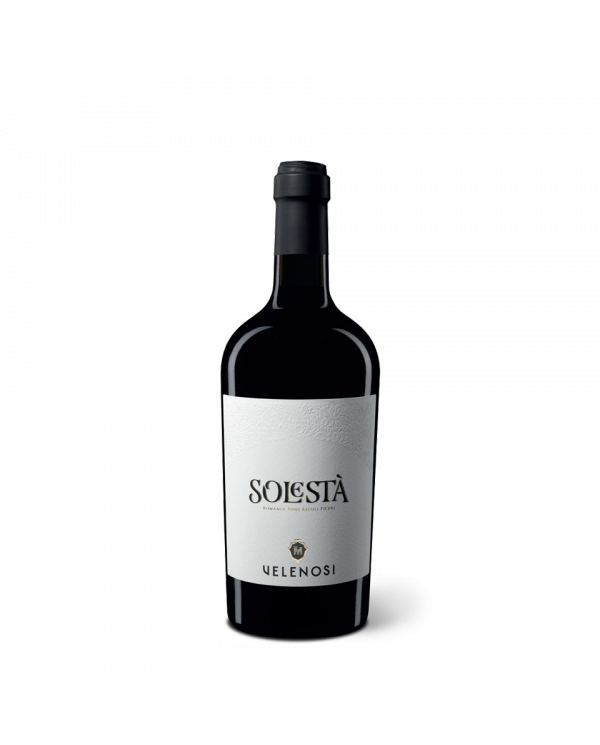
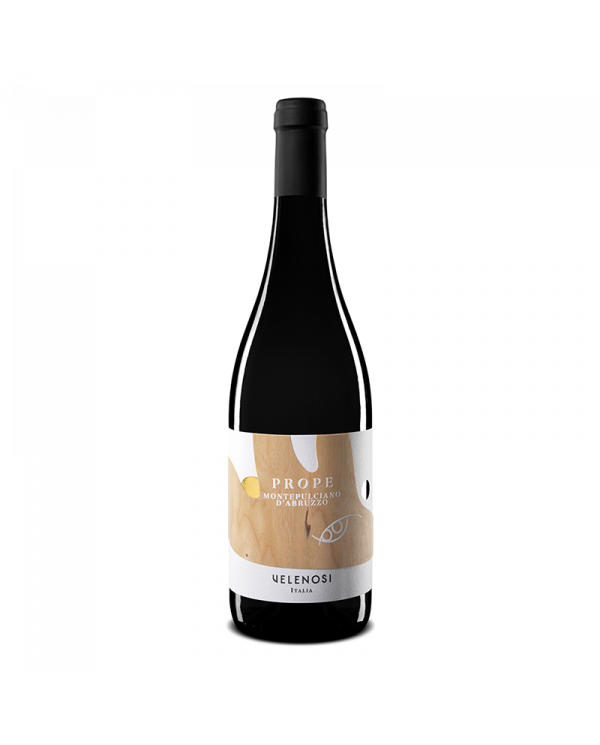
- Velenosi Vini – Ascoli Piceno Winery: Wine is an art capable of inspiring dreams. Inspired by the desire to create harmony between flavor and color, the Velenosi Winery was founded in 1984. Ercole and Angela Velenosi,
Fazi Battaglia: Located in the Matelica area, this winery produces fine wines such as Verdicchio di Matelica and Pecorino.
La Monacesca: This winery specializes in the production of Verdicchio di Matelica Riserva, one of the most prized white wines in the Marche region.
Moroder: Located in the Jesi area, this winery produces white wines such as Verdicchio dei Castelli di Jesi and Verdicchio di Matelica, as well as red wines such as Rosso Piceno.
Saladini Pilastri: This winery produces high-quality wines such as Rosso Piceno Superiore and Pecorino.
Of course, these aren't the only wineries in the Marche region producing fine wines. There are many other wineries in the region worth discovering and appreciating for their production of fine, high-quality wines.
Map
The Marche wine appellation represents one of the most highly regarded Italian wine regions in the world. Thanks to its focus on quality and tradition, the Marche region offers a wide range of fine wines, characterized by intense flavors and typical Italian tradition.
FAQs
What are the DOC denominations of the Marche region?
There are eight DOC denominations in the Marche region: Verdicchio dei Castelli di Jesi, Verdicchio di Matelica, Bianchello del Metauro, Lacrima di Morro d'Alba, Rosso Piceno, Rosso Piceno Superiore, Conero and Offida.
What are the DOCG denominations of the Marche?
The DOCG denominations of the Marche are Verdicchio di Matelica Riserva and Rosso Conero Riserva.
What are the typical grape varieties of the Marche region?
The typical grape varieties of the Marche are Verdicchio, Montepulciano and Vernaccia Nera.
Where can I find wines from the Marche region?
Marche wines can be found in Italy's finest restaurants and fine wine shops. However, it's recommended to visit the region's wineries to fully appreciate the local production.
What foods go well with Marche wines?
The wines of the Marche region pair well with traditional local foods, such as cheeses, cured meats, and fish.
We hope this comprehensive guide to the Marche wine appellation has provided you with the information you need to discover this region's wine production. Taste the wines of the Marche and be captivated by their intense flavors and distinctive Italian tradition.