

 Italiano
 Deutsch













There are no more items in your cart
€30.82
€11.71
€18.20
€20.80
SKU:
9857
Brand:
Giulia Negri
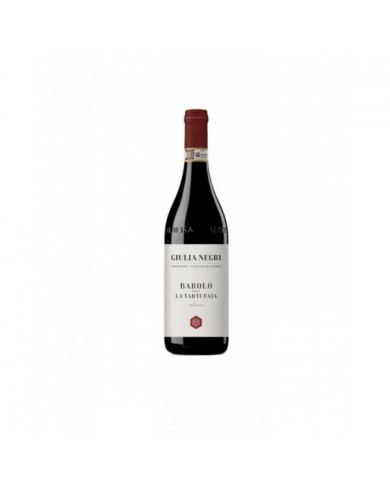
Giulia Negri 's Barolo "La Tartufaia" is the producer's personal vision of the "La Morra" area who skilfully transforms the Nebbiolo grapes into an important and elegant red wine, with a deep and fine taste. On the nose the aromas are of red fruit, berries with notes of tobacco and licorice. On the palate it is full-bodied, enveloping with silky tannins and earthy and bloody sensations that close the sip.
€66.90
€22.29
€214.11
€78.40
€65.76
SKU:
9674
Brand:
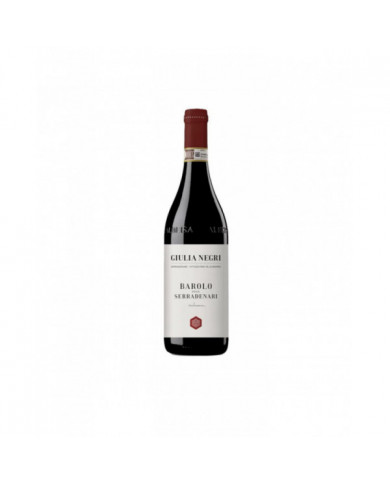
Giulia Negri
We are at Morra, Serradenari, on soils from the Messinian period with a sandy loam texture with a strong presence of calcareous marl. At about 480m with a south-west exposure, the pure Nebbiolo grapes are vinified with spontaneous fermentation in truncated cone-shaped vats, macerating for about 40 days. The wine then ages for 30 months in 25-hectolitre Slavonian oak barrels.
€68.20
€42.82
€29.21
SKU:
9547
Brand:
La Lomellina
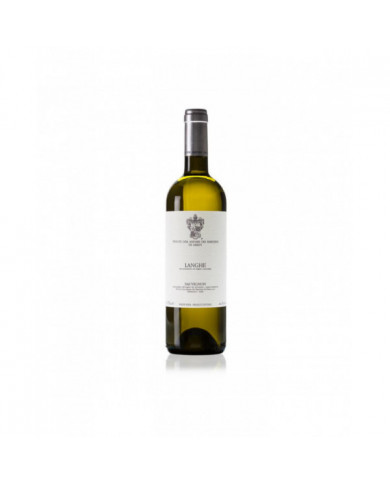
The Langhe DOC "Marchese d'Azeglio" of La Lomellina comes from sunny vineyards, located in the heart of the municipality of Serralunga d'Alba, an area strongly suited to the cultivation of Nebbiolo; here, thanks to a never extreme microclimate, the vines grow in a moderately luxuriant way, giving an optimal ripening of the bunches. Aged for 8 months in French oak barrels, it is an extraordinarily pleasant red.
€29.26
€47.65
€106.07
SKU:
8849
Brand:
Bartolo Mascarello
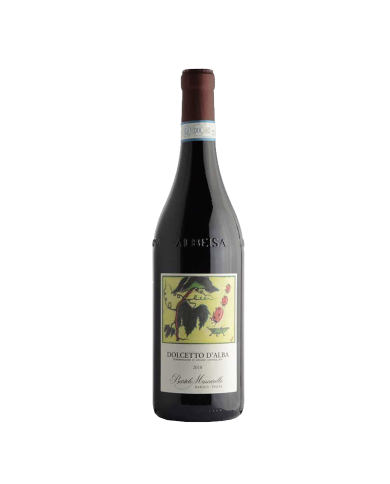
Bartolo Mascarello , Dolcetto d'Alba 2020 is an explosive wine with marked notes of red fruits, earth, wild herbs. Robust and rustic wine without giving up the finesse, a milestone characteristic of the Mascarello Bartolo winery. Bartolo Mascarello Dolcetto d 'Alba is a deep and intensely aromatic red, with a deep ruby color. The nose offers a greedy and persistent bouquet with refined aromas of violet and lavender mixed with black cherry and sweet spices. On the palate it offers a wide range of flavors, with a prevalence of fruit and then strokes of rosemary and thyme. Its delicate acidity is refreshing and perfectly integrated.
SKU:
8258
Brand:
La Caudrina
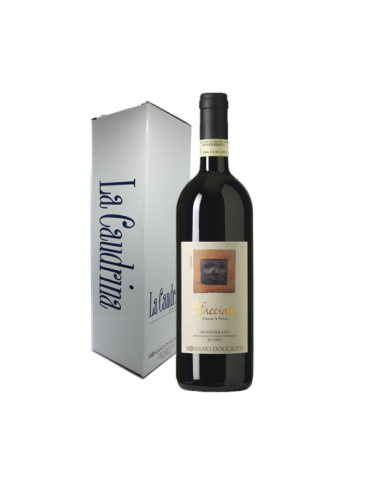
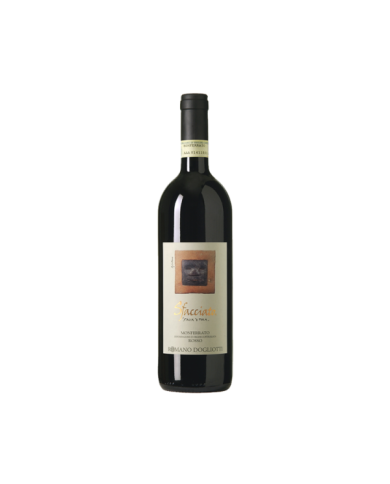
This wine was made from grapes from its own vineyards located in the municipality of Nizza Monferrato , in the Bricco region. The vinification was carried out in a traditional way and the maceration with the skins lasted 10 days. After alcoholic fermentation it was stored at an optimal temperature (23 ° C) to facilitate malolactic fermentation. In the spring following the harvest, the wine was aged in small French oak barrels for a period of about 12-14 months and after a further refinement in steel it is bottled.
€20.30
SKU:
8256
Brand:
La Caudrina
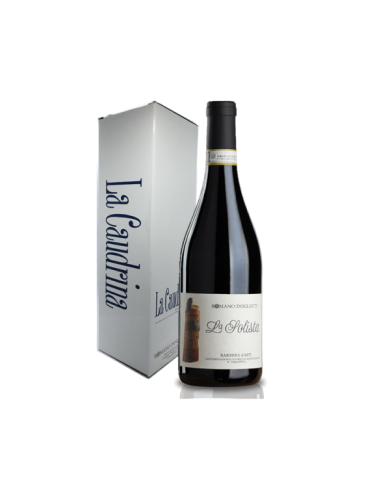
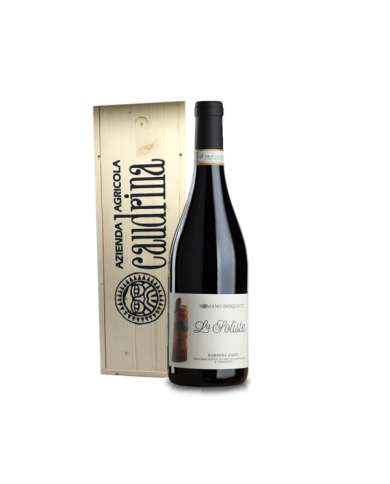
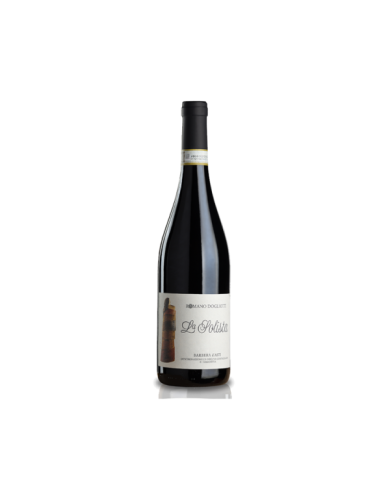
This wine was made from grapes from its own vineyards located in the municipality of Nizza Monferrato , Asti. The vinification was carried out in the traditional way at a temperature of about 24 degrees in contact with the skins for a period ranging from 12 to 15 days. After the alcoholic fermentation it was stored at an optimal temperature (23 ° C) to facilitate the malolactic fermentation. In April of this year La Solista was bottled without any aging in wood. It is therefore a young and ready-to-drink wine that fully respects the Piedmont peasant tradition.
€20.35
SKU:
8254
Brand:
La Caudrina
€27.40
€21.92
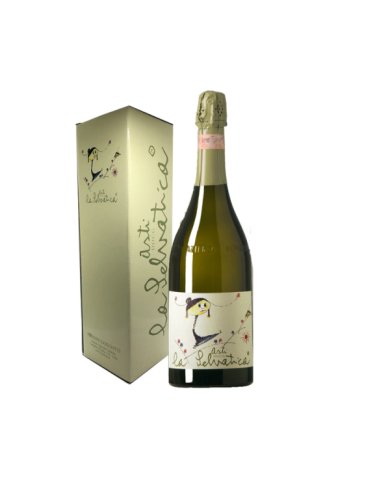
Asti Spumante "La Selvatica" is a sweet sparkling wine made from Moscato grapes, characterized by good body and beautiful vivacity. Rich and inviting scents of fruit evoke seductive and fairytale scenarios. On the palate it reveals aromatic complexity and a rich and fresh sweetness
€27.40
€21.92
SKU:
8105
Brand:
La Caudrina
€25.80
€20.64
The Moscato d'Asti from the La Caudrina winery is a delicate, fresh and immediate sparkling sweet wine. It comes from almost 40-year-old vines at 280 m above sea level and is expressed in an engaging aromatic range rich in fruit and flowers. The grapes that give rise to Moscato d'Asti La Caudrina are hand-picked and gently pressed. The must thus obtained is subjected to clarification and filtration, after which it is placed in refrigerated tanks. Fermentation takes place in an autoclave, to preserve liveliness and effervescence.
€25.80
€20.64
€24.50
SKU:
8025
Brand:
La Caudrina
This wine was made from grapes from its own vineyards located in the municipality of Nizza Monferrato , in the Bricco region. The vinification was carried out in the traditional way and the maceration with the skins lasted 10 days. After alcoholic fermentation it was stored at an optimal temperature (23 ° C) to facilitate malolactic fermentation. In the spring following the harvest, the wine was aged in small French oak barrels for a period of about 12-14 months and after a further refinement in steel it is bottled.
€24.30
SKU:
8023
Brand:
La Caudrina
This wine was made from grapes from its own vineyards located in the municipality of Nizza Monferrato , in the Bricco region. The vinification was carried out in the traditional way and the maceration with the skins lasted 10 days. After alcoholic fermentation it was stored at an optimal temperature (23 ° C) to facilitate malolactic fermentation. In the spring following the harvest, the wine was aged in small French oak barrels for a period of about 12-14 months and after a further refinement in steel it is bottled.
€10.60
SKU:
8022
Brand:
La Caudrina
This wine was made from grapes from its own vineyards located in the municipality of Nizza Monferrato , Asti. The vinification was carried out in the traditional way at a temperature of about 24 degrees in contact with the skins for a period ranging from 12 to 15 days. After the alcoholic fermentation it was stored at an optimal temperature (23 ° C) to facilitate the malolactic fermentation. In April of this year La Solista was bottled without any aging in wood. It is therefore a young and ready-to-drink wine that fully respects the Piedmont peasant tradition.
€24.30
SKU:
8014
Brand:
La Caudrina
This wine was made from grapes from its own vineyards located in the municipality of Nizza Monferrato , Asti. The vinification was carried out in the traditional way at a temperature of about 24 degrees in contact with the skins for a period ranging from 12 to 15 days. After the alcoholic fermentation it was stored at an optimal temperature (23 ° C) to facilitate the malolactic fermentation. In April of this year La Solista was bottled without any aging in wood. It is therefore a young and ready-to-drink wine that fully respects the Piedmont peasant tradition.
€8.00
SKU:
8012
Brand:
La Caudrina
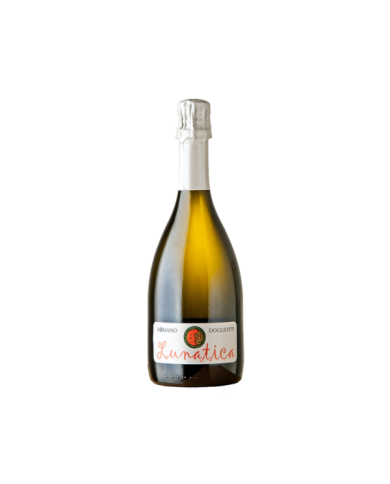
This wine was made from grapes from its own vineyards located in the municipality of Nizza Monferrato in the Bricco region. The grapes are pressed whole immediately after harvesting and the must made clear by clarification. The following day the yeasts are inoculated for the first fermentation which lasts about 30 days at a temperature of 15 ° C. The wine rests for about three months on the lees, after which the second inoculation of yeasts takes place for the second fermentation which will last. for about 40 days. At this point the wine is filtered and prepared for bottling.
€10.20
SKU:
8007
Brand:
La Caudrina
After drying, the grapes are pressed and the must obtained, after a first racking, is left to ferment with the use of special selected yeasts . The must ferments at a low temperature, about 15 °, until it has developed about 12 degrees of alcohol. Subsequently, the cleaned and filtered wine is placed in barriques for refinement, during which there is a slight fermentation recovery. Refinement lasts approximately 18 months . After this period the wine was filtered and bottled to be further refined in the bottle for about 6 months .
€14.90
SKU:
7985
Brand:
La Caudrina
Asti Spumante "La Selvatica" is a sweet sparkling wine made from Moscato grapes, characterized by good body and beautiful vivacity. Rich and inviting scents of fruit evoke seductive and fairytale scenarios. On the palate it reveals aromatic complexity and a rich and fresh sweetness
€32.90
SKU:
7981
Brand:
La Caudrina
€21.11
€16.88
The Moscato d'Asti from the La Caudrina winery is a delicate, fresh and immediate sparkling sweet wine. It comes from almost 40-year-old vines at 280 m above sea level and is expressed in an engaging aromatic range rich in fruit and flowers. The grapes that give rise to Moscato d'Asti La Caudrina are hand-picked and gently pressed. The must thus obtained is subjected to clarification and filtration, after which it is placed in refrigerated tanks. Fermentation takes place in an autoclave, to preserve liveliness and effervescence.
€21.11
€16.88
€419.58
€107.90
€107.90
€107.90
€183.76
Discover the magic of Piedmont wines: savor the taste of tradition!
Piedmont is one of Italy's most renowned regions for producing excellent wines. Piedmont's winemaking tradition has developed over the centuries, and the region's wines are appreciated worldwide.
The origins of Piedmont wine
Piedmont wine has ancient origins. The region, located in northwestern Italy, enjoys a temperate climate that lends itself to the production of quality wines. The first documents mentioning Piedmont wines date back to the Middle Ages, when the region's princes invited their guests to taste their wines.
The wine styles of Piedmont
Piedmont's wine styles are highly diverse. The most well-known are the red wines Barolo and Barbaresco, both made from Nebbiolo, a grape native to the region. Piedmont's red wines are generally fuller-bodied, with complex aromas ranging from berries to spices, and have good acidity that makes them suitable for aging.
In addition to red wines, Piedmont is also famous for its white wines, such as Gavi and Arneis . These wines are lighter and have fewer tannins than red wines, but are just as tasty.
What are the most famous Piedmontese wines?
Piedmont wines are appreciated worldwide and are considered among the finest in Italy. Among the best-known are Barolo, Barbaresco, Gavi, Arneis , Dolcetto, and Barbera. These wines have been appreciated by generations of wine lovers and are a must-try for anyone who wants to discover Piedmont's winemaking tradition.
How to best savor Piedmont wines
Piedmont wines are meant to be savored slowly. Tasting should be done in a quiet environment and using glasses suitable for wine tasting. Serving temperature is crucial to getting the most out of the wine: white wines should be served chilled (8-10ºC), while red wines should be served warmer (16-18ºC).
To fully appreciate Piedmont wines, it's important to understand the flavors and aromas of each wine. You should try to identify the aromas and flavors of each wine, such as berries, spices, herbs, and earthy notes. This will help you better understand how wines pair with foods and how to choose the most suitable wines for a given occasion.
Taste tradition with Piedmont wines
Tasting Piedmont wines is a unique experience. It will allow you to discover the flavors and aromas of a thousand-year-old winemaking tradition that has made Piedmont one of the world's most renowned regions for quality wine production.
Choose a Piedmont wine and savor all the magic and flavor of tradition!
Piedmont Wine Denomination: A Journey into the World of Wine
Piedmont is a region located in northwest Italy, stretching from the Alps to the Po River. This region is renowned for its natural beauty, culture, history, and, above all, its high-quality wine production. In this guide, you'll discover everything you need to know about Piedmont's wine appellation, from grape varieties to the main wines produced and their characteristics.
Introduction to the denomination of Piedmont wines
The Piedmont wine denomination is a classification system based on its origin, the grape variety used, and the production methods. There are three levels of Piedmont wine designation: DOCG (Controlled and Guaranteed Designation of Origin), DOC (Controlled Designation of Origin), and IGT (Typical Geographical Indication).
IGT
The IGT (Italian Geographical Indication) is the lowest denomination and covers the entire Piedmont region. This designation allows producers to use grapes from other regions and experiment with new winemaking techniques. IGT wines can have very different characteristics, depending on the grape variety and the techniques used.
DOC
The DOC designation is reserved for wines produced in specific areas of Piedmont and that meet specific production criteria. These wines must be made with a specific grape variety, must be aged for a specific period, and must meet specific production criteria.
DOCG
The DOCG designation is the highest in the Piedmont wine appellation hierarchy. This designation is reserved for wines that represent the best of Piedmont and have an international reputation. DOCG wines are produced in specific areas of Piedmont, using specific grape varieties and following rigorous production criteria.
The grape varieties of Piedmont
Piedmont is famous for its wide variety of native grapes, some of which are used to produce some of the world's finest wines. Here are some of Piedmont's most important grape varieties:
Nebbiolo
Nebbiolo is Piedmont's most important grape variety and is used to produce some of the region's most famous wines, such as Barolo and Barbaresco. This grape variety is known for its fruity flavor and tannic character.
Barbera
Barbera is the second most important grape variety in Piedmont and is used to produce highly regarded red wines, such as Barbera d'Alba and Barbera d'Asti.
The main wines of Piedmont
Piedmont is famous for producing some of the world's finest wines, renowned for their unique flavors and distinctive characteristics. Here are the region's main wines:
Barolo
Barolo is the king of Piedmont wines and is produced with Nebbiolo grapes grown in the hills of the Barolo municipality. This wine is renowned for its complex, fruity flavor, its tannic character, and its intense ruby red color. Barolo is aged in wooden barrels for a minimum of three years and has an alcohol content of approximately 13%.
Barbaresco
Barbaresco is another great Piedmont red wine made from Nebbiolo grapes. This wine has a similar flavor to Barolo, but is a bit softer and lighter. Barbaresco is aged for at least two years and has an alcohol content of approximately 13%.
Barbera d'Alba
Barbera d'Alba is a red wine made from Barbera grapes grown in the Langhe region. This wine has a fruity flavor and an alcohol content of approximately 12.5%. Barbera d'Alba is aged for at least one year in wooden barrels.
Moscato d'Asti
Moscato d'Asti is a sweet white wine made from Moscato Bianco grapes grown in the Langhe area. This wine has a fruity, fresh flavor and is perfect as an aperitif or dessert. Moscato d'Asti has an alcohol content of approximately 5%.
Piedmont is a major winemaking region, producing some of the world's finest wines. The DOCG, DOC, and IGT designations represent a wine classification system that guarantees the quality and provenance of products. Each grape variety has its own distinctive characteristics, giving Piedmont wines their unique flavor and distinctive qualities. If you're a wine enthusiast, a visit to Piedmont's wineries is an experience not to be missed.
Frequently Asked Questions
What are the most important grape varieties of Piedmont?
The most important grape varieties of Piedmont are Nebbiolo, Barbera and Moscato Bianco.
What is the most famous wine from Piedmont?
The most famous wine of Piedmont is Barolo.
What does the DOCG designation mean?
The DOCG designation stands for Controlled and Guaranteed Designation of Origin and is the highest in the hierarchy of Piedmont wine denominations.
What are the main production areas of Piedmont wines?
The main production areas of Piedmont wines are the Langhe