

 Italiano
 Deutsch






There are no more items in your cart
SKU:
16485
Brand:
Valter Bera
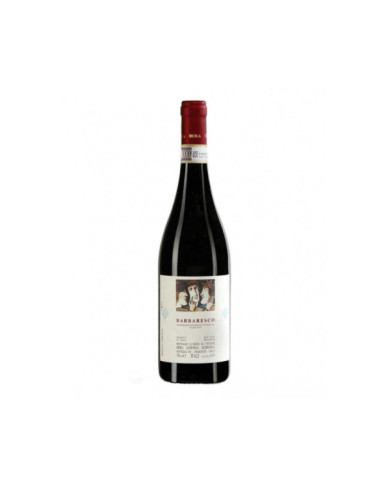
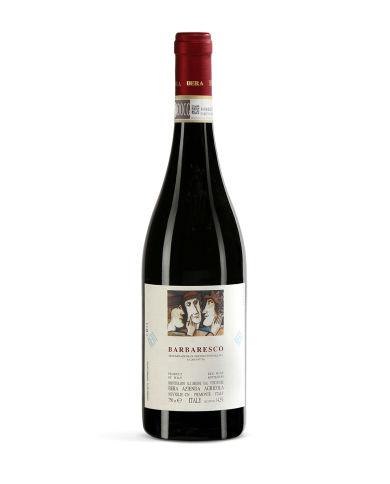
This version of Barbaresco Bera takes its name from the Serraboella hill, located in the Municipality of Neive, particularly suited to the production of noble, elegant, long-lived wines. It has a bright ruby color with orange hues, the flavor is robust and full, with spicy sensations. An excellent Barbaresco, complete and characteristic, which lends itself to accompany important dishes based on meat and game. Thanks to its longevity, it can also become a collector's item, which will be able to give us strong emotions even after twenty-five years!
€67.22
SKU:
16484
Brand:
Valter Bera
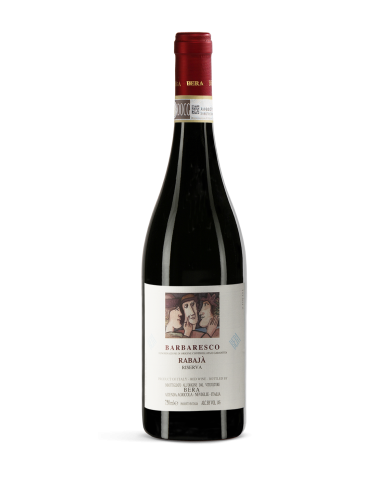
Wine of great nobility, austere, elegant, frank, obtained from Nebbiolo grapes from vineyards owned by the prestigious cru Rabaja in Barbaresco.
€89.55
SKU:
16483
Brand:
Valter Bera
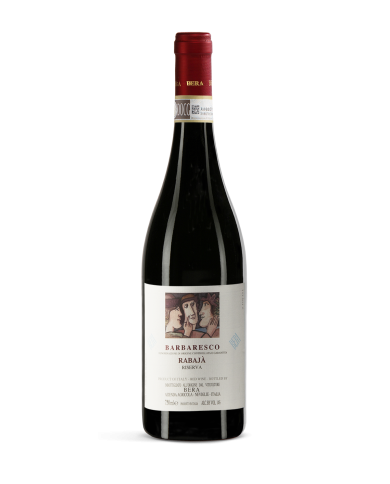
Wine of great nobility, austere, elegant, frank, obtained from Nebbiolo grapes from vineyards owned by the prestigious cru Rabaja in Barbaresco.
SKU:
16482
Brand:
Valter Bera
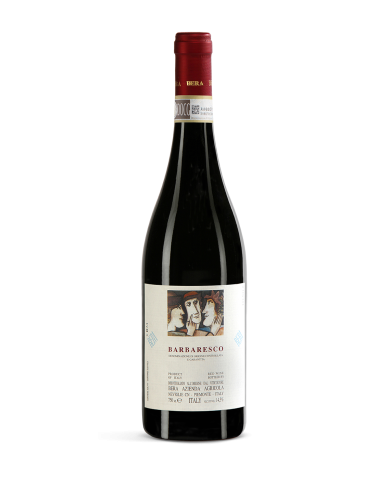
Elegant, austere, of great nobility; this wine made from Nebbiolo grapes has a garnet red color with orange reflections. In the glass it releases ethereal and spicy aromas, with light notes of vanilla and dried flowers, while in the mouth it is generous, of great harmony and persistence. It goes well with red meats, game and aged cheeses.
€53.31
SKU:
16481
Brand:
Valter Bera
Elegant, austere, of great nobility; this wine made from Nebbiolo grapes has a garnet red color with orange reflections. In the glass it releases ethereal and spicy aromas, with light notes of vanilla and dried flowers, while in the mouth it is generous, of great harmony and persistence. It goes well with red meats, game and aged cheeses.
€26.35
SKU:
16480
Brand:
Valter Bera
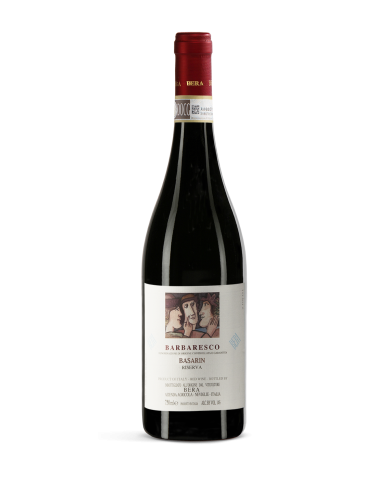
Elegant, austere, of great nobility; this wine made from Nebbiolo grapes has a garnet red color with orange reflections. In the glass it releases ethereal and spicy aromas, with light notes of vanilla and dried flowers, while in the mouth it is generous, of great harmony and persistence. It goes well with red meats, game and aged cheeses. Obtained from Nebbiolo grapes from vineyards in the Basarin sub-area in Neive.
€49.01
SKU:
16479
Brand:
Valter Bera
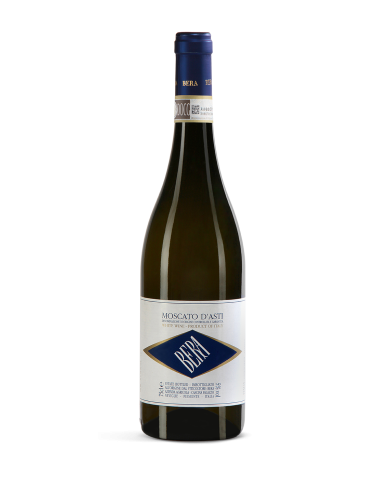
Among the few white wines in the land of reds, this wine comes from the now famous native grapes. It has a very delicate straw color and floral aromas reminiscent of acacia, wild flowers, honey. In the mouth it is fresh, sapid, pleasantly acidulous, decidedly inviting. It is an excellent aperitif and goes nicely with appetizers, pasta and fish dishes.
€12.20
SKU:
16478
Brand:
Valter Bera
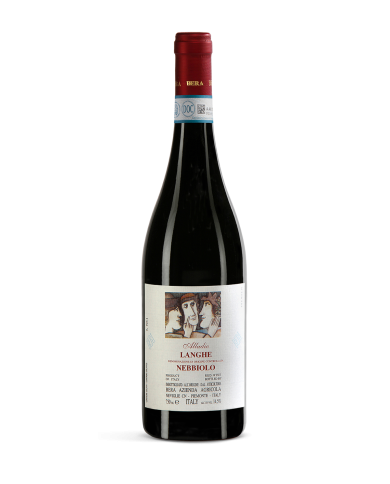
Produced with Nebbiolo grapes, it is a garnet colored wine with orange reflections, lively and captivating. It has ethereal, ample and persistent aromas, reminiscent of violets and roses, a dry taste, with a good structure, pleasantly sapid, with already sweet tannins. It goes well with grilled red meats, baked pasta, medium-aged cheeses.
€17.69
SKU:
16477
Brand:
Valter Bera
The grapes for this aromatic wine, of a delicate straw yellow color and with a complex, elegant and musky bouquet, ripen in vineyards well exposed to the sun, from south to south-west and bring sweetness, sapidity and a very long aromatic persistence into the glass which recalls the flavors and the aromas of ripe grapes.
It goes ideally with desserts and in particular with creams, fruit tarts and small pastries.
€11.35
SKU:
16476
Brand:
Valter Bera
The grapes for this aromatic wine, of a delicate straw yellow color and with a complex, elegant and musky bouquet, ripen in vineyards well exposed to the sun, from south to south-west and bring sweetness, sapidity and a very long aromatic persistence into the glass which recalls the flavors and the aromas of ripe grapes.
It goes ideally with desserts and in particular with creams, fruit tarts and small pastries.
€28.30
SKU:
16475
Brand:
Valter Bera
€11.59
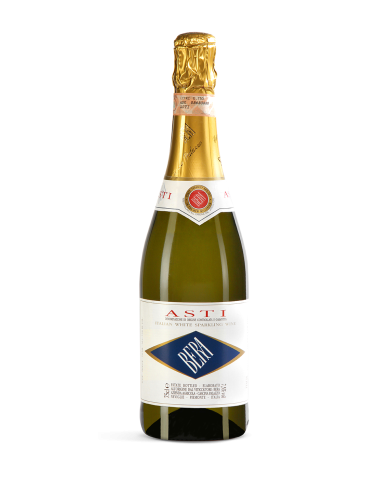
The grapes to produce this Asti sparkling wine with finely aromatic characteristics are obtained from vineyards planted with Moscato bianco, on soil rich in limestone. The continuous "perlage", the persistent foam, prelude to the broad and intense bouquet reminiscent of orange blossom and sage. The sweet and inviting taste is attenuated by a stimulating acidity. Ideal with dessert, party wine, as an aperitif and for any other occasion to remember.
€11.59
SKU:
16474
Brand:
Valter Bera
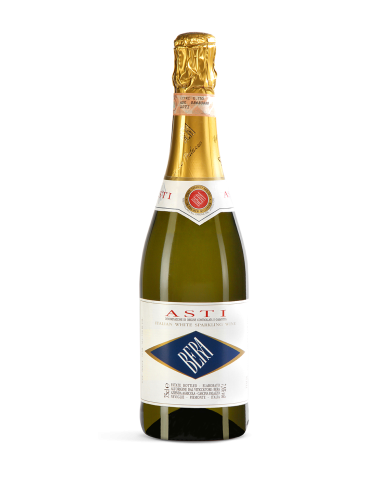
The grapes to produce this Asti sparkling wine with finely aromatic characteristics are obtained from vineyards planted with Moscato bianco, on soil rich in limestone. The continuous "perlage", the persistent foam, prelude to the broad and intense bouquet reminiscent of orange blossom and sage. The sweet and inviting taste is attenuated by a stimulating acidity. Ideal with dessert, party wine, as an aperitif and for any other occasion to remember.
€28.30
SKU:
16473
Brand:
Valter Bera
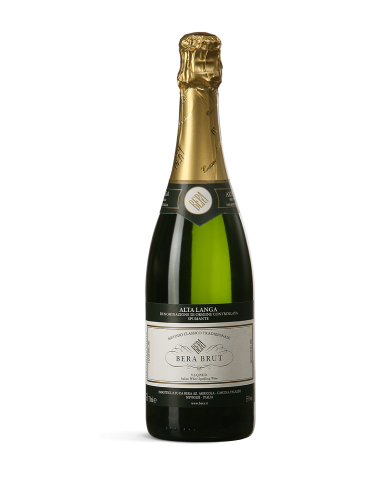
The elegance of a great classic method that remains 4 years on the lees, enhances the Pinot Noir and Chardonnay grapes grown on the Langa hills. The long stay on the lees leaves notes of bread crust in a complex, broad and persistent bouquet. Pleasantly dry, long, savory, it brightens the glass with a very fine and persistent perlage. Wine for aperitifs and throughout the meal.
€23.61
SKU:
16445
Brand:
Travaglini
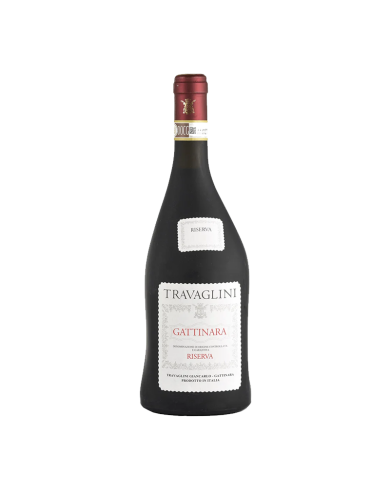
Gattinara Riserva is a robust and very intense red wine, aged for 36 months in oak barrels. With an intense garnet color, the nose is elegant, with notes of rose jam, berries, spices and mineral nuances. In the mouth it is full, structured, but always fresh, with compact tannins and a long persistence of jams and spices
SKU:
16423
Brand:
Domenico Clerico
Since 1981 Arte has symbolized our desire to experiment; the curiosity to look for new and unexplored paths, without ever forgetting where we come from. This is how Art is born, from the balance between two so different but complementary varieties. Structure and character from Nebbiolo, softness and elegance from Barbera.
€94.11
SKU:
16422
Brand:
Domenico Clerico
Since 1981 Arte has symbolized our desire to experiment; the curiosity to look for new and unexplored paths, without ever forgetting where we come from. This is how Art is born, from the balance between two so different but complementary varieties. Structure and character from Nebbiolo, softness and elegance from Barbera.
€56.79
SKU:
16421
Brand:
Domenico Clerico
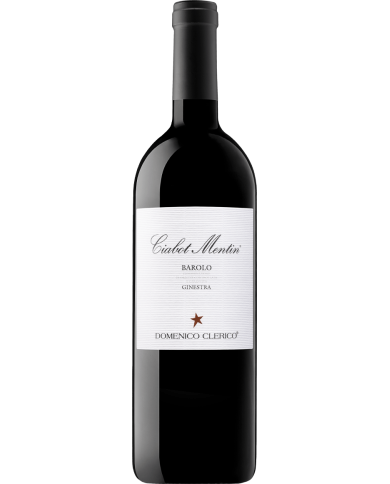
The first flag placed by Domenico in Ginestra and the first wine with which he made himself known in the world. One of the wines that in the last 30 years have made the history of the Barolo appellation in its entirety.
€131.35
SKU:
16271
Brand:
Massolino
Langhe DOC Nebbiolo represents an immediate, pleasant and rounded expression of the Nebbiolo variety. The grapes used come from vineyards located in various municipalities of the Langhe.
€37.30
SKU:
16270
Brand:
Massolino
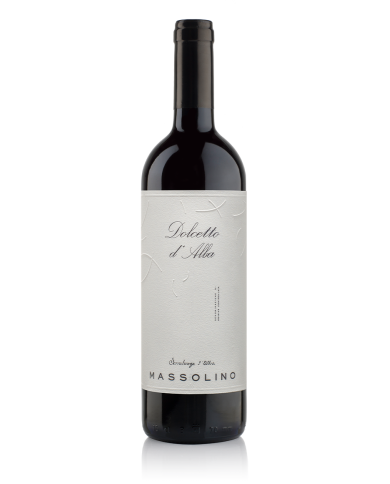
A red that tastes of tradition, thanks to its distinct organoleptic characteristics, the Dolcetto d'Alba DOC accompanies the dishes of the Langhe with elegance and harmony.
€10.09
SKU:
16269
Brand:
Massolino
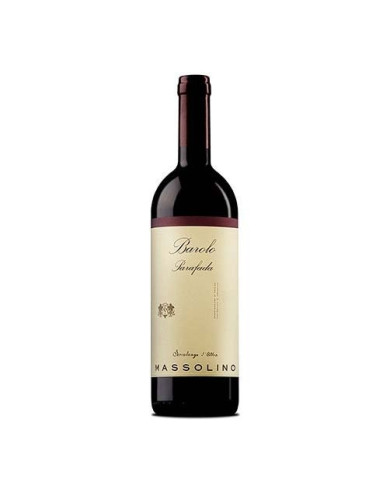
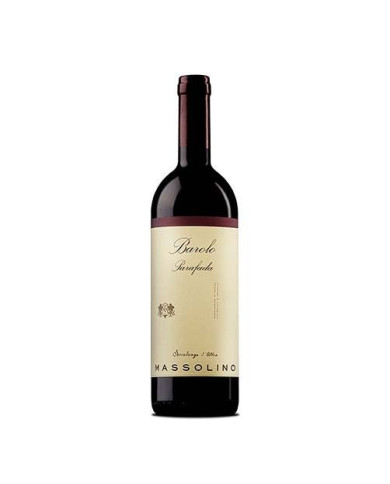
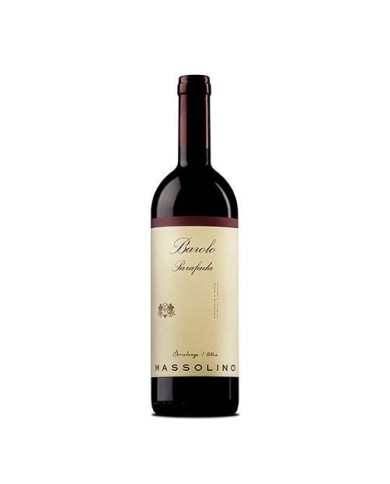
Coming from the small "Parafada" vineyard, just over one hectare in the municipality of Serralunga d'Alba, this Barolo by Massolino is aged in oak barrels for a minimum of 30 months, with rest in the bottle for about a year. Parafada is the most floral expression of Serralunga d'Alba: a closed, austere Barolo that over the years will make lovers of this great Italian red dream.
€66.61
SKU:
16268
Brand:
Massolino
Coming from the small "Parafada" vineyard, just over one hectare in the municipality of Serralunga d'Alba, this Barolo by Massolino is aged in oak barrels for a minimum of 30 months, with rest in the bottle for about a year. Parafada is the most floral expression of Serralunga d'Alba: a closed, austere Barolo that over the years will make lovers of this great Italian red dream.
€59.29
SKU:
16267
Brand:
Massolino
Coming from the small "Parafada" vineyard, just over one hectare in the municipality of Serralunga d'Alba, this Barolo by Massolino is aged in oak barrels for a minimum of 30 months, with rest in the bottle for about a year. Parafada is the most floral expression of Serralunga d'Alba: a closed, austere Barolo that over the years will make lovers of this great Italian red dream.
€66.61
SKU:
16266
Brand:
Massolino
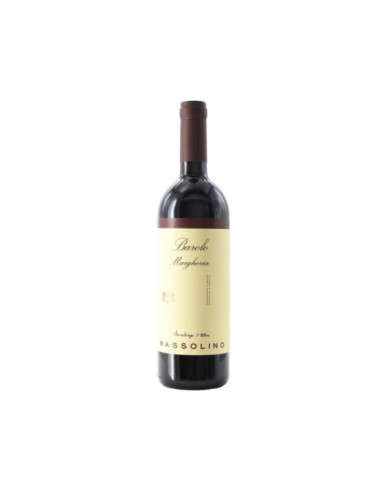
Coming from the homonymous vineyard in the cru of the municipality of Serralunga d'Alba, Massolino's Barolo Margheria ages in oak barrels for a minimum of 30 months, followed by a permanence in the bottle for about a year. Intense garnet red, it opens on the nose with spicy and undergrowth notes, while on the palate it is an explosion of dark pulp fruit, toasted coffee and oriental spices.
€69.17
SKU:
16265
Brand:
Massolino
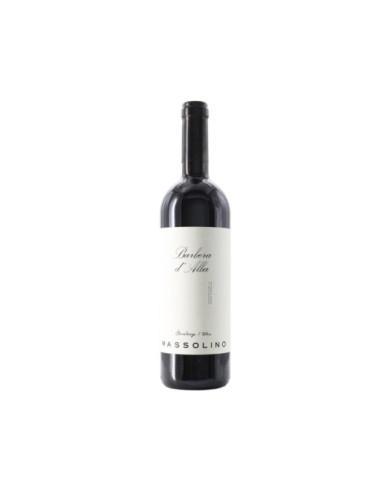
A great classic of the Piedmontese tradition, Barbera d'Alba DOC is round, frank, vinous, perfect for pairings with the typical cuisine of the area.
€12.91
SKU:
16264
Brand:
Massolino
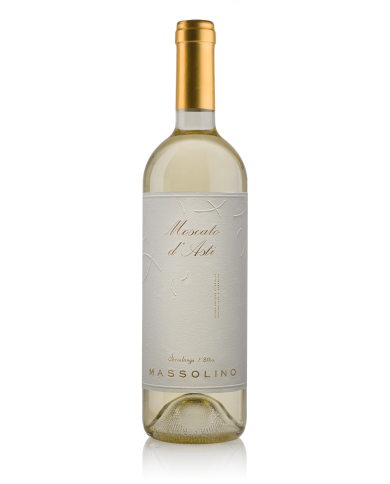
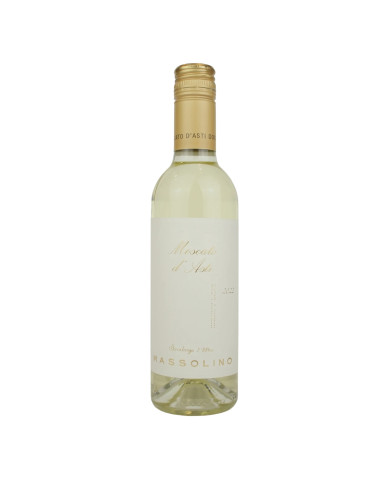
Traditionally, Moscato D'Asti DOCG is also grown in Serralunga. We have been making it since 1993. Sweet, fragrant and…
€10.81
SKU:
16263
Brand:
Massolino
Traditionally, Moscato D'Asti DOCG is also grown in Serralunga. We have been making it since 1993. Sweet, fragrant and…
€5.88
SKU:
16262
Brand:
Massolino
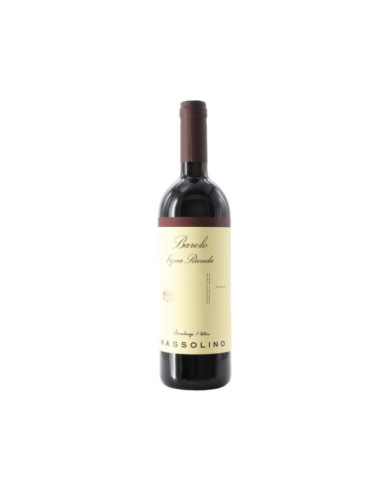
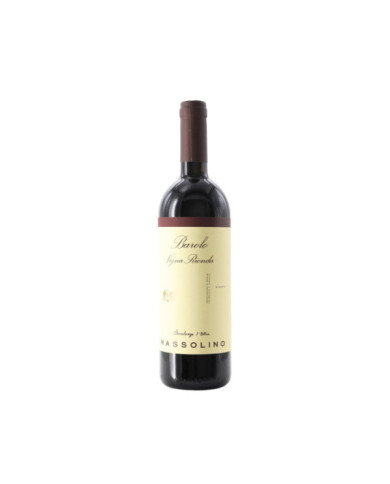
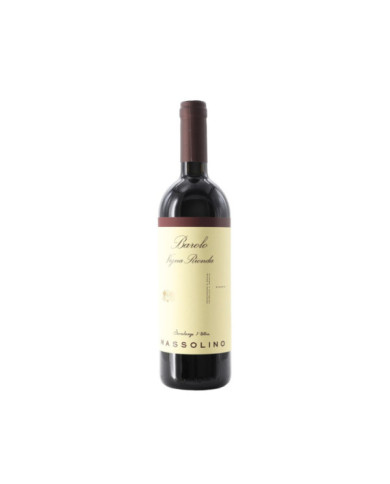
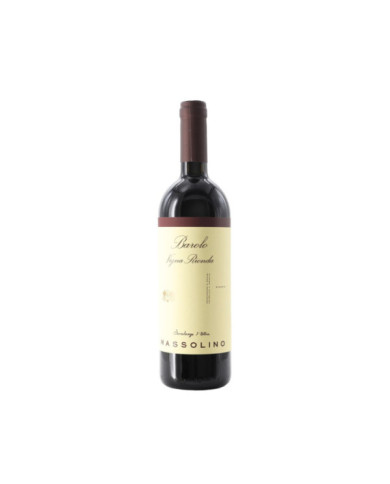
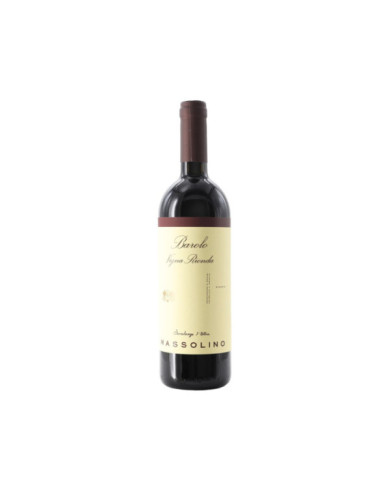
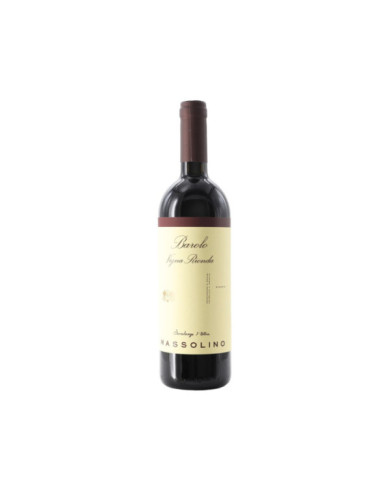
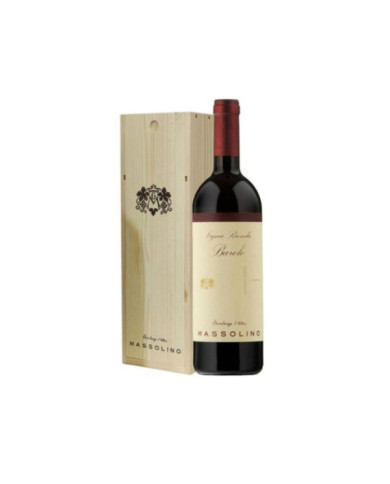
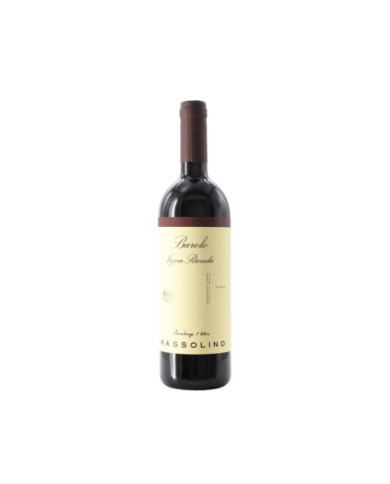
Linked from the beginning to the history of our family, Vigna Rionda has always been considered one of the most exclusive and legendary places in the wine world. Today we present to you what we believe to be one of the greatest Barolos we produce, the expression of a vintage that will go down in history and which for this reason should be celebrated properly...
€275.00
SKU:
16261
Brand:
Massolino
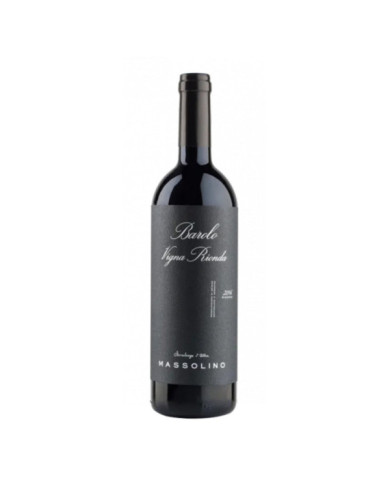
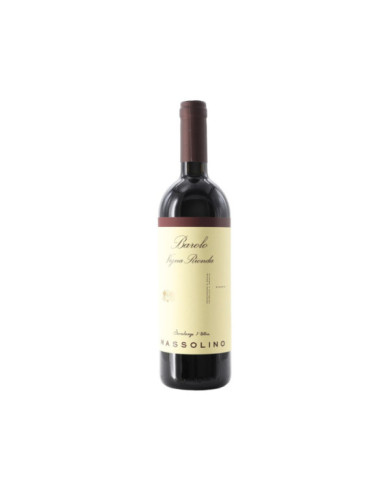
Simply the Barolo di Serralunga at the peak of its potential. Barolo DOCG Vigna Rionda Riserva is the wine we are most proud of.
€171.29
SKU:
16260
Brand:
Massolino
Simply the Barolo di Serralunga at the peak of its potential. Barolo DOCG Vigna Rionda Riserva is the wine we are most proud of.
€126.88
SKU:
16259
Brand:
Massolino
Simply the Barolo di Serralunga at the peak of its potential. Barolo DOCG Vigna Rionda Riserva is the wine we are most proud of.
€164.70
SKU:
16258
Brand:
Massolino
Simply the Barolo di Serralunga at the peak of its potential. Barolo DOCG Vigna Rionda Riserva is the wine we are most proud of.
€158.60
SKU:
16257
Brand:
Massolino
Simply the Barolo di Serralunga at the peak of its potential. Barolo DOCG Vigna Rionda Riserva is the wine we are most proud of.
€171.29
SKU:
16256
Brand:
Massolino
Simply the Barolo di Serralunga at the peak of its potential. Barolo DOCG Vigna Rionda Riserva is the wine we are most proud of.
€234.73
SKU:
16255
Brand:
Massolino
Simply the Barolo di Serralunga at the peak of its potential. Barolo DOCG Vigna Rionda Riserva is the wine we are most proud of.
€152.26
SKU:
16254
Brand:
Massolino
Simply the Barolo di Serralunga at the peak of its potential. Barolo DOCG Vigna Rionda Riserva is the wine we are most proud of.
€355.75
SKU:
16253
Brand:
Massolino
Simply the Barolo di Serralunga at the peak of its potential. Barolo DOCG Vigna Rionda Riserva is the wine we are most proud of.
€196.66
Discover the magic of Piedmont wines: savor the taste of tradition!
Piedmont is one of Italy's most renowned regions for producing excellent wines. Piedmont's winemaking tradition has developed over the centuries, and the region's wines are appreciated worldwide.
The origins of Piedmont wine
Piedmont wine has ancient origins. The region, located in northwestern Italy, enjoys a temperate climate that lends itself to the production of quality wines. The first documents mentioning Piedmont wines date back to the Middle Ages, when the region's princes invited their guests to taste their wines.
The wine styles of Piedmont
Piedmont's wine styles are highly diverse. The most well-known are the red wines Barolo and Barbaresco, both made from Nebbiolo, a grape native to the region. Piedmont's red wines are generally fuller-bodied, with complex aromas ranging from berries to spices, and have good acidity that makes them suitable for aging.
In addition to red wines, Piedmont is also famous for its white wines, such as Gavi and Arneis . These wines are lighter and have fewer tannins than red wines, but are just as tasty.
What are the most famous Piedmontese wines?
Piedmont wines are appreciated worldwide and are considered among the finest in Italy. Among the best-known are Barolo, Barbaresco, Gavi, Arneis , Dolcetto, and Barbera. These wines have been appreciated by generations of wine lovers and are a must-try for anyone who wants to discover Piedmont's winemaking tradition.
How to best savor Piedmont wines
Piedmont wines are meant to be savored slowly. Tasting should be done in a quiet environment and using glasses suitable for wine tasting. Serving temperature is crucial to getting the most out of the wine: white wines should be served chilled (8-10ºC), while red wines should be served warmer (16-18ºC).
To fully appreciate Piedmont wines, it's important to understand the flavors and aromas of each wine. You should try to identify the aromas and flavors of each wine, such as berries, spices, herbs, and earthy notes. This will help you better understand how wines pair with foods and how to choose the most suitable wines for a given occasion.
Taste tradition with Piedmont wines
Tasting Piedmont wines is a unique experience. It will allow you to discover the flavors and aromas of a thousand-year-old winemaking tradition that has made Piedmont one of the world's most renowned regions for quality wine production.
Choose a Piedmont wine and savor all the magic and flavor of tradition!
Piedmont Wine Denomination: A Journey into the World of Wine
Piedmont is a region located in northwest Italy, stretching from the Alps to the Po River. This region is renowned for its natural beauty, culture, history, and, above all, its high-quality wine production. In this guide, you'll discover everything you need to know about Piedmont's wine appellation, from grape varieties to the main wines produced and their characteristics.
Introduction to the denomination of Piedmont wines
The Piedmont wine denomination is a classification system based on its origin, the grape variety used, and the production methods. There are three levels of Piedmont wine designation: DOCG (Controlled and Guaranteed Designation of Origin), DOC (Controlled Designation of Origin), and IGT (Typical Geographical Indication).
IGT
The IGT (Italian Geographical Indication) is the lowest denomination and covers the entire Piedmont region. This designation allows producers to use grapes from other regions and experiment with new winemaking techniques. IGT wines can have very different characteristics, depending on the grape variety and the techniques used.
DOC
The DOC designation is reserved for wines produced in specific areas of Piedmont and that meet specific production criteria. These wines must be made with a specific grape variety, must be aged for a specific period, and must meet specific production criteria.
DOCG
The DOCG designation is the highest in the Piedmont wine appellation hierarchy. This designation is reserved for wines that represent the best of Piedmont and have an international reputation. DOCG wines are produced in specific areas of Piedmont, using specific grape varieties and following rigorous production criteria.
The grape varieties of Piedmont
Piedmont is famous for its wide variety of native grapes, some of which are used to produce some of the world's finest wines. Here are some of Piedmont's most important grape varieties:
Nebbiolo
Nebbiolo is Piedmont's most important grape variety and is used to produce some of the region's most famous wines, such as Barolo and Barbaresco. This grape variety is known for its fruity flavor and tannic character.
Barbera
Barbera is the second most important grape variety in Piedmont and is used to produce highly regarded red wines, such as Barbera d'Alba and Barbera d'Asti.
The main wines of Piedmont
Piedmont is famous for producing some of the world's finest wines, renowned for their unique flavors and distinctive characteristics. Here are the region's main wines:
Barolo
Barolo is the king of Piedmont wines and is produced with Nebbiolo grapes grown in the hills of the Barolo municipality. This wine is renowned for its complex, fruity flavor, its tannic character, and its intense ruby red color. Barolo is aged in wooden barrels for a minimum of three years and has an alcohol content of approximately 13%.
Barbaresco
Barbaresco is another great Piedmont red wine made from Nebbiolo grapes. This wine has a similar flavor to Barolo, but is a bit softer and lighter. Barbaresco is aged for at least two years and has an alcohol content of approximately 13%.
Barbera d'Alba
Barbera d'Alba is a red wine made from Barbera grapes grown in the Langhe region. This wine has a fruity flavor and an alcohol content of approximately 12.5%. Barbera d'Alba is aged for at least one year in wooden barrels.
Moscato d'Asti
Moscato d'Asti is a sweet white wine made from Moscato Bianco grapes grown in the Langhe area. This wine has a fruity, fresh flavor and is perfect as an aperitif or dessert. Moscato d'Asti has an alcohol content of approximately 5%.
Piedmont is a major winemaking region, producing some of the world's finest wines. The DOCG, DOC, and IGT designations represent a wine classification system that guarantees the quality and provenance of products. Each grape variety has its own distinctive characteristics, giving Piedmont wines their unique flavor and distinctive qualities. If you're a wine enthusiast, a visit to Piedmont's wineries is an experience not to be missed.
Frequently Asked Questions
What are the most important grape varieties of Piedmont?
The most important grape varieties of Piedmont are Nebbiolo, Barbera and Moscato Bianco.
What is the most famous wine from Piedmont?
The most famous wine of Piedmont is Barolo.
What does the DOCG designation mean?
The DOCG designation stands for Controlled and Guaranteed Designation of Origin and is the highest in the hierarchy of Piedmont wine denominations.
What are the main production areas of Piedmont wines?
The main production areas of Piedmont wines are the Langhe