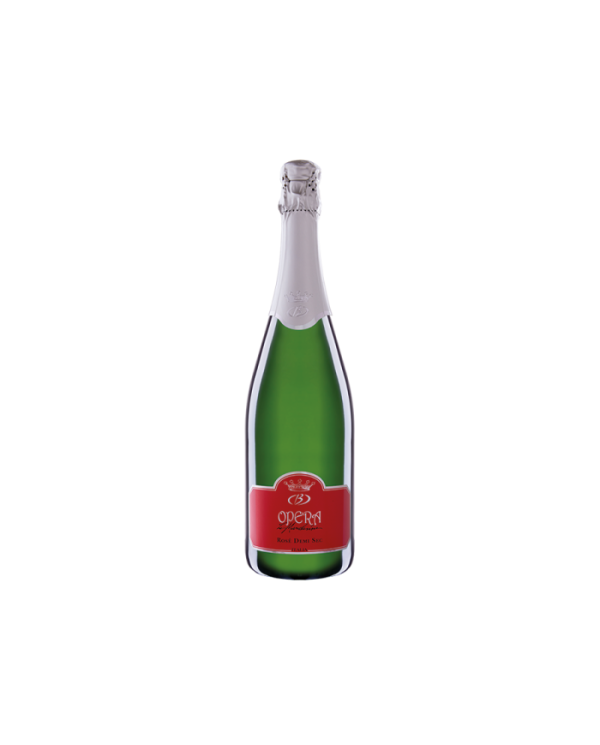
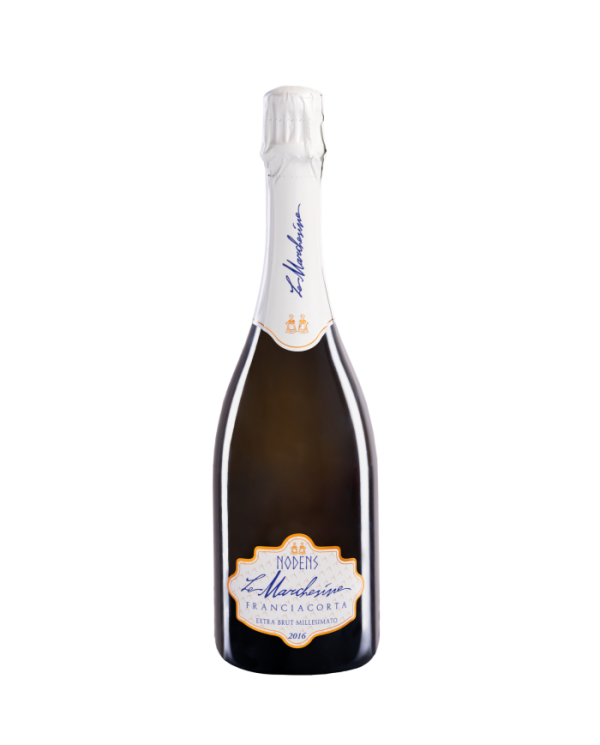
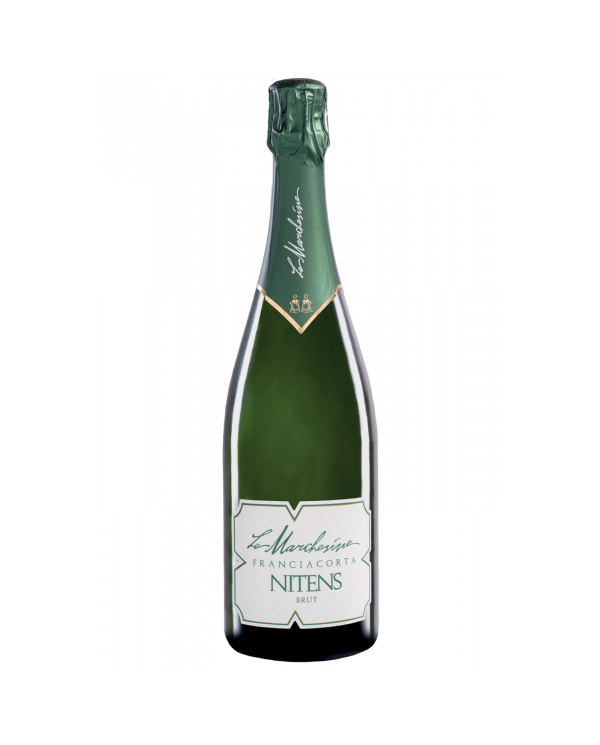
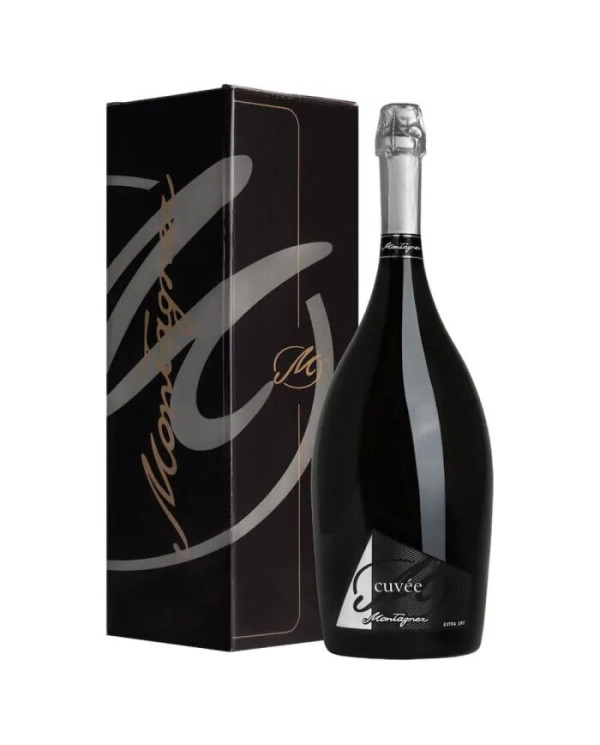
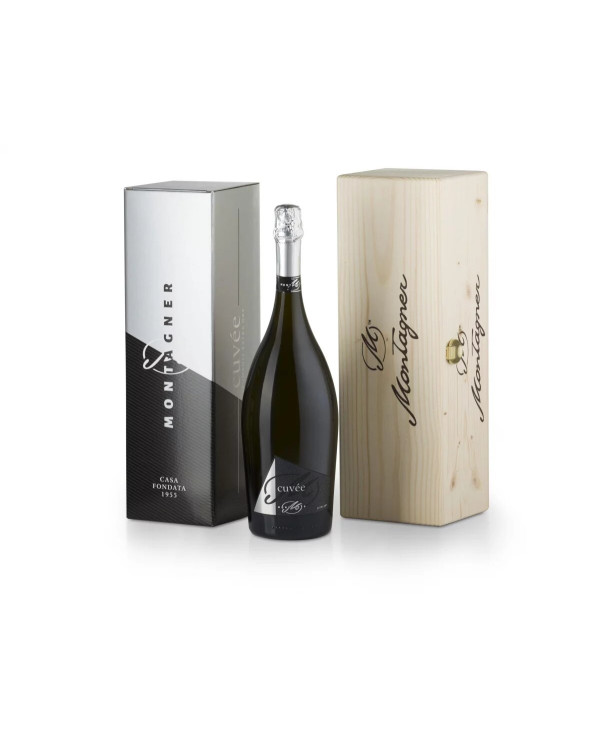
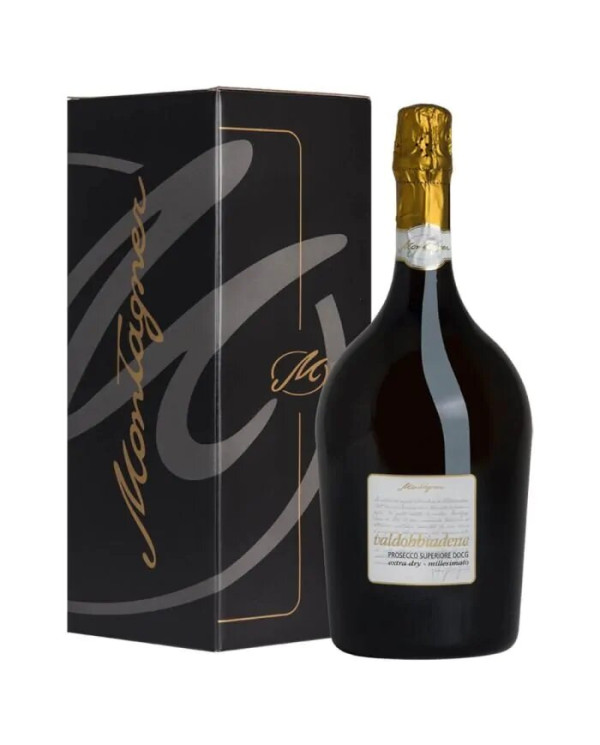
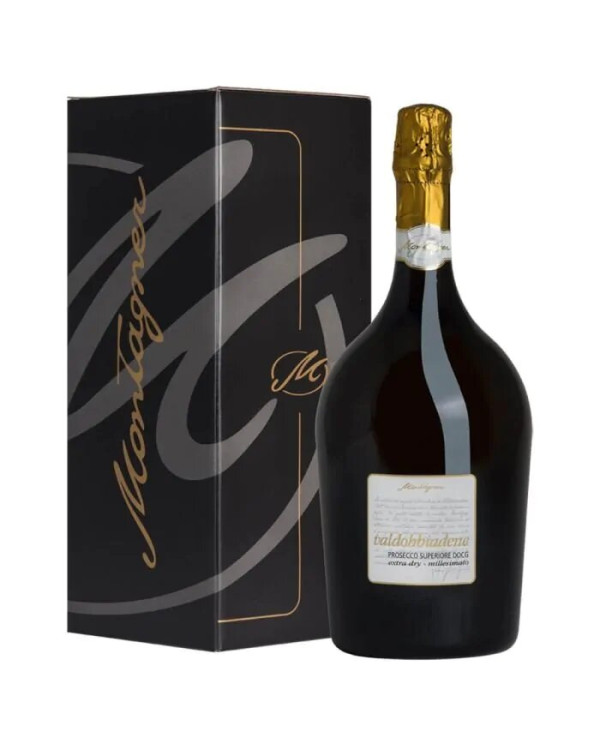
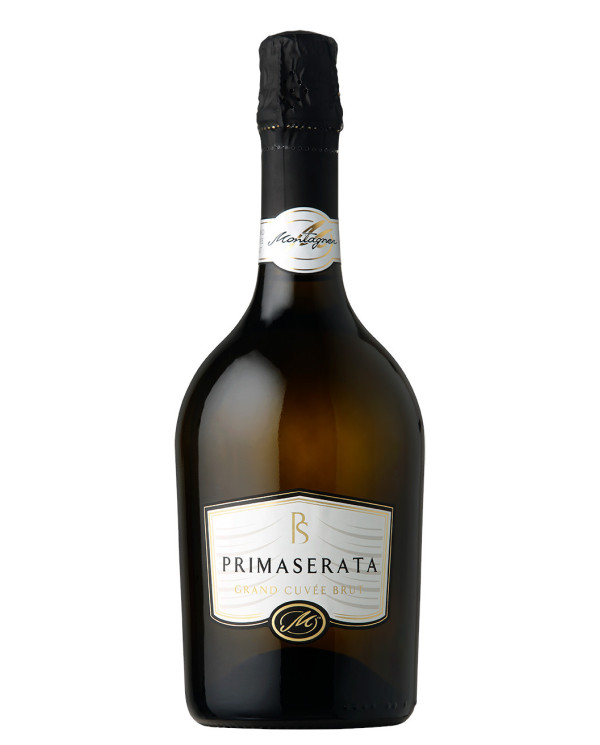
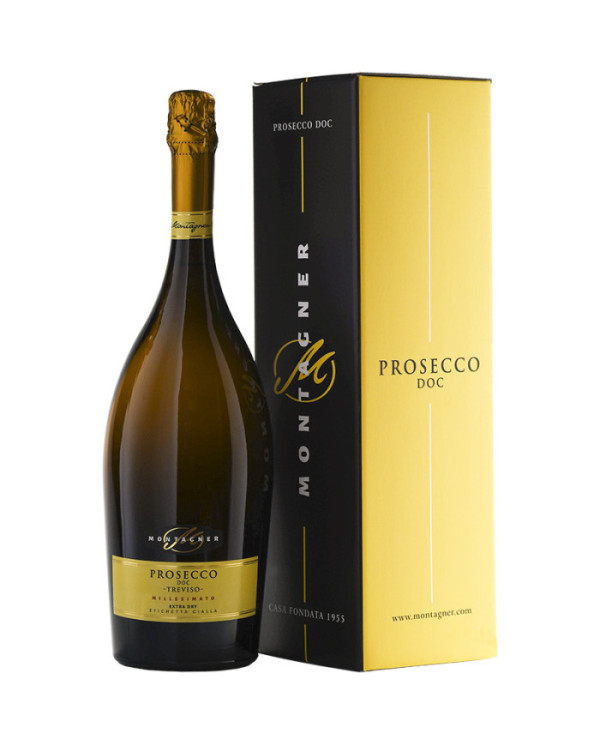
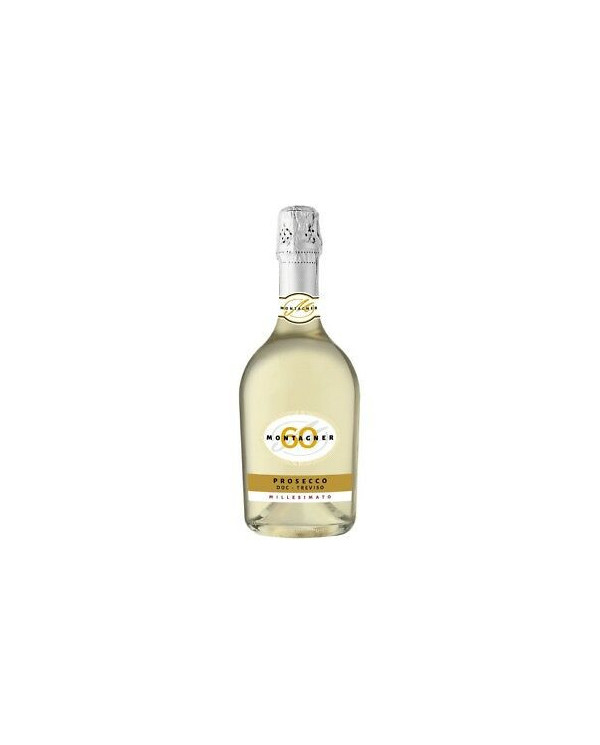
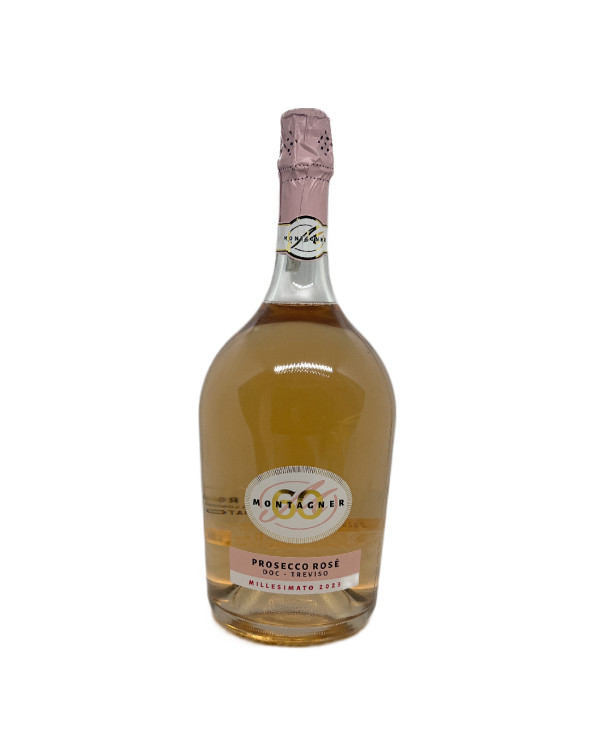
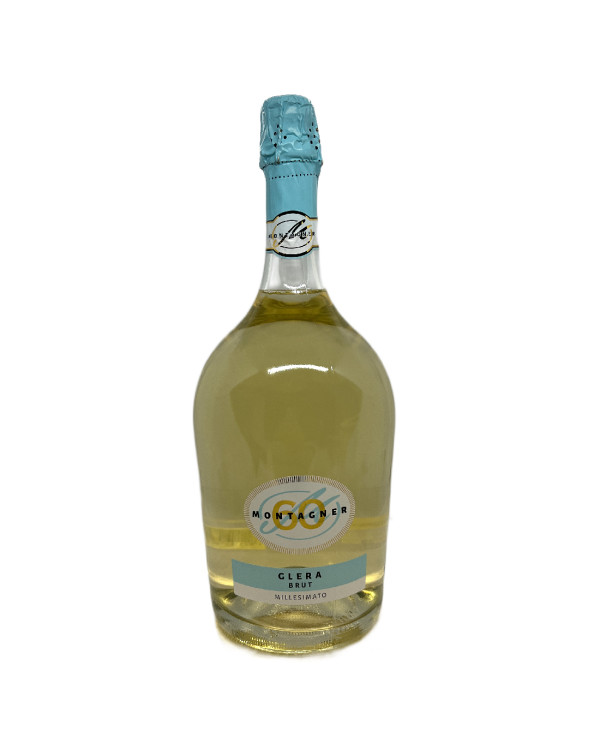
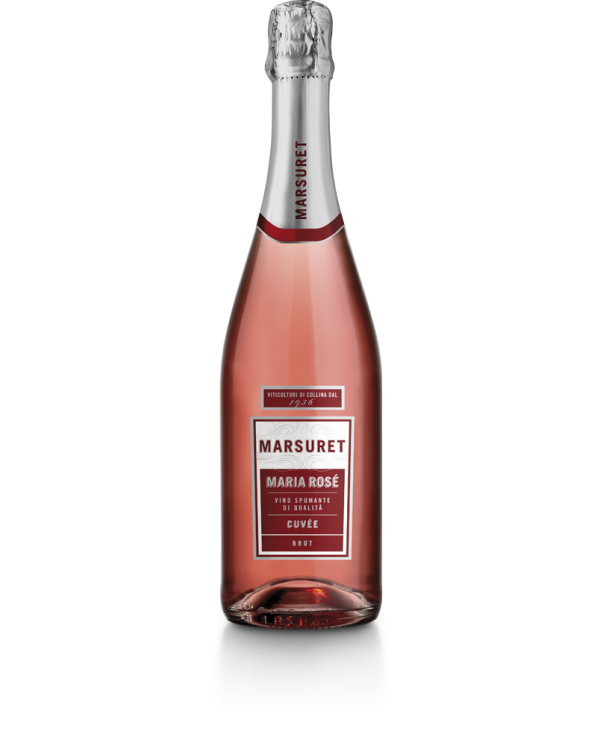
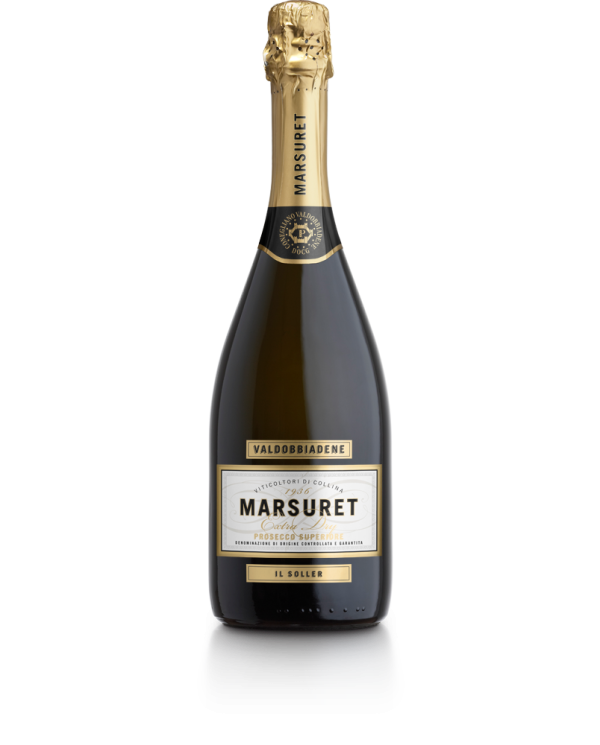
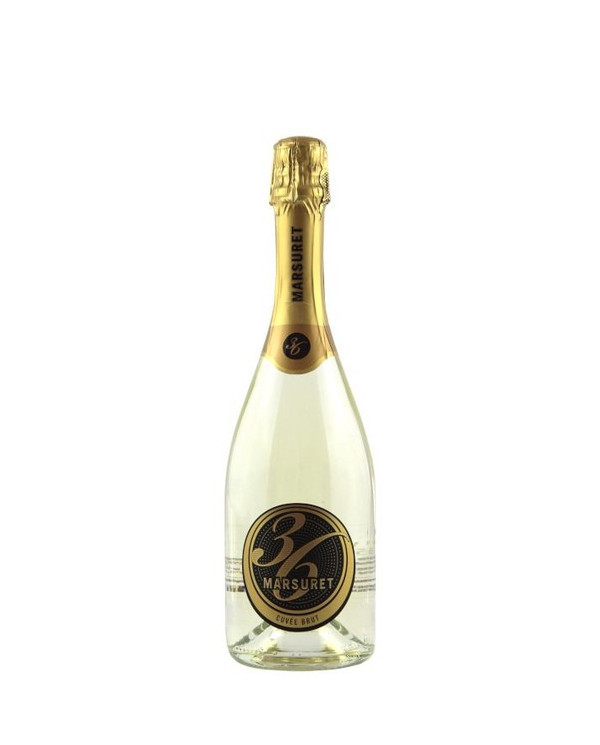
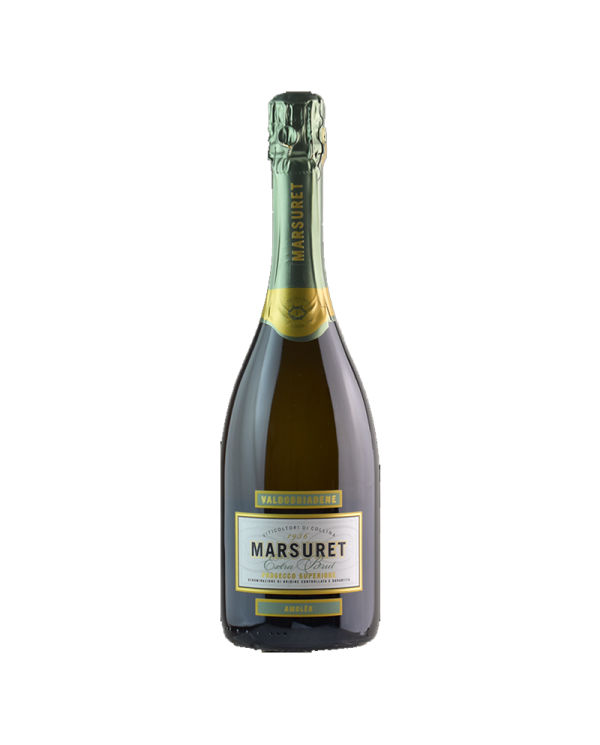
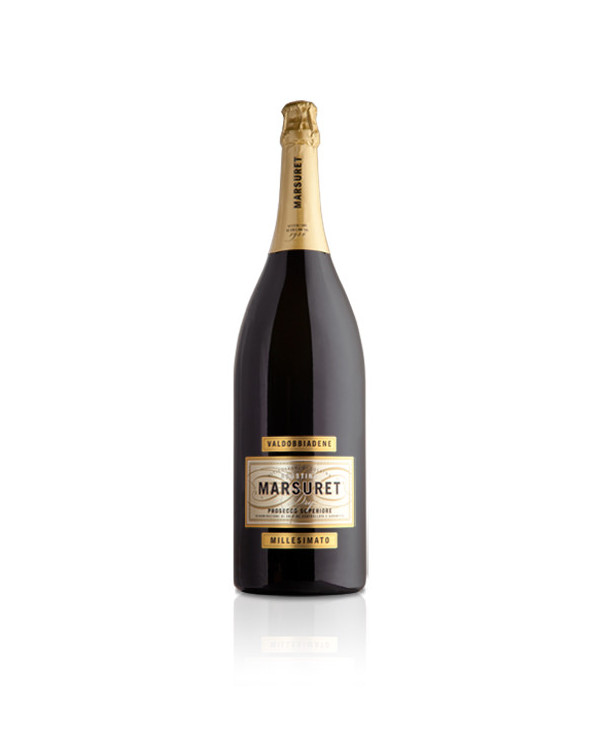
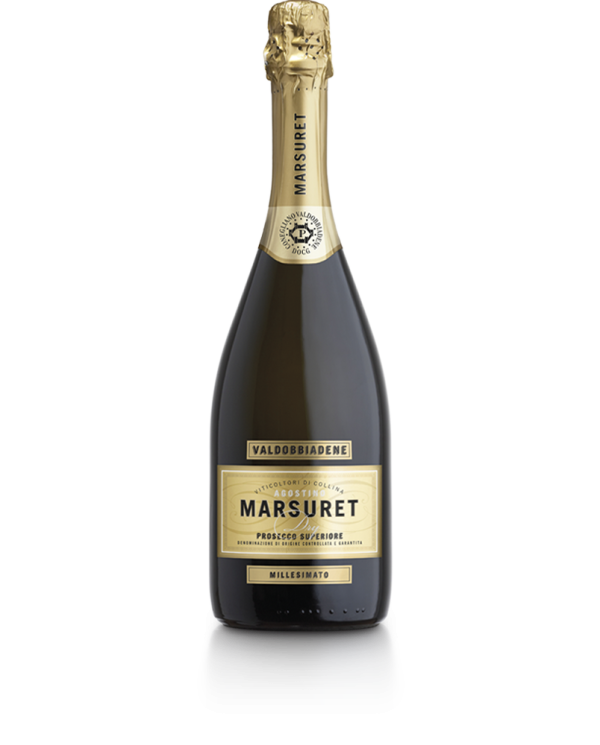
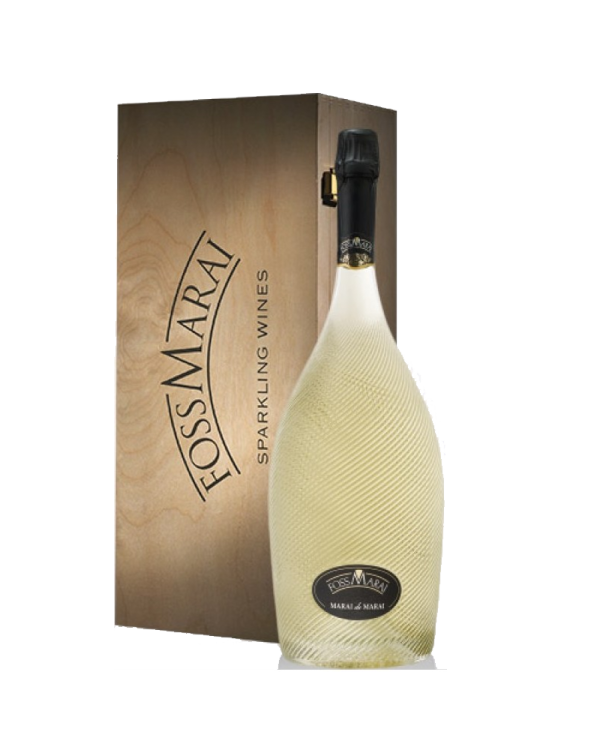
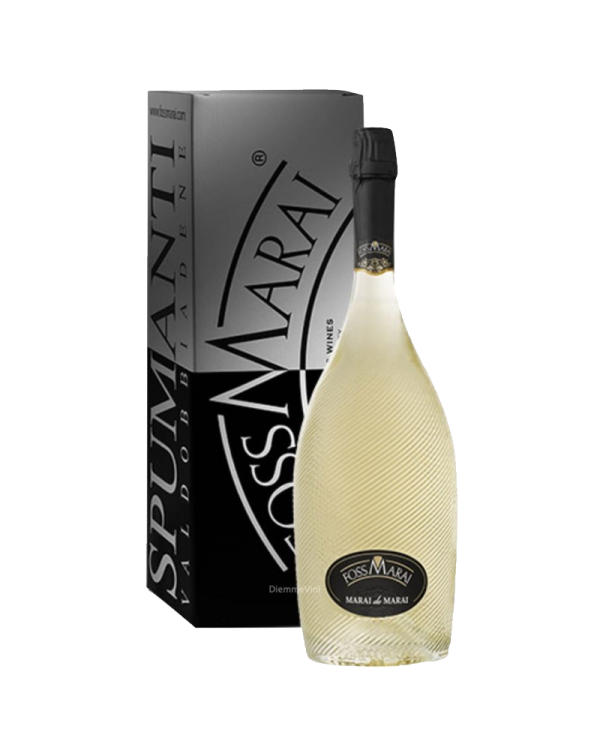
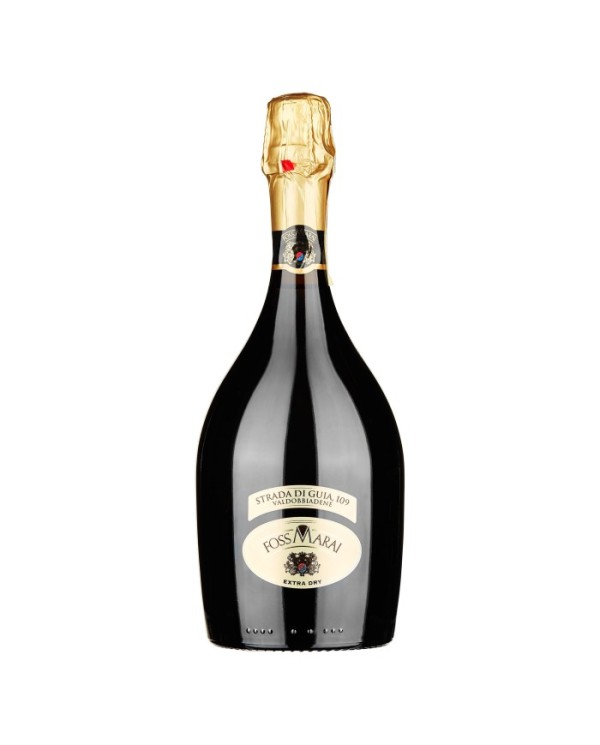
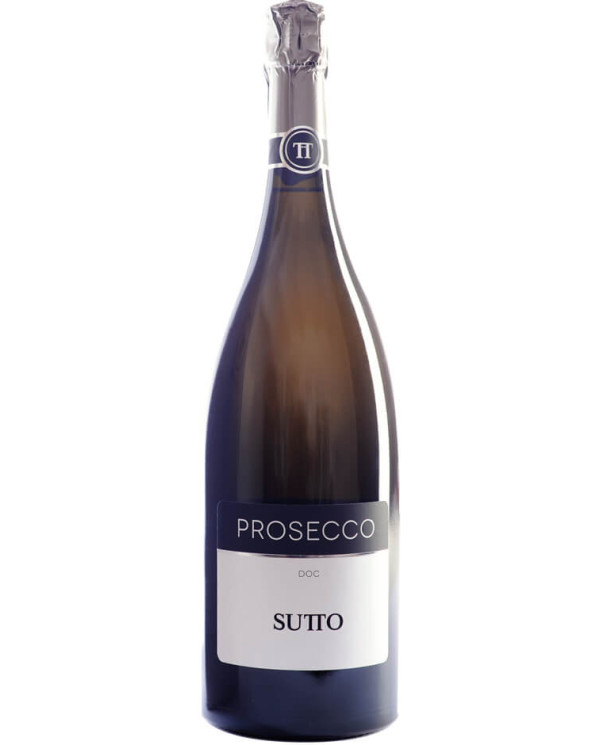
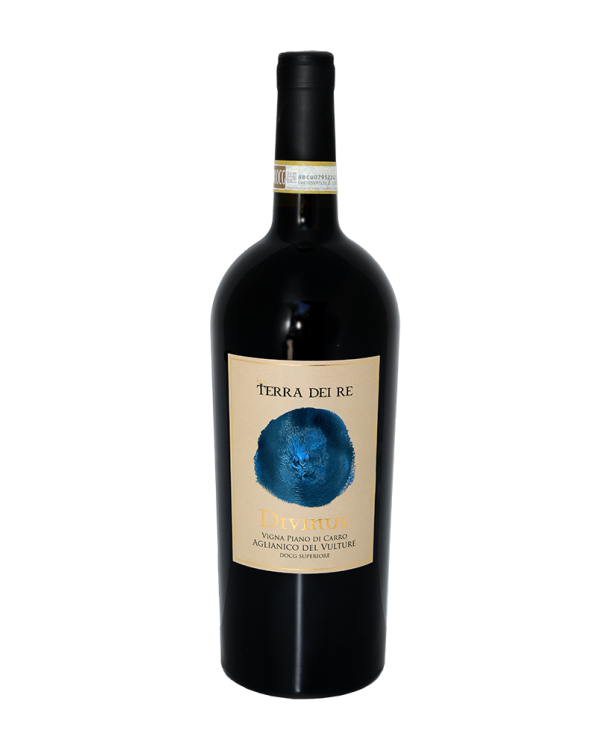
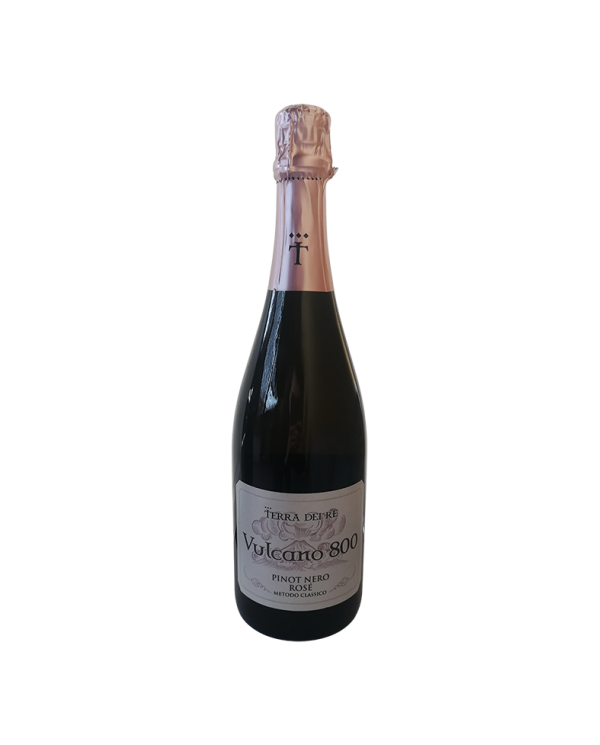
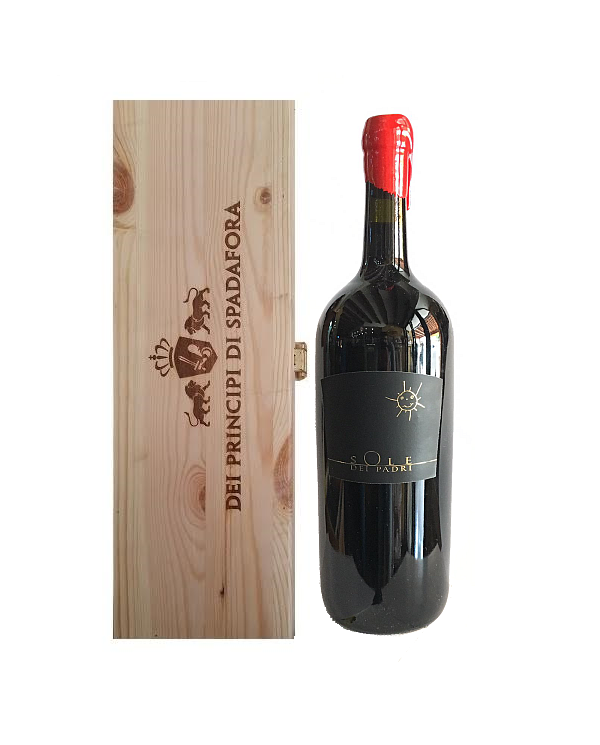
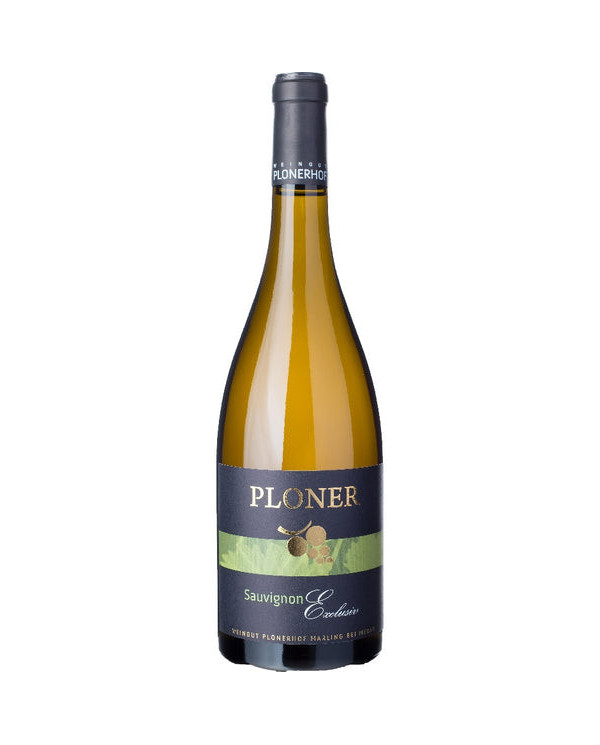
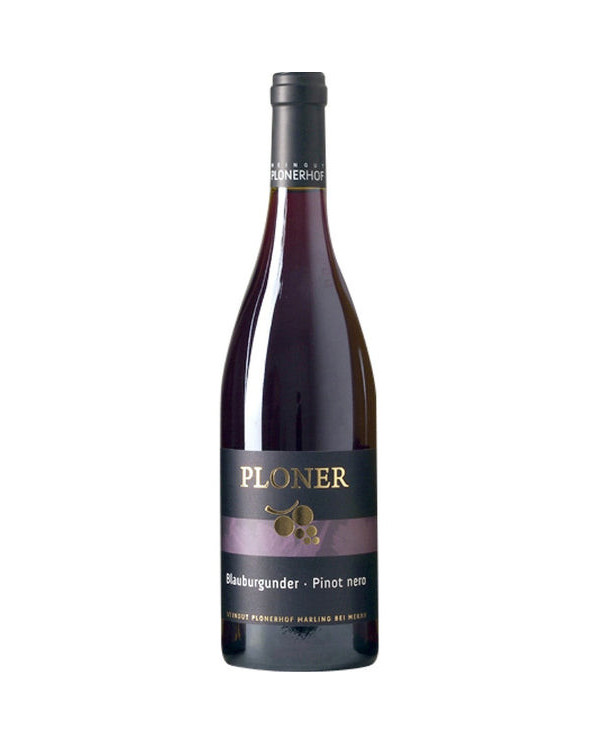
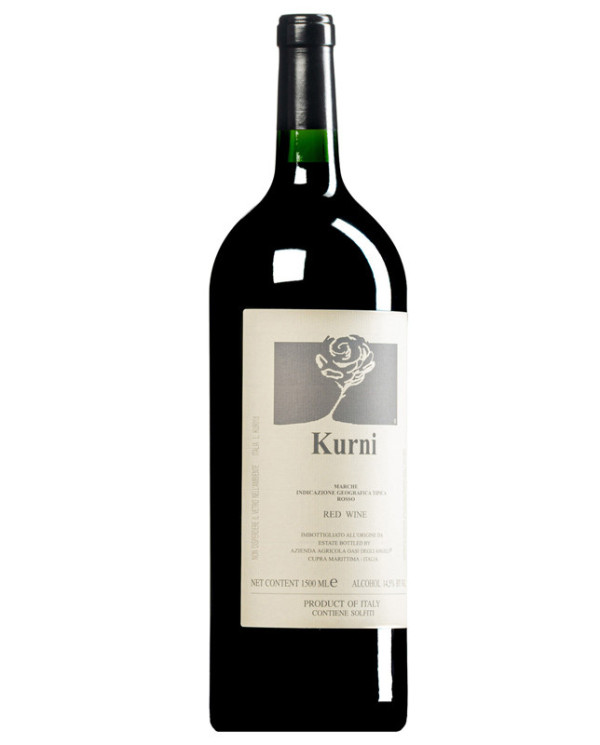
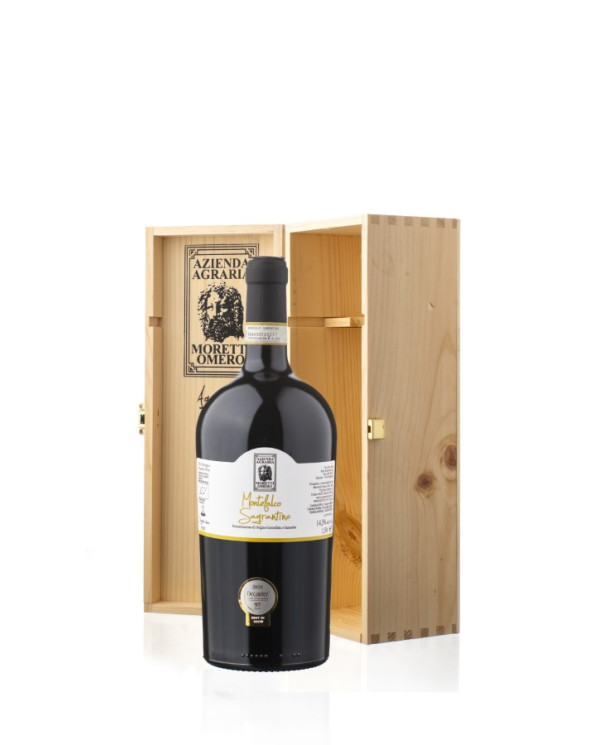
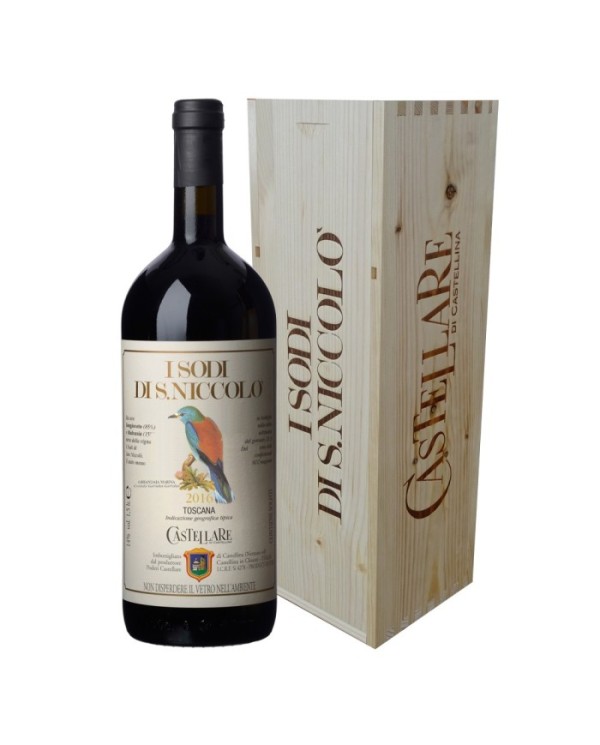
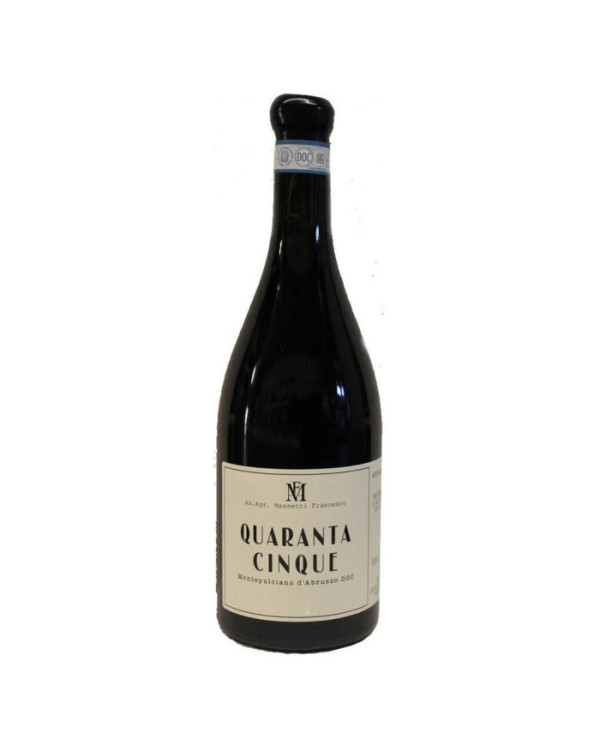
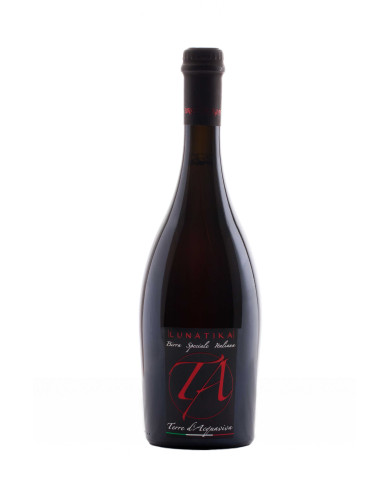
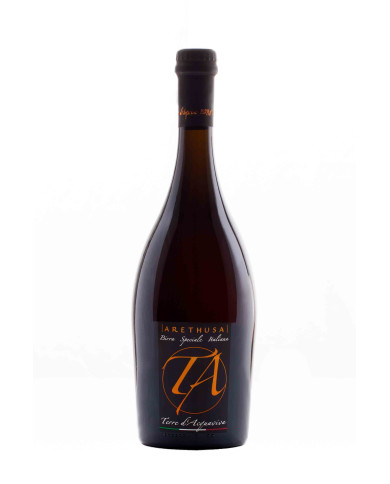
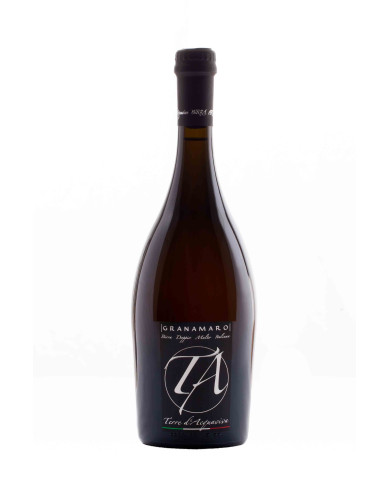
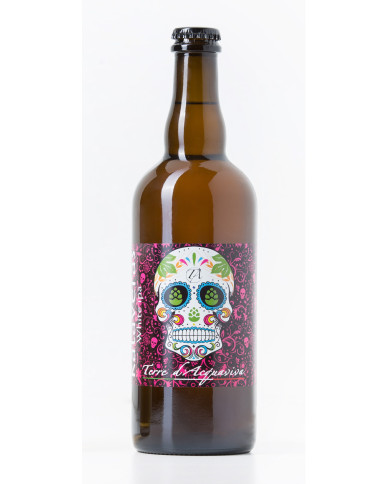
In the 1950s, during the reconstruction following the Second World War, Egidio Montagner wanted to commit himself to the creation of his own cellar, in which to produce quality wines. Over the years, the sons of the founder and later his grandchildren contributed to the construction of what is today one of the most prestigious wineries in Motta di Livenza. The refinement of grape processing techniques and the attention to technological innovations applied to the wine sector are determining factors in the affirmation and success of the wines, liqueurs and distillates produced by "Montagner Vini e Spumanti".
Langhe DOC Nebbiolo represents an immediate, pleasant and rounded expression of the Nebbiolo variety. The grapes used come from vineyards located in various municipalities of the Langhe.
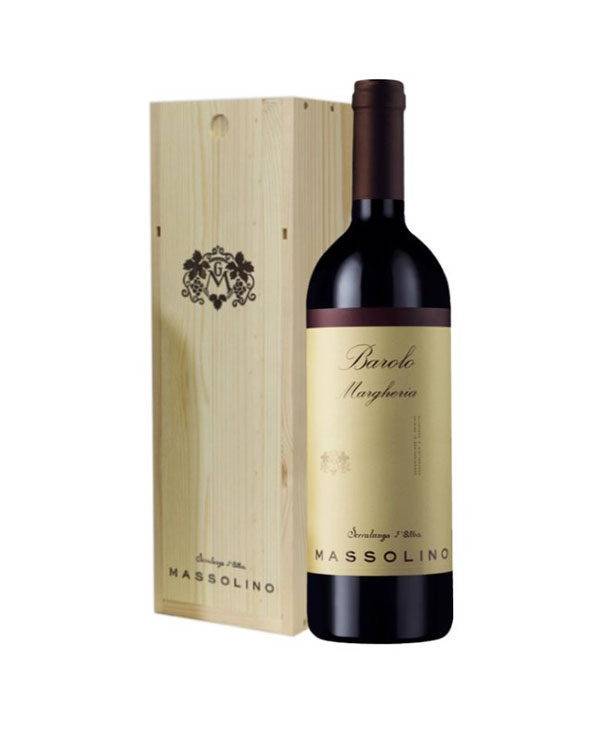
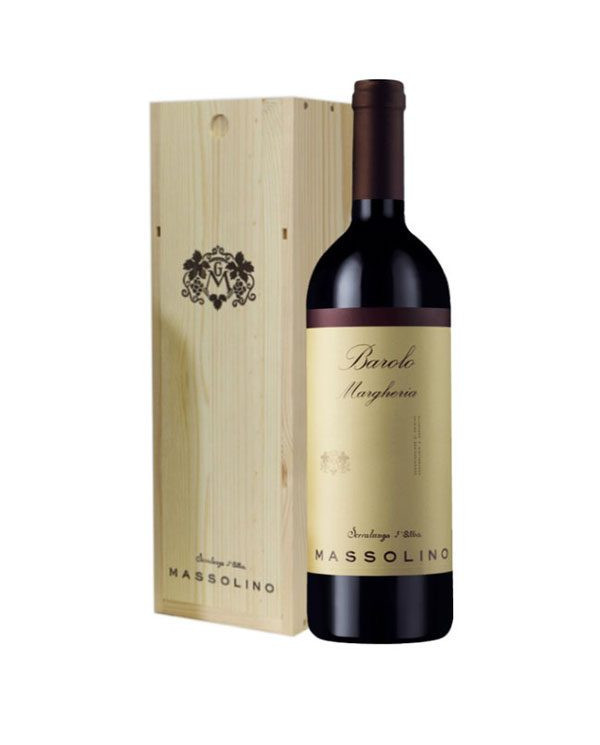
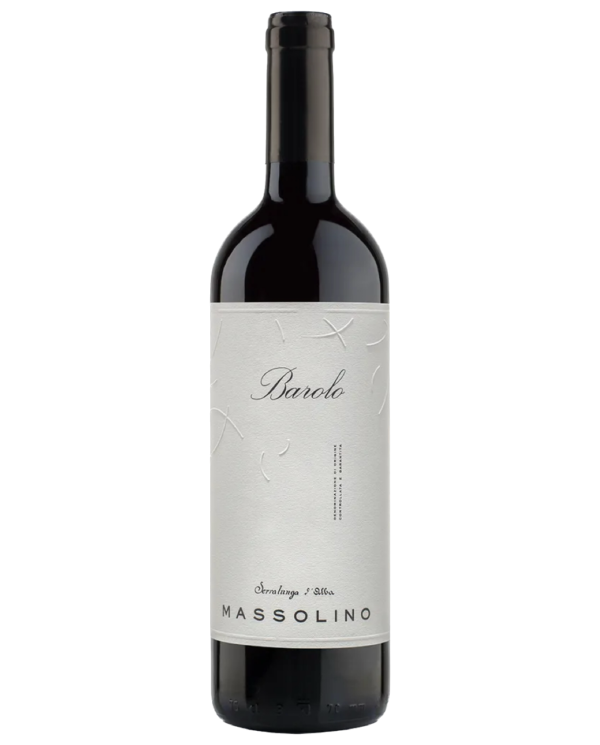
Margheria is a small cru in the municipality of Serralunga d'Alba where a slightly sandier soil gives more delicate and refined wines. Massolino has for years been one of the greatest interpreters of this vineyard through a traditional style Barolo, with a long aging of 30 months in large Slavonian oak barrels and a year in the bottle. Barolo Margheria Massolino is an austere and structured wine, with a bouquet that focuses on floral and spicy notes and then veering towards balsamic and mentholated scents. On the palate it is warm and persuasive, with a marked freshness that integrates well with silky tannins. An important wine that embodies the entire history of its land of origin and best expresses its qualities when accompanied by rich dishes, such as roasted red meat or stewed game. Also excellent on medium and long-aged cheeses. To drink today and try again in 15 years
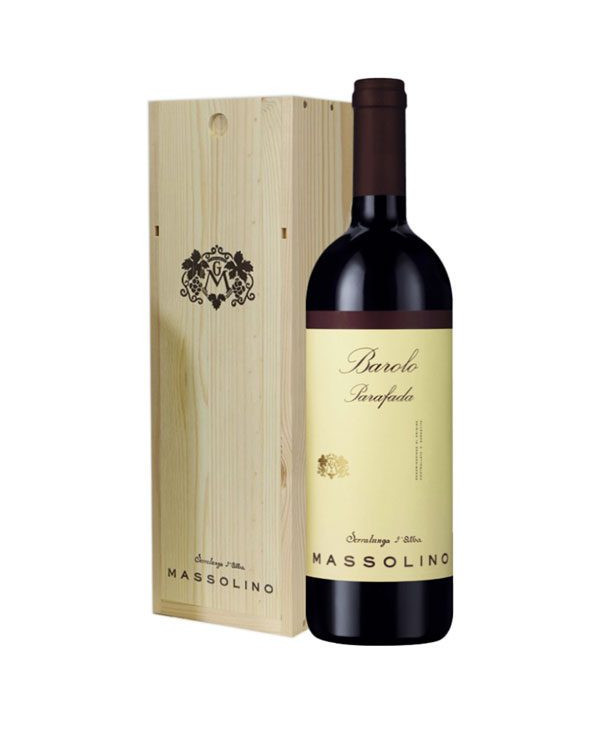
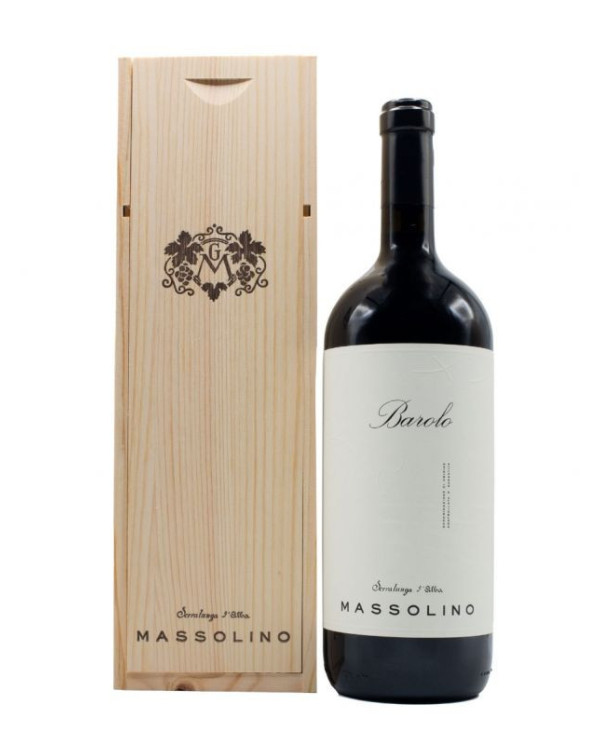
Barolo Massolino represents the synthesis of the different characteristics that each terroir offers. The company has always favored the traditional aging in large Slavonian oak barrels to maintain a purer and more pure identity. Wide and variable range of perfumes, surprising expressive evolution over time.
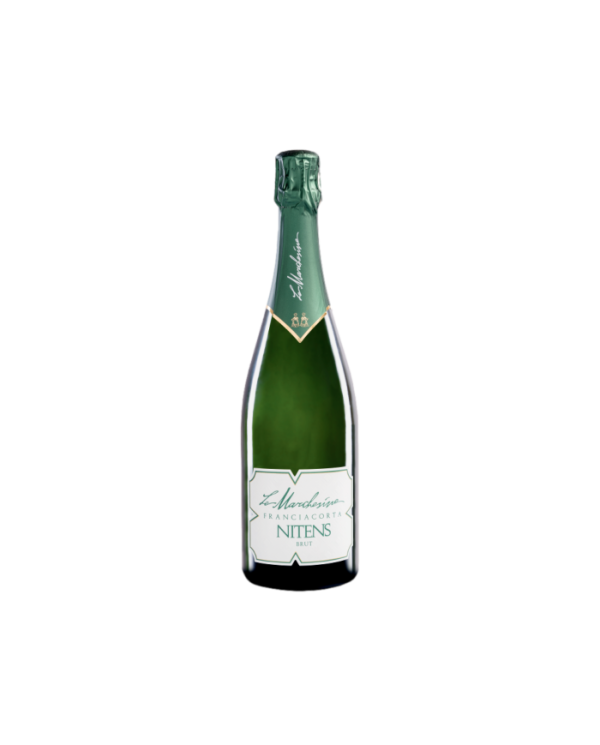
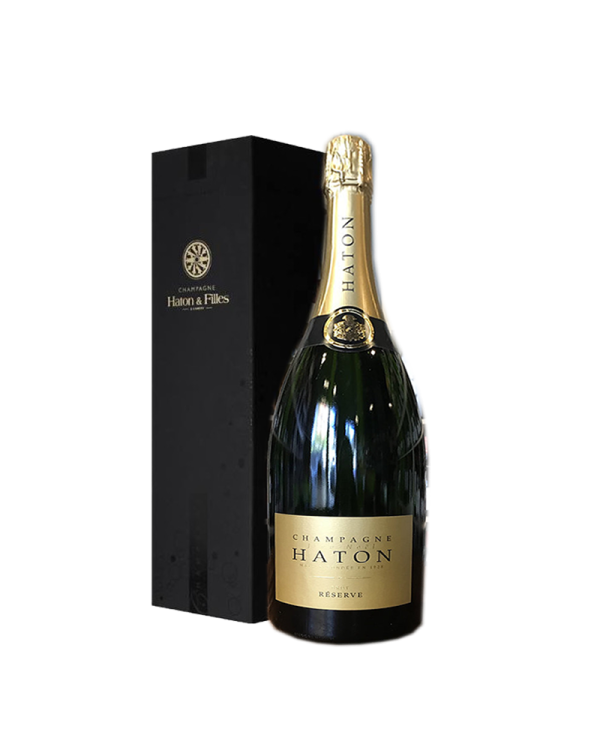
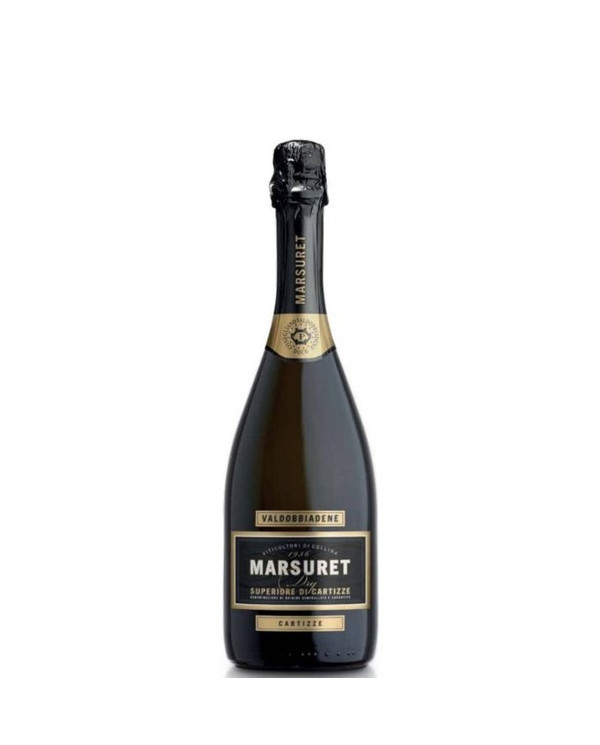
Fine perlage. Color Straw yellow. Perfume Bouquet with fruity and floral aromas, accompanied by notes of crusty bread. Flavor On the palate the wine is fresh and balanced.
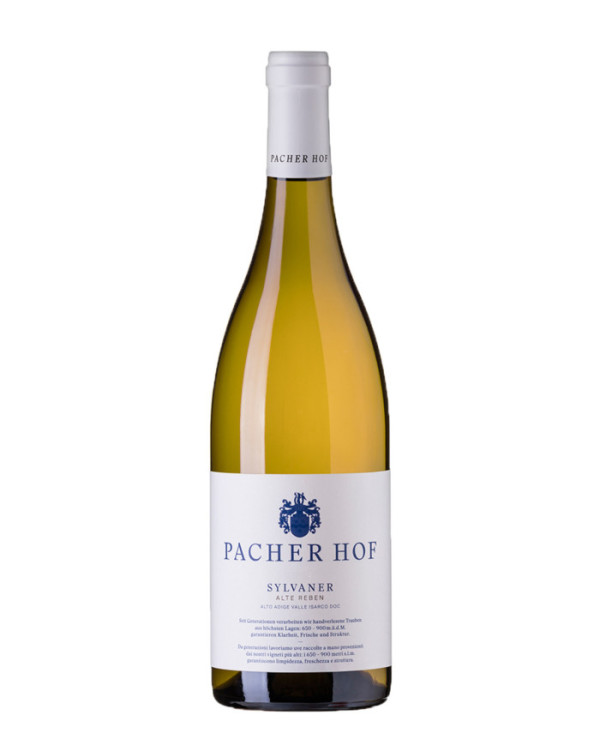
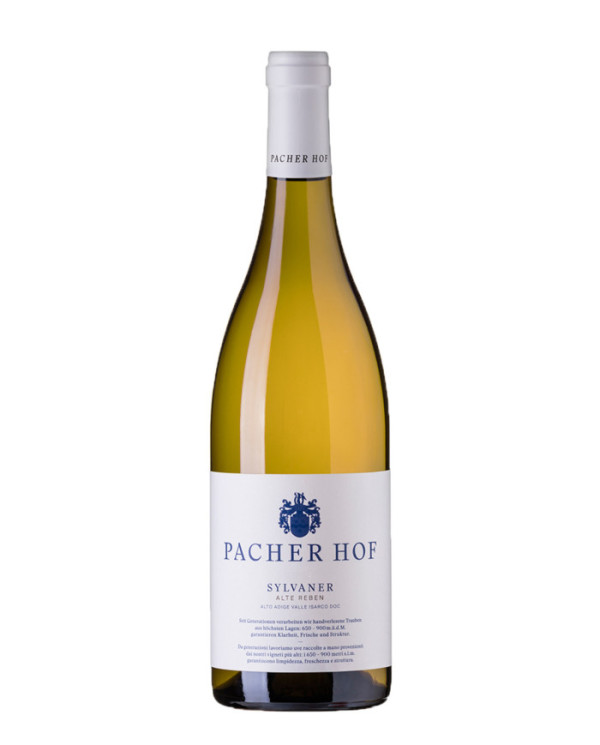
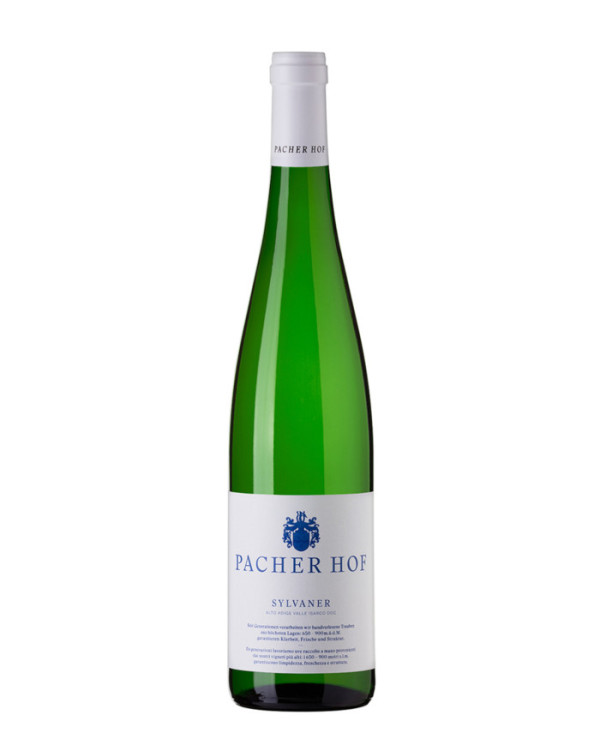
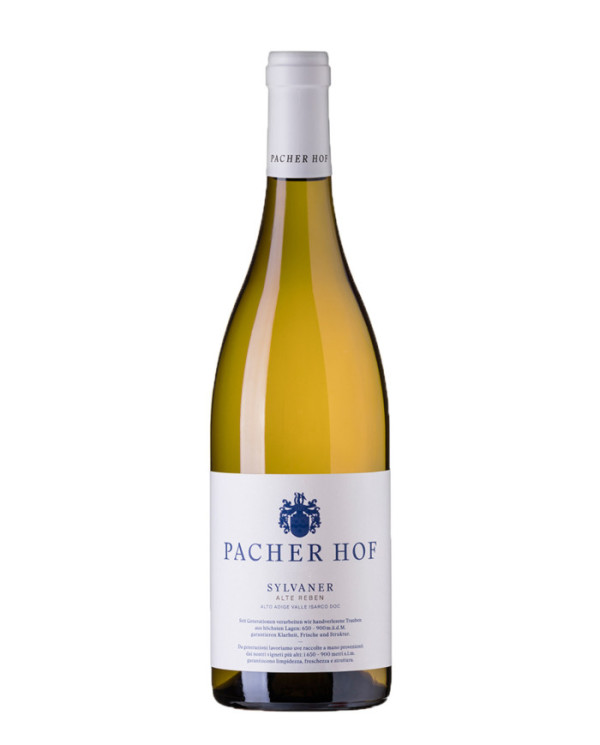
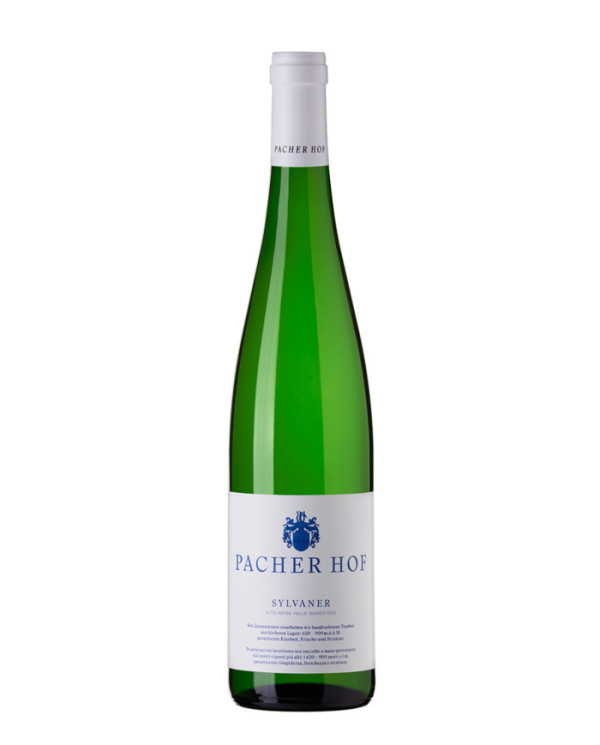
Pacherhof's Sylvaner is a semi-aromatic white wine of medium body and good freshness, aged for a few months in large barrels. It has a fine and delicate bouquet of freshly mown hay, herbs, fruit and white flowers. On the palate it is clear, mineral, fresh and fruity, with a nice persistence
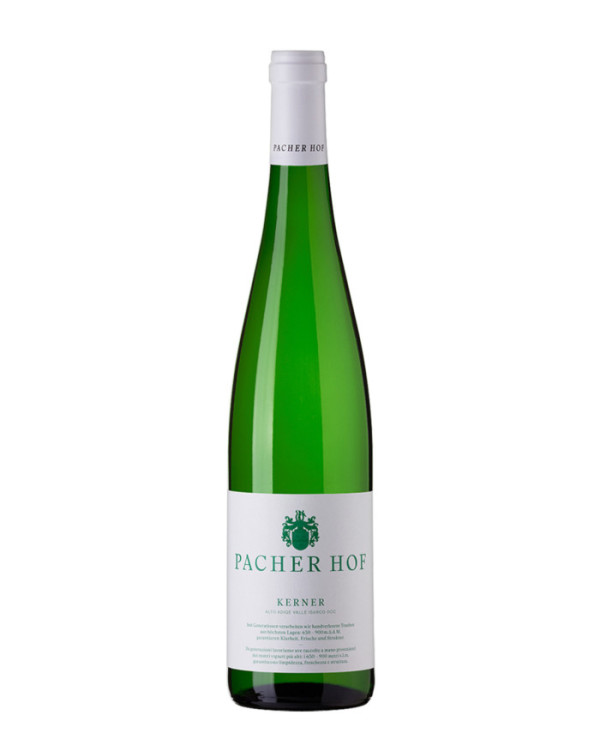
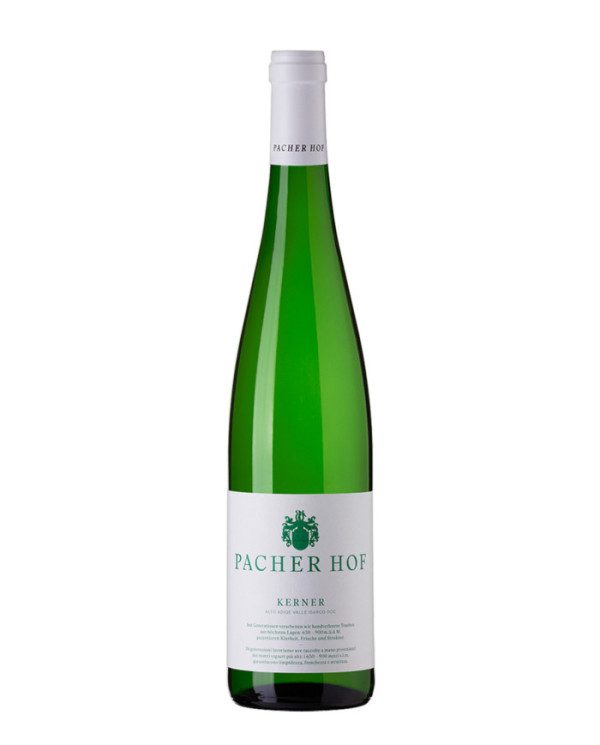
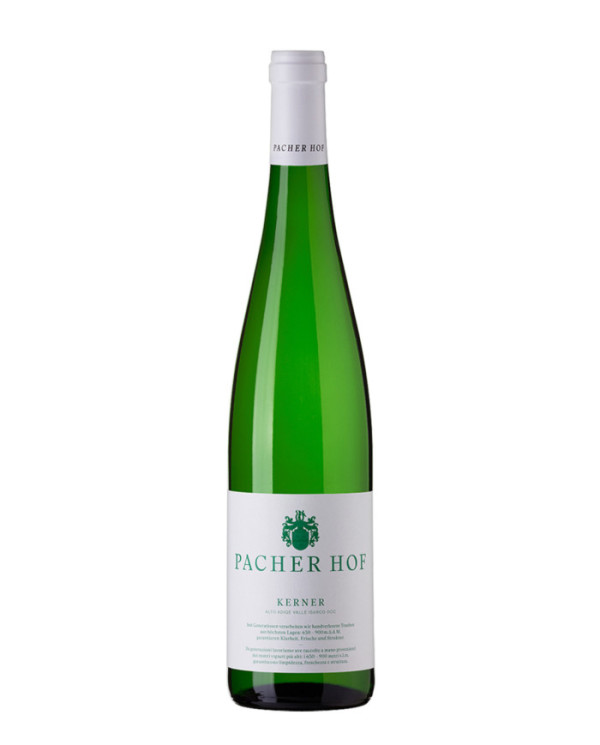
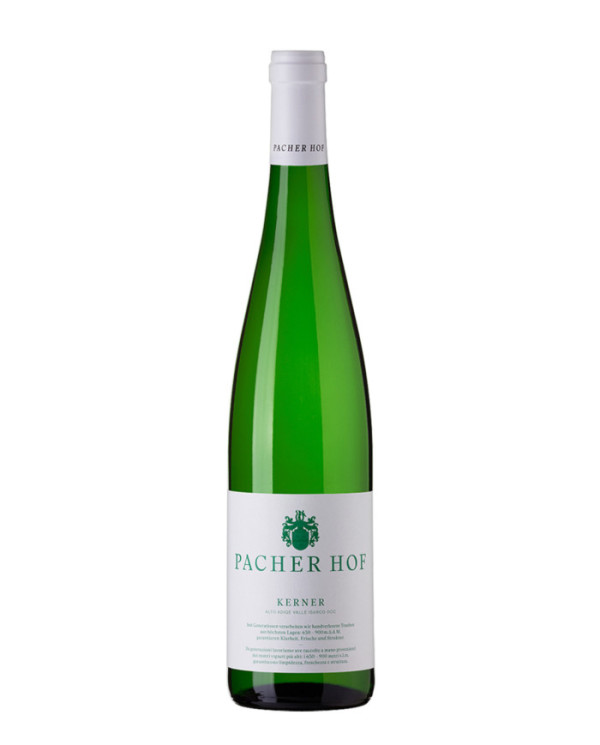
Pacherhof's Kerner is a clean, precise and vertical wine, with a fresh and light personality, not without tension and aromatic richness. Aromas of citrus fruits, exotic fruit and sweet spices involve the sense of smell while the sip reveals character, softness and great expressive power
Lacrima is a very particular vine, grown only in the terroir surrounding the municipality of Morro d'Alba. It is said that even Frederick Barbarossa appreciated it in the distant 1167 AD, when he settled in these territories to attack nearby Ancona. A strongly rooted grape, which the Marotti Campi company likes to decline in two versions: in particular this Lacrima Superiore DOC "Orgiolo" stands out for its precious olfactory bouquet, which, combined with an extremely pleasant drink, makes this bottle truly remarkable.
Straw yellow, with a rather fine perlage. On the nose it expresses fragrant aromas of white pulp fruit, on the palate it is fresh, very soft, full. A rich and pleasant taste, whose closure stands out for its cleanliness. Excellent as an aperitif, it goes well with light appetizers. Excellent on typical vegetarian dishes.
Straw yellow, with a rather fine perlage. The nose reveals fragrant aromas of acacia and apple. Captivating aromas, which open to a well-balanced taste between freshness and residual sugar. It closes with a finish of excellent persistence. Also as an aperitif, it goes well with delicate fish and white meat dishes.
Wine obtained from Sangiovese grapes, exclusively from the vineyards of the "Soccorso" farm unit near the church of the Madonna del Soccorso, patroness of the inhabitants of Montalcino.
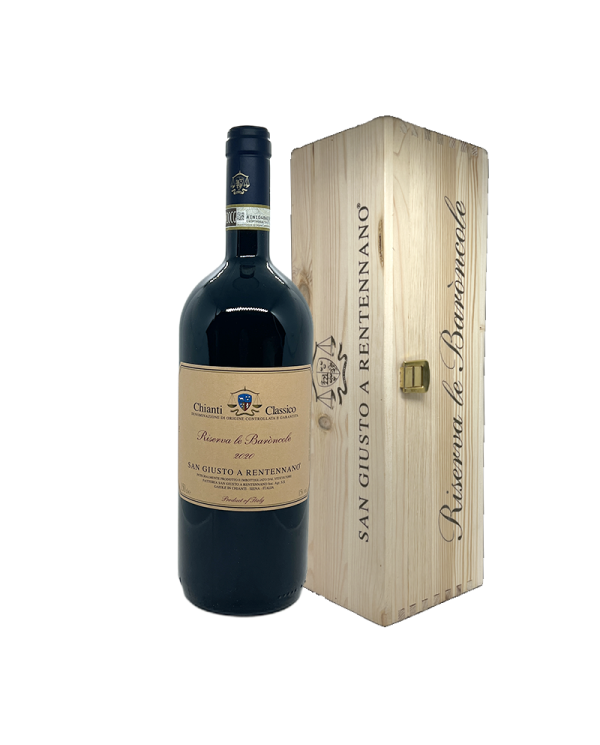
The Chianti Classico Riserva "Le Baroncole" expresses the richness and beauty of the Tuscan land. Refines for 16-20 months in oak barrels and casks and is enriched with vanilla nuances, in addition to the already present fruity and spicy aromas typical of the type. The taste is balanced, complex and deep, supported by a nice tannic texture and a pleasant savory tip
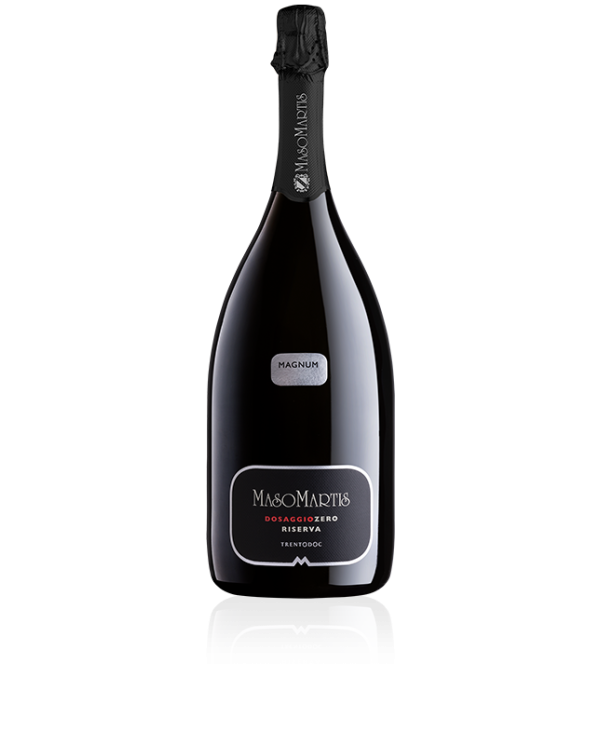
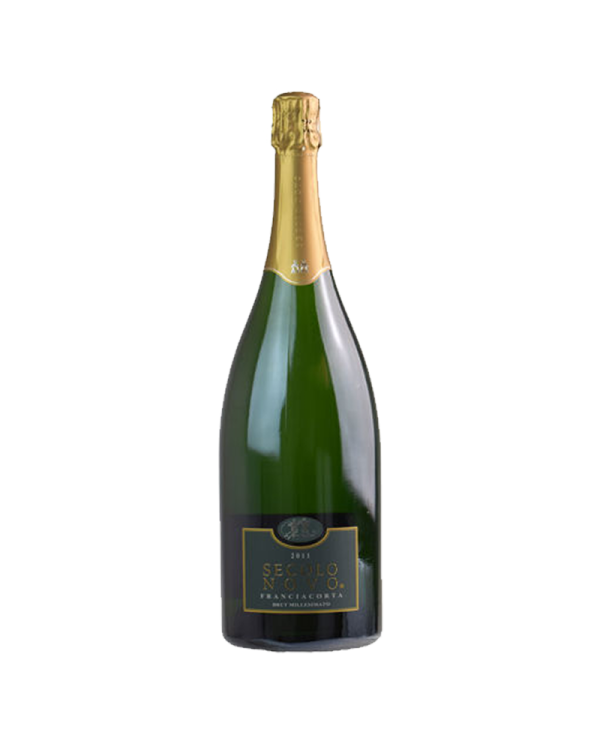
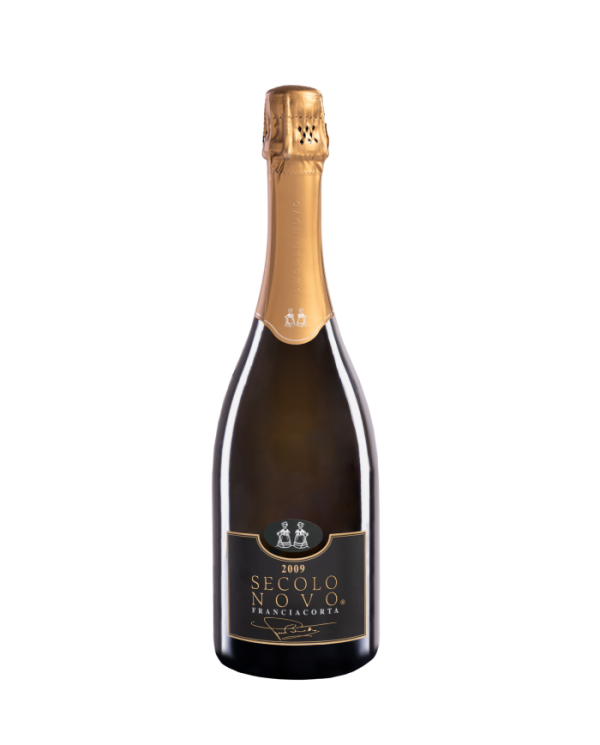
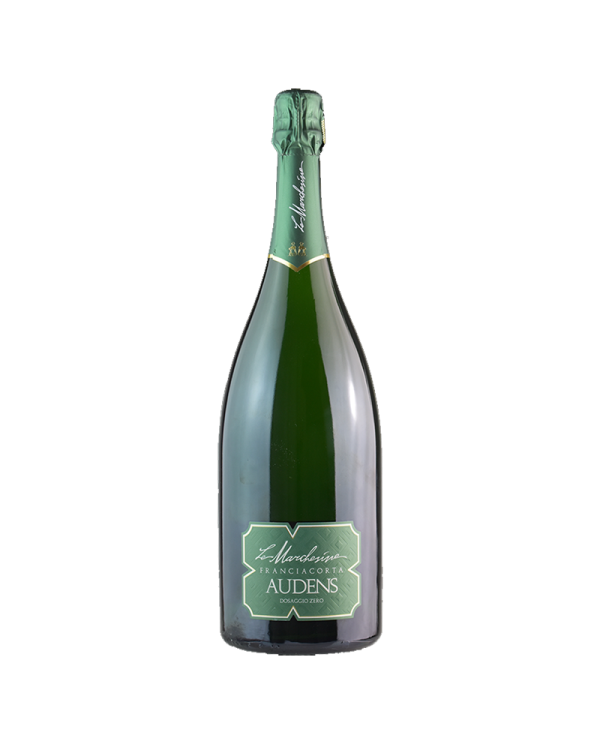
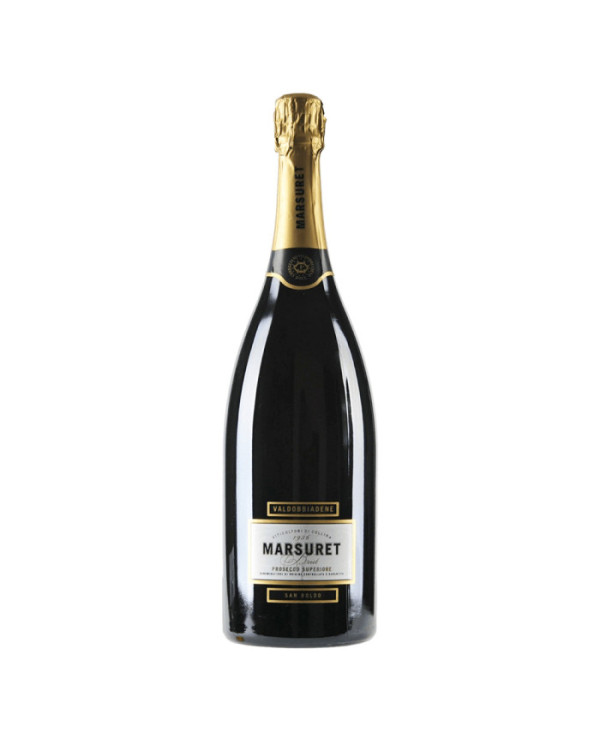
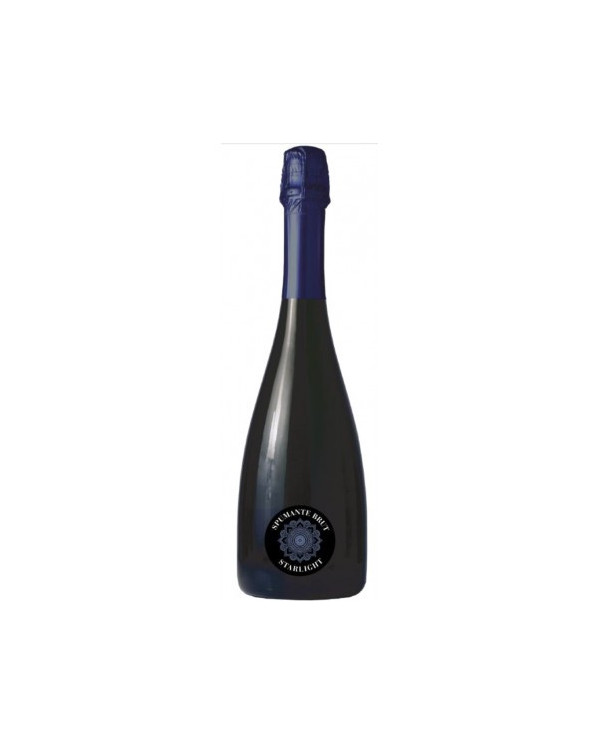
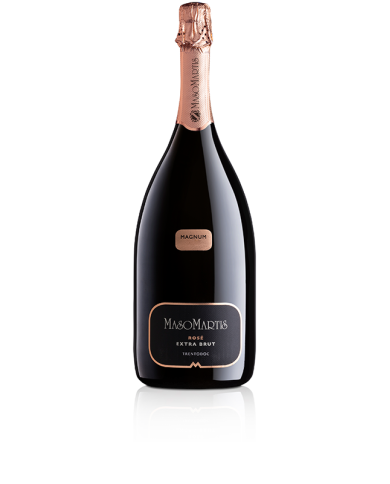
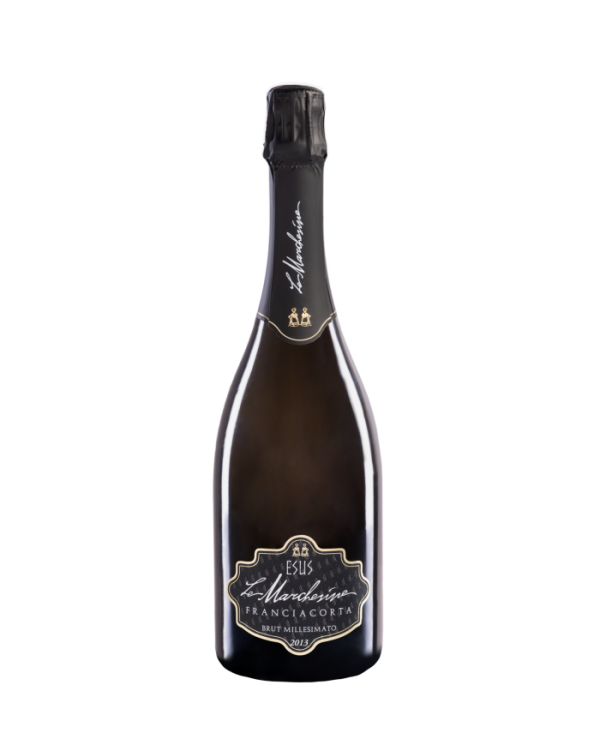
It is a brut sparkling wine with a wide and persistent froth, fine and continuous perlage, a light straw color. The aroma is intense and balanced finesse. The full flavor expresses the typicality of the production area.
It dresses the glass in a beautiful deep ruby red. The nose is first set on dark fruit in jam and in alcohol, such as currants, black cherries and plums, then followed by intense references to green pepper, cocoa, rhubarb, licorice and chinotto. The mouth is extremely consistent with the nose, and is powerful but well managed in the tannic texture, warm, with excellent body and long persistence.
The Kurni wine of Oasi degli Angeli is born in vineyards located in the valley of the Sant'Egidio stream, in the municipality of Cupra Marittima, the winery's flagship wine, where everything has been focused on a management of the vineyards compatible with the pure needs of a territory poor in soil characteristics.
Vibrant ruby red. Small red fruits on the nose, including the typical hint of blackberries. Balsamic hints. Elegant and powerful. Persistent finish with returns of berries and spices. Fermentation 15 days. Maceration 20 days on the skins. Contact with fine lees for 6 months. Batonnage.
Intense ruby red with garnet reflections. The nose expresses richness and intensity thanks to beautiful fruity and slightly spicy, balsamic and floral notes. On the palate it is centered, juicy, fine and complete. It closes with a vibrant and persistent finish. Throughout the meal, it goes well with salami and meats rich in flavor, tasty and aromatic cheeses.
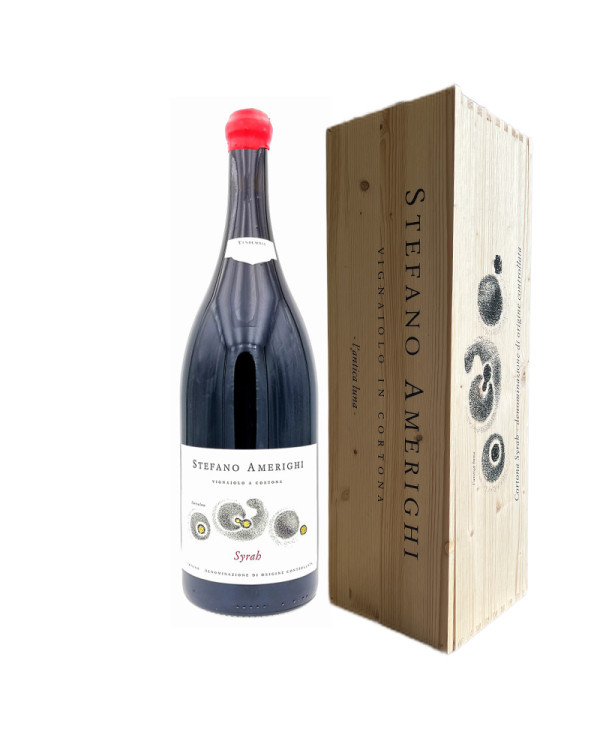
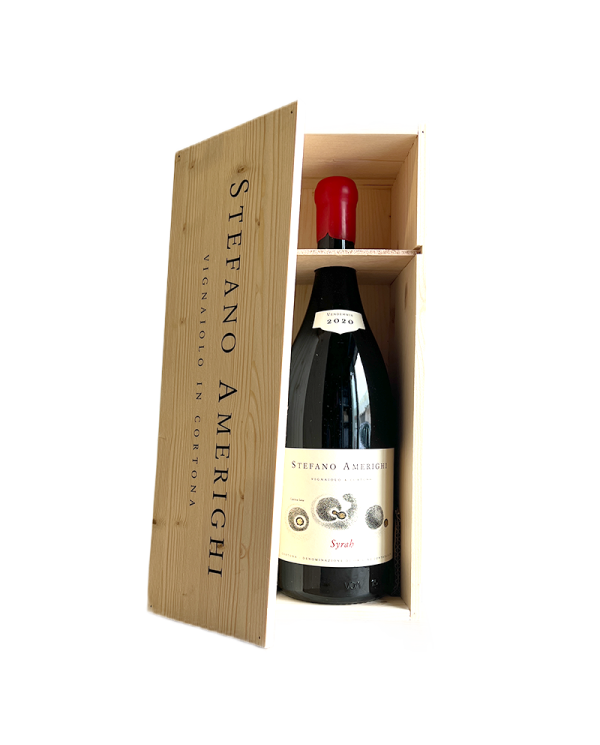
This Syrah is Stefano Amerighi 's representative wine, the result of his work and his idea. A broad idea that goes from the soil to the plant to the balance of nature.
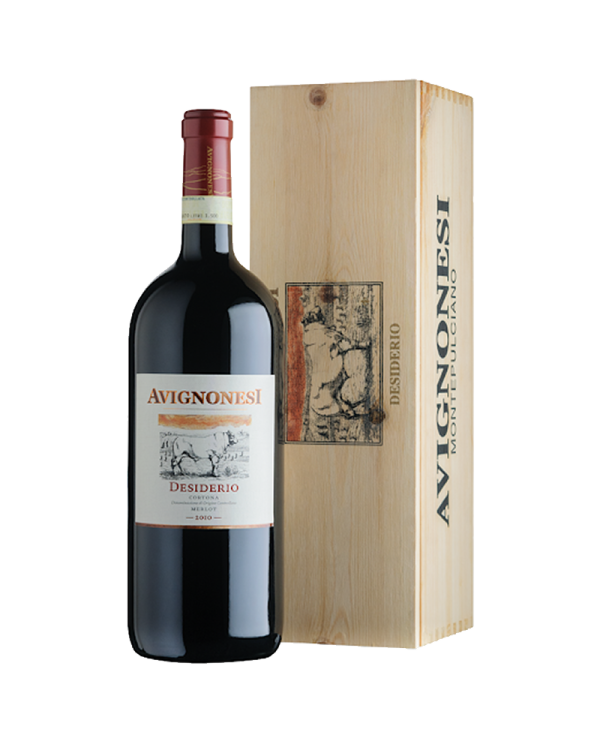
With a warm and sensual character, full of fruity notes and sweet spices, Desiderio 2016 goes perfectly with savory dishes, such as roast lamb, aged cheeses and game. Intense ruby red in color, this wine reveals an inviting bouquet of black cherries and blackberries with notes of eucalyptus and fresh mint, underlined by elegant sensors of roses and sandalwood. Well structured and very persistent, in the mouth it is enveloping and caressing, characterized by fruity notes and fine-grained tannins.
Prima Terra is a wine obtained from Montepulciano grapes grown in an ancient vineyard of the Masci family, the former, as anticipated by its name. Aged first in large wooden barrels, it then rests in the bottle for at least a year. It has an intense ruby red color. On the nose it expresses strong jam aromas and on the palate a pleasant softness obtained from a delicate aging.
Villamagna DOC is the result of the project to enhance our wine area. It comes from a late harvest with manual harvesting of the selected grapes. Ruby red in color with purple reflections, the nose expresses intense aromas of red fruit, especially black cherry. In the mouth it fills the palate with its soft and velvety taste. Balanced and harmonious, it is a wine that goes well with Mediterranean cuisine, main courses of meats, salami, aged cheeses.
It is with the arrival of the new Villamagna Doc that Cantina Piandimare expands the line of its Montepulciano d'Abruzzo from the Piandimare massale selection with a further red that wants to be the umpteenth praise to the territory and the demonstration of the potential in terms of structure and aging. through the work done by the winery with only the grapes coming from the Val di Foro, in particular from those of the territory limited to the small, but growing interest, Doc Abruzzo Villamagna.
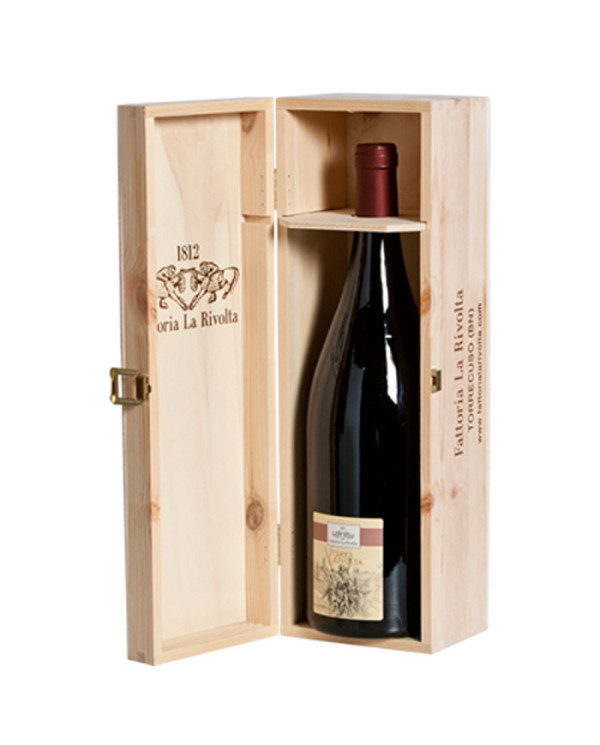
Important red wine whose vines are grown on volcanic soil on the hills of Taurasi. The name of our wine derives from the place where horses were once said to graze in the wild, and where the remains of the ancient hermitage of S. Quirico can still be found. A wine so precious as to dress it with a work of art by the contemporary painter Moreno Bondi.
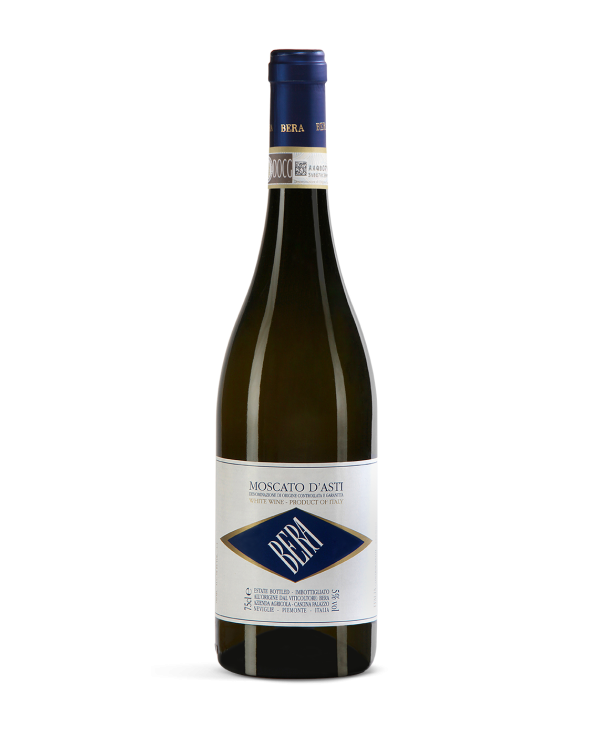
Moscato d'Asti is an excellent dessert wine that goes well with dry pastries and fruit cakes; moreover, thanks to the moderate alcohol content, it is a pleasant thirst-quenching drink in the summer. The combination with cured meats and cheeses is more provocative; a provocation that will amaze you! To preserve all the fragrance of the fruit in the wine, it is necessary to adopt a particular harvesting and vinification technique. In fact the grapes, coming from the company's own vineyards, are harvested manually in the vineyard and carefully placed in boxes for transport to the cellar; here they are delicately pressed and the must obtained is kept in cooling vats (-1.5° C) until the moment of vinification in an autoclave. Fermentation takes place at a controlled temperature and with the help of selected yeasts until 5% alcohol is reached. Subsequently the wine will be filtered and bottled. The result is a lively wine with strong and intense varietal characters.
A great red wine, it takes its name from Montepulciano, a Renaissance city in the province of Siena, which dominates the wide and verdant Valdichiana from the top of a hill. The appellation of "Nobile" seems to derive not only from its intrinsic qualities of finesse and elegance, but also from the fact that in the past the production of this wine was particularly cared for by the noble families of the city.
Chianti Classico Riserva is produced exclusively in the oldest wine-growing area of Tuscany, in a landscape of breathtaking beauty.
Around the 12th century, an ancient villa known as “il castellare de Ylice” stood near our cellar. The name was probably due to the Latin term ilex (holm oak), a particular variety of oak very common in our area. To date, no trace has remained of this historic villa, but the passion and respect we have for our territory has prompted us to pass on the name of that ancient presence.
From the archaeological discovery of a mammoth tusk in the second half of the 60s at the point where the current company "La Cascina del Colle " was built. Hence the idea of a lively, powerful and majestic wine
Invasione Riserva Villamagna Cascina del Colle , ruby red. On the nose hints of red fruit and aromas of jam. Round and balanced on the palate, pleasantly tannic.
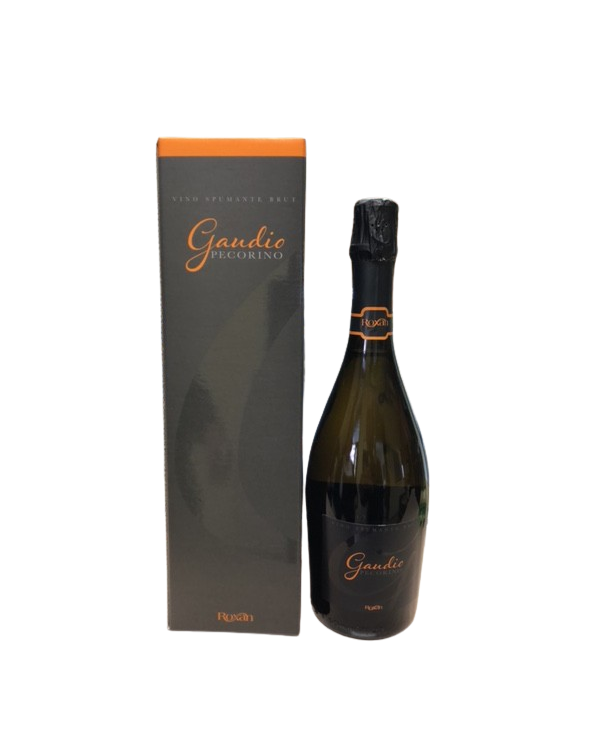
This superior pecorino comes from the white vineyard, a spiteful vineyard because, despite our attentions, it has very low yields, as if it wanted to avoid the effort of producing more grapes. But then he is forgiven by giving us a unique, fresh and voluminous wine, which you will never tire of drinking. It is the "rogue" of Fontefico.
A Nero d'Avola of great harmony, our spearhead. Surprising in its aromas, precious for the elegance and silkiness of its tannins. An exciting wine.
Red is the color of passion. Strong, energetic, charged, exciting: our Montepulciano d'Abruzzo is exactly like that, enveloping and full-bodied. Each sip encourages the discovery of its sensorial complexity, but also to let oneself be pervaded by positive sensations and share them with those around us.
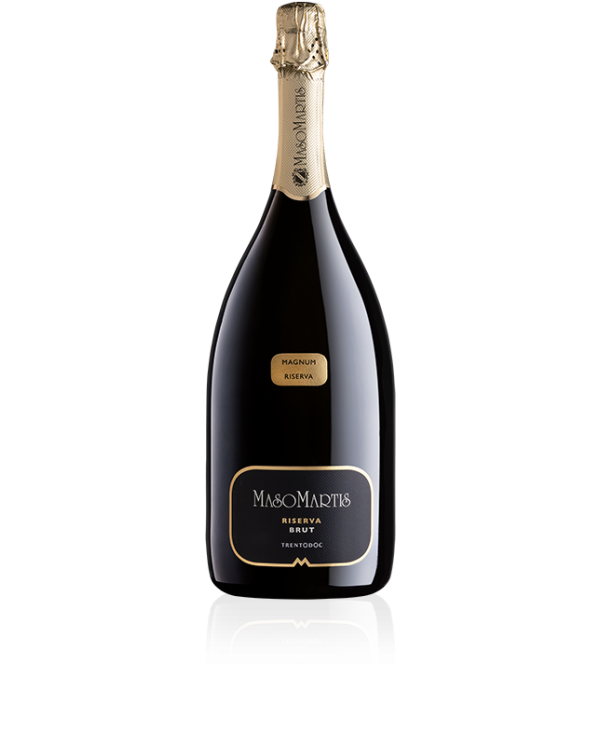
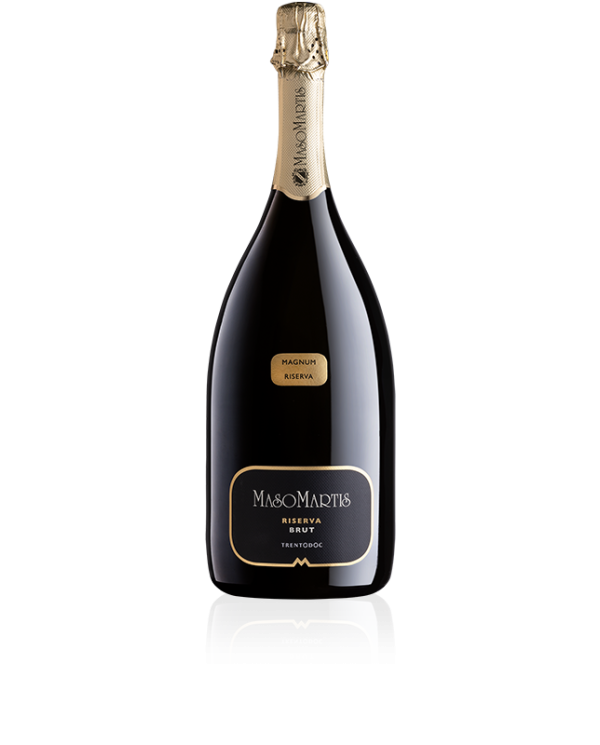
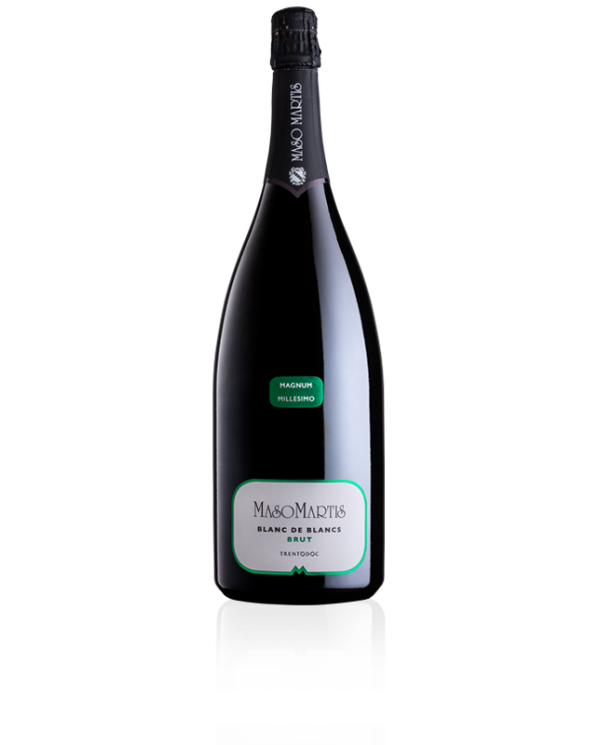
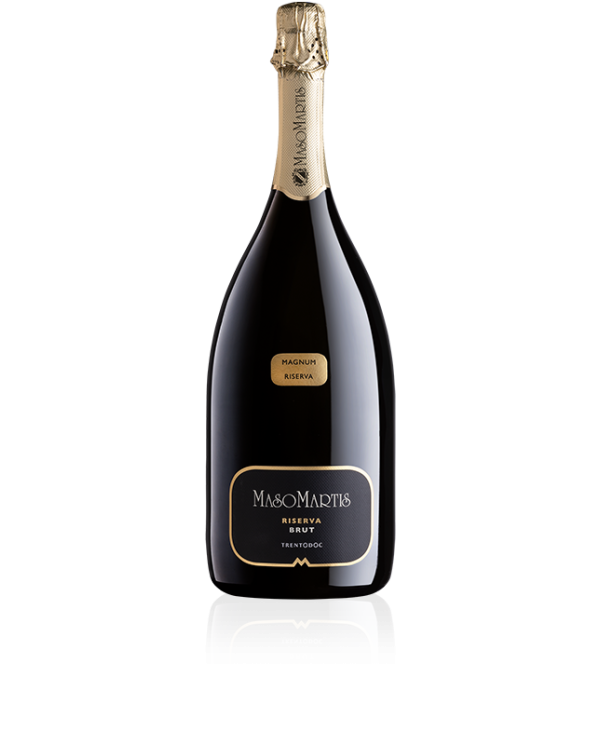
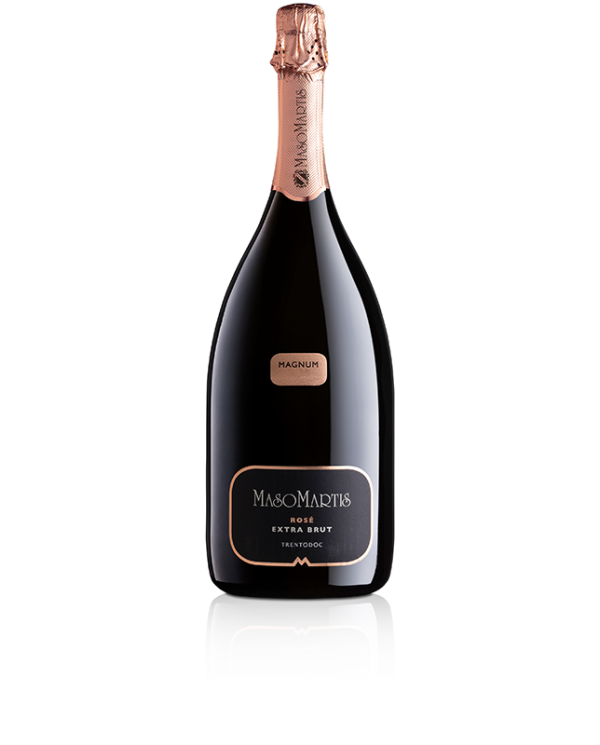
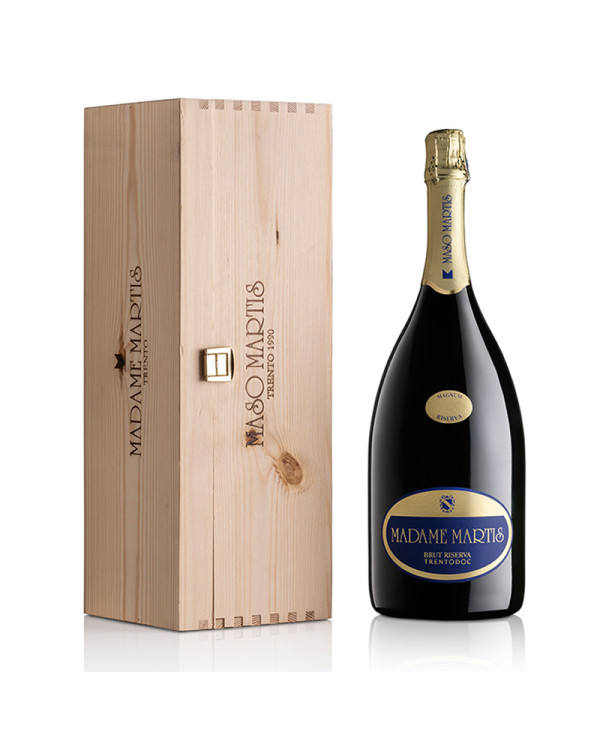
Large format wines are a popular choice for special occasions and among wine collectors. They come in a variety of sizes and offer a variety of advantages over standard bottles. In this article, we'll explore everything you need to know about large format wines, from their benefits to storage and purchasing.
The advantages of large format wines
Large format wines offer numerous advantages over standard bottles. First, most wines in large formats age better than standard bottles. This is because the amount of oxygen entering the bottle is lower than in standard bottles. Furthermore, the larger capacity of wine in a single container means that temperature fluctuations are less significant, reducing the risk of damage to the wine.
Secondly, large format wines are an ideal choice for special occasions. A large bottle quickly becomes the center of attention and impresses guests. Furthermore, a single large bottle is much easier to manage than many smaller ones. For example, if you're hosting a dinner for a large group, you can use several large bottles to facilitate service.
Large format wine sizes
Large format wines are available in different sizes, each with a specific name:
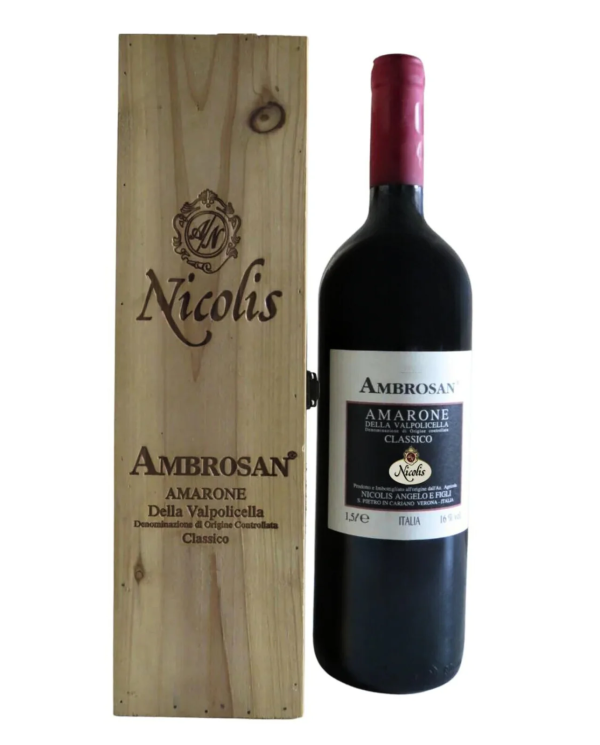
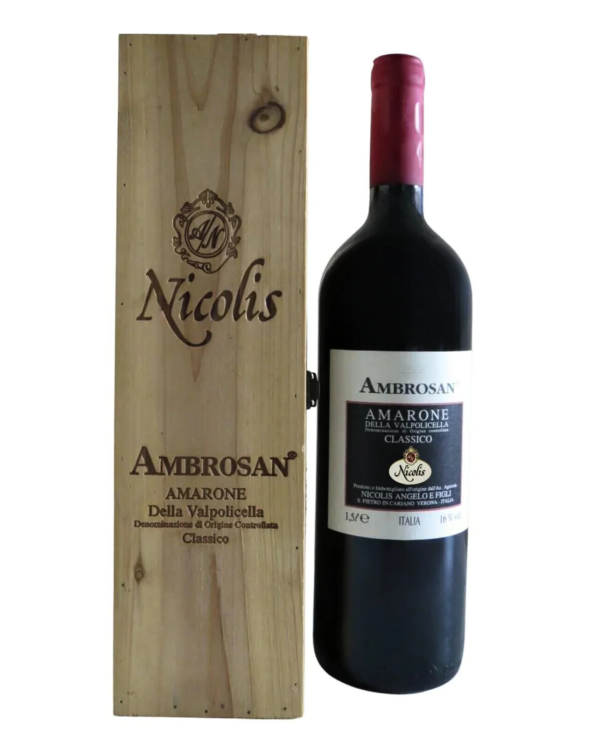
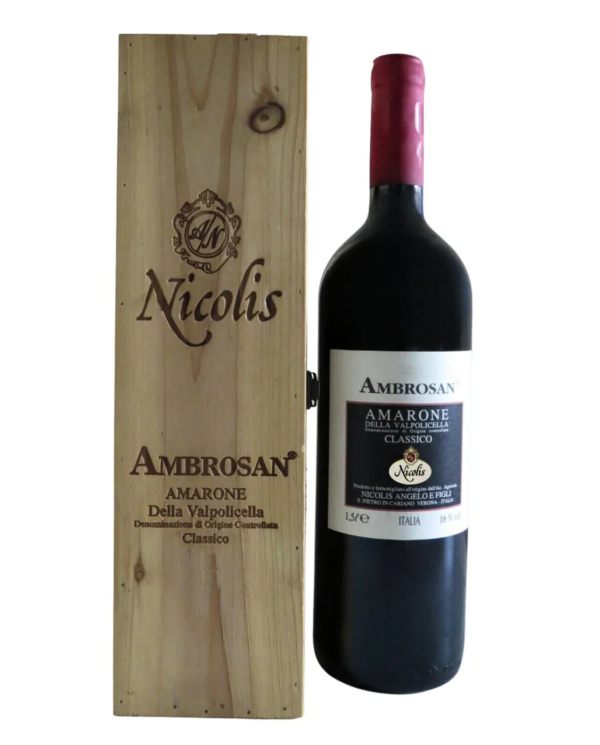
Magnum : 1.5 litres, equal to two standard bottles
Jeroboam : 3 liters, equal to four standard bottles
Rehoboam : 4.5 liters, equal to six standard bottles
Methuselah : 6 liters, equal to eight standard bottles
Salmanazar : 9 liters, equal to twelve standard bottles
Balthazar : 12 liters, equal to sixteen standard bottles
Nebuchadnezzar : 15 litres, equal to twenty standard bottles
Storage of large format wines
Storing large-format wines is an important aspect to consider. Because these bottles are larger than standard bottles, storage can be more complicated. Most cellars don't have shelves or space suitable for large bottles, so planning ahead is essential.
Additionally, large bottles may take longer to adjust to the ambient temperature in which they are stored. To avoid temperature fluctuations, it's important to store large bottles in a cool, dry place.
Purchase of large format wines
Buying large format wines can be an excellent choice for wine collectors and for special occasions. However, it's important to pay attention to the bottles' origin. Large bottles can be more susceptible to counterfeiting than standard bottles, so it's important to buy from reputable and trustworthy sellers.
What are large format wines?
Large format wine bottles are larger than the standard 750ml bottle. There are numerous larger wine bottle sizes, including the Magnum (1.5 liters), the Double Magnum (3 liters), the Jeroboam (4.5 liters), the Rehoboam (4.5 liters), the Methuselah (6 liters), the Salmanazar (9 liters), the Balthazar (12 liters), and the Nebuchadnezzar (15 liters).
Why choose large-format wines?
There are many reasons to choose a larger bottle of wine over the traditional 750 ml bottles. First, wine in larger formats is more stable than standard bottles, thanks to the greater volume of wine in the bottle and the smaller amount of air coming into contact with the wine.
Secondly, wines in large formats develop more slowly, meaning they can be stored for a longer period without undergoing any alteration. Furthermore, these wines have greater harmony and balance than standard bottles, thanks to the greater contact surface between the wine and the cork.
Finally, wines in large formats are ideal for special occasions, such as weddings, anniversaries, birthdays, or corporate events, because they have a greater visual impact and can satisfy the palates of a greater number of people.
How to choose a large format wine?
Choosing a large-format wine depends on the type of wine and your personal needs. Generally, the wines best suited to larger formats are those that require a longer aging period, such as structured red wines, complex white wines, or sweet dessert wines.
Furthermore, it's important to choose a high-quality wine, because the larger the quantity of wine in the bottle, the greater the chance of defects appearing. It's therefore important to purchase wines in large formats from reputable retailers who offer guarantees regarding the wine's quality and shelf life.
Finally, it's important to consider the number of people attending the event to choose the right bottle size. For example, a Magnum bottle (1.5 liters) is enough for about 10 people, while a Balthazar bottle (12 liters) can satisfy up to 100 people.
In conclusion, large format wines are an excellent choice for special occasions and for wine collectors, thanks to their greater stability, their ability to evolve more slowly, and their ability to please the palates of a larger number of people.