

 Italiano
 Deutsch
















There are no more items in your cart
SKU:
6348
Brand:
Cantina Dei Colli Ripani
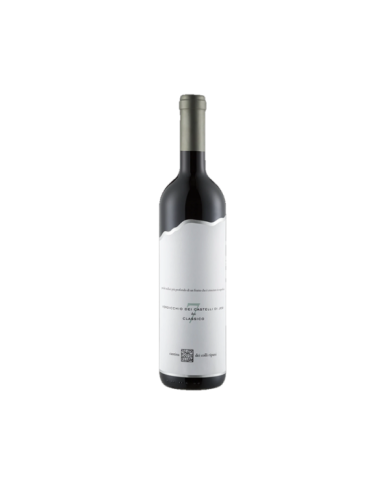
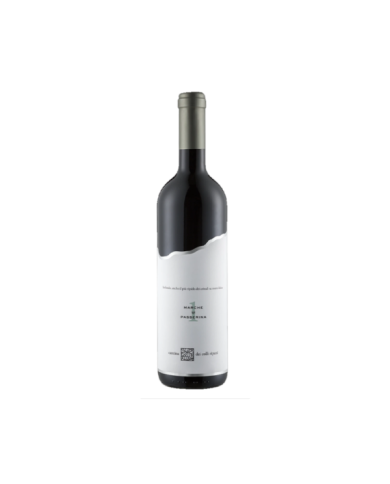
The more you manage to climb, the more you can appreciate the view
SKU:
6346
Brand:
Cantina Dei Colli Ripani
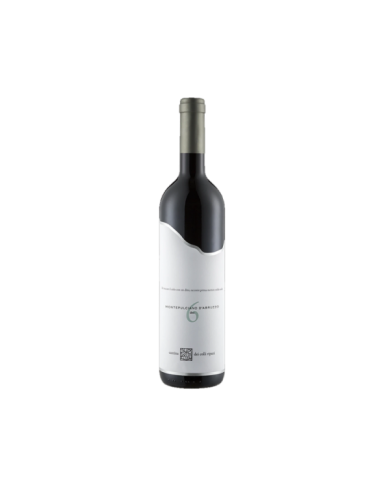
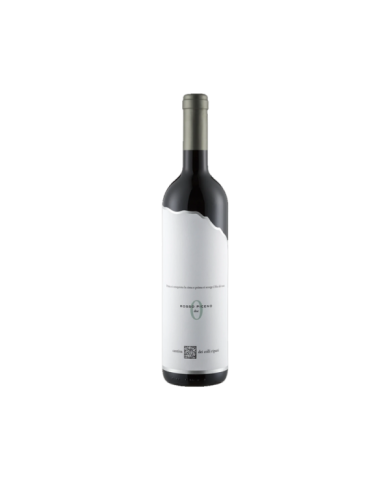
because nothing is deeper than a fruit that has grown on the surface.
€8.25
SKU:
6344
Brand:
Cantina Dei Colli Ripani
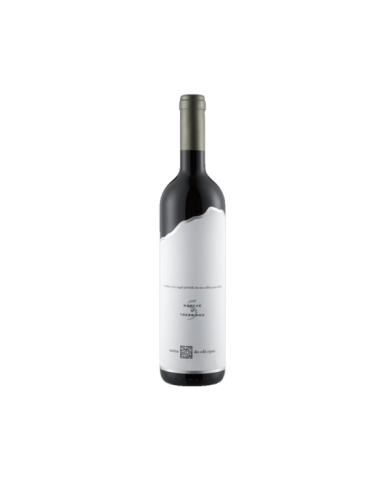
To touch the sky with a finger, you must first take solid roots
SKU:
6342
Brand:
Cantina Dei Colli Ripani
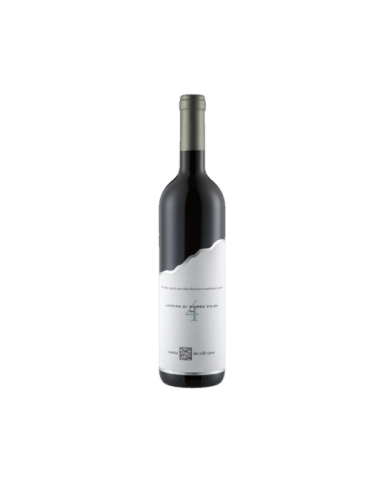
and the shadow is among the most beautiful gifts a hill can offer.
SKU:
6340
Brand:
Cantina Dei Colli Ripani
In the fields, the days have risen which in the evening turn into slopes
SKU:
6338
Brand:
Cantina Dei Colli Ripani
and only the breath of the wind can lift up the scents of the coast.
SKU:
6334
Brand:
Cantina Dei Colli Ripani
A rainy day is enough for the valleys to rediscover a smile.
SKU:
6329
Brand:
Cantina Dei Colli Ripani
The sooner you reach the top and the sooner you see the blue of the sea.
SKU:
3139
Brand:
Colonnara
Brut Magnum sparkling wine + Freshness cap and Colonnara apron. The brut soul of the cellar, a Martinotti method sparkling wine made from Verdicchio grapes, to toast and celebrate, infected by the lively spirit of this wine.
€38.50
SKU:
2363
Brand:
Mencaroni
The wine "Marcello Federico" by Mencaroni Federico as a classic method , is characterized by its characteristic and original organoleptic profile at the same time. The "Marcello Federico" wine by Mencaroni Federico is a rosé wine, a classic method and extra brut sparkling wine, vinified from Verdicchio , Montepulciano grapes in the context of the typologies envisaged by the Marche IGT denomination.
€18.50
€12.95
€9.76
SKU:
2354
Brand:
Mencaroni
€10.86
€9.77
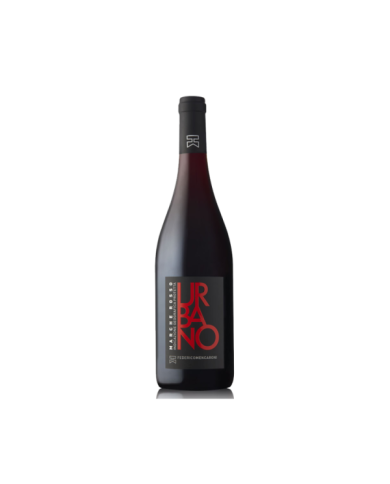
Urbano, red wine from the Marche region (Montepulciano, Cabernet sauvignon and Merlot)
€10.86
€9.77
€8.04
€5.63
SKU:
1632
Brand:
Colonnara
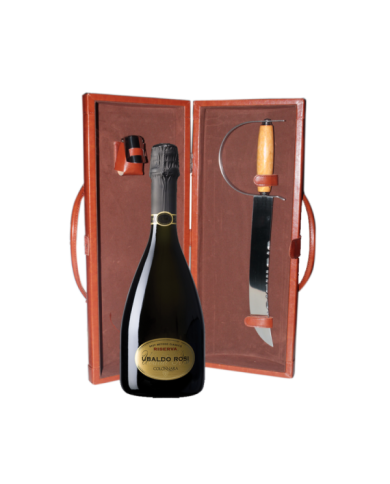
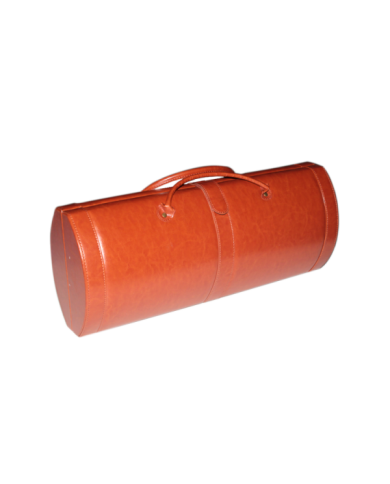
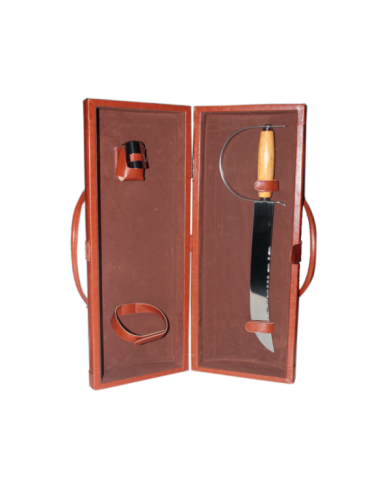
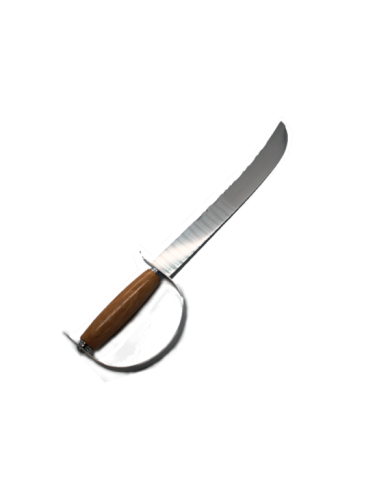
Tobacco colored bag for 1 bottle with saber and sparkling wine cap H. 50.50 / L. 19.50 / P. 13.50
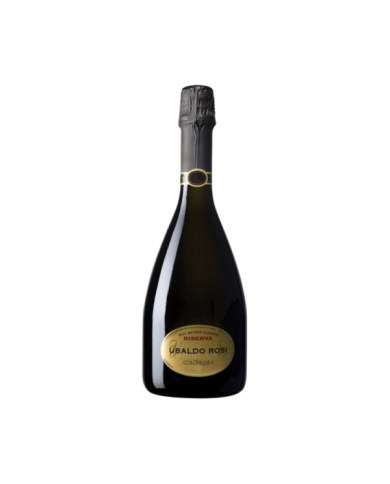
+ Colonnara Spumante Brut Ubaldo Rosi - Classic Method Riserva Verdicchio Doc 2014
€123.00
SKU:
1603
Brand:
Angeli di Varano
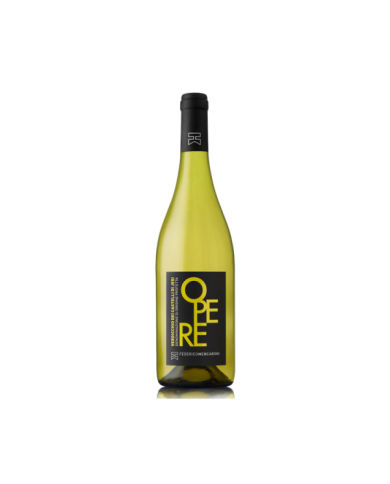
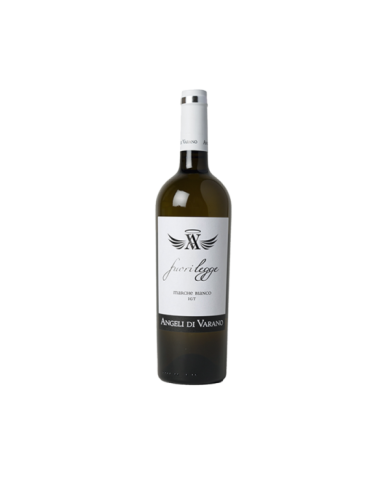
Marche Bianco IGT of straw yellow color with greenish reflections (from this it takes its name verdicchio), on the nose it releases an intense and enveloping bouquet characterized by tones of white pulp fruit such as apple, peach and yellow rose and floral fragrances. The flavor is striking on the palate, elegant, fresh, of great structure and a long persistence with an almond finish characteristic of the grape.
€8.04
€5.63
SKU:
1589
Brand:
Angeli di Varano
€18.30
€16.47
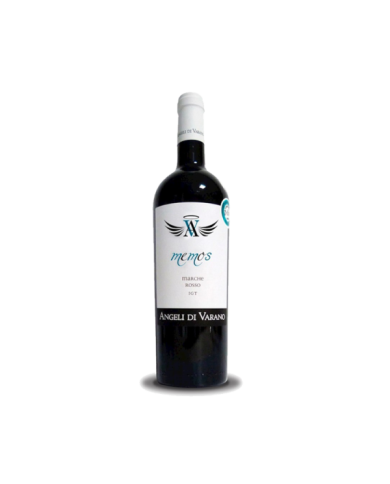
MARCHE IGT ROSSO Blend of three Merlot vines (40%) Montepulciano (20%) Syrah (20%) Grapes grown within the Conero Park. Fermentation in steel and barrique. Aging for 12 months in French oak barriques. Refinement in the bottle for at least 6 months.
€18.30
€16.47
SKU:
1094
Brand:
Colonnara
€25.50
€17.85
The brut soul of the cellar, a Martinotti method sparkling wine made from Verdicchio grapes, to toast and celebrate, infected by the lively spirit of this wine.
€25.50
€17.85
SKU:
1090
Brand:
Colonnara
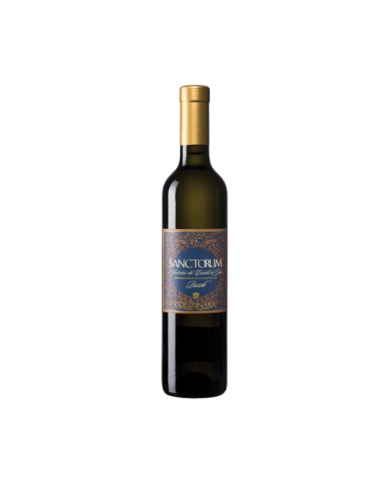
A passito that contains the essence of Verdicchio, what is most holy in the saint: for this reason the derivation of the name from the expression Santa Sanctorum. The Passito Wine is the result of the processing of dried grapes in the vineyard, which retain only the pure soul of the Verdicchio grape, and which then ferment slowly in small oak barrels.
€19.00
SKU:
1076
Brand:
Colonnara
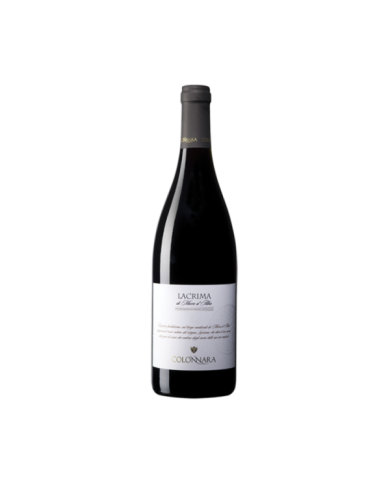
Lacrima is grown in the hills surrounding the village of Morro d'Alba. This grape owes its name to a particularity linked to its berries, which when fully ripe release drops of grape juice that fall into the ground. The ancient origins of this vine, which traditionally was cultivated together with elms and maples, trace the Lacrima back to the 12th century, when Federico Barbarossa besieged the city of Ancona in 1167 and chose the castle of Morro d'Alba as his home on that occasion. he was able to taste this precious red wine which was already produced and known at that time.
€8.80
SKU:
1074
Brand:
Colonnara
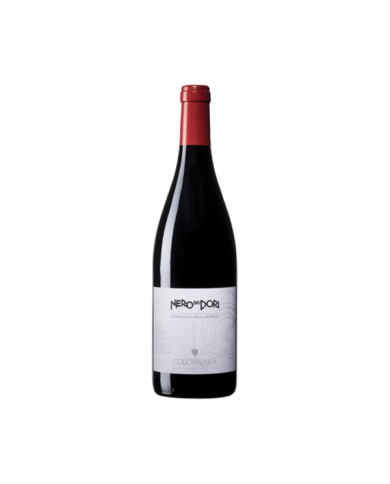
The red DOC of one of the most beautiful Adriatic coasts: the Conero. Montepulciano in purity worked in oak barrels for about 1 year, dedicated to the Hellenic population who founded the Doric city: Ancona, of which it reflects the characteristics of strength and softness together.
€9.00
SKU:
1070
Brand:
Colonnara
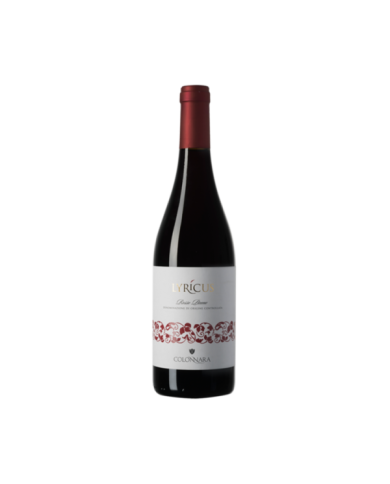
A melodious and sweet Piceno DOC red, with soft notes suitable for everyday meals to brighten up being in company. Unique Colonnara brand also present as Verdicchio DOC, with parallel labels that dress the table in a fine and elegant way.
€6.00
SKU:
1059
Brand:
Colonnara
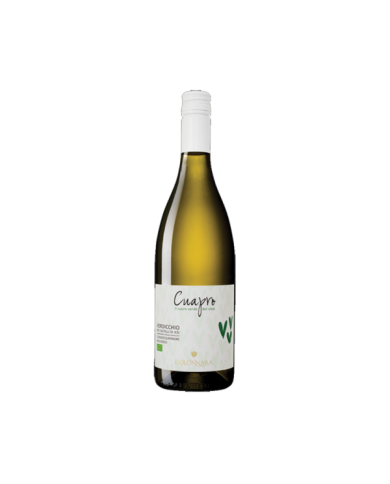
Naturalness, genuineness and passion are the basis of this organic wine produced with grapes from the lands of Cupramontana Apiro and Rosora from which the name Cu-Ap-Ro derives.
Bright straw yellow , with greenish reflections in youth, tends to golden with aging.
Elegantly fruity and floral .
Good structure and balance, savory , with a slightly bitter finish, a typical expression of the grape .
€10.00
€9.00
SKU:
1057
Brand:
Colonnara
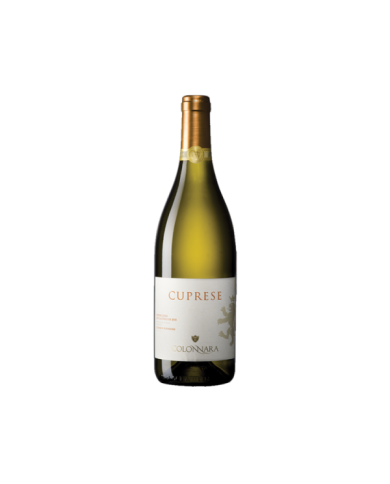
Cuprese is an organic wine that represents the true symbol of the Colonnara winery, perfectly embodying the character of the Verdicchio grape. It shows a straw yellow with greenish reflections, tending to golden with aging. On the nose initially fruity and floral hints stand out that leave room for complex notes of flint. On the palate it is full-bodied and balanced.
€14.00
SKU:
1055
Brand:
Colonnara
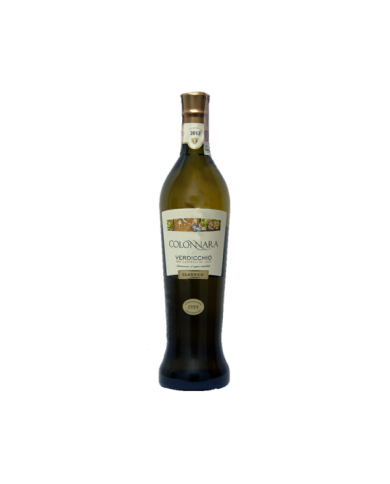
A dry white wine made from native Marche Verdicchio grapes. Its classic area of origin is the Castelli di Jesi - more than ten municipalities located near Jesi, including Cupramontana, the town of our producer. The vineyards are located 360 m above sea level in the area that was once the sea. This version of Verdicchio called Anfora, harvested manually, is one of the main wines of the Colonnara range. The characteristic bottle is closely linked to this great white wine. It was introduced in the 1950s as a result of a competition that took place all over the country to highlight the originality of Verdicchio.
€9.02
€7.66
SKU:
1052
Brand:
Colonnara
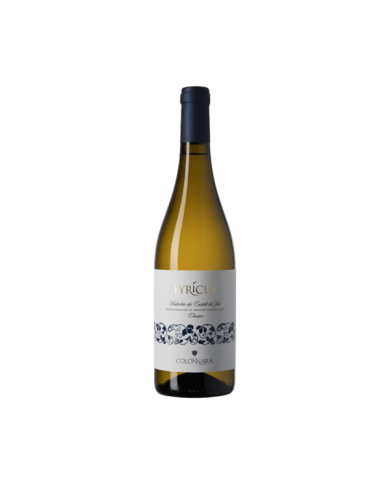
Already from the name this wine immerses and guides those who drink it in a harmonious and melodious journey, therefore suitable as a first approach to Verdicchio.
| COUNTRY | Italy |
| REGION / AREA | Marche |
| VINTAGE | 2019 |
| NAME AND VARIETY | Verdicchio Castles of Jesi |
€6.43
€5.46
SKU:
1050
Brand:
Pisaurum
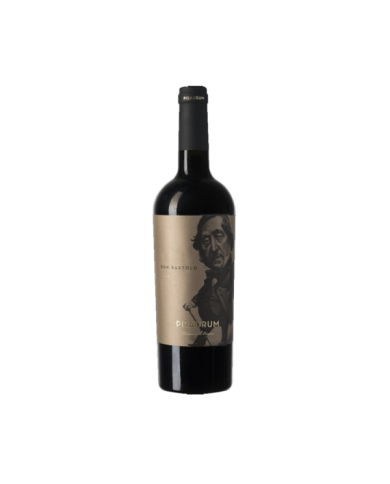
From the hills overlooking the Adriatic of the Monte San Bartolo Natural Park comes this Classic Method of Pinot Noir in purity vinified in white, with three years of aging on the lees. Just like Nolfo da Montefeltro to whom we wanted to dedicate it, he has the confident stuff and the backbone of a medieval leader. Excellent as an aperitif, it is preferably combined with appetizers and fish first courses.
€18.00
€14.40
SKU:
1048
Brand:
Pisaurum
€13.51
The Colli Pesaresi Doc Monte San Bartolo Cabernet Sauvignon Natural Park bears the name of the tenacious and obscure guardian of the beautiful Rosina in Il Barbiere di Siviglia . Strong and determined character that goes well with Cabernet Sauvignon, a wine with an intense, powerful and austere color. The vine is grown on the hill of the Monte San Bartolo Natural Park overlooking the sea, in favorable soil and climatic conditions which give it the characteristics of a structured wine with a deep ruby red color. On the nose it recalls ripe red fruits and vegetal notes of tomato leaf, the taste is savory, soft and warm. It goes perfectly with flavored meat and game dishes.
€13.51
SKU:
1046
Brand:
Pisaurum
The Colli Pesaresi Doc Monte San Bartolo Sangiovese Natural Park is dedicated to one of the most famous characters of Il Barbiere di Siviglia, the exuberant music teacher in love with the beautiful Rosina. Don Basilio adapts to the interweaving of the plot as this Sangiovese lends itself both to coastal viticulture and to that of the hills and foothills. We recommend pairing with pasta with meat sauce, roasted or grilled meat, aged cheeses, truffled Rollè.
€11.50
€8.05
SKU:
1041
Brand:
Pisaurum
Spicy and vegetal notes are perfectly integrated with sensations of ripe red fruit.
Dry, well structured , quite warm with a light bitter finish.
€8.00
€7.20
SKU:
1039
Brand:
Pisaurum
€6.97
€4.88
Wine with a pale pink color with slight reflections of orange peel and delicate floral aromas. On the palate, the sensations of freshness and sapidity are balanced with softness. Excellent as an aperitif, it goes perfectly with appetizers and fish first courses.
€6.97
€4.88
SKU:
725
Brand:
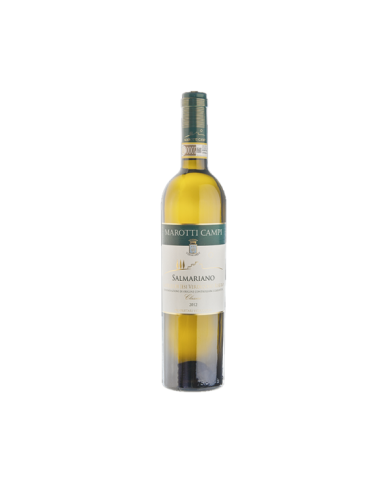
Marotti Campi
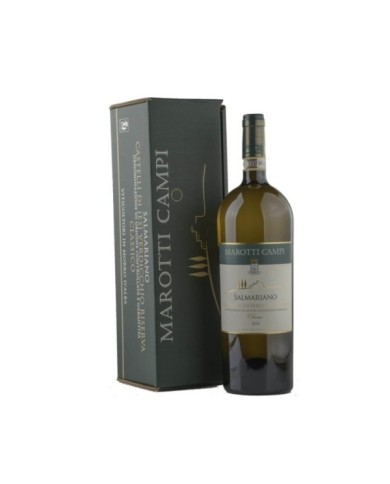
It is always with great pleasure that you uncork a bottle of Verdicchio dei Castelli di Jesi Classico: when it is truly remarkable as this Riserva DOCG “Salmariano”, then all that remains is to get lost in happiness. Fresh, savory and mineral, it is the result of a careful selection of grapes which, after a short stay on the skins, ferment in steel at 15 ° C then proceed to refinement, carried out at 80% in steel and 20% in small French oak barrels for twelve months. A label with which Marotti Campi really takes us to heaven!
€30.74
SKU:
723
Brand:
Marotti Campi
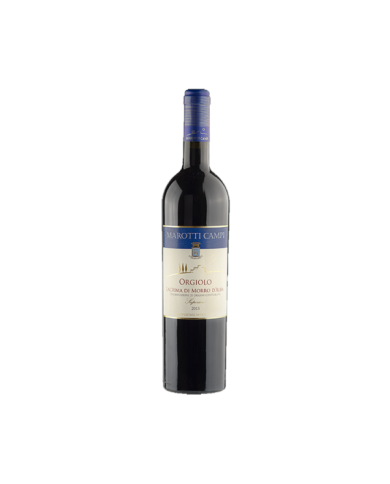
Lacrima is a very particular vine, grown only in the terroir surrounding the municipality of Morro d'Alba. It is said that even Frederick Barbarossa appreciated it in the distant 1167 AD, when he settled in these territories to attack nearby Ancona. A strongly rooted grape, which the Marotti Campi company likes to decline in two versions: in particular this Lacrima Superiore DOC "Orgiolo" stands out for its precious olfactory bouquet, which, combined with an extremely pleasant drink, makes this bottle truly remarkable.
€19.50
SKU:
721
Brand:
Marotti Campi
To the rose petal color, bright. The froth is light with violet reflections, the perlage is fine, of medium intensity and good persistence. Aromas of violets, wild roses, golden apples and notes of sage. Dry, harmonious and fresh on the palate, with descriptors of currant and sweet almonds. Serve at 12 ° C as an aperitif, with fried, shellfish and roasted fish or appetizers.
€11.79
SKU:
719
Brand:
Marotti Campi
Brilliant ruby red color. The froth is light with violet reflections, the perlage is fine, of medium intensity and good persistence. Intense aromas of violets, wild roses and undergrowth. Sweet, harmonious and fresh on the palate, with descriptors of morello cherry, black cherry, currant. Serve at 14 ° C with dry desserts, almond paste, panettone, fruit desserts or as an aperitif.
€11.27
€10.15
SKU:
716
Brand:
Marotti Campi
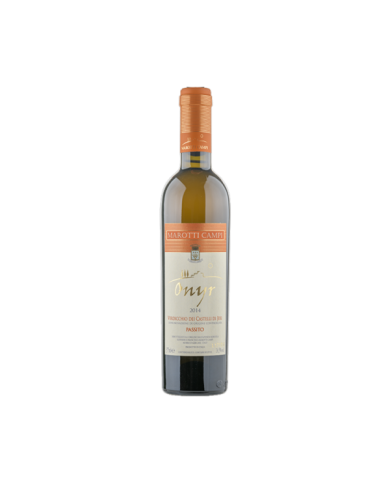
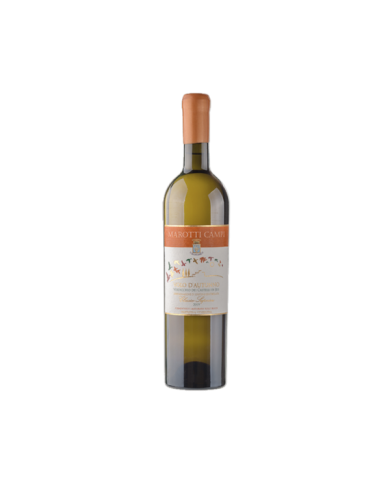
Golden yellow tending towards amber. On the nose yellow flowers, candied fruit, peaches in syrup and pine nuts. Soft on the palate, tending to sweet, allowing apricots and baked pears, notes of vanilla and a slightly almond finish. Serve at 14 ° with dry sweets, almond paste, cheeses or cheesecakes, foi gras or alone as a meditation wine. Alcohol: 14.5% vol.
€13.86
SKU:
714
Brand:
Marotti Campi
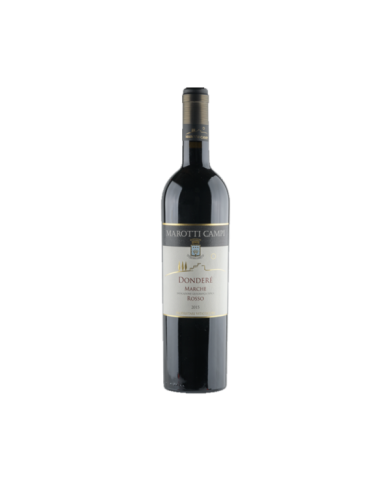
Intense ruby red color. Aromas of blackberry and undergrowth, black pepper, licorice, cloves, balsamic notes. Structured on the palate, fruity and spicy, dry with soft tannins and persistent with a clean finish. Serve at about 18 ° with grilled meats, game, aged cheeses.
SKU:
712
Brand:
Marotti Campi
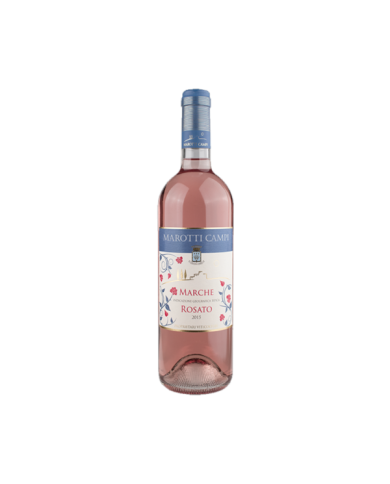
The Rosato delle Marche IGT, of the historic owners and winemakers Marotti Campi , is just one of the different types based on tear that the Marche company offers. Obtained from hand-picked grapes and subjected to short maceration at a temperature of 18 ° C, it ages in steel for 4 months and 2 in the bottle, before being marketed. Rose petal color. Characteristic aromas of roses, violets, currants and wild strawberries. Fresh and fruity on the palate, with a smoothness balanced by acidity. Very drinkable. Serve at about 16 ° with seafood first courses, fried fish, stewed fish or as an aperitif.
€8.20
SKU:
710
Brand:
Marotti Campi
Intense ruby red color with violet reflections. Characteristic aromas of rose, blackberry, pink pepper and juniper berries with an elegant touch of oriental spices. Fruity and spicy on the palate, with soft and persistent tannins with a clean finish. Serve at approximately 18 ° with elaborate first courses, duck breast, turkey, roast lamb, pork and rabbit.
SKU:
708
Brand:
Marotti Campi
Intense ruby red color with violet reflections. Characteristic aromas of rose, violet, myrtle and cinnamon. Fresh and fruity on the palate, dry and velvety with balsamic notes, medium-bodied and good acidity, pleasantly tannic. Serve at about 18 ° with elaborate first courses, roasted white meats, cold cuts, grilled or fish soups.
€9.15
SKU:
706
Brand:
Marotti Campi
€16.10
€12.88
Straw yellow in color with greenish reflections. On the nose hints of Mediterranean, cedar and boxwood. Pleasantly dry and material on the palate with a long finish of ancient citrus. Best to drink between 14 ° C and 16 ° C.
€16.10
€12.88
SKU:
661
Brand:
Marotti Campi
Bright straw yellow color with golden reflections. Aromas of broom, elderberry, marine and mineral notes, a touch of vanilla, capable of great evolutions in aging. Mouth of great structure, with acid shoulder to support the fruity notes, sapid and mineral, of great balance and long in the finish. Serve at 14 ° C with elaborate first courses, fish, white meats, soups.
€15.20
€12.92
SKU:
659
Brand:
Marotti Campi
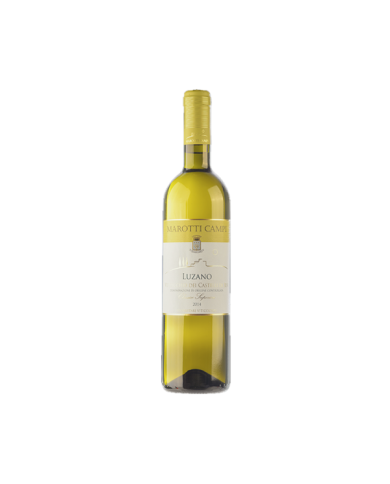
Straw yellow in color with greenish reflections. Aromas of acacia, broom, field flowers and chamomile with typical notes of bitter almond. Dry, savory, mineral, with fruity notes of green apple and a pleasantly almondy finish. Serve at about 14 ° C as an aperitif, pasta or rice first courses, fish, white meats.
€9.11
€7.29
SKU:
657
Brand:
Marotti Campi
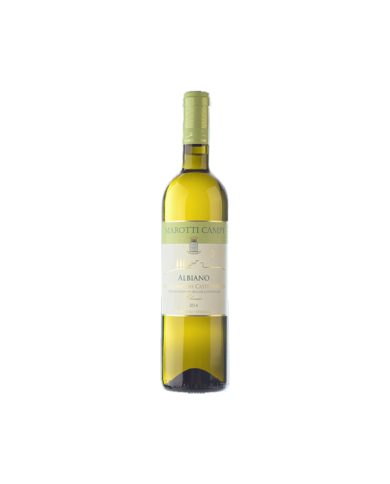
Bright straw yellow color with greenish reflections. Aromas of yellow flowers, peach, green apple and jasmine, with diffused minerality. Dry, savory, fresh, fruity and highly drinkable. Serve at about 14 ° C as an aperitif, pasta or rice first courses, seafood, fish, green salads.
€6.33
€5.06
Marche Wine Denominations: A Complete Guide
If you're a wine lover and enjoy discovering new flavors and products, you can't miss the Marche wine appellation . This region, located in central Italy, is famous for its production of fine wines, characterized by intense flavors and typical Italian tradition.
In this article, we'll explore the various denominations of Marche wines, their characteristics, and how to best taste them. You'll also discover the secrets behind their production and the best places to find them.
Introduction to the wine denominations of the Marche region
Marche is a highly productive wine region, thanks to its geographical location and favorable climate. The region's typical grape varieties are Verdicchio, Montepulciano, and Vernaccia Nera, but the region also produces other grape varieties.
The denomination of the wines of the Marche is divided into four main categories:
DOC
The Controlled Designation of Origin (DOC) designation refers to a specific type of wine production, which must follow precise rules to obtain recognition. In the Marche region, there are eight DOC designations:
- Verdicchio dei Castelli di Jesi : one of the most famous white wines of the Marche region, made from Verdicchio grapes. It has a straw yellow color and a fresh, fruity flavor.
- Verdicchio di Matelica : Another white wine made from Verdicchio grapes, but produced in the Matelica area. It has a drier flavor and higher acidity than Verdicchio dei Castelli di Jesi.
- Bianchello del Metauro : a white wine made from Biancame and Trebbiano grapes. It has a dry taste and a delicate aroma.
- Lacrima di Morro d'Alba : a red wine made from Lacrima grapes. It has a smooth taste and an intense aroma.
- Rosso Piceno : A red wine made from Montepulciano and Sangiovese grapes. It has a fruity, tannic flavor.
- Rosso Piceno Superiore : a more refined version of Rosso Piceno, which must be aged for at least two years before being sold.
- Conero : A red wine made from Montepulciano grapes, produced in the Monte Conero area. It has a full-bodied, tannic flavor.
- Offida : a DOCG designation for Rosso Piceno Superiore and Pecorino, a white wine made from the grapes of the same name.
DOCG
The Controlled and Guaranteed Designation of Origin (DOCG) is the highest expression of quality for Italian wines. In the Marche region, there are two DOCG designations:
- Verdicchio di Matelica Riserva : An aged version of Verdicchio di Matelica, it must be aged for at least two years before being released. It has an intense flavor and greater complexity than Verdicchio di Matelica.
- Rosso Conero Riserva : an aged version of Conero, which must be aged for at least three years before being released. It has an intense and complex flavor, with notes of berries and spices.
IGT
Typical geographical indications (IGT) refer to wines produced in a specific geographical area, but do not follow the precise rules of the DOC or DOCG designations. In the Marche region, there are two IGTs:
- Marche : an IGT that covers the entire Marche region, used for wines produced outside the DOC or DOCG designations.
- Rubicone : an IGT covering an area near the Rubicone River, used for wines produced with non-traditional grapes.
The secrets behind the production of Marche wines
The production of wines in the Marche region is characterized by a strong focus on quality and tradition. Local farmers use sustainable cultivation techniques and comply with environmental regulations.
Furthermore, the production of Marche wines uses innovative techniques, such as the use of modern machinery for winemaking and temperature control during fermentation.
How to best taste Marche wines
To fully appreciate the wines of the Marche region, it's important to follow the tasting process. First, you should observe the wine's color, aroma, and taste. Next, you can appreciate its flavor and texture.
It's important to taste the wines of the Marche region accompanied by traditional local foods, such as cheeses, cured meats, and fish.
The best places to find Marche wines
Marche wines can be found in Italy's finest restaurants and fine wine shops. However, to fully appreciate the local produce, it's recommended to visit the region's wineries and participate in tastings organized by local producers.
There are many famous wineries in Le Marche, each with its own history and unique wine production. Some of the most famous wineries in Le Marche include:
Umani Ronchi: Founded in 1957, this winery produces some of the most famous wines in the Marche region, including Verdicchio dei Castelli di Jesi and Rosso Conero.
- Velenosi Vini – Ascoli Piceno Winery: Wine is an art capable of inspiring dreams. Inspired by the desire to create harmony between flavor and color, the Velenosi Winery was founded in 1984. Ercole and Angela Velenosi,
Fazi Battaglia: Located in the Matelica area, this winery produces fine wines such as Verdicchio di Matelica and Pecorino.
La Monacesca: This winery specializes in the production of Verdicchio di Matelica Riserva, one of the most prized white wines in the Marche region.
Moroder: Located in the Jesi area, this winery produces white wines such as Verdicchio dei Castelli di Jesi and Verdicchio di Matelica, as well as red wines such as Rosso Piceno.
Saladini Pilastri: This winery produces high-quality wines such as Rosso Piceno Superiore and Pecorino.
Of course, these aren't the only wineries in the Marche region producing fine wines. There are many other wineries in the region worth discovering and appreciating for their production of fine, high-quality wines.
Map
The Marche wine appellation represents one of the most highly regarded Italian wine regions in the world. Thanks to its focus on quality and tradition, the Marche region offers a wide range of fine wines, characterized by intense flavors and typical Italian tradition.
FAQs
What are the DOC denominations of the Marche region?
There are eight DOC denominations in the Marche region: Verdicchio dei Castelli di Jesi, Verdicchio di Matelica, Bianchello del Metauro, Lacrima di Morro d'Alba, Rosso Piceno, Rosso Piceno Superiore, Conero and Offida.
What are the DOCG denominations of the Marche?
The DOCG denominations of the Marche are Verdicchio di Matelica Riserva and Rosso Conero Riserva.
What are the typical grape varieties of the Marche region?
The typical grape varieties of the Marche are Verdicchio, Montepulciano and Vernaccia Nera.
Where can I find wines from the Marche region?
Marche wines can be found in Italy's finest restaurants and fine wine shops. However, it's recommended to visit the region's wineries to fully appreciate the local production.
What foods go well with Marche wines?
The wines of the Marche region pair well with traditional local foods, such as cheeses, cured meats, and fish.
We hope this comprehensive guide to the Marche wine appellation has provided you with the information you need to discover this region's wine production. Taste the wines of the Marche and be captivated by their intense flavors and distinctive Italian tradition.