

 Italiano
 Deutsch










There are no more items in your cart
SKU:
16515
Brand:
Masseria L'Astore
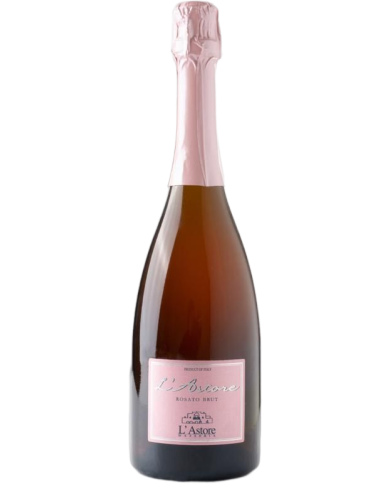
Born from clean and sustainable agriculture, respecting a landscape designed by culture and tradition, since 2010 the wines of L'Astore are certified "produced from organic grapes". Symbol of the Salento area in its rosé vocation and in the old Alberelli di Negroamaro and Primitivo; the production enhances the ancient native vines such as Negroamaro, Malvasia Nera, Malvasia Bianca Antica, Susumaniello and Primitivo.
€12.43
SKU:
16006
Brand:
Kandèa F.lli Tullio Cataldo
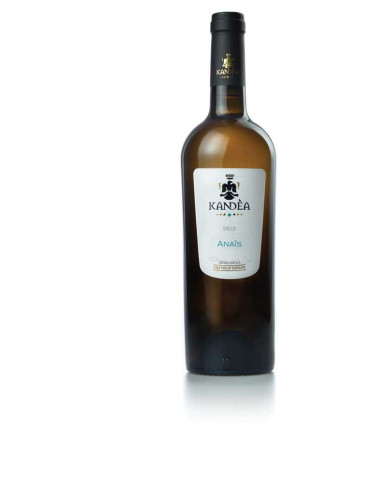
A true delight of whites, entirely produced from our grapes of the Greco vine. Its name and its origin derive from the "Aminea Gemina", whose meaning refers to the People of the Aminei, coming from ancient Greece. Gratitude goes to this people for having imported splendid vines into our peninsula characterized by clusters that branch out twins from the same stem (gemini). This vine finds in our territory the right habitat to express wines of great minerality and freshness. Anais makes these characteristics its own, surprisingly integrating them with floral scents and delicate citrus scents of citron and grapefruit. To characterize the finish of this wine is a sapidity rich in elegance blends with sensations that recall ripe fruits!
€13.66
SKU:
16004
Brand:
Kandèa F.lli Tullio Cataldo
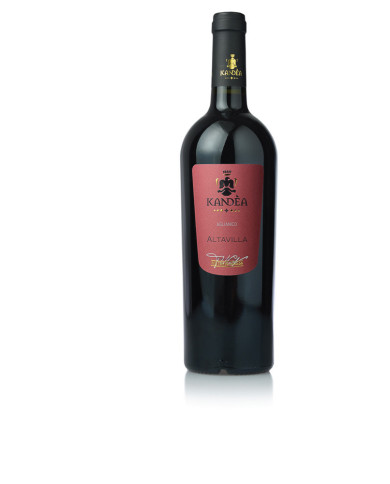
Aglianico, brought to Italy by the Greeks as early as the 6th century aC , takes its name from the "Vitis Hellenica", whose qualities are repeatedly sung in the odes of Horace and in the writings of masters consigned to history such as Pliny and Virgil. The high complexity and deep structure of Aglianico, grown directly in the company's vineyards, give Altavilla an extraordinary aptitude for aging in the bottle.
€11.90
SKU:
16003
Brand:
Kandèa F.lli Tullio Cataldo
Lord of the Daunia in the land of Puglia, the Uva di Troia vine ties its origins to the myth of Diomedes. Legend has it that the mythical Greek hero, after the Trojan War, sailed across the Adriatic Sea up to the Ofanto River which also flows through our lands. Here, having found the ideal place, he planted some vine shoots brought with him from Troy. Cherrug, respecting the greatness of this vine, comes from a careful selection of these grapes only from the best vintages! After aging for over 10 months, it is left to age in 10/20 hl barrels for about 2 years before being refined in the bottle for a further 6 months. Cherrug involves for its power and elegance, with its intense and refined aromas with hints of licorice, black cherry and ripe black fruits. On the palate it is dry, soft and enveloping. Extraordinarily rich and very long-lived, it becomes even more refined and elegant over the years.
€21.72
SKU:
16002
Brand:
Kandèa F.lli Tullio Cataldo
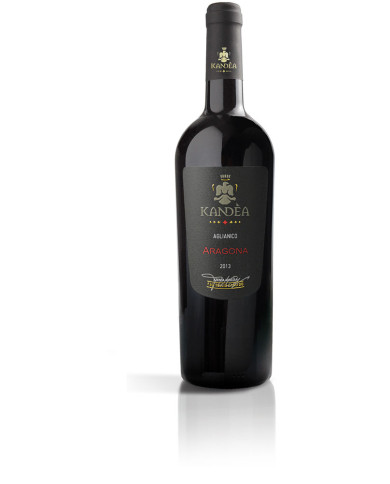
Aragona comes from a careful selection of Aglianico grapes, with a gradual harvest where the knowledge and expertise of the winemaker is combined with the technique of the winemaker to let you taste a unique product. It is aged for one year in French and American oak barriques and completes its aging in the bottle. Its extraordinary richness and elegance reaches its peak already within the first seven years, retaining its characteristics for many years afterwards.
€16.59
SKU:
16000
Brand:
Kandèa F.lli Tullio Cataldo
Lord of the whites in the Dauno Subappennino, this inimitable white is entirely produced from our grapes of the Fiano vine, from the Latin "Vitis Apiane"; a name that, going back through the centuries, can be found in the "Naturalis Historia" of the noble Pliny: "... the bees gave the surname of Apiana to this magnificent grape, due to their greed in sucking the grapes!"
€13.30
SKU:
15999
Brand:
Kandèa F.lli Tullio Cataldo
Lord of the Daunia in the land of Puglia, the Uva di Troia vine ties its origins to the myth of Diomedes. Legend has it that the mythical Greek hero, after the Trojan War, sailed across the Adriatic Sea up to the Ofanto River which also flows through our lands. Here, having found the ideal place, he planted some vine shoots brought with him from Troy. Lanario is a subtle balance of fruity notes, spices, sweets, with an intriguing goudron in the the final. Seductive for its class and aromatic intensity, it is quite soft for the component tannins present but not impetuous and annoying, savory and quite fresh. wine of great elegance, where structure and acidity support each other, it becomes even more refined and elegant with the passing of the years.
€13.04
SKU:
15998
Brand:
Kandèa F.lli Tullio Cataldo
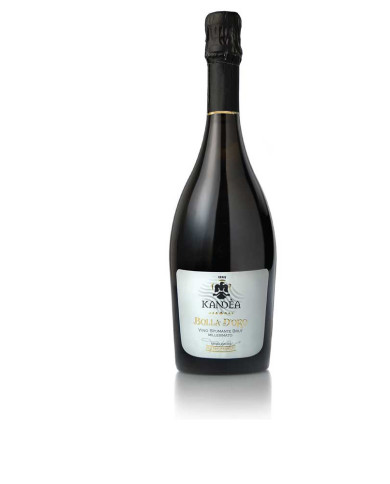
The grape variety chosen for the spumante base of Bolla d'Oro is the "Bombino Bianco". Its ancient origins probably date back to the challenge of Barletta and the Spaniards. It prefers deep, draining soils and is certainly one of the most interesting grapes for sparkling wine. Bolla D'oro is born from the application of the long charmat method, with a fermentation period of no less than 40 days sur lie which gives an absolutely unique and original roundness and fullness to the tasting (texture), enhanced by a fine and persistent perlage. Vin de fete, with a great personality and an intriguing bouquet in which notes of apricot and white peach predominate with white flowers (blossom) and dried fruit intruding on the finish.
€12.03
SKU:
15995
Brand:
Kandèa F.lli Tullio Cataldo
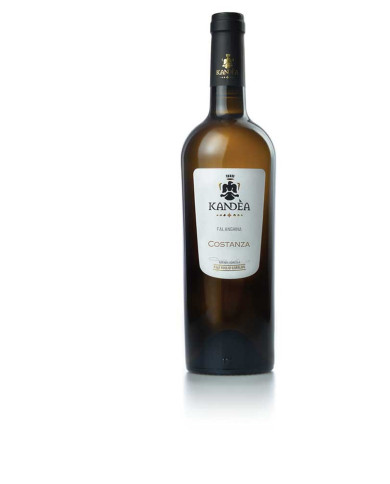
A dry white of great class, entirely produced from our grapes of the Falanghina vine: its origin is lost in the mists of time; the etymology derives from “falanga”, the pole that acted as a guardian to the vine. Our vineyards are close to the Daunia mountains where the mild winds of Apulia meet the cold ones that come from Irpinia; therefore strong temperature variations are generated, to the full advantage of the perfumes and the great minerality of this vine.
€12.05
SKU:
15994
Brand:
Kandèa F.lli Tullio Cataldo
Its softness and appreciable acidity make it possible to create excellent pairings with all pasta-based first courses and rich side dishes. Its good structure and low quantity of tannins also make it suitable for fish-based preparations, especially richly seasoned and flavored roasted fish. Delicious for aperitifs.
€11.48
SKU:
15411
Brand:
Alberto Longo
Primitivo rich in hints of wild berries and with an intense and persistent aroma.
€13.66
SKU:
15410
Brand:
Alberto Longo
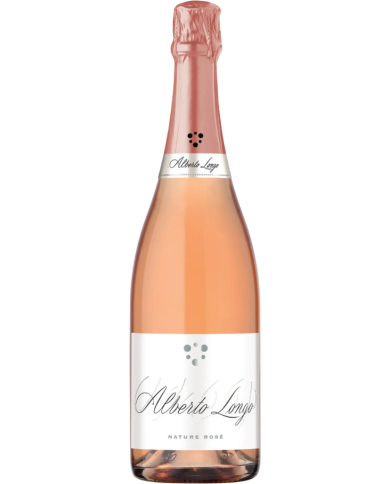
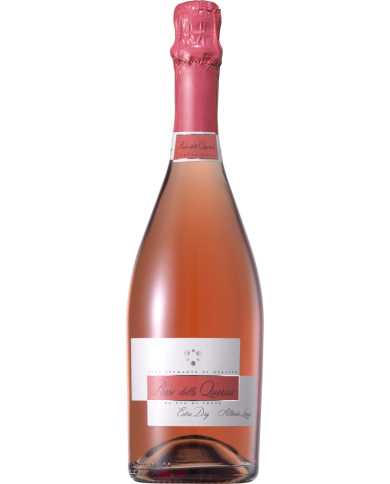
Spumante Brut Rosé with delicate hints of small red fruits and citrus nuances, characters of Mediterranean scrub, tones of bread crust.
€30.99
SKU:
15409
Brand:
Alberto Longo
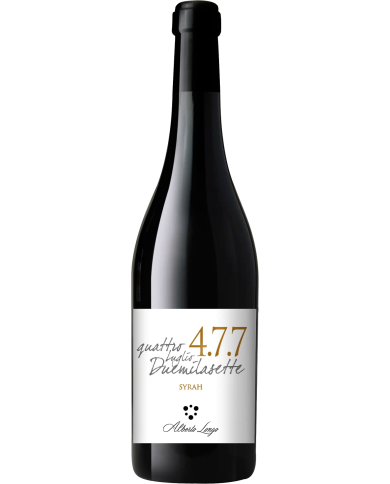
Intense and enveloping wine, with notes of red berries and spicy aromas.
€20.78
SKU:
15408
Brand:
Alberto Longo
Dense and balsamic, for aging in oak barrels. The grapes, harvested from 100% Nero di Troia vines, ferment in steel at a controlled temperature, favoring prolonged contact between the must and the skins. The refinement takes place in French oak barrels barriques-tonneaux. The characteristic bouquet, intense and persistent, with hints of blackberry and ripe plum, and the dense and balsamic flavour, rich in sweet and silky tannins, make Le Cruste the perfect wine to accompany aged cheeses, game and meats in general.
€19.40
SKU:
15407
Brand:
Alberto Longo
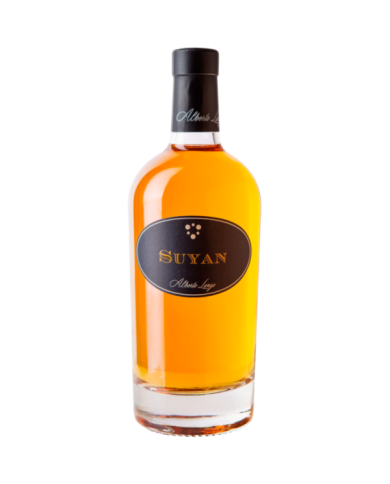
Golden with amber reflections, brilliant, Intense and persistent, hints of apricot compote, candied figs amalgamated with notes of dried fruit and spices, sweet, well structured, elegant, fresh and sapid, long finish, spicy aroma in the mouth.
€19.52
SKU:
15406
Brand:
Alberto Longo
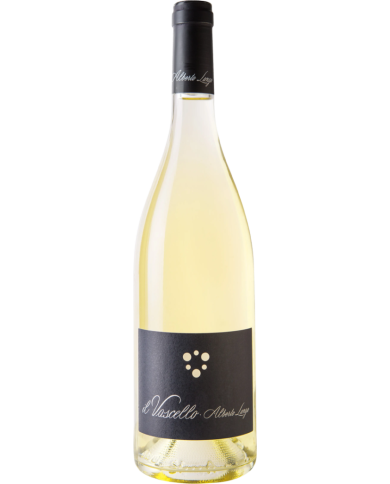
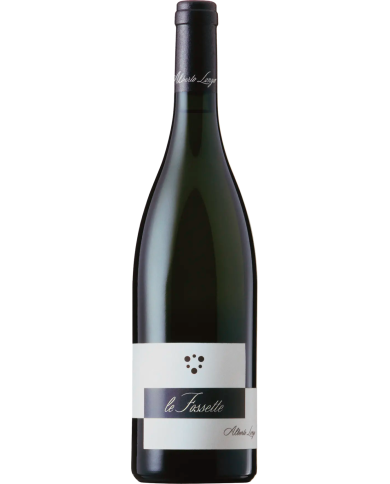
Falanghina Italian white wine, here we are in Puglia. The efficiency in producing and the elegance in welcoming make Alberto L. a goal, that is to produce quality wines. The cellar is surrounded by vineyards with Falanghina and Bombino Bianco vines from the Cavalli farm.
€17.20
SKU:
15405
Brand:
Alberto Longo
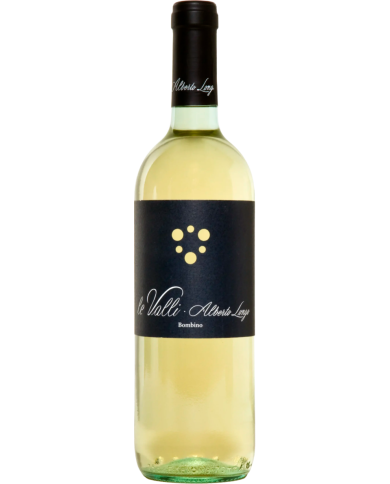
Harmonious and fruity wine, with fruity and floral notes and balsamic hints.
€14.52
SKU:
15404
Brand:
Alberto Longo
Sparkling wine with an intense aroma, with hints of bread crust, notes of strawberry and cherry.
€13.79
SKU:
15403
Brand:
Alberto Longo
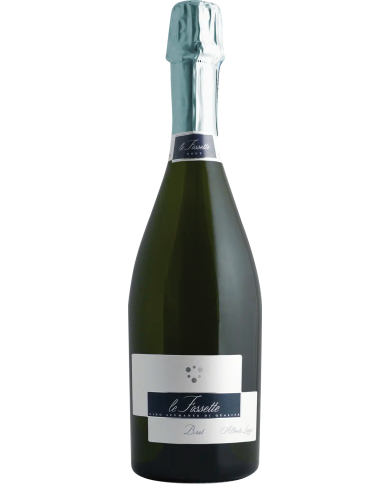
Sparkling wine with an intense aroma, with hints of bread crust and flowers and a delicate taste.
€13.79
€11.83
SKU:
15401
Brand:
Alberto Longo
Wine with a fresh, intense and persistent taste, with fruity and floral notes.
€9.36
SKU:
15400
Brand:
Alberto Longo
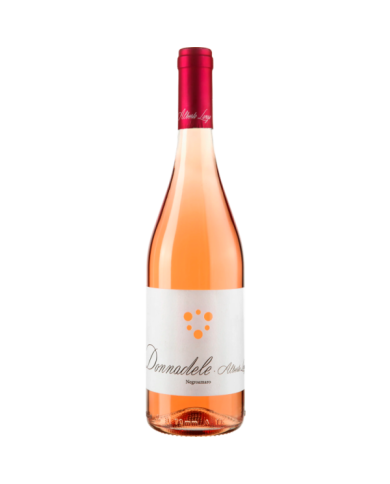
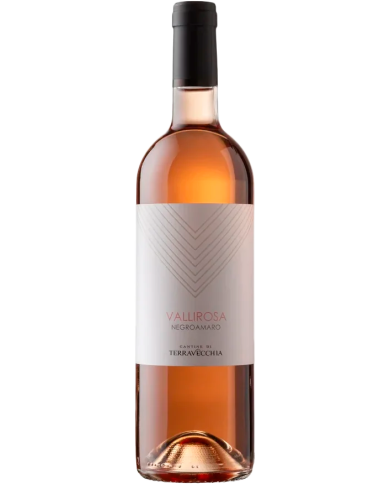
Intense, persistent and fruity rosé wine, with pleasant floral and balsamic notes with a harmonious, sapid and dry flavour.
€9.39
SKU:
15399
Brand:
Cantine di TerraVecchia
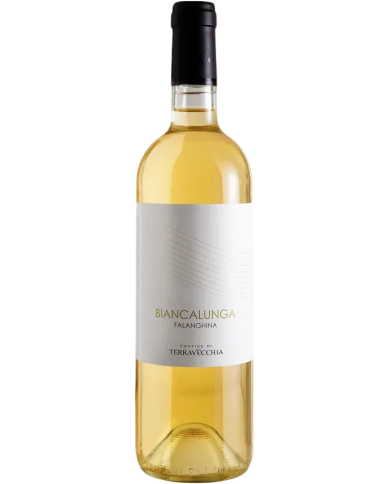
Straw yellow color with golden reflections. Intense, persistent and fruity bouquet, with pleasant floral and balsamic notes. Harmonious, savory and dry flavour.
€9.27
SKU:
15398
Brand:
Cantine di TerraVecchia
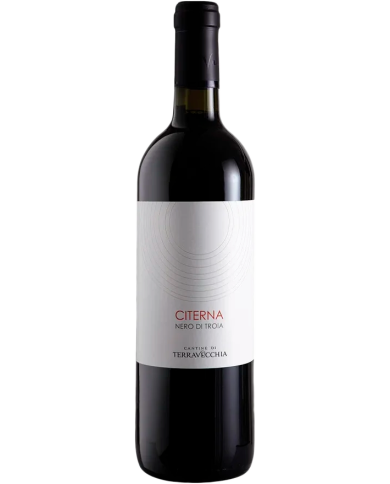
Medium intense ruby red color with violet reflections. Pleasant and harmonious bouquet, with persuasive notes of red berried fruits. Typical, balanced and round flavour, with excellent structure and sweetly tannic.
€9.27
SKU:
15395
Brand:
Cantine di TerraVecchia
Harmonious and round wine with a finely fruity aroma and light balsamic notes.
€9.27
SKU:
15394
Brand:
Cantine di TerraVecchia
Balanced and round wine, with persuasive notes of red berried fruits, pleasant and harmonious.
€13.79
SKU:
15393
Brand:
Alberto Longo
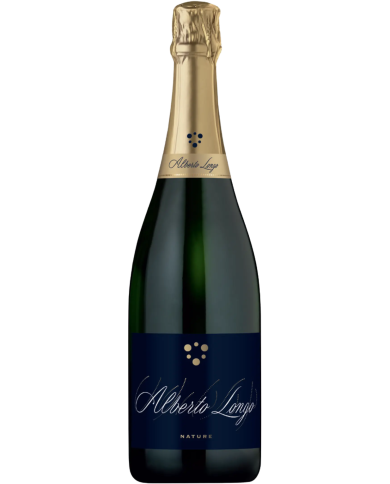
Alberto Longo's Brut Nature is an excellent straw-colored bubble enhanced by golden reflections with a very fine and persistent perlage. Fresh citrus hints of white fruit and salty sensations, a note of anise and slight hints of bread crust. The perlage caresses the palate, enhancing its freshness and complexity.
€30.99
SKU:
15311
Brand:
A Mano Wine
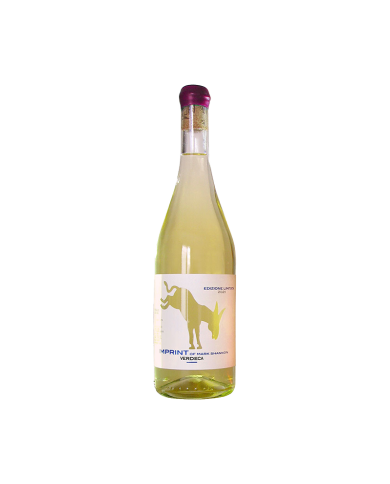
Mark is a winemaker and comes from California. I, Helvetia, am Friulian. We met in Sicily in 1997. In 1998 Mark proposed that I visit Puglia to see the old Primitivo vineyards. According to studies by the University of Davis in California Primitivo and Californian Zinfandel are genetically identical.
€23.74
SKU:
15063
Brand:
D'Alfonso del Sordo
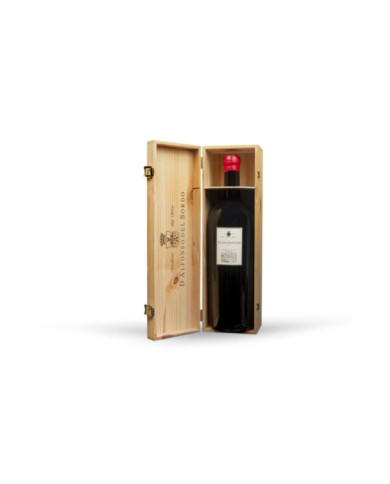
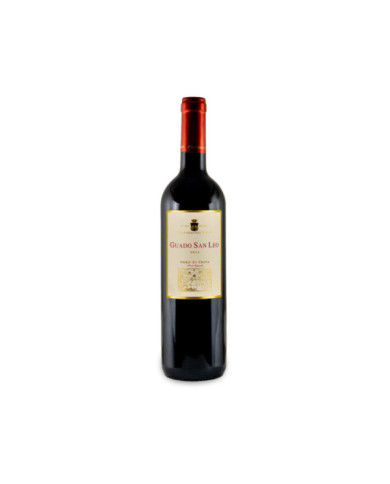
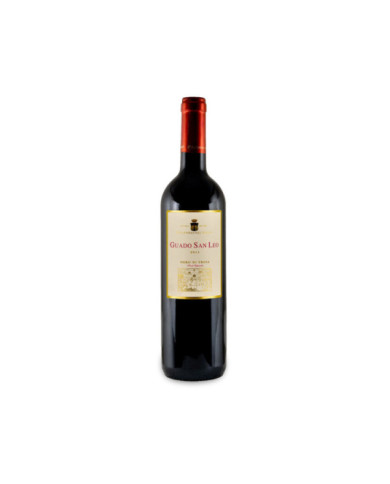
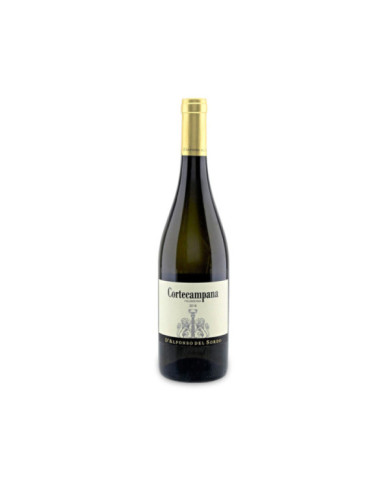
GUADO SAN LEO is the first wine of our company obtained solely from NERO DI TROIA grapes and has contributed together with other Apulian wines to the rebirth of this important vine. The grapes, coming from our "Coppanetta" estate, are harvested by hand in 15 kg boxes before being sent for vinification. with scrupulous selection.
SKU:
15062
Brand:
D'Alfonso del Sordo
GUADO SAN LEO is the first wine of our company obtained solely from NERO DI TROIA grapes and has contributed together with other Apulian wines to the rebirth of this important vine. The grapes, coming from our "Coppanetta" estate, are harvested by hand in 15 kg boxes before being sent for vinification. with scrupulous selection.
€50.70
SKU:
15061
Brand:
D'Alfonso del Sordo
The hot year with little rain has delivered healthy and ripe grapes which translates into a wine of intense color, the scarcity of rain combined with high temperatures has led to a lowering of the acid content giving the wines characteristics of intensity, alcohol and roundness , with precise and blended tannins. Also for this vintage it was necessary to anticipate the harvest by a few weeks to avoid water stress phenomena on the plants. The overall results are however very interesting due to the general balance we find in the wines produced in this vintage.
€24.71
SKU:
15060
Brand:
D'Alfonso del Sordo
GUADO SAN LEO is the first wine of our company obtained solely from NERO DI TROIA grapes and has contributed together with other Apulian wines to the rebirth of this important vine. The grapes, coming from our "Coppanetta" estate, are harvested by hand in 15 kg boxes before being sent for vinification. with scrupulous selection.
SKU:
15059
Brand:
D'Alfonso del Sordo
It has a brilliant straw yellow color with a thin perlage. The bouquet expresses fruity notes of apple, peach and orange.
€15.60
SKU:
15058
Brand:
D'Alfonso del Sordo
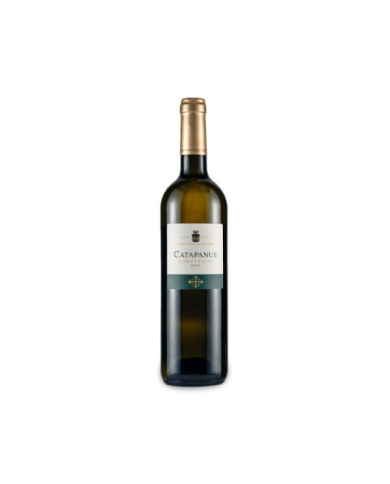
CATAPANUS was the name of the ancient provincial delegate of the emperor, in charge of the military and civil government of the whole of southern Italy in the Byzantine period. We wanted to dedicate our most important white grape variety in our area to this authoritative figure: BOMBINO BIANCO
€12.36
SKU:
15057
Brand:
D'Alfonso del Sordo
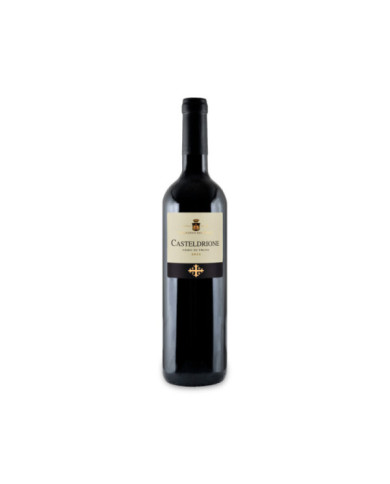
Legend has it that Diomedes, after marrying Driona, daughter of King Dauno, had a small temple with an altar dedicated to Calchas built on a low hill called Drion. In this place called Castrum Drionis or CASTELDRIONE the city of San Severo will rise.
€12.36
SKU:
15056
Brand:
D'Alfonso del Sordo
The sound of the bell has always marked important moments in the life of the populations: in fact, in rural areas, the sound of the bell often indicated the moment of pause in which the peasants stopped working to consume their meal. Even today, in many ancient Apulian farms, we can see in the central space called "court", the presence of a small bell.
€11.70
Discover the Secrets of Puglia's Wines: A Definitive Guide
Puglia is a stunningly beautiful Italian region, and its rolling hills dotted with vineyards are a sight to behold. Puglia is also a popular destination for food and wine tourism, thanks to its rich winemaking tradition. If you're interested in discovering the secrets of Puglia's wines, this guide is a great place to start.
The Wine of Puglia
Puglia is a region with a rich history of winemaking, with varietals dating back to the times of Magna Graecia. Puglia's wines are renowned for their complexity, with flavors ranging from fresh and fruity to rich and full-bodied. The region is home to some of Italy's most important grape varieties, including Primitivo, Nero di Troia, Susumaniello, Bombino Nero, and Malvasia Nera.
Primitive
Primitivo is one of Puglia's most popular grape varieties and is known for its rich, complex, and intense flavors. Primitivo wines are generally deep ruby red in color, with aromas of ripe berries, such as currants, blueberries, blackberries, and cherries, along with notes of spice and subtle hints of tobacco. On the palate, Primitivo is generally full-bodied and intense, with good acidity and soft tannins.
Black Trojan Horse
Nero di Troia is a red grape variety native to the region. It has a complex aromatic profile and is considered one of Puglia's finest red wines. Nero di Troia wines tend to have a deep ruby red color, with aromas of ripe fruit, such as cherries and blackberries, along with notes of spice and tobacco. On the palate, they have a good structure, with soft, balanced tannins and a lingering finish.
Susumaniello
Susumaniello is a red grape native to Puglia that has gained popularity in the last decade. Wines produced from this varietal are generally deep ruby red in color, with aromas of ripe fruit, such as cherries, along with notes of spice, tobacco, and wood. On the palate, they have good structure, with soft tannins and a lingering finish.
Black Bombino
Bombino Nero is a red grape variety native to Puglia. Wines produced from this varietal have an intense ruby red color, with aromas of ripe fruit, such as blackberries and cherries, along with notes of spice and tobacco. On the palate, they have a good structure, with soft and balanced tannins and a lingering finish.
Black Malvasia
Malvasia Nera is a red grape native to Puglia, and its production is limited. Wines produced from this grape have an intense ruby red color, with aromas of ripe fruit, such as cherries and blueberries, along with notes of spice and tobacco. On the palate, they have a good structure, with soft and balanced tannins and a lingering finish.
How to taste Puglia wines
To fully appreciate Puglia's wines, it's important to know the correct tasting techniques. Wine tasting begins with evaluating the appearance, observing the wine's color, clarity, and saturation. Once the appearance has been assessed, you can begin evaluating the wine's aroma, observing its intensity and complexity.
Finally, we move on to wine tasting, which begins with savoring the wine in the mouth, noting its structure, acidity, tannins, and body. By tasting the wine, you should be able to identify its complexity and flavors. After tasting, you can evaluate the wine's persistence, noting how long the flavors linger after drinking.
Discover the main Apulian wine denominations: a guide to the flavors of southern Italy.
Puglia, a land of sun, sea, and lush vineyards, offers a variety of high-quality wines thanks to its Mediterranean climate and fertile soil. In this guide, we'll explore the main Apulian wine appellations and discover their unique aromas and flavors.
Primitivo di Manduria DOC: the king of Apulian red wines
Primitivo di Manduria DOC is a full-bodied and intense red wine, produced primarily with Primitivo grapes in the Manduria area, in the province of Taranto. Characterized by flavors of ripe fruit, spice, and chocolate, this wine pairs perfectly with meat dishes and aged cheeses.
Negroamaro del Salento PGI: the soul of Salento in a glass
Negroamaro del Salento PGI is a wine produced from the native Negroamaro grape, grown throughout the Salento area. The red and rosé wines of this denomination feature aromas of red fruits, herbs, and spices, ideal for pairing with fish and vegetable dishes.
Salice Salentino DOC: balance and tradition
Located in the heart of Salento, Salice Salentino DOC produces red wines based on Negroamaro, often paired with other grapes such as Malvasia Nera. The wines of this denomination are distinguished by their good structure, soft tannins, and flavors of red fruit and spices, perfect for pairing with pasta dishes and red meats.
Castel del Monte DOC: a variety of flavors in a unique territory
The Castel del Monte DOC appellation, located in the northern part of Puglia, produces white, red, and rosé wines using grape varieties such as Bombino Bianco, Nero di Troia, and Aleatico. These wines offer a wide range of aromas and flavors, suitable for every occasion and food pairing.
Puglia is a region rich in wine appellations offering a wide range of high-quality wines. Exploring the main Apulian wine appellations is a fascinating journey.