

 Italiano
 Deutsch







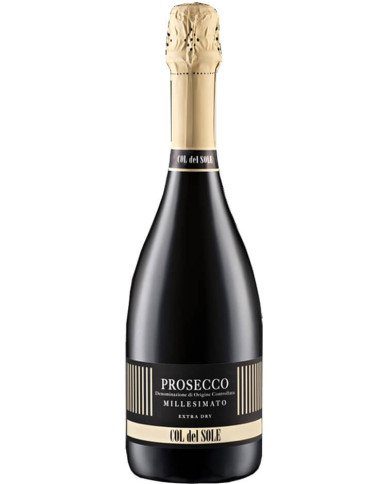

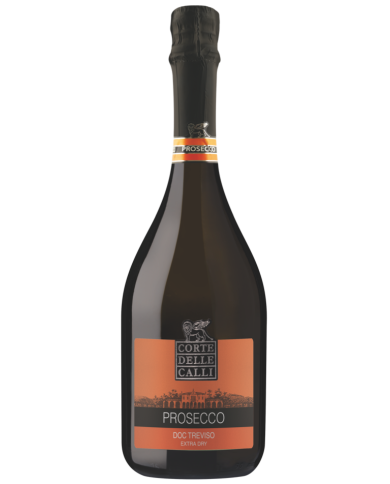
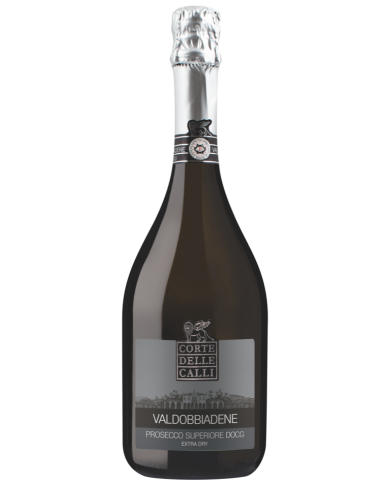
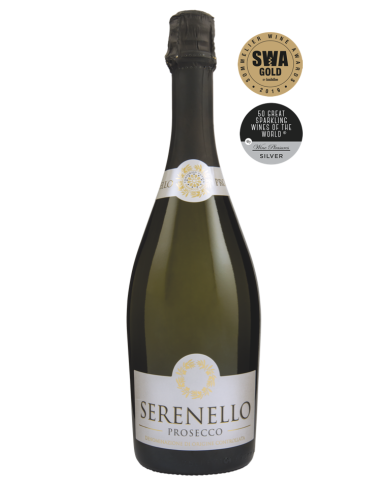






There are no more items in your cart
SKU:
17321
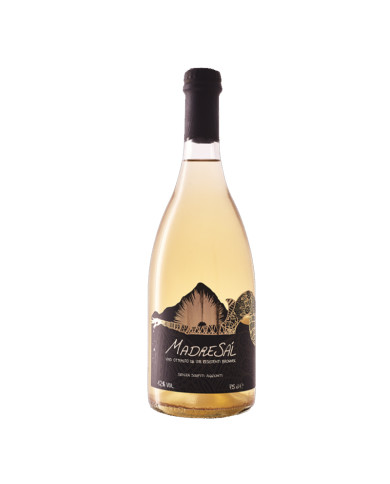
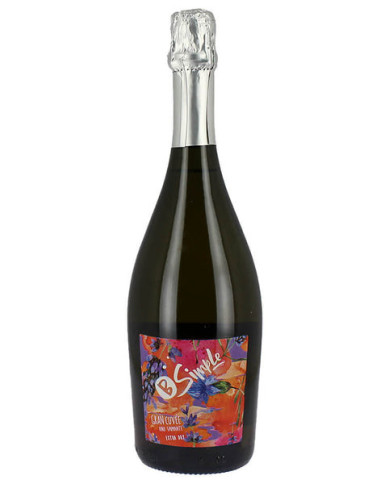
When you're looking for something authentic, you can count on the Bronner. Piwi grapes coming from the highest altitude vineyards and refreshed by mountain breezes give life, with patient artisanal processing, to a wine on the yeasts, refermented in the bottle with an inimitable taste and zero added sulphites. Bronner is the concreteness of the challenge won in cultivating historic vineyards once abandoned due to phylloxera. 12% Alcohol. – Without added sulphites – Unselected natural yeasts. Natural selezionati.rifermentazione in the bottle following the traditional local method. Only 3333 bottles produced in the 2022 vintage. Recommended for those looking for an exclusive and niche product.
€20.67
SKU:
17320
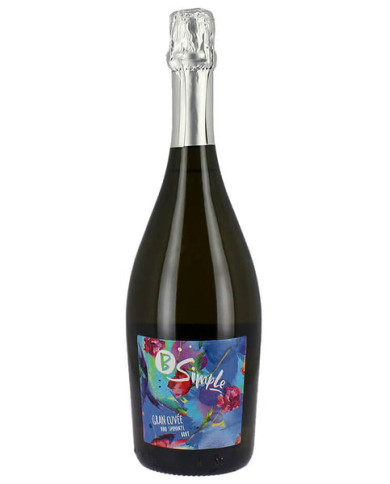
Sparkling wine obtained from a natural refermentation in the bottle according to
local traditional method. Recommended for those seeking the authenticity of the territory of
production
€23.06
SKU:
17319
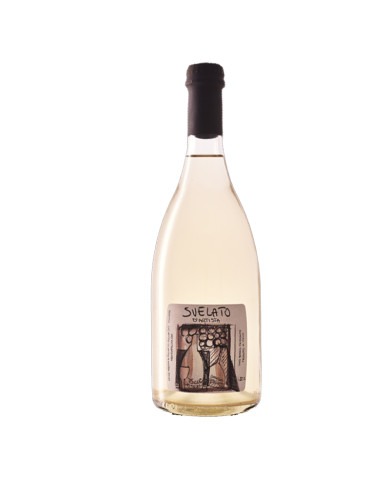
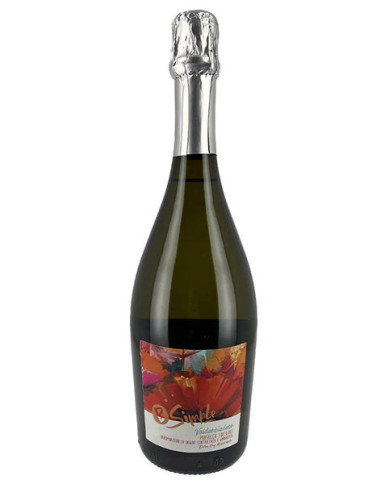
Col Fondo or Surlie wine. It is the sparkling wine to always have on hand, well refrigerated and ready when needed to improvise an aperitif or embellish an elegant dinner. In fact, Lo Svelato d'Artista is not afraid of pairings with refined dishes and more nobili.metodo dishes. Traditional local method. Recommended for those seeking the authenticity of the production area
€9.22
SKU:
16978
Brand:
Quintarelli
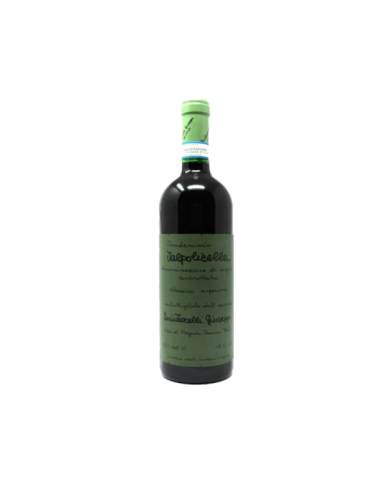
Great Valpolicella wine, produced by one of the most representative companies. Obtained half from grapes dried in boxes for a couple of months and half from "fresh" grapes. It is a wine with great aging potential, which spends six years in large Slavonian oak barrels to reach its complete maturation, before being bottled. If you want to have a red wine of great prestige and rarity in the cellar, you are in front of the right choice!
€94.90
SKU:
16975
Brand:
Serena Wines 1881
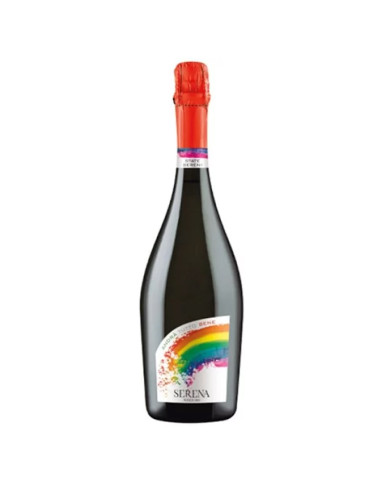
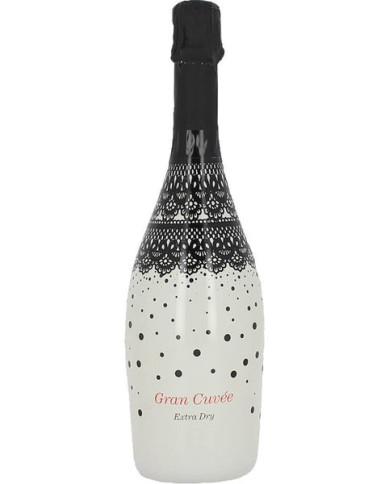
VINES 100% White berried vines VINIFICATION Second fermentation in steel autoclave at controlled temperature Subsequent bottling and storage in thermo-controlled rooms CHARACTERISTICS Pale straw yellow colored wine, with lively perlage The aromas are pleasantly fresh with fruity nuances of yellow fruit, peach and apricot In the mouth it is clean with a pleasant gustatory harmony. Pairings excellent as an aperitif or with first courses and delicate fish main courses
€13.05
SKU:
16530
Brand:
La Collina Dei Ciliegi
A red wine with character, obtained from the queen grapes of Valpolicella. Peratara from La Collina dei Ciliegi is ideal with rich first courses and red meats.
€46.12
SKU:
16512
Brand:
Nicolis
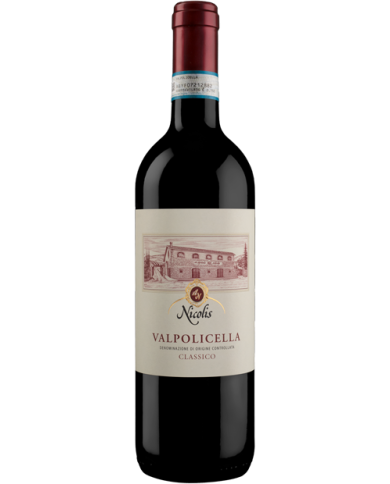
Medium intensity ruby red colour. The scent is vinous, characteristic, pleasant and delicate, reminiscent of the fruits that ripen in the area: cherries, morello cherries and plums. The taste is dry, full-bodied, bitterish, savory and harmonious, sometimes captivating due to the pungent ginger, a typical note in our wines.
€9.27
SKU:
16511
Brand:
Nicolis
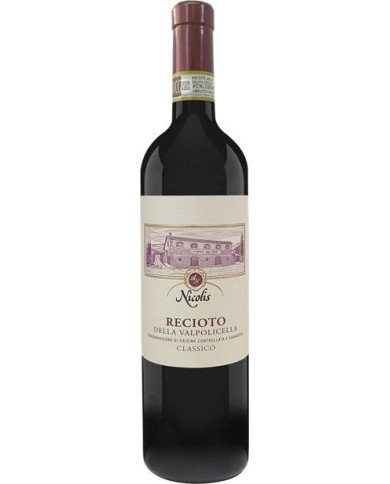
The Recioto Della Valpolicella of the Nicolis family is created with traditional techniques that transform the ripe grapes of Corvina, Rondinella and Molinara into a rich and complex wine. The high quality grapes are carefully selected and left to dry over the winter, concentrating the sugar content and flavor compounds. The dried grapes are then fermented to an acceptable alcohol level, leaving a high sugar content in the finished wine.
€29.65
SKU:
16510
Brand:
Nicolis
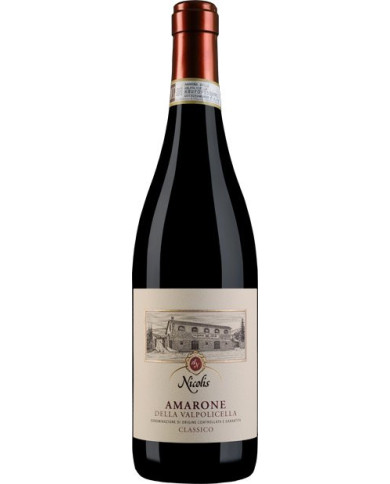
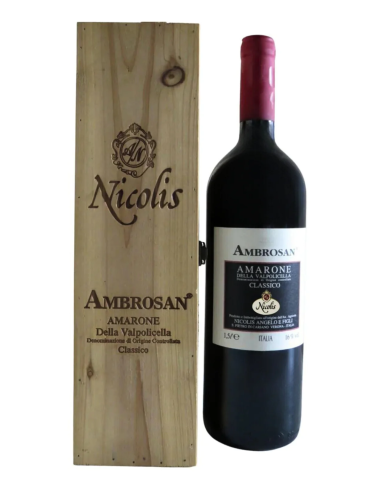
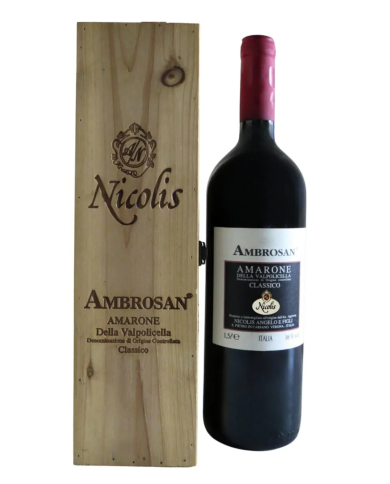
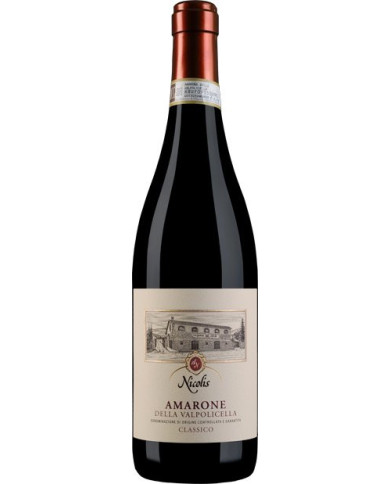
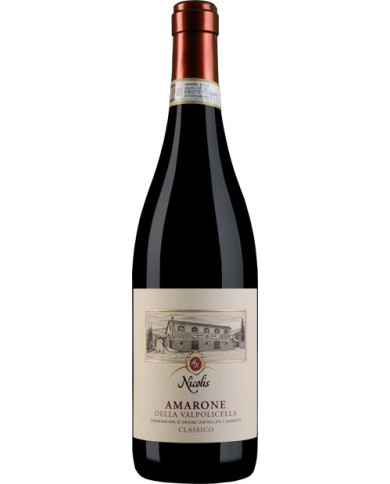
Amarone wine is produced in Valpolicella, facing north of Verona in the suggestive hilly area of Veneto, it is the cradle of the renowned Amarone wine. This region extends from the Adige river to the Soave hills, east of Verona, and is also famous for the production of great red wines such as Recioto, Valpolicella, Valpolicella Classico and Valpolicella Ripasso. Thanks to its privileged geographical position, the mild climate and the morphology of the territory, it has for centuries been a land dedicated to the cultivation of vines and the production of quality wines.
€39.89
SKU:
16509
Brand:
Nicolis
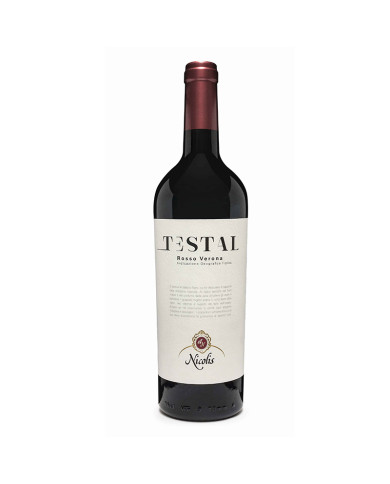
The Testal Rosso Verona IGT 2019 by Vini Nicolis is an excellent wine, an expression of the Verona area.
€17.67
SKU:
16508
Brand:
Nicolis
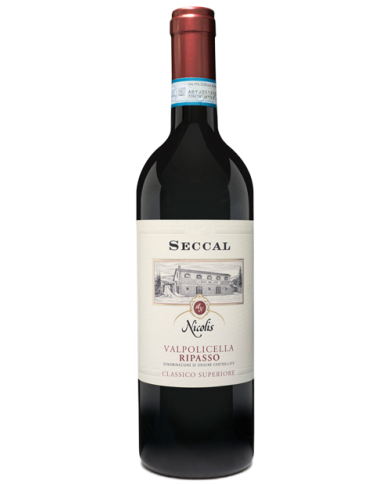
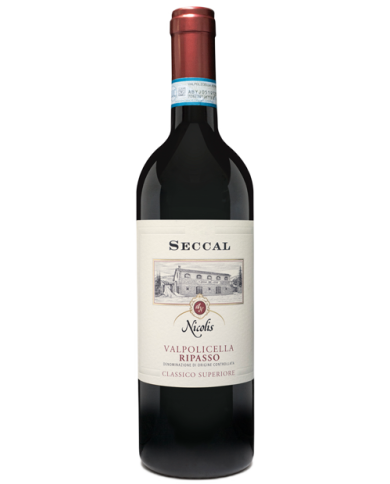
The Seccal Valpolicella Superiore Ripasso DOC by Vini Nicolis is an excellent wine, an expression of the Verona area.
€223.99
SKU:
16507
Brand:
Nicolis
The Seccal Valpolicella Superiore Ripasso DOC by Vini Nicolis is an excellent wine, an expression of the Verona area.
€15.37
SKU:
16506
Brand:
Nicolis
The Seccal Valpolicella Superiore Ripasso DOC by Vini Nicolis is an excellent wine, an expression of the Verona area.
€44.77
SKU:
16505
Brand:
Nicolis
Deep dark ruby red that gradually turns towards garnet. Powerful and aristocratic nose made of ripe fruit, jam, sensations of cocoa, walnut husk, tobacco and leather. A powerful yet gentle and elegant full-bodied wine, very noble in roundness, complex and with an unmistakable flavor played on the balance between volume and softness, warmth and freshness, austerity and richness.
€54.66
SKU:
16504
Brand:
Nicolis
Deep dark ruby red that gradually turns towards garnet. Powerful and aristocratic nose made of ripe fruit, jam, sensations of cocoa, walnut husk, tobacco and leather. A powerful yet gentle and elegant full-bodied wine, very noble in roundness, complex and with an unmistakable flavor played on the balance between volume and softness, warmth and freshness, austerity and richness.
€217.40
SKU:
16503
Brand:
Nicolis
Deep dark ruby red that gradually turns towards garnet. Powerful and aristocratic nose made of ripe fruit, jam, sensations of cocoa, walnut husk, tobacco and leather. A powerful yet gentle and elegant full-bodied wine, very noble in roundness, complex and with an unmistakable flavor played on the balance between volume and softness, warmth and freshness, austerity and richness.
€263.52
SKU:
16502
Brand:
Nicolis
Deep dark ruby red that gradually turns towards garnet. Powerful and aristocratic nose made of ripe fruit, jam, sensations of cocoa, walnut husk, tobacco and leather. A powerful yet gentle and elegant full-bodied wine, very noble in roundness, complex and with an unmistakable flavor played on the balance between volume and softness, warmth and freshness, austerity and richness.
€151.52
SKU:
16501
Brand:
Nicolis
Deep dark ruby red that gradually turns towards garnet. Powerful and aristocratic nose made of ripe fruit, jam, sensations of cocoa, walnut husk, tobacco and leather. A powerful yet gentle and elegant full-bodied wine, very noble in roundness, complex and with an unmistakable flavor played on the balance between volume and softness, warmth and freshness, austerity and richness.
€283.28
SKU:
16500
Brand:
Nicolis
Deep dark ruby red that gradually turns towards garnet. Powerful and aristocratic nose made of ripe fruit, jam, sensations of cocoa, walnut husk, tobacco and leather. A powerful yet gentle and elegant full-bodied wine, very noble in roundness, complex and with an unmistakable flavor played on the balance between volume and softness, warmth and freshness, austerity and richness.
€96.87
SKU:
16499
Brand:
Nicolis
Deep dark ruby red that gradually turns towards garnet. Powerful and aristocratic nose made of ripe fruit, jam, sensations of cocoa, walnut husk, tobacco and leather. A powerful yet gentle and elegant full-bodied wine, very noble in roundness, complex and with an unmistakable flavor played on the balance between volume and softness, warmth and freshness, austerity and richness.
€160.80
SKU:
16498
Brand:
Nicolis
Deep dark ruby red that gradually turns towards garnet. Powerful and aristocratic nose made of ripe fruit, jam, sensations of cocoa, walnut husk, tobacco and leather. A powerful yet gentle and elegant full-bodied wine, very noble in roundness, complex and with an unmistakable flavor played on the balance between volume and softness, warmth and freshness, austerity and richness.
€131.76
SKU:
16497
Brand:
Nicolis
Deep dark ruby red that gradually turns towards garnet. Powerful and aristocratic nose made of ripe fruit, jam, sensations of cocoa, walnut husk, tobacco and leather. A powerful yet gentle and elegant full-bodied wine, very noble in roundness, complex and with an unmistakable flavor played on the balance between volume and softness, warmth and freshness, austerity and richness.
€39.93
SKU:
16372
Brand:
Pieropan
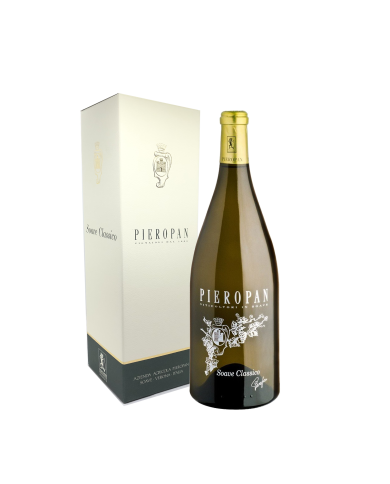
The La Rocca vineyard is located on the hill of Mount Rocchetta, close to the medieval Scaliger castle of Soave. La Rocca enjoys a particular microclimate, which makes it possible to obtain a wine with a unique and unreproducible bouquet and gustatory notes, typical of a pedigree wine. Innovative, since its debut in 1978, it has marked a deep groove in the territory, becoming an undisputed symbol of quality and tradition.
€29.56
SKU:
16354
Brand:
Montagner
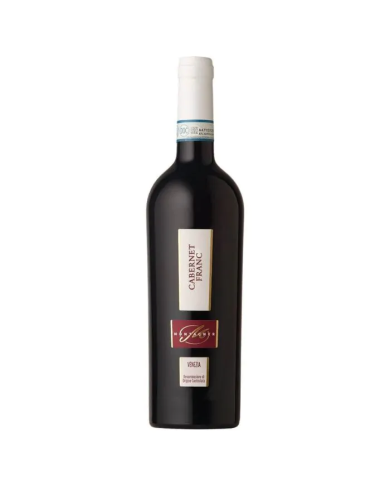
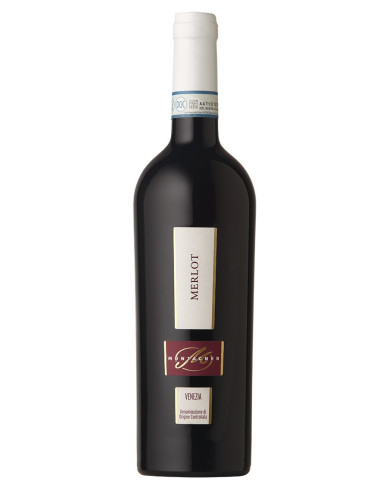
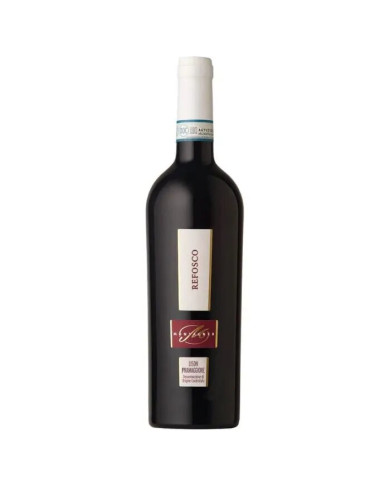
More or less intense red colour, vinous bouquet, with a pleasant bouquet with a slight hint of freshly cut grass. Dry, frank, savory flavour.
€6.34
SKU:
16353
Brand:
Montagner
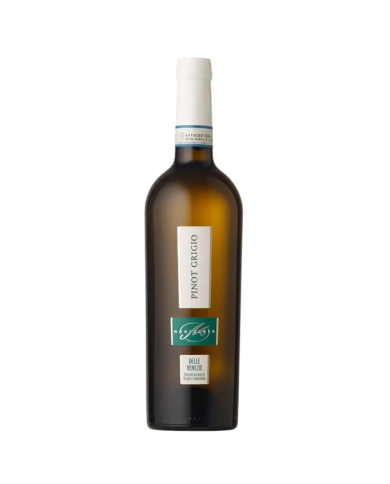
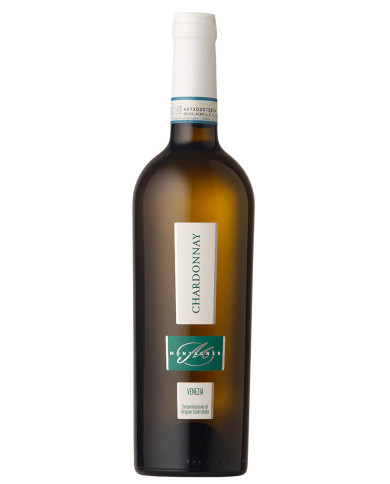
Pinot Grigio delle Venezie, well known and appreciated outside our borders, is absolutely to be rediscovered here too, because it is a fresh, fragrant wine, capable of combining happily with a large number of gastronomic specialties. Straw yellow in color with coppery reflections; with a strong and decisive scent of acacia flower. The taste is dry, pleasantly bitter, with aromatic notes of artemisia.
€7.44
SKU:
16352
Brand:
Montagner
Rich and full-bodied wine, to be enjoyed at room temperature together with savory red meat dishes and aged cheeses. Intense ruby red in colour, tending towards purplish; the scent is slightly herbaceous, with fruity nuances of raspberry and blueberry. In the mouth it is harmonious, full, sapid and velvety.
€6.34
SKU:
16351
Brand:
Montagner
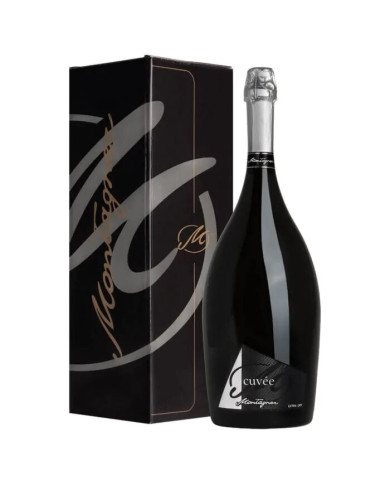
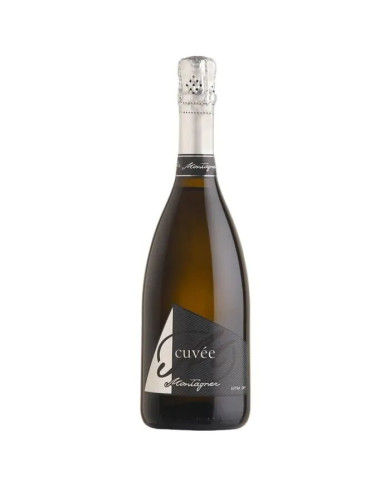
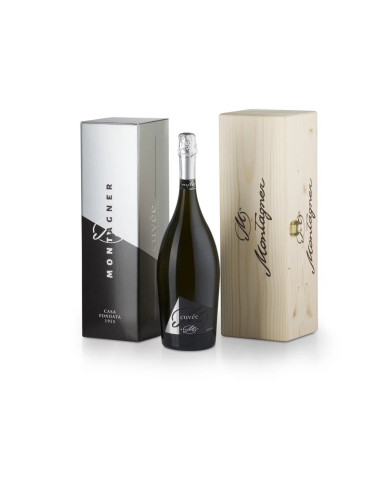
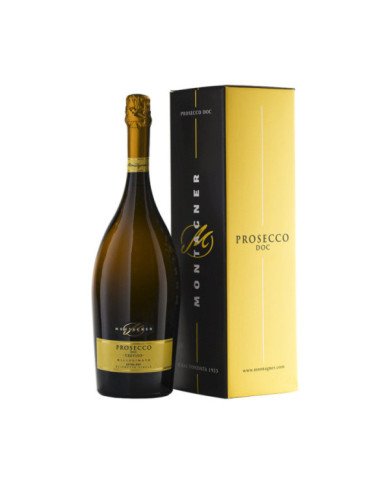
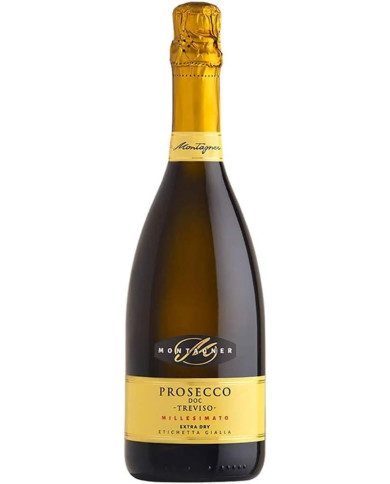
Classic aperitif wine, which also goes well with the whole meal, especially with fish-based dishes. Light straw yellow in colour, it has a fresh, slightly fruity aroma of apple, with hints of fresh bread crust. It is a sparkling wine with an inviting, dry, discreet and elegant flavour. In the Magnum format it is ideal for the festive table or for a nice gift idea, undemanding but with great effect.
€90.89
SKU:
16350
Brand:
Montagner
Classic aperitif wine, which also goes well with the whole meal, especially with fish-based dishes. Light straw yellow in colour, it has a fresh, slightly fruity aroma of apple, with hints of fresh bread crust. It is a sparkling wine with an inviting, dry, discreet and elegant flavour. In the Magnum format it is ideal for the festive table or for a nice gift idea, undemanding but with great effect.
€6.10
SKU:
16349
Brand:
Montagner
Classic aperitif wine, which also goes well with the whole meal, especially with fish-based dishes. Light straw yellow in colour, it has a fresh, slightly fruity aroma of apple, with hints of fresh bread crust. It is a sparkling wine with an inviting, dry, discreet and elegant flavour. In the Magnum format it is ideal for the festive table or for a nice gift idea, undemanding but with great effect.
€17.93
SKU:
16347
Brand:
Montagner
More or less intense red colour, vinous bouquet, with a pleasant bouquet with a slight hint of freshly cut grass. Dry, frank, savory flavour.
€5.37
SKU:
16346
Brand:
Montagner
Golden yellow wine, fine perlage, perfume
intense of ripe fruit and acacia flowers.
Intense, elegant and slightly sweet flavour.
Its softness makes it pleasant in combination
with blue and creamy cheeses.
Excellent with dry pastries.
It is also a valid between meals.
Serving temperature: 8-10° C - 11% Vol
€5.37
SKU:
16345
Brand:
Montagner
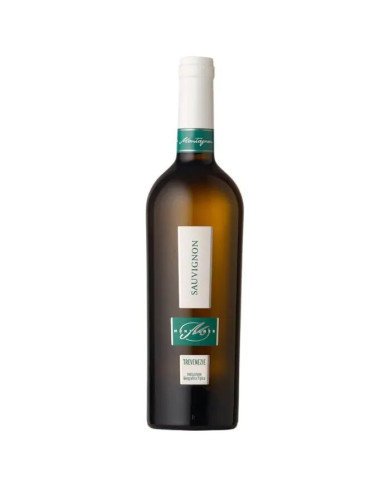
Fresh and aromatic, it is obtained from the white vinification of selected Sauvignon grapes. Fermentation and conservation take place at a controlled temperature in stainless steel tanks, then it is filtered and cold bottled. Light straw yellow in colour, it smells of lici, pepper and sage; in the mouth it is acidulous, dry and at the same time velvety, with good persistence. It goes well with appetizers, delicate first courses, noble fish such as lobster, lobster, scampi, salmon.
€6.83
SKU:
16344
Brand:
Montagner
The name of the variety derives from the red color of the peduncle, i.e. the base of the stalk. It is obtained from the red vinification of selected grapes, with the skins fermented with the must in special steel containers. Intense red in colour, it has pleasant aromas of cherry, blackberry and violet, and a full flavour, with a pleasantly harmonious finish. It goes well with game, poultry, and in general with stewed dishes of the typical regional cuisine.
€6.34
SKU:
16343
Brand:
Montagner
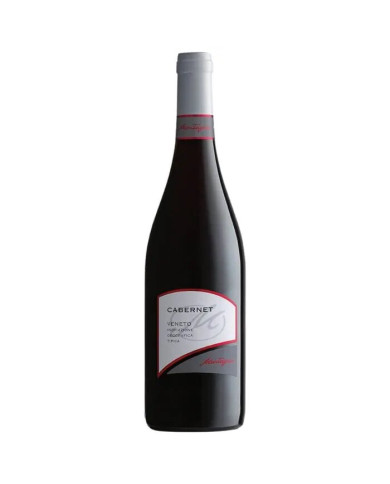
From Cabernet Franc and Cabernet Sauvignon grapes, a very pleasant red, with an intense aroma, with typical fruity and herbaceous notes. The taste is dry and enveloping, thanks to the soft and balanced tannins. It goes well with cured meats and cheeses, and with "second courses on Sunday", such as roasts and braised meats.
€5.37
SKU:
16342
Brand:
Montagner
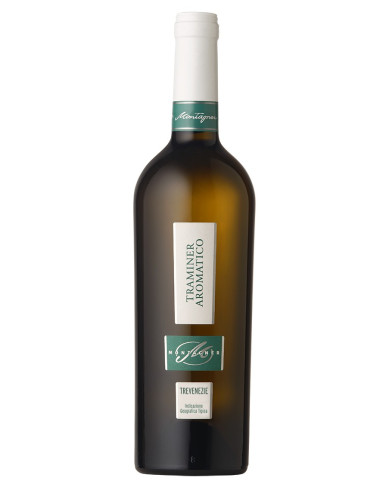
Intense and aromatic aromas with characteristic floral scents, of rose petals with a sensation of tropical fruit, citrus and apricot.
€9.27
SKU:
16341
Brand:
Montagner
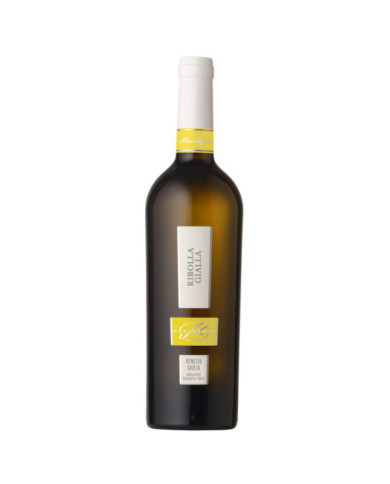
Straw yellow in color with greenish reflections, delicately floral, fruity and fresh bouquet. Full, fresh and delicately citrine taste.
€7.69
SKU:
16340
Brand:
Montagner
Bright yellow in colour, fine, noble and elegant bouquet reminiscent of flowers and fruits. Dry, sometimes soft and inviting flavour.
€7.81
SKU:
16339
Brand:
Montagner
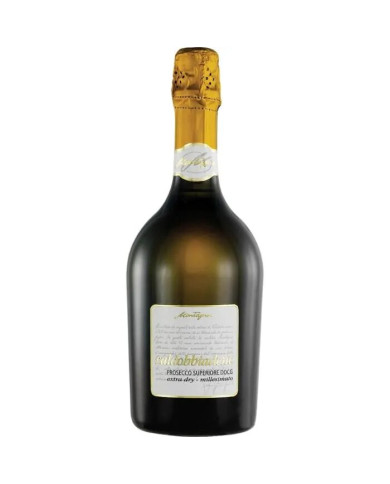
The Prosecco produced in Conegliano Valdobbiadene received the DOCG in 2009, recognition of superior quality in every stage of processing and production. The band with the numbered seal affixed to each bottle makes it possible to trace the history of the wine and of each individual bottle. Montagner's Prosecco Valdobbiadene Superiore DOCG Extra Dry Millesimato, with a fruity aroma and a savory and lively taste, is perfect for a classy aperitif and to make our festive moments special.
€10.20
SKU:
16338
Brand:
Montagner
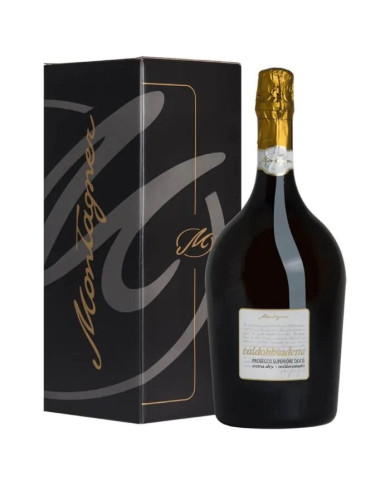
The Prosecco produced in Conegliano Valdobbiadene received the DOCG in 2009, recognition of superior quality in every stage of processing and production. The "band" that affixes a numbered seal to each bottle makes it possible to trace the history of the wine and of each individual bottle. This sparkling wine with a fine perlage, a fruity aroma and a sapid and lively taste should be served at a temperature of 6-8 degrees. The Magnum packaging is beautiful, to give as a gift or to uncork on happy occasions.
€34.89
SKU:
16337
Brand:
Montagner
The Prosecco produced in Conegliano Valdobbiadene received the DOCG in 2009, recognition of superior quality in every stage of processing and production. The "band" that affixes a numbered seal to each bottle makes it possible to trace the history of the wine and of each individual bottle. This sparkling wine with a fine perlage, a fruity aroma and a sapid and lively taste should be served at a temperature of 6-8 degrees. The Magnum packaging is beautiful, to give as a gift or to uncork on happy occasions.
€112.00
SKU:
16336
Brand:
Montagner
The name indicates the famous and narrow hilly area, of about one hundred hectares, completely planted with vineyards, within the Prosecco DOCG area and more precisely in the municipality of Valdobbiadene in the hamlets of Saccol, Santo Stefano and San Pietro di Barbozza. The Superiore di Cartizze, produced in limited quantities, is considered by many to be one of the best proseccos ever. Bright yellow in colour, with a persistent perlage, the nose blends numerous fruity aromas with light floral notes linked by great finesse and due to its sweet, fresh and fragrant flavour. It should be served at a temperature of 6° - 8° C., obtained by keeping the bottle immersed in the ice of the bucket, possibly not in the fridge.
€22.08
SKU:
16335
Brand:
Montagner
From the minute and persistent perlage, straw yellow color, intense. Elegant, clean, fruity and floral nose. Pleasantly flavourful citrine, harmonious with a slightly aromatic finish.
SKU:
16334
Brand:
Montagner
Golden yellow colored sparkling wine with fine and brilliant perlage, elegant aroma of vanilla, crusty bread and wild flowers. Dry, savory and fruity flavor with hints of apple and ripe peach.
€29.04
SKU:
16333
Brand:
Montagner
Golden yellow colored sparkling wine with fine and brilliant perlage, elegant aroma of vanilla, crusty bread and wild flowers. Dry, savory and fruity flavor with hints of apple and ripe peach.
€11.83
SKU:
16332
Brand:
Montagner
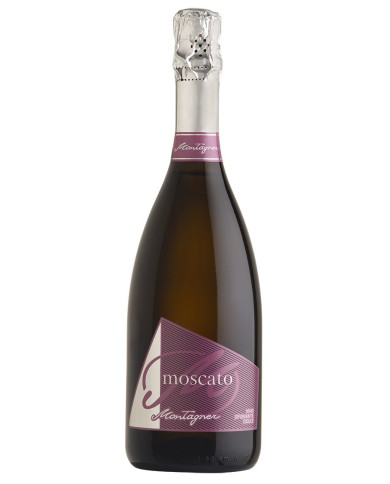
Wine with a bright golden yellow color, a distinctly aromatic bouquet with hints of rose. Sweet, persistent, delicate, pleasant and velvety flavour.
€8.30
SKU:
16331
Brand:
Montagner
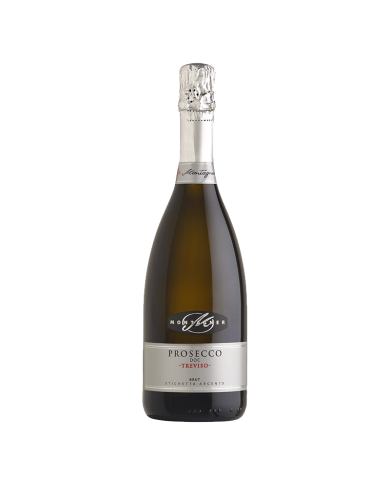
Montagner was born in the 1950s, during the reconstruction following the Second World War. Egidio Montagner, the founder, wanted to commit himself to the realization of a project: to give life to his own cellar, in which to produce quality wines. Montagner is currently one of the most prestigious and renowned producers of Prosecco and Grappa of absolute quality.
€6.71
€100.16
€10.61
SKU:
16328
Brand:
Montagner
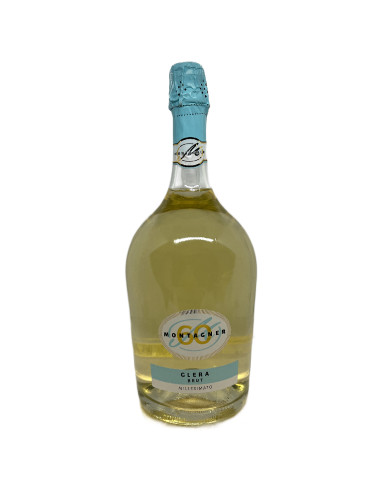
Fine and delicate sparkling wine, obtained from Glera Doc grapes vinified in white, traditionally sparkling in an autoclave for about two months, then filtered and cold bottled. Straw yellow in colour, it smells of wisteria and ripe apple; the taste is pleasant and distinctive, thanks to its lively acidity. It is ideal as an aperitif and to accompany light fish and white meat dishes.
€9.15
SKU:
16327
Brand:
Montagner
In the 1950s, during the reconstruction following the Second World War, Egidio Montagner wanted to commit himself to the creation of his own cellar, in which to produce quality wines. Over the years, the sons of the founder and later his grandchildren contributed to the construction of what is today one of the most prestigious wineries in Motta di Livenza. The refinement of grape processing techniques and the attention to technological innovations applied to the wine sector are determining factors in the affirmation and success of the wines, liqueurs and distillates produced by "Montagner Vini e Spumanti".
€9.76
SKU:
16326
Brand:
Montagner
In the 1950s, during the reconstruction following the Second World War, Egidio Montagner wanted to commit himself to the creation of his own cellar, in which to produce quality wines. Over the years, the sons of the founder and later his grandchildren contributed to the construction of what is today one of the most prestigious wineries in Motta di Livenza. The refinement of grape processing techniques and the attention to technological innovations applied to the wine sector are determining factors in the affirmation and success of the wines, liqueurs and distillates produced by "Montagner Vini e Spumanti".
€30.26
SKU:
16325
Brand:
Montagner
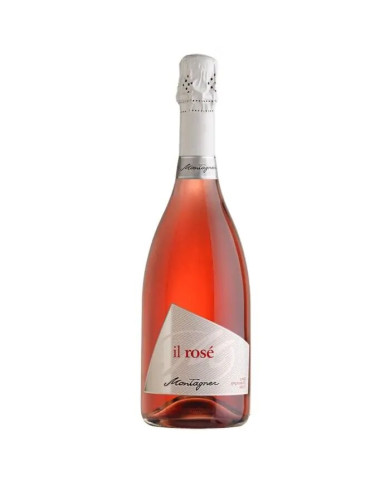
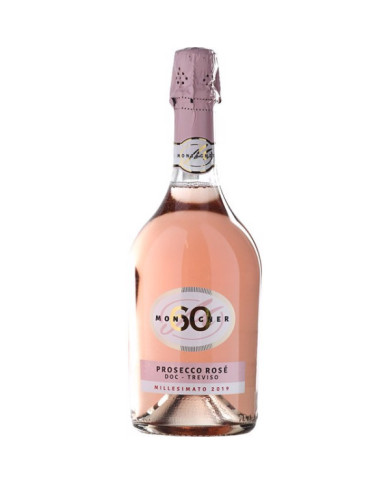
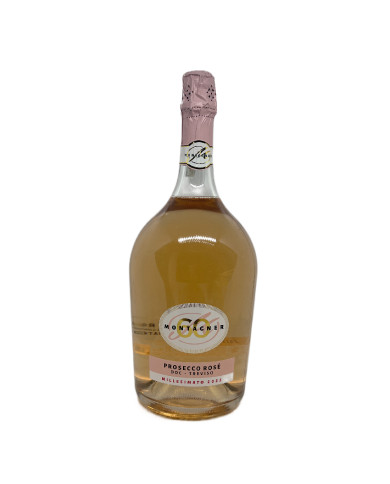
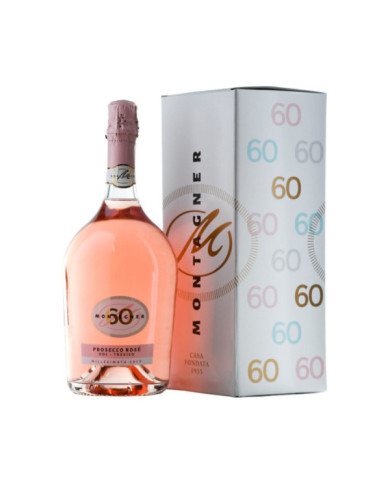
Sparkling wine with a fine and persistent perlage, pale pink colour, complex aromatic bouquet with hints of raspberry and strawberry. Delicate taste reminiscent of apple, white peach, citrus fruits and wild strawberries.
€10.13
SKU:
16324
Brand:
Montagner
Sparkling wine with a fine and persistent perlage, pale pink colour, complex aromatic bouquet with hints of raspberry and strawberry. Delicate taste reminiscent of apple, white peach, citrus fruits and wild strawberries.
€26.60
SKU:
16323
Brand:
Montagner
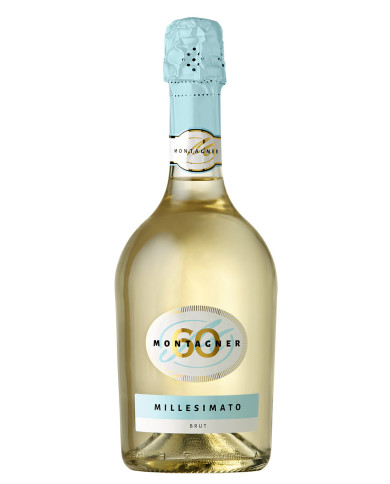
Sparkling wine of pale straw yellow color with greenish reflections, minute and persistent perlage. Fruity and floral bouquet with delicate hints of apple; dry, fresh and dry flavour.
€5.93
SKU:
16322
Brand:
Montagner
Sparkling wine of pale straw yellow color with greenish reflections, minute and persistent perlage. Fruity and floral bouquet with delicate hints of apple; dry, fresh and dry flavour.
€27.29
SKU:
16321
Brand:
Montagner
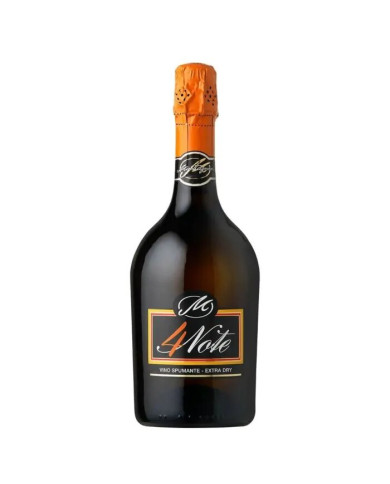
The aromatic-gustatory characteristic of Quattro Note allows it to be combined with various gastronomic specialities. It has a fine and long-lasting perlage, a straw yellow color with greenish reflections, the nose is rich in aromatic notes, fresh, persuasive, delicately fruity, with hints of apple and peach. The taste is pleasant, soft, slightly savory and permanent.
€6.47
SKU:
16204
Brand:
Azienda Agricola Gorgo
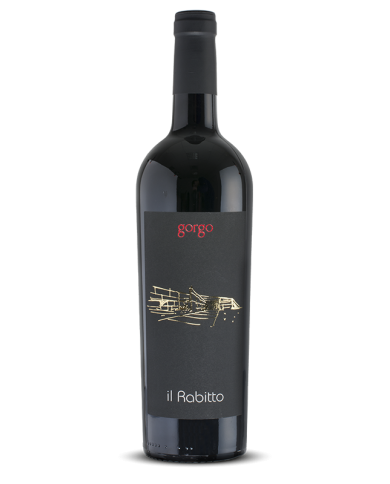
One of the historic wines of the company, the wine of Roberto, the hunter, who wanted to vinify together the different grapes that traditionally make up the blend and enrich them with a long aging in wood. From its taste a harmonious red wine was born, full of great personality and character, slightly fruity and pleasantly spicy.
€15.71
SKU:
16113
Brand:
Foss Marai
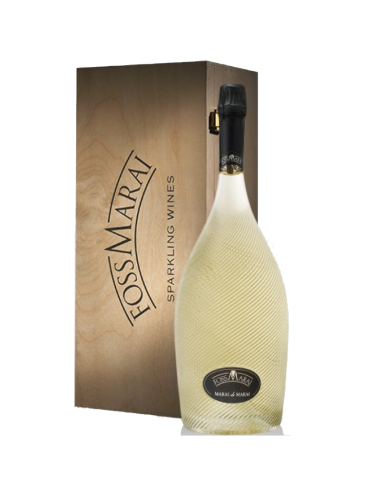
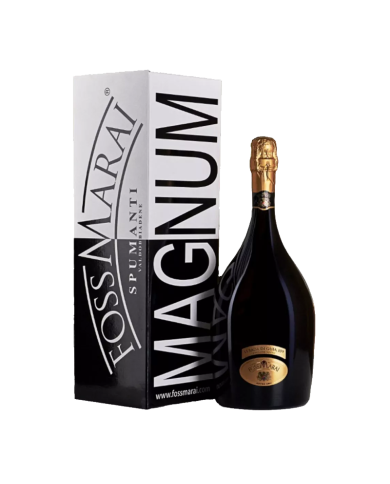
Straw yellow, with a rather fine perlage. On the nose it expresses fragrant aromas of white pulp fruit, on the palate it is fresh, very soft, full. A rich and pleasant taste, whose closure stands out for its cleanliness. Excellent as an aperitif, it goes well with light appetizers. Excellent on typical vegetarian dishes.
€74.86
SKU:
16112
Brand:
Foss Marai
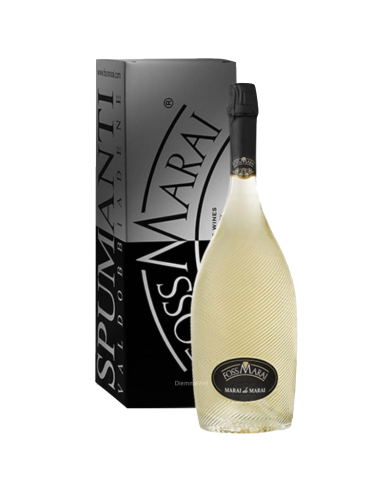
Straw yellow, with a rather fine perlage. On the nose it expresses fragrant aromas of white pulp fruit, on the palate it is fresh, very soft, full. A rich and pleasant taste, whose closure stands out for its cleanliness. Excellent as an aperitif, it goes well with light appetizers. Excellent on typical vegetarian dishes.
€25.75
SKU:
16111
Brand:
Foss Marai
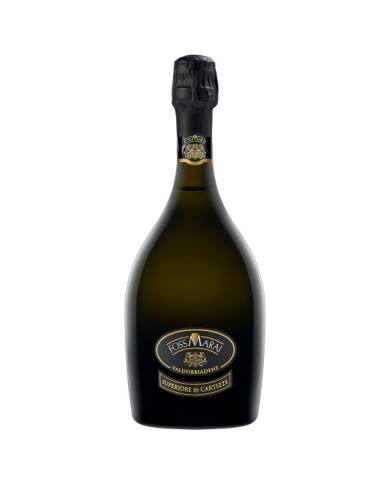
With its luminous hues and very fine perlage, the Superiore di Cartizze Foss Marai has a broad and complex aromatic structure, which recalls white fruits, citrus fruits, peach and apricot, with an intense aroma of wisteria and rose.
€28.55
SKU:
16110
Brand:
Foss Marai
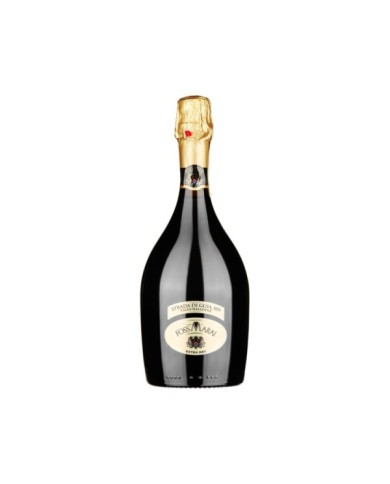
The sparkling wine par excellence, the version that best enhances the typical characteristics of the Glera grapes. Strada di Guia 109 Extra-dry is rich in aromas, among which acacia and apple stand out for their intensity and elegance. The taste is captivating due to the freshness and residual sugar that blend beautifully
€29.44
SKU:
16109
Brand:
Foss Marai
Straw yellow, with a rather fine perlage. The nose reveals fragrant aromas of acacia and apple. Captivating aromas, which open to a well-balanced taste between freshness and residual sugar. It closes with a finish of excellent persistence. Also as an aperitif, it goes well with delicate fish and white meat dishes.
€29.44
SKU:
16064
Brand:
Red Canzian
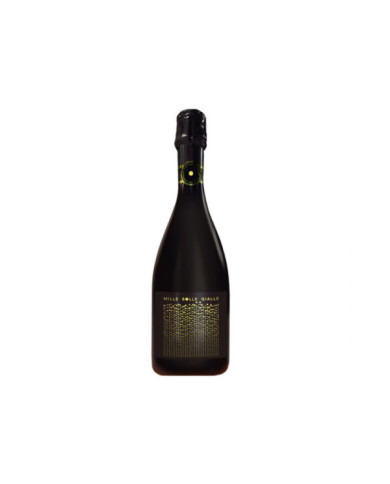
Denomination: Mille Bolle Gialle - Prosecco Docg Extra Dry Grapes: Glera Recommended pairings: perfect as an aperitif and with appetizers, first courses, risottos and shellfish. Alcohol: 11% Vol. Format: 0.75 litres. Serving temperature: 4-6°C. Typology: Prosecco
€13.36
SKU:
16063
Brand:
Red Canzian
Grapes: Cabernet Franc, Cabernet Sauvignon, Merlot.
Suggested pairings: Ideal with meat main courses and aged cheeses.
Alcohol: 13% Vol.
Format: 0.75 litres.
Serving temperature: 18°C.
Typology: Red
€17.51
SKU:
16062
Brand:
Red Canzian
€14.25
€12.82
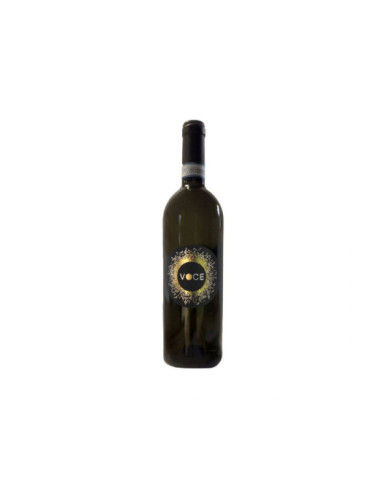
Denomination: Voce - Pinot Grigio DOC delle Venezie 2018
Grapes: Pinot Gris.
Recommended pairings: White meats, fish soups and grilled shellfish.
Alcohol: 13% Vol.
Format: 0.75 litres.
Serving temperature: 8-10°C.
Typology: White.
€14.25
€12.82
SKU:
16054
Brand:
Sutto
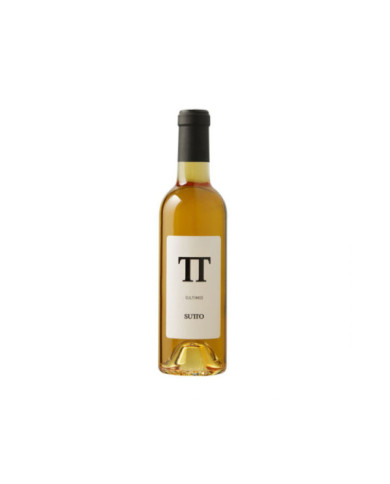
Denomination: Ultimo, Passito di Mnazoni Bianco IGT Veneto. Grapes: Manzoni Bianco Recommended pairings: Savory cheeses, dry pastries and desserts with candied fruit. Alcohol: 14% Vol. Format: 0.375 litres. Serving temperature: 12-14°C. Typology: Passito
€26.35
SKU:
16049
Brand:
Sutto
Denomination: Pinot Noir Igt Trevenezie 2021
Grapes: Pinot Noir
Recommended pairings: White meats, tuna steak, fresh and creamy cheeses
Alcohol: 13%
Format: 0.75 l.
Serving temperature: 14 -16° C.
Typology: Red
€14.46
SKU:
16047
Brand:
Sutto
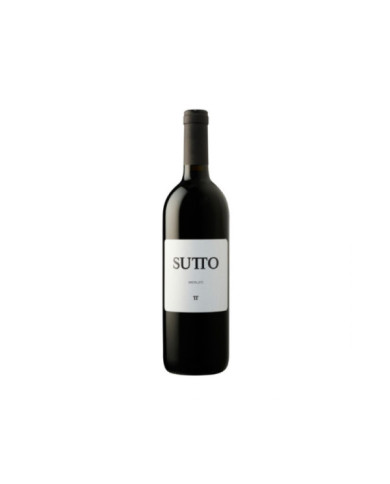
Appellation: Merlot IGT Trevenezie. Grapes: Merlot. Suggested pairings: Grilled meat and farmyard white meats. Alcohol: 13% Vol. Format: 0.75 litres. Serving temperature: 18°C. Typology: Red.
€14.70
SKU:
16044
Brand:
Sutto
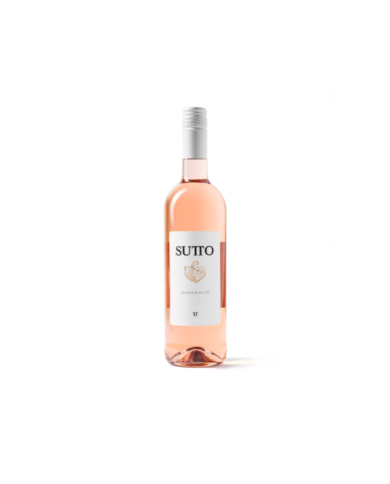
Denomination: Rosato di Sutto IGT Trevezie.
Grapes: Pinot Noir, Cabernet, Raboso.
Recommended pairings: Risotto with fish or shellfish, cold cuts and sausages, white meats and creamy cheeses.
Alcohol: 12.5% Vol.
Format: 0.75 litres.
Serving temperature: 8-10°C.
Typology: Rosé
€12.81
SKU:
16038
Brand:
Polje
Denomination: Rosso Doc Collio. Grapes: Cabernet and Merlot. Suggested pairings: Courtyard white meats and Italian appetizers. Alcohol: 13% Vol. Format: 0.75 litres. Serving temperature: 18°C. Typology: Red
€24.90
SKU:
16029
Brand:
Sutto
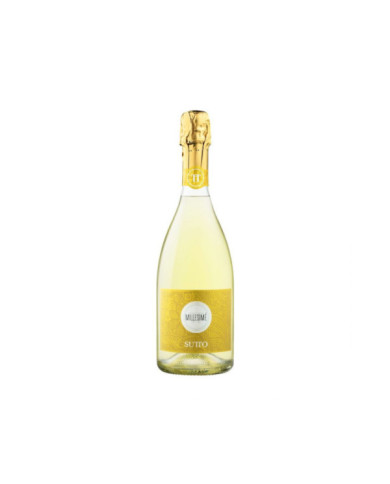
Denomination: Millesimé Spumante Extra Dry.
Grapes: Cuvée of traditional grapes.
Recommended pairings: Excellent bubbly as an aperitif and after a meal.
Alcohol: 11%
Format: 0.75 l.
Serving temperature: 4-6°C.
Typology: Sparkling
€6.71
SKU:
16028
Brand:
Sutto
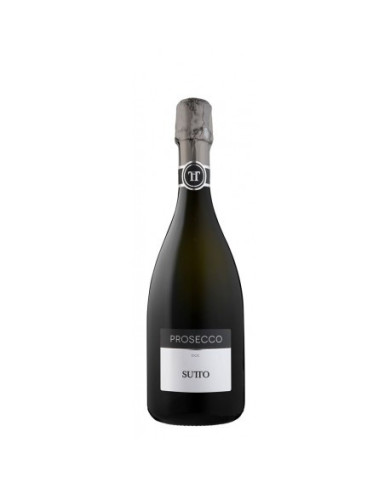
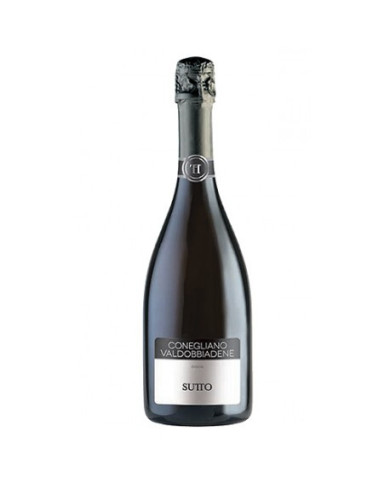
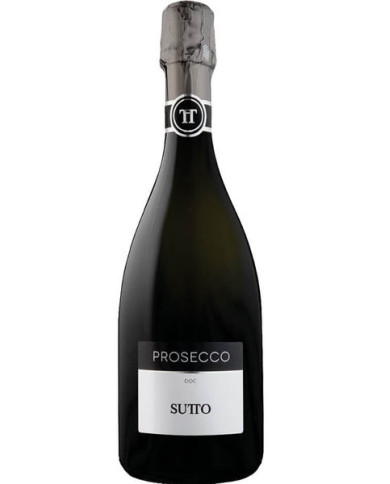
The Valdobbiadene Prosecco Superiore Extra Dry Sutto comes from prestigious lands of morainic origin. The example of an exclusively manual agriculture in steep and insidious terrain, combined with a process designed to keep the wine on its noble lees for a period sufficient to give the pleasure of drinking well in all circumstances.
€24.76
SKU:
16027
Brand:
Sutto
Our Prosecco DOC extra dry Sutto comes from the territories of the province of Treviso and is the result of the search for a harmonious and versatile drink that has now become the image of our way of "making wine".
€11.71
SKU:
16026
Brand:
Sutto
The Valdobbiadene Prosecco Superiore Extra Dry Sutto comes from prestigious lands of morainic origin. The example of an exclusively manual agriculture in steep and insidious terrain, combined with a process designed to keep the wine on its noble lees for a period sufficient to give the pleasure of drinking well in all circumstances.
€20.24
SKU:
16025
Brand:
Sutto
The territory from which our Prosecco DOC comes extends in the hills of the province of Treviso, in the DOC production area and covers a set of territories that follow one another from the plain up to the Venetian heights. From here comes a fragile and generous vine: the Glera, delicately tended by hand, due to the nature of the steep, steep and difficult terrains in which it lives. This grape transformed into wine takes the famous name of Prosecco, one of the most drunk wines in the world. Delicate aromas and refined flavors that arise from the perfect symbiosis between a mild microclimate, strengthened by a remarkable temperature range and an ancient soil, rich in limestone and clay, originating from the lifting of the seabed.
€16.51
SKU:
16024
Brand:
Sutto
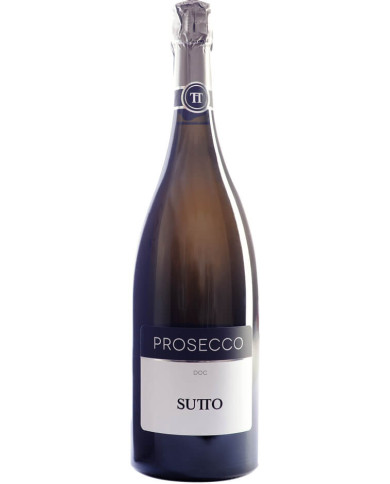
The Magnum size of Prosecco Millesimato Extra Dry from the Sutto winery is the right choice for an informal toast or to celebrate an important event.
Straw yellow color with slight greenish reflections. The nose is inebriated by floral aromas and nuances of fresh fruit. On the palate it is full, fresh and very soft.
A bubble with a fine and persistent perlage, the ideal companion for aperitifs or in combination with fish-based dishes and first courses with delicate sauces. A glass that is not excessively dry, with the right effervescence and a finish supported by a stimulating acid vein that make it a must for convivial meetings.
€29.40
SKU:
16019
Brand:
Orefice Vini
Prosecco spumante DOC Treviso Extra Dry Grapes: Glera 100% Harvest: Third week of August Alcohol content: 11% vol. Method: Charmat
SKU:
15883
Brand:
Colli del Soligo
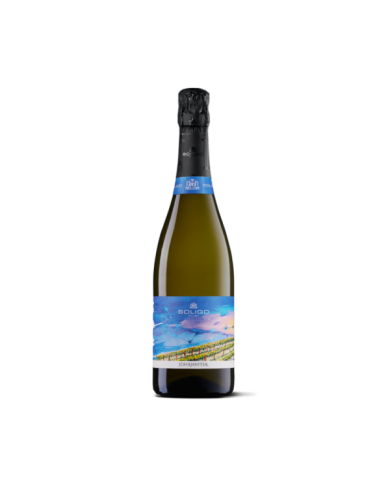
Johanniter is a white grape variety resistant to fungal diseases created from the cross between Riesling and Freiburg 589-54 several decades ago, in 1968 in Germany. The grapes are harvested towards the end of August. As soon as they arrive in the cellar, the bunches are softly pressed and the must is fermented in steel tanks. Once the base wine has been obtained, the second fermentation takes place, i.e. the sparkling process according to the Charmat Method. * resistant vine: it is a vine obtained from interspecific crossings aimed at lowering the susceptibility of the plant towards cryptogamic diseases (such as downy mildew and powdery mildew) and low temperatures. In this way a stronger plant is obtained and consequently viticulture becomes ethically and ecologically more sustainable both for man and for the environment. The resulting wines are healthier and qualitatively not inferior to the conventional ones we usually consume. In Italy, the cultivation of 10 resistant grape varieties is currently permitted. Colli del Soligo offers two, Souvignier Gris in the still wine version and Johanniter in the sparkling version. Taste to know. Don't miss the opportunity, taste it!
€12.15
SKU:
15882
Brand:
Colli del Soligo
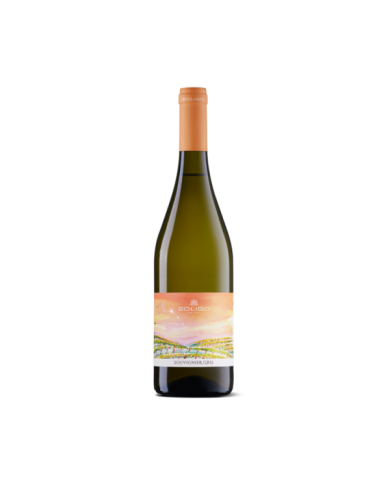
Souvignier Gris is a vine resistant* to fungal diseases, it was created by crossing the Seyval variety with the Zahringer in 1983 in Germany. The bunches of grapes are harvested at the beginning of September, once they reach the cellar they are pressed and the must is left to macerate on the skins for a few days. This gives the characteristic color and enriches the aromatic bouquet. At the end of this process the alcoholic fermentation starts in stainless steel containers. Maturation follows, which for 30% of the mass takes place in new wooden barriques and continues for about six months. This is where the spicy aromas and the particular warm and rich flavor originate. After which the two masses are united again and following the blend is filtered and bottled to then be put on the market after a few months of rest in the bottle. * resistant vine: it is a vine obtained from interspecific crossings aimed at lowering the susceptibility of the plant towards cryptogamic diseases (such as downy mildew and powdery mildew) and low temperatures. In this way a stronger plant is obtained and consequently viticulture becomes ethically and ecologically more sustainable both for man and for the environment. The resulting wines are healthier and qualitatively not inferior to the conventional ones we usually consume. In Italy, the cultivation of 10 resistant grape varieties is currently permitted. Colli del Soligo offers two, Souvignier Gris in the still wine version and Johanniter in the sparkling version. Taste to know. Don't miss the opportunity, taste it!
€10.80
€9.72
SKU:
15877
Brand:
Colli del Soligo
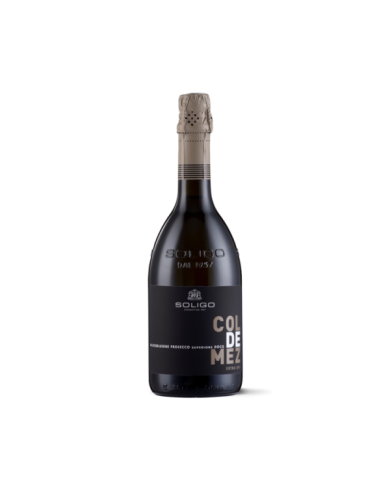
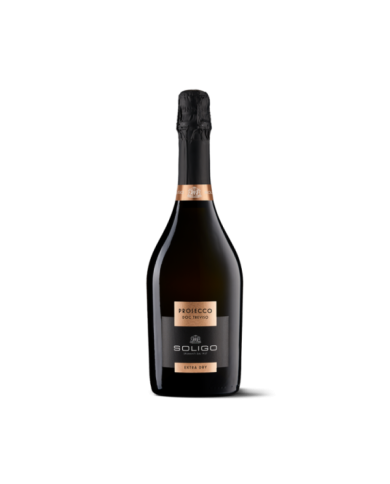
Prosecco Valdobbiadene Superiore DOCG Col De Mez is produced with Glera grapes ripened on the vineyards of the historic hill called Col de Mez.
The harvest takes place in September and is strictly manual. It is also called the "heroic harvest" precisely because picking the grapes in these rows is not easy at all. The slopes are steep, the hills craggy, each operation requires attention and experience.
In the Extra Dry version, it goes perfectly with dishes with a delicate flavor and with any fish-based dish.
€15.74
SKU:
15861
Brand:
Colli del Soligo
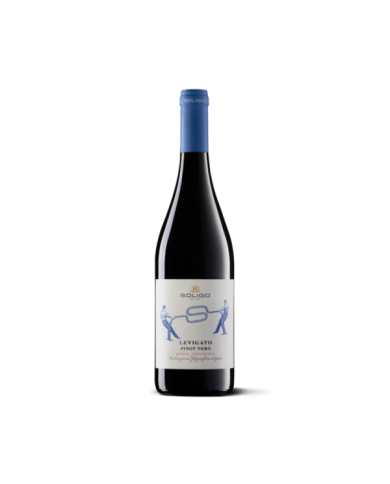
For our Pinot Nero Levigato IGT Marca Trevigiana, the grapes from the vineyards in the municipalities of Arcade, Spresiano, Ponzano Veneto, Povegliano and Villorba are used. The soils, which are of medium texture, enjoy a cool and windy climate, ideal for preserving the fragrance and acidity of the product. The harvest generally takes place in the second half of September. After harvesting, the grapes reach the cellar where fermentation on the skins begins, which lasts about twenty days in steel vats. Immediately after racking, the product ages in barrique and tonneau for about 12 months. Subsequently it is decanted into oak barrels with a capacity of 30 hectoliters where it continues aging for a few months. Pinot Noir is a pretty bizarre grape and it certainly is among the most difficult to cultivate and make wine. Historically it was born in the French region of Burgundy, where they have been cultivating it for over 2,000 years.
€10.76
SKU:
15856
Brand:
Colli del Soligo
To produce this wine, grapes from vineyards located in the province of Treviso are used. Sauvignon, a semi-aromatic vine well known and appreciated all over the world. Once harvested, the grapes are taken to the cellar where they are pressed and the must obtained is fermented in large stainless steel containers. During the vinification, the technicians pay close attention in order to preserve the typical primary aromas of the grapes and obtain a fine wine. If you've never tasted it, this is the right time to do it. It will amaze you with its precious aromatic bouquet and full and harmonious taste.
€11.26
€9.57
SKU:
15853
Brand:
Colli del Soligo
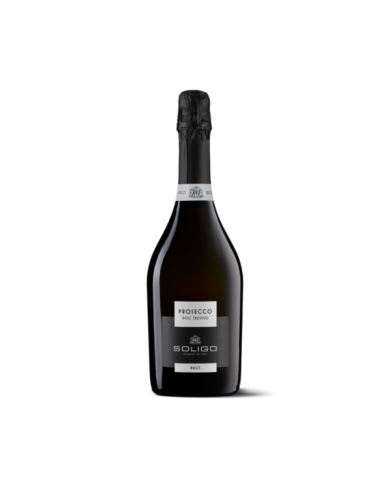
The Glera grapes used for the production of this sparkling wine come from vineyards located in the plains, on the outskirts of Treviso. The bunches are generally harvested in September at medium ripeness in order to preserve the acid component, which is important in the production of Prosecco Spumante. After the harvest, the grapes are subjected to a light pressing and a slow fermentation in steel tanks. Finally, the refermentation in autoclave (sparkling) follows the Charmat method.
€12.44
SKU:
15852
Brand:
Colli del Soligo
In the vineyards located in the plains, at the gates of Treviso, the golden bunches of Glera ripen and are harvested during the month of September.
After the harvest, the grapes are pressed and the must is fermented in steel tanks.
At the end of this process we obtain the base wine.
This is followed by the sparkling process in an autoclave according to the Charmat method, as per tradition.
€12.46
SKU:
15848
Brand:
Colli del Soligo
€16.29
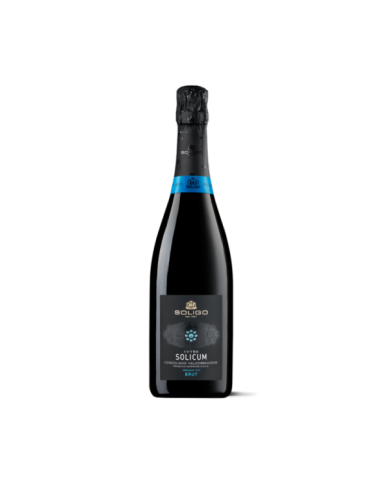
Cuvée Solicum, result of the selection of the best grapes grown in the municipalities of San Pietro di Feletto, Refrontolo, Col San Martino and Miane. Areas that have always been suited to viticulture.
The bunches are harvested by hand from the vineyards located on the hills and once they arrive in the cellar they are processed as per tradition.
First the vinification in white then the sparkling in autoclave following the Charmat method.
This is how this refined and elegant sparkling wine was born, perfect as a gift idea or to be uncorked during a dinner with friends.
€16.29
SKU:
15847
Brand:
Colli del Soligo
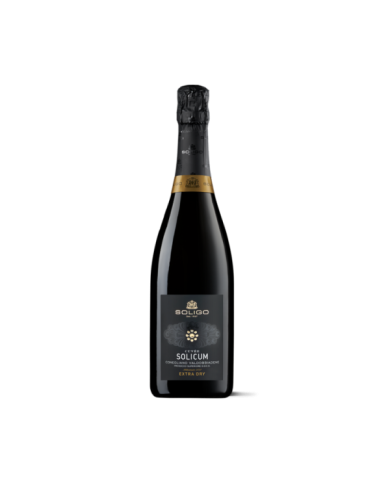
Solicum Cuvée Extra Dry is produced with grapes ripened in the vineyards located in San Pietro di Feletto, Refrontolo, Col San Martino and Miane. Hilly area, always suited to viticulture, exposed to the sun.
Here the soil, the climate and the skilful tradition come together and give the grapes a high quality level.
The result is a precious nectar capable of seducing the most refined palates.
Taste it combining it with delicate fish-based dishes or first courses with vegetables.
Also perfect for a cheerful toast with friends.
€16.29
SKU:
15843
Brand:
Colli del Soligo
Grapes harvested by hand in September. This is followed by gentle pressing and slow fermentation in steel tanks. Second fermentation in autoclave.
With a classic straw yellow color, it shows itself with beautiful multiple fruity scents, from pear to plum and peach. With balsamic hints on the finish and an unexpected softness to the taste, with a delicate freshness.
It goes nicely with fish-based dishes and aperitifs.
€8.30
SKU:
15842
Brand:
Colli del Soligo
100% Glera grapes with a straw yellow color and greenish reflections and crossed by a minute and continuous perlage.
The vinification takes place in the most traditional way but with great care: the grapes are harvested by hand in the month of September; in the cellar, the bunches are softly pressed and a slow fermentation then begins in steel tanks using selected yeasts. Second fermentation in autoclave.
The nose smells of fresh fruit, with hints of mandarin, pineapple and pear, but also of floral hints of wisteria and hawthorn with hints of aromatic herbs. In the mouth it stretches exuberantly and is immediately pleasant: it bewitches the palate with fruity sensations and the unmistakable softness. It makes it perfect for pairing your aperitifs and fish and sushi courses.
€14.15
SKU:
15841
Brand:
Colli del Soligo
100% Glera grapes with a straw yellow color and greenish reflections and crossed by a minute and continuous perlage.
The nose smells of fresh fruit, with hints of mandarin, pineapple and pear, but also of floral hints of wisteria and hawthorn with hints of aromatic herbs. In the mouth it stretches exuberantly and is immediately pleasant: it bewitches the palate with fruity sensations and the unmistakable softness. It makes it perfect for pairing your aperitifs and fish and sushi courses.
€12.32
SKU:
15812
Brand:
Corte delle Calli
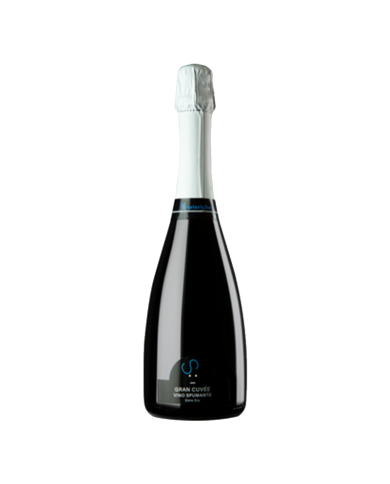
There are moments that represent something magical, that ignite joy. Moments where the heart and the palate open up to welcome sparkling sensations. With Gran Cuvée you feel the taste, you savor the aromas, the scents envelop you in a magical atmosphere, where everything flows together to create unique and unprecedented emotions. Wine with a pale straw yellow color and a lively perlage. The aromas are pleasantly fresh with fruity nuances of yellow fruit, peach and apricot. In the mouth it is clean with a pleasant gustatory harmony.
€9.27
SKU:
15808
Brand:
Corte delle Calli
€13.10
€11.79
The sparkling process takes place according to the Charmat method in steel autoclaves according to the rules dictated by the production disciplinary. The result is a young and exciting extra dry wine suitable for all occasions. Brilliant straw yellow color with some greenish reflections. With a lively perlage, it has aromas of good intensity with hints of white flowers and fruity golden apples. Good intensity. The taste is fresh and on the palate it is elegant and soft, with a pleasantly sugary vein.
€13.10
€11.79
SKU:
15806
Brand:
Corte delle Calli
Prosecco, in the sparkling version, is a wine capable of teasing and satisfying even the most demanding palates. It has a brilliant straw yellow color with a fine and persistent perlage. The bouquet is complex with hints of rose, jasmine, wisteria and acacia flowers. The fruity notes are of banana apple and pineapple, with mineral nuances. Good freshness, particularly sapid and excellent persistence.
€16.76
€15.09
SKU:
15798
Brand:
Serenello
€14.48
€13.03
Brilliant straw yellow color with some greenish reflections. With a lively perlage, it has aromas of good intensity with hints of white flowers and fruity golden apples. Good intensity. The taste is fresh and on the palate it is elegant and soft, with a pleasantly sugary vein.
€14.48
€13.03
SKU:
15770
Brand:
Serena Wines 1881
Excellent Prosecco Extra Dry from 85% Glera grapes and a blend of Chardonnay, Pinot Bianco and Pinot Grigio.
Straw yellow with a fine and persistent perlage. Excellent persuasive aromas and beautiful and delicious bubbles on the palate.
Excellent pairing with fresh and light dishes, but also with first courses or naturally as an aperitif.
€19.40
SKU:
15769
Brand:
Serena Wines 1881
VINES 100% White berried vines VINIFICATION Second fermentation in steel autoclave at controlled temperature Subsequent bottling and storage in thermo-controlled rooms CHARACTERISTICS Pale straw yellow colored wine, with lively perlage The aromas are pleasantly fresh with fruity nuances of yellow fruit, peach and apricot In the mouth it is clean with a pleasant gustatory harmony. Pairings excellent as an aperitif or with first courses and delicate fish main courses
€15.49
SKU:
15768
Brand:
Serena Wines 1881
VINES 100% White berried vines VINIFICATION Second fermentation in steel autoclave at controlled temperature Subsequent bottling and storage in thermo-controlled rooms CHARACTERISTICS Brilliant straw yellow color wine with some greenish reflections with lively perlage, it has good intensity aromas with hints of delicate white fruits The taste is fresh and on the palate it is fresh and soft. Excellent as an aperitif or with first courses and delicate fish main courses
€9.55
SKU:
15767
Brand:
Serena Wines 1881
VINES 100% Glera VINIFICATION The grapes are harvested rigorously by hand to then undergo a soft pressing. The must thus obtained is fermented at a temperature between 18 and 20°C CHARACTERISTICS Able to tease and satisfy even the most demanding palates Pale straw yellow with fine and persistent perlage decidedly fruity bouquet with hints of wisteria, acacia flowers and rennet apple fragrant, fresh and pleasantly acidulous on the palate Suitable for any type of occasion Excellent with delicate appetizers or fish dishes
€13.18
SKU:
15766
Brand:
Serena Wines 1881
Excellent Prosecco Extra Dry from 85% Glera grapes and a blend of Chardonnay, Pinot Bianco and Pinot Grigio.
Straw yellow with a fine and persistent perlage. Excellent persuasive aromas and beautiful and delicious bubbles on the palate.
Excellent pairing with fresh and light dishes, but also with first courses or naturally as an aperitif.
€11.59
SKU:
15765
Brand:
Serena Wines 1881
A harmonious wine with a lively perlage that teases the heart and the palate with sparkling sensations.
€7.93
SKU:
15764
Brand:
Serena Wines 1881
Bouquet: The aromas are pleasantly fresh with fruity nuances of yellow fruit, peach and apricot.
Taste: In the mouth it is clean with a pleasant gustatory harmony.
€7.20
Discover the secrets of Veneto wines: Italian excellence
Veneto wines are known worldwide for their excellence. High-quality wines, offering a unique experience to their drinkers, are produced from vineyards located in the green hills of Veneto. If you're looking to discover the secrets of Veneto wines, then you've come to the right place. In this article, we'll explore some of the secrets of Veneto wines and how they can be a unique and unforgettable experience.
The types of wine from Veneto
Veneto wines are known for their versatility. Various types of wine can be produced, including white, red, rosé, and sweet wines. Veneto's white wines are known for their freshness and fragrance. Veneto's red wines are rich in fruit and spice aromas. Veneto's rosé wines are soft and fruity. Veneto's sweet wines are particularly prized for their intense and rich flavors.
The vines of Veneto
Veneto's grape varieties are among the most prized in the world. Several varieties are grown in the Veneto hills, including Garganega, Corvina, Merlot, Cabernet Franc, Trebbiano di Soave, and Pinot Grigio. Each varietal has a unique flavor and offers a unique tasting experience.
The DOCs of Veneto
Veneto wines are classified based on their quality and production area. There are two wine categories: DOC and DOCG. DOC wines are produced in a specific geographical area and must meet certain quality criteria. DOCG wines are produced in a specific geographical area and must meet even more stringent quality criteria.
The best wines of Veneto
Veneto wines are known for their exceptional quality. Many of them are considered among the best in the world. Some of the most renowned wines come from the Veneto region, including Soave, Valpolicella, Amarone, Bardolino, and Prosecco. These wines are appreciated worldwide for their quality and uniqueness.
How to best enjoy Veneto wines?
Veneto wines are best enjoyed in a suitable setting. They are ideal paired with typical Veneto dishes, such as pasta, rice, meat, and cheese. They are also ideal as an aperitif before a meal or as an accompaniment to dessert. They can also be enjoyed on their own as a meditation wine.
Veneto Wine Denomination
Veneto is one of Italy's most renowned wine regions, with a vast array of native grape varieties and designations of origin that testify to its richness and diversity. In this article, we'll discover Veneto's winemaking treasures, exploring grape varieties, classifications, the most iconic red and white wines, production methods, food pairings, and much more.
The Veneto region
History
Viticulture in the Veneto region has ancient origins, dating back to Roman times. Over the centuries, vine cultivation has developed and consolidated, producing highly prestigious and internationally recognized wines.
Geography
Veneto is located in northeastern Italy, stretching from the Dolomites to the Venice Lagoon. The region boasts a remarkable diversity of landscapes and terroirs, which is reflected in the variety of wines produced.
Climate
The Veneto climate is characterized by cold, rainy winters and hot, humid summers, with significant temperature variations between day and night. These climatic conditions favor the ripening of the grapes and the expression of complex aromas and flavors.
Native vines
Garganega
Garganega is the most widespread white grape variety in the Veneto region, used primarily for the production of Soave. Wines made from Garganega are fresh, elegant, and aromatic, with notes of white flowers and white-fleshed fruit.
Corvina
Corvina is a typical red grape variety from the Veneto region, primarily used in the production of Amarone della Valpolicella and Valpolicella Ripasso. Wines made with Corvina are characterized by good structure, soft tannins, and fruity and spicy notes.
Raboso
Raboso is another native red grape variety from Veneto, known for its acidity andTannicity. Wines made from Raboso are intense, persistent, and long-lived, ideal for aging.
Wine classifications
DOCG
Veneto boasts numerous wines classified as DOCG (Controlled and Guaranteed Designation of Origin), including Amarone della Valpolicella, Recioto di Soave, and Prosecco Superiore di Conegliano-Valdobbiadene.
DOC
The region also boasts several DOC (Controlled Designation of Origin) denominations, such as Bardolino, Valpolicella, Soave, and Lugana, which attest to the quality and uniqueness of the wines produced.
IGT
Finally, wines that do not fall under the DOC and DOCG designations can be classified as IGT (Indicazione Geografica Tipica) Veneto, a more flexible category that allows for the use of a wider range of grape varieties and production methods.
Red wines from Veneto
Amarone della Valpolicella
Amarone della Valpolicella is a full-bodied and structured red wine, made from dried grapes fermented to achieve a high concentration of sugar and alcohol. It has notes of dried fruit, spices, and chocolate, with a long, lingering finish.
Bardolino
Bardolino is a light, fruity red wine, made primarily from Corvina and Rondinella grapes. It is characterized by its freshness and drinkability, with notes of cherry and red berries.
Valpolicella Ripasso
Valpolicella Ripasso is a red wine made through a "ripasso" process, the fermentation of Valpolicella on Amarone pomace. The result is a fuller-bodied and complex wine, with notes of ripe fruit, spice, and tobacco.
White wines from Veneto
Sweet
Soave is a dry, minerally white wine, made primarily from Garganega grapes. It has floral notes of white fruit and almond, with a fresh, savory finish.
Prosecco
Prosecco is a sparkling white wine made from Glera grapes and fermented using the Charmat method. It features a creamy foam, notes of flowers and fresh fruit, and a smooth, pleasant finish.
Lugana
Lugana is a white wine made from Turbiana grapes, grown in the area between Veneto and Lombardy. It is an elegant and refined wine, with notes of white flowers, fruit, and minerality.
Production method
Withering
Appassimento is a grape drying process used in the production of Amarone della Valpolicella and Recioto di Soave. The dried grapes concentrate the sugars and aromas, giving the wines a distinct character. a unique and distinctive character.
Charmat Method
The Charmat method is used to produce Prosecco and involves a second fermentation in an autoclave, which gives the wine its characteristic effervescence.
Classic Method
The classic method, used for some Venetian sparkling wines such as Prosecco Superiore di Conegliano-Valdobbiadene, involves a second fermentation in the bottle and a period of aging on the lees, which gives the wine greater complexity and finesse.
Food pairings
Veneto wines pair perfectly with local cuisine, rich in flavors and traditions. Red wines, such as Amarone and Valpolicella Ripasso, pair well with meat and game dishes, while white wines, such as Soave and Lugana, pair well with fish and vegetable dishes.
Visits to the cellars
If you're interested in discovering Veneto's wines and producers firsthand, you can organize guided tours of the wineries and tastings directly in the vineyards. This is an excellent opportunity to appreciate the beauty of the area and meet the people who, with passion and dedication, continue the region's winemaking tradition.
Veneto is a land of unique and fascinating wines, the fruit of a long tradition and an extraordinary terroir. From discovering native grape varieties to visiting wineries, immerse yourself in the culture and flavors of this captivating Italian region and let yourself be captivated by its wines.
What are the most famous Veneto wine denominations?
Veneto is one of Italy's most important wine regions, with a wide variety of high-quality wines. Among the most famous Veneto wine appellations are:
-
Valpolicella DOC: is a specific denomination for red wines produced in the Valpolicella area, north of Verona. These wines are made primarily from Corvina, Rondinella, and Molinara grapes.
-
Amarone della Valpolicella DOCGThis is a specific denomination for Valpolicella red wines that have undergone a drying process before fermentation. These wines are very rich and full-bodied, with remarkable aromatic complexity.
-
Soave DOC: It is a specific denomination for white wines produced in the Soave area, east of Verona. These wines are made primarily from Garganega and Trebbiano di Soave grapes.
-
Prosecco DOC and DOCGThese are two specific denominations for sparkling wines produced in the Veneto and Friuli Venezia Giulia regions. Prosecco DOC is produced in the province of Treviso, while Prosecco Superiore DOCG is produced in a smaller area in the provinces of Treviso and Belluno.
-
Bardolino DOC: is a specific denomination for red and rosé wines produced in the Bardolino area, on the shores of Lake Garda. These wines are made primarily from Corvina, Rondinella, and Molinara grapes.
These are just a few examples of Veneto's wine denominations, but the region boasts many other high-quality, internationally recognized wines.
What are the most important native grape varieties of Veneto?
Garganega, Corvina and Raboso are the most representative native vines of the region.
What is the difference between DOCG, DOC and IGT?
The DOCG designation guarantees the origin and quality of wines produced in a specific geographical area, while the DOC designation indicates a broader geographical origin and greater flexibility in the choice of grape varieties and production methods, while the IGT designation allows for an even wider range of grape varieties and production methods.
What are some of the most famous red and white wines from the Veneto region?
Among the red wines, Amarone della Valpolicella, Bardolino, and Valpolicella Ripasso are highly regarded. Among the white wines, Soave, Prosecco, and Lugana are among the best-known.
What production methods are used in the Veneto region?
In Veneto, various production methods are used, including appassimento, the Charmat method, and the Classic method.
Is it possible to visit the cellars and taste Veneto wines?
Yes, many wineries offer guided tours and tastings. Directly at the vineyards. We recommend contacting the wineries to arrange a visit and enjoy an unforgettable experience in the heart of the Veneto region.