

 Italiano
 Deutsch























There are no more items in your cart
SKU:
18652
Brand:
Produttori di Manduria
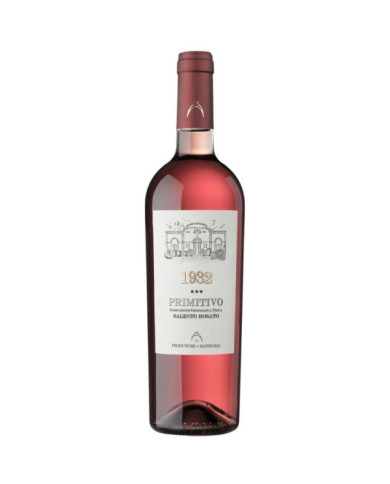
Colore: rosa corallo intenso brillante e luminoso anticipa la buona struttura del vino. Profumo: accattivante al naso con note intense di ciliegie fresche melagrana mela rossa fragoline di bosco e lampone arricchite da piacevoli sbuffi minerali. Sapore: succoso e fresco al palato ben strutturato croccante sapido in fondo tanta succosa acidità finale lungo.
SKU:
18651
Brand:
Produttori di Manduria
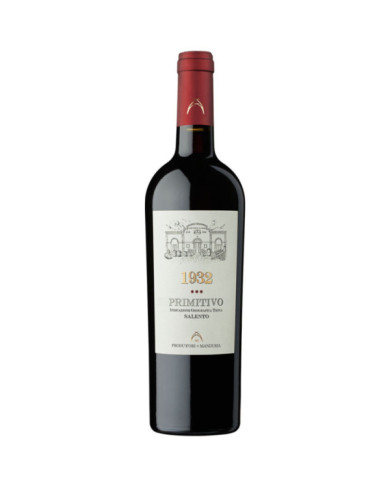
Colore: rosso rubino con sfumature granato. Profumo: intenso ed intrigante con evidenti note di ciliegie ed amarene poi cenni balsamici uniti a quelli tipicamente speziati (cannella, pepe nero e chidi di garofano) tabacco e note tostate in fondo. Sapore: al palato è fresco asciutto sapido ed armonico vellutato ed avvolgente dotato di buon corpo morbido ed equilibrato con leggero retrogusto tostato.
€12.55
SKU:
18650
Brand:
Produttori di Manduria
Colore: rosso rubino compatto. Profumo: al naso note di vaniglia e cannella cioccolato fondente e humus. Sentori di ciliegia matura e composta di ribes nero si intrecciano a note di liquirizia in perfetto equilibrio. Sapore: al palato si presenta caldo e morbido con tannino fine e smussato. Bella persistenza.
€18.90
SKU:
18649
Brand:
Produttori di Manduria
Vinificazione:
contatto pellicolare (alzata di cappello per 12 ore) fermentazione a temperatura controllata.
€6.92
SKU:
18648
Brand:
Produttori di Manduria
Per produrre questo vino viene effettuata una prima cernita manuale delle uve in vigneto ad inizio Agosto e una seconda selezione, sempre manuale, viene fatta in vendemmia.
€6.34
SKU:
18647
Brand:
Produttori di Manduria
Vinificazione:
in rosso con termocondizionamento del processo fermentativo
Affinamento del vino:
13 mesi in barriques francesi di legno Allier
€11.25
SKU:
18646
Brand:
Produttori di Manduria
Colore: Rosso rubino intenso.
Profumo: Intensa nota di frutti a bacca rossa (mirtillo, mora, amarena), con note speziate tipiche della varietà.
Gusto: Delicato, equilibrato ed estremamente piacevole, con tannini dolci e chiusura persistente
€6.80
SKU:
18645
Brand:
Produttori di Manduria
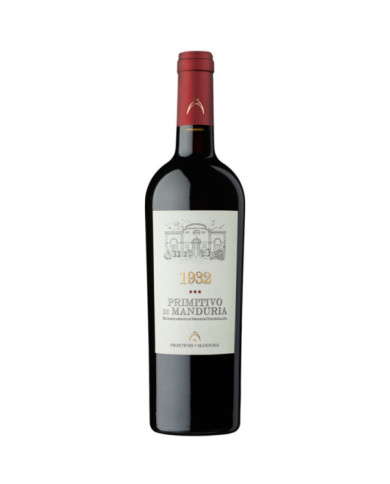
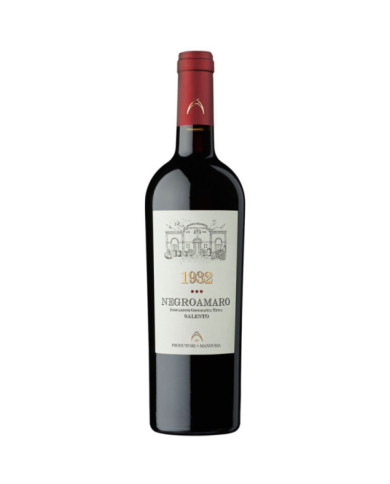
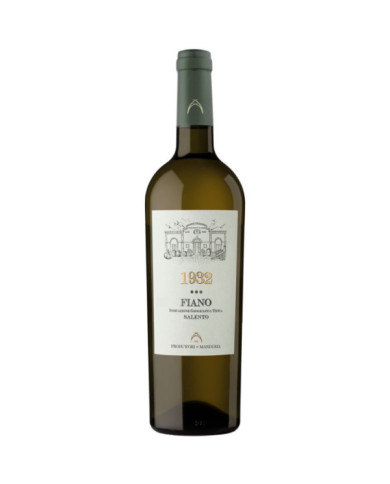
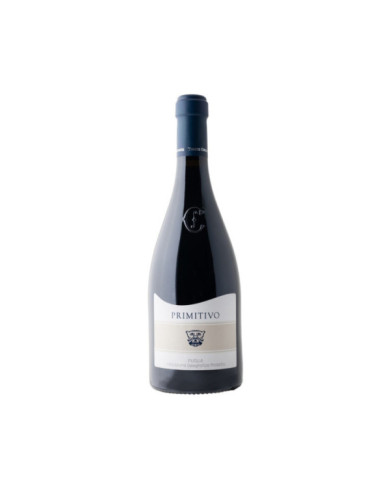
E' datata 1932 la nascita del “Consorzio Produttori Vini e Mosti rossi superiori da taglio per la zona di Manduria”. All’epoca il Primitivo, come indicato nel nome del consorzio, era deputato a rafforzare i famosi vini francesi e del nord Italia.
€5.90
€14.70
SKU:
18638
Brand:
Tenute Chiaromonte
A Primitivo expression of its land, Acquaviva delle Fonti, of which it tells the long winemaking tradition, but also the history and legends; like that of the Mascheroni, guardians of the monumental Palazzo De Mari. Bright red color with violet reflections and intense aromas of small red fruits. On the palate it is fresh, sapid and rightly tannic, with a soft and fruity finish. Pairings Excellent table wine, it finds the best combination with the typical dishes of Mediterranean cuisine.
€10.93
€8.91
SKU:
18632
Brand:
Cantina Marchesi Antinori
Dopo la svinatura il vino è stato trasferito in tonneaux di rovere francese ed ungherese dalla capacità di 300 lt, dove ha avuto luogo la fermentazione malolattica.
Il vino ha maturato per 12 mesi in tonneaux prima di essere imbottigliato. È seguito un ulteriore periodo di 18 mesi di affinamento in bottiglia
Rosso rubino. Note di amarena, piccoli frutti rossi, melograno, vaniglia, liquirizia e anice. Ingresso morbido, tannino elegante ed una freschezza ben equilibrata.
€26.35
SKU:
18564
Brand:
Conti Zecca
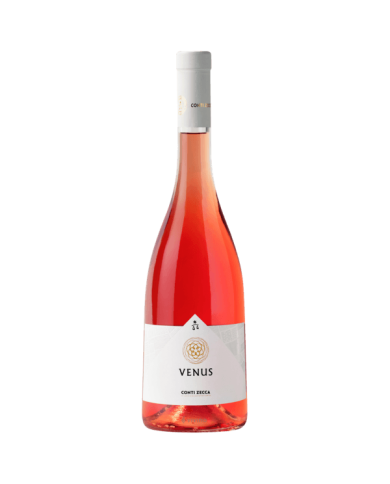
This simple and intense Salento Rosato PGI "Venus" of the Conti Zecca is made from 70% Negroamaro grapes and the remainder from complementary vines and is born in the municipality of Leverano, in the heart of Salento. It takes its name from the planet Venus and the goddess of love, beauty and pleasure.
€11.10
SKU:
18381
Brand:
Conti Zecca
The second novelty that we had announced is the introduction of Susumaniello in the Cantalupi family! Susumaniello is a vine that is part of the enological history of Salento and which in recent years has been at the center of a rediscovery and revaluation in which we join to offer our interpretation of this versatile and very interesting grape.
€9.52
€14.85
€8.27
€10.49
€13.08
€11.49
€11.41
SKU:
18157
Brand:
Cantine Carpentiere
Since the time of Frederick II, falcons have been hunted on the hills of Castel del Monte. In these lands, among luxuriant vines, the lesser kestrel finds its natural habitat, a rare species of bird of prey that bears witness to an unchanged nature. A skilful blend of Nero di Troia and Merlot grapes. Ruby red in color with violet reflections, it is fresh and fruity. Balanced and persistent. Elegant with hints of blackberry and black cherry, small red fruits and balsamic and vanilla notes. The taste is refined, rightly tannic and structured.
€10.93
€11.32
€18.46
€20.77
€22.25
€12.00
€30.34
SKU:
18136
Brand:
Cantina Marchesi Antinori
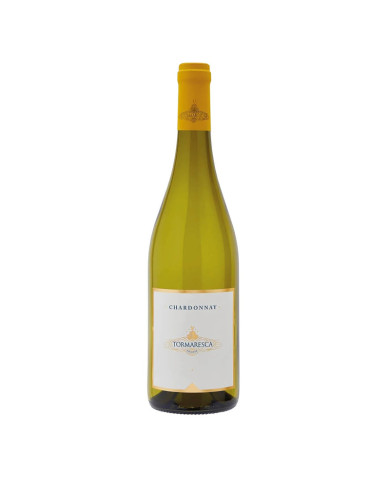
The Puglia Chardonnay of the Marchesi Antinori is born in the vineyards of the Tormaresca farm, owned by the Antinori family and located in the territories of Salento and the Murgia of Bari.
€8.67
SKU:
18135
Brand:
Cantina Marchesi Antinori
Character, personality and qualitative potential are the characteristics that the Puglean territory transmits to the indigenous and non-indigenous varieties that are cultivated there. This is why the Antinori family's investments in Puglia began in 1998, which considered this region among the most promising in Italy for the production of quality wines, with a strong territorial identity.
€8.67
SKU:
18134
Brand:
Cantina Marchesi Antinori
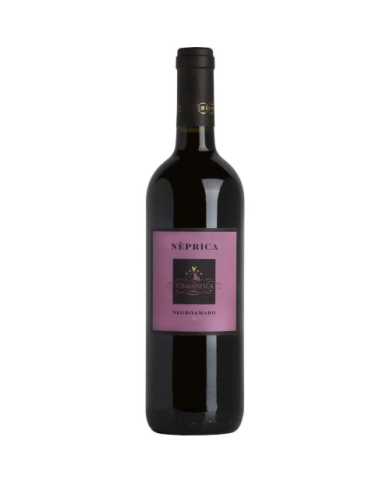
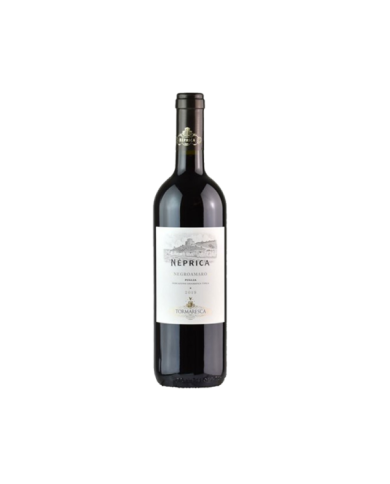
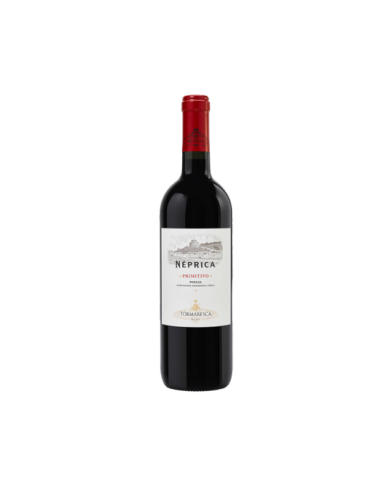
Primitivo Neprica by Tormaresca Antinori is a puliese red wine from the province of Brindisi, aged in steel for about 8 months to maintain a fragrant and fruity sensorial profile. It has an intense ruby red color, furrowed by purple reflections, and releases notes of black cherries, small fresh and candied red fruits and licorice aromas to the nose, revealing a soft, round sip with evolved tannins, awakened by a balanced freshness .
€10.93
€58.93
€25.62
SKU:
17732
Brand:
Barsento
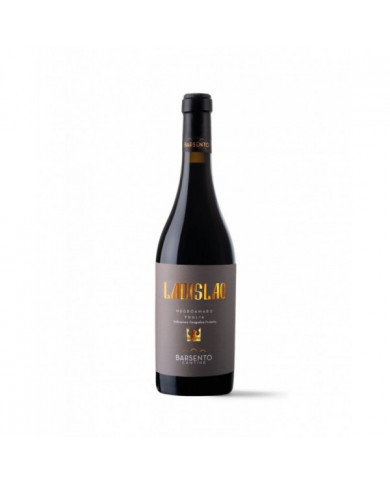
VINIFICATION: The maceration lasts 12-14 days in 45 quintal steel vats at a controlled temperature of 25°C, with frequent pumping over in order to extract the aromatic and coloring substances and at the same time soften the tannic mass. TASTING NOTES Pure Negroamaro, aged in large oak barrels, has an intense and impenetrable red colour. On the nose, hints of ripe cherry, tobacco and carob are perceived. On the palate it is full-bodied, with a great structure with accentuated tannins that balance well with the alcohol and the vanilla notes typical of wines aged in wood. It is best expressed with cured meats, grilled meats and meat sauce.
€26.74
€105.95
SKU:
17610
Brand:
Masseria Li Veli
Colore rosso rubino intenso con riflessi violacei; profumo
speziato, con note di frutti rossi maturi, tamarindo e noce moscata, finale
leggermente vanigliato. Vino di buon corpo, speziato ed armonico
€8.42
SKU:
17609
Brand:
Masseria Li Veli
profumo floreale di rosa, lampone e frutti rossi. Buona
mineralità con gusto ben equilibrato da sapidità e freschezza.
€7.56
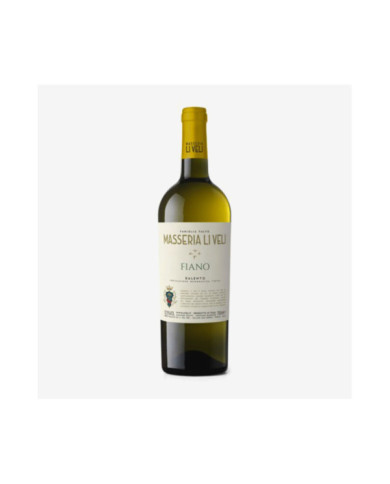
SKU:
17608
Brand:
Masseria Li Veli
colore giallo paglierino con riflessi verde brillante; profumo
fruttato con sentori di lime, kiwi, mela e fiori. Vino dalla buona acidità,
freschezza e di facile beva.
€7.56
€12.20
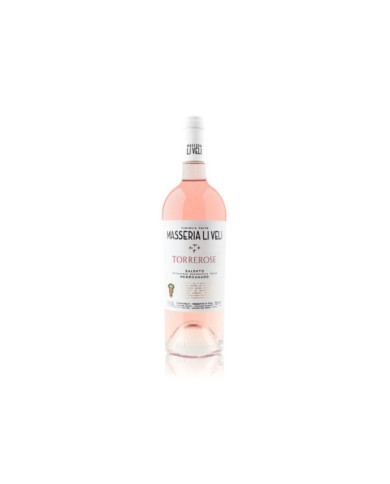
SKU:
17604
Brand:
Masseria Li Veli
Il Torrerose di Masseria Li Veli nasce in Salento, in Puglia, da uve Negroamaro.
Le uve Negroamaro in purezza restano in pressa per 5 ore a temperatura controllata e sono successivamente fermentate in avsche di acciaio termocontrollate.
€11.35
SKU:
17602
Brand:
Masseria Li Veli
Primonero Salento IGT della cantina Masseria Li Veli è un vino roso pugliese prodotto da uve negroamaro. Si tratta di un vino secco, rotondo e di buona persistenza.
€9.22
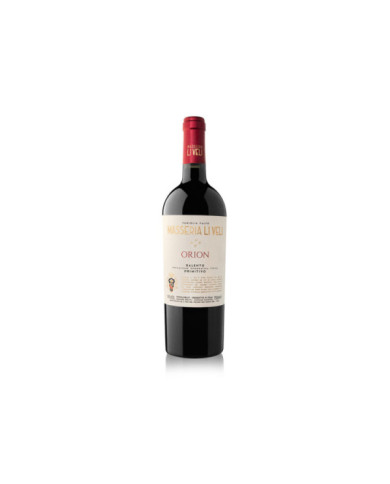
SKU:
17601
Brand:
Masseria Li Veli
Il nome del Salento Primitivo IGT Orion Masseria Li Veli rimanda al greco oros che significa confine e sta ad indicare la strada fortificata nei pressi di Masseria Li Veli che divideva i possedimenti bizantini nel Salento da quelli longobardi, chiamata appunto “Lmite dei Greci”.
€13.42
SKU:
17600
Brand:
Masseria Li Veli
Il Garrisa viene prodotto con uve Susumaniello, un vitigno del Salento a bacca rossa. Elegante e pieno è davvero un bel bicchiere!
€17.85
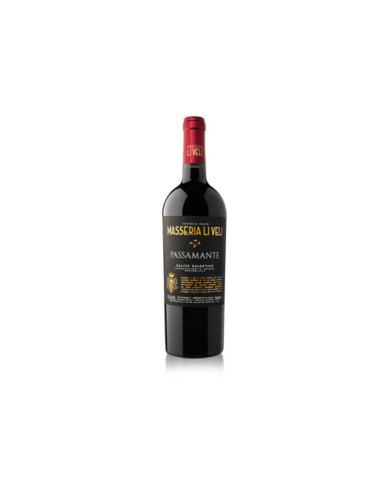
SKU:
17599
Brand:
Masseria Li Veli
Il Passamante è un bosco che corre lungo i nostri vigneti di Negroamaro. Il suo nome ha origini remote e ricorda che anticamente gli amanti vi trovavano rifugio dagli sguardi indiscreti. La macchia mediterranea che lo costituisce, formata da pini, ginestre, lecci, carrubo, mirto e ginepro dona note olfattive e caratteristiche aromatiche che piacevolmente si integrano alle peculiarità organolettiche del vino.
€17.54
SKU:
17598
Brand:
Masseria Li Veli
Il Susumaniello Rosato 'Askos' Masseria Li Veli fa parte della linea che l'aziedna dedica alla ricerca, selezione e valorizzazione del patrimonio dei vitigni autoctoni pugliesi in via di estinzione. I vini sono prodotti esclusivamente con uve provenienti da zone a particolare vocazione, nelle quali il vitigno è allevato secondo i canoni di un'antica memoria. Il simbolo è un askos, 'decanter' greco del I secolo a.c.. L'uva vinifica con brevissima macerazione e affina in acciaio perima di essere immesso su mercato.
€19.40
SKU:
17597
Brand:
Masseria Li Veli
Da vitigni coltivati con sistema di allevamento a spalliera, nella zona di Cellino San Marco, a Brindisi, nasce la linea Askos di Masseria Li Veli. I vini sono prodotti esclusivamente con uve provenienti da zone a particolare vocazione nelle quali il vitigno è allevato secondo i canoni di un'antica memoria. Il simbolo è un askos, decanter dal greco antico. Col suo tipico colore giallo vivace con riflessi verdi, affascina questo Askos Verdeca. Un Bouquet aromatico che si sviluppa in un profumo fruttato intenso, con sentori di frutta tropicale, agrumi verdi, macchia mediterranea e spezie fresche. Gusto pieno, armonico, voluminoso con una buona acidità. Retrogusto fruttato e speziato.
€19.40
SKU:
17596
Brand:
Masseria Li Veli
Il Sussumaniello Askos viene prodotto da uve Susumaniello in purezza, un vitigno a bacca rossa autoctono del Salento che la cantina si propone di recuperare e valorizzare. Fruttato e ricco al naso, al palato regala un sorso morbido e elegante con un lieve punta di acidità nel finale che dona una sensazione complessiva di freschezza.
€20.67
SKU:
17595
Brand:
Masseria Li Veli
La Malvasia nera leccese è un vitigno autoctono raro che Masseria Li Veli ha recuperato e propone in una accattivante versione che coniuga il calore delle terre pugliesi ad una garbata eleganza. Da provare.
€19.40
SKU:
17592
Brand:
Masseria Li Veli
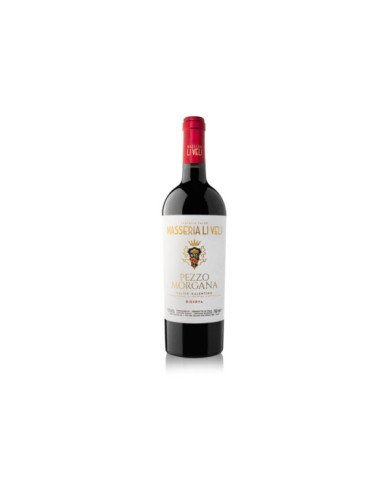
Pezzo Morgana si presenta in un colore rosso rubino intenso con riflessi violacei e profumo ampio e persistente; note di prugna secca e confettura di ciliegie, sensazioni di caramello e pepe che rafforzano un naso molto interessante indicando un corpo deciso; al palato è ampio e caldo, con ricordi di frutta polposa; ha un finale molto lungo con sentori di uva passa e mandorle.
€20.33
SKU:
17590
Brand:
Masseria Li Veli
La struttura si trova sulla penisola salentina, il tacco dello stivale italiano. La storia risale al XIX secolo. I fondatori erano già ambiziosi e volevano creare un modello da vetrina per la viticoltura nel sud Italia all'epoca. Questo spirito si sente ancora oggi. Nel 2008, la famiglia Falvo ha rilevato la cantina di 80 ettari e da allora si dedica con passione alle varietà autoctone. I vini hanno un carattere espressivo, sono decisi, ma affascinanti e mondani.
€50.51
SKU:
17589
Brand:
Ciatò
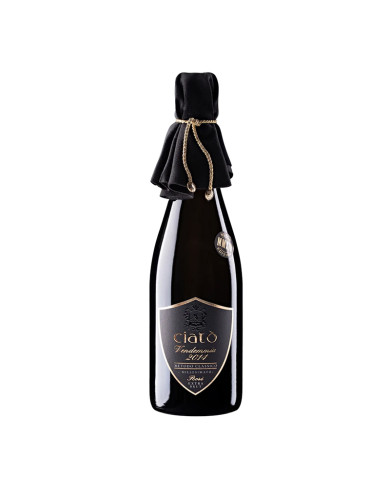
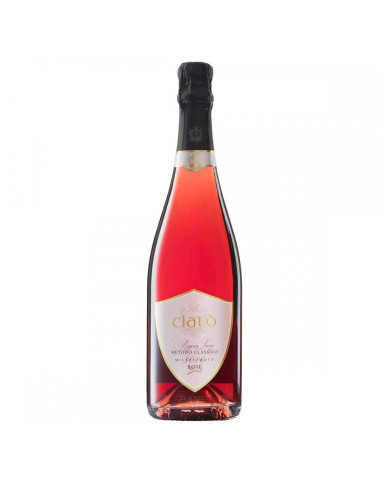
Pur utilizzando solo uve “Nero di Troia”, Luigi Nota realizza un bianco spumante “Metodo Classico” e un rosé, sempre metodo classico, di assoluta eccellenza, il “Regina Lucia”. L’azienda, dunque, copre una nicchia produttiva innovativa e d’eccellenza, ma é molto legata al territorio. A partire dalla piccola vigna del nonno, Luigi Nota ha appreso il mestiere di vignaiolo dal padre Vincenzo e negli ultimi anni si è fatto promotore di un ritorno alla terra della famiglia a partire dal 2013.
€26.45
SKU:
17588
Brand:
Ciatò
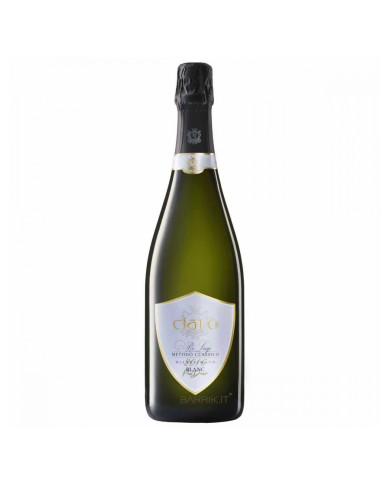
Pur utilizzando solo uve “Nero di Troia”, Luigi Nota realizza un bianco spumante “Metodo Classico” e un rosé, sempre metodo classico, di assoluta eccellenza, il “Regina Lucia”.
€25.89
SKU:
17363
Brand:
Conti Zecca
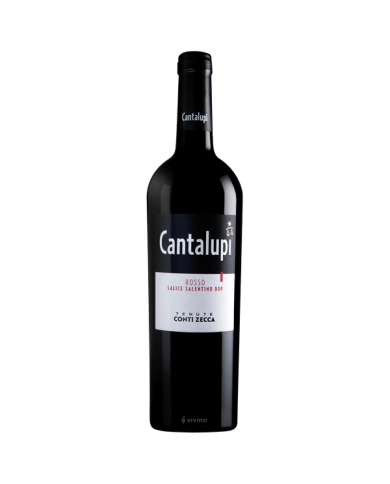
The "Cantalupi" Rosso Salice Salentino from the Conti Zecca winery is a full-bodied and elegant red wine with an intense ruby color. On the nose emerge aromas of ripe fruit such as blackberries and plums, and hints of spices. Harmonious, velvety and rightly tannic flavour. It ages for a few months in concrete tanks before being bottled.
€9.69
SKU:
17060
Brand:
Feudo Badalà
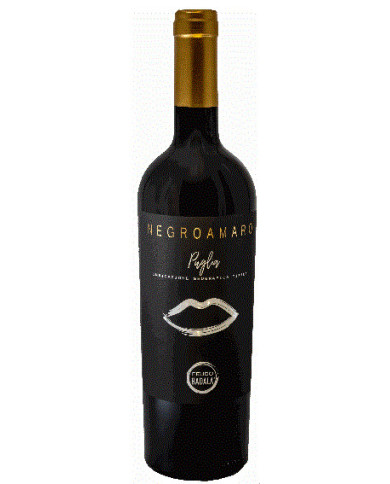
Red with purplish hues, complex aromas with spicy hints, cocoa, coffee, licorice and red berried fruits. With elegant, soft tannins and velvety on the palate. Persistent with an aftertaste of spices.
€23.79
SKU:
17056
Brand:
Feudo Badalà
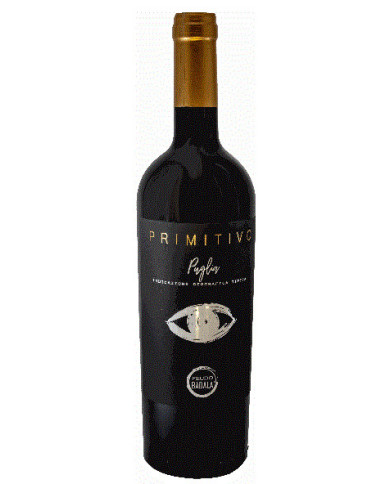
Clean scent of rose, intense aromas of cherry, supported by naturally soft tannins.
€10.25
SKU:
17055
Brand:
Feudo Badalà
Perfume of ripe plums, with remarkable structure and long persistence on the palate.
€10.25
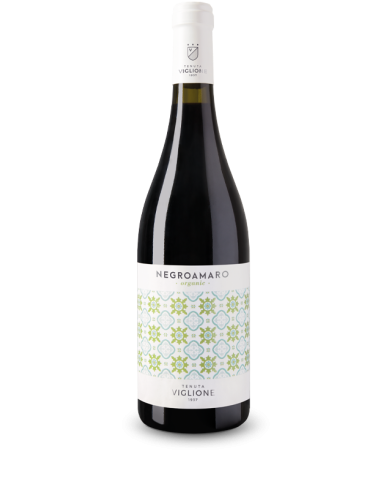
SKU:
17009
Brand:
Tenuta Viglione
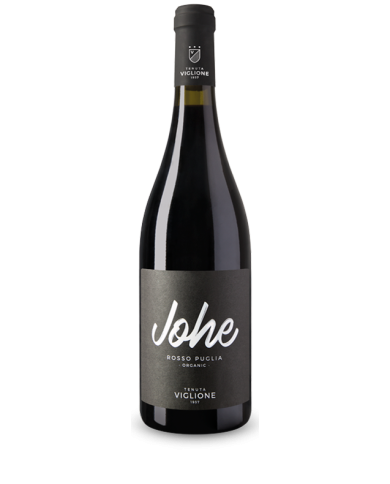
Organic wine with intense floral aromas, with hints of cherry, violet and black olive. Sumptuous and decisive style with marked acidity and refined tannins.
€10.42
SKU:
17004
Brand:
Tenuta Viglione
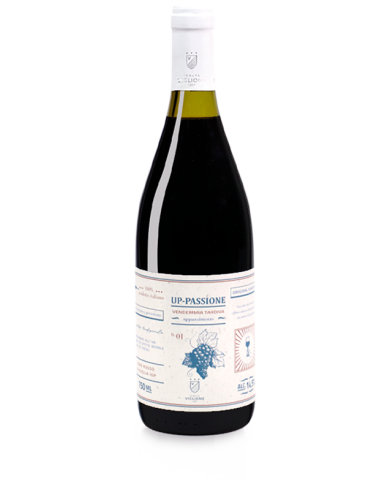
Ruby red with garnet hues. Fragrant range of black cherry, laurel and tobacco, on a vanilla base. Warm and generous, with returns of fruit and licorice.
€10.32
SKU:
17003
Brand:
Tenuta Viglione
Garnet red with violet reflections. Delicate red fruit jams and spicy and vanilla notes. Full-bodied, soft with an intense and persistent taste of dried fruit.
€13.30
SKU:
16997
Brand:
Tenuta Viglione
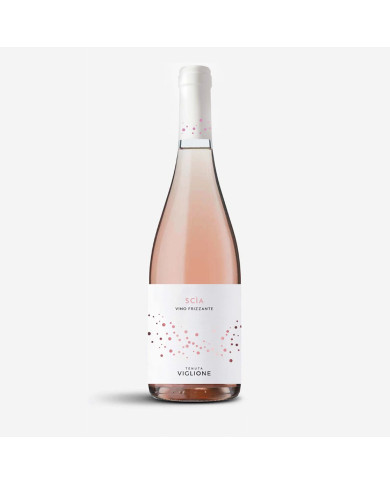
With a soft pink color, with citrus and peach notes, this wine is excellent for aperitifs and raw seafood, as it is fresh and balanced on the palate.
€6.59
SKU:
16996
Brand:
Tenuta Viglione
Fresh, balanced and savory sparkling wine with a fruity aftertaste. Ideal to accompany aperitifs and raw seafood.
€7.94
SKU:
16995
Brand:
Tenuta Viglione
Dark purplish that almost absorbs light. Southern Italy is released in the mouth and nostrils with a mélange of fruit and chocolate. A full and ethereal wine
€13.85
SKU:
16994
Brand:
Tenuta Viglione
Ruby red color with violet reflections; clean nose, good intensity and harmonic. Hints of cherry and plum, clean, dry and tannic palate, with good intensity and persistence.
€12.38
SKU:
16993
Brand:
Tenuta Viglione
Red wine with a ruby red color with violet reflections; scent of undergrowth with red fruits and wild berries; dry, balanced, full-bodied palate. Nice acidity and soft tannins, persistent. Ideal pairing with roast meats and fresh cheeses.
€12.04
SKU:
16527
Brand:
Masseria L'Astore
“Sweet as a moonlit night
full. Of soft and warm hugs
I crackled.
To then get lost in thoughts and words
between meditation and frivolity
starting from one ne for a new one
start."
€19.28
SKU:
16526
Brand:
Masseria L'Astore
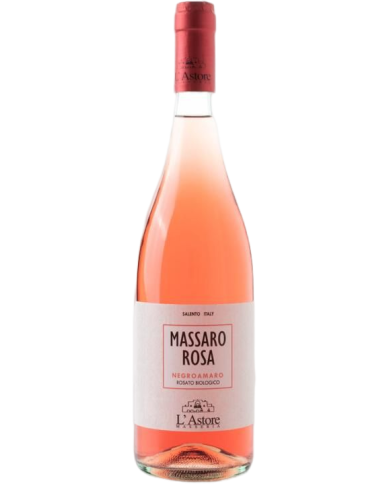
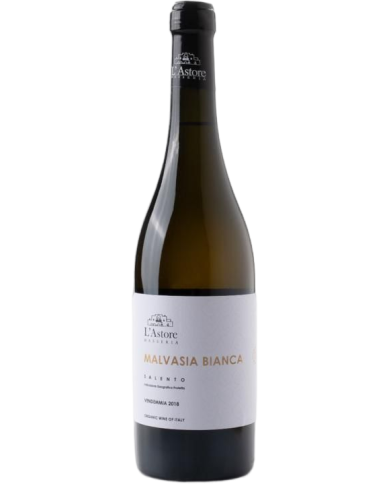
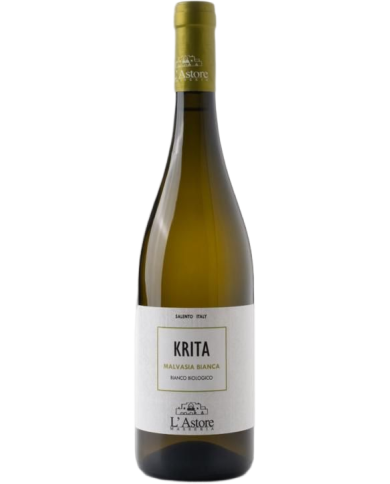
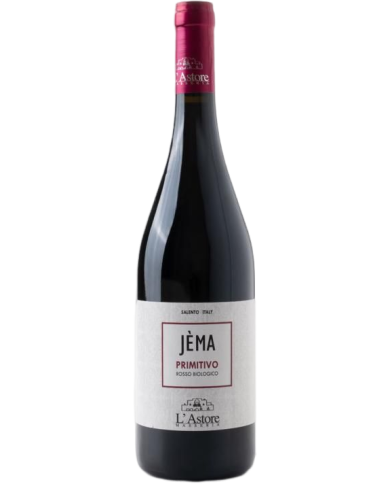
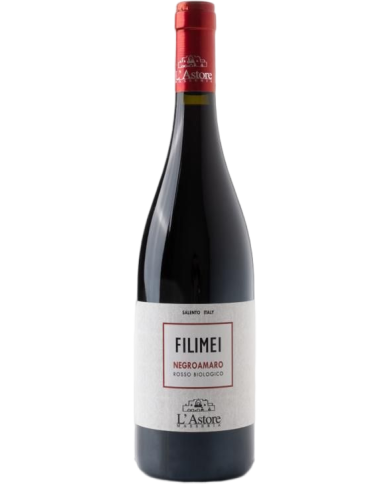
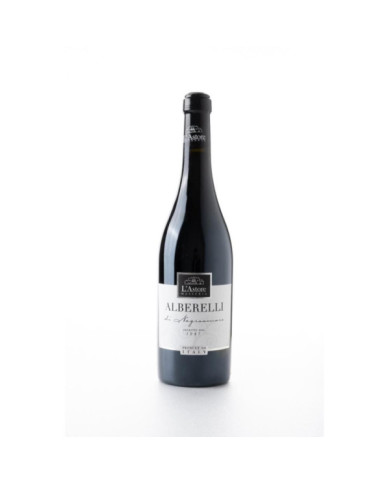
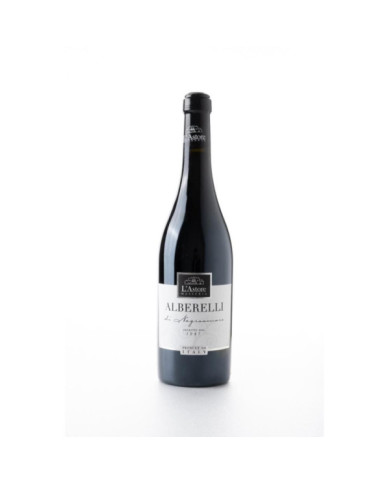
Born from clean and sustainable agriculture, respecting a landscape designed by culture and tradition, since 2010 the wines of L'Astore are certified "produced from organic grapes". Symbol of the Salento area in its rosé vocation and in the old Alberelli di Negroamaro and Primitivo; the production enhances the ancient native vines such as Negroamaro, Malvasia Nera, Malvasia Bianca Antica, Susumaniello and Primitivo.
€16.96
SKU:
16525
Brand:
Masseria L'Astore
Born from clean and sustainable agriculture, respecting a landscape designed by culture and tradition, since 2010 the wines of L'Astore are certified "produced from organic grapes". Symbol of the Salento area in its rosé vocation and in the old Alberelli di Negroamaro and Primitivo; the production enhances the ancient native vines such as Negroamaro, Malvasia Nera, Malvasia Bianca Antica, Susumaniello and Primitivo.
€10.44
SKU:
16524
Brand:
Masseria L'Astore
vinification using only the oenological products and processes authorized by regulation 203/2012 furthermore, within the limits and provisions imposed by the regulations, each certified organic producer follows his own specific conduct, using the oenological practices that are closest to the personal concept of “sustainable agriculture”.
€18.54
SKU:
16523
Brand:
Masseria L'Astore
Born from clean and sustainable agriculture, respecting a landscape designed by culture and tradition, since 2010 the wines of L'Astore are certified "produced from organic grapes". Symbol of the Salento area in its rosé vocation and in the old Alberelli di Negroamaro and Primitivo; the production enhances the ancient native vines such as Negroamaro, Malvasia Nera, Malvasia Bianca Antica, Susumaniello and Primitivo.
SKU:
16522
Brand:
Masseria L'Astore
Born from clean and sustainable agriculture, respecting a landscape designed by culture and tradition, since 2010 the wines of L'Astore are certified "produced from organic grapes". Symbol of the Salento area in its rosé vocation and in the old Alberelli di Negroamaro and Primitivo; the production enhances the ancient native vines such as Negroamaro, Malvasia Nera, Malvasia Bianca Antica, Susumaniello and Primitivo.
€11.41
SKU:
16521
Brand:
Masseria L'Astore
Born from clean and sustainable agriculture, respecting a landscape designed by culture and tradition, since 2010 the wines of L'Astore are certified "produced from organic grapes". Symbol of the Salento area in its rosé vocation and in the old Alberelli di Negroamaro and Primitivo; the production enhances the ancient native vines such as Negroamaro, Malvasia Nera, Malvasia Bianca Antica, Susumaniello and Primitivo.
€12.13
SKU:
16520
Brand:
Masseria L'Astore
Born from clean and sustainable agriculture, respecting a landscape designed by culture and tradition, since 2010 the wines of L'Astore are certified "produced from organic grapes". Symbol of the Salento area in its rosé vocation and in the old Alberelli di Negroamaro and Primitivo; the production enhances the ancient native vines such as Negroamaro, Malvasia Nera, Malvasia Bianca Antica, Susumaniello and Primitivo.
€11.60
SKU:
16519
Brand:
Masseria L'Astore
An important Primitive for
simple convivial moments,
of pure and warm feelings
fragrances, of sweet emotions and of
soft words, of shining eyes and of
full goblets that toll the
future."
€87.35
SKU:
16518
Brand:
Masseria L'Astore
An important Primitive for
simple convivial moments,
of pure and warm feelings
fragrances, of sweet emotions and of
soft words, of shining eyes and of
full goblets that toll the
future."
€28.46
SKU:
16517
Brand:
Masseria L'Astore
Chiseled by hand like sculptures,
gnarled, twisted and strong enough to survive winds and drought over time
of our land. Not at present
explant convenience.
We rescued, cared for and respected them
for their natural essence, such as the
history of Apulian viticulture ci
it dictated
€74.18
SKU:
16516
Brand:
Masseria L'Astore
Chiseled by hand like sculptures,
gnarled, twisted and strong enough to survive winds and drought over time
of our land. Not at present
explant convenience.
We rescued, cared for and respected them
for their natural essence, such as the
history of Apulian viticulture ci
it dictated
€25.30
SKU:
16515
Brand:
Masseria L'Astore
Born from clean and sustainable agriculture, respecting a landscape designed by culture and tradition, since 2010 the wines of L'Astore are certified "produced from organic grapes". Symbol of the Salento area in its rosé vocation and in the old Alberelli di Negroamaro and Primitivo; the production enhances the ancient native vines such as Negroamaro, Malvasia Nera, Malvasia Bianca Antica, Susumaniello and Primitivo.
€12.65
SKU:
16006
Brand:
Kandèa F.lli Tullio Cataldo
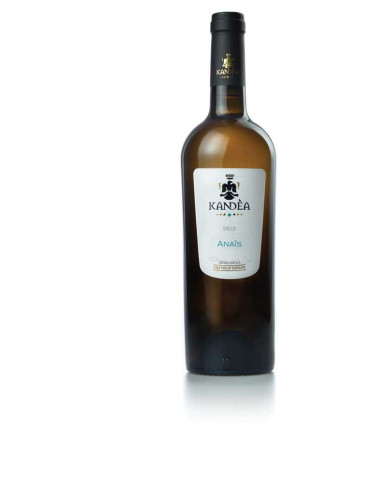
A true delight of whites, entirely produced from our grapes of the Greco vine. Its name and its origin derive from the "Aminea Gemina", whose meaning refers to the People of the Aminei, coming from ancient Greece. Gratitude goes to this people for having imported splendid vines into our peninsula characterized by clusters that branch out twins from the same stem (gemini). This vine finds in our territory the right habitat to express wines of great minerality and freshness. Anais makes these characteristics its own, surprisingly integrating them with floral scents and delicate citrus scents of citron and grapefruit. To characterize the finish of this wine is a sapidity rich in elegance blends with sensations that recall ripe fruits!
€13.66
SKU:
16004
Brand:
Kandèa F.lli Tullio Cataldo
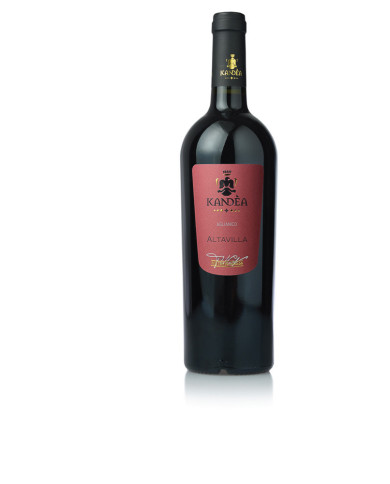
Aglianico, brought to Italy by the Greeks as early as the 6th century aC , takes its name from the "Vitis Hellenica", whose qualities are repeatedly sung in the odes of Horace and in the writings of masters consigned to history such as Pliny and Virgil. The high complexity and deep structure of Aglianico, grown directly in the company's vineyards, give Altavilla an extraordinary aptitude for aging in the bottle.
€13.73
SKU:
16003
Brand:
Kandèa F.lli Tullio Cataldo
Lord of the Daunia in the land of Puglia, the Uva di Troia vine ties its origins to the myth of Diomedes. Legend has it that the mythical Greek hero, after the Trojan War, sailed across the Adriatic Sea up to the Ofanto River which also flows through our lands. Here, having found the ideal place, he planted some vine shoots brought with him from Troy. Cherrug, respecting the greatness of this vine, comes from a careful selection of these grapes only from the best vintages! After aging for over 10 months, it is left to age in 10/20 hl barrels for about 2 years before being refined in the bottle for a further 6 months. Cherrug involves for its power and elegance, with its intense and refined aromas with hints of licorice, black cherry and ripe black fruits. On the palate it is dry, soft and enveloping. Extraordinarily rich and very long-lived, it becomes even more refined and elegant over the years.
€21.72
SKU:
16002
Brand:
Kandèa F.lli Tullio Cataldo
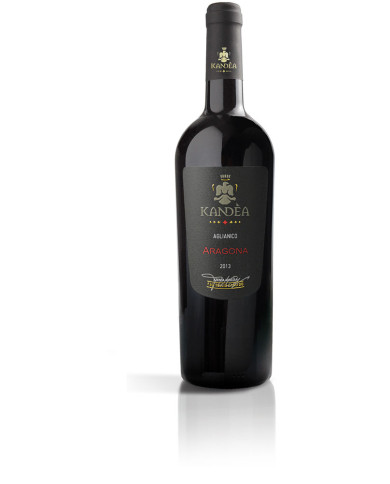
Aragona comes from a careful selection of Aglianico grapes, with a gradual harvest where the knowledge and expertise of the winemaker is combined with the technique of the winemaker to let you taste a unique product. It is aged for one year in French and American oak barriques and completes its aging in the bottle. Its extraordinary richness and elegance reaches its peak already within the first seven years, retaining its characteristics for many years afterwards.
€16.59
SKU:
16000
Brand:
Kandèa F.lli Tullio Cataldo
Lord of the whites in the Dauno Subappennino, this inimitable white is entirely produced from our grapes of the Fiano vine, from the Latin "Vitis Apiane"; a name that, going back through the centuries, can be found in the "Naturalis Historia" of the noble Pliny: "... the bees gave the surname of Apiana to this magnificent grape, due to their greed in sucking the grapes!"
€13.30
SKU:
15999
Brand:
Kandèa F.lli Tullio Cataldo
Lord of the Daunia in the land of Puglia, the Uva di Troia vine ties its origins to the myth of Diomedes. Legend has it that the mythical Greek hero, after the Trojan War, sailed across the Adriatic Sea up to the Ofanto River which also flows through our lands. Here, having found the ideal place, he planted some vine shoots brought with him from Troy. Lanario is a subtle balance of fruity notes, spices, sweets, with an intriguing goudron in the the final. Seductive for its class and aromatic intensity, it is quite soft for the component tannins present but not impetuous and annoying, savory and quite fresh. wine of great elegance, where structure and acidity support each other, it becomes even more refined and elegant with the passing of the years.
€13.54
SKU:
15998
Brand:
Kandèa F.lli Tullio Cataldo
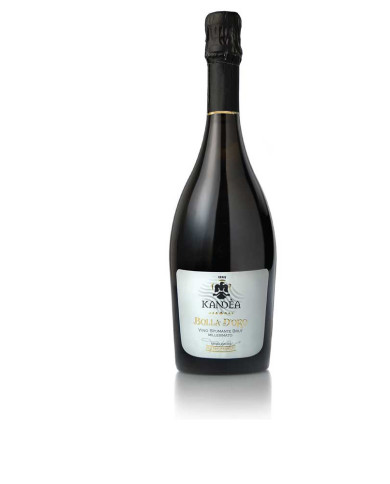
The grape variety chosen for the spumante base of Bolla d'Oro is the "Bombino Bianco". Its ancient origins probably date back to the challenge of Barletta and the Spaniards. It prefers deep, draining soils and is certainly one of the most interesting grapes for sparkling wine. Bolla D'oro is born from the application of the long charmat method, with a fermentation period of no less than 40 days sur lie which gives an absolutely unique and original roundness and fullness to the tasting (texture), enhanced by a fine and persistent perlage. Vin de fete, with a great personality and an intriguing bouquet in which notes of apricot and white peach predominate with white flowers (blossom) and dried fruit intruding on the finish.
€12.03
SKU:
15995
Brand:
Kandèa F.lli Tullio Cataldo
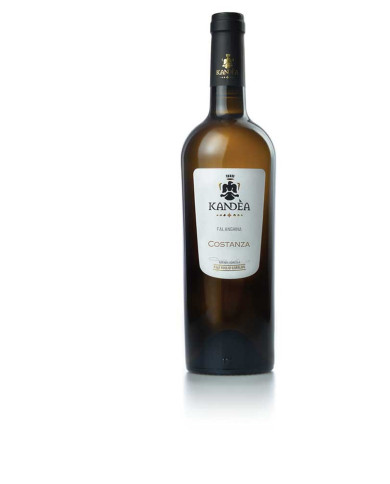
A dry white of great class, entirely produced from our grapes of the Falanghina vine: its origin is lost in the mists of time; the etymology derives from “falanga”, the pole that acted as a guardian to the vine. Our vineyards are close to the Daunia mountains where the mild winds of Apulia meet the cold ones that come from Irpinia; therefore strong temperature variations are generated, to the full advantage of the perfumes and the great minerality of this vine.
€12.05
SKU:
15994
Brand:
Kandèa F.lli Tullio Cataldo
Its softness and appreciable acidity make it possible to create excellent pairings with all pasta-based first courses and rich side dishes. Its good structure and low quantity of tannins also make it suitable for fish-based preparations, especially richly seasoned and flavored roasted fish. Delicious for aperitifs.
€11.48
SKU:
15411
Brand:
Alberto Longo
Primitivo rich in hints of wild berries and with an intense and persistent aroma.
€13.66
SKU:
15410
Brand:
Alberto Longo
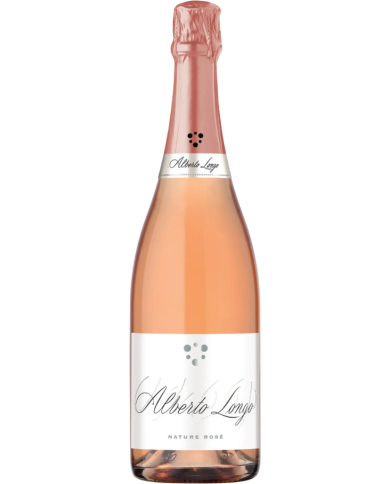
Spumante Brut Rosé with delicate hints of small red fruits and citrus nuances, characters of Mediterranean scrub, tones of bread crust.
€30.99
SKU:
15409
Brand:
Alberto Longo
Intense and enveloping wine, with notes of red berries and spicy aromas.
€23.18
SKU:
15408
Brand:
Alberto Longo
Dense and balsamic, for aging in oak barrels. The grapes, harvested from 100% Nero di Troia vines, ferment in steel at a controlled temperature, favoring prolonged contact between the must and the skins. The refinement takes place in French oak barrels barriques-tonneaux. The characteristic bouquet, intense and persistent, with hints of blackberry and ripe plum, and the dense and balsamic flavour, rich in sweet and silky tannins, make Le Cruste the perfect wine to accompany aged cheeses, game and meats in general.
€19.40
SKU:
15407
Brand:
Alberto Longo
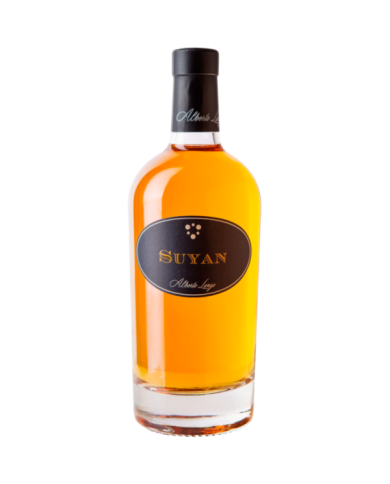
Golden with amber reflections, brilliant, Intense and persistent, hints of apricot compote, candied figs amalgamated with notes of dried fruit and spices, sweet, well structured, elegant, fresh and sapid, long finish, spicy aroma in the mouth.
€19.52
Discover the Secrets of Puglia's Wines: A Definitive Guide
Puglia is a stunningly beautiful Italian region, and its rolling hills dotted with vineyards are a sight to behold. Puglia is also a popular destination for food and wine tourism, thanks to its rich winemaking tradition. If you're interested in discovering the secrets of Puglia's wines, this guide is a great place to start.
The Wine of Puglia
Puglia is a region with a rich history of winemaking, with varietals dating back to the times of Magna Graecia. Puglia's wines are renowned for their complexity, with flavors ranging from fresh and fruity to rich and full-bodied. The region is home to some of Italy's most important grape varieties, including Primitivo, Nero di Troia, Susumaniello, Bombino Nero, and Malvasia Nera.
Primitive
Primitivo is one of Puglia's most popular grape varieties and is known for its rich, complex, and intense flavors. Primitivo wines are generally deep ruby red in color, with aromas of ripe berries, such as currants, blueberries, blackberries, and cherries, along with notes of spice and subtle hints of tobacco. On the palate, Primitivo is generally full-bodied and intense, with good acidity and soft tannins.
Black Trojan Horse
Nero di Troia is a red grape variety native to the region. It has a complex aromatic profile and is considered one of Puglia's finest red wines. Nero di Troia wines tend to have a deep ruby red color, with aromas of ripe fruit, such as cherries and blackberries, along with notes of spice and tobacco. On the palate, they have a good structure, with soft, balanced tannins and a lingering finish.
Susumaniello
Susumaniello is a red grape native to Puglia that has gained popularity in the last decade. Wines produced from this varietal are generally deep ruby red in color, with aromas of ripe fruit, such as cherries, along with notes of spice, tobacco, and wood. On the palate, they have good structure, with soft tannins and a lingering finish.
Black Bombino
Bombino Nero is a red grape variety native to Puglia. Wines produced from this varietal have an intense ruby red color, with aromas of ripe fruit, such as blackberries and cherries, along with notes of spice and tobacco. On the palate, they have a good structure, with soft and balanced tannins and a lingering finish.
Black Malvasia
Malvasia Nera is a red grape native to Puglia, and its production is limited. Wines produced from this grape have an intense ruby red color, with aromas of ripe fruit, such as cherries and blueberries, along with notes of spice and tobacco. On the palate, they have a good structure, with soft and balanced tannins and a lingering finish.
How to taste Puglia wines
To fully appreciate Puglia's wines, it's important to know the correct tasting techniques. Wine tasting begins with evaluating the appearance, observing the wine's color, clarity, and saturation. Once the appearance has been assessed, you can begin evaluating the wine's aroma, observing its intensity and complexity.
Finally, we move on to wine tasting, which begins with savoring the wine in the mouth, noting its structure, acidity, tannins, and body. By tasting the wine, you should be able to identify its complexity and flavors. After tasting, you can evaluate the wine's persistence, noting how long the flavors linger after drinking.
Discover the main Apulian wine denominations: a guide to the flavors of southern Italy.
Puglia, a land of sun, sea, and lush vineyards, offers a variety of high-quality wines thanks to its Mediterranean climate and fertile soil. In this guide, we'll explore the main Apulian wine appellations and discover their unique aromas and flavors.
Primitivo di Manduria DOC: the king of Apulian red wines
Primitivo di Manduria DOC is a full-bodied and intense red wine, produced primarily with Primitivo grapes in the Manduria area, in the province of Taranto. Characterized by flavors of ripe fruit, spice, and chocolate, this wine pairs perfectly with meat dishes and aged cheeses.
Negroamaro del Salento PGI: the soul of Salento in a glass
Negroamaro del Salento PGI is a wine produced from the native Negroamaro grape, grown throughout the Salento area. The red and rosé wines of this denomination feature aromas of red fruits, herbs, and spices, ideal for pairing with fish and vegetable dishes.
Salice Salentino DOC: balance and tradition
Located in the heart of Salento, Salice Salentino DOC produces red wines based on Negroamaro, often paired with other grapes such as Malvasia Nera. The wines of this denomination are distinguished by their good structure, soft tannins, and flavors of red fruit and spices, perfect for pairing with pasta dishes and red meats.
Castel del Monte DOC: a variety of flavors in a unique territory
The Castel del Monte DOC appellation, located in the northern part of Puglia, produces white, red, and rosé wines using grape varieties such as Bombino Bianco, Nero di Troia, and Aleatico. These wines offer a wide range of aromas and flavors, suitable for every occasion and food pairing.
Puglia is a region rich in wine appellations offering a wide range of high-quality wines. Exploring the main Apulian wine appellations is a fascinating journey.