

 Italiano
 Deutsch






















There are no more items in your cart
SKU:
23518
Brand:
Marisa Cuomo
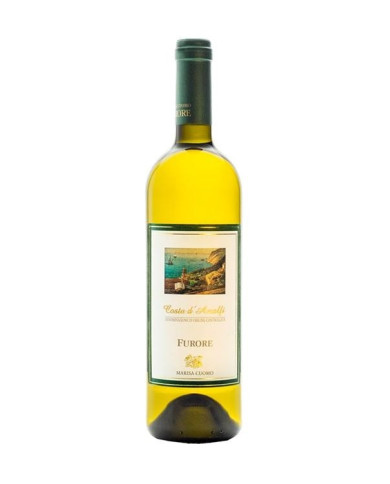
Colore giallo paglierino scarico e delicato profumo di frutta che riporta agli inconfondibili odori mediterranei della zona di origine. Il sapore è ampio ed equilibrato con una lieve dominanza della nota acidula a sostegno della freschezza degli aromi.
€31.62
SKU:
23517
Brand:
Marisa Cuomo
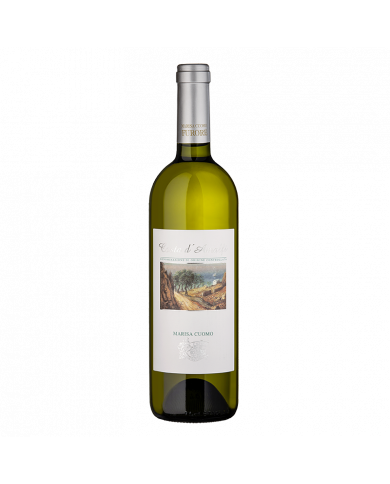
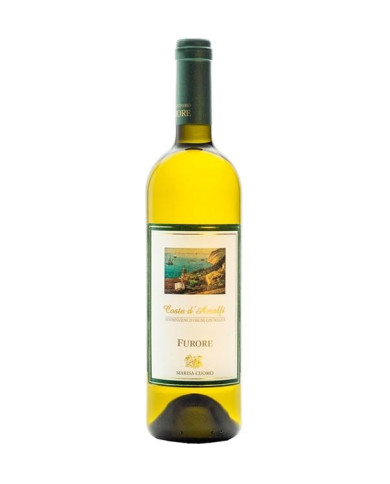
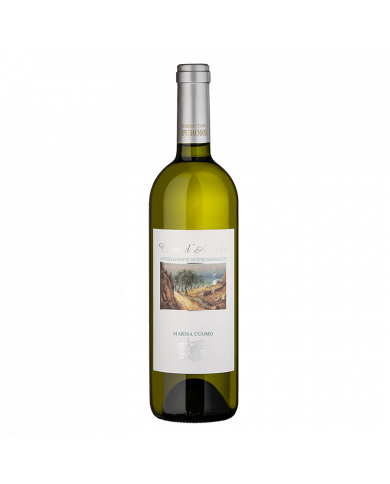
Costa d'Amalfi Bianco is characterized by a straw yellow color with an elegant aroma of acacia, lemon verbena and aromatic herbs and a finish reminiscent of toasted almonds. The taste is appreciated for its balance and lively freshness.
€21.74
SKU:
23132
Brand:
La Guardiense
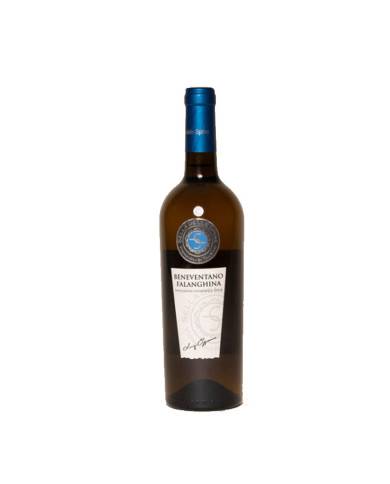
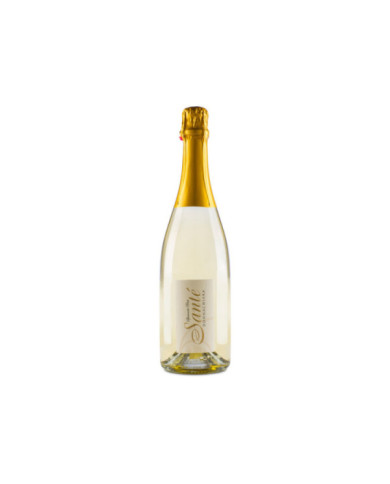
Sparkling wine from 100% Falanghina grapes, harvested around the first half of September in the Sannio Beneventano area.
€8.91
€8.02
€7.06
€9.58
SKU:
21725
Brand:
Viticoltori de Conciliis
Prendendo in prestito il nome dal dio del sole degli antichi egizi, Ra! vuole essere una concentrazione del potere del sole.
€134.00
SKU:
21711
Brand:
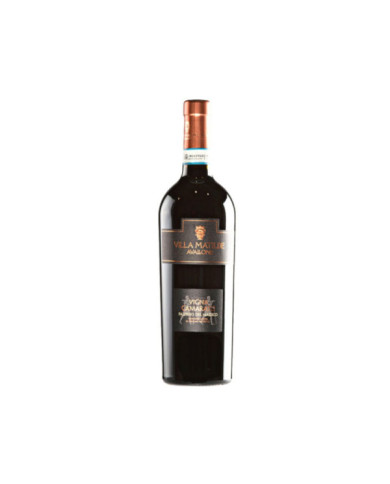
Villa Matilde
Prodotto esclusivamente nelle migliori annate con uve raccolte nell'omonimo vigneto, uno dei più vecchi e meglio esposti della tenuta collinare di San Castrese alle falde del vulcano spento di Roccamonfina. Il colore rosso cupo e profondo, il profumo intenso e persistente di frutti di bosco rossi e neri, pepe, cioccolato, caffè, liquirizia e vaniglia ed il gusto asciutto e caldo descrivono un vino complesso, elegante e potente.
€46.99
SKU:
21699
Brand:
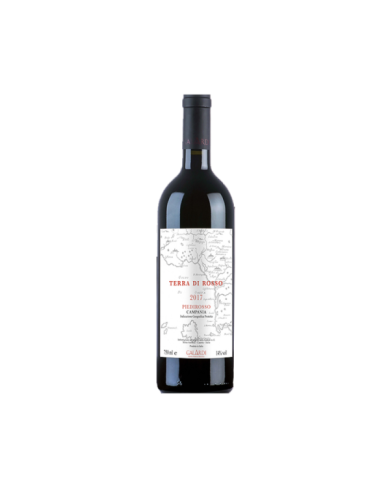
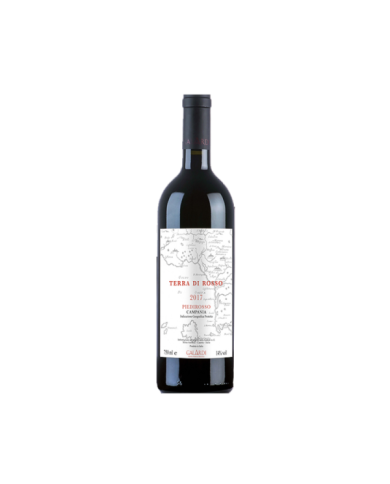
Galardi
Galardi nasce dalla visione coraggiosa di Roberto Selvaggi che all’inizio degli anni 90, amante dei vini di Bordeaux, decide di produrre un vino rosso sui terreni ereditati dalla famiglia di sua moglie. La proprietà in provincia di Caserta sul vulcano di Roccamonfina comprendeva diversi ettari di castagneti e uliveti e su un piccolo appezzamento di mezzo ettaro erano piantati vitigni non autoctoni.
€90.00
SKU:
21644
Brand:
Olivella
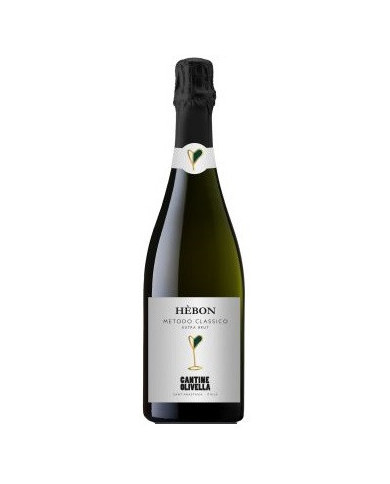
Hèbon nasce dall'assemblaggio dei tre principali vitigni autoctoni del territorio Vesuviano: Catalanesca, Caprettone e Piedirosso. Le tre uve raccolte a mano in piccole cassette al giusto grado di maturazione, sono accuratamente selezionate e poi lavorate unitamente. Per la produzione di Hebon si esegue una pressatura soffice e viene utilizzato il mosto fiore con una resa del 50% uva/mosto. Il mosto fermenta in acciaio, maturazione sulle fecce fini per sei mesi. Una parte della riserva perpetua, lasciata affinare in anfora di terracotta, viene utilizzata nell'assemblaggio, a cui segue il tiraggio. Infine a luogo la rifermentazione in bottiglia con successivo affinamento sui lieviti per circa 30 mesi.
€50.75
SKU:
21643
Brand:
Olivella
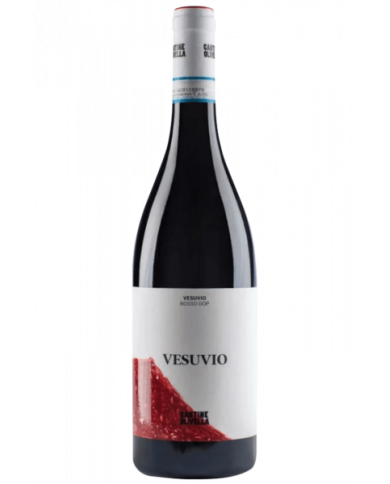
Vesuvio Rosso Cantine Olivella: terra e tradizione
Il Vesuvio Rosso DOP di Cantine Olivella è un Piedirosso in purezza. Le uve, da vigne a piede franco tra Sant’Anastasia e Somma Vesuviana, sono allevate in biologico su terreni vulcanici. La fermentazione spontanea e l'affinamento di 9 mesi in anfora di terracotta ne custodiscono l'integrità, offrendo un sorso fedele al terroir.
€42.91
SKU:
21642
Brand:
Olivella
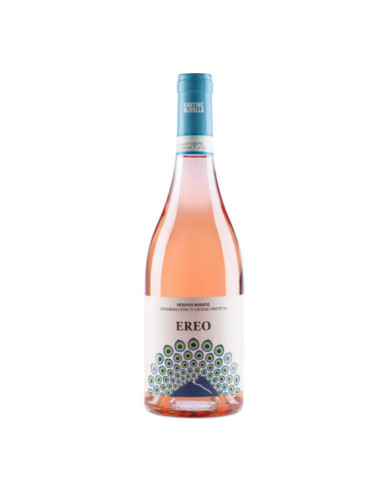
Il Vesuvio Rosato 'Ereo' di Cantine Olivella è un vino rosato campano nato dal blend di Piedirosso, Guarnaccia Nera e Sciascinoso, tre varietà storiche del territorio vesuviano. Al naso regala aromi delicati di frutta a polpa gialla, scorza d'agrumi e petali di violetta, mentre il palato è solleticato da un sorso fresco e piacevolmente minerale, caratterizzato da una buona acidità e una delicata morbidezza al palato. Ideale da abbinare a plateau di pesce e crostacei!
€18.90
SKU:
21641
Brand:
Olivella
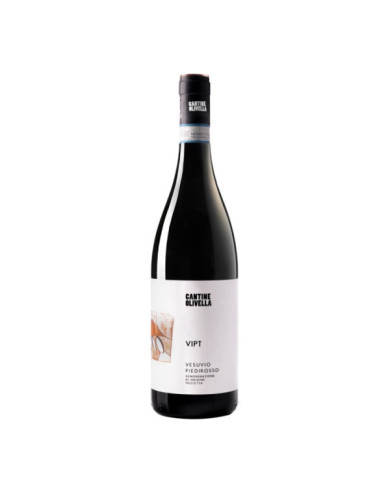
Il Piedirosso del Vesuvio 'VIPT' di Cantine Olivella è un vino rosso campano prodotto a base di Piedirosso dalle viti più anziane dell'azienda. Morbido, intenso e ricco al palato, il sorso è sorretto da tannini vellutati e da un finale lungo e avvolgente, mentre al naso le note di frutti di bosco e susina si accompagnano a morbide sfumature pepate e speziate. Da provare con una grigliata mista di carne!
€15.59
SKU:
21640
Brand:
Olivella
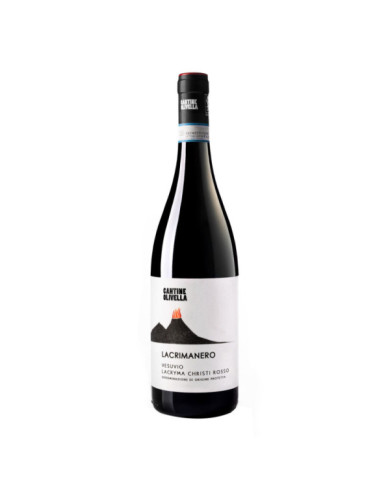
Il Lacryma Christi del Vesuvio 'Lacrimanero' di Cantine Olivella è un vino rosso ricco e intenso prodotto a base di Piedirosso, Olivella e Aglianico, vitigni che rappresentano a pieno il panorama enologico vesuviano. Pieno, avvolgente, dai tannini setosi e dal finale lungo e persistente, colpiscono al naso profondi aromi di frutti di bosco, ciliegia e cenni speziati di chiodi di garogano e liquirizia. Da abbinare a piatti di carne rossa o a primi piatti vegetariani ben strutturati
€16.90
SKU:
21639
Brand:
Olivella
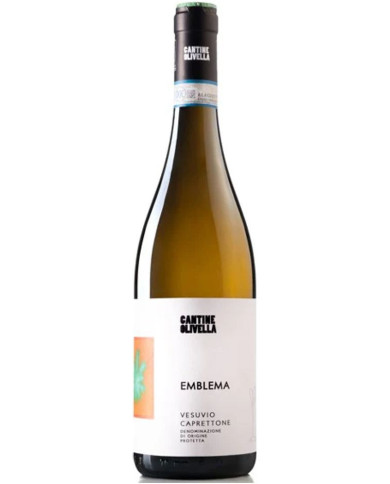
Emblema, Vesuvio Caprettone DOP, è formato da uve Caprettone in purezza. Queste uve, tradizionalmente appartenenti alla tradizione vitivinicola del territorio vesuviano, sono solitamente alla base della produzione del Lacryma Christi del Vesuvio DOP Bianco.
€16.96
€24.51
SKU:
21234
Brand:
Nativ
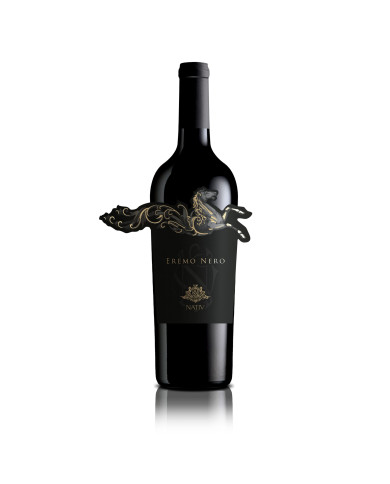
Eremo Nero, born from the vinification of Aglianico grapes grown on volcanic soils in the Paternopoli countryside. The composition of these sandy soils, with very fine and particularly permeable ash, is the ideal condition for obtaining high quality grapes and still red wines rich in anthocyanins and tannins.
€491.66
€14.18
SKU:
21123
Brand:
San Salvatore 1988
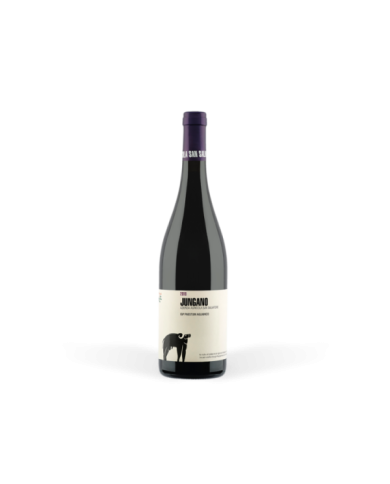
100% Aglianico. Maturation of the wine for 40% in second passage French oak barriques, 40% in 25 hl barrels and the remainder in steel tanks.
€29.85
SKU:
21122
Brand:
San Salvatore 1988
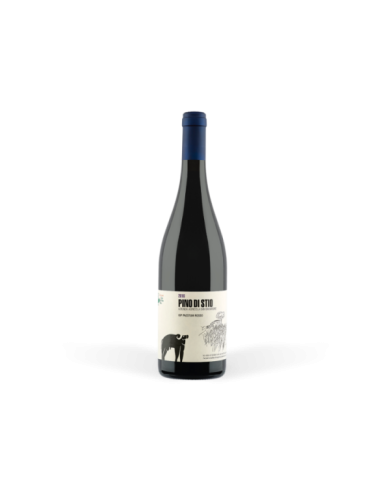
100% Pinot noir produced in a few thousand bottles. Vine grown at over 500 meters above sea level in the municipality of Stio. Aging in second and third passage barriques for a year and then elevage in boccia for a year and a half.
€50.56
€11.90
€13.20
€31.72
€42.47
€26.96
€27.12
SKU:
19834
Brand:
Villa Matilde
Prodotto esclusivamente nelle migliori annate con uve raccolte nell'omonimo vigneto, uno dei più vecchi e meglio esposti della tenuta collinare di San Castrese alle falde del vulcano spento di Roccamonfina. Il colore rosso cupo e profondo, il profumo intenso e persistente di frutti di bosco rossi e neri, pepe, cioccolato, caffè, liquirizia e vaniglia ed il gusto asciutto e caldo descrivono un vino complesso, elegante e potente.
€63.00
SKU:
19803
Brand:
Antonio Caggiano
Caratteristiche Organolettiche
Colore rosso rubino intenso.
Odore fruttato, complesso, con note di liquirizia e vaniglia su un fondo elegante di piccoli frutti di bosco.
€73.20
SKU:
19790
Brand:
Feudi di San Gregorio
Giallo paglierino deciso, al naso esprime tutta la tipicità varietale grazie ad un profilo olfattivo che spazia dai fiori freschi di camomilla alla frutta appena colta ed al cedro candito. In bocca ecco fare capolino tutta l’eleganza del Fiano di Avellino grazie ad una morbidezza perfettamente bilanciata da una freschezza ed una mineralità vive. Un assaggio meraviglioso, che chiude con un finale di rara persistenza.
Il Fiano di Avellino DOCG Pietracalda è un vino bianco profondo e sfaccettato, slanciato ed elegante, esempio perfetto di un vino e di un territorio unici in un’annata, particolarmente fortunata per la produzione di eccellenti vini bianchi.
€19.52
€12.88
SKU:
18527
Brand:
Olivella
Vino di grande complessità olfattiva, con una serie di note floreali che si svelano una dopo l'altra. Al sorso non delude e porta con sè una magnifica sapidità. Note Degustative: Summa di Cantine Olivella è un vino dal colore giallo oro. All'olfatto è delicato, con note di fiori e frutta, complesso, e sapido. Abbinamenti alimentari: Sformati di pasta, torte di verdure, formaggi a pasta filata.
€38.99
SKU:
18526
Brand:
Olivella
Fermentazione e Affinamento: affina sulle fecce fini per 4 mesi e 2 mesi di bottiglia Uvaggio: Caprettone 80%, Catalanesca 20%
€16.90
SKU:
18525
Brand:
Olivella
Nel calice è consistente con colore giallo dorato, naso fruttato con note di albicocca, sentori delicati di fiori e mineralità. L’assaggio dà sensazioni di freschezza e morbidezza con un piacevole finale ammandorlato
€18.89
SKU:
18524
Brand:
Olivella
Nel calice è consistente con colore giallo dorato, naso fruttato con note di albicocca, sentori delicati di fiori e mineralità. L’assaggio dà sensazioni di freschezza e morbidezza con un piacevole finale ammandorlato.
€62.99
SKU:
18463
Brand:
Cantine di Marzo
Giallo solare con riflessi dorati. Al naso una predominanza di pietra focaia, fior d’arancio e macchia mediterranea che evolve in note più fruttate con una leggera traccia di eucalipto. In bocca il primo impatto è di freschezza sostenuto dall’acidità.
€13.79
SKU:
18462
Brand:
Cantine di Marzo
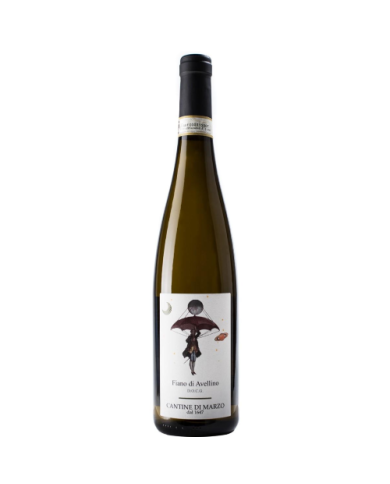
Cantine Di Marzo Fiano di Avellino DOCG ha un colore giallo paglierino luminoso e leggero con riflessi verdolini.
Al naso è intenso e complesso e sprigiona note floreali di tiglio e gelsomino accostati dalla parte fruttata di pera e frutto della passione.
€13.79
SKU:
18459
Brand:
Marisa Cuomo
Colore giallo paglierino scarico e delicato profumo di frutta che riporta agli inconfondibili odori mediterranei della zona di origine. Il sapore è ampio ed equilibrato con una lieve dominanza della nota acidula a sostegno della freschezza degli aromi.
€31.62
€8.72
€16.24
SKU:
18282
Brand:
Sella delle Spine
Il Tenus IGT Falanghina è un vino bianco frutto della commistione di uve di qualità Falanghina(95%) Greco di Tufo e Fiano di Avellino(5%), raccolte a mano in cassette. E’ caratterizzato da un profumo floreale, che richiama un’essenza di frutta a bacca gialla, e al palato sprigiona grande sapidità e acidità, in un buon equilibrio con la sua componente alcolica. Durante la fase di fermentazione viene conservato in botti di acciaio a temperatura controllata, può raggiungere una gradazione alcolica di circa 12,5% Vol e va servito a una temperatura di 14° C.
€4.82
€4.34
SKU:
18281
Brand:
Sella delle Spine
€11.57
€10.41
Il Fiano di Avellino DOCG "Eugenia" è un vino dal colore giallo paglierino acceso con sfumature verdine. All’olfatto presenta dei delicati sentori di nocciola e albicocca che si fondono con fragranze di frutta tropicale e, nella fase di invecchiamento, di pera. Il vigneto che lo produce è situato su un terreno dalle caratteristiche morfologiche argillose e calcaree e, come per le vigne di Greco, viene lavorato attraverso il sistema di allevamento definito guyot.
€11.57
€10.41
SKU:
18280
Brand:
Sella delle Spine
Il Benevento Falanghina IGP (Indicazione Geografica Tipica) è un vino bianco dal colore giallo paglierino e dal profumo estremamente fruttato e floreale con sentori di acacia, albicocca secca e agrumi canditi. Le sue vigne sono situate su un terreno argilloso e calcareo, che vengono lavorate tramite il sistema di allevamento definito guyot.
€6.87
€6.18
SKU:
18279
Brand:
Sella delle Spine
€11.57
€10.41
Il Greco di Tufo DOCG "Don Raffaele" proviene dal vitigno denominato Greco ed è un vino bianco che presenta un colore giallo paglierino carico, dal profilo olfattivo molto complesso, con note di frutta matura e sentori di pesca, albicocca, cedro e mandorla. I suoi vigneti sono situati su un terreno di natura tufacea e sono lavorati attraverso un sistema di allevamento definito guyot, che prevede un tipo di potatura invernale che seleziona accuratamente i tralci che porteranno i nuovi grappoli per le raccolte successive.
€11.57
€10.41
SKU:
18278
Brand:
Sella delle Spine
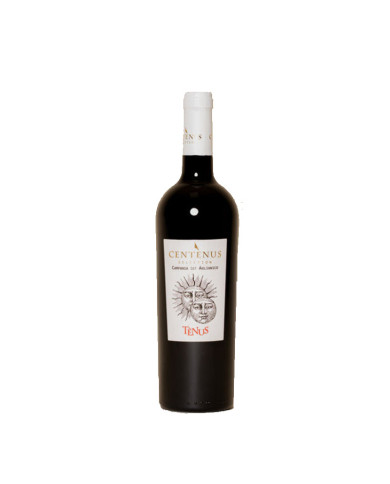
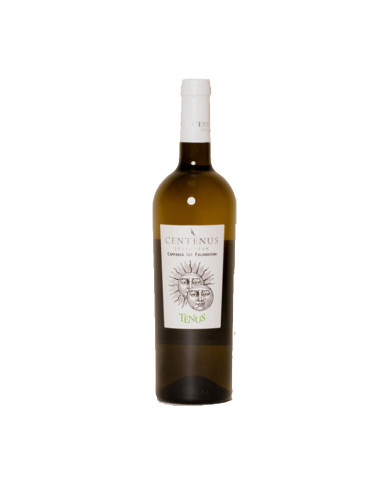
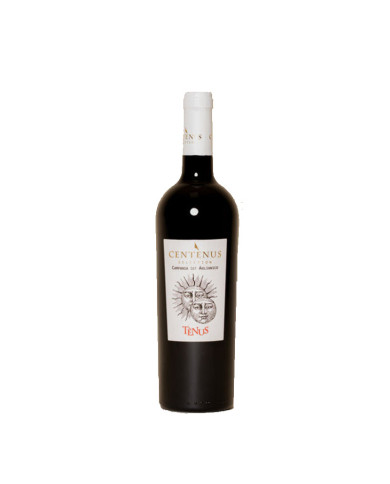
La linea Centenus nasce dalla volontà dell’azienda di produrre un vino dalla struttura fresca e giovane, contraddistinto da un’ampia versatilità per quanto riguarda gli abbinamenti in cucina e soprattutto da bere a casa senza rinunciare alla qualità.
€4.82
SKU:
18277
Brand:
Sella delle Spine
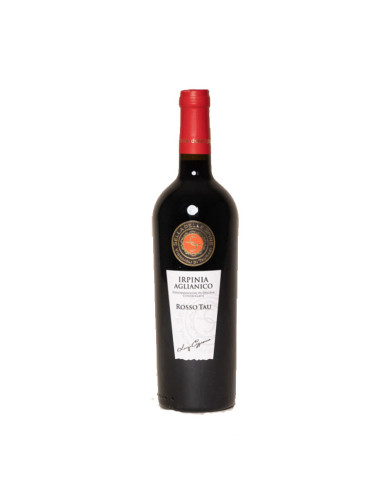
L'Irpinia Aglianico DOC “Rosso Tau” è un vino dal colore rosso rubino intenso e dal profumo di marasca, prugna e frutti di bosco, ai quali si aggiungono alcune note speziate. I suoi vitigni, che producono un’uva di qualità Aglianico, sono situati su un terreno misto e sono allevati mediante il sistema definito cordone speronato.
€8.08
SKU:
18276
Brand:
Sella delle Spine
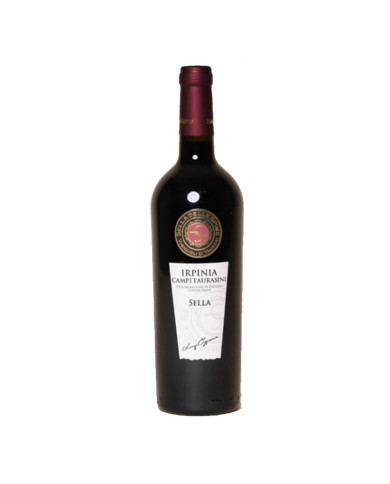
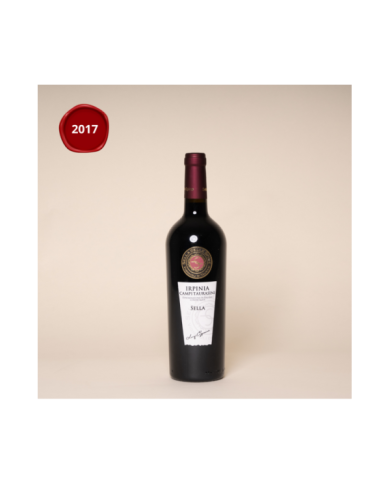
L'Irpinia Campi Taurasini DOC “Sella” è un vino dal colore rosso rubino e dal profumo di marasca, prugna e frutti di bosco, ai quali si aggiungono alcune note speziate.
€12.27
SKU:
18275
Brand:
Sella delle Spine
L'Irpinia Campi Taurasini DOC “Sella” è un vino dal colore rosso rubino e dal profumo di marasca, prugna e frutti di bosco, ai quali si aggiungono alcune note speziate.
€26.01
SKU:
18274
Brand:
Sella delle Spine
Il Taurasi DOCG “Vigna Piano D’Angelo” è un vino dal colore rosso rubino intenso e dal profumo ampio e fruttato, che richiama i sentori di prugne e ciliegie e le fragranze del sottobosco collinare che caratterizzano i territori taurasini.
€21.26
SKU:
18271
Brand:
Sella delle Spine
Il Taurasi DOCG “Vigna Piano D’Angelo” è un vino dal colore rosso rubino intenso e dal profumo ampio e fruttato, che richiama i sentori di prugne e ciliegie e le fragranze del sottobosco collinare che caratterizzano i territori taurasini.
€29.50
€7.15
€9.76
€16.26
SKU:
18213
Brand:
Mastroberardino
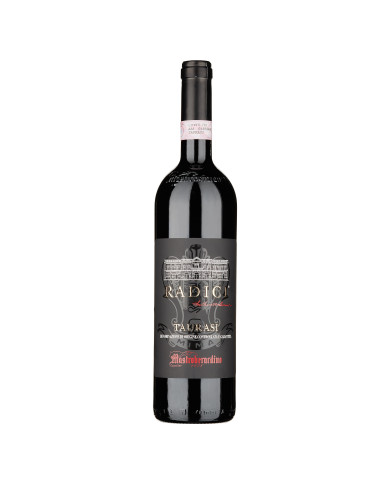
Mastroberardino 's Taurasi "Radici" is a full-bodied red wine, very representative of the appellation. Aging in wood for 18 months makes it ample, elegant and complex: notes of wild berries combine with aromas of tobacco, spices and black pepper for a balanced and enveloping result
€35.53
SKU:
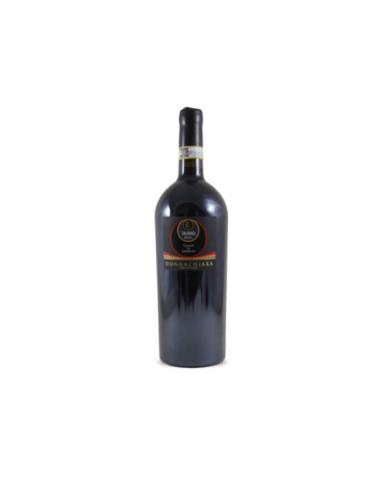
18211
Brand:
Donnachiara
Pigiatura delle uve che vengono subito raffreddate a 10 °C per 4-6 ore. Successiva pressatura soffice con decantazione statica. Fermentazione in tini di acciaio a 14-16°C per 15 gg. Fermentazione malottica non svolta.
Le uve utilizzate per produrre questa falanghina provengono dal cuore del Taburno.
€33.67
SKU:
18210
Brand:
Donnachiara
Il Greco di Tufo è un bianco immediato nell’approccio aromatico di frutta gialla matura e succosa, seguito da sensazioni di cedro e una bocca cremosa, dal sapore ben prolungato da sensazioni di anice e menta.
€47.09
SKU:
18209
Brand:
Donnachiara
“L’uva della api”: il Fiano di Avellino DOCG è un vino adatto a piatti di mare gustosi che ricordano le sensazioni minerali del mare.
Ottimo con granchi e aragoste rispecchia questa considerazione tanta è la piacevolezza nel riscoprire gli odori che si avvertono nel passeggiare tra i filiari di fiano a Montefalcione, culla di origine di quest’uva.
€47.09
SKU:
18208
Brand:
Donnachiara
Raccolta manuale di grappoli, dopo spremitura il mosto è subito avviato alla fermentazione alcolica in fermentini di acciaio termocondizionati.
La macerazione post fermentazione sulle bucce per questo importante vino è di 15 gg. Fermentazione malolattica interamente svolta in barriques.
€74.30
SKU:
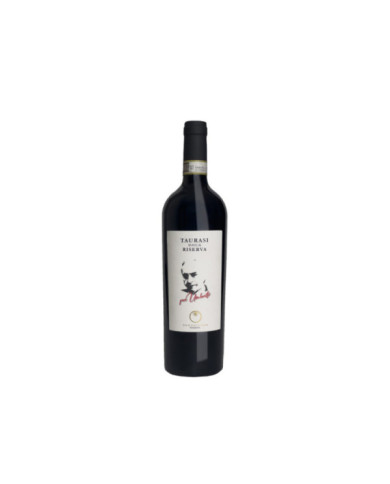
18207
Brand:
Donnachiara
Taurasi DOCG Riserva per Umberto
Imbottigliato da un’unica Barrique scelta dal nostro Enologo con dedica:
“Ad Umberto, uomo di classe e imprenditore illuminato. Per me un amico caro”.
Riccardo Cotarella.
€74.30
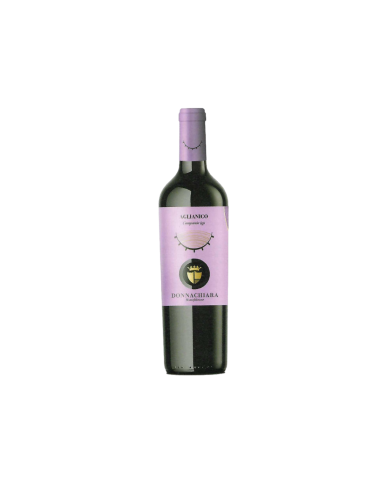
€20.25
SKU:
18205
Brand:
Donnachiara
Questo rosato è ottenuto con uve 100% Aglianico del nostro vigneto in Torre le Nocelle nel cuore dell’areale del Taurasi.
La fermentazione alcolica del solo mosto fiore, avviene in tini d’acciaio per almeno 20 gg tra i 12 ed i 16 C°.Breve sosta sulle fecce fini per poi procedere alle operazioni di refrigerazione e filtrazione.
L’etichetta di questo vino è stata realizzata da “TONI VIOLA e i suoi Amici” ospiti presso la coperativa sociale Herasmus nata a Formia per volere dell’Afdf (associazione famiglie disabili Formia).
€20.25
SKU:
18204
Brand:
Donnachiara
Vino ottenuto esclusivamente nelle migliori annate da vigne sottoposte a diradamento estivo mirato al contenimento della produzione.
Raccolta manuale con accurata selezione dei grappoli che vengono pigiati in modo soffice.
Previsto un lungo periodo di macerazione sulle bocce di 20 gg. Fermentazione malolattica interamente svolta in barriques.
€56.73
SKU:
18201
Brand:
Donnachiara
Vino fresco e piacevole, il ridotto numero di follature ed il breve periodo di macerazione sulle bucce lo rendono un vino morbido ed elegante.
Breve passaggio in barriques di 3 mesi per questo vino, periodo in cui svolge la fermentazione malolattica.
€10.63
€10.26
€7.66
€10.31
€8.97
SKU:
17615
Brand:
Fiorentino
Il Taurasi Riserva dell'Azienda agricola Fiorentino nasce nel vigneto Calore, a un'altitudine media di 400 m. s.l.m. Le uve, vendemmiate a mano tra fine ottobre e inizio novembre, seguono una classica vinificazione in rosso con macerazione sulle bucce a temperatura controllata. Il vino ottenuto affina per 18 mesi in botte grande da 10 hl e successivamente in acciaio e bottiglia.
€57.65
SKU:
17614
Brand:
Fiorentino
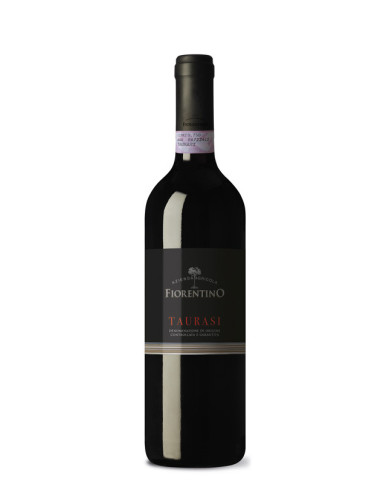
Il Taurasi dell'Azienda agricola Fiorentino nasce nel vigneto Calore, a un'altitudine media di 400 m. s.l.m. Le uve, vendemmiate a mano tra fine ottobre e inizio novembre, seguono una classica vinificazione in rosso con macerazione sulle bucce a temperatura controllata. Il vino ottenuto affina per 12 mesi in botte grande da 25 hl e successivamente in acciaio e bottiglia.
€36.23
SKU:
17613
Brand:
Fiorentino
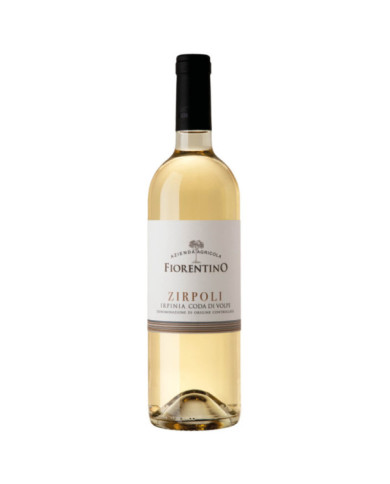
L'Irpinia Coda di Volpe Zirpoli dell'Azienda agricola Fiorentino nasce nel vigneto Barbassano, a un'altitudine media di 450 m. s.l.m.
€15.13
SKU:
17612
Brand:
Fiorentino
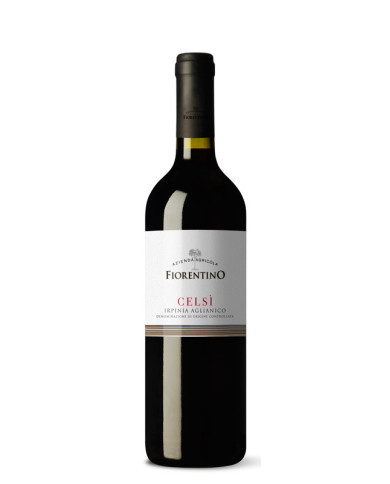
L’aglianico Celsì non è da considerarsi come un’etichetta “minore” rispetto al Taurasi, quanto piuttosto come un vino di pari livello, nonostante la differenza di prezzo. Trattasi di un grande vino, complesso e strutturato, dal lungo potenziale d’invecchiamento. Nuances fruttate si alternano a toni affumicati, al palato è ampio e agile, dalle note saline e tannini vellutati. Circa 4mila bottiglie prodotte, tutte numerate a mano. Imperdibile!
€15.13
SKU:
16787
Brand:
Cantine Romano
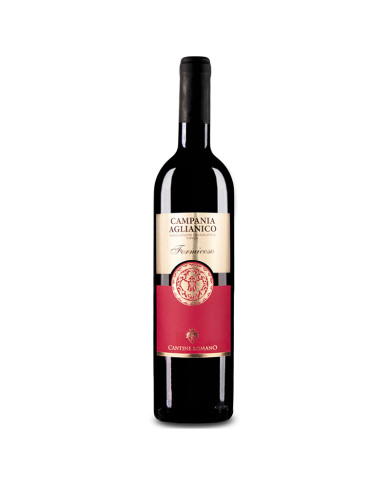
Impenetrable ruby red with hints of red fruits, sour cherries and hints of undergrowth; in the mouth direct, vigorous and never invasive; pronounced and persistent tannins, good structure; complex sense of smell.
€6.34
SKU:
16786
Brand:
Cantine Romano
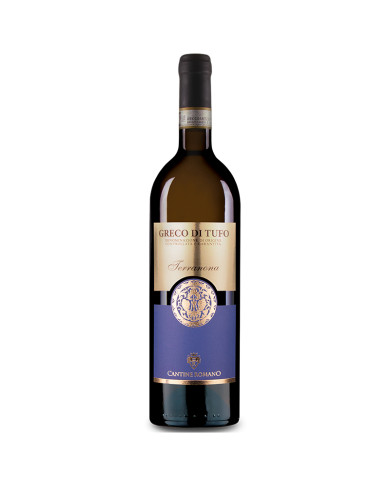
A fruity aftertaste, a fine persistence, a fresh and savory timbre, a good body with floral notes, an intense and soft tone.
€7.93
€7.14
SKU:
16229
Brand:
N/A
Crushing-destemming, fermentation in steel at uncontrolled temperature for 15 days. Stop for 12 months on the fine lees and at least 4 months in the bottle. A wine that the vintage has made easy to drink without betraying the olfactory and spicy qualities typical of this wine.
€14.34
SKU:
15942
Brand:
Torre Varano
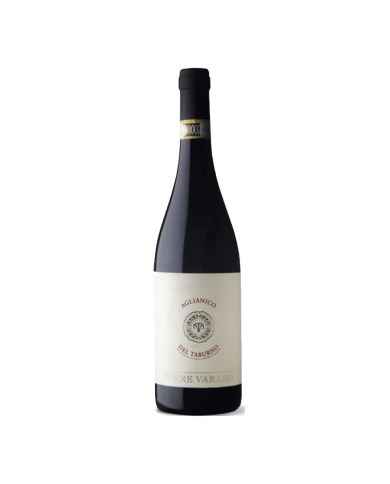
Aglianico Torre Varano is the red wine that you will appreciate for its gustatory balance, acquired with the aging time.
SKU:
15731
Brand:
Rocca del Principe
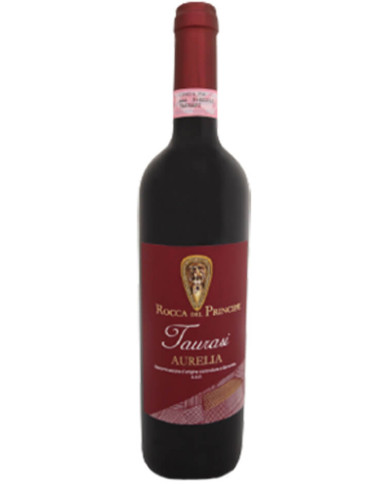
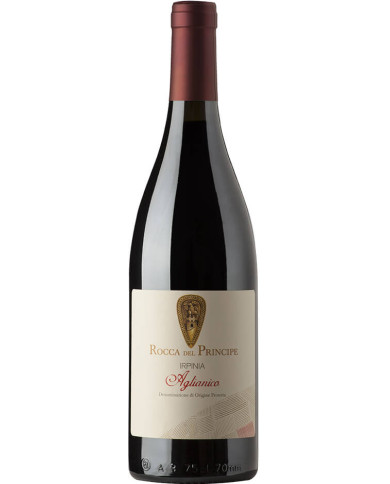
Aglianico is the vine which, together with Fiano, represents the peasant culture of the Campania region. The soil where this vine is found is composed of clayey and calcareous marl with a South/East exposure. The company begins harvesting the grapes from the beginning of November and, after pressing, the must ferments in contact with the skins for about 25 days. This is followed by malolactic fermentation and subsequent aging in barriques for 12 months and 12 in Slavonian oak barrels. The refinement in the bottle is for another 18 months. In the glass this wine has an intense ruby red colour. The nose is intoxicated by its large bouquet of black cherry, plum, spices, tobacco and balsamic notes. On the palate it is decisive, warm, rich and rightly tannic. The finish is long and persistent with an aroma reminiscent of ripe fruit. On the table it is excellent in combination with first courses with meat sauce, roasted red meats and aged cheeses. A quality red to be enjoyed and savored in good company.
€36.39
SKU:
15729
Brand:
Rocca del Principe
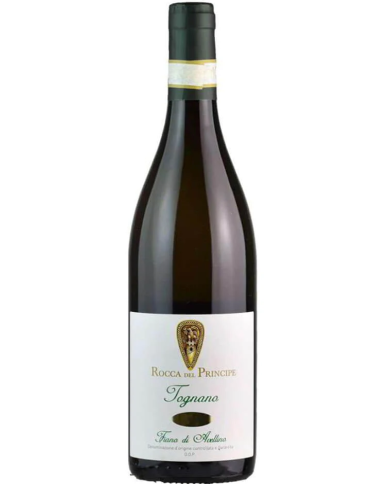
Cru Tognano is obtained by selecting the grapes produced by plants grafted with the centenary Fiano clone. Exposure East Clayey sandy soil of medium texture, dry and windy climate, altitude 550 above sea level, presence of numerous water springs, a set of factors that characterize this cru. The company begins harvesting the grapes in the first ten days of October and, after pressing, subjected to maceration on the skins for about 15 hours, the free-run juice obtained ferments in steel for about 45 days. The alcoholic fermentation is followed by an aging in steel for 12 months and a further aging in the bottle for a minimum of 12 months. In the glass this wine is straw yellow in color with delicate greenish reflections. On the nose, the aromas of citrus fruits and white-fleshed fruit, mint, toasted notes and hydrocarbons stand out which evolve over time, becoming increasingly striking and intense. In the mouth the taste is fresh and with a long aromatic persistence with returns of citrus and smoky notes. This white is excellent in combination with fish dishes, white meats and fresh cheeses.
€43.01
SKU:
15728
Brand:
Rocca del Principe
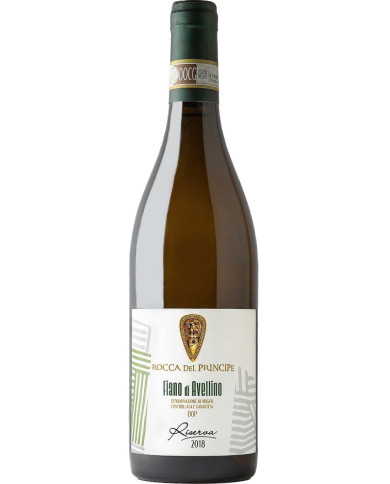
Rocca del Principe presents its pure Fiano, the first born in the "Riserva" version. The wine must have aged for at least 12 months, starting from the month of November following the harvest. An excellent wine capable of making its origin known even with closed eyes: the territory of Lapio where the cellar is located. An area particularly suited to viticulture, especially for Fiano grapes, especially in the north, north-east side. The particular characteristic of the wines produced in this area is an unexpected longevity. In the glass it shows a beautiful clear and light yellow color. The nose is extremely intense, the hints of yellow fruit such as peach are evident as well as aromas of more exotic fruit, combined with brackish nuances and hints of flint. Perfect harmony between nose and mouth. The taste is decidedly fresh and salty, with an energetic acidity. A highly versatile wine that goes perfectly with many dishes based on fish or white meat. Excellent with margherita pizza.
€46.80
SKU:
15727
Brand:
Rocca del Principe
€27.28
€24.55
Every year this wine, produced exclusively with Fiano grapes obtained from the company's vineyards, is the expression of a territory. The only factor that can significantly vary the characteristics is represented by the climatic trend of the different years. The company begins harvesting the grapes in the first ten days of October and, after pressing, follows the alcoholic fermentation in steel tanks at a controlled temperature of 12/14° for about 40 days. Malolactic fermentation is partially carried out, followed by aging in steel on fine lees for 10 months. The refinement in the bottle is for another 4 months. In the glass this wine is straw yellow in color with delicate greenish reflections. The nose is fine and delicate but at the same time persistent and intense with fruity, floral, mineral and vegetable notes. The aromas of orange blossom, cedar, fresh almonds and aromatic herbs stand out in particular, which over time evolve into aromas of toasted hazelnuts, dried fruit and hints of hydrocarbons. In the mouth the taste is dry, fresh, sapid and with a long aromatic persistence. At the table it marries beautifully in combination with fish dishes, white meats and fresh cheeses.
€27.28
€24.55
SKU:
15726
Brand:
Rocca del Principe
Aglianico is the vine which, together with Fiano, represents the peasant culture of the Campania region. This vine has always been cultivated by the ancestors to make a wine which, left to mature in chestnut barrels for 12 months, was then sold in bulk to local merchants. Today, the company begins harvesting the grapes from the beginning of November and, after pressing, the must ferments in contact with the skins for about 15 days, followed by malolactic fermentation and subsequent aging in French oak barrels for 12 months and 6 months in the bottle. In the glass this wine has an intense ruby red colour. The nose releases a riot of aromas and perfumes; a large and complex bouquet with hints of black cherry, plum, spices and balsamic notes. On the palate it is decisive, warm, rich, with well-defined but soft tannins. The finish is long and persistent, excellent to be enjoyed in the company of pasta dishes, cheese platters and meat-based dishes. An exceptional red that exudes passion and tradition, this Aglianico is the right wine to bring when you are invited to a meat lunch or dinner with friends or relatives.
€18.20
SKU:
15719
Brand:
Fattoria La Rivolta
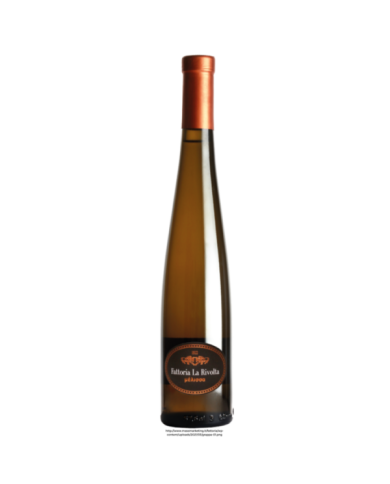
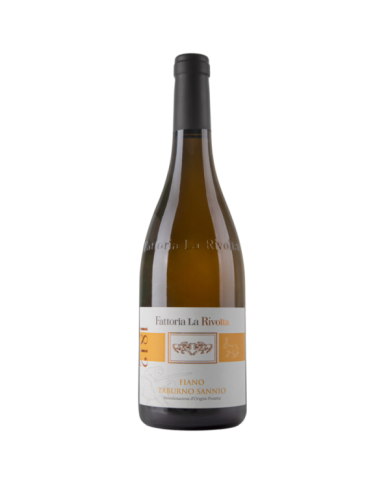
Falanghina del Sannio Taburno Passito DOP "Melissa" is an emblematic wine, capable of embodying the great brightness of the products made in Campania. Fattoria La Rivolta produces it starting from a strict selection of dried grapes, characterized by a strong concentration of sugars and flavours, which convey a full and decisive taste to the final sip. Freshness and minerality are perfectly blended together, enhancing a sweetness that is never cloying. The ideal bottle to place on the table at the end of dinner, to amaze your guests.
SKU:
15718
Brand:
Fattoria La Rivolta
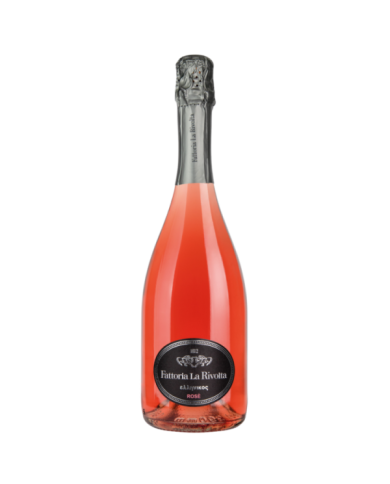
Paolo, Giovanna, Gabriella and Giancarlo: a tireless quartet to say the least, who from harvest to harvest carry on the dream of Fattoria La Rivolta with dedication and passion, with the aim of carving out an important place for themselves within the Campania viticulture. An ambitious path, which passes through each label created: the "Ellenikos", Metodo Martinotti Brut Rosé is no exception, which offers fine aromas to the nose, a prelude to an always satisfying and balanced sip. The perfect Spumante to make an aperitif something special.
€18.91
SKU:
15717
Brand:
Fattoria La Rivolta
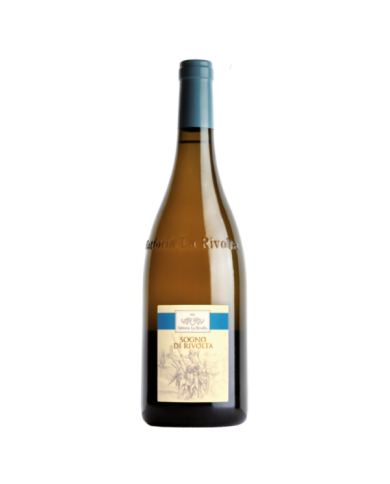
The "Sogno di Rivolta" is characterized by delicate fruity and floral aromas, very harmonious, and by a satisfying sip. The grapes ferment both in steel and in barriques, and then mature for 5 months in barriques and are bottled. A wine that cannot be missing on the table of every true enthusiast.
€18.08
SKU:
15716
Brand:
Fattoria La Rivolta
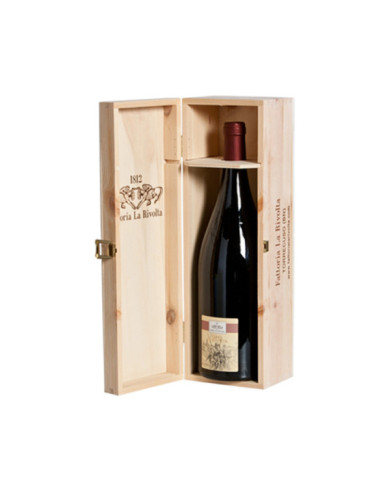
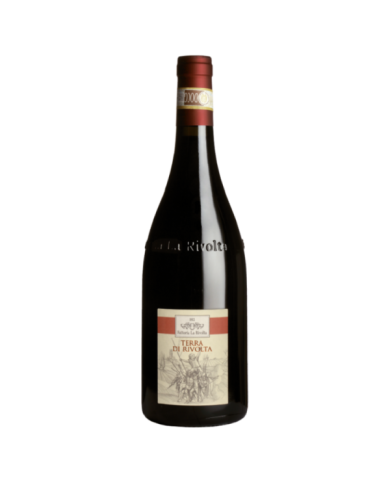
The magic of Taburno lives on in the wines from Fattoria La Rivolta, a production reality strongly linked to the territory, which with this Riserva DOCG expresses all the beauty of the Benevento area. An Aglianico with an important sip, endowed with a linear structure where each element is in perfect harmony. The grapes ferment in steel for 20-25 days at a controlled temperature of 27 °C, and then refine first in barriques for 18 months and then, after bottling, for another 18 months in glass. “Terre di Rivolta”: to be appreciated down to the last drop!
€94.43
SKU:
15715
Brand:
Fattoria La Rivolta
The magic of Taburno lives on in the wines from Fattoria La Rivolta, a production reality strongly linked to the territory, which with this Riserva DOCG expresses all the beauty of the Benevento area. An Aglianico with an important sip, endowed with a linear structure where each element is in perfect harmony. The grapes ferment in steel for 20-25 days at a controlled temperature of 27 °C, and then refine first in barriques for 18 months and then, after bottling, for another 18 months in glass. “Terre di Rivolta”: to be appreciated down to the last drop!
€40.50
SKU:
15714
Brand:
Fattoria La Rivolta
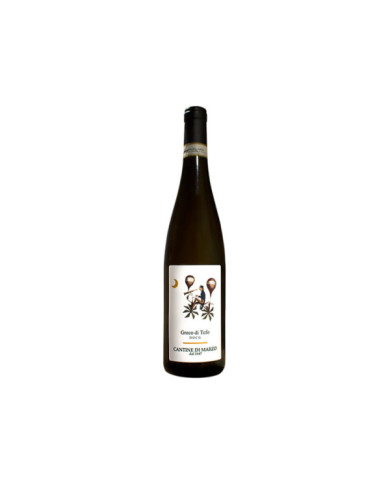
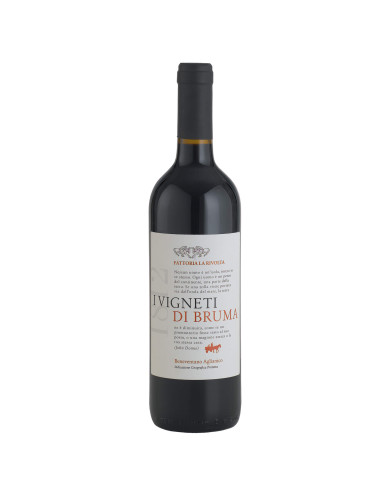
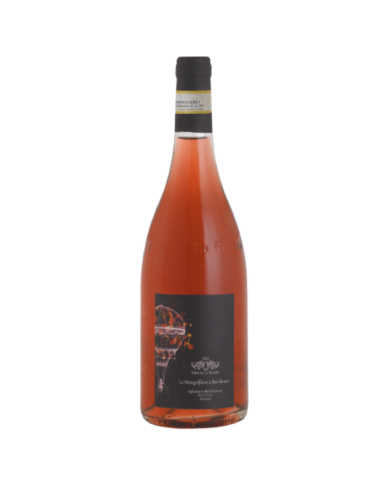
It was October 6, the day of San Bruno was celebrated in the farmyard. Departing from the annual gathering in Fragneto, two multi-coloured hot air balloons land at the edge of the vineyard while the first Aglianico grapes are being harvested. This wine is dedicated to that magical day of celebration and its unforgettable protagonists who look down on us from their stupendous flights.
€16.23
SKU:
15713
Brand:
Fattoria La Rivolta
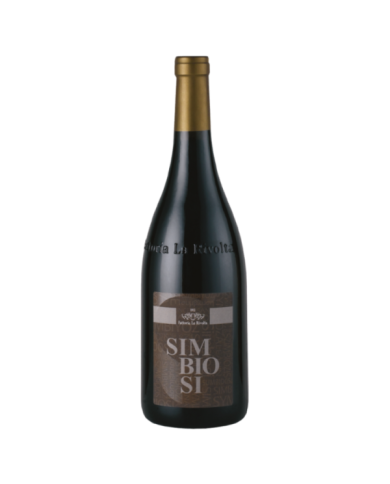
The Beneventano Rosso IGT 'Simbiosi' of Fattoria La Rivolta is made up of 85% Aglianico and 15% Piedirosso. A red wine with a harmonious character and good longevity. The grapes, harvested in mid-October, ferment in stainless steel for 20-25 days, at a controlled temperature of 27 degrees. Refinement follows, first carried out for 12 months both in barrique and in tonneau, and then, after bottling, for the following 6 months directly in glass.
€28.08
SKU:
15712
Brand:
Fattoria La Rivolta
Aglianico is a grape brought by the Greeks from which the name of "Uva Ellenica" transformed during the Kingdom of Naples into "Uva Aglianica" by the Aragonese due to their pronunciation of the double "l" in "gl".
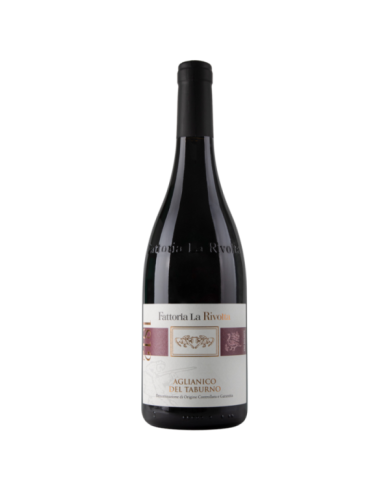
€14.12
SKU:
15711
Brand:
Fattoria La Rivolta
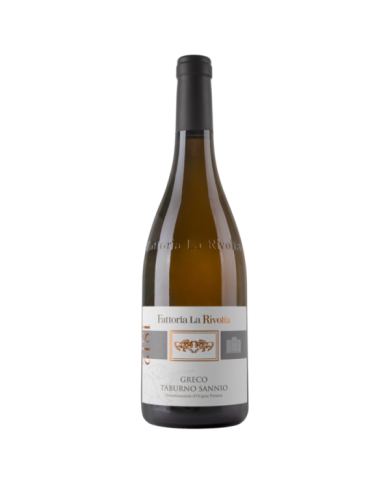
Greco is a grape so named because it was brought to southern Italy by the Pelasgians of Thessaly in the 8th century AC It is also called "aminea gemina" due to the twin shape of the small bunches.
€14.27
SKU:
15710
Brand:
Fattoria La Rivolta
Fiano, a grape called by the Latins "Vitis Apiana" because the bees are particularly fond of the sweetness of this grape.
€14.27
SKU:
15709
Brand:
Fattoria La Rivolta
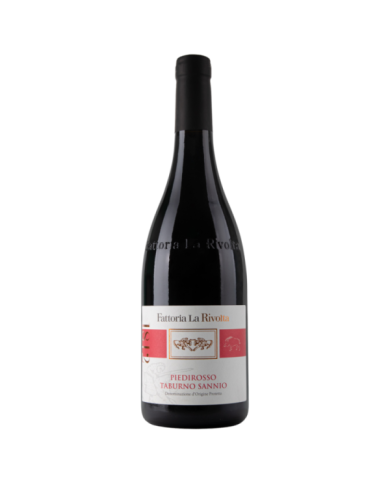
Piedirosso called by the ancients "Per' 'e Palummo" (pigeon's foot) for the reddish color of the peduncle of its grain and the branching of the leaves, similar to the leg of the pigeon.
€14.74
SKU:
15708
Brand:
Fattoria La Rivolta
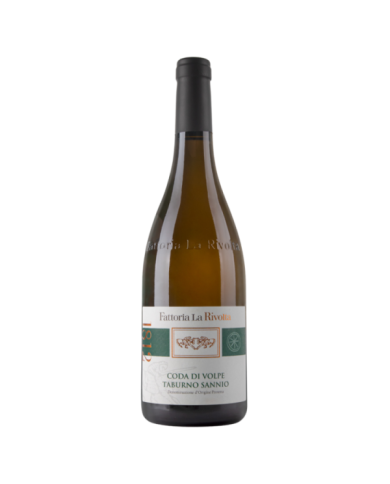
Coda di Volpe, a grape already mentioned by Pliny the Elder in his "Naturalis Historia" with the name of "Cauda Vulpium" due to its bunch which, when fully ripe, takes on the shape of a fox's tail.
€13.83
€11.76
SKU:
15707
Brand:
Fattoria La Rivolta
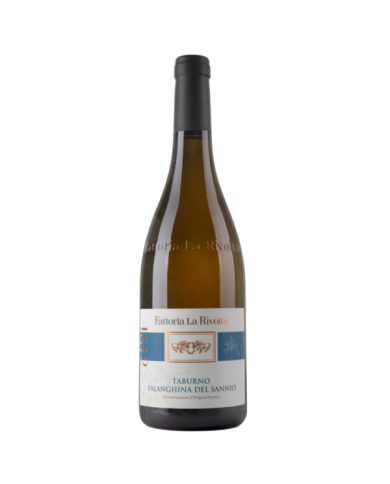
Falanghina from the Greek-Latin term "Falango", i.e. "Palo", as the characteristic of Campania viticulture is that of the "vine tied to the pole", or always from the Greek-Latin term "Falange", however giving it the meaning of "Falange ” of the finger to which you would like the grape to resemble.
€11.83
€8.75
SKU:
15541
Brand:
Mito
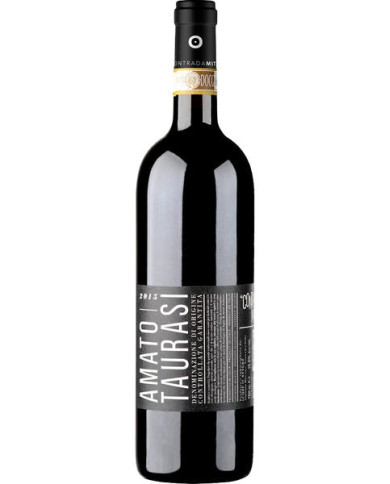
"Amato Taurasi" is a refined red wine produced with carefully selected Aglianico grapes. In Nusco, a small town between the Ofanto and Calore valleys, three friends together produce a red wine capable of representing a typically Irpina reality, but which at the same time demonstrates and encompasses an international style, the Taurasi Amato. The color with which it appears to the eye is a dark, intense and brilliant ruby red. A wine capable of giving the nose pleasant floral and fruity odorous sensations, reminiscent of black fruits and rose flowers, amalgamated with hints of wild violets and a surprising aroma of licorice. In the mouth the sip is refined, rich and soft, with silky tannins and the long finish to be savored without haste which guarantees a broad sense of satisfaction on the palate. Excellent to serve together with pasta with meat sauce, game stews, aged cheeses or with delicious grilled livers.
€34.20
SKU:
15540
Brand:
Mito
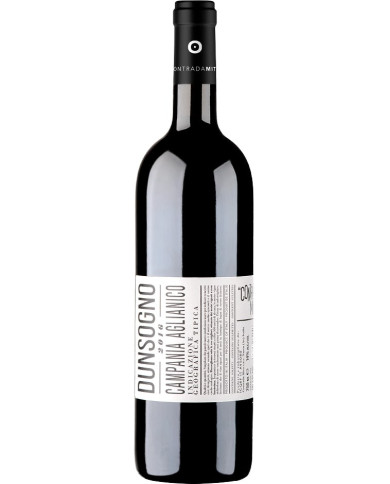
"Dunsogno" is an excellent red wine produced with 100% Aglianico grapes. Contrada Mito operates in Nusco, in the Irpinia area, entrusted to Riccardo Cotarella who has produced excellent wines including the Aglianico "Dunsogno", a name born as a tribute to the dream of the three partners of the cellar.
When poured, the color is a dark and attractive ruby red. On the nose the first aromas perceived are the fruity ones of small black fruits, such as juicy blackberry and blueberry. Pleasant floral notes and hints of freshly roasted coffee follow.
The sip is elegant, structured and fresh, with smooth and soft tannins; the closure is rich and soft and leaves a pleasant taste in the mouth to be savored.
It goes perfectly with game and red meat, first courses with elaborate sauces, and spicy second courses.
€16.10
SKU:
15539
Brand:
Mito
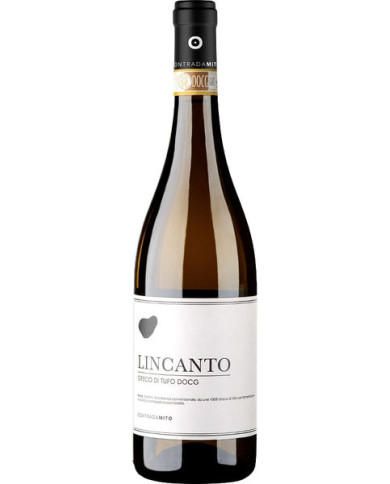
Greco di Tufo "Lincanto" presented by Contrada Mito, is an excellent white wine produced with grapes from the homonymous vine. The company was born from the intention of the Palmieri brothers to enhance the family lands in Nusco destined for vineyards for four generations, producing wines with infinite facets, focusing on excellence.
After pouring it into the glass you can admire its wonderful bright yellow colour. The nose mainly stands out the floral and strong scent of jasmine, with hints of sweet and ripe yellow peach, and pleasant slightly almond notes.
On the palate it is rich and harmonious, but it is also intense and with an aftertaste of candied citrus fruits. A sip with excellent persistence in the mouth.
It can be enjoyed as an aperitif, but it can be combined with light fish appetizers, first courses with clams or with vegetables and fresh cheeses.
€14.27
SKU:
15538
Brand:
Mito
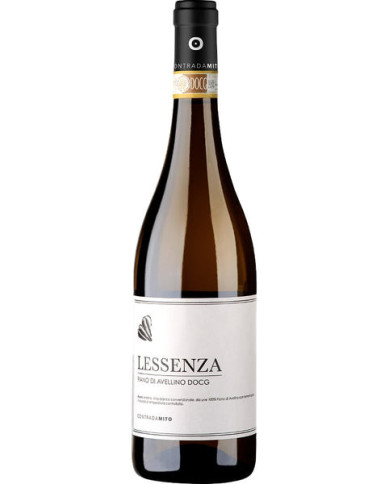
"Lessenza" is a fantastic white wine produced by the Mito winery with 100% Fiano grapes, in Nusco. The constant control over the entire process of the supply chain allows clear traceability of the wines, guaranteeing a high quality standard.
The careful visual examination of the glass reveals a beautiful straw yellow color with golden and greenish reflections. The nose expresses an aromatic baggage of tropical fruit, with citrus notes of lemon zest, hints of aromatic thyme and sweet acacia flowers.
On the palate the taste is fresh and mineral, its aftertaste has floral and dried fruit references, for a particularly long and persistent sip.
It goes perfectly with seafood first courses and white meat main courses, exceptional with grilled vegetables.
€14.27
SKU:
15499
Brand:
Marisa Cuomo
Costa d'Amalfi Bianco is characterized by a straw yellow color with an elegant aroma of acacia, lemon verbena and aromatic herbs and a finish reminiscent of toasted almonds. The taste is appreciated for its balance and lively freshness.
€21.74
SKU:
15387
Porconero Falanghina Campania IGP white wine. Only falanghina aged in steel tanks for six months.
€12.69
SKU:
15386
Porconero Fiano Campania igp. Pure Fiano aged in steel tanks for about eight months.
€11.70
Discover the secrets of Campania wines: a tasting guide!
Campania wines are among the most appreciated and well-known in the world. Their flavor, complexity, and the diversity of the grapes used make them a true challenge for connoisseurs. The region boasts some of Italy's oldest and most prized wines, including Greco di Tufo, Falanghina, and Aglianico del Taburno. To learn more about them, here's a guide to tasting Campania wines.
Which Campania wines should I try?
Campanian wines vary greatly depending on the grapes used and the terroir in which they are produced. Here are some of the most famous wines to try:
- Greco di Tufo: This white wine is made with Greco di Tufo grapes and has a unique and intriguing flavor. It has notes of fruit, flowers, and herbs.
- Falanghina: another white wine, made with Falanghina grapes. Falanghina is an aromatic grape that offers a unique and complex flavor.
- Aglianico del Taburno: A red wine made from Aglianico del Taburno grapes. It has an intense flavor and a complex structure.
- Fiano from AvellinoThis white wine is made with Fiano di Avellino grapes. It has fruity and honey aromas, with a mineral note and is very savory.
- Taurasi: An intense red wine made from Aglianico del Taburno grapes. It has a complex flavor and a full-bodied structure.
The Charm of Campania Wines
Have you ever been to Campania, the southern region of Italy, where the sun kisses the coasts and hills, and the sea gently caresses the shores? If the answer is no, then it's time to discover the wines from Campania, one of Italy's oldest and richest winemaking traditions. In this article, we'll guide you on a food and wine journey, revealing the secrets of these wines and making you fall in love with their stories and unique flavors.
The History of Campania Wines The ancient origins
Viticulture in Campania dates back to ancient Roman times, when the region was known as "Campania Felix," meaning "fertile and happy land." The Romans, great wine lovers, greatly appreciated Campanian wines, especially Falerno, considered one of the finest wines of the time. The Falanghina, Greco, and Aglianico grapes, still grown in Campania today, were already prized by the Romans for their fine wines.
The Renaissance and the Baroque
During the Renaissance and Baroque periods, Campanian wines continued to be prized for their quality. The nobles and artists of the time praised the taste and aroma of Campanian wines, helping to spread their fame beyond the region's borders. It was during this period that some of Campania's most renowned appellations of origin, such as Taurasi and Greco di Tufo, were born.
Campania's best wines: discover the secrets of excellent local production.
Wine is an ancient beverage that has accompanied mankind for centuries. Every region of Italy boasts unique and distinctive products, representing a true tradition and an invaluable cultural heritage. Campania, in particular, boasts a long winemaking tradition, with high-quality wines that have conquered the world.
Campania is a region rich in traditions and top-quality food and wine. Wine, in particular, is a true highlight of this region, with products boasting a long history and a rich tradition. Campania is, in fact, one of the oldest wine-producing regions, and today some of the world's most prestigious and highly regarded wines can be found here.
The DOCGs of Campania
Campania boasts three controlled and guaranteed designations of origin (DOCG), namely Fiano di Avellino, Greco di Tufo and Taurasi. These wines are considered among Italy's finest, and are known and appreciated worldwide for their elegance, complexity, and unique organoleptic characteristics.
Fiano di Avellino is a white wine of great elegance, with notes of exotic fruit, white flowers and a touch of spice.
Greco di Tufo, on the other hand, is a white wine with floral and fruity notes, a light hint of almond, and a lingering finish. Finally, Taurasi is a red wine with great structure and intensity, with notes of ripe red fruit, spices, and a subtle hint of vanilla.
Artisanal wines from Campania In addition to the famous DOCGs
Campania also boasts a long tradition of artisanal wines, produced by small wineries that use traditional methods and age-old winemaking techniques to create unique, high-quality wines. These wines are often less well-known than the DOCGs, but they nonetheless represent a true excellence for the region and are highly prized by connoisseurs and enthusiasts.
Among Campania's most renowned artisanal wines is Lacryma Christi del Vesuvio, a white wine with floral and fruity notes, a subtle hint of almond, and a lingering finish. Falanghina del Sannio, a white wine with fruity and floral notes, a hint of spice, and a slightly bitter finish, is also highly regarded. Finally, Aglianico del Taburno is an intense and structured red, with notes of ripe red fruit, spice, and a subtle hint of vanilla.
Organic wine production in Campania
In recent years, organic wine production in Campania has become increasingly popular, thanks to a growing focus on sustainability and the environment. These wines are produced without the use of chemicals and pesticides, and represent an excellent alternative for those seeking a healthy and natural product.
Among Campania's most popular organic wines are Falerno del Massico, an intense and structured red with notes of ripe red fruit and spices, and Biancolella, a white wine with fruity and floral notes, a light hint of almond, and a lingering finish.
Campania is a region rich in traditions and top-quality food and wine, and its wines represent a true symbol of excellence. From DOCGs to artisanal wines, including organic wines, every wine produced in Campania is unique and distinctive, representing an invaluable cultural and gastronomic heritage. Choose the wine that's right for you and savor the secrets of this extraordinary region.
What are the denominations of Campania wines?
Campania is an Italian region with a long winemaking tradition, with many appellations of origin identifying the wines produced there. Here are some of Campania's most famous appellations of origin:
-
DOCG (Denominazione di Origine Controllata e Garantita): this is the most prestigious designation, identifying the highest quality wines produced in this region. Campania boasts three DOCGs: Fiano di Avellino, Greco di Tufo, and Taurasi.
-
DOC (Controlled Designation of Origin): This designation identifies superior quality wines produced in a specific geographical area. Among the most famous DOCs in Campania are the Irpinia DOC, the Penisola Sorrentina DOC, and the Sannio DOC.
-
IGT (Indicazione Geografica Tipica): This designation identifies wines produced in a specific geographical area, which follow less stringent rules than DOC wines. Among the most famous IGT wines in Campania are IGT Terre del Volturno and IGT Campi Flegrei.
-
Artisanal wines: These wines are produced by small wineries that use traditional methods and age-old winemaking techniques to create unique, high-quality wines. Campania boasts a long tradition of artisanal wines, including Lacryma Christi del Vesuvio and Falanghina del Sannio.
Furthermore, in recent years, organic wine production in Campania has become increasingly popular, representing an excellent alternative for those seeking a healthy and natural product.
What are the most famous wineries in Campania?
Campania is an Italian region with a long winemaking tradition and many wineries renowned for producing high-quality wines. Here are some of Campania's most famous wineries:
-
Baron's CellarThis winery is located in the Avellino area and is known for producing DOCG wines such as Fiano di Avellino and Greco di Tufo.
-
Feudi di San GregorioThis winery is located in the Sorbo Serpico area and boasts a long tradition in producing high-quality wines, including Taurasi and Fiano di Avellino.
-
MastroberardinoThis winery is one of the oldest and most famous in Campania, located in the Avellino area. It is known for producing DOCG wines such as Taurasi and Greco di Tufo.
-
Paolo's TerredoraThis winery is located in the Irpinia area and is known for producing high-quality wines, including Fiano di Avellino and Taurasi.
-
Ciro PicarielloThis winery is located in the Irpinia area and is known for producing high-quality artisanal wines, including Lacryma Christi del Vesuvio and Falanghina del Sannio.
These are just a few of Campania's most famous wineries, but there are many other wineries in the region that produce top-quality wines. Our advice is to try wines from different wineries to discover which ones best suit your tastes.
Map
Campania wines are among the most appreciated and well-known in the world. Wine tasting is a way to learn more about them by examining them in depth. Wine tasting involves several fundamental steps, such as observing the wine, smelling it, and tasting it. The Campania region boasts some of Italy's finest wines, such as Greco di Tufo, Falanghina, Aglianico del Taburno, Fiano di Avellino, and Taurasi. When tasting a wine, it's important to consider several factors before making a judgment. Now that you've learned the secrets of Campania wines, it's time to put them to the test!