

 Italiano
 Deutsch




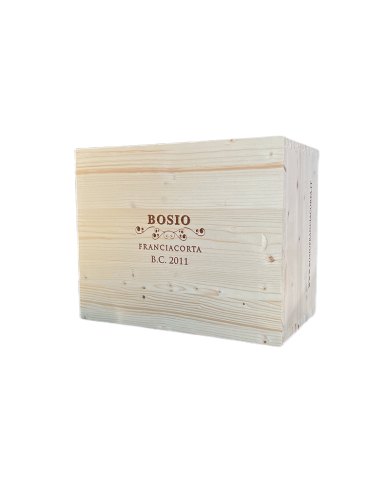
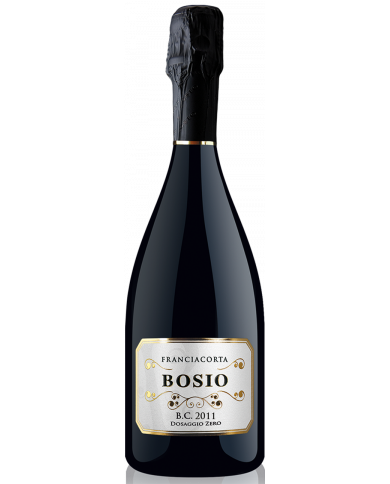






There are no more items in your cart
SKU:
16823
Brand:
Quadra Franciacorta
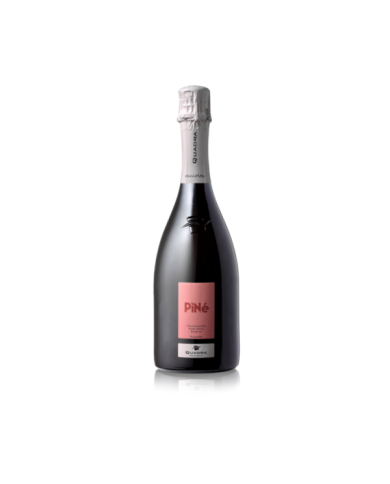
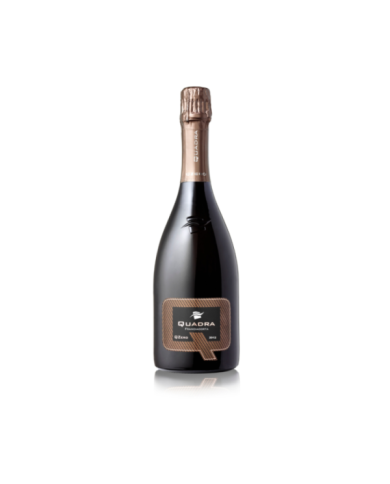
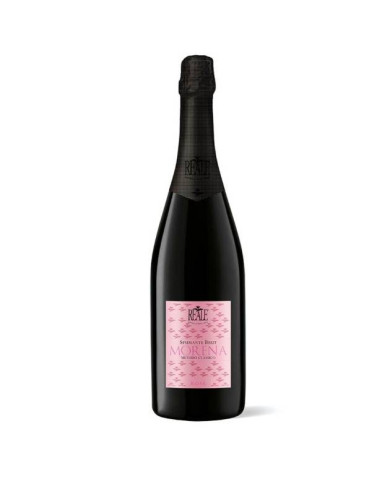
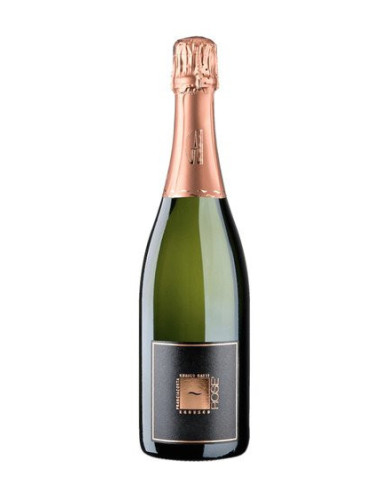
Pinot Noir seen in its highest potential. The interpretation of a compact and deep structure that identifies the intensity of this fascinating vine. We have chosen to vinify it in rosé to give even more value to Pinot Noir
€40.50
SKU:
16822
Brand:
Quadra Franciacorta
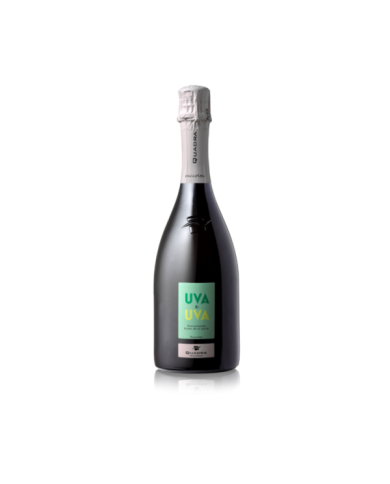
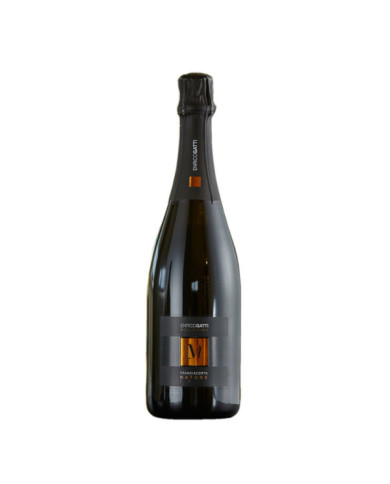
We have created a wine without sugars other than those of grapes. A small challenge that enthralled the whole team, creating a wine outside the classic schemes
€37.82
SKU:
16821
Brand:
Quadra Franciacorta
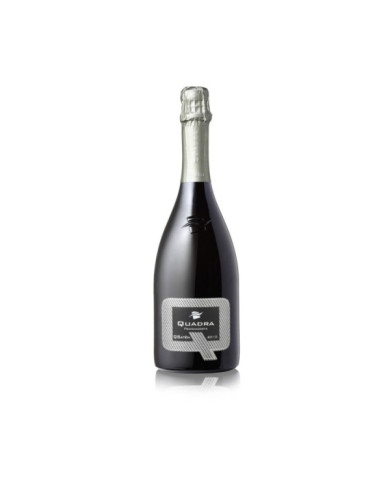
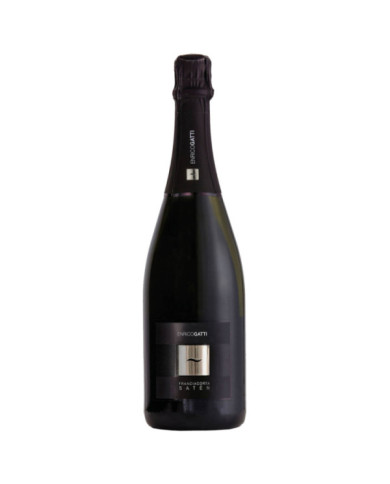
Clear and distinctive essence of Franciacorta. Lower atmospheric pressure will make the mouth smooth and creamy with a sweet nose of fresh flowers and lemon cream.
€64.78
SKU:
16820
Brand:
Quadra Franciacorta
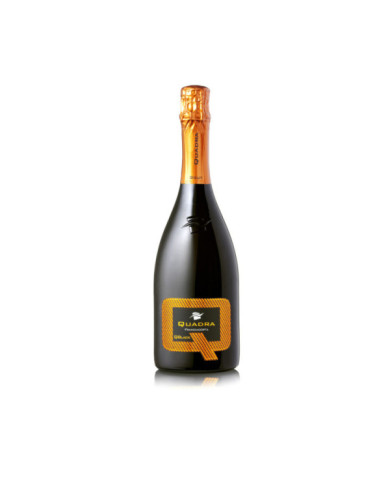
The perfect statement of the Quadra philosophy. A harmonious encounter between the three main grapes of Franciacorta: Chardonnay, Pinot Bianco and Pinot Nero from all the estate vineyards.
€54.61
SKU:
16819
Brand:
Quadra Franciacorta
Of more recent conception is the Franciacorta QZERO, the zero dosage of Quadra, obtained from a cuvée of Chardonnay Pinot bianco and Pinot nero. A wine that combines power, complexity, elegance in an imperious taste. A modern and innovative interpretation of the vintage classics of Franciacorta.
€34.16
SKU:
16818
Brand:
Quadra Franciacorta
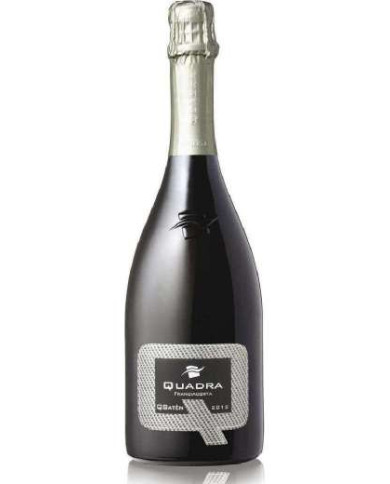
QSATEN, essence and prerogative of Franciacorta, is characterized by the exclusive presence of white berried grapes and by the lower pressure (4.5 atmospheres instead of 6) compared to the other Franciacortas. The varietal composition, a cuvée of Chardonnay, partially fermented in wood and Pinot Blanc and the more modulated pressure determine the unmistakable "creamy" taste of Satèn.
€31.20
SKU:
16817
Brand:
Quadra Franciacorta
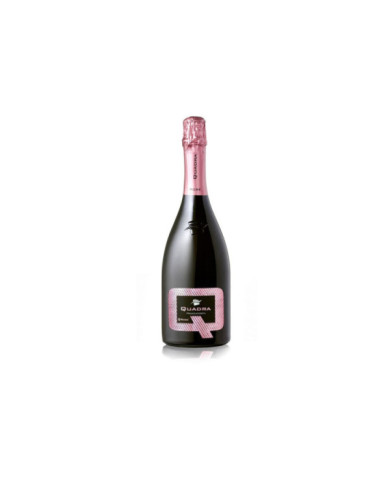
QROSÈ BRUT is the evolution of a cuvée based on Pinot noir and Chardonnay fermented in stainless steel and barrique. After tirage, the wine ages for over 42 months before disgorgement. The Pinot noir, grown on the morainic slopes, brings backbone and thickness as well as the characteristic scent of small red fruits, while the Chardonnay gives it fullness and roundness.
€31.20
SKU:
16816
Brand:
Quadra Franciacorta
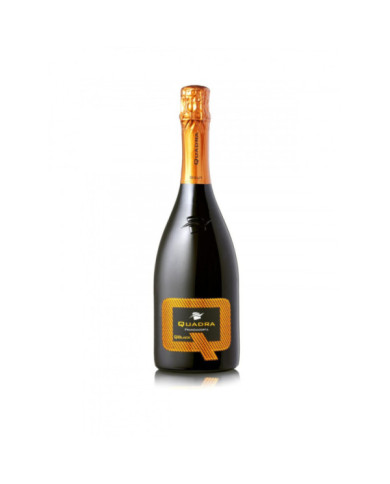
The perfect statement of the Quadra philosophy. A harmonious encounter between the three main grapes of Franciacorta: Chardonnay, Pinot Bianco and Pinot Nero, coming from all the estate vineyards
€26.00
SKU:
16406
Brand:
Le Marchesine
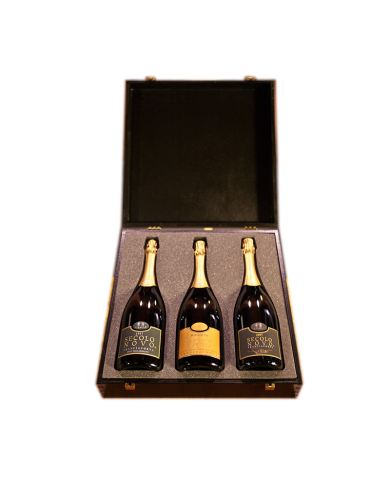
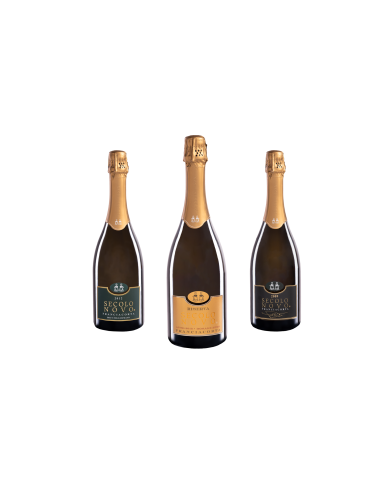
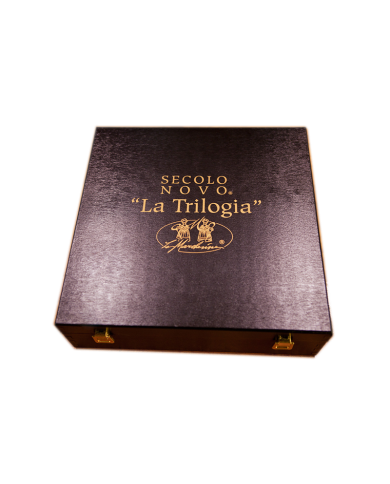
The spearhead of our Franciacorta production is represented by the Secolo Novo Trilogy: the Brut Millesimato, the Riserva Brut Nature Giovanni Biatta and the Riserva Dosage Zéro. Jewels of patience and dedication vinified only in the great vintages.
€256.20
SKU:
16273
Brand:
Piccolo Bacco dei Quaroni
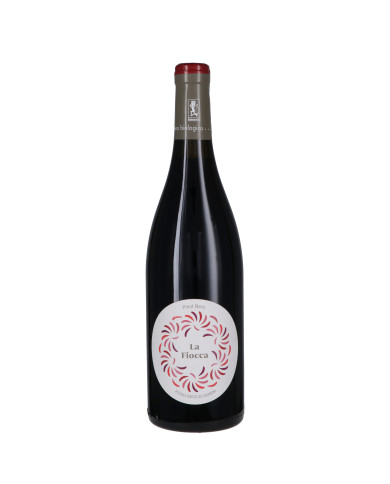
All the attention that Piccolo Bacco dei Quaroni puts into its wines stands out in the Oltrepò Pavese Pinot Nero DOC Vigneto La Fiocca, one of the most interesting red wines of the entire denomination.
SKU:
16228
Brand:
Mosnel
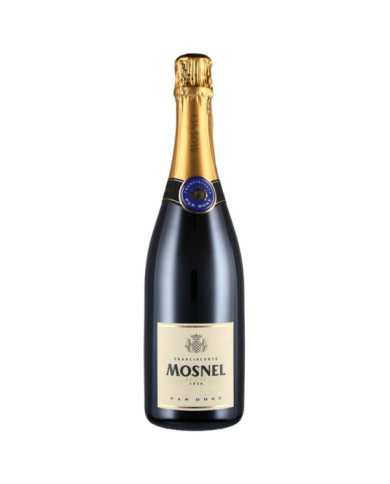
Our wines have a long and fascinating story to tell: in the cellars time passes slowly and the Franciacortas find a precious ally in placid waiting. This is how the Riserva 2007 Pas Dosé Reedition 2022 was born, the highest expression of the Mosnel Style, where memory, care and waiting are the elements that give elegance and complexity: with 14 years of refinement, the past becomes present in the glass, giving intensity to the wine and a refined sip.
SKU:
16227
Brand:
Mosnel
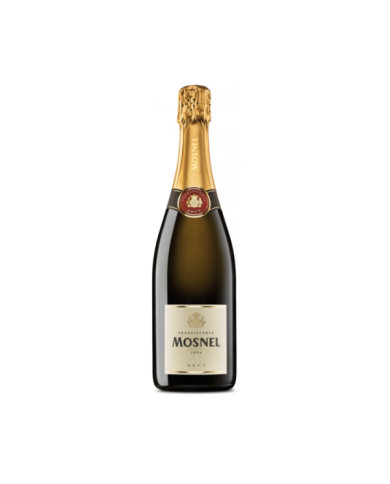
In the heart of Franciacorta, for 5 generations, in the sixteenth-century cellars of the centuries-old estate, the long winemaking tradition that the Barboglios inherited in 1836 has continued. With the newly created DOC Franciacorta, the company has specialized since 1968 in modern viticulture. Rigorous interpreter of the territory, he only works with his own grapes. All the vineyards are conducted with the organic method and maximum attention to every detail. The great attention to limiting the maximum yield per vine, the promptness and speed in the manual harvesting and pneumatic pressing make Mosnel Franciacortas unique.
€65.27
SKU:
16226
Brand:
Mosnel
From the vinification of Pinot Noir and Chardonnay. The origin of the vineyards falls within the company limits and the grapes all have an optimal exposure towards East-South/East. The harvest is manual according to the Mosnel tradition, the bunches are placed in small crates of crates between the second and fourth week of August. The vinification follows, which only intercepts the "Mosto Fiore" (the first fraction of juice) was destined for the Franciacorta "Parosé", which owes its pale color to the Pinot Noir which undergoes a slight maceration on the skins. The primary fermentation took place in small oak barrels (225 litres), which housed the wine for six months, until the following spring. Assembly and bottling with "draught syrup" precede stacking for refermentation in the bottle. Maturation and refinement take place in the company cellars in stacked bottles where it remains at least 36 months in the premises of our seventeenth-century cellars before the "remuage". Subsequently disgorged and dosed "Pas Dosé" they receive the mushroom cap and the cage. Finally, at least six months of further aging is necessary before placing this Franciacorta on the market.
€54.05
SKU:
16225
Brand:
Mosnel
From the vinification of Pinot Noir and Chardonnay. The origin of the vineyards falls within the company limits and the grapes all have an optimal exposure towards East-South/East. The harvest is manual according to the Mosnel tradition, the bunches are placed in small crates of crates between the second and fourth week of August. The vinification follows, which only intercepts the "Mosto Fiore" (the first fraction of juice) was destined for the Franciacorta "Parosé", which owes its pale color to the Pinot Noir which undergoes a slight maceration on the skins. The primary fermentation took place in small oak barrels (225 litres), which housed the wine for six months, until the following spring. Assembly and bottling with "draught syrup" precede stacking for refermentation in the bottle. Maturation and refinement take place in the company cellars in stacked bottles where it remains at least 36 months in the premises of our seventeenth-century cellars before the "remuage". Subsequently disgorged and dosed "Pas Dosé" they receive the mushroom cap and the cage. Finally, at least six months of further aging is necessary before placing this Franciacorta on the market.
€110.04
SKU:
16224
Brand:
Mosnel
Franciacorta 'Parosé' Pas Dosé Mosnel is a non-dosed Franciacorta rosé. The partial vinification in barrique and the rest of at least 36 months on the lees soften the fleshy features of the fruit in supple figures outlined by the notes of currant, pomegranate and mandarin.
€91.74
SKU:
16223
Brand:
Mosnel
The Spumante Franciacorta Pas Dosé from the Il Mosnel winery was born in vineyards located in the municipality of Passirano, in the heart of the Franciacorta DOCG. It is mainly produced with Chardonnay grapes and with Pinot Bianco and Pinot Nero grapes, harvested by hand between the last week of August and the first ten days of September. Fermentation takes place partly in stainless steel tanks and partly in barriques, at a controlled temperature. Subsequently the wine ages in the bottle for about 30 months before being placed on the market.
€29.91
SKU:
16222
Brand:
Mosnel
Produced since 1979 starting from a careful blend of chardonnay, pinot bianco and pinot noir. It rests in the bottle on its lees for about 18 months. This is how a straw yellow Franciacorta is born, with a dense, fine and persistent perlage. The nose reveals notes of wisteria and white peach which open to a decisive taste of extraordinary harmony. Fresh, dry and velvety at the same time.
€27.15
SKU:
16221
Brand:
Mosnel
Produced since 1979 starting from a careful blend of chardonnay, pinot bianco and pinot noir. It rests in the bottle on its lees for about 18 months. This is how a straw yellow Franciacorta is born, with a dense, fine and persistent perlage. The nose reveals notes of wisteria and white peach which open to a decisive taste of extraordinary harmony. Fresh, dry and velvety at the same time.
€16.47
SKU:
16220
Brand:
Mosnel
From the vinification of Chardonnay grapes in purity. The origin of the vineyards falls within the company areas as per tradition and the exposure is towards East-South/East. The harvest takes place manually in crates between the second and fourth week of August. The vinification is in white in a pneumatic press with separation of the 1st and 2nd pressing. After 12 hours of decantation at 15°C, inoculation of selected yeasts for fermentation partly in temperature-controlled stainless steel tanks and partly in barriques. Malolactic fermentation and racking precede the assembly of the Cuvée which in spring, after the addition of the "draught syrup", is bottled, capped with a crown cap and laid down in a pile for the second fermentation. For maturation and refinement, the stacked bottles remain at least 36 months in the rooms of our cellars before the "remuage". Subsequently disgorged and dosed "Brut" receive the mushroom cap and the cage. Finally, at least three months of further aging are necessary before placing this Franciacorta on the market.
€220.09
SKU:
16219
Brand:
Mosnel
From the vinification of Chardonnay grapes in purity. The origin of the vineyards falls within the company areas as per tradition and the exposure is towards East-South/East. The harvest takes place manually in crates between the second and fourth week of August. The vinification is in white in a pneumatic press with separation of the 1st and 2nd pressing. After 12 hours of decantation at 15°C, inoculation of selected yeasts for fermentation partly in temperature-controlled stainless steel tanks and partly in barriques. Malolactic fermentation and racking precede the assembly of the Cuvée which in spring, after the addition of the "draught syrup", is bottled, capped with a crown cap and laid down in a pile for the second fermentation. For maturation and refinement, the stacked bottles remain at least 36 months in the rooms of our cellars before the "remuage". Subsequently disgorged and dosed "Brut" receive the mushroom cap and the cage. Finally, at least three months of further aging are necessary before placing this Franciacorta on the market.
€34.92
SKU:
16218
Brand:
Mosnel
From the vinification of Chardonnay grapes in purity. The origin of the vineyards falls within the company areas as per tradition and the exposure is towards East-South/East. The harvest takes place manually in crates between the second and fourth week of August. The vinification is in white in a pneumatic press with separation of the 1st and 2nd pressing. After 12 hours of decantation at 15°C, inoculation of selected yeasts for fermentation partly in temperature-controlled stainless steel tanks and partly in barriques. Malolactic fermentation and racking precede the assembly of the Cuvée which in spring, after the addition of the "draught syrup", is bottled, capped with a crown cap and laid down in a pile for the second fermentation. For maturation and refinement, the stacked bottles remain at least 36 months in the rooms of our cellars before the "remuage". Subsequently disgorged and dosed "Brut" receive the mushroom cap and the cage. Finally, at least three months of further aging are necessary before placing this Franciacorta on the market.
€67.83
SKU:
16217
Brand:
Mosnel
Franciacorta Brut Rosè is a sparkling wine produced by the Mosnel winery, obtained from Pinot Nero and Chardonnay grapes divided into equal parts, about 40% the remainder from Pinot Bianco grapes, the pinot noir in this case is vinified in white, but with a stop on own peels for a few hours, a method thanks to which it allows to donate this beautiful powder pink color. The vineyards are all owned by the Guyot system with south-east exposure, with a rather low yield of around 80 quintals per hectare.
€31.23
SKU:
16216
Brand:
Mosnel
Franciacorta Brut Rosè is a sparkling wine produced by the Mosnel winery, obtained from Pinot Nero and Chardonnay grapes divided into equal parts, about 40% the remainder from Pinot Bianco grapes, the pinot noir in this case is vinified in white, but with a stop on own peels for a few hours, a method thanks to which it allows to donate this beautiful powder pink color. The vineyards are all owned by the Guyot system with south-east exposure, with a rather low yield of around 80 quintals per hectare.
€58.68
SKU:
16215
Brand:
Mosnel
The Spumante Franciacorta Pas Dosé from the Il Mosnel winery was born in vineyards located in the municipality of Passirano, in the heart of the Franciacorta DOCG.
It is mainly produced with Chardonnay grapes and with Pinot Bianco and Pinot Nero grapes, harvested by hand between the last week of August and the first ten days of September. Fermentation takes place partly in stainless steel tanks and partly in barriques, at a controlled temperature. Subsequently the wine ages in the bottle for about 30 months before being placed on the market.
€58.68
SKU:
16214
Brand:
Mosnel
Important and persistent white foam, particularly minute and persistent perlage. The color is yellow with clear greenish reflections. The bouquet is broad and captivating, with notes of ripe fruit and a background of yellow flowers and vanilla. In the mouth it is sapid and persistent. Harmony and depth blend with exceptional elegance, making it a Franciacorta of aristocratic character and excellent balance.
€65.27
SKU:
16213
Brand:
Mosnel
At the organoleptic examination the wine has a bright gold color with a fine perlage. The perfume is expressed with lemon blossom and verbena, and the theme of bright fruit, with notes of mandarin, ginger and crunchy green apple, and are defined in the contours by mentholated nuances, pepper and saltiness. The taste is of great citrus vivacity of bergamot with a dynamic made engaging by a clear sapidity supported by the Extra Brut dosage, which enhances the delicate and aristocratic style of this Franciacorta.
€54.05
SKU:
16212
Brand:
Mosnel
At the organoleptic examination the wine has a bright gold color with a fine perlage. The perfume is expressed with lemon blossom and verbena, and the theme of bright fruit, with notes of mandarin, ginger and crunchy green apple, and are defined in the contours by mentholated nuances, pepper and saltiness. The taste is of great citrus vivacity of bergamot with a dynamic made engaging by a clear sapidity supported by the Extra Brut dosage, which enhances the delicate and aristocratic style of this Franciacorta.
€110.04
SKU:
16211
Brand:
Mosnel
Fifteen years of waiting: time is the best ally of EBB and Parosé 2007 2023 re-edition of Mosnel. The long aging in the silence and darkness of the seventeenth-century cellars has given the two Franciacortas an extraordinary complexity combined with a surprising freshness. The wines are now ready to make their debut on the market, showing an unprecedented palette of notes compared to the first release of this vintage, which took place ten years ago.
€91.74
SKU:
15389
Brand:
Cantina Reale
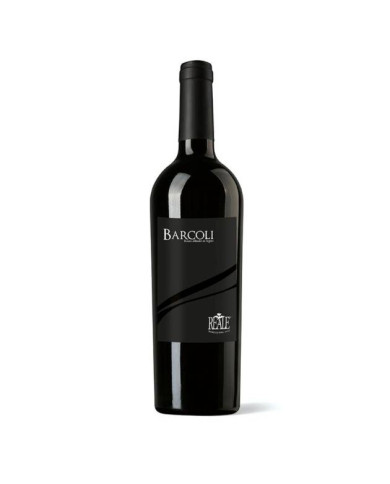
This excellent wine is obtained from various carefully selected grapes and left to dry naturally for 60 days. The wine obtained is first aged in barriques and subsequently in the bottle.
€23.79
SKU:
15381
Brand:
Cantina Reale
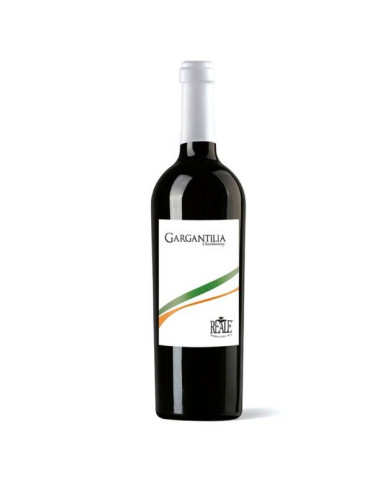
Wine obtained from Chardonnay grapes with a straw-yellow color with greenish reflections, a delicate, characteristic, fruity aroma, a savory, dry, full-bodied flavour. Recommended as an aperitif and with fish, shellfish and mollusc dishes.
€10.31
SKU:
15339
Brand:
Cantina Reale
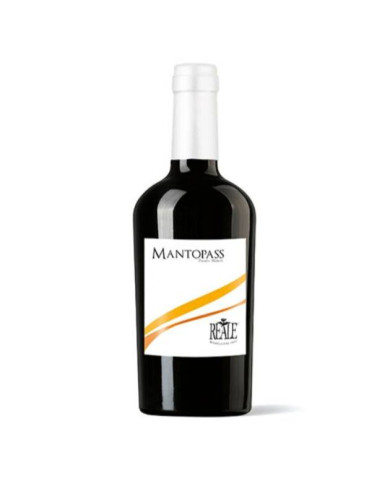
Red wine IGT from the hills of Mantua Alto Mincio An excellent wine with a very intense ruby color is obtained from the delayed harvesting of the Merlot grapes, with a fruity and spicy aroma, a full, dry, harmonious and overall very pleasant flavour.
€14.12
€20.79
SKU:
15336
Brand:
Cantina Reale
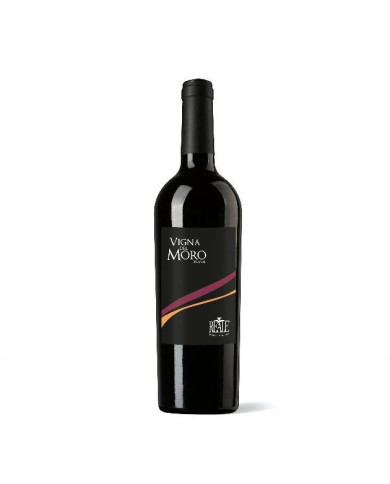
Great wine with a dark red colour, fruity, spicy bouquet, full, very harmonious and pleasant taste.
€23.79
SKU:
15325
Brand:
Le Vedute
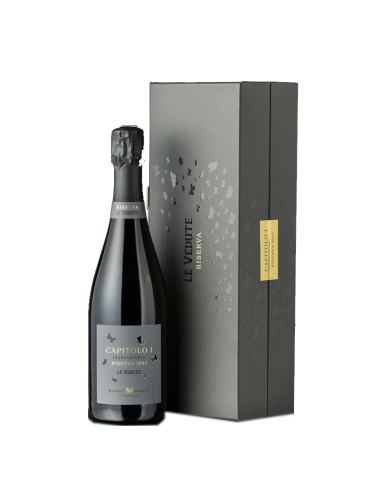
Meticulous selection of the grapes, with subsequent soft pressing and fermentation of the must at a controlled temperature. The sparkling base ages for 7 months in steel on the lees. At the end a long refermentation in the bottle for 30 months which leads the wine to have a more intense and decisive body. Pouring it into the glass, it reveals itself with beautiful straw-colored nuances with marked floral scents and flan bread crust. The excellence of Franciacorta from the Le Vedute house, expression of balance and very long persistence.
€57.10
SKU:
15324
Brand:
Le Vedute
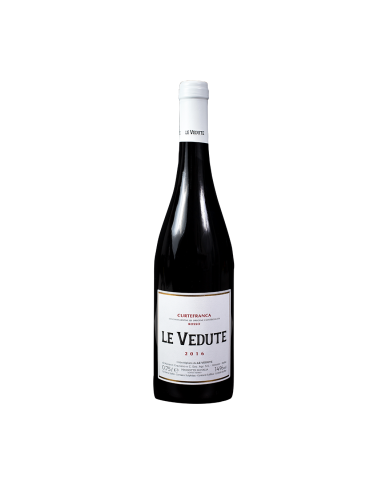
During the harvest, only the perfectly ripe bunches are selected.
The maceration on the skins lasts at least 15 days, after which the wine passes into used barriques where the malolactic fermentation takes place. The refinement lasts 12 months and only then is it bottled.
The mouth is full-bodied with an intense structure and evident tannins.
Recommended with red meat main courses.
€10.74
€10.74
SKU:
15322
Brand:
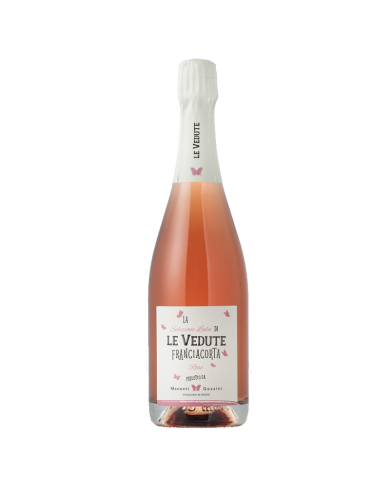
Le Vedute
Grape selection. Subsequently they are cold macerated for 12 hours, and pressed. The sparkling base obtained ages for 7 months in steel on the fine lees. To complete the production cycle, another long refinement in the bottle for 26 months. Pouring it into the glass, it reveals itself with beautiful soft pink nuances, and begins to inebriate with hints of red and black fruits, such as blueberry and cherry. On the palate then a wonderful balance between the acidic note and the tannins, which make it an excellent accompanying sparkling wine.
€32.67
SKU:
15321
Brand:
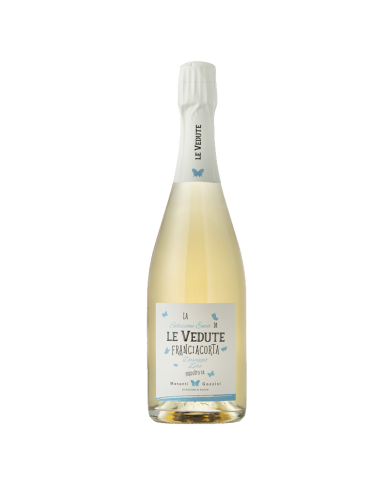
Le Vedute
Meticulous selection of the grapes, with subsequent soft pressing and fermentation of the must at a controlled temperature. The sparkling base ages for 7 months in steel on the lees. At the end a long refermentation in the bottle for 30 months which leads the wine to have a more intense and decisive body. Pouring it into the glass, it reveals itself with beautiful straw-colored nuances with marked floral scents and flan bread crust. The excellence of Franciacorta from the Le Vedute house, expression of balance and very long persistence.
€29.50
SKU:
15320
Brand:
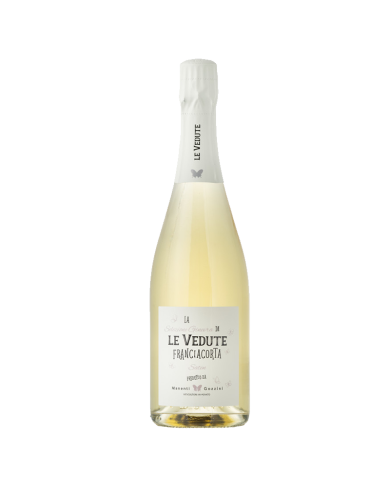
Le Vedute
Grape selection. Following a soft and delicate pressing with a fermentation in steel at a controlled temperature, while partly in barriques. The sparkling base is aged on the lees for 7 months. While the aging on the lees lasts another 24 months in the bottle. Beautiful cloudy straw yellow colour. Fine and persistent perlage. On the nose it has floral hints of white flowers which complement the hints of bread crust and yeasts. On the palate it is very persistent due to the part of the wine that is barricaded; with a good persistence given by the acidic content.
€31.72
SKU:
15319
Brand:
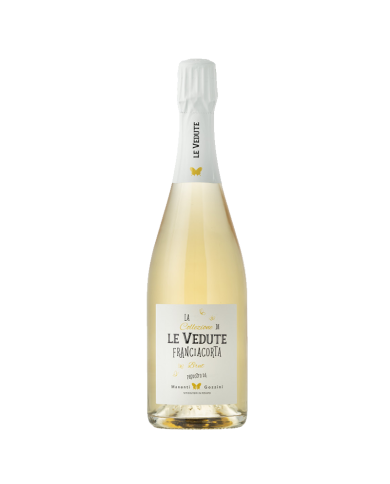
Le Vedute
The butterfly as a symbol of elegance. A light and persuasive flight. A moment that wants to be captured as an expression of nature in its most aesthetic form. Grape selection. This is followed by a soft and delicate pressing with fermentation in steel at a controlled temperature. The sparkling base is aged on the lees for 6 months. While the aging on the lees lasts another 18 - 24 months in the bottle. Beautiful bright and luminous straw yellow colour. Fine and persistent perlage. On the nose it has floral hints of white flowers which complement the hints of bread crust. On the palate it is very complex and balanced with good acidity and bubbles that make it drinkable.
€26.40
SKU:
15315
Brand:
La Madonnina
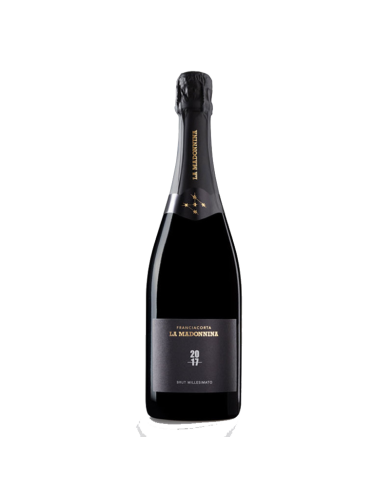
A Franciacorta that comes from selected vineyards, dedicated exclusively to the production for La Madonnina. The best bubbly of the Italian tradition, to be combined with our local excellence.
€28.55
SKU:
15210
Brand:
Enrico Gatti
Obtained from the soft pressing of grapes Chardonnay and a Pinot Noir from vineyards located in a hilly area. Part of the must is fermented in oak barrels French and matured on the fermentation lees e part is vinified in steel. Permanence on the lees for a minimum of 48 months. Dry and savory with some rounded notes on the part of the wine that ages in wood. Complex, deep and rich.
€37.90
SKU:
15209
Brand:
Enrico Gatti
Obtained from the soft pressing of grapes Chardonnay from vineyards located in the area hilly. Part of the must is fermented in oak barrels French and matured on the fermentation lees e part is vinified in steel. Permanence on the lees for a minimum of 32 months. Essentially creamy with fragrant tones of fresh almond and delicate aromas of butter. Delighted with a subtle minerality.
€37.43
SKU:
15208
Brand:
Enrico Gatti
Obtained from the soft pressing of grapes
Pinot Noir from vineyards located in the area
foothills.
The color is obtained through a short
maceration on the skins.
The vinification takes place in steel tanks.
Permanence on the lees for a minimum of 25 months.
Fragrant with hints of pomegranate and currant.
Effervescence softened by the sinuous profile of the
vine.
€33.92
SKU:
15207
Brand:
Enrico Gatti
Obtained from the soft pressing of grapes
Chardonnay and a Pinot Noir from
vineyards located in the foothills area.
The vinification takes place in steel tanks.
Permanence on the lees for a minimum of 24 months.
Contains notes of tropical fruit, nuts and
hazelnuts. Harmonious olfactory perceptions e
engaging.
€56.00
SKU:
15206
Brand:
Enrico Gatti
Obtained from the soft pressing of grapes
Chardonnay and a Pinot Noir from
vineyards located in the foothills area.
The vinification takes place in steel tanks.
Permanence on the lees for a minimum of 24 months.
Contains notes of tropical fruit, nuts and
hazelnuts. Harmonious olfactory perceptions e
engaging.
€30.13
SKU:
15205
Brand:
Enrico Gatti
Obtained from the soft pressing of grapes Chardonnay from vineyards located in the area foothills. Vinification takes place in steel tanks. Permanence on the lees for a minimum of 24 months. Franciacorta Brut expresses personality of the company. Fresh, played on a balanced persistence which refers to dried fruit and citrus fruits.
€25.78
SKU:
15204
Brand:
Enrico Gatti
Obtained from the soft pressing of grapes
Chardonnay from vineyards located in the area
hilly.
Part of the must is fermented in oak barrels
French and matured on the fermentation lees e
part is vinified in steel.
Permanence on the lees for a minimum of 32 months.
Essentially creamy with fragrant tones of
fresh almond and delicate aromas of butter.
Delighted with a subtle minerality.
€72.47
SKU:
15203
Brand:
Enrico Gatti
Obtained from the soft pressing of grapes
Chardonnay from vineyards located in the area
foothills.
Vinification takes place in steel tanks.
Permanence on the lees for a minimum of 24 months.
Franciacorta Brut expresses personality
of the company.
Fresh, played on a balanced persistence
which refers to dried fruit and citrus fruits.
€55.27
SKU:
15136
Brand:
Cantina Ricchi
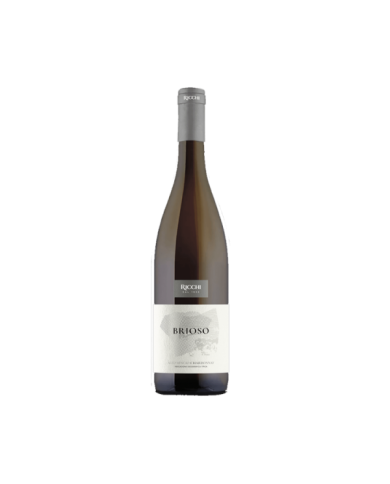
Lively wine with pleasant notes that release freshness and intensity of fruity aromas, definitely versatile and bewitching.
€9.67
SKU:
15135
Brand:
Cantina Ricchi
It develops all the classic characteristics of the grape and knows how to thrill with its freshness and its elegant game of aromas.
€9.83
SKU:
15020
Brand:
Contadi Castaldi
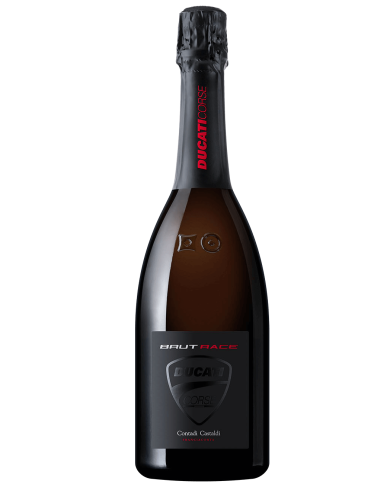
A wine that celebrates Ducati yesterday and today. Who knows how to tell his uniqueness and the extraordinary ability to arouse emotions. A Franciacorta with expressive, dynamic, agile, sinuous aromas like a crease, with a fresh, vertical, energetic and powerful character.
€23.95
SKU:
15016
Brand:
Contadi Castaldi
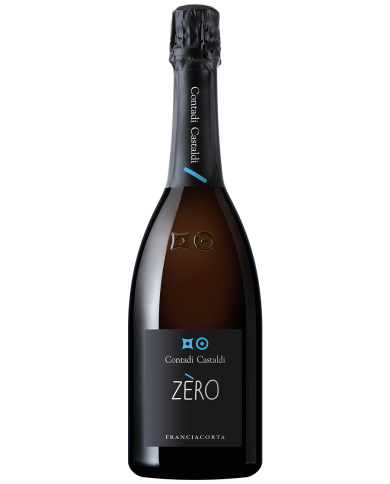
Zero, in mathematics, is the extreme limit of numbers, it is the beginning of everything, the absence before completion. Even Zèro by Contadi Castaldi has its principle in the extreme: a wine which, closely connected to the raw material, celebrates the perfect moment for the harvest, the instant in which it all begins. So as to recognize the persuasive gentleness of the Chardonnay in the glass in harmony with the authentic dynamism of the Pinot Noir; an absolute balance which in some years favors the white grape variety, in others the black grape variety. For the Zèro 2018 there are 22 harvest selections and 29 vineyards that make up its sensory heritage, the expression of a vintage that has given rise to an energetic, powerful and structured wine, but also pleasant and drinkable at any time .
€40.02
SKU:
15012
Brand:
Bosio
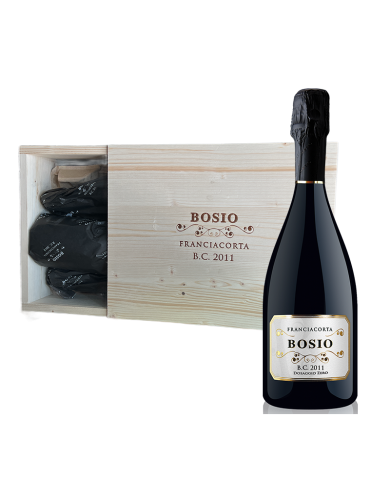
Reserve of an intense yellow color, it has a very fine perlage, a complex bouquet that ranges from floral to ripe fruit with spicy and yeast notes.
€370.00
SKU:
14871
Brand:
Cantina Ricchi
Characterized by its ampelographic composition, that is to say for the vines allowed for its production, delicate pleasant almost crunchy in its pleasantness to drink.
€8.72
€6.98
SKU:
14870
Brand:
Cantina Ricchi
Luminous harmonies made of delicate intensity and elegant shades with rosy shades make it the wine of the long tradition of our hills.
€8.72
€6.98
€40.26
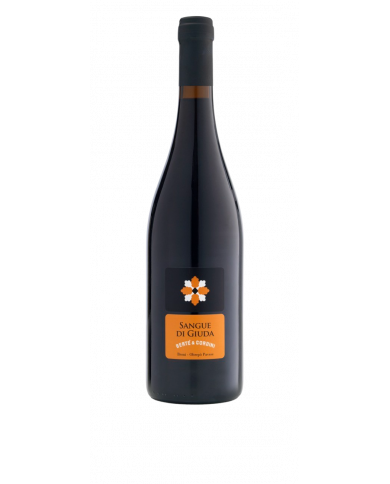
SKU:
14704
Brand:
Bertè & Cordini
Intense ruby red colour. Floral aroma of violet and intense fruity aroma of small red fruits, cherries, blackberries. The taste is sweet and sparkling.
€9.60
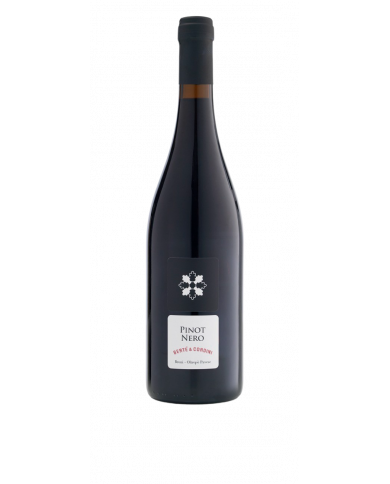
SKU:
14703
Brand:
Bertè & Cordini
It has an intense ruby red color of excellent transparency. On the nose there is a slight rose and berries. Well present and soft tannins.
€16.58
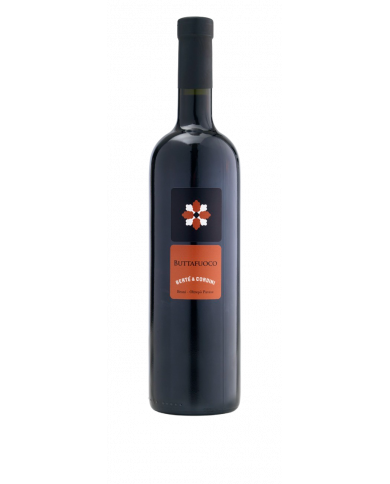
SKU:
14702
Brand:
Bertè & Cordini
Intense ruby red colour. Intense bouquet with notes of violet. The taste is full, well structured, slightly tannic.
€14.99
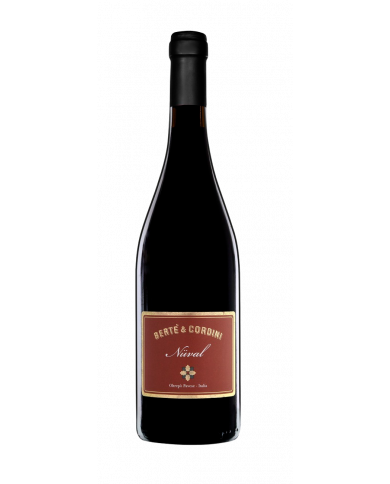
SKU:
14699
Brand:
Bertè & Cordini
Ruby red color of excellent transparency with coppery and brilliant reflections. Olfactory sensations: great cream of spices and plum pulp. There are hints of rose and berries, typical of the variety, mixed with vanilla notes. Wine with a great extractive concentration: the enveloping roundness on the palate is due to the well-developed tannins and the oenological clarity of execution.
€29.27
SKU:
14695
Brand:
Bertè & Cordini
Straw yellow color with bright reflections. The nose is intense and persistent with hints of minerals and very ripe exotic fruit: grapefruit and passion fruit. The taste is dry, fresh, elegant with good aromatic persistence.
€19.75
€16.79
SKU:
14694
Brand:
Bertè & Cordini
White foam, soft and rich; fine and persistent perlage. Straw yellow color with bright golden reflections. Rich and complex bouquet with hints of minerals, candied fruit, notes of tobacco and spices.
On the palate it is fresh, mineral, saline, great freshness balanced by a great body.
€48.59
SKU:
14693
Brand:
Bertè & Cordini
Soft and rich foam, fine and persistent perlage. Classic, bright, cristallino.Profumo pink colour. Floral and fruity bouquet with hints of rose petals, strawberry, red fruits and fine pastries. On the palate it is full, fresh, complex and harmonious.
€23.83
SKU:
14692
Brand:
Bertè & Cordini
White foam, soft and rich; fine and persistent perlage. Straw yellow color with bright golden reflections. Bouquet rich in white flowers and fruity with hints of pear and tropical fruit. On the palate it is fresh and inviting, complex and full of balance.
€24.68
SKU:
14690
Brand:
Bertè & Cordini
White foam, soft and rich; fine and persistent perlage. Straw yellow color with bright golden reflections. Bouquet rich in white flowers and fruity with hints of pear and tropical fruit. On the palate it is fresh and inviting, complex and full of balance.
€34.03
SKU:
14689
Brand:
Bertè & Cordini
Pinot Noir Berté Cordini sparkling wine with a fine and persistent perlage. Lemon yellow with delicate golden hues. Intense aroma with pleasant citrus notes, dried fruit and pastry. Soft and delicate bubbles, intense and refreshing taste with well balanced acidity. Long finish.
€10.19
SKU:
14688
Brand:
Bertè & Cordini
Soft and rich foam, fine and persistent perlage. Classic, brilliant, crystalline pink colour. Floral and fruity bouquet with hints of rose petals, strawberry, red fruits and fine pastries. On the palate it is full, fresh, complex and harmonious.
€22.13
€19.92
SKU:
14687
Brand:
Bertè & Cordini
The Spumante Metodo Classico Brut Traditional Berté Cordini has a white, soft and rich foam; fine and persistent perlage. Straw yellow color with bright golden reflections. Bouquet rich in white flowers and fruity with hints of pear and tropical fruit.
€21.84
SKU:
14666
Brand:
Cantine Francesco Montagna
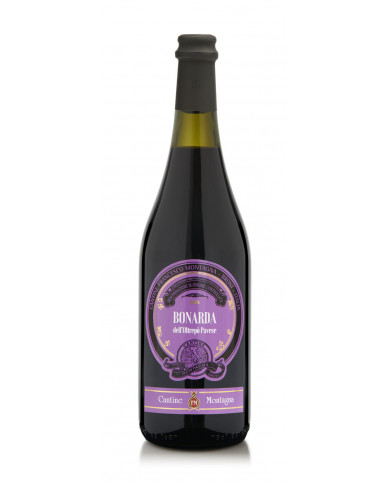
The vine is 100% Croatina grown in the most suitable areas of the Oltrepò Pavese on a mixed type of soil tending towards clayey limestone. The vineyards are trained with low-yield espaliers (50-60hl/ha). Manual harvest when perfectly ripe, usually at the end of September/first week of October. 4-day maceration in contact with the skins and alcoholic fermentation at a temperature of 25°C. The second fermentation takes place at a controlled temperature (16–18°C).
€13.41
SKU:
14663
Brand:
Cantine Francesco Montagna
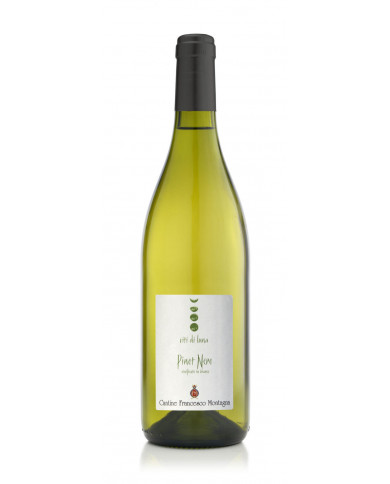
A young white wine from Lombardy, produced with Pinot Noir grapes vinified in white. After the manual harvest and destemming, we proceed to a soft pressing with static clarification at 10°C, followed by a fermentation at a controlled temperature. The second fermentation, for the second fermentation, takes place in an autoclave at a controlled temperature.
Its straw yellow color with bright reflections shines in the glass. The nose is delicate and subtle, with delicate floral and fruity aromas. The taste is extremely fresh, sparkling, with a touch of elegance and good aromatic persistence.
Surely it can be enjoyed with seafood first and second courses, white meats and fresh cheeses. It is perfect as an aperitif.
€10.37
SKU:
14662
Brand:
Cantine Francesco Montagna
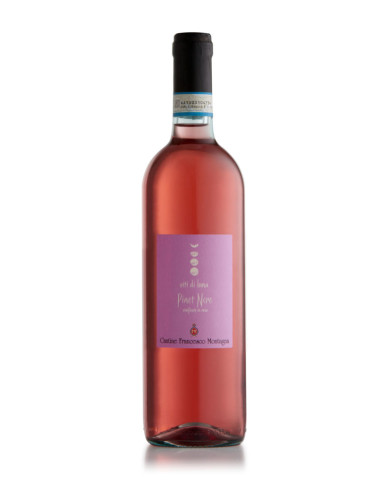
Wine type: sparkling rosé. Soil type: clayey limestone. Breeding system: Counter-espalier. Altitude: From 150 to 250 m. slm Exposure: North-East. Average age of the vineyard: 18 years. Yield: 10,000 kg/ha. Harvest: From mid to late August. Vinification: After destemming and crushing, the must is left in contact with the skins for 24 hours, after which the solid parts are separated from the liquids. This is followed by clarification and controlled fermentation. The second fermentation takes place in an autoclave at a controlled temperature (17°C). Ageing: No ageing, young wine.
€10.85
SKU:
14661
Brand:
Cantine Francesco Montagna
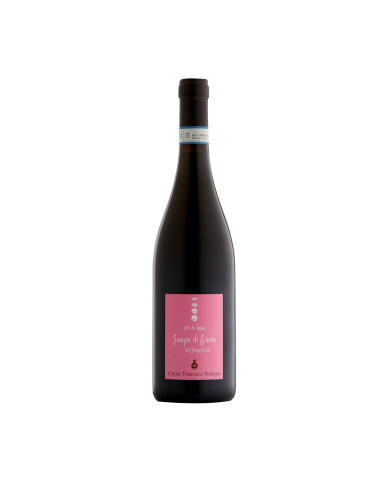
Intense ruby red with violet hues, intense, sweet and warm aroma of fruit and spices. The sweetness is accompanied by a right fresh note which adds to a pleasant tannic presence.
€9.99
SKU:
14520
Brand:
Bellavista
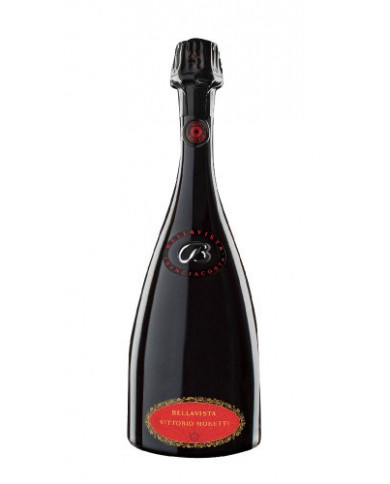
The Franciacorta Extra Brut "Vittorio Moretti" from the Bellavista winery exudes history and love for one's land. It is the result of work begun in 1977, when Vittorio Moretti, a visionary entrepreneur, built a cellar next to his home in Erbusco, deciding to focus on viticulture. Years of study and research have led to today's results. The Bellavista Vittorio Moretti is a sparkling wine of the highest level, elegant and at the same time powerful, complex, a symphony of different aromas: from ripe fruit to candied citrus fruits, passing through honey and toasted dried fruit. Produced from the best harvests of Chardonnay and Pinot Noir, it is vinified in steel and oak barrels, which give the wine spicy hints. The Franciacorta Extra Brut "Vittorio Moretti" is subsequently made sparkling with refermentation in the bottle according to the classic method and completes its maturation with an aging of a further seven years, achieving the unmistakable taste that has crowned it among the excellences of the sector. Ready to drink, it also lends itself to resting further in our cellars. At sight the very fine and persistent perlage embellishes the golden and brilliant tone. On the nose hints of ripe white fruit, spices, candied citrus fruits, honey and toasted dried fruit such as almonds and hazelnuts. The palate is powerful, complex, smooth, broad and creamy. A sparkling wine of great class made to amaze and satisfy enthusiasts and lovers of Italian bubbly.
€119.56
SKU:
14518
Brand:
Bellavista
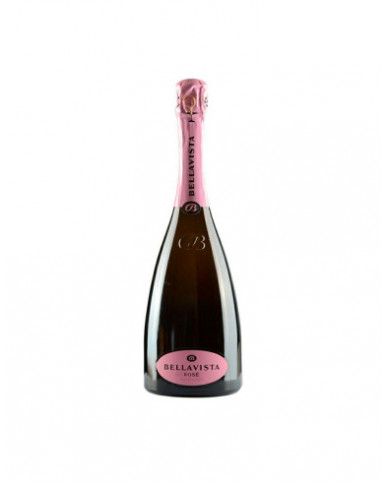
Bellavista Wine's Magnum di Rose Millesimato Franciacorta DOCG is a sparkling wine produced in Lombardy. It is a ready-to-drink wine. It is recommended to serve at a temperature of 6°C
€132.59
SKU:
14516
Brand:
Bellavista
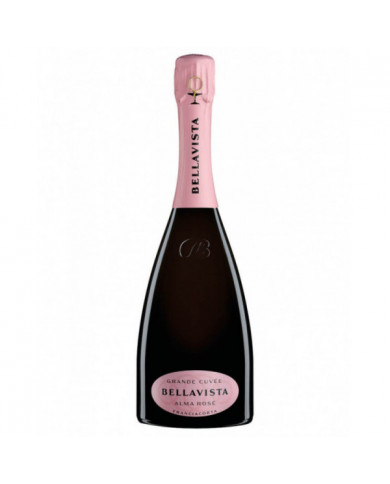
The Franciacorta Grande Cuvée Alma Rosé Pas Dosé by Bellavista was born in vineyards located in the heart of Franciacorta DOCG. The name Alma, which in Latin means "she who feeds", is a tribute to this land. It is mainly produced from Chardonnay grapes, with the addition of Pinot Noir grapes, harvested and selected exclusively by hand from vines with an average age of over 25 years. Once the grapes have been vinified, the wines are aged in pièces (228-litre Burgundian barriques). The sparkling process takes place according to the classic method, with aging on the lees. It is characterized by an antique pink color and a fine and persistent perlage. The nose opens with a broad perfume, among which pleasant nuances of Mediterranean flowers, citrus fruits, peach, lychee and pomegranate stand out, with final notes reminiscent of white chocolate, almond and marzipan. On the palate it is pleasantly sapid and complete in the aftertaste, with a long and persistent finish. Perfect as an aperitif and to accompany appetizers and fish-based first courses.
€52.14
SKU:
14514
Brand:
Bellavista
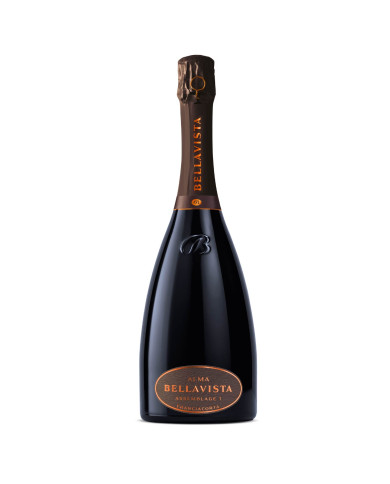
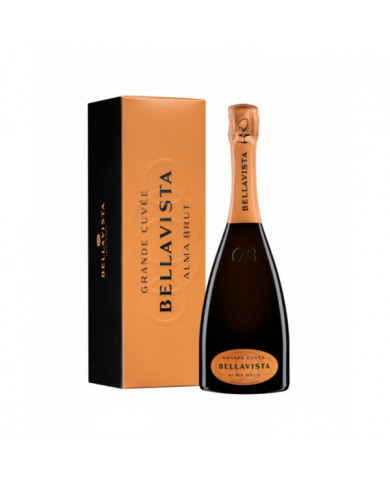
Alma Cuvée is born from the skilful union of about 60 of the 120 harvest selections obtained in the cellar. About 100 selections come from the same harvest and are identified with extreme care in 107 parcels distributed in 10 different municipalities of Franciacorta ("horizontal assembly"). To this vast patrimony of olfactory and gustatory variations are then added the aromas and flavors of particular "reserve wines" from different harvests ("vertical assembly"). A unique cuvée, which with its elegant complexity represents the most complete and often mysterious soul of Franciacorta.
€38.70
SKU:
14513
Brand:
Bellavista
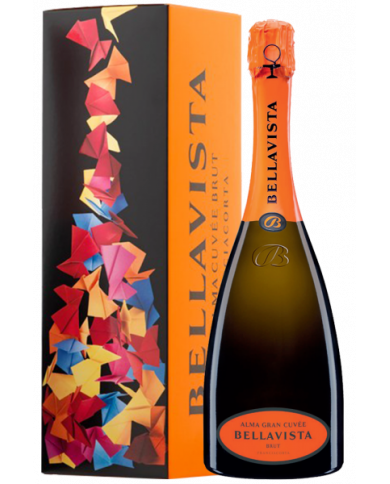
Alma Cuvée is born from the skilful union of about 60 of the 120 harvest selections obtained in the cellar. About 100 selections come from the same harvest and are identified with extreme care in 107 parcels distributed in 10 different municipalities of Franciacorta ("horizontal assembly"). To this vast heritage of olfactory and gustatory variations are added the aromas and flavors of particular "reserve wines" from different vintages ("vertical assembly"). A unique cuvée, which with its elegant complexity represents the most complete and often mysterious soul of Franciacorta.
€39.41
SKU:
14512
Brand:
Bellavista
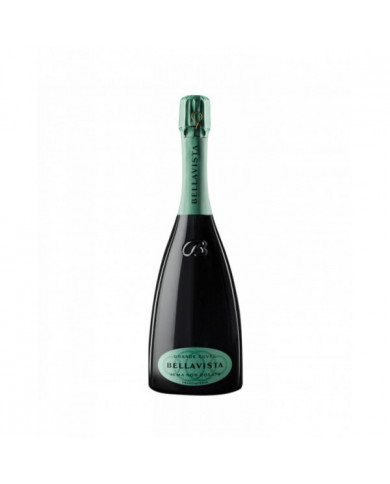
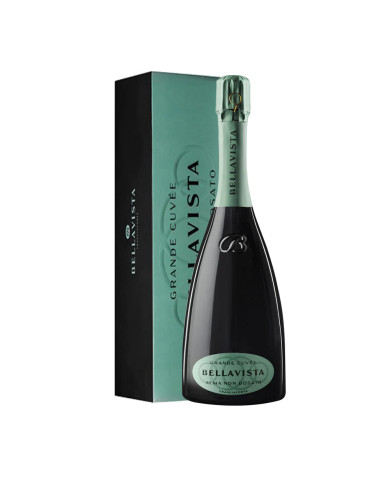
It is told through a sensory profile that evolves giving altogether sapidity, freshness, finesse, elegance and agility: the result is simply superlative, given by the Franciacorta Non Dosato "Alma Grande Cuvée", labeled Bellavista . A bubble that wants to become the symbol of the purest essence of the lands of Franciacorta, proposing a sip with which Bellavista drops its mask, retracing its history in a contemporary key. Here then is that every detail - label included - becomes a reference to the concept of harmony, both external and connected to the precious content. The apparent - and intended - aesthetic minimalism, again, finally connects with a Franciacorta that remains suspended in time, as if to recall the impossibility of finding glasses of a similar caliber.
€39.21
SKU:
14511
Brand:
Bellavista
White foam, exuberant and of excellent persistence. The pearl necklaces are very fine to form a well-present and prolonged crown over time. The effervescence is dynamic and full of youth. Bright and bright yellow color with clear greenish reflections. Perfume characterized by marked minerality. Wide and inviting, it embraces nuances of ripe sweet fruit, meringue, pastry and candied citrus peel. Flavor fully corresponding to the nose, with an almost crunchy creamy sensation and a texture that combines elegance and lightness, thickness and harmony. The vibrant and contemporary character represents its unmistakable identity.
€317.07
SKU:
14510
Brand:
Bellavista
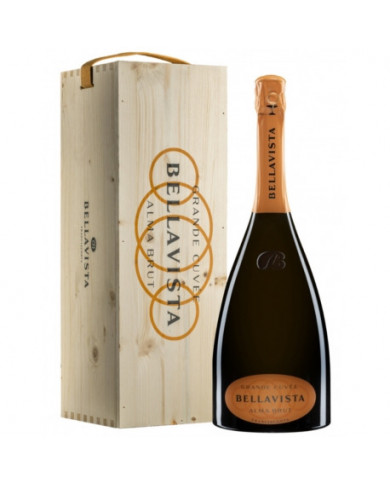
The Franciacorta DOCG Cuvèe Brut "Alma" by Bellavista comes from the skilful union of about 60 of the 120 harvest selections obtained in the cellar. About 100 selections come from the same harvest and are identified with extreme care in 107 parcels distributed in 10 different municipalities of Franciacorta ("horizontal assembly"). To this vast patrimony of olfactory and gustatory variants are then added the aromas and flavors of particular "reserve wines" from different vintages ("vertical assembly"). A unique cuvée, which with its elegant complexity represents the most complete and often mysterious soul of Franciacorta.
€81.45
SKU:
14508
Brand:
Bellavista
It is told through a sensory profile that evolves giving altogether sapidity, freshness, finesse, elegance and agility: the result is simply superlative, given by the Franciacorta Non Dosato "Alma Grande Cuvée", labeled Bellavista . A bubble that wants to become the symbol of the purest essence of the lands of Franciacorta, proposing a sip with which Bellavista drops its mask, retracing its history in a contemporary key. Here then is that every detail - label included - becomes a reference to the concept of harmony, both external and connected to the precious content. The apparent - and intended - aesthetic minimalism, again, finally connects with a Franciacorta that remains suspended in time, as if to recall the impossibility of finding glasses of a similar caliber.
€84.06
SKU:
14505
Brand:
Bellavista
The Franciacorta DOCG Cuvèe Brut "Alma" by Bellavista comes from the skilful union of about 60 of the 120 harvest selections obtained in the cellar. About 100 selections come from the same harvest and are identified with extreme care in 107 parcels distributed in 10 different municipalities of Franciacorta ("horizontal assembly"). To this vast patrimony of olfactory and gustatory variants are then added the aromas and flavors of particular "reserve wines" from different vintages ("vertical assembly"). A unique cuvée, which with its elegant complexity represents the most complete and often mysterious soul of Franciacorta.
€81.50
SKU:
14104
Brand:
Bosio
Curtefranca Rosso Zenighe di Bosio has an intense red color to the eye. On the nose there are hints of red fruits, spices and leather.
€55.02
SKU:
14103
Brand:
Bosio
Curtefranca Rosso Zenighe di Bosio has an intense red color to the eye. On the nose there are hints of red fruits, spices and leather.
€31.54
SKU:
14102
Brand:
Bosio
Ruby red in color with violet reflections, it has aromas of red fruit (especially cherries and blackberries) and a slight hint of spices
€14.15
SKU:
14101
Brand:
Bosio
The grapes are subjected to a soft pressing and subsequent alcoholic fermentation in stainless steel tanks at a controlled temperature; aging in tanks for about 8 months and subsequent bottling. Curtefranca Bianco has a moderate softness, but is dominated by fragrance and freshness.
€10.98
SKU:
14100
Brand:
Bosio
Reserve of an intense yellow color, it has a very fine perlage, a complex bouquet that ranges from floral to ripe fruit with spicy and yeast notes.
€66.94
SKU:
14099
Brand:
Bosio
Franciacorta Riserva "Girolamo Bosio" is a dry, intense and structured sparkling wine, aged on the lees in the bottle for 60 months. It is a founder's reserve with an exuberant bouquet of yellow fruit, citrus and flint and a rich and creamy sip, of great elegance!
€118.95
SKU:
14098
Brand:
Bosio
Franciacorta Riserva "Girolamo Bosio" is a dry, intense and structured sparkling wine, aged on the lees in the bottle for 60 months. It is a founder's reserve with an exuberant bouquet of yellow fruit, citrus and flint and a rich and creamy sip, of great elegance!
€55.88
SKU:
14097
Brand:
Bosio
Non-vintage Brut made from 2 vintages, sugar dosage reduced to just 4 g/lt to safeguard the character of the wine and the area of origin.
€137.86
SKU:
14096
Brand:
Bosio
Non-vintage Brut made from 2 vintages, sugar dosage reduced to just 4 g/lt to safeguard the character of the wine and the area of origin.
€56.36
SKU:
14095
Brand:
Bosio
Vintage of an intense yellow color, it has an elegant bouquet, rich with notes of citrus and spices; on the palate it is important, fresh and complex.
€33.92
SKU:
14094
Brand:
Bosio
Franciacorta Rosé Bosio Millesimato pink in colour, it has a fine and persistent perlage, a typical bouquet of berries and citrus fruits; on the palate it is rich, mineral, fresh and complex.
€67.34
SKU:
14093
Brand:
Bosio
Franciacorta Rosé Bosio Millesimato pink in colour, it has a fine and persistent perlage, a typical bouquet of berries and citrus fruits; on the palate it is rich, mineral, fresh and complex.
€30.87
SKU:
14092
Brand:
Bosio
Straw yellow in color, it has a balanced bouquet with notes of yeast and white flowers; on the palate it has a bubble
€29.52
SKU:
14091
Brand:
Bosio
Franciacorta Saten di Bosio is a medium-bodied sparkling wine, fresh and soft, vinified in steel and barrique and aged for 24 months on the lees in the bottle. It has a delicate but intense bouquet, made of white flowers, vanilla and brioche. The taste is smooth and creamy, supported by a vibrant freshness
€27.94
SKU:
14090
Brand:
Bosio
Franciacorta Brut Bosio has a straw yellow color with slight greenish reflections, it has a typical bouquet of floral and yeast aromas; on the palate it is soft, fresh and complex.
€25.30
SKU:
14089
Brand:
Bosio
Cuvée Extra Brut equal to Pinot Noir which gives structure, body and important aromas, and Chardonnay which gives finesse and elegance. The grapes come from a 3-hectare vineyard, equally divided between chardonnay and pinot noir, which is located on a morainic hill, particularly valuable for soil and exposure. Aging on the lees for no less than 30 months.
€147.50
SKU:
14088
Brand:
Bosio
Cuvée Extra Brut equal to Pinot Noir which gives structure, body and important aromas, and Chardonnay which gives finesse and elegance. The grapes come from a 3-hectare vineyard, equally divided between chardonnay and pinot noir, which is located on a morainic hill, particularly valuable for soil and exposure. Aging on the lees for no less than 30 months.
€73.81
Discover the delicious secrets of Lombardy's wines
Wines from Lombardy? If you're a wine lover, you've likely heard of this Italian region. Lombardy is one of the largest regions in the Italian peninsula and a major wine producer. It's a region with a wide variety of wines, from whites to reds, to suit everyone's tastes.
In this article, we'll explore some of Lombardy's most delicious wines, from the most well-known to the lesser-known, and uncover their hidden secrets. Let's discover together what Lombardy's wines are and what their most interesting characteristics are.
Lombard wines
Lombardy is a wine-rich region, with a wide variety of wines produced from approximately 5,000 vineyards. The best-known and most popular wines are Franciacorta and Valtellina Superiore, two great white wines, but Lombardy also offers a wide range of red wines, such as Valtellina Superiore, Nebbiolo, Barbera, and Pinot Noir.
Lombardy wines have a unique flavor profile, with fruit aromas, spicy notes, good structure, and remarkable complexity. The wines produced in this region also have a distinctive mineral flavor, a consequence of the area's volcanic soils.
Franciacorta
Franciacorta is one of Lombardy's most popular wines. It is a sparkling white wine made from Chardonnay, Pinot Noir, and Pinot Blanc grape varieties grown in the Franciacorta hills.
Franciacorta wines are characterized by an intense straw yellow color, a fruity aroma of apple, pear, apricot, and citrus, and a harmonious flavor with notes of apple, pear, apricot, honey, and spicy notes.
The Upper Valtellina
Valtellina Superiore is another highly regarded wine from Lombardy. It's a deep red made from the Nebbiolo grape variety and grown in Valtellina, a mountainous region in Lombardy.
Valtellina Superiore wines are characterized by an intense aroma of berries, cherries, and spices, and a velvety flavor with notes of berries, cherries, chocolate, tobacco, and vanilla.
Pinot Noir
Pinot Noir is another popular red wine from Lombardy. It is a deep ruby red wine, produced from the Pinot Noir grape variety and grown in the Lake Como area.
Pinot Noir wines from Lombardy are characterized by an intense aroma of berries, cherries, and spices, and a complex flavor with notes of berries, cherries, chocolate, tobacco, and vanilla.
What makes Lombardy wines special?
The wines of Lombardy are special for a number of reasons. First, they are made with unique grape varieties, such as Nebbiolo, Pinot Noir, and Chardonnay. Second, they are produced in a region rich in history and tradition, with volcanic soil and a mild climate that create ideal conditions for producing quality wines.
Furthermore, Lombardy is one of Italy's leading wine-producing regions, with approximately 5,000 vineyards producing quality wines. These vineyards produce high-quality wines with intense aromas, great complexity, and remarkable persistence.
How to enjoy Lombardy wines?
There are many ways to enjoy Lombardy wines. One easy way is to taste them during a visit to the region, where you can visit some of the area's finest wineries.
You can also taste Lombardy wines at a local restaurant, where you can choose from a wide selection. You can also purchase Lombardy wines in specialty shops or online.
Lombardy Wine Denominations: A Complete Guide
Lombardy is one of Italy's most important wine-producing regions. Thanks to its geographical location and diverse soils, this region has produced some of Italy's finest wines. In this article, we'll provide a comprehensive guide to Lombardy's wine appellations, explaining the main wine-growing areas and their most notable wines.
The Denomination of Wines of Lombardy
The denomination of Lombardy wines is divided into four main categories:
DOC
The Controlled Designation of Origin (DOC) designates a specific wine-growing area and a set of rules that must be followed in wine production. Some examples of DOC wines from Lombardy include Franciacorta, Garda Classico, and Valcalepio.
DOCG
The Controlled and Guaranteed Designation of Origin (DOCG) is a higher-quality designation than the DOC. Lombardy's DOCG wines include Valtellina Superiore, Franciacorta Satèn, and Moscato di Scanzo.
IGT
Typical Geographical Indication (IGT) is a more generic designation than DOC and DOCG. Lombardy's IGT wines include Terre Lariane, Ronchi Varesini, and Rubino di Cantavenna.
Table Wine
Vino da Tavola is the simplest and least restrictive designation. However, there are still some rules that must be followed in wine production. Lombardy's Vino da Tavola includes Rosso di Valtellina and Bianco di Custoza.
The Wine Regions of Lombardy
Lombardy is divided into several wine-growing areas, each of which produces unique and distinctive wines.
Valtellina
The Valtellina wine region is located in the northern part of Lombardy, near the Swiss border. This area is famous for producing Valtellina Superiore, a red wine with an intense, full-bodied flavor.
Franciacorta
The Franciacorta wine region is located in central Lombardy, near Lake Iseo. This area is famous for producing Franciacorta, a classic method sparkling wine similar to Champagne.
Garda Classic
The Garda Classico wine region is located in eastern Lombardy, near Lake Garda. This area is famous for producing Garda Classico, a dry, crisp white wine.
Oltrepò Pavese
The Oltrepò Pavese wine region is located in the southern part of Lombardy. This area is famous for producing wines such as Bonarda dell'Oltrepò Pavese, a light and fruity red wine.
In conclusion, Lombardy's wines are among the best in Italy, thanks to the combination of favorable climate, geographic location, and diverse soils. With its wide variety of DOC, DOCG, IGT, and table wines, Lombardy offers a wide selection to suit every taste.
What are the main DOC wines of Lombardy?
Some of Lombardy's major DOC wines include Franciacorta, Garda Classico, and Valcalepio.
What are the main DOCG wines of Lombardy?
Lombardy's main DOCG wines include Valtellina Superiore, Franciacorta Satèn, and Moscato di Scanzo.
What are the main IGT wines of Lombardy?
Lombardy's main IGT wines include Terre Lariane, Ronchi Varesini, and Rubino di Cantavenna.
What are the wine-growing areas of Lombardy?
Lombardy's main wine-producing areas include Valtellina, Franciacorta, Garda Classico, and Oltrepò Pavese.
What are the most famous wines of Lombardy?
Some of Lombardy's most famous wines include Franciacorta, Valtellina Superiore, and Moscato di Scanzo.
What are the main wineries in Lombardy?
There are many famous wineries in the Lombardy region. Here are some of the main wineries in Lombardy:
Ca' del Bosco : located in the Franciacorta area, it is one of the region's most famous wineries. It produces the famous Franciacorta, a classic method sparkling wine similar to Champagne.
Nino Negri : Located in the Valtellina area, it is one of the oldest and most respected wineries in the region. This wine produces Valtellina Superiore, a red wine with an intense, full-bodied flavor.
Bellavista : Located in the Franciacorta region, this winery is renowned for producing high-quality sparkling wines. Their Franciacorta Satèn is particularly popular.
Mamete Prevostini : located in the Valtellina area, this winery produces some of the region's finest wines, including the famous Sforzato di Valtellina.
Castello di Cigognola : located in the Oltrepò Pavese area, this winery is famous for producing wines such as Bonarda dell'Oltrepò Pavese and Pinot Noir.
These are just some of Lombardy's most famous wineries, but there are many others that produce high-quality wines and are worth visiting.