

 Italiano
 Deutsch










There are no more items in your cart
SKU:
17813
Brand:
Nestore Bosco
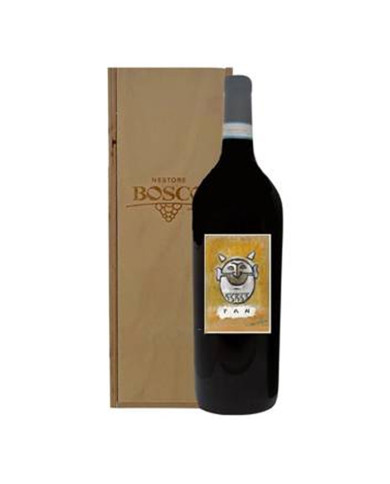
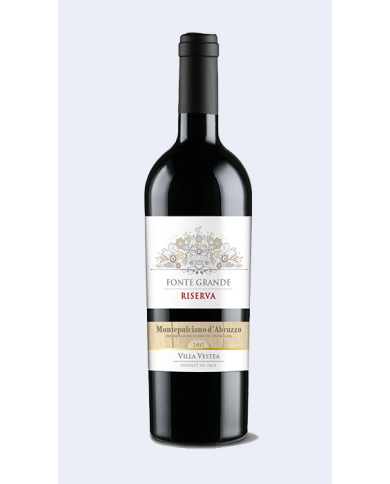
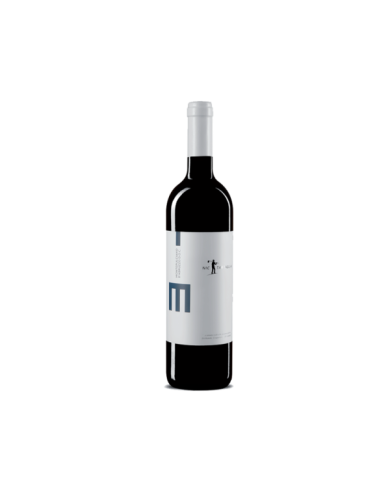
Montepulciano d'Abruzzo 100% This is a Riserva The 2012 vintage was awarded bronze by the International Wine Challenge.
This is above average popularity for Montepulciano d'Abruzzo wines. Interest in this wine has decreased compared to previous years. This is among the most expensive Montepulciano d'Abruzzo wines. The price has remained stable over the past year.
€56.00
€20.00
€18.00
€16.20
€7.34
€42.70
€8.54
€8.54
€8.54
€8.54
€6.50
€11.96
€6.81
SKU:
17619
Brand:
Ettore Galasso
Ideal with sea fish and shellfish dishes, oysters, spicy cured meats. Fresh, persistent taste with a savory aftertaste.
€5.95
SKU:
17618
Brand:
Famiglia Febo
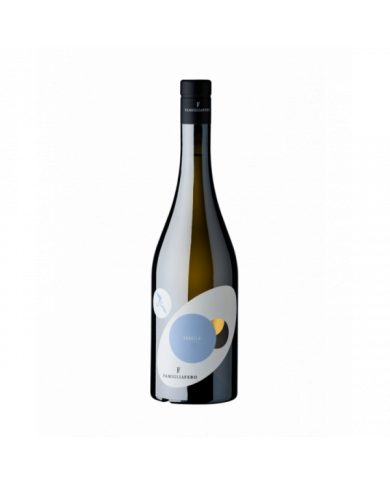
Straw yellow color; good structure supported by excellent freshness and flavor. The nose initially perceives a light toasting that quickly leaves room for herbaceous hints.
€18.00
SKU:
17617
Brand:
Famiglia Febo
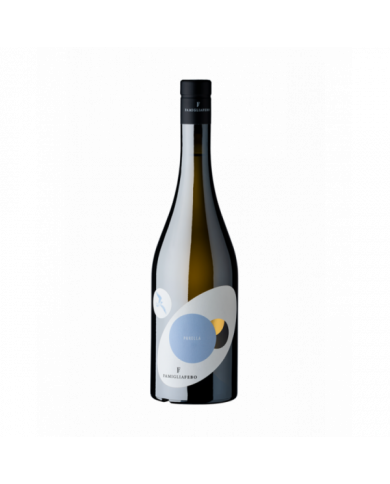
Straw yellow color; good structure supported by excellent freshness and flavor. The nose initially perceives a light toasting that quickly leaves room for herbaceous hints.
€18.00
SKU:
17575
Brand:
Chiarieri
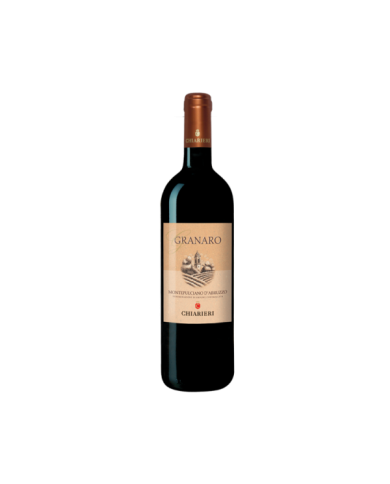
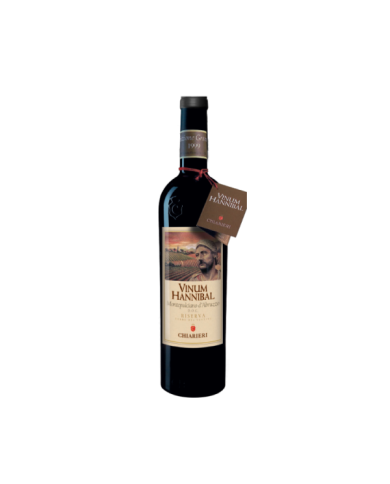
On the palate sensations of undergrowth fruits and rightly balanced licorice open up.
€47.42
SKU:
17538
Brand:
Duchi di Castelluccio
Color Bright straw yellow Smell Hints of exotic fruit and floral notes are perceived Taste Fresh and lively, of great elegance Food pairings Aperitifs and seafood dishes of seafood cuisine Serving temperature 8-10 °C
€10.25
SKU:
17537
Brand:
Duchi di Castelluccio
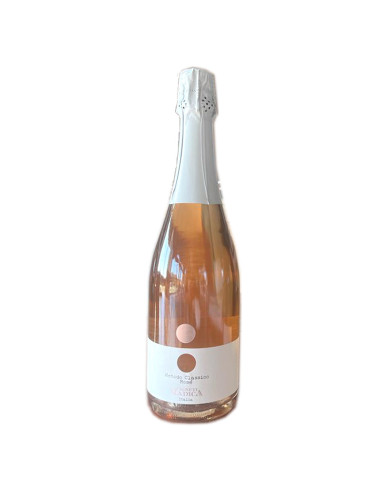
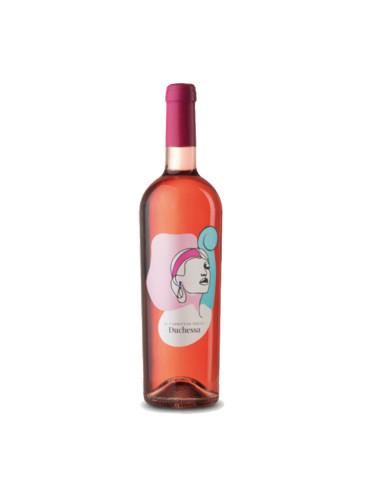
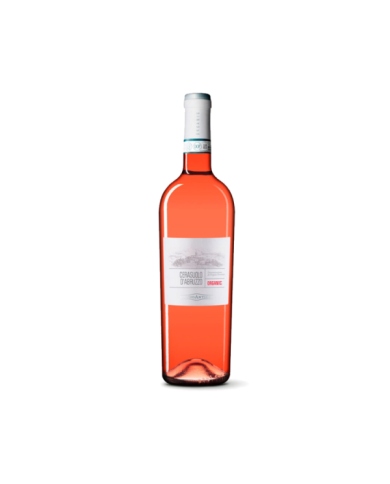
Organoleptic Characteristics Color Bright and lively pale pink Smell Intense fruity notes of white pulp peach intertwine with notes of small red fruits Taste On the palate it is fresh, silky, well balanced, soft and with good persistence Food pairings Excellent as an aperitif, particularly suitable for all seafood dishes, but also second courses based on undead meat. Serving temperature 8-10 °C
€10.25
€9.22
SKU:
17536
Brand:
Duchi di Castelluccio
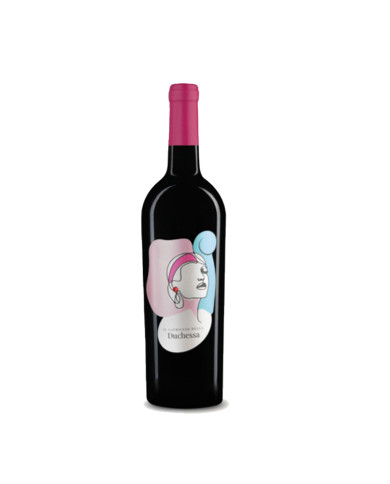
Organoleptic Characteristics Color Medium intensity red with violet reflections Smell Notes of small red fruits mix with an intriguing spiciness Taste Soft with excellent structure with soft and velvety tannins, long persistence, to which are added hints of black cherry jam Gastronomic pairings Excellent in paired with elaborate first courses, grilled meat and cured meats. Serving temperature 16-18 °C
€10.25
SKU:
17535
Brand:
Cantina Frentana
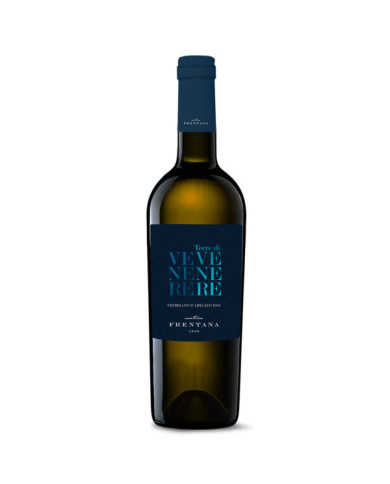
Trebbiano d'Abruzzo Terre di Venere Frentana comes from grapes of the vine of the same name. After crushing-destemming and soft pressing, a static cleaning is performed on the free-run must, followed by alcoholic fermentation at a controlled temperature conducted by selected native yeasts.
€8.54
SKU:
17481
Brand:
Speranza
Golden yellow color, with fruity and floral aromas where mimosa stands out, bursts with a fresh and savory sip.
€11.60
€9.86
SKU:
17480
Brand:
Speranza
Ruby red color, crisp red fruit emerges on the nose, followed by vegetal, spicy and floral hints. It is supported by a fresh and savory sip.
€10.77
SKU:
17479
Brand:
Speranza
Golden yellow in color, it appears floral and fruity on the nose, where hints of ripe yellow peach prevail. On the palate it is warm, medium-bodied and with good acidity.
€16.57
SKU:
17478
Brand:
Speranza
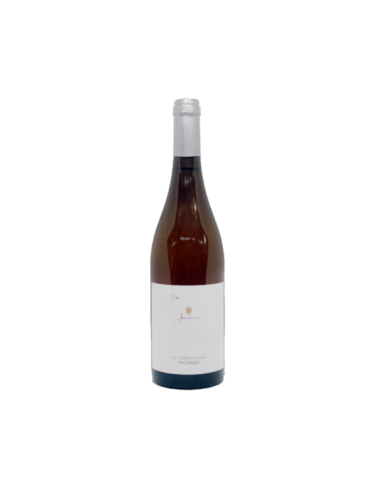
Abruzzo pecorino rich in aromatic notes of honey, resin and dehydrated lemon. A dense structure with a final charged with positive energies. Ideal with fish recipes.
€14.08
SKU:
17477
Brand:
Speranza
Abruzzo pecorino rich in aromatic notes of honey, resin and dehydrated lemon. A dense structure with a final charged with positive energies. Ideal with fish recipes.
€14.91
SKU:
17476
Brand:
Speranza
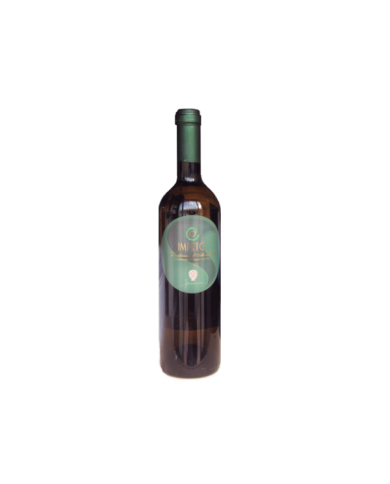
The "Trebbiano d'Abruzzo Impeto" , are characterized by the right sugar and alcohol content and by a good fixed acidity, which helps to enhance the aromas and maintain them over time. The Speranza winery produces about 5000 bottles of the "Trebbiano d'Abruzzo Impeto" wine, testifying to the importance that this wine has in the context of the company's production.
€13.25
SKU:
17475
Brand:
Speranza
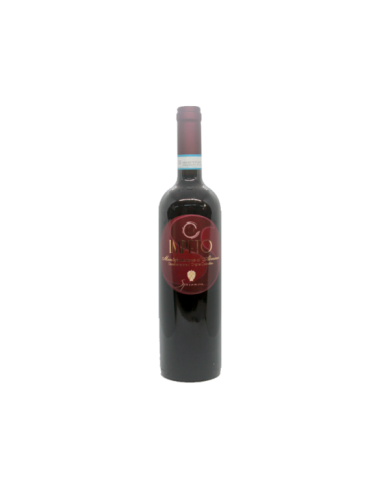
The wines of the Speranza company and in particular the "Montepulciano d'Abruzzo" , are characterized by the right sugar and alcohol content and by a good fixed acidity, which helps to enhance the aromas and maintain them over time. The Speranza winery produces about 2700 bottles of the "Montepulciano d'Abruzzo" wine, testifying to the importance that this wine has in the context of the company's production.
€14.91
€8.91
€30.50
SKU:
17158
Brand:
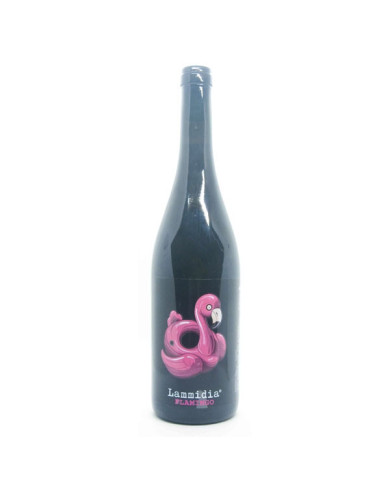
Lammidia
€32.94
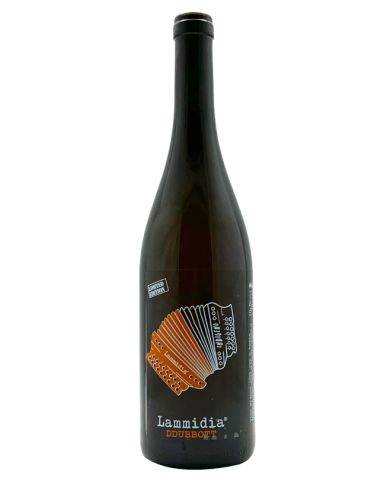
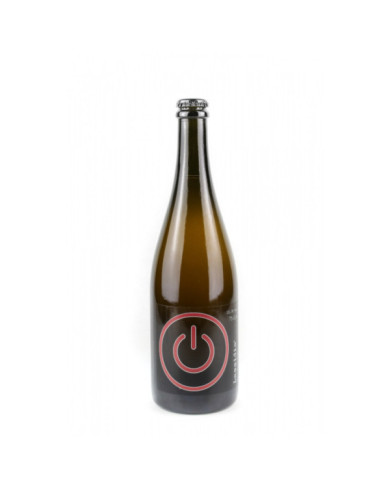
Another lucky twinning with Cantina Indigeno. This time the result is DDUBBOTT in LIMITED EDITION (clear inspiration from the accordion in the Abruzzo version characterized by only two basses - DDU' BOTTE - precisely), blend of 50% Passerina di Lammidia and 50% Montonico di Cantina Indigeno, macerated with the stalks to 14 days.
€32.94
SKU:
17157
Brand:
Lammidia
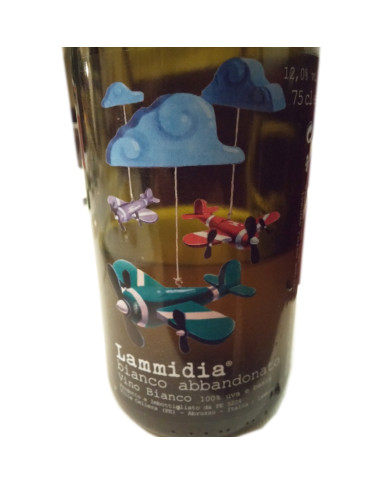
“Because I don't care about life they call me abandoned
If I like losing her
and throw it on the ground
If I enjoy losing her it's because I know how to find her again."
SKU:
17156
Brand:
Lammidia
€26.00
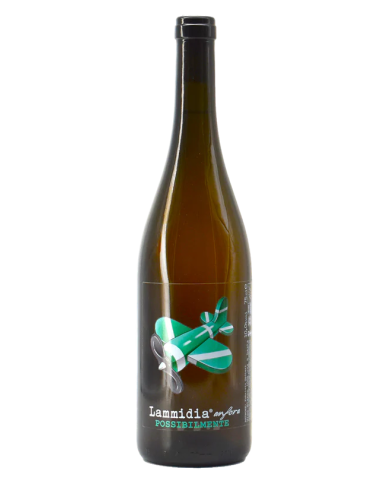
Complete carbonic maceration in terracotta for a week, then pressing and maturation in amphora.
€26.00
SKU:
17155
Brand:
Lammidia
€24.52
we bottled lu rosh with a small residual sugar to allow the fermentation in the bottle to restart and make it sparkling; a Lambrusco made in Abruzzo!
SKU:
17154
Brand:
Lammidia
€21.84
Sparkling wine obtained by refermentation of the biancatto in the bottle to which we have added the fresh must of the white amphora to provide sugars and yeasts so as to reactivate the fermentation process, transforming sugar into alcohol and producing carbon dioxide which gives life to the bubbles...
SKU:
17153
Brand:
Lammidia
€24.52
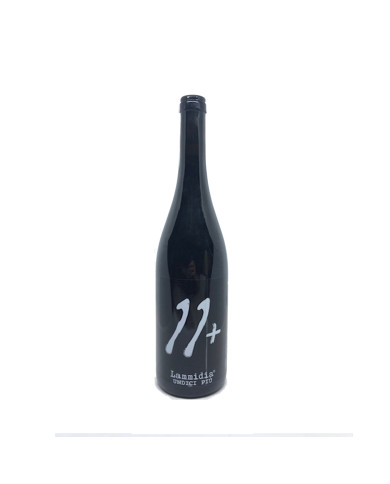
The name varies depending on the alcohol level we have in the year, so it can be 10 minus minus, 12 minus minus, 9 plus, etc...
SKU:
17152
Brand:
Lammidia
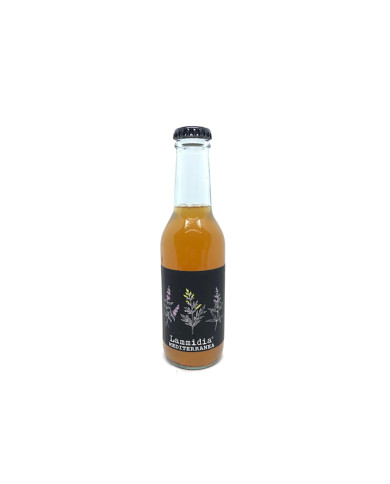
Wine infused with Clary Sage, Artemisia Absinthium and Verbena Odorosa, with the addition of apple juice.
€24.52
SKU:
17151
Brand:
Lammidia
€24.52
Vinification: Destemmed by hand. Contact with the skins with
daily milling for two weeks
Aging: Barrique
Description: Red fruits, typical Pinot Noir spices
SKU:
17150
Brand:
Lammidia
Vinification: Destemmed by hand. Contact with the skins with
daily milling for two weeks
Aging: 10 hl river barrels
Description: Red fruits, typical Pinot Noir spices
€23.09
SKU:
17149
Brand:
Lammidia
€27.33
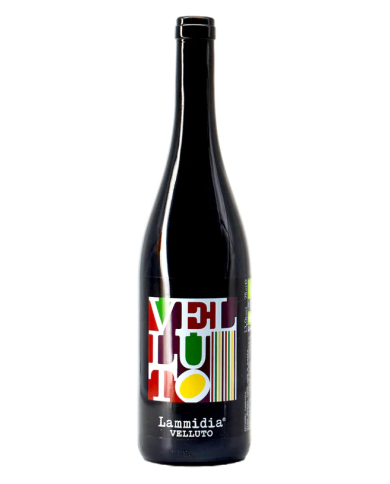
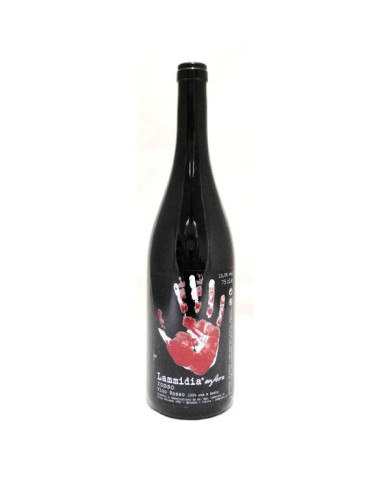
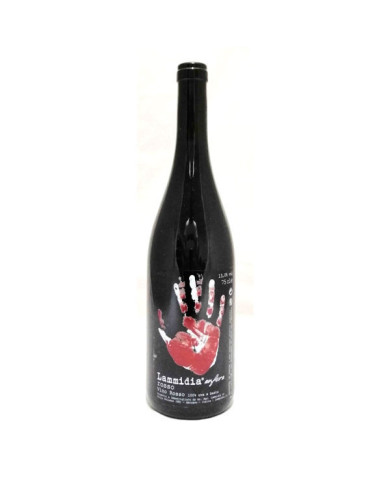
Vinification: Destemmed by hand. Contact with the skins with daily milling for two weeks Aging: Barrique Description: Pepper, black pepper, an enveloping texture in the mouth which recalls velvet
€27.33
€23.08
SKU:
17147
Brand:
Lammidia
€18.18
An unconventional red wine as per the Lammidia style, in which freshness and ease of drinking are sought. Obtained from pure red grapes with carbonic maceration for a week and refinement in steel. A wine that has beautiful aromas on the nose reminiscent of red fruit, followed by liquorice and spicy notes. The south of France made in Pescara.
€18.18
SKU:
17146
Brand:
Lammidia
€23.91
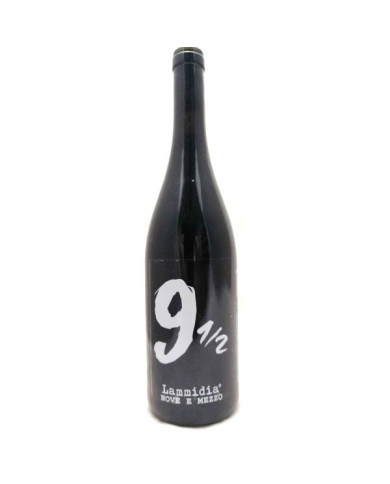
9 1/2 is a wine made from red grapes. The name takes its alcohol content. Spontaneous fermentation with maceration on the skins. Aging for a few months in steel tanks. Without sulphites added before bottling. The result is a wine with intense fruit aromas, great freshness and drinkability.
€23.91
SKU:
17145
Brand:
Lammidia
€20.86
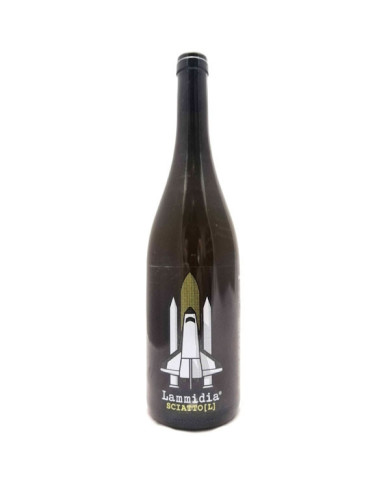
Sciatto(L) is a wine made from white grapes. Spontaneous fermentation with a night of maceration on the skins. Aging for a few months in steel tanks. Without sulphites added before bottling. The result is a wine with intense fruit aromas, great freshness and drinkability.
€20.86
SKU:
17144
Brand:
Lammidia
€25.86
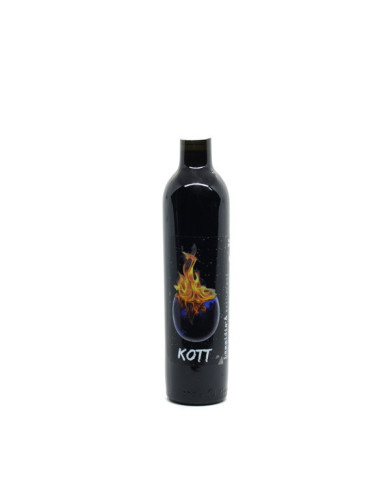
Kott remains a perfectly balanced wine between sweetness and acidity, capable of pairing with the most varied sweet dishes or simply being tasted at the end of dinner.
€25.86
SKU:
17143
Brand:
Lammidia
€18.18
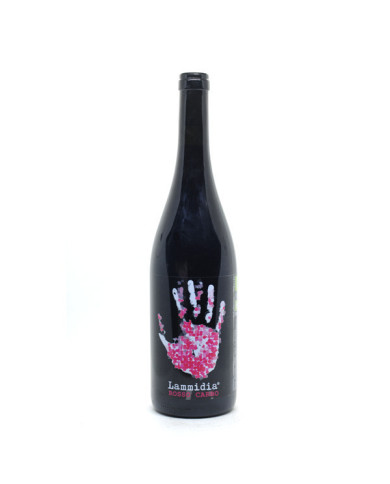
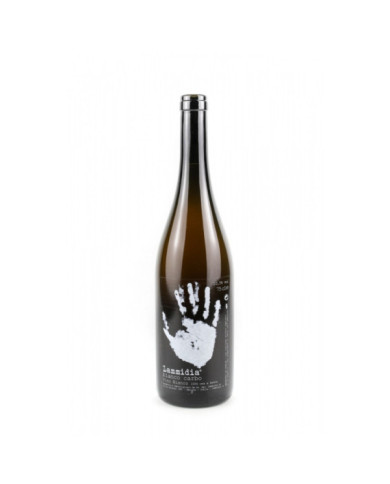
Rosso Carbo is a wine obtained from local red grapes which undergoes 3 weeks of carbonic maceration on whole bunches sealed in concrete tanks. It then goes directly to the press. Rosso Carbo is a graceful, fruity and juicy wine.
€18.18
SKU:
17142
Brand:
Lammidia
€16.81
a juice of wild strawberries and currants that ends with a strong acidity! To drink as much as I can!!!
€16.81
SKU:
17141
Brand:
Lammidia
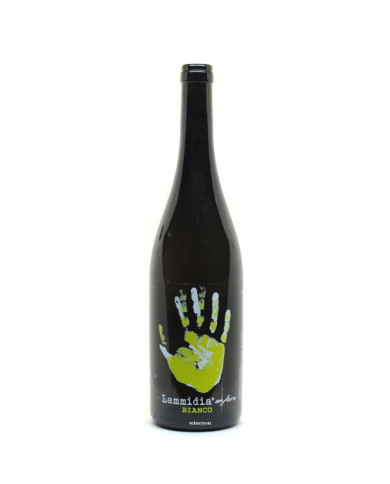
Bianco Anfora di Lammidia is a fresh mineral white wine obtained from Trebbiano grapes. After harvesting, the grapes are manually destemmed and left to ferment spontaneously in an amphora in contact with the skins immersed in the must (submerged cap) for 3 weeks! Subsequently the wine refines together with the fine lees for a further 10 months.
€24.40
SKU:
17140
Brand:
Lammidia
€20.25
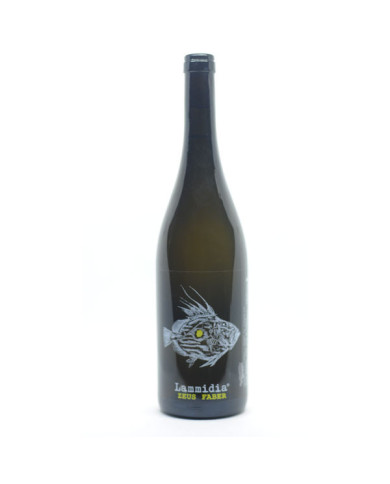
Zeus Fabe by Lammidia is a wine that comes from a perfect combination of 2 white grape varieties and which proves to be a real grape juice. Without sulphites added before bottling.
€20.25
SKU:
17139
Brand:
Lammidia
€23.18
Rosso Anfora di Lammidia is a fresh and compulsively drinkable wine obtained from red grapes. Produced by manually destemming the grapes and pressing them softly with your feet. Fermented spontaneously in amphora in contact with the skins immersed in the must for 10 days. Subsequently the wine refines together with the fine lees for a further 10 months.
€23.18
SKU:
17138
Brand:
Lammidia
Rosso Anfora di Lammidia is a fresh and compulsively drinkable wine obtained from red grapes. Produced by manually destemming the grapes and pressing them softly with your feet. Fermented spontaneously in amphora in contact with the skins immersed in the must for 10 days. Subsequently the wine refines together with the fine lees for a further 10 months.
€47.09
SKU:
17137
Brand:
Lammidia
€13.31
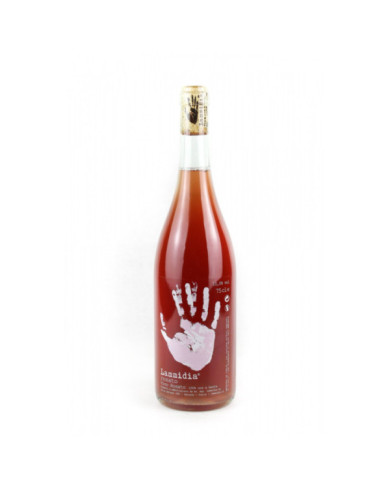
Rosh is a wine produced following the taste of the Abruzzo tradition for red wines, and hence the name "lu rosh". The grapes used are red with a small part of white grapes, to give it a little freshness and greater drinkability. Wine of great juiciness and freshness, which tastes of red fruit.
€13.31
SKU:
17136
Brand:
Lammidia
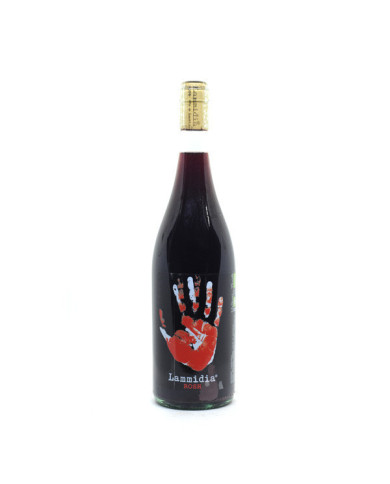
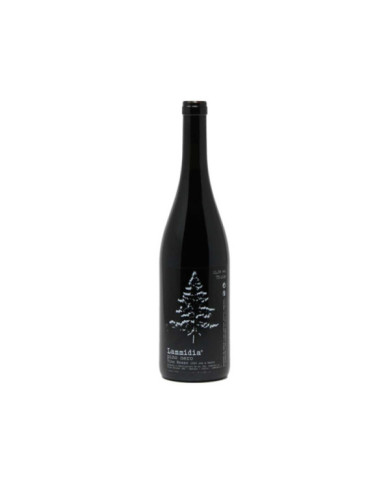
Pino Nero is a red wine obtained from red grapes, fermented with semi-carbonic maceration. Spontaneous fermentation. Aging in fiberglass tanks. Without sulphites added before bottling. The result is a wine that gives the palate a great sensation of freshness and many fruit flavors.
€24.60
SKU:
17135
Brand:
Lammidia
€18.19
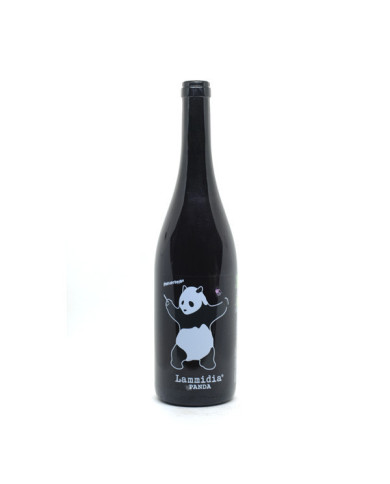
Panda di Lammidia is a rosé wine obtained from a blend of red and white grapes. The vinification takes place spontaneously in cement, while the refinement takes place in anofra. Panda is a fresh, fruity wine, with excellent minerality and drinkability.
€18.19
SKU:
17134
Brand:
Lammidia
€20.25
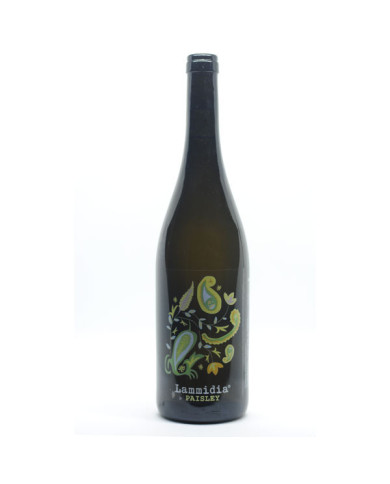
Paisley is a wine made from white grapes. Spontaneous fermentation with a night of maceration on the skins. Aging for a few months in steel tanks. Without sulphites added before bottling. The result is a wine that does not tire after the first glass and where the aroma does not prevail over everything else.
€20.25
SKU:
17133
Brand:
Lammidia
€18.30
100% Montonico, whole bunch carbonic maceration fermentation for a week in cement tanks, then pressed and refined in the same. A territorial grape juice with infinite drinkability! From one of the oldest grapes of Abruzzo here is a wine with super floral aromas and sensations, a slightly citrusy freshness and a lot of minerality! Vibrant like all Lammidia wines!!!
€18.30
SKU:
17132
Brand:
Lammidia
As the name of the wine anticipates, we are faced with a super blend of white, rosé and red wines destined to create an explosive blend of enjoyment and drinkability. Here is Trebbiano mixed with its contribution of freshness, Pecorino with its acidity and aroma and Montepulciano with structure and colour. Super like benza.
€12.13
SKU:
17131
Brand:
Lammidia
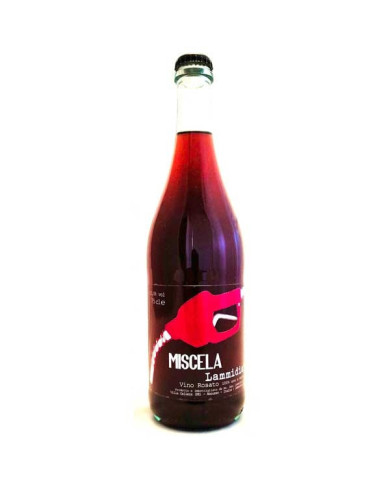
Miscela di Lammidia is an expertly blended wine of red and white grapes. Spontaneous fermentation and aging in steel tanks. A wine that presents itself with the right aroma, freshness and body, and stands out for the ease and promptness of a quick sip.
€4.37
SKU:
17130
Brand:
Lammidia
€19.52
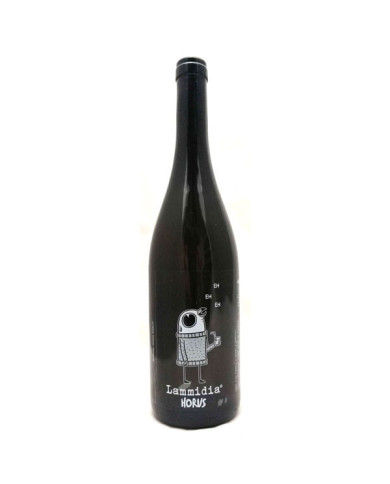
Horus is a wine made from white grapes. Spontaneous fermentation with a night of maceration on the skins. Aging for a few months in steel tanks. Without sulphites added before bottling. The result is a wine with intense fruit aromas, great freshness and drinkability.
€19.52
SKU:
17129
Brand:
Lammidia
Frekt by Lammidia is a fresh and surprisingly drinkable white wine made from white grapes. The vinification is spontaneous, with half of the pecorino being pressed directly, while the other half is macerated for 2 weeks in concrete with a submerged cap, and then they are assembled and aged in fiberglass containers. Frekt is a wine that stands out for its freshness, its drinkability and rusticity, and its fruity hints. A wine that will make you definitively fall in love with Lammidia.
SKU:
17128
Brand:
Lammidia
€18.18
An unconventional rosé wine in the Lammidia style, in which freshness and ease of drinking are sought. Obtained from a blend of more than 10 varieties, red and white. Semi-carbonic maceration, 3 days of maceration. Refines for a few months in fibreglass. A wine that has beautiful aromas on the nose reminiscent of red fruit, such as strawberry, black cherry and pomegranate, followed by notes of Mediterranean scrub. To drink slightly chilled. Good good.
€18.18
SKU:
17127
Brand:
Lammidia
€17.45
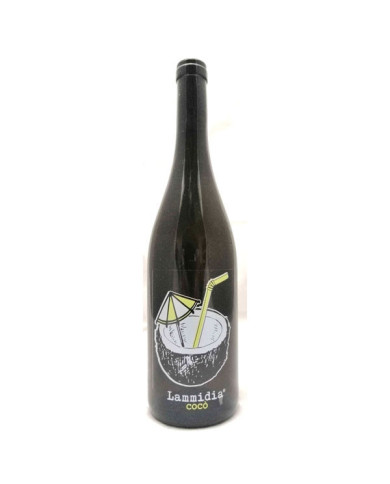
Cocò di Lammidia is an exuberant wine made from local white grapes that ferments spontaneously and macerates on the skins for 12 hours. Refines in concrete tanks. A wine that is immediately recognizable for its marked acidity and a thousand citrus sensations. A wine that recalls summer and its fruits.
€17.45
SKU:
17126
Brand:
Lammidia
€17.45
What they say about him: White 100% Lammidia, extremely drinkable, with Passerina rounding it all off! A jovial wine that brightens up even the most monotonous days!!!
€17.45
SKU:
17125
Brand:
Lammidia
€13.31
Lammidia's Bianchetto is now a guarantee! An exuberant wine made from white grapes that ferments spontaneously and macerates on the skins for 12 hours. Refines in concrete tanks. A wine that is immediately recognizable with its tropical aromas of pineapple, mango and passion fruit, and which impresses in the mouth with its super drinkability and freshness. A wine that recalls summer and its fruits.
€13.31
SKU:
17124
Brand:
Lammidia
€20.42
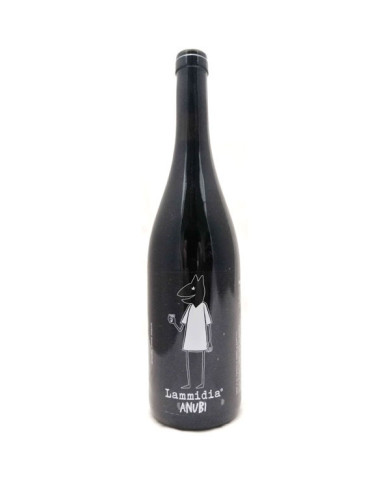
Anubi is a wine made from red grapes. The grapes are vinified with the carbonic maceration technique, throwing the whole bunches into a large concrete vat where they remain without oxygen for 2 weeks. The result is a wine with intense fruit aromas, great freshness and drinkability.
€20.42
€19.50
SKU:
17122
Brand:
Lammidia
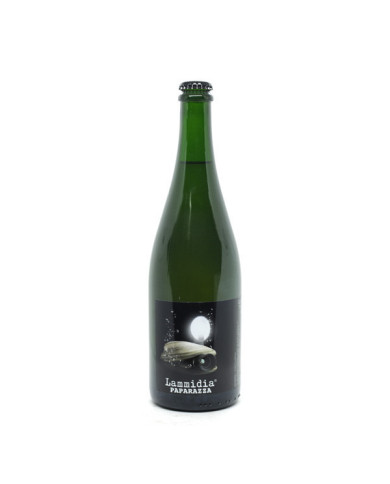
Paparazza di Lammidia is a sparkling white wine obtained from a blend of white grapes, refermented with frozen must of the same vintage. Crisp wine, with notes of peach, citrus and pineapple. Unbeatable drinkability.
€17.45
SKU:
17121
Brand:
Lammidia
€15.37
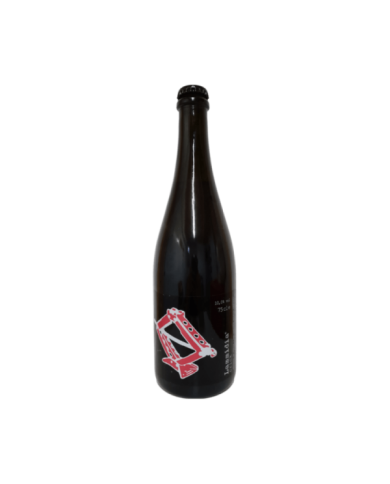
They say about him: from 100% Montepulciano grapes, a rosé refermented on the yeasts inspired by Lambic Kriek, with a low alcohol content and great drinkability. Amazingly rosé and fantastically good!!!
€15.37
€12.47
SKU:
16992
Brand:
Codice Citra
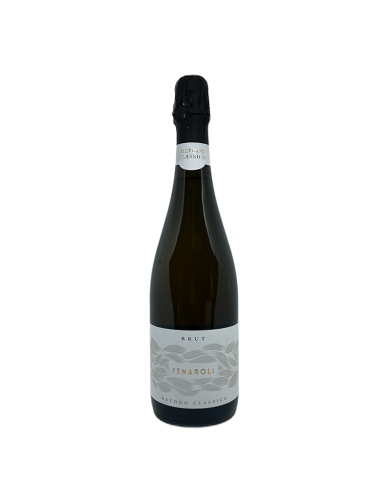
The Metodo Classico Spumante Brut Fenaroli is a sparkling wine made from white berried grapes from the Citra winery. A Classic Method of great style and elegance
€17.93
SKU:
16991
Brand:
Vigna Madre
The first Dynamic Energy Vineyard (last patent by the Di Carlo family). Nature and man merge with the energy of colours... to improve biodiversity, the vitality of the soil, the positive frequencies on plants and fruits, people, animals and useful insects.
€13.02
SKU:
16832
Brand:
Agriverde
it is a rosé with intense fruity aromas, which combines balance and pleasant depth. Made exclusively in steel, it is refreshing and delicately almondy on the finish.
SKU:
16831
Brand:
Agriverde
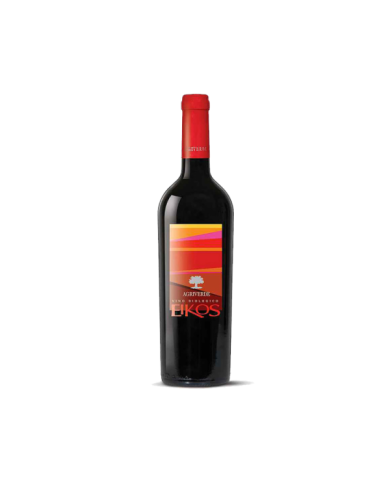
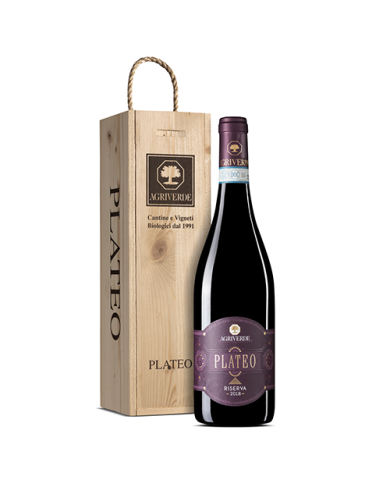
Intense ruby red with purple hues. The nose reveals intriguing varietal aromas of small black fruits, violets, licorice, vanilla and cocoa. In the mouth it is fresh and has an excellent structure with soft tannins and long persistence. Food pairings: cured meats, first courses of land, roast meats, game, aged cheeses.
€8.20
SKU:
16830
Brand:
Agriverde
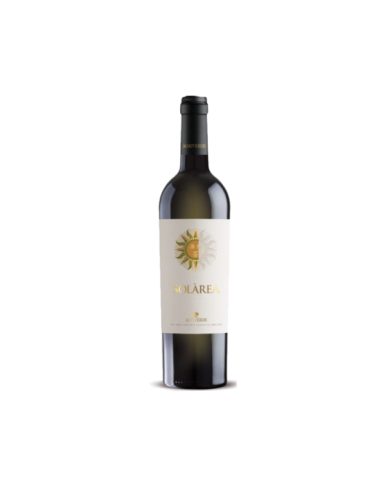
Intense straw yellow with golden and brilliant shades. The nose is expressed with great elegance with wide varietal aromas of ripe yellow fruit, delicate floral and mineral notes, intriguing nuances of honey and vanilla. In the mouth it is a wine of great structure and complexity, it is fresh, balanced with delicate tannins and long persistence. Food matches: Complex sea and land dishes, complex sea dishes (cod, monkfish, sea bass with potatoes, etc.) and land (truffle and porcini tagliatelle, pappardelle alla hare, etc.) aged cheeses, including blue cheeses.
€14.60
SKU:
16829
Brand:
Agriverde
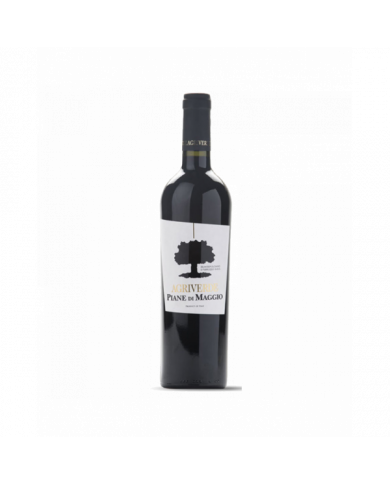
Ruby red with purple hues. The nose is fruity with hints of ripe red fruit: blackberry, black cherry and currant. On the palate it is fresh, dry, fruity and with soft tannins. Food pairings: cured meats, ground dishes, soups, grilled meats and aged cheeses.
€5.27
SKU:
16815
Brand:
Agriverde
Deep ruby red with violet reflections and garnet rim. The nose is expressed with great elegance with ample aromas of ripe red fruit and fine spicy notes of cocoa, vanilla, cloves, coffee and cinnamon. On the palate it is a wine of great structure, elegance and balance and of long persistence. The tannins are refined and velvety. Food matches: Appetizers based on salami and first courses based on sauces and meat, truffles and porcini mushrooms. Ideal with roasts and game, excellent with various aged cheeses and dark chocolate.
SKU:
16798
Brand:
Agriverde
Ruby red with violet reflections. Intense and deep wine that reflects the territory in all its warmth and splendor. The delicate aging in fine oaks has contributed to its aromatic complexity: the nose expresses an intense bouquet of ripe red fruits such as black cherry in alcohol, currant, wild blackberry, and violet enriched with toasted notes of cocoa, tobacco, leather and coffee. In the mouth it is full and elegant with velvety tannins, with good acidity and long persistence. Fruit and spices come together harmoniously, leaving flavors of cherries and cocoa to be perceived in the mouth. The aftertaste is intense with balsamic and pleasantly fruity notes. Thanks to its excellent structure and fruit concentration it is a wine capable of evolving and improving for many years in the bottle. Pairings: excellent with red meats, fatty and succulent dishes, tasty and spicy dishes. Cured meats and aged cheeses and typical dishes of the Abruzzo region: sheep skewers, liver sausages, grilled lamb and mutton, ribs of beef and game meats. Serving temperature 16 degrees.
€11.36
€7.93
€8.10
SKU:
16420
Brand:
Cantina Wilma
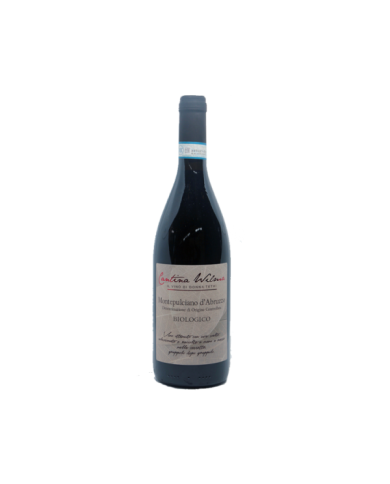
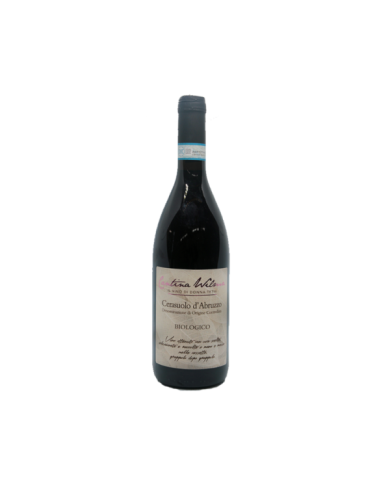
Historic vine and our workhorse. Strong and gentle in character and softness (as it is also said of the people of Abruzzo). Obtained from native grapes and selected in the harvest. Plant in rows 1/2 height exposed to solagna on calcareous-clayey soil. Appearance of cardinal red color with purplish reflections tending to blue. Excellent and well structured. Fruity and spicy bouquet, intense flavor and good body. Ideal with grilled red meats and more, salami and aged cheeses.
€18.30
SKU:
16419
Brand:
Cantina Wilma
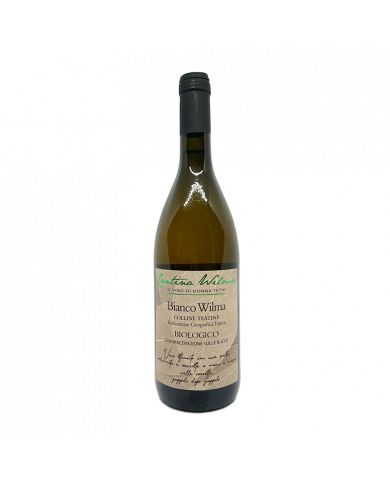
Obtained from native grapes and selected in the harvest. Appearance of straw yellow color with greenish reflections. On the nose it is fresh and floral with notes of white berry flowers and balsamic notes on the aftertaste. Ideal with all seafood cuisine, it also goes well with appetizers and delicate main courses.
€12.44
SKU:
16418
Brand:
Cantina Wilma
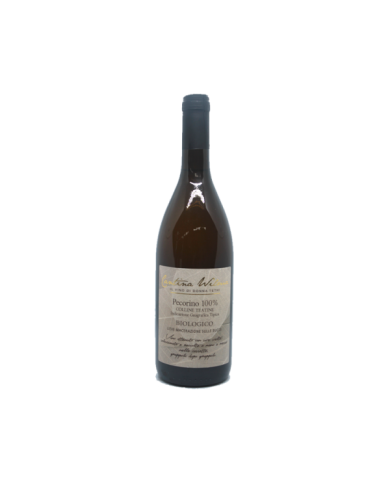
Vine rediscovered a few years ago, widespread throughout the Abruzzo region. The name "pecorino" is given by the sheep's face shape of the bunch and by the fact that when the shepherds passed through during the transhumance, the sheep stopped to graze the leaves of this vine. Cantina Wilma obtains its wine from the "Pecorino" vine with low-row plantings on sandy calcareous soil. Appearance of yellow color, excellent fruity bouquet. The flavor is harmonious and of good quality. Ideal with all seafood cuisine, it also goes well with appetizers and delicate main courses.
€17.08
SKU:
16417
Brand:
Cantina Wilma
Obtained from native grapes and selected in the harvest. Appearance of intense cherry color with pink reflections. On the palate it is fruity with notes of black cherry and cherry. Pairings: throughout the meal.
€14.64
SKU:
16379
Brand:
Codice Citra
Brilliant pink with a fine and persistent perlage. Perfect with shellfish, raw fish and fish soups. Excellent with pizza, cold cuts, and as an aperitif
SKU:
16378
Brand:
Codice Citra
Light yellow colour, fine and persistent grain. Its ideal combination is as an aperitif and with fish-based dishes, with oysters, Parmesan, cheeses.
SKU:
16375
Brand:
Nic Tartaglia
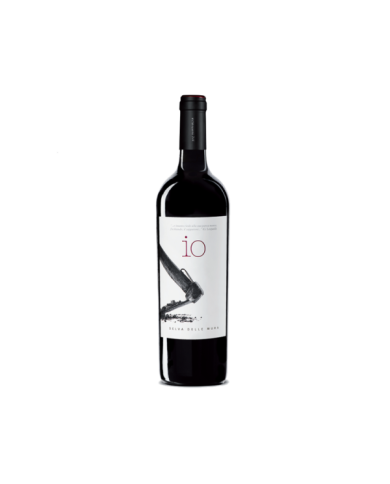
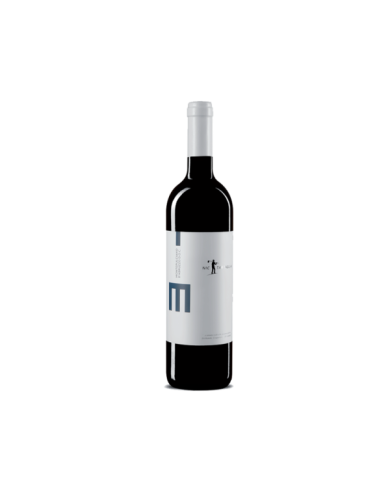
IO Selva delle Mura, from 100% montepulciano grapes is a still and dry natural wine. The harvest takes place at the end of October and before fermentation it macerates on the skins for a few days and only then is it fermented at a controlled temperature of about 28 ° C. The malolactic fermentation takes place in barrique where it refines for 15 months followed by 12 months in the bottle. Bottling takes place 2 years after the harvest.
€30.74
SKU:
16374
Brand:
Nic Tartaglia
Montepulciano d'Abruzzo is produced with only Montepulciano grapes raised with the classic Abruzzo pergola. The vineyard is about 20 years old with a yield of 95 quintals per hectare. The harvest takes place towards the second half of October. After a couple of days of maceration on the skins, the must is fermented at a controlled temperature of 28 ° C. Both alcoholic and malolactic fermentation occur spontaneously. Refine 6 months in steel. Nic Tartaglia 's Montepulciano d'Abruzzo has a very intense ruby red color, distinct aromas of black cherry in alcohol, dark notes such as tobacco and pepper. A full-bodied, enveloping, full-bodied wine. Good flavor and important tannin. Absolutely to try with the arrosticini!
SKU:
16373
Brand:
Nic Tartaglia
Montepulciano d'Abruzzo is produced with only Montepulciano grapes raised with the classic Abruzzo pergola. The vineyard is about 20 years old with a yield of 95 quintals per hectare. The harvest takes place towards the second half of October. After a couple of days of maceration on the skins, the must is fermented at a controlled temperature of 28 ° C. Both alcoholic and malolactic fermentation occur spontaneously. Refine 6 months in steel. Nic Tartaglia 's Montepulciano d'Abruzzo has a very intense ruby red color, distinct aromas of black cherry in alcohol, dark notes such as tobacco and pepper. A full-bodied, enveloping, full-bodied wine. Good flavor and important tannin. Absolutely to try with the arrosticini!
€12.98
SKU:
16185
Brand:
Menicucci
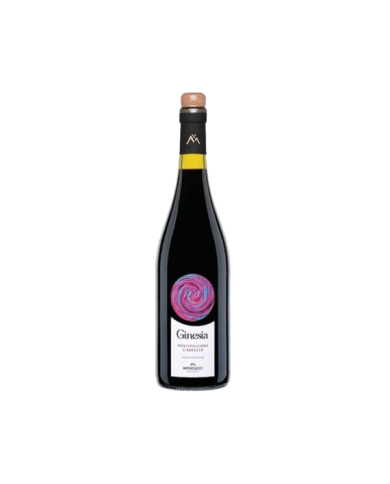
A wine signed by Abruzzo, Ginesia Montelpulciano D'Abruzzo (DOP) is made from 100% organic Montepulciano grapes. This wine has a strong ruby red color, with cherry red reflections. Ginesia Montelpulciano D'Abruzzo is a medium-bodied wine with soft tannins, it pairs perfectly with a variety of meat sauces or grilled red meats. Innovative Packaging: With our love for nature together with our passion for wine, Menicucci Vini presents Ginesia with the innovative, unique and modern Helix packaging. A perfect combination between the glass bottle with internal threads in the mouth and the cork stopper with ergonomically designed threads, offering a quality image, excellent preservation of taste and environmental benefits.
€15.41
€9.52
€8.56
SKU:
16182
Brand:
Poderi Costantini
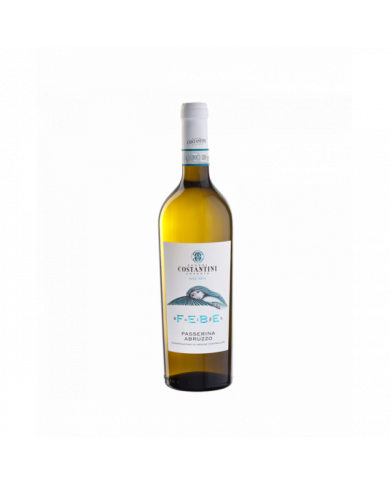
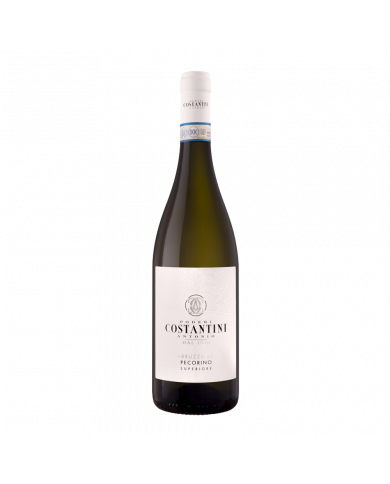
Type Abruzzo Pecorino doc Superiore 2020 Alcohol 14.5% vol. Grape variety Pecorino 100% Production area: Abruzzo Exposure South, South-east Soil type Medium texture - Clayey Training system (Espalier) Yield per hectare 100 quintals Harvest Manual with selection of the bunches.
€10.98
€9.88
SKU:
16147
Brand:
Marramiero
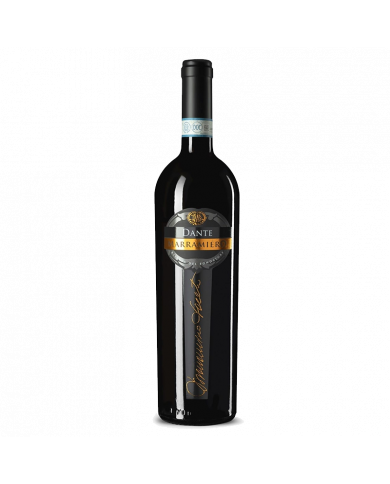
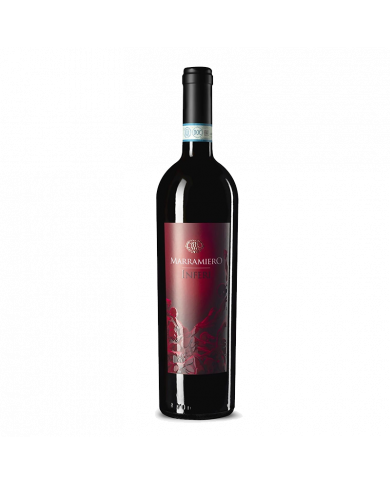
Between the Gran Sasso and the sea, in the Sant'Andrea Estate, on the Pescaresi Hills, the "Dante Marramiero " is born from mature vines, among which our winemakers make a careful selection of the bunches already in the veraison period, to arrive to a homogeneous and optimal ripening. It is refined for 120 months.
SKU:
16146
Brand:
Marramiero
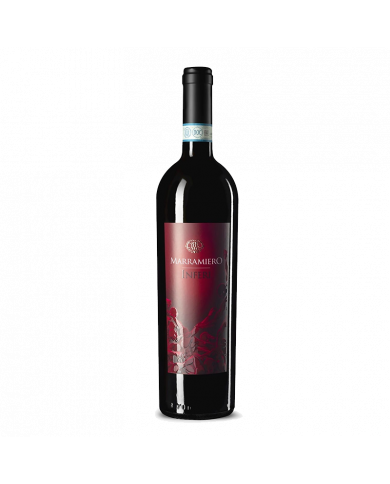
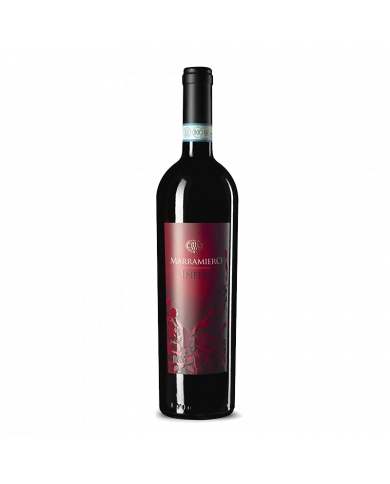
It comes from particularly suitable areas of the Terre dei Vestini, where the low yields of grapes per hectare are not the result of any forcing: it is the soil itself that, by its nature, gives balance to the vineyard, ensuring that each cluster contains within itself a extraordinary concentration of quality. It is aged for 40 months: initially with fermentation and long maceration in Ganymede, then in stainless steel vats and subsequently in fine oak barriques to be completed with a stay in the bottle for at least 6 months.
SKU:
16145
Brand:
Marramiero
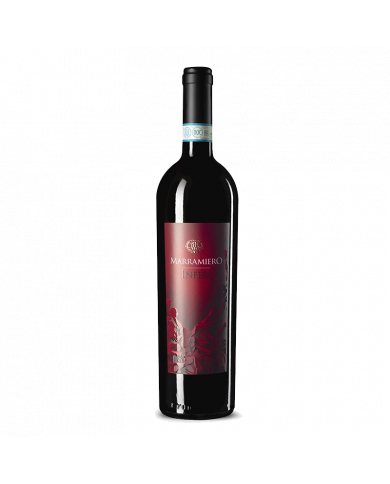
It comes from particularly suitable areas of the Terre dei Vestini, where the low yields of grapes per hectare are not the result of any forcing: it is the soil itself that, by its nature, gives balance to the vineyard, ensuring that each cluster contains within itself a extraordinary concentration of quality. It is aged for 40 months: initially with fermentation and long maceration in Ganymede, then in stainless steel vats and subsequently in fine oak barriques to be completed with a stay in the bottle for at least 6 months.
€44.90
SKU:
16144
Brand:
Marramiero
It comes from particularly suitable areas of the Terre dei Vestini, where the low yields of grapes per hectare are not the result of any forcing: it is the soil itself that, by its nature, gives balance to the vineyard, ensuring that each cluster contains within itself a extraordinary concentration of quality. It is aged for 40 months: initially with fermentation and long maceration in Ganymede, then in stainless steel vats and subsequently in fine oak barriques to be completed with a stay in the bottle for at least 6 months.
SKU:
16143
Brand:
Marramiero
It comes from particularly suitable areas of the Terre dei Vestini, where the low yields of grapes per hectare are not the result of any forcing: it is the soil itself that, by its nature, gives balance to the vineyard, ensuring that each cluster contains within itself a extraordinary concentration of quality. It is aged for 40 months: initially with fermentation and long maceration in Ganymede, then in stainless steel vats and subsequently in fine oak barriques to be completed with a stay in the bottle for at least 6 months.
SKU:
16142
Brand:
Marramiero
It comes from particularly suitable areas of the Terre dei Vestini, where the low yields of grapes per hectare are not the result of any forcing: it is the soil itself that, by its nature, gives balance to the vineyard, ensuring that each cluster contains within itself a extraordinary concentration of quality. It is aged for 40 months: initially with fermentation and long maceration in Ganymede, then in stainless steel vats and subsequently in fine oak barriques to be completed with a stay in the bottle for at least 6 months.
SKU:
16141
Brand:
Marramiero
It comes from particularly suitable areas of the Terre dei Vestini, where the low yields of grapes per hectare are not the result of any forcing: it is the soil itself that, by its nature, gives balance to the vineyard, ensuring that each cluster contains within itself a extraordinary concentration of quality. It is aged for 40 months: initially with fermentation and long maceration in Ganymede, then in stainless steel vats and subsequently in fine oak barriques to be completed with a stay in the bottle for at least 6 months.
Explore the fascinating world of Abruzzo wines
Abruzzo is an Italian region rich in winemaking traditions, breathtaking landscapes, and quality wines. This region is a true paradise for wine lovers, who can sample some of our country's finest varietals.
What makes Abruzzo wine unique?
Abruzzo wines are characterized by a wide variety of flavors and aromas, depending on the grape varieties used to produce them. Generally, they have a complex aromatic profile, combining notes of ripe fruit, spices, aromatic herbs, minerality, and wood aging. Most Abruzzo wines are strong, dry, and age well, although there are also softer, younger versions.
Buy Italian Abruzzo wines online at the best prices.
Buy Italian Abruzzo wines online at the best price, discover the finest producers and selected labels for sale on the Clickwine Online Wine Shop
What are the most common grape varieties in Abruzzo?
The main grape varieties used to produce Abruzzo wines are Montepulciano, Trebbiano, Pecorino, Passerina, and Cerasuolo. Montepulciano is one of the most famous, producing high-quality wines with strong tannins and ripe fruit aromas. Trebbiano is another popular grape variety in Abruzzo, producing high-quality wines with fruit, herbal, and spicy notes. Pecorino is an aromatic, fruity grape variety, used to produce light, fresh white wines. Passerina is an aromatic grape variety, producing white wines with fruity and floral notes. Finally, Cerasuolo is a red grape variety, producing wines with fruity and spicy notes.
What are the most famous Abruzzo wines?
The most famous Abruzzo wines are Montepulciano d'Abruzzo , Trebbiano d'Abruzzo, Cerasuolo d'Abruzzo , and Pecorino. Montepulciano d'Abruzzo is a red wine rich in tannins, with hints of ripe fruit and spice. Trebbiano d'Abruzzo is a light and fresh white wine, with floral and fruity notes. Cerasuolo d'Abruzzo is a rosé wine with a complex aromatic profile, with hints of fruit, herbs, and spice. Pecorino is an aromatic and fruity white wine, with notes of apple, pear, and flowers.
Where can you buy Abruzzo wines?
Abruzzo wines can be purchased at specialty retailers, wine shops, grocery stores, supermarkets, and many other stores. You can also purchase Abruzzo wines online, on some winery websites and specialized e-commerce sites.
How to properly store Abruzzo wines?
To properly store Abruzzo wines, it's important to keep them at a temperature of around 12-14°C. It's also important to maintain a constant temperature, so it's best to avoid exposing them to direct heat or significant temperature fluctuations. Finally, Abruzzo wines should be stored in the dark, away from direct light.
How to pair Abruzzo wines?
Abruzzo wines can be paired with a variety of dishes, depending on their type. Montepulciano d'Abruzzo and Cerasuolo d'Abruzzo pair well with meat-based dishes, such as roasts or stews. Trebbiano d'Abruzzo and Pecorino are perfect with fish dishes, such as grilled sardines or seafood salads.
Map
Abruzzo wines are high-quality, with a wide variety of flavors and aromas. In this article, we've explored the fascinating world of Abruzzo wines, answering the most frequently asked questions from enthusiasts. If you're interested in learning more about Abruzzo wines, don't hesitate to visit local wineries or take a wine tour to learn more about this region.