

 Italiano
 Deutsch











There are no more items in your cart
SKU:
16325
Brand:
Montagner
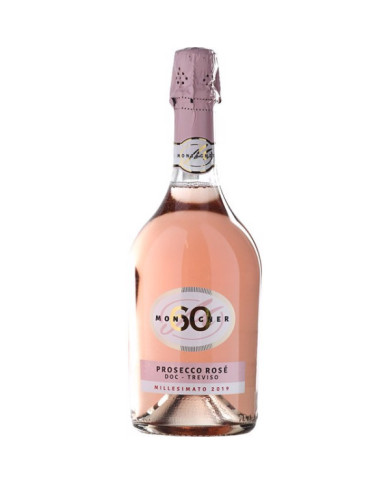
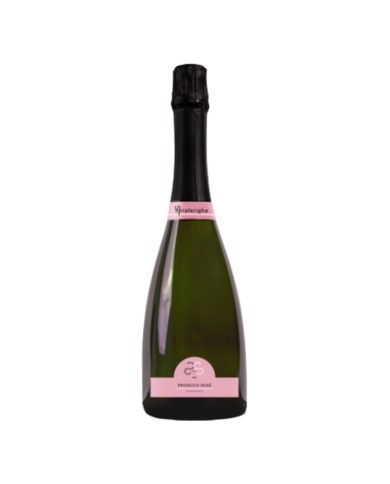
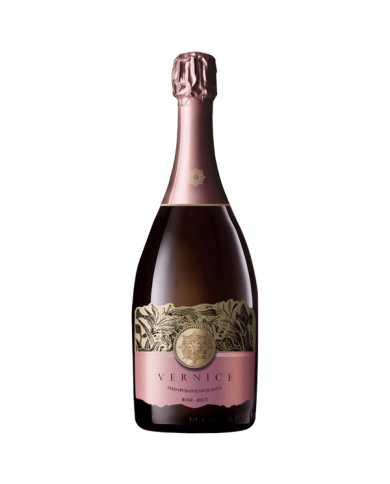
Sparkling wine with a fine and persistent perlage, pale pink colour, complex aromatic bouquet with hints of raspberry and strawberry. Delicate taste reminiscent of apple, white peach, citrus fruits and wild strawberries.
€10.13
SKU:
16324
Brand:
Montagner
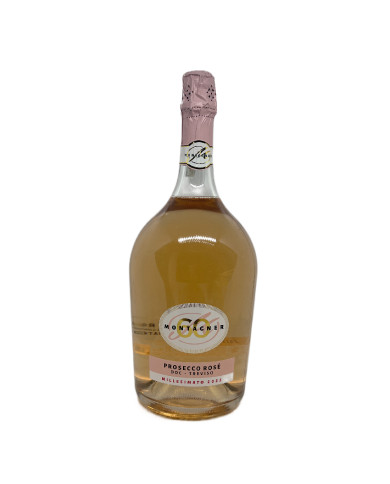
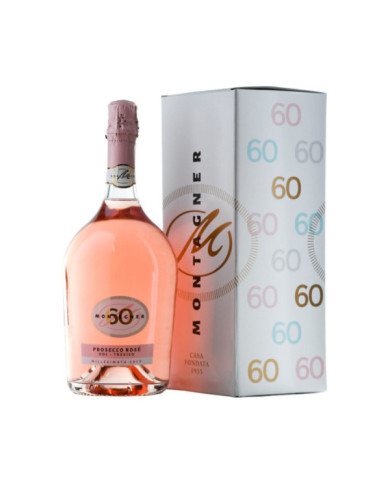
Sparkling wine with a fine and persistent perlage, pale pink colour, complex aromatic bouquet with hints of raspberry and strawberry. Delicate taste reminiscent of apple, white peach, citrus fruits and wild strawberries.
€26.60
SKU:
16323
Brand:
Montagner
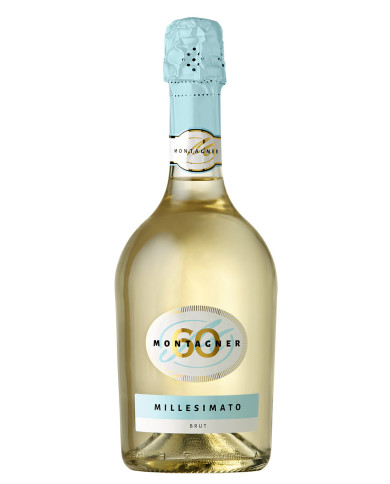
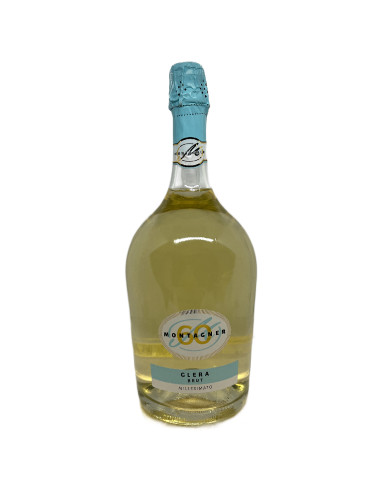
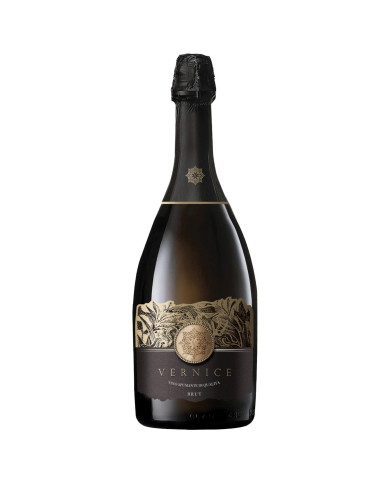
Sparkling wine of pale straw yellow color with greenish reflections, minute and persistent perlage. Fruity and floral bouquet with delicate hints of apple; dry, fresh and dry flavour.
€5.93
SKU:
16322
Brand:
Montagner
Sparkling wine of pale straw yellow color with greenish reflections, minute and persistent perlage. Fruity and floral bouquet with delicate hints of apple; dry, fresh and dry flavour.
€27.29
SKU:
16284
Brand:
Lunae Bosoni
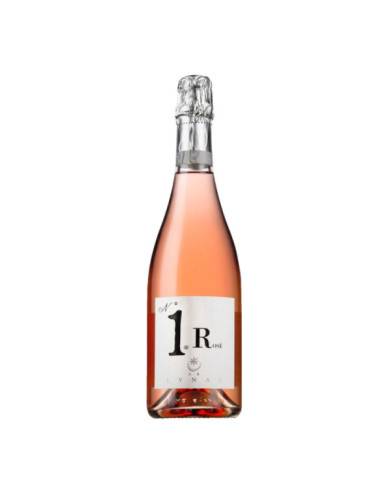
The Spumante Rosè Brut '1.R' by Lunae Bosoni is a sparkling wine obtained with the long charmat method, based on Vermentino Nero and Ciliegiolo grapes from Lunigiana, on the Ligurian border with Tuscany. It has a light and bright cherry pink color to the eye and expresses notes of fresh flowers, small berries and mixed citrus peel to the nose. On the palate it is fresh and harmonious, with a pleasant citrus aromatic finish and excellent flavor, slightly mineral.
€12.79
SKU:
16283
Brand:
Lunae Bosoni
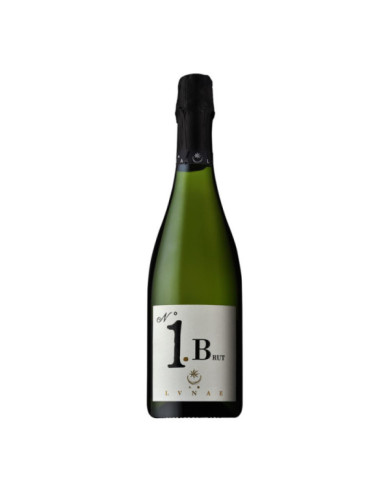
The Spumante 1.Brut Lunae Bosoni is a Ligurian wine obtained by sparkling wine using the Charmat method, from Albarola, Greco and Malvasia grapes from Lunigiana. It has a delicate straw color and expresses floral aromas of wisteria and hawthorn, enriched by hints of ripe Golden apple, while the sip is informal and refreshing, harmonious, lively
€12.44
SKU:
16282
Brand:
Lunae Bosoni
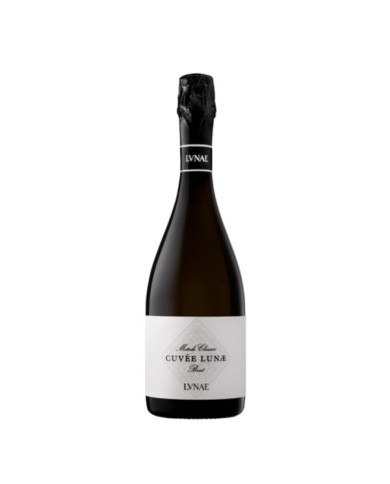
Cuvée Lunae for us is the realization of a dream that has accompanied us for more than a generation. Making a classic method sparkling wine in our lands, using our traditional vines, a wine that could tell a further expression of our winemaking tradition, another photograph of its territory of origin.
€40.99
SKU:
16222
Brand:
Mosnel
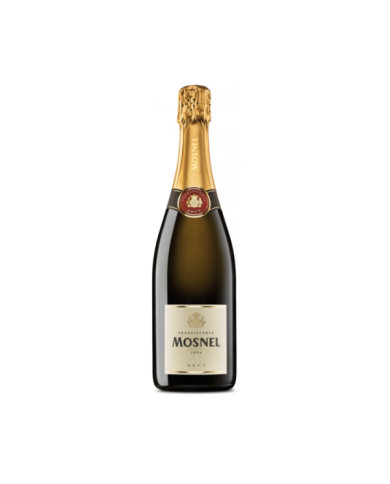
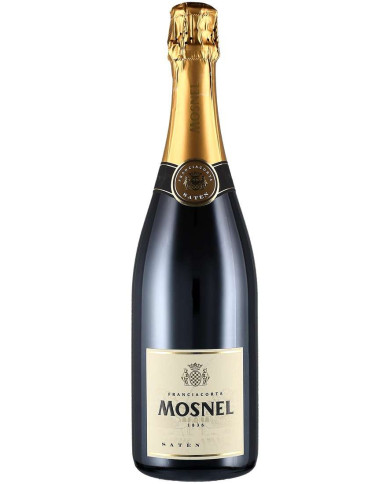
Produced since 1979 starting from a careful blend of chardonnay, pinot bianco and pinot noir. It rests in the bottle on its lees for about 18 months. This is how a straw yellow Franciacorta is born, with a dense, fine and persistent perlage. The nose reveals notes of wisteria and white peach which open to a decisive taste of extraordinary harmony. Fresh, dry and velvety at the same time.
€27.15
SKU:
16221
Brand:
Mosnel
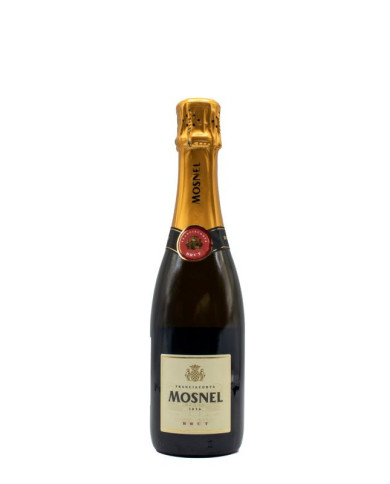
Produced since 1979 starting from a careful blend of chardonnay, pinot bianco and pinot noir. It rests in the bottle on its lees for about 18 months. This is how a straw yellow Franciacorta is born, with a dense, fine and persistent perlage. The nose reveals notes of wisteria and white peach which open to a decisive taste of extraordinary harmony. Fresh, dry and velvety at the same time.
€16.47
SKU:
16220
Brand:
Mosnel
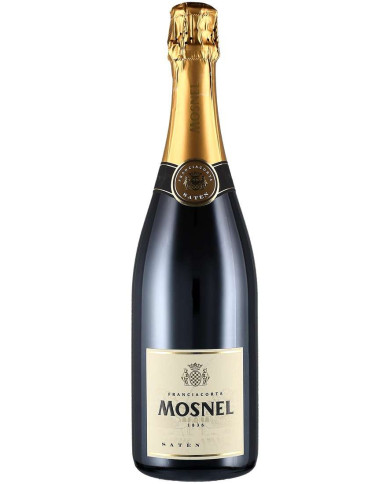
From the vinification of Chardonnay grapes in purity. The origin of the vineyards falls within the company areas as per tradition and the exposure is towards East-South/East. The harvest takes place manually in crates between the second and fourth week of August. The vinification is in white in a pneumatic press with separation of the 1st and 2nd pressing. After 12 hours of decantation at 15°C, inoculation of selected yeasts for fermentation partly in temperature-controlled stainless steel tanks and partly in barriques. Malolactic fermentation and racking precede the assembly of the Cuvée which in spring, after the addition of the "draught syrup", is bottled, capped with a crown cap and laid down in a pile for the second fermentation. For maturation and refinement, the stacked bottles remain at least 36 months in the rooms of our cellars before the "remuage". Subsequently disgorged and dosed "Brut" receive the mushroom cap and the cage. Finally, at least three months of further aging are necessary before placing this Franciacorta on the market.
€220.09
SKU:
16219
Brand:
Mosnel
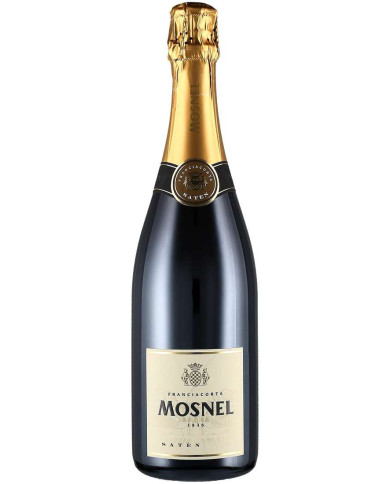
From the vinification of Chardonnay grapes in purity. The origin of the vineyards falls within the company areas as per tradition and the exposure is towards East-South/East. The harvest takes place manually in crates between the second and fourth week of August. The vinification is in white in a pneumatic press with separation of the 1st and 2nd pressing. After 12 hours of decantation at 15°C, inoculation of selected yeasts for fermentation partly in temperature-controlled stainless steel tanks and partly in barriques. Malolactic fermentation and racking precede the assembly of the Cuvée which in spring, after the addition of the "draught syrup", is bottled, capped with a crown cap and laid down in a pile for the second fermentation. For maturation and refinement, the stacked bottles remain at least 36 months in the rooms of our cellars before the "remuage". Subsequently disgorged and dosed "Brut" receive the mushroom cap and the cage. Finally, at least three months of further aging are necessary before placing this Franciacorta on the market.
€34.92
SKU:
16218
Brand:
Mosnel
From the vinification of Chardonnay grapes in purity. The origin of the vineyards falls within the company areas as per tradition and the exposure is towards East-South/East. The harvest takes place manually in crates between the second and fourth week of August. The vinification is in white in a pneumatic press with separation of the 1st and 2nd pressing. After 12 hours of decantation at 15°C, inoculation of selected yeasts for fermentation partly in temperature-controlled stainless steel tanks and partly in barriques. Malolactic fermentation and racking precede the assembly of the Cuvée which in spring, after the addition of the "draught syrup", is bottled, capped with a crown cap and laid down in a pile for the second fermentation. For maturation and refinement, the stacked bottles remain at least 36 months in the rooms of our cellars before the "remuage". Subsequently disgorged and dosed "Brut" receive the mushroom cap and the cage. Finally, at least three months of further aging are necessary before placing this Franciacorta on the market.
€67.83
SKU:
16217
Brand:
Mosnel
Franciacorta Brut Rosè is a sparkling wine produced by the Mosnel winery, obtained from Pinot Nero and Chardonnay grapes divided into equal parts, about 40% the remainder from Pinot Bianco grapes, the pinot noir in this case is vinified in white, but with a stop on own peels for a few hours, a method thanks to which it allows to donate this beautiful powder pink color. The vineyards are all owned by the Guyot system with south-east exposure, with a rather low yield of around 80 quintals per hectare.
€31.23
SKU:
16216
Brand:
Mosnel
Franciacorta Brut Rosè is a sparkling wine produced by the Mosnel winery, obtained from Pinot Nero and Chardonnay grapes divided into equal parts, about 40% the remainder from Pinot Bianco grapes, the pinot noir in this case is vinified in white, but with a stop on own peels for a few hours, a method thanks to which it allows to donate this beautiful powder pink color. The vineyards are all owned by the Guyot system with south-east exposure, with a rather low yield of around 80 quintals per hectare.
€58.68
SKU:
16202
Brand:
Jean Noel Haton
Fine perlage. Color Straw yellow. Perfume Bouquet with fruity and floral aromas, accompanied by notes of crusty bread. Flavor On the palate the wine is fresh and balanced.
€84.77
SKU:
16179
Brand:
Bortoluz
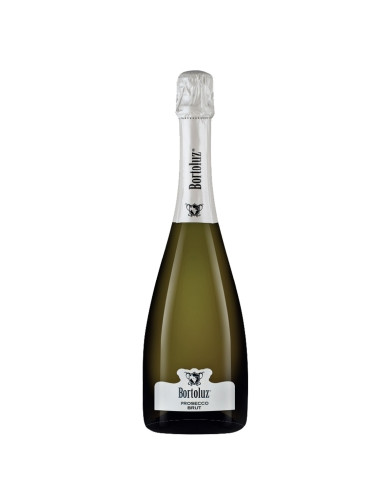
The desire to best represent the territory by vinifying proprietary grapes located in the best hills of the historic area of Valdobbiadene is a prerogative of Bortoluz. Fragrance of scents of white flowers, fruity hints of white peach, pear and green apple, best represent the type. As an aperitif or on cured meats and fresh cheeses.
€13.18
SKU:
16177
Brand:
Bortoluz
The desire to best represent the territory by vinifying proprietary grapes located in the best hills of the historic area of Valdobbiadene is a prerogative of Bortoluz. Fragrance of scents of white flowers, fruity hints of white peach, pear and green apple, best represent the type. As an aperitif or on cured meats and fresh cheeses.
€10.37
SKU:
16176
Brand:
Bortoluz
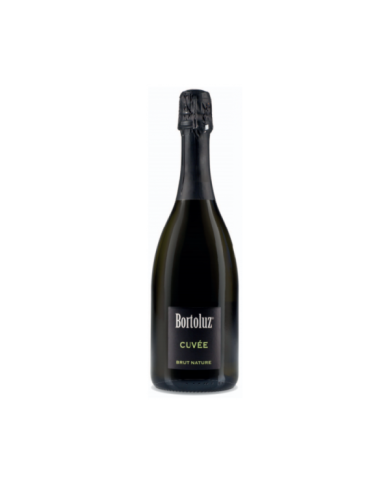
The Spumante But Nature produced by the Bortoluz farm is a wine produced from glera grapes, the vineyards located in the municipality of Valdobbiadene at an altitude of about 200 meters.
This sparkling wine is called brut nature as no sugars are added after fermentation, therefore it has truly exquisite characteristics, its sugar level equal to 0, therefore dry and dry, its very fine perlage with a creamy and persistent foam, all Of course, the fruity scents are more attenuated than a classic prosecco, but in this case the floral and citrus notes are enhanced, we like it a lot on the palate because it is dry but at the same time velvety and fresh.
Excellent pairing with slightly fatter and richer fish dishes.
€8.54
SKU:
16173
Brand:
Jean Noel Haton
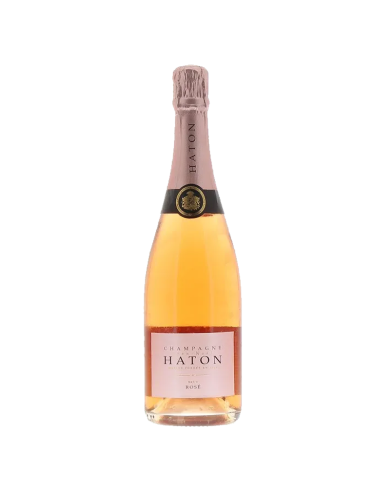
Maison Jean-Noël HATON's Cuvée Rosé is a blend of 35% Pinot Meunier, 30% Chardonnay and 35% Pinot Noir, of which 10% is vinified as red wine.
€43.10
SKU:
16170
Brand:
Marsuret
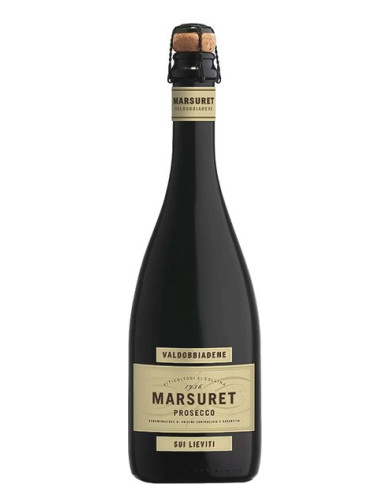
‘Sui Lieviti’ from the Marsuret winery is a straw-colored Prosecco di Valdobbiadene Superiore DOCG Brut Nature with a subtle and continuous perlage. On the nose it offers ample notes of ripe white-fleshed fruit, apple and floral references. On the palate it is fresh, easy to drink and harmonious. Ideal in combination with appetizers, appetizers, Sushi and Sashimi and fried fish.
€13.66
SKU:
16169
Brand:
Marsuret
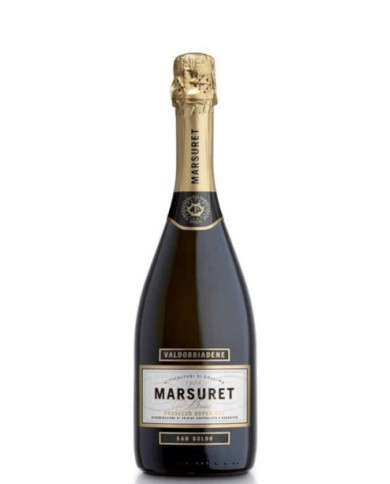
Valdobbiadene DOCG Superiore Brut 'San Boldo' Marsuret is a fresh and elegant Prosecco. At sight it appears of a brilliant pale straw color with a fine and persistent perlage. The complex scent is conferred by notes of Golden apple and wild flowers. On the palate it is intense and pleasant to drink. Sparkling wine according to the Charmat Method.
€12.08
SKU:
16168
Brand:
Marsuret
Valdobbiadene DOCG Superiore Brut 'San Boldo' Marsuret is a fresh and elegant Prosecco. At sight it appears of a brilliant pale straw color with a fine and persistent perlage. The complex scent is conferred by notes of Golden apple and wild flowers. On the palate it is intense and pleasant to drink. Sparkling wine according to the Charmat Method.
€129.93
SKU:
16167
Brand:
Marsuret
Valdobbiadene DOCG Superiore Brut 'San Boldo' Marsuret is a fresh and elegant Prosecco. At sight it appears of a brilliant pale straw color with a fine and persistent perlage. The complex scent is conferred by notes of Golden apple and wild flowers. On the palate it is intense and pleasant to drink. Sparkling wine according to the Charmat Method.
€25.99
SKU:
16164
Brand:
Marsuret
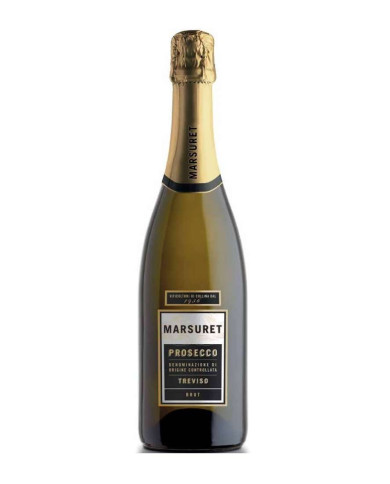
The vines used for the production of this sensational sparkling wine from the Marsuret Brut winery are those of Glera della Valdobbiadene, annexed within the company ambit. The origin falls within the land owned on the hills of Treviso on the border with Valdobbiadene. All the vineyards are owned. The vinification develops in white, with soft pressing and a maximum yield of 70%. The sparkling process follows the charmat method with slow fermentation in an autoclave.
€9.27
SKU:
16162
Brand:
Marsuret
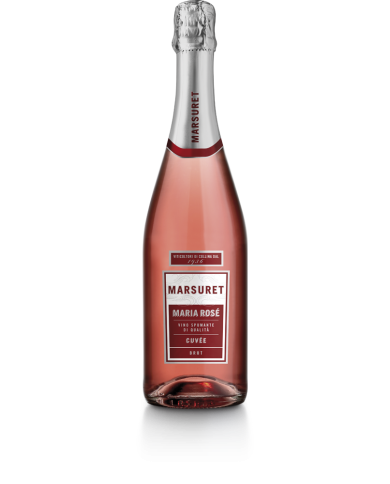
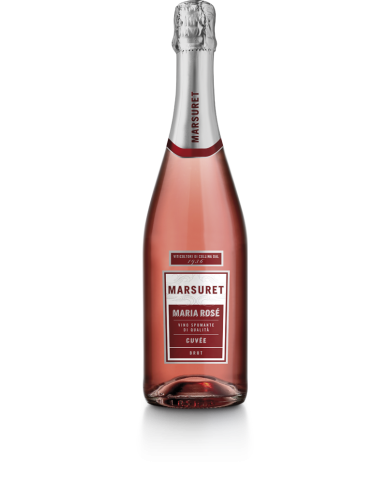
Refined brut sparkling wine with a charm
light pink colour. The scent is intense,
the complex, fragrant and lively bouquet.
Young and lively, it evokes aromas of red fruits
and ripe fruit, full and deep. The taste
it is pleasant and elegant, full, velvety,
soft, with pleasant body. Subtle perlage
and persistent.
€11.47
SKU:
16161
Brand:
Marsuret
Refined brut sparkling wine with a charm
light pink colour. The scent is intense,
the complex, fragrant and lively bouquet.
Young and lively, it evokes aromas of red fruits
and ripe fruit, full and deep. The taste
it is pleasant and elegant, full, velvety,
soft, with pleasant body. Subtle perlage
and persistent.
€24.52
SKU:
16157
Brand:
Marsuret
€7.93
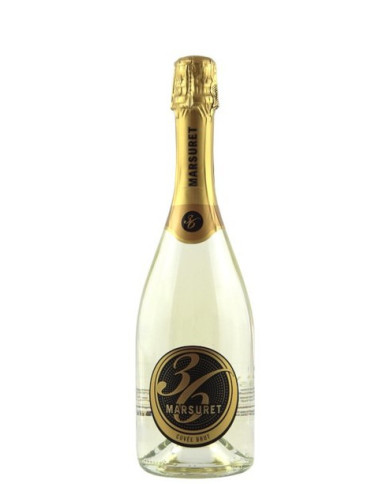
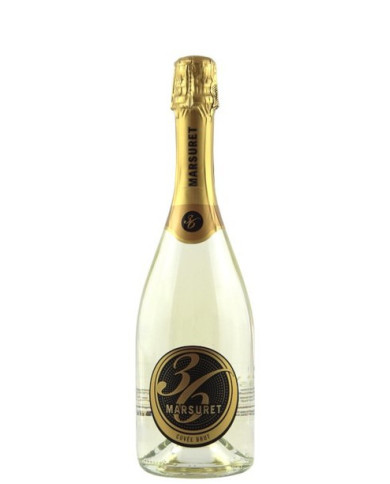
The Cuvée "36" Brut from the Marsuret cellar is a fresh sparkling wine with a pale straw color and a fine and persistent perlage. Notes of citrus fruits, pears and fresh apples emerge on the nose. In the mouth it is creamy and dense with a persistent finish.
€7.93
SKU:
16156
Brand:
Marsuret
The Cuvée "36" Brut from the Marsuret cellar is a fresh sparkling wine with a pale straw color and a fine and persistent perlage. Notes of citrus fruits, pears and fresh apples emerge on the nose. In the mouth it is creamy and dense with a persistent finish.
€16.23
SKU:
16136
Brand:
Jean Noel Haton
Fine perlage. Color Straw yellow. Perfume Bouquet with fruity and floral aromas, accompanied by notes of crusty bread. Flavor On the palate the wine is fresh and balanced.
€34.90
SKU:
16028
Brand:
Sutto
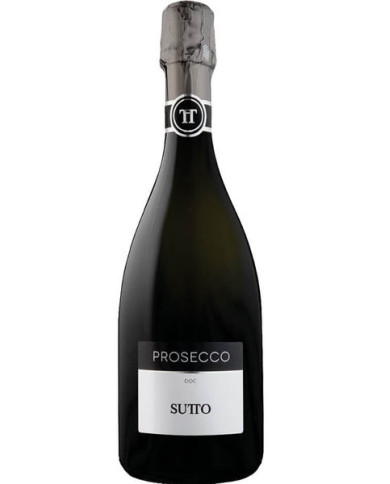
The Valdobbiadene Prosecco Superiore Extra Dry Sutto comes from prestigious lands of morainic origin. The example of an exclusively manual agriculture in steep and insidious terrain, combined with a process designed to keep the wine on its noble lees for a period sufficient to give the pleasure of drinking well in all circumstances.
€21.46
SKU:
16025
Brand:
Sutto
The territory from which our Prosecco DOC comes extends in the hills of the province of Treviso, in the DOC production area and covers a set of territories that follow one another from the plain up to the Venetian heights. From here comes a fragile and generous vine: the Glera, delicately tended by hand, due to the nature of the steep, steep and difficult terrains in which it lives. This grape transformed into wine takes the famous name of Prosecco, one of the most drunk wines in the world. Delicate aromas and refined flavors that arise from the perfect symbiosis between a mild microclimate, strengthened by a remarkable temperature range and an ancient soil, rich in limestone and clay, originating from the lifting of the seabed.
€14.31
SKU:
15998
Brand:
Kandèa F.lli Tullio Cataldo
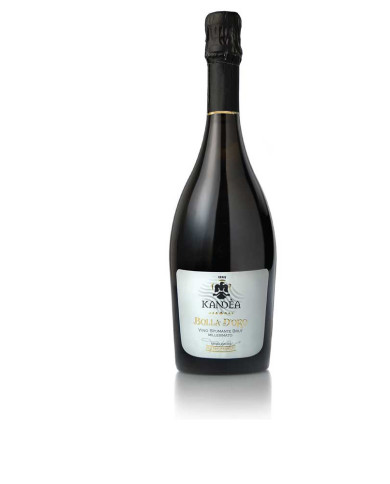
The grape variety chosen for the spumante base of Bolla d'Oro is the "Bombino Bianco". Its ancient origins probably date back to the challenge of Barletta and the Spaniards. It prefers deep, draining soils and is certainly one of the most interesting grapes for sparkling wine. Bolla D'oro is born from the application of the long charmat method, with a fermentation period of no less than 40 days sur lie which gives an absolutely unique and original roundness and fullness to the tasting (texture), enhanced by a fine and persistent perlage. Vin de fete, with a great personality and an intriguing bouquet in which notes of apricot and white peach predominate with white flowers (blossom) and dried fruit intruding on the finish.
€12.03
SKU:
15984
Brand:
Terra dei Re
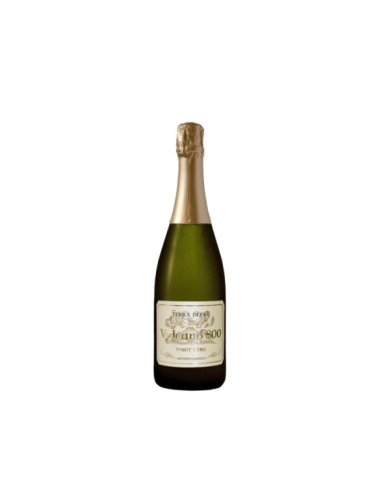
Its aromatic richness is closely linked to the complexity of the volcanic soil. The evident mineral notes and the olfactory freshness are the synthesis of the extreme altitude of the vineyard. The pleasant aromatic presence of small fruits that give it a unique character. Crunchy and savory, a pleasant tingling envelops the palate and the fine creaminess gives a sublime pleasure
€21.81
SKU:
15983
Brand:
Terra dei Re
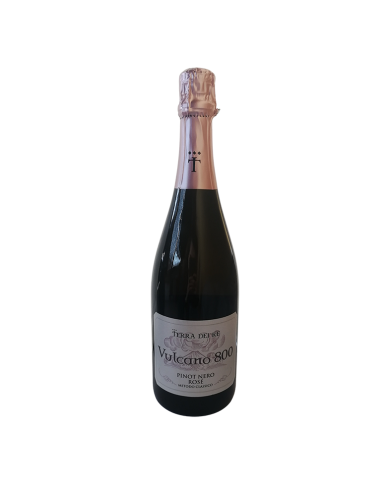
First flower, from soft pressing and short maceration
on the skins. Light, delicate and sharp to the taste. Seducer
of senses, intense and fresh like the early morning rose.
The sense of smell surrenders to the hollyhock while the rose sparkles
canine, slight scent of hibiscus. Fragrant and lively taste,
intense reference to the pulp of strawberry and red currant.
The Pinot Noir grapes are harvested at the first sign of ripening, when acidity and sugar content are in balance. Our sparkling wine has a good acid component and a low alcohol content.
To obtain a very light rosé colour, we reduce contact with the skins to a very short duration.
The processes of the classic method are articulated, the long times of maturation of the wine favor elegance and complexity.
€70.15
SKU:
15982
Brand:
Terra dei Re
First flower, from soft pressing and short maceration
on the skins. Light, delicate and sharp to the taste. Seducer
of senses, intense and fresh like the early morning rose.
The sense of smell surrenders to the hollyhock while the rose sparkles
canine, slight scent of hibiscus. Fragrant and lively taste,
intense reference to the pulp of strawberry and red currant.
The Pinot Noir grapes are harvested at the first sign of ripening, when acidity and sugar content are in balance. Our sparkling wine has a good acid component and a low alcohol content.
To obtain a very light rosé colour, we reduce contact with the skins to a very short duration.
The processes of the classic method are articulated, the long times of maturation of the wine favor elegance and complexity.
€23.25
SKU:
15883
Brand:
Colli del Soligo
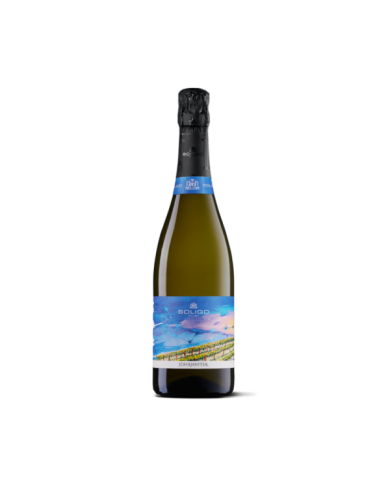
Johanniter is a white grape variety resistant to fungal diseases created from the cross between Riesling and Freiburg 589-54 several decades ago, in 1968 in Germany. The grapes are harvested towards the end of August. As soon as they arrive in the cellar, the bunches are softly pressed and the must is fermented in steel tanks. Once the base wine has been obtained, the second fermentation takes place, i.e. the sparkling process according to the Charmat Method. * resistant vine: it is a vine obtained from interspecific crossings aimed at lowering the susceptibility of the plant towards cryptogamic diseases (such as downy mildew and powdery mildew) and low temperatures. In this way a stronger plant is obtained and consequently viticulture becomes ethically and ecologically more sustainable both for man and for the environment. The resulting wines are healthier and qualitatively not inferior to the conventional ones we usually consume. In Italy, the cultivation of 10 resistant grape varieties is currently permitted. Colli del Soligo offers two, Souvignier Gris in the still wine version and Johanniter in the sparkling version. Taste to know. Don't miss the opportunity, taste it!
€10.53
SKU:
15853
Brand:
Colli del Soligo
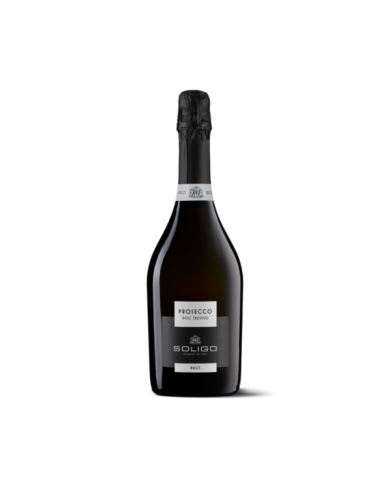
The Glera grapes used for the production of this sparkling wine come from vineyards located in the plains, on the outskirts of Treviso. The bunches are generally harvested in September at medium ripeness in order to preserve the acid component, which is important in the production of Prosecco Spumante. After the harvest, the grapes are subjected to a light pressing and a slow fermentation in steel tanks. Finally, the refermentation in autoclave (sparkling) follows the Charmat method.
€10.78
SKU:
15848
Brand:
Colli del Soligo
€14.12
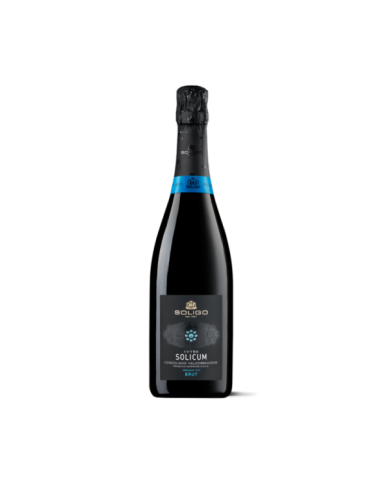
Cuvée Solicum, result of the selection of the best grapes grown in the municipalities of San Pietro di Feletto, Refrontolo, Col San Martino and Miane. Areas that have always been suited to viticulture.
The bunches are harvested by hand from the vineyards located on the hills and once they arrive in the cellar they are processed as per tradition.
First the vinification in white then the sparkling in autoclave following the Charmat method.
This is how this refined and elegant sparkling wine was born, perfect as a gift idea or to be uncorked during a dinner with friends.
€14.12
SKU:
15826
Brand:
Spinelli
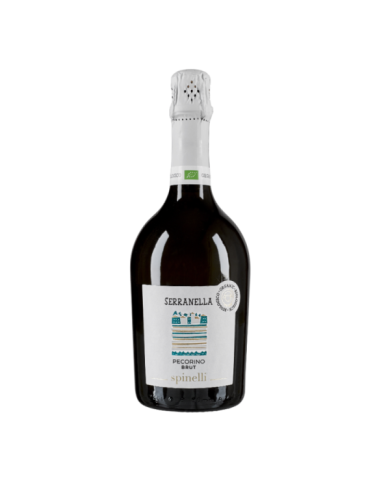
Straw yellow colour. Fine-grained and persistent perlage. Finely fruity bouquet, delicate, aromatic, balanced and very elegant bouquet. Clean, soft flavour, reminiscent of exotic fruit.
Excellent as an aperitif and with appetizers, it is perfect with all seafood cuisine, especially raw fish and seafood. Also perfect with delicate meat-based dishes and vegetables.
€12.57
SKU:
15768
Brand:
Serena Wines 1881
VINES 100% White berried vines VINIFICATION Second fermentation in steel autoclave at controlled temperature Subsequent bottling and storage in thermo-controlled rooms CHARACTERISTICS Brilliant straw yellow color wine with some greenish reflections with lively perlage, it has good intensity aromas with hints of delicate white fruits The taste is fresh and on the palate it is fresh and soft. Excellent as an aperitif or with first courses and delicate fish main courses
€9.55
SKU:
15762
Brand:
Serena Wines 1881
Bouquet: The aromas are pleasantly fresh with fruity nuances of yellow fruit, peach and apricot.
Taste: In the mouth it is clean with a pleasant gustatory harmony.
€14.27
SKU:
15757
Brand:
Roxan
It is a brut sparkling wine with a wide and persistent froth, fine and continuous perlage, a light straw color. The aroma is intense and balanced finesse. The full flavor expresses the typicality of the production area.
€18.12
SKU:
15718
Brand:
Fattoria La Rivolta
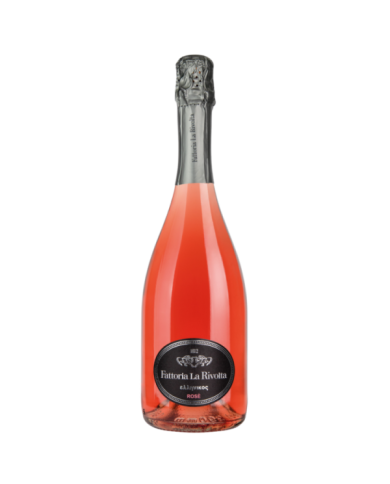
Paolo, Giovanna, Gabriella and Giancarlo: a tireless quartet to say the least, who from harvest to harvest carry on the dream of Fattoria La Rivolta with dedication and passion, with the aim of carving out an important place for themselves within the Campania viticulture. An ambitious path, which passes through each label created: the "Ellenikos", Metodo Martinotti Brut Rosé is no exception, which offers fine aromas to the nose, a prelude to an always satisfying and balanced sip. The perfect Spumante to make an aperitif something special.
€18.91
SKU:
15700
Brand:
4 Quattro Valli
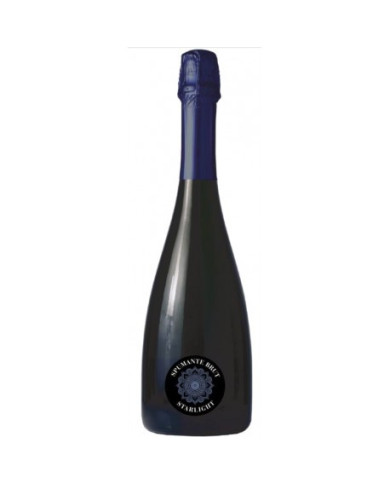
Spumante Brut Starlight 4 Valli Love for the land and passion for wine is the constant that has always accompanied the generations of the Ferrari & Perini families. A sensitivity that comes from afar, which brings with it ancient and immutable values, such as respect for nature, constancy, the hard work that our predecessors employed to allow us to carry on the beautiful profession of the winemaker up to the present day. The most important moment of the company's development is the birth of Cantine 4 Valli, in 1952. The choice placed at the base of our philosophy, also referred to in the name, consists in the ability to best represent the typicality of the Colli Piacentini wines. In fact, the Cantine 4 Valli transform their own grapes and grapes purchased only and exclusively in the vineyards of the Piacenza hills. It is a real service center to which a series of companies distributed throughout the Piacenza area belong.
€21.90
SKU:
15699
Brand:
4 Quattro Valli
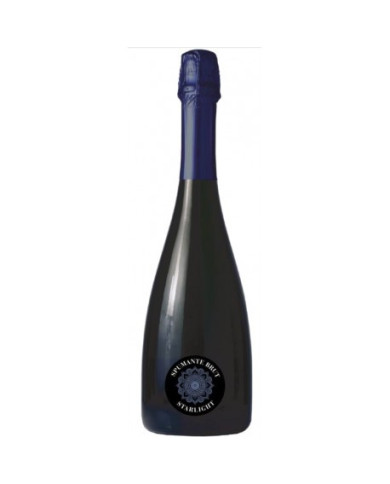
Spumante Brut Starlight 4 Valli Love for the land and passion for wine is the constant that has always accompanied the generations of the Ferrari & Perini families. A sensitivity that comes from afar, which brings with it ancient and immutable values, such as respect for nature, constancy, the hard work that our predecessors employed to allow us to carry on the beautiful profession of the winemaker up to the present day. The most important moment of the company's development is the birth of Cantine 4 Valli, in 1952. The choice placed at the base of our philosophy, also referred to in the name, consists in the ability to best represent the typicality of the Colli Piacentini wines. In fact, the Cantine 4 Valli transform their own grapes and grapes purchased only and exclusively in the vineyards of the Piacenza hills. It is a real service center to which a series of companies distributed throughout the Piacenza area belong.
€7.50
SKU:
15576
Brand:
Montelvini
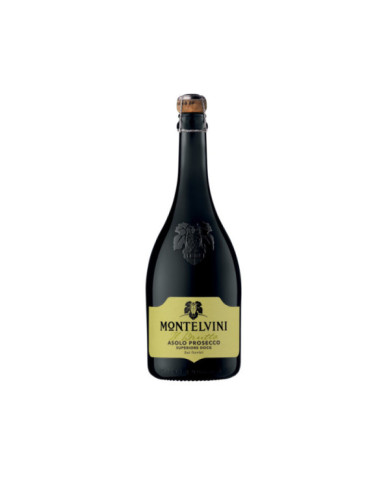
Il Brutto represents a clear reference to the tradition and culture of Treviso and Asolo in particular of wines refermented in the bottle, with a limited natural presence of sulphites and very few sugars; “Brutto” because it is a natural, unfiltered wine, and for this reason it is slightly veiled to the eye.
€15.59
SKU:
15575
Brand:
Montelvini
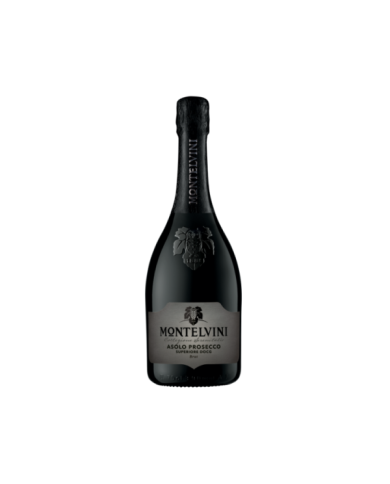
As the maximum synthesis of the balance between minerality and aroma, typical of the area, a high quality Asolo Prosecco Superiore DOCG is born, obtained from our best vineyards. A peculiar wine, which stands out for its finesse in the Prosecco panorama.
€14.95
SKU:
15572
Brand:
Montelvini
A higher level than the classic Brut sparkling wine. Sparkling wine from selected white berried grapes, for a fabulous and smooth blend.
Excellent fragrant and full-bodied white wine, which does not tire the drink and leaves the palate light with sweet aftertastes. Fantastic notes of white-fleshed fruit and floral hints.
In a light straw yellow, various grapes are mixed for a kaleidoscope of flavors.
€16.10
SKU:
15410
Brand:
Alberto Longo
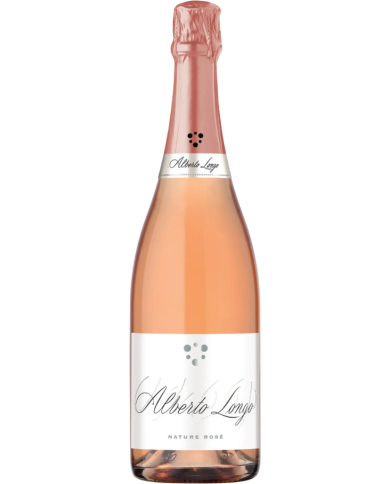
Spumante Brut Rosé with delicate hints of small red fruits and citrus nuances, characters of Mediterranean scrub, tones of bread crust.
€30.99
SKU:
15403
Brand:
Alberto Longo
Sparkling wine with an intense aroma, with hints of bread crust and flowers and a delicate taste.
€13.79
SKU:
15393
Brand:
Alberto Longo
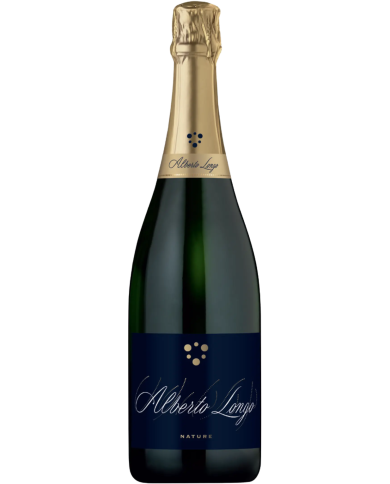
Alberto Longo's Brut Nature is an excellent straw-colored bubble enhanced by golden reflections with a very fine and persistent perlage. Fresh citrus hints of white fruit and salty sensations, a note of anise and slight hints of bread crust. The perlage caresses the palate, enhancing its freshness and complexity.
€30.99
SKU:
15368
Brand:
San Salvatore 1988
Organic wine with residual sugar less than 15 g/l. Only Aglianico: 24 months spent on the lees and 3 months in the bottle after disgorgement.
€34.45
SKU:
15362
Brand:
San Salvatore 1988
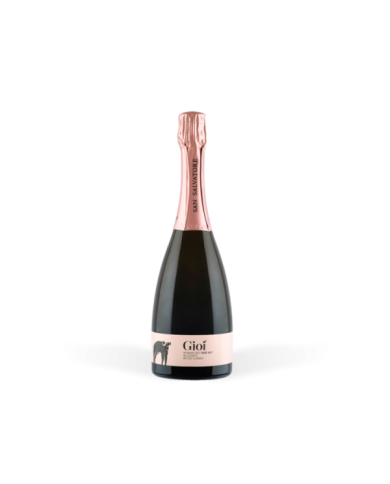
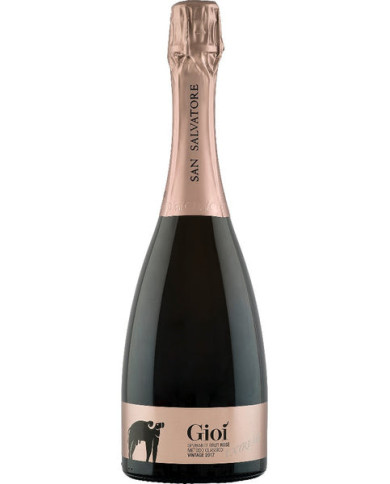
The San Salvatore 1988 farm was born in the shadow of the temples of Paestum in Cannito, in the heart of the Cilento National Park. From the desire to experiment with the classic method on the vine par excellence of the local tradition, Aglianico in purity, "Gioì Extreme" was born, the perfect synthesis between the uniqueness of the Campania region and processing technique. These great grapes grow in a unique and rich terroir, where rolling hills and small promontories overlook the sea, at an altitude of 150/210 m slm sea level in clayey soil rich in skeleton. The characteristic production area with a typically Mediterranean climate positively influences the vegetative cycle of the vineyards, which are trained on the espalier system with guyot pruning. Pruning is done manually as per tradition, and the branches are tied with small willow twigs. This elegant rosé Spumante produced from the most important red berried grapes of the area, has a splendid bright coppery pink color and is fine and elegant to the eye. On the nose, the scent is characterized by aromas of ripe red strawberries and wild strawberries, with hints of melannurca and green apple, with hints of almond and freshly baked croissants.
€35.38
SKU:
15319
Brand:
Le Vedute
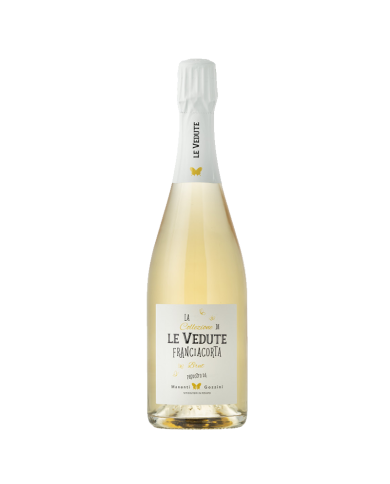
The butterfly as a symbol of elegance. A light and persuasive flight. A moment that wants to be captured as an expression of nature in its most aesthetic form. Grape selection. This is followed by a soft and delicate pressing with fermentation in steel at a controlled temperature. The sparkling base is aged on the lees for 6 months. While the aging on the lees lasts another 18 - 24 months in the bottle. Beautiful bright and luminous straw yellow colour. Fine and persistent perlage. On the nose it has floral hints of white flowers which complement the hints of bread crust. On the palate it is very complex and balanced with good acidity and bubbles that make it drinkable.
€26.40
SKU:
15295
Brand:
Nativ
Paint | Rosè Brut sparkling wine of a soft pink color with slight more intense reflections, good foam. The perlage is fine and persistent. The scent is fresh, floral, with notes of red apple, cherry and bread crust. The taste is lively, balanced, with a fresh acidity.
€19.59
€19.58
SKU:
15293
Brand:
Nativ
Spumante Brut Varnish is crystalline in colour, yellow with greenish reflections, with a light, fine, rapid perlage. It has a pleasant, fruity, floral, intense, flagrant aroma. On the palate, a development of CO2, lively acidity, good acidity/sugar balance.
SKU:
15260
Brand:
Jasci & Marchesani
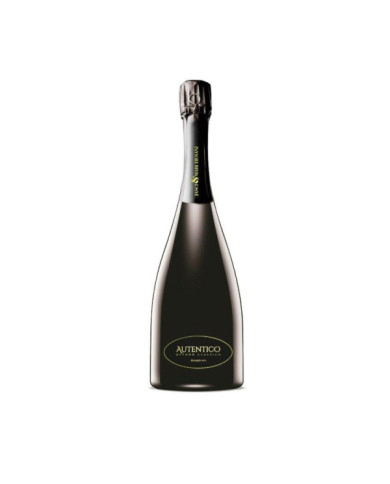
Autentico is a classic method sparkling wine. White vinification at controlled temperature 16 °C. Second fermentation in the bottle at 14 °C. Bottling takes place in the first week of December of the year following the harvest. This is followed by 48 months of permanence on the lees in the bottle.
€34.38
SKU:
15205
Brand:
Enrico Gatti
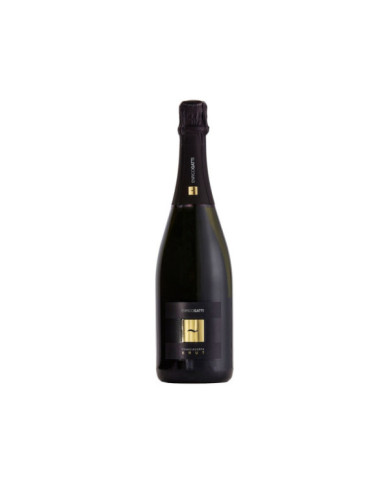
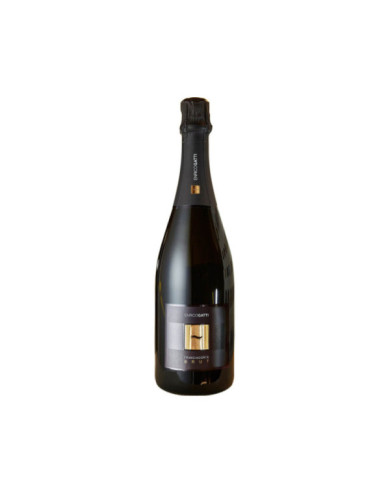
Obtained from the soft pressing of grapes Chardonnay from vineyards located in the area foothills. Vinification takes place in steel tanks. Permanence on the lees for a minimum of 24 months. Franciacorta Brut expresses personality of the company. Fresh, played on a balanced persistence which refers to dried fruit and citrus fruits.
€25.78
SKU:
15203
Brand:
Enrico Gatti
Obtained from the soft pressing of grapes
Chardonnay from vineyards located in the area
foothills.
Vinification takes place in steel tanks.
Permanence on the lees for a minimum of 24 months.
Franciacorta Brut expresses personality
of the company.
Fresh, played on a balanced persistence
which refers to dried fruit and citrus fruits.
€55.27
SKU:
15162
Brand:
Follador
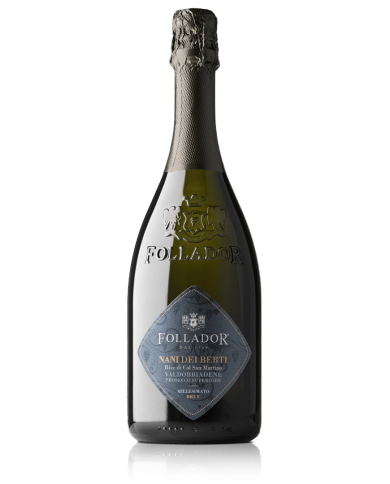
NANI DEI BERTI - Banks of Col San Martino: A tribute to the energy and initiative of Giovanni Follador, father of Gianfranco, so nicknamed. Refined sparkling wine of noble quality, very fine perlage in a splendid combination of bouquet and flavours. An excellent Superiore with a pale straw yellow color, with typical greenish reflections. Lively and very fine perlage with an intense bouquet of citrus, almond and acacia flowers. Excellent balance of acidity and fragrance, well structured with a dry finish. Important wine, good aperitif. Its sapidity and balanced structure make it suitable for light first and second courses, excellent with tasty cheeses.
€17.06
SKU:
15161
Brand:
Follador
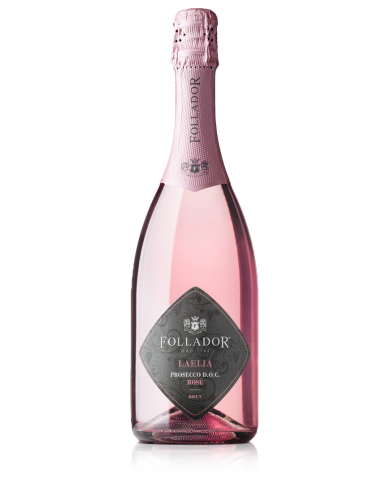
Delicious sparkling wine with a fresh and lively taste, a bright pale pink vintage with good structure and persistence, based on Glera grapes with a blend of 10% Pinot Noir. The base wines are obtained from cryomacerated grapes according to the Gianfranco Follador method ®, with fermentation in steel tanks at a controlled temperature. Pinot Noir is vinified in red as per the disciplinary. Second fermentation in autoclave, according to the Martinotti-Charmat method, with regular refermentation with at least two months of rest on the lees. Intense hint of fruit, in particular apple and white-fleshed peach, with pleasant notes of red fruits, blackberry, wild strawberries and currants. An excellent accompaniment to any aperitif, it is interesting to pair with cold cuts, cured meats in general and even aged cheeses.
€16.74
SKU:
15160
Brand:
Follador
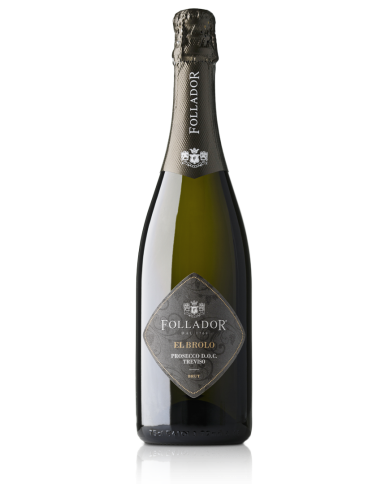
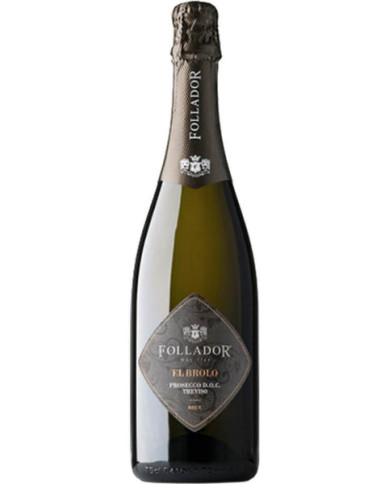
EL BROLO: In ancient times, the home garden was called brolo, enclosed by a low wall and shaded
from a pergola vine.
Finesse and excellent structure are the synonyms of this precious sparkling wine, obtained from high quality grapes. Straw yellow color with greenish reflections with fine and persistent perlage. Very pleasant aroma of acacia flowers, golden apple and almond. The taste is sapid, fresh and well structured on the palate. Ideal partner for appetizers, light first courses and medium-long aged cheeses.
€14.03
SKU:
15158
Brand:
Follador
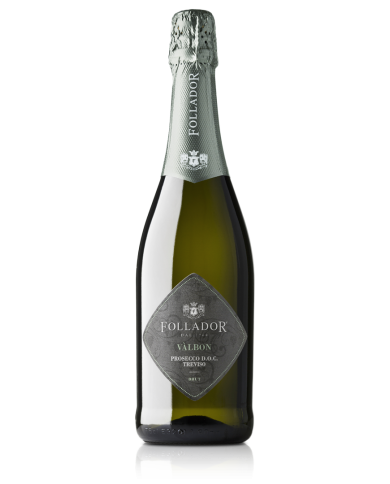
VÀLBON: A name that refers to our characteristic hilly landscape dotted with vineyards and charming villages.
Hints of flowers, apple, pear and citrus fruits, which are found in the mouth giving sensations of flavor and freshness. Fine and persistent bubble. Pale straw yellow color with greenish reflections. Ideal for a refreshing aperitif or with appetizers, first courses and dishes based on fish, vegetables and white meats.
€14.31
SKU:
15156
Brand:
Follador
Hints of flowers, apple, pear and citrus fruits, which are found in the mouth giving sensations of flavor and freshness. Fine and persistent bubble. Pale straw yellow color with greenish reflections. Ideal for a refreshing aperitif or with appetizers, first courses and dishes based on fish, vegetables and white meats.
€33.55
SKU:
15115
Brand:
Durin
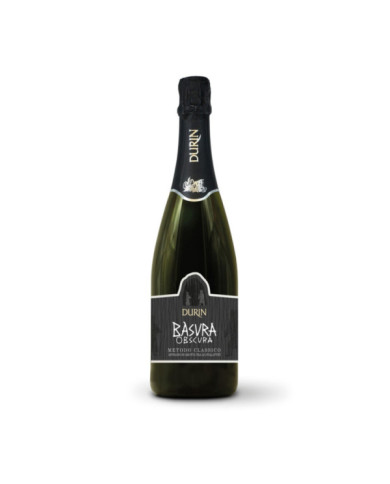
Important sparkling wine with a fine and persistent perlage. The bubbles that caress the palate enhance the finesse and elegance of the wine… The project of producing a classic method with native vines was born a long time ago with an enormous passion for bubbles and culminates, after years of study, in the production of the first local classic method e especially with the wonderful possibility of maturing this wine inside the caves of Toirano (SV) winding and suggestive in one of the most beautiful corners of Liguria. The caves represent the perfect cellar and "basura" is the witch who gives her name to one of the most suggestive rooms. A short distance away from the remains of the cave bear and from the evidence of prehistoric man who lived 12,000 years ago rest the our bottles in the darkness, silence, cold and constant humidity of the cave. In June 2011 with the first transfer to the cave, done by hand, bottle after bottle, begins a splendid alliance between wine, history and culture enthusiastically supported by the Superintendency of Archaeological Heritage of Liguria e from the municipality of Toirano. The right synergy capable of enhancing this portion of the western Ligurian hinterland as unique in its beauty as in its harshness.
€41.55
SKU:
15114
Brand:
Durin
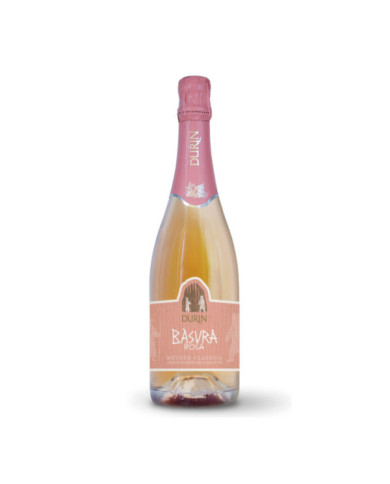
Rosé sparkling wine with a fine, soft, intense and persistent perlage, with an intense onion skin pink colour. The smell is fine, broad, elegant… The project of producing a classic method with native vines was born a long time ago with an enormous passion for bubbles and culminates, after years of study, in the production of the first local and especially with the wonderful possibility of maturing this wine inside the caves of Toirano (SV) winding and suggestive in one of the most beautiful corners of Liguria. The caves represent the perfect cellar and "basura" is the witch who gives her name to one of the most suggestive rooms. A short distance away from the remains of the cave bear and from the evidence of prehistoric man who lived 12,000 years ago rest the our bottles in the darkness, silence, cold and constant humidity of the cave. In June 2011 with the first transfer to the cave, done by hand, bottle after bottle, begins a splendid alliance between wine, history and culture enthusiastically supported by the Superintendency of Archaeological Heritage of Liguria e from the municipality of Toirano. The right synergy capable of enhancing this portion of the western Ligurian hinterland as unique in its beauty as in its harshness.
€36.48
€32.83
SKU:
15042
Brand:
Cantina Madonna di Loreto
The color is straw yellow with greenish notes, the fruity scent with citrus notes, persistent. Good structure, excellent freshness, full and intense flavour. Excellent as an aperitif, it accompanies all fish-based dishes revealing a predilection for shellfish and seafood, even raw.
€8.72
SKU:
15020
Brand:
Contadi Castaldi
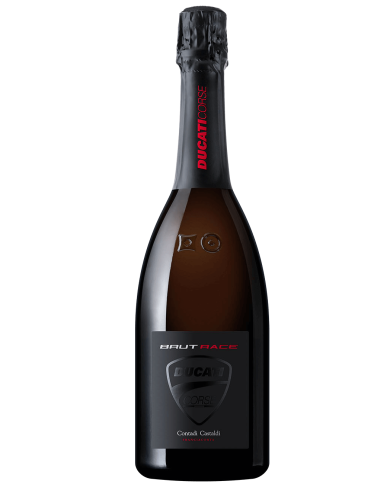
A wine that celebrates Ducati yesterday and today. Who knows how to tell his uniqueness and the extraordinary ability to arouse emotions. A Franciacorta with expressive, dynamic, agile, sinuous aromas like a crease, with a fresh, vertical, energetic and powerful character.
€23.95
SKU:
15001
Brand:
Tenuta Cocci Grifoni
And we too walk the path of the Martinotti Method. Because it is a piece of all-Italian history, because a glass of bubbles induces an immediate smile, because the Passerina vine benefits from the second fermentation in an autoclave which amplifies its wheel of perfumes, maintaining its freshness and salinity. Passerina Brut carries with it an imaginary made of joy and celebrations. With this spirit we vinify it in the hope that, once in your glasses, it will be as much a source of happiness for you as it is for us to produce it.
An explosion of wild flowers, hints of cedar, tasty snuff-box peaches and crunchy white cherries. The perlage is subtle and the sweetness imperceptible for a decisive sip that tells the story of the territory.
€14.88
SKU:
14988
Brand:
Tenute Chiaromonte
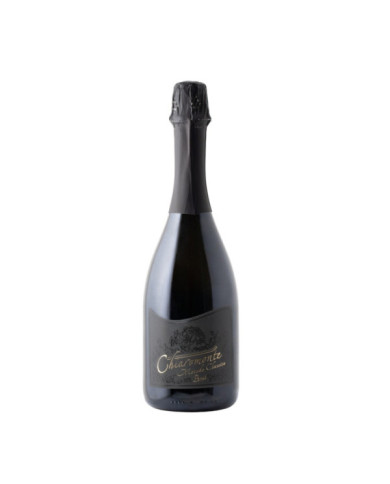
An international vine, the chardonnay, accompanied by an ancient Apulian vine rediscovered, the Fiano, give life to these splendid bubbles which appear with a sparkling straw yellow animated by an elegant and dense perlage. Nose of great impact with very delicate buttery notes, followed by refined nuances of peach blossom. Full-bodied and refined taste that maintains a perfect balance with a long and citrusy finish, a pleasant persistence that recalls scents of yeast and bread crust.
Pairings
The combination with steamed salmon fillet in a crunchy green apple crust is very interesting.
€55.75
SKU:
14987
Brand:
Tenute Chiaromonte
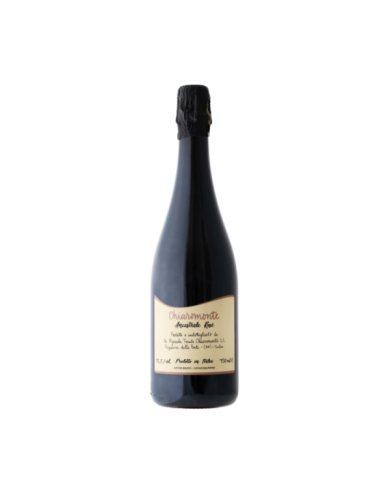
Memories, stories and ancient deeds float among the bubbles of this wine and whirling dance, whispering words that come from afar. Obtained from Pinot Noir grapes, with a fine and persistent perlage, it has a pale coral pink colour. The nose shows marked floral and bread crust notes that reappear irrepressibly on the palate, soft and elegant accompanied by a decisive freshness and minerality.
Pairings
Remarkable pairing with carpaccio and seafood tartare, tempura fish, delicate cheeses and seafood and land preparations with a long olfactory persistence.
€113.83
SKU:
14920
Brand:
Bodegas Mitos
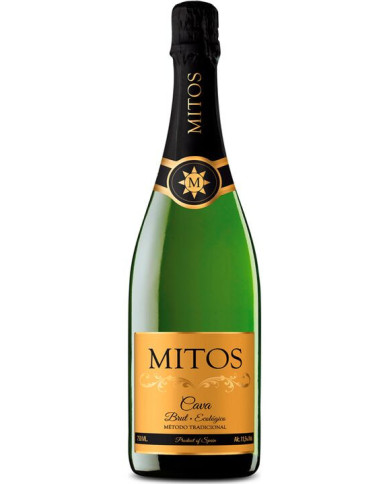
From a very elegant and fine cut, following a traditional production process which ends with an aging on the lees for 15 months, this organic Cava Brut is born, which combines craftsmanship and technology. Color: intense golden color with green hues. Perfume: Tropical fruit and citrus notes stand out on a very elegant pastry base. Palate: Round, easy to drink thanks to its fine bubbles, with a long taste that with a long taste recalls ripe fruit and fresh pastries.
€8.41
SKU:
14843
Brand:
Apollonio
€9.04
€8.14
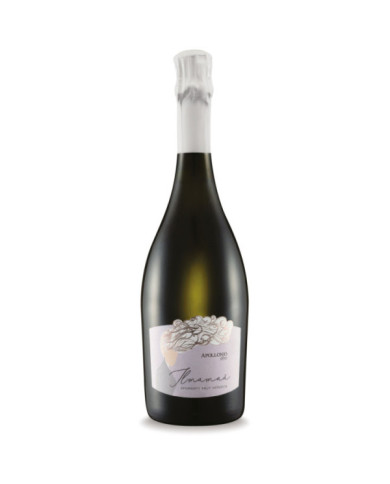
Verdeca is a native white grape variety of Puglia, with greenish hues that suggest its name. Elegant, mineral and very vigorous.
€9.04
€8.14
SKU:
14842
Brand:
Apollonio
Susumaniello, an autochthonous black grape variety from Puglia, grown in Salento. Its name recalls, in the Apulian dialect, the name of the "somarello" indicating the ancient tradition of raising the productivity of the plant by loading it with bunches "like a donkey". After the first decade of life of the vineyard, the bunch is unloaded of grapes and the production loses in quantity but improves in quality, producing wines of great expression.
€10.31
€8.76
SKU:
14709
Brand:
Ornella Bellia
€14.77
Prosecco wine produced with glera grapes grown in the hilly areas of the denomination which extends for 15 municipalities between Conegliano and Valdobbiadene.
€14.77
SKU:
14692
Brand:
Bertè & Cordini
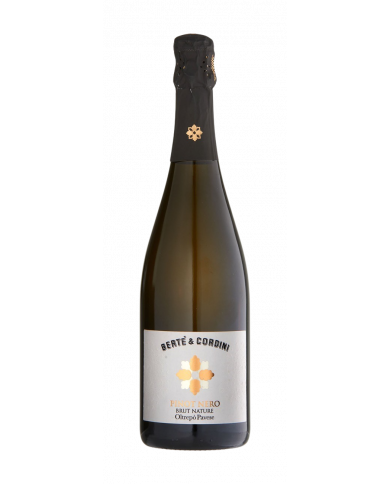
White foam, soft and rich; fine and persistent perlage. Straw yellow color with bright golden reflections. Bouquet rich in white flowers and fruity with hints of pear and tropical fruit. On the palate it is fresh and inviting, complex and full of balance.
€24.68
SKU:
14649
Brand:
Cantina Dorigati
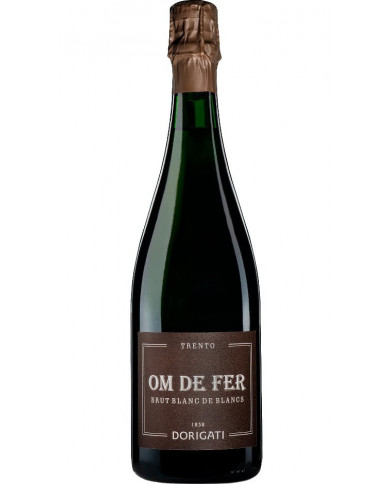
"Om De Fer" Brut Blanc de Blancs è un grande metodo classico prodotto dalla famiglia Dorigati col desiderio di creare uno spumante di alta qualità partendo dalla cuvèe di tiraggio, con l’intento di abbinare all’evoluzione e alla complessità tipiche del metodo classico, la grande freschezza delle bollicine trentine. Per questo il 30% delle uve vengono vendemmiate quando hanno raggiunto una maggiore maturazione in confronto a quelle raccolte per produrre la classica base spumante, questo apporta volume e complessità. Vengono poi utilizzate botti vecchie, ciò aiuta lo Chardonnay ad avere la fase ossidativa prima della presa di spuma, mentre per aumentare la complessità olfattiva vengono mischiate con piccole partite di Chardonnay di precedenti raccolte. I vigneti sono coltivati sulle colline pedemontane ghiaiose calcaree di Mezzocorona, colline Avisiane Trentino Alto Adige, ad una altitudine di 200-500 m s.l.m. I vitigni sono allevati a pergola trentina semplice e la vendemmia viene effettuata manualmente nella prima decade di Settembre. La vinificazione prevede una pressatura soffice con frazionamento dei mosti, fermentazione in barrique per un quarto della massa, con affinamento in acciaio inox e barrique vecchie prima del tiraggio; infine avviene un periodo di circa 24 mesi di affinamento sui lieviti. Nel calice sfoggia una bellissima veste di colore giallo paglierino, con perlage fine e persistente. Il profumo si rivela particolarmente intenso e complesso, lievemente agrumato, con sentori di mela cotta e dolci di pasticceria. La spuma è molto avvolgente e fine. In bocca risulta estremamente morbido, merito di una buona struttura ed equilibrio acidico. Estremamente fresco nella beva. Questo è l’OM DE FER: un metodo classico nato per dare gioia e piacere! Un calice estremamente versatile, perfetto come aperitivo e per brindare in ogni occasione, che si abbina perfettamente a qualsiasi piatto marinaro.
€28.62
SKU:
14645
Brand:
Cantina Dorigati
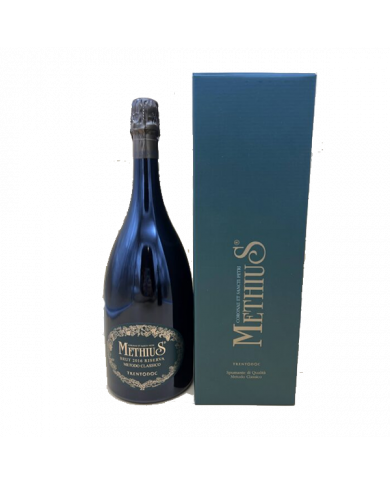
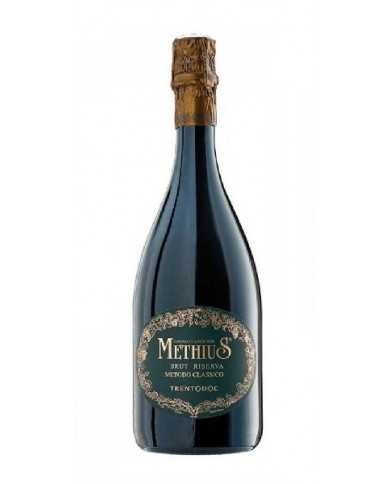
Il Trentino è una terra indubbiamente vocata alla produzione di basi spumanti. Se si aggiunge una produzione artigianale e rispettosa delle tradizioni ecco che si ottiene TRENTODOC, ovvero il metodo classico trentino.è da questi presupposti che nel 1986 nasce METHIUS TRENTO DOC grazie all’amicizia tra due amici enologi: Carlo Dorigati ed Enrico Paternoster. Il Trento Doc Methius è prodotto solo nella tipologia riserva, a sottolineare la qualità eccelsa di questo prodotto e la sua unicità. La cantina d’invecchiamento, ubicata a Mezzocorona (Trentino), risale ai primi del 1900, è completamente interrata e costruita con i “volti a botte” quasi tutti in pietra squadrata. Qui le bottiglie di Methius sostano per 60 mesi, a temperatura e umidità pressoché costanti tutto l’anno. Il nome “Methius” deriva dalla ricerca di un toponimo locale che accomuna l’origine del prodotto aziendale al territorio di nascita. L’etimo del nome scelto si perde nella storia. Si sa che già nel 1150 (Principe Vescovo e Mainardo II conte di Tirolo) il nome delle due borgate site nella “Piana Rotaliana” erano: Methius Coronae (oggi Mezzocorona) e Methius Sancti Petri (oggi Mezzolombardo) ove il radicale comune “Methius” deriva dal celtico e latino volgare.
€98.09
SKU:
14640
Brand:
Cantina Dorigati
Il Trentino è una terra indubbiamente vocata alla produzione di basi spumanti. Se si aggiunge una produzione artigianale e rispettosa delle tradizioni ecco che si ottiene TRENTODOC, ovvero il metodo classico trentino.è da questi presupposti che nel 1986 nasce METHIUS TRENTO DOC grazie all'amicizia tra due amici enologi: Carlo Dorigati ed Enrico Paternoster. Il Trento Doc Methius è prodotto solo nella tipologia riserva, a sottolineare la qualità eccelsa di questo prodotto e la sua unicità. La cantina d'invecchiamento, ubicata a Mezzocorona (Trentino), risale ai primi del 1900, è completamente interrata e costruita con i "volti a botte" quasi tutti in pietra squadrata. Qui le bottiglie di Methius sostano per 60 mesi, a temperatura e umidità pressoché costanti tutto l'anno. Il nome "Methius" deriva dalla ricerca di un toponimo locale che accomuna l'origine del prodotto aziendale al territorio di nascita. L'etimo del nome scelto si perde nella storia. Si sa che già nel 1150 (Principe Vescovo e Mainardo II conte di Tirolo) il nome delle due borgate site nella "Piana Rotaliana" erano: Methius Coronae (oggi Mezzocorona) e Methius Sancti Petri (oggi Mezzolombardo) ove il radicale comune "Methius" deriva dal celtico e latino volgare.
€46.60
€9.20
€8.28
SKU:
14614
Brand:
Cantina Orsogna
Live wine, organic and biodynamic (Demeter) with spontaneous fermentation, without added sulphites, unfiltered, with fermentation lees.
€13.42
SKU:
14514
Brand:
Bellavista
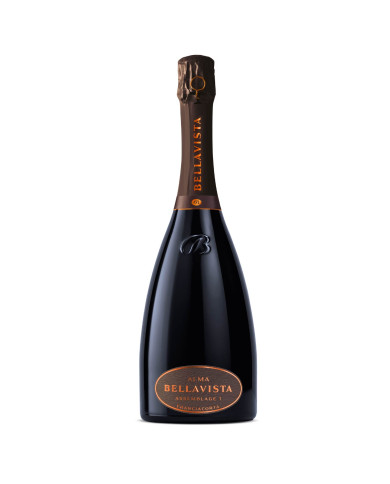
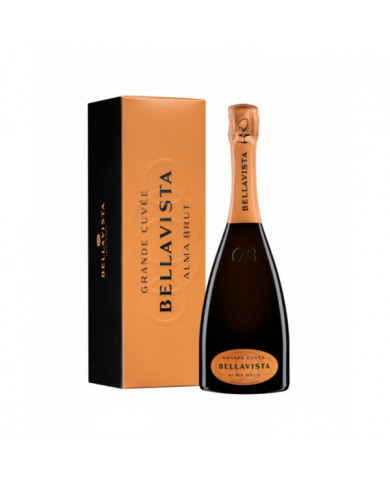
Alma Cuvée is born from the skilful union of about 60 of the 120 harvest selections obtained in the cellar. About 100 selections come from the same harvest and are identified with extreme care in 107 parcels distributed in 10 different municipalities of Franciacorta ("horizontal assembly"). To this vast patrimony of olfactory and gustatory variations are then added the aromas and flavors of particular "reserve wines" from different harvests ("vertical assembly"). A unique cuvée, which with its elegant complexity represents the most complete and often mysterious soul of Franciacorta.
€38.70
SKU:
14513
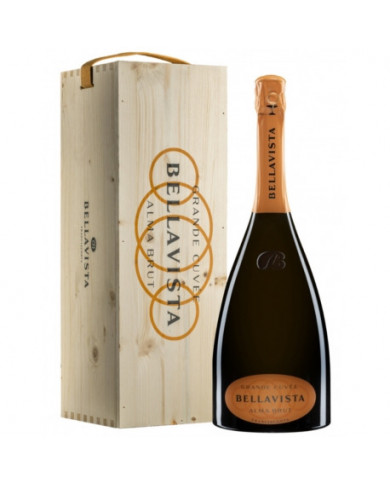
Brand:
Bellavista
Alma Cuvée is born from the skilful union of about 60 of the 120 harvest selections obtained in the cellar. About 100 selections come from the same harvest and are identified with extreme care in 107 parcels distributed in 10 different municipalities of Franciacorta ("horizontal assembly"). To this vast heritage of olfactory and gustatory variations are added the aromas and flavors of particular "reserve wines" from different vintages ("vertical assembly"). A unique cuvée, which with its elegant complexity represents the most complete and often mysterious soul of Franciacorta.
€39.41
SKU:
14511
Brand:
Bellavista
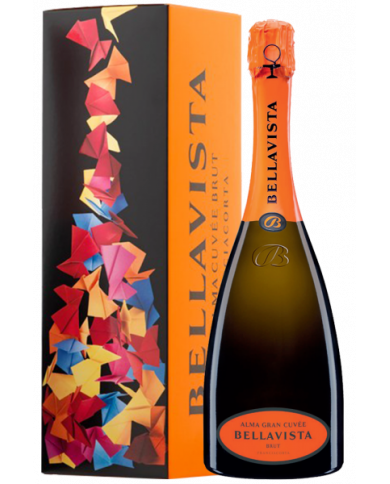
White foam, exuberant and of excellent persistence. The pearl necklaces are very fine to form a well-present and prolonged crown over time. The effervescence is dynamic and full of youth. Bright and bright yellow color with clear greenish reflections. Perfume characterized by marked minerality. Wide and inviting, it embraces nuances of ripe sweet fruit, meringue, pastry and candied citrus peel. Flavor fully corresponding to the nose, with an almost crunchy creamy sensation and a texture that combines elegance and lightness, thickness and harmony. The vibrant and contemporary character represents its unmistakable identity.
€317.07
SKU:
14510
Brand:
Bellavista
The Franciacorta DOCG Cuvèe Brut "Alma" by Bellavista comes from the skilful union of about 60 of the 120 harvest selections obtained in the cellar. About 100 selections come from the same harvest and are identified with extreme care in 107 parcels distributed in 10 different municipalities of Franciacorta ("horizontal assembly"). To this vast patrimony of olfactory and gustatory variants are then added the aromas and flavors of particular "reserve wines" from different vintages ("vertical assembly"). A unique cuvée, which with its elegant complexity represents the most complete and often mysterious soul of Franciacorta.
€81.45
SKU:
14505
Brand:
Bellavista
The Franciacorta DOCG Cuvèe Brut "Alma" by Bellavista comes from the skilful union of about 60 of the 120 harvest selections obtained in the cellar. About 100 selections come from the same harvest and are identified with extreme care in 107 parcels distributed in 10 different municipalities of Franciacorta ("horizontal assembly"). To this vast patrimony of olfactory and gustatory variants are then added the aromas and flavors of particular "reserve wines" from different vintages ("vertical assembly"). A unique cuvée, which with its elegant complexity represents the most complete and often mysterious soul of Franciacorta.
€81.50
SKU:
14441
Brand:
La Guardiense
Brilliant straw yellow colour, characteristic fruity bouquet of good intensity with hints of cedar, citrus, white fruit and yeasts. Pleasant, with a good structure and excellent persistence. Balanced.
€13.96
SKU:
14404
€9.04
SKU:
14403
€9.52
SKU:
14393
Brand:
Cantina Roeno
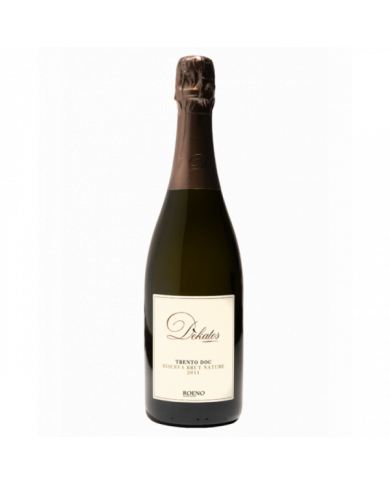
Dekatos is above all a Classic Method of substance and inspiration, transforming it into the identity of the territory. Dekatos is a Classic Method with a long permanence sur lie, over one hundred months to connote and chisel a unique style. Dekatos breathes the art and the wind of the Trentino latitudes, where the vocation for the great Classical Methods has made it possible to write important pages within the history of Italian winemaking.
€52.26
SKU:
14365
Brand:
Borgo Maragliano
Grape variety: RIESLING RENANO 100% fermentation in stainless steel tanks Altitude: 540 meters slm Slope: from 30% to 65% facing South - South East Training system: Low Guyot Soil: 60% tuffaceous - 38% sandstone - 2% calcium and gypsum Average yield per hectare: 62 hl.
€25.90
SKU:
14345
Brand:
Merotto
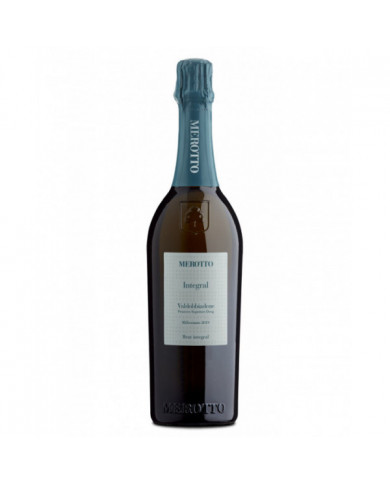
The grapes of the Cuvée del Fondatore come from the Banks of Col San Martino and in particular from cadastral maps 86 - 826 at 230 meters above sea level.
€51.85
SKU:
14344
Brand:
Merotto
€19.52
The grapes of the Cuvée del Fondatore come from the Banks of Col San Martino and in particular from cadastral maps 86 - 826 at 230 meters above sea level.
€19.52
SKU:
14342
Brand:
Merotto
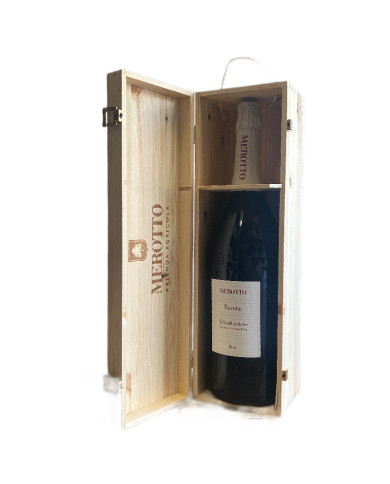
A sincere brut, fresh and very elegant in its perfume, taste and enchanting perlage.
€17.81
SKU:
14333
Brand:
Merotto
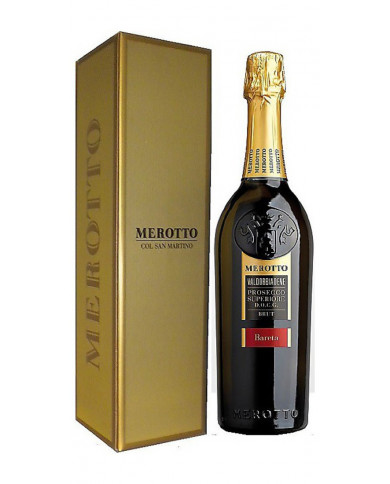
Citrus and floral notes, strong and savory taste. Between one sip and another, all the enchantment of the Col San Martino hills.
€119.90
€37.82
SKU:
14330
Brand:
Merotto
Citrus and floral notes, strong and savory taste. Between one sip and another, all the enchantment of the Col San Martino hills.
€17.37
SKU:
14329
Brand:
Merotto
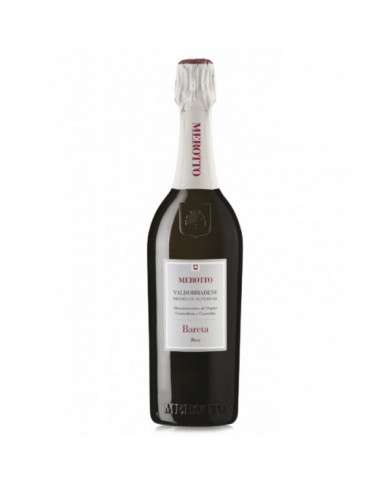
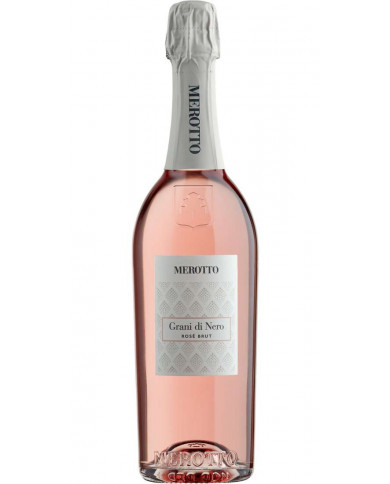
The temptation of fresh and elegant, intense and immediate rosé is always irresistible.
€37.58
Brut Sparkling Wines: A Complete Guide to Italian Bubbles
Sparkling wines have always been associated with celebrations and special moments. Brut sparkling wines are one of the most beloved and popular types in Italy. In this comprehensive guide, we'll explore everything there is to know about Brut sparkling wines , from their production, to flavors and pairings, to the best labels available on the market.
What is a Brut Sparkling Wine?
Brut sparkling wine is a semi-sparkling wine characterized by a low residual sugar content. The term "Brut" refers to the wine's sweetness, and in this case, indicates that the wine is dry, with a residual sugar content of less than 12 grams per liter. This makes it a popular choice for those who prefer less sweet and more refreshing wines.
Production Method
Brut sparkling wines are produced using two main methods: the Classic Method and the Charmat Method.
Classic Method
The Classic Method, also known as the Traditional Method or the Champenoise Method, is the method used to produce Champagne. In this process, the base wine ferments a second time in the bottle, creating natural bubbles and enriching the aromas and flavors. It's a long and complex process, but the result is a wine of great elegance and structure.
Charmat Method
The Charmat Method, also known as the Italian Method, is a faster and more efficient process. The base wine ferments a second time in large stainless steel tanks, preserving the wine's freshness and fruitiness. This method is often used for younger, lighter sparkling wines.
Characteristics of Brut Sparkling Wines
Brut sparkling wines have several characteristics that make them unique and distinctive:
Lively Acidity
Bruts have a lively acidity that makes them fresh and inviting on the palate. This acidity balances the lack of sweetness, creating a harmonious balance.
Fruity Flavors
Brut sparkling wines offer a wide array of fruity aromas, such as green apple, citrus, and white peach. These fresh, fruity aromas make these wines ideal as an aperitif or to accompany light dishes.
Fine and persistent bubbles
The bubbles of Brut sparkling wines are fine and persistent, creating a pleasant sensation of fizz in the mouth.
Versatility in pairings
Thanks to their acidity and structure, Brut sparkling wines pair well with a wide range of foods, from seafood to white meats, and are also perfect enjoyed on their own at festive times.
The Best Italian Brut Sparkling Wine Labels
Italy boasts a vast selection of Brut sparkling wines , produced in various regions of the country. Here are some of the best labels to try:
1. Ferrari Trento Brut
Produced in Alto Adige, Ferrari Trento Brut is one of Italy's most renowned sparkling wines. With notes of green apple and bread crust, it's an elegant and refined wine.
2. Ca' del Bosco Cuvée Prestige Brut
From Lombardy comes the Ca' del Bosco Cuvée Prestige Brut, a structured and complex wine with aromas of citrus and yeast.
3. Berlucchi '61 Franciacorta Brut
The Berlucchi '61 Franciacorta Brut is another unmissable Italian sparkling wine. With its freshness and creaminess, it's perfect for any occasion.
4. La Gioiosa Prosecco Superiore Brut
If you prefer a lighter option, La Gioiosa Prosecco Superiore Brut from the Veneto region is the ideal choice. Delicate and aromatic, it's perfect for a cheerful toast.
The History of Brut Sparkling Wines
The tradition of sparkling wines in Italy has ancient roots, dating back to ancient Rome. However, the success of Brut sparkling wines as we know them today is primarily linked to the Champagne region of France, where the Metodo Classico (traditional method) took hold in the 17th century. Since then, this production style has spread throughout Italy, giving rise to the delicious Brut sparkling wines we love and appreciate today.
How to Store and Serve Brut Sparkling Wines
To fully enjoy the bubbles of Brut sparkling wines , it is essential to store and serve them correctly.
Conservation
Store Brut sparkling wines in a cool, dark place, away from direct sunlight and heat sources. Avoid sudden temperature changes and store them horizontally to keep the cork moist.
Service
To serve Brut sparkling wine at the right temperature, chill it in the refrigerator for at least two hours before opening. The ideal serving temperature is between 6°C and 8°C. Pour the wine at a 45-degree angle to maximize the bubbles.
Brut sparkling wines embody the charm and elegance of Italian bubbles. With their lively acidity, fruity aromas, and fine bubbles, they are a perfect choice for any celebration or special occasion. Explore the vast selection of available labels and delight your guests with the refined taste of Brut sparkling wines .
Frequently Asked Questions
What is the difference between a Brut sparkling wine and an Extra Dry sparkling wine?
The main difference lies in the level of sweetness. A Brut sparkling wine is dry, while an Extra Dry is slightly sweeter.
How long does a bottle of Brut sparkling wine keep?
Most Brut sparkling wines keep best for about 2-3 years from the production date. However, some can age even better.
What are the main grape varieties used to produce Italian Brut sparkling wines?
Among the most commonly used grape varieties are Chardonnay, Pinot Noir and Pinot Blanc, but there are many other regional varieties that are also used.
Can I pair a Brut sparkling wine with a red meat dish?
Yes, but it's better to opt for a more structured and complex Brut, like a Franciacorta or a Trentodoc.
What makes Italy such a renowned region for producing sparkling wines?
Italy boasts a variety of terroirs and microclimates that allow for the cultivation of diverse grape varieties suitable for producing high-quality sparkling wines. The country's long winemaking tradition has also contributed to the development of refined production techniques.