

 Italiano
 Deutsch















There are no more items in your cart
SKU:
16950
Brand:
Tenuta Rocca
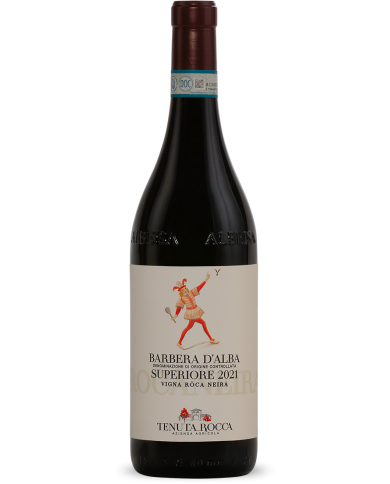
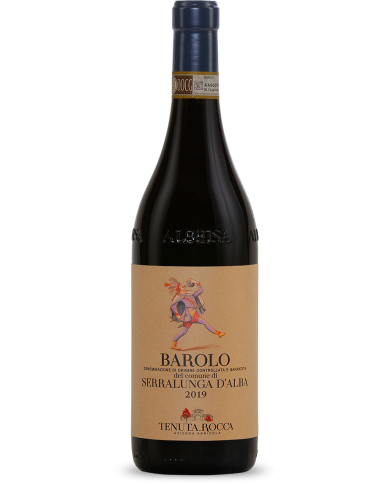
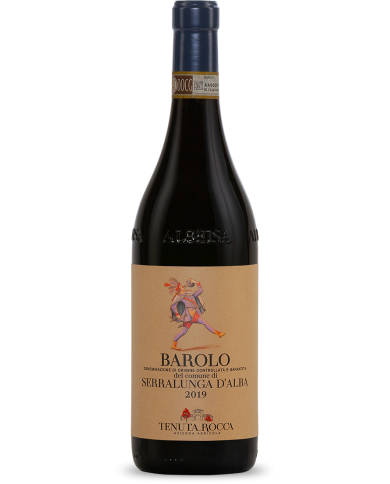
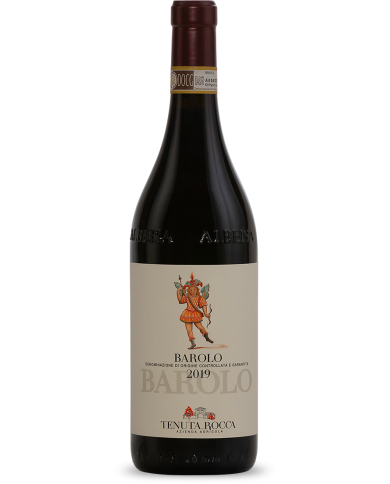
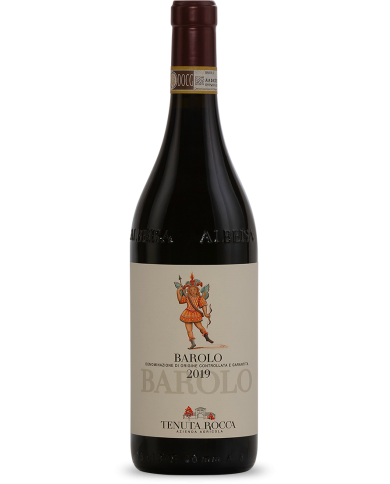
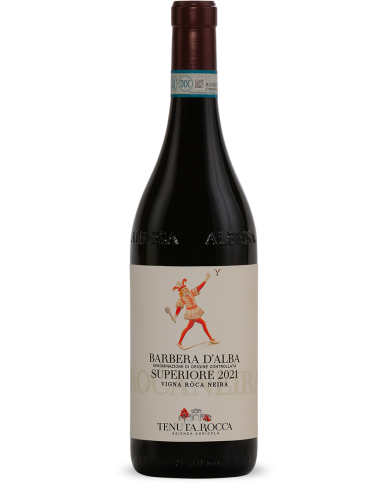
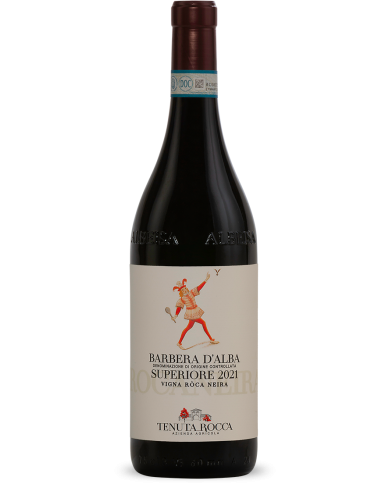
Intense purplish ruby red color with violet reflections. Intense nose of red fruits (raspberry and black cherry) and fine spices. In the mouth the marked but sweet acidity makes it round and full; in closing notes of toasted hazelnut.
€81.01
SKU:
16949
Brand:
Tenuta Rocca
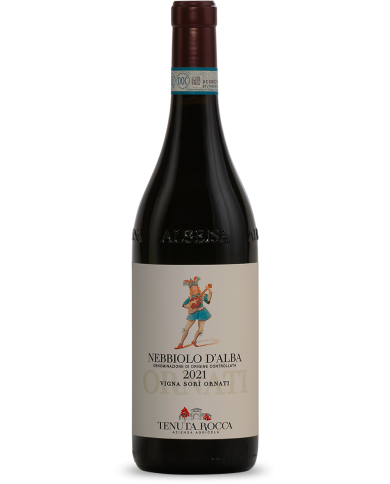
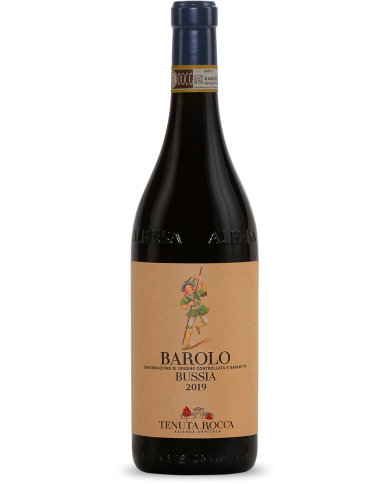
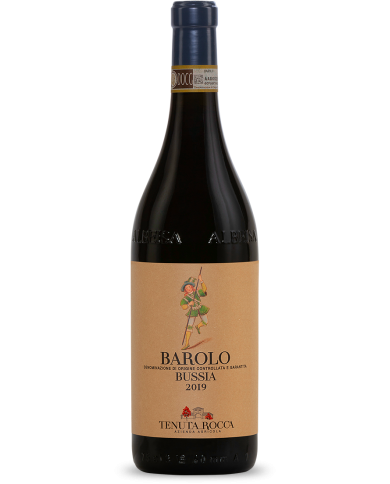
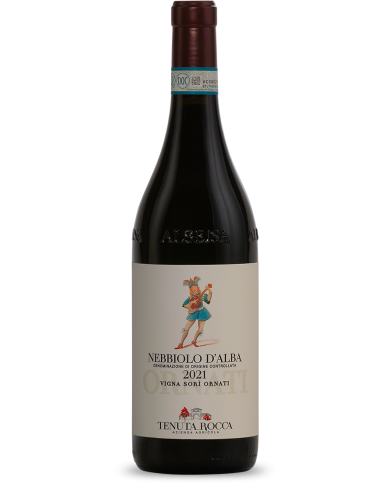
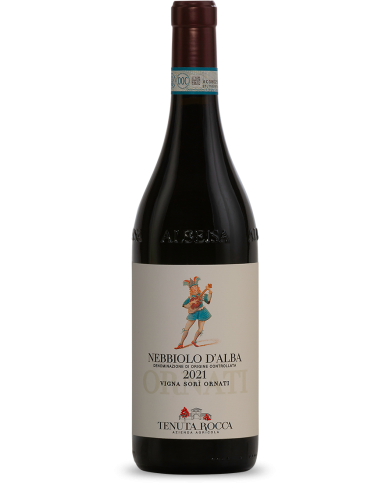
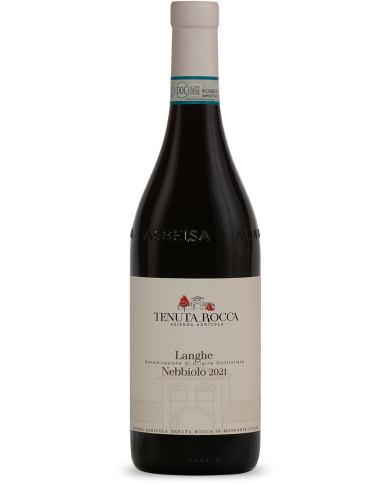
On the nose the wine is ethereal and floral with the sweet notes of violet typical of the vine; red fruit, plum and spices in the background. The mouth is pleasantly fresh and balanced and the soft and enveloping tannins make it an elegant but not too austere drinkable wine.
€67.47
SKU:
16948
Brand:
Tenuta Rocca
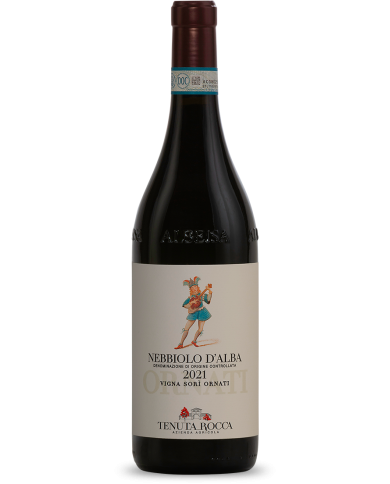
On the nose the wine is ethereal and floral with the sweet notes of violet typical of the vine; red fruit, plum and spices in the background. The mouth is pleasantly fresh and balanced and the soft and enveloping tannins make it an elegant but not too austere drinkable wine.
€74.30
SKU:
16947
Brand:
Tenuta Rocca
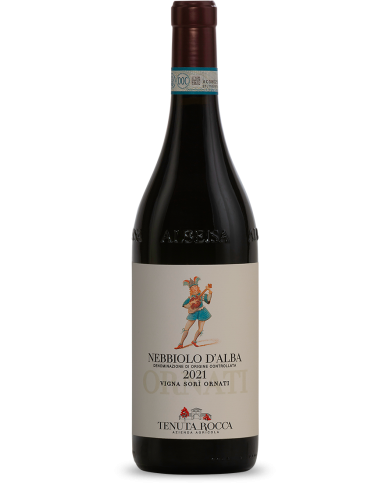
On the nose the wine is ethereal and floral with the sweet notes of violet typical of the vine; red fruit, plum and spices in the background. The mouth is pleasantly fresh and balanced and the soft and enveloping tannins make it an elegant but not too austere drinkable wine.
€81.01
SKU:
16946
Brand:
Tenuta Rocca
Intense garnet red color with orange reflections. The nose is broad with delicate notes of violet and dog rose, hay and licorice in the background. On the palate the tannin is structured but delicate, tending towards sweet. The intensity of the drink is characterized by the juicy fruit that imprints the memory of the wine.
€253.76
SKU:
16945
Brand:
Tenuta Rocca
Intense garnet red color with orange reflections. The nose is broad with delicate notes of violet and dog rose, hay and licorice in the background. On the palate the tannin is structured but delicate, tending towards sweet. The intensity of the drink is characterized by the juicy fruit that imprints the memory of the wine.
€118.95
SKU:
16944
Brand:
Tenuta Rocca
Intense garnet red color with orange reflections. The nose is broad with delicate notes of violet and dog rose, hay and licorice in the background. On the palate the tannin is structured but delicate, tending towards sweet. The intensity of the drink is characterized by the juicy fruit that imprints the memory of the wine.
€54.72
SKU:
16943
Brand:
Tenuta Rocca
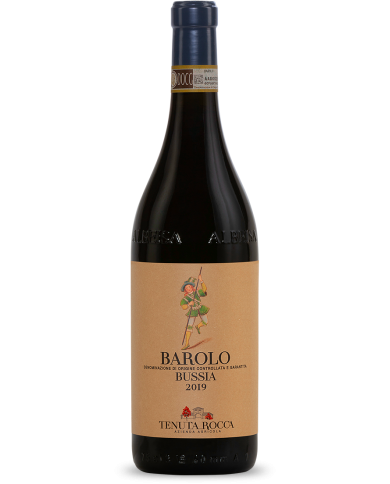
Intense, lively and brilliant garnet red colour. The nose is ethereal with the typical perceptions of violet, then cherry and spices and leather. In the mouth the embrace is full and warm, the tannic, velvety and enveloping texture is balanced by the right acidity.
€222.04
SKU:
16942
Brand:
Tenuta Rocca
Intense, lively and brilliant garnet red colour. The nose is ethereal with the typical perceptions of violet, then cherry and spices and leather. In the mouth the embrace is full and warm, the tannic, velvety and enveloping texture is balanced by the right acidity.
€101.50
SKU:
16941
Brand:
Tenuta Rocca
Intense, lively and brilliant garnet red colour. The nose is ethereal with the typical perceptions of violet, then cherry and spices and leather. In the mouth the embrace is full and warm, the tannic, velvety and enveloping texture is balanced by the right acidity.
€82.35
SKU:
16940
Brand:
Tenuta Rocca
Garnet red color with orange edge. Pungent sensations of black pepper, leather and cinnamon emerge on the nose, other more delicate ones of violet and Spanish cherries. In the mouth it is rightly tannic and moderately austere. The correspondence with the olfactory sensations is marked and emerges with the phases of the tasting.
€85.40
SKU:
16939
Brand:
Tenuta Rocca
Garnet red color with orange edge. Pungent sensations of black pepper, leather and cinnamon emerge on the nose, other more delicate ones of violet and Spanish cherries. In the mouth it is rightly tannic and moderately austere. The correspondence with the olfactory sensations is marked and emerges with the phases of the tasting.
€36.80
SKU:
16938
Brand:
Tenuta Rocca
On the nose the wine is ethereal and floral with the sweet notes of violet typical of the vine; red fruit, plum and spices in the background. The mouth is pleasantly fresh and balanced and the soft and enveloping tannins make it an elegant but not too austere drinkable wine.
€55.51
SKU:
16937
Brand:
Tenuta Rocca
On the nose the wine is ethereal and floral with the sweet notes of violet typical of the vine; red fruit, plum and spices in the background. The mouth is pleasantly fresh and balanced and the soft and enveloping tannins make it an elegant but not too austere drinkable wine.
€22.05
SKU:
16936
Brand:
Tenuta Rocca
Intense purplish ruby red color with violet reflections. Intense nose of red fruits (raspberry and black cherry) and fine spices. In the mouth the marked but sweet acidity makes it round and full; in closing notes of toasted hazelnut.
€107.85
SKU:
16935
Brand:
Tenuta Rocca
Intense purplish ruby red color with violet reflections. Intense nose of red fruits (raspberry and black cherry) and fine spices. In the mouth the marked but sweet acidity makes it round and full; in closing notes of toasted hazelnut.
€52.58
SKU:
16934
Brand:
Tenuta Rocca
Intense purplish ruby red color with violet reflections. Intense nose of red fruits (raspberry and black cherry) and fine spices. In the mouth the marked but sweet acidity makes it round and full; in closing notes of toasted hazelnut.
€21.57
SKU:
16933
Brand:
Tenuta Rocca
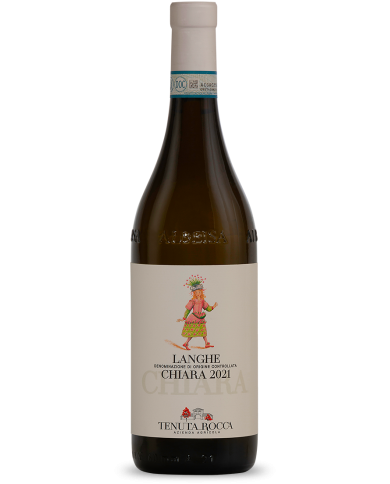
Deep straw yellow colour. The nose shows notes of exotic fruit and banana, linked by a pleasant buttery envelopment. In the mouth it is the harmony of the elements that dominates, where the accord between almond, white flowers and honey give an incredible persistence.
€55.51
SKU:
16932
Brand:
Tenuta Rocca
Deep straw yellow colour. The nose shows notes of exotic fruit and banana, linked by a pleasant buttery envelopment. In the mouth it is the harmony of the elements that dominates, where the accord between almond, white flowers and honey give an incredible persistence.
€22.50
SKU:
16931
Brand:
Tenuta Rocca
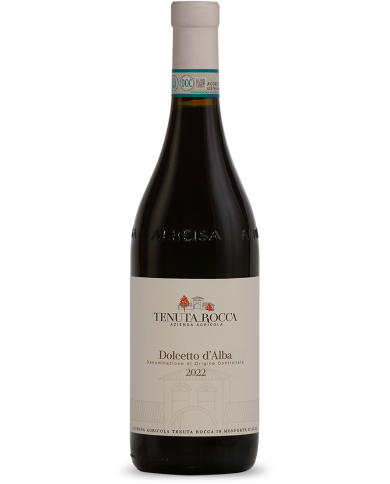
Medium intensity garnet red colour. The nose is delicate and floral, heterogeneous and fruity. The tannic texture of the mouth is soft, supported by the acidic notes of berries. Agile but complex drink.
€17.56
SKU:
16930
Brand:
Tenuta Rocca
Intense and vibrant ruby red colour. The fresh, floral and fruity nose is the prelude to the smooth and pleasantly velvety drink, juicy closure. Multifaceted wine.
€12.85
SKU:
16929
Brand:
Tenuta Rocca
The color is bright ruby red with violet reflections typical of the vine. Notes of geranium and fresh fruit emerge on the nose. The mouth is dry, bitter, warm. The split red fruit mixes with the tannins perceptible from the almond finish.
€11.26
SKU:
16928
Brand:
Tenuta Rocca
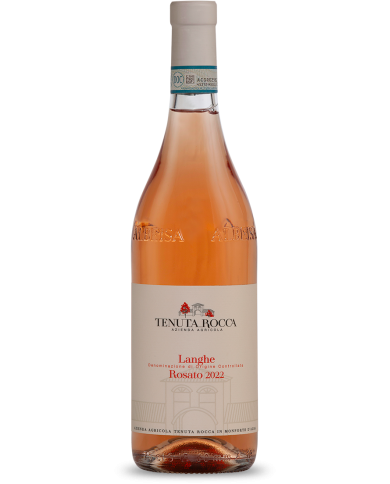
It has a pink color with shades that tend to amber, red reflections. The nose highlights the dog rose and hints of grapefruit. In the mouth it is fresh, straight, pleasant and with a good minerality.
€12.20
SKU:
16927
Brand:
Tenuta Rocca
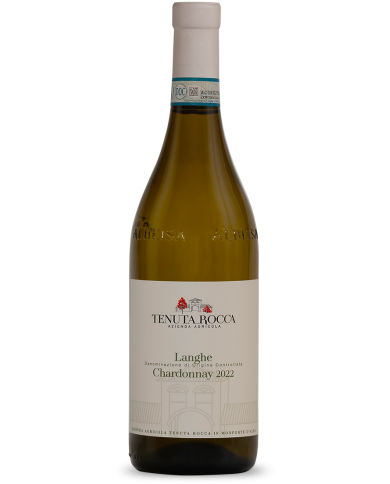
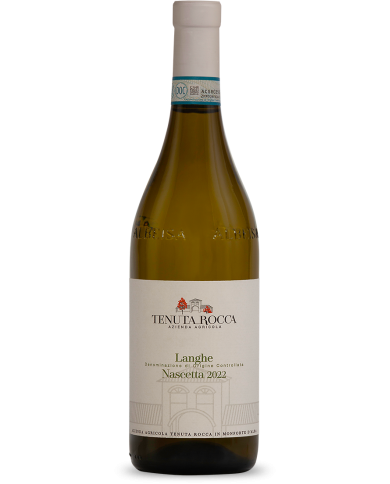
It is straw yellow with slight greenish reflections. Nose with a vast varietal spectrum, the hints of pineapple blend with the more delicate ones of jasmine, to close with the more acidic notes of grapefruit. The mouth is full and robust, almost oily. Persistent finish.
€10.78
SKU:
16926
Brand:
Tenuta Rocca
Straw yellow of medium intensity. There is a clear contrast between the nose, characterized by the sweet notes of ripe pear and the citrus notes of blood orange, and the mouth, where the sapidity and minerality make it complex and sweetish.
€14.12
SKU:
16925
Brand:
Tenuta Rocca
Deep straw yellow colour. The aromas, on the nose, unfold on a carpet composed of dried fruit and lightly toasted bread, wild flowers. In the mouth the entrance is full and rich
€26.17
SKU:
16924
Brand:
Tenuta Rocca
Intense, lively and brilliant garnet red colour. The nose is ethereal with the typical perceptions of violet, then cherry and spices and leather. In the mouth the embrace is full and warm, the tannic, velvety and enveloping texture is balanced by the right acidity.
€48.37
SKU:
16922
Brand:
Torraccia Del Piantavigna
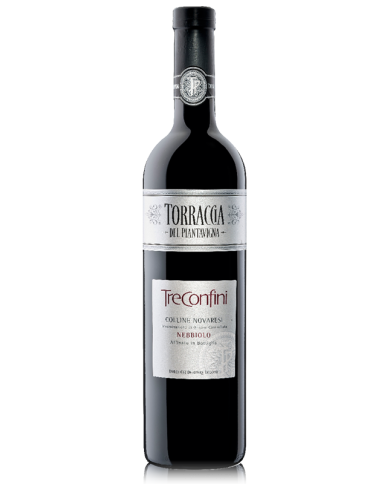
The name reflects our desire to break down the barriers that divide the three production areas of Upper Piedmont: the provinces of Novara, Vercelli and Biella. Tre Confini is an atypical Nebbiolo in that it is not made for aging but for everyday consumption. In any case, it is made under the banner of qualitative research from the vineyard to the cellar, making use of innovation to produce a crystalline wine that respects the typical characteristics of the wines of this area.
€18.07
SKU:
16921
Brand:
Torraccia Del Piantavigna
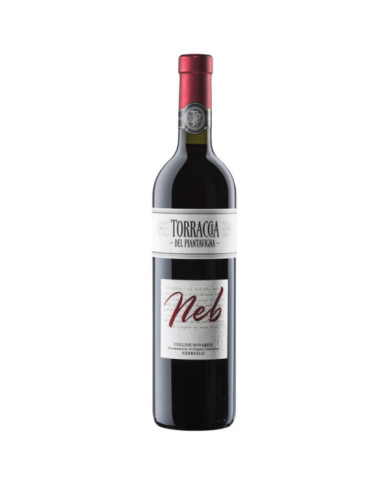
Nebbiolo Neb is a red wine produced with 100% Nebbiolo grapes from vineyards in Maretta.
€17.42
SKU:
16920
Brand:
Torraccia Del Piantavigna
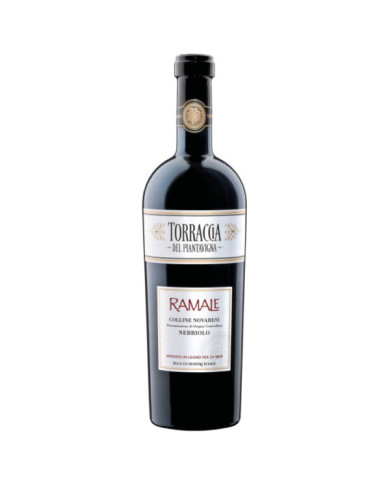
The Ramale di Torraccia del Piantavigna is produced in Piedmont in the Ghemme area with Nebbiolo grapes.
€23.27
SKU:
16919
Brand:
Torraccia Del Piantavigna
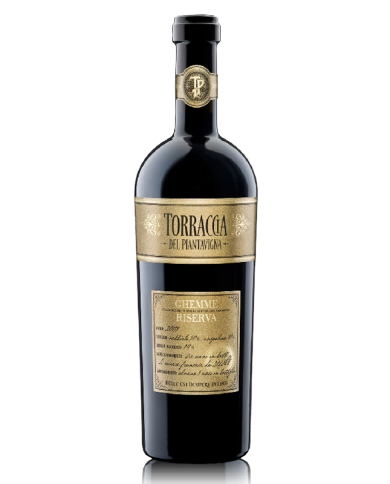
The reserve has a ruby red color with garnet reflections, the nose is fine and intense with notes of violet and licorice. In the mouth it is dry, powerful and sapid with velvety tannins and good residual acidity. We expect this wine to develop well over 20 years.
€32.76
SKU:
16918
Brand:
Torraccia Del Piantavigna
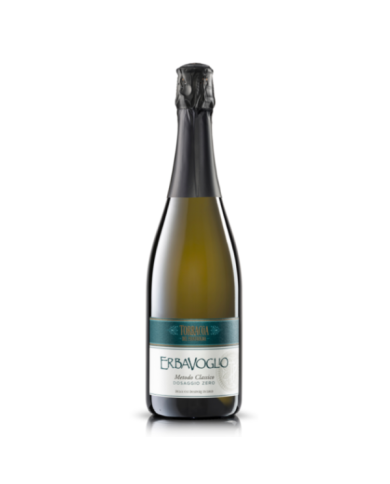
To produce this sparkling wine, Erbaluce is used, grown on about 4 hectares of vineyards in Maretta, in the DOC area of Ghemme.
€34.98
SKU:
16917
Brand:
Torraccia Del Piantavigna
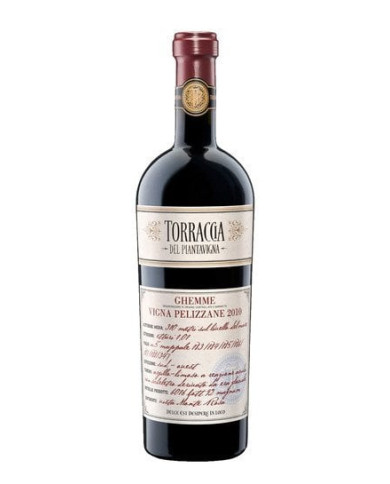
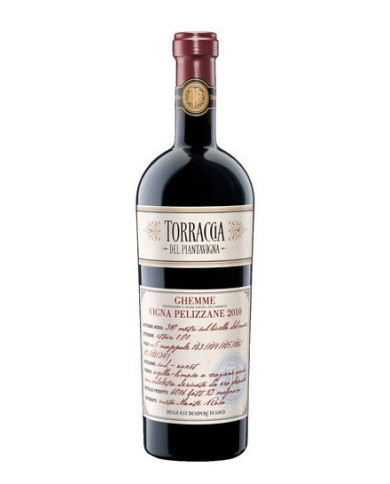
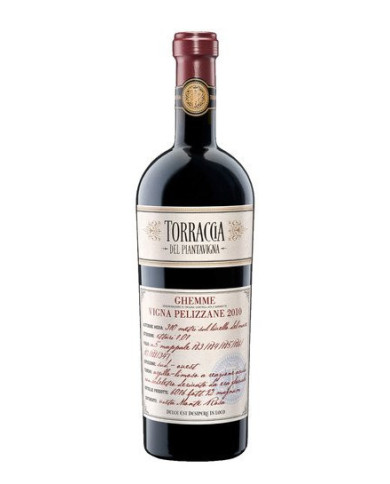
The "Vigna Pelizzane" is a Ghemme of great structure and good complexity, aged for at least 4 years in large barrels. The aromas are intense and mineral and the taste is soft and vibrant, dry and fresh, with vigorous tannins and a long persistence on the finish
€77.99
SKU:
16916
Brand:
Torraccia Del Piantavigna
The "Vigna Pelizzane" is a Ghemme of great structure and good complexity, aged for at least 4 years in large barrels. The aromas are intense and mineral and the taste is soft and vibrant, dry and fresh, with vigorous tannins and a long persistence on the finish
€84.50
SKU:
16915
Brand:
Torraccia Del Piantavigna
The "Vigna Pelizzane" is a Ghemme of great structure and good complexity, aged for at least 4 years in large barrels. The aromas are intense and mineral and the taste is soft and vibrant, dry and fresh, with vigorous tannins and a long persistence on the finish
€75.76
SKU:
16913
Brand:
Torraccia Del Piantavigna
The reserve has a ruby red color with garnet reflections, the nose is fine and intense with notes of violet and licorice. In the mouth it is dry, powerful and sapid with velvety tannins and good residual acidity. We expect this wine to develop well over 20 years.
€79.30
SKU:
16912
Brand:
Torraccia Del Piantavigna
Color: Bright red. Bouquet: Vinous, with slightly balsamic and spicy notes, with notes of red fruit Taste: Fresh, balanced, very tannic and peppery, with a pleasantly bitter aftertaste PAIRINGS: It goes perfectly with fatty foods and above all salami and cold meats.
€16.76
SKU:
16911
Brand:
Torraccia Del Piantavigna
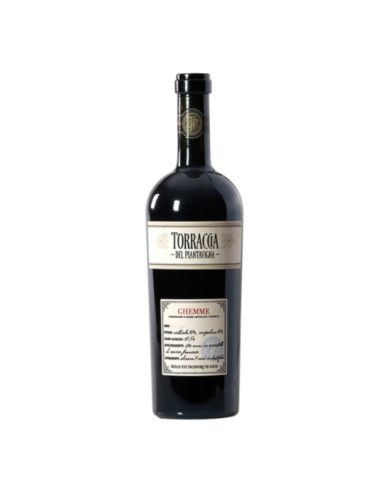
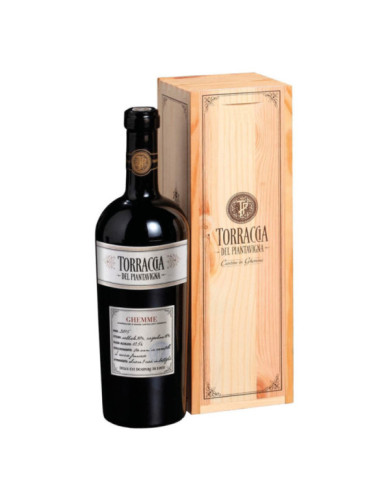
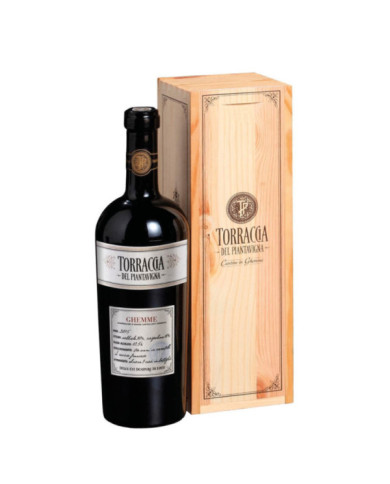
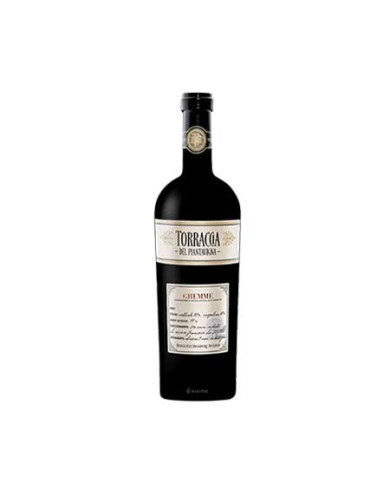
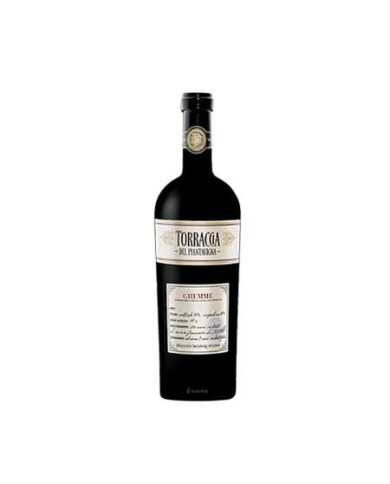
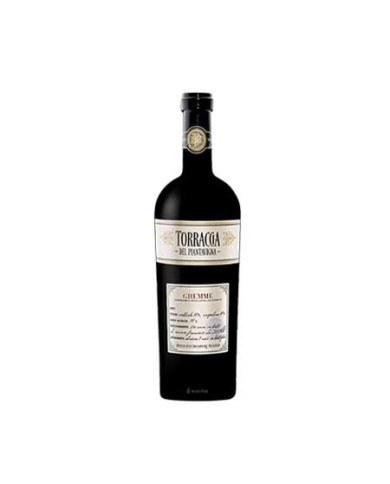
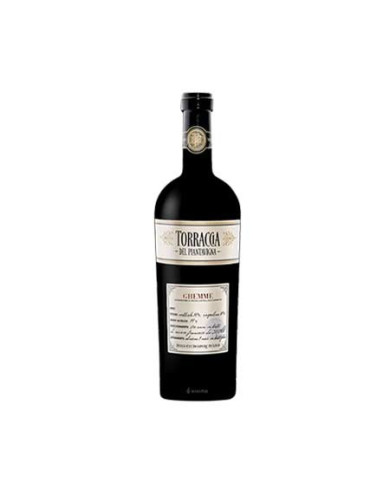
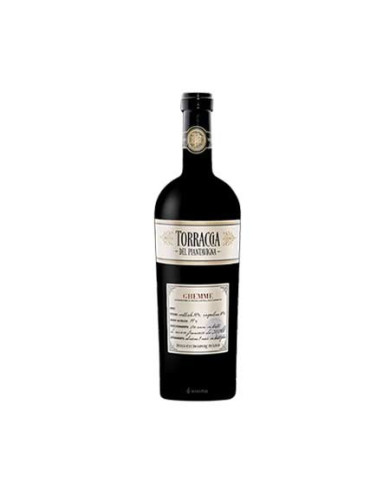
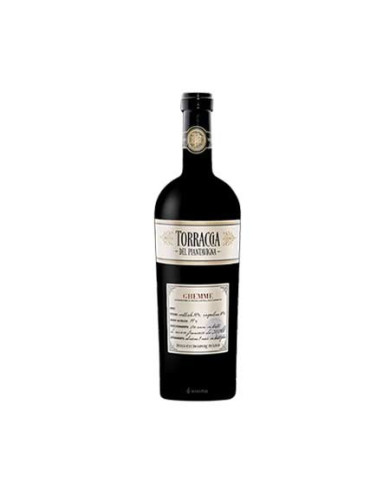
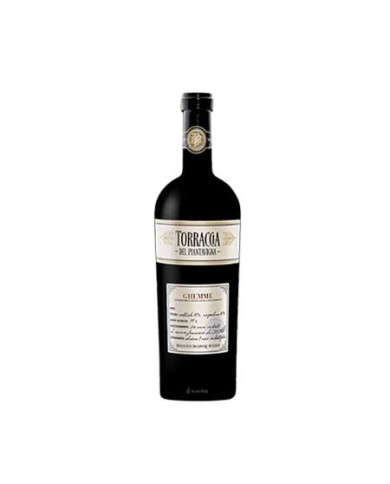
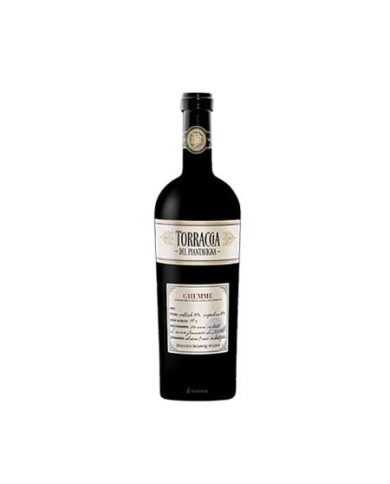
The Ghemme di Torraccia del Piantavigna is produced in the northeastern part of Piedmont with Nebbiolo and Vespolina grapes.
€92.51
SKU:
16910
Brand:
Torraccia Del Piantavigna
The Ghemme di Torraccia del Piantavigna is produced in the northeastern part of Piedmont with Nebbiolo and Vespolina grapes.
€97.60
SKU:
16909
Brand:
Torraccia Del Piantavigna
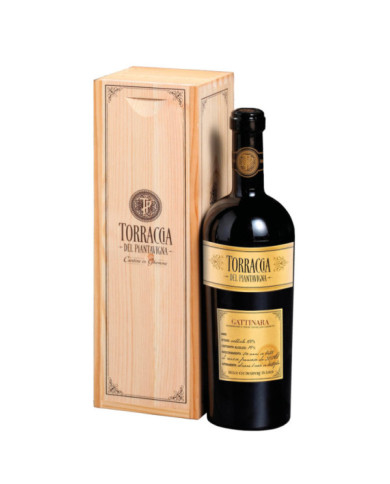
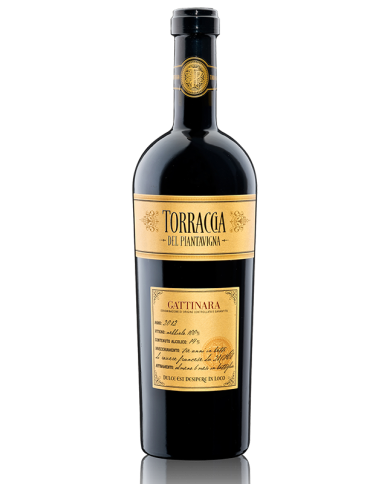
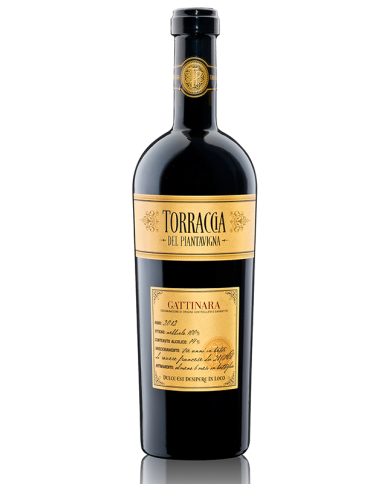
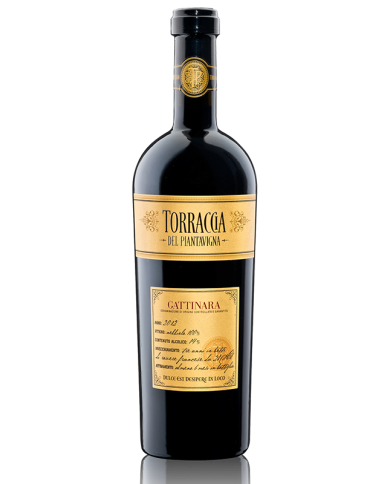
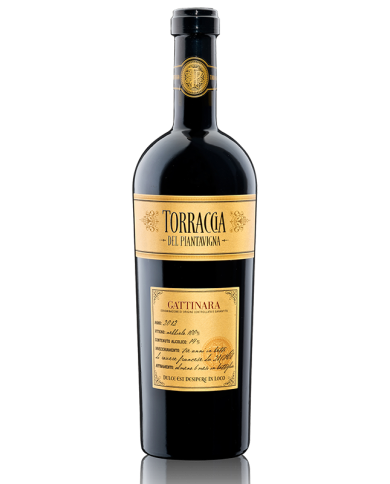
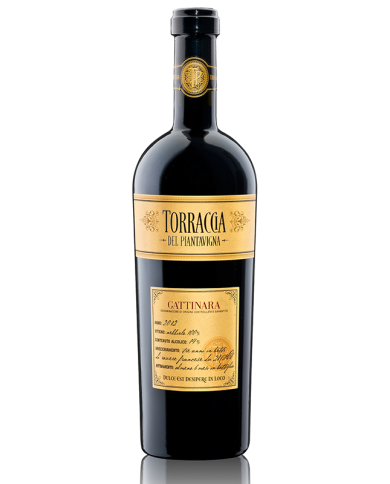
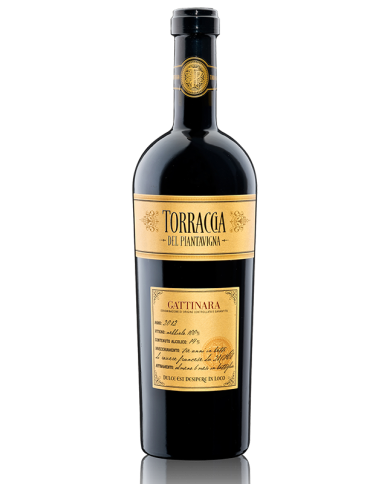
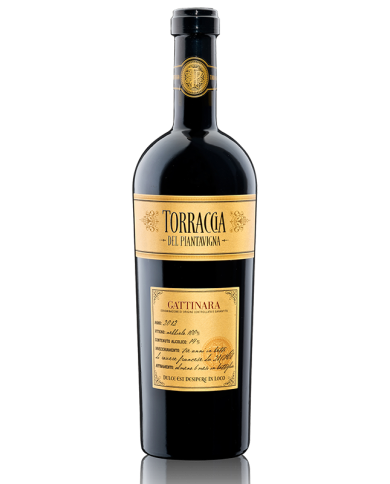
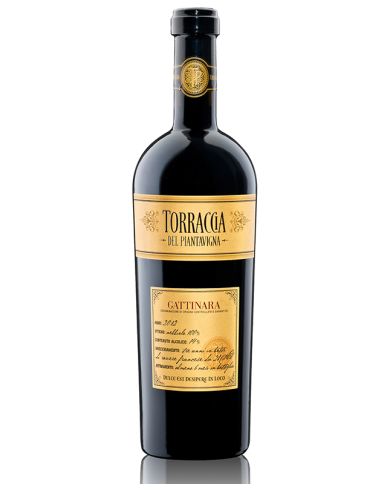
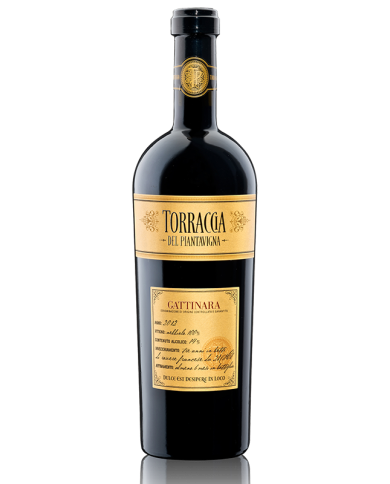
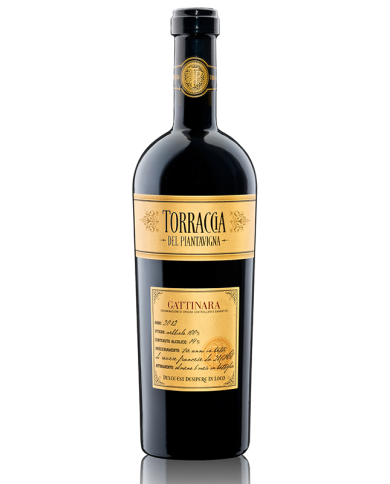
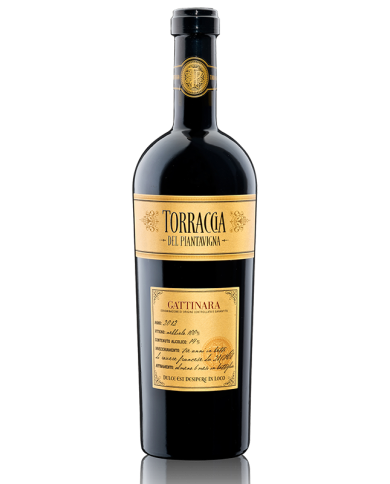
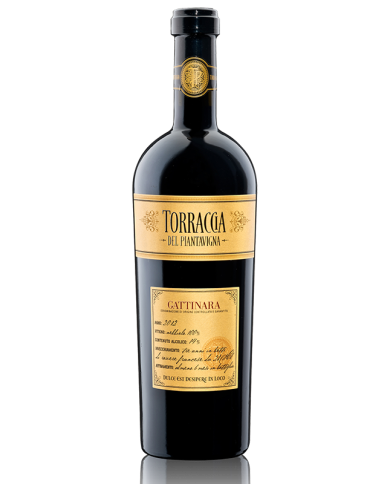
The Gattinara di Torraccia del Piantavigna is produced with 100% Nebbiolo grapes from five hectares of vineyards located in the Municipality of Gattinara.
€151.52
SKU:
16908
Brand:
Torraccia Del Piantavigna
The Gattinara di Torraccia del Piantavigna is produced with 100% Nebbiolo grapes from five hectares of vineyards located in the Municipality of Gattinara.
€80.90
SKU:
16907
Brand:
Torraccia Del Piantavigna
excellent both as an aperitif and throughout the meal, it accompanies a wide variety of foods based on both fish and vegetables, up to moderately strong flavours.
€16.25
SKU:
16906
Brand:
Torraccia Del Piantavigna
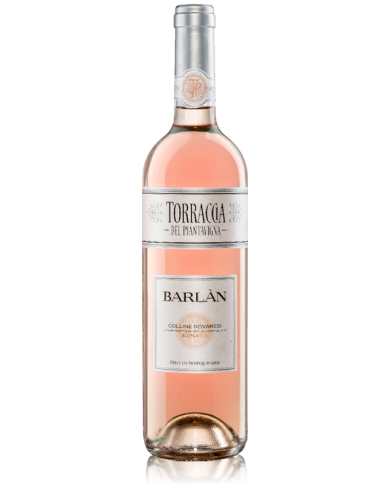
Barlàn, the traditional allegorical figure of the Ghemme carnival was the inspiration for this great and distinctive rosé. Creating a rosé using one of the finest Italian red berried grapes as a base grape may seem like a paradox, but the Nebbiolo variety appears particularly suitable for this purpose, thanks to its high level of acidity and concentration of aromas. The nobility of Nebbiolo is only partially masked by the fresh palate and the pink-gold color of this DOC wine from the Colline Novaresi.
€16.76
SKU:
16905
Brand:
Torraccia Del Piantavigna
With an enveloping scent
and balanced, it is a wine with a bouquet
harmonious where each
olfactory component does not prevail over the other.
€24.89
SKU:
16904
Brand:
Torraccia Del Piantavigna
With an enveloping scent and balanced, it is a wine with a bouquet harmonious where each olfactory component does not prevail over the other.
€35.10
SKU:
16903
Brand:
Torraccia Del Piantavigna
With an enveloping scent
and balanced, it is a wine with a bouquet
harmonious where each
olfactory component does not prevail over the other.
€24.89
SKU:
16902
Brand:
Torraccia Del Piantavigna
With an enveloping scent and balanced, it is a wine with a bouquet harmonious where each olfactory component does not prevail over the other.
€51.36
SKU:
16901
Brand:
Torraccia Del Piantavigna
With an enveloping scent and balanced, it is a wine with a bouquet harmonious where each olfactory component does not prevail over the other.
€49.41
SKU:
16900
Brand:
Torraccia Del Piantavigna
With an enveloping scent and balanced, it is a wine with a bouquet harmonious where each olfactory component does not prevail over the other.
€58.50
SKU:
16899
Brand:
Torraccia Del Piantavigna
With an enveloping scent and balanced, it is a wine with a bouquet harmonious where each olfactory component does not prevail over the other.
€61.10
SKU:
16898
Brand:
Torraccia Del Piantavigna
With an enveloping scent
and balanced, it is a wine with a bouquet
harmonious where each
olfactory component does not prevail over the other.
€24.89
SKU:
16897
Brand:
Torraccia Del Piantavigna
With an enveloping scent
and balanced, it is a wine with a bouquet
harmonious where each
olfactory component does not prevail over the other.
€58.56
SKU:
16896
Brand:
Torraccia Del Piantavigna
With an enveloping scent
and balanced, it is a wine with a bouquet
harmonious where each
olfactory component does not prevail over the other.
€65.03
SKU:
16895
Brand:
Torraccia Del Piantavigna
With an enveloping scent and balanced, it is a wine with a bouquet harmonious where each olfactory component does not prevail over the other.
€81.90
SKU:
16894
Brand:
Torraccia Del Piantavigna
With an enveloping scent
and balanced, it is a wine with a bouquet
harmonious where each
olfactory component does not prevail over the other.
€74.75
SKU:
16893
Brand:
Torraccia Del Piantavigna
With an enveloping scent and balanced, it is a wine with a bouquet harmonious where each olfactory component does not prevail over the other.
€77.35
SKU:
16892
Brand:
Torraccia Del Piantavigna
With an enveloping scent
and balanced, it is a wine with a bouquet
harmonious where each
olfactory component does not prevail over the other.
€24.89
SKU:
16891
Brand:
Torraccia Del Piantavigna
Gattinara is an austere and complex wine, capable of decisively communicating the balance between its important harshness and its persuasive notes. The Gattinara DOCG terroir, of only 100 hectares of vineyards, has been devoted to the vineyard for over 7 centuries. Nebbiolo grapes, on the other hand, are depicted in the fresco that adorns the door of the village church, dating back to the 14th century, testifying to the central role of viticulture in the area.
€30.71
SKU:
16890
Brand:
Torraccia Del Piantavigna
Gattinara is an austere and complex wine, capable of decisively communicating the balance between its important harshness and its persuasive notes. The Gattinara DOCG terroir, of only 100 hectares of vineyards, has been devoted to the vineyard for over 7 centuries. Nebbiolo grapes, on the other hand, are depicted in the fresco that adorns the door of the village church, dating back to the 14th century, testifying to the central role of viticulture in the area.
€47.46
SKU:
16889
Brand:
Torraccia Del Piantavigna
Gattinara is an austere and complex wine, capable of decisively communicating the balance between its important harshness and its persuasive notes. The Gattinara DOCG terroir, of only 100 hectares of vineyards, has been devoted to the vineyard for over 7 centuries. Nebbiolo grapes, on the other hand, are depicted in the fresco that adorns the door of the village church, dating back to the 14th century, testifying to the central role of viticulture in the area.
SKU:
16887
Brand:
Torraccia Del Piantavigna
Gattinara is an austere and complex wine, capable of decisively communicating the balance between its important harshness and its persuasive notes. The Gattinara DOCG terroir, of only 100 hectares of vineyards, has been devoted to the vineyard for over 7 centuries. Nebbiolo grapes, on the other hand, are depicted in the fresco that adorns the door of the village church, dating back to the 14th century, testifying to the central role of viticulture in the area.
SKU:
16884
Brand:
Torraccia Del Piantavigna
Gattinara is an austere and complex wine, capable of decisively communicating the balance between its important harshness and its persuasive notes. The Gattinara DOCG terroir, of only 100 hectares of vineyards, has been devoted to the vineyard for over 7 centuries. Nebbiolo grapes, on the other hand, are depicted in the fresco that adorns the door of the village church, dating back to the 14th century, testifying to the central role of viticulture in the area.
SKU:
16883
Brand:
Torraccia Del Piantavigna
Gattinara is an austere and complex wine, capable of decisively communicating the balance between its important harshness and its persuasive notes. The Gattinara DOCG terroir, of only 100 hectares of vineyards, has been devoted to the vineyard for over 7 centuries. Nebbiolo grapes, on the other hand, are depicted in the fresco that adorns the door of the village church, dating back to the 14th century, testifying to the central role of viticulture in the area.
SKU:
16882
Brand:
Torraccia Del Piantavigna
Gattinara is an austere and complex wine, capable of decisively communicating the balance between its important harshness and its persuasive notes. The Gattinara DOCG terroir, of only 100 hectares of vineyards, has been devoted to the vineyard for over 7 centuries. Nebbiolo grapes, on the other hand, are depicted in the fresco that adorns the door of the village church, dating back to the 14th century, testifying to the central role of viticulture in the area.
SKU:
16881
Brand:
Torraccia Del Piantavigna
Gattinara is an austere and complex wine, capable of decisively communicating the balance between its important harshness and its persuasive notes. The Gattinara DOCG terroir, of only 100 hectares of vineyards, has been devoted to the vineyard for over 7 centuries. Nebbiolo grapes, on the other hand, are depicted in the fresco that adorns the door of the village church, dating back to the 14th century, testifying to the central role of viticulture in the area.
SKU:
16880
Brand:
Torraccia Del Piantavigna
Gattinara is an austere and complex wine, capable of decisively communicating the balance between its important harshness and its persuasive notes. The Gattinara DOCG terroir, of only 100 hectares of vineyards, has been devoted to the vineyard for over 7 centuries. Nebbiolo grapes, on the other hand, are depicted in the fresco that adorns the door of the village church, dating back to the 14th century, testifying to the central role of viticulture in the area.
SKU:
16879
Brand:
Torraccia Del Piantavigna
Gattinara is an austere and complex wine, capable of decisively communicating the balance between its important harshness and its persuasive notes. The Gattinara DOCG terroir, of only 100 hectares of vineyards, has been devoted to the vineyard for over 7 centuries. Nebbiolo grapes, on the other hand, are depicted in the fresco that adorns the door of the village church, dating back to the 14th century, testifying to the central role of viticulture in the area.
SKU:
16878
Brand:
Torraccia Del Piantavigna
Gattinara is an austere and complex wine, capable of decisively communicating the balance between its important harshness and its persuasive notes. The Gattinara DOCG terroir, of only 100 hectares of vineyards, has been devoted to the vineyard for over 7 centuries. Nebbiolo grapes, on the other hand, are depicted in the fresco that adorns the door of the village church, dating back to the 14th century, testifying to the central role of viticulture in the area.
SKU:
16877
Brand:
Torraccia Del Piantavigna
Gattinara is an austere and complex wine, capable of decisively communicating the balance between its important harshness and its persuasive notes. The Gattinara DOCG terroir, of only 100 hectares of vineyards, has been devoted to the vineyard for over 7 centuries. Nebbiolo grapes, on the other hand, are depicted in the fresco that adorns the door of the village church, dating back to the 14th century, testifying to the central role of viticulture in the area.
SKU:
16609
Brand:
Broglia
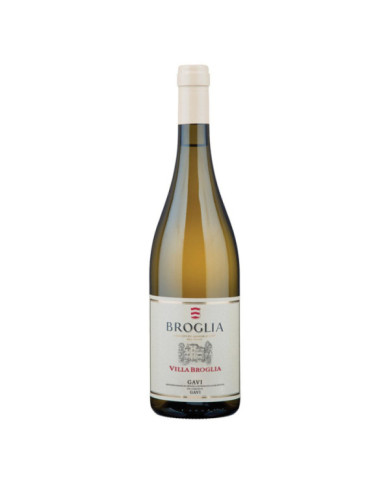
This wine was born in the vineyards of Villa Broglia, planted in 1989 for the birth of Filippo, Piero's son. These vineyards are located in the municipality of Gavi which, due to their splendid position, allows for the production of high quality grapes. It is a wine characterized by fresh, fruity aromas, with a nuance of white flowers and a characteristic note of almonds. Ideal wine for Mediterranean cuisine.
SKU:
16608
Brand:
Broglia
€30.38
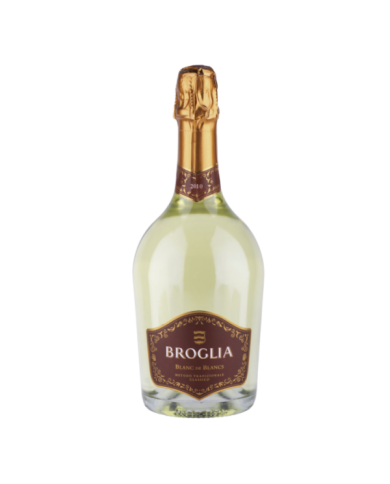
This classic traditional method sparkling wine is in the tradition of the Gavi area. Cortese grapes have always been the basis for the best "blanc de blancs" of Piedmont. We bottled this wine that comes from grapes from our own vineyards after an early harvest.
€30.38
SKU:
16607
Brand:
Broglia
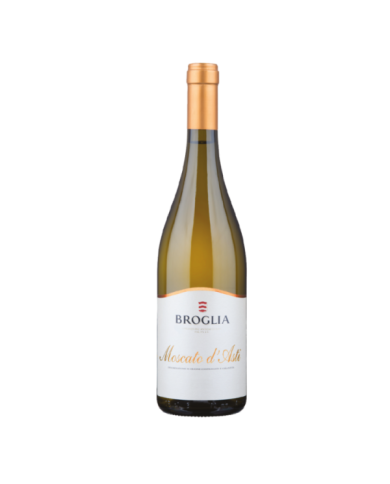
This wine is obtained from the vinification of Moscato grapes, grown in the Moscato production area. Vineyards located in hilly areas that guarantee good temperature ranges favoring the creation of fresh and fruity aromas. The richness in sugar and the low alcohol content mean that this Moscato maintains an intense aromatic fragrance.
€16.47
SKU:
16606
Brand:
Broglia
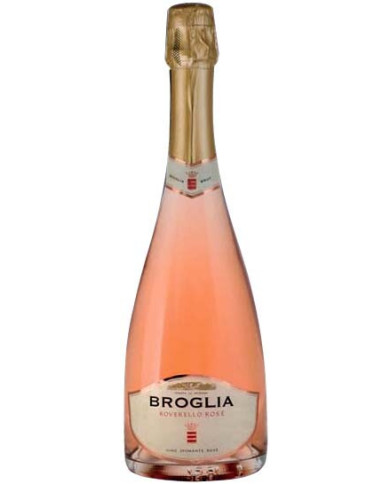
This sparkling wine is obtained from the vinification of Barbera and Dolcetto grapes with the "salasso" technique, i.e. through a very soft pressing of the bunches which give the wine a "rosé" colour. Fermentation takes place with the Martinotti method in an autoclave. It is a Spumante Brut particularly suitable with all Mediterranean cuisine and white meats.
€13.91
SKU:
16605
Brand:
Broglia
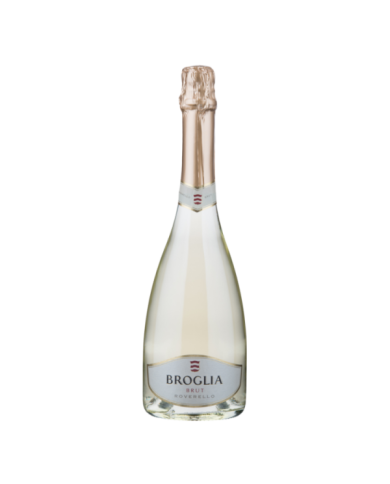
The name Roverello recalls the young oaks of the woods that surround the Meirana vineyards. This Spumante Brut is obtained from our own grapes which are harvested earlier than the others to characterize the youth and freshness that distinguishes it. We have been producing this sparkling wine for over 30 years as required by our denomination of 1974. It is a wine specially prepared for the taste of the modern consumer who likes a young, inviting, high quality sparkling wine. It comes with a gentle petillant, obtained with a refermentation in an autoclave which enhances its aromas, harmony and freshness. In the glass it shows a crystalline clarity, a straw yellow color with greenish reflections, a fruity, characteristic bouquet. The taste is pleasant, clean, harmonious. It goes perfectly with appetizers or cold second courses; also referred to as an aperitif.
€27.33
SKU:
16604
Brand:
Broglia
The name Roverello recalls the young oaks of the woods that surround the Meirana vineyards. This Spumante Brut is obtained from our own grapes which are harvested earlier than the others to characterize the youth and freshness that distinguishes it. We have been producing this sparkling wine for over 30 years as required by our denomination of 1974. It is a wine specially prepared for the taste of the modern consumer who likes a young, inviting, high quality sparkling wine. It comes with a gentle petillant, obtained with a refermentation in an autoclave which enhances its aromas, harmony and freshness. In the glass it shows a crystalline clarity, a straw yellow color with greenish reflections, a fruity, characteristic bouquet. The taste is pleasant, clean, harmonious. It goes perfectly with appetizers or cold second courses; also referred to as an aperitif.
€13.54
SKU:
16603
Brand:
Broglia
This wine is obtained from the vinification of the best Nebbiolo grapes. Its vinous and floral scent comes from a particular vinification and refinement in small barrels for one year plus one year in large barrels, keeping the originality of the tastes intact.
€18.06
SKU:
16602
Brand:
Broglia
Light with floral and fruity hints, it is an elegant and delicate wine. This wine comes from the youngest vineyards of our property. It is characterized by its particular acidity, freshness and drinkability. Its name recalls the bond of our ancient lands with the Doges of the Genoese Republic. It is particularly suitable both as an aperitif, served at a temperature of 8°C, and to accompany Mediterranean cuisine and white meats.
€8.42
SKU:
16601
Brand:
Broglia
It is only from the best vintages that this great wine is born, which comes from the vineyards of the Tenuta La Meirana, planted between the years 1952 and 1953, after a selection of the best bunches harvested by hand and transferred to the cellar in wooden boxes. The 2010 harvest was characterized by regular flowering in the first ten days of June and a windy summer with high temperature variations between day and night. These particular conditions gave the wine a great structure, excellent sapidity and intense aromas of flint and almonds. Here, following an aging in small "sur lie" steel tanks for 108 months, our "Vecchia Annata" comes to light.
€79.06
SKU:
16600
Brand:
Broglia
This wine represents the best production of Meirana. It is obtained from the grapes of old vineyards planted in the years 1953 and 1955. The average yield of the vineyards in the various harvests is from 30 to 40 quintals per hectare. The grapes are harvested in wooden boxes and transferred directly to the presses so that the bunches arrive intact. These, due to their rich structure and acidity, make it possible to obtain a great wine suitable for storage, maintaining its aromas and freshness over the years. The name Bruno Broglia is in honor of the founder of the farm. This selection, recognized as one of the reference white wines, gets important national and international awards every year. It was also served as the only white wine at the Gala dinner, for the G20 in St. Petersburg, in the presence of the greats of the Earth, held on 5 September 2013. Bruno Broglia has a straw yellow color with greenish reflections, brilliant: the bouquet very persistent finish, fruity and reminiscent of the aristocratic scent of the grapes from which it comes. It goes well with both fish-based dishes and shellfish where it brings out the characteristics of haute cuisine better.
€25.01
SKU:
16599
Brand:
Broglia
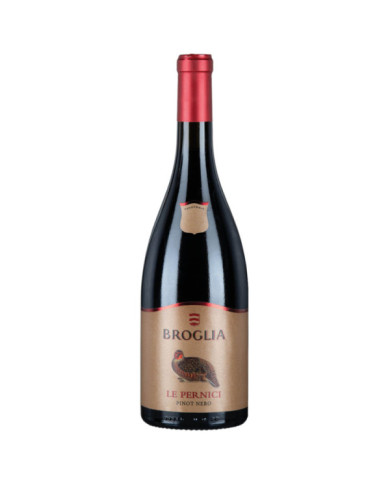
This wine is obtained from the vinification of Pinot Noir grapes.
Its vinous and floral scent comes from a particular vinification that keeps the originality of the tastes intact.
€13.42
SKU:
16598
Brand:
Broglia
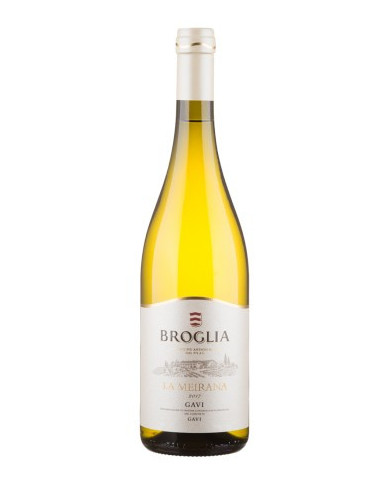
The Meirana di Broglia is the most important and representative product of the company's production, a gavi among the most classic and appreciated in the world. La Meirana is not just the name of a wine, it is the main Estate of the Cellar.
€14.90
SKU:
16597
Brand:
Broglia
The Meirana di Broglia is the most important and representative product of the company's production, a gavi among the most classic and appreciated in the world. La Meirana is not just the name of a wine, it is the main Estate of the Cellar.
€31.23
SKU:
16596
Brand:
Broglia
The Meirana di Broglia is the most important and representative product of the company's production, a gavi among the most classic and appreciated in the world. La Meirana is not just the name of a wine, it is the main Estate of the Cellar.
€6.22
SKU:
16595
Brand:
Broglia
Derthona di Broglia comes from a selection of Timorasso grapes, from vineyards facing south at 300-350 meters slm , located on calcareous soil.
€20.74
SKU:
16594
Brand:
Broglia
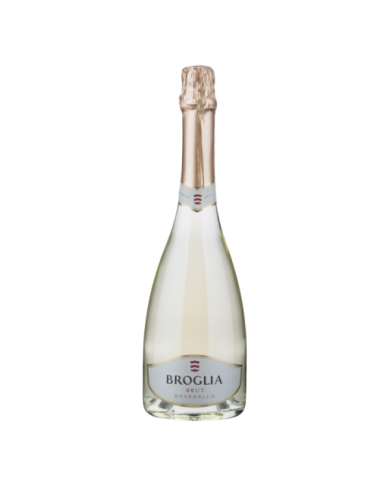
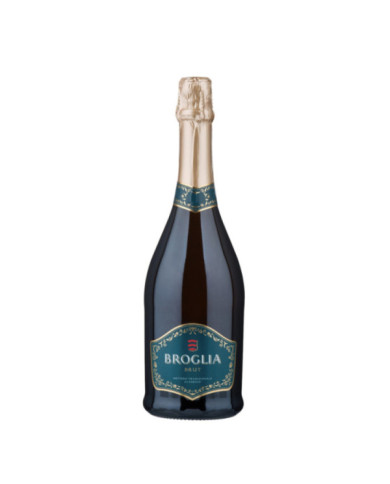
Spumante Broglia Brut is a fresh, subtle and elegant Classic Method obtained from Cortese di Gavi grapes with aging on the lees in the bottle for 18 months. It smells of white fruit, many citrus fruits and aromatic herbs. The sip is taut, fresh, sapid and balanced
€29.77
SKU:
16493
Brand:
Valter Bera
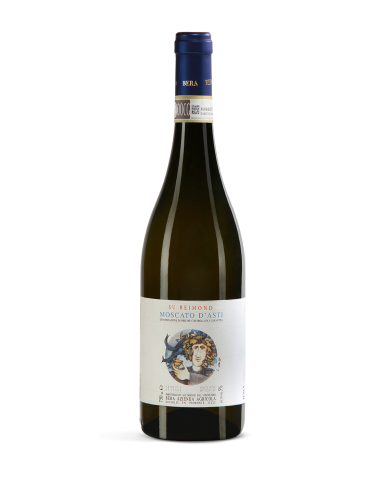
This wine is a Moscato, complex and structured, produced with grapes from suitable vineyards. The intense and fragrant aromas that smell of wisteria and peach, sage and lemon, last a long time and enhance the sweet, fresh and delicate flavour, stimulating for the fine perlage. Meditation wine, it goes well with all types of sweets.
€13.18
SKU:
16492
Brand:
Valter Bera
A unique wine, with a bright cherry pink colour, aromatic, typical for the scents of fresh flowers and roses, for a light musky sensation and intense hints of red fruit. Sweet, lively, fresh, pleasantly acidulous, it explodes on the aftertaste with the same fruity notes perceived on the nose which suggest the combination with berries, desserts and strawberry parfait, jam tarts and sweets in general.
€11.59
SKU:
16491
Brand:
Valter Bera
Red wine perfect for an aperitif or a friendly dinner, not too demanding, excellent with appetizers, first and second courses of meat. The very suitable soil from which the grapes are born gives it pleasant spicy scents, the shorter refinement makes it suitable for young consumption and highlights the fruit with respect to the structure. The full and elegant taste distinguishes it from other wines of its category.
€14.27
SKU:
16490
Brand:
Valter Bera
A great white vine in a land of great reds can give great results. This elegant straw-yellow colored wine reveals nobility of character in the intense, ample, persistent fruity aromas, with a hint of yeast. Fine, with good structure and freshness, it loves an aperitif, land and sea appetizers.
€8.91
SKU:
16489
Brand:
Valter Bera
Bears a woman's name (Elena) this ruby red wine with garnet reflections that ages in the cellar before bottling. It offers sensations of ripe fruit to the nose and a long, slightly vanilla-flavoured aromatic persistence. In the mouth it is dry, fruity, pleasantly acidic, full-bodied and harmonious. It goes well with roasts and stewed meats, cooked cured meats, game stews.
€14.27
SKU:
16488
Brand:
Valter Bera
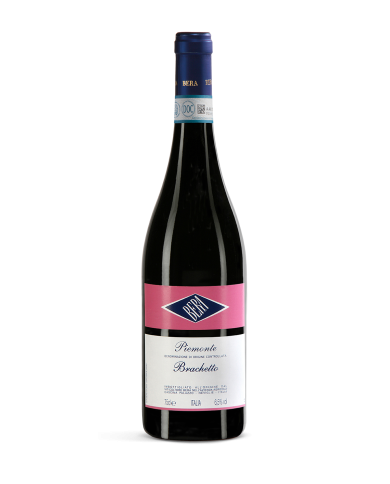
It is the traditional Langa wine, absolutely dry, young and fragrant, with a ruby red color with violet reflections and intense fruity aromas reminiscent of cherries. Its dry and harmonious flavour, with moderate acidity and a pleasantly bitter aftertaste makes it preferable with simplicity on the daily table for the entire meal, but also with cured meats or cheeses for a quick snack with friends.
€10.61
SKU:
16487
Brand:
Valter Bera
Wine of great structure, good harmony and long persistence. It has a deep ruby red color with garnet reflections, intense fruity aromas of currants and blackberries, supported by a note of vanilla. The dry, pleasantly acidic, highly sapid flavor goes well with cured meats, roasted and boiled red meats, well-aged cheeses.
€10.61
SKU:
16486
Brand:
Valter Bera
This version of Barbaresco Bera takes its name from the Serraboella hill, located in the Municipality of Neive, particularly suited to the production of noble, elegant, long-lived wines. It has a bright ruby color with orange hues, the flavor is robust and full, with spicy sensations. An excellent Barbaresco, complete and characteristic, which lends itself to accompany important dishes based on meat and game. Thanks to its longevity, it can also become a collector's item, which will be able to give us strong emotions even after twenty-five years!
€37.43
SKU:
16485
Brand:
Valter Bera
This version of Barbaresco Bera takes its name from the Serraboella hill, located in the Municipality of Neive, particularly suited to the production of noble, elegant, long-lived wines. It has a bright ruby color with orange hues, the flavor is robust and full, with spicy sensations. An excellent Barbaresco, complete and characteristic, which lends itself to accompany important dishes based on meat and game. Thanks to its longevity, it can also become a collector's item, which will be able to give us strong emotions even after twenty-five years!
€67.22
SKU:
16484
Brand:
Valter Bera
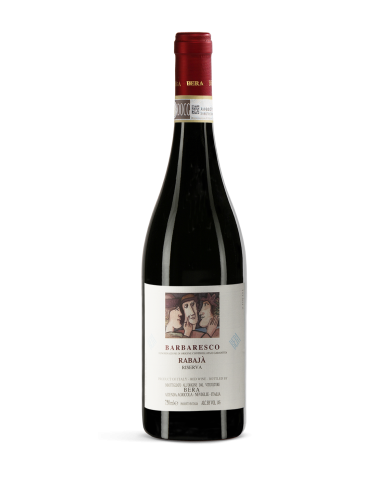
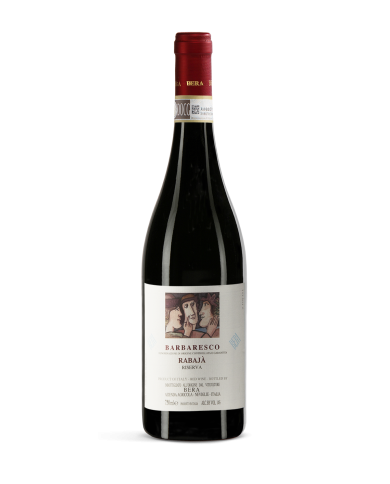
Wine of great nobility, austere, elegant, frank, obtained from Nebbiolo grapes from vineyards owned by the prestigious cru Rabaja in Barbaresco.
€89.55
SKU:
16483
Brand:
Valter Bera
Wine of great nobility, austere, elegant, frank, obtained from Nebbiolo grapes from vineyards owned by the prestigious cru Rabaja in Barbaresco.
SKU:
16482
Brand:
Valter Bera
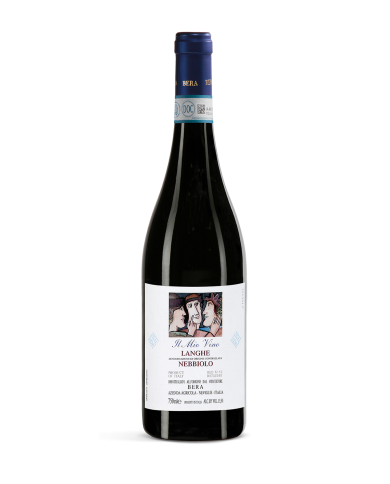
Elegant, austere, of great nobility; this wine made from Nebbiolo grapes has a garnet red color with orange reflections. In the glass it releases ethereal and spicy aromas, with light notes of vanilla and dried flowers, while in the mouth it is generous, of great harmony and persistence. It goes well with red meats, game and aged cheeses.
€53.31
SKU:
16481
Brand:
Valter Bera
Elegant, austere, of great nobility; this wine made from Nebbiolo grapes has a garnet red color with orange reflections. In the glass it releases ethereal and spicy aromas, with light notes of vanilla and dried flowers, while in the mouth it is generous, of great harmony and persistence. It goes well with red meats, game and aged cheeses.
€26.35
SKU:
16480
Brand:
Valter Bera
Elegant, austere, of great nobility; this wine made from Nebbiolo grapes has a garnet red color with orange reflections. In the glass it releases ethereal and spicy aromas, with light notes of vanilla and dried flowers, while in the mouth it is generous, of great harmony and persistence. It goes well with red meats, game and aged cheeses. Obtained from Nebbiolo grapes from vineyards in the Basarin sub-area in Neive.
€49.01
SKU:
16479
Brand:
Valter Bera
Among the few white wines in the land of reds, this wine comes from the now famous native grapes. It has a very delicate straw color and floral aromas reminiscent of acacia, wild flowers, honey. In the mouth it is fresh, sapid, pleasantly acidulous, decidedly inviting. It is an excellent aperitif and goes nicely with appetizers, pasta and fish dishes.
€12.20
Discover the magic of Piedmont wines: savor the taste of tradition!
Piedmont is one of Italy's most renowned regions for producing excellent wines. Piedmont's winemaking tradition has developed over the centuries, and the region's wines are appreciated worldwide.
The origins of Piedmont wine
Piedmont wine has ancient origins. The region, located in northwestern Italy, enjoys a temperate climate that lends itself to the production of quality wines. The first documents mentioning Piedmont wines date back to the Middle Ages, when the region's princes invited their guests to taste their wines.
The wine styles of Piedmont
Piedmont's wine styles are highly diverse. The most well-known are the red wines Barolo and Barbaresco, both made from Nebbiolo, a grape native to the region. Piedmont's red wines are generally fuller-bodied, with complex aromas ranging from berries to spices, and have good acidity that makes them suitable for aging.
In addition to red wines, Piedmont is also famous for its white wines, such as Gavi and Arneis . These wines are lighter and have fewer tannins than red wines, but are just as tasty.
What are the most famous Piedmontese wines?
Piedmont wines are appreciated worldwide and are considered among the finest in Italy. Among the best-known are Barolo, Barbaresco, Gavi, Arneis , Dolcetto, and Barbera. These wines have been appreciated by generations of wine lovers and are a must-try for anyone who wants to discover Piedmont's winemaking tradition.
How to best savor Piedmont wines
Piedmont wines are meant to be savored slowly. Tasting should be done in a quiet environment and using glasses suitable for wine tasting. Serving temperature is crucial to getting the most out of the wine: white wines should be served chilled (8-10ºC), while red wines should be served warmer (16-18ºC).
To fully appreciate Piedmont wines, it's important to understand the flavors and aromas of each wine. You should try to identify the aromas and flavors of each wine, such as berries, spices, herbs, and earthy notes. This will help you better understand how wines pair with foods and how to choose the most suitable wines for a given occasion.
Taste tradition with Piedmont wines
Tasting Piedmont wines is a unique experience. It will allow you to discover the flavors and aromas of a thousand-year-old winemaking tradition that has made Piedmont one of the world's most renowned regions for quality wine production.
Choose a Piedmont wine and savor all the magic and flavor of tradition!
Piedmont Wine Denomination: A Journey into the World of Wine
Piedmont is a region located in northwest Italy, stretching from the Alps to the Po River. This region is renowned for its natural beauty, culture, history, and, above all, its high-quality wine production. In this guide, you'll discover everything you need to know about Piedmont's wine appellation, from grape varieties to the main wines produced and their characteristics.
Introduction to the denomination of Piedmont wines
The Piedmont wine denomination is a classification system based on its origin, the grape variety used, and the production methods. There are three levels of Piedmont wine designation: DOCG (Controlled and Guaranteed Designation of Origin), DOC (Controlled Designation of Origin), and IGT (Typical Geographical Indication).
IGT
The IGT (Italian Geographical Indication) is the lowest denomination and covers the entire Piedmont region. This designation allows producers to use grapes from other regions and experiment with new winemaking techniques. IGT wines can have very different characteristics, depending on the grape variety and the techniques used.
DOC
The DOC designation is reserved for wines produced in specific areas of Piedmont and that meet specific production criteria. These wines must be made with a specific grape variety, must be aged for a specific period, and must meet specific production criteria.
DOCG
The DOCG designation is the highest in the Piedmont wine appellation hierarchy. This designation is reserved for wines that represent the best of Piedmont and have an international reputation. DOCG wines are produced in specific areas of Piedmont, using specific grape varieties and following rigorous production criteria.
The grape varieties of Piedmont
Piedmont is famous for its wide variety of native grapes, some of which are used to produce some of the world's finest wines. Here are some of Piedmont's most important grape varieties:
Nebbiolo
Nebbiolo is Piedmont's most important grape variety and is used to produce some of the region's most famous wines, such as Barolo and Barbaresco. This grape variety is known for its fruity flavor and tannic character.
Barbera
Barbera is the second most important grape variety in Piedmont and is used to produce highly regarded red wines, such as Barbera d'Alba and Barbera d'Asti.
The main wines of Piedmont
Piedmont is famous for producing some of the world's finest wines, renowned for their unique flavors and distinctive characteristics. Here are the region's main wines:
Barolo
Barolo is the king of Piedmont wines and is produced with Nebbiolo grapes grown in the hills of the Barolo municipality. This wine is renowned for its complex, fruity flavor, its tannic character, and its intense ruby red color. Barolo is aged in wooden barrels for a minimum of three years and has an alcohol content of approximately 13%.
Barbaresco
Barbaresco is another great Piedmont red wine made from Nebbiolo grapes. This wine has a similar flavor to Barolo, but is a bit softer and lighter. Barbaresco is aged for at least two years and has an alcohol content of approximately 13%.
Barbera d'Alba
Barbera d'Alba is a red wine made from Barbera grapes grown in the Langhe region. This wine has a fruity flavor and an alcohol content of approximately 12.5%. Barbera d'Alba is aged for at least one year in wooden barrels.
Moscato d'Asti
Moscato d'Asti is a sweet white wine made from Moscato Bianco grapes grown in the Langhe area. This wine has a fruity, fresh flavor and is perfect as an aperitif or dessert. Moscato d'Asti has an alcohol content of approximately 5%.
Piedmont is a major winemaking region, producing some of the world's finest wines. The DOCG, DOC, and IGT designations represent a wine classification system that guarantees the quality and provenance of products. Each grape variety has its own distinctive characteristics, giving Piedmont wines their unique flavor and distinctive qualities. If you're a wine enthusiast, a visit to Piedmont's wineries is an experience not to be missed.
Frequently Asked Questions
What are the most important grape varieties of Piedmont?
The most important grape varieties of Piedmont are Nebbiolo, Barbera and Moscato Bianco.
What is the most famous wine from Piedmont?
The most famous wine of Piedmont is Barolo.
What does the DOCG designation mean?
The DOCG designation stands for Controlled and Guaranteed Designation of Origin and is the highest in the hierarchy of Piedmont wine denominations.
What are the main production areas of Piedmont wines?
The main production areas of Piedmont wines are the Langhe