

 Italiano
 Deutsch



























































There are no more items in your cart
SKU:
19822
Brand:
Gaja
Note di degustazione
Di un bel color rosso rubino carico alla vista e introdurre al naso sentori importanti di piccoli frutti selvatici, e macchia mediterranea sostenuti da una deliziosa speziatura e balsamicità finale. In bocca è pieno e rotondo, di grande eleganza, con tannini evidenti ma finissimi, grande freschezza ed un ritorno degli aromi speziati. Molto persistente il finale.
Abbinamenti
Un vino importante per occasioni speciali, accompagna piatti saporiti, specie di carne, come anche formaggi a lunga stagionatura ma da il meglio con la selvaggina. Da provare con i pici al ragù di cinghiale.
€97.60
SKU:
19821
Brand:
Gaja
enuta Cà Marcanda di Castagneto Carducci. Siamo nella famosa zona della DOC Bolgheri Sassicaia della Tenuta San Guido, vino da oltre 300 euro a bottiglia che nel 2018 è stato premiato da Wine Spectator come miglior vino del mondo. Bolgheri è sinonimo di Supertuscan, cioè vini affinati in legno e provenienti da uve internazionali come il Merlot e il Cabernet Sauvignon. Torniamo però al Promis di Gaja che ha in sé un uvaggio che sposa l’internazionalità del Merlot (55%) e del Syrah (35%) con la tipicità del Sangiovese (10%). L’annata è quella del 2000 che (sempre spulciando tra i siti) risulta essere stata eccellente.
€67.10
SKU:
19820
Brand:
Caprili
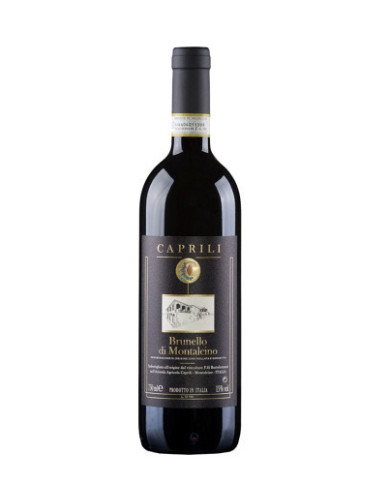
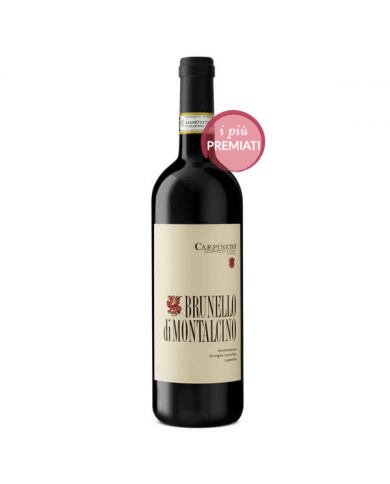
Il Brunello di Montalcino Caprili è l’espressione di un territorio costantemente in crescita dal punto di vista qualitativo. I bellissimi vigneti da cui nasce si trovano a circa trecento metri di altitudine, dove le brezze benefiche consentono di limitare al minimo gli interventi dell’uomo; naturale è anche l’intero processo di vinificazione, che privilegia l’uso dei lieviti autoctoni contenuti nelle uve, per conservare una precisa identità, che asseconda la mutevolezza dell’andamento stagionale delle annate. Elegante e longevo, ha un ampio bouquet di frutta e spezie, che si apprezzerà al meglio se degustato alcune ore dopo averlo stappato. Ogni annata è accolta con entusiasmo e premiata da guide ed esperti di settore, ed è molto amato dai consumatori più attenti ed esigenti.
€239.12
SKU:
19819
Brand:
Marchesi de’ Frescobaldi
Rosso rubino scuro. Il bouquet è potente, complesso e molto profondo. Il naso è deliziato da note intense di bacche nere, come ribes e mora. In sottofondo si percepiscono delicati aromi speziati di chiodi di garofano e di pepe nero. Sentori leggeri di liquirizia e di fragranze balsamiche arricchiscono la complessità degli aromi. In bocca è ampio e ben strutturato con tannini maturi che avvolgono il palato in una trama di velluto. Di grande persistenza.
€556.32
SKU:
19818
Brand:
San Giusto a Rentennano
Prodotto da uve Merlot 100%, provenienti da zone dei nostri vigneti particolarmente adatte alle caratteristiche del vitigno, raccolte a mano a perfetta maturazione in epoca tardiva rispetto alle consuetudini locali. La fermentazione avviene in vasche di acciaio inox per circa 18 giorni ai quali segue la svinatura e la pigiatura. La fermentazione malolattica avviene spontaneamente come per tutti i nostri vini. Dopo una prima sfecciatura, il vino viene posto in barriques di rovere francese per 20-22 mesi. Una volta imbottigliato, affina ulteriori mesi in vetro.
€218.38
SKU:
19817
Brand:
Avignonesi
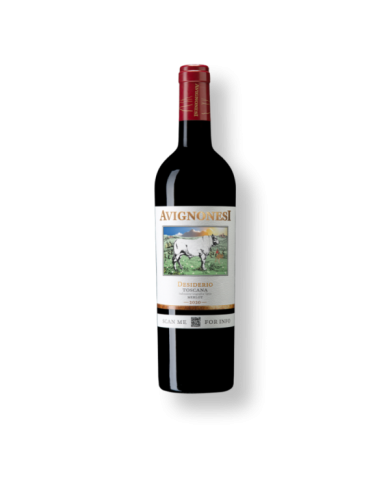
Sull’etichetta vicino al nostro toro Desiderio, figura anche un piccolo canguro, per ricordare la nostra enologa Ashleigh Seymour. Dopo aver fatto parte del nostro team per tanti anni, ha deciso di tornare in Australia, il suo paese natale, per intraprendere nuove avventure.
€172.02
SKU:
19816
Brand:
Avignonesi
Sull’etichetta vicino al nostro toro Desiderio, figura anche un piccolo canguro, per ricordare la nostra enologa Ashleigh Seymour. Dopo aver fatto parte del nostro team per tanti anni, ha deciso di tornare in Australia, il suo paese natale, per intraprendere nuove avventure.
€157.38
SKU:
19815
Brand:
Riecine
La Gioia nasce nel 1982 come vino da tavola, poi dal 1996 con la riforma del disciplinare passa alla menzione IGT.
€58.56
SKU:
19814
Brand:
Ercolani Marco e Marco
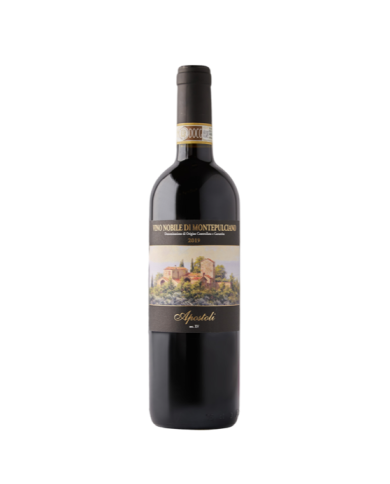
APOSTOLI: è il nome di un vecchio monastero del 1400 che sovrasta e dà il nome a una delle vigne più antiche di Montepulciano, che fu piantata in epoca ” Nobiliare” ed è stata mantenuta e ringiovanita con l’opera dell’ innesto.
€54.90
SKU:
19813
100% Sangiovese. Forti note di erbe aromatiche, selce e liquirizia complicano aromi e sapori di ciliegia rossa e bacche. Molto lungo, fresco e pulito, con tannini seri ma raffinati, questo classico Brunello dovrebbe invecchiare e svilupparsi bene.
€48.80
SKU:
19812
Brand:
San Giusto a Rentennano
Prodotto da uve rigorosamente selezionate di Sangiovese (97%) e Canaiolo (3%). La fermentazione e macerazione viene condotta in vasche di cemento e acciaio per circa 18/20 giorni. In seguito il vino viene maturato in botti e fusti di rovere francese, per un tempo che varia, secondo le caratteristiche del vino, da i 16 e i 20 mesi. Dopo l'imbottigliamento, segue l'affinamento in vetro per circa 6 mesi. E' un vino da invecchiamento che ben esprime le potenzialità dei terreni di San Giusto a Rentennano.
€43.92
SKU:
19811
Brand:
Antinori
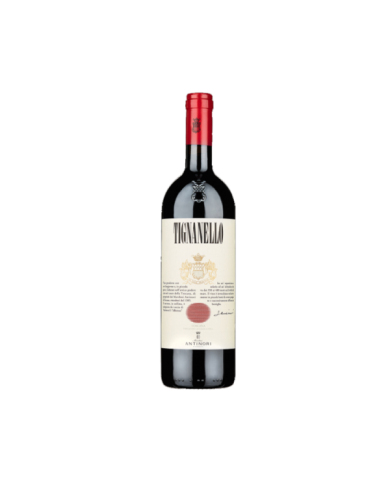
Il Cabernet Sauvignon, il Cabernet Franc, il Merlot, la Syrah e il Petit Verdot si esprimono su alti livelli qualitativi, potenza ed eleganza. Alle piacevoli note fruttate si uniscono sfumature di macchia mediterranea, tocchi balsamici, cenni minerali e iodati tipici del terroir bolgherese.
€229.36
SKU:
19810
Brand:
Podere San Luigi
Un vino dal colore rubino intenso, con aromi floreali, frutta rossa e note speziate. In bocca ha un buon corpo, armonioso e corposo. Buona freschezza e sapidità ed una persistenza invidiabile.
€57.34
SKU:
19809
Brand:
Livernano
L'eccellente vino monosepazhnoe "Puro Sangue" è fatto da uve Sangiovese. Il Sangiovese è l'orgoglio d'Italia ed è il cuore non solo del "Puro Sangue", ma di famosi vini italiani come il Chianti, il Brunello di Montalcino e molte altre categorie di vino DOCG. Il vino Sangiovese riempie il "Puro Sangue" di deliziosi aromi di frutta e bacche, gli conferisce una consistenza vellutata, un perfetto equilibrio e una capacità di conservazione a lungo termine per 10 anni. La fermentazione delle uve avviene in botti da 225 litri o in vasche di legno. La velocità di otturazione viene eseguita in due fasi: 18 mesi in botti di rovere da 350 litri e almeno 6 mesi in bottiglia.
More: https://eng.winestyle.ru
€70.76
€59.78
SKU:
19807
Brand:
Cennatoio Emiliano Alessi
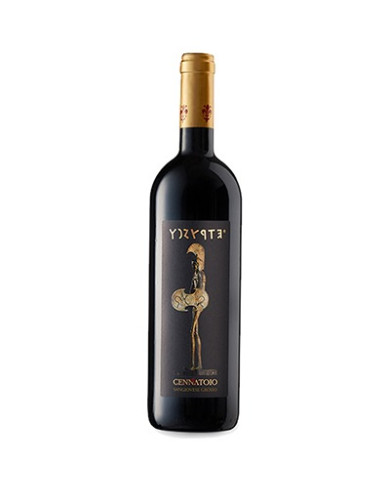
in bocca l’aroma frutto è molto evidente anche sensazione gustativa, caratterizzata da un’acidità non molto intensa e dal finale corposo e pulito con note di tabacco
€59.78
SKU:
19802
Brand:
Antinori
Rosso rubino intenso con riflessi violacei. Al naso è maturo, con note di frutta scura e sottofondo fresco nel finale; predomina la polpa di prugna insieme a sentori di ciliegia, andando con progressione ed equilibrio verso note di liquirizia e menta. Al gusto ha prontezza e disponibilità, è ricco e armonioso. Ottimo al palato, grazie all’acidità e alla strutturata morbidezza dei tannini. Il retrogusto è ricco, sapido e caratterizzato da una dolce persistenza.
€254.98
SKU:
19801
Brand:
Fattoria le Pupille
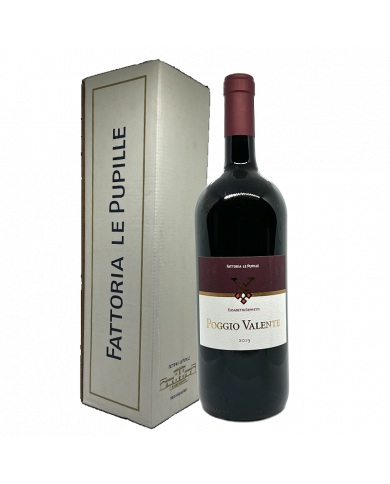
Rosso rubino. Al naso sentori primari di ciliegia e lampone; seguono profumi secondari e terziari di alloro, ginepro, cuoio e tabacco. Al palato il vino è elegante e di grande equilibrio, con tannini dolci e vellutati.
€109.80
SKU:
19796
Brand:
Antinori
In onore ai Monaldeschi della Cervara Il nome celebra i Monaldeschi della Cervara, storica famiglia proprietaria nel XVI secolo del Castello della Sala. La Barrique Il Cervaro della Sala è stato uno dei primi bianchi italiani a svolgere fermentazione malolattica ed affinamento in barrique.
€137.86
SKU:
19789
Brand:
Antinori
Rosso rubino intenso con riflessi violacei. Al naso è maturo, con note di frutta scura e sottofondo fresco nel finale; predomina la polpa di prugna insieme a sentori di ciliegia, andando con progressione ed equilibrio verso note di liquirizia e menta. Al gusto ha prontezza e disponibilità, è ricco e armonioso. Ottimo al palato, grazie all’acidità e alla strutturata morbidezza dei tannini. Il retrogusto è ricco, sapido e caratterizzato da una dolce persistenza.
SKU:
19788
Brand:
Agraria PAM
Brunello di Montalcino, il primo vino italiano ad ottenere la Denominazione di Origine Controllata e Garantita, viene prodotto in provincia di Siena, esclusivamente entro i confini del territorio comunale di Montalcino, con le uve del solo vitigno Sangiovese, denominato localmente "Brunello". A Montalcino si è sempre coltivata la vite, come nel vicino Chianti. Nel 1888 nasce il primo Brunello. E´ un prodotto di grande qualità, con caratteristiche di vino da lungo invecchiamento.
€59.78
SKU:
19787
Brand:
Tenta Il Poggione
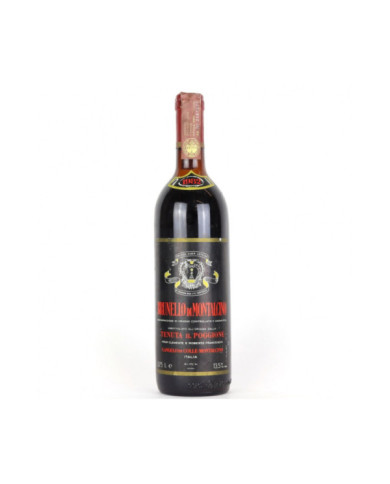
Il Brunello è il principe dei vini di Montalcino.
È prodotto esclusivamente con uve Sangiovese raccolte a mano e provenienti dai vigneti più vecchi dell'azienda.
Dopo un'accurata fermentazione a temperatura controllata, il Brunello di Montalcino della Tenuta Il Poggione matura in botti di rovere francese.
Successivamente il vino trascorre un periodo di affinamento in bottiglia, indispensabile per garantire quella piacevolezza e quella complessità che hanno reso il Brunello di Montalcino famoso in tutto il mondo.
€192.76
SKU:
19786
Brand:
Tenta Il Poggione
Il Brunello è il principe dei vini di Montalcino.
È prodotto esclusivamente con uve Sangiovese raccolte a mano e provenienti dai vigneti più vecchi dell'azienda.
Dopo un'accurata fermentazione a temperatura controllata, il Brunello di Montalcino della Tenuta Il Poggione matura in botti di rovere francese.
Successivamente il vino trascorre un periodo di affinamento in bottiglia, indispensabile per garantire quella piacevolezza e quella complessità che hanno reso il Brunello di Montalcino famoso in tutto il mondo.
SKU:
19785
Brand:
Montevertine
Calice color rosso rubino profondo. L'olfatto regala sensazioni eleganti ed intense di frutta a bacca rossa, amarena, ciliegia e lampone, e di violetta, con rimandi di spezie delicate.
SKU:
19774
Brand:
Castello dei Rampolla
Un blend di Cabernet e Petit Verdot per un Supertuscan che ha fatto storia.
la 2001 é stata una vendemmia eccezionale in Toscana premettendo la produzione di vini dal lunghissimo potenziale di invecchiamento.
Affinato in barriques da 225 lt per 18 mesi circa questo vino é corposo e complesso con note di frutta matura e tabacco.
Ora é al suo massimo splendore!
€149.90
SKU:
19773
Brand:
Antinori
Di color rosso rubino intenso. Al naso è molto fragrante e si avverte subito il grande equilibrio fra le note speziate e quelle fruttate. Al palato i tannini sono soffici e mette in mostra una grande armonia. Il retrogusto, molto lungo, richiama le note già avvertite al naso.
€390.00
SKU:
19772
Brand:
Tenuta San Guido
COLORE: Rosso rubino. PROFUMO: Persistente con sentori floreali. SAPORE: Ottima rotondità, gentilezza e soavità, con uno spessore organolettico privo di spigolature. Ottima struttura con grande equilibrio e persistenza
€81.00
€12.03
SKU:
19725
Brand:
San Giusto a Rentennano
Produced from 100% Merlot grapes, coming from areas of our vineyards particularly suited to the characteristics of the vine, hand-picked when perfectly ripe in a late period compared to local customs. Fermentation takes place in stainless steel tanks for about 18 days, followed by racking and pressing. The malolactic fermentation occurs spontaneously as for all our wines. After a first racking, the wine is placed in French oak barriques for 20-22 months. Once bottled, it ages a further 6 months in glass.
€185.00
SKU:
19724
Brand:
San Giusto a Rentennano
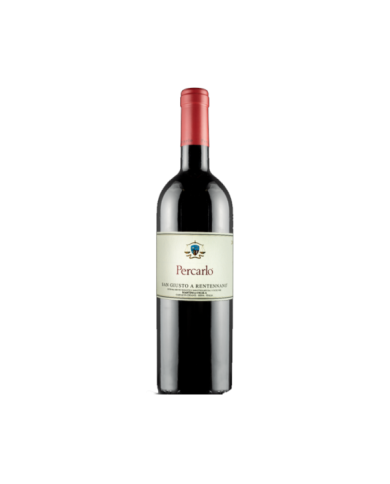
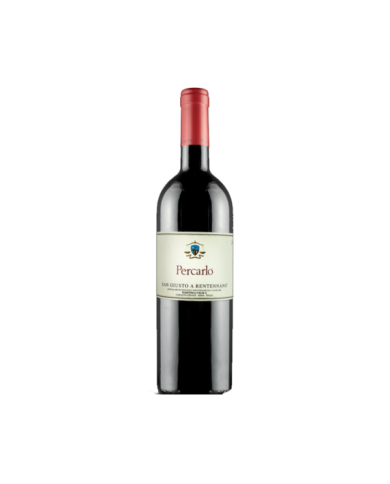
Percarlo is a robust and structured Tuscan red wine made from Sangiovese grapes, aged in barrique for 22 months. It has a broad and very intense aromatic profile, with notes of very ripe red fruit, spices and Mediterranean scrub in evidence. The sip is powerful, elegant and deep, with a very long persistence
€254.90
SKU:
19723
Brand:
San Giusto a Rentennano
Percarlo is a robust and structured Tuscan red wine made from Sangiovese grapes, aged in barrique for 22 months. It has a broad and very intense aromatic profile, with notes of very ripe red fruit, spices and Mediterranean scrub in evidence. The sip is powerful, elegant and deep, with a very long persistence
€116.90
SKU:
19722
Brand:
San Giusto a Rentennano
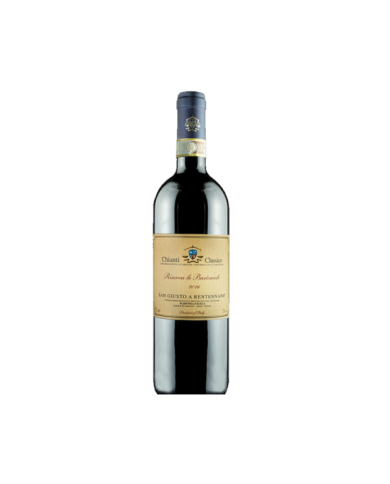
The Chianti Classico Riserva "Le Baroncole" expresses the richness and beauty of the Tuscan land. Refines for 16-20 months in oak barrels and casks and is enriched with vanilla nuances, in addition to the already present fruity and spicy aromas typical of the type. The taste is balanced, complex and deep, supported by a nice tannic texture and a pleasant savory tip
€35.90
SKU:
19666
Brand:
Tenuta San Guido
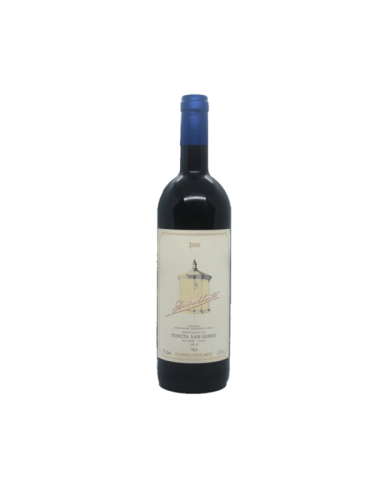
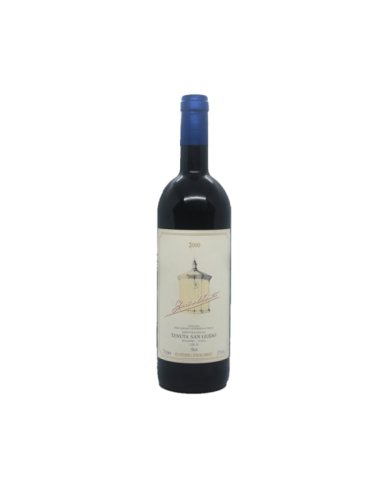
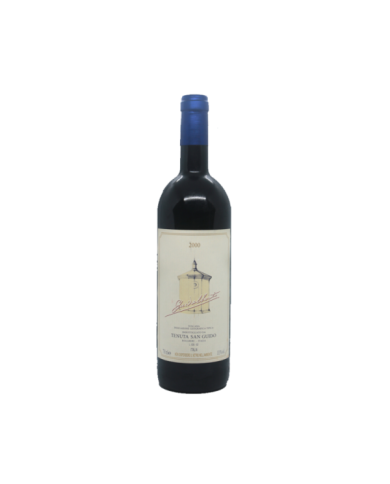
Guidalberto is an elegant and intense red wine, born from the desire to produce a younger wine than Sassicaia, also using Merlot grapes. After 15 months of aging in barrique it is expressed in a bouquet of berries, coffee, spices and Mediterranean scrub. On the palate it is fruity, full, solid and persistent.
€54.90
SKU:
19650
Brand:
Frescobaldi
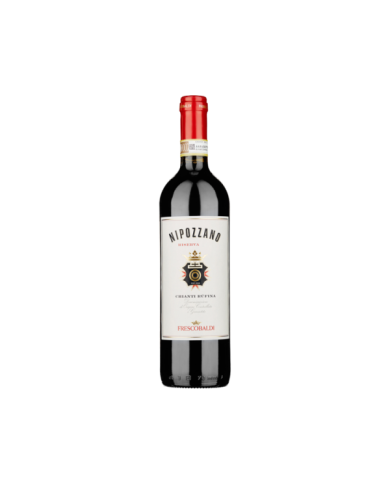
Ruby red with purple reflections. The nose is floral, characterized by clear hints of violet that prevail over the fruity. Followed by raspberry, black currant and black cherry accompanied by scents of licorice and spicy notes of nutmeg and white pepper. The entry in the mouth is warm, with tannins in full evidence. The texture appears decisive, a typical characteristic of Chianti Rùfina. Long persistence. For the whole meal, it goes well with grilled red meat, baked lamb, slightly seasoned pecorino.
€22.25
€34.39
€32.45
SKU:
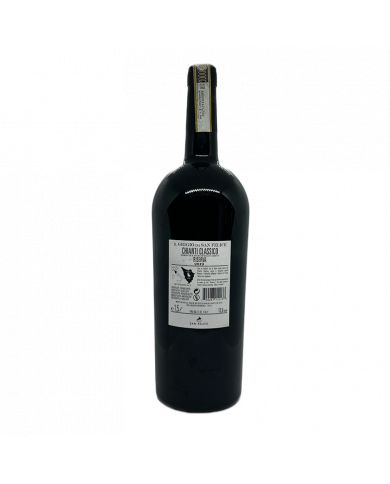
19638
Brand:
San Felice
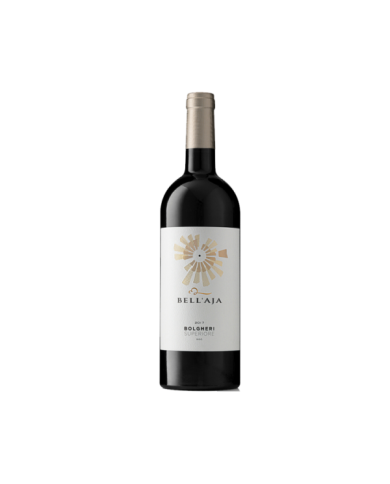
40 years after the acquisition of the Campogiovanni estate in Montalcino, San Felice 's interest has shifted to another area of Tuscan wine excellence: Bolgheri. Faithful to its philosophy of producing exclusively wines from proprietary grapes, 6 hectares of vineyards have been identified in Le Sondraie. The vines have an average age of 5 years and are planted on a silt-sandy soil typical of the area. The varieties are mainly Cabernet Sauvignon (2 ha) and Merlot (4 ha). Two wines are produced: Bolgheri and Bolgheri Superiore.
€44.80
SKU:
19637
Brand:
San Felice
The sea in your mouth | the charm of infinity A young but highly prestigious label that we are presenting this year. The vineyard is located in Bolgheri, near the cypress avenue of Carducci and the sea, a very suggestive and fascinating place. Deep ruby red in color, the wine has hints of ripe fruit on the nose, with spicy notes of licorice and cocoa. On the palate it is full, dense, with silky and enveloping tannins.
€49.17
SKU:
19621
Brand:
San Felice
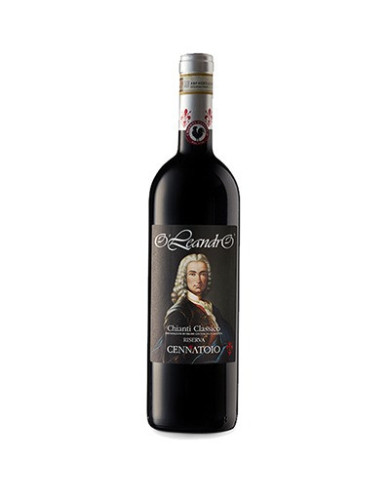
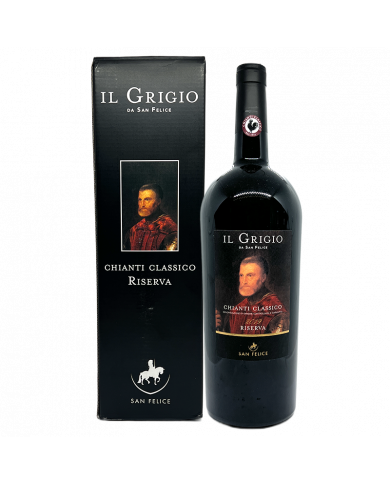
Only the best Sangiovese grapes selected in the company's Chianti Classico vineyards make up this Reserve, a valid combination of tradition and modernity. It ages for about 24 months in wood, of which a part (about 20%) in barriques, and one year in bottle. The label depicts a famous painting by Titian 'Man with armor'.
€46.80
SKU:
19619
Brand:
San Felice
Tradition and Future The first Supertuscan in Chianti Classico since 1968. It has an important history and today it stands out in the wine market of this category for a reason: it combines the tradition of international vines such as Cabernet and Merlot with the inclusion of a native variety, il Pugnitello, which is unique to San Felice .
€49.17
€10.21
SKU:
19585
Brand:
Terenzi
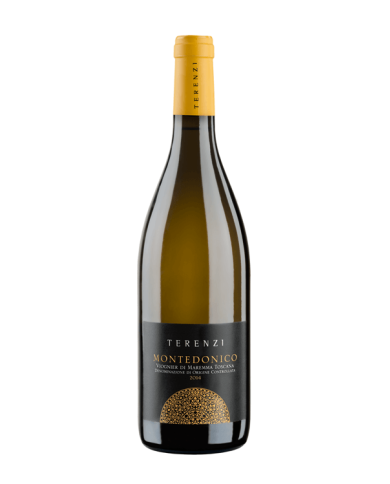
A viognier vinified only in steel, with an unusual freshness and minerality that make our interpretation of this noble vine and our territory unique.
€20.39
€99.41
€40.26
SKU:
19543
Brand:
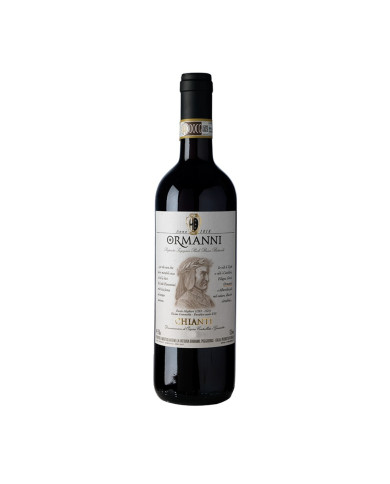
Ormanni
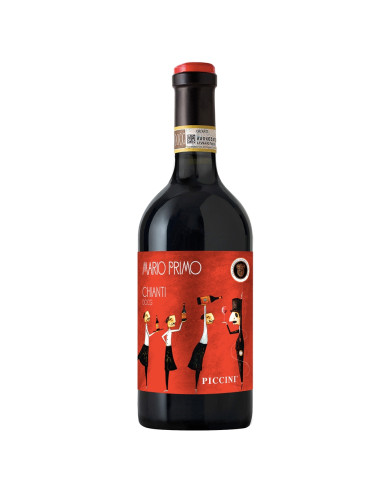
Ormanni's Chianti is presented in the glass bright and crystalline ruby. The nose smells of Tuscany in summer: strawberries, rosemary, burnt earth, strawberry tree, mint. On the palate it relaxes with lots of tasty freshness, integrated tannin and a slightly bitter herbal finish. Very good with Tuscan bread and raw sausage.
€20.02
SKU:
19542
Brand:
Petra
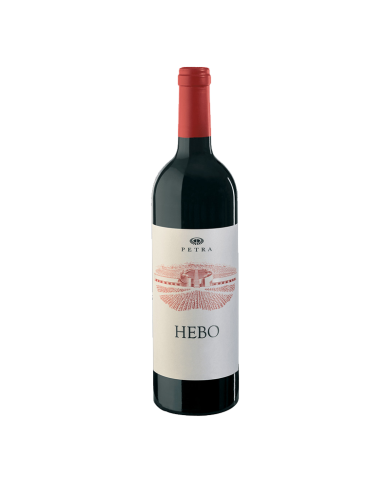
Hebo di Petra is a Tuscan red wine born from Cabernet Sauvignon, Merlot and Sangiovese grapes, vinified with indigenous yeasts and aged for at least 12 months in wood. It has an intense ruby red color and opens up a bouquet of violet and black cherry, with Mediterranean and spicy hints. On the palate it is surprising for its balance between body and mineral freshness, to close with a fruity persistence
€15.96
SKU:
19530
Brand:
Le Ginestre
Alla vista si presenta rosso rubino. Al naso si esprime con un bouquet intenso di frutti rossi, in particolare amarena e mora. Al palato risulta morbido, rotondo, equilibrato e giustamente tannico.
€43.62
SKU:
19529
Brand:
Torre delle Grazie
Alla vista si presenta rosso rubino. Al naso si esprime con profumi di frutta rossa matura, ciliegie e lampone che si mescolano a note piacevolmente speziate. Al palato risulta un vino elegante e di grande struttura, con tannini morbidi e setosi.
€74.90
SKU:
19528
Brand:
Le Macchiole
Questo rosso scuro e speziato nasce nel 1994 per il desiderio di produrre un vino da sole uve Syrah, tra le più amate a Le Macchiole. Raro e originale, prodotto in pochissime bottiglie, diventa ben presto un riferimento assoluto per la zona. Il nome, mutuato da un termine toscano che significa “puro, schietto, integro”, ne identifica in maniera impeccabile i tratti salienti.
€289.99
SKU:
19527
Brand:
Le Macchiole
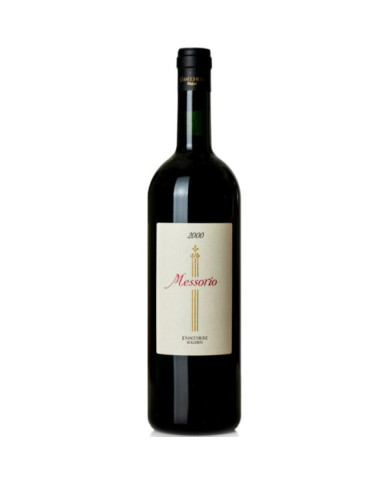
Nato nel 1994, Messorio è una sfida personale con una delle varietà più diffuse nel bolgherese, sulla costa toscana e nel mondo: il Merlot. L’idea, da subito, è quella di trasformare i grappoli migliori in un vino di grande impatto e personalità, allontanandosi quanto più possibile dallo schema che lo vorrebbe docile e prevedibile ma facendone, al contrario, un cavallo di razza che non rinuncia a scalpitare. Il nome si riallaccia al periodo della mietitura e della raccolta, passaggio fondamentale di ogni attività agricola.
€289.99
SKU:
19526
Brand:
Montevertine
Un vino elegante e allo stesso tempo strutturato, armonico, persistente e destinato a lunghissima vita.
€890.00
SKU:
19517
Brand:
Le Macchiole
Realizzato nel 1989, questo grande vino è il simbolo della cantina e una delle etichette più rappresentative del bolgherese.
€165.01
SKU:
19516
Brand:
Cennatoio Emiliano Alessi
biologico invecchiamento minimo in barriques nuove 40% e 60% al secondo passaggio per un minimo di 18 mesi
€64.00
SKU:
19504
Brand:
Avignonesi
Desiderio era un toro che viveva sulla fattoria Le Capezzine di Avignonesi più di cento anni fa. Il più grande toro in Toscana a quel tempo, questo maestoso animale contribuì a definire la razza bovina Chianina, specifica della Bistecca Fiorentina. È stata una scelta naturale dedicare questo Merlot all’amato toro come testimonianza dell’origine dei vini. Questo è Merlot dalla Toscana al suo meglio.
L’iconico toro bianco è oggi un’illustrazione dell’annata che nasconde più di quanto mostra alla prima occhiata. Confrontate le etichette tra loro e noterete alcuni indizi sul clima. Guardate il cielo e capirete se era freddo, caldo o equilibrato e potrete decifrare molti altri indizi.
€88.11
SKU:
19501
Brand:
Cennatoio Emiliano Alessi
Denso e potente si presenta in bocca un tannino vigoroso che si fa via via più morbido susseguentemente per dare spazio ad un frutto come la ciliegia, e altri frutti a bacca rossa
€49.90
SKU:
18874
Brand:
Stefano Amerighi
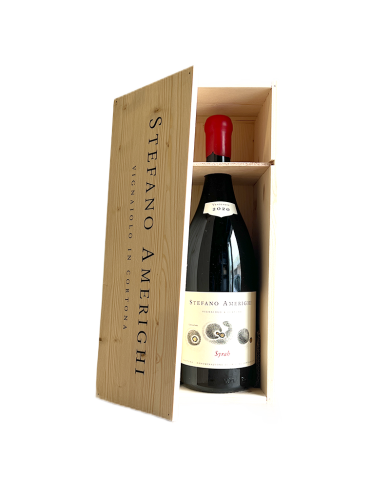
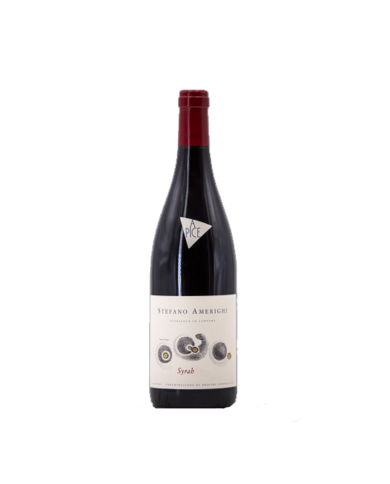
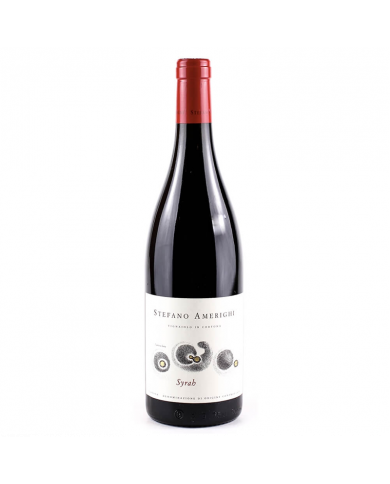
This Syrah is Stefano Amerighi 's representative wine, the result of his work and his idea. A broad idea that goes from the soil to the plant to the balance of nature.
€89.90
SKU:
18873
Brand:
Stefano Amerighi
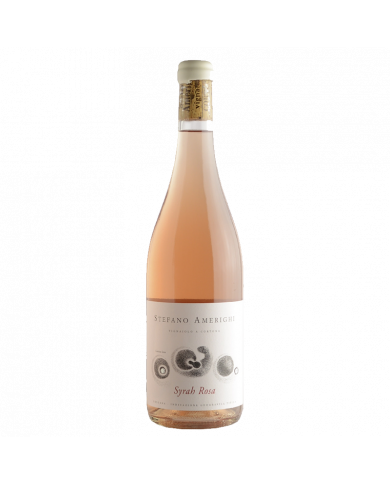
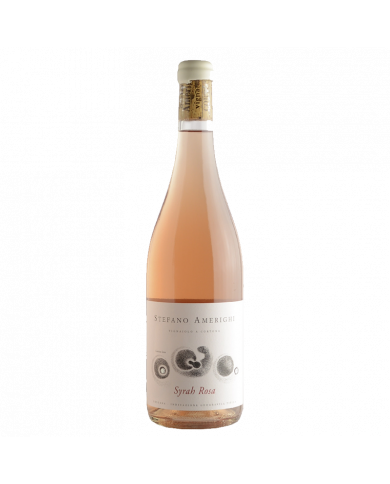
Bright coral pink color, the nose is fruity and with hints that recall red fruit, in the mouth it is round, fresh, characterized by a slight spiciness, and persistent in length.
€19.00
SKU:
18707
Brand:
Carpineto
The Carpineto Estate, in Montalcino, rises at an altitude that reaches over 500 meters slm , one of the highest points within the denomination. The structure of the soil is made up of marl and accumulations of clay dating back to the Eocene (15 million years ago). The vineyards are surrounded by thick Mediterranean scrub which protects them from the humid western currents coming from the Maremma; it is also thanks to their exposure that the wine reveals hints of berries and Mediterranean herbs. A truly unique microclimate, which gives the wines aromatic intensity, lively acidity and marked elegance, as well as incredible longevity.
€72.65
SKU:
18706
Brand:
Carpineto
The Carpineto Estate, in Montalcino, rises at an altitude that reaches over 500 meters slm , one of the highest points within the denomination. The structure of the soil is made up of marl and accumulations of clay dating back to the Eocene (15 million years ago). The vineyards are surrounded by thick Mediterranean scrub which protects them from the humid western currents coming from the Maremma; it is also thanks to their exposure that the wine reveals hints of berries and Mediterranean herbs. A truly unique microclimate, which gives the wines aromatic intensity, lively acidity and marked elegance, as well as incredible longevity.
€43.46
SKU:
18701
Brand:
Carpineto
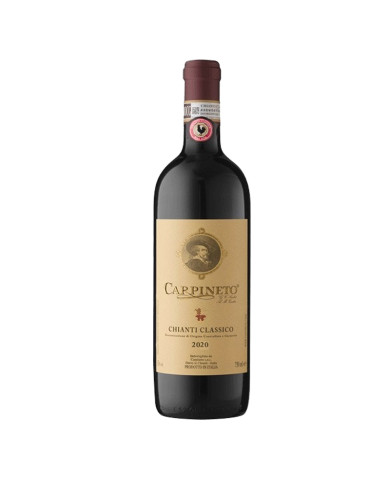
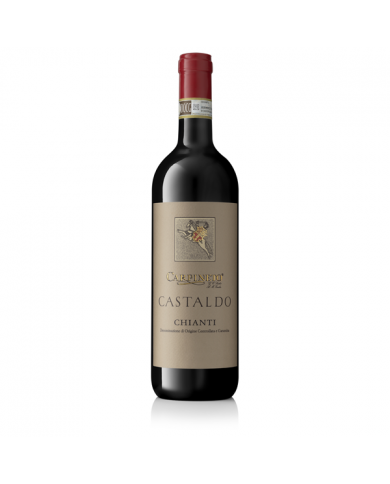
Produced in the oldest production area, as stated in the disciplinary that regulates it, this area gave its name to the wine and is the only one where Chianti Classico is produced. It extends between Florence and Siena in a territory of breathtaking beauty, made up of villages perched on the top of the hills, of olive trees cultivated in steep fields with an irregular outline and of cypresses lined up to delimit the innumerable dirt roads.
SKU:
18700
Brand:
Carpineto
Produced in the oldest production area, as stated in the disciplinary that regulates it, this area gave its name to the wine and is the only one where Chianti Classico is produced. It extends between Florence and Siena in a territory of breathtaking beauty, made up of villages perched on the top of the hills, of olive trees cultivated in steep fields with an irregular outline and of cypresses lined up to delimit the innumerable dirt roads.
€111.18
SKU:
18699
Brand:
Carpineto
This is certainly the best known Italian wine in the world and is produced in Central Tuscany.
€8.82
€11.19
SKU:
18628
Brand:
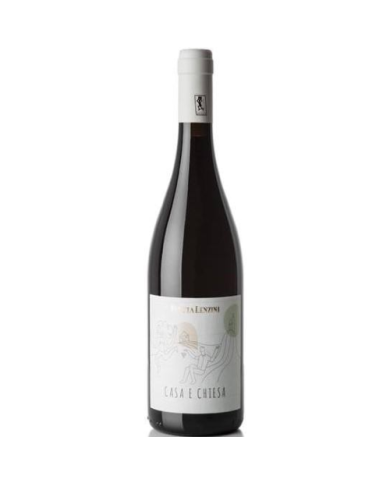
Tenuta Lenzini
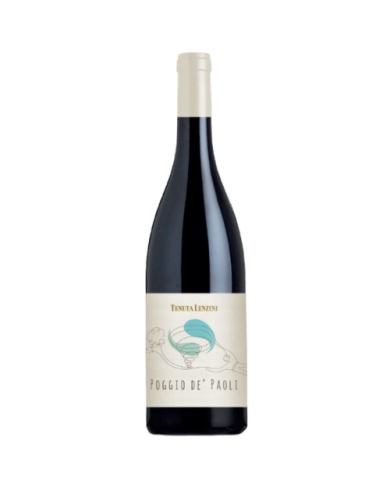
"Poggio de Paoli" vino rosso strutturato dall’ottima piacevolezza di beva, finezza ed eleganza. - Molto lunga la persistenza gusto-olfattivadi questo blend di uve "internazionali" cresciute "biodinamicamente" sulle Colline Lucchesi
€16.23
SKU:
18627
Brand:
Tenuta Lenzini
Colore Rosso rubino denso - Profumo Inchiostro, fungo e macchia mediterranea, pepe nero e cardamomo, marasca e sottobosco - Gusto Corposo, di bella dinamicità e freschezza, tannino misurato, lungo finale speziato
€31.09
SKU:
18626
Brand:
Tenuta Lenzini
Color rosso rubino piuttosto scuro, profumi intensi e dominio di una stuzzicante componente speziata, a cui si aggiungono sentori di prugna e ciliegia sotto spirito. In bocca l’ingresso è intenso e caldo , con un tannino ancora piuttosto vivo. Nel finale accarezza il palato una piacevole freschezza assieme a un leggero tocco sapido. Ottime potenzialità evolutive nell’affinamento in bottiglia.
€12.57
SKU:
18592
Brand:
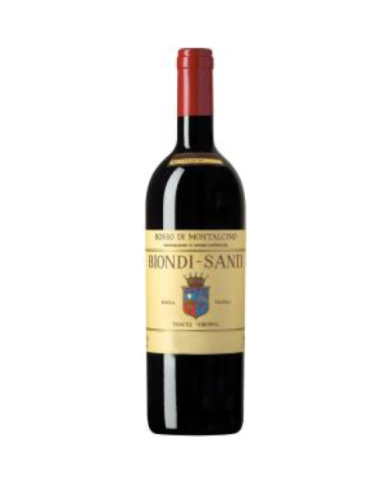
Biondi Santi
Rosso rubino vivo, al naso esprime un profilo olfattivo di incredibile definizione e di rara finezza. Note di piccoli frutti rossi che si alternano a toni balsamici, floreali, speziati e vegetali aprono ad un assaggio unico, capace di coniugare perfettamente tutta la freschezza della tipologia ad una profondità tutt’altro che scontata. Lunghissimo e vibrante, chiude con un finale di grande persistenza.
€76.74
SKU:
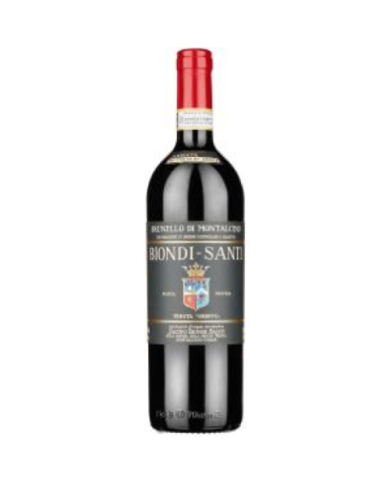
18591
Brand:
Biondi Santi
Il Brunello di Montalcino 2011, rigorosamente maturato in legno grande per tre anni, al naso piccoli frutti rossi maturi, rosa appassita, tocchi tostati, cenni di sottobosco, ricordi agrumati e note di pietra focaia. In bocca, attacca caldo fino ad un finale ancora su note sapide e agrumate.
€227.53
SKU:
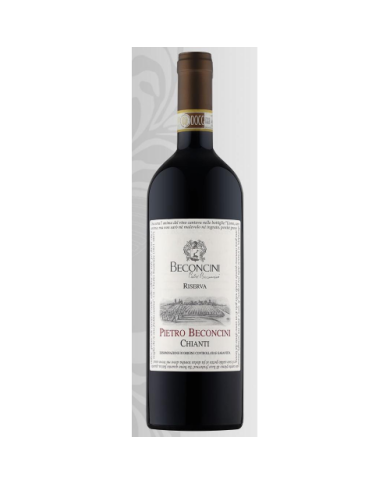
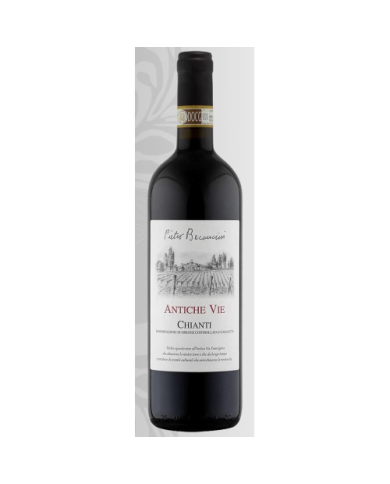
18590
Brand:
Pietro Beconcini
San Miniato (Toscana) - Uvaggio Sangiovese 85% Canaiolo 15% - Alcool 14%
Vinificazione in cemento con lieviti indigeni e macerazione sulle vinacce di 28 giorni. maturazione in botti di rovere Slavonia per 18 mesi, Affinamento 8 mesi in bottiglia.
ABBINAMENTI: Primi piatti anche molto elaborati, carni di animali da cortile, formaggi stagionati e salumi, zuppe e cucina tipica Toscana, bistecca.
€16.96
SKU:
18589
Brand:
Pietro Beconcini
San Miniato (Toscana) - Uvaggio: Sangiovese 70% malvasia nera e Trebbiano 30% - Alcool 12,5%
Vinificazione in cemento con lieviti indigeni e macerazione sulle vinacce di 20 giorni. Maturazione in cemento per 6 mesi e Affinamento in bottiglia per 4 mesi.
ABBINAMENTI: Primi piatti anche molto elaborati, carni bianche, formaggi freschi, salumi, pesce cucinato in rosso.
€9.03
SKU:
18578
Brand:
Fattoria le Pupille
Poggio Argentato embodies the essence of Maremma: its land, its unique light, the breeze from the nearby sea, all narrated by a fragrant and fresh white wine, through the language of Northern vines. The singular blend of Sauvignon Blanc, Petit Manseng, Semillon and Traminer make Poggio Argentato a refined, elegant and versatile wine, perfect for the summer but also throughout the year.
€13.40
SKU:
18533
Brand:
Tenuta i Fauri
Colore giallo paglierino, note di pera e agrumi. Ha un piacevole sentore di burro
Abbinamento consigliato Pasta, Vegetariano, Antipasti e spuntini, Pesce magro, Salumi
€15.86
SKU:
18494
Brand:
Castellare di Castellina
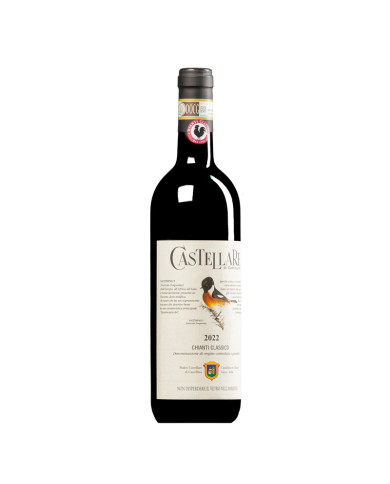
Brilliant ruby red color with violet reflections. Thanks to the harmony of the tannins, combined with the delicate complexity of the aromas and the final note of sweetness, the wine is characterized by an excellent balance in the mouth.
Chianti Classico Castellare di Castellina
€22.25
SKU:
18489
Brand:
Le Ragnaie
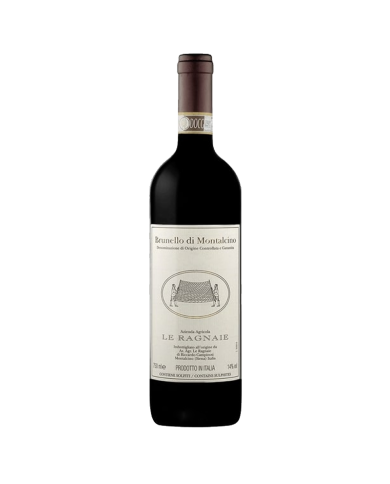
The 5 hectares used for the production of Brunello, facing south-west towards the sea and surrounded by uncultivated woods, boast over 40-year-old vines and are cultivated according to the dictates of organic agriculture.
€66.61
SKU:
18486
Brand:
Cantina Marchesi Antinori
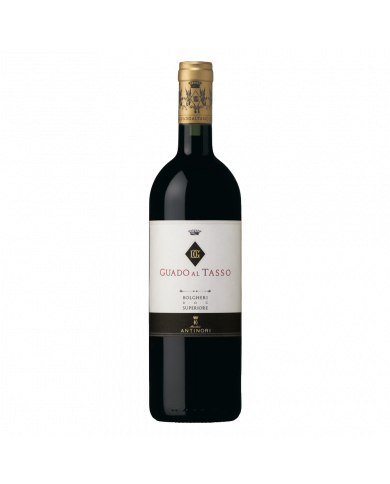
Guado al Tasso Bolgheri Superiore is the symbolic wine of the Estate and one of the best wines produced by Antinori , it is a powerful red wine, extremely elegant and rich in exceptional balsamic notes and ripe fruit. It is composed of 5% Cabernet Franc, 50% Cabernet Sauvignon, 45% Merlot grown in the best vineyards of the estate.
€155.00
SKU:
18483
Brand:
Cantina Marchesi Antinori
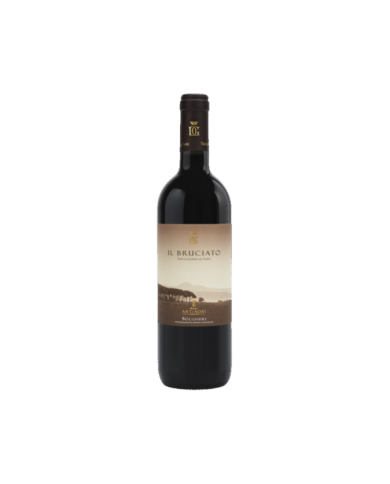
Guado al Tasso is the Bolgheri estate of Antinori , inherited in the 1930s by Carlotta della Gherardesca Antinori , mother of Piero Antinori . In this Bordeaux enclave, with its mild climate thanks to the sea breeze that comes from the sea in front of it, wines of international scope are produced such as Il Bruciato, a didactic blend of Cabernet Sauvignon, Merlot and Syrah. Dynamic and modern, pleasant and enveloping , it is a wine with character, harmonious and balanced .
€31.90
SKU:
18482
Brand:
San Felice
Produced exclusively in exceptional vintages, this Riserva represents for San Felice the maximum expression of the 'terroir' of Campogiovanni. Coming from the careful selection of Sangiovese grosso from the 'Il Quercione' vineyard of about 2.5 hectares, it is a wine that combines rigor, concentration, elegance as well as an extraordinary capacity for aging. Refine for 24 months in 500-liter French oak barrels. (tonneaux) and 36 months in the bottle.
€114.19
SKU:
18477
Brand:
Tenuta Valdipiatta
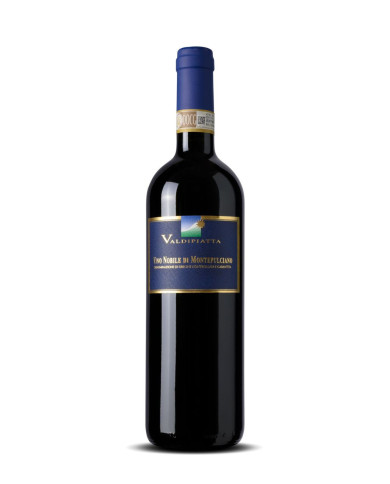
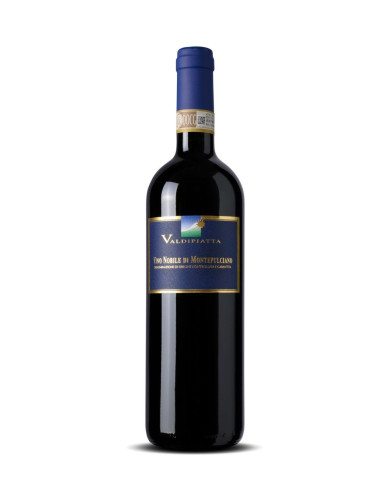
Vino Nobile is the result of a careful selection of the best Sangiovese and Canaiolo Nero grapes from the various company vineyards which are harvested and vinified separately each year and then expertly blended so as to best express all the elegance, complexity and finesse of the Montepulciano terroir.
€33.16
SKU:
18476
Brand:
Tenuta Valdipiatta
Vino Nobile is the result of a careful selection of the best Sangiovese and Canaiolo Nero grapes from the various company vineyards which are harvested and vinified separately each year and then expertly blended so as to best express all the elegance, complexity and finesse of the Montepulciano terroir.
€35.71
SKU:
18441
Brand:
Beconcini
Non sarò mai un produttore di vini bianchi, ma la ricerca in viticoltura è la mia passione e memore dei ricordi di mio babbo che mi parlava dei vecchi Trebbiano Rosa presenti a San Miniato, ho cercato, trovato e oggi coltivo, antichi cloni di queste uve con cui produco VEA (C.F. di EVA bianco con attributi)
€18.18
€54.78
€49.90
SKU:
18425
Brand:
Tenuta San Guido
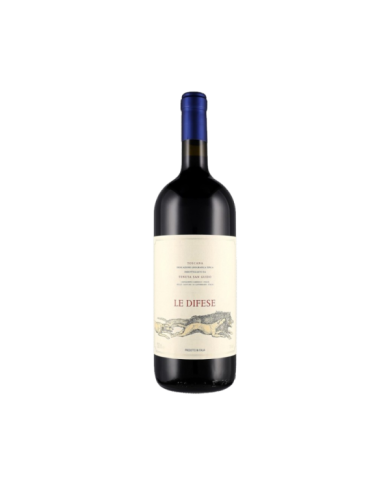
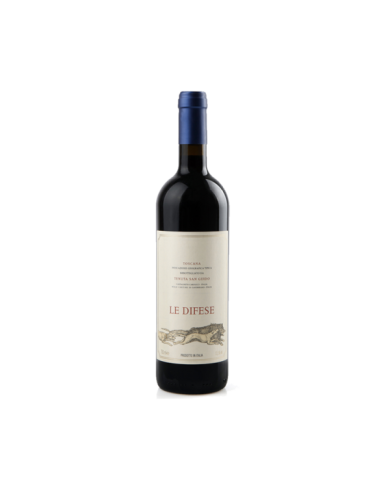
Le Difese is a full-bodied red wine with a Bordeaux style but with a Tuscan soul: a combination of Cabernet Sauvignon and Sangiovese, aged in barrique for 12 months. It is soft, round, elegant and velvety, animated by a balanced freshness and hints of cherries, chocolate, aromatic herbs and sweet spices
€64.90
€53.12
SKU:
18422
Brand:
Campo al Faro
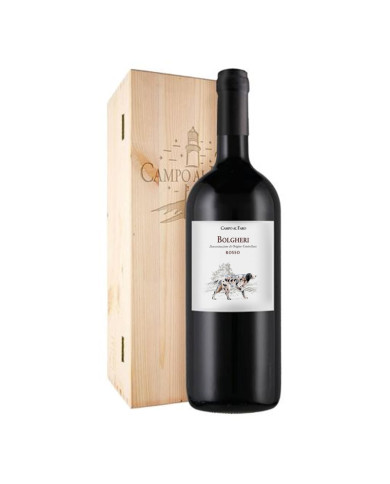
The Bolgheri Superiore di Campo al Faro was born in Castagneto Carducci, in the heart of the magical Bolgheri terroir. The Cabernet Sauvignon and Merlot grapes that make up the blend are hand selected. Fermentation takes place in steel tanks with temperature control and long maceration on the skins.
€59.90
SKU:
18400
Brand:
Tenuta Valdipiatta
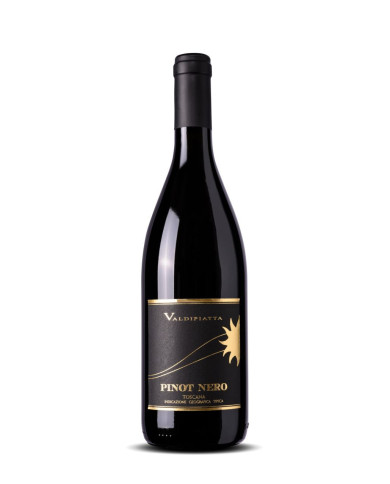
Pinot Noir Valdipiatta is an expression of our desire to combine the passion for this noble vine with the curiosity to touch first-hand what surprises our terroir can reserve. Two thousand vines trained with spurred cordon to which we dedicate a double harvest and a totally manual vinification. It is a wine that expresses all the craftsmanship of our work and our ever-living enthusiasm for experimentation.
€22.20
SKU:
18399
Brand:
Tenuta Valdipiatta
Rich in aromas and soft on the palate, Rosso di Montepulciano is an everyday wine that does not require special occasions to be uncorked and appreciated. We suggest enjoying it as a pleasant aperitif or in combination with simple or medium-complex savory dishes.
€13.32
€9.39
€7.42
€76.01
SKU:
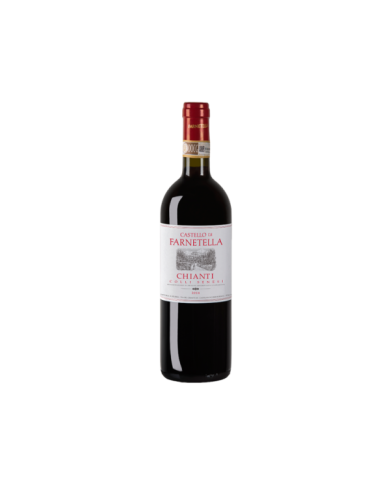
18293
Brand:
Castello di Farnetella
Il Podere Lucilla, di ca 10 ha, si trova a Farnetella nel Comune di Sinalunga a Sud-Est di Siena e a Nord-Ovest di Montepulciano, su terreni prevalentemente sabbiosi e limosi con modesta presenza di argilla e una più diffusa componente sassosa e calcarea.
€13.05
SKU:
18291
Brand:
Castello di Farnetella
Da uve in prevalenza Sangiovese, selezionate a Farnetella, nel comune di Sinalunga, a sud-est di Siena e a nord-ovest di Montepulciano. I vigneti, quasi interamente orientati a sud ovest, si trovano su un altopiano ben esposto e ventilato ad altezze diverse comprese tra i 220 e i 560 mt slm. I terreni sono costituiti da sabbie stratificate e limo con modesta presenza di argilla e una più̀ diffusa componente sassosa e calcarea.
€18.18
€18.28
€9.24
SKU:
18147
Brand:
Cantina Marchesi Antinori
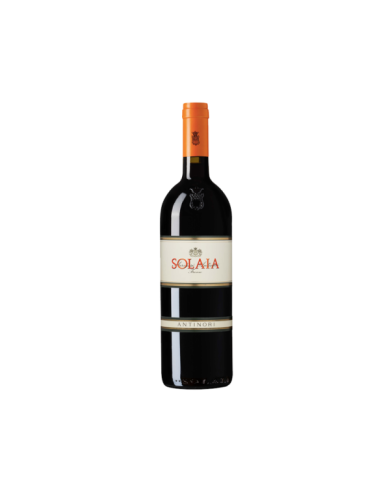
Solaia is a great Supertuscan known all over the world, a high-sounding and prestigious name. It is an intense and elegant wine, born from international vines and Sangiovese, aged in barrique for at least 16 months. Hints of wild berries, flowers and sweet spices make up an aromatic set of great amplitude and intensity
€390.00
SKU:
18146
Brand:
Santa Cristina
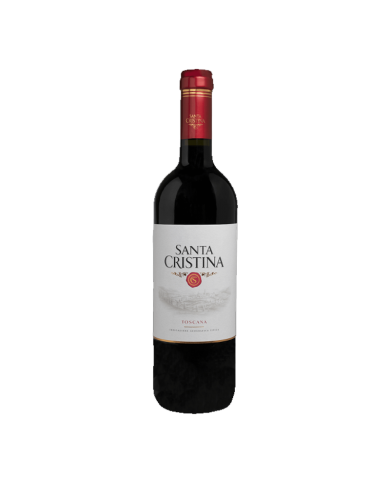
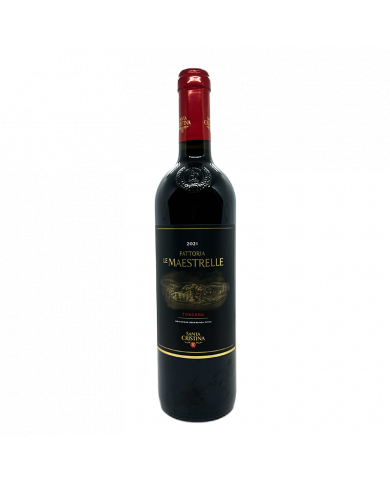
Fattoria Le Maestrelle has a ruby red color with violet reflections. The nose is intense and complex, the notes of vanilla and coffee stand out well in harmony with the typical aromas of mint and cocoa of Merlot and the sensations of red fruit characteristic of Sangiovese and Syrah. On the palate it is balanced, tasty, soft and with a complex finish that recalls the olfactory notes.
€24.08
SKU:
18145
Brand:
Cantina Marchesi Antinori
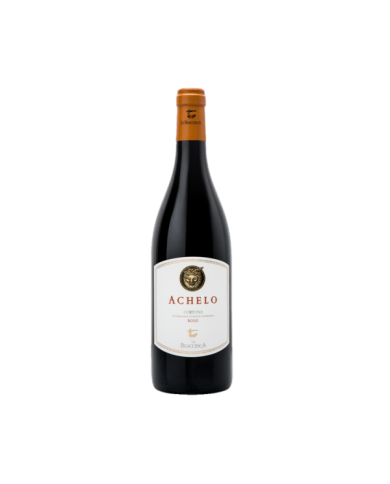
Cortona Syrah Achelo La Braccesca dei Marchesi Antinori was born in the homonymous estate, located on the Sienese hills. It is produced exclusively with Syrah grapes, harvested in mid-September. Fermentation takes place in stainless steel tanks at a controlled temperature of 28 ° C for 10 days. Subsequently the wine partially ages in barriques and steel tanks for about 7 months, before being bottled.
€34.04
SKU:
18144
Brand:
Cantina Marchesi Antinori
Powerful and very balanced, it presents itself to the eye with a compact ruby color. The nose shows elegant sensations of ripe blackberry, oriental spices, wild flowers, pink pepper, white chocolate, leather and rhubarb. In the mouth it is balanced to the micron, with a powerful caloric note adequately balanced by fresh-savory stitching. The tannins, as expected, are tapered and stretch up to the very long finish dominated by sweet spices. Ideal with important meats such as thrush in truffle sauce or venison with juniper.
€180.00
SKU:
18143
Brand:
Cantina Marchesi Antinori
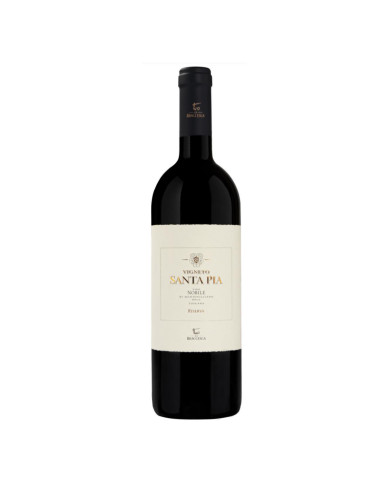
The Vino Nobile di Montepulciano Santa Pia La Braccesca of the Marchesi Antinori was born in the homonymous estate, located on the Sienese hills. It is produced exclusively with Prugnolo Gentile grapes, harvested only by hand during the month of September. Fermentation takes place in stainless steel tanks at a controlled temperature of 28 ° C for 20 days. Subsequently the wine is aged in barrique for 15 months and for another 20 months in the bottle before being put on the market.
€40.99
€15.57
€14.01
SKU:
18140
Brand:
Cantina Marchesi Antinori
Cortona Syrah Achelo La Braccesca dei Marchesi Antinori was born in the homonymous estate, located on the Sienese hills. It is produced exclusively with Syrah grapes, harvested in mid-September. Fermentation takes place in stainless steel tanks at a controlled temperature of 28 ° C for 10 days. Subsequently the wine partially ages in barriques and steel tanks for about 7 months, before being bottled.
€14.77
SKU:
18139
Brand:
Cantina Marchesi Antinori
Sabazio is characterized by a ruby red color with brilliant reflections. The nose opens with a delicate floral bouquet, enriched by pleasant fruity scents. On the palate it is fresh, pleasantly persistent and with a balanced acidity.
€10.76
SKU:
18137
Brand:
Cantina Marchesi Antinori
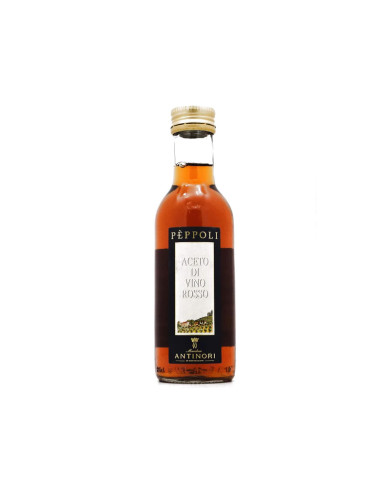
It is a pleasant dressing for salads and an interesting supplement, naturally in moderate doses. In fact, it contains polyphenols, substances with antioxidant and anticancer properties. Thanks to its antiseptic properties, wine vinegar is then useful as a preservative. The addition of herbs makes it a condiment with a different flavor or a medicinal preparation to be used for therapeutic purposes (then it takes the name of medicated vinegar).
€7.82
€9.15
€8.24
€10.93
€9.96
SKU:
18130
Brand:
Santa Cristina
Fattoria Le Maestrelle has a ruby red color with violet reflections. The nose is intense and complex, the notes of vanilla and coffee stand out well in harmony with the typical aromas of mint and cocoa of Merlot and the sensations of red fruit characteristic of Sangiovese and Syrah. On the palate it is balanced, tasty, soft and with a complex finish that recalls the olfactory notes.
€10.43
SKU:
18117
Brand:
Fattoria Felsina
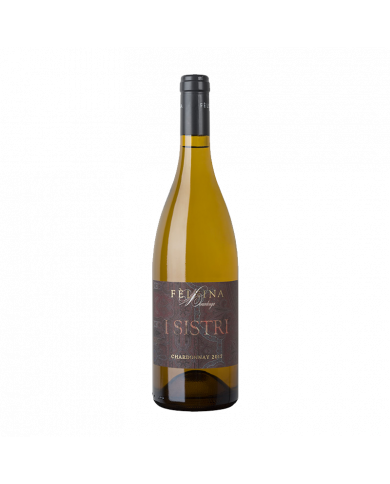
The history of Chardonnay di Fèlsina began in the eighties, from grafts of French clones in the vineyards owned by the nearby Tenuta di Farnetella.
€45.75
SKU:
18091
Brand:
Castello di Querceto
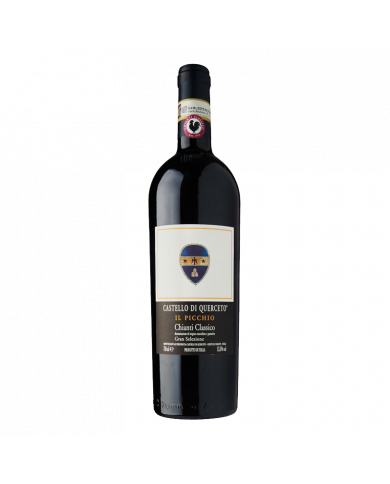
Il Picchio Gran Selezione 2018 Chianti Classico DOCG This cru was born in 1988 as a Riserva; from 2011 it becomes Gran Selezione. The vineyard covers 4.5 hectares, is exposed to east/south-east, with a subsoil rich in clay, limestone and microelements and enjoys an excellent temperature range between day and night. Intense aromas of violet, cherry and undergrowth rise from the glass; the fruity flavors are intense, underlined by soft and velvety tannins; the freshness is absolutely bold, balanced just a little by sapidity, spiciness and notes of graphite; the sip is smooth, long and elegant.
€32.50
SKU:
18089
Brand:
Fattoria Felsina
The history of Chardonnay di Fèlsina began in the eighties, from grafts of French clones in the vineyards owned by the nearby Tenuta di Farnetella.
€46.12
SKU:
18088
Brand:
Fattoria Felsina
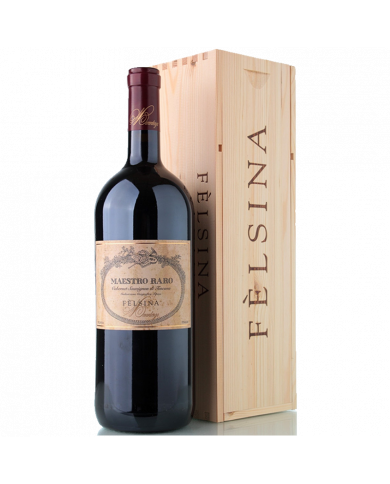
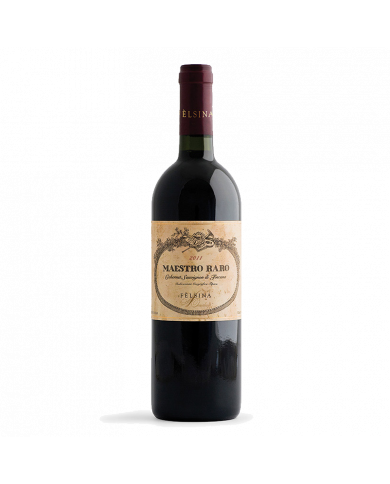
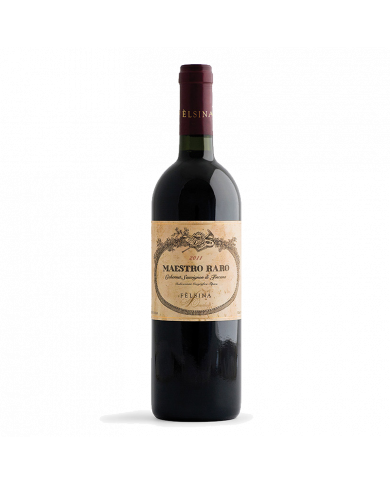
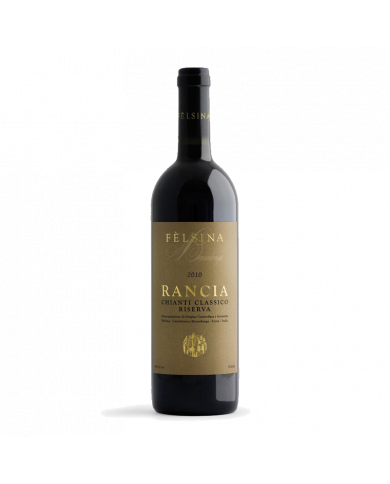
The grapes come from the Rancia Piccola and Poggiolo vineyards, the former also called del Maestro Raro, adjacent and with characteristics similar to that of Rancia.
€128.10
SKU:
18087
Brand:
Fattoria Felsina
The grapes come from the Rancia Piccola and Poggiolo vineyards, the former also called del Maestro Raro, adjacent and with characteristics similar to that of Rancia.
€54.90
SKU:
18086
Brand:
Fattoria Felsina
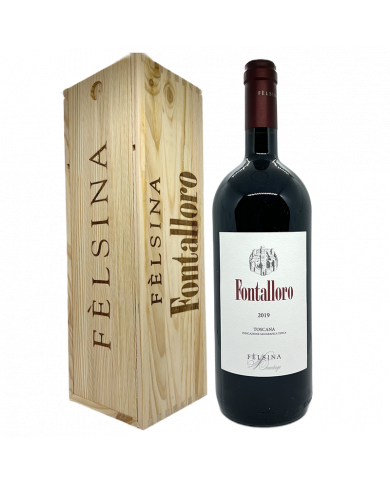
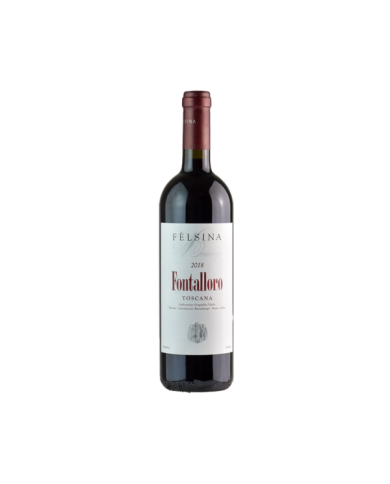
Fontalloro della Fattoria di Felsina is a Tuscan red wine based on Sangiovese, considered an unmistakable territorial brand. The complex aromatic profile is drawn by dark shades of blackberry, licorice and black pepper with light hints of tobacco. The body is powerful and structured, with well integrated tannins and a finish with a pleasant aftertaste.
€143.47
SKU:
18085
Brand:
Fattoria Felsina
Fontalloro della Fattoria di Felsina is a Tuscan red wine based on Sangiovese, considered an unmistakable territorial brand. The complex aromatic profile is drawn by dark shades of blackberry, licorice and black pepper with light hints of tobacco. The body is powerful and structured, with well integrated tannins and a finish with a pleasant aftertaste.
€66.61
SKU:
18083
Brand:
Fattoria Felsina
The Rancia vineyard takes its name from the ancient farm that stands next to a pre-existing Benedictine monastery.
SKU:
18027
Brand:
Carpineto
Produced in the oldest production area, as stated in the disciplinary that regulates it, this area gave its name to the wine and is the only one where Chianti Classico is produced. It extends between Florence and Siena in a territory of breathtaking beauty, made up of villages perched on the top of the hills, of olive trees cultivated in steep fields with an irregular outline and of cypresses lined up to delimit the innumerable dirt roads.
SKU:
18026
Brand:
Carpineto
Produced in the oldest production area, as stated in the disciplinary that regulates it, this area gave its name to the wine and is the only one where Chianti Classico is produced. It extends between Florence and Siena in a territory of breathtaking beauty, made up of villages perched on the top of the hills, of olive trees cultivated in steep fields with an irregular outline and of cypresses lined up to delimit the innumerable dirt roads.
€13.58
€10.50
€8.20
€229.80
€97.60
SKU:
17891
Brand:
Avignonesi
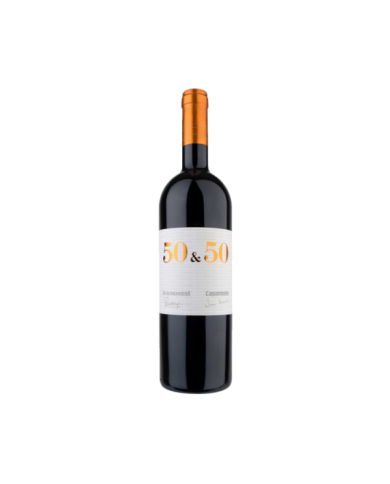
Toscana Rosso 50 & amp50 was born from a historic collaboration between Avignonesi di Montepulciano and Capannelle di Gaiole in Chianti. This wine best expresses the velvety elegance of Merlot and the rustic charm of Sangiovese.
€140.74
SKU:
17887
Brand:
Avignonesi
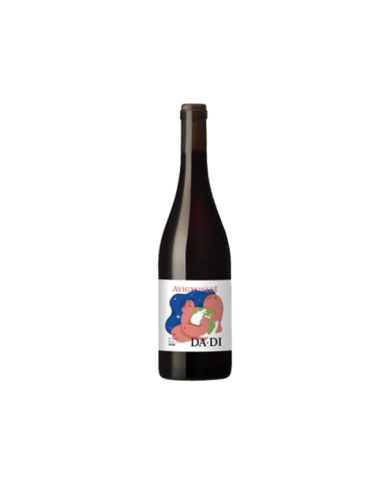
In Avignonesi , the pursuit of excellence goes hand in hand with the experimentation of 100% Tuscan winemaking processes, with the intention of allowing the habitat to prevail over external influences. For this particular organic wine, Avignonesi has set aside steel and oak in favor of Tuscan clay. The name Da-Di , the Chinese term for " earth-soil ", was chosen to underline this peculiarity.
€20.40
€10.64
€10.13
€20.11
€41.30
€76.95
€80.32
€33.75
SKU:
17869
Brand:
Frescobaldi
Very bright ruby red. The nose reveals notes of black currant and intense citrus aromas of bergamot. Balsamic notes of mint, licorice, cardamom and floral notes of violet. In the mouth it shows the classic tannic texture of Sangiovese di Montalcino, dense but not devoid of harshness. Intense and persistent finish. Throughout the meal, it goes well with egg pasta dishes such as pappardelle topped with hare, wild boar and red meat sauce, from steak to stew.
€21.18
SKU:
17868
Brand:
Frescobaldi
Deep ruby red with slight garnet reflections. On the nose, elegant, it is articulated in complex sensations of balsamic notes and small red fruits that evolve towards tobacco, dark chocolate and licorice root. On the palate it reveals an important structure characterized by soft and well integrated tannins balanced by a balanced acid vein with mineral sensations that give long aromatic persistence and full taste. For the whole meal, it goes well with stews, long-cooked meat dishes and aged cheeses.
€136.64
SKU:
17867
Brand:
Frescobaldi
Intense ruby red with garnet reflections. The nose is intense, fresh, fragrant, mineral, with hints of aromatic herbs, cherries in alcohol, violet, ginger. On the palate it is persistent, mineral, with a slightly rough tannin. Final Nota of bitter almond and hazelnut, of great elegance. For the whole meal, it is excellent with short-cooked red meats, it goes beautifully with the classic Florentine steak.
SKU:
17753
Brand:
Cantina Marchesi Antinori
La Braccesca extends over 508 hectares where the ancient farm of the Bracci counts once stood, hence the name of the estate and its coat of arms: an arm covered with armor holding a sword. The total area of the vineyards is 340 hectares divided into two parts: the first, of 366 hectares of which 237 are planted with vineyards, is located on the border between the municipality of Montepulciano and that of Cortona. The other plot, 142 hectares of which 103 are vineyards, extends as far as Montepulciano between three of the most renowned sub-areas for the production of great red wines: Cervognano, Santa Pia and Gracciano. The first vintage of La Braccesca Vino Nobile di Montepulciano DOCG was 1990.
€17.10
SKU:
17752
Brand:
Cantina Marchesi Antinori
THE RED OF CASA ANTINORI IN THE LARGE FORMAT Villa Antinori , one of the best known and appreciated labels by the general public, is also offered in the Magnum version, more suited to aging and to make a good impression on the table. Sangiovese stands out in its blend with 55% followed by Cabernet Sauvignon with 25%, Merlot with 15% and Syrah with 5%. With the appropriate winemaking techniques all the aromatic and coloring substances have been extracted from these grapes. The consequent assembly and aging in barriques of various origins has given the wine international references and at the same time a strong territorial link that expresses all its "Tuscan character".
€46.12
SKU:
17751
Brand:
Cantina Marchesi Antinori
Villa Antinori Rosso is a red wine obtained from the selection of the best Sangiovse, Cabernet Sauvignon, Merlot and Syrah grapes and aged for 12 months in barrique. Fruity and spicy, round and soft, with a velvety and long finish
€53.12
€23.06
€44.41
€66.61
€15.86
SKU:
17737
Brand:
Cantina Marchesi Antinori
Ruby red, intense notes of plum, cherry and raspberry are perceived on the nose, combined with notes of undergrowth and spices. Its roundness and thickness stand out on the palate. A wine of great pleasure and depth, characterized by an exuberant fruit aftertaste. For the whole meal, it goes well with rich first courses typical of Tuscan cuisine. Try it with a pasta with sausages.
€102.48
SKU:
17736
Brand:
Cantina Marchesi Antinori
It is characterized by a deep red color. The nose opens with an intense bouquet of ripe red fruits, enriched by elegant and refined hints of plums, cherries, raspberries and spices. On the palate it stands out for its breadth, depth and roundness. Perfect to combine with mushroom risotto and wild boar tagliatelle, it is ideal to accompany game-based main courses and aged cheeses.
€44.41
SKU:
17735
Brand:
Cantina Marchesi Antinori
Dense ruby color with garnet reflections. Sensations of plum, mulberry and violet expand on the nose, and then unravel on wild and licorice tones. In the mouth, warm and enveloping, it declines sumptuous softness and caressing tannins. Ideal together with the walker with mustard and prunes or on the stuffed crusted roast.
€47.82
SKU:
17734
Brand:
Cantina Marchesi Antinori
The Chianti Classico Riserva "Villa Antinori " is a bursting expression of Tuscany and is aged for 24 months in wooden barrels. Complex, intense and rich on the nose. Elegant, full-bodied and structured on the palate. Here proposed in an elegant wooden box, ideal for a gift!
€55.02
SKU:
17726
€15.20
SKU:
17725
€11.10
SKU:
17723
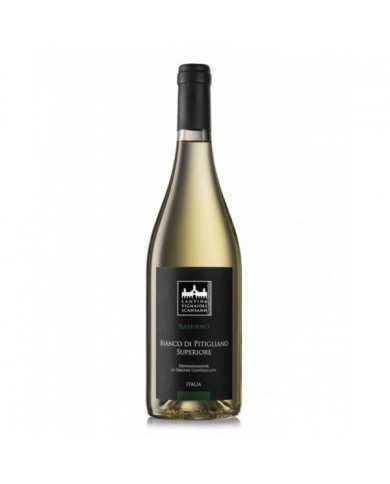
With an elegant and floral nose, the Bianco di Pitigliano Superiore Doc Rasenno shows off refinement and great cleanliness.
€9.43
SKU:
17721
Brand:
Tenuta San Guido
Guidalberto is an elegant and intense red wine, born from the desire to produce a younger wine than Sassicaia, also using Merlot grapes. After 15 months of aging in barrique it is expressed in a bouquet of berries, coffee, spices and Mediterranean scrub. On the palate it is fruity, full, solid and persistent.
€27.90
SKU:
17720
Brand:
Tenuta San Guido
Le Difese is a full-bodied red wine with a Bordeaux style but with a Tuscan soul: a combination of Cabernet Sauvignon and Sangiovese, aged in barrique for 12 months. It is soft, round, elegant and velvety, animated by a balanced freshness and hints of cherries, chocolate, aromatic herbs and sweet spices
€74.90
SKU:
17719
Brand:
Tenuta San Guido
Le Difese is a full-bodied red wine with a Bordeaux style but with a Tuscan soul: a combination of Cabernet Sauvignon and Sangiovese, aged in barrique for 12 months. It is soft, round, elegant and velvety, animated by a balanced freshness and hints of cherries, chocolate, aromatic herbs and sweet spices
€32.03
SKU:
17718
Brand:
Tenuta San Guido
Guidalberto is an elegant and intense red wine, born from the desire to produce a younger wine than Sassicaia, also using Merlot grapes. After 15 months of aging in barrique it is expressed in a bouquet of berries, coffee, spices and Mediterranean scrub. On the palate it is fruity, full, solid and persistent.
SKU:
17717
Brand:
Tenuta San Guido
Guidalberto is an elegant and intense red wine, born from the desire to produce a younger wine than Sassicaia, also using Merlot grapes. After 15 months of aging in barrique it is expressed in a bouquet of berries, coffee, spices and Mediterranean scrub. On the palate it is fruity, full, solid and persistent.
SKU:
17716
Brand:
Tenuta San Guido
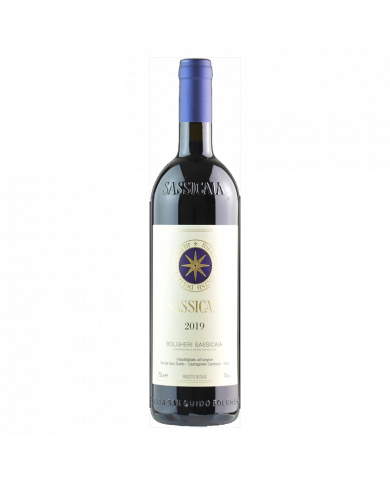
Sassicaia Tenuta San Guido is one of those mythical wines that all fans should drink at least once in their life! Its fame precedes it but with good reason because the most famous Bordeaux blend in Italy, obtained from Cabernet Sauvignon for the greater part and a small percentage of Cabernet Franc , always manages to meet expectations. Daughter of the Marquis Mario Incisa della Rocchetta and the unforgettable Giacomo Tachis , today the bottle with the unmistakable star on the label, represents an icon of Made in Italy that, year after year, adds value to its fame.
€348.92
SKU:
17469
Brand:
Caccia al Piano
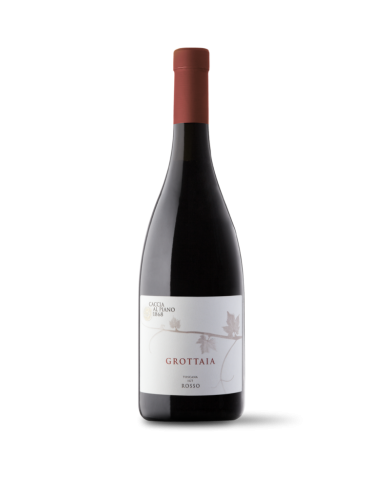
A blend of Cabernet Sauvignon and Merlot from the youngest vineyards located in the flat areas of the company. It is aged exclusively in steel tanks to preserve its fruit, freshness and flavour. The floral motifs and natural colors on the label underline the close link with the Tuscan coast.
€16.60
SKU:
17362
Brand:
Tenuta degli Dei
Season was very regular, good rainfall until May, temperatures not very high; quite normal vintage
SKU:
17324
Brand:
Tenuta degli Dei
Season was very regular, good rainfall until May, temperatures not very high; quite normal vintage
€83.30
SKU:
17314
Brand:
Torcilacqua
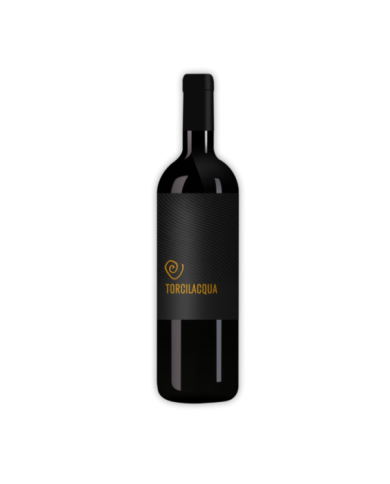
Torcilacqua IGT is produced only with grapes coming from
best plots to fully express the characteristics of the
territory and vintage
€23.67
SKU:
17313
Brand:
Torcilacqua
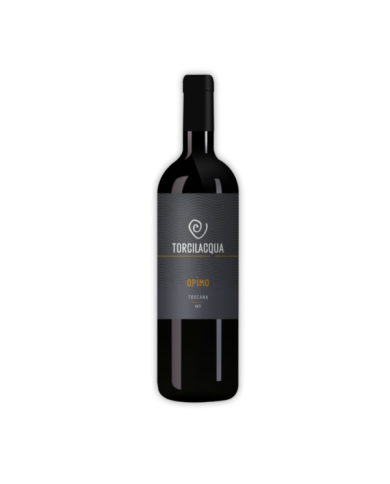
Opìmo, synonymous with lush and rich in fruit, comes from the parcels Merlot farms with clay-limestone soils, where this vine best expresses its characteristics of roundness and sweetness. The vintage 2019, thanks to the very favorable climatic conditions, boasts great balance and good structure, which combine readiness and longevity. Bottling took place in July 2021.
€13.79
€23.72
SKU:
17311
Brand:
Torcilacqua
The grapes come from the youngest plots, located on textured land franca, rich in skeleton and marl, selected and harvested by hand in boxes. The fermentation then takes place in steel vats during which they are frequent pumping over, checks and tastings were carried out. After about 3 weeks the wine it is separated from the skins and begins its refinement in tonneaux and steel where matures for approximately 12 months. Then follows another period of refinement in steel where the wine completes its course before bottling.
€15.81
SKU:
17105
Brand:
Fabrizio Dionisio
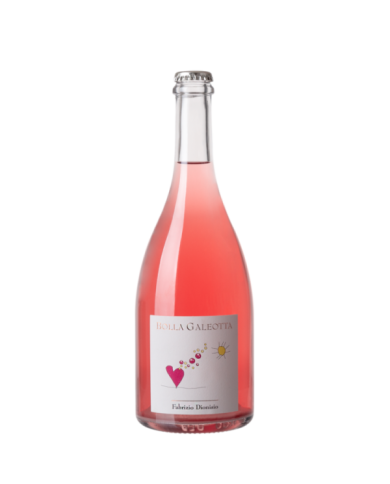
As I also wrote on the back label of this wine, freely inspired by the great poet Dante Alighieri…really…Galeotta fu la Bolla!In fact, after having resisted for some time the insistence of Alessandra, my wife, who was fascinated by the idea of making a sparkling version of our Syrah, in the end I gave in…and I'm really glad I did.
€18.91
SKU:
17104
Brand:
Fabrizio Dionisio
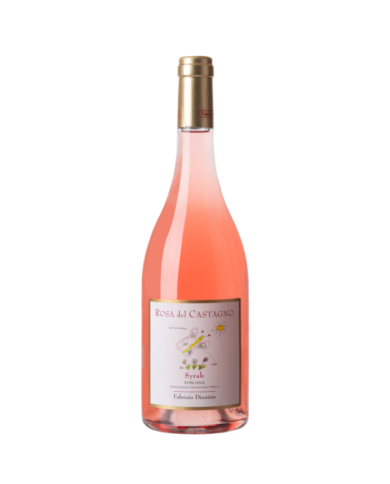
This wine was born as a challenge, which I hope to be able to consider won: to produce in Cortona, through the white vinification of our Syrah grapes, a great rosé wine, a rosé from Syrah that can be enjoyed not only in spring and summer, but throughout the year, as a valid alternative to white wine, also capable of evolving in the bottle. Balanced, textural and crunchy, taut, juicy and intense, fine and elegant, long… this is how I dreamed of it and this is how those who tasted it describe it. Just the rosé we were hoping to get.
€19.64
SKU:
17103
Brand:
Fabrizio Dionisio
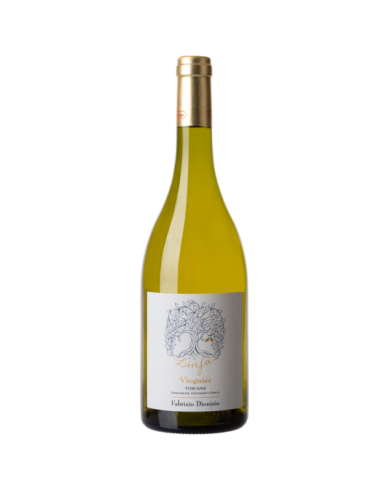
For some years we have wanted to compete with Viognier, the white grape variety that grows in symbiosis with Syrah, brought to the Rhone Valley, they say, from Sicily by the Romans. It was the only possible option consistent with the path we are following, which is based on the assumption that the Cortona area is a Rodanian enclave in Tuscany. Only Viognier, therefore, could complement our Syrah; Viognier is the only "intruder" vine that could be accepted in a monovarietal company like ours.
€24.64
SKU:
17102
Brand:
Fabrizio Dionisio
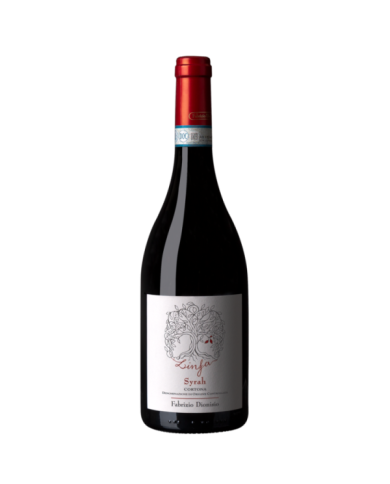
Linfa was born from the desire to explore a different dimension of Syrah, the umpteenth version in which this grape variety can be interpreted and declined, in red vinification (oh yes, because we also vinify it in white... and thus our beloved Rosa del Chestnut and Bolla Galeotta). After Castagno (the iconic wine of our company) and Cuculaia (our cru) which are aged for a long time in our barrique cellar, partly in wooden barrels of different sizes made for us by friendly master coopers, and partly in old barrels cement tanks that have always belonged to our cellar and have been perfectly refurbished through the patient work of invaluable craftsmen, acquiring extraordinary elegance, depth and complexity, and the "Castagnino", raised entirely (for a shorter period) exclusively in cement barrels, for safeguarding its bare, wild and fragrant profile, favoring varietal identity, immediacy and ease of drinking over complexity, I felt the need to discover how my Syrah could express itself by being born and growing in symbiosis with another material that fascinates me , like wood and cement, and which rightfully belongs to the most ancient, and natural, history of wine… and of man.
€40.26
SKU:
17101
Brand:
Fabrizio Dionisio
Chestnut is the wine I've always wanted to make, the main wine, in a certain sense the symbol, the icon of our company and, in my heart, of Cortona Syrah. The only wine I made until a few years ago. It is made (like all our wines) only with Syrah grapes grown in our Cortona vineyards, all characterized by very low yields per hectare (maximum 50 quintals from 5,000 plants), rigorously selected, with extreme care, during the entire vintage, in particular before and during the harvest (which for this wine usually takes place in the last ten days of September, in search of perfect phenolic maturity), harvested exclusively by hand in small perforated boxes of 15 kilos each.
€31.48
SKU:
17100
Brand:
Fabrizio Dionisio
Chestnut is the wine I've always wanted to make, the main wine, in a certain sense the symbol, the icon of our company and, in my heart, of Cortona Syrah. The only wine I made until a few years ago. It is made (like all our wines) only with Syrah grapes grown in our Cortona vineyards, all characterized by very low yields per hectare (maximum 50 quintals from 5,000 plants), rigorously selected, with extreme care, during the entire vintage, in particular before and during the harvest (which for this wine usually takes place in the last ten days of September, in search of perfect phenolic maturity), harvested exclusively by hand in small perforated boxes of 15 kilos each.
€77.84
SKU:
17099
Brand:
Fabrizio Dionisio
Chestnut is the wine I've always wanted to make, the main wine, in a certain sense the symbol, the icon of our company and, in my heart, of Cortona Syrah. The only wine I made until a few years ago. It is made (like all our wines) only with Syrah grapes grown in our Cortona vineyards, all characterized by very low yields per hectare (maximum 50 quintals from 5,000 plants), rigorously selected, with extreme care, during the entire vintage, in particular before and during the harvest (which for this wine usually takes place in the last ten days of September, in search of perfect phenolic maturity), harvested exclusively by hand in small perforated boxes of 15 kilos each.
€67.83
SKU:
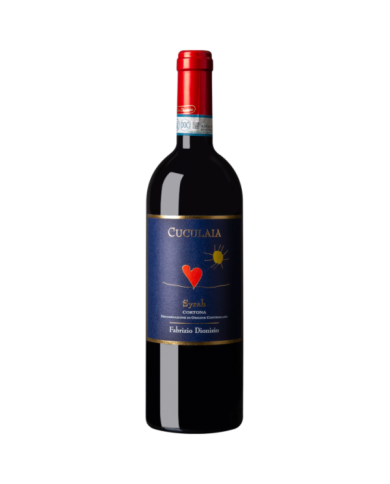
17098
Brand:
Fabrizio Dionisio
Cuculaia aims to be a living oenological experiment, a journey towards the extreme frontier of quality, in search of the limit which Syrah can push in the terroir of Cortona. It is produced only in years considered excellent, exclusively with Syrah grapes grown in our vineyard of the same name, part of the Il Castagno farm, distinguished by a soil with unique characteristics and particularly low yields per hectare (maximum 40 quintals from 5,000 plants), selected with care throughout the year (especially before and during the harvest) expressly to make this wine.
€65.64
SKU:
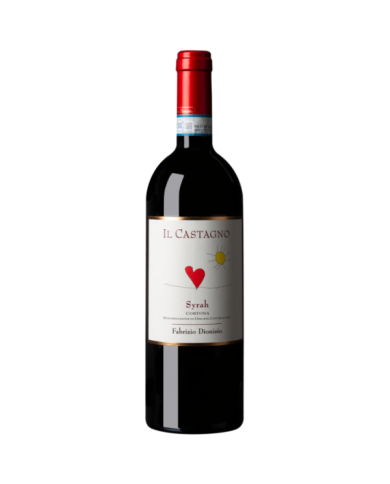
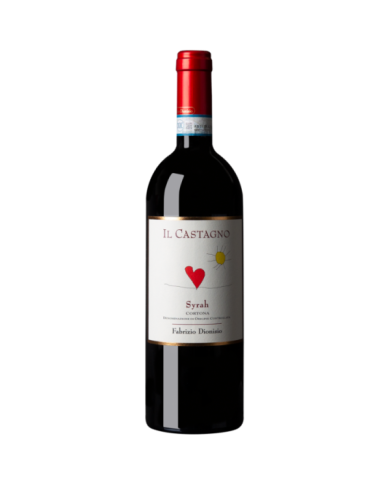
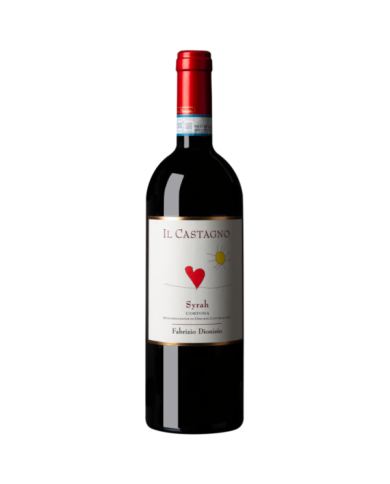
17097
Brand:
Fabrizio Dionisio
"chestnut"
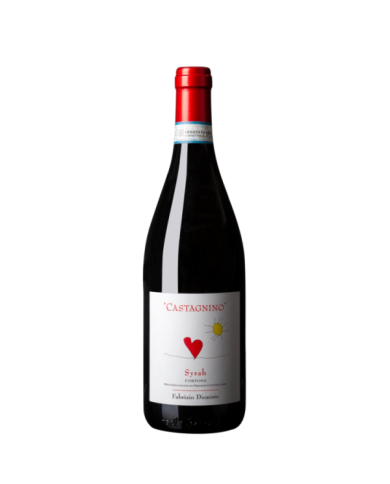
Syrah Cortona DOC The "Castagnino" is the younger brother, but equally loved and cared for, of our symbolic wine (Il Castagno). It is made (like all our wines) only with Syrah grapes grown in our Cortona vineyards, all characterized by very low yields per hectare (maximum 50 quintals from 5,000 plants), rigorously selected throughout the year, especially before and during the harvest (which usually takes place in the first half of September, slightly earlier than that of Il Castagno and Cuculaia), harvested exclusively by hand in small 15 kg perforated boxes.
€20.01
SKU:
16760
Brand:
Carpineto
Produced in the oldest production area, as stated in the disciplinary that regulates it, this area gave its name to the wine and is the only one where Chianti Classico is produced. It extends between Florence and Siena in a territory of breathtaking beauty, made up of villages perched on the top of the hills, of olive trees cultivated in steep fields with an irregular outline and of cypresses lined up to delimit the innumerable dirt roads.
€111.18
SKU:
16759
Brand:
Carpineto
Chianti Classico Riserva is produced exclusively in the oldest wine-growing area of Tuscany, in a landscape of breathtaking beauty.
€65.06
SKU:
16611
Brand:
Fattoria le Pupille
Compact ruby red. The bouquet reveals the fragrance of red roses, black cherry, blood orange and blackberry. Followed by juniper berries, dried flowers, Tuscan cigars and undergrowth. The tannins are dense and silky which develop on a fresh and savory base. Persistent finish on blackcurrant echoes.
€72.59
SKU:
16610
Brand:
Tenuta Montecchiesi
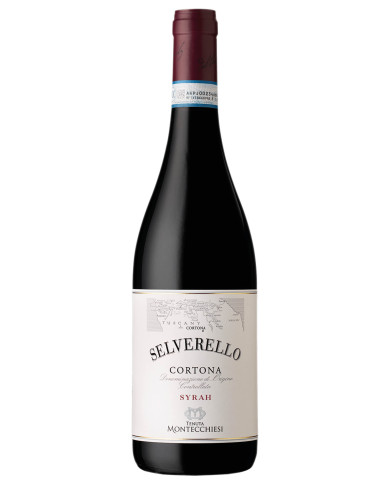
The Cortona Syrah Selverello of the Cantina Dal Cero was born in the Montecchiesi estate, located on the Tuscan hills south of Arezzo, on the border with Umbria.
€14.18
SKU:
16377
Brand:
Il Palagio
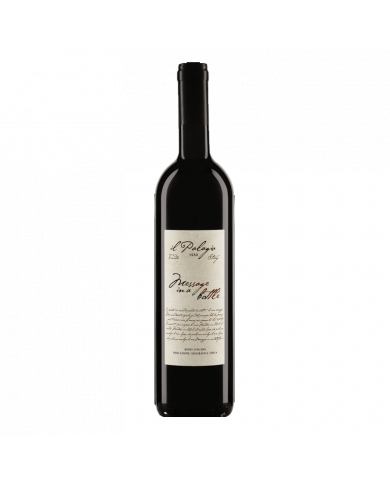
Message in a Bottle now joins our acclaimed wine portfolio. A versatile and highly drinkable Tuscan IGT wine, it goes well with many dishes. With an alcohol content of 13.2% it is aged for 12 months in French oak barrels.
€20.90
SKU:
16205
Brand:
Ormanni
€13.15
Ormanni's Chianti is presented in the glass bright and crystalline ruby. The nose smells of Tuscany in summer: strawberries, rosemary, burnt earth, strawberry tree, mint. On the palate it relaxes with lots of tasty freshness, integrated tannin and a slightly bitter herbal finish. Very good with Tuscan bread and raw sausage.
SKU:
16184
Brand:
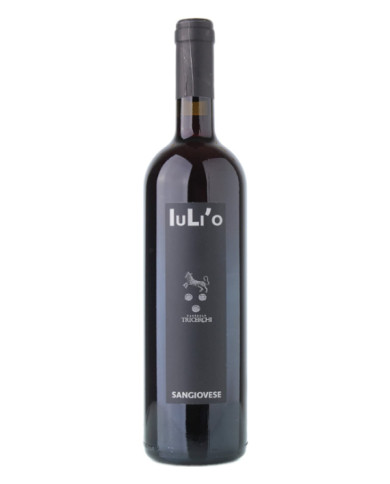
Castello Tricerchi
Tuscan red from Sangiovese vinified in order to enhance the freshness of the Sangiovese.
€16.79
SKU:
16119
Brand:
Ventolaio
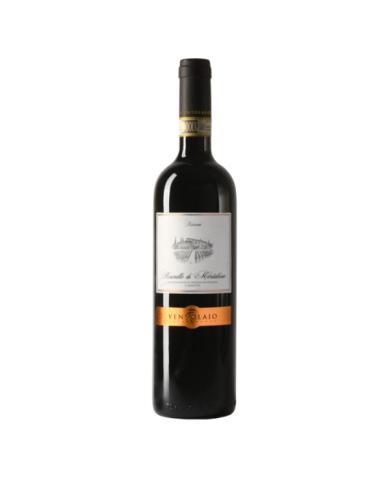
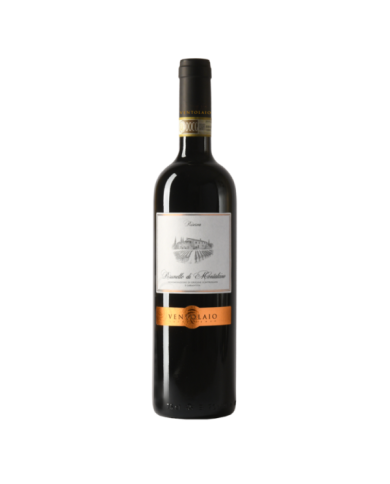
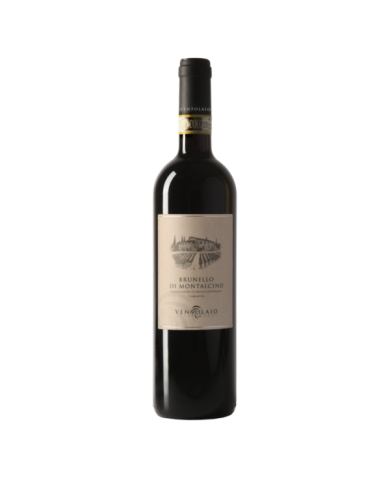
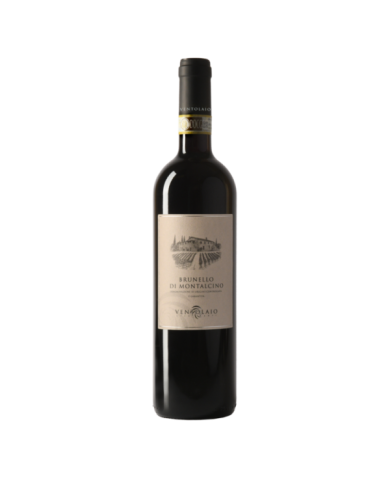
Grapes: SANGIOVESE 100% Altitude: about 400 meters slm sea level Training system: Spurred cordon Soil: Galestro Vinification: In steel tanks with controlled fermentation temperature, maceration on the skins for 15/20 days. Refinement: About 12 months in French or Slavonian oak barrels with a capacity of 30 hl
€49.90
SKU:
16118
Brand:
Ventolaio
Grapes: SANGIOVESE 100% Altitude: about 400 meters slm sea level Training system: Spurred cordon Soil: Galestro Vinification: In steel tanks with controlled fermentation temperature, maceration on the skins for 15/20 days. Refinement: About 12 months in French or Slavonian oak barrels with a capacity of 30 hl
€19.15
SKU:
16117
Brand:
Ventolaio
Grapes: SANGIOVESE 100% Altitude: about 400 meters slm sea level Training system: Spurred cordon Soil: Galestro Vinification: In steel tanks with controlled fermentation temperature, maceration on the skins for 20/30 days. Refinement: About 60 months in French or Slavonian oak barrels with a capacity of 15 or 30 hl
€73.32
SKU:
16116
Brand:
Ventolaio
Grapes: SANGIOVESE 100% Altitude: about 400 meters slm sea level Training system: Spurred cordon Soil: Galestro Vinification: In steel tanks with controlled fermentation temperature, maceration on the skins for 20/30 days. Refinement: About 60 months in French or Slavonian oak barrels with a capacity of 15 or 30 hl
€73.32
SKU:
16115
Brand:
Ventolaio
Grapes: SANGIOVESE 100% Altitude: about 400 meters slm sea level Training system: Spurred cordon Soil: Galestro Vinification: In steel tanks with controlled fermentation temperature, maceration on the skins for 20/30 days. Refinement: About 48 months in French or Slavonian oak barrels with an average capacity of 30 hl
€93.21
SKU:
16114
Brand:
Ventolaio
Grapes: SANGIOVESE 100% Altitude: about 400 meters slm sea level Training system: Spurred cordon Soil: Galestro Vinification: In steel tanks with controlled fermentation temperature, maceration on the skins for 20/30 days. Refinement: About 48 months in French or Slavonian oak barrels with an average capacity of 30 hl
€44.53
SKU:
16101
Brand:
Tenuta Valdipiatta
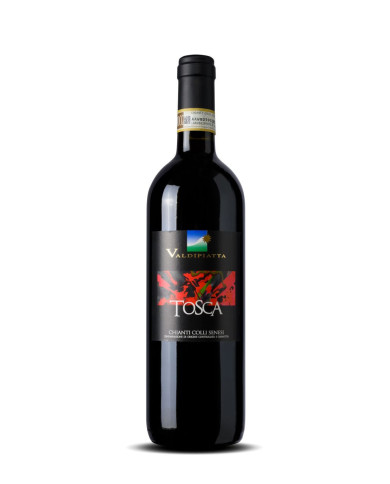
Always a complement to Tuscan gastronomy, Chianti Colli Senesi is a traditional wine with intense fruit and smooth tannins. The ease of drinking makes it excellent to accompany delicate dishes as well as medium-structured preparations.
€15.85
SKU:
16100
Brand:
Tenuta Valdipiatta
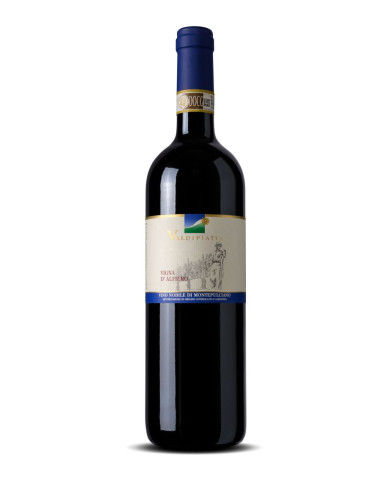
The Vigna d'Alfiero is born from Sangiovese grapes from one of our historic vineyards planted in the late 60s by the first farmer and reference figure of the Valdipiatta Estate Alfiero Carpini. Produced only in the best vintages, the Vigna d'Alfiero knows how to combine the richness, elegance and finesse of Sangiovese with the decisive character imprinted by the corporate terroir.
€57.86
Discover the best wines of Tuscany: an unforgettable experience!
Tuscany is one of Italy's most renowned wine regions, and for decades its excellent wines have been appreciated worldwide. Tuscan wines offer a range of flavors, from sweet and fruity to robust and intense. Furthermore, this region also boasts a rich traditional culture and a long history of winemaking, making it an ideal destination for tourists seeking an unforgettable food and wine experience.
Why is Tuscany famous for its wine?
Tuscany has a mild climate and rich, fertile soil, making it one of Italy's most suitable regions for wine production. The region is particularly known for its red wines, such as Chianti, Brunello di Montalcino, and Vino Nobile di Montepulciano. These wines are made from Sangiovese grapes, the most widely grown grape in Tuscany. The region also has a rich tradition of white wines, such as Vernaccia di San Gimignano, Vermentino, and Trebbiano.
How to choose the right Tuscan wine?
When choosing a Tuscan wine, the first thing to consider is your personal taste. If you prefer sweet, fruity wines, a white wine like Vernaccia di San Gimignano or Vermentino is the right choice. If you prefer more robust, structured wines, then a red wine like Chianti or Vino Nobile di Montepulciano is better.
Furthermore, it's also important to consider the vintage of the wine you're purchasing. Wine quality depends on the climatic conditions during the period in which the grapes were grown, so before purchasing a bottle, it's a good idea to ask the producer about the vintage.
Where to find Tuscan wines?
Tuscan wines are readily available in supermarkets and specialty shops, but to savor the finest, highest-quality wines, you can also visit a winery. Tuscany boasts numerous wineries that organize guided tours and tastings to showcase their wines. Visiting one is a truly unique experience, as you have the opportunity to learn firsthand how wine is made and taste the different varietals.
What are the most famous wines of Tuscany?
Tuscany's most famous wines are Chianti, Brunello di Montalcino, Vino Nobile di Montepulciano, and Vernaccia di San Gimignano. Chianti is a light and fruity red wine, while Brunello di Montalcino is a red wine with great intensity and structure. Vino Nobile di Montepulciano is a full-bodied and complex red wine, while Vernaccia di San Gimignano is a dry white wine with fruity and floral notes.
How to pair Tuscan wines?
Tuscan wines are ideal paired with meat, fish, vegetable, or cheese dishes. For example, Chianti pairs excellently with meat dishes such as roasts or braised meats, while Vino Nobile di Montepulciano is perfect with fish dishes such as cod or salmon. Brunello di Montalcino pairs well with vegetable dishes such as soups and broths, while Vernaccia di San Gimignano is ideal with aged cheeses.
How to store Tuscan wines?
Tuscan wines should be stored in a cool, dry place, away from heat and direct light. The ideal storage temperature is between 10 and 14°C. Red wines can be stored for up to 5 years, while white wines should not be stored for more than 2 years. Furthermore, it's important to remember that wines should be stored horizontally, so that the cork is always in contact with the wine.
Tuscan Wine Denomination
Tuscany is one of the most important wine regions in Italy and the world. The region is famous for its fine wines such as Chianti , Brunello di Montalcino , and Vino Nobile di Montepulciano. These wines have either a controlled designation of origin (DOC) or a controlled and guaranteed designation of origin (DOCG). In this article, we'll explore the appellations of Tuscan wines and how they're produced.
Introduction to the Wine Denominations of Tuscany
Wine appellations are a classification system that guarantees the quality and geographical origin of Italian wines. There are three levels of appellation: Vino da Tavola, DOC, and DOCG. Table wines have no geographical or grape variety restrictions, while DOC and DOCG wines are produced in specific geographical areas and with specific grapes.
DOC wines of Tuscany
Tuscan DOC (Denominazione di Origine Controllata) wines are produced in specific areas of the region and are made with specific grapes. These wines have strict production requirements, such as grape yield, alcohol content, and minimum aging time.
Chianti DOCG
Chianti is one of the best-known and most popular Italian wines, produced primarily in the Chianti region, between the cities of Florence, Siena, and Arezzo. The wine is made primarily from Sangiovese grapes and may also contain other red grapes such as Canaiolo, Colorino, and Merlot. Chianti DOCG is a dry red wine that can be classified by its aging period: Chianti, Chianti Riserva, and Chianti Classico .
Brunello di Montalcino DOCG
Brunello di Montalcino is a DOCG wine produced in the Montalcino area, in the province of Siena. It is made with Sangiovese grapes, known locally as Brunello. The wine is aged for at least five years and must be produced exclusively with grapes from the Montalcino area.
Vino Nobile di Montepulciano DOCG
Vino Nobile di Montepulciano is a DOCG wine produced in the Montepulciano area, in the province of Siena. It is made primarily from Sangiovese grapes and must be aged for at least two years. The name "Nobile" derives from this wine's reputation during the Renaissance.
IGT wines from Tuscany
IGT (Indicazione Geografica Tipica) is an Italian wine designation that indicates a broader geographical area than DOC and DOCG wines. These wines can be made with grape varieties other than those specified by the DOC and DOCG designations.
Super Tuscan
Super Tuscans are IGT wines produced in Tuscany that do not comply with the DOC and DOCG designations. These wines are often made with international grapes such as Cabernet Sauvignon, Merlot, and Syrah, and are aged in French oak barrels. Super Tuscans are generally full-bodied and intense red wines, with a high concentration of fruit.
Tuscany is a world-renowned wine region, and its controlled and guaranteed designations of origin guarantee the quality of its wines. Tuscan DOC and DOCG wines are produced in specific geographical areas and with specific grapes, while Tuscan IGT wines have fewer restrictions in terms of geographical area and grape variety. Each appellation has its own unique characteristics and offers a different tasting experience. Regardless of which wine you choose, Tuscan wines are definitely a winning choice.
Frequently Asked Questions
What are the main Tuscan wine denominations?
The main Tuscan wine denominations are Chianti DOCG, Brunello di Montalcino DOCG, Vino Nobile di Montepulciano DOCG and IGT.
What do DOC and DOCG mean?
DOC stands for Controlled Designation of Origin, while DOCG stands for Controlled and Guaranteed Designation of Origin. These designations guarantee the quality and geographical origin of Italian wines.
What are the production requirements for DOC and DOCG wines from Tuscany?
Tuscan DOC and DOCG wines have strict production requirements, such as grape yield, alcoholic strength, and minimum aging time.
What are Super Tuscans?
Super Tuscans are IGT wines produced in Tuscany that do not comply with the DOC and DOCG designations. These wines are often made with international grapes such as Cabernet Sauvignon, Merlot, and Syrah.
What are the most famous DOCG wines from Tuscany?
The most famous DOCG wines of Tuscany are Chianti DOCG, Brunello di Montalcino DOCG and Vino Nobile di Montepulciano DOCG .