

 Italiano
 Deutsch







































There are no more items in your cart
SKU:
19926
Brand:
Valle Reale
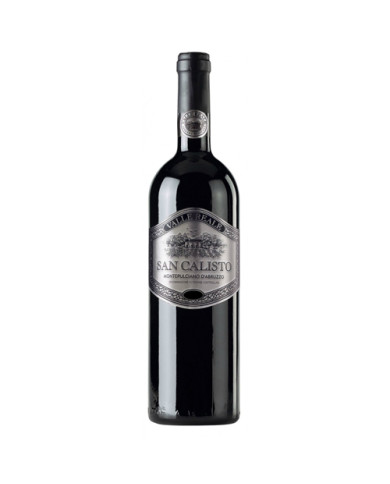
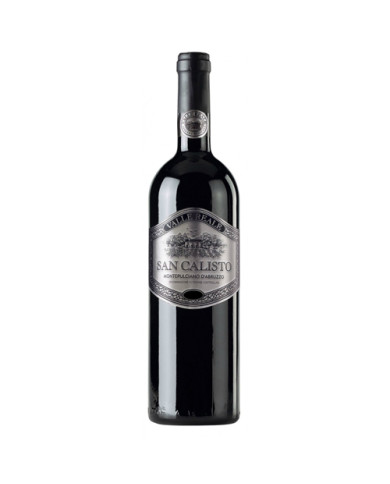
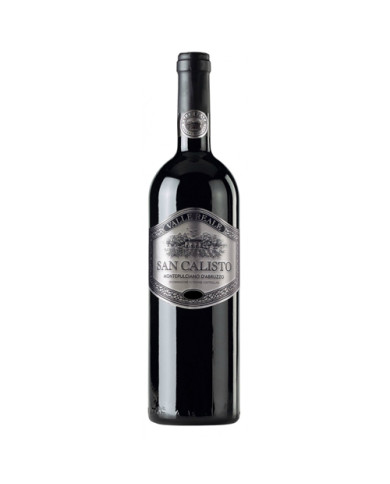
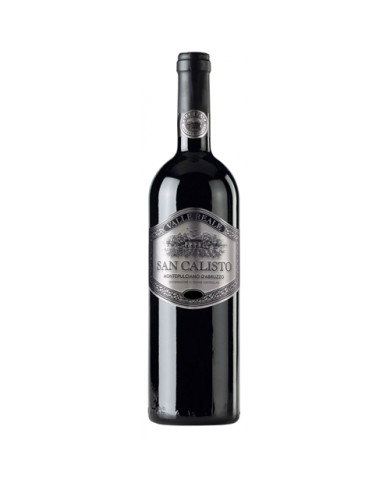
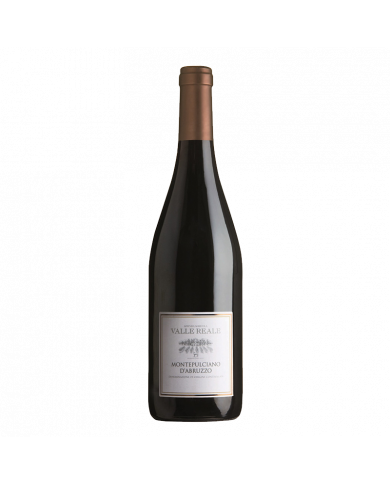
Montepulciano d'Abruzzo "San Calisto" by Valle Reale is an Abruzzo red wine of great territorial charm, with a vigorous and enveloping personality marked by a brushed sip that tells a vigorous freshness, accompanied by well-smooth tannins and intense mineral details.
€194.99
SKU:
19925
Brand:
Valle Reale
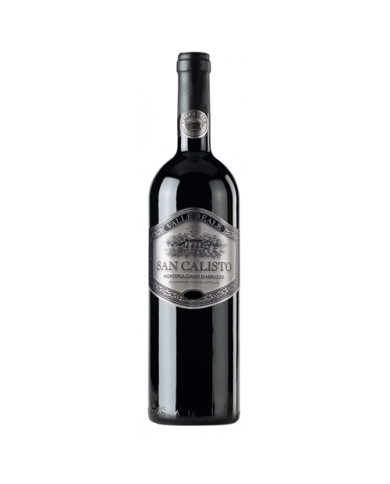
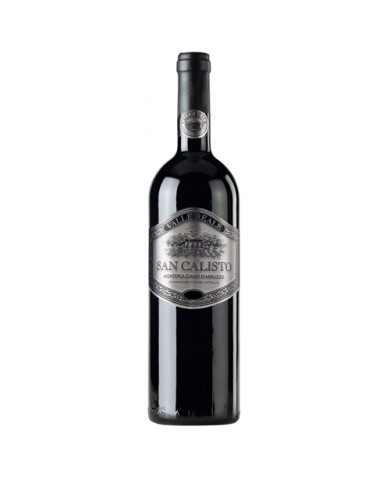
Montepulciano d'Abruzzo "San Calisto" by Valle Reale is an Abruzzo red wine of great territorial charm, with a vigorous and enveloping personality marked by a brushed sip that tells a vigorous freshness, accompanied by well-smooth tannins and intense mineral details.
€97.50
SKU:
19924
Brand:
Valle Reale
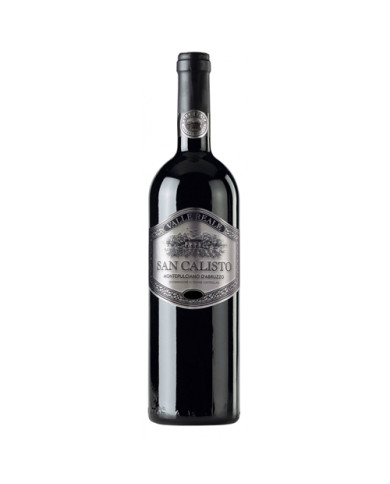
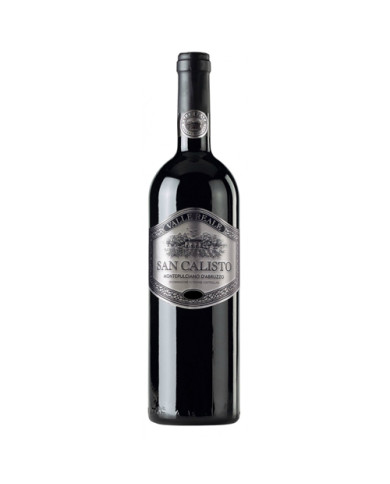
Montepulciano d'Abruzzo "San Calisto" by Valle Reale is an Abruzzo red wine of great territorial charm, with a vigorous and enveloping personality marked by a brushed sip that tells a vigorous freshness, accompanied by well-smooth tannins and intense mineral details.
€97.50
SKU:
19923
Brand:
Valle Reale
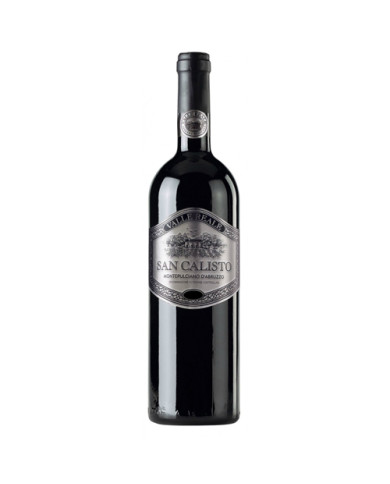
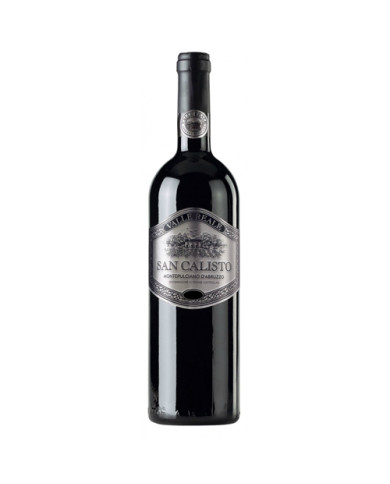
Montepulciano d'Abruzzo "San Calisto" by Valle Reale is an Abruzzo red wine of great territorial charm, with a vigorous and enveloping personality marked by a brushed sip that tells a vigorous freshness, accompanied by well-smooth tannins and intense mineral details.
€97.50
SKU:
19922
Brand:
Valle Reale
Montepulciano d'Abruzzo "San Calisto" by Valle Reale is an Abruzzo red wine of great territorial charm, with a vigorous and enveloping personality marked by a brushed sip that tells a vigorous freshness, accompanied by well-smooth tannins and intense mineral details.
€194.99
SKU:
19921
Brand:
Valle Reale
Montepulciano d'Abruzzo "San Calisto" by Valle Reale is an Abruzzo red wine of great territorial charm, with a vigorous and enveloping personality marked by a brushed sip that tells a vigorous freshness, accompanied by well-smooth tannins and intense mineral details.
€97.50
SKU:
19920
Brand:
Valle Reale
Montepulciano d'Abruzzo "San Calisto" by Valle Reale is an Abruzzo red wine of great territorial charm, with a vigorous and enveloping personality marked by a brushed sip that tells a vigorous freshness, accompanied by well-smooth tannins and intense mineral details.
€97.50
SKU:
19919
Brand:
Valle Reale
Montepulciano d'Abruzzo "San Calisto" by Valle Reale is an Abruzzo red wine of great territorial charm, with a vigorous and enveloping personality marked by a brushed sip that tells a vigorous freshness, accompanied by well-smooth tannins and intense mineral details.
€97.50
SKU:
19918
Brand:
Valle Reale
Montepulciano d'Abruzzo "San Calisto" by Valle Reale is an Abruzzo red wine of great territorial charm, with a vigorous and enveloping personality marked by a brushed sip that tells a vigorous freshness, accompanied by well-smooth tannins and intense mineral details.
€97.50
SKU:
19916
Brand:
Valle Reale
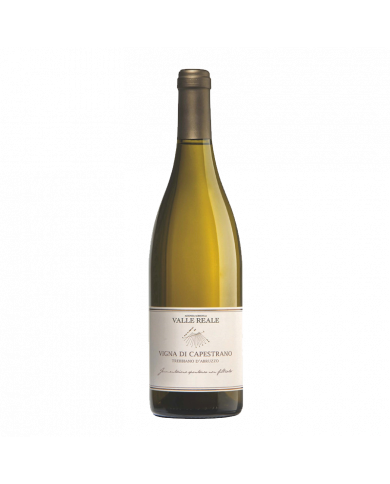
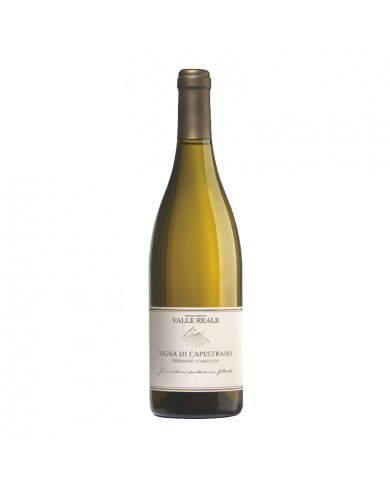
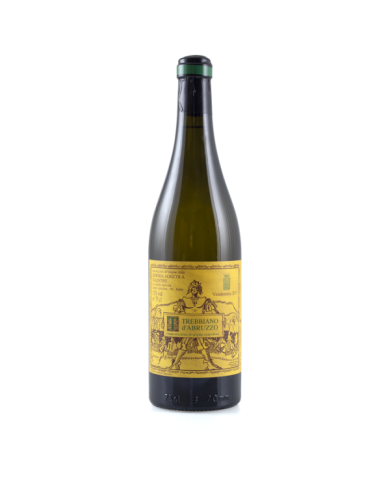
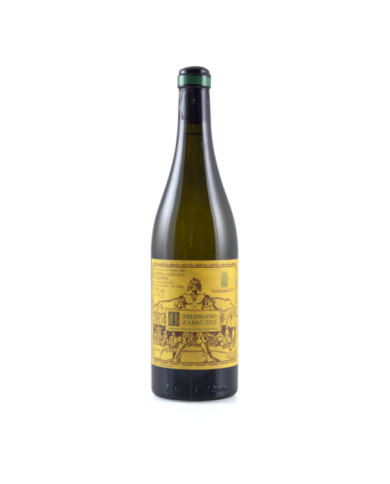
Trebbiano d'Abruzzo "Vigna del Convento di Capestrano" is a rich, energetic and complex white wine with great evolutionary potential.
€79.30
SKU:
19915
Brand:
Valle Reale
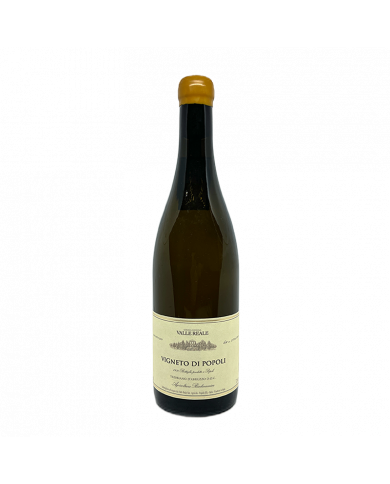
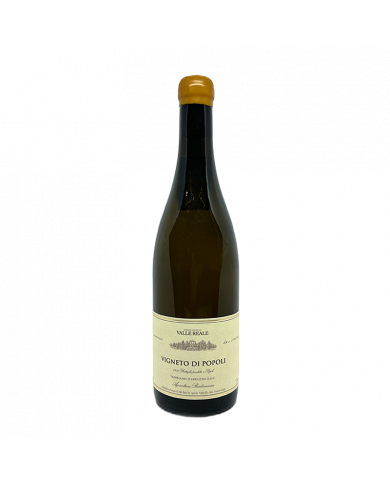
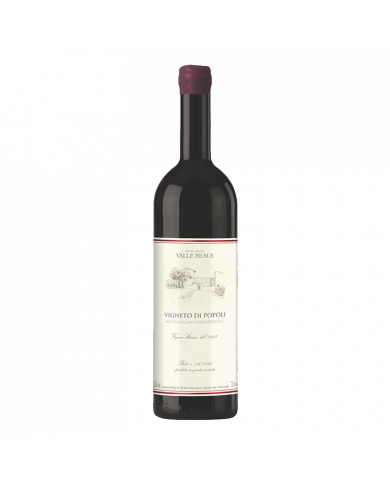
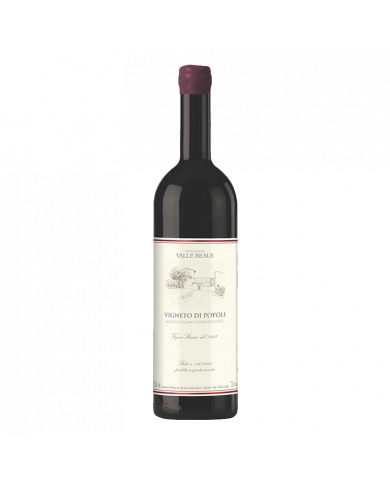
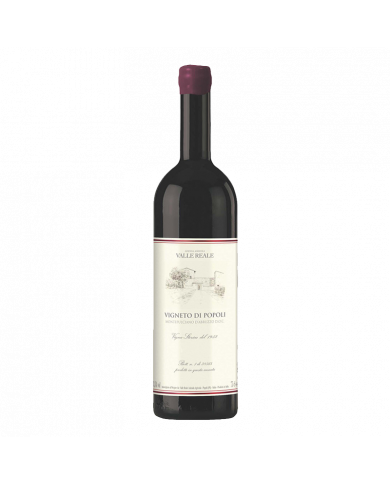
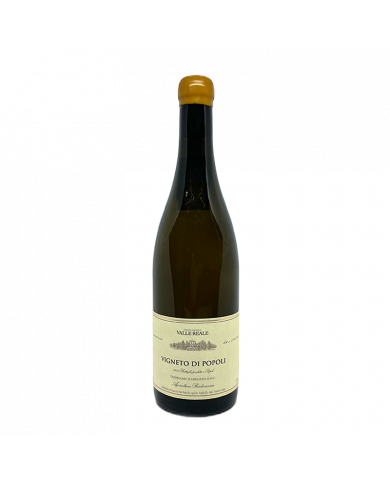
Trebbiano d'Abruzzo "Vigneto di Popoli" is a rich, elegant, savory and Mediterranean wine, born from a single vineyard on the Abruzzo Apennines and aged for 18 months in steel. The taste is intense, warm, enveloping, with lively sapidity and freshness, marked by sensations of citrus fruits, flowers, fruit and many aromatic herbs.
€62.40
SKU:
19914
Brand:
Valle Reale
Trebbiano d'Abruzzo "Vigneto di Popoli" is a rich, elegant, savory and Mediterranean wine, born from a single vineyard on the Abruzzo Apennines and aged for 18 months in steel. The taste is intense, warm, enveloping, with lively sapidity and freshness, marked by sensations of citrus fruits, flowers, fruit and many aromatic herbs.
SKU:
19913
Brand:
Valle Reale
Trebbiano d'Abruzzo "Vigneto di Popoli" is a rich, elegant, savory and Mediterranean wine, born from a single vineyard on the Abruzzo Apennines and aged for 18 months in steel. The taste is intense, warm, enveloping, with lively sapidity and freshness, marked by sensations of citrus fruits, flowers, fruit and many aromatic herbs.
SKU:
19912
Brand:
Valle Reale
Trebbiano d'Abruzzo "Vigneto di Popoli" is a rich, elegant, savory and Mediterranean wine, born from a single vineyard on the Abruzzo Apennines and aged for 18 months in steel. The taste is intense, warm, enveloping, with lively sapidity and freshness, marked by sensations of citrus fruits, flowers, fruit and many aromatic herbs.
SKU:
19911
Brand:
Valle Reale
Montepulciano d'Abruzzo "San Calisto" by Valle Reale is an Abruzzo red wine of great territorial charm, with a vigorous and enveloping personality marked by a brushed sip that tells a vigorous freshness, accompanied by well-smooth tannins and intense mineral details.
€169.01
SKU:
19910
Brand:
Valle Reale
Montepulciano d'Abruzzo "San Calisto" by Valle Reale is an Abruzzo red wine of great territorial charm, with a vigorous and enveloping personality marked by a brushed sip that tells a vigorous freshness, accompanied by well-smooth tannins and intense mineral details.
€175.50
SKU:
19909
Brand:
Valle Reale
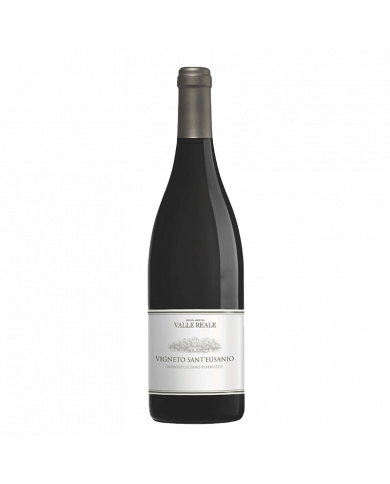
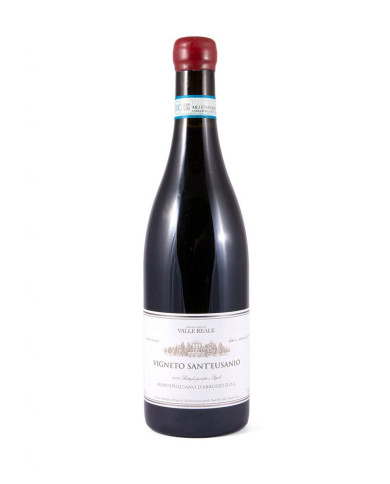
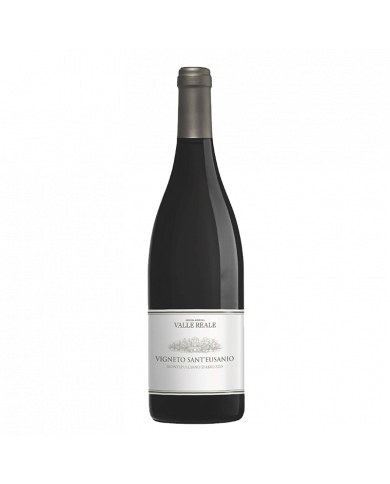
The Montepulciano d'Abruzzo “Vigneto di Sant'Eusanio” is an intense, deep and concentrated red wine, vinified only in steel tanks and has good aging potential. It gives off earthy sensations of undergrowth, moss, roots, wild berry jam and red flowers. The sip is full-bodied, intense, very tasty and with robust tannins.
SKU:
19908
Brand:
Valle Reale
The Montepulciano d'Abruzzo "Vigneto di Popoli" is an intense and structured red wine born from a 70-year-old vineyard and aged in tonneau for 12 months. It is expressed in a deep bouquet of wild berries, black cherries, humus and toasted spices. On the palate it is intense, rich, juicy, marked by a beautiful sapidity, with well integrated tannins.
€149.50
SKU:
19907
Brand:
Valle Reale
The Montepulciano d'Abruzzo “Vigneto di Sant'Eusanio” is an intense, deep and concentrated red wine, vinified only in steel tanks and has good aging potential. It gives off earthy sensations of undergrowth, moss, roots, wild berry jam and red flowers. The sip is full-bodied, intense, very tasty and with robust tannins.
€46.06
SKU:
19906
Brand:
Valle Reale
The Montepulciano d'Abruzzo "Vigneto di Popoli" is an intense and structured red wine born from a 70-year-old vineyard and aged in tonneau for 12 months. It is expressed in a deep bouquet of wild berries, black cherries, humus and toasted spices. On the palate it is intense, rich, juicy, marked by a beautiful sapidity, with well integrated tannins.
€104.01
SKU:
19905
Brand:
Valle Reale
The Montepulciano d'Abruzzo "Vigneto di Popoli" is an intense and structured red wine born from a 70-year-old vineyard and aged in tonneau for 12 months. It is expressed in a deep bouquet of wild berries, black cherries, humus and toasted spices. On the palate it is intense, rich, juicy, marked by a beautiful sapidity, with well integrated tannins.
SKU:
19904
Brand:
Valle Reale
Valle Reale's Montepulciano d'Abruzzo is a deep and juicy red wine endowed with vital energy, produced with vinification only in steel tanks. It is expressed in an aromatic kit of red flowers, berries, bark, roots, humus and undergrowth. On the palate it is rich and vibrant, with freshness and a long savory trail.
€21.58
SKU:
19903
Brand:
Valle Reale
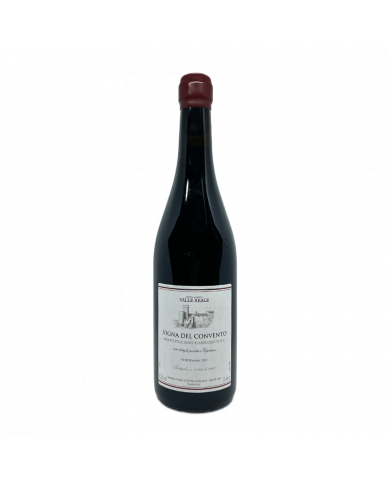
Montepulciano d'Abruzzo DOC Vigna del Convento di Capestrano 2015 Very hot and long vintage, excellent for Montepulciano. July and August were very hot months with little rainfall. Perfect phenolic maturity has been reached in this vineyard which has allowed us to produce this wine for the second time in twenty years.
€78.01
SKU:
19902
Brand:
Valle Reale
Trebbiano d'Abruzzo "Vigna del Convento di Capestrano" is a rich, energetic and complex white wine with great evolutionary potential.
€71.49
SKU:
19901
Brand:
Valle Reale
Trebbiano d'Abruzzo "Vigneto di Popoli" is a rich, elegant, savory and Mediterranean wine, born from a single vineyard on the Abruzzo Apennines and aged for 18 months in steel. The taste is intense, warm, enveloping, with lively sapidity and freshness, marked by sensations of citrus fruits, flowers, fruit and many aromatic herbs.
€55.90
SKU:
19900
Brand:
Valle Reale
The Montepulciano d'Abruzzo “Vigneto di Sant'Eusanio” is an intense, deep and concentrated red wine, vinified only in steel tanks and has good aging potential. It gives off earthy sensations of undergrowth, moss, roots, wild berry jam and red flowers. The sip is full-bodied, intense, very tasty and with robust tannins.
€97.50
SKU:
19899
Brand:
Valle Reale
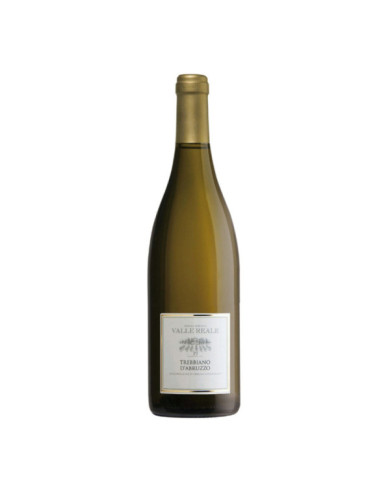
Il Trebbiano d’Abruzzo di Valle Reale è un vino fresco, lungo, succoso e minerale, vinificato e affinato solo in acciaio. Profumi di erbe aromatiche e fiori gialli si intrecciano a nuance di agrumi, frutta fresca e leggera pietra focaia, con una sottile speziatura. Il sorso è slanciato, ricco, minerale, sapido, armonico
€41.60
SKU:
19898
Brand:
La Veneranda
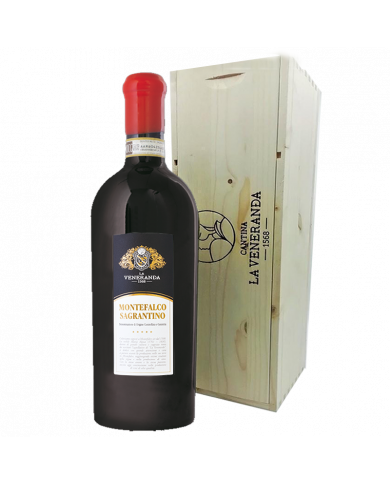
Wine with an intense ruby color with nuances that turn towards garnet. The nose opens with the characteristic hints of wild strawberries and raspberry, strawberry and morello cherries, with a finish of sweet spices: vanilla, sweet pipe tobacco leaf and coffee. In the mouth we find it dry, the typical tannins of Sagrantino are modulated by the freshness and good alcohol content that make it a well-structured wine. Available in different sizes (from 0.75 up to 5 liters) and in special packs (min. Two bottles) or to be packaged for original gift ideas or unforgettable memories.
€161.04
SKU:
19897
Brand:
La Veneranda
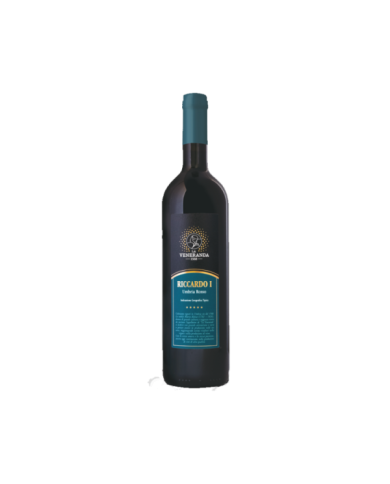
Riccardo I Umbria Rosso IGT wine from the La Veneranda winery . Wine with a characteristic intense ruby color. The nose releases all the essence of Sangiovese. It opens with hints of fresh red berry fruit: black cherry and cherry, to move on to wild fruit, such as strawberry and spices such as star anise and vanilla. In the mouth the fruit and carnality of Sangiovese are pleasant, modulated by the flavor and by a subtle and pleasant tannin.
€7.77
SKU:
19893
Brand:
Emidio Pepe
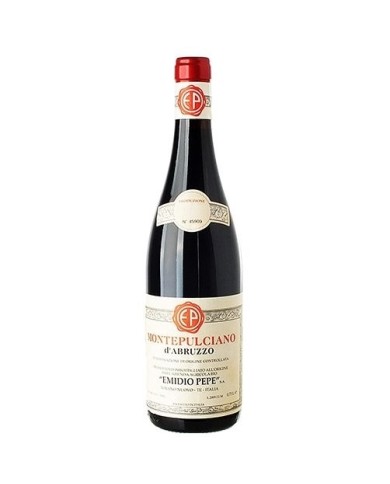
Deep ruby red. It develops hints of ripe red fruit on the nose, with a vinous and herbaceous touch. In the mouth, great mineral momentum, good tannic structure and full body. It spreads out with balance and boldness on fruity vibes. Persistent and harmonious. Deep and elegant, Emidio Pepe 's Montepulciano d'Abruzzo is a wine that goes well with main courses of meat, especially lamb-based. Excellent with the very traditional kebabs.
€85.62
SKU:
19892
Brand:
Maso Martis
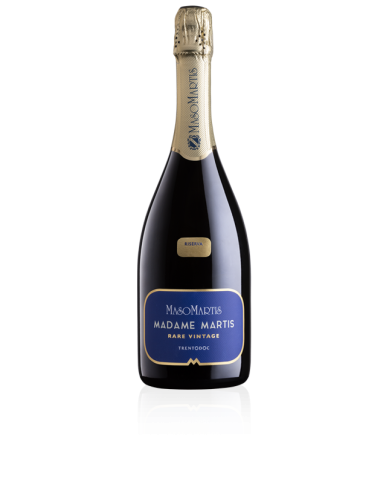
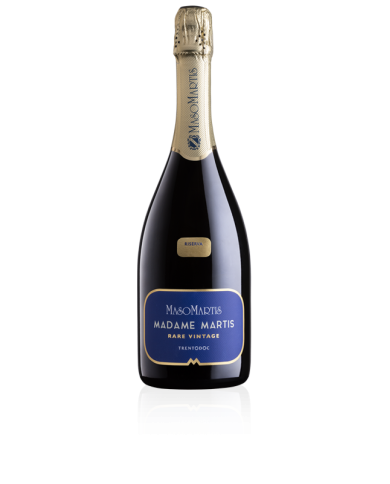
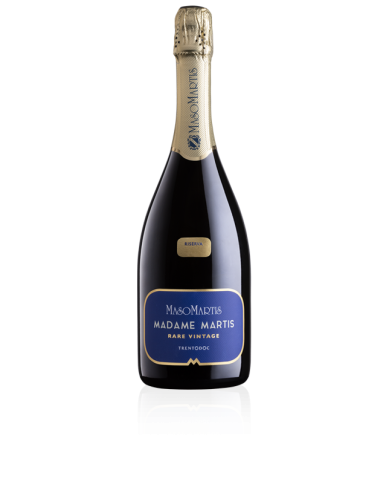
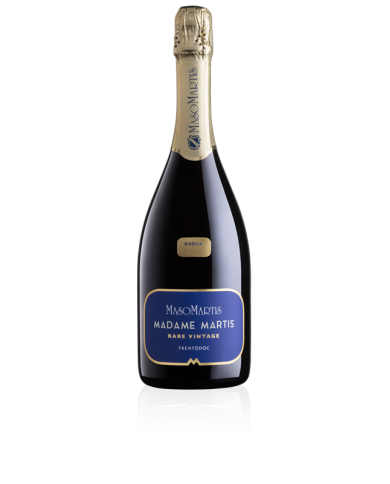
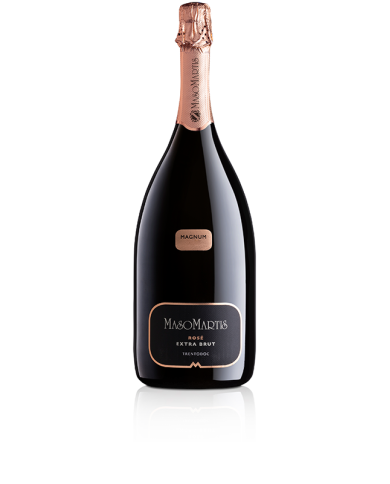
This bottle of the 2011 vintage is one of the very few produced by Maso Martis with a careful selection of its grapes, combining the elegance of Pinot Noir with the fragrance of Chardonnay and the softness of Meunier. 9 years of very long aging in the bottle are his style signature.
€115.90
SKU:
19891
Brand:
Maso Martis
This bottle of the 2011 vintage is one of the very few produced by Maso Martis with a careful selection of its grapes, combining the elegance of Pinot Noir with the fragrance of Chardonnay and the softness of Meunier. 9 years of very long aging in the bottle are his style signature.
€113.90
SKU:
19890
Brand:
Maso Martis
This bottle of the 2011 vintage is one of the very few produced by Maso Martis with a careful selection of its grapes, combining the elegance of Pinot Noir with the fragrance of Chardonnay and the softness of Meunier. 9 years of very long aging in the bottle are his style signature.
€124.34
SKU:
19889
Brand:
Maso Martis
This bottle of the 2011 vintage is one of the very few produced by Maso Martis with a careful selection of its grapes, combining the elegance of Pinot Noir with the fragrance of Chardonnay and the softness of Meunier. 9 years of very long aging in the bottle are his style signature.
€17.56
€23.27
€12.32
€12.10
€10.03
SKU:
19880
Brand:
Cantine Pellegrino
The Materico Nerello Mascalese Terre Siciliane IGT is a fragrant and elegant red wine, made by Cantine Pellegrino, a company that, historically, aims to innovate the island's viticulture.
€8.58
SKU:
19879
Brand:
Moretti Omero
Red fruit, notes of raspberry and cherry. Subtle tannins, fresh finish. Certified vegan wine. Fermentation in steel with 15 days maceration on the skins.
€10.41
€10.87
€12.36
€12.42
€10.80
€6.30
SKU:
19873
Brand:
Donnafugata
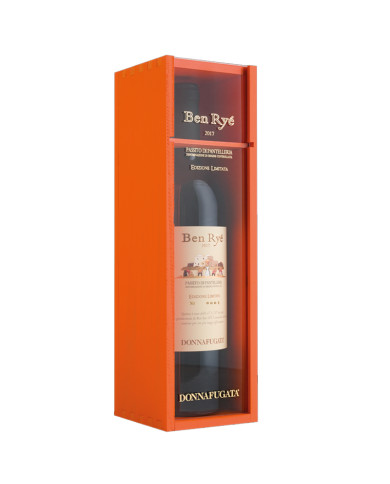
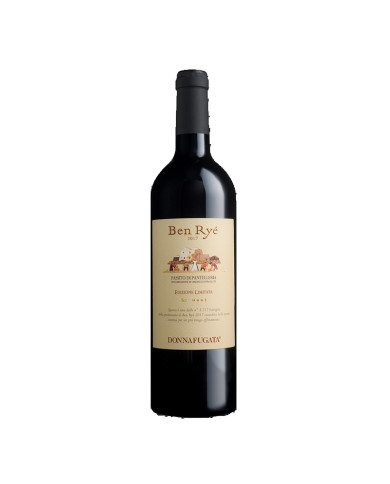
Ben Ryé Donnafugata is one of the most famous Sicilian passito wines in Italy and in the world, which has become a paradigm of Passito di Pantelleria. Its name in Arabic means "daughter of the wind", an epithet attributed to this Mediterranean island, struck by winds that blow on the bunches of grapes and on the crops, bringing with them intense and very characteristic aromas , the same ones we find in wine. The image that decorates the label is created by the designer Nicola Vitale and illustrates the work and effort of the winemakers in this area, illuminated by intense sunlight, with the 'dammuso', a typical architecture of the island in the background.
€190.90
€20.00
€17.00
SKU:
19871
Brand:
Vigna Madre
€5.43
€4.89
The first Dynamic Energy Vineyard (last patent by the Di Carlo family). Nature and man merge with the energy of colours... to improve biodiversity, the vitality of the soil, the positive frequencies on plants and fruits, people, animals and useful insects.
€5.43
€4.89
€7.95
€7.16
SKU:
19868
Brand:
Antinori
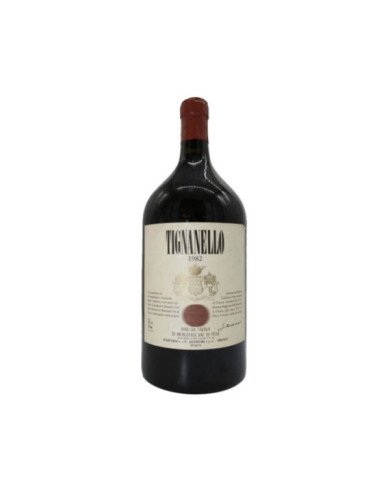
Il Tignanello è un vino della tradizione Toscana, pregiato, raffinato e di grande lusso. Racconta la storia del territorio e la capacità di innovazione dei mastri cantinieri della tenuta Tignanello dei Marchesi Antinori. È stato il primo Sangiovese ad essere affinato in barrique, il primo vino rosso moderno assemblato con varietà non tradizionali come il Cabernet Sauvignon, e tra i primi vini rossi nel Chianti a non usare uve bianche. Il Tignanello dei Marchesi Antinori è una pietra miliare. È prodotto con una selezione di Sangiovese, Cabernet Sauvignon e Cabernet Franc. Dopo un affinamento in barriques per 12-14 mesi circa, il vino riposa in bottiglia per un ulteriore anno di affinamento.
€2,998.76
SKU:
19867
Brand:
San Michele Appiano
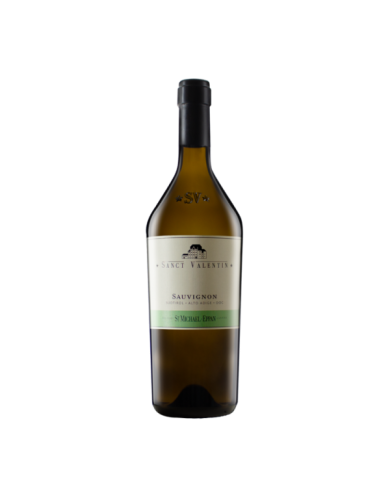
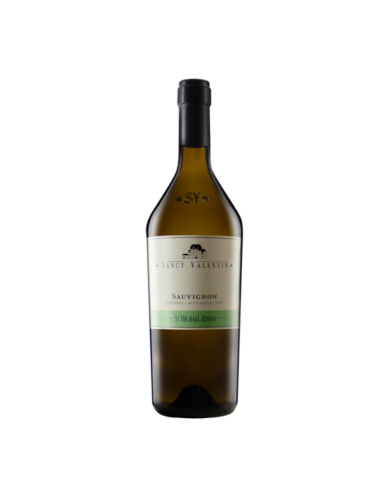
È nel 1989 che nasce il vino bianco più famoso della nostra cantina. Da più di 30 anni il Sauvignon Sanct Valentin beneficia di singole e selezionate parcelle poste sui pendii ai piedi della Mendola, per generare un vino di altissimo profilo. Dal frutto seducente, con eccellente mineralità e persistenza, questo vino è il più importante della linea Sanct Valentin ed uno dei vini bianchi più premiati d’Italia
€39.89
SKU:
19864
Brand:
Chateau Rose Sainte Croix
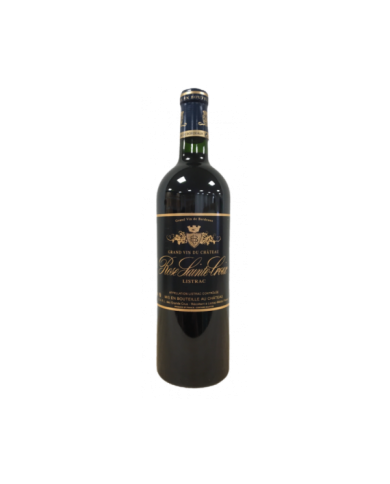
Philippe Porcheron, figlio di un viticoltore, è un appassionato del Médoc. Con il suo terroir, la sua storia familiare e i suoi incontri con persone, personaggi emblematici, è riuscito a dare il suo contributo al mondo del vino e a costruire un vigneto notato e apprezzato oltre confine.
Con lo stesso stato d'animo, passione per la professione, attaccamento ai valori del lavoro, dell'eccellenza e della famiglia, l'intero team di Domaines Philippe Porcheron lavora affinché i vini riflettano questo amore per il nostro terroir, la soddisfazione di un lavoro ben fatto e il piacere di condividere il frutto di ogni annata.
€28.79
SKU:
19863
Brand:
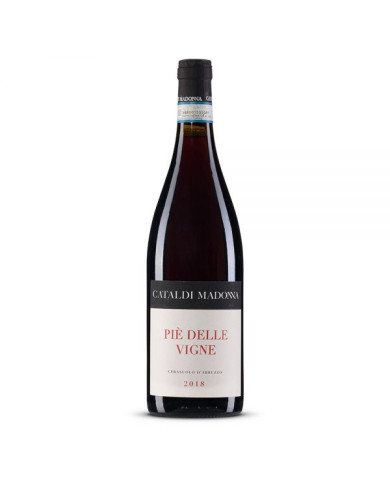
Cataldi Madonna
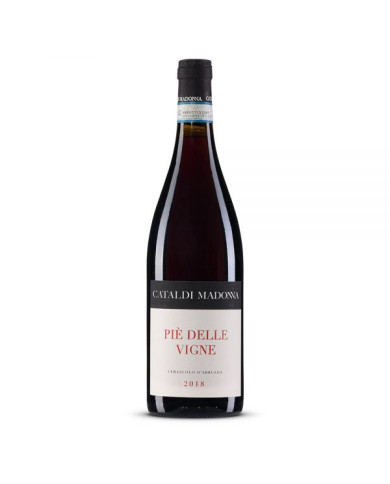
Cerasuolo prodotto per la prima volta nel 1997 ricorrendo alla “svacata”, un’aggiunta di vinificazione in rosso come usavano anticamente i contadini della zona. La nostra rivisitazione consiste nell’interpretare dinamicamente il taglio tra una vinificazione in bianco e una in rosso, che viene fatto a metà della loro fermentazione.
Affinamento: prima un anno in acciaio e dopo un anno in bottiglia. La natura di questo vino pretende la cooperazione di chi lo beve, può essere sentito come rosa o come rosso a seconda dei desideri del momento.
Vincente con piatti al pomodoro, la classica chitarra al ragù abruzzese, salumi e carni alla brace.
SKU:
19862
Brand:
Cellier Des Dauphins
Questo vino rosso di prim'ordine si armonizza perfettamente con l'insalata di cetrioli tailandese o con i pacchi di formaggio di pecora al forno
Questo vino della Valle del Rodano è piacevolmente equilibrato
Questo vino rosso francese è ideale come elegante vino da balcone (ma anche da terrazza!)
€36.48
SKU:
19861
Brand:
Cellier Des Dauphins
Questo vino rosso di prim'ordine si armonizza perfettamente con l'insalata di cetrioli tailandese o con i pacchi di formaggio di pecora al forno
Questo vino della Valle del Rodano è piacevolmente equilibrato
Questo vino rosso francese è ideale come elegante vino da balcone (ma anche da terrazza!)
€36.48
SKU:
19860
Brand:
Château Miraval
Il Rosè de Provence della cantina francese Miraval è un vino rosato di estrema eleganza e raffinatezza. Vine prodotto in Provenza, terra conosciuta per l'eccellenza di questa tipologia di etichette, tramite un assemblaggio di quattro vitigni: Cinsault, Grenache, Rolle, Syrah. Dopo un breve affinamento in legno si ottiene un colore rosa antico con riflessi aranciati, al naso emergono profumi floreali e di frutta a bacca rossa, note di scorza di limone e miele. Il gusto è fresco, minerale, coinvolgente e dal finale lungo e sapido
€23.31
SKU:
19859
Brand:
Château Miraval
Il Rosè de Provence della cantina francese Miraval è un vino rosato di estrema eleganza e raffinatezza. Vine prodotto in Provenza, terra conosciuta per l'eccellenza di questa tipologia di etichette, tramite un assemblaggio di quattro vitigni: Cinsault, Grenache, Rolle, Syrah. Dopo un breve affinamento in legno si ottiene un colore rosa antico con riflessi aranciati, al naso emergono profumi floreali e di frutta a bacca rossa, note di scorza di limone e miele. Il gusto è fresco, minerale, coinvolgente e dal finale lungo e sapido
€26.84
SKU:
19858
Brand:
Lillet
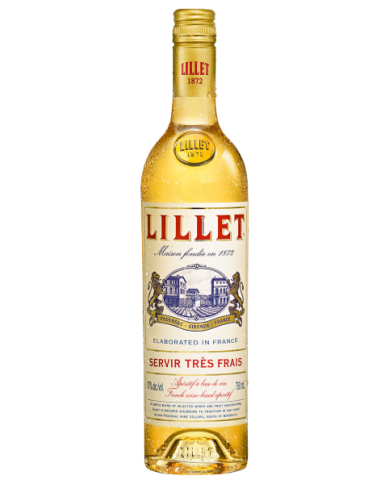
Il Lillet Blanc è considerato da molti l'apripista del Vermouth francese di qualità, nato nel 1872 nella cittadina di Pondensac, a sud di Bordeaux, era bevuto da solo oppure miscelato ad una serie di altri ingredienti per creare infinite combinazioni di cocktail, molto in voga negli anni '20. Non è un caso se nel celebre film Casinò Royale, l'agente segreto più famoso nel mondo, James Bond, sorseggia un Vesper, preparato proprio con una base di Lillet Blanc! Miscela selezionata dei migliori vini di Bordeaux, almeno per l'85% ed il restante 15% di liquori di frutta, Lillet rappresenta un prodotto sempre in voga, attuale e moderno, eppure storico, il vero ingrediente per un aperitivo vintage in perfetto stile francese!
€18.00
SKU:
19857
Brand:
Chateau de Bord
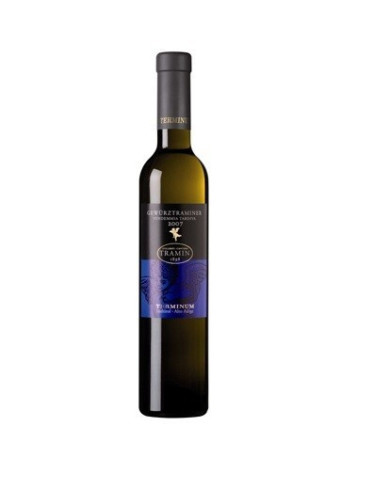
Il vino dolce Terminum Gewurztraminer Vendemmia Tardiva appartiene alla linea "Selezioni Terminum", che presenta i migliori vini "modello" - l'orgoglio e la gloria del settore vinicolo di Tramín. Vigneti aziende agricole con esposizione est e sud-est situate in brulicante ad un'altitudine di 400-500 metri sul livello del mare. L'uva Gewurztraminer per questo straordinario vino sta andando abbastanza tardi - a fine novembre - inizio dicembre (la frase "Vendemmia Tardiva", stampata su un'etichetta significa "vendemmia tardiva"), e subito sottoposto a macerazione, che dura per 6 ore. Dopo la macerazione il mosto viene delicatamente pressato. Il vino viene fermentato e invecchiato in barrique. More: https://winestyleonline.com
€73.20
SKU:
19856
Brand:
Chateau de Bord
«Brotte Laudun Côtes du Rhône Villages» è prodotto da Brotte (Maison Brotte). Nell'elaborazione di «Brotte Laudun Côtes du Rhône Villages» i vitigni utilizzati sono Syrah, Grenache e Viognier. «Brotte Laudun Côtes du Rhône Villages» è un prodotto di Francia. La regione di produzione di «Brotte Laudun Côtes du Rhône Villages» è Rhône. È certificato con A.O.C. Côtes du Rhône Villages. La regione di produzione di A.O.C. Côtes du Rhône Villages si trova in La región de Côtes du Rhône se extiende 200 km desde Vienne, en el norte, hasta Aviñón, en el sur, y desde las estribaciones del Macizo Central en el oeste hasta las faldas de las montañas Vaucluse y Luberon al este de la ciudad de Orange. 171 municipios de los departamentos franceses de Ardèche, Bouches du Rhône, Drôme, Gard, Loire y Vaucluse, una de las regiones de denominación más grandes del mundo. Il peso di «Brotte Laudun Côtes du Rhône Villages» è di 1.500 grammi (1,5 Kg.).
€181.78
SKU:
19855
Brand:
Château du Petit Lac
Desiderio IGT Venezia Giulia 2018 è un blend di uve appassite Picolit, Malvasia Istriana e Tocai.
Un passito intenso e dotato di un articolato sviluppo aromatico, capace di esprimere sensazioni complesse e di trasportare nel calice l’unicità del terroir.
SKU:
19854
Brand:
Château du Petit Lac
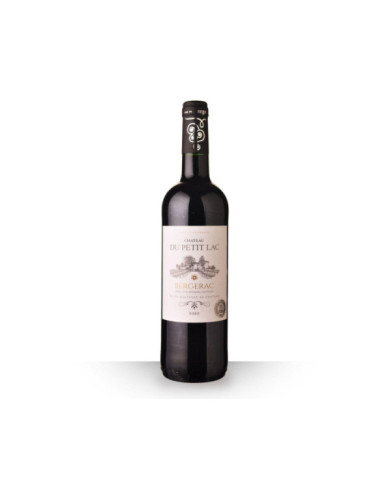
Lo Chateau du Petit Lac è un vino rosso secco ottenuto da un blend di uve Cabernet Sauvignon, Cabernet Franc e Merlot coltivate nella denominazione Bergerac. Questa denominazione produce vini rossi riconoscibili per il loro colore scuro e il gusto caratteristico. Il gusto del vino Chateau du Petit Lac ha una struttura morbida ed elegante, un tannino setoso e un finale lungo. Il suo aroma si distingue per toni pronunciati di frutti rossi del giardino e leggere note affumicate. Questo vino è consigliato per essere servito con sughi di carne e formaggi a pasta dura. Подробнее: https://winestyle.ru
€12.08
SKU:
19853
Brand:
Chateau Canteloup
"Bel granato. Tostato e spezie al naso sostenuti da frutti neri maturi. Palato concentrato e generoso con tannini levigati. Il frutto è al centro della scena nonostante l'evidente influenza del rovere. Personalità autentica del Médoc che vanta sostanza sdolcinata."
€23.17
SKU:
19852
Brand:
Chateau Rose Sainte-Croix
Paese di origine: Francia
Colore rosso intenso e profondo. Naso elegante caratterizzato da note di spezie dolci e frutti rossi maturi. Al palato offre un attacco morbido e ricco seguito da un intenso palato centrale dominato da note fruttate e tostate e sostenuto da tannini lussuosi.
€20.12
€18.18
SKU:
19850
Brand:
Zaccagnini
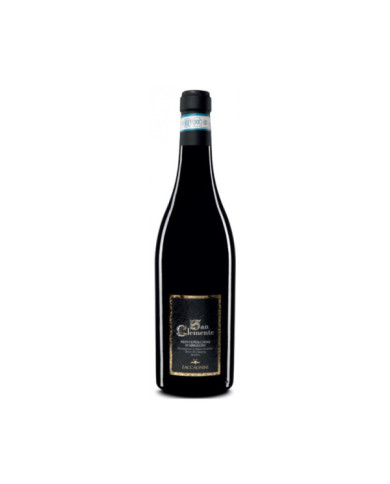
Caldo, potente e morbido con tannini robusti ma ben amalgamati. Ottima rispondezza gusto-olfattiva. Finale persistente e lungo.
€32.33
SKU:
19849
Brand:
Illuminati
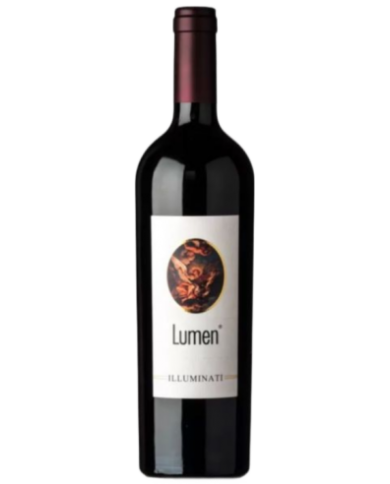
Il Controguerra Rosso Riserva DOC "Lumen" della cantina Illuminati è un vino che incapsula l'eccellenza del territorio abruzzese, una vera gemma per gli intenditori. Questo vino si distingue per il suo profilo aromatico robusto e la sua struttura elegante, risultato della sapiente vinificazione e della lunga maturazione che segue.
€60.88
SKU:
19848
Brand:
Cataldi Madonna
Cerasuolo prodotto per la prima volta nel 1997 ricorrendo alla “svacata”, un’aggiunta di vinificazione in rosso come usavano anticamente i contadini della zona. La nostra rivisitazione consiste nell’interpretare dinamicamente il taglio tra una vinificazione in bianco e una in rosso, che viene fatto a metà della loro fermentazione.
Affinamento: prima un anno in acciaio e dopo un anno in bottiglia. La natura di questo vino pretende la cooperazione di chi lo beve, può essere sentito come rosa o come rosso a seconda dei desideri del momento.
Vincente con piatti al pomodoro, la classica chitarra al ragù abruzzese, salumi e carni alla brace.
€31.72
SKU:
19847
Brand:
Valentini
uesto magnifico vino bianco è prodotto dalla tenuta Valentini, la cui famiglia di origine spagnola è presente nella provincia di Pescara dal 1600. Il vitigno utilizzato è il trebbiano d'Abruzzo in purezza. Secondo la filosofia della tenuta, la maggior parte del lavoro si concentra nella vigna, per assicurare una qualità impeccabile delle uve. La gestione agronomica è tradizionale.
Dopo una rigorosa selezione, le uve vengono diraspate. La vinificazione prevede un intervento minimo. La fermentazione in grandi botti di rovere ha inizio spontaneamente grazie ai lieviti indigeni. L’invecchiamento di 12 mesi si svolge nelle stesse botti utilizzate per la fermentazione. Il vino non è sottoposto né a chiarifica, né a filtrazione.
Il bel colore giallo paglierino dai riflessi dorati introduce un bouquet intenso ricco di note di frutti maturi, cioccolato bianco, vaniglia e minerali. Il palato è cremoso ed energico, con un ricco finale.
Servite il vino a 11-12°C dopo averlo lasciato aerare per 15-30 minuti. Il potenziale di invecchiamento è eccezionale (oltre 10 anni).
Consulta tutti gli indici per questa tenuta
SKU:
19846
Brand:
Valentini
Elegante colore rosso rubino con riflessi granato molto consistene, ricco di sostanza estrattiva. I profumi sono coinvolgenti, dal ribes maturo al tabacco, dalla confettura allo speziato, fino al cacao.
In bocca è di gran classe, con estrema morbidezza e tannino vellutato, intenso e persistente fino a chiudere con un finale lungo di cioccolato.
Destinato a durare negli anni, come la tradizione di Valentini vuole.
€479.46
SKU:
19845
Brand:
Valentini
Elegante colore rosso rubino con riflessi granato molto consistene, ricco di sostanza estrattiva. I profumi sono coinvolgenti, dal ribes maturo al tabacco, dalla confettura allo speziato, fino al cacao.
In bocca è di gran classe, con estrema morbidezza e tannino vellutato, intenso e persistente fino a chiudere con un finale lungo di cioccolato.
Destinato a durare negli anni, come la tradizione di Valentini vuole.
€390.40
SKU:
19844
Brand:
Cellier Des Dauphins
Questo vino rosso di prim'ordine si armonizza perfettamente con l'insalata di cetrioli tailandese o con i pacchi di formaggio di pecora al forno
Questo vino della Valle del Rodano è piacevolmente equilibrato
Questo vino rosso francese è ideale come elegante vino da balcone (ma anche da terrazza!)
€29.89
SKU:
19843
Brand:
Podere San Michele
Dal colore paglierino intenso tendente al dorato.
Note florearli evidenti fruttato esplosivo, con nitide sensazioni di frutta gialla, dal finale durevole e piacevolmente ammandorlato
€23.79
SKU:
19842
Brand:
Brotte
Il vino Château de Bord è un Vino rosso prodotto nella regione Vallée du Rhône in Francia, dalla Maison Brotte • Les Domaines. Questa annata 2021 proviene dalla denominazione Côtes-du-Rhône-Villages Laudun. Viene venduto su TWIL a 13,65€ per bottiglia da 75cl, a partire da un minimo di 1 bottiglia/e. La sua temperatura ideale di degustazione è di 17°.
€23.79
SKU:
19841
Brand:
Camillo Donati
Il Mio Sauvignon è forse il vino più rappresentativo di Camillo Donati, per quanto qualcuno possa storcere il naso considerando la natura alloctona del varietale. Eppure, oltre ad essere stato impiantato nel '800, Camillo sembra essere riuscito a darne una propria interpretazione perfetta, senza sbavature, coerente e appagante. Vino dalla bolla fine ed elegante, questo Sauvignon rappresenta un master piece imprescindibile se si vuole capire al meglio la mano del vignaiolo nella rifermentazione, di cui queste zone sono indubbiamente patria.
€23.79
SKU:
19840
Brand:
Bartolo Mascarello
Il Barolo 2001 di Bartolo Mascarello è un vino pregiato tra i più importanti d'Italia, un vero e proprio mito tra gli appassionati di vino. È un Barolo di stampo rigorosamente tradizionale maturato per 32 mesi in botte grande.
€635.62
SKU:
19839
Brand:
Giacomo Conterno
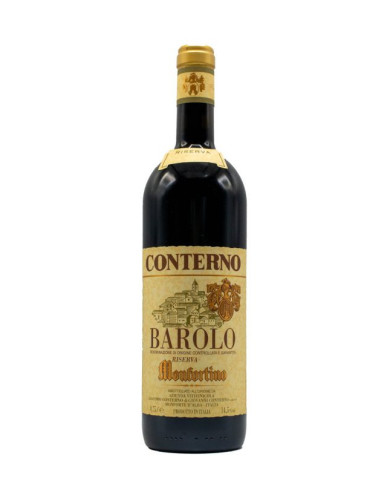
Il Barolo Riserva Monfortino 1995 è un barolo pronto per essere bevuto, ma anche in grado di rimanere ancora per molti anni nelle vostre cantine.
€1,579.90
SKU:
19838
Brand:
Poderi Aldo Conterno
Un grande classico da una grande vigna, il Barolo di Aldo Conterno proviene infatti da due diversi appezzamenti in Bussia, uno dei vigneti più importanti di Monforte d’Alba. Da qui, dopo un’attenta selezione dei grappoli, le uve vengono portate in cantina per la successiva vinificazione in acciaio dove le bucce rimangono a contatto con il mosto per quasi un mese. Dopo la svinatura ed alcuni travasi il vino viene fatto maturare per oltre due anni in botti grandi di rovere. È così che nasce un Barolo di grande riconoscibilità, austero e profondo.
€240.00
SKU:
19837
Brand:
Poderi Aldo Conterno
Il Barolo Bussia “Cicala” dei Poderi Aldo Conterno è una grande espressione di Barolo, un’interpretazione classica, antica e tradizionale. Nasce nel leggendario vigneto Cicala del cru Bussia e viene prodotto nel completo rispetto delle più antiche pratiche enologiche delle Langhe: lunga macerazione sulle bucce per ottenere una massima estrazione e lungo affinamento solo in botte grande.
€164.70
SKU:
19836
Brand:
Planeta
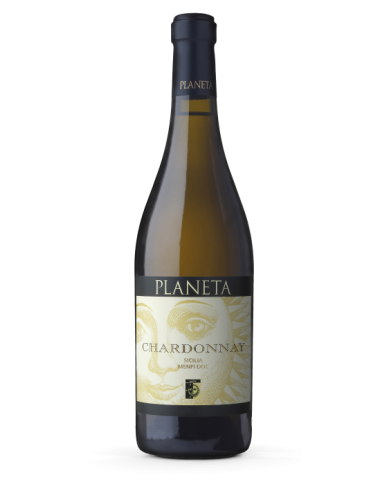
Un vino che è diventato l’immagine del cambiamento della Sicilia del vino. Nasce dal desiderio di riuscire a competere con il mondo nella produzione di questo vitigno così nobile e diffuso. Dopo una lunga strada iniziata nel 1985, piena di sorprese e di successi, oggi lo Chardonnay Planeta è un’icona per la Sicilia intera.
Le vigne di Ulmo e Maroccoli, coltivate secondo i criteri della sostenibilità e del biologico, sono uniche per posizione e per terroir. La fermentazione e l’affinamento in legni francesi, attenta e precisa, ci consegna un vino unico per grazia e potenza.
SKU:
19835
Brand:
Valentini
uesto magnifico vino bianco è prodotto dalla tenuta Valentini, la cui famiglia di origine spagnola è presente nella provincia di Pescara dal 1600. Il vitigno utilizzato è il trebbiano d'Abruzzo in purezza. Secondo la filosofia della tenuta, la maggior parte del lavoro si concentra nella vigna, per assicurare una qualità impeccabile delle uve. La gestione agronomica è tradizionale.
Dopo una rigorosa selezione, le uve vengono diraspate. La vinificazione prevede un intervento minimo. La fermentazione in grandi botti di rovere ha inizio spontaneamente grazie ai lieviti indigeni. L’invecchiamento di 12 mesi si svolge nelle stesse botti utilizzate per la fermentazione. Il vino non è sottoposto né a chiarifica, né a filtrazione.
Il bel colore giallo paglierino dai riflessi dorati introduce un bouquet intenso ricco di note di frutti maturi, cioccolato bianco, vaniglia e minerali. Il palato è cremoso ed energico, con un ricco finale.
Servite il vino a 11-12°C dopo averlo lasciato aerare per 15-30 minuti. Il potenziale di invecchiamento è eccezionale (oltre 10 anni).
Consulta tutti gli indici per questa tenuta
€264.74
SKU:
19834
Brand:
Villa Matilde
Prodotto esclusivamente nelle migliori annate con uve raccolte nell'omonimo vigneto, uno dei più vecchi e meglio esposti della tenuta collinare di San Castrese alle falde del vulcano spento di Roccamonfina. Il colore rosso cupo e profondo, il profumo intenso e persistente di frutti di bosco rossi e neri, pepe, cioccolato, caffè, liquirizia e vaniglia ed il gusto asciutto e caldo descrivono un vino complesso, elegante e potente.
€63.00
SKU:
19833
Brand:
Cantine del Notaio
“La Firma” è un Aglianico del Vulture importante e complesso,nato da uve vendemmiate tardivamente e da un affinamento di 12 mesi in barrique. Il bouquet presenta note di frutta nera e confettura, con sfumature liquirizia e carrube. Al gusto è potente e armonico, con un finale persistente e balsamico.
€73.20
€15.86
SKU:
19831
Brand:
La Font Du Caïau
Colore: Colore rosso scuro con sfumature violacee.
Temperatura di servizio: 16°-17°
Naso: Naso di frutta matura e spezie, alloro, timo in fiore.
Abbinamenti cibo-vino: Barbecue, Carni rosse
Bocca: Bocca ampia, rotonda, complessa, strutturata, elegante, ricca.
€10.98
SKU:
19830
Brand:
Reflets de France
Scopri il sidro di Bretagna IGP-Artisanal-Doux di Celliers de l'Odet, preparato con mele da sidro della Bretagna. Il nostro know-how garantisce la coerenza e la qualità dei nostri sidri. Gustatelo in accompagnamento a pancake o crostate per un'esperienza di gusto unica.
€15.86
€15.86
SKU:
19828
Brand:
La Fauconnerie
Assaggia Falconry, un sidro dolce normanno al 2% o brut al 5%, oppure il sidro dolce bretone al 2% o brut al 5%! Questa bottiglia da 75 cl ti trasporta in Normandia e Bretagna con i suoi sapori autentici. Assaggia questo sidro artigianale proveniente da queste due regioni emblematiche e lasciati affascinare dal suo gusto unico e dal suo carattere rinfrescante.
€15.86
SKU:
19827
Brand:
Ecusson
€10.98
Sidro Brut dei Vergers della Normandia. Carattere e fruttato. Servire ben freddo. Selezionato dal nostro negozio di alimentari.
€10.98
SKU:
19826
Brand:
Poderi Aldo Conterno
Al naso, piacevoli bacche rosse essiccate, fiori pressati e un po' di noce brasiliana. Di medio corpo con aromi di frutta speziata. Quest'anno i tannini sono più in secondo piano e questo conferisce al palato medio una sensazione di bocca piuttosto aperta. Finale un po' più stretto con buona frutta e spezie.
€183.00
SKU:
19825
Brand:
Elio Altare
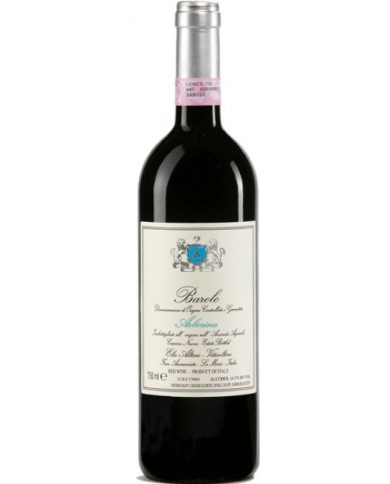
Vinificazione: macerazione sulle bucce in rotofermentatore a temperatura controllata per 4 / 5 giorni, affinamento in barrique francesi (30% nuove) per 24 mesi
Colore: rosso rubino vivo con riflessi granato
Profumo: note fruttate e floreali, petali di fiori, etereo e dolce
Sapore: elegante, femminile, tannini leggeri
SKU:
19824
Brand:
Elio Altare
macerazione con le bucce in rotofermentatori a temperatura controllata per 3 / 4 giorni, affinamento in barriques francesi (100% nuove) per 18 mesi. Colore: rosso porpora scuro. Sapore: Caldo, morbido, intenso, con tannini setosi e vellutati, una piacevole acidità, sapore che varia dalle more alle ciliegie.
€118.34
SKU:
19823
Brand:
Elio Altare
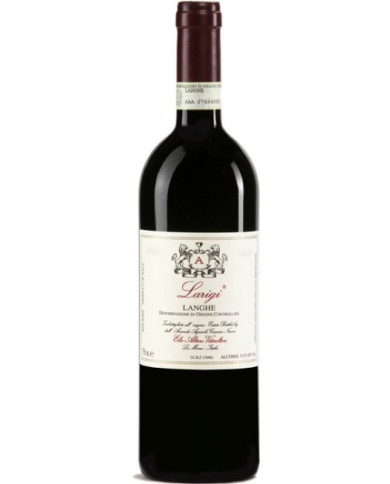
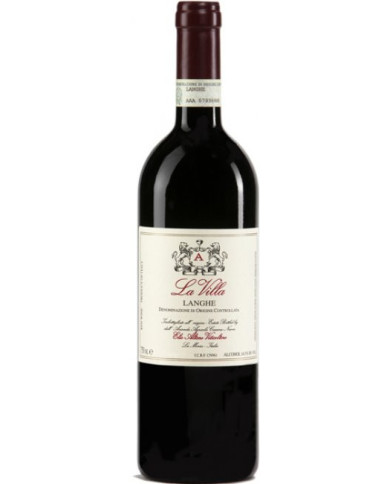
Il "La Villa" di Elio Altare è un vino rosso delle Langhe tutto realizzato nell'areale di La Morra da un blend di uve Nebbiolo e Barbera. La firma tipica e riconoscibile di Elio è data dall'affinamento di 18 mesi in barrique, che dona al vino carattere e longevità, con profumi di prugna e mora e contorni di spezie. Al palato è intenso, complesso e ben calibrato tra acidità e tannicità
€158.60
SKU:
19822
Brand:
Gaja
Note di degustazione
Di un bel color rosso rubino carico alla vista e introdurre al naso sentori importanti di piccoli frutti selvatici, e macchia mediterranea sostenuti da una deliziosa speziatura e balsamicità finale. In bocca è pieno e rotondo, di grande eleganza, con tannini evidenti ma finissimi, grande freschezza ed un ritorno degli aromi speziati. Molto persistente il finale.
Abbinamenti
Un vino importante per occasioni speciali, accompagna piatti saporiti, specie di carne, come anche formaggi a lunga stagionatura ma da il meglio con la selvaggina. Da provare con i pici al ragù di cinghiale.
€97.60
SKU:
19821
Brand:
Gaja
enuta Cà Marcanda di Castagneto Carducci. Siamo nella famosa zona della DOC Bolgheri Sassicaia della Tenuta San Guido, vino da oltre 300 euro a bottiglia che nel 2018 è stato premiato da Wine Spectator come miglior vino del mondo. Bolgheri è sinonimo di Supertuscan, cioè vini affinati in legno e provenienti da uve internazionali come il Merlot e il Cabernet Sauvignon. Torniamo però al Promis di Gaja che ha in sé un uvaggio che sposa l’internazionalità del Merlot (55%) e del Syrah (35%) con la tipicità del Sangiovese (10%). L’annata è quella del 2000 che (sempre spulciando tra i siti) risulta essere stata eccellente.
€67.10
SKU:
19820
Brand:
Caprili
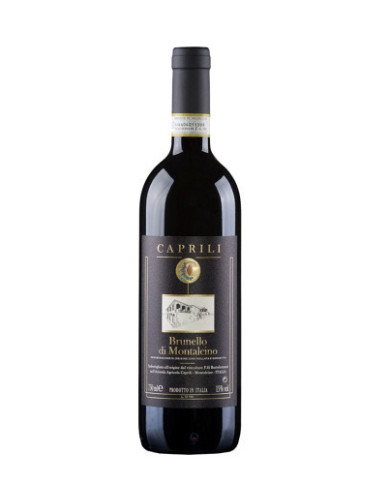
Il Brunello di Montalcino Caprili è l’espressione di un territorio costantemente in crescita dal punto di vista qualitativo. I bellissimi vigneti da cui nasce si trovano a circa trecento metri di altitudine, dove le brezze benefiche consentono di limitare al minimo gli interventi dell’uomo; naturale è anche l’intero processo di vinificazione, che privilegia l’uso dei lieviti autoctoni contenuti nelle uve, per conservare una precisa identità, che asseconda la mutevolezza dell’andamento stagionale delle annate. Elegante e longevo, ha un ampio bouquet di frutta e spezie, che si apprezzerà al meglio se degustato alcune ore dopo averlo stappato. Ogni annata è accolta con entusiasmo e premiata da guide ed esperti di settore, ed è molto amato dai consumatori più attenti ed esigenti.
€239.12
SKU:
19819
Brand:
Marchesi de’ Frescobaldi
Rosso rubino scuro. Il bouquet è potente, complesso e molto profondo. Il naso è deliziato da note intense di bacche nere, come ribes e mora. In sottofondo si percepiscono delicati aromi speziati di chiodi di garofano e di pepe nero. Sentori leggeri di liquirizia e di fragranze balsamiche arricchiscono la complessità degli aromi. In bocca è ampio e ben strutturato con tannini maturi che avvolgono il palato in una trama di velluto. Di grande persistenza.
€556.32
SKU:
19818
Brand:
San Giusto a Rentennano
Prodotto da uve Merlot 100%, provenienti da zone dei nostri vigneti particolarmente adatte alle caratteristiche del vitigno, raccolte a mano a perfetta maturazione in epoca tardiva rispetto alle consuetudini locali. La fermentazione avviene in vasche di acciaio inox per circa 18 giorni ai quali segue la svinatura e la pigiatura. La fermentazione malolattica avviene spontaneamente come per tutti i nostri vini. Dopo una prima sfecciatura, il vino viene posto in barriques di rovere francese per 20-22 mesi. Una volta imbottigliato, affina ulteriori mesi in vetro.
€218.38
SKU:
19817
Brand:
Avignonesi
Sull’etichetta vicino al nostro toro Desiderio, figura anche un piccolo canguro, per ricordare la nostra enologa Ashleigh Seymour. Dopo aver fatto parte del nostro team per tanti anni, ha deciso di tornare in Australia, il suo paese natale, per intraprendere nuove avventure.
€172.02
SKU:
19816
Brand:
Avignonesi
Sull’etichetta vicino al nostro toro Desiderio, figura anche un piccolo canguro, per ricordare la nostra enologa Ashleigh Seymour. Dopo aver fatto parte del nostro team per tanti anni, ha deciso di tornare in Australia, il suo paese natale, per intraprendere nuove avventure.
€157.38
SKU:
19815
Brand:
Riecine
La Gioia nasce nel 1982 come vino da tavola, poi dal 1996 con la riforma del disciplinare passa alla menzione IGT.
€58.56
SKU:
19814
Brand:
Ercolani Marco e Marco
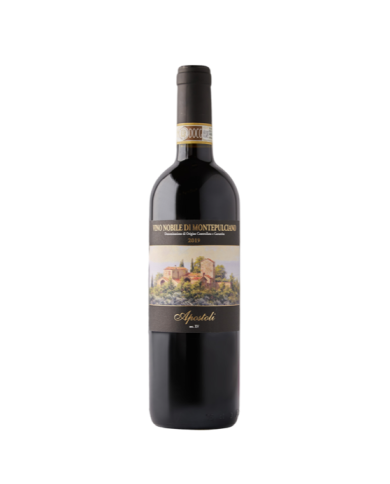
APOSTOLI: è il nome di un vecchio monastero del 1400 che sovrasta e dà il nome a una delle vigne più antiche di Montepulciano, che fu piantata in epoca ” Nobiliare” ed è stata mantenuta e ringiovanita con l’opera dell’ innesto.
€54.90
SKU:
19813
100% Sangiovese. Forti note di erbe aromatiche, selce e liquirizia complicano aromi e sapori di ciliegia rossa e bacche. Molto lungo, fresco e pulito, con tannini seri ma raffinati, questo classico Brunello dovrebbe invecchiare e svilupparsi bene.
€48.80
SKU:
19812
Brand:
San Giusto a Rentennano
Prodotto da uve rigorosamente selezionate di Sangiovese (97%) e Canaiolo (3%). La fermentazione e macerazione viene condotta in vasche di cemento e acciaio per circa 18/20 giorni. In seguito il vino viene maturato in botti e fusti di rovere francese, per un tempo che varia, secondo le caratteristiche del vino, da i 16 e i 20 mesi. Dopo l'imbottigliamento, segue l'affinamento in vetro per circa 6 mesi. E' un vino da invecchiamento che ben esprime le potenzialità dei terreni di San Giusto a Rentennano.
€43.92
SKU:
19811
Brand:
Antinori
Il Cabernet Sauvignon, il Cabernet Franc, il Merlot, la Syrah e il Petit Verdot si esprimono su alti livelli qualitativi, potenza ed eleganza. Alle piacevoli note fruttate si uniscono sfumature di macchia mediterranea, tocchi balsamici, cenni minerali e iodati tipici del terroir bolgherese.
€229.36
SKU:
19810
Brand:
Podere San Luigi
Un vino dal colore rubino intenso, con aromi floreali, frutta rossa e note speziate. In bocca ha un buon corpo, armonioso e corposo. Buona freschezza e sapidità ed una persistenza invidiabile.
€57.34
SKU:
19809
Brand:
Livernano
L'eccellente vino monosepazhnoe "Puro Sangue" è fatto da uve Sangiovese. Il Sangiovese è l'orgoglio d'Italia ed è il cuore non solo del "Puro Sangue", ma di famosi vini italiani come il Chianti, il Brunello di Montalcino e molte altre categorie di vino DOCG. Il vino Sangiovese riempie il "Puro Sangue" di deliziosi aromi di frutta e bacche, gli conferisce una consistenza vellutata, un perfetto equilibrio e una capacità di conservazione a lungo termine per 10 anni. La fermentazione delle uve avviene in botti da 225 litri o in vasche di legno. La velocità di otturazione viene eseguita in due fasi: 18 mesi in botti di rovere da 350 litri e almeno 6 mesi in bottiglia.
More: https://eng.winestyle.ru
€70.76
€59.78
SKU:
19807
Brand:
Cennatoio Emiliano Alessi
in bocca l’aroma frutto è molto evidente anche sensazione gustativa, caratterizzata da un’acidità non molto intensa e dal finale corposo e pulito con note di tabacco
€59.78
SKU:
19806
Brand:
Paolo Scavino
Questa cuvée è stata vinificata per la prima volta nel 1978 da Enrico Scavino e suo padre, che desideravano sfruttare appieno il potenziale della parcella da cui provengono le uve di nebbiolo di questo vino. Nei vini prodotti da nebbiolo, le peculiarità del vitigno emergono dopo qualche anno di invecchiamento. Densi e con tannini affinati, vibranti, strutturati e complessi, questi vini sono equilibrati da un’acidità caratteristica. Al palato affascinano per le note balsamiche e di frutti rossi. Sono quindi ottimi vini gastronomici, da lasciare riposare per qualche anno per una degustazione ottimale.
€163.97
SKU:
19805
Brand:
Giacomo Conterno
Calice rosso granato, di grandiosa luminosità. Il naso si esprime su un bouquet elegante di fiori rosa e bianchi, di liquirizia e tabacco, con dolci rimandi di frutti di bosco. Bocca armonica, delicata, rivela uno spessore incredibile e persistenza infinita. Finezza, rigore e precisione.
€400.16
€47.58
SKU:
19803
Brand:
Antonio Caggiano
Caratteristiche Organolettiche
Colore rosso rubino intenso.
Odore fruttato, complesso, con note di liquirizia e vaniglia su un fondo elegante di piccoli frutti di bosco.
€73.20
SKU:
19802
Brand:
Antinori
Rosso rubino intenso con riflessi violacei. Al naso è maturo, con note di frutta scura e sottofondo fresco nel finale; predomina la polpa di prugna insieme a sentori di ciliegia, andando con progressione ed equilibrio verso note di liquirizia e menta. Al gusto ha prontezza e disponibilità, è ricco e armonioso. Ottimo al palato, grazie all’acidità e alla strutturata morbidezza dei tannini. Il retrogusto è ricco, sapido e caratterizzato da una dolce persistenza.
€254.98
SKU:
19801
Brand:
Fattoria le Pupille
Rosso rubino. Al naso sentori primari di ciliegia e lampone; seguono profumi secondari e terziari di alloro, ginepro, cuoio e tabacco. Al palato il vino è elegante e di grande equilibrio, con tannini dolci e vellutati.
€109.80
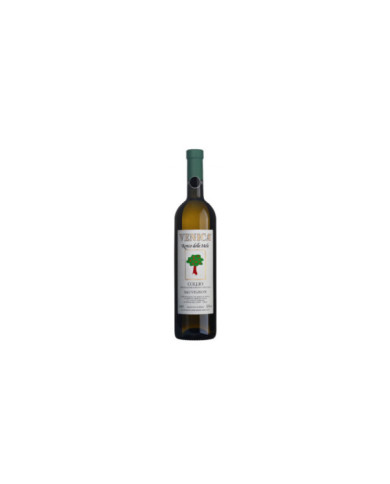
SKU:
19800
Brand:
Venica
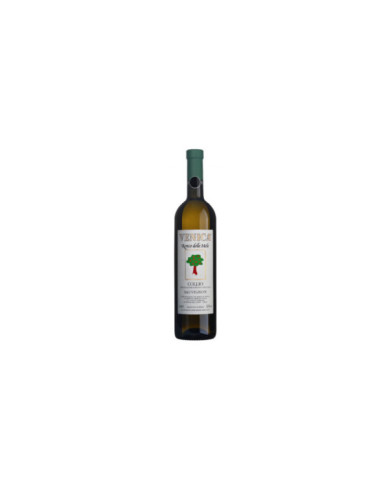
Il vino Sauvignon Ronco delle Mele di Venica alla degustazione si presenta con il colore giallo paglierino intenso, con riflessi verdolini al calice. Il naso è tipicamente varietale, caratterizzato da sentori vegetali di peperone verde, bosso e foglia di pomodoro, in seconda battuta arricchiti da sfumature agrumate di pompelmo e da toni minerali di pietra focaia. Il palato è sorretto da una potente spalla acida e guidato da una sapidità eccezionale. Infinita la lunghezza.
SKU:
19799
Brand:
Venica
Il vino Sauvignon Ronco delle Mele di Venica alla degustazione si presenta con il colore giallo paglierino intenso, con riflessi verdolini al calice. Il naso è tipicamente varietale, caratterizzato da sentori vegetali di peperone verde, bosso e foglia di pomodoro, in seconda battuta arricchiti da sfumature agrumate di pompelmo e da toni minerali di pietra focaia. Il palato è sorretto da una potente spalla acida e guidato da una sapidità eccezionale. Infinita la lunghezza.
SKU:
19798
Brand:
Venica
Il vino Sauvignon Ronco delle Mele di Venica alla degustazione si presenta con il colore giallo paglierino intenso, con riflessi verdolini al calice. Il naso è tipicamente varietale, caratterizzato da sentori vegetali di peperone verde, bosso e foglia di pomodoro, in seconda battuta arricchiti da sfumature agrumate di pompelmo e da toni minerali di pietra focaia. Il palato è sorretto da una potente spalla acida e guidato da una sapidità eccezionale. Infinita la lunghezza.
SKU:
19797
Brand:
Venica
Il vino Sauvignon Ronco delle Mele di Venica alla degustazione si presenta con il colore giallo paglierino intenso, con riflessi verdolini al calice. Il naso è tipicamente varietale, caratterizzato da sentori vegetali di peperone verde, bosso e foglia di pomodoro, in seconda battuta arricchiti da sfumature agrumate di pompelmo e da toni minerali di pietra focaia. Il palato è sorretto da una potente spalla acida e guidato da una sapidità eccezionale. Infinita la lunghezza.
€42.90
SKU:
19796
Brand:
Antinori
In onore ai Monaldeschi della Cervara Il nome celebra i Monaldeschi della Cervara, storica famiglia proprietaria nel XVI secolo del Castello della Sala. La Barrique Il Cervaro della Sala è stato uno dei primi bianchi italiani a svolgere fermentazione malolattica ed affinamento in barrique.
€137.86
SKU:
19795
Brand:
Villa Medoro
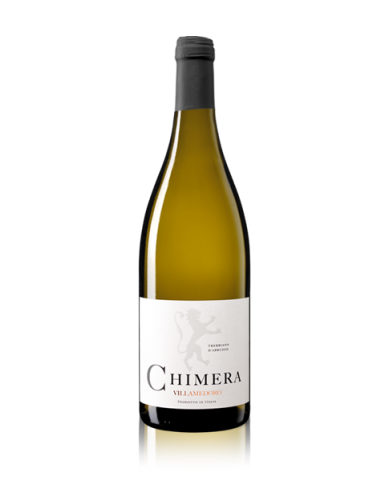
Con il pregiato Chimera Bianco Colli Aprutini IGT del 2016, sorprenderai positivamente i tuoi ospiti. L'enologo della cantina italiana Villa Medoro ha assolutamente padroneggiato il suo mestiere. Eleganza e finezza sono le caratteristiche di questo vino bianco, che ha origine nel paesaggio soleggiato e fiorito dell'Abruzzo.
€19.03
SKU:
19793
Brand:
San Michele Appiano
È nel 1989 che nasce il vino bianco più famoso della nostra cantina. Da più di 30 anni il Sauvignon Sanct Valentin beneficia di singole e selezionate parcelle poste sui pendii ai piedi della Mendola, per generare un vino di altissimo profilo. Dal frutto seducente, con eccellente mineralità e persistenza, questo vino è il più importante della linea Sanct Valentin ed uno dei vini bianchi più premiati d’Italia
€39.89
SKU:
19792
Brand:
Donnafugata
Chiarandà del Merlo 1999 è un vino di personalità ed eleganza, che riesce ad unire potenza e soavità. Profumi di frutta gialla matura, sovrana la mela gialla, e poi note di pesca e vaniglia dolce fuse al burro di arachidi. Al gusto mostra rotondità e sfericità avvolgenti. Vino dall’importante struttura che risulta perfettamente bilanciata da acidità e sapidità.
SKU:
19791
Brand:
Falkenstein
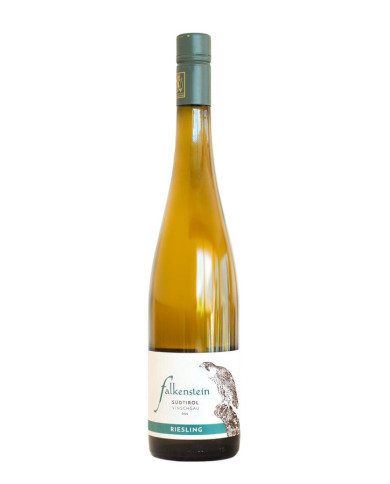
Vino bianco ampio e intenso, con note di fiori e una vena di miele, si presenta al palato ampio e dinamico, con sentori agrumati accompagnati da un finale sapido. Ottimo da bere con piatti di pesce. 13% vol.
€19.52
SKU:
19790
Brand:
Feudi di San Gregorio
Giallo paglierino deciso, al naso esprime tutta la tipicità varietale grazie ad un profilo olfattivo che spazia dai fiori freschi di camomilla alla frutta appena colta ed al cedro candito. In bocca ecco fare capolino tutta l’eleganza del Fiano di Avellino grazie ad una morbidezza perfettamente bilanciata da una freschezza ed una mineralità vive. Un assaggio meraviglioso, che chiude con un finale di rara persistenza.
Il Fiano di Avellino DOCG Pietracalda è un vino bianco profondo e sfaccettato, slanciato ed elegante, esempio perfetto di un vino e di un territorio unici in un’annata, particolarmente fortunata per la produzione di eccellenti vini bianchi.
€19.52
SKU:
19789
Brand:
Antinori
Rosso rubino intenso con riflessi violacei. Al naso è maturo, con note di frutta scura e sottofondo fresco nel finale; predomina la polpa di prugna insieme a sentori di ciliegia, andando con progressione ed equilibrio verso note di liquirizia e menta. Al gusto ha prontezza e disponibilità, è ricco e armonioso. Ottimo al palato, grazie all’acidità e alla strutturata morbidezza dei tannini. Il retrogusto è ricco, sapido e caratterizzato da una dolce persistenza.
SKU:
19788
Brand:
Agraria PAM
Brunello di Montalcino, il primo vino italiano ad ottenere la Denominazione di Origine Controllata e Garantita, viene prodotto in provincia di Siena, esclusivamente entro i confini del territorio comunale di Montalcino, con le uve del solo vitigno Sangiovese, denominato localmente "Brunello". A Montalcino si è sempre coltivata la vite, come nel vicino Chianti. Nel 1888 nasce il primo Brunello. E´ un prodotto di grande qualità, con caratteristiche di vino da lungo invecchiamento.
€59.78
SKU:
19787
Brand:
Tenta Il Poggione
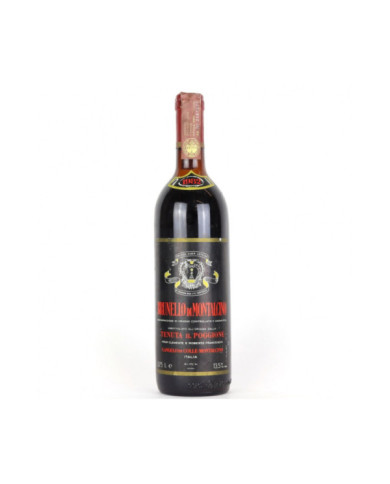
Il Brunello è il principe dei vini di Montalcino.
È prodotto esclusivamente con uve Sangiovese raccolte a mano e provenienti dai vigneti più vecchi dell'azienda.
Dopo un'accurata fermentazione a temperatura controllata, il Brunello di Montalcino della Tenuta Il Poggione matura in botti di rovere francese.
Successivamente il vino trascorre un periodo di affinamento in bottiglia, indispensabile per garantire quella piacevolezza e quella complessità che hanno reso il Brunello di Montalcino famoso in tutto il mondo.
€192.76
SKU:
19786
Brand:
Tenta Il Poggione
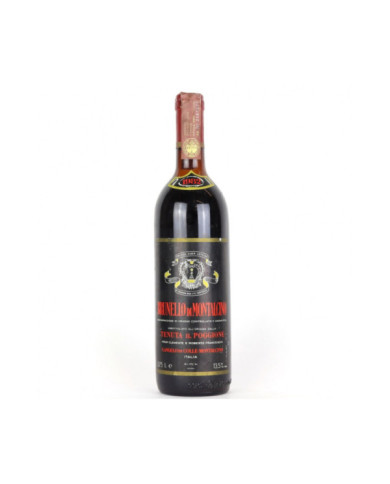
Il Brunello è il principe dei vini di Montalcino.
È prodotto esclusivamente con uve Sangiovese raccolte a mano e provenienti dai vigneti più vecchi dell'azienda.
Dopo un'accurata fermentazione a temperatura controllata, il Brunello di Montalcino della Tenuta Il Poggione matura in botti di rovere francese.
Successivamente il vino trascorre un periodo di affinamento in bottiglia, indispensabile per garantire quella piacevolezza e quella complessità che hanno reso il Brunello di Montalcino famoso in tutto il mondo.
SKU:
19785
Brand:
Montevertine
Calice color rosso rubino profondo. L'olfatto regala sensazioni eleganti ed intense di frutta a bacca rossa, amarena, ciliegia e lampone, e di violetta, con rimandi di spezie delicate.
SKU:
19784
Brand:
Gaja
Questo vino bianco nasce dall’utilizzo in purezza di un grande vitigno internazionale, il Sauvignon.
€120.00
SKU:
19783
Brand:
Paolo Scavino
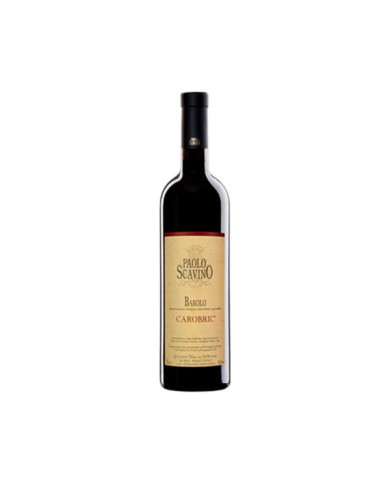
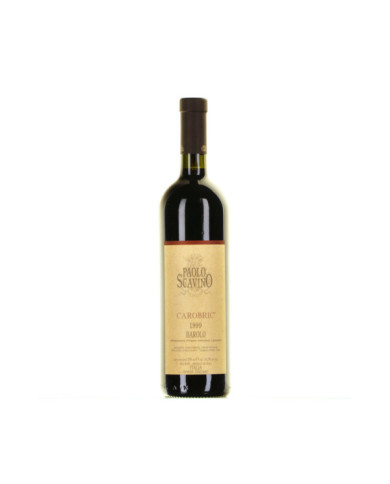
Il Barolo Carobric è un vino che nasce nel 1996 come combinazione di uve provenienti da tre diversi cru della zona di coltivazione del Barolo. Grazie ad un attento lavoro in vigna è un vino di assoluta eleganza e complessità, preciso e intenso.
€119.56
SKU:
19782
Brand:
Paolo Scavino
Il Barolo Carobric è un vino che nasce nel 1996 come combinazione di uve provenienti da tre diversi cru della zona di coltivazione del Barolo. Grazie ad un attento lavoro in vigna è un vino di assoluta eleganza e complessità, preciso e intenso.
€162.00
SKU:
19781
Brand:
Paolo Scavino
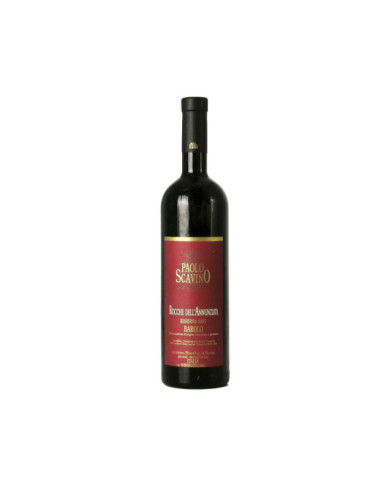
Storica cantina di Castiglione Falletto, l’azienda vitivinicola “Paolo Scavino” è stata fondata nel 1921, da Lorenzo Scavino e dal figlio Paolo.
€229.99
SKU:
19780
Brand:
Elio Altare
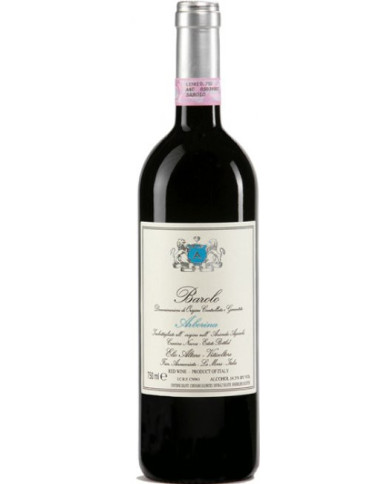
Denominazione: Barolo docg
Vitigno: Nebbiolo
Zona di produzione: La Morra
SKU:
19779
Brand:
Venica
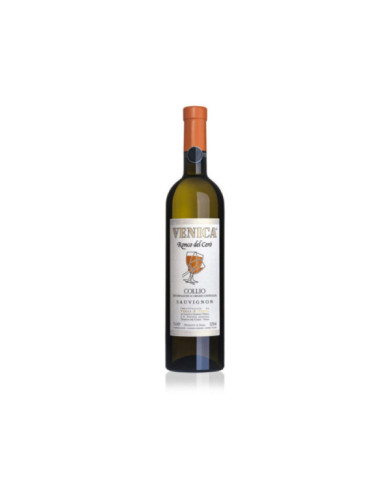
Il Sauvignon Ronco del Cerò di Venica è un vino importante per l'azienda perchè evoca le origini: è dai primi acquisti di vigneti sulla collina di Cerò che tutto ebbe inizio nel 1930.
€25.62
SKU:
19778
Brand:
San Michele Appiano
Giallo paglierino con chiari riflessi dorati, al naso esprime un bellissimo ed intenso bouquet di profumi di rosa, frutti esotici, spezie orientali. Al palato è potente, complesso, caratterizzato da un leggero residuo zuccherino, piacevole sensazione prima di un finale di rara persistenza.
€39.89
SKU:
19777
Brand:
San Michele Appiano
Giallo paglierino con chiari riflessi dorati, al naso esprime un bellissimo ed intenso bouquet di profumi di rosa, frutti esotici, spezie orientali. Al palato è potente, complesso, caratterizzato da un leggero residuo zuccherino, piacevole sensazione prima di un finale di rara persistenza.
€39.89
SKU:
19776
Brand:
San Michele Appiano
Giallo paglierino con chiari riflessi dorati, al naso esprime un bellissimo ed intenso bouquet di profumi di rosa, frutti esotici, spezie orientali. Al palato è potente, complesso, caratterizzato da un leggero residuo zuccherino, piacevole sensazione prima di un finale di rara persistenza.
€39.89
SKU:
19775
Brand:
La Cappucina
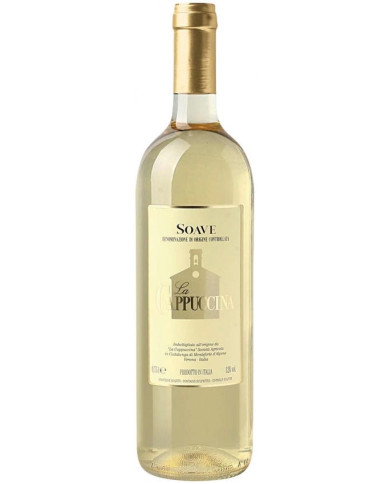
È il vino storico prodotto dall’azienda che riscuote ampi consensi sul mercato internazionale. Profumo delicato di fiori, sapore asciutto e ammandorlato nel finale, tipico dell’uva Garganega. Grazie alla sua versatilità, è piacevole come vino da tutto pasto.
€12.08
SKU:
19774
Brand:
Castello dei Rampolla
Un blend di Cabernet e Petit Verdot per un Supertuscan che ha fatto storia.
la 2001 é stata una vendemmia eccezionale in Toscana premettendo la produzione di vini dal lunghissimo potenziale di invecchiamento.
Affinato in barriques da 225 lt per 18 mesi circa questo vino é corposo e complesso con note di frutta matura e tabacco.
Ora é al suo massimo splendore!
SKU:
19773
Brand:
Antinori
Di color rosso rubino intenso. Al naso è molto fragrante e si avverte subito il grande equilibrio fra le note speziate e quelle fruttate. Al palato i tannini sono soffici e mette in mostra una grande armonia. Il retrogusto, molto lungo, richiama le note già avvertite al naso.
€390.00
SKU:
19772
Brand:
Tenuta San Guido
COLORE: Rosso rubino. PROFUMO: Persistente con sentori floreali. SAPORE: Ottima rotondità, gentilezza e soavità, con uno spessore organolettico privo di spigolature. Ottima struttura con grande equilibrio e persistenza
€81.00
SKU:
19771
Brand:
Moretti Omero
Vibrant ruby red. Small red fruits on the nose, including the typical hint of blackberries. Balsamic hints. Elegant and powerful. Persistent finish with returns of berries and spices. Fermentation 15 days. Maceration 20 days on the skins. Contact with fine lees for 6 months. Batonnage.
€29.89
SKU:
19770
Brand:
Moretti Omero
Central core of succulent wild berries, violet flowers. Full-bodied wine with a fine tannic texture. Fruity finish with light spiciness.
€14.78
€51.24
SKU:
19767
Brand:
Cantina Valpolicella Negrar
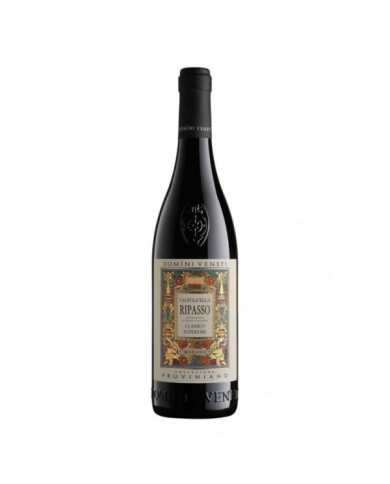
Valpolicella Ripasso DOC Classico Superiore Collezione Pruviniano 2019 - Cantina Valpolicella Negrar
€16.65
€16.65
€20.50
€13.79
SKU:
19762
Brand:
Collefrisio
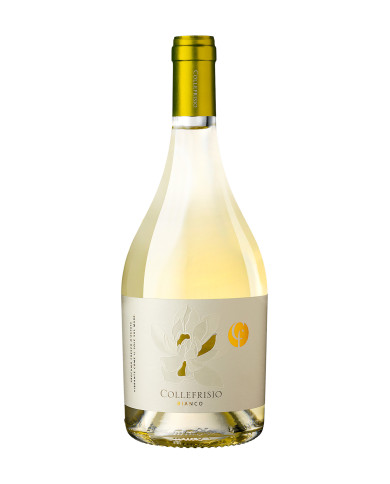
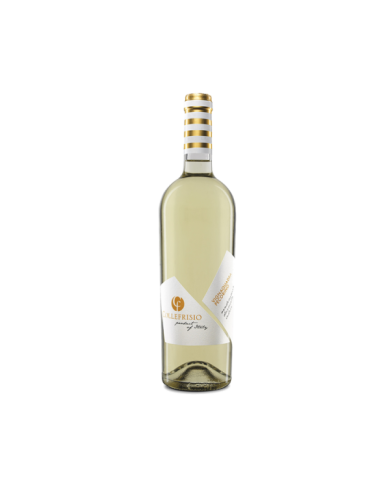
GRAPES : 100% Pecorino HARVEST : end of September VINIFICATION : Maceration at low temperature after destemming of the grapes and temperature controlled alcoholic fermentation in steel tanks. TASTING : To be accompanied with Pasta, Vegetarian, Appetizers and snacks, Lean fish, Salami.
€12.03
€16.60
€11.27
€8.74
€18.98
€14.16
€5.93
SKU:
19748
Brand:
Casalbordino
Aging in medium-capacity oak barrels, 25 Hl, for about 18 months and refinement in the bottle for three months before placing on the market. Store in a cool place at a temperature of about 5-7°C.
€8.15
SKU:
19747
Brand:
Casalbordino
The harvest takes place in the second week of October, when the phenolic maturity is reached with manual harvesting. VITIFICATION: destemming of the grapes, contact of the skins with the must for 7-10 days in a steel vat at a T° from 18 to 28 °C, separation of the skins and transfer of the must-wine into a steel tank for the completion of the fermentation malolactic. REFINING - STORAGE: maturation in steel tanks for 5-6 months and brief refinement in the bottle before being released for consumption.
€6.03
SKU:
19742
Brand:
Cantina Sangro
Medium intense straw colour. The nose shows hints of citrus, floral and white pulp fruit. A full-bodied and structured wine, with good acidity that refreshes the palate. It goes well with seafood dishes but also with white meats, medium-aged cheeses, cured meats and first courses.
€41.68
SKU:
19738
Brand:
Produttori del Gavi
INTENSE RED COLOR WITH GARNET REFLECTIONS. THE NOSE IS FRUITY AND ELEGANT, WITH AROMAS OF RIPE PLUM AND MARASCA MARASCA AND HINTS OF VIOLET. YOUNG ON THE PALATE, RICH IN PULP, EXCELLENT ACID FRESHNESS. EXCELLENT WITH TASTY FIRST COURSES, RED MEAT AND GAME.
€5.37
SKU:
19737
Brand:
Produttori del Gavi
INTENSE RED WINE WITH PURPLE REFLECTIONS, CHARACTERIZED BY A DELICATE BUT INTENSE AROMA, WITH NOTES OF RIPE RED FRUIT. THE FLAVOR IS DRY, WITH A BITTER-ALMOND AFTERTASTE. FULL-BODY, PERSISTENT, WITH ELEGANT STRUCTURE. SUITABLE FOR TASTY FIRST AND SECOND DISHES BASED ON MEAT, MUSHROOMS AND TRUFFLES.
€6.03
SKU:
19736
Brand:
Produttori del Gavi
SOFT STRAW YELLOW COLOR WITH GREEN REFLECTIONS. THE NOSE EMERGES NOTES OF PEACH, BANANA AND PEAR. FINE AND PERSISTENT WITH EXCELLENT ACID SHOULDER. FRESH, STRUCTURED AND SOFT ON THE PALATE. RECOMMENDED WITH APPETIZERS, SOUPS AND LIGHT FIRST COURSES, FISH-BASED SECONDS, WHITE MEAT AND FRESH AND AGED CHEESES.
€8.21
SKU:
19734
Brand:
Produttori del Gavi
VERY INTENSE STRAW YELLOW COLOUR. NOSE MARKED BY HINTS OF FLINTSTONE, VANILLA WITH TOASTED AND DELICATELY SPICY HINTS. IN THE MOUTH IT IS ELEGANT, SOFT AND LONG PERSISTENT WITH A GOOD SHOULDER. APPETIZERS AND LIGHT FIRST COURSES, WHITE MEAT AND FISH SECONDS, FRESH AND AGED CHEESES.
€7.93
SKU:
19725
Brand:
San Giusto a Rentennano
Produced from 100% Merlot grapes, coming from areas of our vineyards particularly suited to the characteristics of the vine, hand-picked when perfectly ripe in a late period compared to local customs. Fermentation takes place in stainless steel tanks for about 18 days, followed by racking and pressing. The malolactic fermentation occurs spontaneously as for all our wines. After a first racking, the wine is placed in French oak barriques for 20-22 months. Once bottled, it ages a further 6 months in glass.
€185.00
SKU:
19724
Brand:
San Giusto a Rentennano
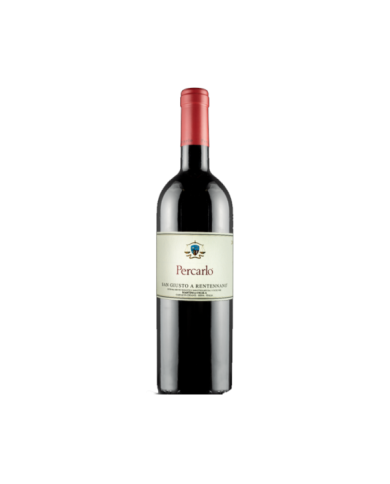
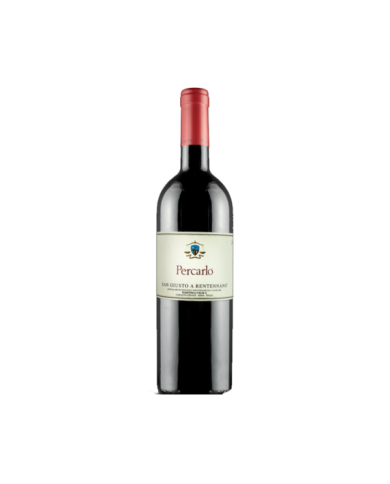
Percarlo is a robust and structured Tuscan red wine made from Sangiovese grapes, aged in barrique for 22 months. It has a broad and very intense aromatic profile, with notes of very ripe red fruit, spices and Mediterranean scrub in evidence. The sip is powerful, elegant and deep, with a very long persistence
€254.90
SKU:
19723
Brand:
San Giusto a Rentennano
Percarlo is a robust and structured Tuscan red wine made from Sangiovese grapes, aged in barrique for 22 months. It has a broad and very intense aromatic profile, with notes of very ripe red fruit, spices and Mediterranean scrub in evidence. The sip is powerful, elegant and deep, with a very long persistence
€116.90
SKU:
19722
Brand:
San Giusto a Rentennano
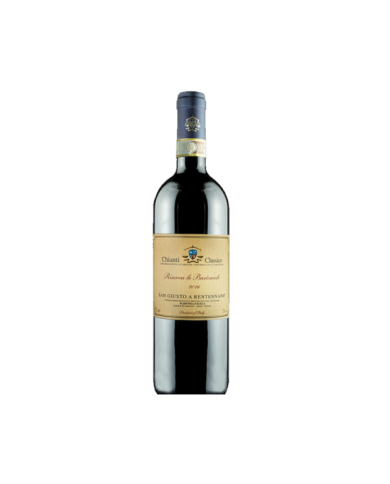
The Chianti Classico Riserva "Le Baroncole" expresses the richness and beauty of the Tuscan land. Refines for 16-20 months in oak barrels and casks and is enriched with vanilla nuances, in addition to the already present fruity and spicy aromas typical of the type. The taste is balanced, complex and deep, supported by a nice tannic texture and a pleasant savory tip
€35.90
SKU:
19721
Brand:
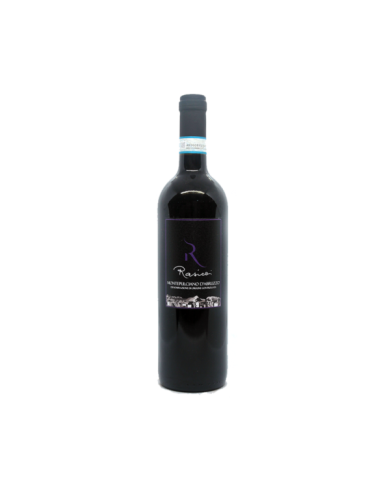
Rasicci
Clear, with an impenetrable ruby color, it still has purplish violet notes, a sign of great youth, very concentrated, with a rich glycerine expression. Intense nose of ripe red fruits, especially undergrowth, which reaches humus and closes on the typically Abruzzo licorice root. Firm and austere softness on an important and still vibrant tannic framework. The freshness of the acids and the flavor? mineral give balance to a warm and soft body. Long persistent intense finish with the return of all the fruity sensations perceived on the nose. Wine already? in harmonic expression with the capacity? to mature for a long time.
€12.69
SKU:
19720
Brand:
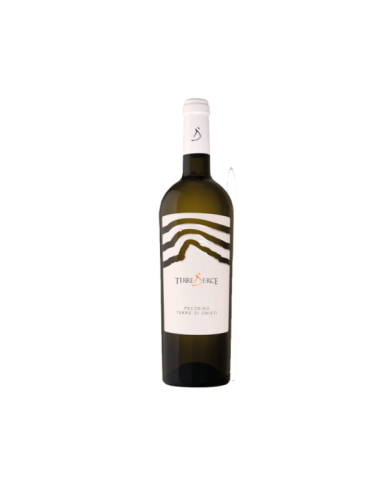
Terre d'Erce
Color : intense straw yellow. Bouquet : fresh fruity notes. Taste : almond notes with a finish of acidulous and savory and pleasantly fruity veins. PAIRING · Fresh aperitifs, sushi, appetizers and fish-based meals, white meats and first courses with rich dressing.
€13.00
€11.70
SKU:
19719
Brand:
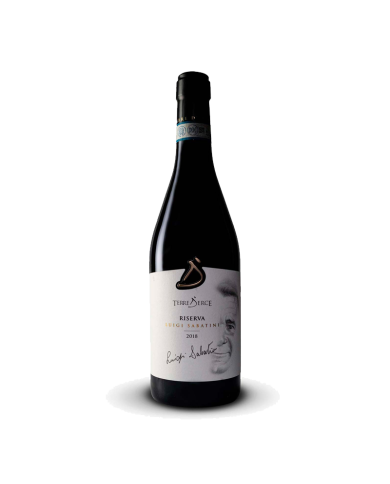
Terre d'Erce
· Color : red, with violet reflections and garnet notes. Bouquet: hints of cherry and red fruits that bind to a balanced vanilla bouquet of the wood. Taste : notes of cherries, red fruits, licorice and spices. Full-bodied and persistent, with an important tannic profile. PAIRING · Important dinners with roasted red meats, game and aged cheeses.
€13.40
SKU:
19718
Brand:
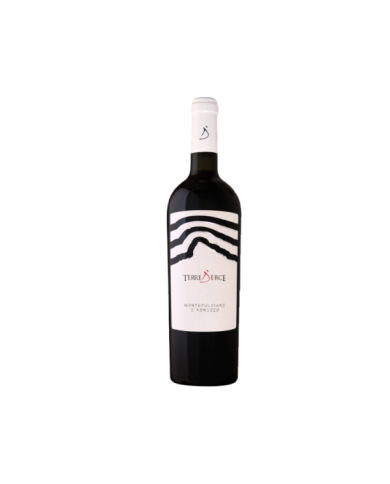
Terre d'Erce
Montepulciano DOC100% with vineyards on the hills, with clayey soils that tend to be calcareous. The breeding is pergola Abruzzo with thirty-year vines, 1600 vines per hectare with a yield of 100 q.
€30.74
SKU:
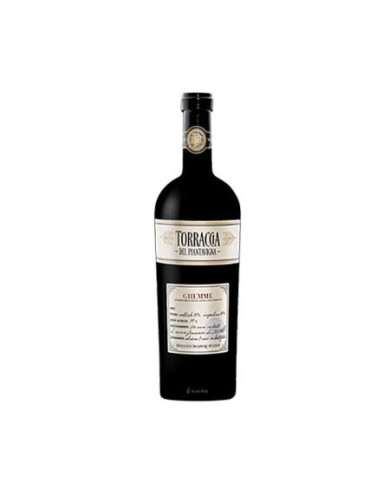
19717
Brand:
Torraccia Del Piantavigna
With an enveloping scent and balanced, it is a wine with a bouquet harmonious where each olfactory component does not prevail over the other.
SKU:
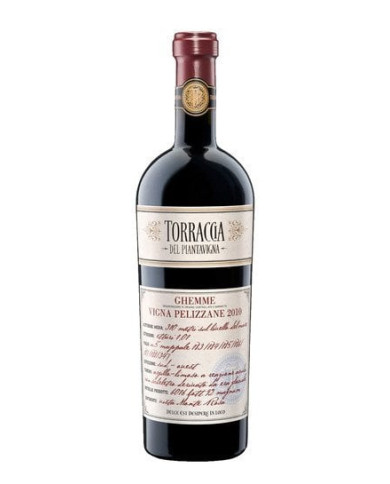
19716
Brand:
Torraccia Del Piantavigna
The "Vigna Pelizzane" is a Ghemme of great structure and good complexity, aged for at least 4 years in large barrels. The aromas are intense and mineral and the taste is soft and vibrant, dry and fresh, with vigorous tannins and a long persistence on the finish
€72.80
SKU:
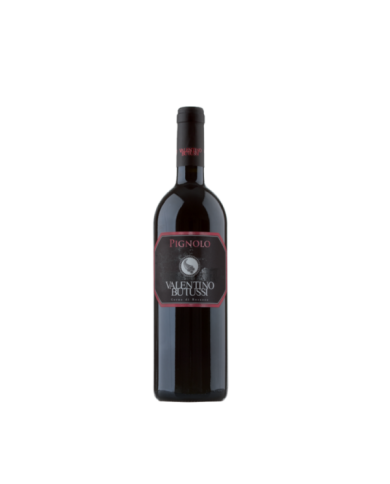
19715
Brand:
Valentino Butussi
PIGNOLO BUTUSSI FRIULI VENEZIA GIULIA Grape variety: pure Pignolo Winy, tannic taste, reminiscent of raspberry. It is a wine to be discovered. Wine for meat dishes of Friulian cuisine, especially it prefers the ciàr in padiele (beef stew). Serving temperature: 16 – 18° C
€82.00
SKU:
19714
Brand:
Valentino Butussi
PIGNOLO BUTUSSI FRIULI VENEZIA GIULIA Grape variety: pure Pignolo Winy, tannic taste, reminiscent of raspberry. It is a wine to be discovered. Wine for meat dishes of Friulian cuisine, especially it prefers the ciàr in padiele (beef stew). Serving temperature: 16 – 18° C
€82.00
SKU:
19710
Brand:
Tenuta Trium
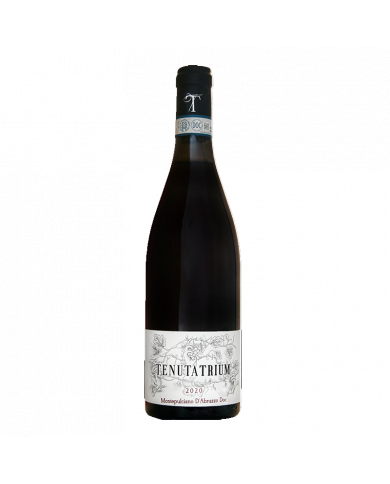
The freshly picked grapes are de-stemmed and crushed. The fermentation of the must follows with its own skins for a period ranging from 8 to 15 days. Finally the skins are separated with soft pressing in wooden presses.
€26.00
SKU:
19709
Brand:
Argiolas
AROMATIC AND LAMINATED GRAPES
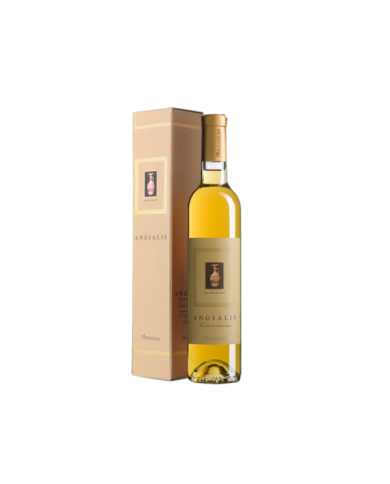
Angialis Isola dei Nuraghi Igt by Argiolas is a wine with an intense straw yellow color. On the nose they result in very intense primary aromas, markedly Mediterranean. Terpenic characters typical of Nasco.
€42.25
SKU:
19708
Brand:
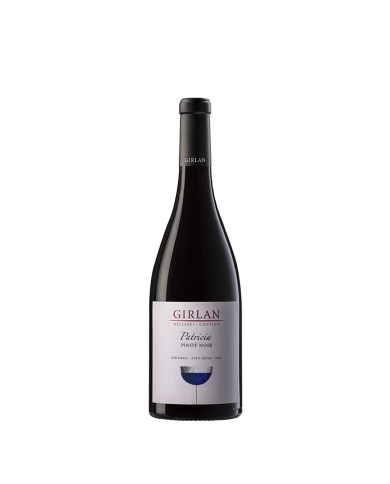
Girlan
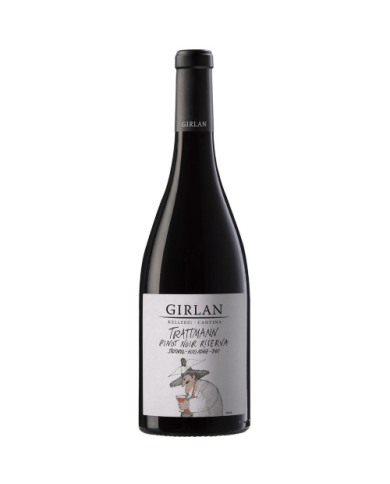
Color rosso rubino con lievi sfumature granate, profumi intensi e complessi con sentori di frutta matura, ciliegia e marasca. Gusto morbido delicato, vinoso e tannini fruttati, di buona struttura e persistenza. Ottimo vino da pasto, particolarmente adatto agli arrosti, cacciagione ed ai formaggi piccanti.
€169.03
SKU:
19707
Brand:
Girlan
Color rosso rubino con lievi sfumature granate, profumi intensi e complessi con sentori di frutta matura, ciliegia e marasca. Gusto morbido delicato, vinoso e tannini fruttati, di buona struttura e persistenza. Ottimo vino da pasto, particolarmente adatto agli arrosti, cacciagione ed ai formaggi piccanti.
SKU:
19706
Brand:
Girlan
Color rosso rubino con lievi sfumature granate, profumi intensi e complessi con sentori di frutta matura, ciliegia e marasca. Gusto morbido delicato, vinoso e tannini fruttati, di buona struttura e persistenza. Ottimo vino da pasto, particolarmente adatto agli arrosti, cacciagione ed ai formaggi piccanti.
€18.71
SKU:
19705
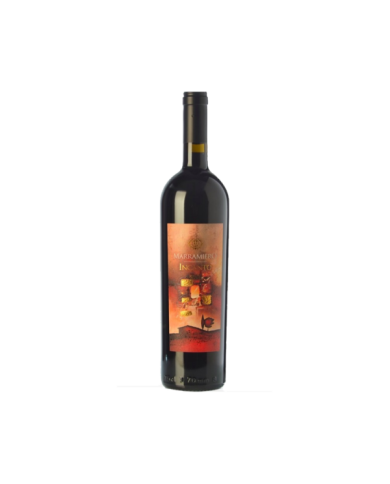
Brand:
Marramiero
At tasting it has an intense and deep ruby red color with purple hues. Perfectly ripe and highly concentrated aromas. A mellow and harmonious fruitiness that offers hints of plum, date and fig. All fused with fine spicy notes. Pulpy and persuasive taste. It goes well with first courses with a good structure, roasts, stewed red meat, cold cuts and cheeses, including aged cheeses.
€14.71
SKU:
19704
Brand:
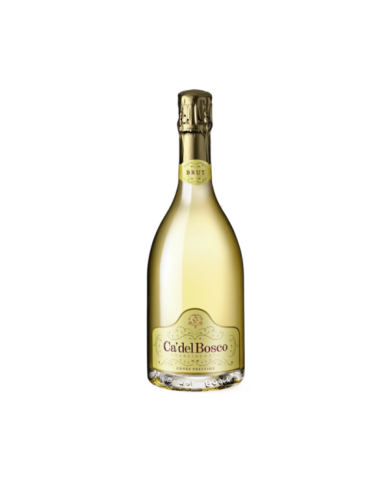
Cà del Bosco
CUVÉE PRESTIGE Identity. A virtue that is found in the etymology of an ancient word: idem, or to be the same. Cuvée Prestige, the essence of Franciacorta, in the Ca 'del Bosco style. A jewel born in 2007 from thirty years of experience. Only the best Chardonnay (75%), Pinot Nero (15%) and Pinot Bianco (10%) grapes from 134 vineyards, vinified separately and wisely blended with reserves of the most beautiful vintages (at least 20%) enter the magical rite of Cuvée Creation . It will take 28 months of aging on the lees before this wine is ready to express all its richness and identity. A classic Franciacorta, balanced, pleasantly fresh and crunchy. Perfect for any occasion.
€34.90
SKU:
19703
Brand:
Pasetti
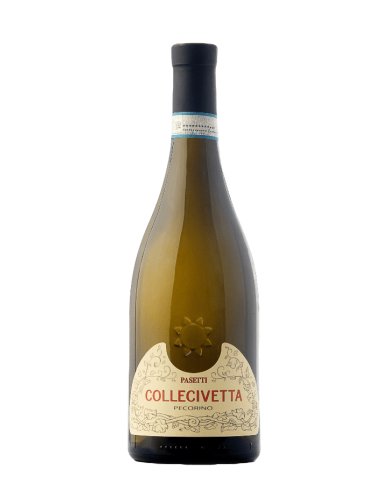
A “must” from the Pasetti company. Authentic mirror of the strong Abruzzo tradition, which is expressed here in the excellence of one of its native vines. This young pecorino in purity today represents a third of the company's production.
€11.79
SKU:
19702
Brand:
Tenuta Rocca
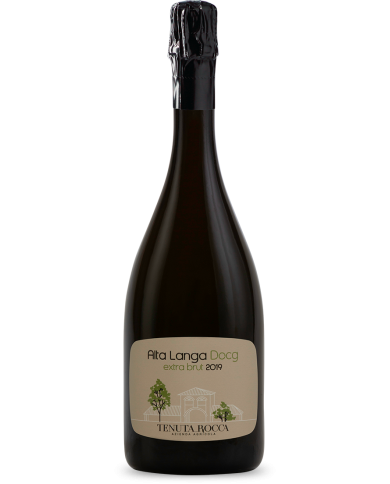
Deep straw yellow colour. The aromas, on the nose, unfold on a carpet composed of dried fruit and lightly toasted bread, wild flowers. In the mouth the entrance is full and rich
€55.51
SKU:
19701
Brand:
Tenuta Rocca
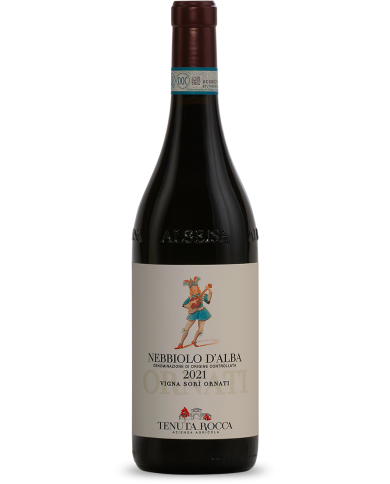
On the nose the wine is ethereal and floral with the sweet notes of violet typical of the vine; red fruit, plum and spices in the background. The mouth is pleasantly fresh and balanced and the soft and enveloping tannins make it an elegant but not too austere drinkable wine.
€22.05
SKU:
19700
Brand:
Tenuta Rocca
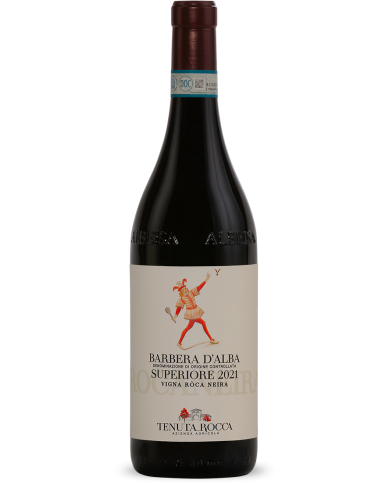
Intense purplish ruby red color with violet reflections. Intense nose of red fruits (raspberry and black cherry) and fine spices. In the mouth the marked but sweet acidity makes it round and full; in closing notes of toasted hazelnut.
€23.23
SKU:
19698
Brand:
Torre Raone
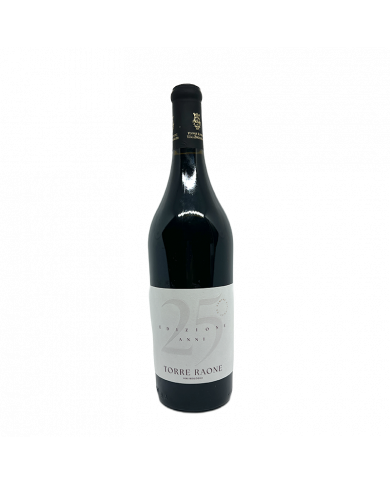
Dress the glass in a beautiful ruby red. The nose first reveals memories of black cherries, plums and black currant, then completed by spicy, herbaceous and medicinal herbs nuances. Warm and soft the sip, rightly tannic and slightly savory, characterized by a finish that recalls licorice and black pepper.
To combine with meat dishes, it is excellent with roast lamb chops.
SKU:
19697
Brand:
Torre Raone
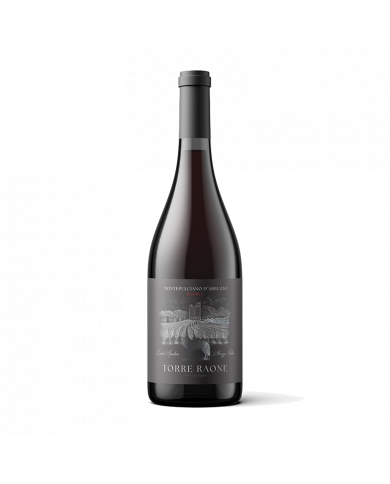
Montepulciano d'Abruzzo Riserva di Torre Raone is a rich and fruity red wine of medium body, vinified only in steel. It gives off aromas of wild berries, red fruit, flowers and black cherries and on the palate it is soft, warm, enveloping and fruity, with pleasant and smooth tannins.
€18.45
SKU:
19694
Brand:
Torre Raone
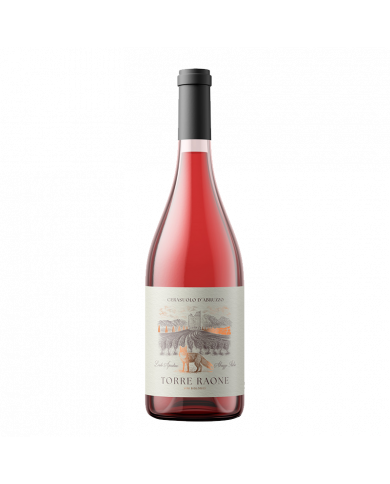
Cerasuolo d'Abruzzo is a delicate and seductive rosé wine, born from a short cryomaceration and vinification in steel at low temperatures. It communicates with grace and immediacy in floral nuances, red roses, strawberries and cherries. The sip is fresh, soft, fruity, harmonious and balanced.
€13.49
€16.01
SKU:
19690
Brand:
Domini Veneti
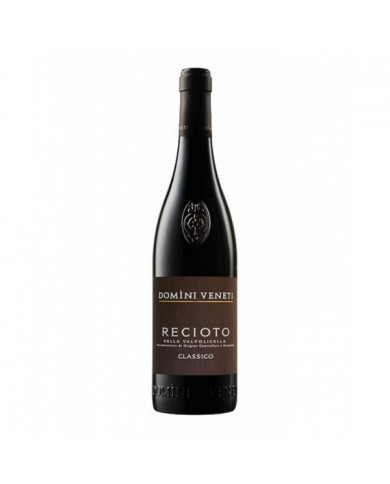
Recioto della Valpolicella Docg Classico is the symbol of the Valpolicella Classica viticulture based on the particular process of natural drying of the ripest grapes. It is considered the origin of Amarone, and its history is ancient, it can even be traced back to the time of the ancient Romans.
€21.80
€42.91
€37.04