Italiano
 Deutsch








There are no more items in your cart
SKU:
16819
Brand:
Quadra Franciacorta
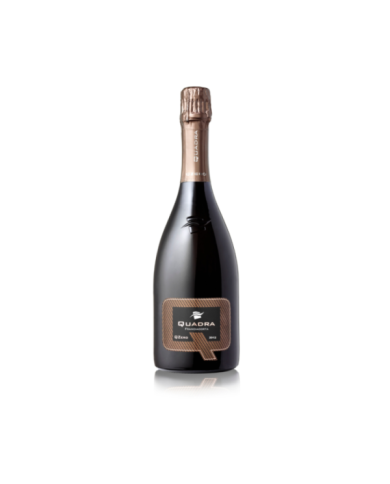
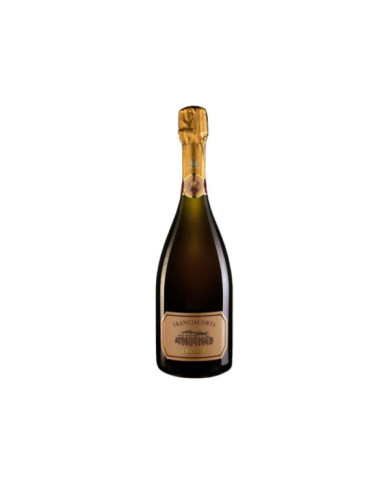
Of more recent conception is the Franciacorta QZERO, the zero dosage of Quadra, obtained from a cuvée of Chardonnay Pinot bianco and Pinot nero. A wine that combines power, complexity, elegance in an imperious taste. A modern and innovative interpretation of the vintage classics of Franciacorta.
€34.16
SKU:
16818
Brand:
Quadra Franciacorta
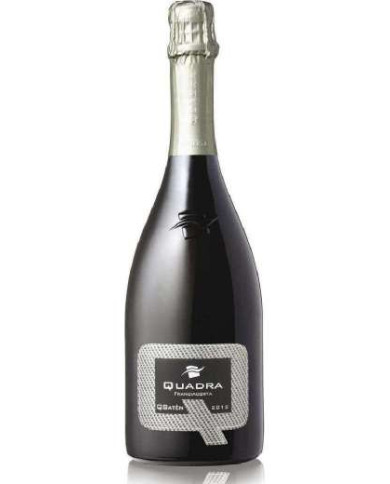
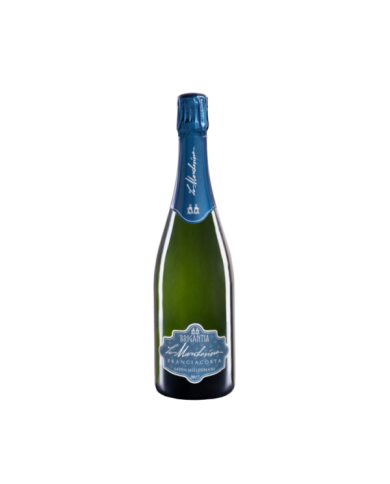
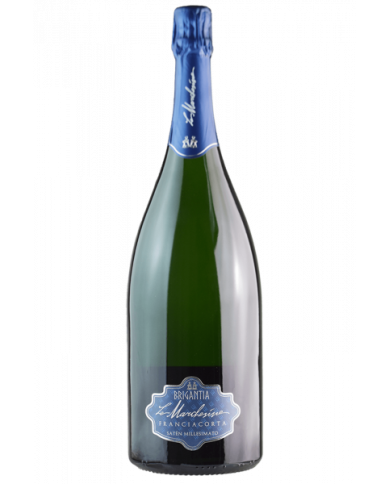
QSATEN, essence and prerogative of Franciacorta, is characterized by the exclusive presence of white berried grapes and by the lower pressure (4.5 atmospheres instead of 6) compared to the other Franciacortas. The varietal composition, a cuvée of Chardonnay, partially fermented in wood and Pinot Blanc and the more modulated pressure determine the unmistakable "creamy" taste of Satèn.
€31.20
SKU:
16817
Brand:
Quadra Franciacorta
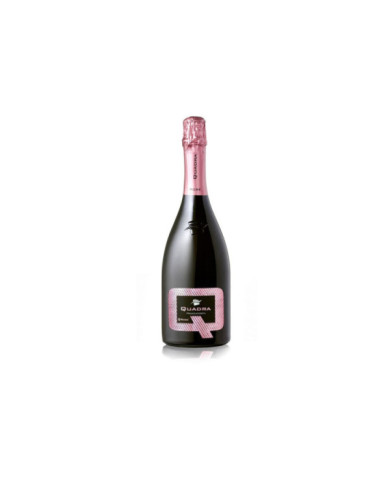
QROSÈ BRUT is the evolution of a cuvée based on Pinot noir and Chardonnay fermented in stainless steel and barrique. After tirage, the wine ages for over 42 months before disgorgement. The Pinot noir, grown on the morainic slopes, brings backbone and thickness as well as the characteristic scent of small red fruits, while the Chardonnay gives it fullness and roundness.
€31.20
SKU:
16816
Brand:
Quadra Franciacorta
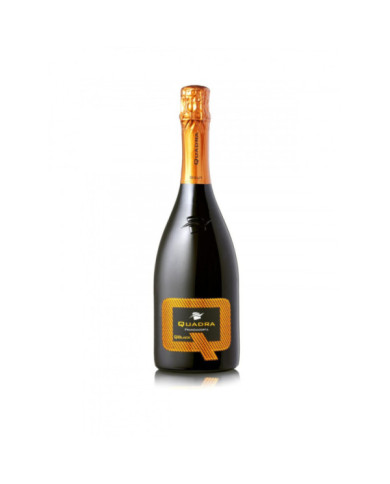
The perfect statement of the Quadra philosophy. A harmonious encounter between the three main grapes of Franciacorta: Chardonnay, Pinot Bianco and Pinot Nero, coming from all the estate vineyards
€26.01
SKU:
16814
Brand:
Valentino Butussi
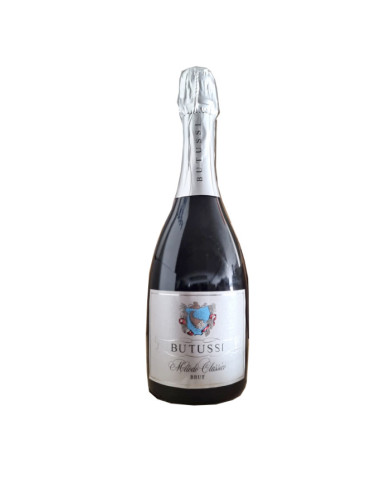
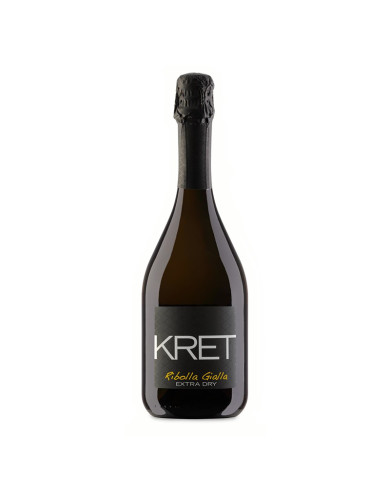
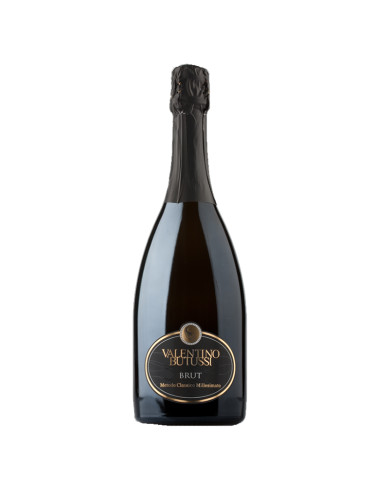
Intense straw yellow, bright with golden reflections. Slightly persistent perlage. Lively nose with fruity notes of ripe pears and apples and candied oranges. Light and enveloping on the palate, final citrus notes that linger.
€25.00
SKU:
16801
Brand:
Cembra Cantina di Montagna
With a deep straw yellow colour, it has a fine and refined bouquet with notes of ripe fruit and bread crust. On the palate, the taste is full and persistent. Excellent with fish appetizers, shellfish and carpaccio
€92.23
SKU:
16800
Brand:
Cembra Cantina di Montagna
With a deep straw yellow colour, it has a fine and refined bouquet with notes of ripe fruit and bread crust. On the palate, the taste is full and persistent. Excellent with fish appetizers, shellfish and carpaccio
€27.94
SKU:
16799
Brand:
Valentino Butussi
Straw yellow color with greenish reflections, dry, vinous and fresh, harmonious in structure and with a characteristic and marked floral bouquet. Accompanies cold appetizers, fries, perfect on sea truffles, molluscs. Great fish wine.
€12.50
SKU:
16729
Brand:
Peter Zemmer
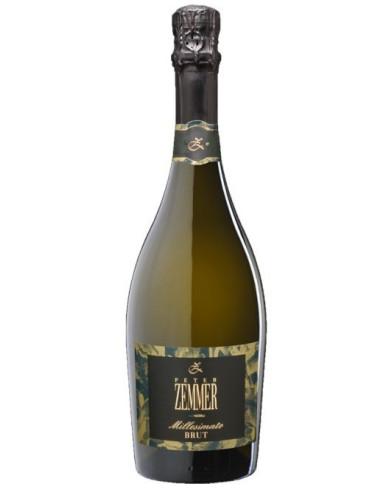
The grapes for this particular sparkling wine ripen at an altitude of 450 m slm The favorable position of the vineyards in the Pochi area, the optimal irradiation and the good ventilation of the bunches give these grapes an excellent balance between acids and sugars. Vinification takes place with crushing, destemming, cooling of the must and fermentation in steel tanks at a controlled temperature. The second fermentation takes place in an autoclave. The wine then remains on the lees for a period of 6 to 9 months at a temperature of 14 °C. Subsequently the sparkling wine is separated from the lees and cooled, then bottled and kept in the cellar for 3 months before being sold.
€12.08
SKU:
16608
Brand:
Broglia
€30.38
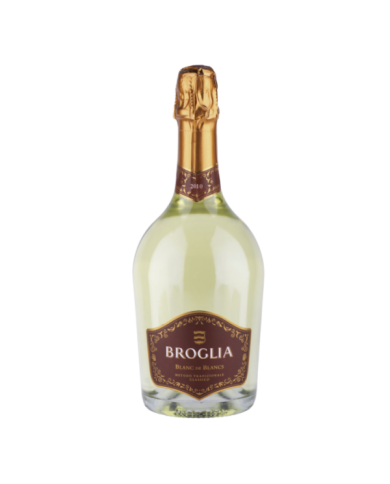
This classic traditional method sparkling wine is in the tradition of the Gavi area. Cortese grapes have always been the basis for the best "blanc de blancs" of Piedmont. We bottled this wine that comes from grapes from our own vineyards after an early harvest.
€30.38
SKU:
16607
Brand:
Broglia
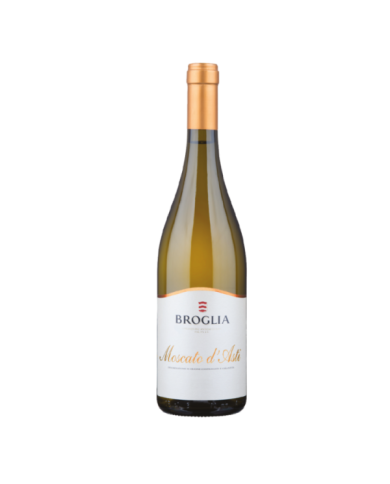
This wine is obtained from the vinification of Moscato grapes, grown in the Moscato production area. Vineyards located in hilly areas that guarantee good temperature ranges favoring the creation of fresh and fruity aromas. The richness in sugar and the low alcohol content mean that this Moscato maintains an intense aromatic fragrance.
€16.47
SKU:
16606
Brand:
Broglia
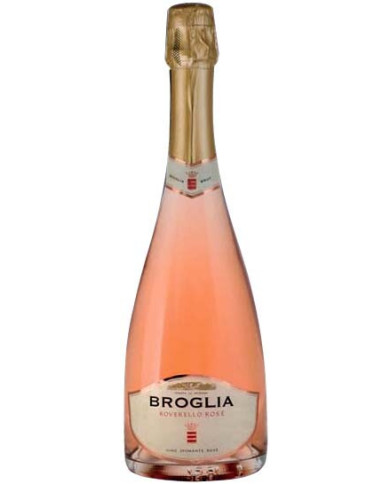
This sparkling wine is obtained from the vinification of Barbera and Dolcetto grapes with the "salasso" technique, i.e. through a very soft pressing of the bunches which give the wine a "rosé" colour. Fermentation takes place with the Martinotti method in an autoclave. It is a Spumante Brut particularly suitable with all Mediterranean cuisine and white meats.
€13.91
SKU:
16605
Brand:
Broglia
The name Roverello recalls the young oaks of the woods that surround the Meirana vineyards. This Spumante Brut is obtained from our own grapes which are harvested earlier than the others to characterize the youth and freshness that distinguishes it. We have been producing this sparkling wine for over 30 years as required by our denomination of 1974. It is a wine specially prepared for the taste of the modern consumer who likes a young, inviting, high quality sparkling wine. It comes with a gentle petillant, obtained with a refermentation in an autoclave which enhances its aromas, harmony and freshness. In the glass it shows a crystalline clarity, a straw yellow color with greenish reflections, a fruity, characteristic bouquet. The taste is pleasant, clean, harmonious. It goes perfectly with appetizers or cold second courses; also referred to as an aperitif.
€27.33
SKU:
16604
Brand:
Broglia
The name Roverello recalls the young oaks of the woods that surround the Meirana vineyards. This Spumante Brut is obtained from our own grapes which are harvested earlier than the others to characterize the youth and freshness that distinguishes it. We have been producing this sparkling wine for over 30 years as required by our denomination of 1974. It is a wine specially prepared for the taste of the modern consumer who likes a young, inviting, high quality sparkling wine. It comes with a gentle petillant, obtained with a refermentation in an autoclave which enhances its aromas, harmony and freshness. In the glass it shows a crystalline clarity, a straw yellow color with greenish reflections, a fruity, characteristic bouquet. The taste is pleasant, clean, harmonious. It goes perfectly with appetizers or cold second courses; also referred to as an aperitif.
€13.54
SKU:
16594
Brand:
Broglia
Spumante Broglia Brut is a fresh, subtle and elegant Classic Method obtained from Cortese di Gavi grapes with aging on the lees in the bottle for 18 months. It smells of white fruit, many citrus fruits and aromatic herbs. The sip is taut, fresh, sapid and balanced
€29.77
SKU:
16533
Brand:
Valentino Butussi
Intense straw yellow, bright with golden reflections. Slightly persistent perlage. Lively nose with fruity notes of ripe pears and apples and candied oranges. Light and enveloping on the palate, final citrus notes that linger.
SKU:
16532
Brand:
Valentino Butussi
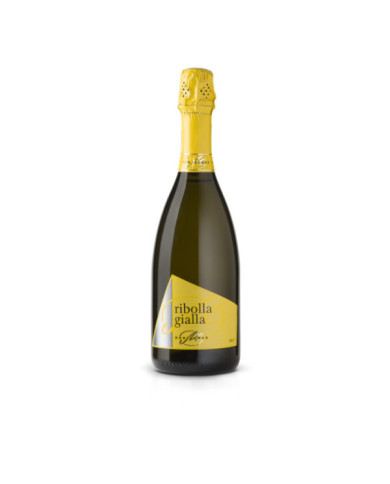
In addition to the great classics of the Friuli area, always declined with skill and refinement, the Valentino Butussi farm also delights in the production of a bubble, creating a Spumante Brut made according to the Martinotti method. Punctual in presenting subtle and light aromas, which open to a well-defined and refreshing sip, this "Ribolla Gialla" is confirmed as an excellent companion for more informal aperitifs.
€15.50
SKU:
16515
Brand:
Masseria L'Astore
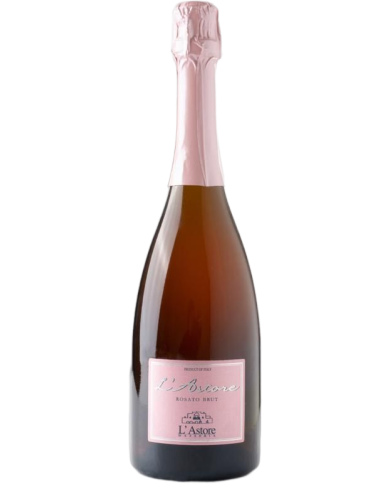
Born from clean and sustainable agriculture, respecting a landscape designed by culture and tradition, since 2010 the wines of L'Astore are certified "produced from organic grapes". Symbol of the Salento area in its rosé vocation and in the old Alberelli di Negroamaro and Primitivo; the production enhances the ancient native vines such as Negroamaro, Malvasia Nera, Malvasia Bianca Antica, Susumaniello and Primitivo.
€12.65
€7.93
SKU:
16493
Brand:
Valter Bera
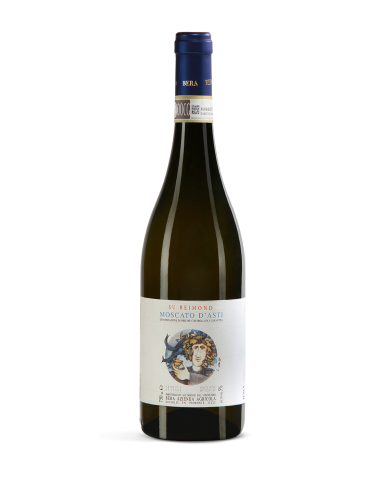
This wine is a Moscato, complex and structured, produced with grapes from suitable vineyards. The intense and fragrant aromas that smell of wisteria and peach, sage and lemon, last a long time and enhance the sweet, fresh and delicate flavour, stimulating for the fine perlage. Meditation wine, it goes well with all types of sweets.
€13.18
SKU:
16492
Brand:
Valter Bera
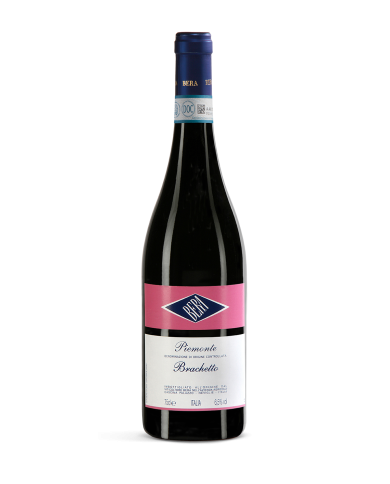
A unique wine, with a bright cherry pink colour, aromatic, typical for the scents of fresh flowers and roses, for a light musky sensation and intense hints of red fruit. Sweet, lively, fresh, pleasantly acidulous, it explodes on the aftertaste with the same fruity notes perceived on the nose which suggest the combination with berries, desserts and strawberry parfait, jam tarts and sweets in general.
€11.59
SKU:
16477
Brand:
Valter Bera
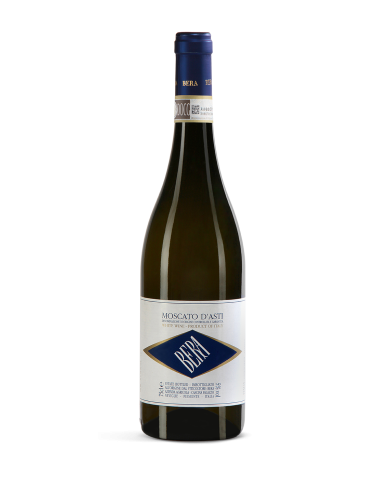
The grapes for this aromatic wine, of a delicate straw yellow color and with a complex, elegant and musky bouquet, ripen in vineyards well exposed to the sun, from south to south-west and bring sweetness, sapidity and a very long aromatic persistence into the glass which recalls the flavors and the aromas of ripe grapes.
It goes ideally with desserts and in particular with creams, fruit tarts and small pastries.
€11.35
SKU:
16476
Brand:
Valter Bera
The grapes for this aromatic wine, of a delicate straw yellow color and with a complex, elegant and musky bouquet, ripen in vineyards well exposed to the sun, from south to south-west and bring sweetness, sapidity and a very long aromatic persistence into the glass which recalls the flavors and the aromas of ripe grapes.
It goes ideally with desserts and in particular with creams, fruit tarts and small pastries.
€28.30
SKU:
16475
Brand:
Valter Bera
€11.59
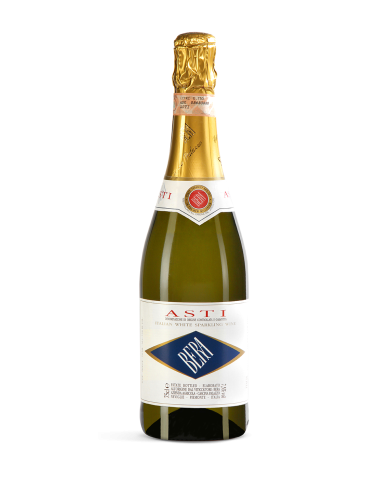
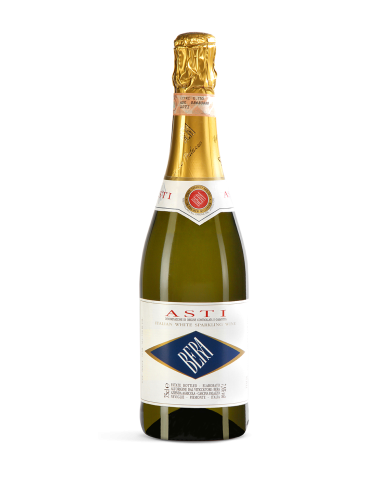
The grapes to produce this Asti sparkling wine with finely aromatic characteristics are obtained from vineyards planted with Moscato bianco, on soil rich in limestone. The continuous "perlage", the persistent foam, prelude to the broad and intense bouquet reminiscent of orange blossom and sage. The sweet and inviting taste is attenuated by a stimulating acidity. Ideal with dessert, party wine, as an aperitif and for any other occasion to remember.
€11.59
SKU:
16474
Brand:
Valter Bera
The grapes to produce this Asti sparkling wine with finely aromatic characteristics are obtained from vineyards planted with Moscato bianco, on soil rich in limestone. The continuous "perlage", the persistent foam, prelude to the broad and intense bouquet reminiscent of orange blossom and sage. The sweet and inviting taste is attenuated by a stimulating acidity. Ideal with dessert, party wine, as an aperitif and for any other occasion to remember.
€28.30
SKU:
16473
Brand:
Valter Bera
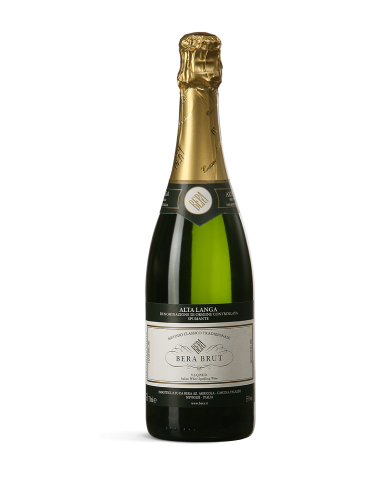
The elegance of a great classic method that remains 4 years on the lees, enhances the Pinot Noir and Chardonnay grapes grown on the Langa hills. The long stay on the lees leaves notes of bread crust in a complex, broad and persistent bouquet. Pleasantly dry, long, savory, it brightens the glass with a very fine and persistent perlage. Wine for aperitifs and throughout the meal.
€23.61
SKU:
16467
Brand:
Maso Martis
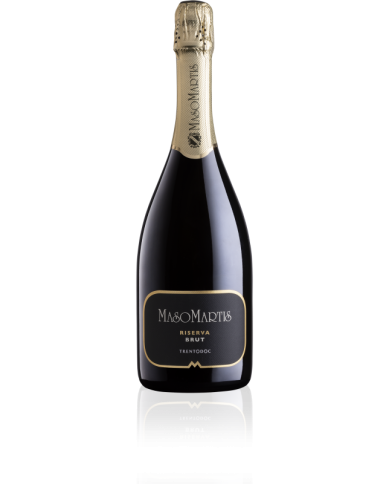
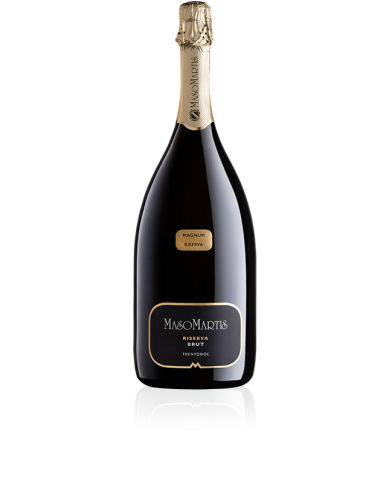
An oenological masterpiece from carefully selected grapes, aged on the lees for at least four years in order to enhance its body, aromas and preciousness.
€41.48
SKU:
16466
Brand:
Maso Martis
An oenological masterpiece from carefully selected grapes, aged on the lees for at least four years in order to enhance its body, aromas and preciousness.
€89.55
SKU:
16465
Brand:
Maso Martis
An oenological masterpiece from carefully selected grapes, aged on the lees for at least four years in order to enhance its body, aromas and preciousness.
€90.89
SKU:
16464
Brand:
Maso Martis
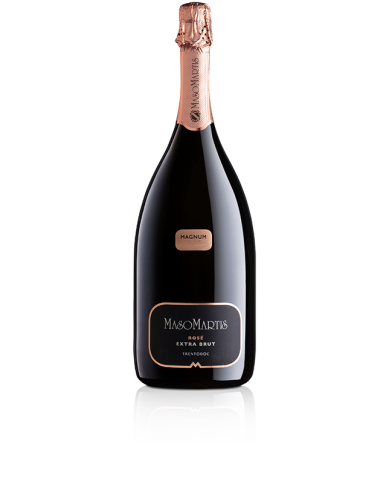
AVAILABLE IN THE SHOP Download the technical sheet in .pdf format A classy product with a delicate pink color, with aromas of small berries, currants, raspberries and strawberries and delicate hints of sweet almond, full-bodied and velvety.
€35.87
SKU:
16463
Brand:
Maso Martis
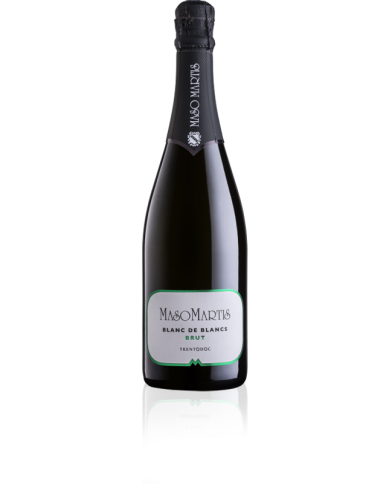
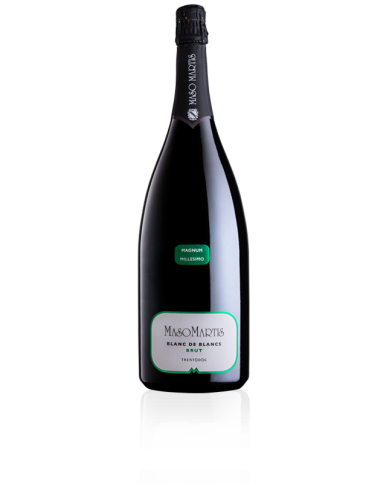
A classic method with an intense body and aromas, a slight hint of yeast, versatile, elegant, for all meeting occasions.
€25.74
SKU:
16462
Brand:
Maso Martis
A classic method with an intense body and aromas, a slight hint of yeast, versatile, elegant, for all meeting occasions.
€59.29
SKU:
16461
Brand:
Maso Martis
An oenological masterpiece from carefully selected grapes, aged on the lees for at least four years in order to enhance its body, aromas and preciousness.
€258.88
SKU:
16460
Brand:
Maso Martis
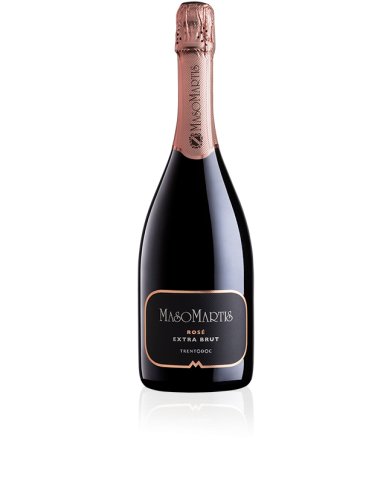
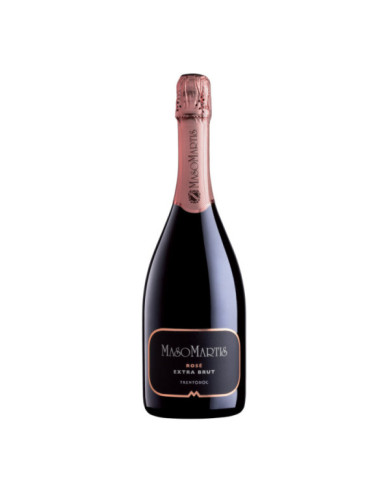
The Trento Spumante Rosé Extra Brut from the Maso Martis family winery is a velvety mountain wine suitable for any convivial occasion. It is made with 100% Pinot Noir grapes and aged for 36 months on its lees. The delicate rosé color and the fine and persistent perlage recall the aromas of small red berried fruit, raspberries, wild strawberries, currants and wild flowers such as violets, with hints of yeast emerging on the finish. The sip is fresh, mineral, refined, elegant, with a long and balanced finish.
€79.67
SKU:
16459
Brand:
Maso Martis
The Trento Spumante Rosé Extra Brut from the Maso Martis family winery is a velvety mountain wine suitable for any convivial occasion. It is made with 100% Pinot Noir grapes and aged for 36 months on its lees. The delicate rosé color and the fine and persistent perlage recall the aromas of small red berried fruit, raspberries, wild strawberries, currants and wild flowers such as violets, with hints of yeast emerging on the finish. The sip is fresh, mineral, refined, elegant, with a long and balanced finish.
€42.58
SKU:
16458
Brand:
Maso Martis
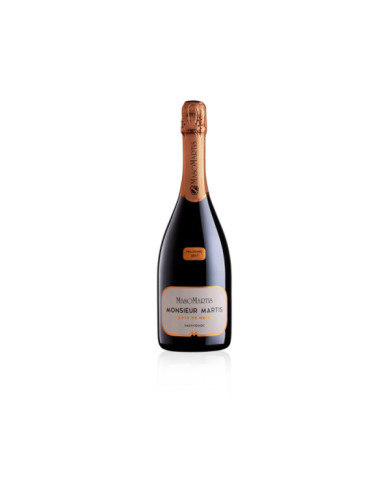
Since the 1980s, Maso Martis has been cultivating Meunier, a vine belonging to the Pinot family, in its 12 hectares of vineyards.
The origin of the name Meunier, in French "miller", derives from the characteristic lower part of its leaf, very downy and apparently whitened with flour.
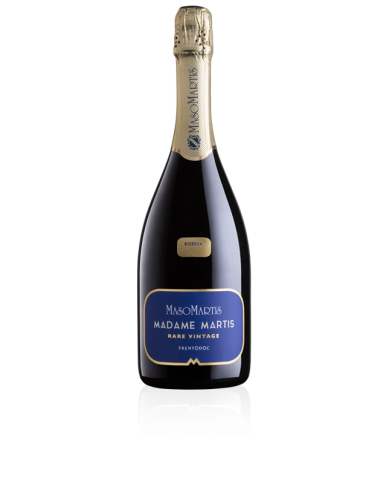
A much loved vine in France, in Trentino the Meunier is required by the Trentodoc disciplinary but still not widespread in the region. Maso Martis began making full use of this vine with the 1999 harvest, inserting it as a distinctive element of Madame Martis, its most prestigious cuvèe Riserva. In 2020, thirty years after its foundation, the Stelzer family decided to celebrate the anniversary by presenting Monsieur Martis, its Meunier in pure rosé version.
€86.99
SKU:
16457
Brand:
Maso Martis
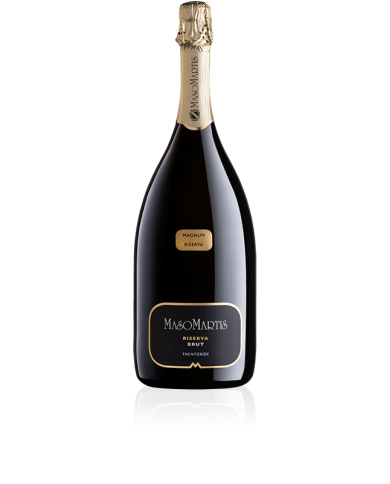
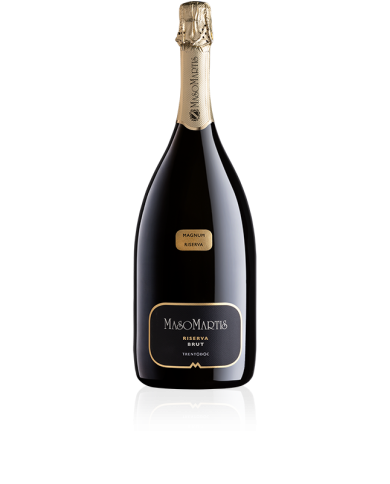
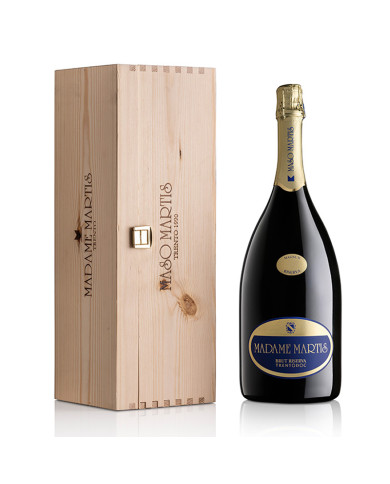
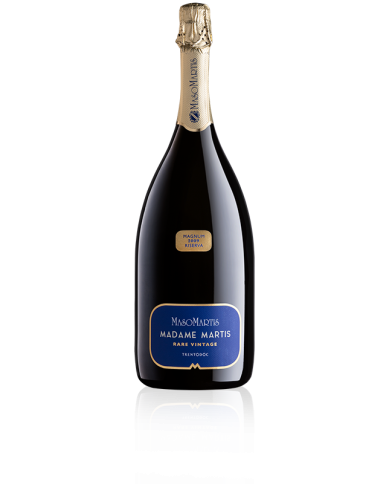
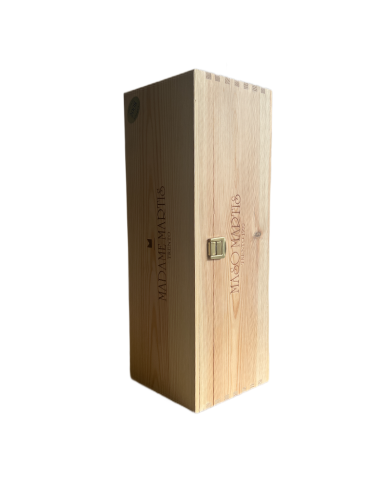
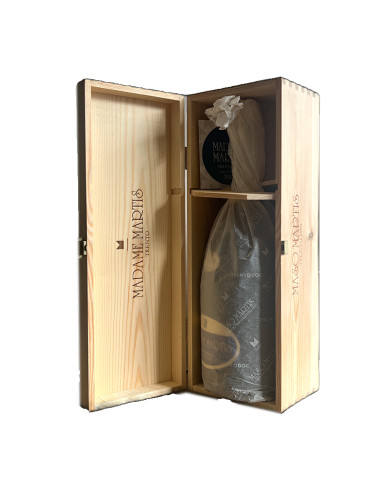
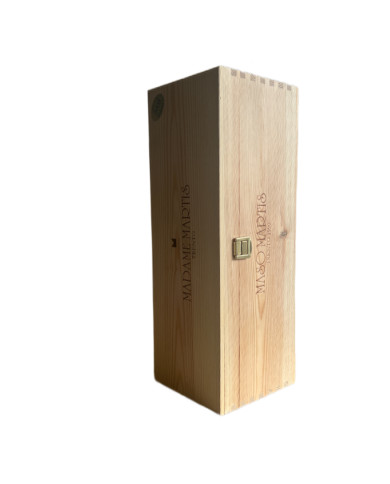
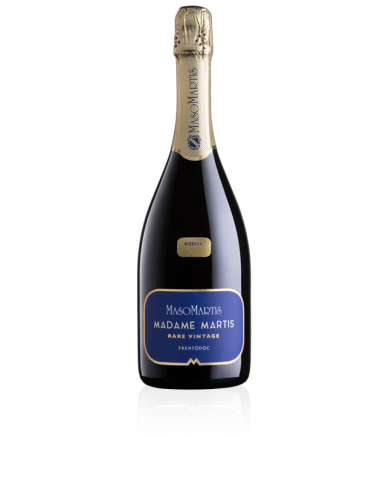
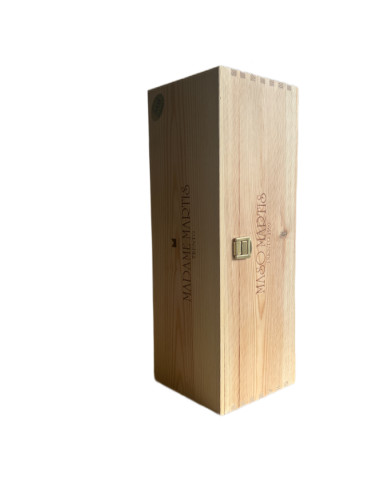
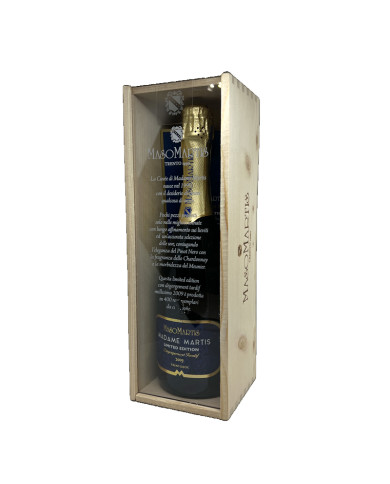
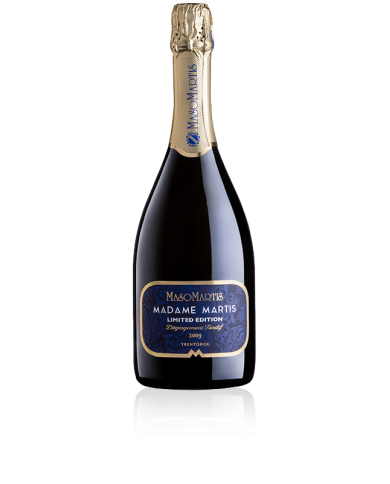
There are only 100 bottles of this exceptional 2009 vintage classic method, which the company wanted to produce with its own best grapes, combining the elegance of Pinot Noir with the fragrance of Chardonnay and the softness of Meunier. "Madame Martis" is the successful synthesis of the precious elements that have always characterized the harmonious and decisive style of Maso Martis sparkling wines.
SKU:
16456
Brand:
Maso Martis
This bottle of the 2011 vintage is one of the very few produced by Maso Martis with a careful selection of its grapes, combining the elegance of Pinot Noir with the fragrance of Chardonnay and the softness of Meunier. 9 years of very long aging in the bottle are his style signature.
€119.93
SKU:
16455
Brand:
Maso Martis
This bottle of the 2011 vintage is one of the very few produced by Maso Martis with a careful selection of its grapes, combining the elegance of Pinot Noir with the fragrance of Chardonnay and the softness of Meunier. 9 years of very long aging in the bottle are his style signature.
SKU:
16454
Brand:
Maso Martis
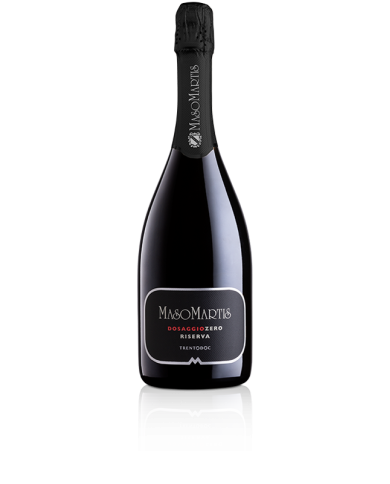
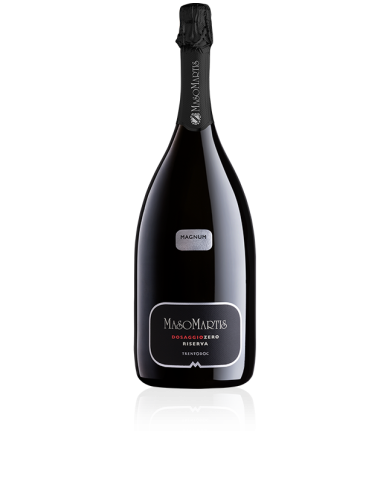
DosaggioZero is a classic method with no residual sugar, with an intense body and aromas, mineral, with a robust and decisive character. One of the first pas dosè classic method produced in Trentino.
€38.31
SKU:
16453
Brand:
Maso Martis
This bottle of the 2009 vintage is one of the very few produced by Maso Martis with a careful selection of its grapes, combining the elegance of Pinot Noir with the fragrance of Chardonnay and the softness of Meunier. "Madame Martis" is the successful synthesis of the precious elements that have always characterized the harmonious and decisive style of Maso Martis sparkling wines.
€169.90
SKU:
16452
Brand:
Maso Martis
DosaggioZero is a classic method with no residual sugar, with an intense body and aromas, mineral, with a robust and decisive character. One of the first pas dosè classic method produced in Trentino.
€85.03
SKU:
16406
Brand:
Le Marchesine
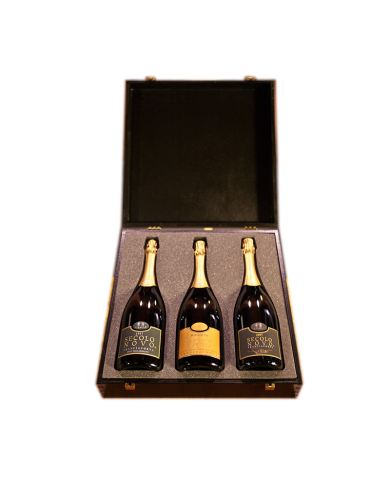
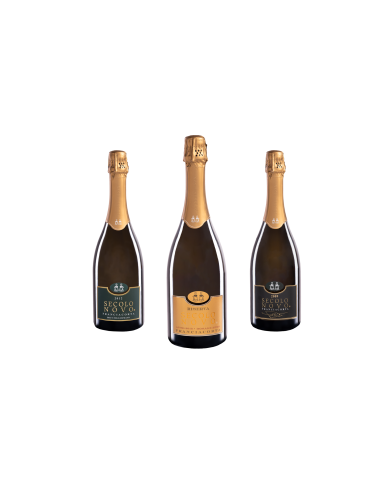
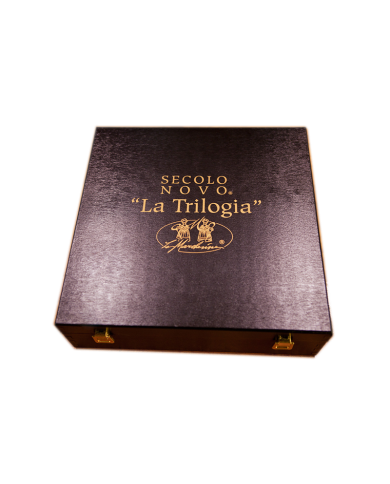
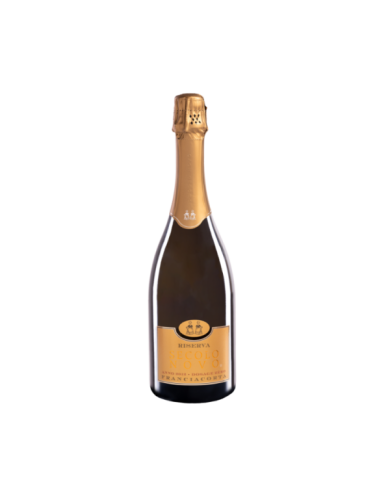
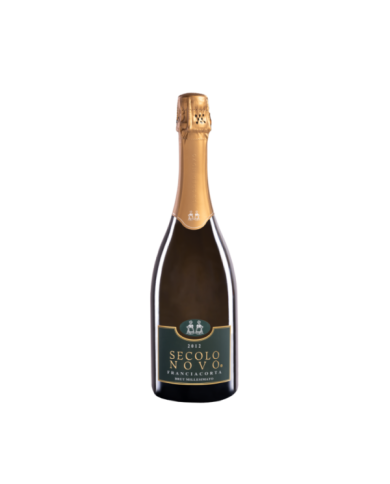
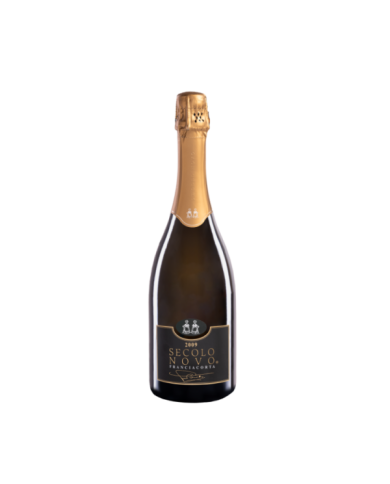
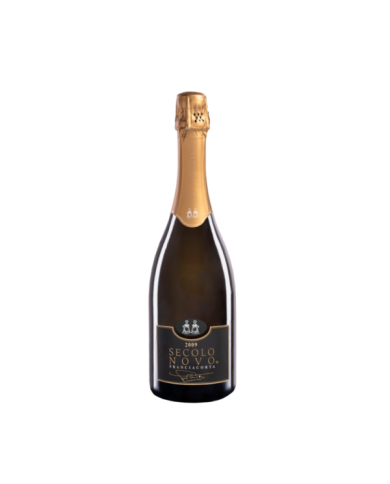
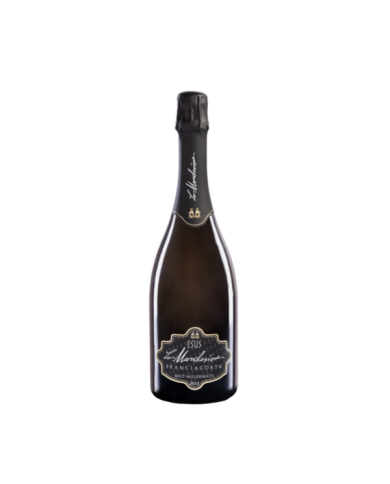
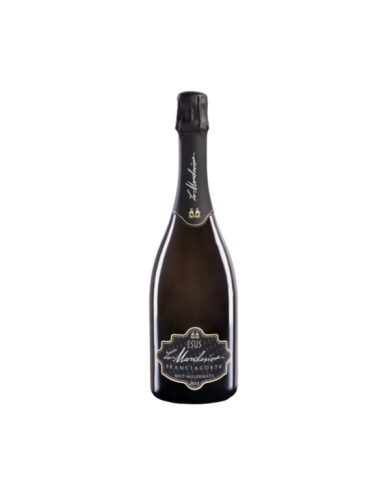
The spearhead of our Franciacorta production is represented by the Secolo Novo Trilogy: the Brut Millesimato, the Riserva Brut Nature Giovanni Biatta and the Riserva Dosage Zéro. Jewels of patience and dedication vinified only in the great vintages.
€256.20
SKU:
16403
Brand:
Le Marchesine
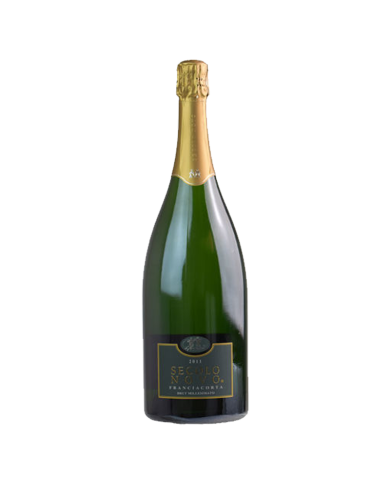
It is from a vineyard on the La Santissima di Cussago hill, one of the most suitable areas of Franciacorta, that the only chardonnay grapes that lead to the "Secolo Novo" come. The Franciacorta DOCG Brut "Secolo Novo" by Le Marchesine is a sparkling wine of unmistakable class, elegant and relaxed, whose permanence on the lees lasts for 3 years.
€93.57
SKU:
16402
Brand:
Le Marchesine
In appearance, the wine has a brilliant straw yellow color, with a fine and persistent perlage. The scent on the nose, an initial impact of bread crust and yeasts opens up to a composed and elegant olfactory profile. The taste has rich notes of exotic fruits, elderflower and white chocolate are the perfect introduction to a fresh, clean, round taste. It closes very long on light hints of ginger.
€167.38
SKU:
16399
Brand:
Le Marchesine
Franciacorta Dosage Zéro Secolo Novo Riserva comes from clonal selections of Chardonnay grapes. Harvested by hand in small crates, very slow and soft pressing of the whole bunches. Controlled fermentation in purity at 17° - 19° with indigenous yeasts in order to keep the flavor and aromas of Franciacorta intact. Maturation in stainless steel tanks. In the months of March and April, the wine is transferred to the bottle for the second fermentation. The bottles are stacked in refining rooms at controlled temperatures (13°) for at least 60 months. After this period, Franciacorta Dosage Zéro Secolo Novo Riserva takes on its characteristics of aroma and flavor and a very fine perlage. We then move on to the final phase of remuage, dégorgement and clothing for the shipment.
€51.36
SKU:
16398
Brand:
Le Marchesine
Awarded with three glasses by the illustrious Gambero Rosso guide. In the vineyard with manual harvesting in boxes of a maximum of 18 kg. Grapes coming exclusively from our vineyard of La Santissima di Gussago. VINIFICATION: in white in pneumatic press with soft pressing of the whole grapes and use exclusively of the 1st fraction. After static and physical separation from the impurities of the must at low temperatures, the inoculation of selected yeasts for fermentation takes place in stainless steel tanks at a controlled temperature. This is followed by racking and lowering of the temperature to around 10°C to avoid malolactic fermentation. Once the "draught syrup" has been added, it is bottled, capped with a crown cap and laid down in a pile for the second fermentation. AGING IN THE BOTTLE: 54 months.
SKU:
16397
Brand:
Le Marchesine
Floral, mineral, fruity and spicy bouquet. Structured and at the same time elegant in the mouth, with an incredible persistence. Franciacorta Brut Secolo Novo Giovanni Biatta comes from clonal selections of Chardonnay grapes. Harvested by hand in small crates, must obtained from the natural pressing of the grapes (at zero pressure, also known as autopressurage). Controlled fermentation in purity at 17° – 19° with indigenous yeasts in order to keep the flavor and aromas of Franciacorta intact. Maturation in stainless steel tanks. In the months of March and April the passage into the bottle for the second fermentation takes place. The bottles are stacked in refining rooms at controlled temperatures (12° – 14°) for at least 54 months. After this period, the Franciacorta Brut DOCG Giovanni Biatta takes on its characteristics of aroma and flavor and with a very fine perlage. We then move on to the final phase of remuage, dégorgement and clothing for the shipment.
€51.36
SKU:
16396
Brand:
Le Marchesine
Floral, mineral, fruity and spicy bouquet. Structured and at the same time elegant in the mouth, with an incredible persistence. Franciacorta Brut Secolo Novo Giovanni Biatta comes from clonal selections of Chardonnay grapes. Harvested by hand in small crates, must obtained from the natural pressing of the grapes (at zero pressure, also known as autopressurage). Controlled fermentation in purity at 17° – 19° with indigenous yeasts in order to keep the flavor and aromas of Franciacorta intact. Maturation in stainless steel tanks. In the months of March and April the passage into the bottle for the second fermentation takes place. The bottles are stacked in refining rooms at controlled temperatures (12° – 14°) for at least 54 months. After this period, the Franciacorta Brut DOCG Giovanni Biatta takes on its characteristics of aroma and flavor and with a very fine perlage. We then move on to the final phase of remuage, dégorgement and clothing for the shipment.
€293.78
SKU:
16395
Brand:
Le Marchesine
It is a classic cuvée obtained from Pinot bianco, Pinot nero and Chardonnay grapes harvested by hand in small baskets and vinified within 2 – 3 hours of harvesting. The must obtained ferments for a few days in steel tanks at a controlled temperature (17° – 18°) in order to maintain and preserve the best aromas and flavours. The second fermentation takes place in rooms at a constant temperature, slowly in order to favor the development of minute bubbles. The product has a fragrant scent reminiscent of Acacia flowers and small red berried fruits (raspberry); soft, fresh and lively flavor that rightly lingers in the mouth.
€16.47
SKU:
16394
Brand:
Le Marchesine
It is a classic cuvée obtained from Pinot bianco, Pinot nero and Chardonnay grapes harvested by hand in small baskets and vinified within 2 – 3 hours of harvesting. The must obtained ferments for a few days in steel tanks at a controlled temperature (17° – 18°) in order to maintain and preserve the best aromas and flavours. The second fermentation takes place in rooms at a constant temperature, slowly in order to favor the development of minute bubbles. The product has a fragrant scent reminiscent of Acacia flowers and small red berried fruits (raspberry); soft, fresh and lively flavor that rightly lingers in the mouth.
€15.86
SKU:
16393
Brand:
Le Marchesine
It is a classic cuvée obtained from Pinot bianco, Pinot nero and Chardonnay grapes harvested by hand in small baskets and vinified within 2 – 3 hours of harvesting. The must obtained ferments for a few days in steel tanks at a controlled temperature (17° – 18°) in order to maintain and preserve the best aromas and flavours. The second fermentation takes place in rooms at a constant temperature, slowly in order to favor the development of minute bubbles. The product has a fragrant scent reminiscent of acacia flowers, linden and even toasted bread; soft, fresh and lively flavor that rightly lingers in the mouth. The suggested serving temperature is between 8° and 10°.
€15.49
SKU:
16392
Brand:
Le Marchesine
It is a classic cuvée obtained from Pinot bianco, Pinot nero and Chardonnay grapes harvested by hand in small baskets and vinified within 2 – 3 hours of harvesting. The must obtained ferments for a few days in steel tanks at a controlled temperature (17° – 18°) in order to maintain and preserve the best aromas and flavours. The second fermentation takes place in rooms at a constant temperature, slowly in order to favor the development of minute bubbles. The product has a fragrant scent reminiscent of acacia flowers, linden and even toasted bread; soft, fresh and lively flavor that rightly lingers in the mouth. The suggested serving temperature is between 8° and 10°.
€45.51
SKU:
16391
Brand:
Le Marchesine
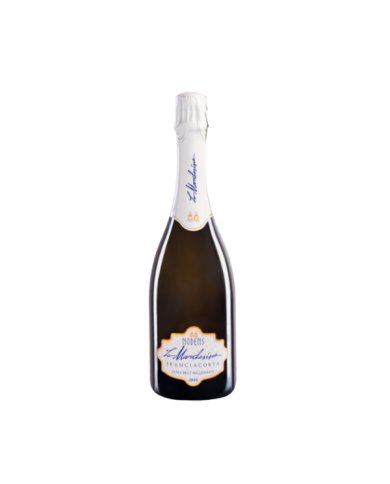
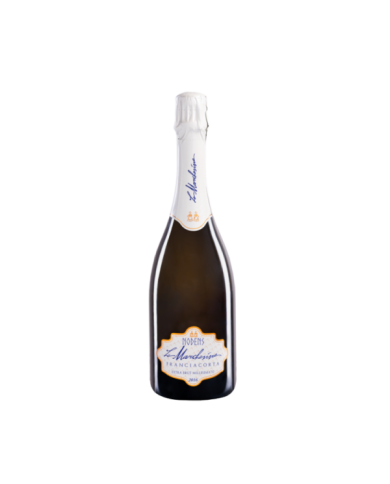
Franciacorta Brut DOCG Nodens comes from clonal selections of Pinot Noir grapes.
Harvested by hand in small crates, very slow and soft pressing of the whole bunches. Fermentation without contact with the skins controlled in purity at 17° - 19° with indigenous yeasts in order to keep the flavor and aromas of Franciacorta intact.
Maturation in stainless steel tanks. In the months of March and April the passage into the bottle for the second fermentation takes place.
The bottles are stacked in refining rooms at controlled temperatures (12° – 14°) for at least 36 months. After this period, Franciacorta Brut DOCG Millesimato takes on its characteristics of aroma and flavor and with a very fine perlage. We then move on to the final phase of remuage, dégorgement and clothing for the shipment.
Very fine and persistent perlage. Bouquet of red fruits, raspberry and blackberry; mineral, with hints of chocolate. In the mouth lively and structured, long and persistent. Pale pink color with coppery reflections.
€72.47
SKU:
16390
Brand:
Le Marchesine
Franciacorta Brut DOCG Nodens comes from clonal selections of Pinot Noir grapes.
Harvested by hand in small crates, very slow and soft pressing of the whole bunches. Fermentation without contact with the skins controlled in purity at 17° - 19° with indigenous yeasts in order to keep the flavor and aromas of Franciacorta intact.
Maturation in stainless steel tanks. In the months of March and April the passage into the bottle for the second fermentation takes place.
The bottles are stacked in refining rooms at controlled temperatures (12° – 14°) for at least 36 months. After this period, Franciacorta Brut DOCG Millesimato takes on its characteristics of aroma and flavor and with a very fine perlage. We then move on to the final phase of remuage, dégorgement and clothing for the shipment.
Very fine and persistent perlage. Bouquet of red fruits, raspberry and blackberry; mineral, with hints of chocolate. In the mouth lively and structured, long and persistent. Pale pink color with coppery reflections.
€35.32
SKU:
16389
Brand:
Le Marchesine
Strong yellow color with greenish reflections. Very fine and persistent perlage. Fine and complex aroma. Dry, dry taste with acidulous vein and characteristic nerve, elegant and full-bodied.
Franciacorta Brut comes from clonal selections of Chardonnay, Pinot bianco and Pinot nero grapes. Harvested by hand in small crates, very slow and soft pressing of the whole bunches. Controlled fermentation at 17° – 19° with indigenous yeasts in order to keep the flavor and aromas of Franciacorta intact. Maturation in stainless steel tanks. In the months of March and April, the wine is transferred to the bottle for the second fermentation. The bottles are stacked in refining rooms at controlled temperatures (12° – 14°) for at least 25 months. After this period, Franciacorta Brut takes on its characteristics of aroma and flavor and with a very fine perlage. We then move on to the final phase of remuage, dégorgement and clothing for the shipment.
€21.84
SKU:
16388
Brand:
Le Marchesine
Strong yellow color with greenish reflections. Very fine and persistent perlage. Fine and complex aroma. Dry, dry taste with acidulous vein and characteristic nerve, elegant and full-bodied.
Franciacorta Brut comes from clonal selections of Chardonnay, Pinot bianco and Pinot nero grapes. Harvested by hand in small crates, very slow and soft pressing of the whole bunches. Controlled fermentation at 17° – 19° with indigenous yeasts in order to keep the flavor and aromas of Franciacorta intact. Maturation in stainless steel tanks. In the months of March and April, the wine is transferred to the bottle for the second fermentation. The bottles are stacked in refining rooms at controlled temperatures (12° – 14°) for at least 25 months. After this period, Franciacorta Brut takes on its characteristics of aroma and flavor and with a very fine perlage. We then move on to the final phase of remuage, dégorgement and clothing for the shipment.
€50.87
SKU:
16387
Brand:
Le Marchesine
When it arrives on the palate it makes a clean sweep, it is full, powerful, but not intrusive, it expresses great salinity and freshness, the persistence is very pronounced, in the finish of excellent elegance it takes up the toasted and processed nuts characters that the nose has exalted.
€72.47
SKU:
16386
Brand:
Le Marchesine
It literally explodes on the nose; difficult to contain all the aromas. It ranges from the ripe sweetness of exotic fruit to smoky notes; reminiscent of toasted and salted nuts, peanut butter, hazelnut cream, soft butter, sometimes salted caramel and gianduja chocolate; there is no shortage of sweet spices.
€34.89
SKU:
16385
Brand:
Le Marchesine
Straw yellow in colour. The nose brings back notes of sponge cake, butter and biscuits to anticipate fresher tones of cedar and lime, with hints of pineapple and peach. On the palate it is creamy, enveloping and typical for the type, crossed by a lively sapid-acid fusion that underlines a rare pleasantness, with a long aromatic finish. Pairing: Excellent with grilled mackerel fillet, stuffed squid, stewed cod but also for a glamorous aperitif!
€31.04
SKU:
16384
Brand:
Le Marchesine
Straw yellow in colour. The nose brings back notes of sponge cake, butter and biscuits to anticipate fresher tones of cedar and lime, with hints of pineapple and peach. On the palate it is creamy, enveloping and typical for the type, crossed by a lively sapid-acid fusion that underlines a rare pleasantness, with a long aromatic finish.
Pairing:
Excellent with grilled mackerel fillet, stuffed squid, stewed cod but also for a glamorous aperitif!
€63.81
SKU:
16383
Brand:
Le Marchesine
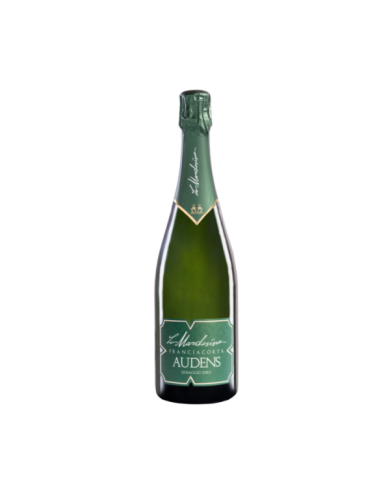
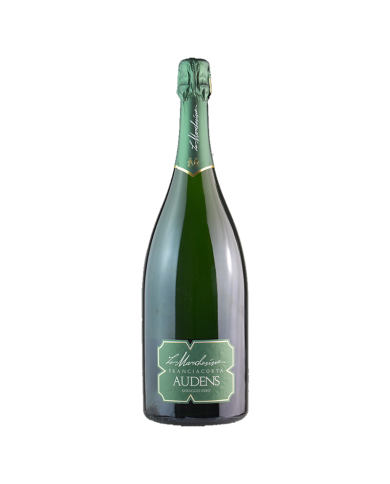
Straw yellow color with golden reflections with a very fine perlage and excellent persistence. Aromatic, intense, with an evolved bouquet with notes of toasting and yeast. Complex to the taste, it reveals a good structure and a nice acidity. Very persistent. Franciacorta Audens Dosaggio Zero comes from clonal selections of Chardonnay, Pinot Blanc and Pinot Noir grapes. Harvested by hand in small crates, very slow and soft pressing of the whole bunches. Controlled fermentation at 17° – 19° with indigenous yeasts. Maturation in stainless steel tanks. In the months of March and April, the bottle is transferred for the second fermentation which lasts for at least 25 months.
€22.68
SKU:
16382
Brand:
Le Marchesine
Straw yellow color with golden reflections with a very fine perlage and excellent persistence.
Aromatic, intense, with an evolved bouquet with notes of toasting and yeast. Complex to the taste, it reveals a good structure and a nice acidity. Very persistent.
Franciacorta Audens Dosaggio Zero comes from clonal selections of Chardonnay, Pinot Blanc and Pinot Noir grapes.
Harvested by hand in small crates, very slow and soft pressing of the whole bunches.
Controlled fermentation at 17° – 19° with indigenous yeasts. Maturation in stainless steel tanks.
In the months of March and April, the bottle is transferred for the second fermentation which lasts for at least 25 months.
€50.87
SKU:
16381
Brand:
Le Marchesine
The taste is balanced, the dry nuance is delicate, acidity and flavor are well balanced by an enveloping alcohol content, in the finish the red fruit and small berries return evident, with a good spiciness and a hint of licorice.
€27.57
SKU:
16380
Brand:
Le Marchesine
At first nose you can clearly perceive the maceration, the red grapes clearly express plum, cherry, wild black fruits such as blueberry and mulberry; the typical vegetable and spicy characters come out, the barks and musky tones, it closes with fresher and citrus characters.
€63.81
SKU:
16379
Brand:
Codice Citra
Brilliant pink with a fine and persistent perlage. Perfect with shellfish, raw fish and fish soups. Excellent with pizza, cold cuts, and as an aperitif
SKU:
16378
Brand:
Codice Citra
Light yellow colour, fine and persistent grain. Its ideal combination is as an aperitif and with fish-based dishes, with oysters, Parmesan, cheeses.
SKU:
16356
Brand:
Cantine Barbera
Sottosopra is a sparkling wine obtained with the ancestral method and is bottled without prior disgorgement. If you love strong flavours, drink it as it is, with all its yeasts, or keep it upside down in the fridge for 24 hours if you want to disgorge it before tasting it. Intense golden yellow, very veiled because still on its lees. ...
€17.81
SKU:
16351
Brand:
Montagner
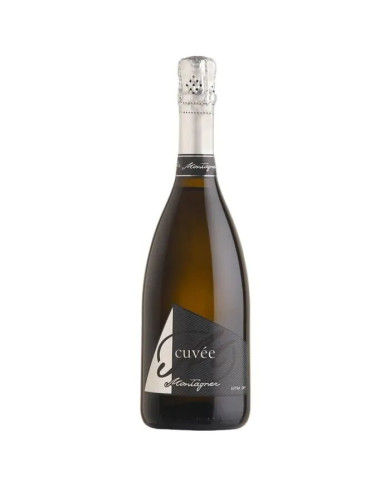
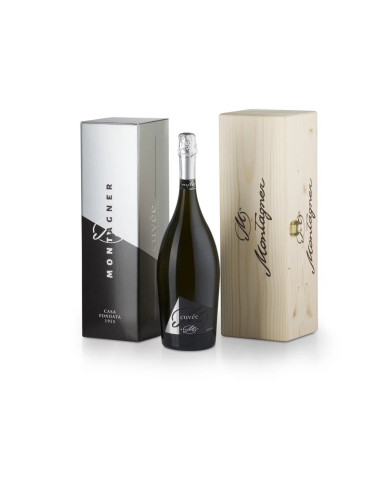
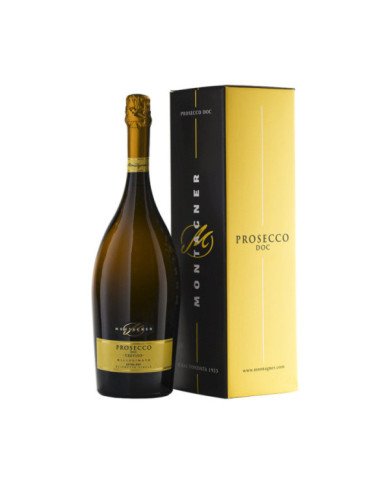
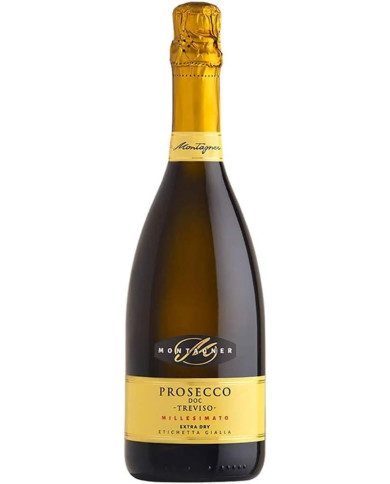
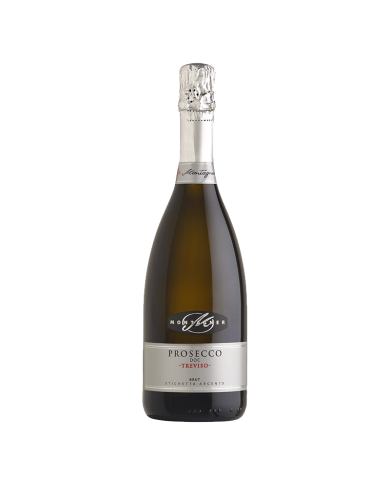
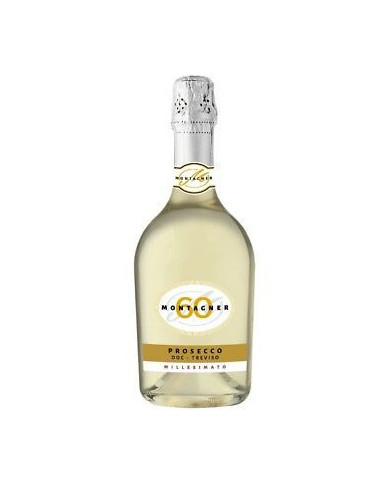
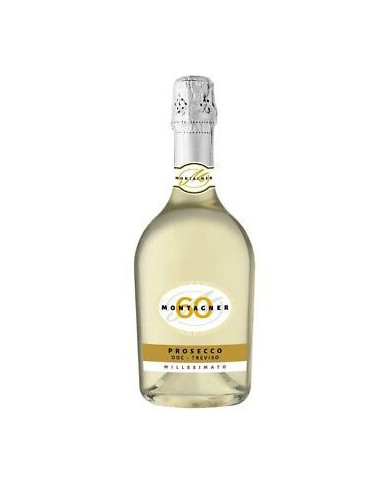
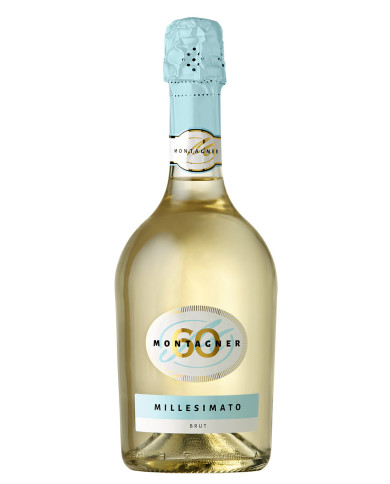
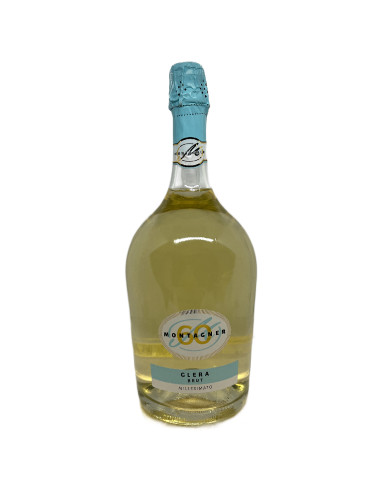
Classic aperitif wine, which also goes well with the whole meal, especially with fish-based dishes. Light straw yellow in colour, it has a fresh, slightly fruity aroma of apple, with hints of fresh bread crust. It is a sparkling wine with an inviting, dry, discreet and elegant flavour. In the Magnum format it is ideal for the festive table or for a nice gift idea, undemanding but with great effect.
€90.89
SKU:
16350
Brand:
Montagner
Classic aperitif wine, which also goes well with the whole meal, especially with fish-based dishes. Light straw yellow in colour, it has a fresh, slightly fruity aroma of apple, with hints of fresh bread crust. It is a sparkling wine with an inviting, dry, discreet and elegant flavour. In the Magnum format it is ideal for the festive table or for a nice gift idea, undemanding but with great effect.
€6.10
SKU:
16349
Brand:
Montagner
Classic aperitif wine, which also goes well with the whole meal, especially with fish-based dishes. Light straw yellow in colour, it has a fresh, slightly fruity aroma of apple, with hints of fresh bread crust. It is a sparkling wine with an inviting, dry, discreet and elegant flavour. In the Magnum format it is ideal for the festive table or for a nice gift idea, undemanding but with great effect.
€17.93
SKU:
16346
Brand:
Montagner
Golden yellow wine, fine perlage, perfume
intense of ripe fruit and acacia flowers.
Intense, elegant and slightly sweet flavour.
Its softness makes it pleasant in combination
with blue and creamy cheeses.
Excellent with dry pastries.
It is also a valid between meals.
Serving temperature: 8-10° C - 11% Vol
€5.37
SKU:
16339
Brand:
Montagner
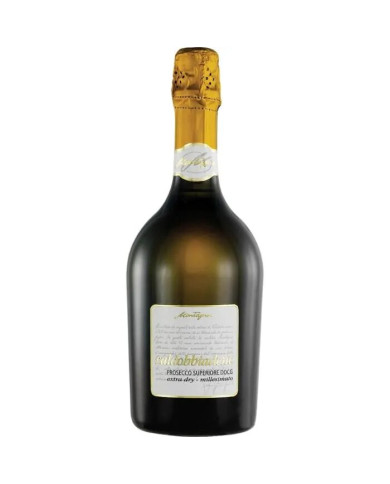
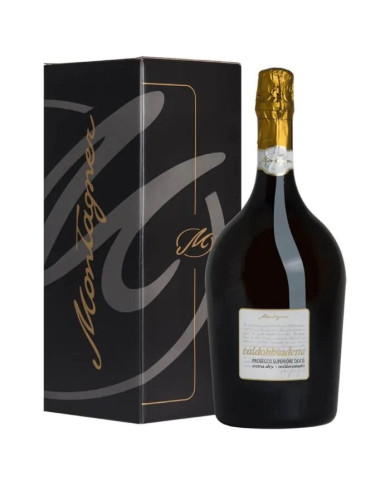
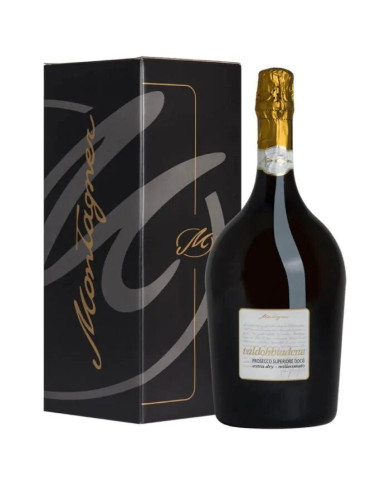
The Prosecco produced in Conegliano Valdobbiadene received the DOCG in 2009, recognition of superior quality in every stage of processing and production. The band with the numbered seal affixed to each bottle makes it possible to trace the history of the wine and of each individual bottle. Montagner's Prosecco Valdobbiadene Superiore DOCG Extra Dry Millesimato, with a fruity aroma and a savory and lively taste, is perfect for a classy aperitif and to make our festive moments special.
€10.20
SKU:
16338
Brand:
Montagner
The Prosecco produced in Conegliano Valdobbiadene received the DOCG in 2009, recognition of superior quality in every stage of processing and production. The "band" that affixes a numbered seal to each bottle makes it possible to trace the history of the wine and of each individual bottle. This sparkling wine with a fine perlage, a fruity aroma and a sapid and lively taste should be served at a temperature of 6-8 degrees. The Magnum packaging is beautiful, to give as a gift or to uncork on happy occasions.
€34.89
SKU:
16337
Brand:
Montagner
The Prosecco produced in Conegliano Valdobbiadene received the DOCG in 2009, recognition of superior quality in every stage of processing and production. The "band" that affixes a numbered seal to each bottle makes it possible to trace the history of the wine and of each individual bottle. This sparkling wine with a fine perlage, a fruity aroma and a sapid and lively taste should be served at a temperature of 6-8 degrees. The Magnum packaging is beautiful, to give as a gift or to uncork on happy occasions.
€112.00
SKU:
16336
Brand:
Montagner
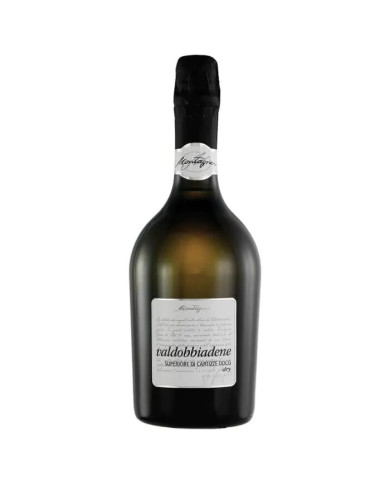
The name indicates the famous and narrow hilly area, of about one hundred hectares, completely planted with vineyards, within the Prosecco DOCG area and more precisely in the municipality of Valdobbiadene in the hamlets of Saccol, Santo Stefano and San Pietro di Barbozza. The Superiore di Cartizze, produced in limited quantities, is considered by many to be one of the best proseccos ever. Bright yellow in colour, with a persistent perlage, the nose blends numerous fruity aromas with light floral notes linked by great finesse and due to its sweet, fresh and fragrant flavour. It should be served at a temperature of 6° - 8° C., obtained by keeping the bottle immersed in the ice of the bucket, possibly not in the fridge.
€22.08
SKU:
16335
Brand:
Montagner
From the minute and persistent perlage, straw yellow color, intense. Elegant, clean, fruity and floral nose. Pleasantly flavourful citrine, harmonious with a slightly aromatic finish.
SKU:
16334
Brand:
Montagner
Golden yellow colored sparkling wine with fine and brilliant perlage, elegant aroma of vanilla, crusty bread and wild flowers. Dry, savory and fruity flavor with hints of apple and ripe peach.
€29.04
SKU:
16333
Brand:
Montagner
Golden yellow colored sparkling wine with fine and brilliant perlage, elegant aroma of vanilla, crusty bread and wild flowers. Dry, savory and fruity flavor with hints of apple and ripe peach.
€11.83
SKU:
16332
Brand:
Montagner
Wine with a bright golden yellow color, a distinctly aromatic bouquet with hints of rose. Sweet, persistent, delicate, pleasant and velvety flavour.
€8.30
SKU:
16331
Brand:
Montagner
Montagner was born in the 1950s, during the reconstruction following the Second World War. Egidio Montagner, the founder, wanted to commit himself to the realization of a project: to give life to his own cellar, in which to produce quality wines. Montagner is currently one of the most prestigious and renowned producers of Prosecco and Grappa of absolute quality.
€6.71
€100.16
€10.61
SKU:
16328
Brand:
Montagner
Fine and delicate sparkling wine, obtained from Glera Doc grapes vinified in white, traditionally sparkling in an autoclave for about two months, then filtered and cold bottled. Straw yellow in colour, it smells of wisteria and ripe apple; the taste is pleasant and distinctive, thanks to its lively acidity. It is ideal as an aperitif and to accompany light fish and white meat dishes.
€9.15
SKU:
16327
Brand:
Montagner
In the 1950s, during the reconstruction following the Second World War, Egidio Montagner wanted to commit himself to the creation of his own cellar, in which to produce quality wines. Over the years, the sons of the founder and later his grandchildren contributed to the construction of what is today one of the most prestigious wineries in Motta di Livenza. The refinement of grape processing techniques and the attention to technological innovations applied to the wine sector are determining factors in the affirmation and success of the wines, liqueurs and distillates produced by "Montagner Vini e Spumanti".
€9.76
SKU:
16326
Brand:
Montagner
In the 1950s, during the reconstruction following the Second World War, Egidio Montagner wanted to commit himself to the creation of his own cellar, in which to produce quality wines. Over the years, the sons of the founder and later his grandchildren contributed to the construction of what is today one of the most prestigious wineries in Motta di Livenza. The refinement of grape processing techniques and the attention to technological innovations applied to the wine sector are determining factors in the affirmation and success of the wines, liqueurs and distillates produced by "Montagner Vini e Spumanti".
€30.26
SKU:
16325
Brand:
Montagner
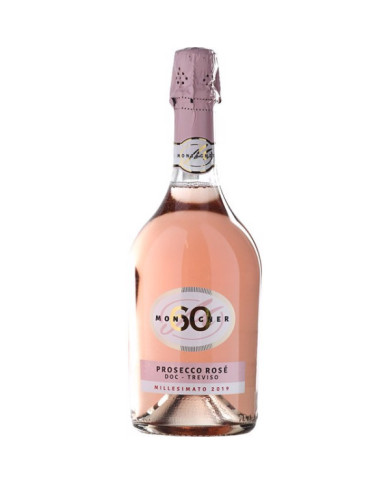
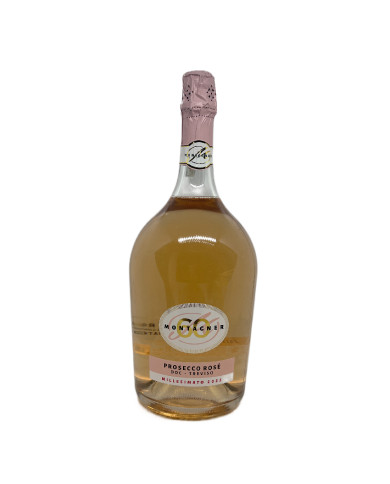
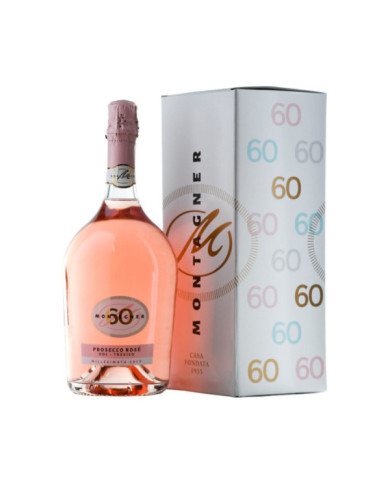
Sparkling wine with a fine and persistent perlage, pale pink colour, complex aromatic bouquet with hints of raspberry and strawberry. Delicate taste reminiscent of apple, white peach, citrus fruits and wild strawberries.
€10.13
SKU:
16324
Brand:
Montagner
Sparkling wine with a fine and persistent perlage, pale pink colour, complex aromatic bouquet with hints of raspberry and strawberry. Delicate taste reminiscent of apple, white peach, citrus fruits and wild strawberries.
€26.60
SKU:
16323
Brand:
Montagner
Sparkling wine of pale straw yellow color with greenish reflections, minute and persistent perlage. Fruity and floral bouquet with delicate hints of apple; dry, fresh and dry flavour.
€5.93
SKU:
16322
Brand:
Montagner
Sparkling wine of pale straw yellow color with greenish reflections, minute and persistent perlage. Fruity and floral bouquet with delicate hints of apple; dry, fresh and dry flavour.
€27.29
SKU:
16321
Brand:
Montagner
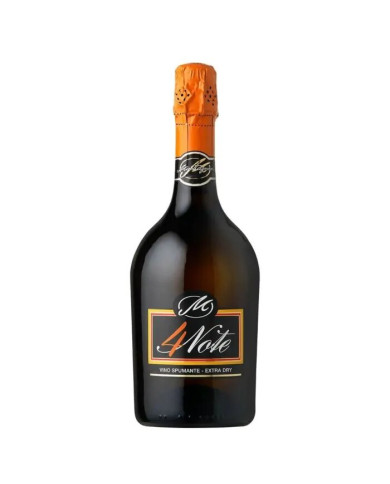
The aromatic-gustatory characteristic of Quattro Note allows it to be combined with various gastronomic specialities. It has a fine and long-lasting perlage, a straw yellow color with greenish reflections, the nose is rich in aromatic notes, fresh, persuasive, delicately fruity, with hints of apple and peach. The taste is pleasant, soft, slightly savory and permanent.
€6.47
SKU:
16290
Brand:
Lunae Bosoni
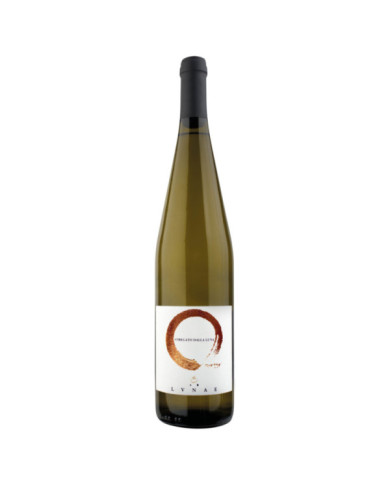
It was born in the Colli di Luni in La Spezia and its name is among the most evocative: Stregato dalla Luna, from Cantine Lunae, is a sparkling white wine made from Greco, Malvasia and Trebbiano grapes.
The harvest takes place in the first half of September. It ferments in white steel tanks at a controlled temperature, while it ages in steel tanks until the first half of February.
Like a wine inspired by the moon, its color is straw yellow, while the nose is fine, delicate and continuous. There are clearly hints of green apple and acacia flowers. On the palate it offers pleasant slightly fruity notes with a dry and fresh taste.
Ideal as an aperitif wine, it goes well with fresh dishes such as seafood salads, steamed shellfish and grilled vegetables. The perfect companion for your summer evenings.
€8.17
SKU:
16284
Brand:
Lunae Bosoni
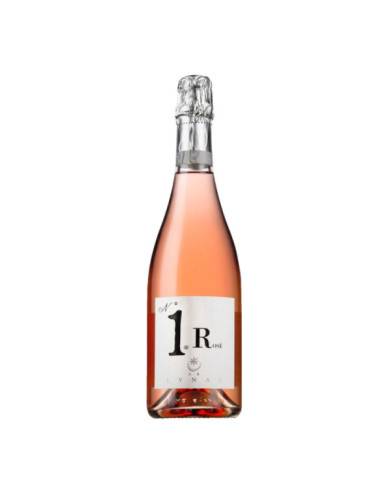
The Spumante Rosè Brut '1.R' by Lunae Bosoni is a sparkling wine obtained with the long charmat method, based on Vermentino Nero and Ciliegiolo grapes from Lunigiana, on the Ligurian border with Tuscany. It has a light and bright cherry pink color to the eye and expresses notes of fresh flowers, small berries and mixed citrus peel to the nose. On the palate it is fresh and harmonious, with a pleasant citrus aromatic finish and excellent flavor, slightly mineral.
€12.79
SKU:
16283
Brand:
Lunae Bosoni
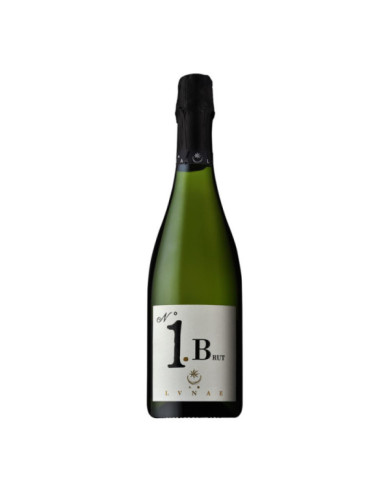
The Spumante 1.Brut Lunae Bosoni is a Ligurian wine obtained by sparkling wine using the Charmat method, from Albarola, Greco and Malvasia grapes from Lunigiana. It has a delicate straw color and expresses floral aromas of wisteria and hawthorn, enriched by hints of ripe Golden apple, while the sip is informal and refreshing, harmonious, lively
€12.44
SKU:
16282
Brand:
Lunae Bosoni
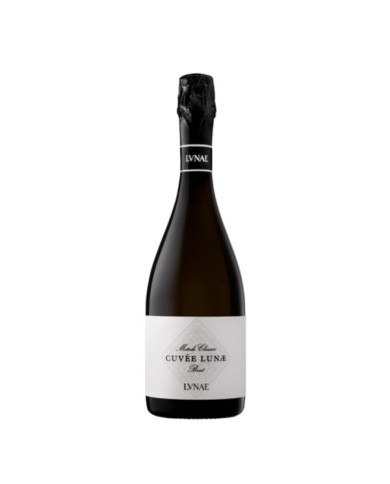
Cuvée Lunae for us is the realization of a dream that has accompanied us for more than a generation. Making a classic method sparkling wine in our lands, using our traditional vines, a wine that could tell a further expression of our winemaking tradition, another photograph of its territory of origin.
€40.99
SKU:
16228
Brand:
Mosnel
Our wines have a long and fascinating story to tell: in the cellars time passes slowly and the Franciacortas find a precious ally in placid waiting. This is how the Riserva 2007 Pas Dosé Reedition 2022 was born, the highest expression of the Mosnel Style, where memory, care and waiting are the elements that give elegance and complexity: with 14 years of refinement, the past becomes present in the glass, giving intensity to the wine and a refined sip.
SKU:
16227
Brand:
Mosnel
In the heart of Franciacorta, for 5 generations, in the sixteenth-century cellars of the centuries-old estate, the long winemaking tradition that the Barboglios inherited in 1836 has continued. With the newly created DOC Franciacorta, the company has specialized since 1968 in modern viticulture. Rigorous interpreter of the territory, he only works with his own grapes. All the vineyards are conducted with the organic method and maximum attention to every detail. The great attention to limiting the maximum yield per vine, the promptness and speed in the manual harvesting and pneumatic pressing make Mosnel Franciacortas unique.
€65.27
SKU:
16226
Brand:
Mosnel
From the vinification of Pinot Noir and Chardonnay. The origin of the vineyards falls within the company limits and the grapes all have an optimal exposure towards East-South/East. The harvest is manual according to the Mosnel tradition, the bunches are placed in small crates of crates between the second and fourth week of August. The vinification follows, which only intercepts the "Mosto Fiore" (the first fraction of juice) was destined for the Franciacorta "Parosé", which owes its pale color to the Pinot Noir which undergoes a slight maceration on the skins. The primary fermentation took place in small oak barrels (225 litres), which housed the wine for six months, until the following spring. Assembly and bottling with "draught syrup" precede stacking for refermentation in the bottle. Maturation and refinement take place in the company cellars in stacked bottles where it remains at least 36 months in the premises of our seventeenth-century cellars before the "remuage". Subsequently disgorged and dosed "Pas Dosé" they receive the mushroom cap and the cage. Finally, at least six months of further aging is necessary before placing this Franciacorta on the market.
€54.05
SKU:
16225
Brand:
Mosnel
From the vinification of Pinot Noir and Chardonnay. The origin of the vineyards falls within the company limits and the grapes all have an optimal exposure towards East-South/East. The harvest is manual according to the Mosnel tradition, the bunches are placed in small crates of crates between the second and fourth week of August. The vinification follows, which only intercepts the "Mosto Fiore" (the first fraction of juice) was destined for the Franciacorta "Parosé", which owes its pale color to the Pinot Noir which undergoes a slight maceration on the skins. The primary fermentation took place in small oak barrels (225 litres), which housed the wine for six months, until the following spring. Assembly and bottling with "draught syrup" precede stacking for refermentation in the bottle. Maturation and refinement take place in the company cellars in stacked bottles where it remains at least 36 months in the premises of our seventeenth-century cellars before the "remuage". Subsequently disgorged and dosed "Pas Dosé" they receive the mushroom cap and the cage. Finally, at least six months of further aging is necessary before placing this Franciacorta on the market.
€110.04
SKU:
16224
Brand:
Mosnel
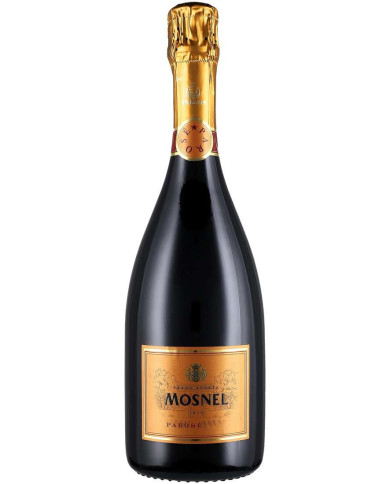
Franciacorta 'Parosé' Pas Dosé Mosnel is a non-dosed Franciacorta rosé. The partial vinification in barrique and the rest of at least 36 months on the lees soften the fleshy features of the fruit in supple figures outlined by the notes of currant, pomegranate and mandarin.
€91.74
Sparkling Wine Sales: How to Choose the Best and Pair It with Food
Sparkling wine is a festive and lively wine, ideal for accompanying celebrations and convivial gatherings. In Italy, sparkling wine production is highly diverse and includes a wide range of varieties, from Prosecco to Champagne, including Franciacorta and Trento DOC .
In this article, we'll guide you through the world of sparkling wines, with tips for choosing the right wine for your preferences and occasions, food pairings, and tasting suggestions.
How are sparkling wines produced?
Sparkling wines are produced through a fermentation process that allows the wine to produce bubbles. There are two main methods for producing sparkling wines: the Classic Method and the Charmat Method.
Each sparkling wine has its own production method, which influences both its flavor and final price. The main production methods are the Classic Method, the Charmat Method, and the Martinotti Method.
The Classic Method is the most expensive and artisanal method used to produce high-quality sparkling wines such as Champagne. In this method, the second fermentation takes place in the bottle, with the yeast settling at the bottom of the bottle and being removed through the disgorging process. This process requires considerable time and attention, which is reflected in the final price of the product.
The Charmat Method is used to produce lighter, fruitier sparkling wines. In this method, the secondary fermentation takes place in large stainless steel tanks, where the wine is kept under pressure to create carbonation. After fermentation, the wine is filtered and bottled.
The Martinotti Method , also known as the Italian Method or the Tank Method, is a modern method used to produce high-quality sparkling wines such as Prosecco. In this method, the secondary fermentation takes place in large stainless steel tanks, where the wine is kept under pressure to create carbonation. After fermentation, the wine is filtered and bottled.
In addition to the production method, the type of grape used also influences the flavor and final price of the sparkling wine. The main grape varieties used to produce sparkling wines are Chardonnay, Pinot Noir, and Glera.
Chardonnay is a white grape used to produce high-quality sparkling wines like Champagne. It has a fruity flavor and a buttery note.
Pinot Noir is a black grape used to produce high-quality sparkling wines such as rosé Champagne. It has an intense and complex flavor, with notes of berries and spices.
Glera is a white grape used to make Prosecco. It has a fresh and fruity flavor, with notes of green apple and pear.
Ultimately, choosing a sparkling wine depends on your personal taste and the occasion for which you're drinking it. Sparkling wines are an excellent choice for parties and celebrations, but they can also be enjoyed as an aperitif or with a light meal. With the wide range of sparkling wines available on the market, there's sure to be one to suit every taste and budget.
Related posts