

 Italiano
 Deutsch















There are no more items in your cart
SKU:
16473
Brand:
Valter Bera
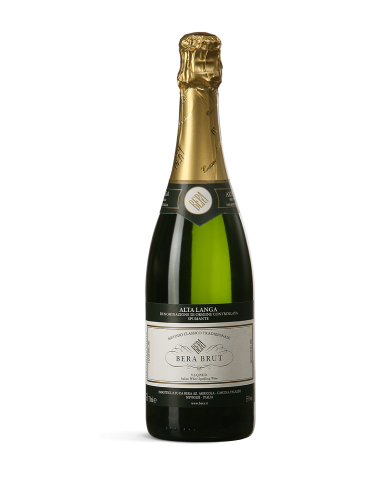
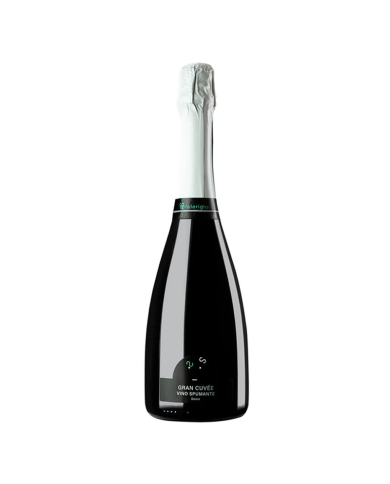
The elegance of a great classic method that remains 4 years on the lees, enhances the Pinot Noir and Chardonnay grapes grown on the Langa hills. The long stay on the lees leaves notes of bread crust in a complex, broad and persistent bouquet. Pleasantly dry, long, savory, it brightens the glass with a very fine and persistent perlage. Wine for aperitifs and throughout the meal.
€23.61
SKU:
16445
Brand:
Travaglini
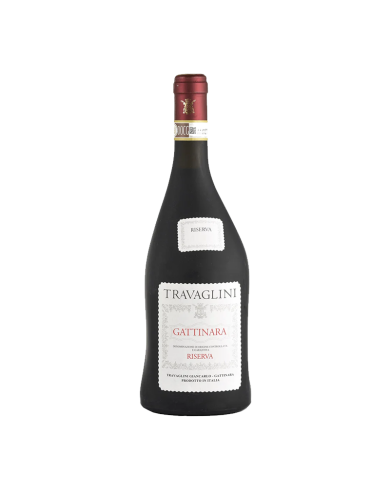
Gattinara Riserva is a robust and very intense red wine, aged for 36 months in oak barrels. With an intense garnet color, the nose is elegant, with notes of rose jam, berries, spices and mineral nuances. In the mouth it is full, structured, but always fresh, with compact tannins and a long persistence of jams and spices
SKU:
16423
Brand:
Domenico Clerico
Since 1981 Arte has symbolized our desire to experiment; the curiosity to look for new and unexplored paths, without ever forgetting where we come from. This is how Art is born, from the balance between two so different but complementary varieties. Structure and character from Nebbiolo, softness and elegance from Barbera.
€94.11
SKU:
16422
Brand:
Domenico Clerico
Since 1981 Arte has symbolized our desire to experiment; the curiosity to look for new and unexplored paths, without ever forgetting where we come from. This is how Art is born, from the balance between two so different but complementary varieties. Structure and character from Nebbiolo, softness and elegance from Barbera.
€56.79
SKU:
16421
Brand:
Domenico Clerico
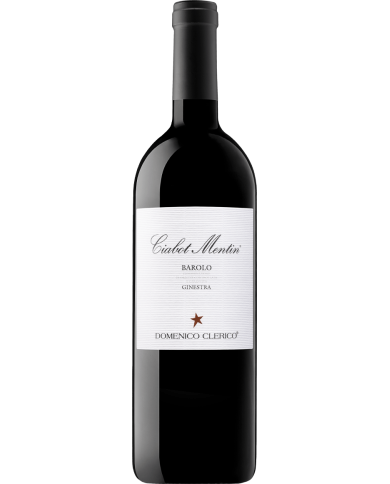
The first flag placed by Domenico in Ginestra and the first wine with which he made himself known in the world. One of the wines that in the last 30 years have made the history of the Barolo appellation in its entirety.
€131.35
SKU:
16271
Brand:
Massolino
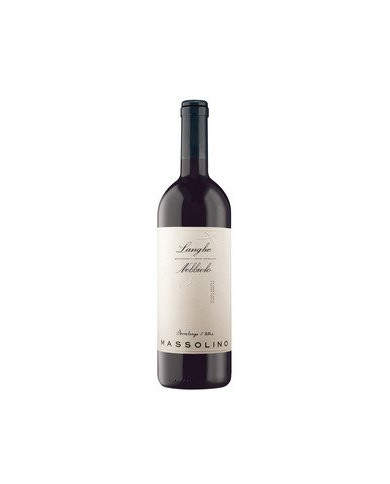
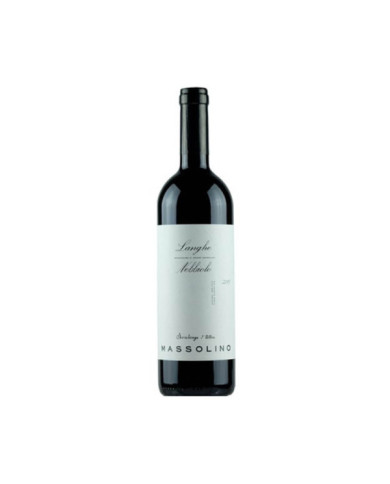
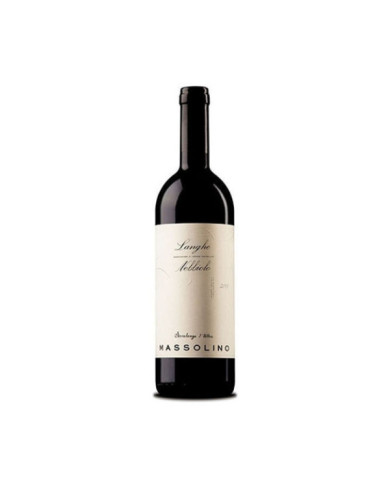
Langhe DOC Nebbiolo represents an immediate, pleasant and rounded expression of the Nebbiolo variety. The grapes used come from vineyards located in various municipalities of the Langhe.
€37.30
SKU:
16270
Brand:
Massolino
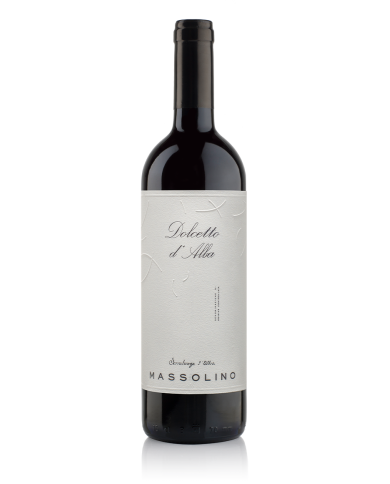
A red that tastes of tradition, thanks to its distinct organoleptic characteristics, the Dolcetto d'Alba DOC accompanies the dishes of the Langhe with elegance and harmony.
€10.09
SKU:
16269
Brand:
Massolino
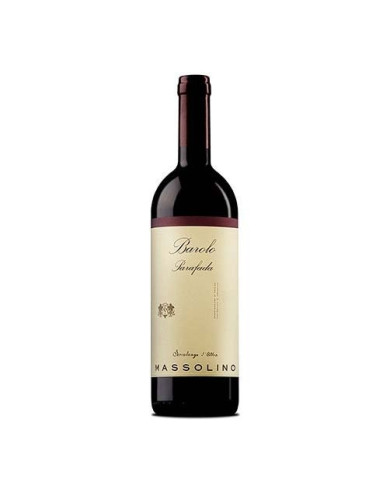
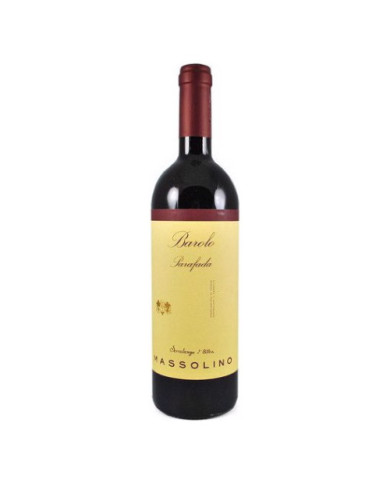
Coming from the small "Parafada" vineyard, just over one hectare in the municipality of Serralunga d'Alba, this Barolo by Massolino is aged in oak barrels for a minimum of 30 months, with rest in the bottle for about a year. Parafada is the most floral expression of Serralunga d'Alba: a closed, austere Barolo that over the years will make lovers of this great Italian red dream.
€66.61
SKU:
16268
Brand:
Massolino
Coming from the small "Parafada" vineyard, just over one hectare in the municipality of Serralunga d'Alba, this Barolo by Massolino is aged in oak barrels for a minimum of 30 months, with rest in the bottle for about a year. Parafada is the most floral expression of Serralunga d'Alba: a closed, austere Barolo that over the years will make lovers of this great Italian red dream.
€59.29
SKU:
16267
Brand:
Massolino
Coming from the small "Parafada" vineyard, just over one hectare in the municipality of Serralunga d'Alba, this Barolo by Massolino is aged in oak barrels for a minimum of 30 months, with rest in the bottle for about a year. Parafada is the most floral expression of Serralunga d'Alba: a closed, austere Barolo that over the years will make lovers of this great Italian red dream.
€66.61
SKU:
16266
Brand:
Massolino
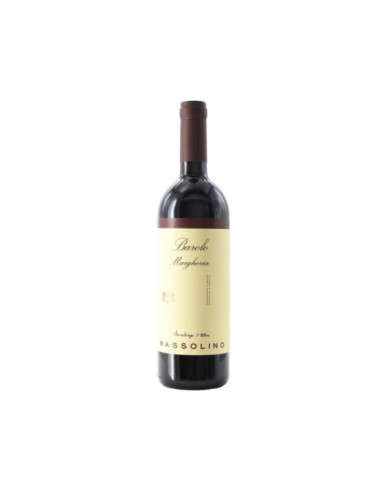
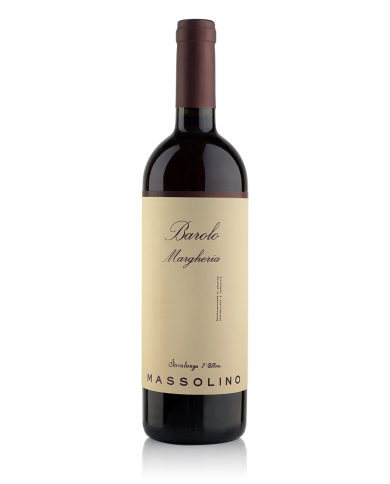
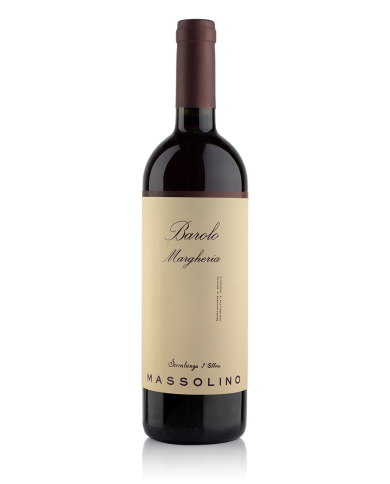
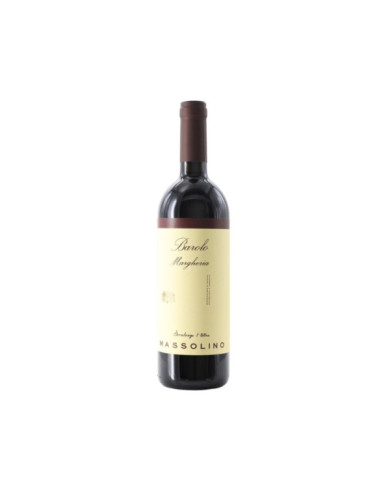
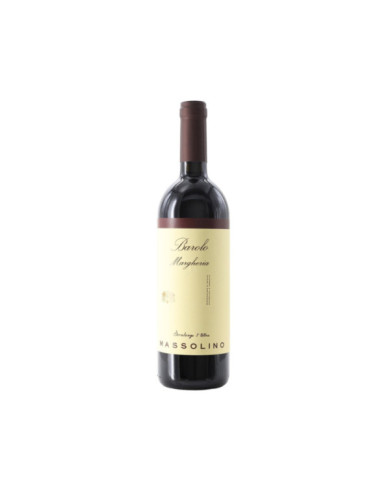
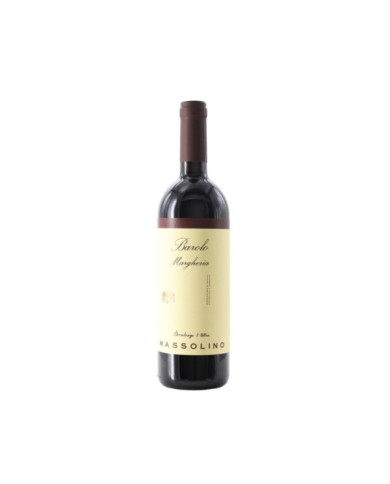
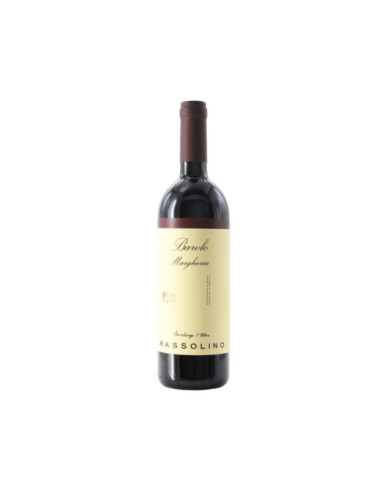
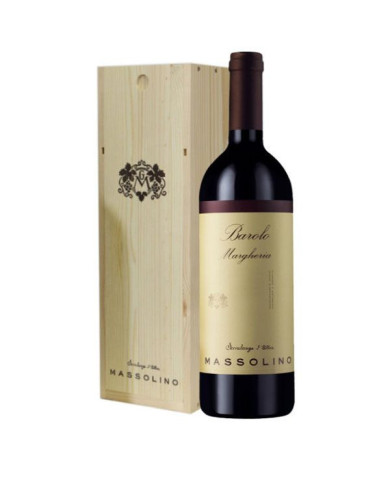
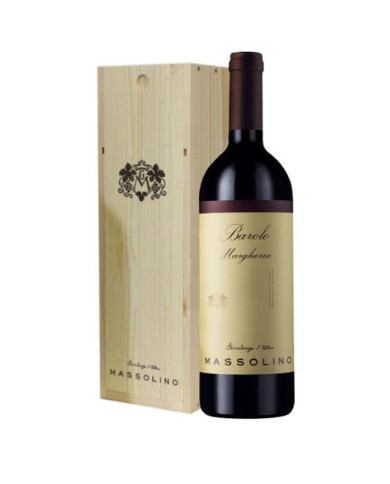
Coming from the homonymous vineyard in the cru of the municipality of Serralunga d'Alba, Massolino's Barolo Margheria ages in oak barrels for a minimum of 30 months, followed by a permanence in the bottle for about a year. Intense garnet red, it opens on the nose with spicy and undergrowth notes, while on the palate it is an explosion of dark pulp fruit, toasted coffee and oriental spices.
€69.17
SKU:
16265
Brand:
Massolino
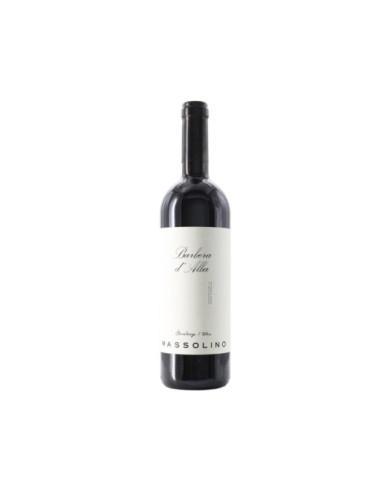
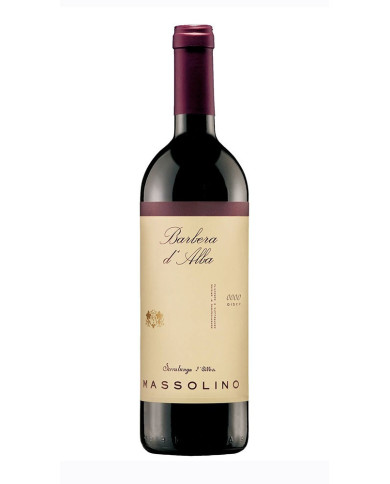
A great classic of the Piedmontese tradition, Barbera d'Alba DOC is round, frank, vinous, perfect for pairings with the typical cuisine of the area.
€12.91
SKU:
16264
Brand:
Massolino
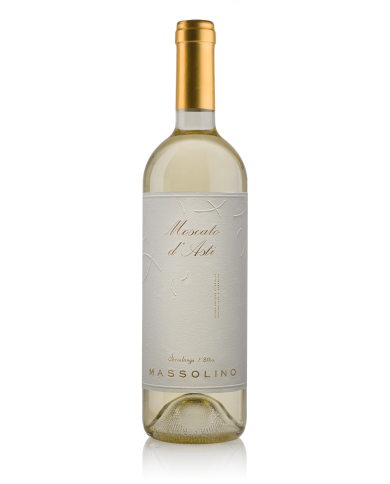
Traditionally, Moscato D'Asti DOCG is also grown in Serralunga. We have been making it since 1993. Sweet, fragrant and…
€10.81
SKU:
16263
Brand:
Massolino
Traditionally, Moscato D'Asti DOCG is also grown in Serralunga. We have been making it since 1993. Sweet, fragrant and…
€5.88
SKU:
16262
Brand:
Massolino
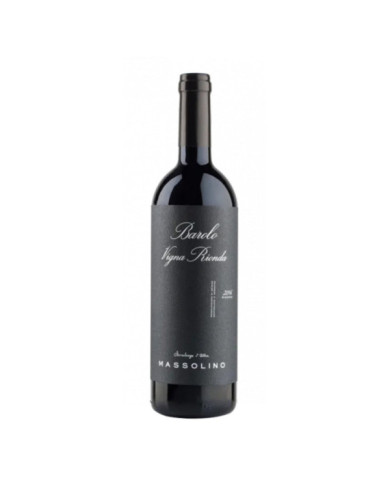
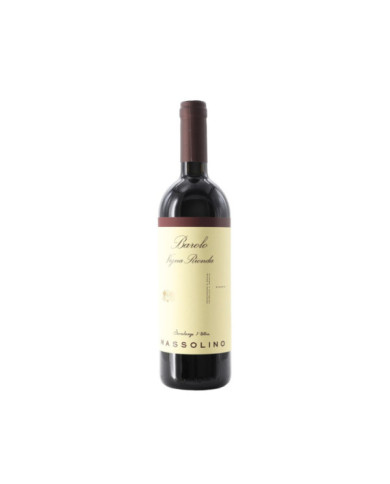
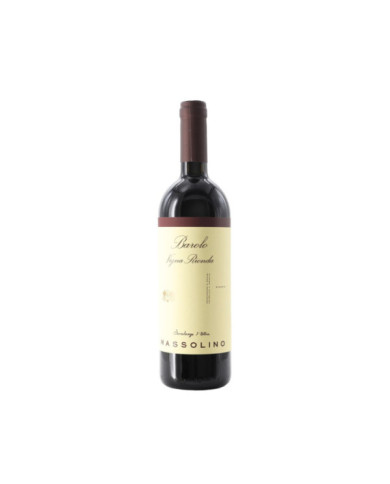
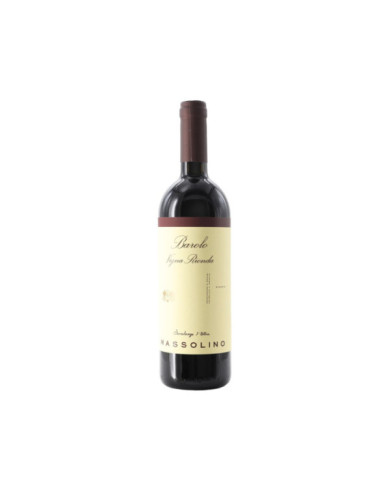
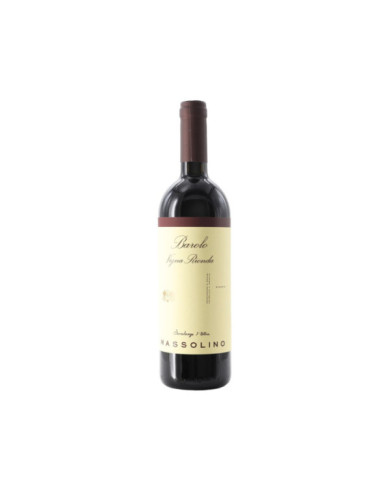
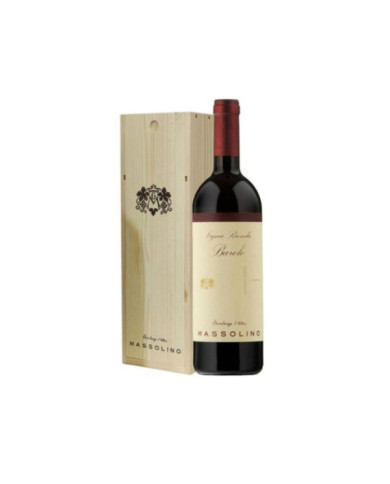
Linked from the beginning to the history of our family, Vigna Rionda has always been considered one of the most exclusive and legendary places in the wine world. Today we present to you what we believe to be one of the greatest Barolos we produce, the expression of a vintage that will go down in history and which for this reason should be celebrated properly...
€275.00
SKU:
16261
Brand:
Massolino
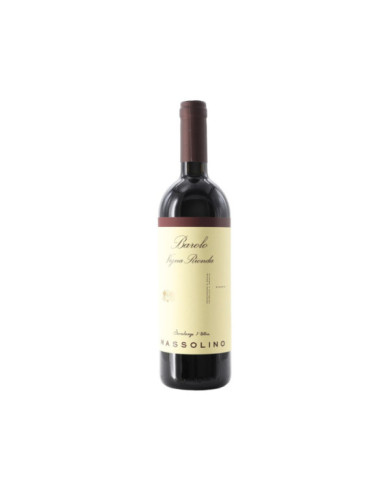
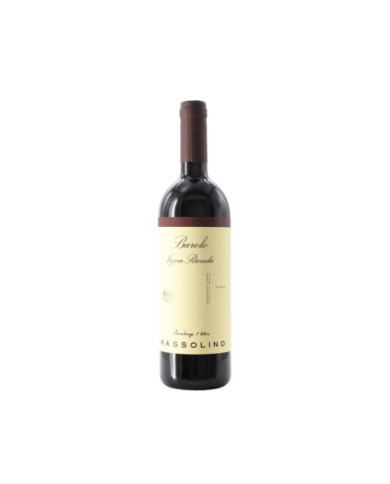
Simply the Barolo di Serralunga at the peak of its potential. Barolo DOCG Vigna Rionda Riserva is the wine we are most proud of.
€171.29
SKU:
16260
Brand:
Massolino
Simply the Barolo di Serralunga at the peak of its potential. Barolo DOCG Vigna Rionda Riserva is the wine we are most proud of.
€126.88
SKU:
16259
Brand:
Massolino
Simply the Barolo di Serralunga at the peak of its potential. Barolo DOCG Vigna Rionda Riserva is the wine we are most proud of.
€164.70
SKU:
16258
Brand:
Massolino
Simply the Barolo di Serralunga at the peak of its potential. Barolo DOCG Vigna Rionda Riserva is the wine we are most proud of.
€158.60
SKU:
16257
Brand:
Massolino
Simply the Barolo di Serralunga at the peak of its potential. Barolo DOCG Vigna Rionda Riserva is the wine we are most proud of.
€171.29
SKU:
16256
Brand:
Massolino
Simply the Barolo di Serralunga at the peak of its potential. Barolo DOCG Vigna Rionda Riserva is the wine we are most proud of.
€234.73
SKU:
16255
Brand:
Massolino
Simply the Barolo di Serralunga at the peak of its potential. Barolo DOCG Vigna Rionda Riserva is the wine we are most proud of.
€152.26
SKU:
16254
Brand:
Massolino
Simply the Barolo di Serralunga at the peak of its potential. Barolo DOCG Vigna Rionda Riserva is the wine we are most proud of.
€355.75
SKU:
16253
Brand:
Massolino
Simply the Barolo di Serralunga at the peak of its potential. Barolo DOCG Vigna Rionda Riserva is the wine we are most proud of.
€196.66
SKU:
16252
Brand:
Massolino
Simply the Barolo di Serralunga at the peak of its potential. Barolo DOCG Vigna Rionda Riserva is the wine we are most proud of.
€209.35
SKU:
16251
Brand:
Massolino
Cultivated in Monforte d'Alba at about 530 meters above sea level, the Langhe DOC Riesling was born out of our authentic passion for this vine.
€18.78
SKU:
16250
Brand:
Massolino
Langhe DOC Nebbiolo represents an immediate, pleasant and rounded expression of the Nebbiolo variety. The grapes used come from vineyards located in various municipalities of the Langhe.
€16.63
SKU:
16249
Brand:
Massolino
Langhe DOC Nebbiolo represents an immediate, pleasant and rounded expression of the Nebbiolo variety. The grapes used come from vineyards located in various municipalities of the Langhe.
€8.37
SKU:
16248
Brand:
Massolino
The Langhe Chardonnay Massolino is a white wine from a land of reds, rich and very well structured, it is capable of evolving splendidly over time. It is vinified and aged partly in large barrels and partly in barriques and has a very broad and complex aromatic range. On the palate it manages to be delicate despite an important structure, a wine for the whole meal that lends itself to many combinations
€15.56
SKU:
16247
Brand:
Massolino
A mature and structured Barbera, which receives greater expressive depth thanks to a longer aging period. It is put on the market starting from the second year of ageing.
€26.01
SKU:
16246
Brand:
Massolino
Massolino's Barolo "Parussi" is a wine that expresses in an austere and generous way the dense tannin typical of the Parussi cru. Aged 30 months in barrels, it expresses hints of ripe fruit, medicinal herbs, spices and ethereal sensations. Enveloping and voluminous on the palate
€66.61
SKU:
16245
Brand:
Massolino
Massolino's Barolo "Parussi" is a wine that expresses in an austere and generous way the dense tannin typical of the Parussi cru. Aged 30 months in barrels, it expresses hints of ripe fruit, medicinal herbs, spices and ethereal sensations. Enveloping and voluminous on the palate
€66.61
SKU:
16244
Brand:
Massolino
Massolino's Barolo "Parussi" is a wine that expresses in an austere and generous way the dense tannin typical of the Parussi cru. Aged 30 months in barrels, it expresses hints of ripe fruit, medicinal herbs, spices and ethereal sensations. Enveloping and voluminous on the palate
€66.61
SKU:
16243
Brand:
Massolino
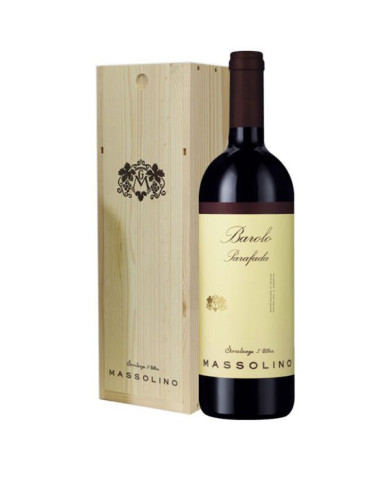
Massolino's Barolo "Parafada" comes from vines that are more than 50 years old from the Parafada di Serralunga cru and ages for 30 months in cask. The bouquet is floral, spicy, deep and very elegant. On the palate it is warm and soft, very harmonious and balanced, with a very long persistence
€66.61
SKU:
16242
Brand:
Massolino
Massolino's Barolo "Parafada" comes from vines that are more than 50 years old from the Parafada di Serralunga cru and ages for 30 months in cask. The bouquet is floral, spicy, deep and very elegant. On the palate it is warm and soft, very harmonious and balanced, with a very long persistence
€152.26
SKU:
16241
Brand:
Massolino
Margheria is a small cru in the municipality of Serralunga d'Alba where a slightly sandier soil gives more delicate and refined wines.
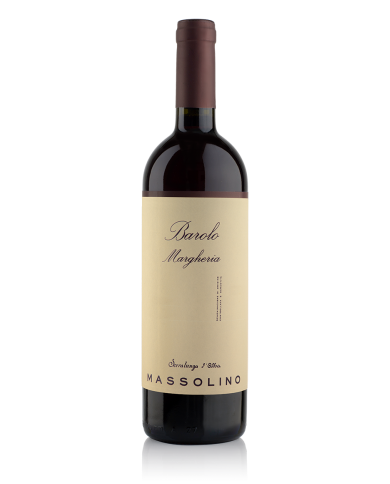
Massolino has for years been one of the greatest interpreters of this vineyard through a traditional style Barolo, with a long aging of 30 months in large Slavonian oak barrels and a year in the bottle.
Barolo Margheria Massolino is an austere and structured wine, with a bouquet that focuses on floral and spicy notes and then veering towards balsamic and mentholated scents. On the palate it is warm and persuasive, with a marked freshness that integrates well with silky tannins.
An important wine that embodies the entire history of its land of origin and best expresses its qualities when accompanied by rich dishes, such as roasted red meat or stewed game. Also excellent on medium and long-aged cheeses.
To drink today and try again in 15 years
€66.61
SKU:
16240
Brand:
Massolino
Margheria is a small cru in the municipality of Serralunga d'Alba where a slightly sandier soil gives more delicate and refined wines. Massolino has for years been one of the greatest interpreters of this vineyard through a traditional style Barolo, with a long aging of 30 months in large Slavonian oak barrels and a year in the bottle. Barolo Margheria Massolino is an austere and structured wine, with a bouquet that focuses on floral and spicy notes and then veering towards balsamic and mentholated scents. On the palate it is warm and persuasive, with a marked freshness that integrates well with silky tannins. An important wine that embodies the entire history of its land of origin and best expresses its qualities when accompanied by rich dishes, such as roasted red meat or stewed game. Also excellent on medium and long-aged cheeses. To drink today and try again in 15 years
SKU:
16239
Brand:
Massolino
Margheria is a small cru in the municipality of Serralunga d'Alba where a slightly sandier soil gives more delicate and refined wines.
Massolino has for years been one of the greatest interpreters of this vineyard through a traditional style Barolo, with a long aging of 30 months in large Slavonian oak barrels and a year in the bottle.
Barolo Margheria Massolino is an austere and structured wine, with a bouquet that focuses on floral and spicy notes and then veering towards balsamic and mentholated scents. On the palate it is warm and persuasive, with a marked freshness that integrates well with silky tannins.
An important wine that embodies the entire history of its land of origin and best expresses its qualities when accompanied by rich dishes, such as roasted red meat or stewed game. Also excellent on medium and long-aged cheeses.
To drink today and try again in 15 years
€66.61
SKU:
16238
Brand:
Massolino
Margheria is a small cru in the municipality of Serralunga d'Alba where a slightly sandier soil gives more delicate and refined wines.
Massolino has for years been one of the greatest interpreters of this vineyard through a traditional style Barolo, with a long aging of 30 months in large Slavonian oak barrels and a year in the bottle.
Barolo Margheria Massolino is an austere and structured wine, with a bouquet that focuses on floral and spicy notes and then veering towards balsamic and mentholated scents. On the palate it is warm and persuasive, with a marked freshness that integrates well with silky tannins.
An important wine that embodies the entire history of its land of origin and best expresses its qualities when accompanied by rich dishes, such as roasted red meat or stewed game. Also excellent on medium and long-aged cheeses.
To drink today and try again in 15 years
€59.29
SKU:
16237
Brand:
Massolino
Margheria is a small cru in the municipality of Serralunga d'Alba where a slightly sandier soil gives more delicate and refined wines.
Massolino has for years been one of the greatest interpreters of this vineyard through a traditional style Barolo, with a long aging of 30 months in large Slavonian oak barrels and a year in the bottle.
Barolo Margheria Massolino is an austere and structured wine, with a bouquet that focuses on floral and spicy notes and then veering towards balsamic and mentholated scents. On the palate it is warm and persuasive, with a marked freshness that integrates well with silky tannins.
An important wine that embodies the entire history of its land of origin and best expresses its qualities when accompanied by rich dishes, such as roasted red meat or stewed game. Also excellent on medium and long-aged cheeses.
To drink today and try again in 15 years
€66.61
SKU:
16236
Brand:
Massolino
Margheria is a small cru in the municipality of Serralunga d'Alba where a slightly sandier soil gives more delicate and refined wines.
Massolino has for years been one of the greatest interpreters of this vineyard through a traditional style Barolo, with a long aging of 30 months in large Slavonian oak barrels and a year in the bottle.
Barolo Margheria Massolino is an austere and structured wine, with a bouquet that focuses on floral and spicy notes and then veering towards balsamic and mentholated scents. On the palate it is warm and persuasive, with a marked freshness that integrates well with silky tannins.
An important wine that embodies the entire history of its land of origin and best expresses its qualities when accompanied by rich dishes, such as roasted red meat or stewed game. Also excellent on medium and long-aged cheeses.
To drink today and try again in 15 years
SKU:
16235
Brand:
Massolino
Margheria is a small cru in the municipality of Serralunga d'Alba where a slightly sandier soil gives more delicate and refined wines. Massolino has for years been one of the greatest interpreters of this vineyard through a traditional style Barolo, with a long aging of 30 months in large Slavonian oak barrels and a year in the bottle. Barolo Margheria Massolino is an austere and structured wine, with a bouquet that focuses on floral and spicy notes and then veering towards balsamic and mentholated scents. On the palate it is warm and persuasive, with a marked freshness that integrates well with silky tannins. An important wine that embodies the entire history of its land of origin and best expresses its qualities when accompanied by rich dishes, such as roasted red meat or stewed game. Also excellent on medium and long-aged cheeses. To drink today and try again in 15 years
€190.32
SKU:
16234
Brand:
Massolino
Barolo Massolino represents the synthesis of the different characteristics that each terroir offers. The company has always favored the traditional aging in large Slavonian oak barrels to maintain a purer and more pure identity. Wide and variable range of perfumes, surprising expressive evolution over time.
€84.72
SKU:
16233
Brand:
Massolino
Barolo Massolino represents the synthesis of the different characteristics that each terroir offers. The company has always favored the traditional aging in large Slavonian oak barrels to maintain a purer and more pure identity. Wide and variable range of perfumes, surprising expressive evolution over time.
€69.27
SKU:
16232
Brand:
Massolino
€33.55
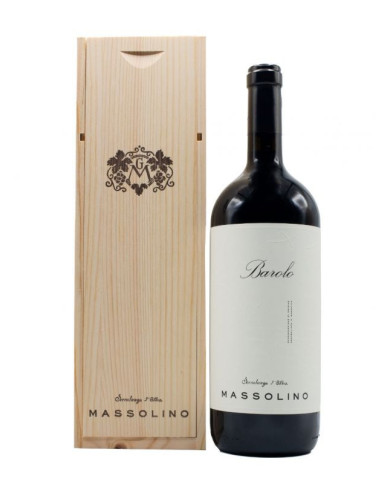
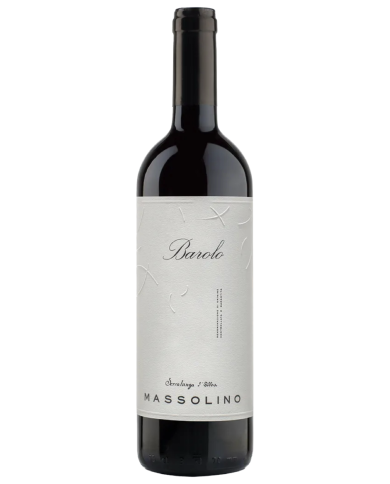
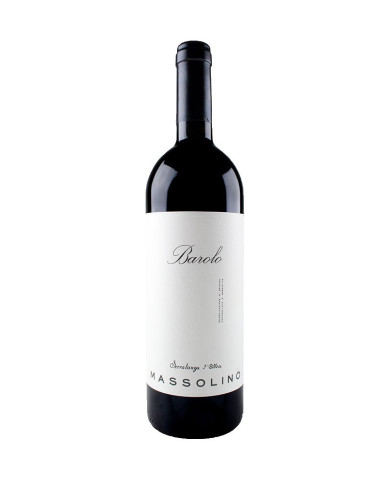
Barolo DOCG is a wine produced in the Massolino cellar of Sarralunga d'Alba. The company boasts a family tradition now in its fourth generation and has always aimed to create bottles capable of expressing all the beauty of a unique territory with quality. The grapes come from the Nebbiolo vines, classics in this area rich in limestone and with a temperate climate, which favor its optimal cultivation. After the careful harvest, we proceed with the long-lasting maceration and fermentation which takes place in oak vats. Subsequently, it is aged for about 30 months in large Slavonian oak barrels. Before being put on the market, the wine needs a further period of aging in the bottle, in very dark and cool rooms, in order to obtain greater expressiveness. Barolo DOCG is a full-bodied and structured wine, which is well suited for immediate drinking, but can evolve in the cellar for several years.
€33.55
SKU:
16231
Brand:
Massolino
Barbaresco from the Massolino winery is a Piedmontese expression of one of the most famous territories in the world for the vinification of important reds. This label is made with carefully selected pure Nebbiolo grapes and aged in Slavonian oak barrels for at least 18 months. The ruby red color with garnet reflections introduces aromas of flowers and red fruits while a balanced and long sip floods the palate
€32.67
SKU:
16230
Brand:
Massolino
Barbaresco "Albesani" from the Massolino winery is a typically Piedmontese red wine of great elegance and quality, perfect for important occasions. It is made with hand-selected pure Nebbiolo grapes and aged for 18 months in Slavonian oak barrels. The ruby red color with garnet reflections accompanies aromas of red fruits, hay and tobacco. The sip is full, harmonious, elegant, soft and long
€65.88
SKU:
16210
Brand:
Sopralerighe
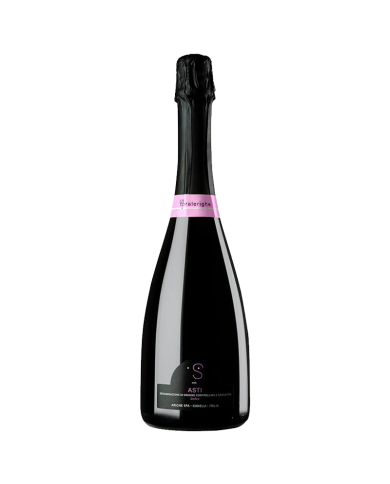
Moscato d'Asti in purity, produced in sparkling variety. The result is a very sweet but light bubble, thanks to its delicate alcohol content, which makes it a perfect Entry Level companion to start an evening or a lunch.
€8.11
SKU:
16209
Brand:
Sopralerighe
Moscato d'Asti in purity, produced in sparkling variety. The result is a very sweet but light bubble, thanks to its delicate alcohol content, which makes it a perfect Entry Level companion to start an evening or a lunch.
SKU:
16207
Brand:
Sopralerighe
Sweet sparkling wine produced from Moscato grapes, made for excellent aperitifs and early evenings. Straw yellow in sweetness, with various notes of sugary yellow-fleshed fruit.
€7.34
SKU:
15552
Brand:
Monchiero Carbone
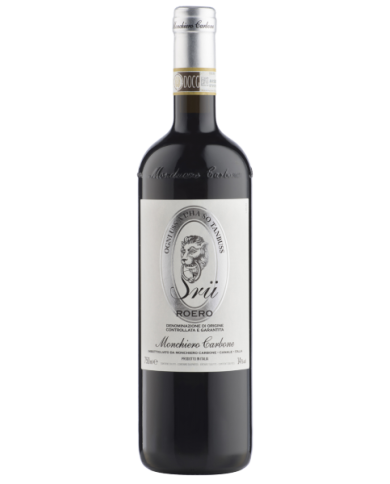
Roero is a wonderful hilly area located in the south of Piedmont, an exceptional testimony to the historical tradition of vine cultivation, winemaking processes and a social, rural and economic context based on the culture of wine. Nebbiolo has always been cultivated on the Roerine hills and, thanks to the calcareous nature of the soils, wines are born rich in perfume, with ample body but well balanced on the tannins. Precisely the natural balance between body and tannins makes Roero "Srü" fully appreciable from its second year, able to give certain satisfactions, especially when names of the caliber of "Monchiero Carbone" are shown on the label. Uncork it for a nice dinner with friends and you will make everyone happy.
With a soft, lively and brilliant ruby color, it presents itself to the nose with an intense and complex bouquet, with a slow progression of aromas that gives fruity flavors of plum, blackberry, raspberry, followed by an aristocratic vein of spices, licorice and a balsamic trail closing. The sip is soft, warm and sapid, with an elegant structure, with initially rough tannins, then increasingly soft and gentle. Persistent, with a mineral finish.
Ideal companion to T-bone steaks or grilled sirloins, game and aged cheeses.
€25.01
SKU:
15551
Brand:
Monchiero Carbone
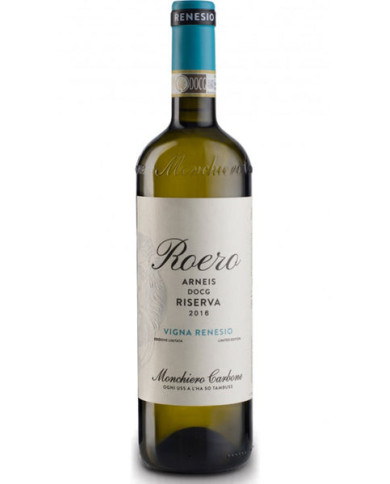
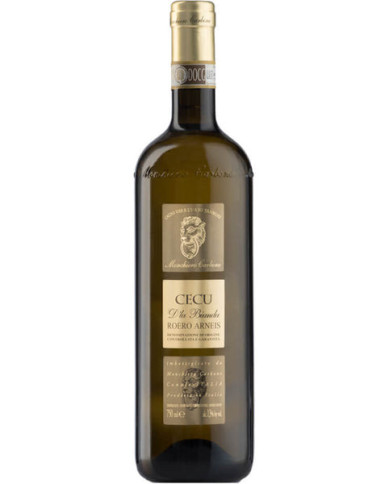
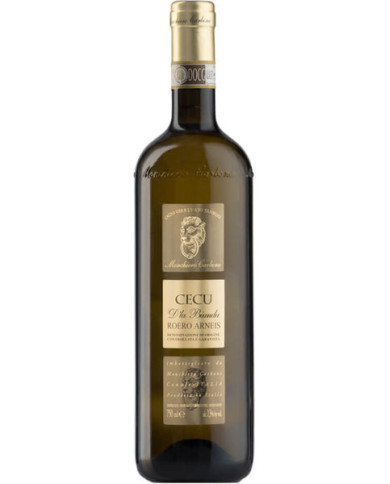
Renesio Incisa represents a new interpretation of Roero Arneis with respect to the way this wine has always been produced up to now. The Monchiero Carbone winery has in fact decided to produce a "Riserva", therefore creating a new expression of Roero Arneis capable of best representing all its qualities and potential for evolution. As?! With a mixed aging in wood and steel and for a longer period than usual.
The first vintage is 2016, a limited production where all bottles are numbered.
A wine that wears a brilliant intense straw color to the glass. The nose offers a rich and complex bouquet punctuated by fruity hints of citrus that blend sinuously with aromatic nuances of white pepper, herbs and delicate nuances of dried apricot.
It enters the mouth with extreme power. A soft wine, with a vigorous acidity that ensures a rich taste on the palate complemented by mineral notes. It offers a very pleasant, soft and elegant aftertaste, and extremely full and deep.
It expresses its maximum potential in combination with first and second courses of fish, even elaborate ones, medium-aged cheeses, as well as rich first courses such as lasagna with meat sauce, ravioli or aubergine parmigiana.
€32.57
SKU:
15550
Brand:
Monchiero Carbone
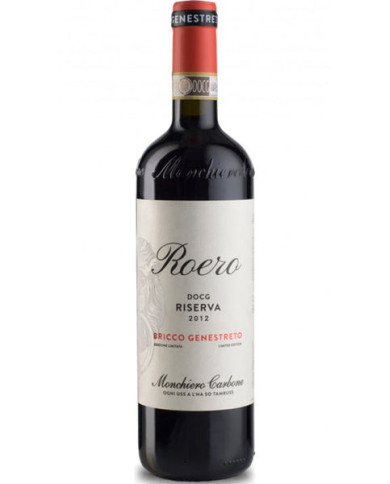
Bricco Genestreto is a wine of great intensity and potential born from Francesco Monchiero's desire to express all his ability and passion in a Nebbiolo that was "powerful". After bottling, before being tasted and marketed, this wine is kept in the cellar for 8 years.
The first vintage is of only 588 bottles, all numbered, an amazing limited edition to try.
A wine that wears a brilliant garnet red color to the glass. It seduces the sense of smell with its intent and ample pleasant bouquet punctuated by fruity hints of plum that blend sinuously with balsamic nuances of dried flowers, licorice and sweet tobacco.
It enters the mouth demonstrating from the first sip an enveloping, harmonious, full and velvety taste. It conquers the palate with its intense balsamic notes and long persistence.
It expresses its maximum potential in combination with dishes based on meat, game, roasts rich in aromas and intense flavors, ribs or long-aged cheeses.
€64.66
SKU:
15549
Brand:
Monchiero Carbone
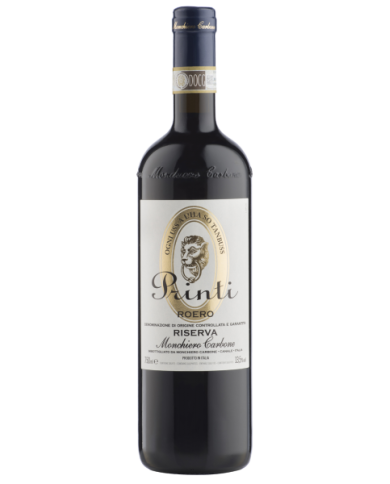
The Roero Riserva "Printi" is one of the precious pieces of the Monchiero Carbone winery, produced starting from the exceptional harvest of 1997 and which, year after year, has been able to establish itself on the Piedmontese wine scene proving to be able to compare itself with the other more structured wines of the region , without however having to give up the typical elegance of the Nebbiolo grapes grown on the rugged hills of the Roero. The Nebbiolo grapes from which Printi is born are grown at an altitude of 350 meters on the Frailin hill, on very calcareous soils; the fermentation is always long and slow to ensure that the wine is enriched with all the natural components contained in the grape and for the refinement, which lasts at least 24 months, small woods of different passages are used. The result can only be a wine with a great aromatic, balanced baggage, to be chosen for weekend conviviality and which will certainly not disappoint expectations. It opens to the eye with a beautiful ruby red hue, intense and brilliant. After an initial ethereal attack, the nose develops a fruity bouquet with hints of raspberries and wild strawberries, followed by spicy notes of vanilla, cinnamon, tobacco and noble woods. The taste is full-bodied and endowed with pleasant softness, with good fruit in the right balance with acidity and a texture of sweet and seraphic tannins, which gradually relax, giving a long and harmonious finish. Perfect to drink in combination with game, braised and overcooked meats, seasoned or lightly blue cheeses.
€33.53
SKU:
15548
Brand:
Monchiero Carbone
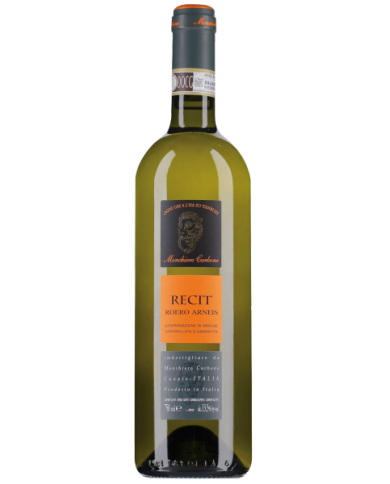
Among the most common Piedmontese white grape varieties, Arneis originates from Roero, where it has been cultivated since the 16th century; the bunch is compact and the berries rather small, therefore the yield is low and what is obtained at the end is a truly precious liquid! It is no coincidence that the Monchiero Carbone company has called its Arneis 'ReCit' which in Piedmontese dialect means 'little King'. With labels from the best crus in the area, Monchiero has always tried to enhance the small productions of each individual hill, without giving in to fashions but respecting tradition, through a production that has made the family crest its motto: 'every uss a so tanbuss' has it, each door has its own knocker, to underline how each label has its own peculiarities.
Brilliant and intense straw yellow, the nose has pure floral hints of green apple and banana together with aromatic vegetable notes of sage and linden, with a background of almonds. The taste is tasty, soft and round well balanced in the fresh-savory axis without ever appearing awkward, maintaining a right progression up to the moderate finish of peach and citron.
Excellent with vegetable flan.
€14.27
SKU:
15547
Brand:
Monchiero Carbone
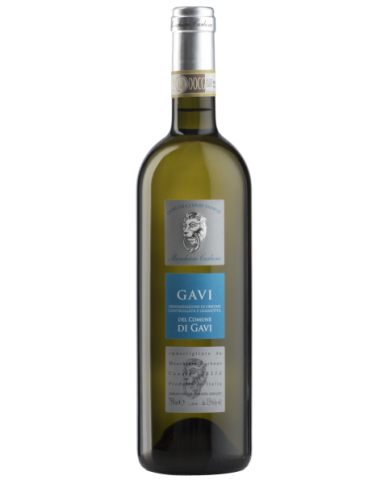
From the firm belief that a good producer can only best enhance the characteristics of the fruit that the earth has given him, Gavi di Monchiero Carbone is born, one of the most integral and upright Cortese that it is currently possible to meet in the territory of the Municipality of Gavi. Vinified and aged in steel only, the result is an elegant white, extremely clean in aromas, intense in taste that enhances everything that nature has created, in line with the tradition and culture of the area.
Straw yellow and crystalline to the eye, it is presented in the glass with a beautiful aromatic richness and a fine bouquet, marked by persistent notes of white flowers, lily of the valley, almond and grapefruit, which gives us a remarkable persistence. On the palate it reveals a light and snappy body, with all the well-balanced components and a fresh and pleasant acid note leading a sip that reveals a savory and typically bitterish finish.
Satisfying and particularly versatile in combinations. When there is fish at the table, but also white meats and poultry, it is a Gavi with which you can never go wrong.
€14.15
SKU:
15546
Brand:
Monchiero Carbone
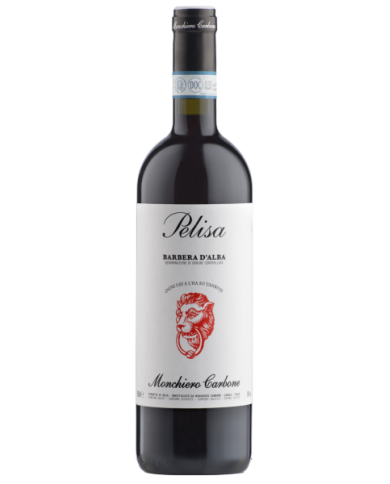
Definitely the most widespread and cultivated vine in Piedmont since the end of the 19th century, Barbera has also spread to the Alba area, adapting well to the environment thanks to its rusticity. Respecting tradition, without giving in to fashions and without erasing its peculiarities, Monchiero Carbone's Barbera d'Alba DOC 2017 is a wine capable of simultaneously narrating the grape variety, the vintage, the territory and all the dynamism of its typology. After the harvest, the vinification continues for about 15 days to then begin a short period of aging: 70% in stainless steel containers and the remaining 30% in oak, for a period of one year. The result is a red that expresses itself with depth and momentum in the glass, for a product that can be drunk willingly and to be fully enjoyed without thinking too much about it.
In the glass it has a beautiful intense red imbued with vivacity. The nose expresses its fruity fragrance without hesitation with clear sensations of black cherry and cherries, followed by pleasantly free-range notes of wet earth. On the palate it is medium-bodied, with an attack of lively freshness, which opens up to a juicy fruit, accompanied by light tannins and a finish of good persistence.
Throughout the meal and, given its versatility and its fresh and fruity vein, it is the ideal companion to mixed grills, especially pork chop and sausage.
€13.05
SKU:
15545
Brand:
Monchiero Carbone
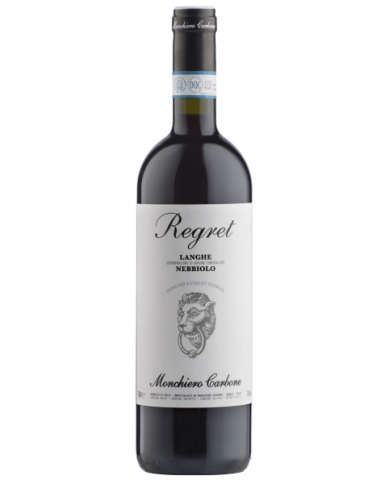
Smooth and fresh, immediate and pleasant, but at the same time never predictable and never banal: it is the "Regret", the Langhe DOC branded Monchiero Carbone that comes from Nebbiolo grapes which, for their fragrance and structure, are ideal for the production of a wine that can fully express, from the first year, the characteristics of this great vine. The grapes destined for the production of "Regret" are fermented with the classic Piedmontese technique which involves maceration on the skins for at least 15 days. After racking, the wine is placed in barriques, where malolactic fermentation takes place and where it rests for a maturation period of about six months. A red that certainly does not leave one indifferent, capable of giving voice, like few others, to the true essence of its native territory.
It opens to the eye with a not very intense and young ruby hue. It reveals great olfactory finesse, a perfect synthesis between the varietal notes of raspberry and wild strawberries together with the typical floral scents. On the palate it is medium-bodied, giving us a harmonious, fresh and tasty sip, with a well-integrated and highly refined tannic texture. It closes with good persistence and with a good range of aromatic sensations.
The tannic finesse of this Nebbiolo goes well with rich and tasty dishes, such as fresh pasta seasoned with meat sauces and grilled or roasted red meats.
€15.49
SKU:
15544
Brand:
Monchiero Carbone
Arneis, an exclusive vine of the steep Roero hills, is, together with Nebbiolo, the architect of the fame of our territory. To enhance the prestige that this vine deserves, an exclusive selection of Roero Arneis has been created since 2004, with the clear intention of offering a further opportunity to fully appreciate the characteristics and potential of this great vine.
The grapes come from two single vineyards selected for their sandy terroir and high altitude: from the soft, sandy soils of the Tanone cru, in the municipality of Vezza d'Alba, and from the Renesio Incisa cru in Canale, on the famous hill which gave the birthplace of the Arneis grape towards the end of the 15th century. In fact, it is said that this white grape differentiated itself in Renesio, initially called "White Nebbiolo" due to the shape of the bunch and the size of the berries similar to Nebbiolo.
In the glass it is a brilliant straw yellow color. The nose is distinguished by its intense bouquet of tropical fruits in which the aromas of pineapple and white currant stand out. The entrance on the palate is rather marked by a splendid gustatory freshness which gradually shows its true powerful and enveloping character.
A fine white that accompanies the meal well but which in combination with fish and shellfish dishes, white meat and not too seasoned cheeses gives its best. Its rich and persistent finish that ends with the triumph of sapidity makes it a quality bottle that is always very welcome and able to seduce all palates.
€17.20
SKU:
15543
Brand:
Monchiero Carbone
Arneis, an exclusive vine of the steep Roero hills, is, together with Nebbiolo, the architect of the fame of our territory. To enhance the prestige that this vine deserves, an exclusive selection of Roero Arneis has been created since 2004, with the clear intention of offering a further opportunity to fully appreciate the characteristics and potential of this great vine.
The grapes come from two single vineyards selected for their sandy terroir and high altitude: from the soft, sandy soils of the Tanone cru, in the municipality of Vezza d'Alba, and from the Renesio Incisa cru in Canale, on the famous hill which gave the birthplace of the Arneis grape towards the end of the 15th century. In fact, it is said that this white grape differentiated itself in Renesio, initially called "White Nebbiolo" due to the shape of the bunch and the size of the berries similar to Nebbiolo.
In the glass it is a brilliant straw yellow color. The nose is distinguished by its intense bouquet of tropical fruits in which the aromas of pineapple and white currant stand out. The entrance on the palate is rather marked by a splendid gustatory freshness which gradually shows its true powerful and enveloping character.
A fine white that accompanies the meal well but which in combination with fish and shellfish dishes, white meat and not too seasoned cheeses gives its best. Its rich and persistent finish that ends with the triumph of sapidity makes it a quality bottle that is always very welcome and able to seduce all palates.
€45.38
SKU:
15542
Brand:
Monchiero Carbone
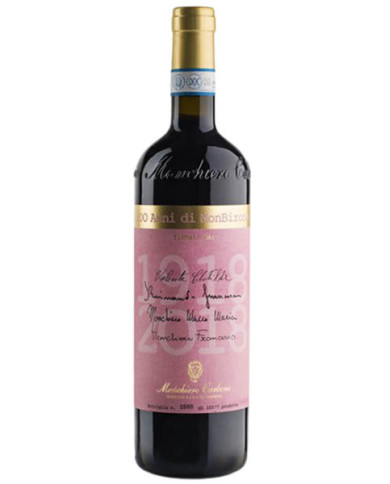
From the Mombirone cru, one of the hills surrounding the town of Canale. the family wine tradition was born, since in 1918 the great-grandmother Clotilde bought the first small plot, already then planted with Barbera vines, where the excellent results of the vine on the clay-limestone soils of this hill had long been recognized. It is here that, after more than a century, the best Barbera grapes are born, with which the family wanted to give life to an exceptional Grand Cru worthy of celebrating a special anniversary: the 100th harvest of Barbera d'Alba MonBirone. Numbered bottles, for a total production of this vintage equal to 10577. The grape harvest normally takes place in the first week of October, after pressing the alcoholic fermentation begins, carried out in the traditional way and lasting 15/20 days. After racking, the wine is placed in 225-litre wooden barrels where malolactic fermentation and refinement will take place, which can last between 15 and 20 months. After being bottled, the wine rests for about 6 months in the underground cellars before being put on the market. A deep wine with an intense ruby red color, with violet hues. On the nose it offers a rich and broad aroma, ranging from intense aromas of undergrowth, cocoa and spices, to sweet fruity notes of red fruits and plums, offering a sensational riot on the nose. The entrance to the palate immediately shows great power and a complex structure; it is the alcohol that ensures an initial softness, then balanced by the acidity, thus giving lightness to the fruity pulp. The finish is long and persistent, and offers a pleasant sense of freshness and good harmony between fruity and woody sensations. Its important alcohol content and good acidity recommend its combination with meats prepared with long cooking and medium-aged cheeses; a superb red that will give quality and sensory journeys to your palates.
€65.00
SKU:
15330
Brand:
Giulia Negri
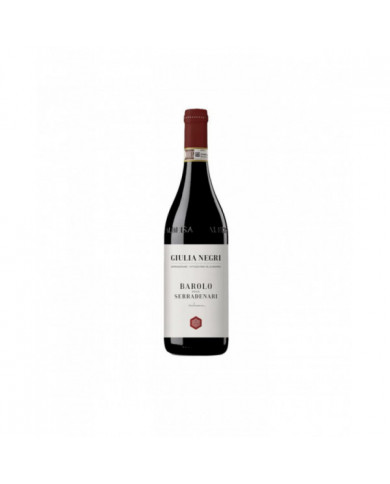
We are at Morra, Serradenari, on soils from the Messinian period with a sandy loam texture with a strong presence of calcareous marl. At about 480m with a south-west exposure, the pure Nebbiolo grapes are vinified with spontaneous fermentation in truncated cone-shaped vats, macerating for about 40 days. The wine then ages for 30 months in 25-hectolitre Slavonian oak barrels.
€86.13
SKU:
15329
Brand:
Giulia Negri
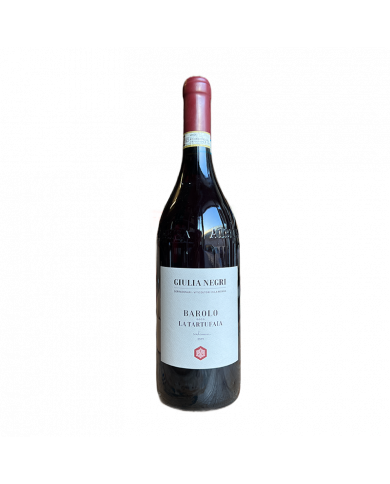
Giulia Negri 's Barolo "La Tartufaia" is the producer's personal vision of the "La Morra" area who skilfully transforms the Nebbiolo grapes into an important and elegant red wine, with a deep and fine taste. On the nose the aromas are of red fruit, berries with notes of tobacco and licorice. On the palate it is full-bodied, enveloping with silky tannins and earthy and bloody sensations that close the sip.
€70.76
SKU:
15225
Brand:
Gianni Doglia
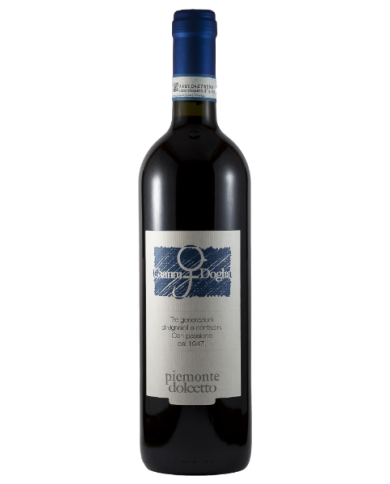
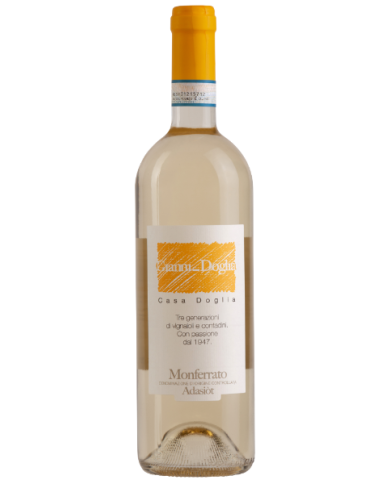
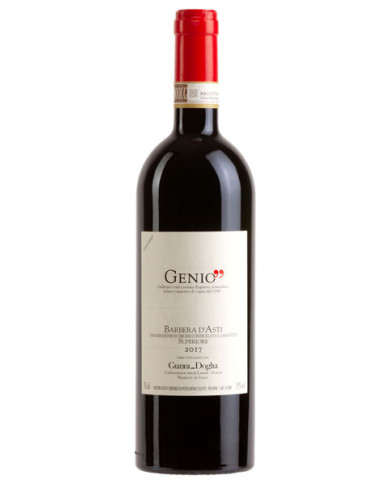
Wine suitable for the whole meal, in particular it goes well with cured meats and hams, appetizers and first courses, fresh or medium-aged hard cheeses. The grapes are harvested manually in the vineyard and carefully deposited in boxes for transport to the cellar, pressed and fermented at a controlled temperature with a maceration of about 10 days. At the end of fermentation, the wine is left to clarify by static decantation until the end of winter. It will then rest in steel tanks until spring when it will be bottled: after about a month of aging in the bottle it will be ready to be drunk.
€12.08
SKU:
15224
Brand:
Gianni Doglia
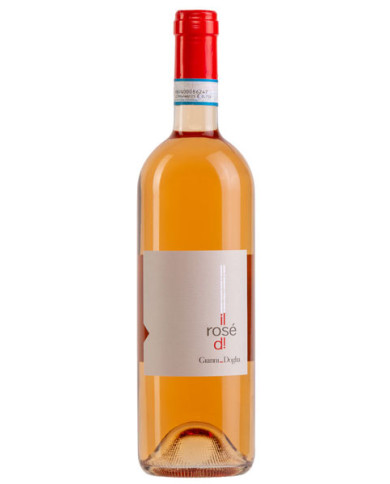
Particularly suitable as an aperitif or with summer appetizers, first courses, delicate fish. The grapes are harvested manually in the vineyard and carefully placed in boxes for transport to the cellar. They are pressed immediately, left for 5 hours with the skins and then fermented at a controlled temperature of around 15°C without the aid of selected yeasts. At the end of the fermentation process, the wine is left to clarify with static settling until the end of winter. It remains in stainless steel vats until spring, when it will be bottled: after about 1 month of aging in the bottle, it will be ready to drink.
€12.08
SKU:
15223
Brand:
Gianni Doglia
Aperitif wine and throughout the meal, it goes very well with appetizers, fish dishes and white meat main courses. The grapes are harvested manually in the vineyard and carefully deposited in boxes for transport to the cellar. It is then immediately pressed and left to ferment at a controlled temperature of about 15°, without the aid of selected yeasts. At the end of the fermentation the wine rests on the fine lees for 30/50 days; subsequently it is left to clarify by static settling until the end of winter. It will then rest in steel tanks until spring when it will be bottled: after about a month of aging in the bottle it will be ready to be drunk.
€12.08
SKU:
15222
Brand:
Gianni Doglia
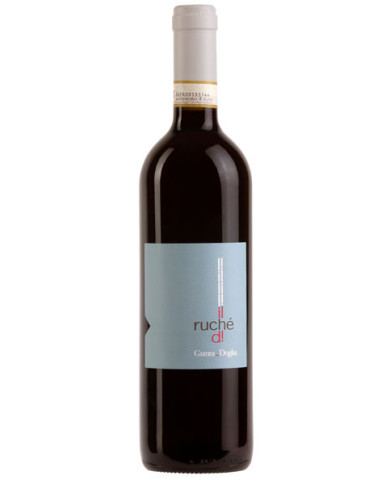
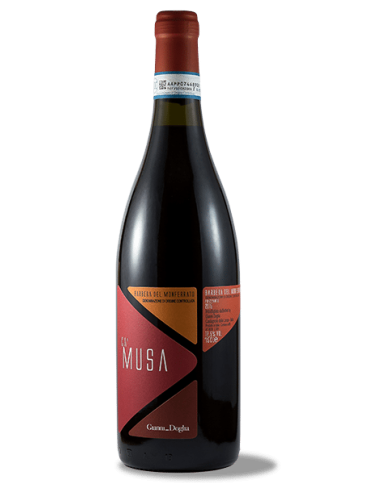
Warm, elegant, round. Light tannin in the month. Great aromatic persistence. The grapes are harvested manually in the vineyard and carefully placed in boxes for transport to the cellar, pressed and then fermented at a controlled temperature with a maceration of about 10-12 days. At the end of the fermentation process, the wine is left to clarify with static settling until the end of winter. It remains in stainless steel vats until the end of summer, when it will be bottled: after about 6 months of aging in the bottle, it will be ready to drink.
€18.79
SKU:
15221
Brand:
Gianni Doglia
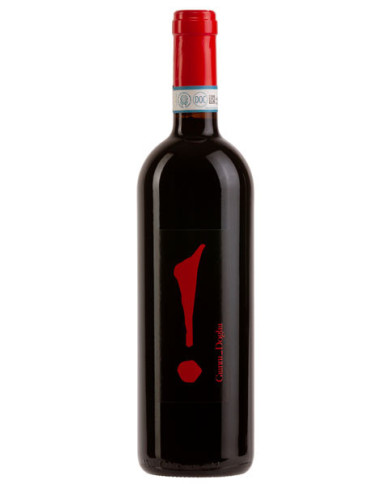
Important wine indicated for second courses of red meat or game. Excellent companion for an after dinner with friends. The grapes are harvested manually in the vineyard and carefully deposited in boxes for transport to the cellar, pressed and fermented at a controlled temperature with a maceration of about 8-10 days. Upon racking, the wine is placed in barriques where it rested for 24 months. The wine thus obtained was further refined for about 6 months in steel tanks before finally being bottled; the bottles, after a rest of about 6 months in the cellar at a temperature of 18° C to complete the refinement, are ready for marketing.
€31.96
SKU:
15220
Brand:
Gianni Doglia
Meditation wine, ideal in combination with aged cheeses and excellent at any time of the day or at the end of a meal as a digestive. The grapes are harvested and selected manually in the vineyard and carefully deposited in boxes for transport to the cellar. Here begins careful drying for a period of two months on wooden racks, in a dry and well-ventilated place. The withered bunches are pressed and subsequently the must obtained is left to ferment in steel tanks at a controlled temperature for about a month. At the end of the fermentation the wine rests in stainless steel tanks for about a year. Subsequently the wine is bottled and after a rest of about 6 months in the cellar at 18°C to complete the refinement in the bottle, it will be ready to be drunk.
€20.01
SKU:
15219
Brand:
Gianni Doglia
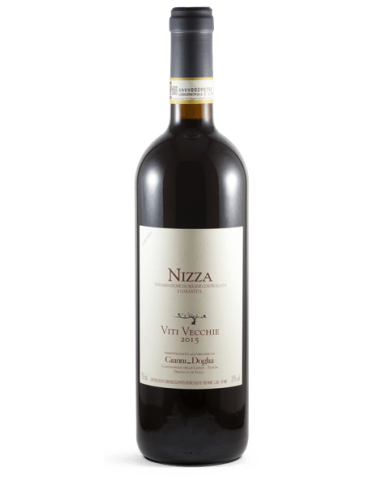
The grapes come from a plot of about one hectare located in the municipality of Nizza Monferrato, whose vines reach an average age of 50 years and represent the maximum selection of Barbera. Wine indicated for main courses of red meat, game or well-aged cheeses, structured, round with a harmonious balance between freshness and softness. The grapes are harvested manually and carefully stored in boxes for transport to the cellar, pressed and fermented at a controlled temperature with a maceration of about 15 days. After racking, the wine ages in small wooden barrels for about 18-24 months. The wine is then left to rest for about 6 months in a steel tank. At this point it is possible to proceed with the bottling. After further refinement in the bottle for at least 6 months in the cellar at a temperature of 20°C,
€30.50
SKU:
15218
Brand:
Gianni Doglia
Enveloping, warm and round taste. Excellent persistence and harmony, the result of an elegant balance from a decisive freshness to a good body. The grapes are harvested manually in the vineyard and are carefully placed in boxes for transport to the cellar, pressed and then fermented at a controlled temperature with a maceration of about 15 days. After racking, it is aged in small wooden barrels for 18-24 months. The wine is then left to rest for about 6 months in stainless steel vats. At this point it can be bottled. After further aging in the bottle for at least 6 months in the cellar at a temperature of 20°C, the wine is finally ready to drink.
SKU:
15217
Brand:
Gianni Doglia
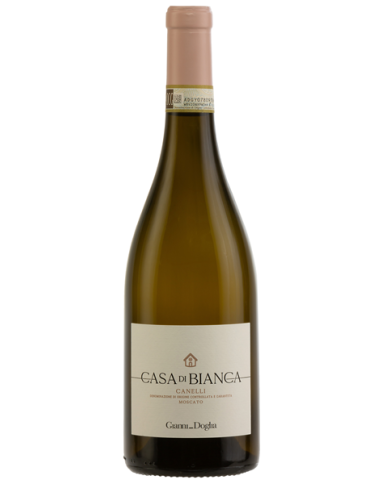
The grapes that come from a small plot known as "Casa di Bianca", located in the hamlet of Annunziata di Castagnole delle Lanze, represent the maximum selection of the Moscato vine from our lands. The Moscato Casa di Bianca grapes are carefully selected in the vineyard during the harvest (which takes place exclusively by hand), after being carefully pressed; the flower must is the result and is elaborated with the Martinotti Method in an autoclave, where it will rest on its lees for at least six months.
€21.96
SKU:
15216
Brand:
Gianni Doglia
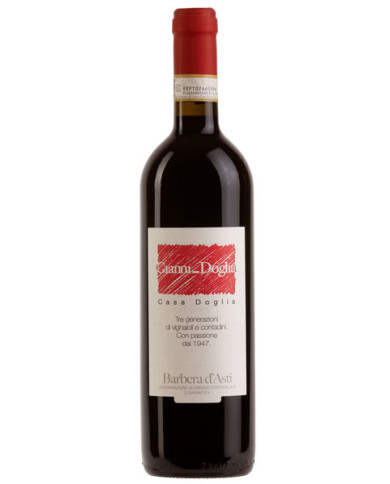
Warm and rich taste of extraordinary balance, it has important but never excessive structure and body. Good persistence and excellent harmony. Perfect with first courses, red meats and medium-aged cheeses. The grapes are harvested manually in the vineyard and carefully placed in boxes for transport to the cellar, pressed and then fermented at a controlled temperature with a maceration of about 8 - 10 days. At the end of the fermentation process, the wine is left to clarify with static settling until the end of winter. It remains in stainless steel vats until spring when it will be bottled: after about 1 month of aging in the bottle it will be ready to drink.
€13.54
SKU:
15215
Brand:
Gianni Doglia
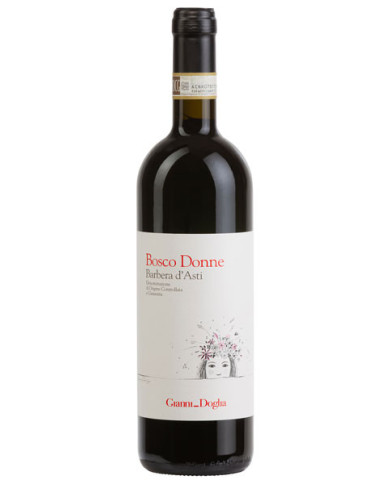
Barbera ''Bosco donne'' is easy to combine because it accompanies almost all traditional Piedmontese dishes with sincere ease: in particular raw meat, agnolotti del plin seasoned with roast meat filling sauces and cooked veal braised in Barbera wine. The grapes are harvested manually in the vineyard and carefully placed in boxes for transport to the cellar, pressed and then fermented at a controlled temperature with a maceration of about 8 days. At the end of the fermentation process, the wine is left to clarify with static settling until the end of winter. It remains in stainless steel vats until the end of summer, when it will be bottled: after about 6 months of aging in the bottle, it will be ready to drink.
€14.88
SKU:
15214
Brand:
Gianni Doglia
Moscato d'Asti is an excellent dessert wine that goes well with dry pastries and fruit cakes; moreover, thanks to the moderate alcohol content, it is a pleasant thirst-quenching drink in the summer. The combination with cured meats and cheeses is more provocative; a provocation that will amaze you! To preserve all the fragrance of the fruit in the wine, it is necessary to adopt a particular harvesting and vinification technique. In fact the grapes, coming from the company's own vineyards, are harvested manually in the vineyard and carefully placed in boxes for transport to the cellar; here they are delicately pressed and the must obtained is kept in cooling vats (-1.5° C) until the moment of vinification in an autoclave. Fermentation takes place at a controlled temperature and with the help of selected yeasts until 5% alcohol is reached. Subsequently the wine will be filtered and bottled. The result is a lively wine with strong and intense varietal characters.
€16.01
SKU:
15213
Brand:
Gianni Doglia
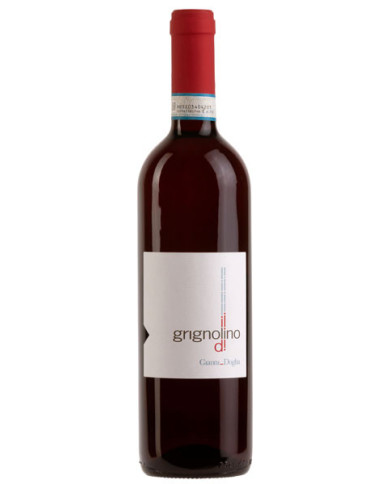
Particularly suitable as an aperitif or with summer appetizers, first courses. It will amaze you with fried fish. The grapes are harvested manually in the vineyard and carefully placed in boxes for transport to the cellar. Subsequently they are pressed and fermented at a controlled temperature of about 18°C with a maceration of about 2/3 days with frequent pumping over. Subsequently the Grignolino is drawn off and the fermentation is finished "in white", ie without skins and seeds, always maintaining a temperature of 18° C. At the end of the fermentation the wine is left to clarify with static settling until the end of winter. It remains in stainless steel vats until spring, when it will be bottled: after about 1 month of aging in the bottle, it will be ready to drink.
€14.54
SKU:
15212
Brand:
Gianni Doglia
Slightly sparkling, its slight effervescence enhances the freshness and flavor making it highly drinkable. Its great pleasantness goes wonderfully with cured meats, soups and boiled meats. The grapes are harvested manually in the vineyard and carefully placed in boxes for transport to the cellar, pressed and then fermented at a controlled temperature with a maceration of about 8 - 10 days. At the end of the fermentation process, the wine is left to clarify with static settling until the end of winter. It remains in stainless steel vats until spring when it will be ready for the sparkling process in the autoclave and for bottling: after about 1 month of aging in the bottle it will be ready to drink.
€10.98
SKU:
15211
Brand:
Gianni Doglia
Moscato d'Asti is an excellent dessert wine that goes well with dry pastries and fruit cakes; moreover, thanks to the moderate alcohol content, it is a pleasant thirst-quenching drink in the summer. The combination with cured meats and cheeses is more provocative; a provocation that will amaze you! To preserve all the fragrance of the fruit in the wine, it is necessary to adopt a particular harvesting and vinification technique. In fact the grapes, coming from the company's own vineyards, are harvested manually in the vineyard and carefully placed in boxes for transport to the cellar; here they are delicately pressed and the must obtained is kept in cooling vats (-1.5° C) until the moment of vinification in an autoclave. Fermentation takes place at a controlled temperature and with the help of selected yeasts until 5% alcohol is reached. Subsequently the wine will be filtered and bottled. The result is a lively wine with strong and intense varietal characters.
€33.92
SKU:
15158
Brand:
Follador
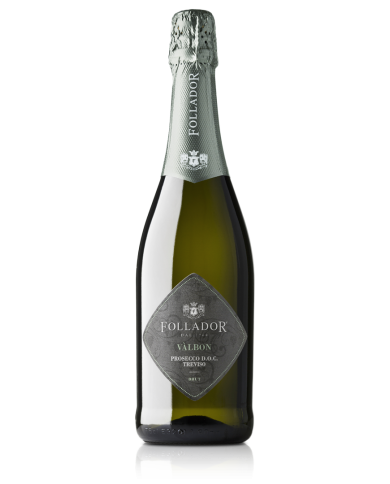
VÀLBON: A name that refers to our characteristic hilly landscape dotted with vineyards and charming villages.
Hints of flowers, apple, pear and citrus fruits, which are found in the mouth giving sensations of flavor and freshness. Fine and persistent bubble. Pale straw yellow color with greenish reflections. Ideal for a refreshing aperitif or with appetizers, first courses and dishes based on fish, vegetables and white meats.
€14.30
€44.24
SKU:
15091
Brand:
Davide Fregonese
Austere, imposing, long-lived. Barolo Prapò DOCG vintage 2016 from Davide Fregonese winery, is an excellent red wine produced from grapes from 100% Nebbiolo vines. The vines were planted in 2000 in Serralunga d'Alba, Prapò, on calcareous soil at an altitude of 365 m slm , facing south-east. The training system used is espalier, with guyot pruning, and the grapes that have reached maturity are harvested in mid-October. Fermentation takes place in cement tanks in contact with the skins for about 28 days with daily pumping over and a delastage around the fourteenth day. The refinement takes place for a period of 18/30 months, depending on the vintage, and is carried out in French oak barrels from the Fontainebleau forest. A seductive glass of bright ruby red color. The nose opens fruity aromas of blackberry and blueberry, with spicy notes of cloves. In the mouth the taste is endowed with a decisive sapidity and a remarkable structure, supported by the right softness. The tannins are extremely fine, with a long persistence. It goes perfectly with baked veal shank and lamb with potatoes.
€57.65
SKU:
15090
Brand:
Davide Fregonese
Enveloping, intense, memorable. Barolo Cerretta DOCG by Cantina "Bugia Nen" by Davide Fregonese, is an excellent red wine produced from grapes from 100% Nebbiolo vines. The Serralunga d'Alba vineyards were planted in 1998 on clayey-limestone soil at an altitude of 340 m slm with western exposure. The training system is espalier with guyot pruning. The grapes are harvested when fully ripe in mid-October. The refinement is carried out for a period ranging from 18 to 30 months depending on the vintage, in 15 hl French oak barrels from the Fontainbleau forest. A glass capable of captivating sight and smell from the very first moment. Intense ruby red to the eye, it offers the nose an amazing floral aroma of slightly withered flowers, mixed with the persistent scent of blackberry jam, followed by the bitterish hint of cocoa and licorice. In the mouth the taste is dense and extraordinarily enveloping, with a solid and balanced body, the flavor is persistent. The finish is fresh with a subtle but extremely elegant tannic texture. A refined and unique label of its kind; such a special bottle that it is perfectly suited to be tasted on the occasion of a combination with a juicy fassona steak, an elegant fillet with morels or a refined truffled partridge.
€57.65
SKU:
15089
Brand:
Davide Fregonese
Fresh, captivating, pleasantly worldly. Nebbiolo Langhe DOC from Davide Fregonese's cellar, is a good quality red wine produced from grapes from 100% Nebbiolo vines.
Fermentation takes place in cement tanks in contact with the skins for about 12 days with daily pumping over, and a délastage towards the sixth. The refinement takes place for a period of 6/12 months, depending on the vintage, and is carried out in French oak barrels from the Fontainebleau forest.
A wine that shows an extremely intense ruby red color. The nose releases floral and fruity aromas, where the first to prevail are the fragrant hints of rose and violet, followed by hints of ripe red strawberry and cherry.
An easy-to-drink red, with a fine structure and an elegant tannic texture, good freshness.
It goes perfectly with structured meat-based dishes; even in the warmer months it is a very pleasant sip.
€18.36
SKU:
14957
Brand:
Poderi Luigi Einaudi
The Langhe Nebbiolo DOC of Poderi Luigi Einaudi is an elegant wine from young vineyards in the municipality of Neive, not far from Barbaresco.
€23.16
SKU:
14935
Brand:
Ceretto
Sweet white wine, it is the dessert wine par excellence. It has a more or less intense straw yellow color depending on the vintage, an intense, aromatic and very persistent fruity aroma. The sweet taste is in harmonious balance with the low alcohol content (5% vol.) and with the acidity, never very high, but which gives the product a pleasant freshness. PAIRINGS: fresh fruit (peaches, strawberries, berries…) panna cotta cream-based desserts.
SKU:
14807
Brand:
Cascina Corte
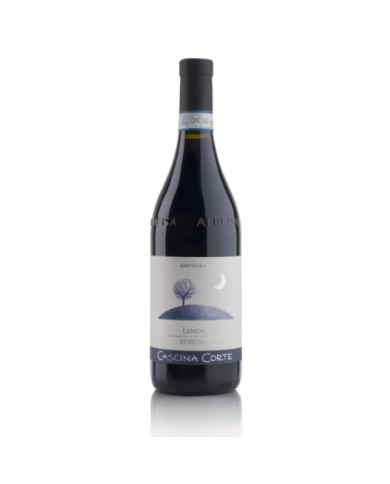
The color is purplish-red with ruby-violet flashes. The nose is deep and vertical, with fruity aromas chasing each other to create an enveloping and balanced bouquet.
€28.60
SKU:
14806
Brand:
Cascina Corte
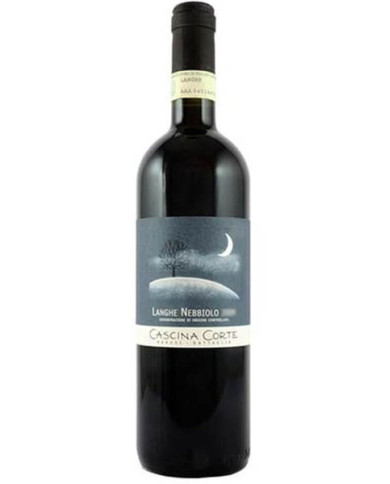
The color is dark ruby red, almost impenetrable, lively and captivating. The nose expresses the typical personality of the vine, capable of expressing a complex and intense bouquet.
€35.82
SKU:
14805
Brand:
Cascina Corte
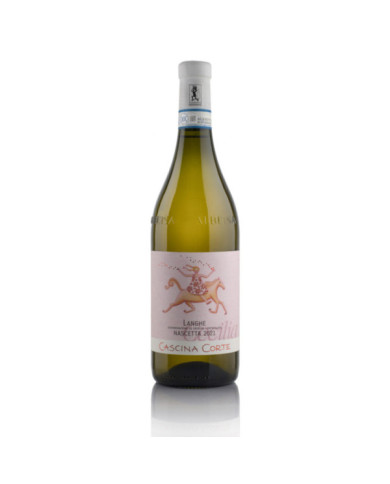
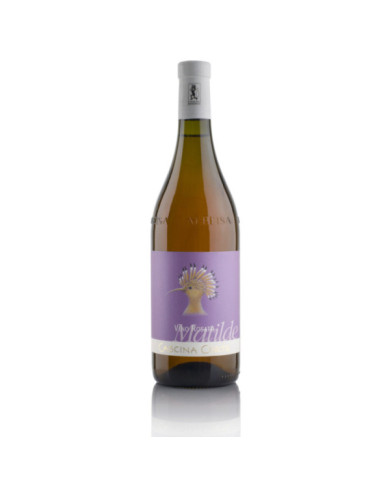
Color tending to straw yellow. On the nose fruity aromas and Mediterranean scrub.
€20.98
SKU:
14804
Brand:
Cascina Corte
This wine is a particularly successful exercise in Cascina Corte style. An original mix obtained from three different grapes.
€13.05
SKU:
14803
Brand:
Cascina Corte
Fresh, balanced, with good acidity, it is a very pleasant wine. The aromas recall fruit, with hints of currants, strawberries and cherries.
€17.54
SKU:
14802
Brand:
Cascina Corte
Elegant and refined wine. In the mouth the acidity runs through the entire tasting, letting the rich background matter shine through and raising the tone of the drink. Persistent.
€20.15
SKU:
14801
Brand:
Cascina Corte
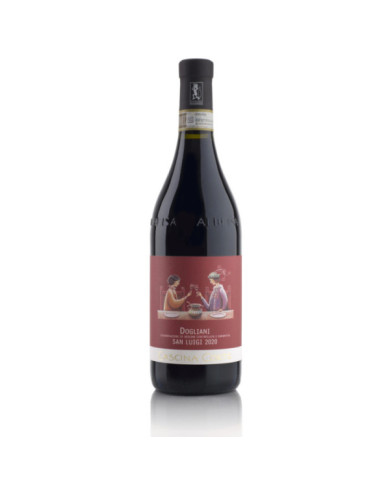
Dogliani San Luigi is obtained from the selection of various Dolcetto vines. It is a table wine with an immediate aroma of cherry, not too long in the mouth.
€17.56
SKU:
14800
Brand:
Cascina Corte
Garnet red colour. The nose opens on varietal hints of dried rose, violet and wet earth, which gives the wine a spicy aroma; fine and sweet in the mouth.
€43.49
SKU:
14799
Brand:
Cascina Corte
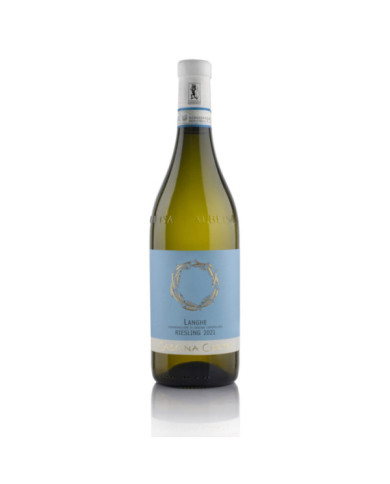
White color tending towards straw yellow. Fruity aromas on the nose, citrus aromas. In the mouth it is very fresh, vibrant, with a nice acidity and full of character.
€24.71
SKU:
14798
Brand:
Cascina Corte
Intense and composite bouquet, with hints of strawberry, pomegranate, tea leaf and scents of undergrowth and violet. To drink immediately, but long-lived like few other wines.
€23.40
SKU:
14797
Brand:
Cascina Corte
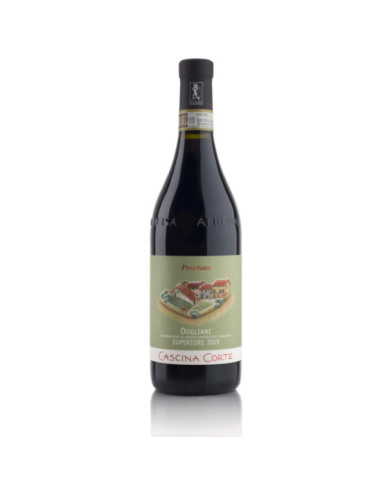
The Pirochetta comes from a 60-year-old vineyard from which an out-of-the-ordinary wine has always been made. It is a more complex Dolcetto, the aromas tend to open up a little later in the glass and it is more persistent in the mouth.
€25.32
SKU:
14796
Brand:
Giulia Negri
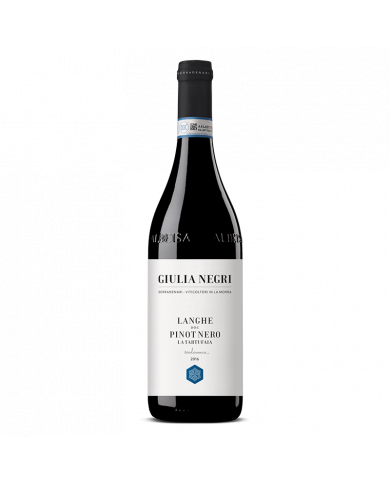
Giulia Negri 's Tartufaia is an elegant and full-bodied red wine produced from Pinot Noir grapes, aged for about 12 months in barrique: the apotheosis of Pinot Noir in the Langhe. It has an aromatic profile that at times recalls Burgundy, with elegant notes of red fruits, flowers and leather. The sip is enveloping, soft and complex, with great character and long persistence.
€67.40
€228.38
€129.90
€26.64
Discover the magic of Piedmont wines: savor the taste of tradition!
Piedmont is one of Italy's most renowned regions for producing excellent wines. Piedmont's winemaking tradition has developed over the centuries, and the region's wines are appreciated worldwide.
The origins of Piedmont wine
Piedmont wine has ancient origins. The region, located in northwestern Italy, enjoys a temperate climate that lends itself to the production of quality wines. The first documents mentioning Piedmont wines date back to the Middle Ages, when the region's princes invited their guests to taste their wines.
The wine styles of Piedmont
Piedmont's wine styles are highly diverse. The most well-known are the red wines Barolo and Barbaresco, both made from Nebbiolo, a grape native to the region. Piedmont's red wines are generally fuller-bodied, with complex aromas ranging from berries to spices, and have good acidity that makes them suitable for aging.
In addition to red wines, Piedmont is also famous for its white wines, such as Gavi and Arneis . These wines are lighter and have fewer tannins than red wines, but are just as tasty.
What are the most famous Piedmontese wines?
Piedmont wines are appreciated worldwide and are considered among the finest in Italy. Among the best-known are Barolo, Barbaresco, Gavi, Arneis , Dolcetto, and Barbera. These wines have been appreciated by generations of wine lovers and are a must-try for anyone who wants to discover Piedmont's winemaking tradition.
How to best savor Piedmont wines
Piedmont wines are meant to be savored slowly. Tasting should be done in a quiet environment and using glasses suitable for wine tasting. Serving temperature is crucial to getting the most out of the wine: white wines should be served chilled (8-10ºC), while red wines should be served warmer (16-18ºC).
To fully appreciate Piedmont wines, it's important to understand the flavors and aromas of each wine. You should try to identify the aromas and flavors of each wine, such as berries, spices, herbs, and earthy notes. This will help you better understand how wines pair with foods and how to choose the most suitable wines for a given occasion.
Taste tradition with Piedmont wines
Tasting Piedmont wines is a unique experience. It will allow you to discover the flavors and aromas of a thousand-year-old winemaking tradition that has made Piedmont one of the world's most renowned regions for quality wine production.
Choose a Piedmont wine and savor all the magic and flavor of tradition!
Piedmont Wine Denomination: A Journey into the World of Wine
Piedmont is a region located in northwest Italy, stretching from the Alps to the Po River. This region is renowned for its natural beauty, culture, history, and, above all, its high-quality wine production. In this guide, you'll discover everything you need to know about Piedmont's wine appellation, from grape varieties to the main wines produced and their characteristics.
Introduction to the denomination of Piedmont wines
The Piedmont wine denomination is a classification system based on its origin, the grape variety used, and the production methods. There are three levels of Piedmont wine designation: DOCG (Controlled and Guaranteed Designation of Origin), DOC (Controlled Designation of Origin), and IGT (Typical Geographical Indication).
IGT
The IGT (Italian Geographical Indication) is the lowest denomination and covers the entire Piedmont region. This designation allows producers to use grapes from other regions and experiment with new winemaking techniques. IGT wines can have very different characteristics, depending on the grape variety and the techniques used.
DOC
The DOC designation is reserved for wines produced in specific areas of Piedmont and that meet specific production criteria. These wines must be made with a specific grape variety, must be aged for a specific period, and must meet specific production criteria.
DOCG
The DOCG designation is the highest in the Piedmont wine appellation hierarchy. This designation is reserved for wines that represent the best of Piedmont and have an international reputation. DOCG wines are produced in specific areas of Piedmont, using specific grape varieties and following rigorous production criteria.
The grape varieties of Piedmont
Piedmont is famous for its wide variety of native grapes, some of which are used to produce some of the world's finest wines. Here are some of Piedmont's most important grape varieties:
Nebbiolo
Nebbiolo is Piedmont's most important grape variety and is used to produce some of the region's most famous wines, such as Barolo and Barbaresco. This grape variety is known for its fruity flavor and tannic character.
Barbera
Barbera is the second most important grape variety in Piedmont and is used to produce highly regarded red wines, such as Barbera d'Alba and Barbera d'Asti.
The main wines of Piedmont
Piedmont is famous for producing some of the world's finest wines, renowned for their unique flavors and distinctive characteristics. Here are the region's main wines:
Barolo
Barolo is the king of Piedmont wines and is produced with Nebbiolo grapes grown in the hills of the Barolo municipality. This wine is renowned for its complex, fruity flavor, its tannic character, and its intense ruby red color. Barolo is aged in wooden barrels for a minimum of three years and has an alcohol content of approximately 13%.
Barbaresco
Barbaresco is another great Piedmont red wine made from Nebbiolo grapes. This wine has a similar flavor to Barolo, but is a bit softer and lighter. Barbaresco is aged for at least two years and has an alcohol content of approximately 13%.
Barbera d'Alba
Barbera d'Alba is a red wine made from Barbera grapes grown in the Langhe region. This wine has a fruity flavor and an alcohol content of approximately 12.5%. Barbera d'Alba is aged for at least one year in wooden barrels.
Moscato d'Asti
Moscato d'Asti is a sweet white wine made from Moscato Bianco grapes grown in the Langhe area. This wine has a fruity, fresh flavor and is perfect as an aperitif or dessert. Moscato d'Asti has an alcohol content of approximately 5%.
Piedmont is a major winemaking region, producing some of the world's finest wines. The DOCG, DOC, and IGT designations represent a wine classification system that guarantees the quality and provenance of products. Each grape variety has its own distinctive characteristics, giving Piedmont wines their unique flavor and distinctive qualities. If you're a wine enthusiast, a visit to Piedmont's wineries is an experience not to be missed.
Frequently Asked Questions
What are the most important grape varieties of Piedmont?
The most important grape varieties of Piedmont are Nebbiolo, Barbera and Moscato Bianco.
What is the most famous wine from Piedmont?
The most famous wine of Piedmont is Barolo.
What does the DOCG designation mean?
The DOCG designation stands for Controlled and Guaranteed Designation of Origin and is the highest in the hierarchy of Piedmont wine denominations.
What are the main production areas of Piedmont wines?
The main production areas of Piedmont wines are the Langhe