

 Italiano
 Deutsch




There are no more items in your cart
SKU:
14476
Brand:
Von Blumen
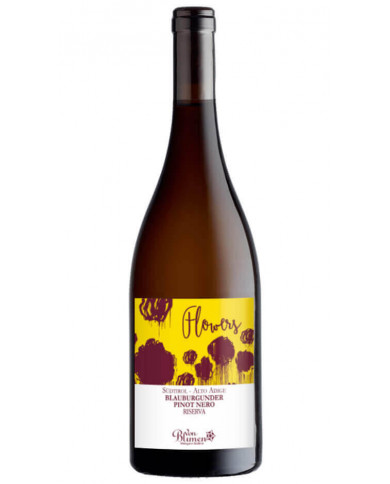
The Pinot Noir grape variety is considered among the most noble red grape varieties in the world and also the most difficult to interpret. The origin of this vine is believed to be attributed to the French region of Burgundy. Flowers is the name chosen by the winery to represent the spearheads of the Von Blumen project. Harvested in September, the grapes are then partially de-stemmed and crushed, and left to ferment with maceration on the skins in stainless steel tanks at a controlled temperature, for about 20 days. Subsequently, before bottling, it is aged for 12 months in French oak tonneaux. In the glass the color is a bright ruby red. The bouquet is intense and broad on the nose, ranging from sweet nuances of red and black fruits to fragrant spicy scents. On the palate it is enveloping and complex, with a mature and long-lasting tannic texture in the mouth. A wine of exceptional drinkability and character, excellent in combination with red meat dishes, medium and long-aged cheeses and traditional main courses of South Tyrolean cuisine.
€34.78
SKU:
14475
Brand:
Von Blumen
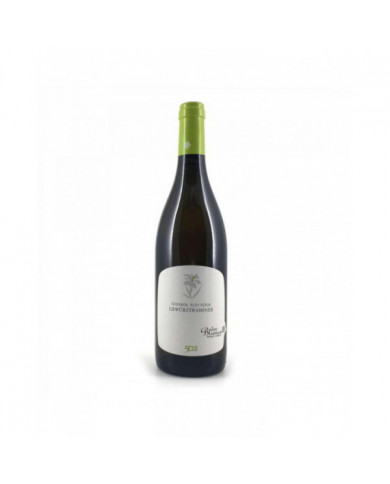
The name Traminer appears for the first time in 1349 in Konrad Megenberg's "Book of Nature". The origins of this vine are uncertain; some believe they are in Alsace, others in the town of Termeno (Bolzano), still others in Wurttemberg, and finally in the Reno valley. The grapes are harvested manually in boxes. After a delicate destemming, cold maceration follows at a temperature of 12°. The alcoholic fermentation takes place in steel tanks at a controlled temperature; at the end of alcoholic fermentation, the wine is kept in contact with the lees, in stainless steel containers for about 6 months. In the glass it has an intense straw yellow color. On the nose, the aroma is intense and varied with aromas ranging from yellow pulp fruits, lychee, rose, acacia flowers and saffron. On the palate it immediately proves to be a wine of great structure and balance based on sapid and fresh notes, supported by a never invasive softness and characterized by delicious almond nuances. An eclectic goblet that is excellent on the table as an aperitif or to accompany shellfish dishes, ethnic cuisine and spicy flavours.
€20.68
SKU:
14474
Brand:
Von Blumen
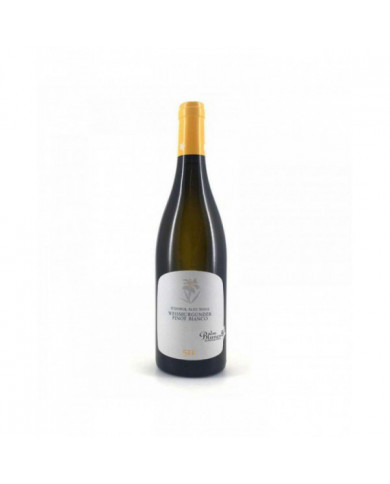
Production notes
After fermentation, the Pinot Blanc from the Von Blumen winery remains in contact with the lees in stainless steel for 6 months.
Tasting notes
The Pinot Bianco from the Von Blumen winery has a straw yellow color, with hints of apple, peach, apricot and pear. Very convincing in the mouth with its acidity and minerality.
€16.47
SKU:
14473
Brand:
Von Blumen
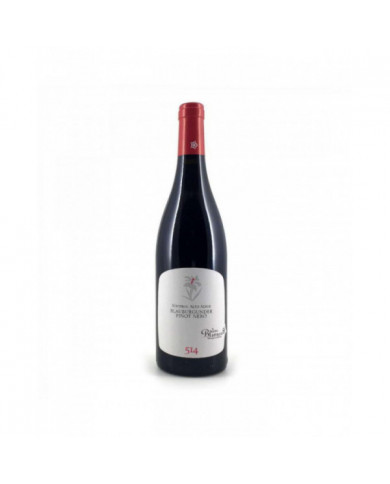
The Pinot Noir grape variety is considered among the most noble red grape varieties in the world and also the most difficult to interpret. The origin of this vine is believed to be attributed to the French region of Burgundy. The grape harvest is manual, as it was once done. After a delicate destemming and crushing, fermentation follows with maceration on the skins in stainless steel tanks at a controlled temperature. To extract color and aroma from the skins, several pumping overs are carried out and finally the maturation takes place in large wooden barrels. In the glass the color is a pale ruby red. The nose is intense and seductive with notes of raspberry, cherry, blackberry, violet and various spices. On the palate it is warm and enveloping, with lively notes of undergrowth. Thanks to its harmony, bringing this Pinot Noir to the table with red meat dishes, medium and long-aged cheeses and stewed fish will be a guaranteed success.
€22.57
SKU:
14472
Brand:
Von Blumen
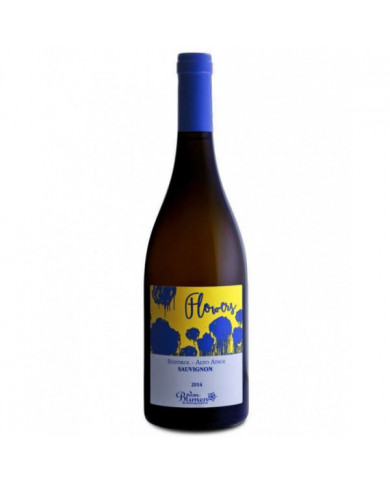
For more than a century this vine, originally from France and precisely from the Loire Valley area, has been grown on the hills of Alto Adige. The grape harvest takes place by hand, as in the past, starting from the beginning of September. After a gentle destemming, the grapes undergo a short cold maceration in a stainless steel press. The alcoholic fermentation takes place in steel tanks at a controlled temperature. At the end of alcoholic fermentation, the wine is kept in contact with the lees, in stainless steel containers for about 6 months. The Sauvignon has a yellow color with light green reflections. On the nose the scent is fresh, with extravagant hints of nettle, pepper, tomato leaves and anise. On the palate the flavor is intense and persistent with a good aroma and a savory and gritty acidity. A versatile goblet that goes perfectly with all courses at the table and after the first sip it will take you back to the unspoiled nature on the slopes of Monte Corno.
€26.96
SKU:
14471
Brand:
Von Blumen
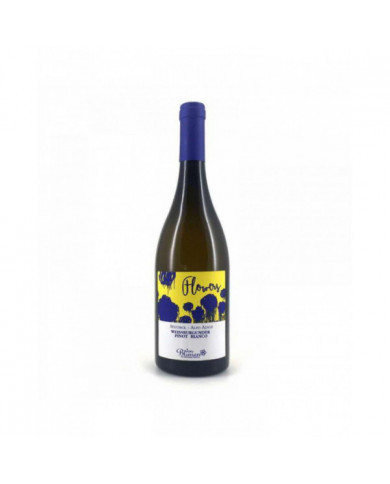
Production notes Pinot Bianco ''Flowers'' is a white wine aged for 10 months in tonneaux. Malolactic fermentation can be total or partial. Tasting notes Pinot Bianco ''Flowers'' is a straw yellow white wine with green transparencies. Perfumes of white flowers and flint with vegetal notes in the background. Fresh and mineral taste of ripe pineapple, sage and anise.
€25.53
SKU:
14470
Brand:
Von Blumen
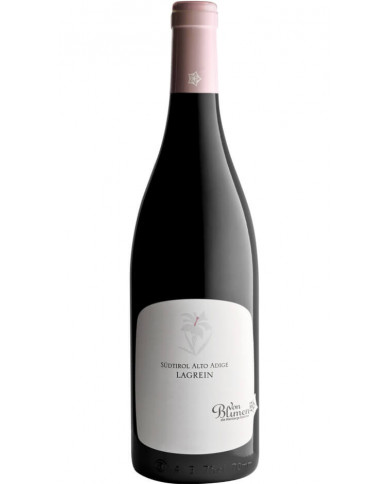
Lagrein is one of the most important and representative red grape varieties of Trentino Alto Adige. The grape harvest takes place in October, manually. After a delicate destemming and crushing, fermentation follows with maceration on the skins in stainless steel tanks at a controlled temperature. To extract color and aroma from the skins, several pumping overs are carried out and finally the maturation takes place in large wooden barrels. In the glass the color is a deep ruby red. The nose is intense and seductive with notes of iris, cherry, blackberry and blueberry. On the palate it is deep and enveloping but at the same time delicate and soft. Thanks to its strong personality, this Lagrein lends itself well to red meat dishes, roasts, medium and long-aged cheeses.
€18.50
SKU:
14418
Brand:
PFITSCHER
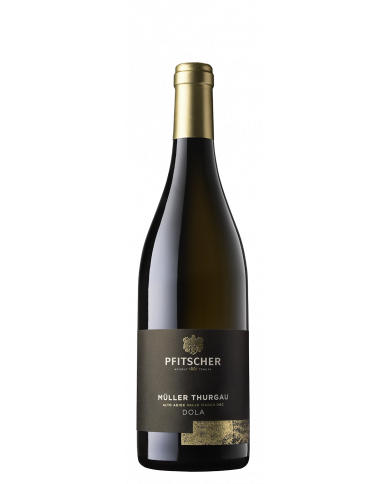
Precious light white wine, characterized by a slight acidity and a fruity bouquet. The nose captivates with delicate notes of nutmeg and stone fruit. The clear yellow-green color of this dry white wine captivates with its fruity and intense flavour.
€13.64
SKU:
13701
Brand:
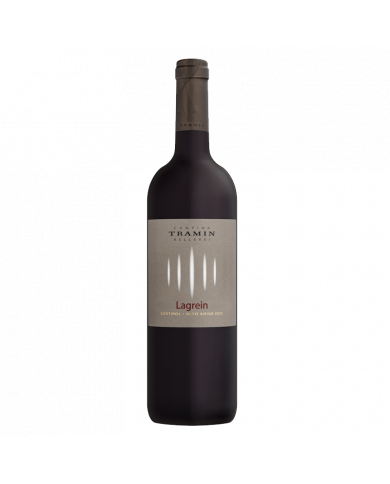
Cantina Tramin
A long winter postponed the awakening of the vine to early April. A drop in temperatures after budding also delayed flowering. Subsequently, the weather remained capricious with a hot June and a humid July which laid the ideal foundations for the start of the maturation. August showed its best side with sunny weeks and exceptionally low night temperatures. Despite some brief downpours at the end of September/beginning of October, the harvest, which began with a delay of approx. ten days than usual and characterized by clearly lower than average volumes, it was marked by numerous warm days and increasingly colder nights.
SKU:
11413
Brand:
Tolloy
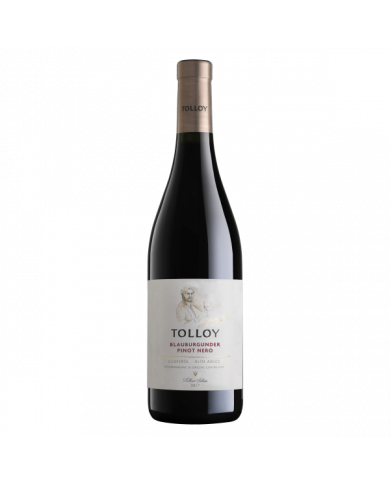
Produced only with grapes from its own vineyards grown in Alto Adige on the hill of Pochi, a hamlet of Salorno. Traditional red vinification at controlled temperature around 25°C with frequent pumping over, punching down and partial aging in small oak barrels for about 10 months.
€14.27
SKU:
11411
Brand:
Tolloy
€13.21
€9.25
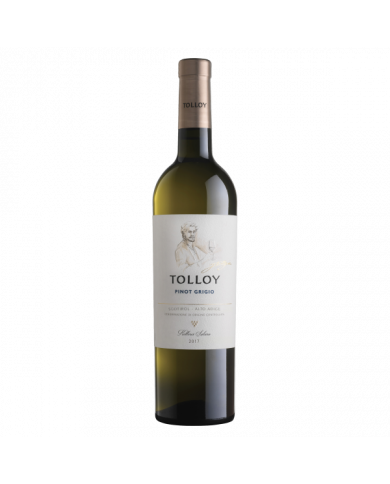
Produced only with grapes from its own vineyards grown in South Tyrol in the valley floor and on the low hills. 100% Pinot Gris with traditional vinification in white at a controlled temperature around 18-20°C.
€13.21
€9.25
SKU:
11409
Brand:
Tolloy
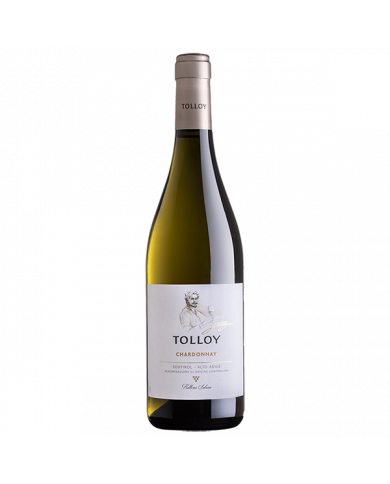
Chardonnay is one of the international grape varieties that best adapts to the environmental and climatic characteristics of Alto Adige. Here it manages to express all its aromatic potential. The particular location of the vineyards, between 200 and 500 meters above sea level, gives this wine a wide range of scents and aromas and the strong temperature range allows the wonderful acidity and freshness to be preserved. The grapes are harvested by hand around mid-September and subjected to traditional vinification with brief contact on the skins to increase the extraction of the varietal aromas characteristic of the grape. Subsequently the must is subjected to fermentation at low temperature
€12.75
Kulinarik: Erleben Sie die Denomination Alto Adige Südtirol!
Südtirol, a region in Trentino-Alto Adige, Italy, is one of the largest wine-producing appellations in the country. Nestled in the heart of the Alps, this wine region produces premium wines from indigenous grapes grown in vineyards nestled in the mountains. The Alto Adige Südtirol ( DAAS ) appellation is a protected wine-growing area offering numerous high-quality wine options. The grapes grown in this area are traditionally cultivated according to sustainable agricultural principles. Here, a combination of soil, climate, and grape varieties give the wines a unique character recognized worldwide.
If you want to discover the grandeur of the Alto Adige Südtirol appellation, you've come to the right place. In this article, we'll explore the history, wines, and culinary culture of this region, so get ready to explore this amazing world!
The history of the Alto Adige Südtirol denomination
The Alto Adige Südtirol appellation was founded in 1978 and is one of Italy's largest wine appellations. It encompasses 44 municipalities in the region, spanning the provinces of Bolzano and Trento. The wine region is divided into four subzones, each with unique characteristics in terms of soil, climate, and grape varietals.
The success of this wine region is due to the commitment of local farmers, who have dedicated themselves to growing grapes traditionally, according to sustainable agricultural principles. Due to the diverse terroir and climate, this area offers a wide variety of superior wines.
The wines of the Alto Adige Südtirol denomination
The Alto Adige Südtirol appellation is known for its white wines, which are among the best in Italy. The range of white wines includes varieties such as Chardonnay, Pinot Grigio, and Sauvignon Blanc.
In addition to white wines, this wine region also produces red wines, including Pinot Noir, Lagrein, Merlot, and Cabernet Sauvignon. DAAS also produces rosé wines, such as Pinot Grigio Rosato and Merlot Rosato. This area is also famous for its sweet and straw wines, such as Sylvaner Dolce, Gewürztraminer Dolce, and Moscato Giallo.
The culinary culture of the Alto Adige Südtirol denomination
Like all regions of Trentino-Alto Adige, the Alto Adige Südtirol appellation has a rich culinary tradition. The region's cuisine is a blend of Italian, Austrian, and German influences, with a touch of modernity.
The region's main dishes include canederli, a type of dumpling made with stale bread and spices, and Knödel, a potato dumpling that can be served as a side dish or main course. Other typical dishes include bread soup, a soup made with bread and vegetables, and cheese dumplings, a sweeter version of traditional dumplings.
The region is also known for its cheeses, such as Trentingrana and Puzzone di Moena. Let's not forget the desserts, such as apple pies and Christmas cookies.
The Alto Adige Südtirol appellation is a paradise for wine lovers
The Alto Adige Südtirol appellation is a paradise for sommeliers and wine lovers. The region offers a wide variety of superior wines, all produced according to sustainable farming principles. The wines from this area have a unique character that is appreciated worldwide.
Furthermore, the region also offers a rich culinary culture that is the perfect complement to the local wines. If you too would like to taste the wines and dishes of the Alto Adige Südtirol appellation, don't hesitate to visit this splendid region and discover everything it has to offer.