

 Italiano
 Deutsch





There are no more items in your cart
Name Venice
Venice, a unique and captivating city, is also the heart of a rich and diverse wine region. The name "Venezia" not only evokes romantic images and historical inspiration, but also represents winemaking excellence in Italy and internationally.
Terroir and Grape Varieties
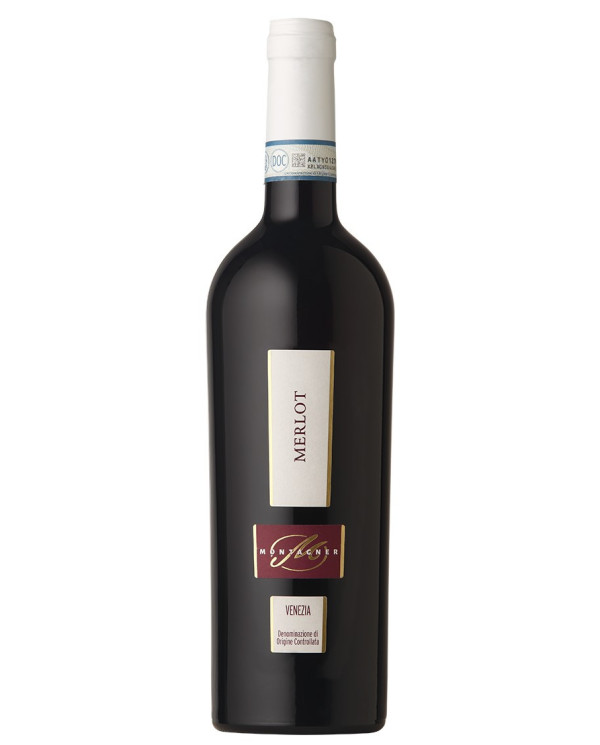
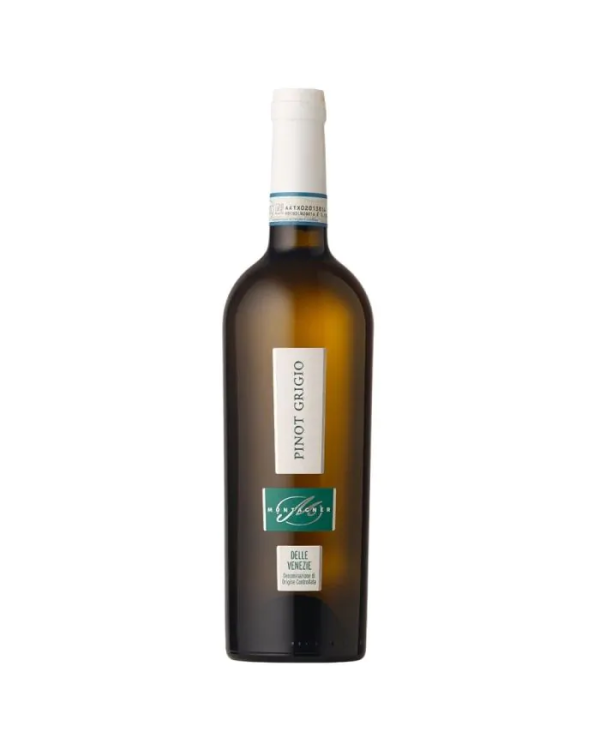
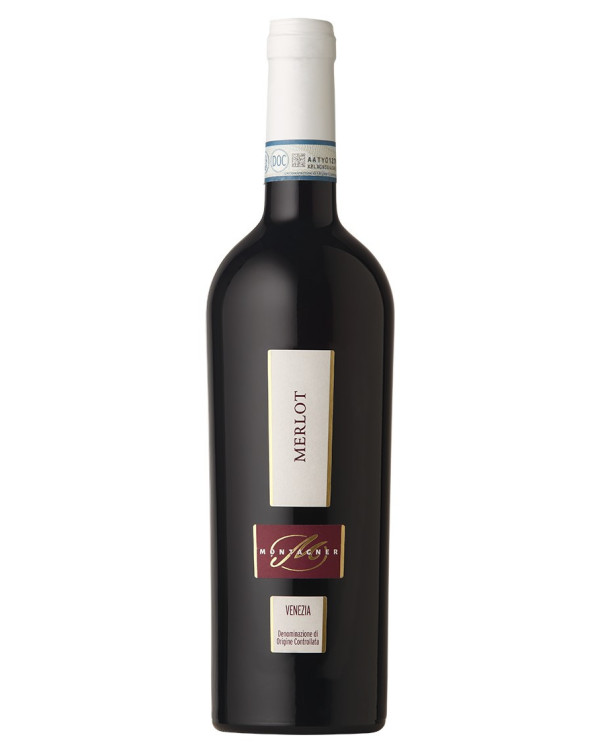
The Venetian territory extends from the Alpine hills to the coastal plains, offering a wide variety of terroirs. The main grape varieties used in the production of Venetian wines include Glera for Prosecco, Merlot, Cabernet Sauvignon, Pinot Grigio, and Verduzzo.
Characteristics of the Wines of Venice
Venetian wines are known for their fresh, fruity, and lively character. From delicate and aromatic white wines to full-bodied and structured reds, every sip tells the story and beauty of the Venetian region. Winemaking is carried out using both modern and traditional techniques that preserve the authenticity and uniqueness of the wines.
The Main Wine-Growing Areas
The "Venice" appellation encompasses several highly prestigious wine-growing areas. Among the most renowned are Venezia DOC, which produces a wide range of white and red wines; Venezia DOCG, which includes the most prized and high-quality wines; and Prosecco di Venezia, famous for its crisp, crisp sparkling wine.
Production Process
The production process of Venice's wines follows rigorous standards of quality and craftsmanship. From manual harvesting to grape selection, from controlled fermentation to aging in wooden or steel barrels, each step is carried out with care and dedication to ensure the highest quality and authenticity of the wines.
Gastronomic Pairings
Venetian wines pair perfectly with the region's rich and varied cuisine. They pair well with fresh seafood, risottos, antipasti, and local cheeses, as well as more elaborate and refined dishes. Their versatility makes them an ideal choice for any culinary occasion.
Awards and Recognitions
The wines of Venice have received numerous national and international awards and recognitions, attesting to their quality and the region's winemaking excellence. Thanks to their aromatic complexity, refined flavor, and extraordinary longevity, these wines are admired and appreciated by connoisseurs around the world.
Food and Wine Tourism
Food and wine tourism is a key part of the Venetian experience. Wineries open to the public offer tours and tastings that allow visitors to immerse themselves in the region's winemaking culture, discovering the secrets of production and savoring local wines in their natural setting.
Challenges and Opportunities
Despite the success of Venetian wines, producers face several challenges in the global wine market. Growing competition, climate change, and environmental sustainability can pose significant challenges for the sector. However, these challenges also offer opportunities for innovation and differentiation, encouraging producers to seek new strategies and approaches to maintain long-term competitiveness and sustainability.
Promotion and Marketing
Promotion and marketing play a crucial role in the success of Venetian wines on the national and international markets. Targeted advertising campaigns, participation in wine fairs, and a strong online presence are essential to increasing visibility and brand awareness. Furthermore, collaborations with Michelin-starred chefs and prestigious restaurants can help position Venetian wines as high-quality products and strengthen their reputation on the global market.
Traditions and Culture
Venetian wines are an integral part of the region's rich tradition and culture. Harvest and winemaking celebrations are moments of joy and sharing, celebrating the land's bounty and the labor of its people. By preserving traditions and respecting the land, Venetian winemakers preserve the region's cultural legacy for future generations, helping to keep Venice's authenticity and identity alive.
Environmental Sustainability
Environmental sustainability is at the heart of the philosophy of Venice's wine producers. Through eco-friendly farming practices, responsible water management, and reduced carbon emissions, producers are committed to preserving Venice's unique terroir and biodiversity. This commitment to sustainability ensures the continuity and prosperity of Venice's winemaking for generations to come, ensuring that Venice's wines can be enjoyed for a long time to come while respecting the planet.
Education and Training
Education and training play a fundamental role in ensuring the quality and appreciation of Venetian wines. Educational programs for sommeliers, industry professionals, and enthusiasts offer the opportunity to deepen their knowledge and experience in the world of wine. Through courses, workshops, and guided tastings, the Venetian wine industry is committed to training new generations of experts and enthusiasts, ensuring that Venetian wines continue to be appreciated and valued over time.
In conclusion, the wines of Venice represent a winemaking excellence that reflects the beauty and authenticity of this extraordinary region. With their superior quality, aromatic complexity, and deep connection to the terroir, these wines continue to captivate the palates of wine lovers around the world. Looking to the future, the Venetian wine industry is committed to maintaining the highest standards of quality and sustainability, ensuring the continuity and prosperity of Venetian wines for generations to come and affirming their role as ambassadors of the authenticity and excellence of Venetian winemaking.
FAQs
What are the main grape varieties used in the production of Venetian wines?
The main varieties include Glera, Merlot, Cabernet Sauvignon, Pinot Grigio and Verduzzo.
What are the most renowned wine-growing areas in Venice?
Among the most renowned are the Venezia DOC, the Venezia DOCG and the Prosecco di Venezia.
Where can I find more information about Venetian wines?
Further information on Venetian wines can be found at industry associations, protection consortia and the websites of the producing wineries.