

 Italiano
 Deutsch





There are no more items in your cart
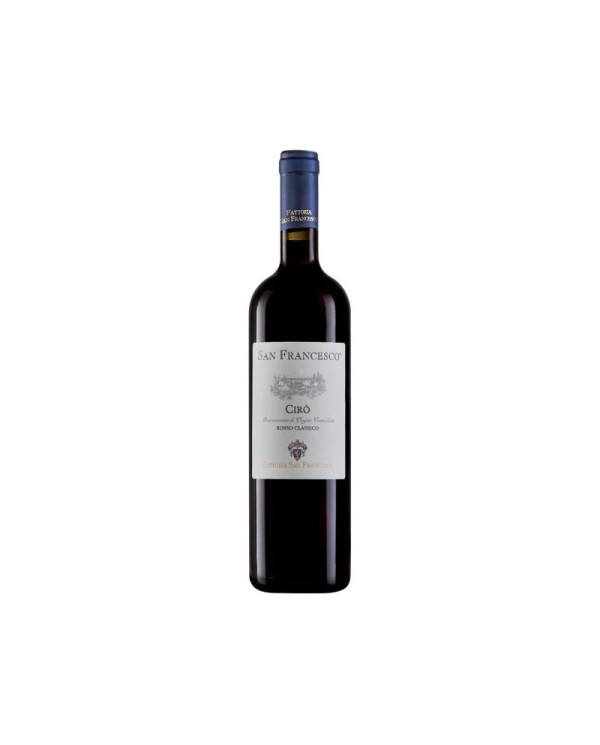
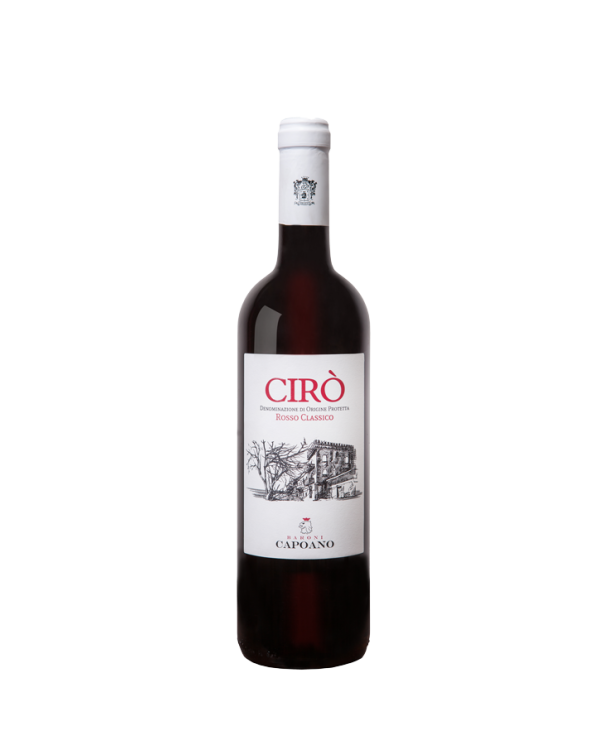
Cirò Denomination: The Calabrese Red That Enchants the Palate
The Cirò appellation represents one of the most popular wines of Calabria, a region with a rich winemaking tradition. This appellation is renowned for producing high-quality red wines, made primarily from the Gaglioppo grape. In this article, we'll explore the history, characteristics, and experiences associated with Cirò , a wine that enchants the palates of enthusiasts and connoisseurs.
History and Origins
Grape growing and winemaking in the Cirò region date back to ancient Greece. The ancient Greeks cultivated vines in this fertile land and vinified them to produce quality wines. Over the centuries, the winemaking tradition has been passed down from generation to generation, cementing the prestige of Cirò .
The main grape variety used in the production of Cirò is Gaglioppo, an ancient native Calabrian variety. This grape, with its strong personality, gives Cirò wines unique and distinctive characteristics.
Characteristics of Cirò
Cirò is a dry red wine, characterized by an intense ruby color with garnet highlights. On the nose, it offers a complex bouquet of red fruits, spices, floral notes, and a delicate hint of aromatic herbs. On the palate, it is elegant, balanced, and persistent, with soft tannins and a pleasant acidity.
The sensory characteristics of Cirò are the result of several factors, including the Calabrian terroir and traditional winemaking techniques. This wine stands out for its versatility, allowing it to be enjoyed alone or paired with a variety of dishes, including red meats, aged cheeses, and Calabrian cuisine.
Exploring Cirò
The Cirò appellation offers fascinating experiences for wine lovers. Numerous wineries and wineries in the area welcome visitors for guided tours and tastings, allowing them to immerse themselves in the culture of wine and discover the beauty of the Cirò region.
During a visit to the Cirò cellars, you'll have the opportunity to learn about the production processes firsthand, from harvest to winemaking, and to taste various labels. Expert winemakers will guide you through the unique aromas and flavors of Cirò , revealing secrets and curiosities related to this wine.
Food Pairings
Cirò lends itself to refined food pairings, enhancing the flavors of Calabrian cuisine and beyond. Thanks to its balanced structure and aromatic complexity, it pairs well with a variety of dishes.
It's an ideal companion for grilled or braised red meats, game dishes, and traditional Calabrian aged cheeses, such as pecorino. It also pairs well with mushroom dishes, cured meats, and vegetable appetizers.
Cirò represents Calabria's winemaking excellence, a wine that enchants the palate with its unique characteristics. Its millennia-old history, its sensory characteristics, and the food and wine experiences it offers make this wine an unmissable choice for wine lovers wishing to discover Calabria's viticultural heritage. If you're looking for a quality, elegant, and exciting red wine, Cirò will be a pleasant surprise.
Frequently Asked Questions
What are the main characteristics of Cirò?
Cirò is a dry red wine characterized by an intense ruby color with garnet highlights. On the nose, it offers a complex bouquet of red fruits, spices, and floral notes. On the palate, it is elegant, balanced, and persistent.
What is the main grape variety used in the production of Cirò?
The main grape variety used in the production of Cirò is Gaglioppo, an ancient native Calabrian variety.
How can I visit the Cirò cellars?
To visit the Cirò wineries, we recommend contacting the local wineries or wineries directly to book a guided tour. During the visit, you'll have the opportunity to taste the wines and learn the secrets of their production.
What are the recommended food pairings for Cirò?
Cirò pairs well with red meats, aged cheeses, and Calabrian dishes, such as cured meats and vegetable-based appetizers.
Can I find Cirò outside of Calabria?
Yes, Cirò can be found in specialized wine shops and select restaurants outside Calabria. However, it is more widespread and readily available in the production region.