

 Italiano
 Deutsch








There are no more items in your cart
Franciacorta: The Brut Wine of Lombard Excellence That's Conquering the World
Franciacorta is not only a prestigious wine region located in the heart of Lombardy, but it is also synonymous with high-quality sparkling wine produced using the traditional method. This article is a journey to discover Franciacorta Brut, an Italian sparkling wine named after its region of origin. Thanks to its refinement and complexity, it can compete on the same level as Champagne. If you're a wine lover or simply curious to learn more about this excellent product, it's worth taking a few minutes to read this article.
What Makes Franciacorta Brut Unique?
Franciacorta Brut stands out for its elegance and finesse, the result of a meticulous winemaking process that follows the classic method, similar to that of Champagne. This sparkling wine is made from Chardonnay, Pinot Noir, and occasionally Pinot Blanc grapes, sourced exclusively from the Franciacorta area. Production follows rigorous quality standards that include fermentation in the bottle and a period of aging on the lees, giving the wine complexity and a rich aromatic palette.
The Cellar: Heart of Franciacorta Production
Franciacorta's wineries are not just places of production, but veritable temples where tradition and cutting-edge technology meet. Visiting a winery in Franciacorta means immersing yourself in a world where every stage of the production process is meticulously managed, from grape pressing to fermentation and bottle aging. The most prestigious wineries, such as Bellavista and Guido Berlucchi, also offer tastings that allow you to discover the diversity and richness of Franciacorta wines.
Franciacorta DOCG: Controlled and Guaranteed Designation of Origin
The DOCG (Denominazione di Origine Controllata e Garantita) label is a guarantee of quality that certifies the origin of the grapes and adherence to very strict production regulations. Franciacorta was among the first Italian wines to receive this prestigious designation, a recognition of its excellence and ancient history.
Rosé and Satèn: Variations on a Theme
Franciacorta comes in several styles, including Rosé and Satèn. Rosé, made primarily from Pinot Noir grapes, is characterized by its color and more structured flavor. Satèn, on the other hand, is a creamier and smoother sparkling wine, the result of a selection of only white grapes and lower pressure during the second fermentation. Both versions offer a unique tasting experience, expressing the diversity and richness of the terroir.
The Best Franciacorta Wines: How to Choose Them
Choosing the best Franciacorta can seem like a daunting task given the vast array of labels available. It's crucial to consider the occasion, your personal taste preferences, and the desired complexity of the wine. Vintage cuvées, produced with grapes from a single vintage, are often considered superior in quality due to their uniqueness and ability to express the characteristics of a single year.
The Production Regulations: Tradition and Innovation
The Franciacorta DOCG production regulations establish precise rules for winemaking, from the composition of the grapes to the length of aging. This ensures that every bottle of Franciacorta meets the high quality standards that have made this wine famous worldwide. At the same time, wineries are encouraged to experiment and innovate, always respecting tradition, to offer consumers ever-new and surprising experiences.
Terroir: The Influence of the Territory on Wine
The concept of terroir is fundamental to the production of Franciacorta. The terroir, with its particular climate and mineral-rich soil, plays a crucial role in giving the wine its unique and unmistakable characteristics. The proximity to Lake Iseo moderates temperatures and favors the ripening of the grapes, contributing to the freshness and elegance that are Franciacorta's hallmarks.
Online Sales: Franciacorta at Your Fingertips
The digital age has also opened new frontiers for the sale of Franciacorta wines, making them accessible to a wider audience through online sales. Online wine shops, specialized websites, and the wineries themselves offer the possibility of easily purchasing these prestigious wines, with detailed information on labels and available vintages.
Guido Berlucchi: The Pioneer of Franciacorta
The history of Franciacorta sparkling wine officially begins in the 1960s with Guido Berlucchi, the pioneer who, together with winemaker Franco Ziliani, experimented with producing a classic method wine in Franciacorta for the first time. This experiment marked the beginning of a winemaking revolution that led to Franciacorta's recognition and appreciation worldwide.
The Future of Franciacorta: Between Tradition and Innovation
The future of Franciacorta looks bright, with a growing focus on sustainability and technological innovation. Wineries are increasingly committed to producing wines that reflect not only quality and excellence, but also respect for the environment and the terroir. At the same time, the passion and dedication of winemakers ensure that the Franciacorta tradition continues to evolve, promising new and fascinating winemaking discoveries.
Key Points to Remember
- Franciacorta Brut is a high-quality sparkling wine produced using the classic method, famous for its elegance and finesse.
- The DOCG designation guarantees the origin and quality of Franciacorta.
- The Franciacorta region, with its unique terroir, is fundamental in giving the wine its distinctive characteristics.
- Online sales have made Franciacorta wines accessible to a wider audience, making it easier to discover and purchase these Italian winemaking excellences.
- Tradition and innovation go hand in hand in the production of Franciacorta, promising a future full of new and fascinating expressions of this prestigious wine.
This journey into the world of Franciacorta Brut shows us how tradition, passion, and innovation intertwine to create excellent wines, capable of recounting the history and terroir of one of Italy's most prestigious wine regions.
The best Franciacorta wines from famous wineries
Bellavista
- Bellavista Alma Gran Cuvée Brut
- Bellavista Alma Gran Cuvée Rosé
- Bellavista Reserve Vigna Uccellanda
House of the Woods
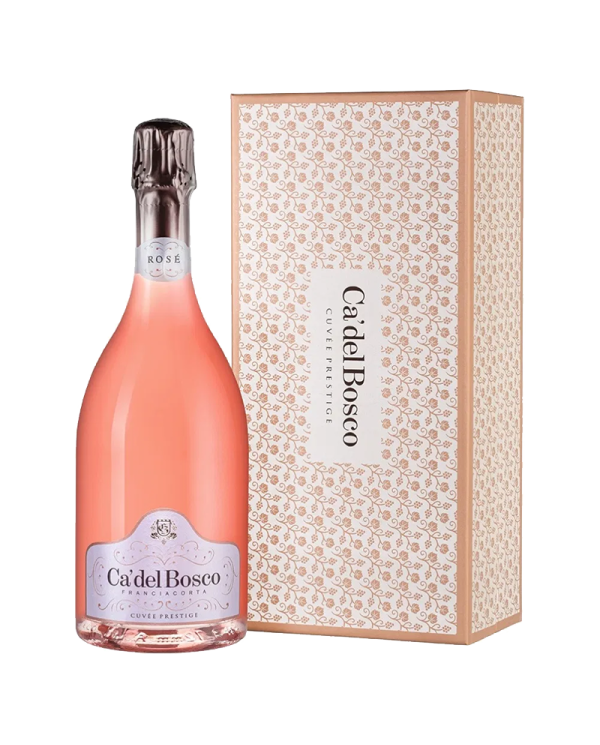
- Ca' del Bosco Cuvée Prestige
- Ca' del Bosco Rosé Brut
- Ca' del Bosco Vintage Collection Brut
Guido Berlucchi
- Guido Berlucchi '61 Brut
- Guido Berlucchi '61 Rosé
- Guido Berlucchi Palazzo Lana Extreme Riserva
Enrico Gatti
- Enrico Gatti Brut Vintage
- Enrico Gatti Rosé Vintage
- Enrico Gatti Founder's Reserve
Mount Renic
- Monte Renic Brut
- Monte Renic Rosé
- Monte Renic Pas Dosé Millesimato
These are just a few examples of the finest Franciacorta wines produced by the region's most renowned wineries. Each winery has its own production philosophy and iconic labels, crafted with great care and passion to showcase Franciacorta's unique terroir. Tasting these prized sparkling wines is an unmissable experience for all lovers of fine wine.
The Different Types of Franciacorta
Franciacorta comes in various styles, each with unique characteristics that make it suitable for different occasions and food pairings. Here are the main Franciacorta styles:
Franciacorta Brut : This is the most popular and representative type. It is a dry sparkling wine with a low residual sugar content, making it ideal as an aperitif or to accompany light, delicate dishes. It is made with Chardonnay, Pinot Noir, and Pinot Blanc grapes.
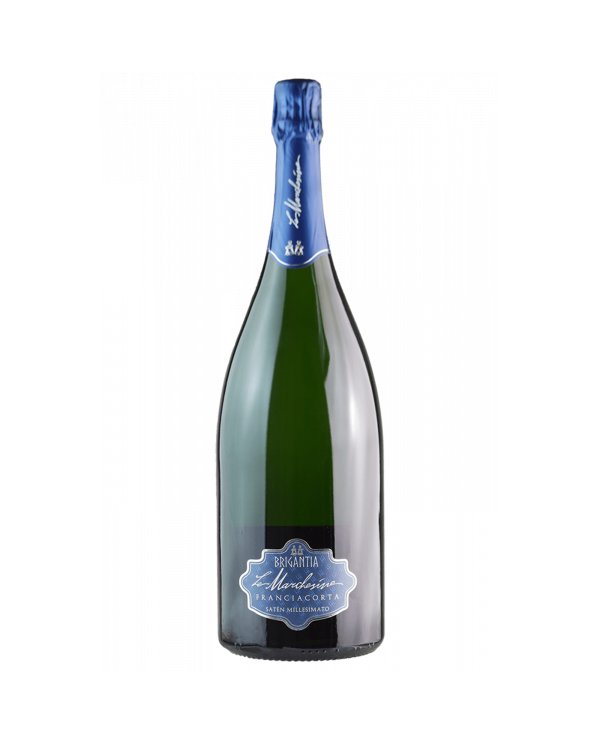
Franciacorta Satèn This version stands out for its elegant creaminess and fine perlage. It's made using only Chardonnay and Pinot Bianco grapes, giving it a softer and more delicate character than the Brut. Perfect with creamy risottos and fish dishes.
Franciacorta Rosé As its name suggests, it has a pale pink color thanks to the addition of a small percentage of Pinot Noir grapes. It is a fresh and fruity wine, ideal for accompanying fish dishes or white meats.
Franciacorta Millesimato: Produced only in the finest years with grapes from a single harvest, it represents the pinnacle of Franciacorta. It has a more complex structure and superior aging potential, perfect for pairing with elaborate dishes and aged cheeses.
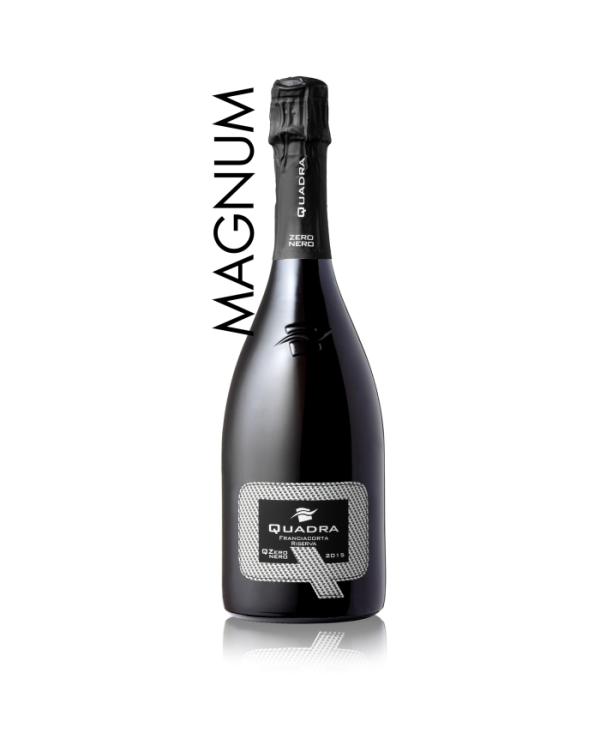
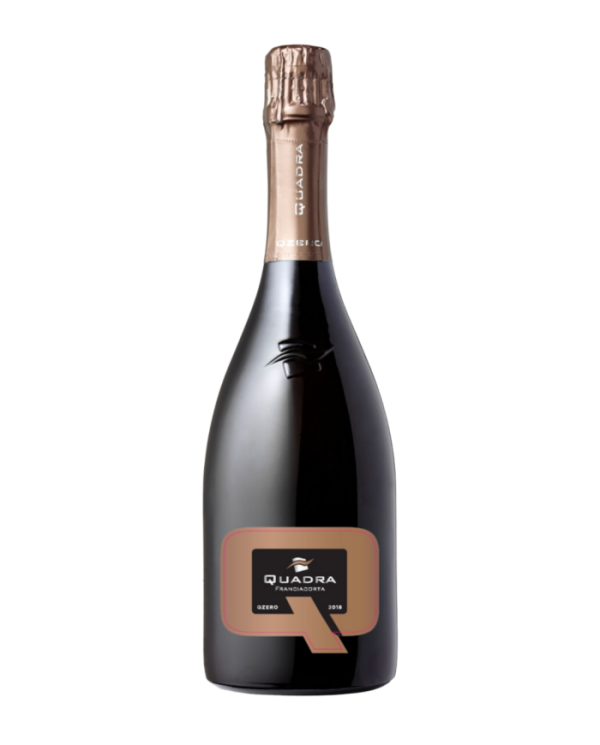
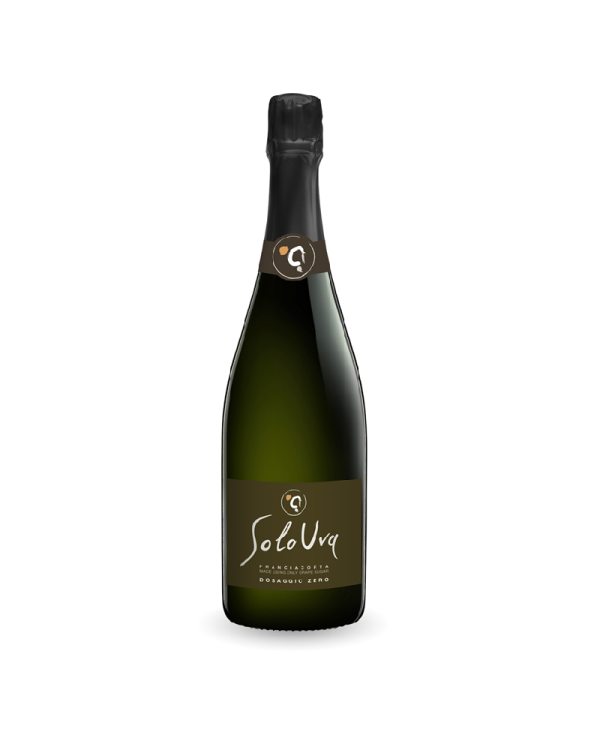
Franciacorta Dosaggio Zero or Pas Dosé: No liquid is added to this type of wine at the end of the second fermentation, resulting in an extremely dry and minerally wine. Appreciated by connoisseurs for its purity.
Franciacorta Riserva: These wines undergo prolonged aging on the lees, usually at least five years. They exhibit superior aromatic complexity and a richer, more full-bodied structure.
Each type of Franciacorta therefore offers a unique tasting experience, allowing you to fully appreciate the different nuances of this precious Italian sparkling wine.
The Production Regulations of Franciacorta DOCG
Franciacorta is subject to rigorous production regulations that guarantee its excellence and uniqueness. Here are the main aspects of the Franciacorta DOCG production regulations:
Production Area: The wine must be produced within the area defined by the production regulations, which includes 19 municipalities in the province of Brescia. At least 85% of the grapes used must come from this area, while the remaining 15% may be supplemented with grapes from other areas of Lombardy.
Permitted grape varieties The regulations stipulate specific percentages of permitted grape varieties. The white grapes Chardonnay and Pinot Blanc can constitute up to 100% of the blend, while Pinot Noir (red grape) can be present in a maximum percentage of 30%.
Production Method: Franciacorta must be produced strictly following the classic or traditional method, which involves a second fermentation in the same bottle in which it is later sold. This process, also known as "refermentation in the bottle," gives the wine its characteristic effervescence and creaminess.
Aging: The regulations establish minimum aging times on the lees for the different types of Franciacorta. For example, for Franciacorta Brut, aging cannot be less than 18 months, while for Franciacorta Millesimato, it is at least 30 months.
Oenological practices The oenological practices permitted during production are defined, such as the use of specific yeasts, the addition of tirage and shipping liquids, and the techniques of remuage (rotation of the bottles) and dégorgement (disgorgement).
Labeling To be eligible to display the Franciacorta DOCG designation on the label, the wine must comply with all the parameters established by the regulations, both in terms of production and analytical and organoleptic characteristics.
This rigorous production process guarantees that every bottle of Franciacorta is the fruit of a meticulous and traditional production process, thus ensuring the highest quality and authenticity of this precious Italian sparkling wine.