

 Italiano
 Deutsch




There are no more items in your cart
SKU:
15808
Brand:
Corte delle Calli
€11.36
€10.22
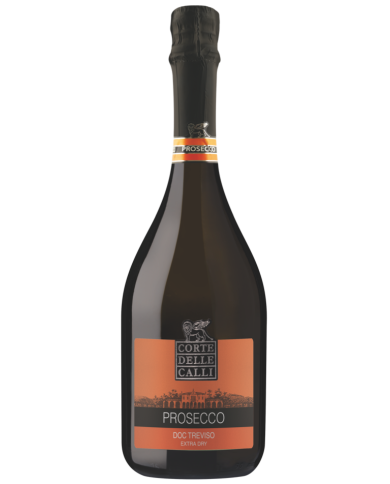
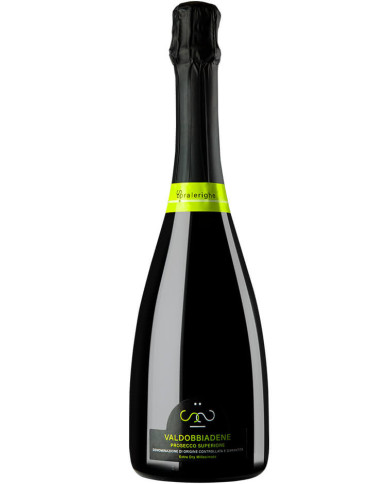
The sparkling process takes place according to the Charmat method in steel autoclaves according to the rules dictated by the production disciplinary. The result is a young and exciting extra dry wine suitable for all occasions. Brilliant straw yellow color with some greenish reflections. With a lively perlage, it has aromas of good intensity with hints of white flowers and fruity golden apples. Good intensity. The taste is fresh and on the palate it is elegant and soft, with a pleasantly sugary vein.
€11.36
€10.22
SKU:
15806
Brand:
Corte delle Calli
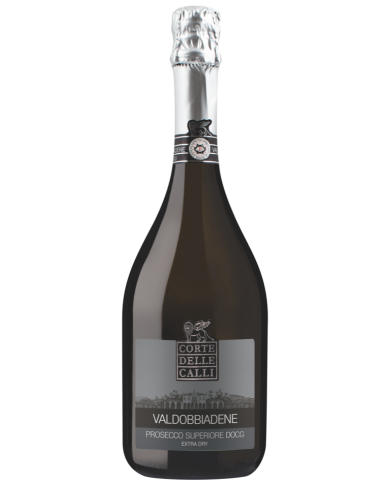
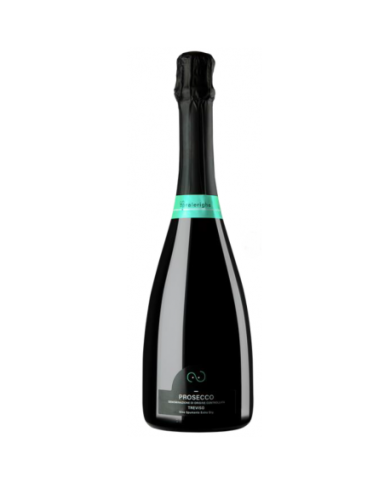
Prosecco, in the sparkling version, is a wine capable of teasing and satisfying even the most demanding palates. It has a brilliant straw yellow color with a fine and persistent perlage. The bouquet is complex with hints of rose, jasmine, wisteria and acacia flowers. The fruity notes are of banana apple and pineapple, with mineral nuances. Good freshness, particularly sapid and excellent persistence.
€14.53
€13.08
SKU:
15798
Brand:
Serenello
€13.44
€12.10
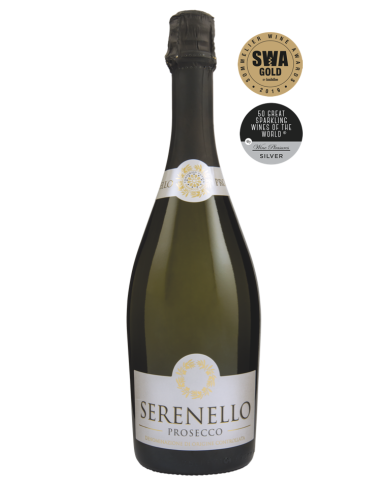
Brilliant straw yellow color with some greenish reflections. With a lively perlage, it has aromas of good intensity with hints of white flowers and fruity golden apples. Good intensity. The taste is fresh and on the palate it is elegant and soft, with a pleasantly sugary vein.
€13.44
€12.10
SKU:
15770
Brand:
Serena Wines 1881
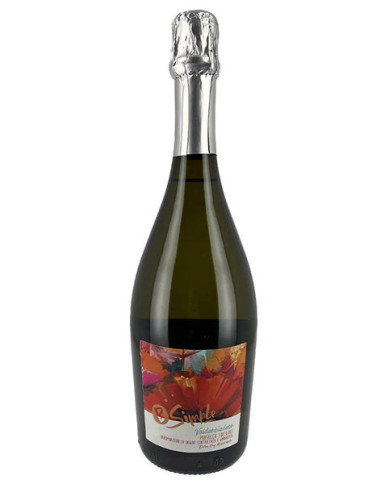
Excellent Prosecco Extra Dry from 85% Glera grapes and a blend of Chardonnay, Pinot Bianco and Pinot Grigio.
Straw yellow with a fine and persistent perlage. Excellent persuasive aromas and beautiful and delicious bubbles on the palate.
Excellent pairing with fresh and light dishes, but also with first courses or naturally as an aperitif.
€19.40
SKU:
15767
Brand:
Serena Wines 1881
VINES 100% Glera VINIFICATION The grapes are harvested rigorously by hand to then undergo a soft pressing. The must thus obtained is fermented at a temperature between 18 and 20°C CHARACTERISTICS Able to tease and satisfy even the most demanding palates Pale straw yellow with fine and persistent perlage decidedly fruity bouquet with hints of wisteria, acacia flowers and rennet apple fragrant, fresh and pleasantly acidulous on the palate Suitable for any type of occasion Excellent with delicate appetizers or fish dishes
€13.18
SKU:
15766
Brand:
Serena Wines 1881
Excellent Prosecco Extra Dry from 85% Glera grapes and a blend of Chardonnay, Pinot Bianco and Pinot Grigio. Straw yellow with a fine and persistent perlage. Excellent persuasive aromas and beautiful and delicious bubbles on the palate. Excellent pairing with fresh and light dishes, but also with first courses or naturally as an aperitif.
€7.71
SKU:
15761
Brand:
Serena Wines 1881
Excellent Prosecco Extra Dry from 85% Glera grapes and a blend of Chardonnay, Pinot Bianco and Pinot Grigio. Straw yellow with a fine and persistent perlage. Excellent persuasive aromas and beautiful and delicious bubbles on the palate. Excellent pairing with fresh and light dishes, but also with first courses or naturally as an aperitif.
€11.90
€10.71
SKU:
15760
Brand:
Serena Wines 1881
Serena Sopra le Righe Prosecco DOC Treviso Excellent Extra Dry prosecco from 85% Glera grapes and a blend of Chardonnay, Pinot Bianco and Pinot Grigio.Giallo Straw yellow with a fine and persistent perlage. Excellent persuasive aromas and beautiful and delicious bubbles on the palate. Excellent pairing with fresh and light dishes, but also with first courses or aperitifs
€11.83
SKU:
15574
Brand:
Montelvini
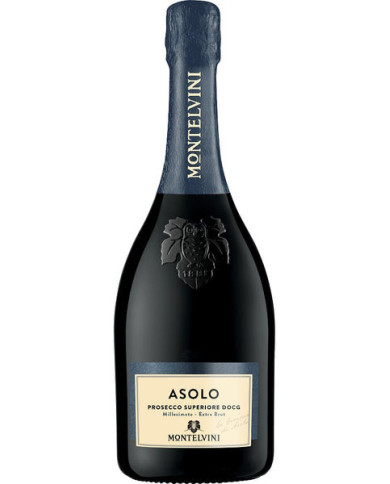
The Extra Brut version is the most characteristic expression of Asolo Prosecco Superiore DOCG, as it enhances to the maximum the typical peculiarities of the territory, minerality and sapidity, which are added to the freshness given by the Glera vine.
€14.95
SKU:
15571
Brand:
Montelvini
The Extra Dry version has always been the best known and most appreciated interpretation by Prosecco connoisseurs. Montelvini's Asolo Prosecco Superiore DOCG enhances the aroma and fruity scents typical of the precious Glera grapes, which ripen in mid-September.
€15.25
SKU:
15191
Brand:
Ca' dei Noni
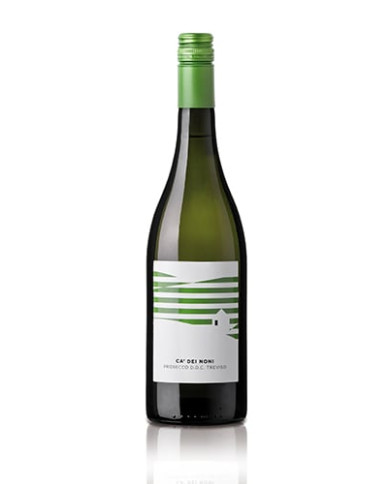
Ideal wine for those who like the typicality of Prosecco, but without bubbles. Straw yellow in color with greenish reflections, it is distinguished by the characteristic bouquet of green apple, acacia flowers and wisteria. Excellent combination of fullness and flavor. Excellent throughout the meal based on light dishes, fresh and medium-aged cheeses.
€7.78
SKU:
15175
Brand:
Follador
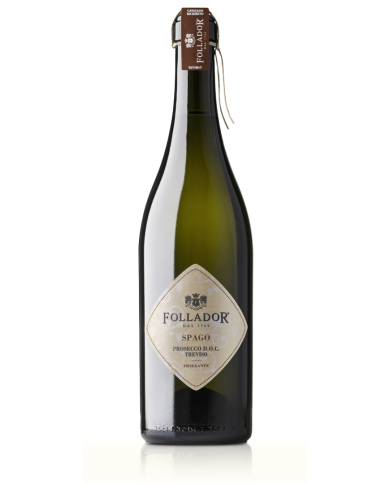
A Follador milestone, this wine made from carefully selected DOC grapes best expresses the typical tastes and aromas of Prosecco. Intense straw yellow color and lively, fine and elegant perlage. Its bouquet is an explosion of fresh and velvety fragrances. We distinguish the green apple, peach, apricot and finally acacia and rose flowers. Excellent structure on the palate is an extraordinary combination of freshness and flavor. Ideal for aperitifs, it elegantly accompanies light first and second courses, white meats, vegetables, fish and shellfish dishes.
€14.55
Prosecco Denomination: A Journey Through History and Culture
What is Prosecco ? Simple: it's a sparkling wine of Italian origin, famous throughout the world. But the Prosecco denomination tells us much more. It allows us to take a journey through the history, culture, and art of winemaking.
The History of Prosecco
The origin of Prosecco
Prosecco has its roots in northeastern Italy, and its name derives from the word "prosech," which means "forest" in local dialect. This sparkling wine dates back to the 16th century.
The evolution of Prosecco
Over the centuries, Prosecco has undergone a radical transformation, going from a sweet, semi-dry wine to a dry, sparkling wine loved throughout the world.
Types of Prosecco
Prosecco DOC
Prosecco DOC, or Controlled Designation of Origin, covers a vast area that extends between Veneto and Friuli Venezia Giulia.
Prosecco DOCG
Prosecco DOCG, or Controlled and Guaranteed Designation of Origin, represents the pinnacle of Prosecco production, with unparalleled quality and uniqueness.
Prosecco Superiore di Cartizze
Prosecco Superiore di Cartizze is considered the jewel in the crown of Prosecco, produced only in a small area of the Prosecco region.
How Prosecco is produced
The winemaking process
Prosecco is produced using the Charmat or Martinotti method, a winemaking process that involves a second fermentation in autoclaves.
The importance of terroir
Terroir, or the soil, climate, and environment in which the vines grow, plays a fundamental role in the quality and character of Prosecco .
How to taste Prosecco
How to serve Prosecco
Prosecco is served chilled, preferably in a sparkling wine glass, to fully appreciate its fruity and floral aromas.
Food pairings with Prosecco
Thanks to its versatility, Prosecco pairs perfectly with a wide variety of foods, from appetizers to desserts.
Prosecco around the world
Prosecco in Italian exports
Prosecco is one of Italy's most important wine exports, beloved both in Europe and the United States.
The influence of Prosecco on culture
Prosecco has had a significant impact on culture, becoming a symbol of Italian life, synonymous with celebration and conviviality.
The Prosecco denomination is not just a mark of quality, but represents the passion, tradition, and art of Italian winemaking. Prosecco , with its unique and unmistakable flavor, continues to conquer the world, toast after toast.
FAQ
Where does Prosecco come from?
Prosecco comes from northeastern Italy, specifically from the regions of Veneto and Friuli Venezia Giulia.
What is the difference between Prosecco DOC and DOCG?
Prosecco DOCG is produced in specific and more restricted areas than Prosecco DOC, guaranteeing superior quality.
How is Prosecco served?
Prosecco is served cold, preferably in a sparkling wine glass.
What foods can Prosecco pair with?
Prosecco pairs perfectly with a wide variety of foods, from appetizers to desserts.
Why is Prosecco so popular?
Prosecco is popular for its unique flavor, its versatility, and because it represents a symbol of Italian life.