

 Italiano
 Deutsch








There are no more items in your cart
SKU:
7884
Brand:
Quintarelli
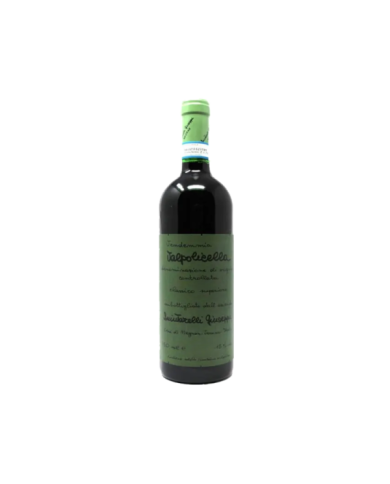
Great Valpolicella wine, produced by one of the most representative companies. Obtained half from grapes dried in boxes for a couple of months and half from "fresh" grapes. It is a wine with great aging potential, which spends six years in large Slavonian oak barrels to reach its complete maturation, before being bottled. If you want to have a red wine of great prestige and rarity in the cellar, you are in front of the right choice!
€99.90
SKU:
3159
Brand:
Allegrini
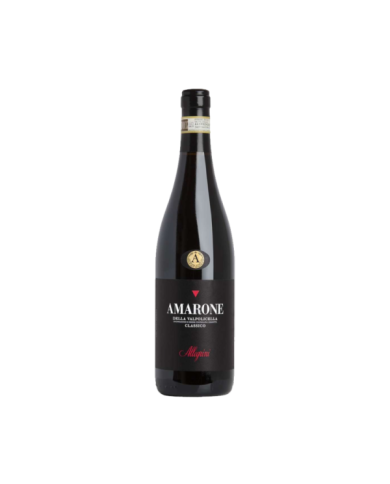
Allegrini , thanks to the knowledge gained through years of experimentation and research, has perfected a style of Amarone capable of maintaining and enhancing the integrity of the fruit, thanks to a mix of tradition and innovation that has its roots in 1854 . Amarone is the result of all the wisdom of the Allegrini family, a true classic of the denomination, a red that sums up tradition, territory and peasant wisdom . Corvina, Corvinone, Rondinella and Oseleta are left to wither at least until December, checking their health on a daily basis: the result is history, passion and continuous growth.
SKU:
2866
Brand:
Allegrini
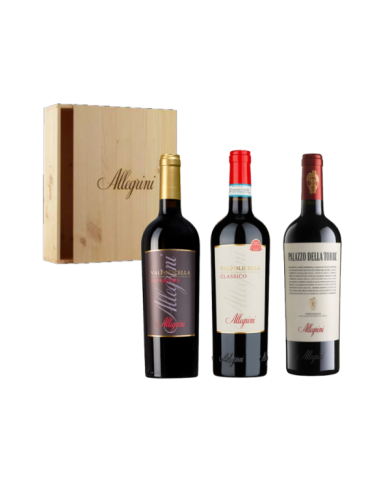
Beautiful natural wooden box consisting of 3 Allegrini bottles:
- _x0001_
- Valpolicella Classico DOC 2019 _x0001_
- Valpolicella Superiore DOC 2018 _x0001_
- Palazzo della Torre Veronese IGT 2017
€58.40
SKU:
2864
Brand:
Allegrini
Beautiful painted wooden box consisting of two bottles
- _x0001_
- Amarone della Valpolicella Classico DOCG 2016 La Grola Veronese IGT 2017
SKU:
2830
Brand:
Masi
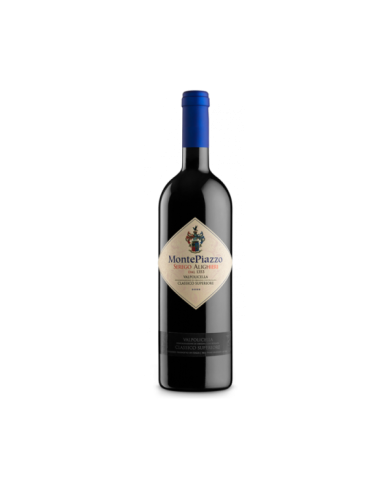
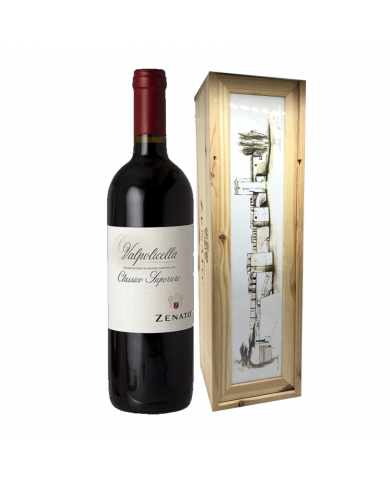
Elegant, original wine with good structure and complexity. It is the archetype of Valpolicella described by Hemingway, " as cordial as the house of a brother you get along with ". The style of the noble Casato is emphasized by the use of the exclusive Molinara clone Serego Alighieri and by the refinement in cherry wood barrels.
€19.69
SKU:
2803
Brand:
Zenato
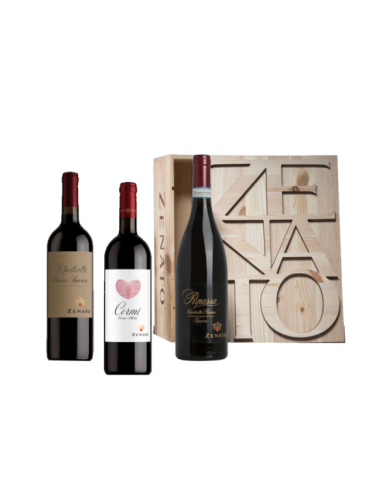
Wooden box " Nomination " containing 3 bottles of wine:
- _x0001_
- Valpolicella DOC Classico Superiore 2018 _x0001_
- Cormì Corvina Merlot Veneto IGT 2015 _x0001_
- Valpolicella Ripasso Superiore DOC Ripassa 2017
SKU:
2788
Brand:
Zenato
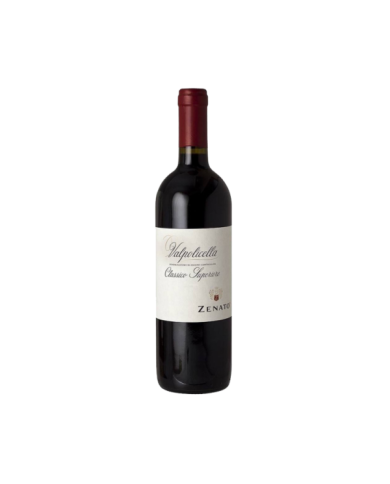
A classic Zenato , produced from the most classic and indigenous grapes. Immediately ready wine, it releases delicate aromas reminiscent of almonds and violets. On the palate it reserves a dry, soft and well-structured taste. It can age a few years.
€51.90
€46.71
SKU:
2782
Brand:
Zenato
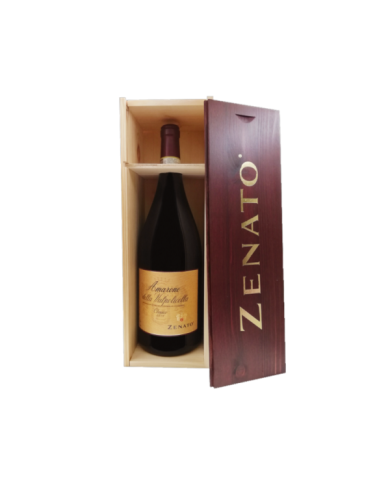
Zenato 's Ambrogio della Valpolicella is born in S. Ambrogio di Valpolicella, a hilly area on the Veronese shore of Lake Garda, within the "Classico" area of Valpolicella. It is in fact a real pleasure to give it and receive it: those who give it know they have purchased a great product and those who are passionate about wines know that when they receive an amarone, they can enjoy unique sensations.
SKU:
2779
Brand:
Zenato
Beautiful wooden box consisting of 3 bottles of wine:
- _x0001_
- Amarone della Valpolicella Classico 2016 _x0001_
- Valpolicella Superiore "Ripassa" - Zenato 2017 _x0001_
- Cresasso Veronese IGT 2015
SKU:
2777
Brand:
Zenato
The Zenato Classico is a full-bodied and intense Amarone that gives us an enveloping bouquet with aromas ranging from ripe cherries to coffee and cocoa. In the mouth it is soft and intriguing, savory and warm also thanks to the aging of 36 months in cask.
SKU:
2773
Brand:
Zenato
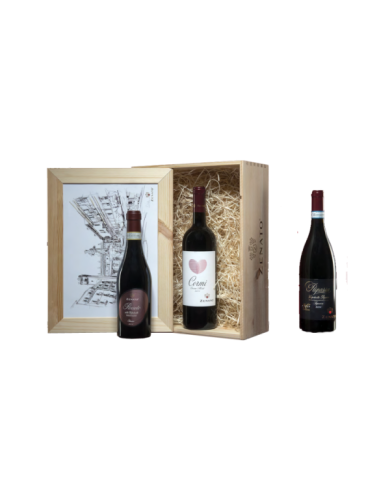
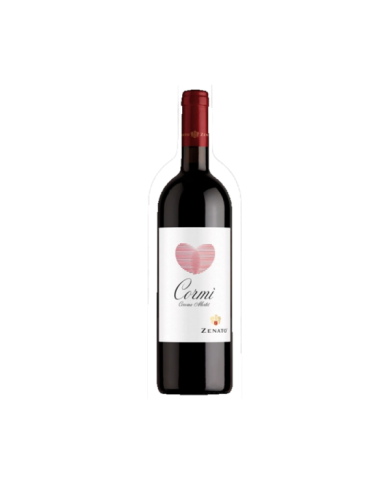
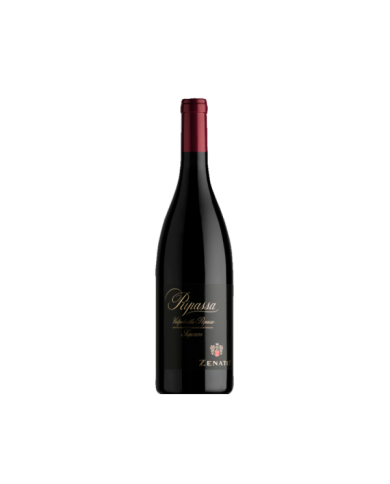
Beautiful wooden box composed of 3 wines: Cormì Corvina Merlot Veneto IGT 75 cl - 2015 Recioto della Valpolicella Classico 50cl - 2015 Valpolicella Superiore "Ripassa" - 37.5 cl - 2017 Authentic wines, unmistakable, different and harmonious voices of a territory unique, of absolute nobility, tradition and prestige
SKU:
2768
Brand:
Zenato
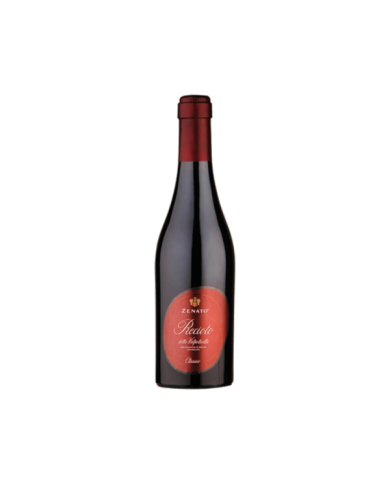
Recioto Classico is a sweet red wine with intriguing and enveloping notes. After more than three months of drying, the grapes are left to ferment and then aged for 24 months in tonneaux, and then rest for another 12 months in the bottle. Aromatic range that alternates notes of cherry and figs with plums and cloves, soft and velvety sip, with a very generous persistence on the finish
€33.15
Valpolicella Classico Denomination: A Journey to the Heart of Italian Wines
The Valpolicella Classico appellation represents excellence in the Italian wine scene. Located in the Veneto region of northeastern Italy, Valpolicella Classico is known for its high-quality wines, rich tradition, and unique terroir. In this article, we'll explore the history, grape varieties, production process, and distinctive characteristics that make the Valpolicella Classico appellation so beloved by wine lovers.
Introduction to the Valpolicella Classico Denomination
The Valpolicella Classico appellation is one of the most prestigious subzones of Valpolicella, renowned for its production of high-quality wines. This appellation encompasses the region's oldest and most traditional hills, which give the wines unique characteristics.
History and Territory of Valpolicella Classico
The history of Valpolicella Classico has its roots in antiquity. The region has witnessed grape cultivation and winemaking since Roman times. The Valpolicella Classico terroir is characterized by rolling hills and soils composed of calcareous marl, gravel, and clay. These geographical conditions give the wines a unique elegance and complexity.
Main grape varieties of Valpolicella Classico
The main grape varieties used in the production of Valpolicella Classico wines are Corvina Veronese, Corvinone, and Rondinella. Corvina Veronese is the dominant grape and contributes structure, elegance, and complex aromas to the wines. Corvinone is similar to Corvina, but with a higher sugar content. Rondinella, on the other hand, adds color and freshness to the wines.
Valpolicella Classico wine production process
The production of Valpolicella Classico wines follows a rigorous process that begins with the grape harvest, generally between September and October. After harvest, the grapes are carefully selected to ensure the highest quality.
The grapes are then gently pressed to extract the must, which is fermented at controlled temperatures. During fermentation, the must remains in contact with the skins for a specific period of time, allowing the transfer of aromas, colors, and tannins.
Types of Valpolicella Classico wines
The Valpolicella Classico denomination includes several types of wines, each with its own unique characteristics. Among the best-known are:
- Valpolicella Classico : a young and fruity red wine, with a fresh and lively taste.
- Valpolicella Classico Superiore: a more structured wine, obtained from selected grapes and aged for a longer period.
- Valpolicella Classico Ripasso: a wine obtained by fermenting the base wine on the skins of Amarone, which gives it greater structure and complexity.
Organoleptic characteristics of Valpolicella Classico wines
Valpolicella Classico wines are characterized by a wide array of aromas and flavors. They feature notes of fresh red fruit, such as cherries and strawberries, with hints of spice and flowers. On the palate, they are balanced, with a pleasant acidity and soft tannins.
Food pairings with Valpolicella Classico wines
Valpolicella Classico wines lend themselves to versatile culinary pairings. They pair well with light first courses, white meats, soft cheeses, and cured meats. Valpolicella Classico Superiore and Valpolicella Classico Ripasso also pair well with red meats, roasts, and more mature cheeses.
Visit Valpolicella Classico and its cellars
For wine lovers, a visit to the Valpolicella Classico wineries is an experience not to be missed. Numerous wineries offer guided tours, during which you can learn about the winemaking process firsthand, visit the vineyards, and taste the fine Valpolicella Classico wines.
The Valpolicella Classico denomination is a true jewel in the Italian winemaking landscape. Its millennia-old history, unique terroir, native grape varieties, and high-quality wines make this denomination particularly prized. If you're a wine lover, don't miss the opportunity to taste and discover Valpolicella Classico wines, authentic ambassadors of Italian winemaking tradition and excellence.
FAQ (Frequently Asked Questions)
What is the origin of the Valpolicella Classico denomination?
The Valpolicella Classico denomination has ancient origins in the Veneto region of Italy. Its history dates back to Roman times.
What are the main grape varieties used in the production of Valpolicella Classico wines?
The main grape varieties used in the production of Valpolicella Classico wines are Corvina Veronese, Corvinone and Rondinella.
What are the best-known types of Valpolicella Classico wines?
The best-known types of Valpolicella Classico wines are Valpolicella Classico , Valpolicella Classico Superiore and Valpolicella Classico Ripasso.
What are the organoleptic characteristics of Valpolicella Classico wines?
Valpolicella Classico wines feature notes of fresh red fruit, such as cherries and strawberries, with hints of spice. On the palate, they are balanced, with a pleasant acidity and soft tannins.
What food pairings are recommended for Valpolicella Classico wines?
Valpolicella Classico wines pair well with light first courses, white meats, soft cheeses, and cured meats. The more structured versions also pair well with red meats, roasts, and more mature cheeses.
6. Is it possible to visit the Valpolicella Classico cellars?
Yes, many Valpolicella Classico wineries offer guided tours, during which you can learn about the winemaking process up close, visit the vineyards and taste the fine Valpolicella Classico wines.