

 Italiano
 Deutsch



There are no more items in your cart
Valpolicella Appellation: A Journey to the Heart of Italian Wines
The Valpolicella appellation is a true gem in the Italian wine scene. Located in the Veneto region of northeastern Italy, Valpolicella is renowned for its high-quality wines and rich winemaking tradition. In this article, we'll explore the history, grape varieties, production processes, and distinctive characteristics that make the Valpolicella appellation so internationally renowned.
Introduction to the Valpolicella Denomination
The Valpolicella appellation is a wine-growing region in the Veneto region, known for producing high-quality wines. This appellation encompasses several zones, including Valpolicella Classica, Valpantena, Valpolicella Est, Valpolicella Valdadige, and the Recioto della Valpolicella area. Each zone contributes its unique characteristics to the production of Valpolicella wines.
History and territory of Valpolicella
The history of viticulture in Valpolicella dates back to Roman times, but it's over the centuries that this region has acquired a reputation for winemaking excellence. The Valpolicella region is characterized by rolling hills, a Mediterranean climate, and soil rich in calcareous marl, gravel, and clay. These geographical and climatic conditions offer an ideal environment for growing native grape varieties.
Main grape varieties of Valpolicella
The Valpolicella appellation is distinguished by the use of native grape varieties that give the wines a unique character. The main grape varieties grown in the region are Corvina Veronese, Corvinone, Rondinella, and Molinara. Corvina Veronese is the dominant grape, known for its contribution to the structure, color, and complex aromas of Valpolicella wines.
Valpolicella wine production process
The production of Valpolicella wines follows a rigorous process that begins with the grape harvest, usually between September and October. After harvest, the grapes are sorted and placed in crates to preserve their integrity. The grapes are then gently pressed to obtain the must, which is fermented at a controlled temperature.
A distinctive aspect of Valpolicella wine production is the use of appassimento (drying). A portion of the grapes, particularly for the production of Amarone della Valpolicella and Recioto della Valpolicella , are dried in ventilated rooms for several months. During the drying process, the grapes lose some of their water, concentrating their sugars and aromas.
Types of Valpolicella wines
The Valpolicella denomination includes several types of wines, each with its own unique characteristics. Among the most well-known are:
- Valpolicella Classico: a young and fruity red wine, ideal for everyday drinking.
- Valpolicella Superiore: a more structured and complex wine, obtained from selected grapes and aged for a longer period.
- Amarone della Valpolicella : a dry, intense and full-bodied red wine, obtained from dried grapes.
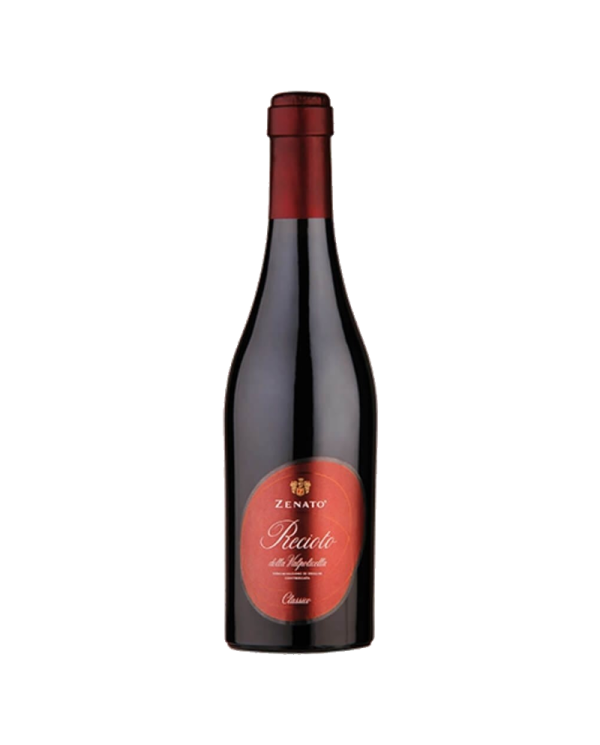
- Recioto della Valpolicella : a sweet and enveloping red wine, also produced from dried grapes.
Organoleptic characteristics of Valpolicella wines
Valpolicella wines are characterized by a wide range of aromas and flavors. Valpolicella Classico wines offer notes of fresh fruit, such as cherries and strawberries, with a pleasant freshness. More structured wines, such as Amarone della Valpolicella , feature complex aromas of dried fruit, spices, tobacco, and chocolate. Recioto della Valpolicella , on the other hand, stands out for its sweet aromas of ripe fruit, raisins, and honey.
Food pairings with Valpolicella wines
Valpolicella wines lend themselves to a wide variety of culinary pairings. Valpolicella Classico wines pair well with pasta dishes, risotto, white meats, and fresh cheeses. Amarone della Valpolicella and Recioto della Valpolicella pair beautifully with red meats, roasts, aged cheeses, and dark chocolate. The complexity and structure of these wines also make them ideal for meditation.
Visit Valpolicella and its cellars
For wine lovers, visiting Valpolicella and its wineries is an unforgettable experience. Numerous wineries offer guided tastings, vineyard tours, and detailed explanations of the winemaking process. These tours allow you to immerse yourself in the local winemaking culture, discover the secrets of the native grape varieties, and taste the wines directly from the producer.
The Valpolicella appellation represents a true Italian wine treasure. Its millennia-old history, native grape varieties, traditional production processes, and the wines' sensory characteristics have contributed to its worldwide fame. If you're a lover of quality wines, you can't miss the opportunity to taste the fine Valpolicella wines.
FAQ (Frequently Asked Questions)
What is the origin of the Valpolicella denomination?
The Valpolicella denomination has ancient origins in the Veneto region of Italy. Its history dates back to Roman times.
What are the main grape varieties used in the production of Valpolicella wines?
The main grape varieties used in the production of Valpolicella wines are Corvina Veronese, Corvinone, Rondinella and Molinara.
What are the best-known types of Valpolicella wines?
The best-known types of Valpolicella wines are Valpolicella Classico, Valpolicella Superiore, Amarone della Valpolicella and Recioto della Valpolicella .
What are the recommended food pairings for Valpolicella wines?
Valpolicella wines pair well with a variety of dishes. Valpolicella Classico pairs well with pasta, risotto, white meats, and fresh cheeses. Amarone della Valpolicella and Recioto della Valpolicella pair beautifully with red meats, roasts, aged cheeses, and dark chocolate.
Is it possible to visit the Valpolicella wineries?
Yes, many Valpolicella wineries are open to the public and offer guided tours, tastings, and the opportunity to purchase their wines directly on site.