

 Italiano
 Deutsch




There are no more items in your cart
€6.15
€13.01
€16.52
€17.78
€17.78
SKU:
21197
Brand:
Bugno Martino
San Benedetto Po (MN) Lambrusco mantovano DOP - LAMBRUSCO SALAMINO 100% Rosso frizzante
€42.70
SKU:
21194
Brand:
Bugno Martino
San Benedetto Po (MN) Lambrusco mantovano DOP - LAMBRUSCO SALAMINO 100% Rosso frizzante
€17.08
€14.43
€8.36
SKU:
17798
Brand:
Sansaluto
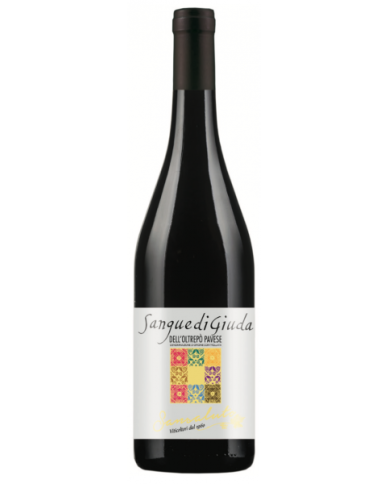
Caratterizzato da un colore rosso rubino carico. Al naso si presenta vinoso ed intenso. Dolce e di corpo.
€5.90
SKU:
17795
Brand:
Sansaluto
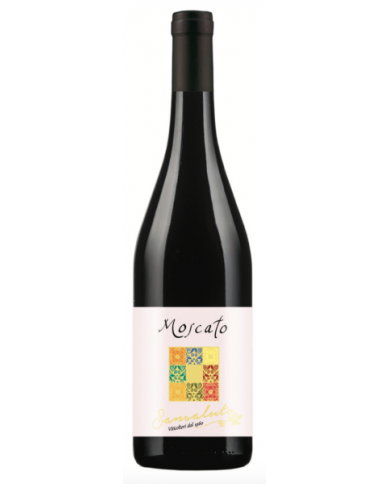
Colore giallo paglierino con rilessi dorati. Erbe aromatiche, tra cui in primis la salvia, sono protagoniste durante la degustazione olfattiva. Al palato risulta dolce e fragrante.
€7.12
SKU:
17792
Brand:
Sansaluto
Colore rosa tenue. Sentori di piccoli frutti rossi. Al palato risulta fresco e sapido.
€4.70
Sparkling Wine Denomination
Sparkling wine is a category of wines characterized by the presence of bubbles, which give the wine a unique liveliness and effervescence. This designation encompasses a wide range of wines, from whites to rosés and reds, distinguished by their freshness and versatility.
The Sparkling Wine Production Process
Sparkling wine is produced using various methods, including natural fermentation in the bottle (the classic method), fermentation in pressure tanks (the Charmat method), and the addition of carbon dioxide during bottling. These processes give the wine its characteristic bubbles and effervescence.
Sensory Characteristics of Sparkling Wine
This sparkling wine presents a pleasant effervescence and immediate freshness on the palate. On the nose, it releases intense notes of fresh fruit and flowers, while on the palate it reveals a pleasant acidity and a smooth creaminess. Its fine, persistent bubbles make it ideal for accompanying a wide range of dishes and occasions.
Versatility and Food Pairings
Sparkling wine is extremely versatile and pairs well with a wide range of dishes, from appetizers to desserts. It's perfect as an aperitif, but also pairs well with light fish dishes, vegetables, and fresh cheeses. Its freshness and effervescence make it ideal for refreshing hot days and celebrating special occasions.
Wine Tourism in the World of Sparkling Wine
The world of sparkling wine offers numerous wine tourism opportunities, allowing visitors to discover the secrets of winemaking and savor local wines. Numerous wineries open their doors to visitors, offering guided tastings, vineyard tours, and food and wine tours, allowing them to enjoy a unique and engaging experience.
Challenges and Innovations in the Sparkling Wine Sector
Despite the success of sparkling wine, the sector faces several challenges, including global competition and climate change. However, these challenges also offer opportunities for growth and innovation, pushing producers to seek sustainable solutions and maximize the value of their local area.
In conclusion, sparkling wine is a true delight for the palate, celebrating the freshness and vivacity of Italian and international wines. With its refreshing bubbles and versatile character, sparkling wine is the ideal companion for any occasion, from casual brunches to elegant gala dinners.
FAQs
What is the difference between sparkling wine and spumante?
The main difference lies in the pressure of the bubbles and the production process. Semi-sparkling wine has a lower pressure and less persistent bubbles than spumante, which is characterized by greater effervescence.
What grape varieties are used to produce sparkling wine?
The most commonly used grape varieties are native to the various wine-growing regions, such as Glera for Prosecco and Trebbiano Toscano for some Italian wines.
What are the recommended food pairings for sparkling wine?
This sparkling wine pairs well with light appetizers, fish dishes, vegetables, and fresh cheeses. It's also excellent as an aperitif or enjoyed on its own during celebrations.
What are the main Italian wine regions known for producing sparkling wine?
Some of the main Italian wine regions known for producing sparkling wine are Veneto (for Prosecco), Lombardy (for Franciacorta) and Emilia-Romagna (for Lambrusco).