

 Italiano
 Deutsch










There are no more items in your cart
SKU:
18756
Brand:
Cantine Due Palme
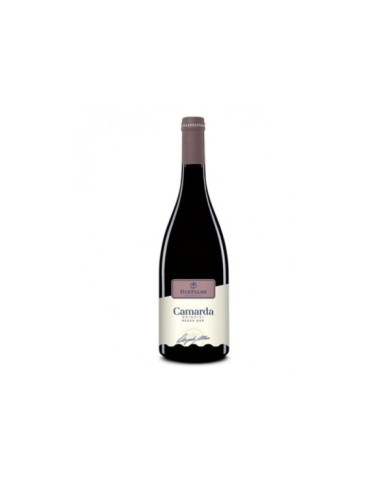
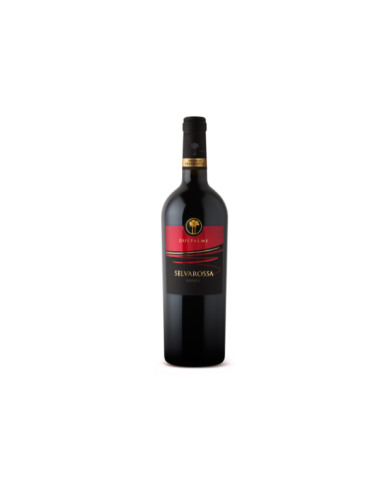
Ruby red color with garnet reflections elegant and rich bouquet, dark fruit, round and harmonious taste, with a balsamic finish.
€12.35
SKU:
18755
Brand:
Cantine Due Palme
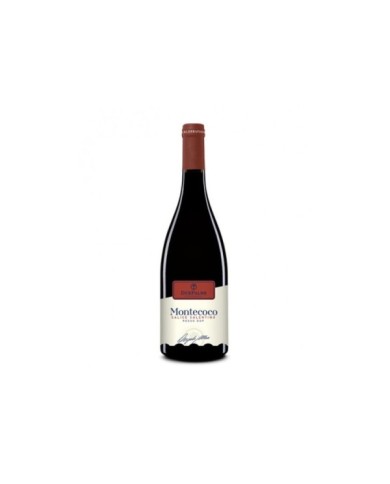
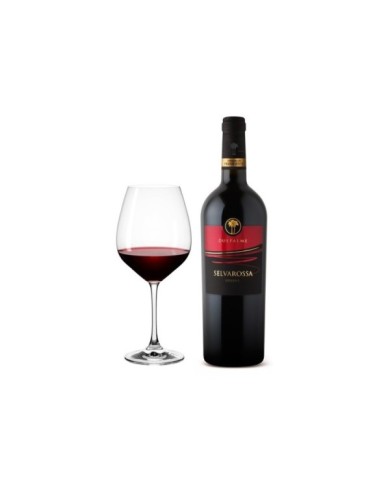
intense ruby red with violet reflections. The nose still highlights the fruity, with notes of ripe cherries and discreet hints of wood. Warm on the palate, soft, pleasantly present the tannins.
€12.35
SKU:
18754
Brand:
Cantine Due Palme
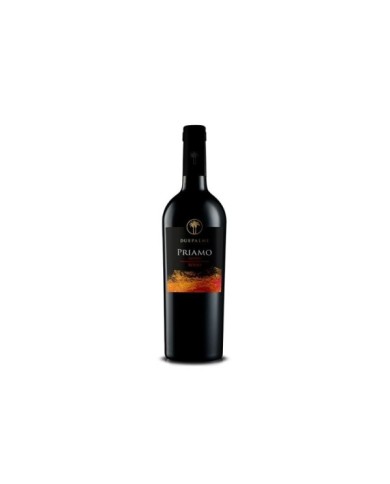
ruby red in color with purple reflections, the nose reveals pleasant aromas of wild plum, blackberries, wild strawberries and toasted notes. Harmonious, elegant and warm palate.
€12.36
€11.12
SKU:
18752
Brand:
Cantine Due Palme
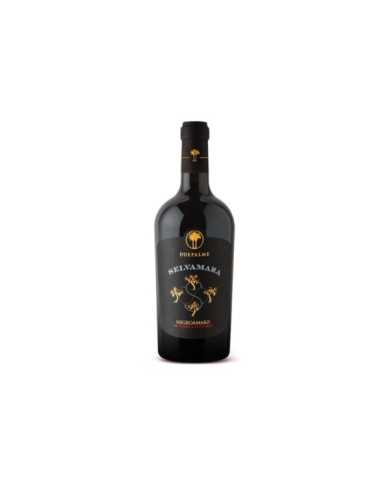
intense ruby red color, the aromas explode in red berried fruits, cherries and morello cherries. In the mouth it has a perfect balance of ripe fruit.
€12.22
SKU:
18750
Brand:
Cantine Due Palme
Intense ruby red wine with cardinal reflections. The nose presents captivating fruits of cherries and figs, and notes of vanilla. The palate is marked by hints of small, juicy and ripe red fruits. Warm and with a good fragrance, with gritty and pleasant tannins.
€13.65
SKU:
18747
Brand:
Cantine Due Palme
Intense ruby red wine with amaranth reflections. The nose presents captivating fruits of cherry jam and dates, notes of vanilla and licorice. The palate is marked by hints of small red fruits, juicy and ripe, and by the sweet nuances of wood. Warm and with a good fragrance, with gritty and pleasant tannins. Perfect as a meditation and… conversation wine!
€24.06
€8.02
SKU:
18745
Brand:
Cantine Due Palme
Intense red wine with purple reflections. The bouquet immediately appears very complex and of great finesse then explodes into hints of roasted coffee and hints of ripe cherry and plum, combined with the spicy notes of vanilla from the wood. Harmoniously balanced and velvety on the palate, delicately tannic, it is full-bodied and full, with typical characteristics of dried grapes.
€42.25
€49.64
SKU:
18731
Brand:
Planeta
From one of the oldest vines in the world, Moscato Bianco, our Passito di Noto is born. Passito is an ancient wine that becomes current with a modern drying system. Explosive aromas of exotic fruit, jasmine, candied citrus, it is both complex and easy to love. The ideal companion of the great Sicilian tradition of sweets and ice cream.
€76.86
SKU:
18729
Brand:
Planeta
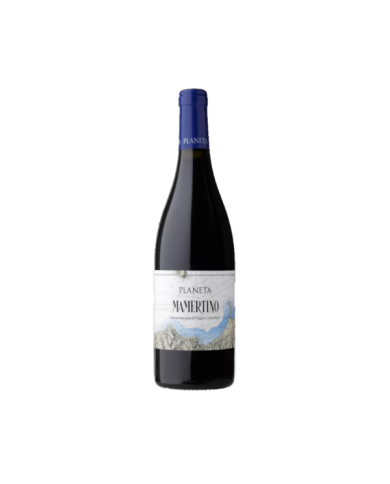
A denomination that has its roots in antiquity when the Mamertines produced this wine described by Pliny and loved by Julius Caesar in Milazzo. Nero d'Avola and Nocera, 12 months of aging in 35 hl barrels. The small winery is located a few steps from the sea and is surrounded by the spectacular vineyards we planted in Capo Milazzo. The Barone Lucifero Foundation, owner of the fund, uses part of the proceeds for socio-cultural and recreational activities for children in the Milazzo area.
€18.79
SKU:
18728
Brand:
Planeta
Noble variety grown in a few hectares in the lands of Messina overlooking the sea and history. La Baronia, in Capo Milazzo, is an absolutely spectacular vineyard surrounded by the sea, centuries-old olive trees and under the gaze of the islands. Marine red, with scents of Mediterranean scrub, myrtle and scrubland. The Barone Lucifero Foundation, owner of the fund, uses part of the proceeds for socio-cultural and recreational activities for children in the Milazzo area.
SKU:
18725
Brand:
Planeta
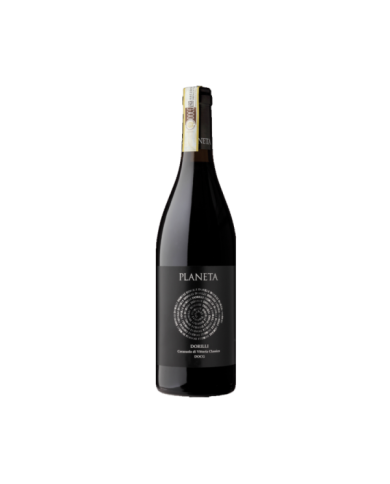
The Cerasuolo di Vittoria Classico Dorilli represents for us the quintessence of this noble wine. It comes from a careful selection of the vineyards that surround the beautiful and unique Dorilli estate, named after the nearby river Dirillo, the landing place of the brave Aeneas. A fine and elegant expression, the result of the union of the noble Nero d'Avola with the Frappato di Vittoria, the Iblean grape variety par excellence, slightly marked by the aging in wood. A limited production for those who love small Italian denominations, history and testimony of our land.
€18.79
€16.80
SKU:
18717
Brand:
Tenuta Cocci Grifoni
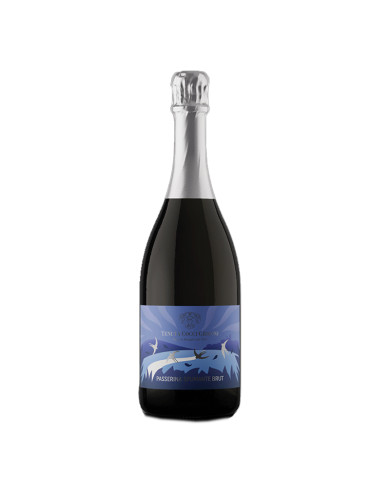
And we too walk the path of the Martinotti Method. Because it is a piece of all-Italian history, because a glass of bubbles induces an immediate smile, because the Passerina vine benefits from the second fermentation in an autoclave which amplifies its wheel of perfumes, maintaining its freshness and salinity. Passerina Brut carries with it an imaginary made of joy and celebrations. With this spirit we vinify it in the hope that, once in your glasses, it will be as much a source of happiness for you as it is for us to produce it. An explosion of wild flowers, hints of cedar, tasty snuff-box peaches and crunchy white cherries. The perlage is subtle and the sweetness imperceptible for a decisive sip that tells the story of the territory.
SKU:
18713
Brand:
Tenuta Ulisse
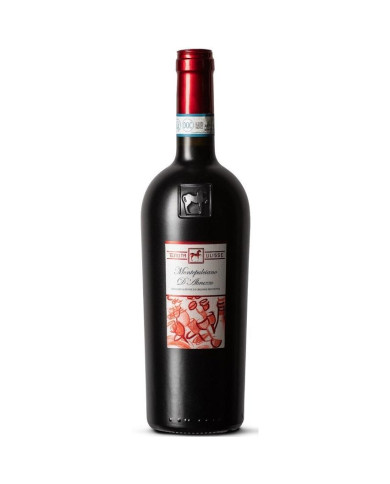
Denomination: Protected Designation of Origin Grape variety: 100% Montepulciano
In our region Montepulciano finds its ideal territory, uncontaminated, impenetrable, giving life to a full and balanced wine. It is a wine that has made the history of Abruzzo winemaking.
€9.96
SKU:
18712
Brand:
Tenuta Ulisse
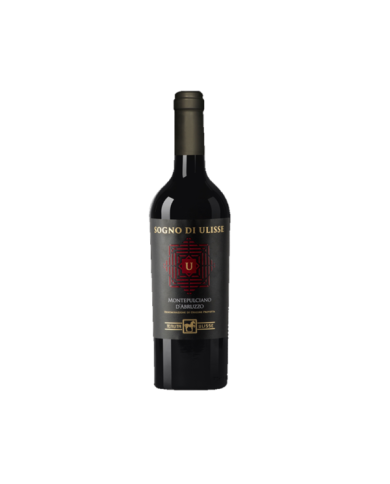
Its denomination derives from the earliness of ripening. Its origin is uncertain, while its arrival in Italy is due to the Benedictines, who introduced it in the seventeenth century.
€17.89
SKU:
18707
Brand:
Carpineto
The Carpineto Estate, in Montalcino, rises at an altitude that reaches over 500 meters slm , one of the highest points within the denomination. The structure of the soil is made up of marl and accumulations of clay dating back to the Eocene (15 million years ago). The vineyards are surrounded by thick Mediterranean scrub which protects them from the humid western currents coming from the Maremma; it is also thanks to their exposure that the wine reveals hints of berries and Mediterranean herbs. A truly unique microclimate, which gives the wines aromatic intensity, lively acidity and marked elegance, as well as incredible longevity.
€72.65
SKU:
18706
Brand:
Carpineto
The Carpineto Estate, in Montalcino, rises at an altitude that reaches over 500 meters slm , one of the highest points within the denomination. The structure of the soil is made up of marl and accumulations of clay dating back to the Eocene (15 million years ago). The vineyards are surrounded by thick Mediterranean scrub which protects them from the humid western currents coming from the Maremma; it is also thanks to their exposure that the wine reveals hints of berries and Mediterranean herbs. A truly unique microclimate, which gives the wines aromatic intensity, lively acidity and marked elegance, as well as incredible longevity.
€43.46
€9.66
€21.56
SKU:
18702
Brand:
Torri Cantine
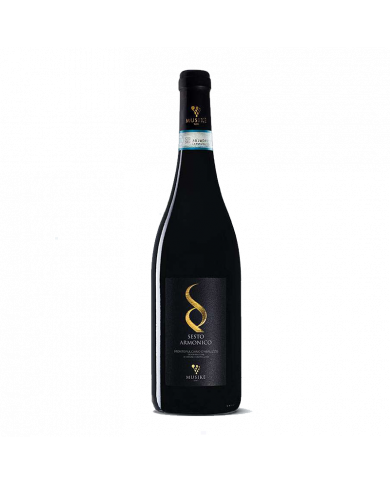
The first labels born from Maestro Beppe Vessichio's cellar are Sesto Armonico Montepulciano d'Abruzzo and Sesto Armonico Trebbiano d'Abruzzo, two wines that enjoy a refinement induced by musical harmony that evolves the bonds making them balanced and enjoyable.
€11.43
SKU:
18701
Brand:
Carpineto
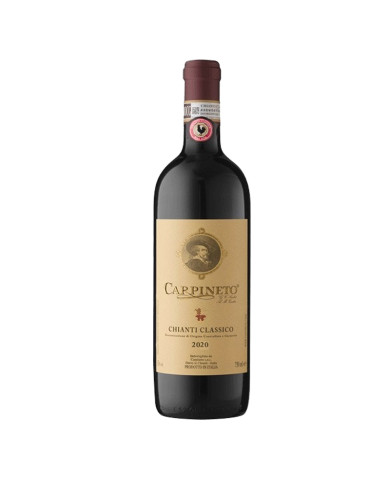
Produced in the oldest production area, as stated in the disciplinary that regulates it, this area gave its name to the wine and is the only one where Chianti Classico is produced. It extends between Florence and Siena in a territory of breathtaking beauty, made up of villages perched on the top of the hills, of olive trees cultivated in steep fields with an irregular outline and of cypresses lined up to delimit the innumerable dirt roads.
SKU:
18700
Brand:
Carpineto
Produced in the oldest production area, as stated in the disciplinary that regulates it, this area gave its name to the wine and is the only one where Chianti Classico is produced. It extends between Florence and Siena in a territory of breathtaking beauty, made up of villages perched on the top of the hills, of olive trees cultivated in steep fields with an irregular outline and of cypresses lined up to delimit the innumerable dirt roads.
€111.18
SKU:
18699
Brand:
Carpineto
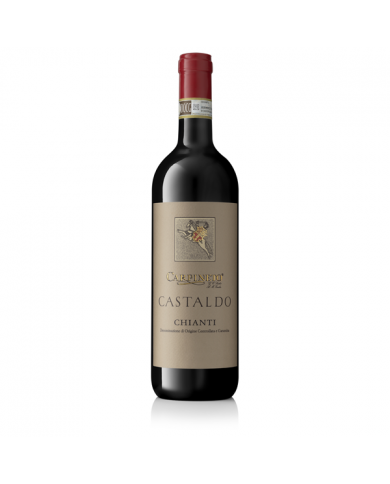
This is certainly the best known Italian wine in the world and is produced in Central Tuscany.
€8.82
SKU:
18688
Brand:
Cantina La Vis
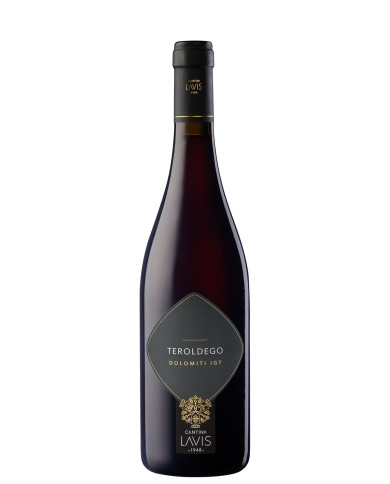
The cultivation of Teroldego, an indigenous vine and symbolic wine of Trentino, has very ancient origins.
€10.15
€13.64
SKU:
18682
Brand:
Spadafora
An excellent aperitif, the ideal pairing is with seafood dishes, shellfish and delicately flavored fish, preferably grilled, such as cuttlefish or a good baked salmon trout.
€13.58
SKU:
18679
Brand:
Produttori di Manduria
Colore: rosso rubino carico. Profumo: naso maturo ed intenso in evidenza profumi di more e prugne mature fichi pepe appena macinato e scorza d'arancia. Sul finire un accenno di affumicato unito a note speziate di tabacco e cuoio ed avvolgenti sentori balsamici. Sapore: armonioso e di grande struttura ricco gusto di frutti scuri e maturi e tannini avvolgenti. Ben equilibrato accarezza il palato con grande pulizia complessità e persistenza.
€40.13
SKU:
18678
Brand:
Produttori di Manduria
Colore: giallo paglierino con tenui riflessi dorati.
Profumo: frutta esotica arricchito da note burrose e vanigliate conferite dall’affinamento in legno.
Sapore: buon equilibrio tra freschezza e morbidezza intenso ed asciutto piacevolmente sapido caratterizzato da un lungo ed elegante finale.
€9.15
SKU:
18676
Brand:
Produttori di Manduria
Colore: rosso rubino. Profumo: intenso e complesso con eleganti note fruttate (prugne, more, ribes) insieme ai tipici sentori speziati di cannella e pepe nero. Sapore: caldo morbido giustamente tannico persistente.
€10.03
SKU:
18675
Brand:
Produttori di Manduria
Colore: rosso rubino con riflessi violacei. Profumo: piacevoli toni di piccoli frutti rossi e prugna sposano note di pepe nero e cacao viola e humus sottobosco e pietra calda. Sapore: in bocca si presenta secco asciutto fresco e speziato. Corpo pieno tannini succosi e un finale fruttato. Buona persistenza.
SKU:
18674
Brand:
Produttori di Manduria
Colore: rosso rubino intenso con riflessi porporini. Profumo: note di fichi secchi e datteri prugne e mirtilli in confettura aprono a sensazioni di viole piacevoli e sottili toni speziati con drappi di sottobosco. Sentori di frutta secca e cacao in chiusura. Sapore: delicata dolcezza al palato freschezza appagante tannino morbido e persistenza complessa.
SKU:
18673
Brand:
Produttori di Manduria
Colore: rosso rubino intenso con riflessi porporini.
Profumo: note di fichi secchi e datteri prugne e mirtilli in confettura aprono a sensazioni di viole piacevoli e sottili toni speziati con drappi di sottobosco. Sentori di frutta secca e cacao in chiusura.
Sapore: delicata dolcezza al palato freschezza appagante tannino morbido e persistenza complessa.
€14.52