

 Italiano
 Deutsch








There are no more items in your cart
SKU:
18516
Brand:
Mongarda
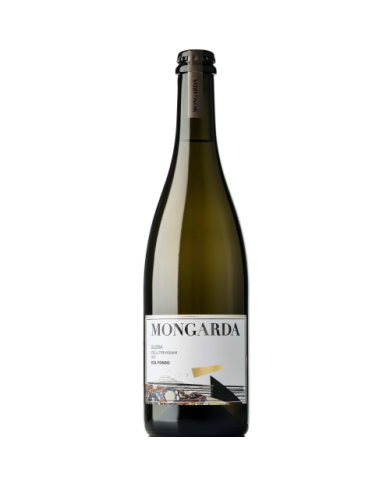
Vivo, coraggioso e ribelle, per brevi momenti elegante, poi aspro e ruvido
€11.88
SKU:
18515
Brand:
Mongarda
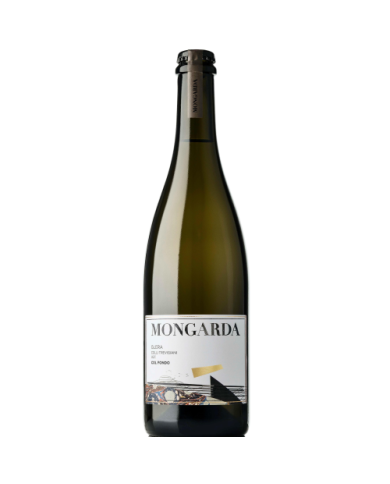
Vivo, coraggioso e ribelle, per brevi momenti elegante, poi aspro e ruvido
€21.59
SKU:
18514
Brand:
Mongarda
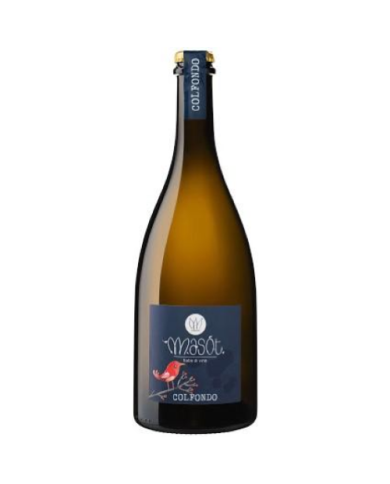
Vivo, coraggioso e ribelle, per brevi momenti elegante, poi aspro e ruvido
€19.03
€15.23
€28.55
SKU:
18511
Brand:
Martarosa
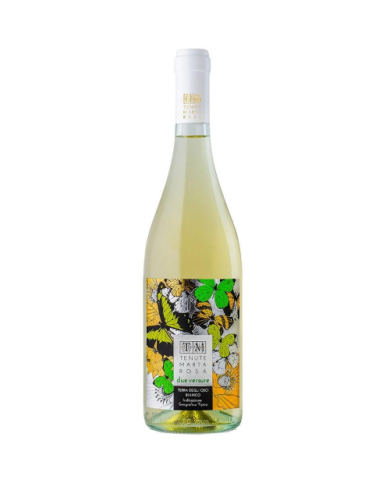
Di colore giallo paglierino intenso, ha note di fiori bianchi, frutta a polpa bianca, agrumi. Fresco e scorrevole esprime equilibrio e mineralità.
€13.01
SKU:
18510
Brand:
Martarosa
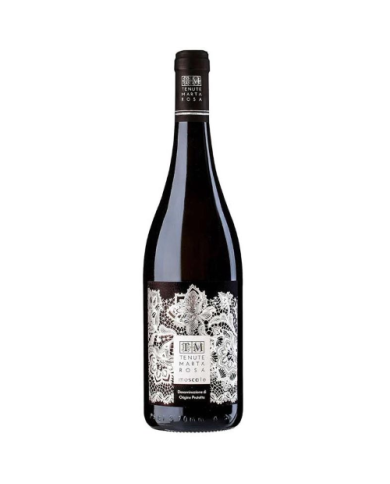
Vino moscato secco con profumo di uva spina, salvia, timo, pesca bianca, un naso sexi e dolce che invita subito alla beva. La bocca di estrema facilità lascia ricordi di frutti dolci. La sua invitante freschezza regala un finale fruttato e pulito.
€19.50
SKU:
18509
Brand:
Martarosa
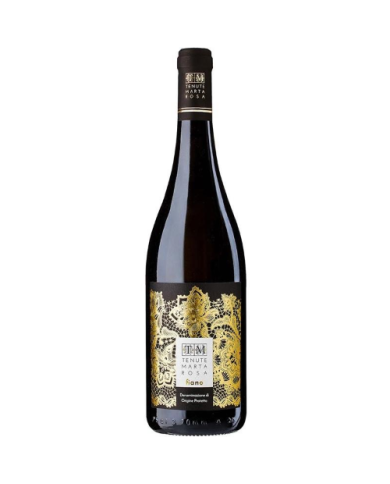
Bianco di colore giallo paglierino con riflessi dorati, al naso è invitante. Pieno di fiori bianchi, frutta esotica, agrumi. Al palato la beva è piena, piacevolmente fresca e scorrevole, ha un finale minerale, lungo ed equilibrato.
€19.50
SKU:
18508
Brand:
Marc Bredif
Il Muscadet Sèvre-et-Maine "Royal-Oyster" di Marc Brédif è un bianco di piacevolissima aromaticità, fresco e scorrevole all'assaggio. Bella espressione del territorio natio, oltre che vino di personalità, è perfetto per accompagnare un menu a base di pesce.
Paglierino, con riflessi dorati.
Al naso si esprime con sentori di pera, mela e agrumi e note floreali.
Al palato è ampio, fresco e di decisa sapidità.
€23.18
SKU:
18507
Brand:
La Milliere
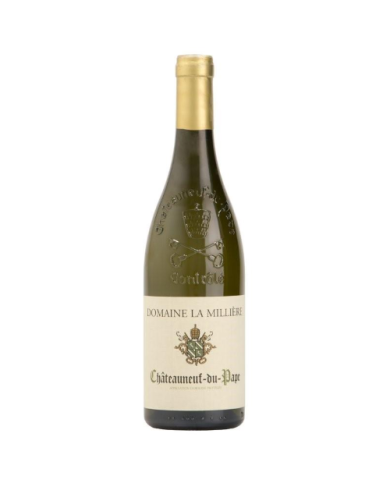
È composto da 4 vitigni: Grenache Blanc, Clairette, Bourboulenc e Roussanne.
Grenache Blanc e Clairette conferisce al nostro Châteauneuf-du-Pape bianco aromi e sapori fruttati e floreali, finezza e un'attitudine eccellente per l'invecchiamento. Il molto più vivace Bourboulenc conferisce al vino freschezza ed eleganza, mentre Roussanne contribuisce con aromi generosi e grande pienezza.
€42.09
SKU:
18506
Brand:
Jermann
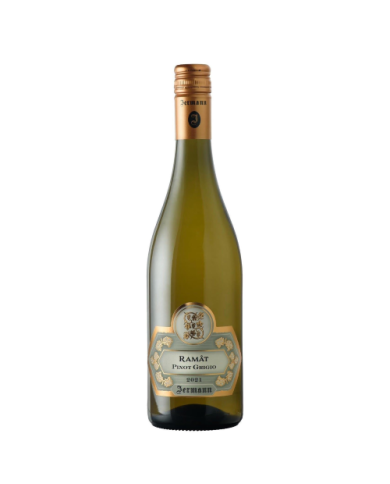
Ramât è una selezione delle uve provenienti dalle migliori vigne (circa 2 ettari) situate tra Isonzo e Collio
100% Pinot Grigio
Esaltati al massimo i profumi della varietà e la sua intrinseca freschezza attraverso una macerazione a freddo, se ne ricava un vino che fa dell’eleganza e della finezza aromatica la sua caratteristica, preservando al contempo una freschezza vibrante.
€29.65
SKU:
18505
Brand:
Jean-Huttard
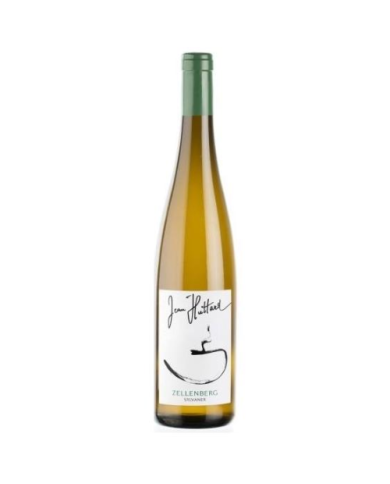
Colore giallo paglierino con riflessi argentati, con note di pera, pesca e fiori di sambuco. In bocca è strutturato, elegante e persistente.
Abbinamenti: crauti, aperitivi e antipasti, frutti di mare e in particolare le ostriche, salsa di pesce, spezzatino di vitello.
€20.86
SKU:
18504
Brand:
Jean-Huttard
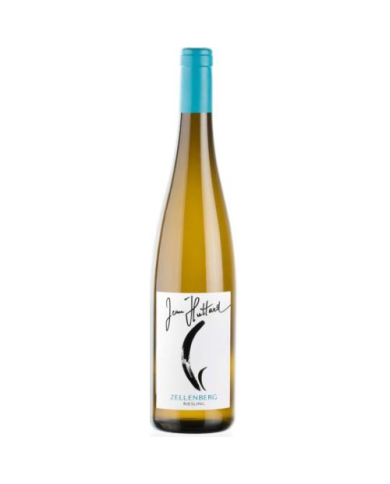
La veste è gialla chiara con riflessi verdi e brillanti che ne sottolineano già la caratteristica freschezza, raffinato e carismatico che ti farà apprezzare il Riesling. È abbagliante accompagnato da pesce, carni bianche o frutti di mare. morbido.
€21.84
SKU:
18503
Brand:
Jean-Huttard
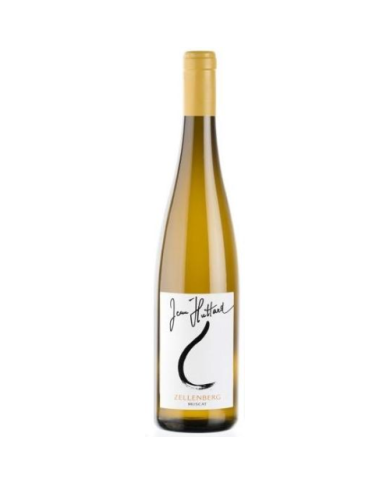
Persistenza e delicatezza definiscono questo vino secco, profondo e di grande impatto. Da aprire con gli amici, come aperitivo, accompagnato da antipasti o pesce crudo.
€20.86
SKU:
18502
Brand:
Jean-Huttard
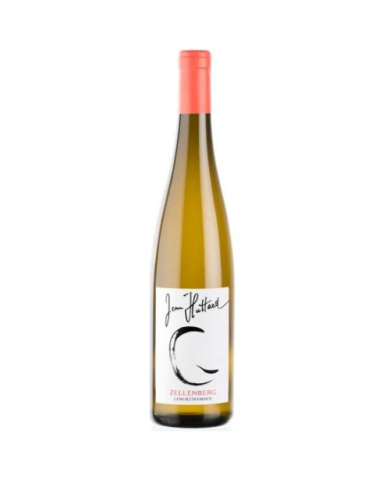
Naso esotico (inconfondibile il mango) e minerale ricco di acqua di rose, melone, pesca bianca, miele d'acacia e zenzero. Vellutato e corposo, elegante, sorretto da vivace acidità e con lunga eco fruttata.
€20.86
SKU:
18501
Brand:
Jean-Huttard
€14.76
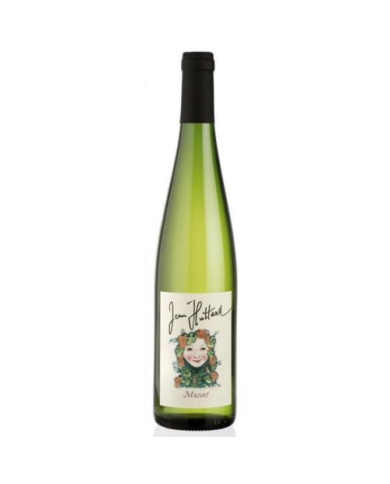
Vino semi-secco di buona lunghezza al palato con aromi di rosa.
€14.76
SKU:
18500
Brand:
Jean-Huttard
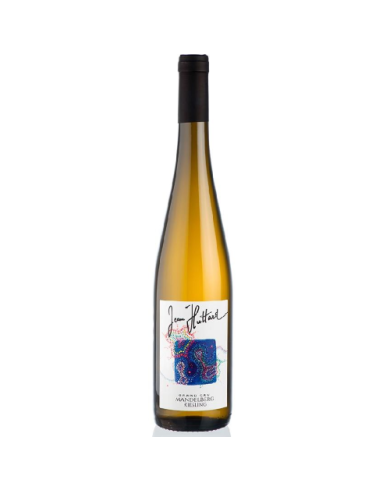
I vini del Grand Cru Mandelberg sviluppano un fruttato pronunciato. Note agrumate, bella mineralità, vendemmia matura che gli dona una buona lunghezza in bocca. Vino spiritoso secco da invecchiare per il pieno sviluppo delle sue potenzialità. Da consumare come aperitivo, o con piatti iodati, complessi o nobili.
SKU:
18499
Brand:
Jean-Huttard
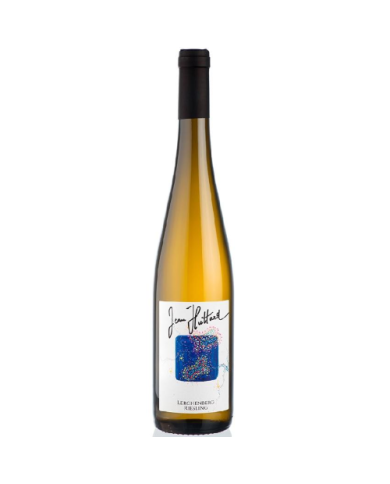
Naso molto floreale accompagnato da note di fiori bianchià. Al palato inizialmente struttirato e fresco finisce per colpirci con la sua mineralità salivante.
€25.38
SKU:
18498
Brand:
Inama
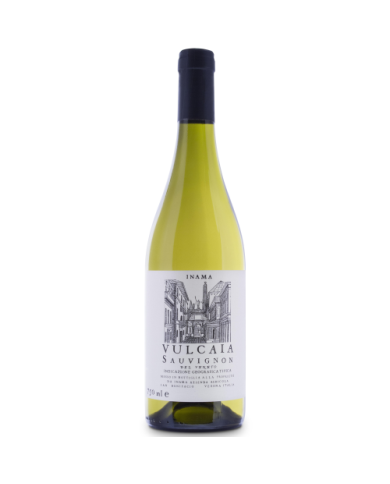
Naso di agrumi e fiori dolci. Al palato minerale con frutta esotica e agrumi. Lungo e persistente il finale.
Abbinamenti: Coquillage, ostriche, omelette agli asparagi. Con i piatti della tradizione: uova e asparagi, coniglio in teglia con scorza di limone. Con le verdure: misticanza con cipollotto fresco ravanello e fragola, asparagi bianchi e verdi.
€18.06
SKU:
18497
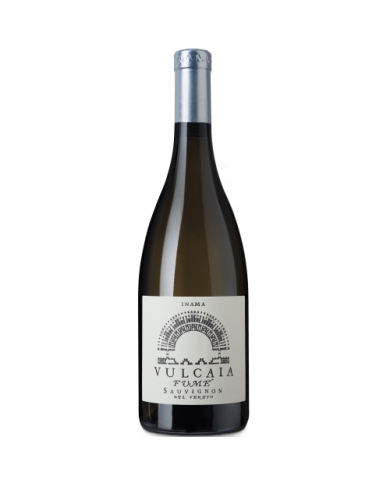
Brand:
Inama
Naso di caffè e spezie e petali di fiori. Al palato presenta frutta tropicale, agrumi e grandi complessità aromatiche.
€39.04
SKU:
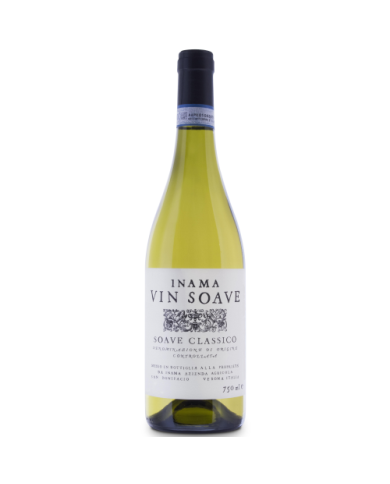
18496
Brand:
Inama
€15.25
Naso fine e delicato di fiori di campo: camomilla, sambuco, iris. Al palato si presenta minerale, con un retrogusto di mandorla, tipico della Garganega Classica.
Si abbina con numerosi piatti, in particolare risotto, pesce a polpa bianca, pesce crudo all’italiana (con olio d’oliva), misticanza, sushi
€15.25
SKU:
18493
Brand:
Torre Raone
Straw yellow color to the eye. Intense olfactory bouquet, characterized above all by fruity references of apricot, green apple, pineapple and banana, complemented by citrus nuances and almond tones. Full-bodied in tasting, balanced and savory, with good persistence.
Extremely versatile in food pairings, it is worth trying to accompany trenette with pesto.
SKU:
18492
Brand:
Torre Raone
Straw yellow with a good load of color to the eye. The nose is clean and punctual, characterized by fruity hints of apricot, pear and tropical fruit, then completed by chalky and floral nuances of chamomile. Savory and fresh on the palate, with good balance and good length.
Perfect to accompany seafood cuisine, it is excellent to be paired with pan-fried mullets.
SKU:
18488
Brand:
Borgo Maragliano
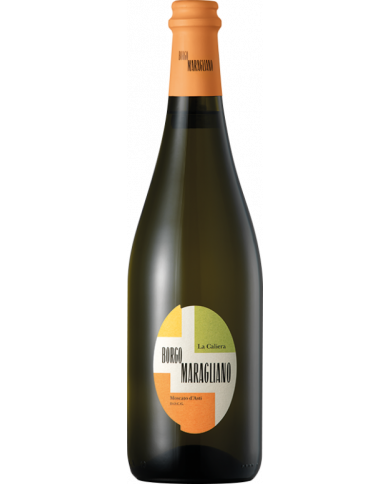
Grape variety: 100% CANELLI WHITE MOSCATO
Altitude: 360 meters slm level Slope: 32% with South West exposure
Training system: Low Guyot
Soil: 45% tuffaceous - 48% sandstone - 7% calcium
Average yield per hectare: 65 hl.
€13.80
The best Italian white wines
Italy is home to some of the finest white wines. In the Clickwine section of our online wine shop dedicated to the finest Italian white wines, you'll find bottles of excellent white wine carefully selected by our sommeliers.
The designations used in our country to classify wines are DOCG, DOC, and IGT. Sometimes you'll also find designations like DOP and IGP: these acronyms have similar meanings to the previous ones but are used by wineries that primarily sell their wines outside of Italy.
The production of white wine
White wines are produced from both light and dark grapes, but vinified as a white wine: that is, during maceration there is no contact between the must and the pomace, so that the skin – exactly the opposite of what happens with red wines – does not release substances and color.
Its myriad nuances vary according to the characteristics of the grape variety, the aging method and the vine growing area.
In white winemaking, once the grapes have been harvested, they are transported to the cellar, destemmed, and pressed, and the must is separated without any maceration or with a brief maceration. Sometimes, however, the grapes are pressed and then macerated with the skins at a low temperature for a varying length of time. This produces richer, smoother wines.
This phase is followed by the clarification of the white wine produced, which can be done by letting the must rest, by cooling, centrifugation or filtration.
Fermentation begins either by adding selected yeast to the must or spontaneously, using the indigenous yeasts present in the grapes. To preserve the aromas, finesse, and freshness of white wines, fermentation is carried out at lower temperatures than red winemaking, generally around 18°C.
To obtain a fresh and lively wine, best drunk young, malolactic fermentation is avoided by bottling early, after filtration and stabilization. More complex wines, aged or fermented in wood, are bottled only after several months in barrel.
How to taste white wine
First, you need to decide whether to uncork the bottle right away or let your white wine age. If you want to immediately succumb to its charm, its aromas of aromatic herbs, flint, or its notes of exotic fruit, then serve your white wine at the right temperature: 6-8°C for a young white and 8-10°C for a softer, more structured wine.
How to pair white wine
Dry white wines will surprise you at the table, too, and not just with their straw-yellow color. As an aperitif, and especially with a fish dish, white wine is definitely a must, but it's not easy to know which of the many labels will be best suited to the occasion.
We recommend pairing white wine with cheeses, whether low-fat, fresh, or rich in milk, such as flavorful buffalo mozzarella, or with soft, bloomy-rind cheeses. They're also perfect with white meats, such as classic scallops, but beyond tradition, white wine also pairs perfectly with meat and risotto dishes, as well as truffles. Visit our online wine shop Clickwine for expert advice on purchasing the best white wine at the best price to pair with your favorite dishes.
White wines: prices and offers
Every week, our online wine shop, Clickwine offers a selection of selected white wines at special prices. In this section and in the special offers section, you can then browse the best value wines.
A wide selection of premium products at affordable and truly exclusive prices. Don't miss the incredible deals on white wines from all the most prestigious Italian wineries; discover internationally renowned and beloved Italian wines.
Enter the Clickwine catalog and expand your selection by purchasing exclusive items online from smaller, yet exceptionally high-quality wineries.
White wines: longevity and conservation
How long can I keep white wine in the cellar? Do white wines improve as they age like red wines? These are the questions a wine consumer asks when talking about white wine.
In general, white wines have a much shorter shelf life than red wines, for two reasons: tannins and aging. Tannins are antioxidants present in the wine's skins that aren't present in white wines; as for aging, however, most white wines age in stainless steel for just a few months; even red wines, if they age briefly in stainless steel and undergo rapid maceration, don't last for many years. Let's say a classic white wine aged in stainless steel lasts a maximum of 2 to 3 years. If it undergoes maceration or ages in wood, it can last up to 20 years and improve year after year.
How many types of white wines are there?
There is no exact number of types of white wine, as there are several different white grape varieties that can be used to make white wines. Some of the most common white grape varieties used to make white wines are Chardonnay, Sauvignon Blanc, Riesling, Pinot Grigio, and Moscato. There are also other less common varieties such as Gewürztraminer, Semillon, and Viognier. Each of these varieties can be used to produce white wines with unique and different characteristics, so there are many different types of white wines available.
How to recognize a good white wine?
There are several ways to recognize a good white wine. One of the simplest is to taste the wine and evaluate its flavor and aroma. A good white wine should have a pleasant flavor and a delicate, complex aroma. Other factors that can indicate the quality of a white wine include the vintage, the grape variety, and the production area. In general, white wines produced with high-quality grapes and in particularly favorable years tend to be more valuable and of higher quality. Furthermore, white wines produced in regions renowned for producing high-quality white wines can be considered more valuable than those produced in other regions.
How to understand if a white wine is good?
As mentioned above, one of the easiest ways to determine if a white wine is good is to taste it and evaluate its flavor and aroma. A good white wine should have a pleasant flavor and a delicate, complex aroma. It's also important to keep in mind that the quality of a white wine can be influenced by several factors, such as the vintage, the grape variety, and the production area. For example, white wines produced with high-quality grapes and in particularly favorable years tend to be more valuable and of higher quality. Furthermore, white wines produced in regions renowned for producing high-quality white wines may be considered more valuable than those produced in other regions.
Why is it called white wine?
White wine is so called because it is made using white grapes. Most white grapes have transparent or lightly colored skins, so the wine made from these grapes has a light, transparent color. Sometimes the color of white wine can be influenced by the type of grape used, the winemaking process, and the addition of other ingredients, but generally, white wine has a light, transparent color.
How to replace white wine?
If you want to replace white wine in a recipe, there are several ingredients you can use. One of the most common options is to use chicken or vegetable broth instead of white wine. Other options include using white vinegar or apple juice diluted with water. Additionally, in some cases, you can omit the white wine entirely and use other ingredients to achieve the desired flavor in the recipe.