

 Italiano
 Deutsch







There are no more items in your cart
SKU:
18450
Brand:
Cingilia
Il Cococciola della cantina Cingilia è un vino bianco di straordinaria dinamicità e leggiadria, prodotto sulle Colline Pescaresi seguendo una visione produttiva artigianale. Il Cococciola è un vitigno a bacca bianca autoctono dell’Abruzzo, tradizionalmente impiegato in assemblaggio con altre varietà locali come il Trebbiano, sebbene siano sempre più diffuse espressioni in purezza.
€14.50
SKU:
18449
Brand:
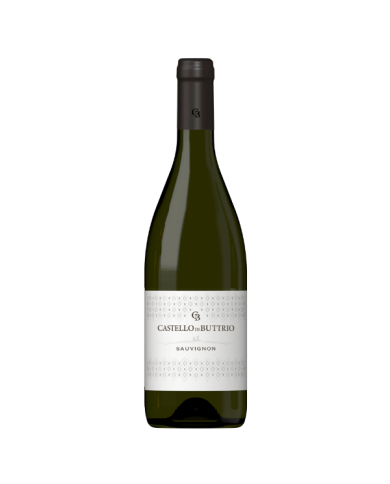
Castello di Buttrio
Alla vista appare giallo paglierino
All'olfatto è molto aromatico ma delicato; riconoscibili il peperone giallo e la salvia con sentori di frutta tropicale, pesca e melone.
Al gusto è pieno, elegante e vellutato. Di ottima struttura e armonica acidità.
€17.93
SKU:
18448
Brand:
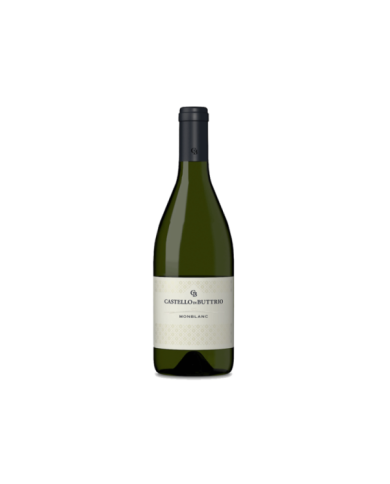
Castello di Buttrio
Monblanc Castello di Buttrio è un riassunto della nostra viticoltura, un uvaggio dal calibrato equilibrio. In questo vino si fondono austera struttura, solare acidità e corposità minerale dei vitigni che lo compongono. Un insieme di stile e proporzione, eleganza fruttata e freschezza di ginestra con una memoria olfattiva di coste assolate.
€14.52
SKU:
18447
Brand:
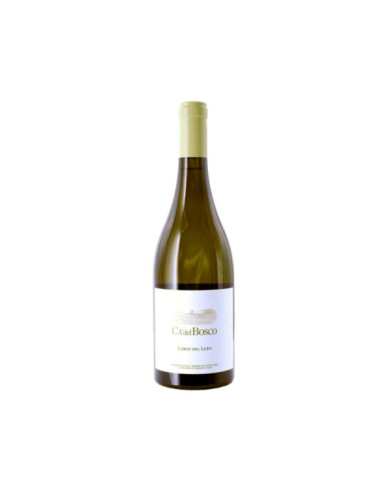
Cà del Bosco
Il Curtefranca Bianco DOC "Corte del Lupo" Cà del Bosco è un vino bianco prodotto in Franciacorta, assemblaggio di Chardonnay 80% e Pinot Bianco 20%.
€36.25
SKU:
18446
Brand:
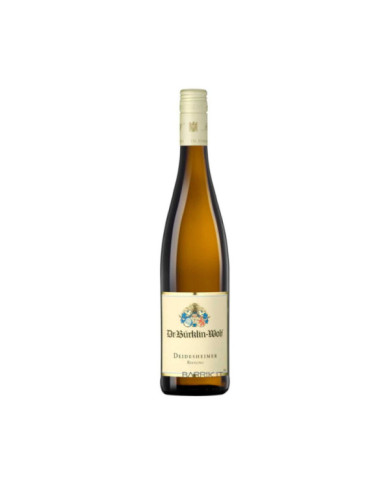
Burklin-Wolf
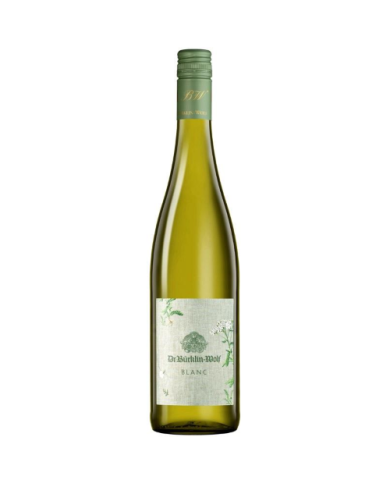
Riesling prodotto con uve da vigneti di proprietà, ai piedi dei monti del Pfalz, nei villaggi di Wachenheim, Deidesheim e Ruppertsberg. Su queste colline, il clima è pressoché mediterraneo. Vendemmia selettiva manuale effettuata nel mese di settembre. Fermentazione a temperatura controllata in acciaio inox per l’80% e per il 20% in grandi botti di quercia. Biodinamico.
€20.62
SKU:
18445
Brand:
Burklin-Wolf
Fresca e vivace fragranza di mela verde e fiori di sambuco con un pizzico di aromi di agrumi. Affascinante e fresco al palato con un'acidità succosa e sentori di frutti tropicali maturi.
€18.06
SKU:
18444
Brand:
Bric Cenciurio
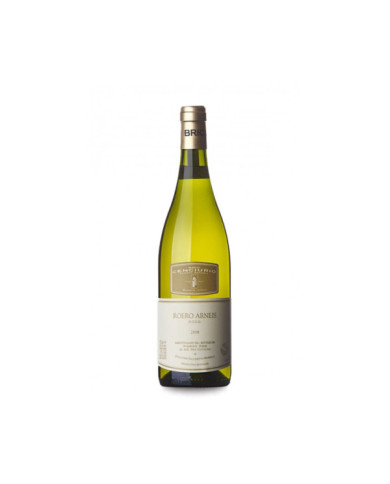
Il Roero Arneis di Bric Cenciurio è un vino bianco fresco e floreale, prodotto con uve Arneis in purezza coltivate sulle colline di Castellinaldo, nel cuore del Roero. Sia a fermentazione che l’affinamento avvengono in vasche di acciaio, con l’obbiettico di esprimere al meglio la freschezza e aromaticità tipiche del vitigno.
€13.18
SKU:
18443
Brand:
Bric Cenciurio
Ad un altitudine superiore ai 500m, tra i campi di nocciole e i boschi, fa capolino il vigneto “Al Bric” perfetta dimora per il nostro vigneto di Riesling Renano.
€15.62
SKU:
18442
Brand:
Bila-Haut
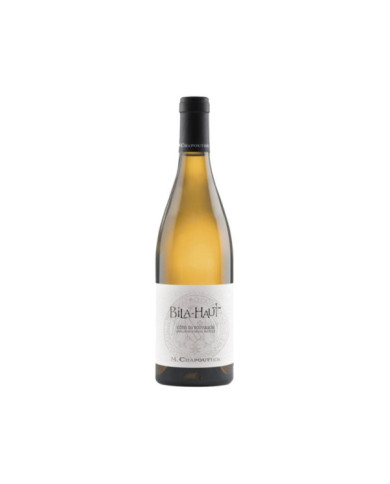
Giallo paglierino con riflessi verdolini. Rimandi floreali, arricchiti da tocchi di agrumi e note leggermente più affumicate.
€13.18
SKU:
18441
Brand:
Beconcini
Non sarò mai un produttore di vini bianchi, ma la ricerca in viticoltura è la mia passione e memore dei ricordi di mio babbo che mi parlava dei vecchi Trebbiano Rosa presenti a San Miniato, ho cercato, trovato e oggi coltivo, antichi cloni di queste uve con cui produco VEA (C.F. di EVA bianco con attributi)
€18.18
SKU:
18440
Brand:
Domaine Amiot Guy et Fils
Chassagne-Montrachet è un piccolo paese con meno di 500 abitanti. I suoi vigneti, insieme a quelli di Puligny e Meursault compongono le tre grandi appellation dei bianchi di Borgogna. Qui si producono alcuni tra i migliori vini bianchi al mondo. In particolare, il Grand Cru “Le Montrachet”, dà un vino che è contraddistinto da una concentrazione quasi incredibile di tutte le migliori qualità del bianco di Borgogna:
più aroma, colore più vivo, sapore più spiccato e retrogusto più persistente.
€117.85
SKU:
18439
Brand:
Domaine Amiot Guy et Fils
Caratteristiche All'olfatto presenta sentori agrumati e di fiori d'acacia. Al palato è ben equilibrato e fresco con un'ottima acidità. Abbinamenti Ben si abbina a primi e secondi piatti a base di pesce o formaggi freschi. Alc. 12%
€33.31
The best Italian white wines
Italy is home to some of the finest white wines. In the Clickwine section of our online wine shop dedicated to the finest Italian white wines, you'll find bottles of excellent white wine carefully selected by our sommeliers.
The designations used in our country to classify wines are DOCG, DOC, and IGT. Sometimes you'll also find designations like DOP and IGP: these acronyms have similar meanings to the previous ones but are used by wineries that primarily sell their wines outside of Italy.
The production of white wine
White wines are produced from both light and dark grapes, but vinified as a white wine: that is, during maceration there is no contact between the must and the pomace, so that the skin – exactly the opposite of what happens with red wines – does not release substances and color.
Its myriad nuances vary according to the characteristics of the grape variety, the aging method and the vine growing area.
In white winemaking, once the grapes have been harvested, they are transported to the cellar, destemmed, and pressed, and the must is separated without any maceration or with a brief maceration. Sometimes, however, the grapes are pressed and then macerated with the skins at a low temperature for a varying length of time. This produces richer, smoother wines.
This phase is followed by the clarification of the white wine produced, which can be done by letting the must rest, by cooling, centrifugation or filtration.
Fermentation begins either by adding selected yeast to the must or spontaneously, using the indigenous yeasts present in the grapes. To preserve the aromas, finesse, and freshness of white wines, fermentation is carried out at lower temperatures than red winemaking, generally around 18°C.
To obtain a fresh and lively wine, best drunk young, malolactic fermentation is avoided by bottling early, after filtration and stabilization. More complex wines, aged or fermented in wood, are bottled only after several months in barrel.
How to taste white wine
First, you need to decide whether to uncork the bottle right away or let your white wine age. If you want to immediately succumb to its charm, its aromas of aromatic herbs, flint, or its notes of exotic fruit, then serve your white wine at the right temperature: 6-8°C for a young white and 8-10°C for a softer, more structured wine.
How to pair white wine
Dry white wines will surprise you at the table, too, and not just with their straw-yellow color. As an aperitif, and especially with a fish dish, white wine is definitely a must, but it's not easy to know which of the many labels will be best suited to the occasion.
We recommend pairing white wine with cheeses, whether low-fat, fresh, or rich in milk, such as flavorful buffalo mozzarella, or with soft, bloomy-rind cheeses. They're also perfect with white meats, such as classic scallops, but beyond tradition, white wine also pairs perfectly with meat and risotto dishes, as well as truffles. Visit our online wine shop Clickwine for expert advice on purchasing the best white wine at the best price to pair with your favorite dishes.
White wines: prices and offers
Every week, our online wine shop, Clickwine offers a selection of selected white wines at special prices. In this section and in the special offers section, you can then browse the best value wines.
A wide selection of premium products at affordable and truly exclusive prices. Don't miss the incredible deals on white wines from all the most prestigious Italian wineries; discover internationally renowned and beloved Italian wines.
Enter the Clickwine catalog and expand your selection by purchasing exclusive items online from smaller, yet exceptionally high-quality wineries.
White wines: longevity and conservation
How long can I keep white wine in the cellar? Do white wines improve as they age like red wines? These are the questions a wine consumer asks when talking about white wine.
In general, white wines have a much shorter shelf life than red wines, for two reasons: tannins and aging. Tannins are antioxidants present in the wine's skins that aren't present in white wines; as for aging, however, most white wines age in stainless steel for just a few months; even red wines, if they age briefly in stainless steel and undergo rapid maceration, don't last for many years. Let's say a classic white wine aged in stainless steel lasts a maximum of 2 to 3 years. If it undergoes maceration or ages in wood, it can last up to 20 years and improve year after year.
How many types of white wines are there?
There is no exact number of types of white wine, as there are several different white grape varieties that can be used to make white wines. Some of the most common white grape varieties used to make white wines are Chardonnay, Sauvignon Blanc, Riesling, Pinot Grigio, and Moscato. There are also other less common varieties such as Gewürztraminer, Semillon, and Viognier. Each of these varieties can be used to produce white wines with unique and different characteristics, so there are many different types of white wines available.
How to recognize a good white wine?
There are several ways to recognize a good white wine. One of the simplest is to taste the wine and evaluate its flavor and aroma. A good white wine should have a pleasant flavor and a delicate, complex aroma. Other factors that can indicate the quality of a white wine include the vintage, the grape variety, and the production area. In general, white wines produced with high-quality grapes and in particularly favorable years tend to be more valuable and of higher quality. Furthermore, white wines produced in regions renowned for producing high-quality white wines can be considered more valuable than those produced in other regions.
How to understand if a white wine is good?
As mentioned above, one of the easiest ways to determine if a white wine is good is to taste it and evaluate its flavor and aroma. A good white wine should have a pleasant flavor and a delicate, complex aroma. It's also important to keep in mind that the quality of a white wine can be influenced by several factors, such as the vintage, the grape variety, and the production area. For example, white wines produced with high-quality grapes and in particularly favorable years tend to be more valuable and of higher quality. Furthermore, white wines produced in regions renowned for producing high-quality white wines may be considered more valuable than those produced in other regions.
Why is it called white wine?
White wine is so called because it is made using white grapes. Most white grapes have transparent or lightly colored skins, so the wine made from these grapes has a light, transparent color. Sometimes the color of white wine can be influenced by the type of grape used, the winemaking process, and the addition of other ingredients, but generally, white wine has a light, transparent color.
How to replace white wine?
If you want to replace white wine in a recipe, there are several ingredients you can use. One of the most common options is to use chicken or vegetable broth instead of white wine. Other options include using white vinegar or apple juice diluted with water. Additionally, in some cases, you can omit the white wine entirely and use other ingredients to achieve the desired flavor in the recipe.