

 Italiano
 Deutsch




There are no more items in your cart
SKU:
14965
Brand:
Cantina Tramin
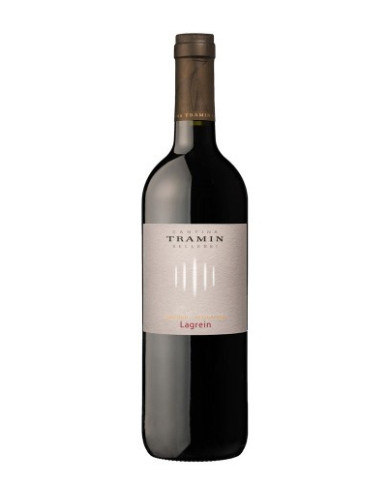
Perhaps the most important native vine of Alto Adige, lagrein leads to elegant and relaxed wines of great pleasure. Tramin's matures in oak barrels of various capacities and in cement tanks for at least 6 months. Perfect to accompany the elegant local gastronomy, it is always elegant and generous at the same time. A wine that cannot be missing from the table of a true enthusiast.
SKU:
14946
Brand:
J.Hütte
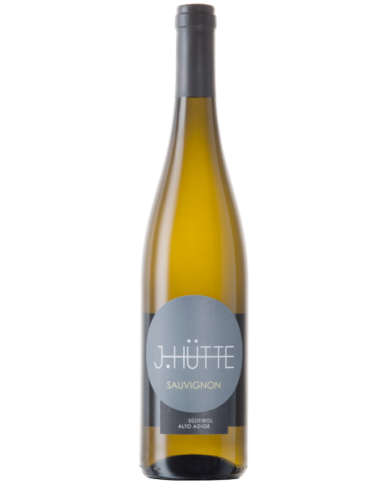
The result of a merger, which took place in 2001, between the Cantina Produttori Santa Maddalena and the Cantina Produttori Gries, this kaleidoscopic winery offers an incredible range, complete in the multiplicity of products and refined in the interpretation of the territory. The quality standard is truly impressive and does not fail to satisfy any palate, even the most demanding one, with the right attention to both native and international vines. A splendid example of quality is this Sauvignon, a semi-aromatic vine, characterized by a great variety of aromas, here incredibly enhanced by the warm, sandy soils and the breezy climate, which constitute the ideal terroir for a great wine.
€17.91
SKU:
14945
Brand:
J.Hütte
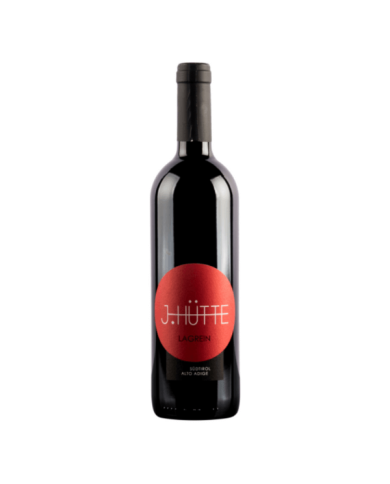
With a rich range of labels with attention to the smallest details, the J.Hütte winery, in the province of Bolzano, has managed in a short time to reach a substantial production volume of out of the ordinary quality, which sees the coexistence of native grapes of the area, such as Moscato Giallo , Lagrein and Gewürztraminer with the international Chardonnay, Pinot Noir and Sauvignon. A mix of sandy and morainic soils, accentuated temperature variations and the support of the Bolzano winery combine to create measured and incisive wines, elegant and refined as only South Tyroleans can be.
€12.86
SKU:
14944
Brand:
J.Hütte
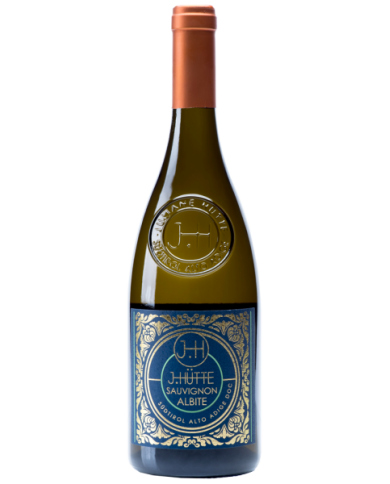
Rich in sodium, albite is a typical mineral of the Alps, in particular of Valle d'Aosta, Piedmont and Alto Adige, where it finds the ideal subsoil for its development, proving to be a faithful ally for the vine. This Sauvignon is proof of this, presenting itself as the perfect synthesis between territory, climate and grape variety, thanks to its typicality which, in combination with albite, gives life to an authentic, complex and characterful label, capable of perfectly combining, to the gentleness of citrus and floral tones, an important structure and a strong minerality.
€25.47
SKU:
14919
Brand:
Blumenfeld
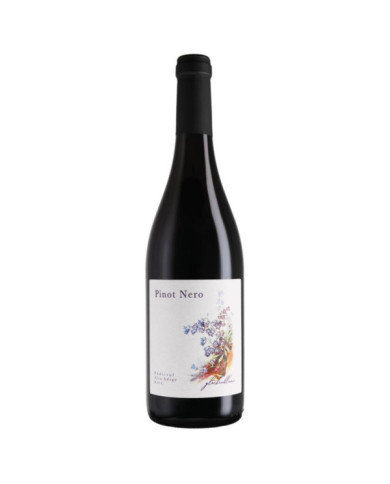
Blumenfeld's Pinot Noir is a typical red wine from Alto Adige, which comes from the warm and well-ventilated soils surrounding the municipality of Bolzano.
The grape harvest takes place in September. The vinification takes place in steel at a controlled temperature, followed by a short maturation in oak barrels.
The color is ruby red. It opens on the nose with fruity aromas of cherry, plum and raspberry that intertwine with refined notes of licorice and violet. The palate is velvety and elegant, medium structured, characterized by good tannins.
To be savored in the company of beef and game birds, it is appreciated with medium-aged cheeses.
€14.91
SKU:
14915
Brand:
Abbazia di Novacella
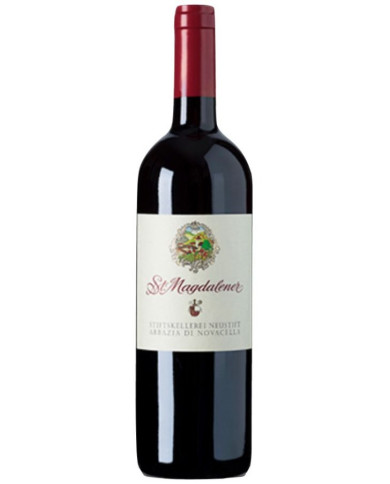
St. Magdalener Sudtirol Kofleitnhof Doc 2019 - Novacella Abbey
Grapes: Schiava 100% It is the most full-bodied of the Schiava grape wines, with a brilliant ruby red colour; as it ages it takes on brick-like reflections. Floral and fruity; hints of cherries and violets. Harmonious and velvety, with a slight aftertaste of bitter almonds. It goes well with game first courses, white meats with light seasonings.
€11.90
SKU:
14674
Brand:
Musivum
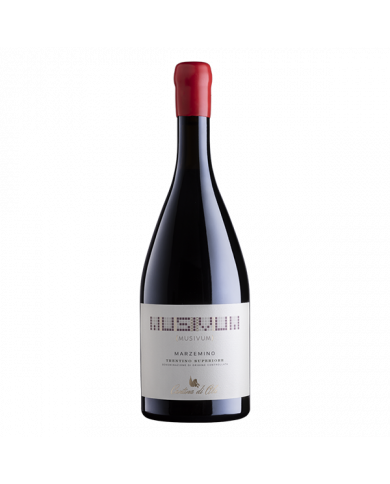
In the southernmost part of the Trentino Adige valley, where the Little Dolomites and the Baldo chain accompany Lake Garda in its expansion towards the Venetian plain, the vineyards of the Ala cellar are located; a land rich in memories, which was the scene of disputes between the Austrian empire and the most serene republic of Venice. It was thanks to these relationships and the consequent commercial exchanges of the people who populated it that Marzemino arrived in this land from the distant and suggestive Asia Minor.
€38.06
€16.97
SKU:
14477
Brand:
Von Blumen
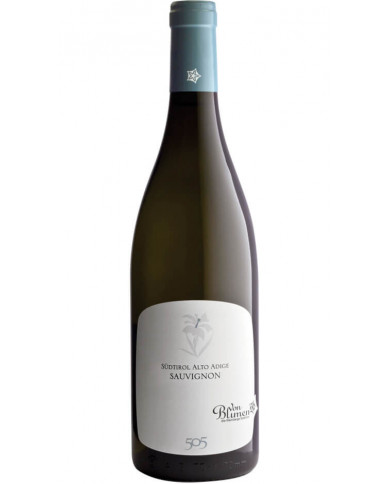
For more than a century this vine, originally from France and precisely from the Loire Valley area, has been grown on the hills of Alto Adige. The grape harvest takes place by hand, as in the past, starting from the beginning of September. After a gentle destemming, the grapes undergo a short cold maceration in a stainless steel press. The alcoholic fermentation takes place in steel tanks at a controlled temperature. At the end of alcoholic fermentation, the wine is kept in contact with the lees, in stainless steel containers for about 6 months. The Sauvignon has a yellow color with light green reflections. On the nose the scent is fresh, with extravagant hints of nettle, pepper, tomato leaves and anise. On the palate the flavor is intense and persistent with a good aroma and a savory and gritty acidity. A versatile goblet that goes perfectly with all courses at the table and after the first sip it will take you back to the unspoiled nature on the slopes of Monte Corno.
€18.45
SKU:
14476
Brand:
Von Blumen
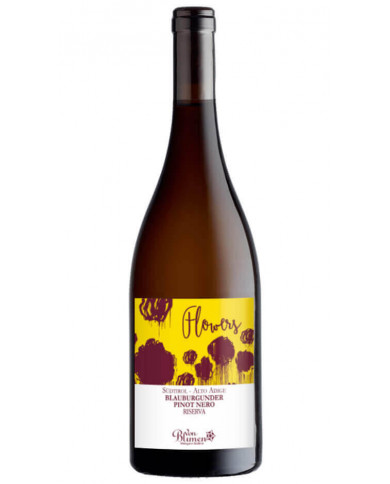
The Pinot Noir grape variety is considered among the most noble red grape varieties in the world and also the most difficult to interpret. The origin of this vine is believed to be attributed to the French region of Burgundy. Flowers is the name chosen by the winery to represent the spearheads of the Von Blumen project. Harvested in September, the grapes are then partially de-stemmed and crushed, and left to ferment with maceration on the skins in stainless steel tanks at a controlled temperature, for about 20 days. Subsequently, before bottling, it is aged for 12 months in French oak tonneaux. In the glass the color is a bright ruby red. The bouquet is intense and broad on the nose, ranging from sweet nuances of red and black fruits to fragrant spicy scents. On the palate it is enveloping and complex, with a mature and long-lasting tannic texture in the mouth. A wine of exceptional drinkability and character, excellent in combination with red meat dishes, medium and long-aged cheeses and traditional main courses of South Tyrolean cuisine.
€34.78
SKU:
14475
Brand:
Von Blumen
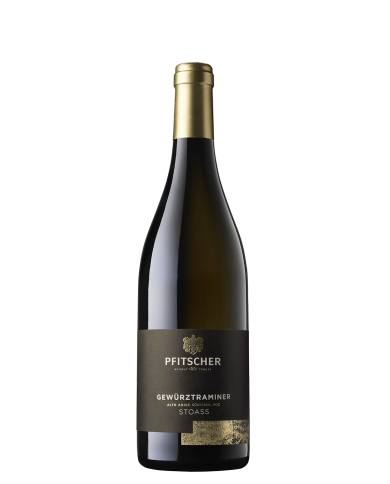
The name Traminer appears for the first time in 1349 in Konrad Megenberg's "Book of Nature". The origins of this vine are uncertain; some believe they are in Alsace, others in the town of Termeno (Bolzano), still others in Wurttemberg, and finally in the Reno valley. The grapes are harvested manually in boxes. After a delicate destemming, cold maceration follows at a temperature of 12°. The alcoholic fermentation takes place in steel tanks at a controlled temperature; at the end of alcoholic fermentation, the wine is kept in contact with the lees, in stainless steel containers for about 6 months. In the glass it has an intense straw yellow color. On the nose, the aroma is intense and varied with aromas ranging from yellow pulp fruits, lychee, rose, acacia flowers and saffron. On the palate it immediately proves to be a wine of great structure and balance based on sapid and fresh notes, supported by a never invasive softness and characterized by delicious almond nuances. An eclectic goblet that is excellent on the table as an aperitif or to accompany shellfish dishes, ethnic cuisine and spicy flavours.
€20.68
SKU:
14474
Brand:
Von Blumen
Production notes
After fermentation, the Pinot Blanc from the Von Blumen winery remains in contact with the lees in stainless steel for 6 months.
Tasting notes
The Pinot Bianco from the Von Blumen winery has a straw yellow color, with hints of apple, peach, apricot and pear. Very convincing in the mouth with its acidity and minerality.
€16.47
Alto Adige DOC: A Wine of Excellence in a Region of Great Traditions
Wine is a traditional beverage that has been produced around the world for centuries. Italian wines have an international reputation for quality and excellence. One of the places in Italy known for producing quality wines is Alto Adige. Alto Adige is a region in northern Italy that extends along the Val di Non and the Adige and Isarco valleys. The region is rich in history, tradition, and, of course, wine.
Alto Adige is one of Italy's oldest wine-producing regions and today one of the most renowned. The region is also home to numerous DOCs, such as Alto Adige DOC, Alto Adige Val Venosta DOC, Alto Adige Lagrein DOC, and Alto Adige Teroldego Rotaliano DOC. Alto Adige DOC is one of the most important DOCs in northern Italy and is a high-quality product.
What is the Alto Adige DOC?
The Alto Adige DOC is a controlled designation of origin. It is a wine produced in the Adige and Isarco valleys of South Tyrol and is considered one of the region's most prized quality wines. The Alto Adige DOC is a white, rosé, or red wine made from grapes grown in the Adige and Isarco valleys. The Alto Adige DOC is produced with local grapes, such as Müller Thurgau, Sauvignon, Gewürztraminer, Chardonnay, Pinot Blanc, Pinot Grigio, Pinot Noir, Lagrein, and Sangiovese. The Alto Adige DOC requires that the wine be produced with a maximum yield of 70%.
What is the history of the Alto Adige DOC?
The history of the Alto Adige DOC dates back to the early 1900s, when the region developed as one of the first wine regions in northern Italy. In 1965, the region received official DOC recognition. Over the years, the Alto Adige DOC has become one of the most highly regarded DOCs in northern Italy, thanks to the quality and excellence of its wines.
What wines are produced in the Alto Adige DOC?
The wines produced in the Alto Adige DOC are white, rosé, or red. The white wines produced in the Alto Adige DOC are primarily Müller Thurgau, Sauvignon, Gewürztraminer, Chardonnay, Pinot Blanc, Pinot Grigio, and Pinot Noir. The rosé wines produced in the Alto Adige DOC are primarily Pinot Grigio, Pinot Noir, and Lagrein. The red wines produced in the Alto Adige DOC are primarily Sangiovese, Lagrein, and Pinot Noir.
Who are the most important producers of Alto Adige DOC wines?
The Alto Adige DOC is produced by numerous wine producers, including some of the largest and most renowned wineries in the region. Among the most important wineries are: Castel Sallegg , Cantina Tramin, Cantina Terlano, Castel Juval, Cantina Magrè, and Cantina Kurtatsch. These wineries produce excellent wines, appreciated throughout the world.
What are the prices of Alto Adige DOC wines?
The prices of Alto Adige DOC wines vary depending on the producer, the grapes used, and the vintage. Alto Adige DOC wines can be purchased for prices ranging from 10 to 30 euros per liter. However, there are also luxury products produced in the Alto Adige DOC that can cost up to 100 euros per liter.
Finally, the Alto Adige DOC is a controlled designation of origin that represents one of the oldest and most highly regarded winemaking regions in Italy. The wines produced in the Alto Adige DOC are of excellent quality, appreciated worldwide, and are also prized for their history and tradition. The Alto Adige DOC offers a wide range of quality wines, from whites to reds, to suit all palates, from the most demanding to the less demanding.