

 Italiano
 Deutsch







There are no more items in your cart
SKU:
11712
Brand:
Banfi
A Brunello di Montalcino born from twenty years of Sangiovese research, thus representing the best synthesis between territory, selection and technological innovation. Castello Banfi 's Brunello di Montalcino DOCG “Poggio alle Mura” is characterized by a sweet and gentle tannic texture. A great classic.
€68.31
SKU:
11663
Brand:
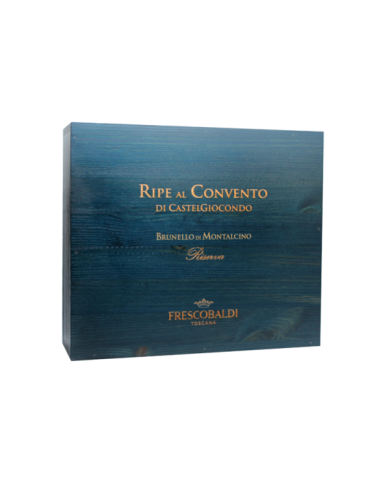
Frescobaldi
Dark ruby red, on the nose it expresses warm and mineral aromas, of black fruits and then of walnuts. On the palate it has full body, soft tannins and a tasty finish. It expresses ripe fruit with savory nuances that give this red a wonderful succulence. For the whole meal, it goes well with braised meats, fillets, aged cheeses.
SKU:
9506
Brand:
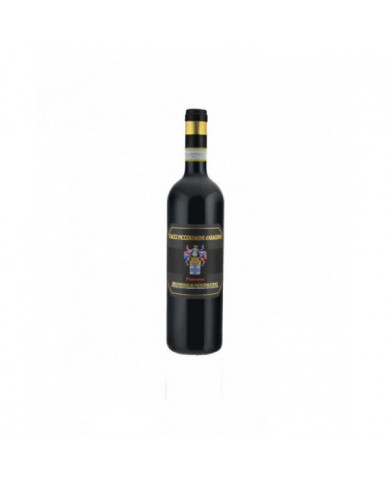
Ciacci Piccolomini d'Aragona
Brunello di Montalcino DOCG Pianrosso di Ciacci Piccolomini d'Aragona is produced only in the best years and exclusively with grapes from the Pianrosso vineyards. It is the wine that has always authoritatively represented the terroir and the name of the company. The grapes to be used for the Riserva type are also selected from these vineyards.
€59.16
SKU:
8851
Brand:
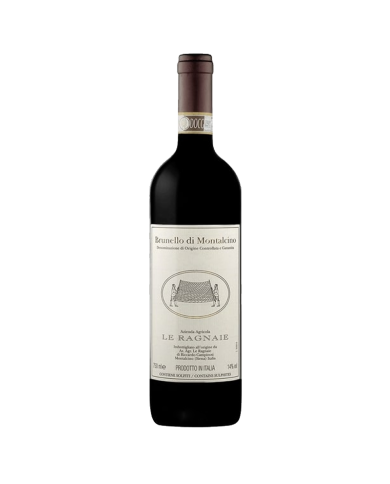
Le Ragnaie
The 5 hectares used for the production of Brunello, facing south-west towards the sea and surrounded by uncultivated woods, boast over 40-year-old vines and are cultivated according to the dictates of organic agriculture.
€61.85
SKU:
8524
Brand:
Frescobaldi
€315.00
| COUNTRY | Italy |
| REGION / AREA | Tuscany |
| VINTAGE | 2015 |
| NAME AND VARIETY | Brunello di Montalcino |
SKU:
6322
Brand:
Banfi
€51.31
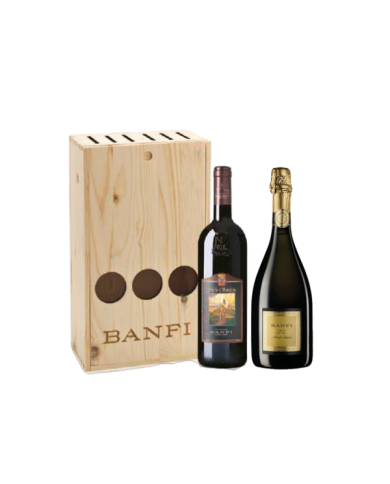
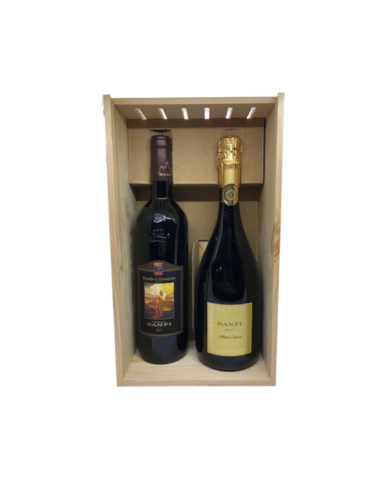
Beautiful wooden box containing 2 wines: 1 Quality Sparkling Wine Brut Classic Method 1 BRUNELLO DI MONTALCINO DOCG 2015
€51.31
SKU:
6321
Brand:
Banfi
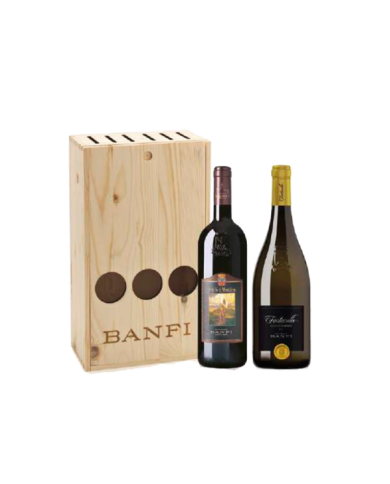
Beautiful wooden box containing 2 wines: 1 FONTANELLE Chardonnay Toscana IGT 2018 1 BRUNELLO DI MONTALCINO DOCG 2015
€63.60
SKU:
6019
Brand:
San Felice
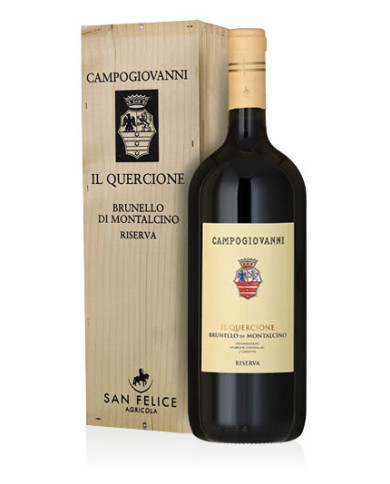
Produced exclusively in exceptional vintages, this Riserva represents for San Felice the maximum expression of the 'terroir' of Campogiovanni. Coming from the careful selection of Sangiovese grosso from the 'Il Quercione' vineyard of about 2.5 hectares, it is a wine that combines rigor, concentration, elegance as well as an extraordinary capacity for aging. Refine for 24 months in 500-liter French oak barrels. (tonneaux) and 36 months in the bottle.
€273.28
SKU:
5975
Brand:
San Felice
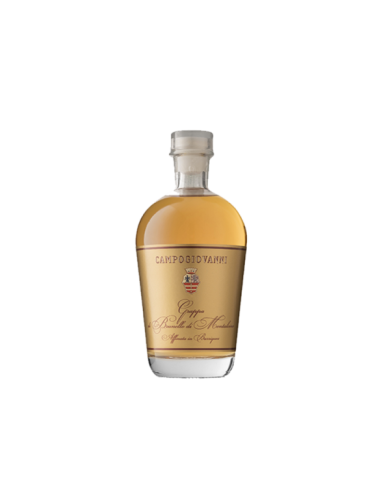
The particular richness of the Brunello grapes means that even from the distillation of its pomace, a grappa of remarkable structure is obtained. Aged for a few months in small oak barrels, in which it takes on a slightly amber color, this grappa is refined in the bottle for at least 6 months.
€35.84
SKU:
3755
Brand:
Il Colle
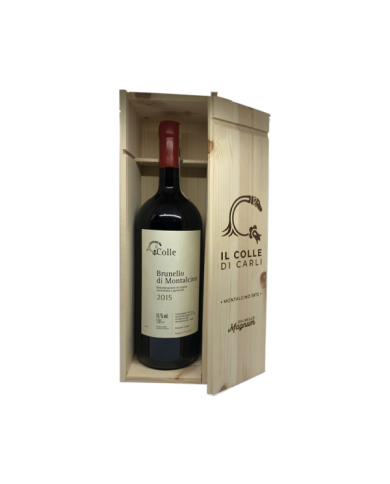
Fermentation in stainless steel fermenters at controlled temperature, indigenous yeasts. Caterina Carli manages this small family-run winery with great passion, trying to enhance the most authentic character of Sangiovese di Montalcino, here declined in wines of natural elegance, often able to exploit the aromatic finesse offered by the territory, as well as little interventionist cellar techniques. , as her historic consultant Giulio Gambelli taught her
€107.70
SKU:
3752
Brand:
Il Colle
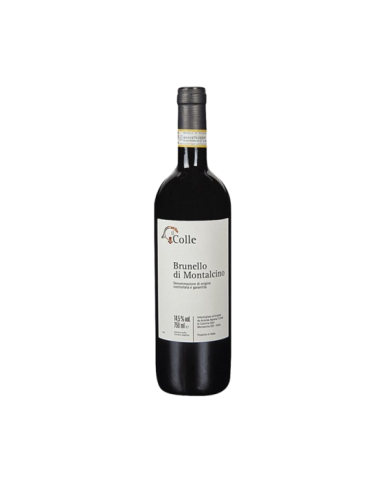
Fermentation in stainless steel fermenters at controlled temperature, indigenous yeasts. Caterina Carli manages this small family-run winery with great passion, trying to enhance the most authentic character of Sangiovese di Montalcino, here declined in wines of natural elegance, often able to exploit the aromatic finesse offered by the territory, as well as little interventionist cellar techniques. , as her historic consultant Giulio Gambelli taught her
€51.50
Brunello di Montalcino Appellation: A Journey Through the History of Italian Wine
Brunello di Montalcino is one of Italy's most renowned and appreciated wines. Hailing from the Montalcino region of Tuscany , this red wine is celebrated for its elegance, complex structure, and aging potential. In this article, we'll explore the history of this wine appellation, its distinctive characteristics, and its impact on the Italian wine industry.
History of Brunello di Montalcino Wine
The history of Brunello di Montalcino dates back to the 19th century, when a local winemaker named Ferruccio Biondi-Santi decided to dedicate himself to producing a superior quality wine. Experimenting with different grape varieties and winemaking methods, Biondi-Santi developed an innovative technique that would give rise to Brunello di Montalcino .
Terroir and Viticulture
The Montalcino region boasts exceptional terroir for growing Sangiovese Grosso grapes, the only variety authorized for the production of Brunello di Montalcino . The vineyards extend across hillsides that benefit from a Mediterranean climate and mineral-rich soils. Traditional viticulture plays a fundamental role in cultivating the vines and maintaining quality.
The Winemaking Process
The Brunello di Montalcino winemaking process is rigorous and follows traditional methods. After the ripe grapes are hand-harvested, they undergo a lengthy maceration process to extract the desired tannins and aromas. Fermentation takes place in large oak barrels, followed by an aging period of at least five years.
Characteristics of Brunello di Montalcino
Brunello di Montalcino is distinguished by its intense ruby color, complex aromas of ripe red fruit, aromatic herbs, and spices, and its rich, structured flavor. Young wines can be tannic, but with age, notes of leather, tobacco, and underbrush develop. This complexity and longevity are what make Brunello di Montalcino so prized by wine connoisseurs.
The Importance of Labels
Brunello di Montalcino wine labels provide valuable information about the producer, the vintage, and the wine's quality. Labels labeled "Riserva" indicate wines that have been aged for at least six years before being released. Choosing a good label is essential to ensuring a satisfying tasting experience.
Food Pairing
Brunello di Montalcino pairs beautifully with a variety of dishes. Thanks to its complex structure and good acidity, it is a perfect companion for red meats, roasts, game, and aged cheeses. This wine is at its best when paired with authentic Tuscan cuisine, which brings out its distinctive characteristics.
The Controlled and Guaranteed Designation of Origin
Brunello di Montalcino is a Controlled and Guaranteed Designation of Origin (DOCG), the highest recognition in the hierarchy of Italian appellations. This designation ensures that the wine is produced in accordance with strict standards of quality and tradition, guaranteeing its authenticity and provenance.
Brunello di Montalcino Reserve
The "Riserva" category of Brunello di Montalcino indicates superior quality wines, aged for a longer period than standard versions. These wines are characterized by even greater complexity and a potential aging potential of decades. Riservas are often considered true gems to be collected and enjoyed on special occasions.
Brunello di Montalcino around the World
Brunello di Montalcino has earned a wide international reputation and is considered one of the finest Italian wines. Its producers export worldwide, helping to spread Italian wine culture and enhance the country's image as a producer of quality wines.
The Economic and Tourist Impact
The production and marketing of Brunello di Montalcino have a significant impact on the region's economy. The wine industry attracts tourists from around the world, eager to discover the beauty of Montalcino and taste its fine wines. The vineyards and wineries offer unforgettable food and wine experiences, contributing to local tourism.
The Best Producers of Brunello di Montalcino
The Montalcino region boasts a variety of high-quality Brunello di Montalcino producers. Among the most renowned are Biondi-Santi, Casanova di Neri, Poggio di Sotto , and Valdicava. These producers have a long history of excellence and are considered benchmarks for Brunello di Montalcino production.
Buying and Storage Tips
When purchasing Brunello di Montalcino , it's advisable to look for wines from excellent vintages and choose reputable producers. These wines benefit from a period of bottle aging, so it's advisable to store them properly, preferably in a cool, dark environment, to allow them to develop complexity and character over the years.
The Future of Brunello di Montalcino
Despite the challenges facing the wine industry, the future of Brunello di Montalcino looks promising. Producers are committed to preserving the wine's tradition and authenticity, while embracing sustainable practices and technological innovation. This commitment will ensure that Brunello di Montalcino continues to amaze wine lovers for many years to come.
Brunello di Montalcino represents the pinnacle of Italian winemaking. Its fascinating history, unique characteristics, and international importance make it a national treasure. Exploring the Montalcino vineyards and tasting a glass of Brunello is an unforgettable experience for all wine lovers.
FAQ (Frequently Asked Questions)
What is the origin of the name "Brunello di Montalcino"?
The term "Brunello" derives from the reddish-brown color of the wine, while "Montalcino" refers to the region where it is produced.
How long can a Brunello di Montalcino age?
A Brunello di Montalcino can age for decades, developing complexity and harmony over the years.
What are the differences between a Brunello di Montalcino and other Tuscan wines?
Brunello di Montalcino is produced exclusively from Sangiovese Grosso grapes and must follow strict production standards, while other Tuscan wines may use different grape varieties and winemaking methods.
Can I taste Brunello di Montalcino during a visit to the vineyards?
Yes, many Brunello di Montalcino producers offer tastings and guided tours of their cellars, providing a complete experience for wine enthusiasts.
What is the best food pairing with Brunello di Montalcino?
Brunello di Montalcino pairs well with red meats, roasts, game, and mature cheeses, but also with Tuscan dishes such as ribollita or Florentine steak.