

 Italiano
 Deutsch
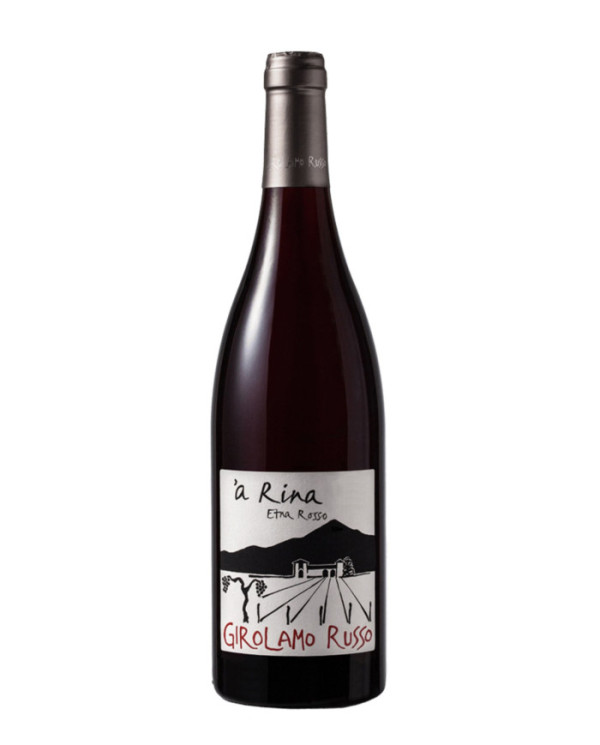
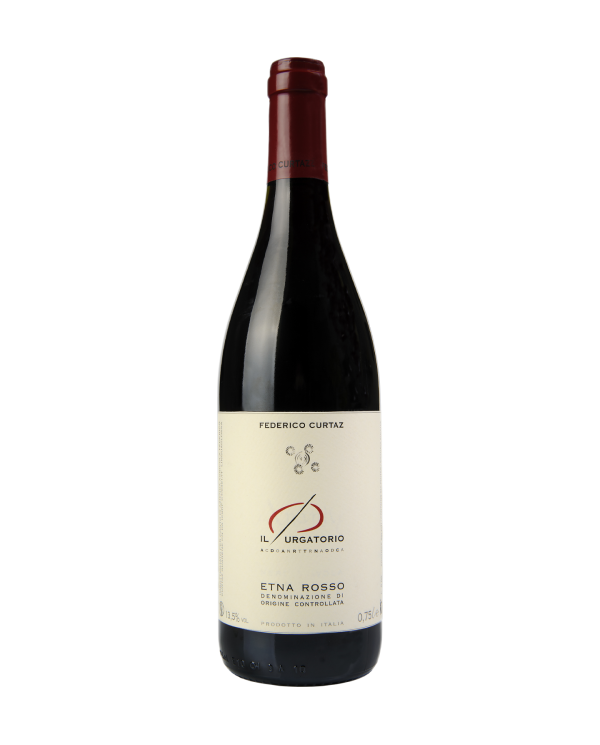
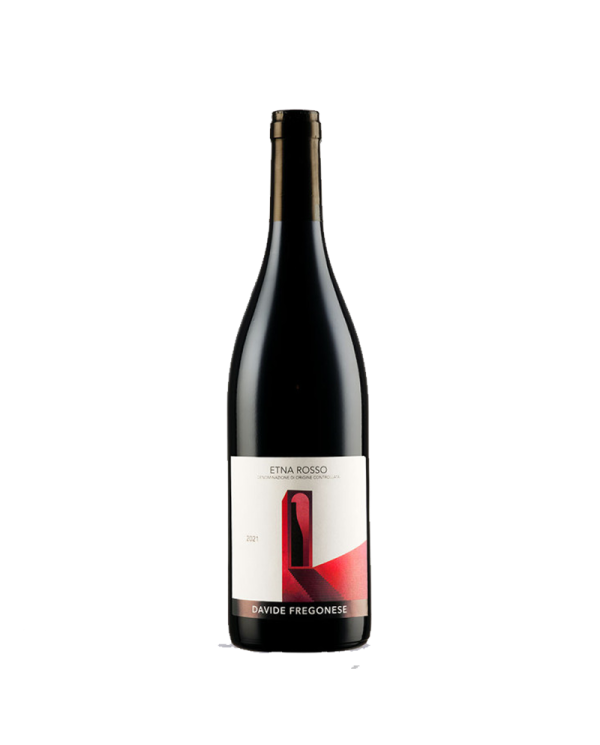




There are no more items in your cart
Etna Rosso Wines: The Excellence of Sicilian Red Wines
Etna, with its volcanic grandeur, is one of Italy's most fascinating wine regions. The "Etna Rosso" designation represents the excellence of red wines produced on the slopes of Europe's highest active volcano. In this article, we'll explore the distinctive characteristics of Etna red wines, their unique terroir, and how they pair beautifully with Sicilian cuisine.
The Terroir of Etna for Red Wines
Volcanic Soil and Minerality
Etna's vineyards grow on extraordinarily fertile volcanic soil. The mineral-rich soils from past volcanic eruptions give Etna red wines a distinctive minerality, aromatic complexity, and elegant structure.
Unique Climate and Growing Conditions
Etna's climate is characterized by significant temperature variations between day and night, thanks to its altitude. These conditions create an ideal environment for growing vines, favoring slow ripening and lively acidity in the grapes, resulting in red wines of great balance and freshness.
The Native Grapes of Etna Rosso
Nerello Mascalese: The Emblematic Grape
Nerello Mascalese is the native grape most representative of Etna Rosso. This variety, cultivated for centuries on the slopes of the volcano, gives Etna red wines elegance, structure, and a complexity that makes it one of Southern Italy's most prized varietals.
Other Native Varieties
In addition to Nerello Mascalese, other native varieties such as Nerello Cappuccio and Carricante are used in small quantities to bring further nuance and complexity to Etna's red wines.
Characteristics of Etna Red Wines
Elegance and Aromatic Complexity
Etna red wines are distinguished by their elegance and aromatic complexity. They offer a bouquet of aromas ranging from notes of red fruit, such as cherries and raspberries, to floral and spicy nuances. These wines offer a refined tannic structure and a harmonious balance between freshness and softness.
Longevity and Evolution in the Bottle
Etna's red wines are known for their aging potential. Thanks to their structure, acidity, and complexity, they can evolve beautifully in the bottle over the years, offering depth and sensory richness.
Food Pairings
Sicilian Cuisine Dishes
Etna red wines are an excellent choice to accompany traditional Sicilian dishes. They pair perfectly with roast meats, game, grilled lamb, pasta alla norma, and aged cheeses like Sicilian pecorino.
Pairings with International Dishes
Etna red wines can also be paired with international dishes, such as grilled steaks, meat stews, and hard cheeses. Their versatility and structure make them a suitable choice for a wide range of culinary preparations.
The "Etna Rosso" designation represents the excellence of red wines produced on the slopes of Mount Etna. Thanks to the unique terroir and the use of native varieties such as Nerello Mascalese, Etna red wines offer an extraordinary tasting experience. With their elegance, aromatic complexity, and aging potential, these wines are a testament to Sicily's winemaking heritage and a true delight for lovers of fine wine.
FAQ
What are the main grapes used in the production of Etna red wines?
The main variety used is Nerello Mascalese, followed by Nerello Cappuccio and on some occasions Carricante.
What are the distinctive characteristics of Etna red wines?
Etna red wines stand out for their elegance, aromatic complexity, balanced structure, aging potential, and freshness.
Which dishes pair well with Etna red wines?
Etna red wines pair beautifully with Sicilian cuisine, roast meats, game, grilled lamb, pasta alla norma, and mature cheeses.
What are the characteristics of Nerello Mascalese, the emblematic grape of Etna Rosso?
Nerello Mascalese gives Etna's red wines elegance, structure, and a distinctive aromatic complexity.