

 Italiano
 Deutsch



There are no more items in your cart
SKU:
14699
Brand:
Bertè & Cordini
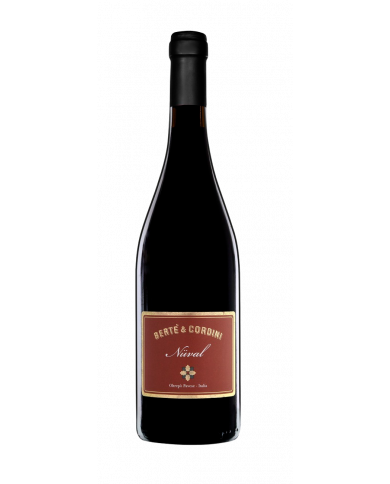
Ruby red color of excellent transparency with coppery and brilliant reflections. Olfactory sensations: great cream of spices and plum pulp. There are hints of rose and berries, typical of the variety, mixed with vanilla notes. Wine with a great extractive concentration: the enveloping roundness on the palate is due to the well-developed tannins and the oenological clarity of execution.
€29.27
SKU:
14695
Brand:
Bertè & Cordini
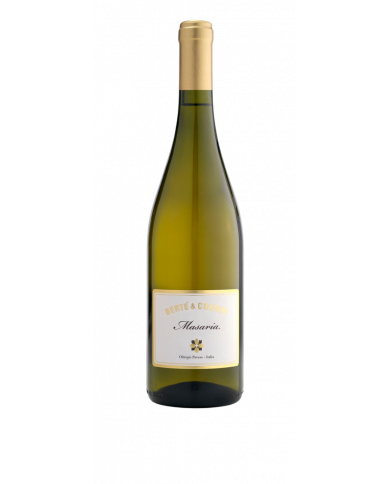
Straw yellow color with bright reflections. The nose is intense and persistent with hints of minerals and very ripe exotic fruit: grapefruit and passion fruit. The taste is dry, fresh, elegant with good aromatic persistence.
€19.75
€16.79
SKU:
14692
Brand:
Bertè & Cordini
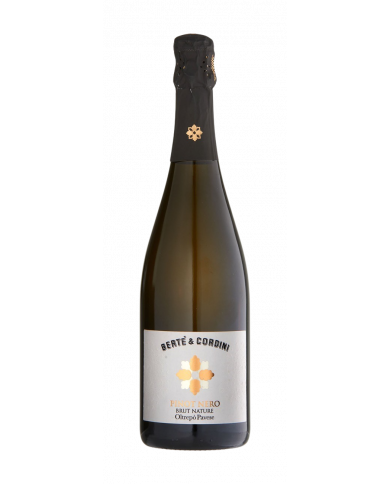
White foam, soft and rich; fine and persistent perlage. Straw yellow color with bright golden reflections. Bouquet rich in white flowers and fruity with hints of pear and tropical fruit. On the palate it is fresh and inviting, complex and full of balance.
€24.68
SKU:
14689
Brand:
Bertè & Cordini
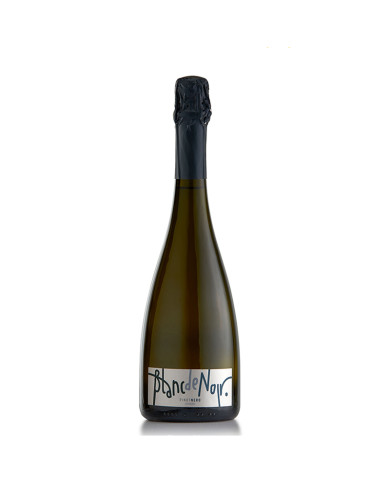
Pinot Noir Berté Cordini sparkling wine with a fine and persistent perlage. Lemon yellow with delicate golden hues. Intense aroma with pleasant citrus notes, dried fruit and pastry. Soft and delicate bubbles, intense and refreshing taste with well balanced acidity. Long finish.
€10.19
SKU:
14666
Brand:
Cantine Francesco Montagna
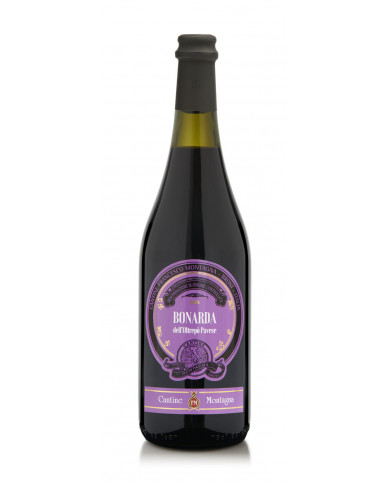
The vine is 100% Croatina grown in the most suitable areas of the Oltrepò Pavese on a mixed type of soil tending towards clayey limestone. The vineyards are trained with low-yield espaliers (50-60hl/ha). Manual harvest when perfectly ripe, usually at the end of September/first week of October. 4-day maceration in contact with the skins and alcoholic fermentation at a temperature of 25°C. The second fermentation takes place at a controlled temperature (16–18°C).
€13.41
SKU:
14663
Brand:
Cantine Francesco Montagna
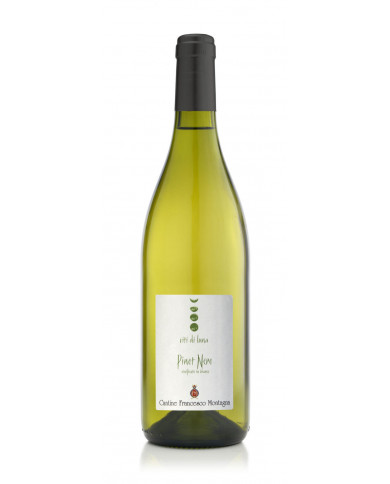
A young white wine from Lombardy, produced with Pinot Noir grapes vinified in white. After the manual harvest and destemming, we proceed to a soft pressing with static clarification at 10°C, followed by a fermentation at a controlled temperature. The second fermentation, for the second fermentation, takes place in an autoclave at a controlled temperature.
Its straw yellow color with bright reflections shines in the glass. The nose is delicate and subtle, with delicate floral and fruity aromas. The taste is extremely fresh, sparkling, with a touch of elegance and good aromatic persistence.
Surely it can be enjoyed with seafood first and second courses, white meats and fresh cheeses. It is perfect as an aperitif.
€10.37
SKU:
14662
Brand:
Cantine Francesco Montagna
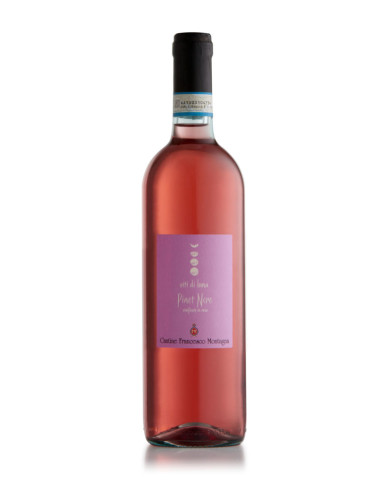
Wine type: sparkling rosé. Soil type: clayey limestone. Breeding system: Counter-espalier. Altitude: From 150 to 250 m. slm Exposure: North-East. Average age of the vineyard: 18 years. Yield: 10,000 kg/ha. Harvest: From mid to late August. Vinification: After destemming and crushing, the must is left in contact with the skins for 24 hours, after which the solid parts are separated from the liquids. This is followed by clarification and controlled fermentation. The second fermentation takes place in an autoclave at a controlled temperature (17°C). Ageing: No ageing, young wine.
€10.85
Oltrepò Pavese denomination
The Oltrepò Pavese appellation represents a prime example of Lombardy's winemaking excellence, renowned for the production of high-quality red, white, and sparkling wines. This winegrowing region, located south of the Po River, is characterized by a unique terroir and a long winemaking tradition. In this article, we'll explore the history, characteristics, and varietals of wines produced under the Oltrepò Pavese appellation.
History of the Oltrepò Pavese Denomination
The history of viticulture in the Oltrepò Pavese dates back to Roman times, but it was in the Middle Ages that wine production truly flourished in the area, thanks to the presence of monasteries and religious orders that promoted grape cultivation. Over the centuries, the Oltrepò Pavese became one of Lombardy's main winemaking centers, celebrated for the quality of its wines.
Unique Terroir
The Oltrepò Pavese terroir is characterized by rolling hills, clay and limestone soils, and a temperate continental climate influenced by the proximity of the Apennine Mountains. These climatic and soil conditions give Oltrepò Pavese wines their complexity and distinctive character.
Characteristics of Oltrepò Pavese Wines
The wines produced in the Oltrepò Pavese are known for the following characteristics:
Red Wines: The red wines of Oltrepò Pavese, mainly made from Barbera, Croatina, and Pinot Noir grapes, are distinguished by their intense ruby color, their complex aromas of berries and spices, and their robust yet harmonious structure.
White Wines: The white wines of Oltrepò Pavese, produced primarily with Riesling, Pinot Grigio, and Moscato grapes, have a bright straw yellow color, a floral and fruity aroma, and a lively freshness that makes them ideal as an aperitif or an accompaniment to light dishes.
Sparkling wines: Oltrepò Pavese sparkling wines are known for their quality and variety, with both classic and Charmat method sparkling wines. These wines are distinguished by their finesse, persistent perlage, and aromatic complexity.
The Various Denominations
Within the Oltrepò Pavese denomination, there are several sub-distinctions that celebrate specific grape varieties and wine styles:
Oltrepò Pavese Classic Method DOCG
The Oltrepò Pavese Metodo Classico DOCG designation is the official recognition for sparkling wines produced in the area using the traditional method. These wines are known for their elegance and complexity, and represent an authentic expression of the Oltrepò Pavese terroir.
The Oltrepò Pavese appellation represents a true excellence of Lombardy's viticulture, celebrated for its diversity and quality. With its millennia-old history and distinctive characteristics, Oltrepò Pavese wines continue to win the hearts of wine lovers around the world.
Frequently Asked Questions
What is the historical origin of the Oltrepò Pavese denomination? The Oltrepò Pavese denomination has ancient roots, dating back to Roman times, and represents a prime example of Lombardy's winemaking excellence.
What are the main characteristics of Oltrepò Pavese wines? Oltrepò Pavese wines are distinguished by their complexity, with structured reds, fresh whites, and high-quality sparkling wines.
What is one of the most prestigious appellations within the Oltrepò Pavese denomination? Oltrepò Pavese Metodo Classico DOCG is one of the most renowned sparkling wine appellations in the Oltrepò Pavese area, celebrated for its elegance and complexity.