

 Italiano
 Deutsch






There are no more items in your cart
SKU:
23516
Brand:
Quintarelli
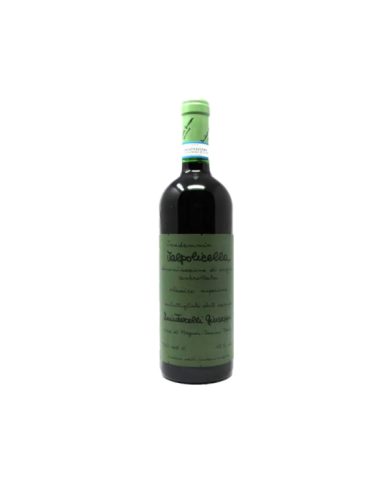
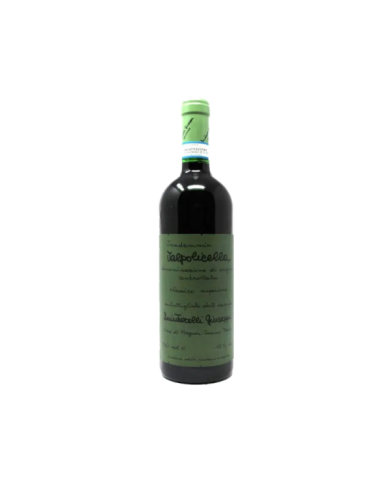
Great Valpolicella wine, produced by one of the most representative companies. Obtained half from grapes dried in boxes for a couple of months and half from "fresh" grapes. It is a wine with great aging potential, which spends six years in large Slavonian oak barrels to reach its complete maturation, before being bottled. If you want to have a red wine of great prestige and rarity in the cellar, you are in front of the right choice!
SKU:
23152
Brand:
Allegrini
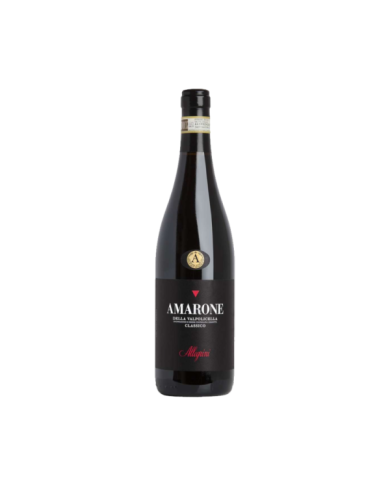
Allegrini , thanks to the knowledge gained through years of experimentation and research, has perfected a style of Amarone capable of maintaining and enhancing the integrity of the fruit, thanks to a mix of tradition and innovation that has its roots in 1854 . Amarone is the result of all the wisdom of the Allegrini family, a true classic of the denomination, a red that sums up tradition, territory and peasant wisdom . Corvina, Corvinone, Rondinella and Oseleta are left to wither at least until December, checking their health on a daily basis: the result is history, passion and continuous growth.
€85.64
SKU:
23151
Brand:
Allegrini
Allegrini , thanks to the knowledge gained through years of experimentation and research, has perfected a style of Amarone capable of maintaining and enhancing the integrity of the fruit, thanks to a mix of tradition and innovation that has its roots in 1854 . Amarone is the result of all the wisdom of the Allegrini family, a true classic of the denomination, a red that sums up tradition, territory and peasant wisdom . Corvina, Corvinone, Rondinella and Oseleta are left to wither at least until December, checking their health on a daily basis: the result is history, passion and continuous growth.
€85.64
SKU:
21490
Brand:
Quintarelli
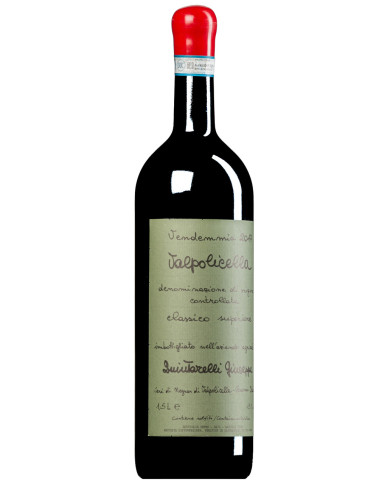
Great Valpolicella wine, produced by one of the most representative companies. Obtained half from grapes dried in boxes for a couple of months and half from "fresh" grapes. It is a wine with great aging potential, which spends six years in large Slavonian oak barrels to reach its complete maturation, before being bottled. If you want to have a red wine of great prestige and rarity in the cellar, you are in front of the right choice!
€256.51
SKU:
21271
Brand:
Quintarelli
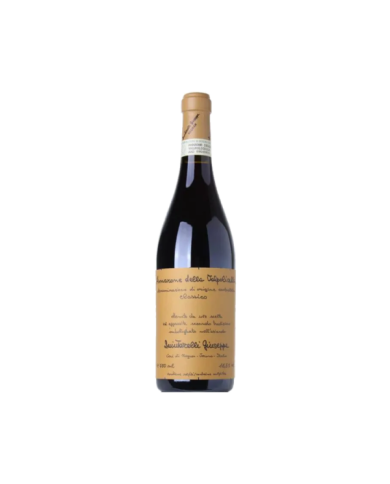
It is certainly one of the best, most interesting, complex, expensive and sought after amaroni of the whole denomination. For this wine the components of time and patience are fundamental.The grapes, which are harvested manually, are placed in wooden boxes and on racks to dry until the end of January. At this point, they can be pressed and fermentation begins, which lasts about forty-five days. The wine ages for about seven years in medium-small Slavonian oak barrels. The perfume is of an incredible aromatic complexity, there are no words to explain the sensations it gives to the palate, it is absolutely necessary to experience them! If you want to taste one of the best wines in the world, buy a bottle of great value that can enrich your cellar for many years, or even make a crazy gift, this is the bottle for you!
€273.28
SKU:
21220
Brand:
Quintarelli
Great Valpolicella wine, produced by one of the most representative companies. Obtained half from grapes dried in boxes for a couple of months and half from "fresh" grapes. It is a wine with great aging potential, which spends six years in large Slavonian oak barrels to reach its complete maturation, before being bottled. If you want to have a red wine of great prestige and rarity in the cellar, you are in front of the right choice!
SKU:
20343
Brand:
Pieropan
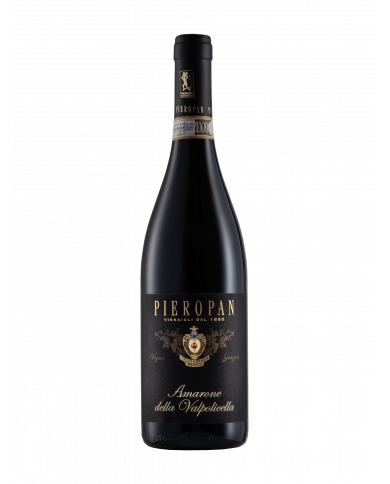
Amarone is the symbolic wine of Valpolicella and represents an exciting challenge for the Pieropan Company. This wine comes from the family's desire to compete with the unique territory of Valpolicella, in Cellore di Illasi. Amarone fulfills the dream of an important, rich and structured wine, but also elegant and fine, a distinctive element of the wines of the Pieropan company.
€305.00
Available from 31 Oct 2022
SKU:
20342
Brand:
Pieropan
Amarone is the symbolic wine of Valpolicella and represents an exciting challenge for the Pieropan Company. This wine comes from the family's desire to compete with the unique territory of Valpolicella, in Cellore di Illasi. Amarone fulfills the dream of an important, rich and structured wine, but also elegant and fine, a distinctive element of the wines of the Pieropan company.
€151.52
Available from 31 Oct 2022
SKU:
20341
Brand:
Pieropan
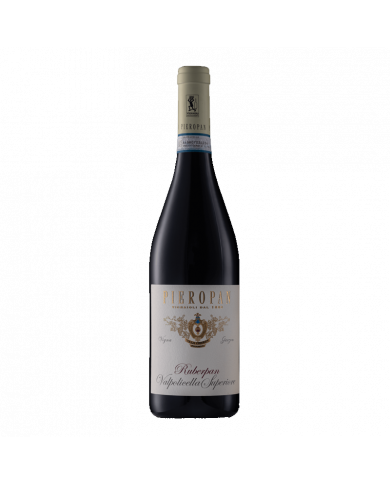
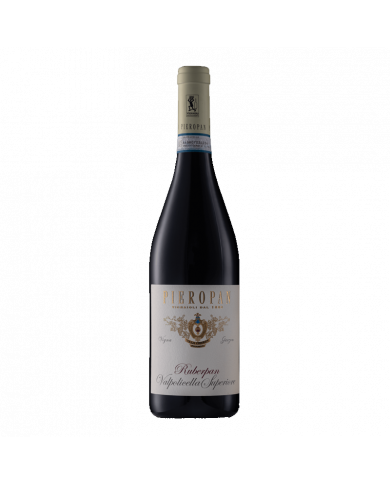
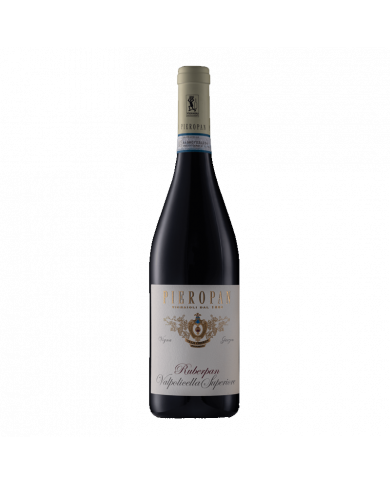
Ruberpan Valpolicella Superiore wine was born in 2003 from vineyards located in Cellore di Illasi, on Monte Garzon. The new winery is based in the prestigious Villa Cipolla Pieropan in Tregnago, in the province of Verona. The name of the wine derives from ruber, a Latin term that indicates the ruby red color and from “Pan” which is linked to the family surname.
€98.82
SKU:
20340
Brand:
Pieropan
Ruberpan Valpolicella Superiore wine was born in 2003 from vineyards located in Cellore di Illasi, on Monte Garzon. The new winery is based in the prestigious Villa Cipolla Pieropan in Tregnago, in the province of Verona. The name of the wine derives from ruber, a Latin term that indicates the ruby red color and from “Pan” which is linked to the family surname.
SKU:
20337
Brand:
Pieropan
Ruberpan Valpolicella Superiore wine was born in 2003 from vineyards located in Cellore di Illasi, on Monte Garzon. The new winery is based in the prestigious Villa Cipolla Pieropan in Tregnago, in the province of Verona. The name of the wine derives from ruber, a Latin term that indicates the ruby red color and from “Pan” which is linked to the family surname.
€18.78
SKU:
20252
Brand:
Quintarelli
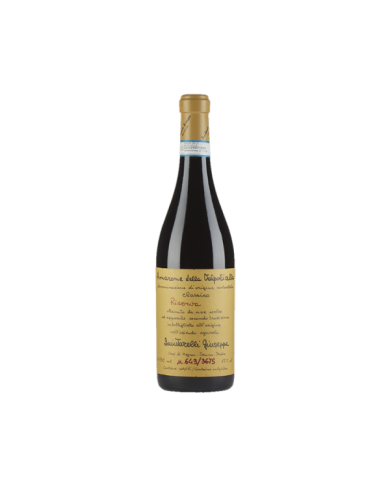
This Amarone Classico della Valpolicella Riserva is characterized by a deep pomegranate red color. The nose opens with an intense bouquet, with elegant hints of almond, enriched by pleasant aromas of cherry. On the palate it is powerful and complex, with a pleasantly spicy aftertaste. Perfect to accompany roasts and grilled red meats, it is ideal in combination with game and aged cheeses.
Valpolicella Appellation: A Journey to the Heart of Italian Wines
The Valpolicella appellation is a true gem in the Italian wine scene. Located in the Veneto region of northeastern Italy, Valpolicella is renowned for its high-quality wines and rich winemaking tradition. In this article, we'll explore the history, grape varieties, production processes, and distinctive characteristics that make the Valpolicella appellation so internationally renowned.
Introduction to the Valpolicella Denomination
The Valpolicella appellation is a wine-growing region in the Veneto region, known for producing high-quality wines. This appellation encompasses several zones, including Valpolicella Classica, Valpantena, Valpolicella Est, Valpolicella Valdadige, and the Recioto della Valpolicella area. Each zone contributes its unique characteristics to the production of Valpolicella wines.
History and territory of Valpolicella
The history of viticulture in Valpolicella dates back to Roman times, but it's over the centuries that this region has acquired a reputation for winemaking excellence. The Valpolicella region is characterized by rolling hills, a Mediterranean climate, and soil rich in calcareous marl, gravel, and clay. These geographical and climatic conditions offer an ideal environment for growing native grape varieties.
Main grape varieties of Valpolicella
The Valpolicella appellation is distinguished by the use of native grape varieties that give the wines a unique character. The main grape varieties grown in the region are Corvina Veronese, Corvinone, Rondinella, and Molinara. Corvina Veronese is the dominant grape, known for its contribution to the structure, color, and complex aromas of Valpolicella wines.
Valpolicella wine production process
The production of Valpolicella wines follows a rigorous process that begins with the grape harvest, usually between September and October. After harvest, the grapes are sorted and placed in crates to preserve their integrity. The grapes are then gently pressed to obtain the must, which is fermented at a controlled temperature.
A distinctive aspect of Valpolicella wine production is the use of appassimento (drying). A portion of the grapes, particularly for the production of Amarone della Valpolicella and Recioto della Valpolicella , are dried in ventilated rooms for several months. During the drying process, the grapes lose some of their water, concentrating their sugars and aromas.
Types of Valpolicella wines
The Valpolicella denomination includes several types of wines, each with its own unique characteristics. Among the most well-known are:
- Valpolicella Classico: a young and fruity red wine, ideal for everyday drinking.
- Valpolicella Superiore: a more structured and complex wine, obtained from selected grapes and aged for a longer period.
- Amarone della Valpolicella : a dry, intense and full-bodied red wine, obtained from dried grapes.
- Recioto della Valpolicella : a sweet and enveloping red wine, also produced from dried grapes.
Organoleptic characteristics of Valpolicella wines
Valpolicella wines are characterized by a wide range of aromas and flavors. Valpolicella Classico wines offer notes of fresh fruit, such as cherries and strawberries, with a pleasant freshness. More structured wines, such as Amarone della Valpolicella , feature complex aromas of dried fruit, spices, tobacco, and chocolate. Recioto della Valpolicella , on the other hand, stands out for its sweet aromas of ripe fruit, raisins, and honey.
Food pairings with Valpolicella wines
Valpolicella wines lend themselves to a wide variety of culinary pairings. Valpolicella Classico wines pair well with pasta dishes, risotto, white meats, and fresh cheeses. Amarone della Valpolicella and Recioto della Valpolicella pair beautifully with red meats, roasts, aged cheeses, and dark chocolate. The complexity and structure of these wines also make them ideal for meditation.
Visit Valpolicella and its cellars
For wine lovers, visiting Valpolicella and its wineries is an unforgettable experience. Numerous wineries offer guided tastings, vineyard tours, and detailed explanations of the winemaking process. These tours allow you to immerse yourself in the local winemaking culture, discover the secrets of the native grape varieties, and taste the wines directly from the producer.
The Valpolicella appellation represents a true Italian wine treasure. Its millennia-old history, native grape varieties, traditional production processes, and the wines' sensory characteristics have contributed to its worldwide fame. If you're a lover of quality wines, you can't miss the opportunity to taste the fine Valpolicella wines.
FAQ (Frequently Asked Questions)
What is the origin of the Valpolicella denomination?
The Valpolicella denomination has ancient origins in the Veneto region of Italy. Its history dates back to Roman times.
What are the main grape varieties used in the production of Valpolicella wines?
The main grape varieties used in the production of Valpolicella wines are Corvina Veronese, Corvinone, Rondinella and Molinara.
What are the best-known types of Valpolicella wines?
The best-known types of Valpolicella wines are Valpolicella Classico, Valpolicella Superiore, Amarone della Valpolicella and Recioto della Valpolicella .
What are the recommended food pairings for Valpolicella wines?
Valpolicella wines pair well with a variety of dishes. Valpolicella Classico pairs well with pasta, risotto, white meats, and fresh cheeses. Amarone della Valpolicella and Recioto della Valpolicella pair beautifully with red meats, roasts, aged cheeses, and dark chocolate.
Is it possible to visit the Valpolicella wineries?
Yes, many Valpolicella wineries are open to the public and offer guided tours, tastings, and the opportunity to purchase their wines directly on site.